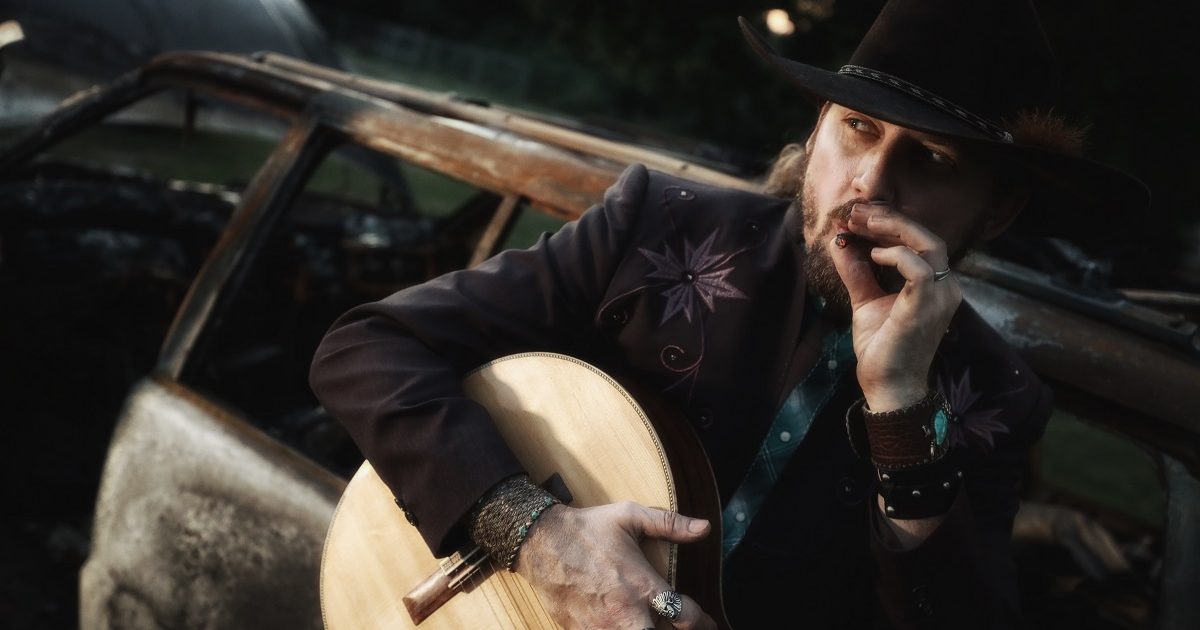
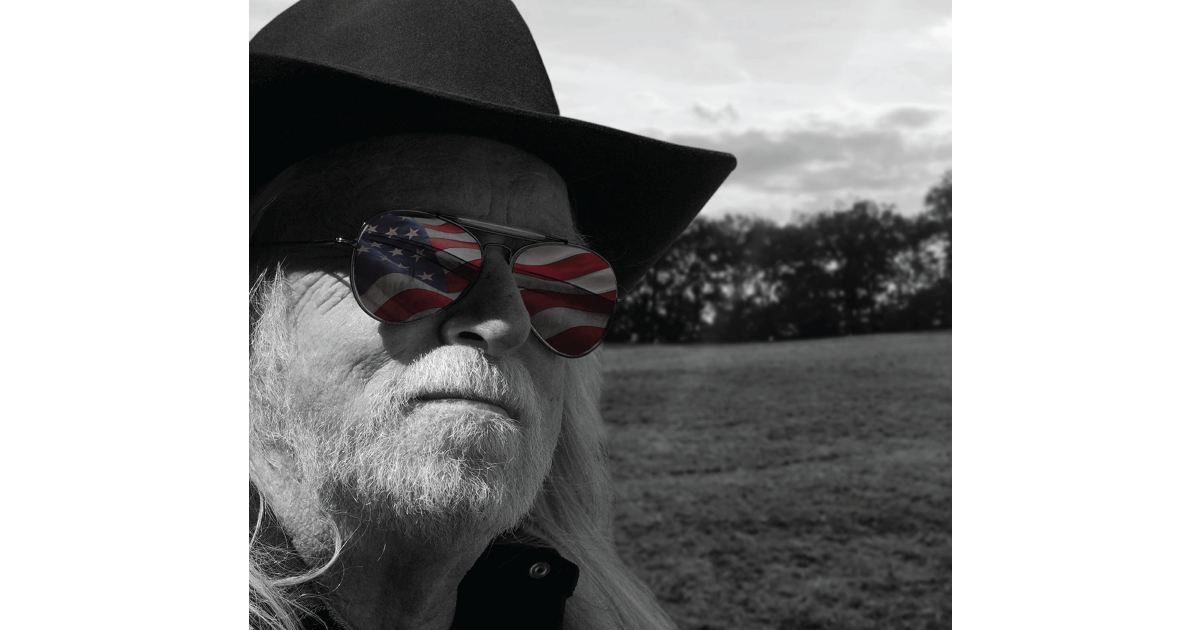
The Show On The Road – Hayes Carll

This week, we get on the horn with renowned Texas-born singer and deeply observational songwriter Hayes Carll, who is celebrating the release of his seventh LP, the atmospheric country-tinted You Get It All.

Powered by RedCircle

LISTEN: APPLE PODCASTSSPOTIFYSTITCHER
 

While some may just be discovering Hayes’ lived-in songs which are often spun with dark humor (he admits John Prine and Jimmy Buffett were early inspirations), next year marks the twentieth anniversary of his first album Flowers and Liquor, which he wrote while still in college in Arkansas. His acclaimed follow-up Little Rock (2005) remains one of the only self-released albums to make to #1 on the Americana chart.

Hard-charging years on the road and humble years before, getting by working long nights at Chili’s, Red Lobster and more, made Hayes truly appreciate when his star in the roots circuit began rising. His tongue-and-cheek country kiss off “She Left Me For Jesus” off his breakout major label debut Trouble In Mind (2008) might have shocked mainstream radio programmers, but it brought in a whole new wave of fans who have been diligently following him across the world ever since. KMAG YOYO & Other American Stories came in 2011 and pulled even fewer punches – showing his knack for a devastating hook. “KMAG YOYO” is army-speak for “Kiss my ass, guys, you’re on your own.”

Some artists may bring their wives into the studio as a cute cameo now and again, but Carll is lucky enough to have artist and sought-after producer Allison Moorer on the home team. Together with Kenny Greenberg, she helped bring out a softer, deeper side of Carll on the newest You Get It All – with the standout heartbreaker “Help Me Remember” centering on his experience watching his grandfather in Texas drift away with dementia.

Maybe the most fun on the new record comes from the rollicking opener “Nice Things” – which reveals why Carll may not be getting on right-leaning pop-country radio anytime soon, while still winning legions of listeners anyway: it’s a countrified conversation between God and her screwed up human subjects on earth … and God is a frustrated (and rightly so) lady.


Photo credit: David McClister

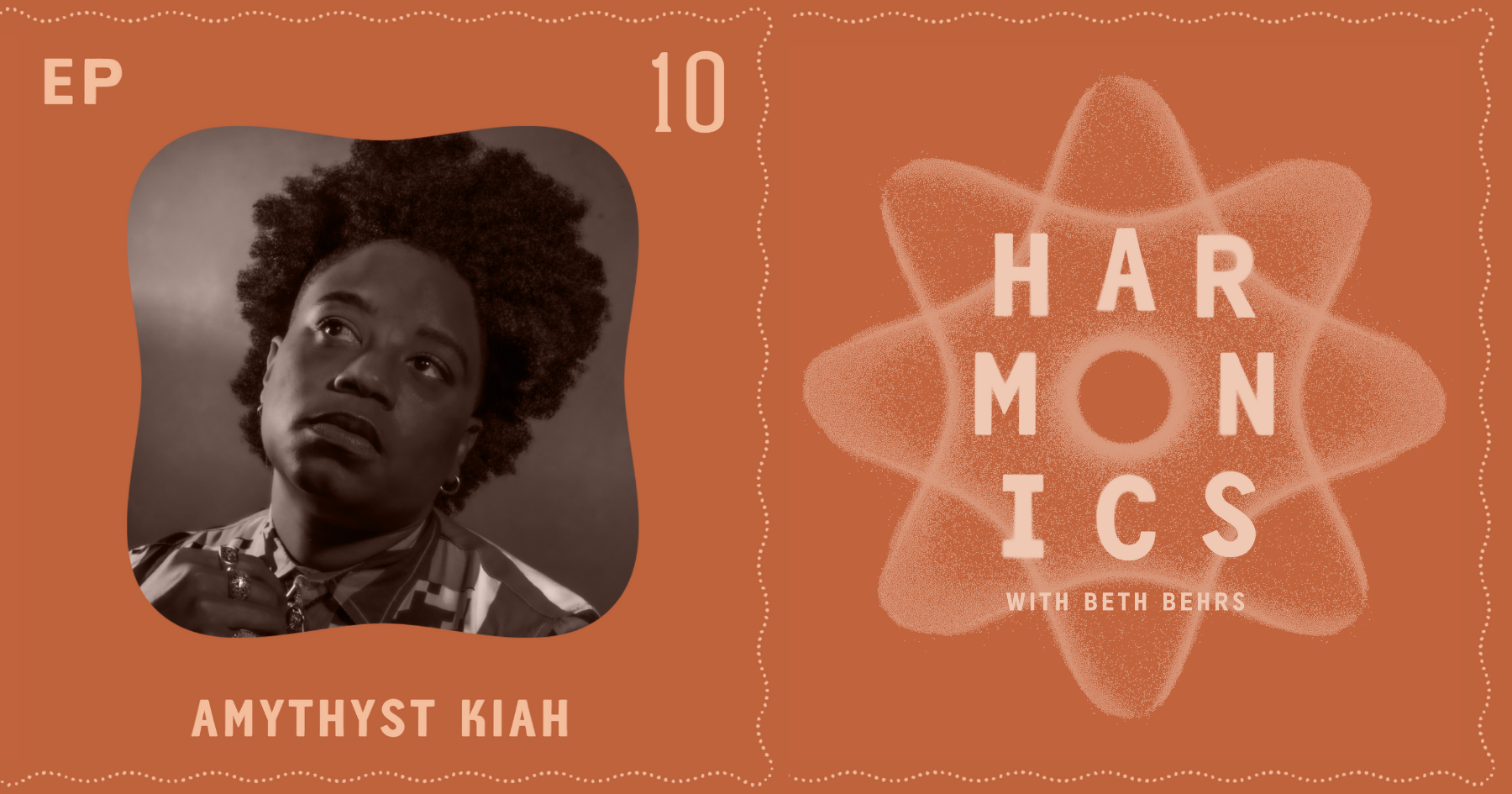
Harmonics With Beth Behrs: Amythyst Kiah

Welcome back to Harmonics! While host Beth Behrs is planning a brief hiatus from the show (at least regarding new episodes – you can still follow along with everything Harmonics via the newsletter and social media), she is sending us off with one new episode to hold us over. For this episode, Beth sits down with longtime BGS favorite (and recent Artist of the Month alum!) Amythyst Kiah.

Powered by RedCircle

Kiah tells the story of her life’s musical journey, discusses the importance of claiming her space in the roots music world as a queer Black woman, and ponders religion, philosophy, and spiritual moments experienced through music. The pair also talk about mental health and the transformative power of therapy, feeling like an outsider and the dangers of isolation, repressing feelings and toxic positivity, and wonder: Do we each truly have a specific purpose in life?


Listen and subscribe to Harmonics through all podcast platforms and follow Harmonics and Beth Behrs on Instagram for series updates!

Photo credit: Sandlin Gaither

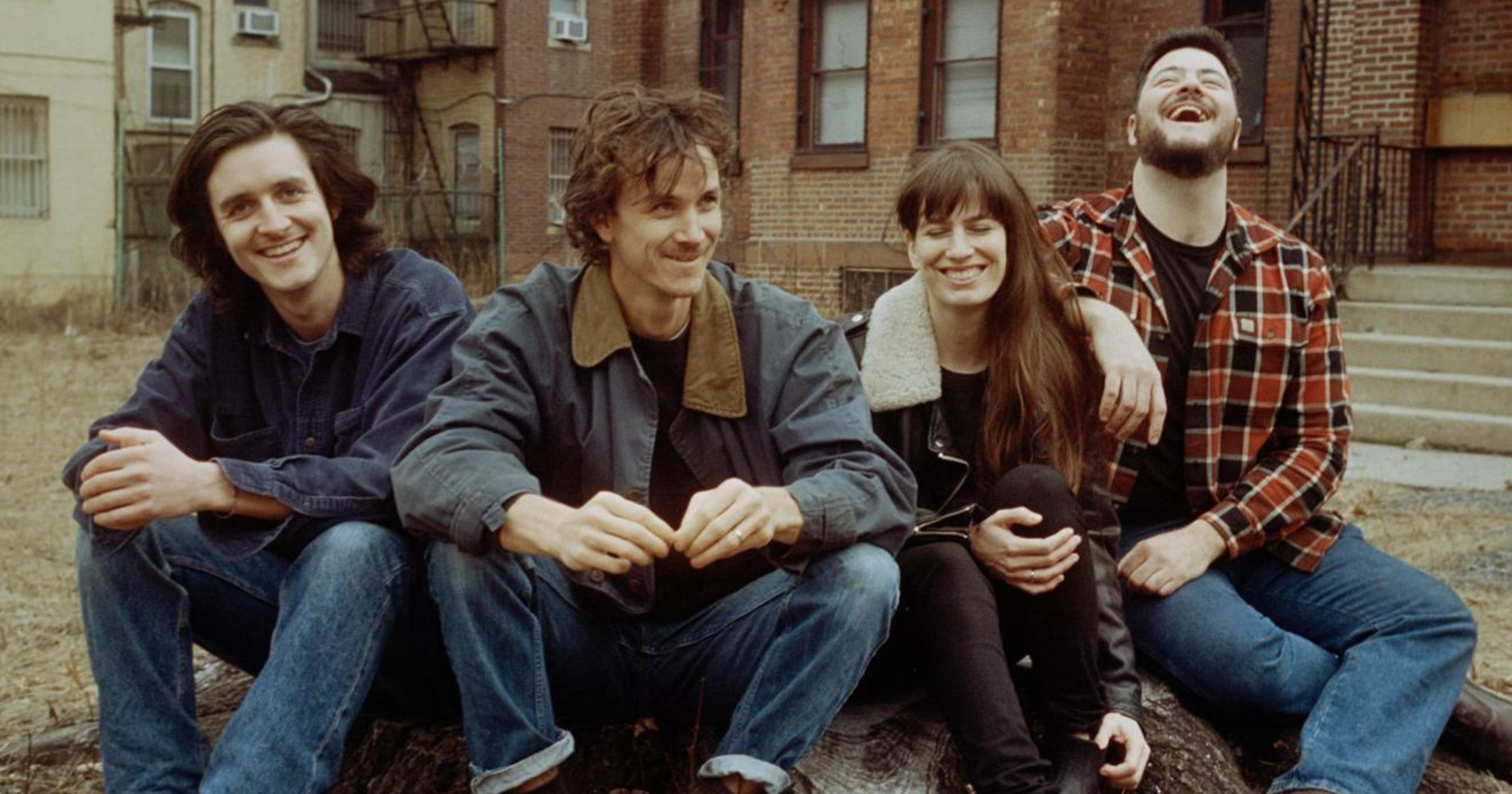
The Show on the Road – The Felice Brothers

This week, we call into the Catskills of New York for a deep conversation with James Felice: accordionist, pianist, songwriter and co-founder of fun-house-mirror Americana group, The Felice Brothers.

Powered by RedCircle

LISTEN: APPLE PODCASTSSPOTIFYSTITCHER
 

James started the band with his brothers (poet lead singer Ian) and percussionist Simone in 2006 as a busking folk pop experiment with a literary rebel streak within the subways of New York City. They’ve joined roots-pop luminaries like Bright Eyes at venues as storied as Radio City Music Hall — but somehow the gritty, back-alley bar seems like their natural habitat. Ian, James and their longtime quartet (Will Lawrence and bassist Jesske Hume round out the band) returned after years of hibernation to release their daring party-through-the-apocalypse rollercoaster of a new LP From Dreams To Dust in 2021 on Yep Roc Records.

Some bands record at home, or maybe in tricked-out cabins or plush studios, but The Felice Brothers seem to make records that use their unique and often bizarre surroundings as an added character in the band. Their beloved self-titled record, which came out 2008, feels like a gin-soaked saloon party where Hemingway and Lou Reed and Sly Stone would join in on swaying sing-alongs besides a sweat-soaked piano. It was somehow recorded in a converted chicken coop, while their brassy, bizarro-rock romp Celebration, Florida (2011) was recorded in a booming high school gymnasium. “Honda Civic” is a musical-theater-esque favorite, with an explosion at the local Wonder Bread warehouse taking center stage in the narrative. Does any of it make sense? Does it matter?

Their newest work is a more emotional, sonically lush, storytelling-driven operation, having been recorded in a church in Harlemville, New York, with award-winning mixer Mike Mogis at the helm. Mortality takes the spotlight. Ian Felice is in rare form here, spitting more words and setting more strange scenes per song than most slam-poets or absurdist playwrights. The lead song, “Jazz on the Autobahn,” has become a staple on Americana radio, showcasing what TFB have always done best: taking their listeners on a white-knuckle ride that has no predicable end or resolve in sight.

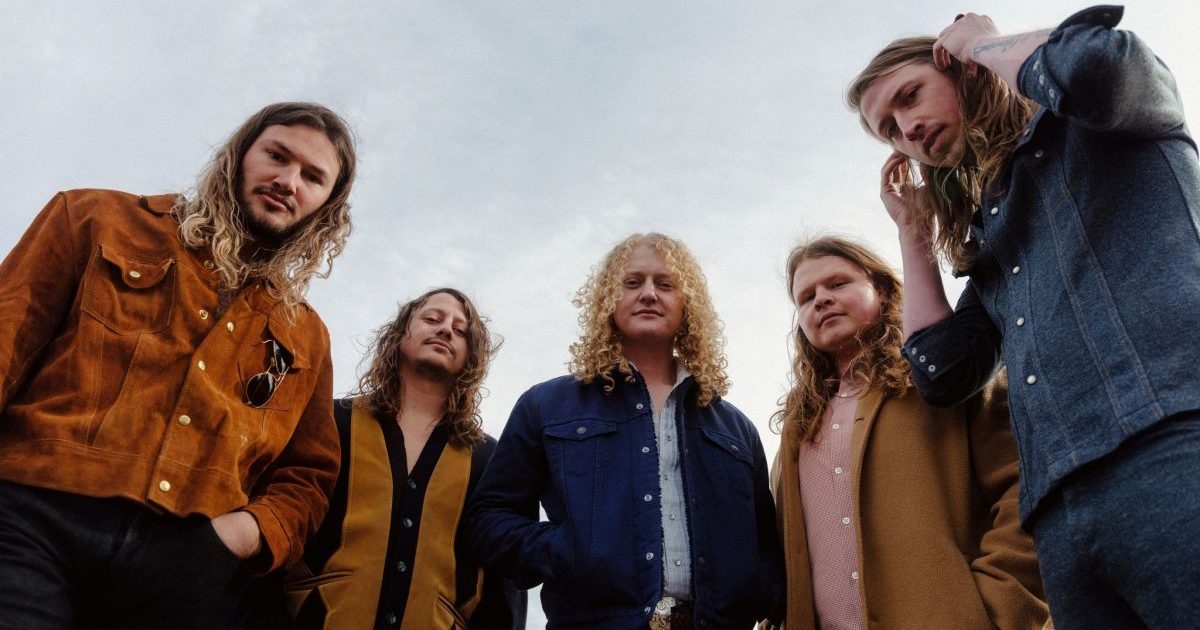
The Show on the Road – Pokey LaFarge

This week, we bring you an in-depth dive with vintage roots-n-soul excavator and beloved Illinois-born songwriter Pokey LaFarge. With his trusty guitar on his lap during the talk, taped in his LA breakfast nook, we go through the making of his funky and cheerful new LP, In the Blossom of Their Shade.

Powered by RedCircle

LISTEN: APPLE PODCASTSSPOTIFYSTITCHER
 

For the last decade and change, Pokey LaFarge (born Andrew Heissler in Bloomington-Normal) has crisscrossed the globe making his own brand of historic-minded, literary-tinged folk blues. Europe, especially, has become a second home. From his fashion sense, to his high-cutting delivery, LaFarge seems like he could have stepped out of a road show with Hank Williams and Sister Rosetta Tharpe, and yet, rock luminaries like Jack White saw something deeper than just a player of old-time covers.

Out on his own from a young age, Pokey began busking to get by and soon teamed up with the South City Three to create his first run of albums in 2009. Opening for White got LaFarge in front of huge crowds, and standout records like the danceable Something In The Water (2015) and the darker Rock Bottom Rhapsody (2020) saw him transition from front-porch country folk to muscular jangly rock-n-soul.

If there are a few things that helped the new release In The Blossom of Their Shade come to be, they may have been falling in love again, rediscovering his faith in a higher power, and taking plenty of power naps during his songwriting sessions. During the pandemic, Pokey also began helping the local homeless community in LA.

Stick around to hear an exclusive acoustic performance of his single, “Get It ’Fore It’s Gone.”


Photo credit: Eliot Lee Hazel

Joshua Ray Walker Closes Up the Honky-Tonk on ‘See You Next Time’

For the last couple of years, Joshua Ray Walker has been living out the lyrics to a down-in-the-dumps country song. The Texas-born singer-songwriter lost his father, couldn’t work due to COVID, and was displaced from his home during much of that time, after a burst pipe led to a waterfall of misfortune.

But music has always been Walker’s saving grace, and with his new album, See You Next Time, he puts one in the win column. Marking the end of a country music opus that includes three imaginative albums, fully conceived and expertly executed, the set puts the finishing touches on a true honky-tonk opera. Walker’s debut album introduced a fictional bar set in his native South Dallas — full of quirky, charismatic characters and wild adventures — and after the second built on their stories, See You Next Time finds them saying goodbye as the bar closes down for good.

All delivered with a mix of shuffling, authentic trad-country style, soul-inspired horn blasts and Walker’s sympathetic vocal, often cracking at the moment of peak emotional intrigue, that’s a bittersweet thematic arc, to be sure — and one that has been mirrored in his personal life. But after making such a grand vision a reality, and earning the admiration that came with it, Walker’s optimistic about the future.

He spoke with BGS about where the idea for this trilogy came from, what kind of mark his fictional honky-tonk left on him and what it feels like to say goodbye.

BGS: How are you feeling right now? It’s been a difficult stretch for you personally, but you’re back on the road now and this album is something special.

Joshua Ray Walker: As far as my career goes, I feel great. I wanted to make these records for a long time. I had 10 years to think about it and put a plan together. I put out three records in three years, which was my goal, and this last one puts an end to this trilogy that I had in mind.

Ten years is a long time to dream of something. Where did the idea for the trilogy come from?

I guess it started because I found a pen in my grandfather’s drawer — it said, “I rode the bull at Bronco Billy’s.” I had been writing songs for a few years and it just sparked this idea, like what that place would have been like. Who would have been there? I started writing songs about those characters, and over the years my plan got grander and grander, and it turned into this trilogy. I had the artwork and the names all picked out before we ever started cutting the first record.

Did you ever actually go to that bar?

No, that bar closed when I was a baby, but it was a real place in South Dallas that my grandfather went to, I guess. His name was Billy, so I assume he picked up the pen because it had his name on it, and that was really it. It just spiraled out of control and I kept writing songs about these characters. I had dreamed this whole world in my head.

Where did the characters come from? Did you know people like this?

Yeah, I definitely hung out with people just like the characters. I grew up in a part of Dallas that’s pretty nice now, but when I was a kid it was pretty rough, and I grew up around bars and barflies because of the work my parents did. I just like to get to know people, I really like meeting new people, so whenever I go to a dive bar, I end up striking up a conversation with strangers, and all those stories make their way into the albums.

Over these albums, have you developed a favorite character?

Yeah, a lot of them are pretty sad or dark characters, but there’s one in particular I really find funny. It’s the character for “Cupboard” on the second record, who is also the character for “Welfare Chet” on the new record. It’s a song about that guy you run into at the bar and for the first five minutes of the conversation he’s funny and wacky and entertaining, and then 30 minutes in, you’re talking about Q-Anon or whatever. There’s a line in the song about talking with a mouthful of food, but they don’t serve food here, and I just feel like that’s happened to me so many times. Like I’m talking to some guy at the bar who won’t leave me alone and he’s got like a hot dog or something, and they don’t even have hot dogs here, like “Where did you get that?” So that’s one of my favorites. It’s a lighthearted character, but I feel like we’ve all dealt with that guy at some point.

Since you started describing this bar and these people, has your view of the story changed at all? Have you ended up with a different perspective over the years?

I don’t know, that’s an interesting question. I think I was trying to paint a picture that I had in my head, so in a lot of ways it hasn’t changed much, but there’s always a kind of story arc there. Even in the titles — Wish You Were Here, Glad You Made It, See You Next Time — it’s like this coming of age and then dying out. On this last album they’re saying goodbye to the honky-tonk because it’s closing, and I don’t know if the story has changed or the place has changed, but the way that it fits into my personal life has changed. It’s taken on real meaning, by accident, because my personal life has kind of followed this story arc.

Like, I wrote “Canyon” for the first record — that was a story for my dad about our relationship, and I wrote it right after he was diagnosed with cancer. And then four years later I was about to go into the studio to record the third record, and he passed away, so I wrote “Flash Paper.” So I’m coming to terms with loss and then on the last song, actually saying goodbye. That’s what the whole trilogy is about, and it ended up being mirrored by my personal life, just by chance.

So with “Flash Paper,” you were sort of processing everything through the song?

Yeah, that’s typically how I write songs. I mean, the first song I ever wrote is called “Fondly.” It’s on my first record, and my granddad had just passed. As I was leaving the hospital, I wrote that song in the parking lot and it all came out at once, so I think when I’m overwhelmed or whatever, I turn to songwriting. Some of the more emotional songs that come out all at once, like “Canyon” or “Flash Paper,” and “Fondly,” there’s not a lot of clever end-rhymes. It’s just straight forward whatever I was feeling at the moment.

You finish up with “See You Next Time.” You’ve said this project was about saying goodbye to the bar. What about you? Are you a little sad to close this chapter?

No, I wouldn’t say I’m sad. I’m excited to see what I write after this.

Do you have any idea what that might be? This project was so big that I bet it took a lot of creative energy.

I’ve written a lot of songs that haven’t ended up on these three records, so I still have a decent amount of that catalog to put out, and I’m writing all the time, so there’s always new stuff. It will still be country, I assume. I mean, these three records have a honky-tonk vibe because they’re set in a honky-tonk, but I have other aspects of music that I like as well. I think I’ve found a sound that represents what I like as a writer, so I don’t know if the sound will change too much, but the subject matter can be about anything. Now that the world is starting to open back up again, I feel like I need to go to do some living, so I have some experiences to write about. That’s the biggest thing, because most of my songs come from going and exploring places that most people don’t always find interesting. I need to go do some of that so I have some more material.


Photo credit: Chad Windham

WATCH: Maja Francis & First Aid Kit, “Mama” (Satin Bed Session)

Artist: Maja Francis
Hometown: Stockholm, Sweden
Song: “Mama”
Album: A Pink Soft Mess
Release Date: September 24, 2021
Label: RMV Grammofon

In Their Words: “This song is for my mom…and about how it feels to be grown up and be able to comfort her the way she’s always comforted me. We’ve both experienced mental health issues through life and not until I became an adult I understood her struggles, because I have the same ones. It’s been both beautiful and painful to share that with each other…and I wanted to write a song about that intense and complex love. I was also thrilled when my dear friends Klara and Johanna (First Aid Kit) wanted to feature on it. They’ve been such a big part in me finding my voice again so it felt really good to have their voices and energy on the album.” — Maja Francis


Photo credit: Milkdrop Studio

LISTEN: CJ Garton, “I’m Talking to Ghosts”

Artist: CJ Garton
Hometown: Bristow, Oklahoma
Song: “I’m Talking to Ghosts”
Album: Tales of the Ole West and Other Libations to Please the Palate
Label: G-Bar Records/Cowboy Carnival Publishing
Release Date: September 16, 2021 (vinyl); January 14, 2022 (digital album)

In Their Words: “‘I’m Talking To Ghosts’ is one of those kind of songs you hear and you just feel it. It leans on that edge of life and death and the unknowing of what lies beyond. It’s fascinating how much we still don’t know or understand, it peaks our curiosity and invites our imagination to play in that realm even for just a few minutes as it carries us deep into the catacombs of our subconscious.” — CJ Garton


Photo credit: Ty King/G-Bar Films

LISTEN: Read Southall Band, “Here We Are (There We Went)”

Artist: Read Southall Band
Hometown: Stillwater, Oklahoma
Song: “Here We Are (There We Went)”
Album: For the Birds
Release Date: October 22, 2021
Label: Thirty Tigers

In Their Words: “Being in a touring band, we pack up and leave just as quickly as we set up shop, because a warm welcome in a new place is always worth the distance. The opportunity to get eye-to-eye with a crowd of new faces in a new place is the reason we arrive, as well as the reason we depart. It’s the driving force behind the whole machine. This song is a fun way to celebrate the opportunities music has given us to explore this world and its people. We look forward to all of the new places it takes us.” — Read Southall


Photo credit: Jonathan Burkhart

With an Acoustic “Bluebird,” Natalie Hemby Plays the Wild Card Up Her Sleeve

Songwriter extraordinaire Natalie Hemby is drumming up interest in her debut record Pins and Needles with a slew of YouTube performances simply titled The Hemby Sessions. In these acoustic videos, the Nashville native is making her way through her impressive repertoire of original songs that have appeared on some big records from the likes of The Highwomen, Kacey Musgraves, and Lee Ann Womack, to name a few. In this fourth installment, Hemby offers “Bluebird,” a song about resilience and hope in the face of trying circumstances. “Bluebird” went on to be recorded by the inimitable Miranda Lambert (who co-wrote the song with Hemby and Luke Dick) and appears on her Grammy-winning album, Wildcard.

In Hemby’s straightforward, solo acoustic performance, the song’s poignant message takes on a new life. “Bluebird” is all about a mature sense of hope and optimism that doggedly persists even in the bleakest of situations. There is a gravity around the act of insistently finding light, and Hemby’s writing and performance capture that weight elegantly. Watch “Bluebird” below, and stay tuned at the end for a behind-the-scenes story from Hemby about writing the song.


Photo credit: Alysse Gafkjen

WATCH: John Scott Sherrill, “Five Generations of Rock County Wilsons”

Artist: John Scott Sherrill
Hometown: Nashville, Tennessee
Song: “Five Generations of Rock County Wilsons”
Album: Copper Tears
Release Date: October 15, 2021
Label: Lobo Libre

In Their Words: “People often ask me how long it takes me to write a song, and some songs I can write in a couple of hours. But ‘Five Generations of Rock County Wilsons’ took 17 years to write. I got the inspiration when I was taking a bus back in my college years to Illinois from New Hampshire. It took seven days, so I was sleeping as we drove, and waking up at all hours of the day, not knowing where I was. I woke up one morning, looked out the window of the bus, and saw all these men standing around, trying to hold their maps in the wind. I thought they must have plans to do something with that cornfield. I made a note in my notebook and left it until years later, when I found the notebook in my mother’s attic. I opened it up and saw my notations and thought that idea was worth writing about.” — John Scott Sherrill


Photo credit: Rich Guglielmo