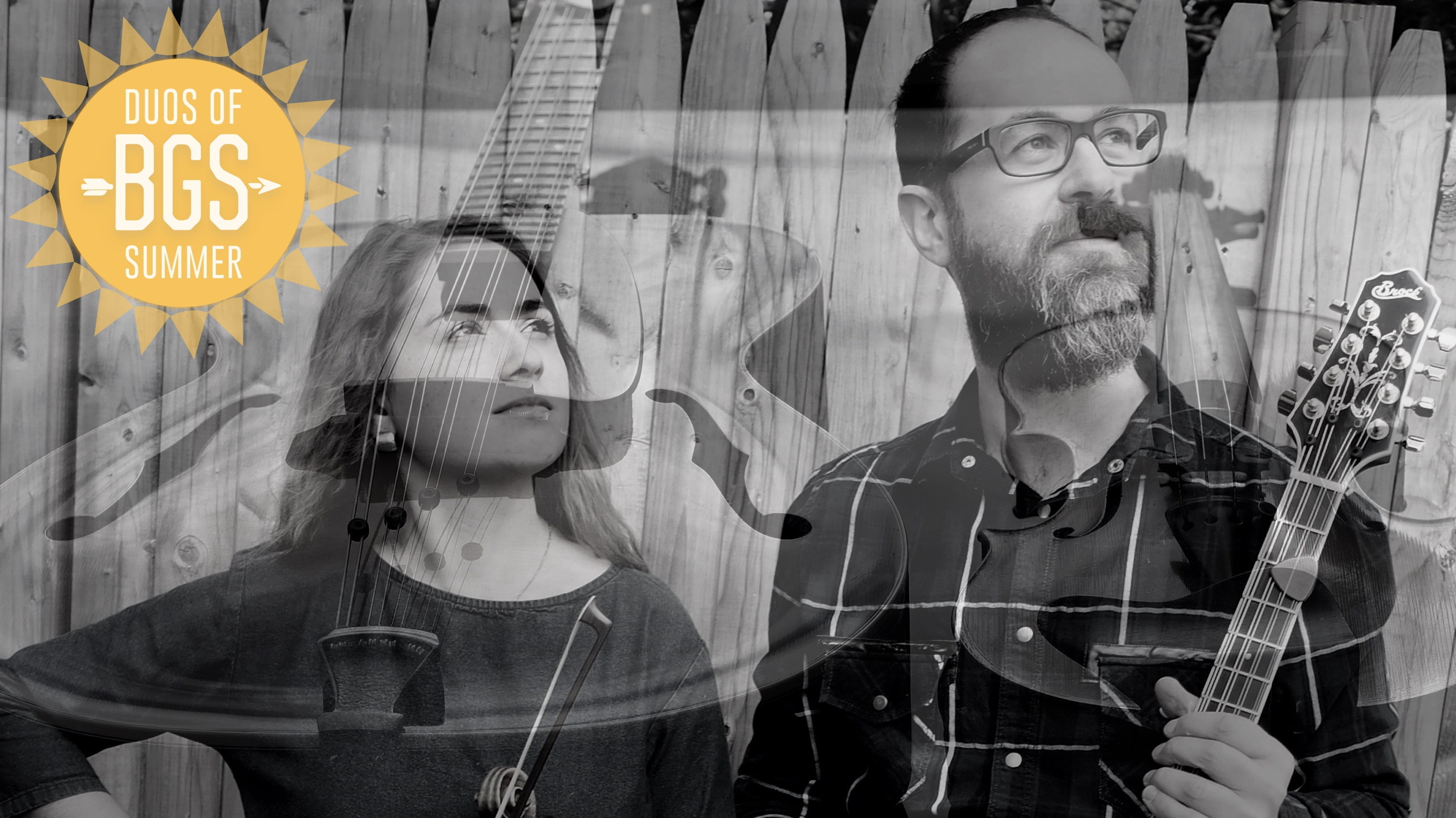
LISTEN: Kat Wallace and David Sasso, “Farewell to Trion”

Artist: Kat Wallace and David Sasso
Hometown: New Haven, Connecticut
Song: “Farewell to Trion”
Album: Stuff of Stars
Release Date: August 16, 2019

In Their Words: “We worked up our arrangement of this Alabama fiddle tune after David learned it from late fiddler Stacy Phillips at a local old-time jam just a week before his untimely passing. We took inspiration from the fiddle and mandocello recordings of Darol Anger and Mike Marshall while pulling from our own classical roots. We enjoyed playing around with classical form and phrasing while keeping that good old-time groove. The arrangement builds to a climax where fiddle and mandocello trade the C [third] part hook just before a reharmonized outro. This track is one of two instrumentals on our debut album, which leans on our shared love of folk and bluegrass and showcases our original songwriting.” — Kat Wallace and David Sasso


Photo credit: Naomi Libby

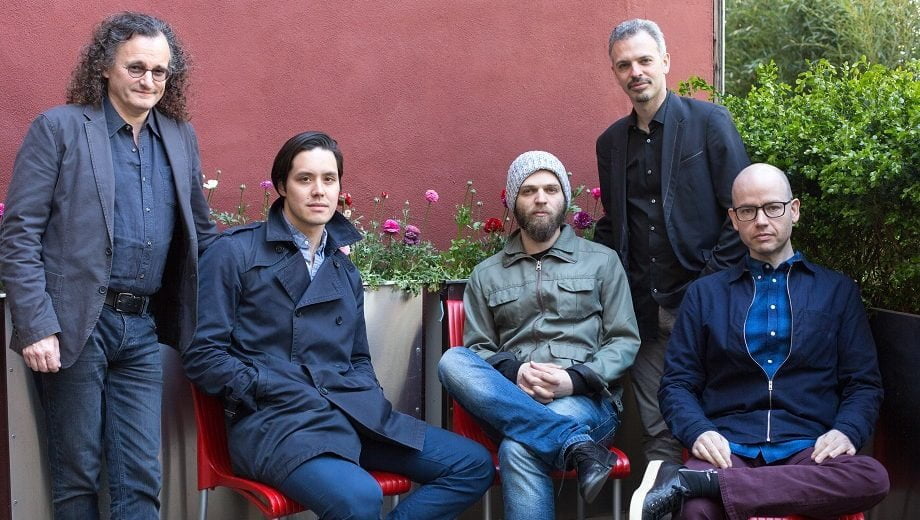
LISTEN: Martin Hayes and Brooklyn Rider, “Jenny’s Welcome Home to Charlie”

Artist name: Martin Hayes and Brooklyn Rider
Hometown: Madrid, Spain (Martin Hayes); New York City and Boston (Brooklyn Rider)
Song: “Jenny’s Welcome Home to Charlie”
Album: The Butterfly
Release Date: August 9, 2019
Label: In a Circle Records

In Their Words: “I was about 14 when I first became familiar with the tune ‘Jenny’s Welcome to Charlie’ from a recording of a fiddler by the name Kathleen Collins. The tune is commonly known in the tradition and is a standard tune that is popular with fiddle players and is not associated with any one regional style. It is alleged that the tune title references Bonny Prince Charlie and his mistress Jenny. I’ve been playing this tune all my life and am very excited to be able to finally release a version that I believe is the first version of this tune to be arranged for fiddle and string quartet.” — Martin Hayes


Photo credit: Erin Baiano

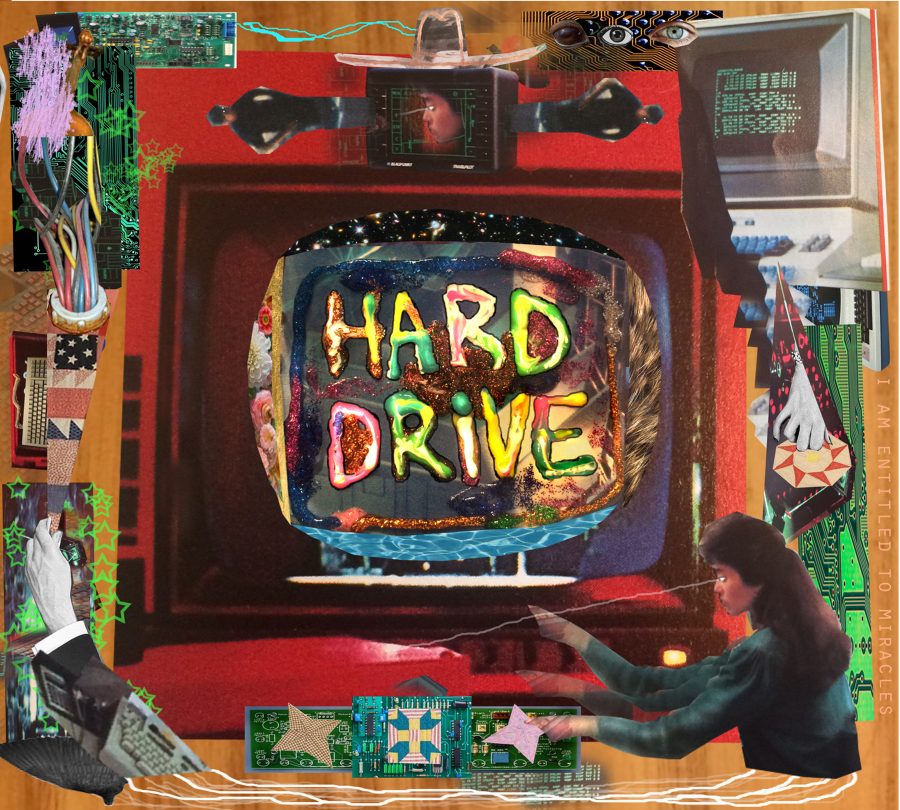
Hard Drive, “Missouri Road”

Ask a bluegrasser to define “mash” — that driving, head-bobbing, modern iteration of traditional ‘grass that refuses to commit to a minor or major third — and their answer will more than likely include some sentiment similar to, “It’s hard to explain, but I know it when I hear it!!” It’s true. The SON!-inducing subgenre within a subgenre can be traced back to artists like Tony Rice, Alison Krauss & Union Station, Lonesome River Band, and many others, but it does not have one single, tangible origin point or dictionary definition. 

Today, you can hear mash-inflected tunes from major touring bands and festival campgrounds alike — and especially from the halls of the Society for the Preservation of Bluegrass Music of America’s (SPBGMA) annual gathering in Nashville. In the past, mash was generally relegated to the much more traditional-leaning spheres of bluegrass, but in recent years musicians and pickers from other circles such as old-time, Boston’s chamber-influenced bluegrass scene, and the Pacific Northwest and Colorado’s string-band vibes have championed mash as their own as well.

One such group is Hard Drive, a North Carolina-based bluegrass outfit that resulted from four musical roommates — Tatiana Hargreaves (fiddle), Aaron Tacke (banjo), Sonya Badigian (guitar), and Nokosee Fields (bass) — banding together. Their debut album, Random Access Mash, listens more as traditional, down home bluegrass with a fiddle focus and old time spirit, but it calls itself “mash.” Even the band name itself is a tongue-in-cheek reference to this specific picking culture. “Missouri Road” is a cheerfully loping rendition of a Kenny Baker tune that again finds the project straying from the ascribed format, but lets Hargreaves’ deliberate, timeless fiddling shine. The entire project is a delightful subversion of our expectations of what traditional bluegrass is supposed to be. And if it’s mash, it’s perhaps executed as artfully and subtly as humanly possible. Do we always know it when we hear it? 

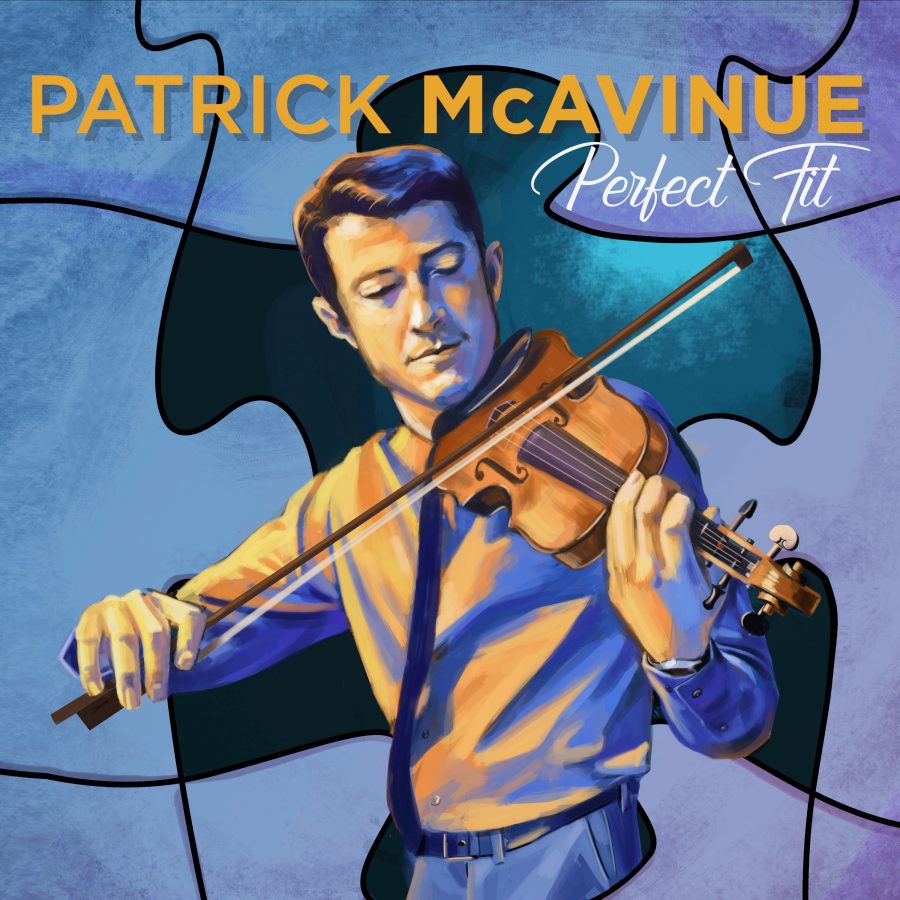
Patrick McAvinue, “Der Belsnickel”

When Patrick McAvinue was awarded IBMA Fiddle Player of the Year in 2017, only six other fiddlers had ever won the award — one of them had won it eleven times. In the past handful of years the consistent, predictable fields of nominees in the instrumentalist categories have begun opening up more and more. Voters are now recognizing younger, up-and-coming musicians alongside returning stalwarts, rather than just the same old guard making it to the final round of voting year after year.

McAvinue is undoubtedly part of this “new wave” in bluegrass and that’s not simply due to the inventory in his trophy case. He’s toured with traditional bluegrassers Audie Blaylock & Redline as well as the more country-infused, Southern gospel-steeped bluegrass entertainers Dailey & Vincent, and his own cross-genre and folk outfit, Charm City Junction. In bluegrass, a genre that capitalizes on virtuosity — and often as a result, specialization — McAvinue demonstrates that a diverse approach isn’t necessarily a pitfall.

His brand new solo record, Perfect Fit, takes this idea to its utmost potential (there’s a Radiohead cover on the album). Another track, “Der Belsnickel,” is an impossibly quick, slightly atonal frolic — one that definitely calls to mind the episode of The Office referenced by the song’s title. Remember Dwight’s Schrute family holiday traditions? If you do, hold those in mind while this tune blazes by, performed in this video by McAvinue, his bandmates with Dailey & Vincent, and Matt Menefee on banjo. You’ll surely find “Der Belsnickel” is both impish and admirable.

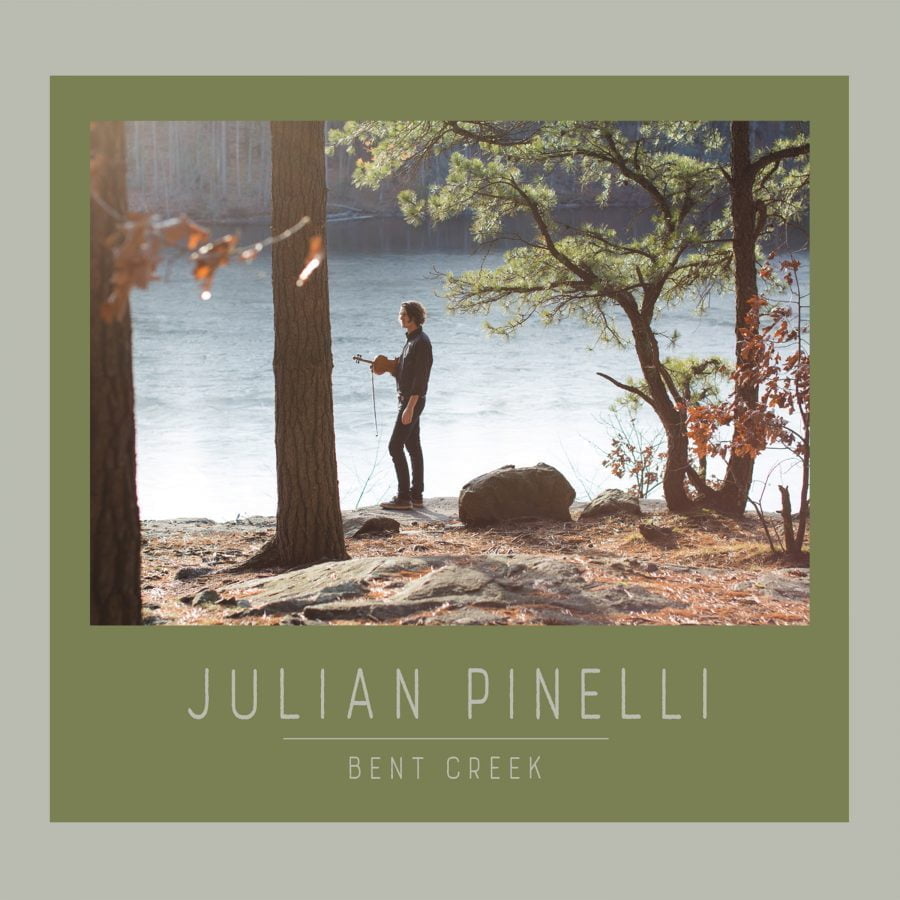
Julian Pinelli, “Simple Mountains”

There’s an almost intangible subversion to fiddler Julian Pinelli’s debut album, Bent Creek, and an original tune included therein, “Simple Mountains.” The track begins with fiddle and banjo, but not in their age-old, familiar capacities. There’s a lyrical, pop-like sensibility to their duetted intro, painting a dreamy soundscape, a background for what’s to follow. The tightly-knit, free-flowing, jaunty tune calls back to the Appalachian Mountains from which Pinelli hails, but with the modern, neat, and tidy crispness of the string band scene of Boston, where he attended Berklee College of Music.

Though Pinelli and his band, Matthew Davis (banjo), Tristan Scroggins (mandolin), Sam Leslie (guitar), and Dan Klingsberg (bass), were well acquainted before the project, they were assembled expressly for these recordings, under the direction of the ever ethereal roots/folk savant Aoife O’Donovan. The group, especially on “Simple Mountains,” sounds impossibly in step with one another, tight and ever-listening. Their musicality and the authentic purity of the instruments — you’ll hear unexpected G-runs, an unyielding mando chop, and stunning double-stops — coupled with their impressive commitment to innovative, untrod musical ground elevates the entire set of songs above simple “vanity album” status. This is not a gratuitous, self-serving shredfest. It’s a surprisingly mature, impressively realized record that not only showcases exactly how the future of bluegrass-based, new acoustic-tinged music will play out, it shines a spotlight on a few of the exact pickers who will make that future happen. Hopefully not without a lightly subversive touch here and there.

BGS 5+5: Ross Holmes

Artist: Ross Holmes
Hometown: Fort Worth, Texas
Latest album: Not Very Good at Winning
Nickname: ‘Rooster’ is a nickname that has lingered since the glory days of Cadillac Sky.

What’s your favorite memory from being on stage?

I can’t say I have one favorite memory from being onstage, but I do have a great story about a particular gig in late 2014. As a native Texan, there isn’t a more sacred shrine than the Alamo. I’d been invited to perform at an annual ceremony in March of ’14 inside the Alamo chapel. I wound up composing an original piece an hour before the event honoring those who perished in the fight.

An iPhone recording I made of the piece, “We Fall a Sacrifice,” made its way to Phil Collins (who is an avid collector of artifacts from the battle of the Alamo and war for Texas independence), and I was invited to perform this tune again at a ceremony honoring Phil for the donation of his extensive collection to the state.

We took it a step further and, with permission from the Witte Museum in San Antonio, borrowed Davy Crockett’s supposed fiddle for the gala. Here I was, onstage with Crockett’s fiddle at the Alamo, playing this piece I’d written, in the presence of presidents, politicians, astronauts, sports legends, and recognized Texans. My sister, Katie Shore (Asleep at the Wheel), joined me for the set and, to this day, we still laugh at the absurd “WTF just happened” of that evening.

What other art forms — literature, film, dance, painting, etc — inform your music?

Imagery and color stimulate my musical thinking the most. I often turn on films or pull out prints of my favorite artists to glean inspiration from their creativity while I practice. The imagination of others is revelatory and channeling the intent of these minds has helped me grow as a composer and player.

Try this sometime: turn on Planet Earth, mute your TV, and play a soundtrack for the episode as you’re watching. Let the dynamic environment of each scene take you to a place of quiet calm or intense fear. You’ll be amazed at what comes out, maybe a familiar idea you filed away will emerge again, or maybe a new melody or groove will come to you. If anything, it’s really fun to provide fiddle accompaniment to snakes chasing lizards and sloths chilling on a branch.

What rituals do you have, either in the studio or before a show?

I don’t have a set routine when I record or when I take the stage, as those environments are always changing. I do, though, have a special relationship with my case and the process of opening it and taking out my violin and bow. My case is my home-away-from-home and inside I keep a small, personal collection of memories. I find it’s a spiritual experience to unlatch and lift the lid, remove the blanket over my violin, and prepare my heart and mind to play. Those first moments are filled with thoughts and energy, like a prayer, and the respect I show my instrument feels like an abiding friendship when the first notes come so easily.

If you had to write a mission statement for your career, what would it be?

Early in my career I focused, obsessively, on being the “best” player I could be — the most technical, cleanest, impressive, etc., because I felt those skills would prove to listeners I was “elite.” Time has gone by, life has happened, victories and losses, the ups and downs that come with this profession, then something clicked a couple of years ago. I arrived at a point where I didn’t care about being the “best” anymore (thank god), and a new word replaced that selfish adjective — HONEST. I will always push the limits and challenge boundaries, but now my heart’s desire is to simply be the most honest musician I can be. That’s my mission statement, “In all things, be honest.” That’s it.

Which elements of nature do you spend the most time with and how do those impact your work?

There’s no hiding that I’m a bona fide space junkie, completely taken with the cosmos and the notion of leaving earth on the greatest adventures to explore the deep expanse of our universe (I have a tattoo of the Apollo SM, CM, and LM on my right arm). We can’t see beyond blue skies during the day, but we know endless creation is still above us. When night falls and the sky is peeled back, the heavens are once again revealed and we sit and gaze at the mysteries between the stars.

The relationship between mankind and space and music is intrinsically linked because of curiosity and our need to explore. The greatest composers and players continue to seek new heights with their melodies, chords, and expression because that is our nature, journey to the new place. What will beings find on that golden record affixed to Voyager? Bach. Chuck Berry. Blind Willie Johnson. The human voice.


Photo credit: Allen Clark
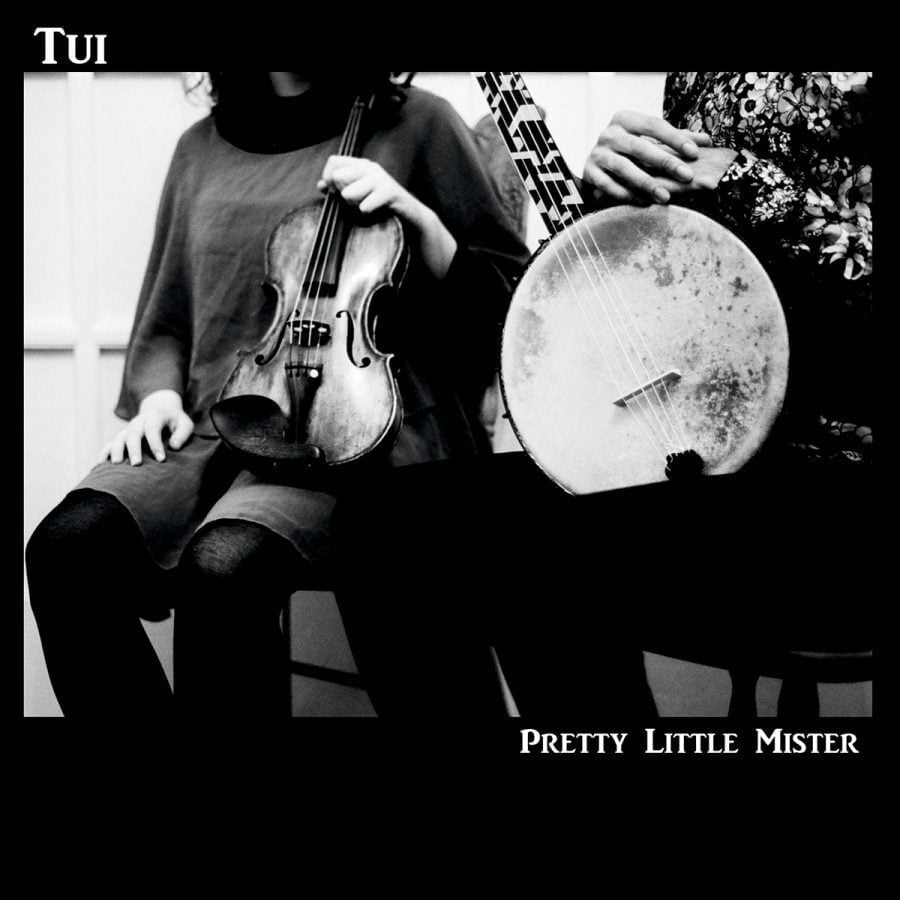
Tui, “Cookhouse Joe”

“Old-time.” The moniker itself seemingly contains eons of musical cross-pollination, generations of aural tradition, lifetimes of carefully and purposefully — and haphazardly and accidentally — passing down the skills, stories, community, and tunes that make up the musical form. A new crop of old-time pickers has been slowly but surely emerging from the tight-knit, often insular (but almost never outright forbidding) ranks of the genre, with a continuing focus on the decades that have come before, but through a new lens. One of reclamation and representation, of mining stories and songs, one of painstakingly undoing the erasure that has prevailed over the history of any/all non-white, non-colonial, non-Christian, non-normative musics in this country.

Tui (pronounced TOO-EE), an old-time duo that includes fiddler Libby Weitnauer and multi-instrumentalist Jake Blount, perfectly epitomizes this new generation, this fiddle + banjo changing of the guard. In title and song roster their upcoming release, Pretty Little Mister, subverts the usual narratives of old-time — whether by turning the staple “Pretty Little Miss” on its gendered ear or by meticulously crediting and tracing back each track’s origins, often to fiddlers and pickers of color and other otherwise underrepresented folks of bygone eras.

“Cookhouse Joe,” the final tune on the album, was originally learned from a late-in-life recording of Kentucky fiddler Estill Bingham. And it’s okay that you might not recognize that name — that you probably will not is almost the entire point of the record. Tui has already done the work for their listeners, putting in the time to make sure that the old-time they create, for years past and the ages to come, tells the whole story of how and by whom this beautiful artistic tradition came to be. And on Pretty Little Mister it’s not only beautiful, it’s so much more.

The String – Byron Berline and Andy Statman

This week’s show is split between two string instrument masters who have little in common save for a lifelong commitment to nurturing traditional music while allowing it to grow and adapt to the times.

LISTEN: APPLE PODCASTS

Byron Berline is an Oklahoma-based fiddler who’s a hero in bluegrass music, but who also led the way in the country-rock movement out of Los Angeles for 25 years. He recently had a setback when his famous and beloved Double Stop Fiddle Shop in Guthrie, OK burned down and with it a huge loss of valuable instruments. Also in the show, Andy Statman talks about how and why he mastered the bluegrass mandolin and the Klezmer clarinet. He’s released more than 30 exceptional albums, his latest being Monroe Bus, a tribute to Bill Monroe instrumentals that took on unexpected range and dimension.

WATCH: Heather Maloney, “Oklahoma Lullaby”

Artist: Heather Maloney
Hometown: Northampton, Massachusetts
Song: “Oklahoma Lullaby”
Album: Soil in the Sky
Release Date: June 14, 2019
Label: Signature Sounds

In Their Words: “‘Oklahoma Lullaby’ was inspired by the Ken Burns documentary, The Dust Bowl — so when I starting working on the lyric video for it, I decided to incorporate some historic footage as a little nod to my inspiration. Digging around in the National Archives, I eventually found the perfect footage to use in the video: The 1936 short documentary film on the Dust Bowl (by director Pare Lorentz) called The Plow That Broke The Plains.

“I filled an old book with green construction paper and green-screened the images below the words to make it a sort of ‘moving picture book.’ At the last minute, I decided to write a quote by 16-year-old climate activist Greta Thunberg inside the first page of the book. (‘I want you to act as if the house was on fire. Because it is.’) I added the quote because, while the song is inspired by an environmental disaster that happened in the past, I wrote the song to point to the environmental disasters we are creating now. Near the end of the Dust Bowl, we took some accountability for what we’d done to the land, changed the way we farmed, and passed legislation that has kept it from happening at that scale for nearly a hundred years. That gave me some hope that we can make change again.

“Fun fact: Jay Ungar wrote and played the theme song in Ken Burns’ PBS series The Civil War. He also plays the fiddle on ‘Oklahoma Lullaby,’ as well as the prelude to the song ‘Porch Story.’ It was incredibly special to me, having his fiddle on this song.” — Heather Maloney


Photo credit: Scott Housley

LISTEN: April Verch, “Durham’s Bull”

Artist: April Verch
Hometown: Pembroke, Ontario, Canada
Song: “Durham’s Bull”
Album: Once a Day
Release Date: April 12, 2019
Label: Slabtown Records

In Their Words: “A fiddler first, I’ve always adored the country stars who turned it over to the band for a rippin’ instrumental halfway through the show. I felt that including something similar would be an important part of making this classic country album complete. Paul Warren used to play a version of this tune at the end of some of the Flatt & Scruggs TV shows. Buddy Durham played it regularly on the WWVA Wheeling Jamboree from 1955-1966. My sources for this assortment of parts also include Uncle Dick Hutchison (who contributed the crooked B part, via my good friend Jerry Correll of Elk Creek, Virginia,) and Paul Holley (the only version I found that had a C part at all) along with Benton Flippen and Paul Brown. Having Al Perkins and Redd Volkaert solo on this fiddle tune took it over the top for me!” — April Verch


Photo credit: Sandlin Gaither