Editor’s Note: Each issue of Good Country, our co-founder Ed Helms shares a handful of good country artists, albums, and songs direct from his own earphones in Ed’s Picks.
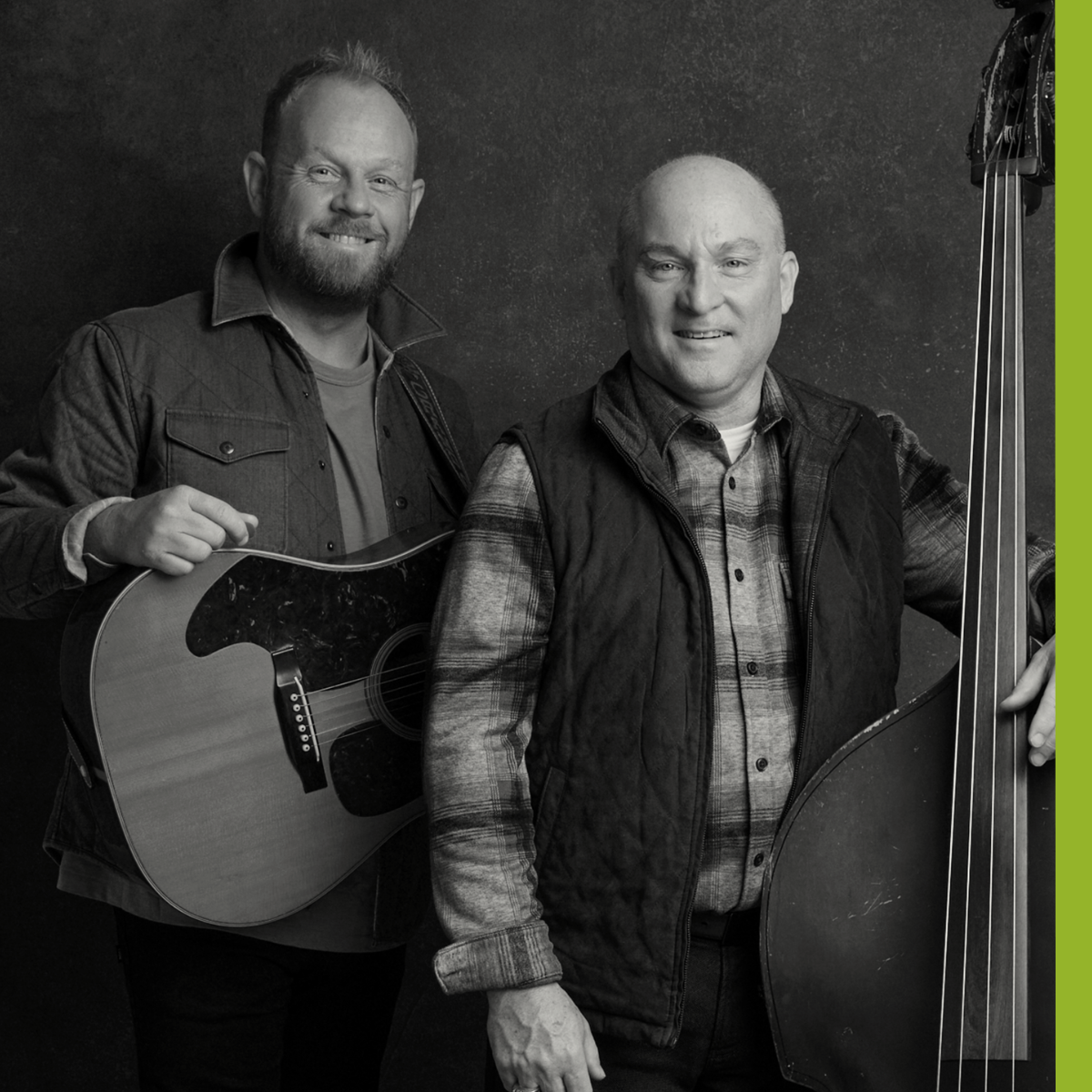
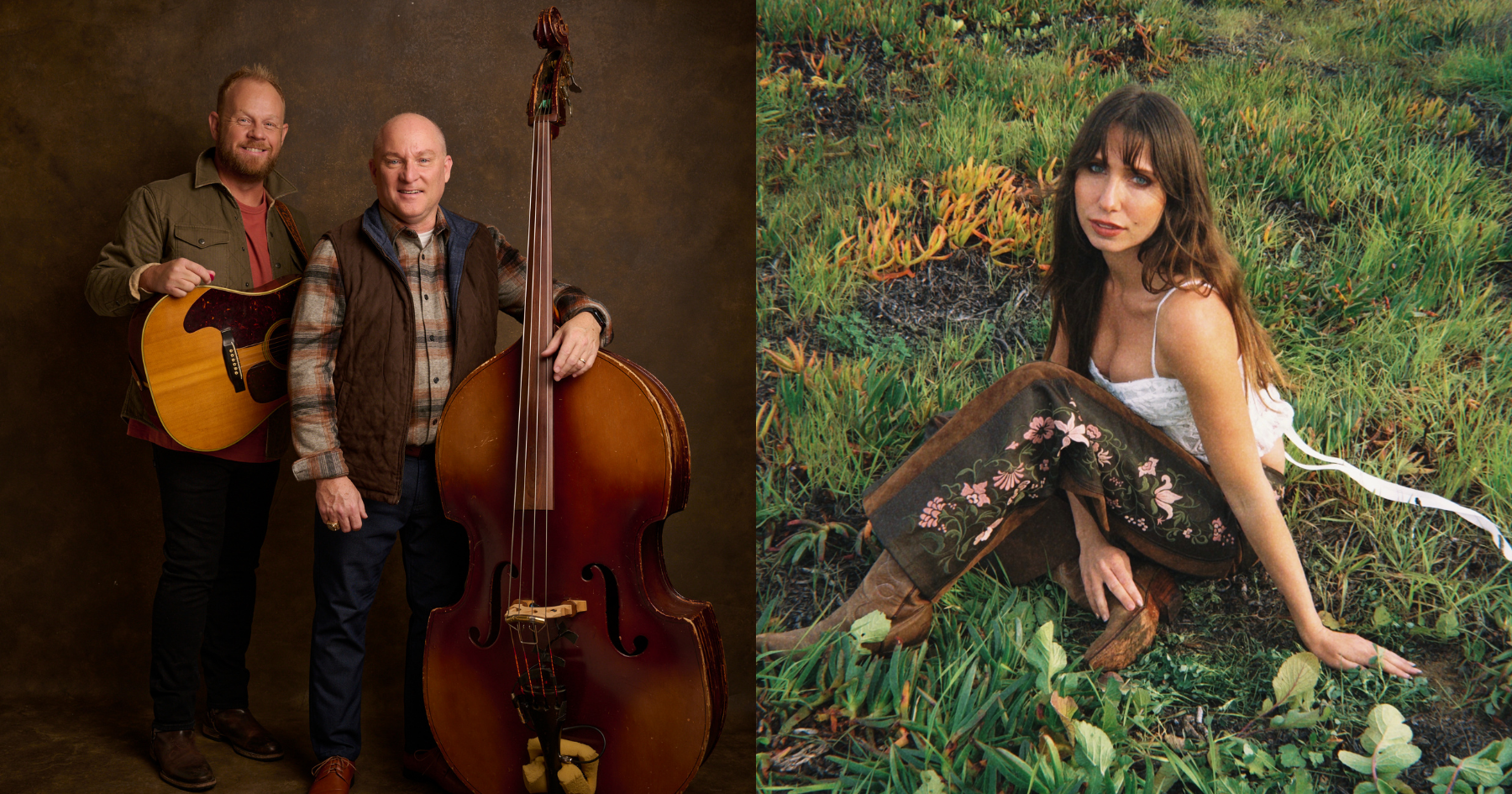
A premier modern bluegrass duo, Dailey & Vincent return today with a brand-new album, A Beautiful Life. Their harmonies, polish, and showmanship are unparalleled in bluegrass – and beyond. Yes, they have bluegrass and string band music in their bones, but limiting them to just ‘grass would be selling them short. They’re also country, gospel, Americana, and so much more.
Watch for more coverage of Dailey & Vincent and A Beautiful Life coming soon to BGS.
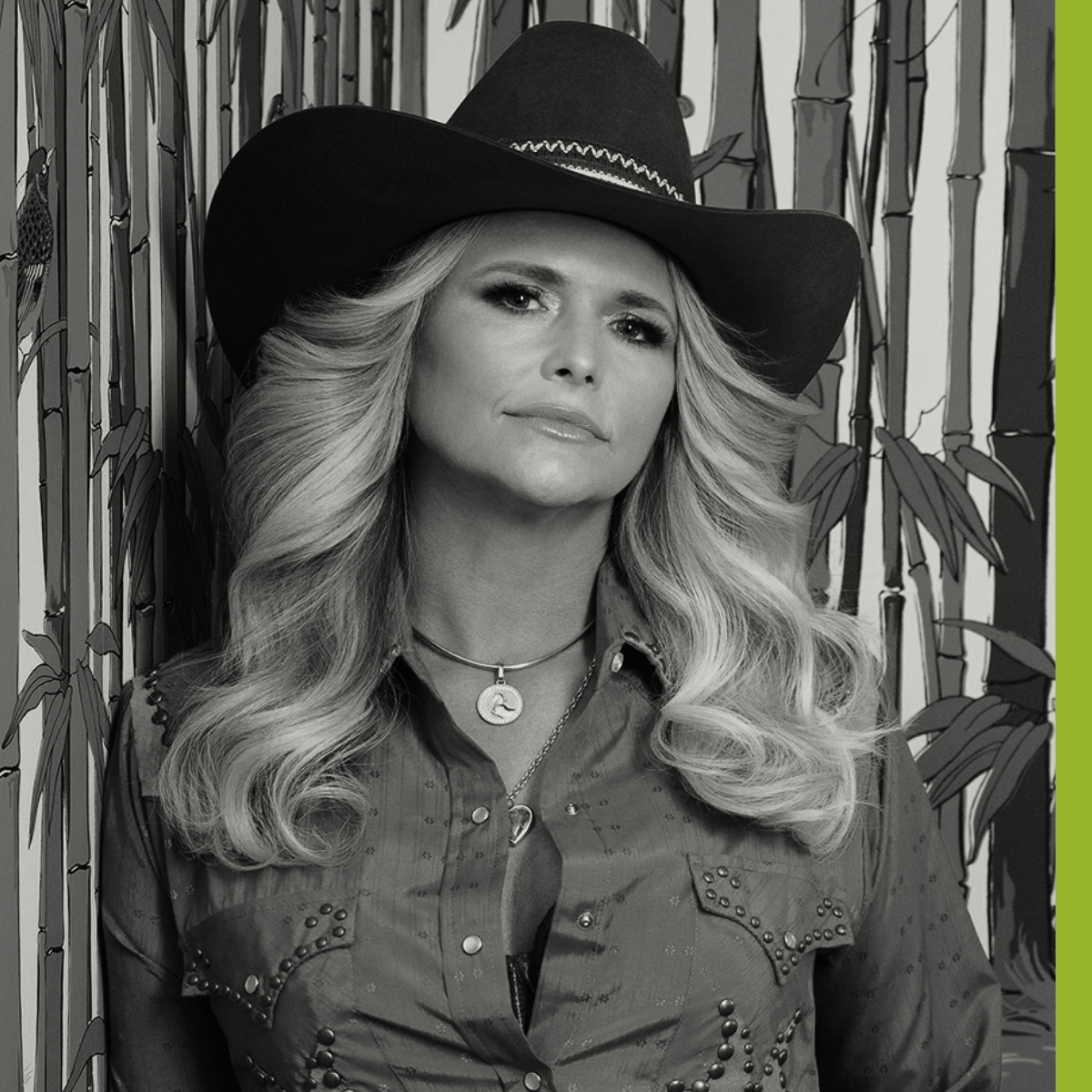
From Sturgill Simpson to Abbie Callahan, from the Cowgays to Miranda Lambert, the intersection of country and disco is a hoppin’ address at the moment! Lambert’s quippy, light, and fun track built on a portmanteau of the two genres is as Southern as it gets, from vegetable shortening to the dance floor sparkling under a disco ball. Country-disco is a decades-old tradition and we’re here for this resurgence.
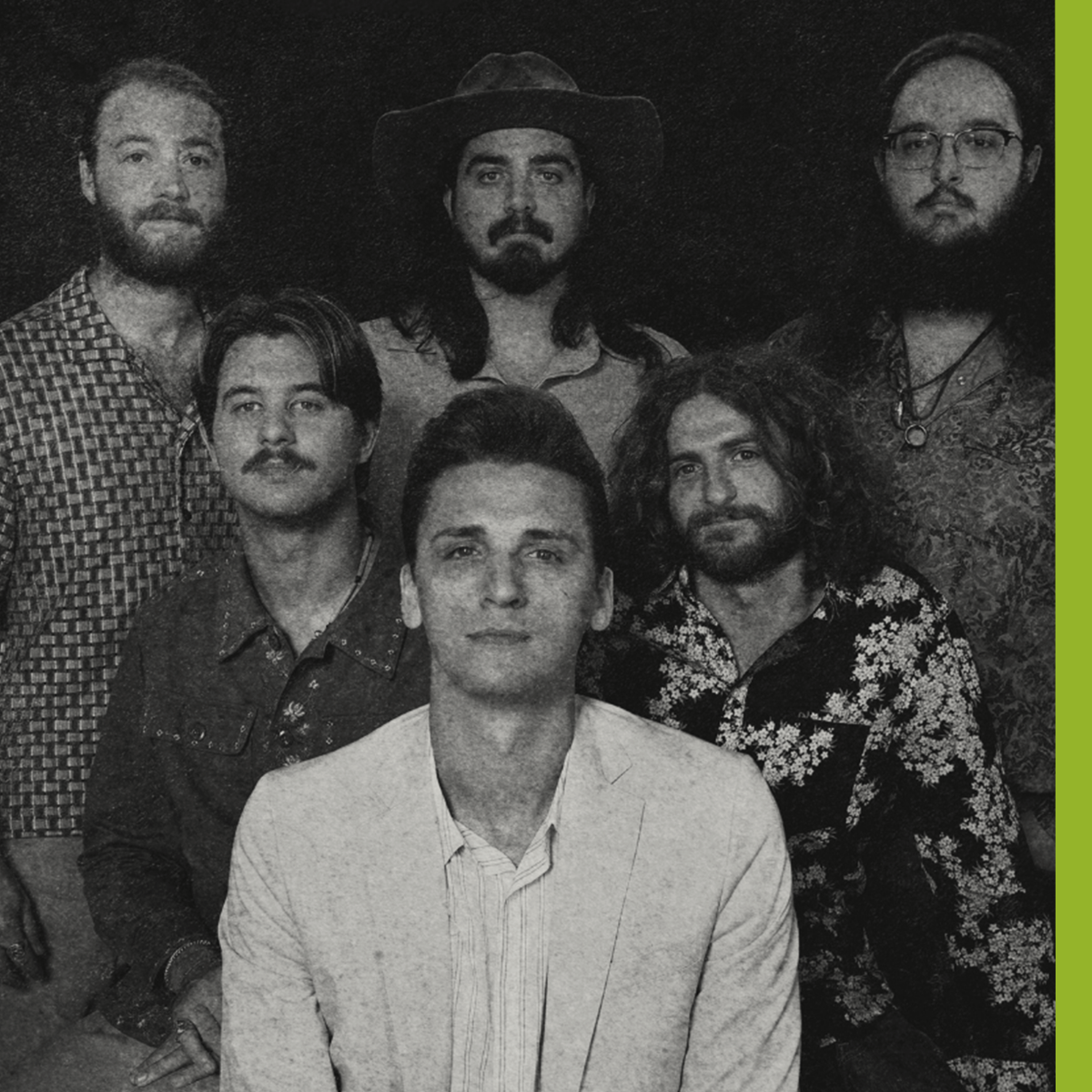
Speaking of blending styles, the Red Clay Strays are doing it better than almost anyone these days. To the GC team, the skyrocketing Alabama outfit always sound like country, but it’s obvious their sound is so much more – rockabilly, soul, grunge, punk, golden-era rock and roll, garage country. Whatever they infuse into their music, it always feels right at home in Good Country. Their brand new album, Grateful, is out now.
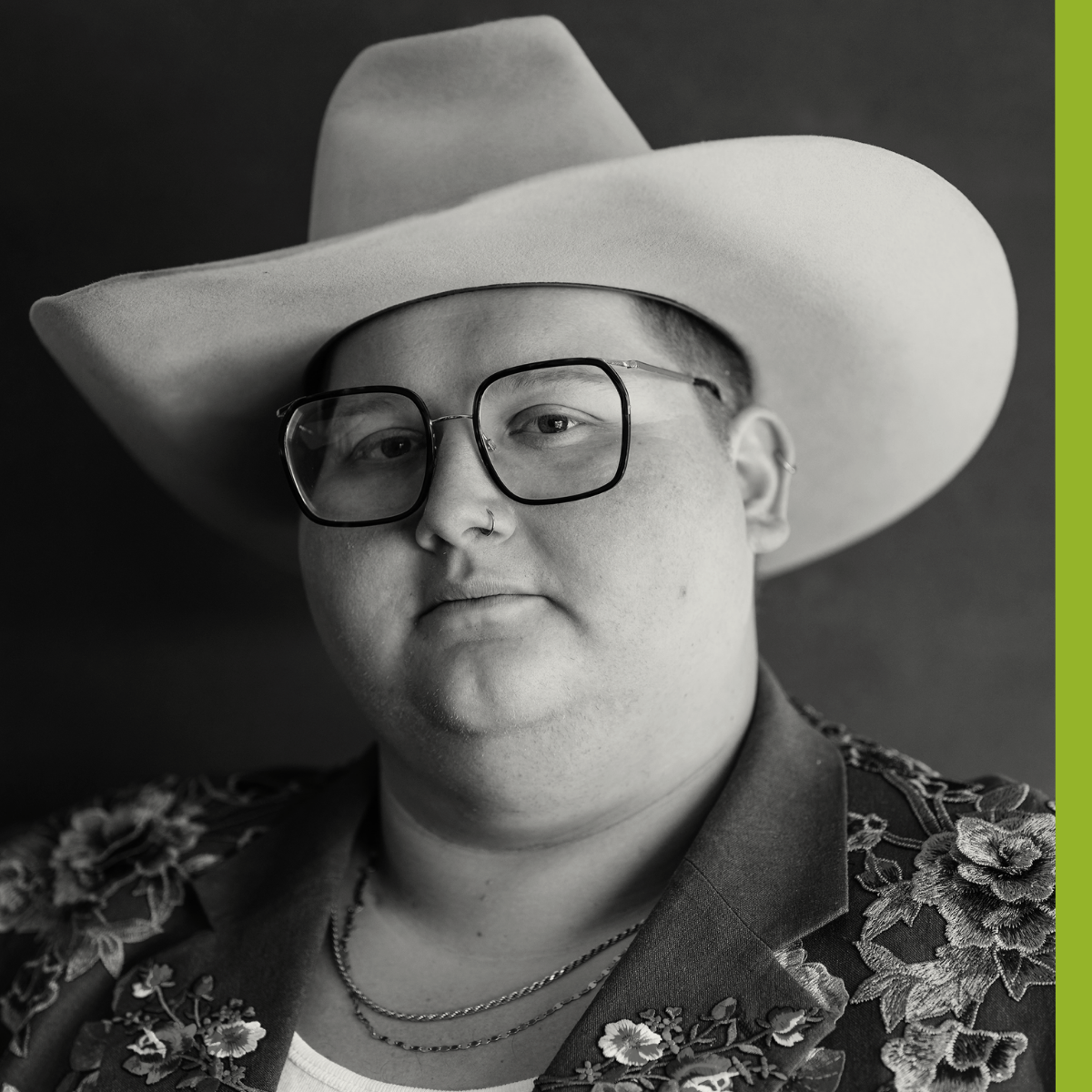
Last month, Texan country crooner Joshua Ray Walker returned with a new LP, Ain’t Dead Yet. Don’t be dissuaded by the thread of winking mortality and silly macabre that he continues to trace through his songs; after his own brush with death – he was diagnosed with cancer in 2024 – Walker’s sardonic and witty style of country & western has found a charming and entertaining edge by staring the shortness of life dead in the eye. (Pun intended?) Another excellent set from an essential contemporary traditionalist.
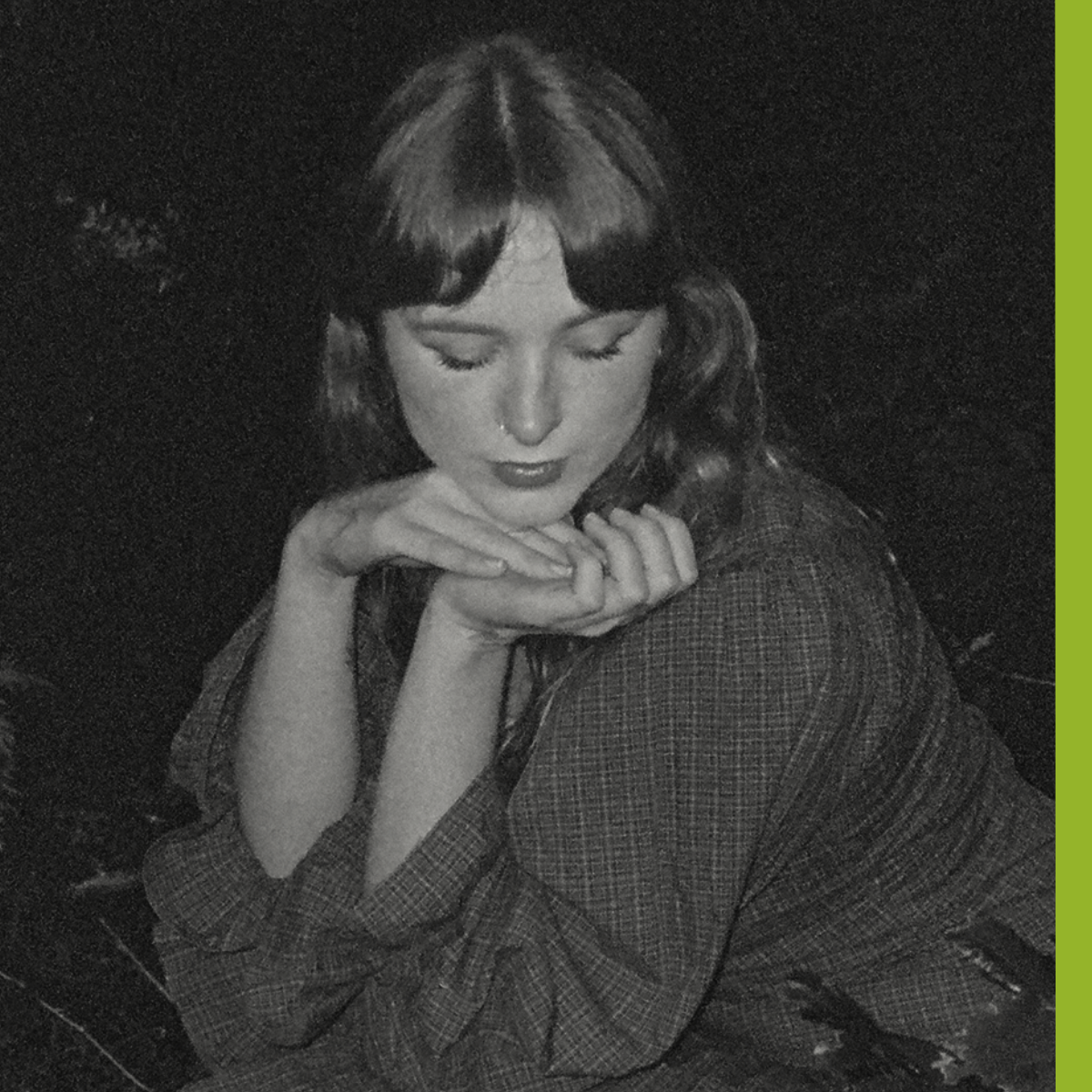
Another excellent artist who bridges country, bluegrass, and more – but perhaps from the opposite end of the continuum from Dailey & Vincent. Bella White’s music feels elemental, channeled from across time, but never anachronistic. Her songwriting and style feels in the vein of other country oracles like Gillian Welch, Iris DeMent, and Lucinda Williams. But it’s also all her own. Her latest album, A Sign In The Weather, was released June 5.
Listen to this issue of Ed’s Picks in one YouTube playlist here.
Listen to the full Ed’s Picks archive playlist here.
Photo Credits: Dailey & Vincent by Gregg Roth; Miranda Lambert by Robert Ascroft; The Red Clay Strays, Grateful album cover; Joshua Ray Walker by Mike Dunn; Bella White by Tamara Flemming
Welcome to another edition of our weekly round-up of new roots music! You Gotta Hear This…
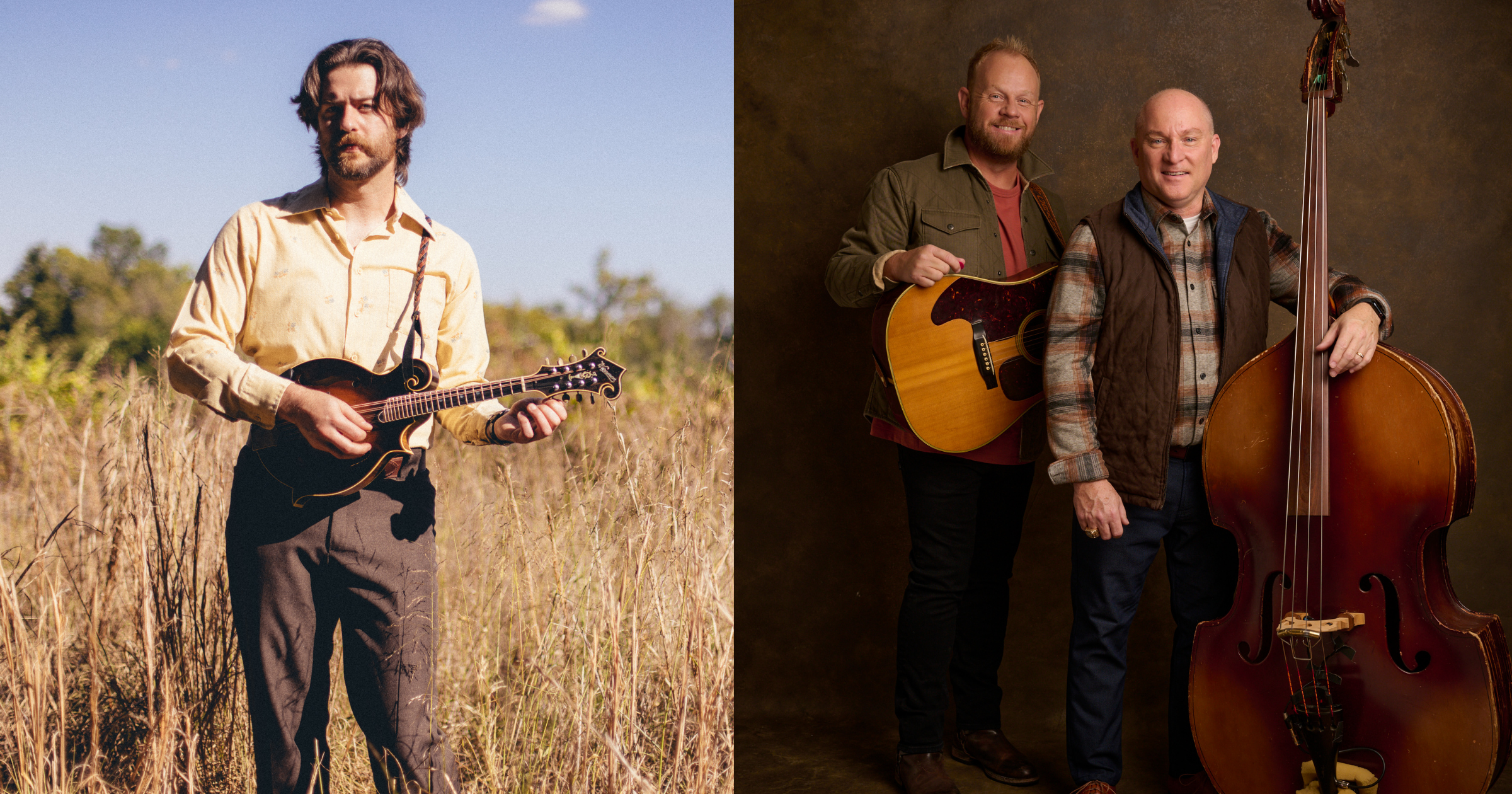
To get us started this week, Dailey & Vincent continue to tease tracks from their upcoming album, A Beautiful Life, which will arrive on June 12. In the meantime, they’re sharing a music video for “Moon Shines on the Still,” another delightfully bluegrassy number for the country-and-gospel-and-bluegrass powerhouse duo. The fresh single’s breakneck tempo doesn’t stymie any of the fine pickers who shred throughout the feisty song about moonshine running and that good ol’ mountain dew. For another bluegrass duo, check out fiddlers Deanie Richardson & Kimber Ludiker launching their new track, “Rutland’s Reel.” It’s an acrobatic and challenging tune by Howdy Forrester with several complicated parts, but these two turned it into a stellar twin fiddle number anyway. What, like it’s hard?
From Asheville, North Carolina, Appalachian string band TANASI infuse their songs and tunes with influences from around the world. “Give Me Love (Give Me Peace On Earth)” is their timely rendition of a George Harrison song, on which Dobroist and multi-instrumentalist Billy Cardine plays a chaturangui, a slide instrument that draws from Indian classical music traditions. Watch a performance video for their cover below. Singer-songwriter Maisy Owen has shared a new music video today, too. “Dark On A Sunny Day” is lush indie folk wrapped in a sonic dreamscape, with a slightly dark and gritty tinge to pair perfecdtly with her evocative lyrics. The beat pulses forward, pushing and pulling the track ahead.
Plus, mandolinist Jarrod Walker – who you may know from Billy Strings’ band – just this week announced an upcoming solo album, Nighthawk, his first release as an artist in his own right. Prior to the album announcement Wednesday, Walker unveiled an upcoming tour in May. Now the lead single/title track from his debut LP is available everywhere, and we’re sharing the lyric video visualizer for the remarkably straight-ahead bluegrass number below. Nighthawk arrives in full on May 8.
Bluegrass, folk, and indie; mandolins, fiddles, and banjos; moonshine, darkness, and emotions – there’s something for everyone to enjoy. You Gotta Hear This:
Dailey & Vincent, “Moon Shines on the Still”
Artist:Dailey & Vincent Hometown: Nashville, Tennessee Song: “Moon Shines on the Still” Album:A Beautiful Life Release Date: April 10, 2026 (single); June 12, 2026 (album) Label: Pillar Stone Records
In Their Words: “‘Moon Shines on the Still’ is a fun, up-tempo song with a lot of personality. It’s the kind of record that makes you want to roll the windows down and enjoy the ride.” – Jamie Dailey
“We had a blast recording this one. ‘Moon Shines on the Still’ has energy, heart, and a sound that feels both fresh and true to who we are.” – Darrin Vincent
Maisy Owen, “Dark On A Sunny Day”
Artist:Maisy Owen Hometown: Nashville, Tennessee Song: “Dark On A Sunny Day” Album:Dark On A Sunny Day Release Date: April 10, 2026 (single); May 1, 2026 (album) Label: Tompkins Square
In Their Words: “There was a period of time two years ago in the summer when I was writing almost every night. ‘Dark On A Sunny Day’ was one of the first songs I kept. There’s a kind of honesty that comes with someone’s early work, something I always look for when I deep dive into a new musical obsession. Something early is something pure. This is the only song on the album with a full band arrangement. The instrumentation is dark and unceasing. There is no metaphor or veil regarding the lyrics, they are candid.” – Maisy Owen
Artist:Deanie Richardson & Kimber Ludiker Song: “Rutland’s Reel” Release Date: April 10, 2026 Label: Mountain Home Music Company
In Their Words: “‘Rutland’s Reel’ was written by one of my ultimate fiddle heroes, Howdy Forrester. In typical Howdy fashion, it’s got several parts and is challenging to play. It was a lot to take this one on as a twin fiddle piece and Kimber took on the challenge of learning the harmony part. She nailed it! I’m so proud to have this tune on our record honoring the great Howdy Forrester.” – Deanie Richardson
Artist:TANASI Hometown: Asheville, North Carolina Song: “Give Me Love (Give Me Peace On Earth)” Album:TANASI Release Date: April 9, 2026 (single); May 8, 2026 (album)
In Their Words: “This song by George Harrison feels especially relevant right now – we need as many songs about peace and love as possible in difficult times. It echoes both backward and forward, carrying layers of meaning that resonate personally and globally. In addition to honoring the song itself, we wanted to pay tribute to Harrison’s influence – particularly his role in bringing classical Indian instruments like the sitar into popular music. Alongside his signature Dobro, Billy Cardine plays the chaturangui, a slide instrument developed by his teacher in India, Debashish Bhattacharya. With its 22 strings, it creates a rich, shimmering tone reminiscent of the textures heard in many of Harrison’s recordings. Mary Lucey and Anya Hinkle share the lead throughout, trading lines and weaving their voices together in sister-like harmony.” – TANASI
Track Credits: Billy Cardine – Dobro, chaturangui Mary Lucey – Bass, vocals Anya Hinkle – Guitar, vocals
Jarrod Walker, “Nighthawk”
Artist:Jarrod Walker Hometown: Lithia, Florida Song: Nighthawk Album:Nighthawk Release Date: April 8, 2026 (single); May 8, 2026 (album)
In Their Words: “A few years back, I stumbled upon the word ‘Nighthawk’ in The Dictionary of Obscure Sorrows, a collection of definitions for newly invented words that describe unnamed emotions, feelings, and experiences. Initially, ‘Nighthawk’ began as a moody, vibey track, but Christian Ward and I soon realized it worked better as a straight up bluegrass song. Once we committed to that approach we were able to lock down a couple verses, a chorus, and everything started to take shape. One of the trickest parts of songwriting is revisiting an unfinished song, returning to that headspace to add final touches Eventually we added a third verse which tied it all together with a big ribbon and bow. Now I couldn’t imagine it without it. I find that with trad bluegrass it’s best to keep things close to home or else you risk losing the essence of the song. I say that now, but ask me how I feel next year. The band knocked this one out in a few takes and later Billy [Strings] added a killer tenor harmony. Ultimately, ‘Nighthawk’ wound up being by far one of the grassiest tracks on the record.” – Jarrod Walker
Track Credits: Jarrod Walker – Vocals, mandolin Cory Walker – Banjo Jamie Dick – Drums Christian Ward – Fiddle Jake Stargel – Guitar Royal Masat – Upright bass Billy Strings – Background vocals
Photo Credit: Jarrod Walker by Jesse Faatz; Dailey & Vincent by Gregg Roth.
For a week of wintry weather over much of the U.S., here’s some brand new music to keep you warm.
To kick us off, singer-songwriter Karen Dahlstrom calls on the Milk Carton Kids’ Kenneth Pattengale for a new single, “The Last of My Line.” Finger-picked acoustic guitar scores a contemplative and devastating “hobo song” about lineage, family, and circumstance – and the existential feelings surrounding being the last in your family line. Ohioan alt-Americana trio Oliver Hazard have a new song out today, as well. “Hold On” is infused with folk-rock sounds of the ’70s and built around a catchy guitar riff brought to the band by picker Devin East. It’s one of those songs that just “poured out.”
In bluegrass, country-grass superstars Dailey & Vincent return to their roots as only they could, with a rip-roaring and stratospheric rendition of a classic, “Ruby.” With an all-star cast of players behind them, the duo blazes through the iconic old-time song made popular in bluegrass by the Osborne Brothers. The D&V rendition is spotless; we hope it’s a harbinger of more bluegrass to come from their camp. Plus, Ashby Frank gives the bluegrass treatment to Dave Grohl and the Foo Fighters with “The Pretender.” Out today, it combines style points from both bluegrass and grunge in a deep and lush sonic swirl. Whatever your opinion about what is or is not “no part a nothin’,” the energies of both rock and string band are surprisingly well-matched.
You won’t want to miss Lily Meola’s new song, e8ther. Born in Hawaii, Meola makes modern, crisp country music that’s still rich in rootsy tradition and outlaw textures. “Never Kissed a Cowboy” celebrates that, as she puts it, “chivalry ain’t dead, I guess,” and the fun that can be found when doing a romantic dance with a gentleman instead of, well, a loser. It’s a dreamy country waltz that, while contemporary, seems like it could’ve been plucked from just about any decade in the genre’s history.
There’s certainly plenty to love and enjoy this week! You Gotta Hear This…
Karen Dahlstrom, “The Last of My Line” (featuring Kenneth Pattengale)
Artist:Karen Dahlstrom Hometown: Brooklyn, New York Song: “The Last of My Line” featuring Kenneth Pattengale Album:Love These Days Release Date: January 29, 2026 (single); March 27, 2026 (album)
In Their Words: “I’d never really thought about having children – I just assumed I would have them someday. But as the years went on, biology and circumstance made the decision for me. In working through my feelings about being – literally – the last of my family line (my dad was an only child, neither I nor my sisters have biological children), this song started to form. In the back of my mind, I held this idea of a simple, Woody Guthrie-style hobo song with a dash of Lyle Lovett’s ‘Family Reserve.’ I wrote the song I needed when I needed it, without any idea of whether it would resonate with anyone else. To my surprise, it’s one of the songs people say they connect with most.” – Karen Dahlstrom
Dailey & Vincent, “Ruby”
Artist:Dailey & Vincent Hometown: Nashville, Tennessee Song: “Ruby” Release Date: January 30, 2026
In Their Words: “We’ve never believed bluegrass had to live in a box, but with ‘Ruby,’ we felt a strong pull to strip things back. It’s a reminder that even as you grow and experiment, you never forget your roots. This song reconnects us with that energy and joy that made us want to do this in the first place.” – Jamie Dailey and Darrin Vincent
Track Credits: Bryan Sutton – Acoustic guitar Darrin Vincent – Bass Russell Carson – Banjo Andy Leftwich – Fiddle Dominick Leslie – Mandolin Jamie Dailey – Vocals
Ashby Frank, “The Pretender”
Artist:Ashby Frank Hometown: Nashville, Tennessee Song: “The Pretender” Release Date: January 30, 2026 Label: Mountain Home Music Company
In Their Words: “Bluegrass and hard rock often have a similar feeling of ‘drive’ to them; I guess it’s no surprise that many pickers that grew up listening to the shredding instrumentals of bluegrass also have a deep appreciation for great rock musicians. I’ve been a fan of Dave Grohl and the Foo Fighters since I was a teenager. I decided to take a giant leap that I’m not sure anyone’s ever made before and cover one of their most iconic songs with a bluegrass-meets-grunge treatment. I really had no idea what the final product would be when I made the decision to record ‘The Pretender,’ but I couldn’t be more proud of what we came up with.” – Ashby Frank
Track Credits: Ashby Frank – Mandolin, lead vocal, harmony vocal Seth Taylor – Acoustic guitar Travis Anderson – Bass Matt Menefee – Banjo Tony Creasman – Drums
Oliver Hazard, “Hold On”
Artist:Oliver Hazard Hometown: Waterville, Ohio Song: “Hold On” Release Date: January 30, 2026 Label: Nettwerk Music Group
In Their Words: “‘Hold On’ sounds like home to us. Devin came over one afternoon with a guitar riff he’d just written, and we sat down at the piano and the song just kind of poured out. It felt like the old ’70s records we loved listening to. It felt like growing up where we did – feeling the change of seasons, spending time in the local dives, that urge to leave town, but not wanting to let it go.” – Oliver Hazard
Lily Meola, “Never Kissed a Cowboy”
Artist:Lily Meola Hometown: Nashville, Tennessee Song: “Never Kissed A Cowboy” Release Date: January 30, 2026 Label: Nettwerk Music Group
In Their Words: “My picker really did me dirty for a while, so when I experienced good ol’ fashioned gentleman behavior for the first time, it honestly threw me for a loop. I didn’t know how to receive it. I was like, ‘I can open my own door!?’ Then I started to see it from another perspective: having someone treat you like that is honestly really sweet. It might not be the most logical or efficient way of doing things, but damn, being treated like a princess is kinda fun, and being a gentleman is hot. So this is a love song honoring the men who go the extra mile.” – Lily Meola
Photo Credit: Dailey & Vincent by Greg Roth; Lily Meola by Jo Anna Edmison.
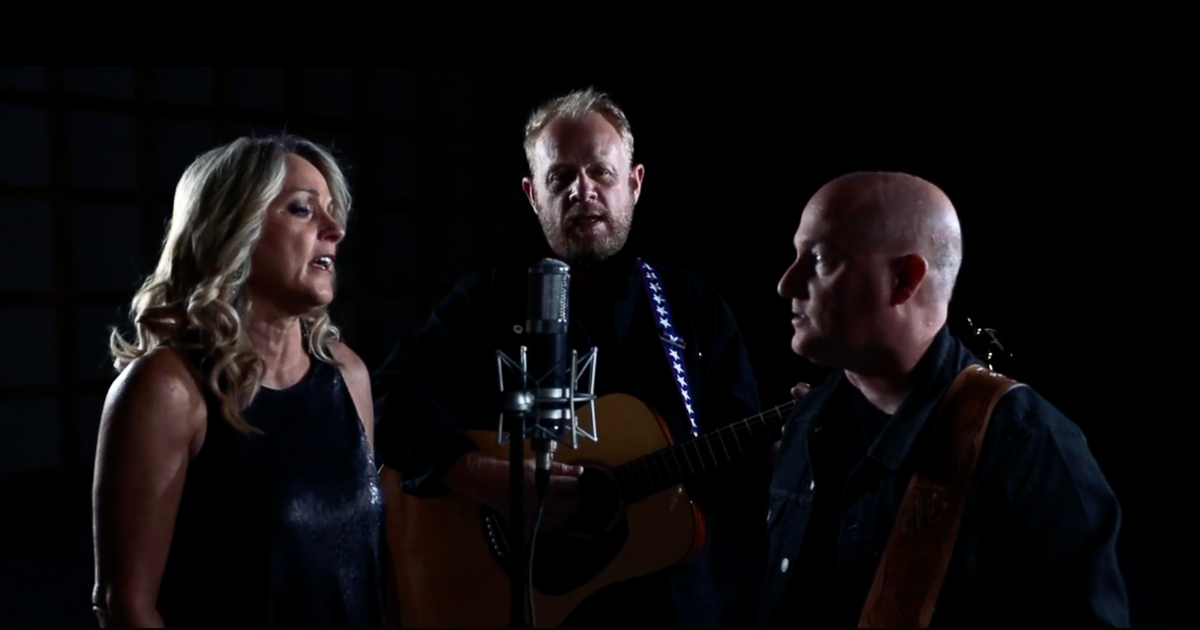
Artist:Dailey & Vincent Hometown: Jamie Dailey, Gainesboro, Tenn.; Darrin Vincent, Greentop, Mo. Song: “Those Memories of You” Album:Let’s Sing Some Country! Release Date: September 16, 2022 Label: BMG
In Their Words: “‘Those Memories’ has been one of my favorites songs since I was a kid. Recording this gem took me back to some wonderful times as a child. Having Rhonda Vincent harmonize with us on this song made it even more special to us! After all these years, we finally got to shoot our first video with our Opry sister, who’s also Darrin’s real sister! What a treat to also have guitarist Seth Taylor lend his talent to this fun project!” — Jamie Dailey
“‘Those Memories’ has always been an iconic song since Bill and his son James Monroe recorded it in 1978… Then in 1987, it reached the No. 5 spot on Billboard as a single for Dolly, Emmylou, and Linda. We’re so pleased Rhonda joined Jamie and myself with our updated take on the tune!” — Darrin Vincent
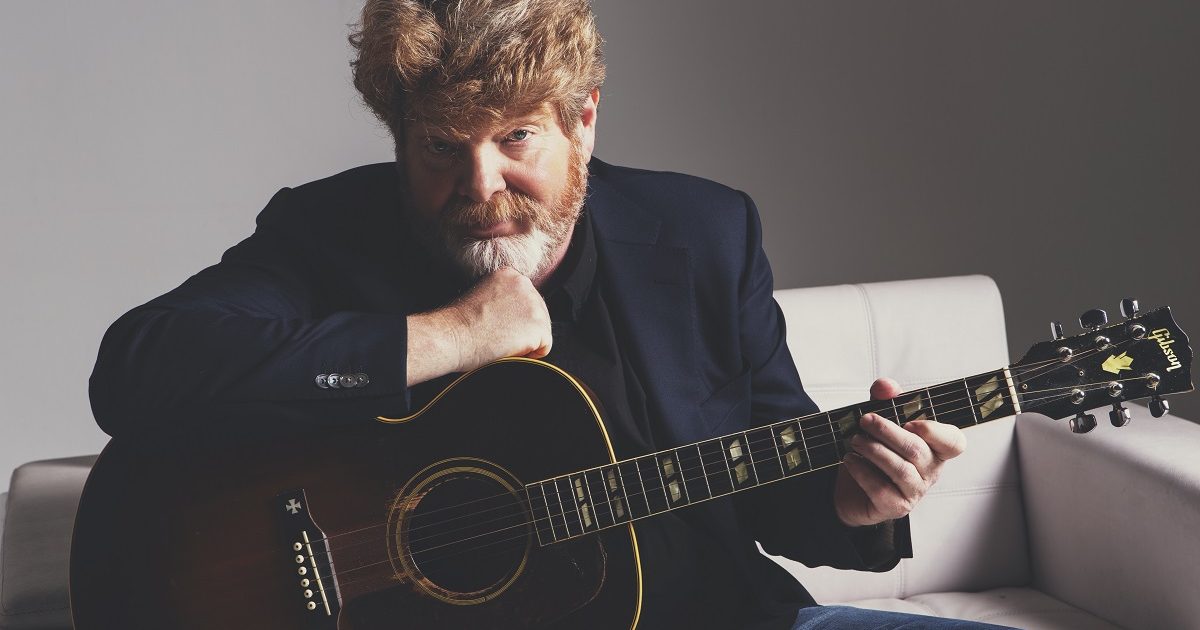
Mac McAnally is a highly-decorated and prolific multi-instrumentalist, producer, songwriter, and artist. He tours with Jimmy Buffett’s Coral Reefer Band, plays on countless sessions in Nashville and Muscle Shoals, and produces a number of independent artists, too. But more important to me, he’s my dad. And he’s a great one. On the occasion of the release of his new album, Once in a Lifetime, we discuss guitars, bluegrass, moments of social change, why he covered a Beatles song, and the process of making this record amidst a pandemic. And though I get to talk to him most days of my life, it is heartening to hear him put a fine point on his eternal optimism.
BGS: Growing up, music was constant in the house and one of the most pervasive cover songs you played was “Norwegian Wood.” What do you think it is about that song that sticks in your craw and drew you to record it?
Mac McAnally: As you know, I’ve always loved that song. In the very first line, from a lyric standpoint, “I once had a girl/Or should I say/She once had me,” you can tell any story in the world after that. That is something that I subconsciously try to do and have since the beginning.
Specifically, why I recorded it is because I bought an octave mandolin about four years ago. I did a show with Sarah Jarosz and she had one and let me play it and I thought, “I am going to have to get me one of these.” I always feel like I have to do something to justify the purchase so I play it on as many sessions as I can to try to amortize the cost, but I also came up with this new way to play it that is kind of a cool arrangement that I’ve never heard. I don’t in any way challenge the Beatles version and don’t mean any disrespect; I’m trying to find ways to justify the guilt of buying an octave mandolin.
On almost every record that you’ve made there’s a nod to bluegrass, like “Brand New Broken Heart” on this record. Who are some of your biggest bluegrass influences?
I have to preface this by saying I am a bluegrass fan, I am not a bluegrass player. Anything that I might be doing would just be trying to pay homage to what the greats can do. I’ve gotten to play with some of them, which I count high among the blessings of my life. When I wrote “Brand New Broken Heart,” I envisioned I would someday pitch it to Ricky Skaggs or Dailey & Vincent. I recorded it because I was a lazy song plugger who never pitched it to anybody.
Doc Watson was one of mine and my dad’s heroes. He was sort of my intro to real bluegrass. And all the way through my life, Emmylou Harris. We played her songs in bands when I was a teenager. Bryan Sutton is just frighteningly good. I can’t even fathom what he is doing, let alone try to do it myself. He inspires me to go get a pick out and play differently than I play because I love so much of what he does. And I’m crazy about I’m With Her.
What brought about recording “Changing Channels” for this record?
I have always loved that song. It is the second song that Jimmy (Buffett) and I wrote together. We wrote it in one my favorite places I have ever been. He had a spot down in Thomasville, Georgia, with a big porch. As you know I’m a porch guy. We sat out on the porch and wrote that song. He did a great version of it on Off the See the Lizard and I honestly never imagined myself cutting it but I love to play it. It has worked its way into my shows over the last ten years and his fan base will come up after and ask which one of my records the song is on. They had cash out trying to buy it and I don’t have it. You know better than anybody how terrible of a businessman I am, but eventually enough people tried to buy a version of it that I listened.
You have collected a lot of guitars, and in various ways: some saved from landfills, some gifted, some cast for you by friends and colleagues. How do you pick which guitars make your records?
It is certainly not an exact science but sometimes it is the guitar that the song came out of. The main thing that has always made me select guitars is if I think they have songs in them. I would happen to be holding them and a couple of my stories got mashed with them. In more cases than not, if I wrote a song on a guitar, that’s the one I’ll record. You end up learning over the years. In the same way when you are photographing someone, you learn what the best side of their face is. … A Gibson with dead strings is an awesome rock ‘n’ roll rhythm guitar. A Martin with new strings is an awesome fingerpicking guitar.
We are in a moment of social change. Music has the power to both inspire and record change. You moved to the Shoals in the ‘70s. Thinking back on those early days in the studio, what was it like in those moments?
Playing music in Muscle Shoals was extremely encouraging from the standpoint of equality. They didn’t really think of it in terms of race. Music transcended that. And I love that. And I still love that. I’m standing in Muscle Shoals right now proud to be part of that. You can be encouraged on some levels and discouraged on some levels and I am both of those things. I haven’t in my life ever thought that I was better or worse than anybody else and I look forward to that being a more prevalent vantage point for everyone.
I want to challenge you on that a bit. One of your dear friends and longtime collaborators, Ralph MacDonald, told you that he never felt comfortable coming to Muscle Shoals and we’ve heard from more folks that it wasn’t an inviting place to come collaborate, so a lot of those musicians opted for Detroit or Miami. With that added perspective, does it make you feel differently about the time?
Absolutely, it makes me more aware of the context. As I said, Muscle Shoals would have been advanced in terms of racial relations in the music community in the South. As I look back now, I realize that doesn’t mean it was great. It was just better relative to the surroundings.
Ralph and I, we were like brothers. He told me he would’ve been scared to death of a big red-headed dude from Mississippi. And he was a Black man from Harlem. I could not have imagined that we would connect on as many levels as we did. We both had misconceptions that got better. He was one of my heroes. He was one of the best percussionists that ever played. And I loved him. It is hard to get into racial discussions without stirring stuff up. But we made each other better. Music is one of the best ways to bridge across preconceptions. I think it’ll play a big part of getting us the rest of the way home. ‘Cause we ain’t there yet.
Stirring stuff up is the way we make progress.
That’s true and they are not easy discussions. I don’t think of myself as someone with prejudices, but when I think back, some of the things I laughed at growing up as a kid in Mississippi I’m embarrassed of. And I was mainly laughing because everyone around me was laughing, but when I think of what it was we were laughing at, it is embarrassing. I don’t really want to talk about it, I just want to be a better person, because I know it was wrong. But you are right. Talking about it is better. Air it out.
What does it feel like to release an album in a pandemic?
Well, not speaking ill of either thing, but I hope it is a one-time thing. I hope I never have to try to beat a pandemic album with a second pandemic album. My records are normally made in what I call “the cracks of time.” I make them in the cracks of my schedule because I work full-time as a Coral Reefer, a fair amount of time as a session musician for other people, writing songs for other people and producing other folks. But because of the circumstance of this record, it is really special to me because I got to sit and think about what I felt was important and what was not. I wouldn’t wish a pandemic on the world just to get extra time to make my record. I think maybe next time I’ll just take the time on my own.
Even in your darkest lyrics, there is a balance that shows your shining optimism. We are surrounded by a heavy dose of dark right now. Are you feeling optimistic?
Absolutely. I absolutely am. I wish we weren’t where we are right now and that everyone could see that it is better to find a way to coexist than it is to hate one another. I’m not someone who has any room for hate. As you recall, I don’t even like the word. I’ve probably pestered you about it for your entire life. Actual hate hurts me. We’ve been celebrating the life of John Lewis the last few weeks and John is a great example of figuring out a way to make it better by not hating the people who hated him. I think things are going to get better and I intend to try to help.
Erin McAnally is a regular contributor to The Bluegrass Situation
After a dozen years of success, Dailey & Vincent are currently in a period of transition. Building on the popularity of The Dailey & Vincent TV Show on RFD-TV, their next album will be the first straight-up country record they’ve ever done – following up last year’s holiday album, The Sounds of Christmas, which provides the playlist for The Joys of Christmas Tour happening now through December 15.
In the second portion of our interview with BGS Artist of the Month, Dailey & Vincent, we catch up with Darrin Vincent.
BGS: How does the musical division of labor work with you two?
Vincent: We collaborate together on pretty much everything, looking for songs and arranging and producing. But this country album, I don’t think we’ll do that the same because we’ll have an outside producer [Kyle Lehning] for the first time. It will be different to be just artists this time, throwing ideas over to him. It’s exciting and also scary to let go of complete control, and it will be interesting to see how this goes, to let someone else drive the bus.
We prayed on it, that we’d be led to the right person who has the same vision, and it seems like he does. You have to have faith and move on it. If it does not do well, OK, we’ll go back to what we did before. For now, it’s kind of fun to not have quite so much to deal with because we’ve got plenty on our plate with the TV show.
How close are you and Jamie offstage?
We live too far apart to really hang out, but I love him like a brother. Yes, we’re business partners, but if either of us is hurt or needs prayer, we’re there. Both of us know that if either of us needs anything, night or day, just call. We’re very close, but we also have to have space away from each other just like any other family. He’s a good man and I love what he stands for, even if we don’t see eye-to-eye 100 percent of the time.
Before Dailey & Vincent, you played in Ricky Skaggs’ band. What did you learn from him about running your own band?
Quite a lot about what to do, and also what not to do. But a lot more about good things to do, like rehearse in a nice facility, go first class, don’t cut corners. It drove home the importance of creating records that will last. When you’re recording, do it right the first time and not because you want to be friendly with someone or promised something to this or that person.
We’ve all been there before, cutting corners because you don’t have the money or getting some friend to play on something even though they might not be as good as Stuart Duncan and you don’t want to hurt anybody’s feelings. But you have to do what you feel the song needs and don’t back off, whatever other people think. Keep the integrity of music to the highest possible standard because once you put it on a CD, it’s forever and never goes away. Get whoever best fits the song.
Do you ever miss just being a hired hand?
Oh yeah. I’d show up, do my part and go home. Today, we’ve got 20-some people who rely on everything we do. It’s as simple as eating healthy, because these people all rely on our incomes to pay the bills, their mortgages, support their families. It’s a lot of responsibility and it takes a toll.
Whenever we have to fire a musician or a bus driver, it really bothers me. I’m emotional anyway, but I’ll cry about it when it happens, worry about people. It crushes my soul and we both take it to heart. Being an owner, there’s always a family tree behind it all where a ton of people are relying on your health and business to make sure we’ve all got jobs. There’s so much to it. Playing onstage is the fun part.
What do you think of the state of bluegrass nowadays?
It seems that bands like the Infamous Stringdusters and Old Crow Medicine Show are more popular and lucrative than the genre and structure of the basic bluegrass festival. A lot of the older folks are dying off, unfortunately, along with the festivals with the camping and the jamming and all the things that go with it.
I think the five-piece bluegrass band will survive, but the bluegrass scene seems to be getting smaller and smaller. As a promoter of our festivals and cruises, I see acts with very high standards that do a great job performing bluegrass. I also see acts with bigger egos than they need to have, which is just bad, gives a black eye to the whole bluegrass scene. I’m just talking for me, what I see.
Is it hard to find time to practice, play and write music?
Unfortunately the business side keeps me really busy. But at home, I do have the guitar out all the time. It’s by the bed and I take it into the mobile office where I do business stuff. I have to play every day just to keep the motor skills going. I love to hear different things out of the guitar. I get depressed, get happy, and music soothes my soul. So does prayer, of course. I enjoy playing. Not just trying to get better for the show but it’s something that satisfies me and what I need that time of my day.
What are some artists you like that might surprise people?
I love Michael Bublé, Harry Connick, Chicago. I think Metallica is amazing. Now I’ve never heard them sing a gospel song and they’ll have some things to deal with at the end times of their lives. But they’ve got great harmonies, triple guitars and the musicianship is incredible. Iron Maiden is another, even though they have “666” painted on their 747 and I don’t like their lyrics. But they’re very talented people.
There’s even this group from Russia that’s as devil-worshiping as you can get, but they have a unique sound. I can’t even say their name, but the art value and production of their show is amazing. I’m not trying to give the devil any credit, but I like lots of music for the art value.
It’s a common bond through musicians, taking the stage and communicating with people. I love to watch different artists no matter the genre, how they’re communicating whether they’re kids or older. Mike Snider has just incredible communication with the audience. I sit and cry watching him, it’s so funny, but so simple. The knack and ability to do that is amazing and not everybody can. Jamie’s great at it, too. A lot of bands have no charisma whatsoever. They play great and sing OK, but there’s no charisma for the audience and it just dies. There’s an art to that.
Which of your many awards are you most proud of?
By far, becoming a member of the Grand Ole Opry. I’ve been blessed to win five Grammys, which were enormous milestones in my life. They were the biggest thing I’d done, until the Opry. It’s very nice out at Opryland, which is cool with a lot of history. But the ultimate is going back to the Ryman and memories of Ernest Tubb, Patsy Cline, Hank Williams, standing in the same place Elvis Presley stood. Just the history of all the people who walked through there and paved the road to where country is today, that’s overwhelming and humbling.
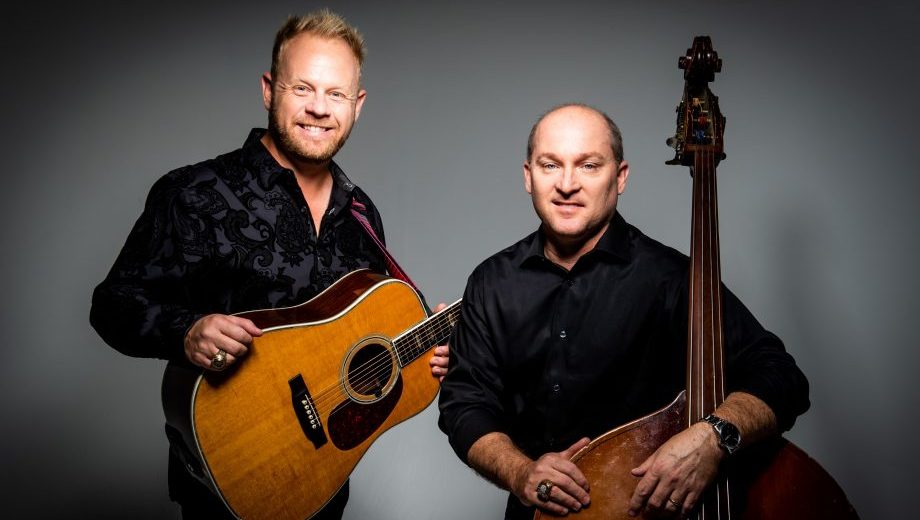
Dailey & Vincent, the Nashville-based band led by Jamie Dailey and Darrin Vincent, is among the most honored acts in all of bluegrass. They’ve won multiple IBMA and SPBGMA Awards, had all nine of their records crack Top 10 on Billboard‘s bluegrass albums chart and, since 2016, they’ve been full-fledged members of the Grand Ole Opry.
Their newest release is 2018’s The Sounds of Christmas, which they’ll be supporting on tour this month. As our December Artist of the Month, BGS caught up with each frontman separately before they hit the road, starting with Jamie Dailey.
BGS: Where do you think The Sounds of Christmas ranks in your catalog?
Dailey: Well, it was something seeing it between Michael Bublé and Pentatonix in the Top 10 of the holiday chart, and it stayed up there for several weeks. It really is just about my favorite of all the records we’ve ever done – just the quality of the vocals. It’s bragging, I guess, but it’s the best-sounding vocals we’ve ever recorded, for sure.
I am of course a lover of Christmas music, and also Christmas. I grew up in a very modest family that couldn’t afford a lot, but we always put up a tree and had Christmas lights all over the property. Mom still cooks a big traditional American family Christmas meal. You’d think my mom would be used to it by now, but I like to sneak into her kitchen, highjack her laptop and put something crazy on Facebook. That’s always fun. One time a couple of Christmases ago, her preacher was calling within 10 minutes to ask if she was OK. I could hear her: “WHAT?! Jamie, I am gonna KILL you!”
It’s time for another record, what’s the story on the next one?
We just signed our first country music deal, with BMG, to do a country album. We’ve never done one so we’re very excited about that. We’ve said from day one that we never wanted to be boxed in and we wanted to write and play and sing and record whatever we wanted. We’re working with Keith Stegall, who has produced Zac Brown, Alan Jackson, and a whole bunch of others. We just signed a new TV deal, too, to do a more mainstream TV show than what’s been on RFD all these years.
Out of all the awards you’ve won, which one means the most to you?
Hands down for both of us, joining the first family of country music in the Grand Ole Opry. It’s only 200-some members and 84 of us still living, so it’s very special to be part of that family. We work the Opry six to nine times a month between tour dates, which makes us busy, but we’re happy to be there. It’s always a joy. Hard to explain the feeling you get when you’re there.
Before Dailey & Vincent, you spent almost a decade in Doyle Lawson’s band. What’s the most valuable thing you learned from him?
How to be a constant road professional, and how to be more consistent onstage and not just listen to yourself, but to your fellow bandmates to make up a well-oiled unit. He’s a good man. The lessons were priceless. And if you’ve ever led a group, you also learn things you don’t want to do. As leaders, we all run across those times when you’re trying something that doesn’t work.
You did the IBMA keynote speech last year, on “Branding Bluegrass.” What do you think that is?
We live in the most interdependent age in history. Everyone has the ability to reach more people than ever before. We all have to figure out ways to become more involved. I’d tell young musicians to stay absolutely focused and follow your heart. Record labels and managers are right about a lot, but not always about everything. So don’t allow yourself to be led down a road you don’t want to be on. Be persistent and aware, and learn as much as you can to stay up with what’s going on.
The Dailey & Vincent brand is bigger than just bluegrass, which we make no bones about. We’re gospel and country as well as bluegrass, and we’re happy to do all of that. You can tell from the TV show and the Opry, we’ve tried to diversify our craft to get into buildings we would and could not have before. We’ve been blessed to perform at Carnegie Hall three years in a row, which would not have happened if we were doing only bluegrass.
What do you tell people who want to go into the music business?
The business is changing constantly, so you have to stay on top of that. Living in this interdependent world, it’s like there are a lot more nets than walls and you can reach a lot more people. We’re artists, so let’s make music, let those who like it find it and cater to them.
Some years ago, a lot of bluegrass festivals were kind of stagnating without a lot of growth. So we decided to pull back and go into more venues on our own to draw our own crowds and grow that way rather than getting beat over the head for not fitting some narrow mold. We did not want to be in that box, so that’s some of the changes we’ve made the last eight years — out of 12 going on 13. That’s what we’ve done and why we’ve done it, and it’s had tremendous impact on our career and vision.
Who among your peers do you admire and enjoy?
I love Keith Urban, what a good guy and a great musician and singer. Very creative. I love Norah Jones and Adele, too. The music I listen to ranges all over. Sinatra and Tony Bennett, too. I love orchestras and symphonies, and go to [the symphony] in Nashville when I can, and it’s what I listen to when I’m reading. I love going back to Guns N’ Roses and Journey as well as Conway Twitty. It’s a broad list.
You participated in some diplomatic missions to Germany and Switzerland a bit more than a decade ago. How did that happen?
It was terrifying in some aspects, but I learned a lot from my dear friend now passed, U.S. Ambassador Faith Ryan Whittlesey. We met at Yeehaw Junction, a bluegrass festival in Florida, when her daughter took her. I was with Doyle at that time, 23 or 24 years old, and I’d been praying for the Lord to use me to help my country because I regretted not joining the military.
So we do this show and her daughter came up afterward to say she wanted to meet me. Sure. “Hi, Jamie, I’m former Ambassador to Switzerland, on the U.N. Security Council.” My eyes are getting bigger and bigger. “I need you to travel with me to do some diplomatic work. Use your country bumpkin charm, sing a song here and there, and engage with foreign and business leaders.” I almost passed out.
But she called the following Monday morning and I started flying to D.C. and New York every few months to learn table etiquette, receiving-line protocol and things like that. She was stern and very, very formal. But after she saw how stupid I can act, I got to know her enough to break into her humorous side. I started traveling with her to Switzerland and Germany to participate in some things, which was a wonderful experience I’ll cherish the rest of my life.
Do you have any interest in going into politics someday yourself?
At one time, maybe so. But the more I see of what goes on, especially these days, not so much. I believe I can be more effective where I am in my career than in political office, where you have to deal with incoming fire and problems that weigh you down and keep you from doing things. But I can move in and help without having to worry about the politics and trash that goes on now.
I’ve been asked, but no. Maybe later in life, if a president I can believe in strongly wins and I get involved, maybe I’d consider being Ambassador to another country for a few years. But who knows. There’s a lot to it, and a lot can happen. I may end up dying from too much chocolate.
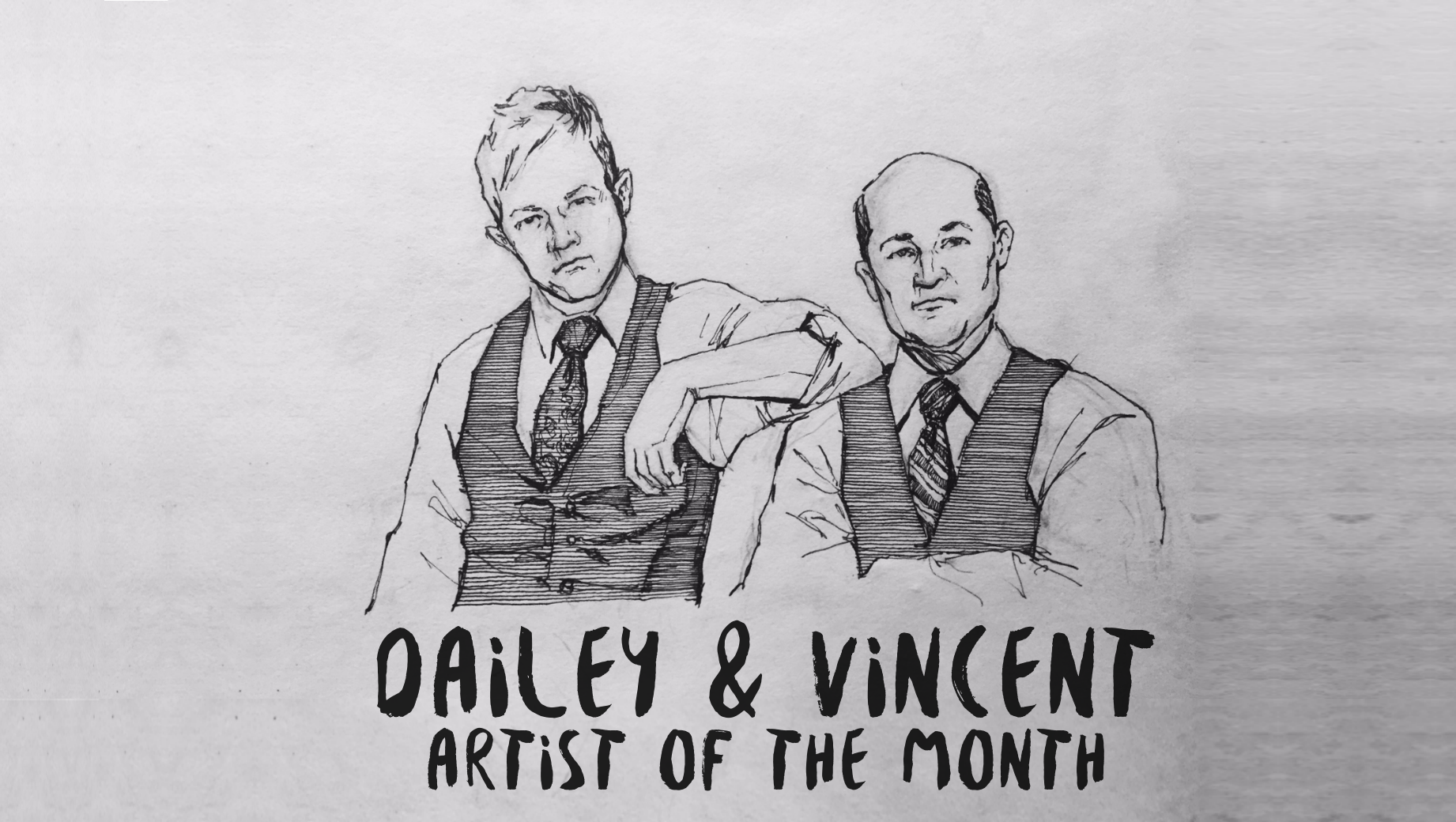
Illustration: Zachary Johnson Photo: Erick Anderson
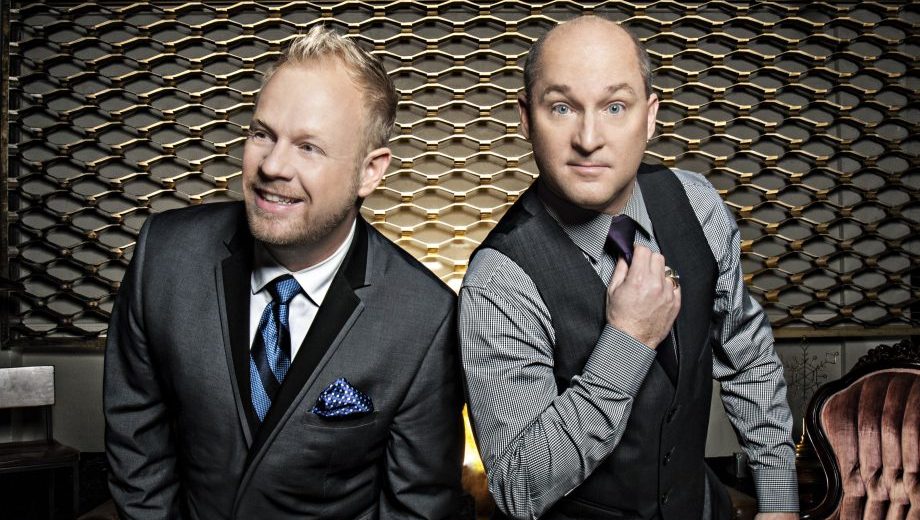
Dailey & Vincent have ventured well beyond bluegrass by paying respect to musical tradition, singing like siblings (although they aren’t), and delivering their signature goofy one-liners. Year in and year out, they bring an entertainment value to their show, whether it’s on a tour of performing arts centers, starring in their RFD-TV series, or appearing at the Grand Ole Opry.
Although Jamie Dailey and Darrin Vincent came from highly regarded bands before forming their duo, they are now certainly trailblazers in their own right. For example, Dailey delivered an insightful IBMA keynote address in 2018 about branding bluegrass. And they have shown the ropes to a decade’s worth of rising talent.
Coming up later in the week, BGS will post exclusive, one-on-one interviews with both Jamie Dailey and Darrin Vincent, shining a year-end spotlight on their remarkable career. In the meantime, please enjoy our brand new BGS Essentials playlist.
An expansive generation of simply ludicrous flatpickers has rendered bluegrass, old-time, Americana, and folk replete with acoustic guitar virtuosos. Pickers like Jake Stargel, Molly Tuttle, Presley Barker, and Billy Strings each have in common commanding right hands and withering technique. Others, like Jake Workman, Trey Hensley, and Chris Luquette play at incomprehensible, blistering speeds with pristine precision that defies explanation — down to the most infinitesimal note durations. We can clearly see the shredtastic legacies of Clarence White, Tony Rice, Dan Tyminski, and others living on, even if chiefly through their more mathematical, aggressive, and adventurous methods and tones.
That adventurous aggression might just be why “Chisholm,” a new tune composed by guitarists Shaun Richardson and Seth Taylor, feels like such a calming breath of fresh air. It’s a welcome counterpoint and complement to the repeated face-peeling-off that we all enjoy in this current golden age of flatpicking guitar. Richardson and Taylor are both veterans of Dailey & Vincent’s bluegrass-based rootsy stage show, giving them ample experience in musical code-switching, from fiddle tunes and swinging numbers to country ballads and passionate gospel. Richardson has performed with Michael Martin Murphey as well, and Taylor is a member of the long-running, heady, Americana-tinged bluegrass group Mountain Heart.
The versatility lent by these diverse experiences gives “Chisholm” a well-traveled, though relaxed, voluminous vibe. The melodies are resonant and tactile, conjuring six-string players and composers such as John Carlini and Beppe Gambetta — with just a dash of Tommy Emmanuel. Jazz complexities are utilized here not in a gratuitous way, but rather anchored in expressiveness and musical dialogue. Richardson and Taylor’s expertise is very clearly centered not on simply displaying prowess, but in musicality. In this calmer, more subdued setting, that dynamic is especially refreshing and subtly striking.
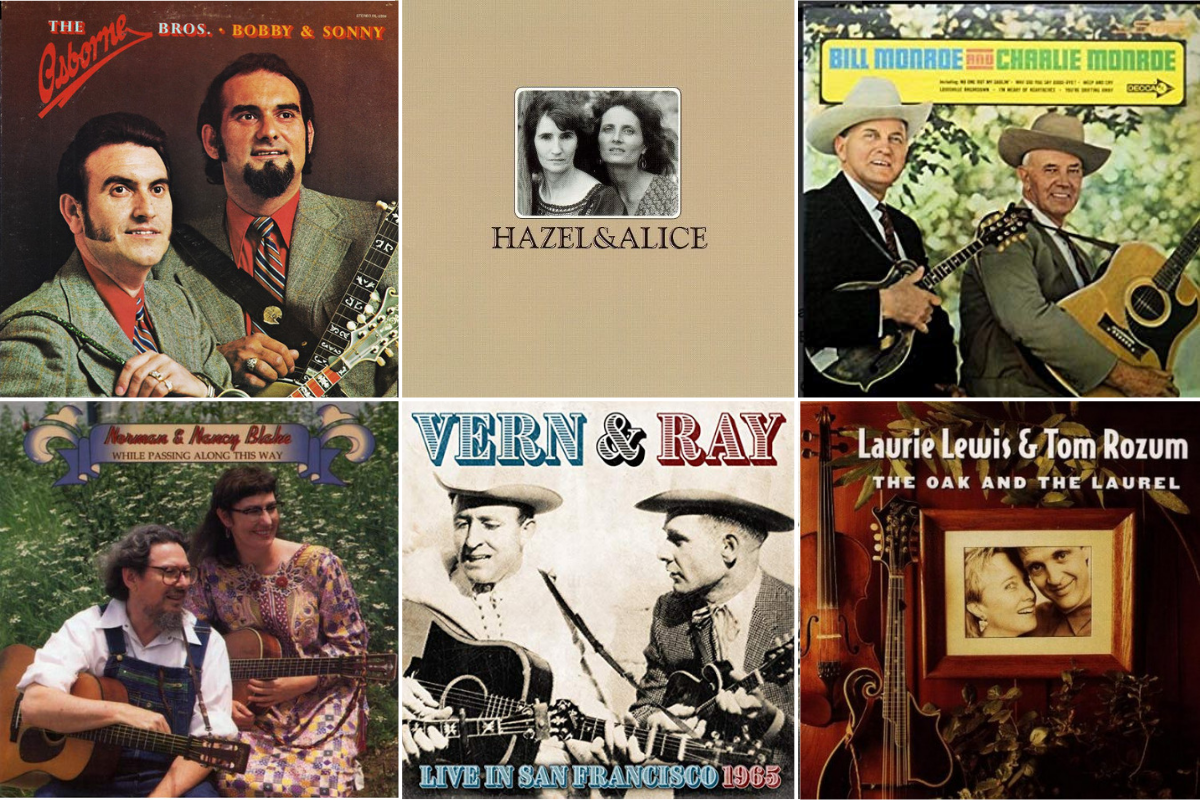
Everyone knows that in the early days of bluegrass, before that term was even coined, all you needed to make a “band” was two people and two instruments. Fiddle and banjo? Sure. But in those days, they’d take whatever they could get. Duos are still a strong presence in the music today, in brother/sibling duos, spouse-led bands, and legendary collaborations.
Check out these twenty-two bluegrass pairings — and their accoutrement — on BGS:
Bill & Charlie Monroe
Before Bill Monroe, the Father of Bluegrass, made his indelible mark on the genre (quite literally giving it its name), he was already a popular performer with his brothers Charlie and Birch. Birch left The Monroe Brothers in the mid-1930s, and Charlie and Bill went on to enjoy success on the road, in the studio, and on the radio — until rising tensions and a fateful fight in 1938 caused them to split ways. But, without that fight, we may not have “bluegrass” at all.
Flatt & Scruggs
December 1945. The Ryman Auditorium. Nashville, Tennessee. Bill Monroe and his Blue Grass Boys stepped on stage for the Grand Ole Opry with Lester Flatt and Earl Scruggs among their ranks for the very first time and bluegrass as we know it today was born. Flatt & Scruggs left Monroe in 1948 to join forces and went on to become one of the few ubiquitous, household names of bluegrass.
Hazel Dickens & Alice Gerrard
Undeniably trailblazers, Hazel Dickens & Alice Gerrard are widely regarded as the first women in bluegrass to capture the “high lonesome” sound popularized by Monroe, the Stanley Brothers, and others. They toured across the U.S., often supporting causes that benefited forgotten, downtrodden people from all backgrounds and walks of life. They were inducted into the Bluegrass Music Hall of Fame in 2017.
The Stanley Brothers
Natives of the music-rich southwest corner of Virginia, Carter and Ralph Stanley were prolific recording artists and touring musicians in bluegrass’s first generation. Countless songs written and/or popularized by the Stanley Brothers and their backing band, the Clinch Mountain Boys, are staples of the genre today. Carter passed in 1966 and Ralph continued until his death in 2016 with the Clinch Mountain Boys — who still tour today with Ralph’s son, Ralph II.
Don Reno & Red Smiley
Unsung trailblazers of the first generation of bluegrass pickers, Reno & Smiley were tireless innovators with a jovial, sometimes silly flair to their songs and instrumental prowess. Their duets are simply some of the best in all of bluegrass. The duo performed together off and on from the early 1950s to the 1970s — but both passed away much too young, Smiley in 1972 at the age of 46 and Reno in 1984 at the age of 58. Reno’s frenetic, electric and pedal steel guitar-infused licks remain unmatched in banjo picking today.
Jim & Jesse McReynolds
With matching suits and impeccable pompadours brothers Jim and Jesse McReynolds often brought rockabilly, rock ‘n’ roll, mainstream country and pop sensibilities to their take on sibling harmonies and bluegrass brother duos. Jesse’s crosspicking on the mandolin was — and continues to be — absolutely astonishing. Jim passed in 2002, Jesse continues to perform on the Grand Ole Opry to this day. At the time of this writing, he is ninety years old.
Laurie Lewis & Tom Rozum
Laurie Lewis often takes top billing — as leader of the Right Hands and before that, the Bluegrass Pals, and others — but since 1986 her musical partner Tom Rozum has almost constantly been at her side on the mandolin and harmonies. Their duo recording, The Oak and the Laurel, was nominated for a Grammy in 1995. Here is the album’s title track:
Bill Monroe & Doc Watson
What is there to say? Two of the folks who paved the way for this genre, laying a foundation so strong and far-reaching that we still can’t fully comprehend its impact. Bill and Doc collaborated on more than one occasion and we, as fans and disciples, are lucky that so many of these moments are captured in recordings and videos.
Del McCoury & David “Dawg” Grisman
At face value, an unlikely combo, but their friendship goes back to the early 1960s and their musical endeavors together began soon after. As Del slowly but surely became a bastion for traditional bluegrass aesthetics applied broadly, Dawg embraced jammy, jazzy, new acoustic sounds that sometimes only register as bluegrass-adjacent because they come from the mandolin. Opposite sides of the same coin, their duet makes total sense while at the same time challenging everything we think we know about the music. In this clip, Dawg sings tenor to Del — not many would be brave enough to try!
Ricky Skaggs & Keith Whitley
They got their start together in the Clinch Mountain Boys with Ralph Stanley, making some of the best recordings in the history of the band’s many iterations. Before they both struck out on wildly successful, mainstream careers they recorded a seminal duo album together, Second Generation. It remains one of the most important albums in the bluegrass canon — especially as far as duos/duets go.
Norman & Nancy Blake
Norman is well known for his flatpicking prowess, which has graced recordings by John Hartford, Bob Dylan, the Nitty Gritty Dirt Band, and so many others. He and his wife, Nancy, were married in 1975 after having begun their musical forays together a year or so earlier. Nancy’s command of many instruments — cello, mandolin, and fiddle among them — balances neatly with Norman’s jaw-dropping, singular style on the flattop. Their inseparable harmonies and timeless repertoire are merely icing on the cake.
Jimmy Martin & Ralph Stanley
How their first album together, First Time Together (cough), is not more well-known is truly impossible to understand. The King of Bluegrass and the Man of Constant Sorrow twining their extraordinary voices must have been ordained by a higher power. It’s a good thing they answered the call. Be careful, Jimmy’s percussive G-runs feel like a slap in the face — in the best way.
Darrell Scott & Tim O’Brien
Their live albums together and their co-written masterpieces belong in every museum and shrine to roots music around the world. Both of these triple threat (Quadruple? Quintuple? When do we stop counting?) musicians are rampantly successful in their own right, but together they are simply transcendent. Their cut of “Brother Wind” deserves a listen right this instant and “House of Gold” gives you the harmony acrobatics gut punch you need every time. It was nearly impossible to choose just one, but here’s a hit that was recorded once by a little group called the Dixie Chicks.
Ricky Skaggs & Tony Rice
Again, words fail. Skaggs & Rice is a desert island record. Each and every time these two have graced a recording or a stage together, magic has been made, from their days with J.D. Crowe & the New South and on. We only wish that they could have done more together.
Vern & Ray
Vern Williams and Ray Park were California’s original bluegrass sons. Though they were both born and raised in Arkansas, they relocated to Stockton, California, as adults. They’re often credited with “introducing” bluegrass music to the West Coast. They disbanded in 1974 (both passed in the early 2000s), but their influence is palpable to this day, even if they’re sorely unheard of east of the Mississippi. This deserves correction! Immediately!
Eddie & Martha Adcock
Eddie is a pioneering banjo player who’s a veteran of both Bill Monroe’s Blue Grass Boys and The Country Gentlemen, two decidedly legendary and influential acts. His style is somewhat wacky, certainly singular, but effortlessly bluegrass and traditional as well. He married Martha in the late 1970s and the pair have toured prolifically as a duo. In 2008, Eddie underwent brain surgery to correct debilitating hand tremors. He was kept awake, playing the banjo during the procedure — and there is jaw-dropping film of this online!
Dailey & Vincent
When Dailey & Vincent burst onto the scene in the mid-aughts after both having notable careers as sidemen, the bluegrass community rejoiced at the reemergence of a wavering art form within the genre — traditional duo singing. However, Jamie and Darrin, whether they knew it at the time or not, had their sights set much higher. Now more of a full-blown stage show than a bluegrass band, their recordings and concerts are a high-energy, charismatic, and downright entertaining mix of classic country, Southern gospel, quartet singing, and yes, bluegrass.
Kenny & Amanda Smith
Husband and wife Kenny and Amanda first recorded together in 2001, going on to win IBMA’s Emerging Artist of the Year award two years later. They’ve now cut eight albums together, all clean, clear, crisp modern bluegrass that centers on Amanda’s impossibly bright vocals, which maintain a personal, country hue alongside Kenny’s fantastic flatpicking. SON!
Tom T. & Dixie Hall
Two of the most recent inductees into the Bluegrass Music Hall of Fame, Tom T. and Dixie Hall wrote hundreds and hundreds of songs cut by country, bluegrass, and Americana artists alike. Tom T.’s reputation and chart-topping originals tend to eclipse Dixie, but he is unyielding in his efforts to point that same spotlight at his beloved wife instead, who passed away in 2015. Though she never performed — definitely not to the extent that Tom T. did — the marks she left on bluegrass, country, and her partnership with her husband are indelible. This number was co-written by the pair:
The Louvin Brothers
Recipients of IBMA’s Distinguished Achievement Award in 1992, the Louvin Brothers are another example of early bluegrassers who enjoyed the amorphous, primordial days of the genre before it became more and more sequestered from mainstream country and country radio. Their duets are iconic, with counter-intuitive contours and lines that bands and singers still have difficulty replicating to this day. Their most famous contribution to the American music zeitgeist, though, might not be their music, but the spectacular cover art for their 1959 album, Satan Is Real. If you haven’t seen it, Google it right now.
Delia Bell & Bill Grant
Natives of Texas and Oklahoma, respectively, Delia Bell and Bill Grant met through Bell’s husband, Bobby, in the late 1950s. Between their band, the Kiamichi Mountain Boys, and their duo project they recorded more than a dozen albums together through the 1980s. Famously, Emmylou Harris became a fan when she heard their cut of “Roses in the Snow,” which Harris went on to record on her eponymous bluegrass record. Bell died in 2018.
The Osborne Brothers
Though they popularized a style of three-part harmony that had never been heard before — the infamous “high lead” harmony stack — their band, no matter who it may have included over the years, was undeniably helmed and anchored by Bobby and Sonny. (Which does explain the name.) You may remember “Rocky Top” and “Ruby” first and foremost in their discography, but the hits they’ve contributed to the bluegrass songbook are innumerable. Here’s one such classic.
This website uses cookies to improve your experience. We'll assume you're ok with this, but you can opt-out if you wish.AcceptRejectRead More
Privacy & Cookies Policy
Privacy Overview
This website uses cookies to improve your experience while you navigate through the website. Out of these, the cookies that are categorized as necessary are stored on your browser as they are essential for the working of basic functionalities of the website. We also use third-party cookies that help us analyze and understand how you use this website. These cookies will be stored in your browser only with your consent. You also have the option to opt-out of these cookies. But opting out of some of these cookies may affect your browsing experience.
Necessary cookies are absolutely essential for the website to function properly. This category only includes cookies that ensures basic functionalities and security features of the website. These cookies do not store any personal information.
Any cookies that may not be particularly necessary for the website to function and is used specifically to collect user personal data via analytics, ads, other embedded contents are termed as non-necessary cookies. It is mandatory to procure user consent prior to running these cookies on your website.