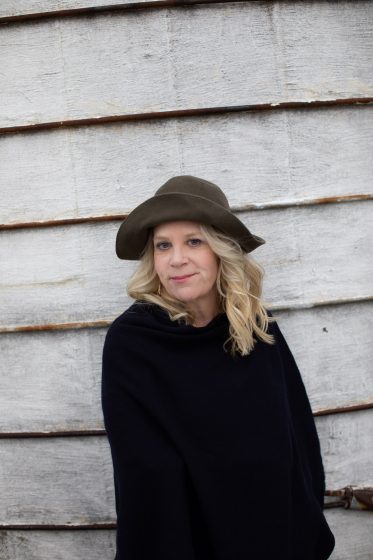
WATCH: Raye Zaragoza, “They Say” (Featuring Colin Meloy & Laura Veirs)

Artist: Raye Zaragoza (feat. Colin Meloy on harmonica and Laura Veirs on banjo)
Hometown: New York City
Song: “They Say”
Album: Woman in Color (produced by Tucker Martine)
Release Date: October 23, 2020
Label: Rebel River Records

In Their Words: “This song is about the dysfunction of American power structures. It’s about how the systems built to support the people don’t support all people. Especially during a pandemic, it’s been exposed how those lower on the socio-economic ladder are left without the basic resources everyone deserves.” — Raye Zaragoza


Photo credit: Cultivate Consulting

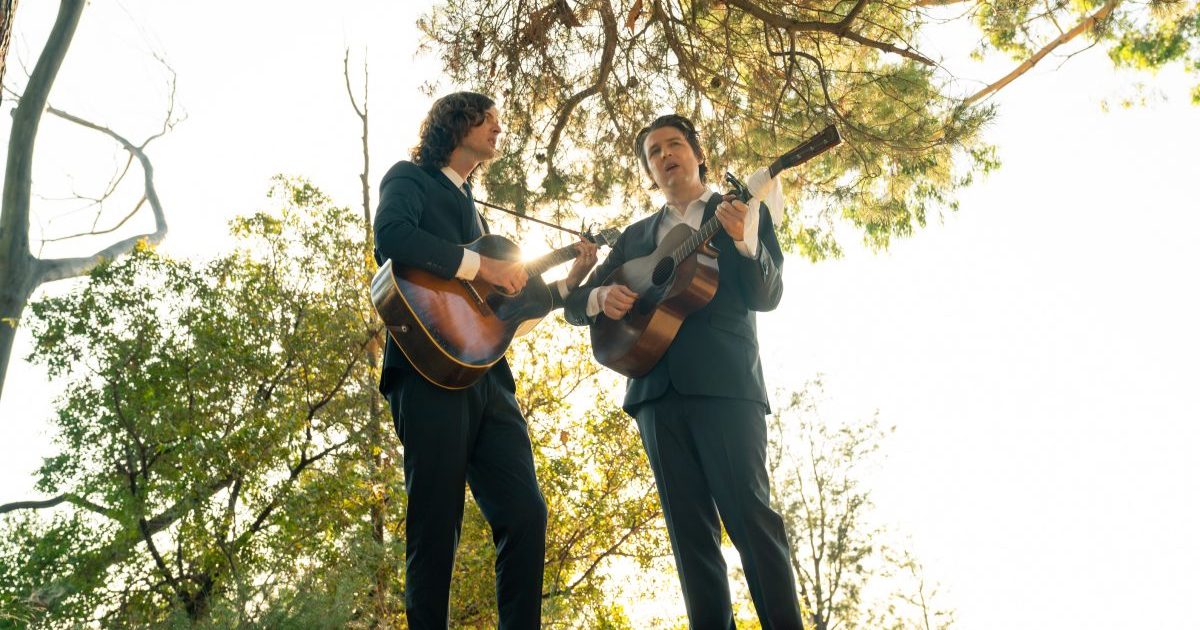
WATCH: The Milk Carton Kids, ‘Live From Lincoln Theatre’

Artist: The Milk Carton Kids
Album: Live From Lincoln Theatre
Release Date: Released on video in 2014; released on streaming services in 2020
Label: ANTI- Records

Editor’s Note: The Milk Carton Kids both filmed and recorded Live From Lincoln Center in Columbus, Ohio, in October 2013 during a tour in support of their Grammy-nominated album The Ash & Clay. Originally the video was edited and the audio mixed by band member Kenneth Pattengale in the band’s Sprinter van in the days following the show. Now it has been remastered by Kim Rosen, one of the band’s favorite collaborators.

In Their Words:Live From Lincoln Theatre is the truest representation of what Joey and I have been up to for the last decade. The set list is like a greatest hits album of Milk Carton Kids songs. I’ve never played guitar in the studio quite the way that it comes together on stage. Our voices also communicate something extra for the occasion. And, of course, Joey doesn’t ramble about our master recordings, but there’s no stopping him once the lights are dim and the mics are hot. … In Columbus everything came together the way that it does when audience and performer are in fine form, the energy coalescing into the mystery that drives us musicians to do EVERYTHING we do.” — Kenneth Pattengale


Photo credit: Jessica Perez

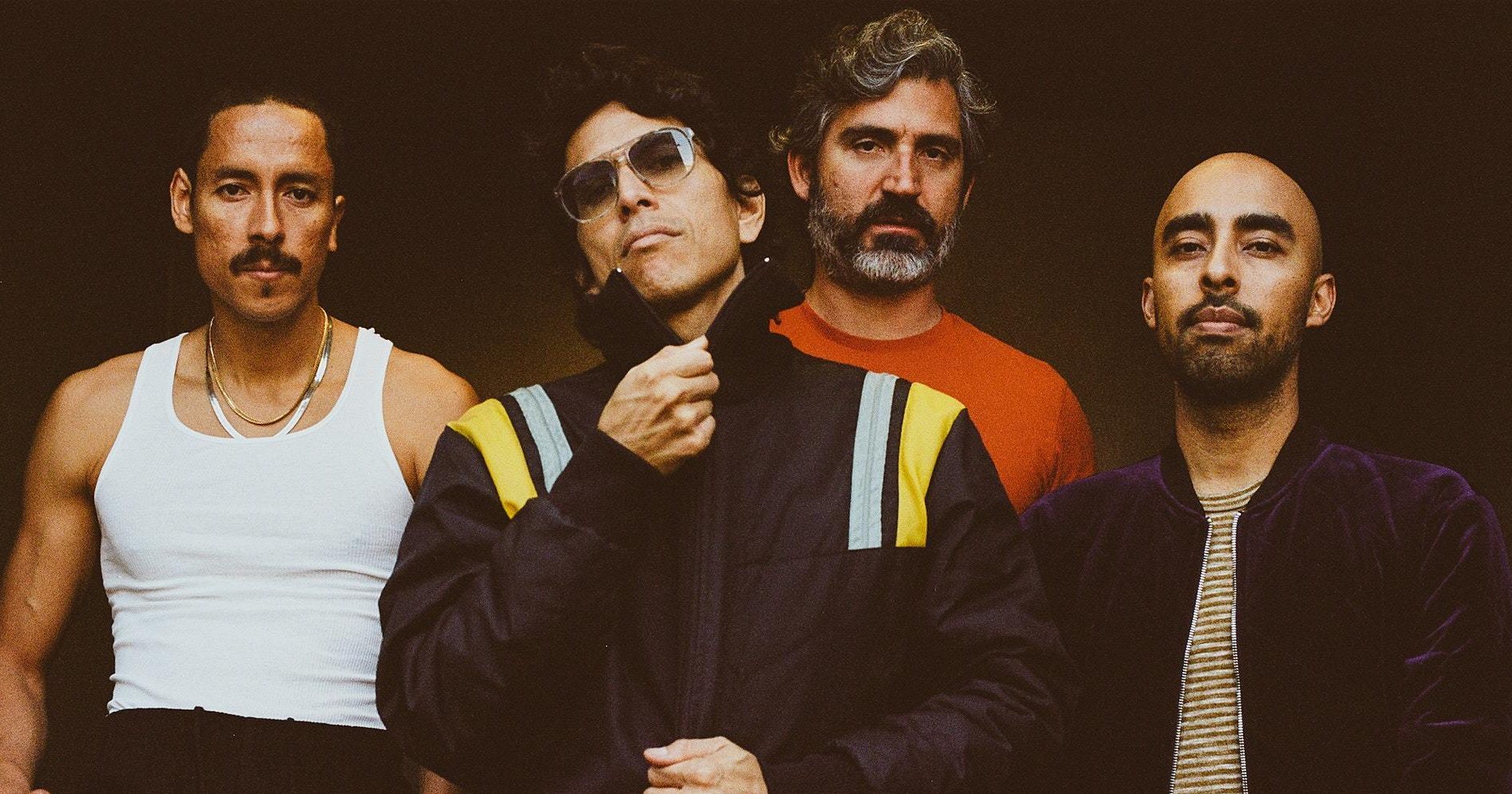
The Show On The Road – Chicano Batman

This week, The Show On The Road features a conversation with members of LA’s Latin roots-rock heroes Chicano BatmanThe band came together in 2008 and is comprised of Eduardo Arenas (bass, guitar, vocals), Carlos Arévalo (guitars), Bardo Martinez (lead vocals, keyboards, guitar) and Gabriel Villa (drums).

LISTEN: APPLE PODCASTSSTITCHERSPOTIFYMP3

Host Z. Lupetin was able to catch up with Bardo Martinez and Eduardo Arenas while they sheltered in place at home in LA. In the past you may have seen Chicano Batman at music festivals like Coachella dressing up in matching Mariachi outfits or crooning in a colorful mashup of Spanish and English on previous standout records like the dreamy Cycles of Existential Rhyme and the rebellious Freedom Is Free.  

Their newest work, Invisible People, is their most personal, political, and downright danceable release to date. The traditional Mariachi outfits may be tucked away in storage, but their playful vibe remains, even as the musicianship and pop-tightness took a big jump forward.

After twelve years of expanding and fine-tuning their sound and finding a devoted national audience, Chicano Batman is no longer the oddball, upstart band. While they now focus mainly on English lyrics, they know as songwriters and performers that they’ve become role models for Los Angeles’s vibrant Latin-roots rock renaissance, acting as springboards to a whole new scene that may not have a genre or name yet.


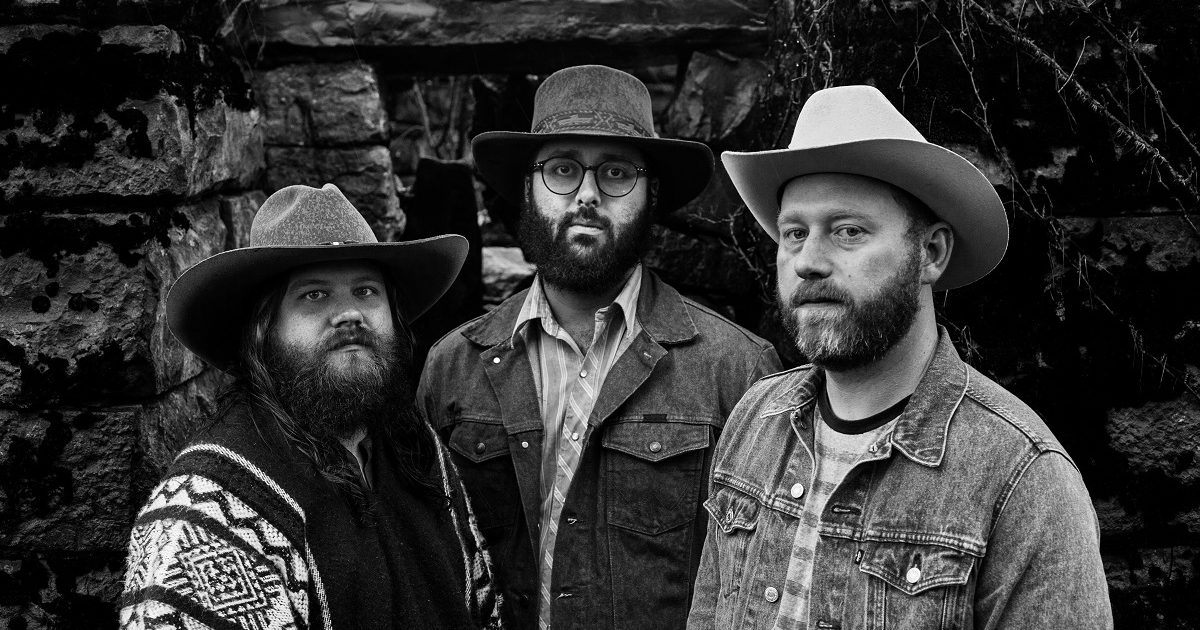
LISTEN: Great Peacock, “Heavy Load”

Artist: Great Peacock
Hometown: Nashville, Tennessee
Song: “Heavy Load”
Album: Forever Better Worse
Release Date: October 9, 2020
Label: Soundly Music

In Their Words: “I don’t totally know what this song means or is about. I just know that it makes me feel a lot of different emotions. We love so many things throughout the course of our life. Love is experienced and given and received in so many different ways for all manner of experiences, memories, places, things, and people. I think the real message of this song is that love isn’t always an easy thing, but you can’t give up on it. You have to give and receive it. I’m telling myself that in this song. I’m not singing to anyone else. I’m singing to me.” — Andrew Nelson, Great Peacock


Photo credit: Harrison Hudson

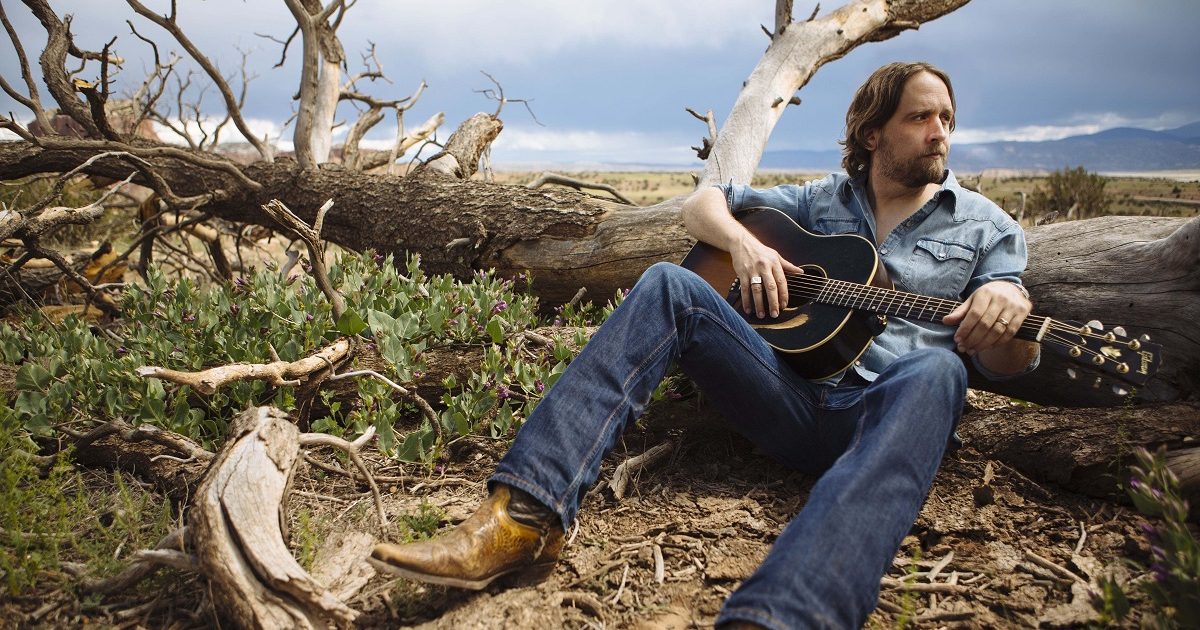
LISTEN: Hayes Carll, “Beaumont” (Acoustic)

Artist: Hayes Carll
Hometown: Woodlands, Texas; currently resides in Nashville, Tennessee
Song: “Beaumont” (Acoustic)
Album: Alone Together Sessions
Release Date: September 4, 2020
Label: Dualtone

In Their Words: “I started out singing on the southeast coast of Texas. Beaumont was just an hour up the road from where I was living. I had a few gigs there. A few friends too. The town just kept finding its way into my work. Its physical proximity to Houston, combined with the cultural differences, made it an interesting origin point for the narrator in this song. He’s in the city but the perspective comes from a simpler place. I’m thinking about all the folks down there right now dealing with yet another hurricane.” — Hayes Carll


Photo credit: David McClister

‘Harmonics with Beth Behrs’ Debuts on BGS Podcast Network on September 8

The Bluegrass Situation is thrilled to announce the newest addition to the BGS Podcast Network: Harmonics With Beth Behrs. The eight-episode podcast explores the intersections of music, creativity, wellness, and healing. (Subscribe here.)

Hosted and produced by actress, comedian, and banjo lover Beth Behrs (The Neighborhood, 2 Broke Girls) each episode features a deep dive conversation into topics such as mental health, sound healing, songwriting as therapy, ancient musical traditions, and the power of the creative process on our physical bodies and emotional selves.

The first two episodes of the series premiere on Tuesday, September 8, kicking off with guests Glennon Doyle (New York Times bestselling author of Untamed) and renowned sound healer Geeta Novotny. Other featured season one guests include Brandi Carlile, Mary Gauthier, Mickey Guyton, Tichina Arnold, and Allison Russell.

Behrs says, “Songs are simple ways of telling stories, you can find a song to fit any mood you’re in. That’s because music bypasses the intellect and goes straight to the heart. I’ve always felt that healing is creative and creativity is healing. Maybe it’s magic? I want to feel closer to the magic. I want all of you to feel closer to the magic. Harmonics was born so we could explore the intersection between music, healing, creativity, and spirituality- and in doing so, makes ourselves feel a part of something bigger. Less alone. More connected.”

Amy Reitnouer Jacobs, co-founder and executive director of BGS, says, “Developing this show with Beth was a dream — we’ve wanted to do something together for a long time. During this time when we’re all refocusing our lives and constantly assessing the state of the world, creating a space where women could be honest and vulnerable about so many topics — such as maintaining creative processes under stress and maintaining mental and physical health at home — seemed more relevant and necessary than ever before. We’re honored to feature so many incredible talents from the roots music world, but I think the breadth of our guests will show our audience that so many of these themes are universal and relevant across the creative spectrum.”


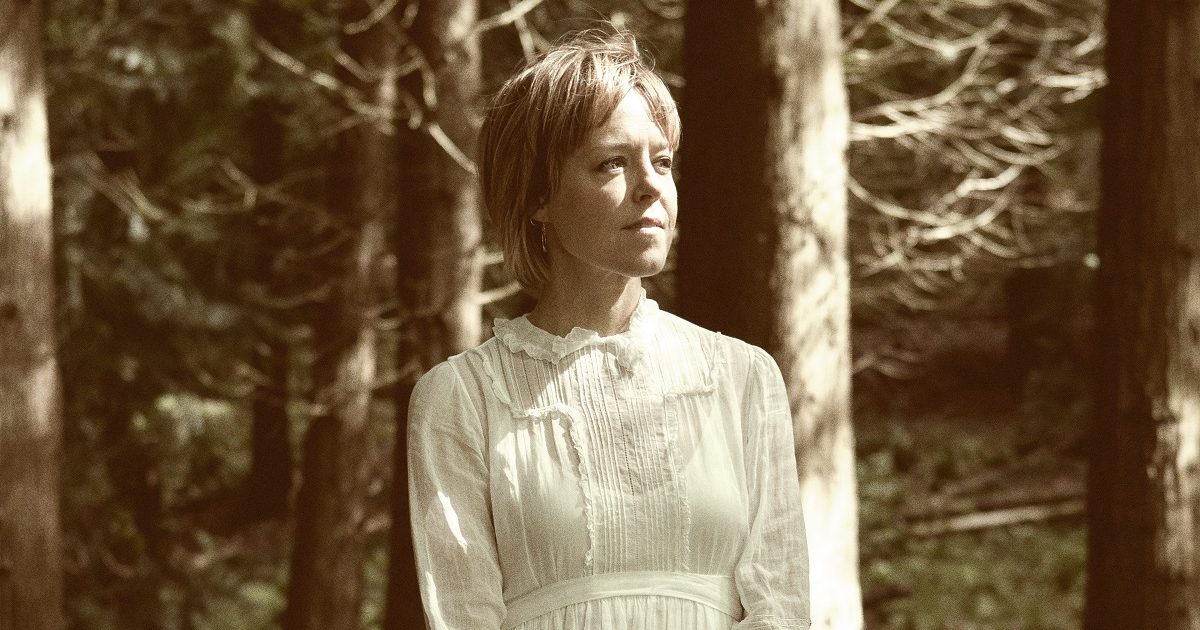
Amid Climate Crisis, Emily Barker Brings ‘A Dark Murmuration of Words’ to Light

Emily Barker is sitting at home in the southwest of England, as the country sweats through its worst heat wave in 60 years. There’s something not quite right about temperatures of 90 degrees F and tropical downpours flooding the sleepy villages. It’s that kind of creeping unease that’s reflected in her new album, A Dark Murmuration of Words — a moving meditation on the state of the world today, in which climate change is a recurring theme.

Barker, who recorded the songs last November, worried whether it might be too much for an audience reeling from the pandemic. “Before the album came out I was wondering: are people going to want to hear these difficult songs at a time like this? Or do they just want escapism?” In the end, she decided to release them anyway. “I know myself I’ve been needing the hard stuff as a source of comfort to feel that collective experience of all the emotions we’re going through.”

In fact, her music achieves the perfect tone for the many unsettling feelings that COVID-19 has forced us to confront. Barker’s wistful melodies bear the listener along even as her evocative lyrics take you into uncomfortable territory. “Strange Weather” grapples with the real-life conversations she has had with her musician husband Lucas about whether to bring a child into a world under threat. “Any More Goodbyes” sounds like a breakup song, says Barker, but is actually a hymn of love to vanishing species. And “Where Have the Sparrows Gone,” with its haunting chorus (“they’re where the woods were once”), takes us into a not-so-distant future where birds have abandoned London, and the city is in lockdown.

The album captures the emotions of anyone struggling to take in the frightening predictions of climate scientists and witnessing the desperate fight of environmentalists like Greta Thunberg to bring humanity to its senses before it’s too late. “Last year the climate crisis was very much at the forefront of all of our conversations and thoughts, wondering what we can do to adapt, and feeling helpless and guilty and angry and upset and all these things,” says Barker, who admits she that even as an optimistic person, she had moments, in 2019, of feeling “really, really pessimistic about it.”

Her response was to try and change her perspective to focus on her closer community. “Sometimes that’s how we cope,” she says. “I have to focus on my immediate community and the things I can change, the conversations I can have, because I can’t fix the world.” Hence the presence on this album of a tribute to Wangari Maathai, “The Woman Who Planted Trees.” The Kenyan activist’s simple individual acts of tree-planting grew an entire movement, empowering the women around her with forestry and beekeeping skills, and educating thousands of people on ecology.

Barker’s new community focus manifested in all aspects of the album’s production. “I wanted to bring in as many local artists as I could,” says Barker, whose band was made up of good friends from the UK’s thriving South West scene, including her husband. “And not only the musicians but the painter who did the art cover and the filmmakers who did the music videos. That fit with the ethos of the album but also with lockdown — we’ve got limitations now and it’s a good reason to make the work happen here.”

Stroud, the town where she lives, sits in a beautiful landscape surrounded by rivers, lakes and rolling hills. She and Lucas have just moved into a new house, and are being visited by electricians and workmen when we talk. The theme of home has been a recurrent one throughout her work, prompted by the fact that she left her country of birth 20 years ago. Having grown up in a small country town in Western Australia, she came to the UK as a backpacker in 2000, and has made her life there.

Several songs in the new album remain redolent of her love for her homeland, from the vast night skies she conjures in “When Stars Cannot Be Found” to the nostalgia of “Return Me” and “Geography,” the music to which she wrote with English rock band 10cc’s Graham Gouldman. “Eucalyptus after rain remind me who I am again,” she sings, and it makes you wonder whether having two homes rather than one is a blessing or a burden.

“It’s less easy in some ways,” Barker agrees, “because I always have this constant question of where should I be. I’m always missing at least one place. Sometimes two places! You can feel quite fragmented.” Every year she escapes the English winter to spend 10 weeks with her family down under. She had just returned before the pandemic hit.

Barker wasted no time, when lockdown began, in reaching out to her neighbours. She saw the “viral kindness” forms that Extinction Rebellion had created and posted help slips through doors on her street, asking if anyone needed someone to talk to, or their errands done. “We had five vulnerable people who were living on their own give me a call and we started doing a weekly shop for them. It was such a good way of meeting people and gave us a sense of purpose, especially with festivals and gigs being cancelled seemingly every hour.”

Purpose and mission are clearly important to Barker. At university, aware that her Australian education had celebrated colonialist settlers and taught her nothing of the oppression and injustice they had brought with them, she sought out a course taught by Indigenous historians. “That was the trigger for me looking into structural racism,” she says. “I never understood growing up why in my country town there were so few Aboriginal people — we never learned about that.”

Recent years touring the US with her friend and mentor Mary Chapin Carpenter led her to research more widely. It was Ava DuVernay’s film The 13th, about the Constitutional amendment that abolished slavery, but allowed it to continue in prisons, which inspired her song “Machine.” Written before the killing of George Floyd, her lyrics prove uncannily timely, sung from the point of view of one of the architects of a system that has oppressed Black people for centuries.

“I covered all my tracks in books on history, justified my actions through anthropology,” she sings. And then, as if anticipating the Black Lives Matter protests that have since taken hold, “a crack has appeared, it keeps me up at night… I’ve been a bully and a sinner now I’m on the way out.”

She has seen, in Australia, how the arts have influenced politics by bringing untold stories and narratives to light. Some of her favourites are Indigenous singer/songwriters Archie Roach and Gurrumul. “I feel like the story of how Australia was settled is really well-known now among your average citizen,” she says.

So there remains hope in her outlook, however challenging times may appear. As she changes her own behaviour — flying less, taking trains when on European tours — she looks for ways to help others confront theirs. “Environment and equality are very important to me,” she says. “And it’s finding the right perspective to write that from and being respectful of the people in society who are suffering.”


Photo credit: Emma John

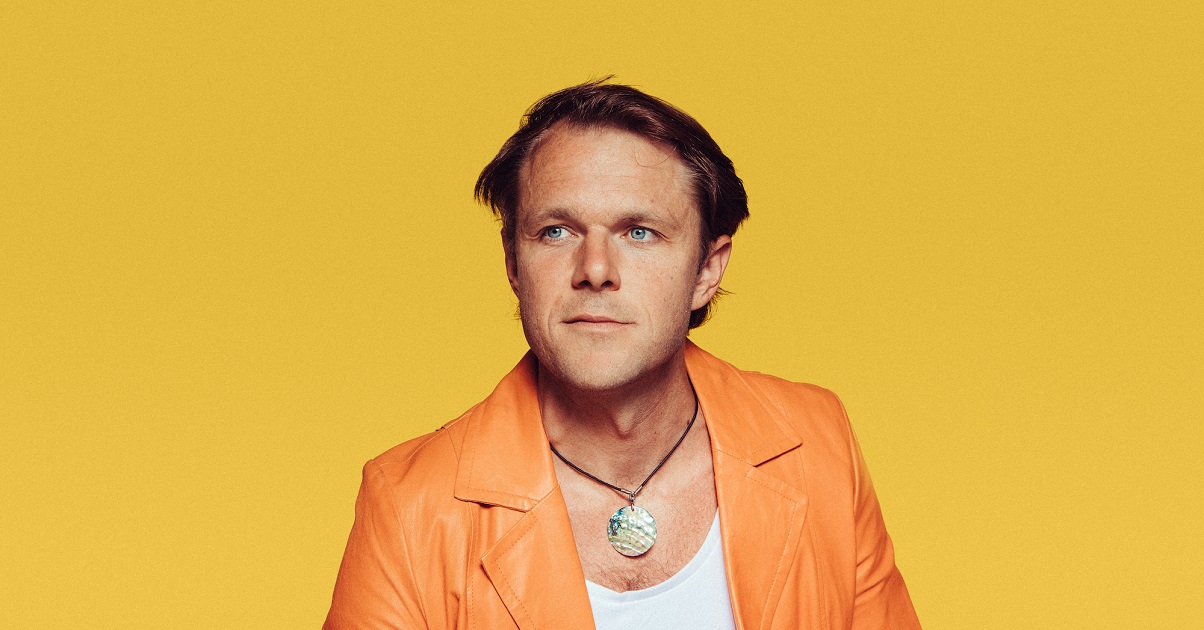
LISTEN: Josiah Johnson, “Woman in a Man’s Life”

Artist: Josiah Johnson
Hometown: San Francisco, California
Song: “Woman in a Man’s Life”
Album: Every Feeling on a Loop
Release Date: September 4, 2020
Label: ANTI- Records

In Their Words: “We are beginning as a culture to reckon with gender roles and expectations, different standards and power dynamics. As someone who can fall back on presenting pretty straight, but has known I’m queer for a long time, I have been in process shedding my internalized homophobia and claiming my sensitivity, nurturing nature, my yin qualities as strengths. So when I sing ‘I’m a woman in a man’s life,’ it holds empowerment for me.

“I’ve learned to love my process. I’ve learned to love when I’ve taken the long way and where I get to admit mistakes. Humility and uncertainty are welcome. Being seen for who I am and where I’m at is my priority. And I am exactly where I am supposed to be. The result of that new courage bears out in how I’m able to be a better friend to the people I love. That’s the gift.” — Josiah Johnson


Photo credit: Sela Shiloni

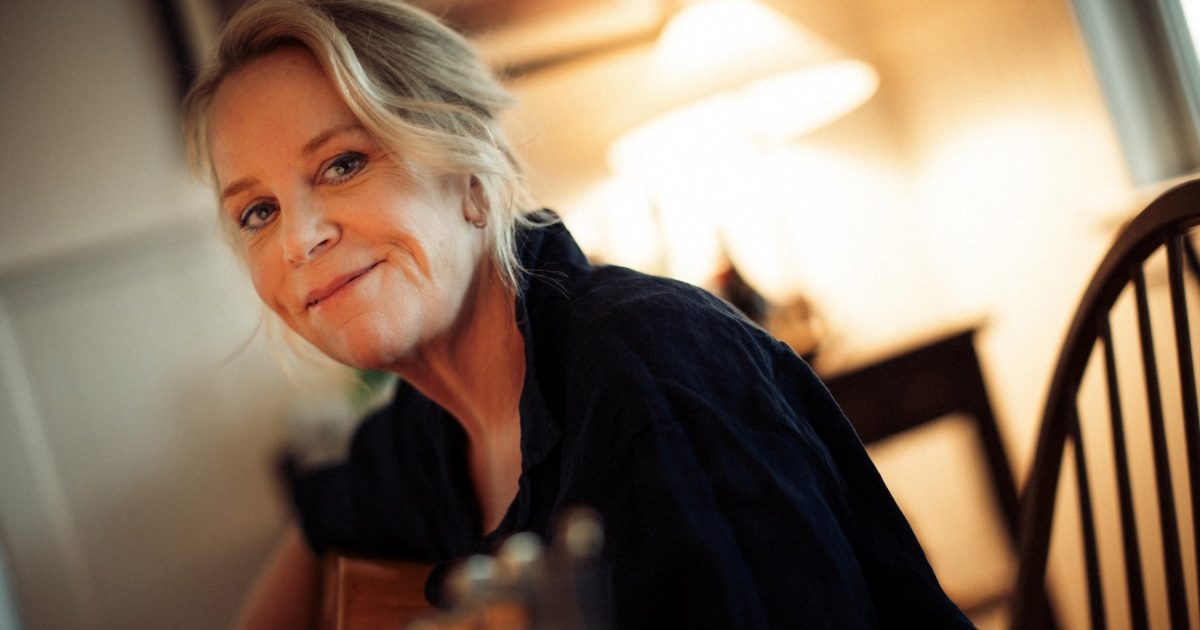
Mary Chapin Carpenter Walks Us Through ‘The Dirt and the Stars’

Mary Chapin Carpenter’s fans have got to know her kitchen well since the start of lockdown. It is a beautiful space, often ornamented with bright, round peonies from her garden. It makes you long to be as tidy, and as tasteful, as Mary Chapin Carpenter.

It’s in this kitchen that she records her Songs from Home series. She greets us with the tender familiarity of a family member on a weekly Zoom call. Guitar slung around her neck, she’ll share some snippet of news or wisdom before singing to us from a back catalogue so deep that there’s always something appropriate to the mood of the day. Often there’s an unscripted appearance, even an added harmony, from Angus, her golden retriever, or her cat, White Kitty. It’s less a house concert than a singalong with an old friend.

She’s in her kitchen again as we talk, this time making chicken stock. “I’ve got two enormous pots of chicken bones and carrots and celery boiling on the stove,” she says, and for a moment, it’s like an audience with Julia Child. “I get it started just before noon and then it simmers for about five hours. Just before dinner time I take it off and put it in jars. Then it’s there for whenever I need it.”

I tell her that I’d been wondering, from seeing the immaculate state of her kitchen on her lockdown videos, if she ever cooked at all. “Well, I make sure I clean the dishes out of the sink!” she laughs. “I love to cook. This kitchen is a place where I’m so happy. I wish everybody could come over and hang out!”

She pauses, as the thought strikes her. “These are things that you didn’t even think about, when this all started, about half the things you’d miss. It’s one of the pleasures of my life, feeding people around a table. I miss it so much.”

Carpenter was supposed to have continued her nationwide tour alongside Shawn Colvin this spring, playing songs from her new album, The Dirt and the Stars. With all gigs cancelled, and the travel that usually “balances” her introvert tendencies curtailed, lockdown has been challenging for Carpenter, who lives alone in the Blue Ridge Mountains.

“I’ve been very, very isolated for many months now,” she admits. “It’s a remote rural area, and I don’t need to leave the farm very often except to pick up groceries curbside and use the drive-through drug store. And just like everyone it can be tremendously lonesome and at times very hard, but my reality check at that moment is to remember that so many people are struggling so much more than I am. The minute I start feeling sorry for myself, that’s all I have to think about and I stand up a little straighter.”

After all, Carpenter quickly reminds herself, she is not completely alone — there’s Angus and White Kitty. “And here I am in this beautiful part of the world and I walk every morning for miles, I’m out in nature as much as possible and I really do try to use those elements of my life as meditation and medicine and inspiration.”

Her songwriting walks are a long-established part of her process, although she’s trying not to put pressure on herself to be creative during these extraordinary times. A friend recently phoned her and told her how the various things she’d hoped to accomplish while stuck at home were coming to nought, and how bad it made her feel.

“I said to her, and I think I was saying it to myself at the same time, who among us is going to be accomplished during this time? It’s asking too much. The best you can do in that moment of frustration is to be still and inhale and be kind to yourself.” She catches herself. “I know, it sounds very woo-woo and Oprah-like.”

Carpenter’s new album, recorded in January and February of this year, is arguably the most intimate and autobiographical of her career. But what’s particularly noticeable is the powerful thread of empathy that runs through it, along with a repeated message of tolerance for our fellow humans, all of us carrying our private burdens and flaws.

It’s there in the titles: “It’s OK to Be Sad,” “Secret Keepers,” “Everybody’s Got Something.” In “Where the Beauty Is,” she takes the image of kintsugi pottery — “the shattered pieces of a bowl/ Filled and fused with dust and gold” — to illustrate that our brokenness is what makes us beautiful.

The final song of the album, “Farther Along and Further In,” suggests that these discoveries are ones that Carpenter has been making herself: “There’s a crack in the armor, an opening/ My heart seeing out and my eyes see in/ Where they’ve never seen before.” She agrees with the analysis. “It’s like I’m writing about my own experience, but talking to myself at the same moment. And that new reckoning with self has everything to do with growing older, it’s directly connected to that. The wisdom that comes to you with growing older is the sense that you don’t care as much anymore about little things that used to nag at you. You’re able to let them go. You’re able to realise you can find sustenance and comfort and meaning in things you never did before.”

So much of life, she says, is struggling with oneself — wanting to be better, smarter, more accomplished. “It’s as if as you grow older you’re able to shed that somehow and not care as much. That’s the gift of growing older.” Even still, there are things that are hard to share, even in song. In her excellent three-part podcast, recorded with poet Sarah Kay, Carpenter shared the inspiration behind the song, “Secret Keepers” — born of a #MeToo experience in her past — and admitted to Kay that she found it difficult to reveal too much of herself in her work.

There are other difficult, poignant subjects, not least the death of her friend John Jennings, to whom she pays moving tribute in “Old D 35.” Her fellow songwriter and longtime producer passed away five years ago from cancer, aged 61. “We weren’t just musical partners — he was my best friend,” says Carpenter. “He had been my boyfriend years ago and we’d evolved into being oldest friends. I miss him every day — there’s a hole in my life that’s always going to be there.”

The talk of loss brings us to John Prine, who died of Covid-19 in April. “People are experiencing these losses and have been unable in many instances to even be there with their loved one when they pass away. There’s probably nothing crueller. I may be wrong, I’m just guessing, but I think this terrible disease and catastrophe became a lot more real when someone like John died of it. Sometimes things don’t seem quite real until they touch you directly.”

The scale of the pandemic was only just becoming apparent as Carpenter finished mixing the album. She had chosen to return to England, in order to work once again with Ethan Johns, who produced her last album, Sometimes Just the Sky. The West Country, where Johns’ studio is based, is one of the parts of the world Carpenter loves most, and she finds a beautiful symmetry with her own Virginia countryside. “I live in the northern part of the Blue Ridge, where the mountains aren’t so dramatic as North Carolina. It’s gentler hills and pastures and valleys and whenever I’ve spent time in that area in England near Bath, it’s real similar.”

She performed in a show in London before heading home to the growing crisis. “Someone said to me since, ‘You’ll be one of the few people who can say you had a gig in London in 2020!’” Even now, she can’t bear to ponder when her next live gig might be. “If I think about it too much I get really sad.”

It is no surprise to hear her vent her fury with the Trump White House. “This country is burning up because of the absolute abdication of responsibility of the current administration,” she says. “It’s a debacle, and I feel equal parts rage and sadness.” Her political outspokenness has often caused a backlash among parts of her audience — what she calls the “shut up and sing brigade” — and she says she’s still “incredulous” to hear it. “They’re saying that by deciding to be a songwriter or a singer you’re not permitted to have a conscience. I would direct them to Nina Simone, who said it’s an artist’s duty to reflect the times in which we live.”

Her passion for justice, both in her songs and through her support of organizations like the Women’s Refugee Commission, stems partly from the unusually global worldview she received during her childhood. Her father, an executive for the Asian edition of Life magazine, took his family to live in Japan for a couple of years when Carpenter was 11 years old. Her parents, prescient enough to know that they might never have the chance again, brought the children back to the US the long way, travelling through India, Hong Kong, Greece, Italy, and France.

It was, she says, a magical and eye-opening experience, and gave her “an understanding of what is necessary to be a contributing citizen of the world.” She notes, “My parents raised us to always speak out on behalf of people who have less than we do. That’s why it’s such an insult when people condemn artists for speaking out. I always think it’s a great loss when people feel they’re not able to speak their conscience.”

Still, a seam of hope for the future runs through this record, whatever present trials we face. “It’s disappointing to me when people think it’s a sad record – it’s almost as if they hear it and say, ‘There’s a lot of slow songs on here.’ Inherently it’s a record of looking toward the unknown future and believing that’s the best part.”

It’s certainly something she believes, as she return to the “solace and serenity” of the quiet farmland — to Angus, to White Kitty, and to her bubbling chicken stock.


Photo credit: Aaron Farrington

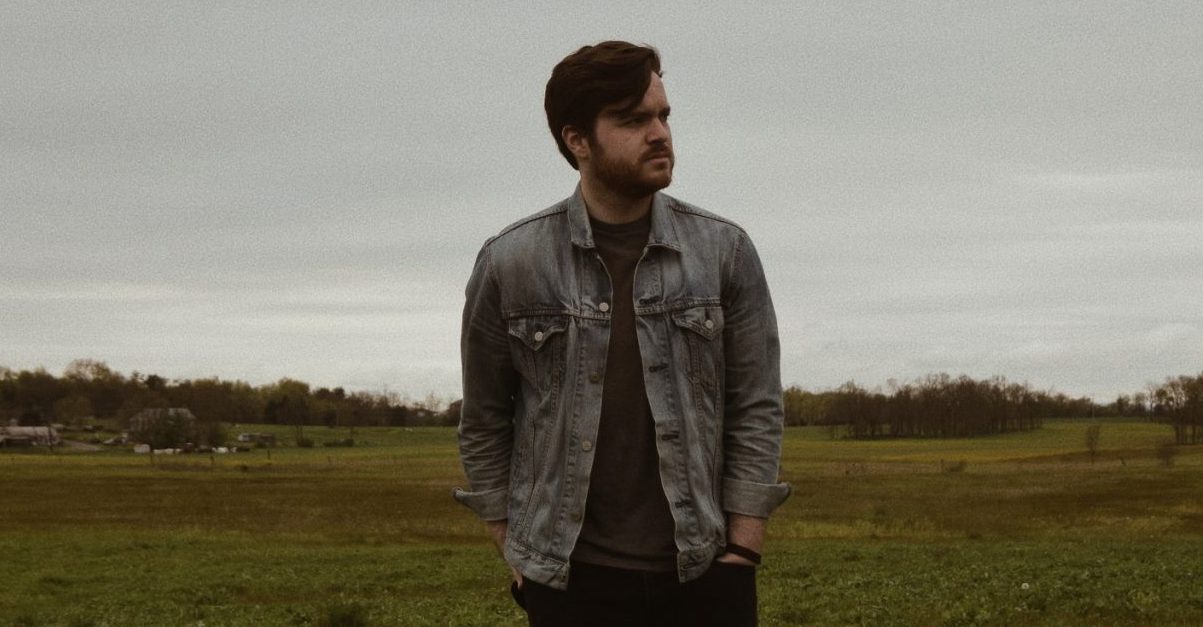
WATCH: Trae Sheehan, “Paris”

Artist: Trae Sheehan
Hometown: Martinsburg, West Virginia
Song: “Paris”
Album: Postcards from the Country
Release Date: September 18, 2020
Label: Half Moon Records

In Their Words: “Somewhere in a hazy, black & white, overcast New York City full of briefcases and energy is where I found ‘Paris.’ It was a song I wanted to write for a while but I didn’t know how to approach it. The first line was with me for a few days before I sat down to write, and by the time I was at the kitchen table with my notebook and guitar, all I could see in my head was SoHo in New York City in this strange 1950s kind of way. I mixed that imagery with how out of place someone can feel in the dating world and that’s where the song lives. It’s probably my favorite song on the record.” — Trae Sheehan


Photo credit: Misty Sheehan