WATCH: James Lee Baker, “100 Summers”

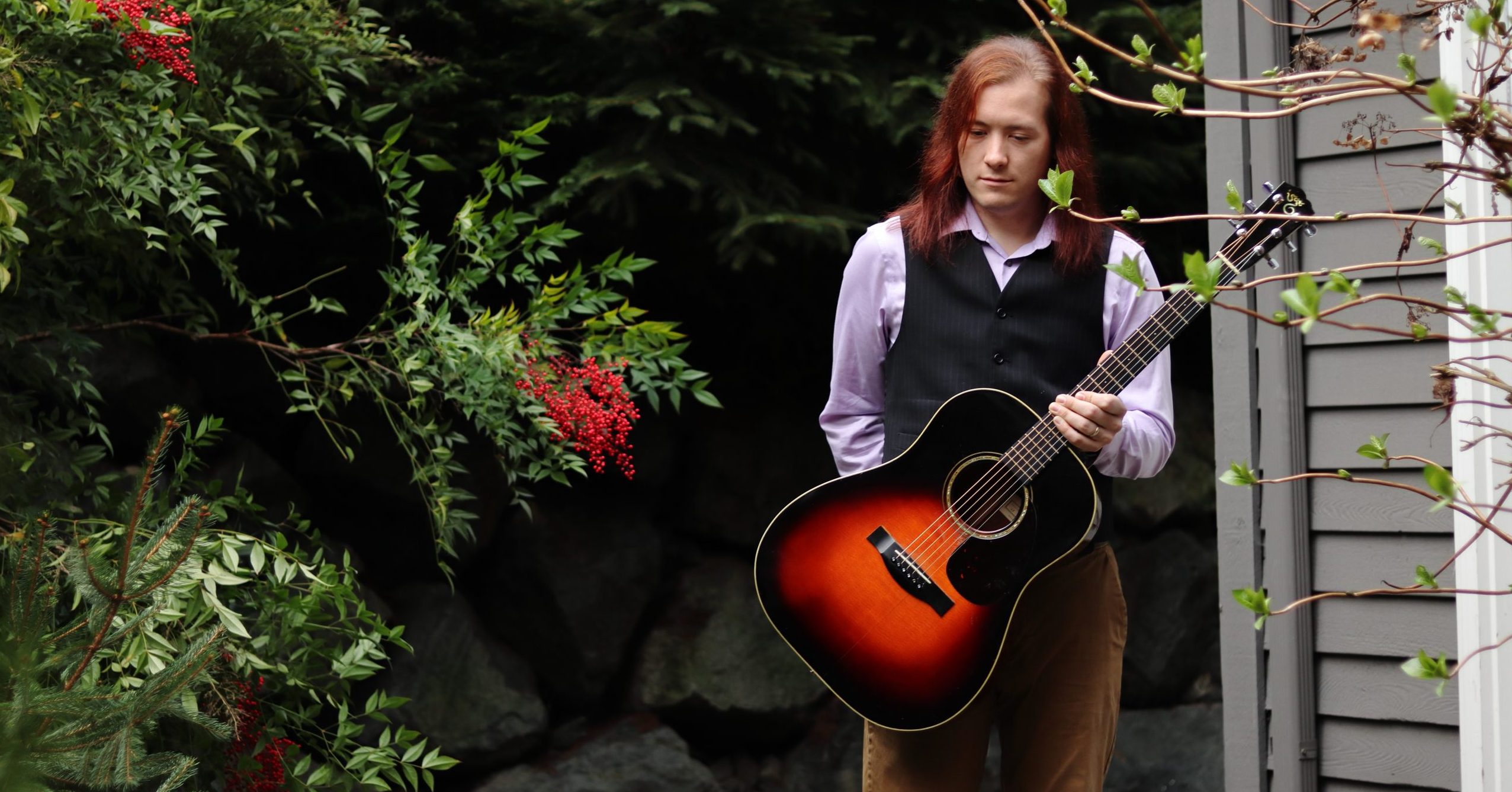
Artist: James Lee Baker
Hometown: Amarillo, Texas. Currently living in Denver, Colorado.
Song: “100 Summers”
Album: 100 Summers
Release Date: September 4, 2020

In Their Words: “The last few years of my life I have been on a personal journey to discover my place in existence. In this infinitely expanding and massive, hostile universe, my perspective has changed from one of fear to one of acceptance. In all of the chaos surrounding us, we are capable through our own free will of creating our own paradise and sharing it with others. It is in this life that we should strive to find happiness, not defer such joy of existence until after our inevitable deaths.

“All the things I own are temporary — my house, the money in my bank account, my car, my guitars. All of it will cease to matter at some point and … was it ever mine to begin with anyways? I am just trading one thing for another in the end. All I really have right now is the present moment and in a flash that could be taken from me, so why should I spend that time daydreaming about being somewhere else or wanting something I don’t have?

“I could ask for so many things but I’ve been there and I know that I will not be fulfilled. ‘If I could have one wish, it would be to live a life full of meaning and wonder for 100 Summers.’ It would be a life spent investing into the most important thing in existence — being alive and enjoying the tender moments of it with those that I love.” — James Lee Baker


Photo credit: Delaney Gibson

Alex Sturbaum, “Radish in Spring”

There’s an immediately whimsical, transatlantic quality to Alex Sturbaum’s original tune, “Radish in Spring” that feels intuitive, like a long-forgotten melody on a medieval video game’s pause menu or the perfect backing track to a montage scene in a sepia-toned, independent film. The cheerily wonky descending chromaticism feels like a wry, knowing smile, teasing listeners’ ears for expecting the predictable.

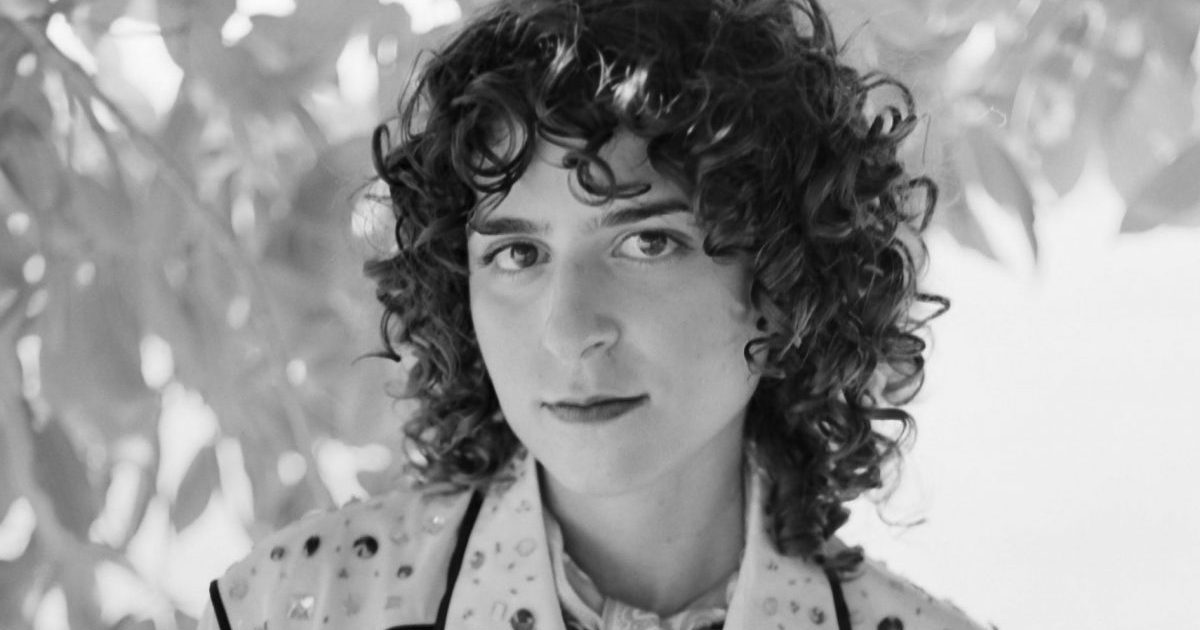
A genderfluid musician, educator, composer, and multi-instrumentalist, Sturbaum is full of delightful turns such as this on their new release, Loomings, purposefully and pointedly queering a musical aesthetic that hearkens far back, beyond Appalachia, American shores, and across the sea. The title, a serendipitous reference in a pandemic that has forced many a backyard gardener to embrace homegrown brassicas of all varieties, is a reference to Sturbaum’s partner, Rae, whose pet name is “Radish.” 

“I had to include ‘Radish in Spring’ [on Loomings];” Sturbaum explains via email, “Not just because I love playing the tune, but to honor the person whose love and support has been integral to my journey as a musician and as a person.”

Knowing, sensing this tender tribute allows listeners to untangle even more of the song’s subtly captivating themes — including that prerequisite spiciness we all know, love, and expect from a crisp, icy cold, earthy radish. Sturbaum’s Irish-style button accordion combined with fiddle supplied by Brian Lindsay and bass by Loomings producer Alicia Healey are together a textbook less-is-more approach to instrumental tune-crafting. And, whether metaphorically or literally, they’re a reminder of the beautiful simplicity of a just-after frost, freshly-tended garden bed full of bright, new, homegrown radishes in spring.


Photo credit: Brian Lindsay

BGS 5+5: Arlo McKinley

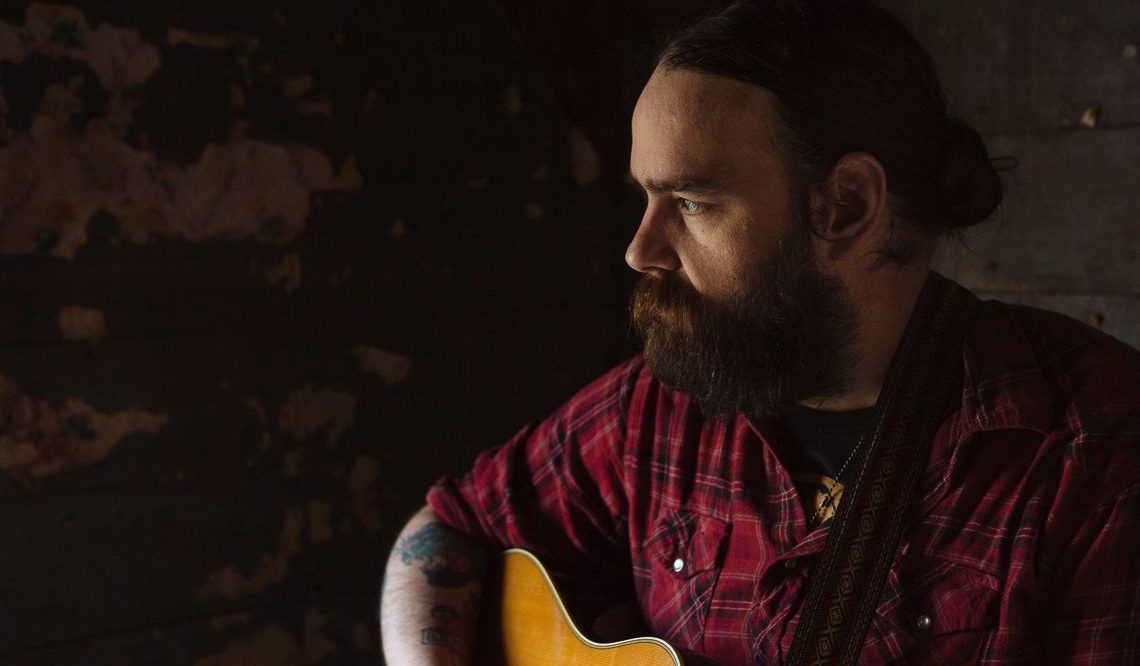
Artist: Arlo McKinley
Hometown: Norwood, Ohio
Latest Album: Die Midwestern (Oh Boy Records)
Rejected Band Names: Hatchet Wounds, Black Locust Inn, Thousand Dollar Car

Which artist has influenced you the most … and how?

With so many influences I could name, I always go back to Blaze Foley. His ability to put so much feeling and emotion into a simple song without ever taking himself so seriously. He always influenced me in my writing, and has been a reminder to always be myself.

What’s your favorite memory from being on stage?

I would have to say that performing and knowing that one of my heroes, John Prine, had taken the time out of his day in the middle of the week to come see me play would probably top the list. He came to watch the band play at the High Watt in Nashville. That was a night I’ll never forget.

What other art forms — literature, film, dance, painting, etc. — inform your music?

I read a lot when not listening to or writing music. Charles Bukowski, Hunter S. Thompson, Greil Marcus, Ted Chiang and many others. Ted Chiang writes very smart, socially-conscious science fiction that really stands out to me. I highly recommend checking him out if you haven’t already.

What was the first moment that you knew you wanted to be a musician?

That would have to be growing up in the Baptist church. Seeing that music could be so much more to people than just a sound and evoke real emotions in people appealed to me in a way that is hard to put into words. Along with that I grew up constantly surrounded by so many kinds of music that my family would be listening to. Country, punk, bluegrass, folk, metal, hip-hop, etc. It’s the only thing that I ever thought that I should be doing so I’d say the simple answer is, from the moment I discovered music I knew that’s what I wanted to do with my life.

If you had to write a mission statement for your career, what would it be?

It would be to keep pushing myself to grow as a musician, always pushing myself to never create the same album twice. It would be to also keep creating music that people can correlate to their own lives in one way or another.


Photo credit: David McClister

WATCH: The Foreign Landers, “Put All Your Troubles Away”

Artist: The Foreign Landers
Hometown: Split between Co. Armagh in Northern Ireland and South Carolina at the moment.
Single: “Put All Your Troubles Away”
Release Date: August 24, 2020

In Their Words: “Since we’ve known each other, Tabitha and I have had a foot in two different worlds — Tabitha being from Northern Ireland and myself having grown up in the States. During the past five months we’ve finally had the time and space to make some music together and to try to combine our backgrounds to create something different. The result is a new project that we’re calling The Foreign Landers. This is a song with a very timely message from John Hartford, and it will be the title track from our forthcoming EP to be released later this year. Be on the lookout for more singles soon.” — Tabitha and David Benedict, The Foreign Landers


Photo credit: Tabitha and David Benedict

LISTEN: Rhiannon Giddens, “Don’t Call Me Names”

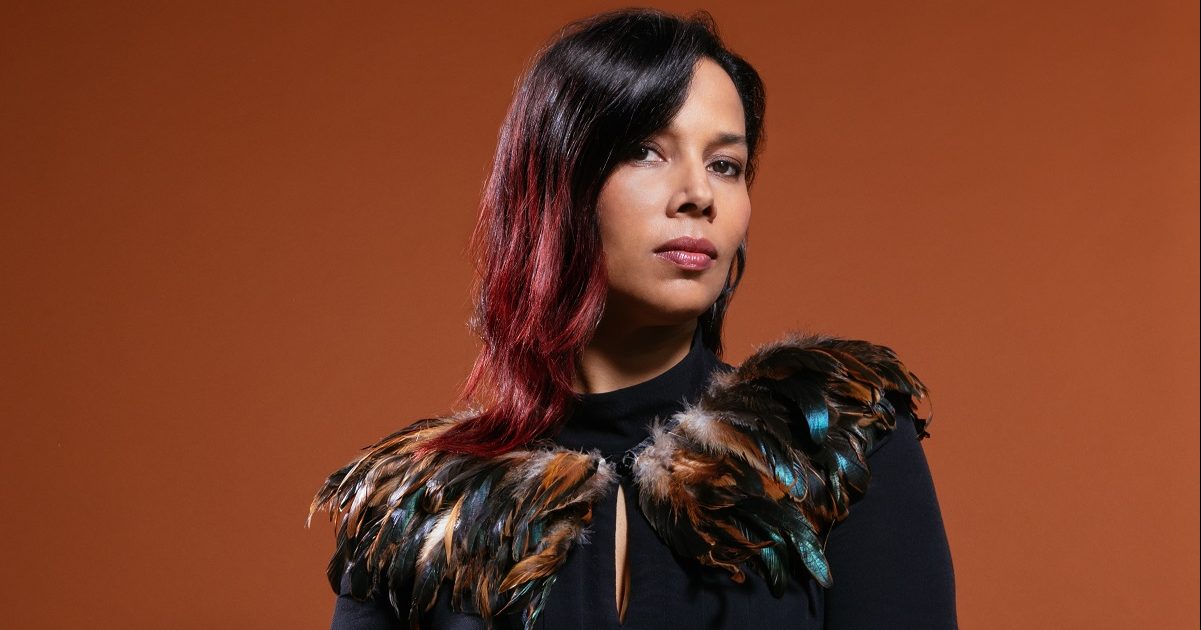
Artist: Rhiannon Giddens
Hometown: Greensboro, North Carolina
Song: “Don’t Call Me Names”
Release Date: August 23, 2020
Label: Nonesuch

In Their Words: “The framework in the song is a love affair, but it can happen in any kind of connection. The real story was accepting my inner strength and refusing to continue being gaslit and held back; and refusing to keep sacrificing my mental health for the sake of anything or anyone.

“I don’t often write personal songs but this one has stayed with me — it poured out then and has just sat there waiting for the right time. I got a chance to do it with some incredible musicians and a fabulous producer and I’m thrilled it’s going to be out in the world; when I listen to it, the anger that I felt then is the anger I feel [now] at my entire country being gaslit, held back, and sacrificed. We have to keep saying NO to toxic behavior, no matter how small or large the stage, and keep saying it nice and loud.” — Rhiannon Giddens


Photo credit: Ebru Yildiz

LISTEN: Rachel Angel, “Bring Me Down”

Artist: Rachel Angel
Hometown: Miami, Florida
Song: “Bring Me Down”
Album: Highway Songs
Release Date: August 21, 2020
Label: Public Works

In Their Words: “‘Bring Me Down’ is a personal song about looking internally to find the inner strength to deal with life’s vagrancies. I wrote the song after extensive touring on the road. I was paranoid and feeling like an outcast as I adjusted to a slower pace back home. I isolated myself in my apartment, using music as a bulwark to shield me from the uneasiness I was feeling.

“The first song that I wrote for the EP was ‘Mexico.’ At the time, I was experiencing a lot of catastrophic anxiety and chronic health problems. I was mentally and physically all out of sorts. I embarked on a family trip to Mexico, and before I left began writing the song: ‘I had enough of that windy ocean road/But I packed up my car and I drove/and I drove.’ My feeling at the time was that something bad was going to happen but I couldn’t determine if it was anxiety or a premonition. Within the first week of being there, we experienced a 7.1 earthquake in Mexico City, many buildings around us fell, power lines down, power was lost throughout the city, everything closed. I was so frightened and immediately wanted to leave, but decided that pushing myself through the discomfort would ultimately make me stronger.

“I spent the remainder of the year touring different cities on the East Coast, in the UK, and traveling around for various events. I was listening to a lot of Outlaw country and the spirit of the music made me feel alive and brave. I wrote and recorded the content of Highway Songs during a breaking point and crisis period in my life, right before I made it out to the other side. I ultimately left New York City for Miami in need of great healing, and have since been on a spiritual journey. I am in pre-production on a new album that finds me in a grounded place and writing lots of songs!” — Rachel Angel


Photo credit: Yasser Marte

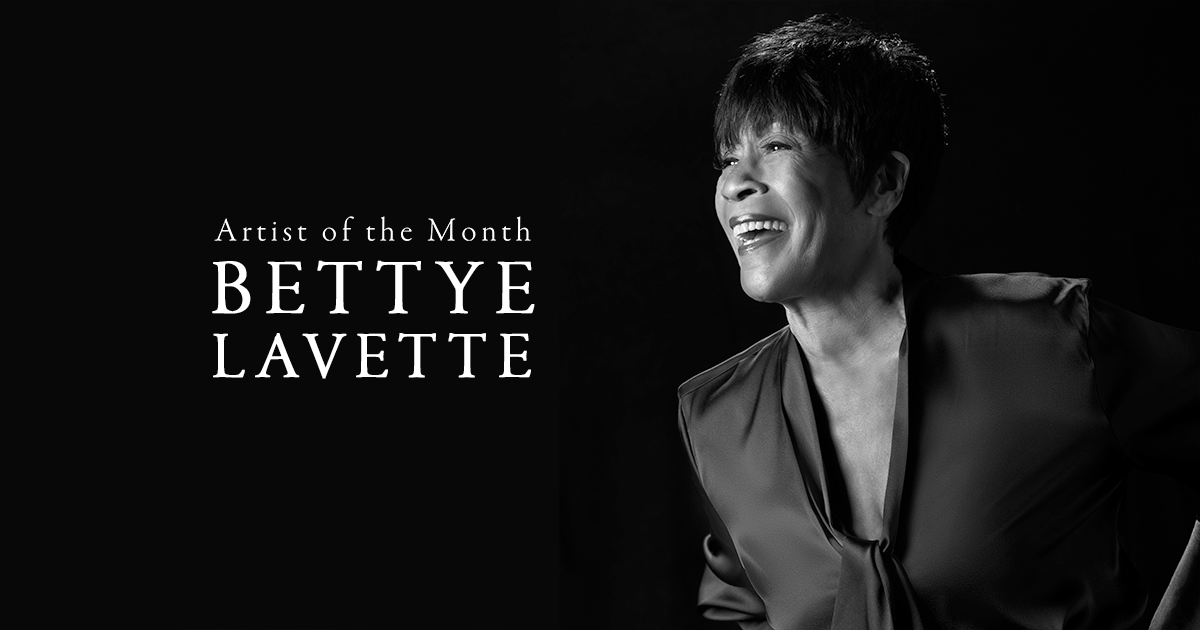
How Bettye LaVette Finally Learned to Let The Songs Sound Like Her (Part 1 of 2)

When Bettye LaVette covered “Your Time to Cry” nearly fifty years ago, she wrung every ounce of hurt and drama from the lyrics, but especially on the chorus. She stretches out the word “time” until it breaks into two syllables, implying a similar emotional break that doesn’t undercut the song’s determination, but shows what cost she has paid for it. It’s a riveting performance, a raw, southern soul slow burner that should have established her as one of the finest R&B voices of the 1970s.

During those same sessions, she also covered Neil Young’s “Heart of Gold” and John Prine’s “Souvenirs,” among other tunes, yet for reasons that were never made clear, Atlantic Records shelved the project, declining to promote “Your Time to Cry” as a single or to release her debut album. That has been a defining moment in LaVette’s long career — and one she subtly and slyly addresses on her new album, Blackbirds. She is the woman wronged, the embodiment of the music industry’s disregard for talent, especially that of Black women. For three decades LaVette continued to work, developing and strengthening her voice and expanding her repertoire. She explains, “When people say I had a resurgence, I want to say, ‘No, I never stopped. You just didn’t come to where I was!’”

Now, nearly fifty years after recording “Your Time to Cry” in Muscle Shoals, Alabama, she has become one of the finest and most accomplished singers in R&B or any other genre for that matter, with a string of albums that showcase her stylistic range as well as her deep understanding of pop history. After releasing a comeback record on the tiny Blues Express label in 2003, she caught the ear of Andy Kaulkin at Anti- Records, who signed her as a new artist at the height of the soul revival of the 2000s.

Since then, she’s covered The Who for the Kennedy Centers Honors ceremony (famously bringing Pete Townshend to tears), recorded with Drive-By Truckers (back in the Shoals, for an album appropriately titled The Scene of the Crime), and reimagined Dylan tunes so thoroughly even his own bandleader didn’t recognize them. And those original Shoals sessions did finally get an official release, first in 2000 on a small Dutch label and again in 2018 from vinyl specialists Run Out Groove.

Blackbirds is among her most powerful albums: a collection of songs by female artists active from the late 1940s through the early 1960s, including Nancy Wilson, Dinah Washington, and Nina Simone, whom LaVette refers to collectively as “the bridge I came across on.” It’s an album that celebrates these artists, but also emphasizes their shared experiences as Black women in the music industry. “Every broken promise broke my heart,” she sings on “Book of Lies,” a song made famous by Ruth Brown. Her voice is lower than it was in 1972, but no less expressive, and she makes that sentiment more than just romantic; it’s also a professional lament, addressed to the industry that derailed her career so long ago.

We spoke with LaVette about Blackbirds in our second half of the interview; here, she tells BGS about her early hopes and disappointments.

BGS: What was your impression when you were down in Muscle Shoals? Had you been there before you recorded?

LaVette: No! What would I be doing there?! What would you go there for, if you weren’t going to record? They had to win me over. I’d wanted to record in New York and Chicago. I always wanted to be very bougie. But after I had accepted how different my voice was — how un-girly-like it was — I identified more with Solomon Burke and Wilson Pickett and Otis Redding. After I was down there for a day, I was absolutely as happy as I could be. They were absolutely wonderful — and wonderful to me. When I got back to Detroit, I could not stop talking about them, especially with the way they wrote and read music.

Were you ever told why your ‘72 sessions were never released?

That has been one of the big mysteries in my career. I can think of that album and my dog Mickey, that I had when I was 11, and just burst into tears at any time. I had Brad Shapiro, who was Wilson Pickett’s producer. I had the Swampers, who I had wanted. I was at the label that I had loved. But when they told me they weren’t going to release the album, I got up under the dining room table and stayed three or four days. My friends brought me food and wine and joints. I’m telling you, I’m about to cry now. It was to be my first album, after having already had a string of singles. For years, all I had was “Your Turn to Cry.” Whenever people would come in with their latest whatever-it-is at my house or at a party, I always kept that song handy, maybe on a cassette. I’d say, “I made a record that was really, really good one time. Y’all wanna hear it?”

I just found out — when I say “just found out,” I meant in the last twenty years, maybe — that it was a split between Ahmet Ertegun and Jerry Wexler. Jerry Wexler was on my side and Ahmet was on Aretha’s side. For the longest time I never knew what happened. I had no idea, and it sounded so stupid, for thirty years, to tell people, “I have no idea.” Many people had heard “Your Time to Cry,” and they said, “If that stuff is anything like this, I can’t understand.” When Atlantic put “Your Time to Cry” out, it was just out. They didn’t mention it to anyone. They just put it out. What you wanted at a label was to have one of everything, and maybe a junior one of everything, too. So they could see where that wouldn’t work with me and Aretha. I think Diana [Ross] is probably the reason I was never at Motown. Those personalities wouldn’t have worked.

Judging by reissues from those sessions, you had already worked up a pretty diverse repertoire.

My manager, Jim Lewis, who was the assistant to the president of the musicians’ union in Detroit and a trombone player with the Jimmie Lunceford Orchestra, was a hard, hard taskmaster. When we started to work this management thing out, he said, “You’re cute. You’ve got a cute little waistline and a cute little butt, but you’re going to have to learn some songs, because there’s a possibility you may not be a big star.” That’s not a given, but you can be a singer for the rest of your life, if you will learn a lot of songs. He said, “You’re a different kind of singer, and you should learn that.”

How so?

I’ve accepted that I sound more like James Brown than Doris Day. But I used to think I had to sound the way Nancy Wilson sounds, which discouraged me from even wanting to learn how to sing. The thought that I could sing it and it didn’t have to sound beautiful didn’t even occur to me, until Jim came along. He told me, “Just let ‘em come out of your mouth. They’re gonna sound like you.” So I had to satisfy myself with the songs. I had to choose songs that I really like, and I would tell people, “Do you like the song or do you like the record? Because those are two different things.”

Jim made me learn a lot of songs. He insisted I learn “Lush Life,” which permitted me to be comfortable at the Carlyle Hotel for ten years. He insisted I learn “Sweet Georgia Brown” and “God Bless the Child,” which put me in the lead role in Bubbling Brown Sugar. He made me learn country and western. Otherwise, I would have been fighting with the local songwriters over them giving songs to Aretha and not giving them to me, you know? I was able to say, “Hey, I can go on and just be real good.” So I approach what I’m doing a little differently. I thought Jim was telling me to sing these songs like these people, but he just wanted me to sing them how they came out of my mouth. However they come out, sing them like that. Now that I’ve accepted that, I’m not so concerned about how it sounds, but how I feel about the song. That helps me present it. I’m very grateful to him.

That comes through on these sessions from 1972, where you’re covering Neil Young and John Prine and doing a song that Bowie was doing at the same time. There’s that range.

Well, it was after that that I did “What Condition My Condition Is In” by Kenny Rogers and the First Edition. And that got me another record contract. Kenny Rogers came to Detroit and Jim said, “Why don’t you take it and let him hear it?” I didn’t think he’d like it, but Jim said, “You don’t know how it’ll sound to him.” So I took it to him and Kenny loved it. His brother, Lelan Rogers, was just starting a record label called Silver Fox, and they flew me down to Nashville. I was with them for four or five years, but still no album. All these albums were set to come out and didn’t come out.

After finally breaking out in the 2000s, you established yourself as an interpreter of songs. What do you bring to a song? How do you make something familiar sound like you? Or is that even something you’re thinking about at this point?

That isn’t something that I plan or set out to do. When I hear the song and start to sing it, that’s just the way I sing it. The thing that makes it new is that it’s different. I doubt I could come up with anything new. But it is different, and so I need for people to change their attitude about it. That was one of the things with Interpretations, my British rock album. The thing that helped me the most recording that album was that I didn’t know most of the songs. I had never heard most of them. They didn’t play them a lot on Black radio. So all I did was just lift the lyrics and sing them the want I wanted to.

Michael Stevens was brilliant, and he did the arrangement of “Love, Reign O’er Me” by The Who that I did for the Kennedy Center Honors. When I went to rehearsal, they got ready to go into the tune, and I told him, “I can’t sing it like that.” And he said, “Well, sing it the way you want to sing it.” So I sang the song to him a cappella, and he took a break and after a while came back and redirected everybody. He’d been listening to this song for thirty years — since he was a teenager! — and I’d only been listening to it for three or four days.

Something similar happened on the Bob Dylan album, Things Have Changed. We had Bob Dylan’s guitarist, Larry Campbell, playing on it, and he had a ball. He said, “I’ve wanted to hear these a different way for seventeen years!” Because he knew about the inner workings of each one of the tunes, more than any of us, he started to find clever little things, probably, that he had always wanted to play, and he played them for me.

How was working with these songs on Blackbirds different?

Working on this album was intimidating, in that I didn’t want to bastardize any of the songs or cast them off. I didn’t want to do anything to them just for the sake of doing something, you know? That was kind of daunting. But that’s the thing that makes Steve [Jordan, producer] so important to me. When we develop an arrangement, what I usually do is I’ll get my keyboard player to go in the direction that I want to take the song.

When Steve hears me with the piano, singing it the way I want to sing it, that speaks to him to put something else in there. He no longer hears Billie Holiday’s interpretation of “Strange Fruit,” and he arranges what he hears in his head, not what the other record was. I’m not going to change any of the notes — I’m just going to put them in different places and say them differently, so you can’t follow that trajectory that you know from the record. It has to be different.

(Editor’s Note: Read part two of our interview with Bettye LaVette.)


Photo credit: Joseph A. Rosen
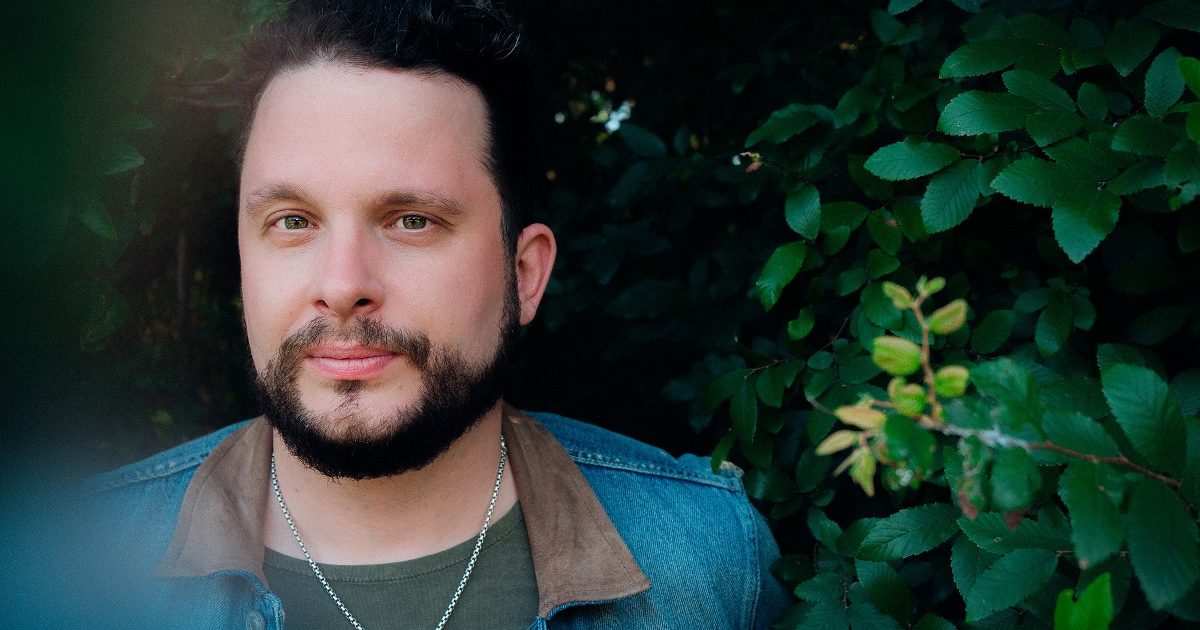
LISTEN: The Sea The Sea, “Rainstorm”

Artist: The Sea The Sea (Mira & Chuck e. Costa)
Hometown: Troy, New York
Song: “Rainstorm”
Album: Stumbling Home
Release Date: August 28, 2020
Label: AntiFragile Music

In Their Words: “There is a love story in this song — about trying to find your person in the world, yourself in the world, your way in the world. The first time Chuck and I sang together, a storm rolled in. And it’s taken me awhile to find how to write about it in a way that felt right, but there’s something about how it physically feels before a storm that feels akin to some deep level of knowing — something is about to happen, or it’s already happening. This song is also about what it feels like to turn away from or be lost in that instinct, and then find your way back to it again. Chuck and I lost touch for a few years after we met; I wasn’t playing music almost at all during that time. So this is also a love song to the thousands of times we have to lose our way sometimes to find our way back.” — Mira, The Sea The Sea


Photo credit: Kiki Vassilakis

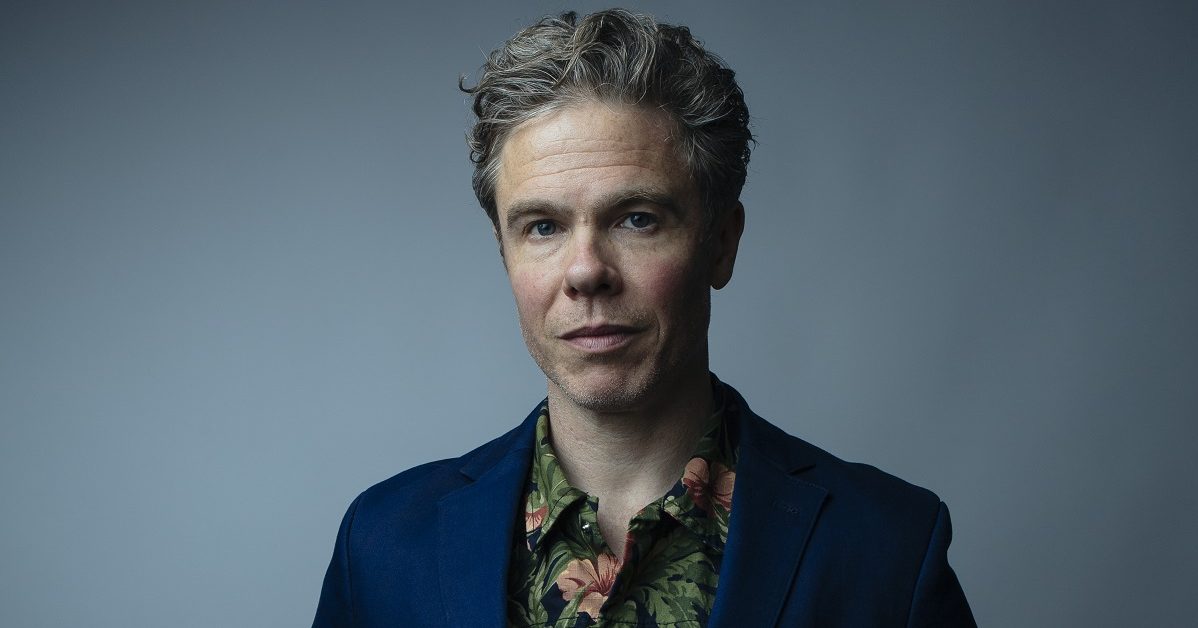
LISTEN: Josh Ritter, “Time Is Wasting”

Artist: Josh Ritter
Hometown: Brooklyn, New York
Song: “Time Is Wasting”
Album: See Here, I Have Built You a Mansion
Release Date: August 28, 2020
Label: Pytheas Recordings

In Their Words:See Here, I Have Built You a Mansion is a collection of songs and performances that I love from the previous several years. I did the artwork a while back, and the title just popped into my head. I’ve really been missing making music with my band. On record or live, it’s always an adventure.

“I wrote ‘Time Is Wasting’ for a movie. The song didn’t get used, but I ended up thinking about it again as COVID lockdown stretched away in front of us. The rest of the songs soon fell into place behind it. There is a lot of time and distance and farewell on these recordings.” — Josh Ritter


Photo credit: David McClister

The Show On The Road – David Bromberg

This week, The Show On The Road features living folk-blues legend and underground guitar icon David Bromberg.


LISTEN: APPLE PODCASTS • MP3

Host Z. Lupetin got to speak with the now 74-year-old Bromberg in a hotel room before the pandemic shutdown, prior to Bromberg playing a show at the El Rey Theatre in Los Angeles back in February, 2020.

Coming out of the fertile Greenwich Village scene on the heels of Bob Dylan, Ramblin Jack Elliot and other shaggy troubadour-storytellers, Bromberg’s encyclopedic knowledge of American songwriting traditions made him a coffee house wunderkind who refused to be pigeonholed in one genre. By the age of thirty, Bromberg was the go-to guitarist for Dylan, Willie Nelson, John Prine and Ringo Starr, and he could be found jamming at dinner parties with George Harrison.

A man of many interests and talents, Bromberg actually stepped away from performing for nearly two decades at the height of his notoriety, moving to Chicago to learn how to build and then appraise violins. He became obsessed with identifying the best instruments just by sight, and even opened a respected instrument shop in Wilmington, Delaware called David Bromberg Fine Violins.

He returned after twenty two years off the road with the triumphant and Grammy-nominated Try Me One More Time in 2006, and has assembled an energetic band of friends that continues to join him on his new, high energy offerings.

Bromberg’s muscular and ever genre-bending 2020 release, Big Road pays homage to his heroes like Charlie Rich and 1930’s bluesman Tommy Johnson, but also injects heavy doses of swampy rock, horn-heavy funk, and good-humored, folk storytelling along the way.

Stick around to the end of the episode to hear him play a new acoustic tune called “Buddy Brown’s Blues.”