Allowing Herself to Be Free: A Conversation with Erin Rae

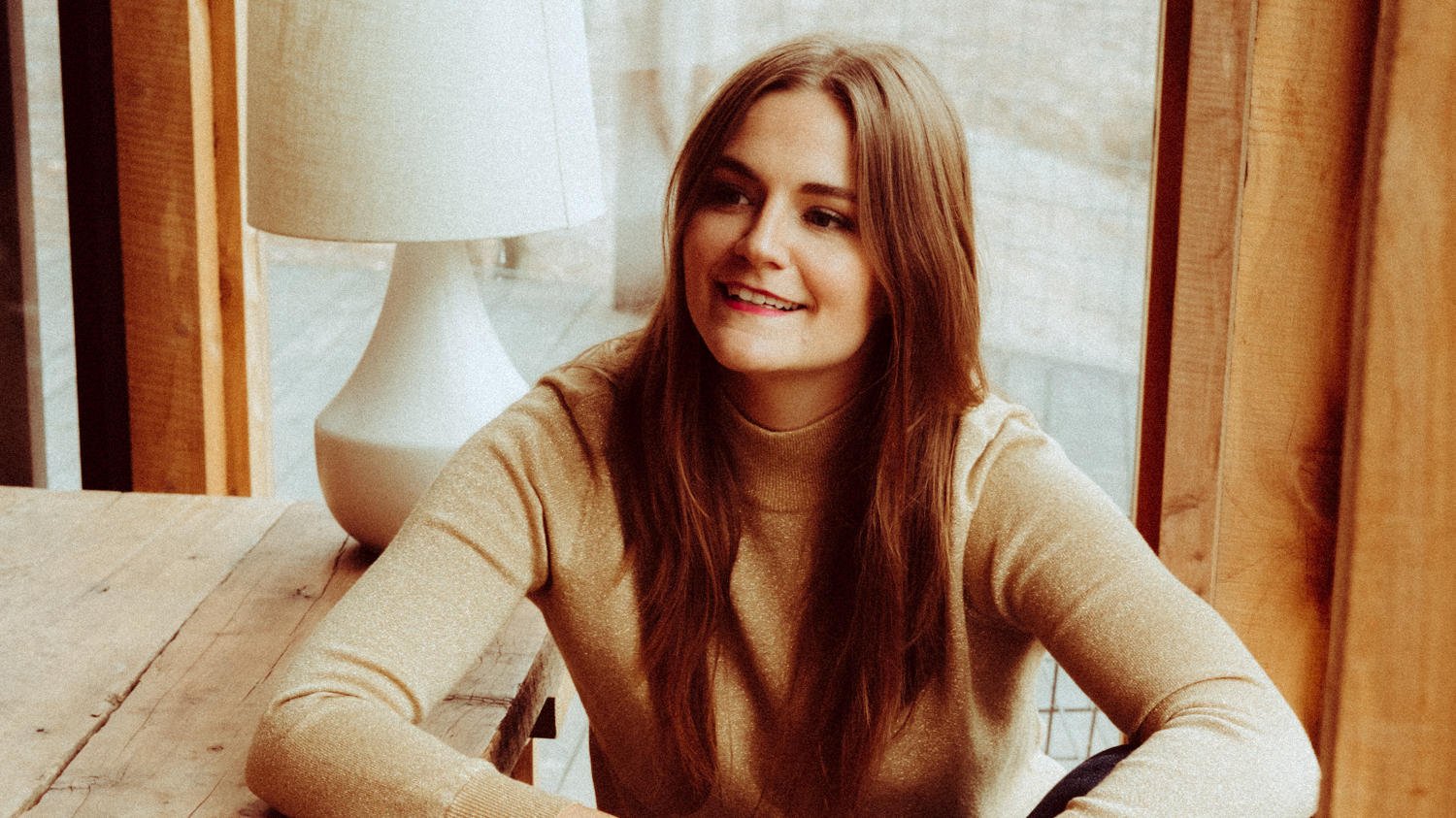
Quiet may come off as meek, but don’t be fooled; strong doesn’t necessarily present in overly clamorous ways. That’s the central truth Erin Rae unearths on her new album Putting on Airs. Across twelve hushed tracks, her haunting voice depicts the ways in which the past looms over the present, especially how the scenes we witness as children build their own imposing edifices in the psyche. On the title track, she sings with bare-bones honesty, “I never did learn to like myself/ Been chasing down anyone that might could help/ Lure them in with charm, come out stealing.”

Putting on Airs is as much about calling out herself as exploring the circumstances that formed her, but through it all the Nashville-based songwriter’s honesty is manifested through her clear-eyed vocals and deft lyricism. She wants to heal, and her music, functioning like a salve, allows her to do exactly that. For example, on “Bad Mind,” she sings about a lesbian aunt who faced discrimination decades ago in the Alabama court system and how that, and other adolescent experiences, shaped the perception of her own sexuality.

Recorded in Appleton, Wisconsin, during winter’s muted apex, Erin Rae worked with co-producers Jerry Bernhardt and Dan Knobler to make full use of the space—a former Franciscan monastery known as The Refuge. As a result, the production lives, breathes, and echoes, giving her the room to use her voice, both literally and lyrically.

These songs are so tender, and that descriptor strikes me in two ways: Tender like a bruise, and tender as in full of care. When you were writing them, did one apply more than the other?

I think it’s a little bit of both. With “Putting on Airs” in particular, I was like, “Am I just being harsh on myself?” My mom’s Buddhist now, so I’m really [thinking] like, “Is this being kind? Is this causing harm?” It’s been helpful to me to own that behavior and, yeah, it is uncomfortable to feel the reality of that and the consequences of that and how it affects other people and myself. But also, by owning it and saying it, my hope is to continue to get more free from that. It’s a little bit of both: It’s tender temporarily.

How have you seen your songwriting shift on this album?

I guess I’ve always used songwriting to process through my own stuff; it’s been very cathartic for me. My last record was tying my own experience in with that of my parents or close friends. There’s still an element of that, but I feel like this record has become more directly about me. I didn’t really intend for these songs to be that, like “I’m going to call myself out.” “Putting on Airs” is about people-pleasing where it’s harmful to myself and other people, where eventually you just become dishonest in a way.

No kidding. That line, “Lure them in with charm, come out stealing,” got me right in the gut. It almost hurts to hear but it’s so true.

It’s like, “I want you to like me!”

It’s almost like a safety mechanism at first, but it’s interesting how you say it can become self-harming at a point.  

My dad is super outgoing. He’s one of those people who’s never met a stranger. That’s how I am as well, but learning in a way to make sure…especially as far as it goes with relationships. That’s really what I’m focusing on in that song.

Ok, we have to talk about “June Bug.” That transition to the old-timey piano at the two-minute mark is stunning. That riff says so much, and coming after all you’ve confessed, hangs even all the more beautifully.

At the Refuge up there in Appleton, there’s this giant chapel and all these monks’ quarters, 60 little individual bedrooms, and a lounge area on the first floor. It was in the middle of winter, it was still snowing, and the Fox River is right out the back. The room has a wall of windows, so you could see the snow and the bald eagles. There are two hallways, and in the center of that is where we had a lot of tracking stuff set up and the computer and all the gear. Then we ran guitar amps and put the drums in the chapel, so you hear that huge open sound. We tracked vocals in there so we had the room sound.

I have these fond memories of everyone being super sweet to each other. Basically, Jerry played everything. I think he had tracked that piano part and then Dan, when he was mixing everything, surprised Jerry by putting that into the end of the song, because the song otherwise would just be a minute and a half long. We had this beautiful piano track that Jerry had done in this space, and Dan surprised us with the old timey piano outro, and I thought Jerry was going to cry. It was really great.

I’m especially interested in the labels that circulate around Southern women. To that end, “Mississippi Queen” is such a striking song. How have you attempted to battle against the labels about who women should or shouldn’t be?

Nashville is like a blue spot surrounded by red. It’s a town full of creatives. I’ve got a family member that lives in Mississippi and my dad grew up in Missouri, but whenever you go back to more traditional Southern cities, it’s kind of like, “Oh yeah, people more or less adhere to these cultural norms that feel a little outdated to me.” But I’m always drawn to a sense of tradition. The only way I’ve known how to challenge anything is personally, like internally making sure that I’m clear.

That’s what a lot of this record’s about—allowing myself to be free to see what my own personal truth is, so that, hopefully, I’m able to lend that to others and give other people that space. Even in thinking that that’s a way I want to live, it’s still difficult. I empathize with people that have grown up in a more traditional city; I feel like it takes a conscious effort to grow up and be open-minded if it’s not the norm.

Right, if it’s not modeled for you it’s even harder to practice.

My parents are super open-minded and I still grew up in the South and absorbed a lot of the social norms, so I can’t imagine how hard it is for someone else [who didn’t] to feel free enough. With a more conservative or strictly religious background, it’s hard work for everybody to be more open-minded.

The past six months have been fruitful for singer-songwriters wishing to challenge heteronormativity, including projects from H.C. McEntire and Sarah Shook. Why do you think now is such a powerful moment for such visibility?

So much progress that had been made was starting to feel uncertain with this new administration. It kind of worked out to be a timely thing, especially with the song “Bad Mind,” and that story being born out of the state of Alabama. When Roy Moore was almost elected, I was like, “It’s all happening in the same time.” I think it’s so important to keep the conversation going and make opportunities to heal around this stuff, around sexuality, while it’s all being threatened.

It does feel like a backlash, similar to what took place in the ‘80s after women had made significant strides in the ‘70s.

Music helps us process. One image that came to mind while you were talking about a backlash is the Women’s March—the second one that happened recently in Nashville. It ended with a big concert at Bicentennial Mall, and Alanna Royale and Becca Mancari were both performing there. Alanna has always represented real womanhood for me, being a strong and powerful woman. She’s full of life. It was this really beautiful moment to walk with all these people—dads, and little kids, and folks old and young—through Nashville, and then end up at this powerful, beautiful concert with people that I admire in our community. It was such a beautiful way to tie it all together.


Photo credit: Marcus Maddox

Sam Lewis, A Blue Jeans Type of Person

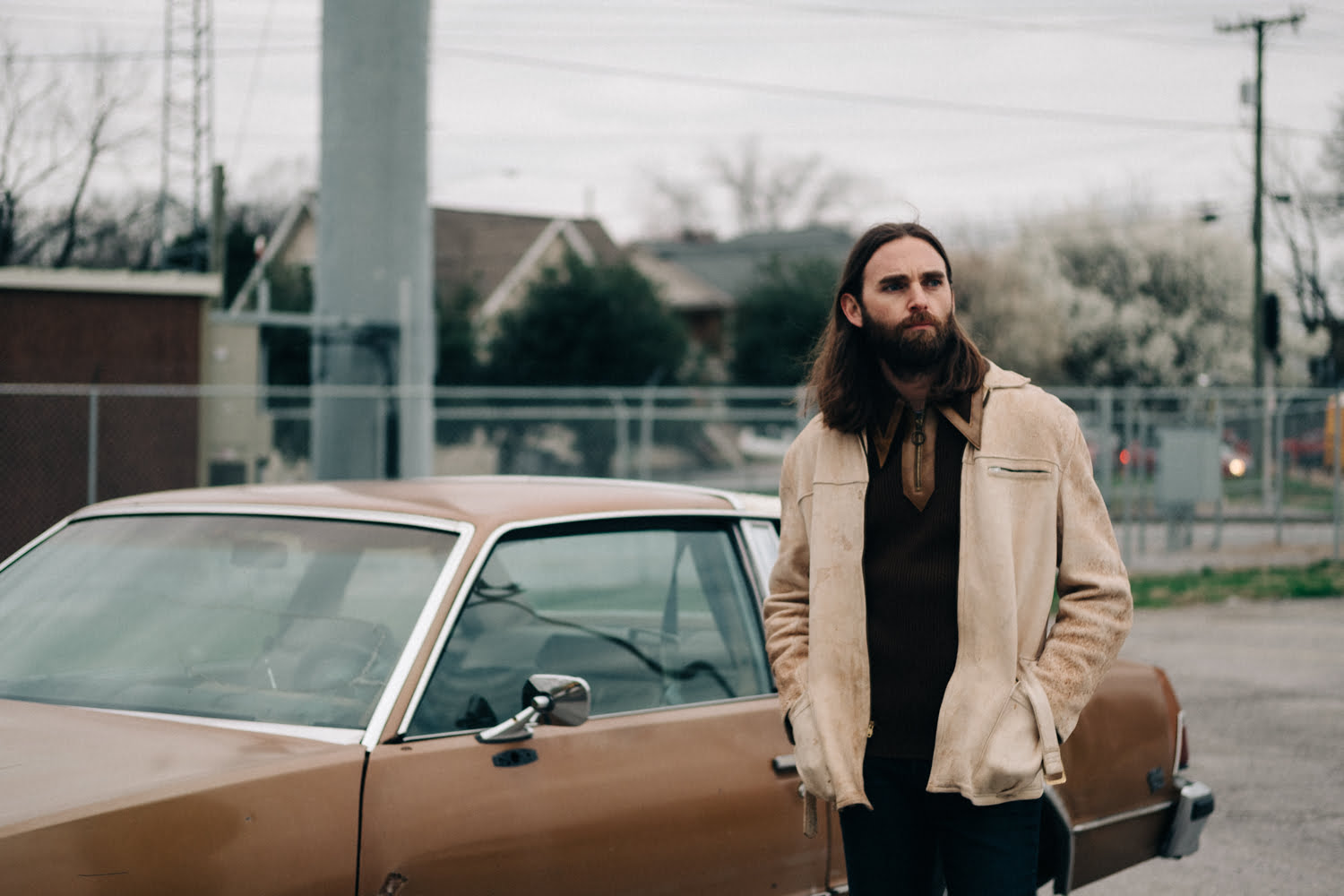
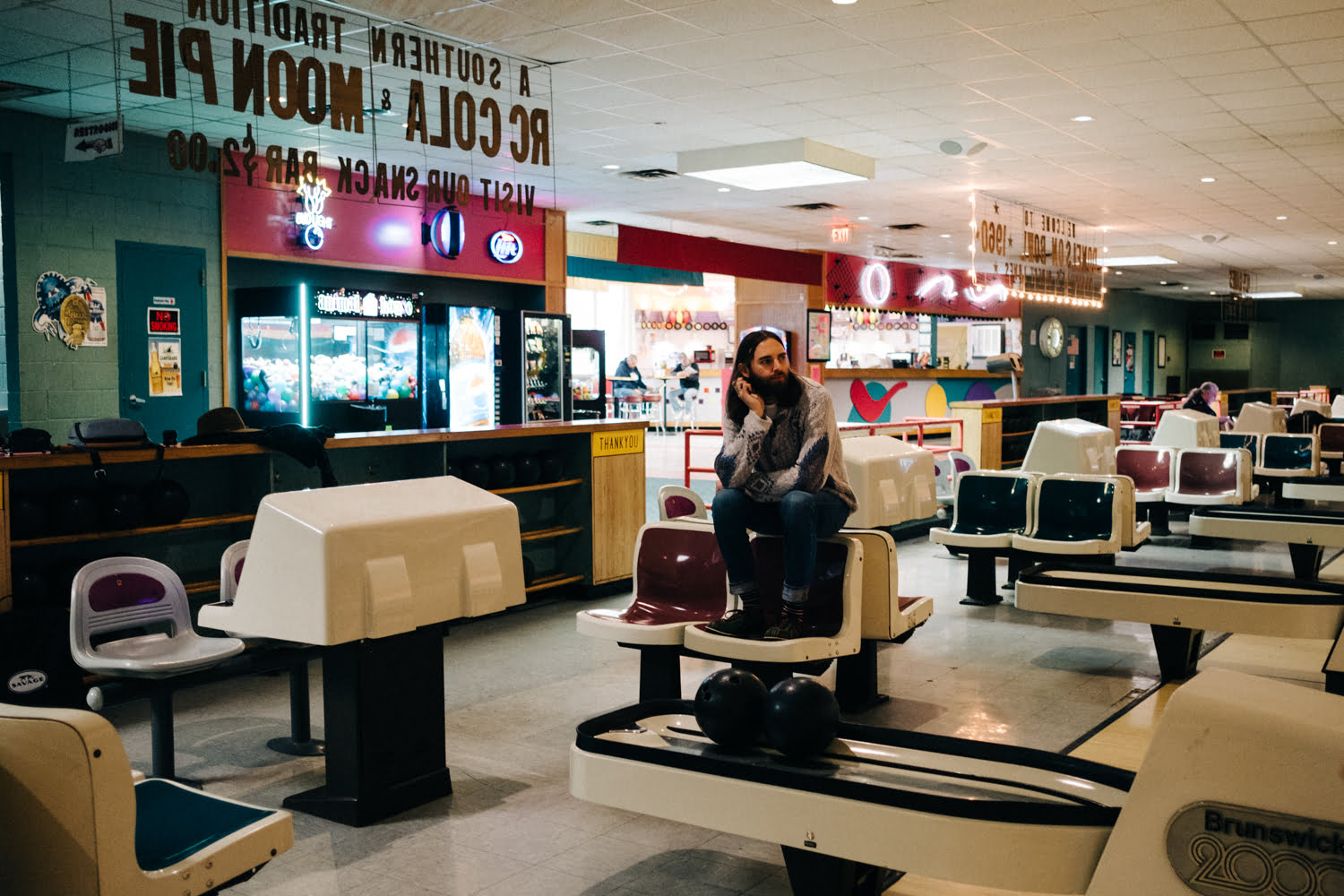
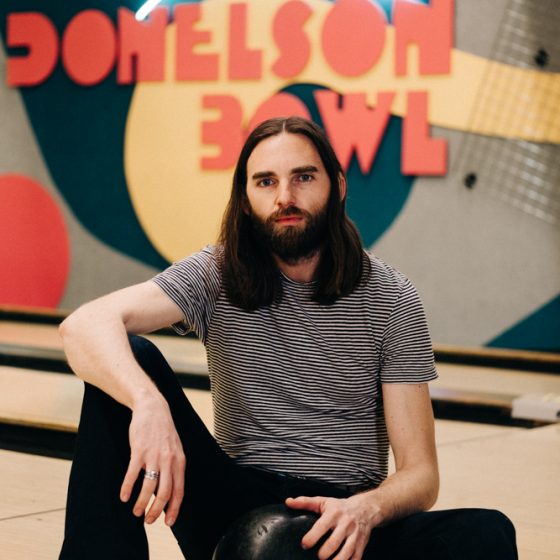
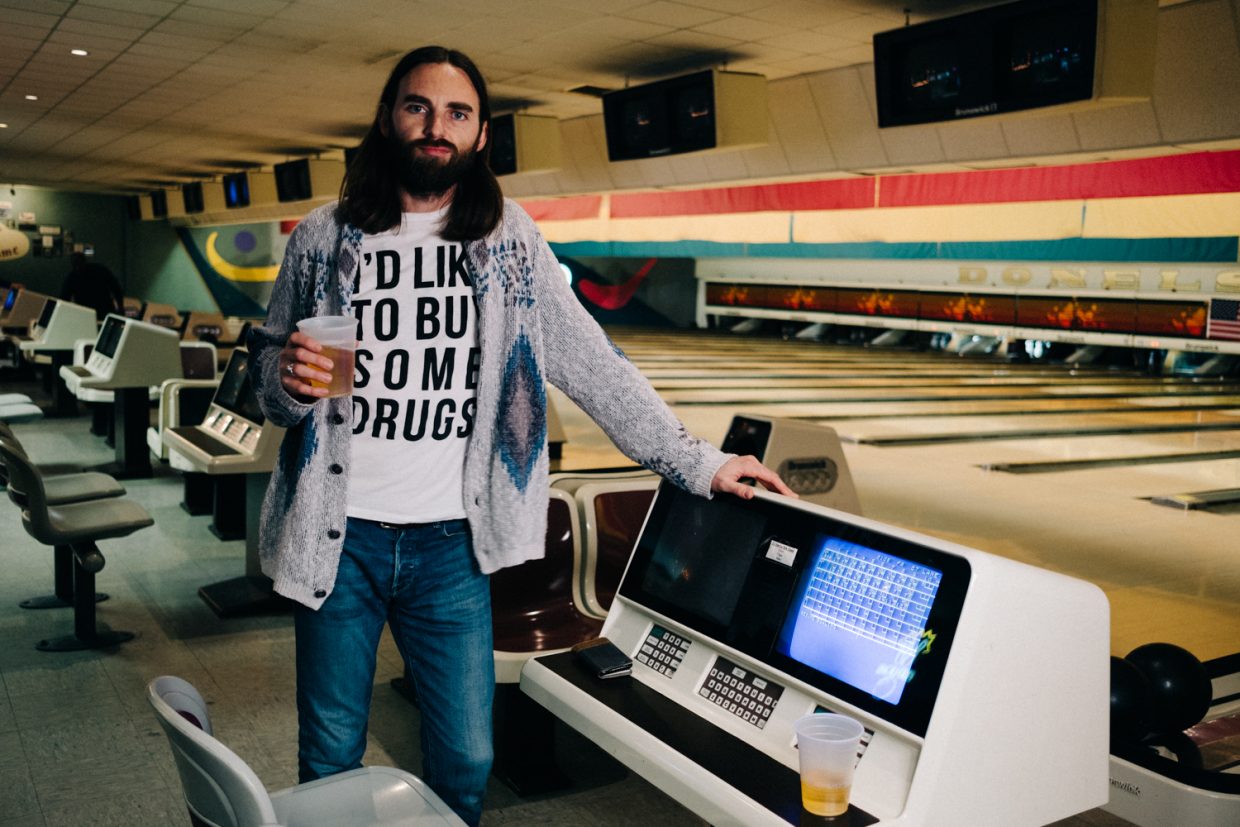
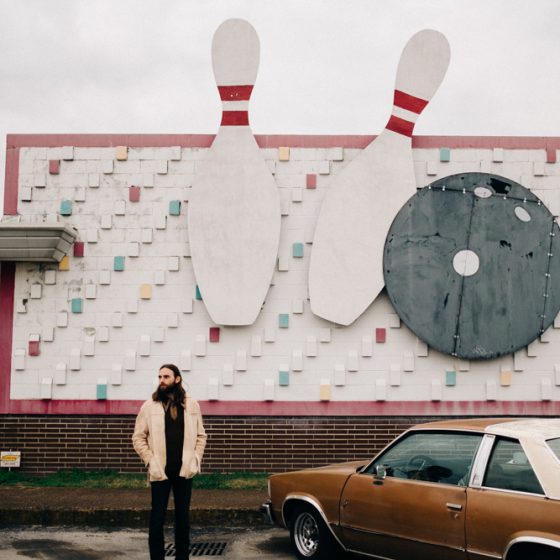
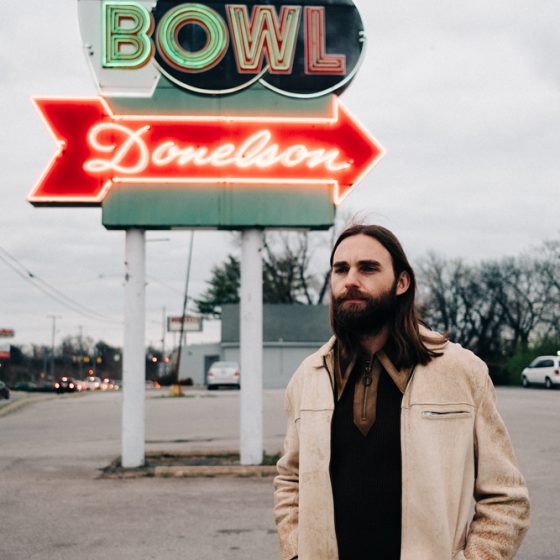
Would you jump at the opportunity to hang out with Americana singer/songwriter Sam Lewis at a bowling alley while he waxes poetic about style? We would — and we did. He may describe his simple, blue jean style as “mediocre,” but his eye for detail, his love of functionality, and the sentimental value of pieces that some would consider everyday or commonplace set his looks apart. 

I’m clueless when it comes to style and fashion. I’m rarely comfortable wearing the clothes that make up my wardrobe and that’s probably why I despise shopping and will happily wear any article of clothing someone might give me before they donate it to a charity shop or, frighteningly enough, throw it away. It truly sickens me that some people throw away clothes… they’re probably the same people that leave the faucet running full blast while they are brushing their teeth.

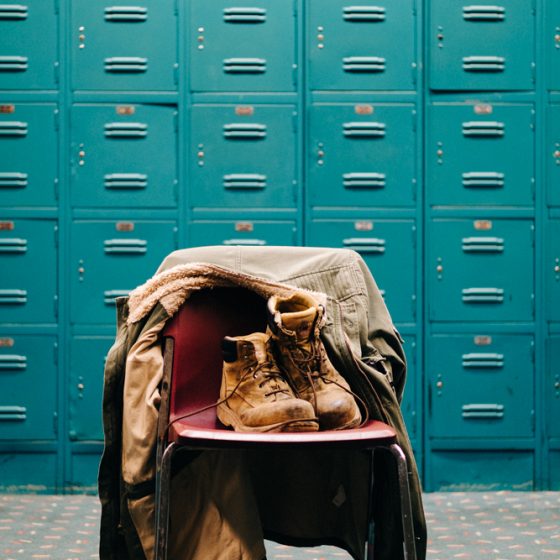
I got into work boots recently. I’ve been wearing a pair of work boots since November. I don’t remember where they came from, or why I started wearing them, but I love them. It’s been a “get shit done” few months for me and I’m almost compelled to credit my footwear for helping me complete so many tasks. I’m a blue jean type of person — always have been and always will be. I love t-shirts with silly sayings and socks that compliment them. Long johns — thermal underwear, or whatever you call them — are in daily rotation from October through March. I’m not kidding. Ask anyone that knows me well enough and they’ll either agree or ask you to leave them alone. I hate being cold; it hurts!

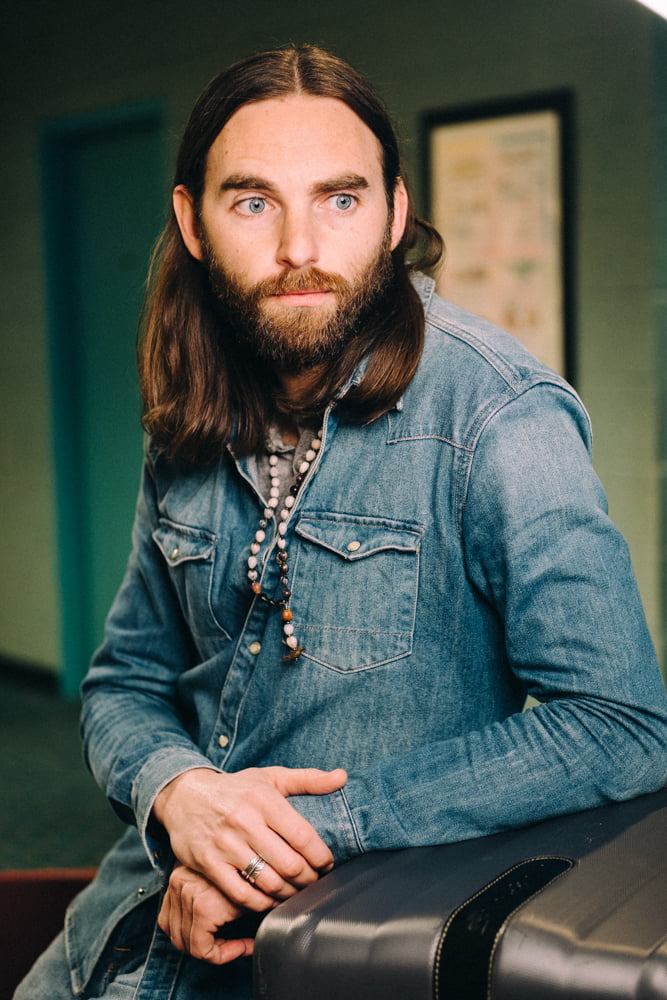
Accessories can be very telling and extremely personal items; they typically find you and they certainly have stories to tell. The few I own are beyond being called “accessories.” I have a long, beaded necklace with a ceramic dove at the end that’s been with me since 2012. I purchased it from a registered nurse at a fire department fundraiser in Southwestern Virginia. She had a table filled with jewelry she made in her spare time. She told me the beads on the necklace I was holding were given to her by one of her favorite patients, who passed the year prior. They are similar to rosary beads and in place of the crucifix that you usually find sits a small dove that the nurse told me signifies peace.

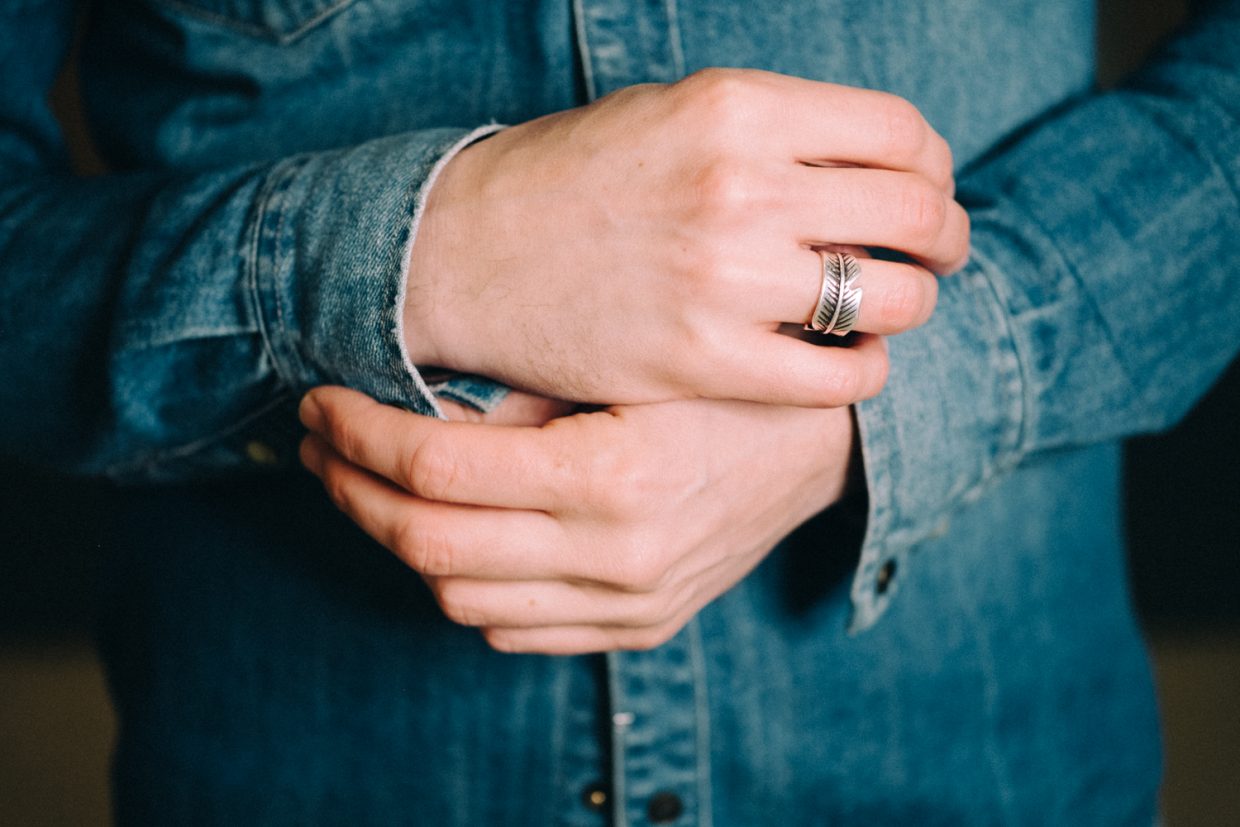
I also have a leather belt that I wear almost daily that I purchased from a charity shop in 2003. It was already worn in when I found it and you can imagine the shape that it’s in currently. A few years ago a friend of mine gifted me an elaborate silver and turquoise belt buckle that now proudly holds the belt together. There’s a ring I wear most days that I found in New Orleans (my favorite city) that has a feather design that unintentionally matches the feathers on the belt buckle. These three items have been with me all over the world yet their stories were shared with very few people. I truly believe most things in life find you and not the other way around. Almost everything I truly cherish was either gifted to me or found me at the right place and right time.

Donelson Bowl is one of my favorite spots in Nashville. If they had better coffee and rented cots for overnight slumbers I would probably be paying rent there right now. Other than that, they have everything else you could want or need. Lots of room too; I like space. Space is so underrated. Space is my favorite instrument in music, but we are not talking about music right now so I’ll spare you anymore insight into that topic.


Photos by Kelly Amber Garcia

Nefesh Mountain, “Eretz’s Reel”

For forty years now the Station Inn has lurked in Nashville’s Gulch, carrying the bluegrass banner in a town with pop country and cover bands to spare, while condo high-rises, wine bars, rooftop lounges, and organic groceries have sprouted up around the small, unassuming stone club. On any given night of those forty long years a bluegrass fan or a nonchalant passerby could step through the door and expect the best in bluegrass and old, real country. Luckily for every roots music fan in the universe, that fact is still true — and will be for the foreseeable future.

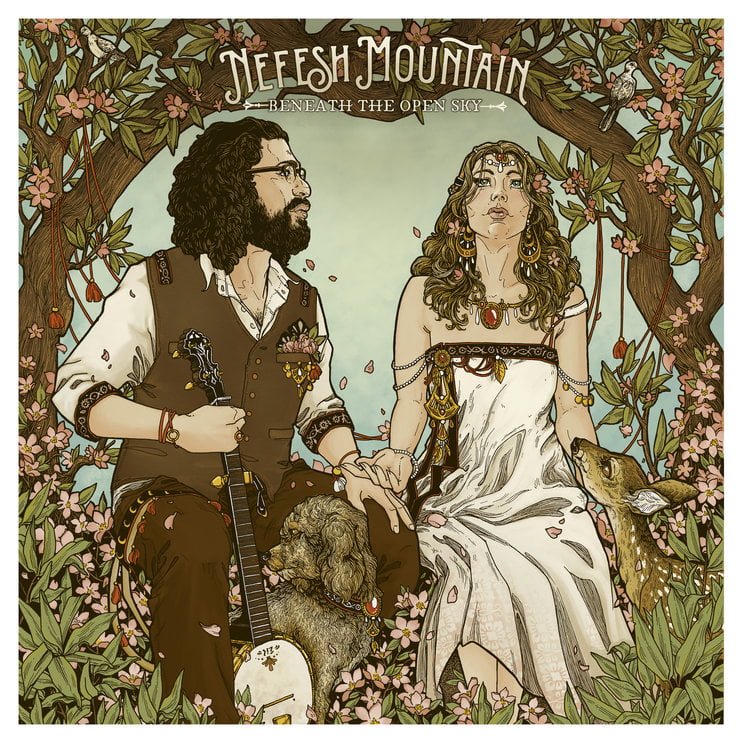
What one would not, perhaps, expect upon entering the Station Inn is vocals sung in Hebrew, or bluegrass songs based on Jewish traditions and turns of phrase. But on a recent evening, these were the sounds wafting from that fabled stage, as Nefesh Mountain performed songs from their new album, Beneath the Open Sky. It’s not as though bluegrass as a genre isn’t already predicated upon subverting expectations — it’s arguably a core precept of the form — but an average Station Inn patron might still be surprised by the Jewish-infused, modern ‘grass of Eric Lindberg, Doni Zasloff, et. al. “Eretz’s Reel,” an instrumental off the new record, is a less overt example of their Jewish perspective, but brings in a transatlantic flair, Tony Trischka-esque melodic turns, and a potent dose of originality and imagination. On the record, bluegrass phenoms Sam Bush, Jerry Douglas, and David Grier lend their talents to the track, but live at the Station, Lindberg stands apart as the imagineer and linchpin of this stripped-down version of the tune.

Ben Glover: The Restless Spirit Finds His Shore

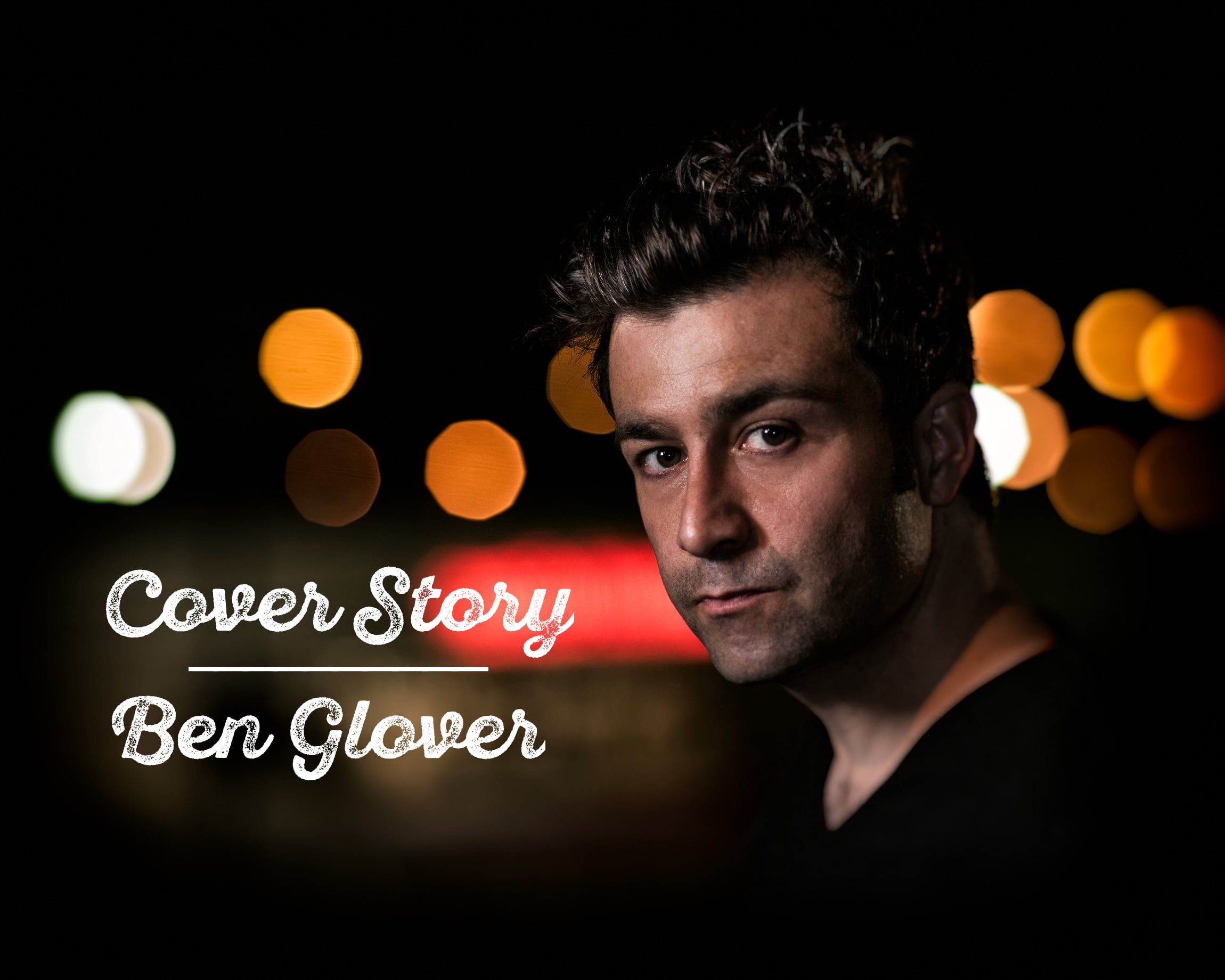
With one foot in his native Ireland and another in his adopted Nashville, Ben Glover has exhibited a restless spirit in the ten years since he released his debut album. But with his new album Shorebound, the singer-songwriter has reached a new kind of land. “I feel I know myself better and know my place better within the world,” he says over the phone from Nashville.

Glover’s newfound stability arose from major life events like getting married and turning the big 4-0, but also from investing in the kinds of creative relationships that can themselves become homes—at least for the wandering troubadours of the world. He largely co-wrote Shorebound with songwriters on both sides of the Atlantic, fusing together the geography that formed him with the creative path that has taken him far afield. With contributions from Gretchen Peters (who co-wrote the Americana Music Association UK’s 2017 International Song of the Year “Blackbirds” with Glover), Irish artists Malojian and Matt McGinn, and many others, Glover has found a port in the storm.

If we look at Shorebound as a truth you’re heading towards, what would you say that is?

It’s the inner sense of knowing that I’m on a path, that I’m heading towards a direction. There’s nothing more frightening in life than when you feel completely untethered and rudderless; that’s when the fear comes in, that’s when the doubt comes in. But at least if you feel you’re on a path or on a direction to something, it allows you to trust the process, and that’s all we can do is trust.

Honestly, I’m not even sure what the shore actually is. I know what it feels like. It’s the feeling of belonging ultimately to myself, and connection—connecting to myself and to the people around me. Knowing that we’re heading somewhere and trusting that we’re getting somewhere.

So many of these songs involve other voices, but on the title track—a solo effort—the piano offers this compelling call and response in absence of someone else joining you on the song. How did you see it functioning?

You’re right that it is a kind of call and response.

It works in the way that voices do in other songs—as a dialogue.

I guess it wasn’t planned.

One of those happy accidents?

You know! I played the song for the boys in the band, and they just fell into that part right away. It’s interesting that you say that because I like the idea that there’s a call and response, because it’s the shore calling. When I wrote that song, it felt very important to me personally because it’s the first time I’ve ever written a song that felt so open and vulnerable.

Basically it’s about my wife. It’s a strange song because if all the songs were people in a room, that probably wouldn’t be the most brass person. It’d probably be standing over in the corner. But of course the album takes its title from that. A lot of people may pass it by, but I like the subtlety of it and there’s a sweetness to it.

It’s a beautiful song. There’s a soft rippling effect that you would get as you approach the shore and you hear the water lapping closer to the land.

That’s really beautiful that you say that. I hadn’t even picked that up in the way that you did, but I’m actually going to tell people that was intended.

Go for it! Getting back to this idea of shores and truths, I love “Northern Stars” for a similar reason. Your imagery about being blinded and losing your way feels so pertinent in this day and age. What do “northern stars” symbolize for you?

The stars are what we map our way with. Well, I guess the ancients did–we’re not so good at doing now.

But it’s nice to think back to that kind of primal connection to the earth, because there’s something inherent there.

I think instinct is vitally important and that all comes from an internal force. Wife, location, all those things are my northern star—they’re all part of it. As well as my instinct. The two guys I wrote it with, Matt McGuinn and Malojian, they’re both from Northern Ireland; I wrote the first verse and I wrote the chorus and I sent it to them.

Even mentioning the word “northern” was deliberate on my part because I wanted to convey the sense of Northern Ireland. Ultimately the message of that song is that sometimes it is so easy to lose your way, and sometimes all we want to do is lay our head down and be at ease in a moment of peace. Ultimately feeling that ease with yourself and with somebody else.

Speaking of ease, restlessness and searching and themes of movement have been pretty predominant in your catalogue. Shorebound, however, radiates a greater sense of stability. How did you cultivate that internally? Or was the process more exterior at first?  

Well, it’s ongoing. That’s for sure. Certainly, when I started writing the record—probably two years ago—my thought was not, “I’m at ease now, let me write a record.” It often happens that you write a bunch of songs, and the theme only becomes apparent after you write those songs. As I say, I moved to Nashville 10 years ago, and I still have one foot either side of the Atlantic.

It can be hard in terms of an identity at times.

It can but I think when you’re in that position you have to dig deep to find your identity. It can be very unsettling. It makes you feel ill at ease sometimes because you love two places. Sometimes you feel your heart can’t cope with being connected to two places. I think overall it’s a benefit because you have to really explore that unease and explore what causes it, and how you deal with it. When I look back at my last record, The Emigrant, I was in the process of getting my immigration stuff sorted; my move between countries was very much at the forefront. I think I have two homes, but it’s the people that ultimately make that. My family in Ireland, that’s who I miss most when I’m away. When I’m away from America, it’s my wife and my friends I miss most. It’s the people at the end of the day.

Are you always in a state of missing somebody?

You know, it’s kind of tragic, but I guess I’m always missing somebody. I don’t mean this to sound depressing or sad at all, but my life the past ten years is a series of farewells and hellos. Every time you leave somewhere there’s a little bit of grief. Every time you land somewhere, there’s that joy that comes with it.

Also the older it gets, the harder it gets. You would think the more you say goodbye to people and leave home or whatever that it gets easier, but my experience is that it actually gets harder. There’s that inner thing where the older you get and the older your parents get, you’re more aware of the fragility of life. When you’re younger, you don’t think about that. You just do it. I guess there’s always that lament inside of me, for a place, for people, but I don’t see that as a negative thing.

I was struck by the imagery you used to describe co-writing—it’s a process of excavation so better to have more hands digging than fewer. Are those discoveries more poignant when they take place with another person rather than by yourself?

I think the shared experience is very important because if you find a song or a thought with somebody, you know at least it connects with one other person. It validates that thought a little more. If you’re writing on your own, you can be in a cocoon, you don’t really know the parameter of the thought, if that makes sense.

There’s a real power in sharing vulnerability with another writer. It’s not necessarily easier to be vulnerable with someone else in a creative aspect, but there’s something pretty deep with that because you’re exposing yourself with another human being, another spirit. When it happens on a deep level, it’s incredibly empowering, and that’s the thing that makes me go back and do it more. Ultimately, what I’m trying to do here is express the personal in the hope that it connects with the universal.

It does, and not to get too starry-eyed about it, but for those of us who lack one singular geographic home, our connections with people can become a new kind of home.

Absolutely. It’s difficult because once you start talking like that, you run the risk of sounding like magical surrealism, but it’s true though. You end up creating this concrete unit you live in as your creative home and that knows no borders. That’s what I love about how Shorebound turned out—the collaborations were from both sides of the Atlantic. When I write a song with somebody and there’s a real connection, I feel really at home, really at ease, really at peace. Also very, very excited. That’s ultimately what it’s all about. We’re all trying to connect—with ourselves, with other people, with the world around us.


Photo credit: Jim Demain
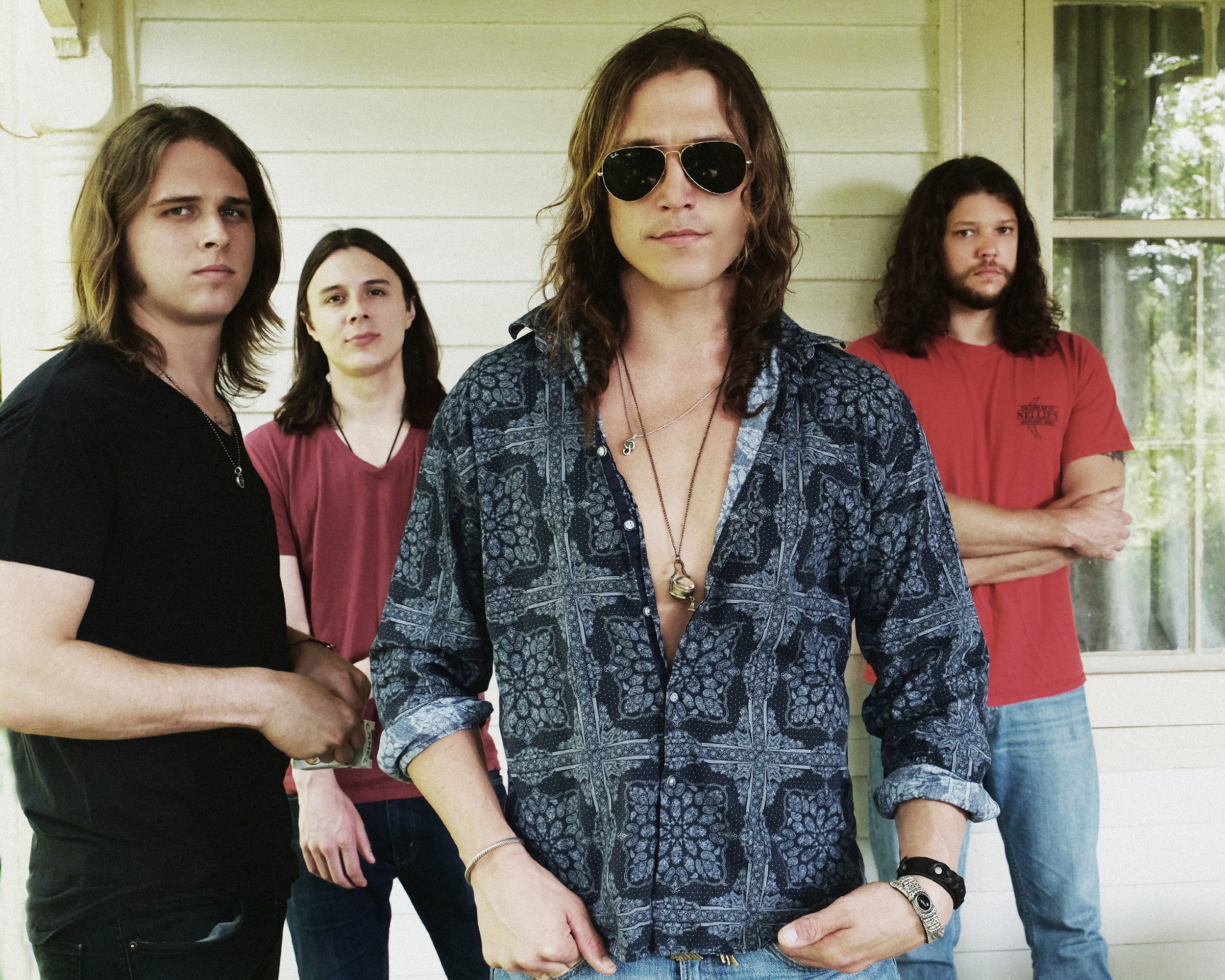
BGS 5+5: Travis McCready of Bishop Gunn

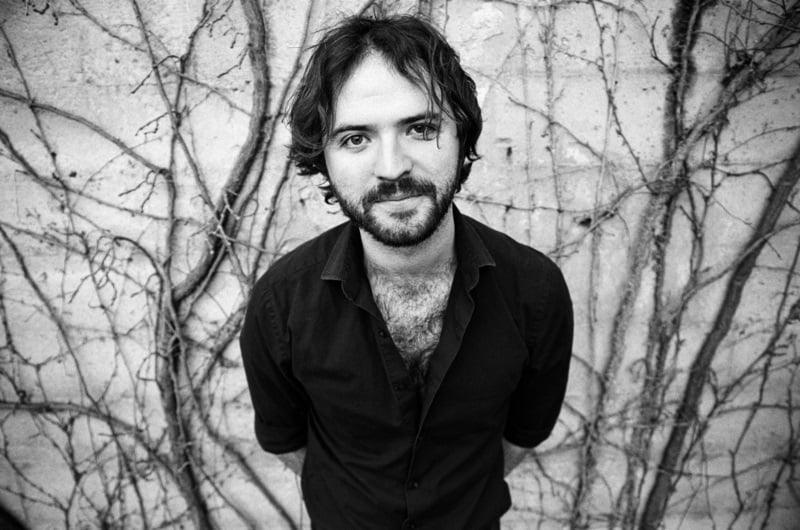
Artist: Travis McCready of Bishop Gunn
Hometown: Natchez, MS
Latest Album: Natchez
Nickname: Trav

Which artist has influenced you the most … and how?

Sylvester Stallone. He wrote, directed and starred in Rocky, a movie about the underdog defying the odds. It was basically his real-life situation through a character. I’ve always felt inspired and close to that story.

What’s your favorite memory from being on stage?

My last one. Every opportunity I have to be on stage is a privilege that I am very grateful for.

What was the first moment that you knew you wanted to be a musician?

When I realized the impact that my favorite artist had on my emotions, I wanted to achieve that same gift and share with people that same feeling of understanding. You see when listeners get close to an artist it’s because that artist has shared with them their vulnerabilities. It’s a very therapeutic exchange.

What’s the toughest time you ever had writing a song?

When I was a structural fitter/welder I built duct work for power plants and all types of large metal structures. I would write songs in my head to pass time, sometimes at extreme heights and heat. Most of my songs come from my struggles.

If you had to write a mission statement for your career, what would it be?

To entertain while defying the odds against me, to give them something real.


Photo credit: Anthony Scarlati

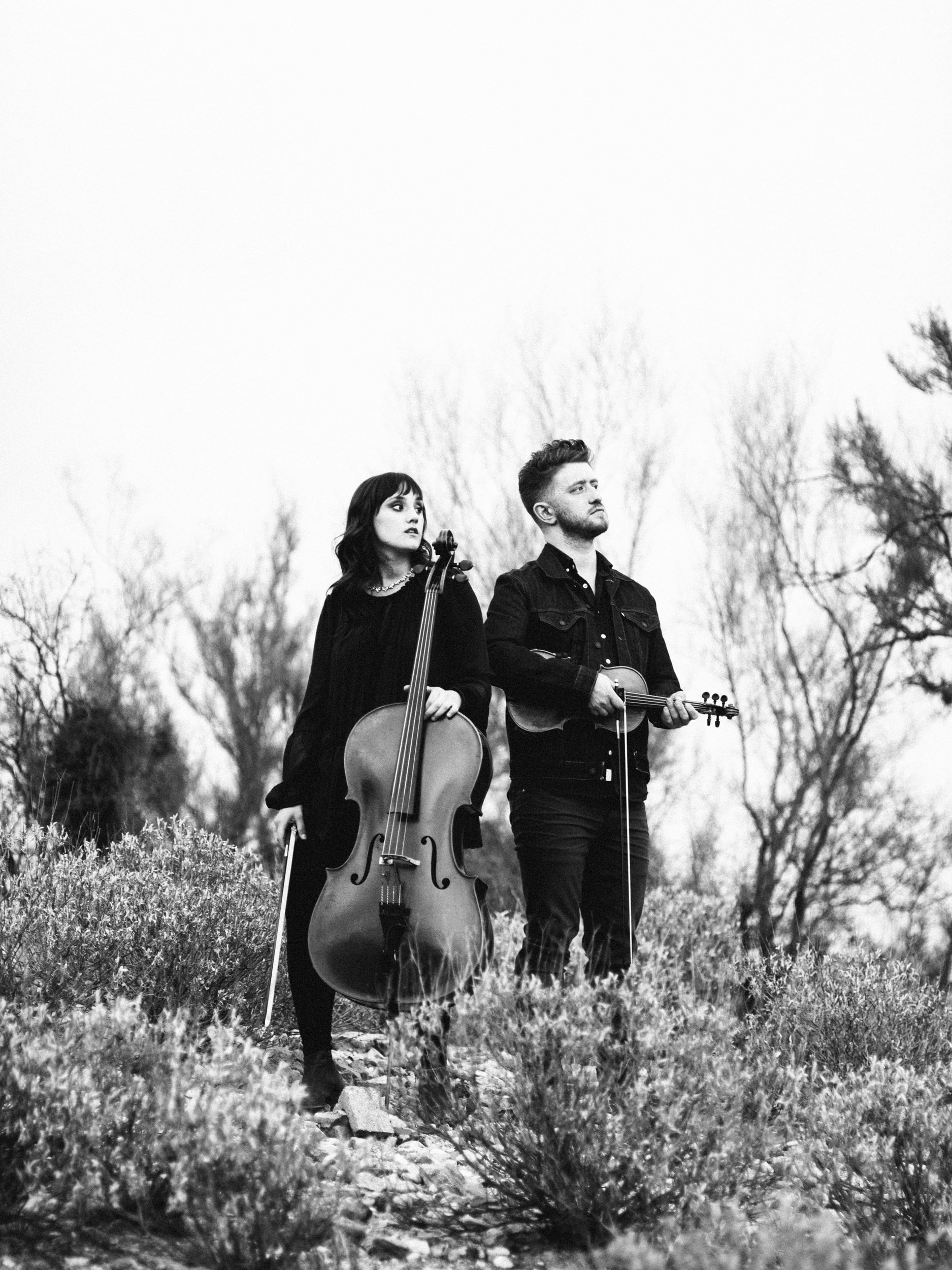
STREAM: Oliver the Crow’s Self-Titled Album

Artist: Oliver the Crow
Hometown: Nashville, TN
Album: Oliver the Crow
Release date: June 22, 2018

In Their Words: “This first album feels like a meeting of the future and the past for us. It is informed by the styles of music that make up both our personal pasts — a rogue classical cellist and a fiddle-jazz gun for hire — as well as the styles of music we have always so adored. Although it feels nostalgic, it also feels new. It has a modern sound of its own and we find it hard to describe its genre. Whatever it ends up being defined as, we are certainly proud of it. Oliver the Crow grew out of a love of us playing together and an urge to get outside of our comfort zone — this record is the first real product of that. When we listen to it, we smile. We hope others do, too.” -Kaitlyn Raitz


Photo credit: Taylor Noel Photography

Capturing the Outlaws: Country Music Hall of Fame Salutes the 1970s

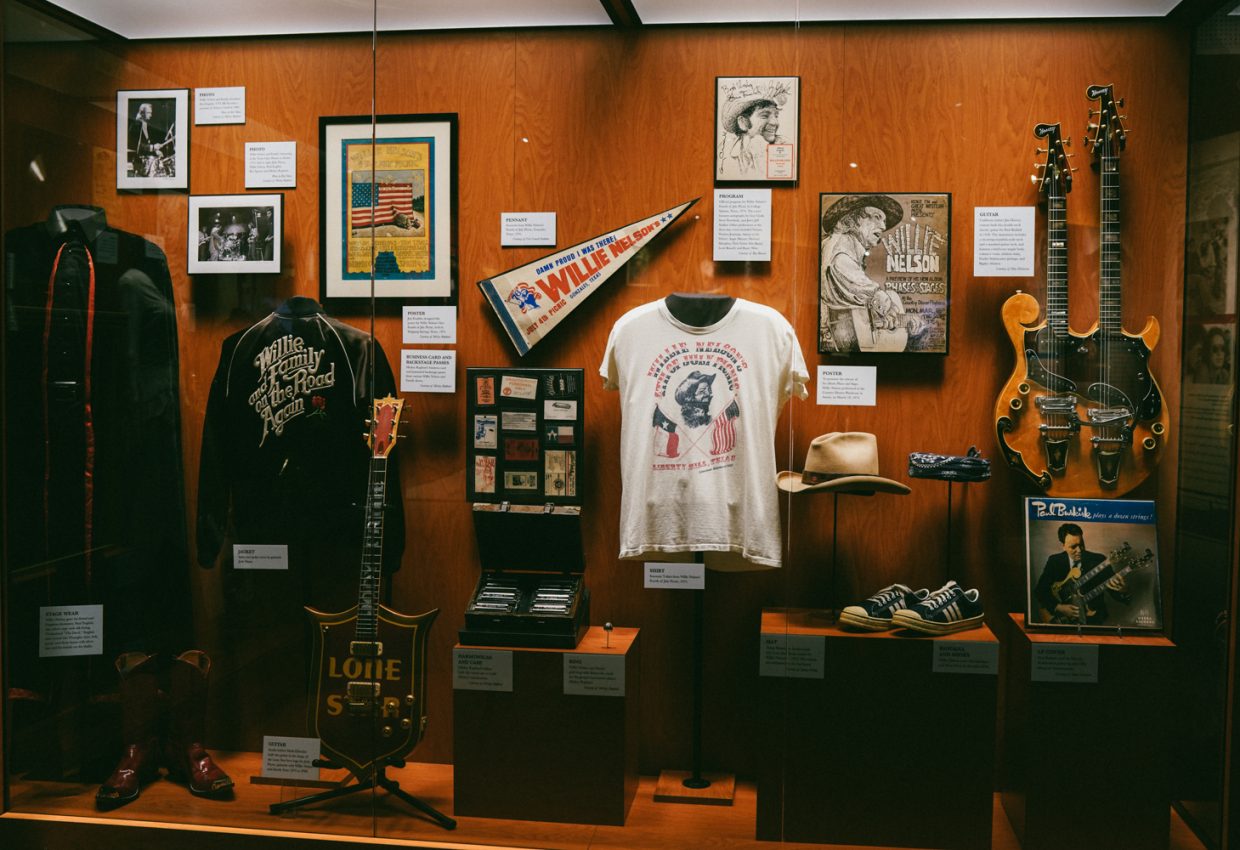
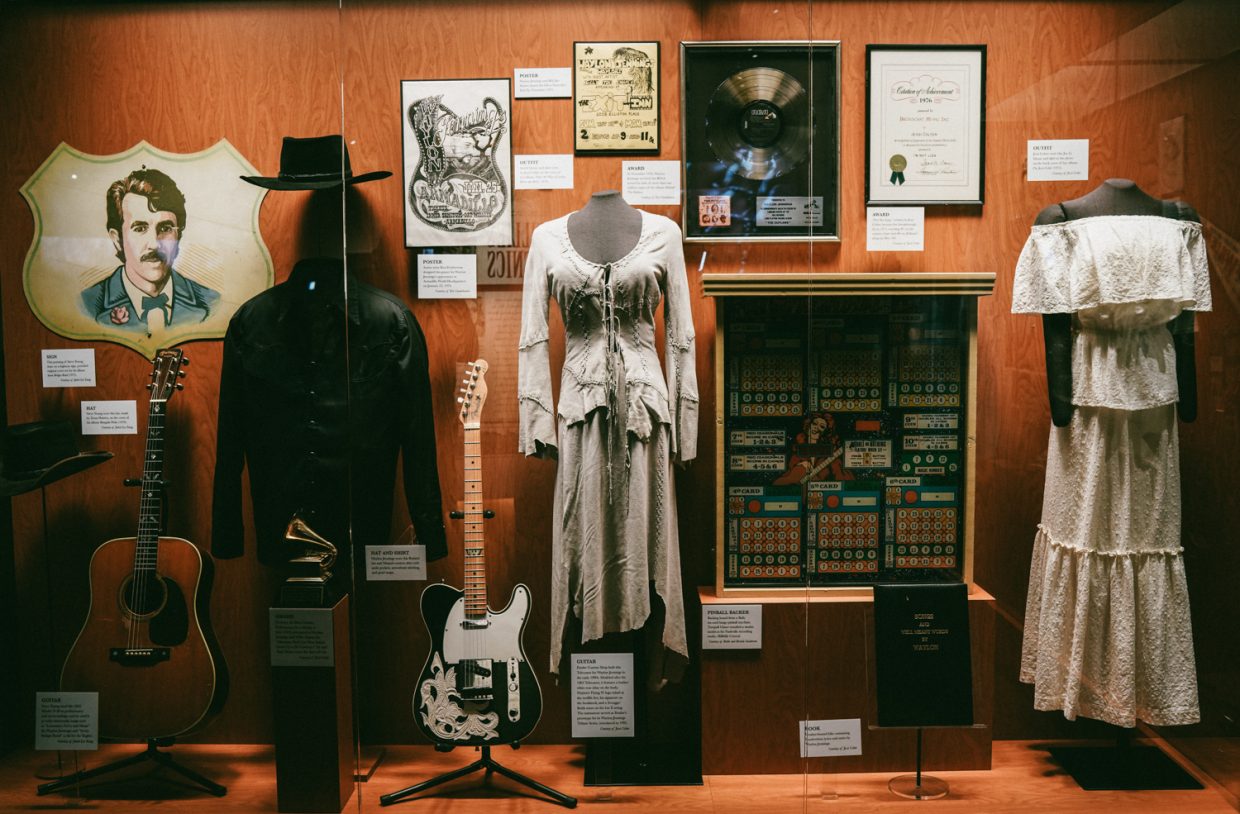
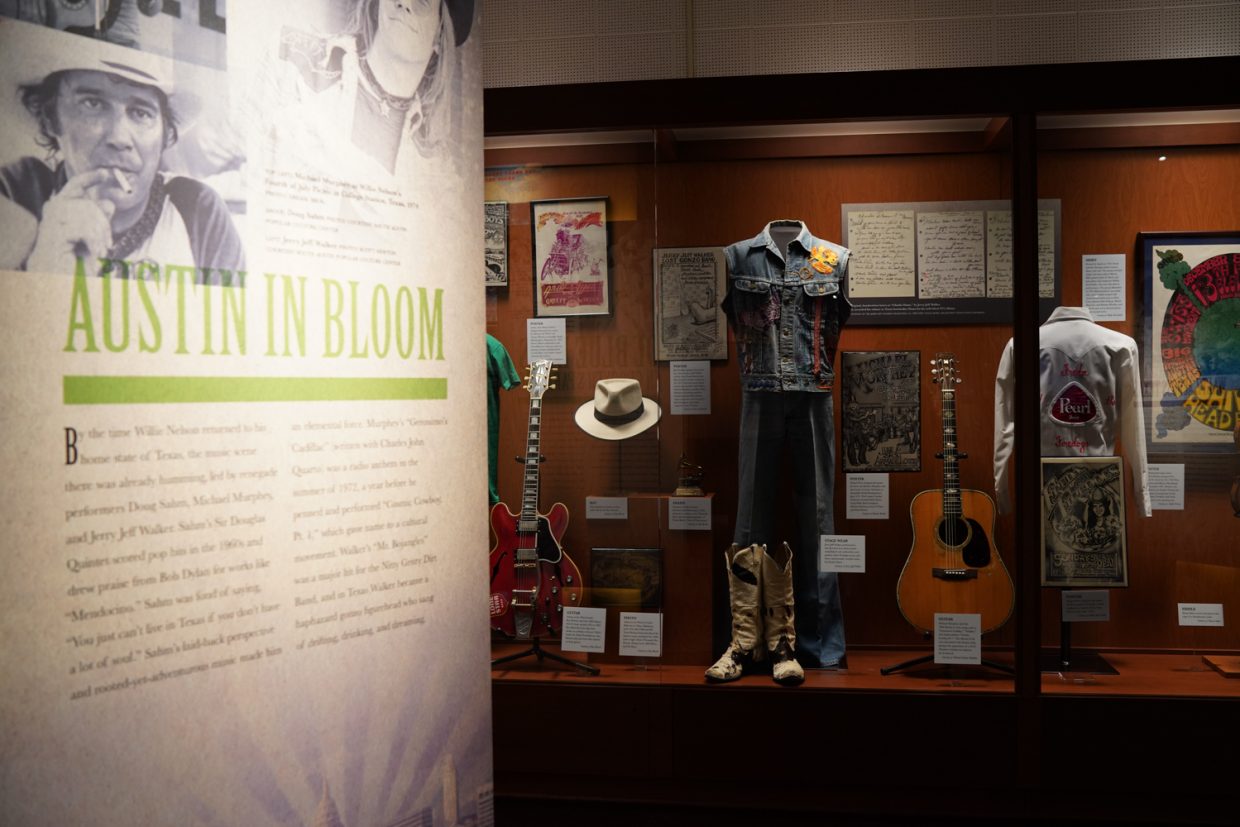
Waylon Jennings and Willie Nelson are familiar to every country fan – and more than a few would consider them the original Outlaws. In a brand new exhibit, Outlaws & Armadillos: Country’s Roaring ’70s, the Country Music Hall of Fame and Museum in Nashville strives to explain how that name stuck. More importantly, it traces the connection between Nashville and Austin to show how these cities shaped country music in the 1970s, considered one of the genre’s most incredible periods of creativity and individuality.

The emergence of Willie Nelson as an iconic Texas musician is central to the exhibit. His blue sneakers and other parts of his casual wardrobe are emblematic of how he stood apart from country entertainers in that era.

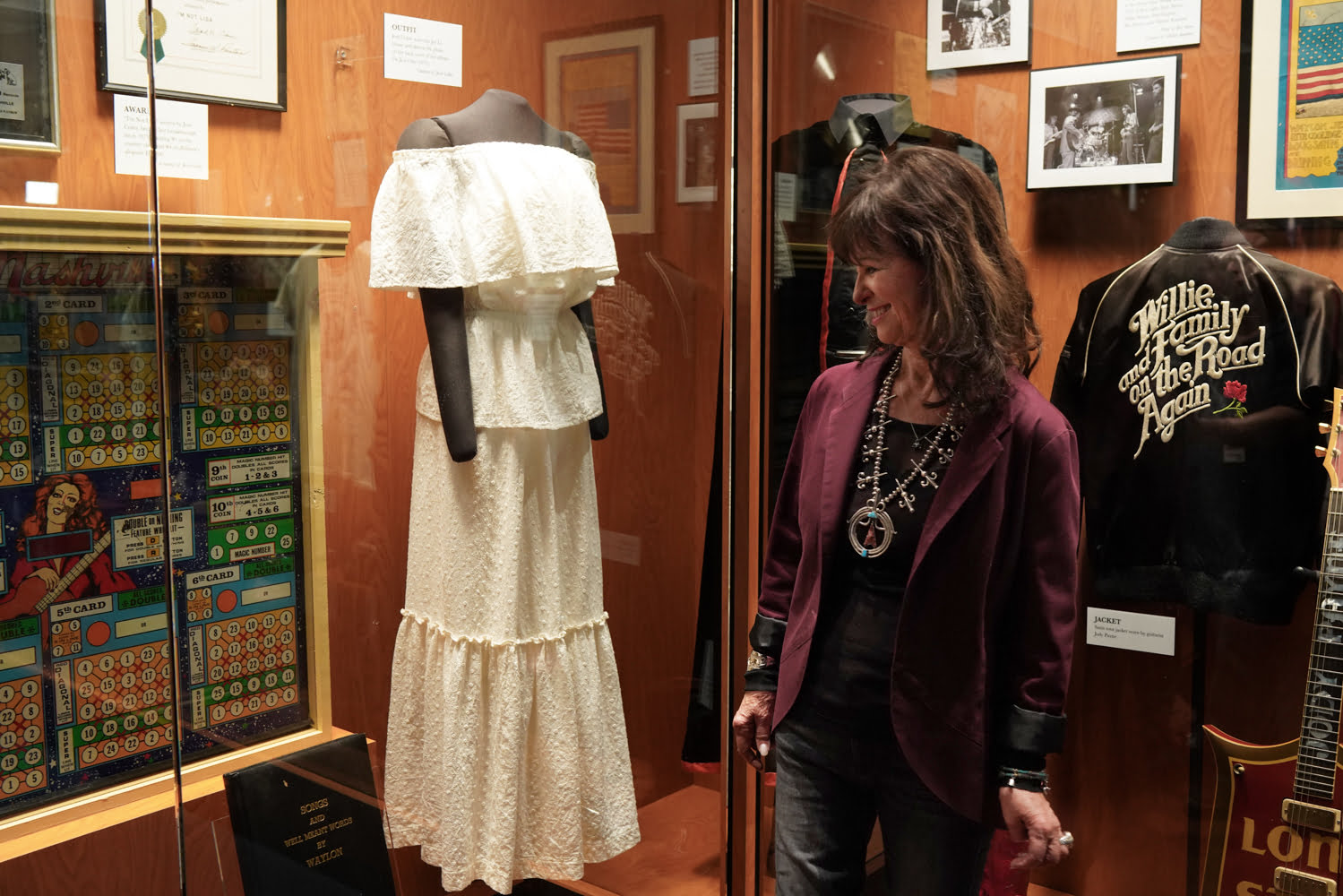
Waylon Jennings and his wife, Jessi Colter (shown above), appeared on the first-ever platinum country album, Wanted! The Outlaws (1976). Guitars, a Grammy Award, and posters from Jennings’ performances in Nashville and Austin are on display.

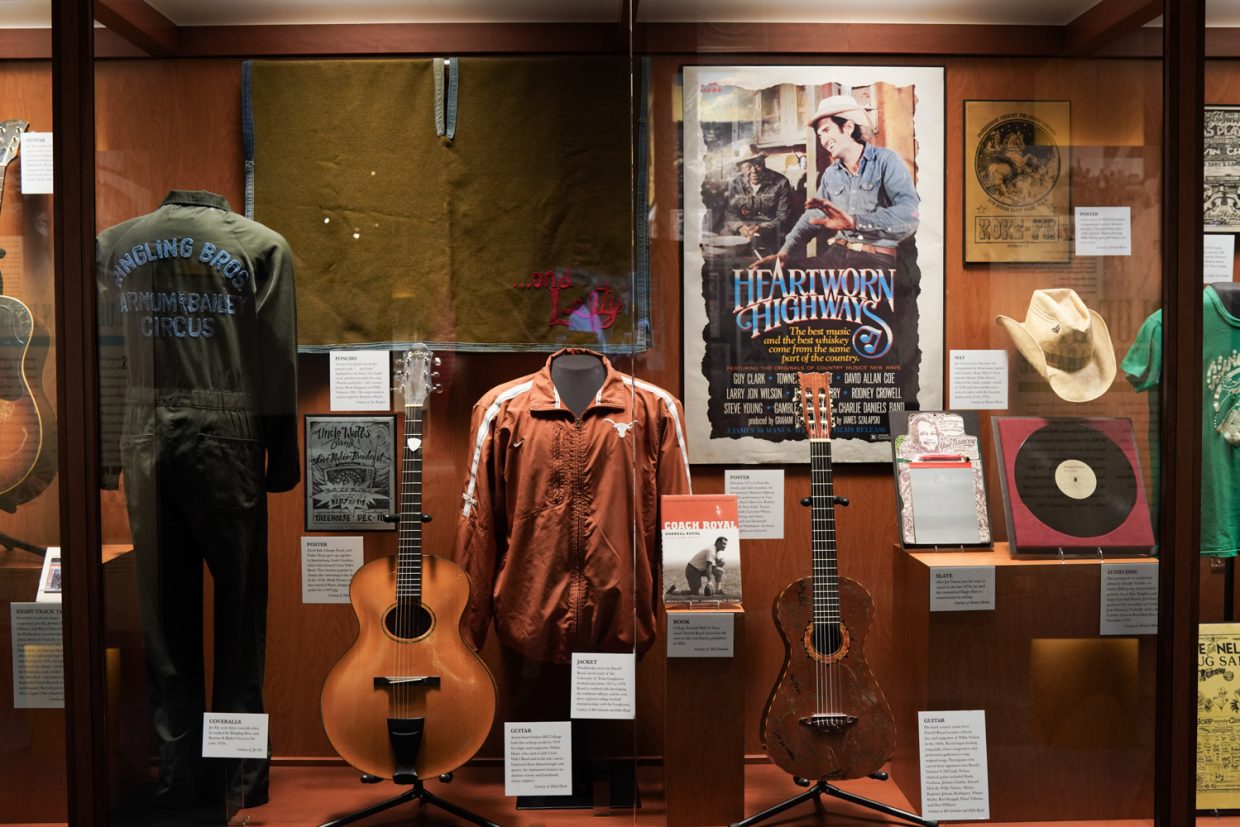
A poster of the film Heartworn Highways is displayed next to a poncho embroidered with “… and Lefty,” which belonged to Townes Van Zandt. Items from Guy Clark, coach Darrell Royal, Alvin Crow, and Uncle Walt’s Band are also featured.

The comprehensive exhibit explains the contributions of Jerry Jeff Walker, Asleep at the Wheel, Michael Murphey, Doug Sahm and Freda & the Firedogs, through rarely-seen memorabilia provided by the artists.

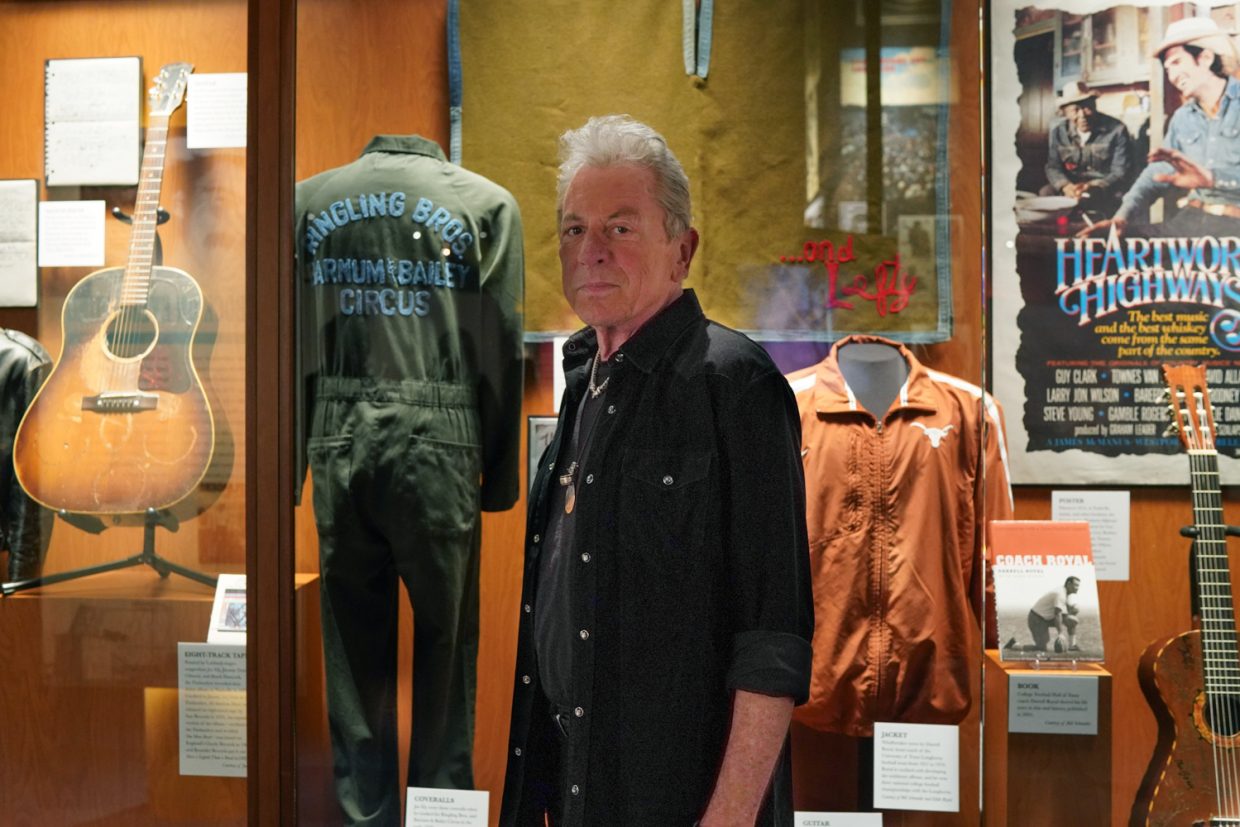
Joe Ely poses next to the uniform he wore while working for the circus. Ely became a force in Texas music as a member of The Flatlanders and through a number of acclaimed solo projects. He also performed on opening night.

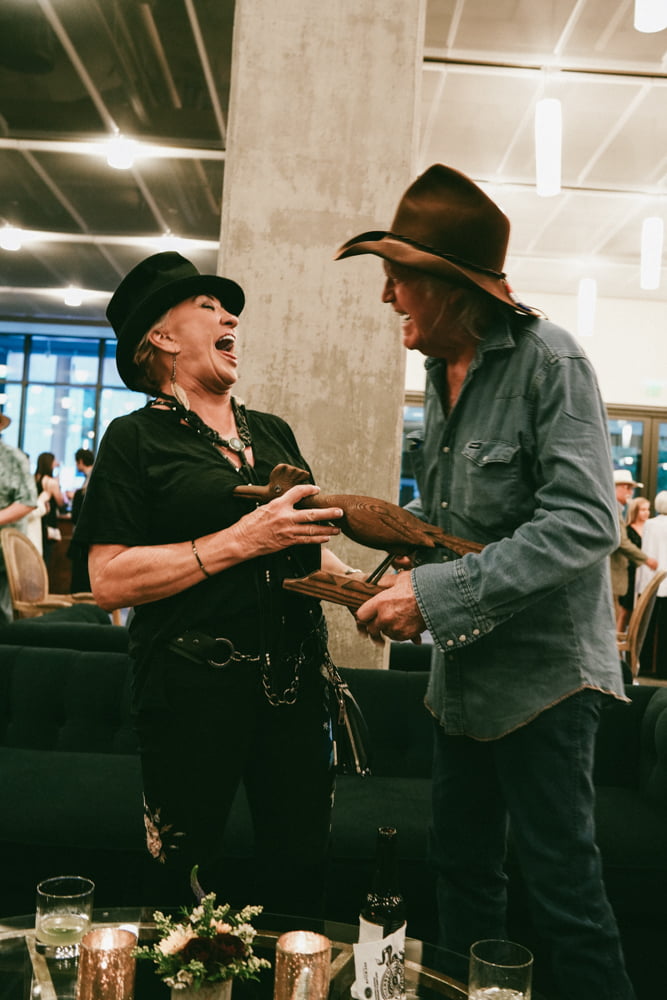
Texas natives Tanya Tucker and Billy Joe Shaver catch up at the opening night party. Jennings’ 1973 album, Honky Tonk Heroes, is composed almost entirely of Shaver’s songs. Tucker broke through in 1972 with “Delta Dawn.”


Text by Craig Shelburne

ANNOUNCING: 2018 Americana Music Awards Nominations

The Americana Music Association announced the nominees for its 17th annual Honors & Awards show this afternoon at an intimate members-only ceremony held at the Country Music Hall of Fame and Museum. The live-streamed event featured performances by its hosts The Milk Carton Kids as well as Daniel Donato, Brittany Haas, Jerry Pentecost, Molly Tuttle and more special guests. The winners of each category will be announced during the Americana Honors & Awards show on September 12, 2018 at the historic Ryman Auditorium in Nashville, TN.

Americana Music Awards Nominees

Album of the Year:
All American Made, Margo Price, Produced by Jeremy Ivey, Alex Munoz, Margo Price and Matt Ross-Spang
By The Way, I Forgive You, Brandi Carlile, Produced by Dave Cobb and Shooter Jennings
The Nashville Sound, Jason Isbell & The 400 Unit, Produced by Dave Cobb
Rifles & Rosary Beads, Mary Gauthier, Produced by Neilson Hubbard

Artist of the Year:
Brandi Carlile
Jason Isbell
Margo 
Price
John Prine

Duo/Group of the Year:
I’m With Her
Jason Isbell & the 400 Unit
Lukas Nelson & Promise of the Real
Nathaniel Rateliff & the Night Sweats

Emerging Artist of the Year:
Courtney Marie Andrews
Tyler Childers
Anderson East
Lilly Hiatt

Song of the Year:

A Little Pain,” Margo Price, Written by Margo Price
“All The Trouble,” Lee Ann Womack, Written by Waylon Payne, Lee Ann Womack and Adam Wright
“If We Were Vampires,” Jason Isbell & the 400 Unit, Written by Jason Isbell
“The Joke,” Brandi Carlile, Written by Brandi Carlile, Dave Cobb, Phil Hanseroth and Tim Hanseroth

Instrumentalist of the Year:
Daniel Donato
Brittany Haas
Jerry Pentecost
Molly Tuttle

Donovan Woods, ‘Good Lover’

Nashville is a songwriter’s town. We know this well. And, sometimes, the people behind some of the most treasured, or most successful, tunes can go years — or even forever — without their own voice or face being known to the world. Often, this is by choice; but other times, it’s because their subtleties can get swallowed by the celebrity around them, hiding the jewels within their own signature style. Lately, though, there’s been a string of breakouts in the artist/songwriter world — from Natalie Hemby and excellent solo debut to, most recently, Donovan Woods, one of the creative forces behind Tim McGraw, Charlie Worsham, and Charles Kelley cuts. Woods — who actually lives in Canada — has been releasing solo LPs for years, but his newest, Both Ways, is a stunning, textural triumph of lush folk songs with gorgeous, evocative lyricism laced throughout.

“Good Lover,” the album’s opener, begins with solemn words to a soft voice and delicate acoustic plucks: It’s about regrets and mistakes and the wishes we have for ourselves to be better or different than we are, while simultaneously accepting our fate. Through vivid imagery, Woods describes that packing up and moving out that comes with the dissolution of a relationship, with full boxes but empty, aching hearts. “But it’s over now,” Woods sings, looking back on the past, “I had a good run but I lucked it out. The neighbors clocked it, then we’ve been cleaning out that tiny house where we could settle for each other.” Woods delivers “Good Lover” like he’s singing into a confessional, with the window open for us all to hear — and remind us that, thankfully, his point of view isn’t just confined to the album credits of others.

Caleb Caudle’s Casual Country Combos

Having grown up between the mountains and the sea in Winston-Salem, North Carolina, Caleb Caudle would have had a difficult time not developing a deep love and appreciation for the great outdoors. The singer/songwriter’s love of nature is evident in both his sound and his style. Caleb’s style is relaxed, rugged, and, on occasion, a little refined. At any given moment, he is appropriately dressed to ride off on a horse or, with the quick change of a jacket, ready for dinner at an upscale restaurant.

The rugged style breakdown:

  • Textiles, like denim or chambray
  • Work-style leather boots that have acquired a beautiful patina over the years (Pro Tip: look for oil tanned leather, and be sure to condition once a year.)
  • Classic wide-brimmed hat — nothing too cowboy
  • A substantial jacket
  • Worn-in denim

For the most part, Caleb sticks to his well-fitted standards, while keeping it fresh with jackets and accessories. Living a good portion of the year out of a suitcase, he tends to favor clothing with consistency, durability, and adaptability. Nine times out of 10, you can count on seeing him wearing broken-in denim jeans, Red Wing Iron Rangers, a blue button-up (most likely denim), a custom Havstad, some assortment of silver jewelry, and a jacket you’ll most likely want to steal. Caleb’s latest obsession is the one-of-a-kind handmade statement jackets by Manuel Couture. This golden mustard jacket with black embroidery fits him like a glove, even though it was taken right off of the rack (which is very unusual).


Manuel has been creating beautiful pieces here in Nashville, Tennessee, for celebrities and musicians since the 1970s. A Manuel jacket is the perfect piece to instantly elevate an outfit with little to no effort.

By the way: You don’t have to be a musician or celebrity to wear a Manuel piece.

Here are a few styling tips from maker himself:

  • Keep the jacket unbuttoned to loosen up the look. Keep it casual.
  • Although the jackets are expensive, don’t let that stop you from wearing them to everyday events. Wear your jacket anywhere and everywhere! Don’t be afraid to make a statement.


Manuel’s jackets can be paired with a nice tailored shirt for a polished look or with a V-neck shirt to keep it casual.

I love the look of Manuel’s glitzy jackets combined with Caleb’s rugged standards. The combination is a 100 percent Casual Rhinestone Cowboy.

A special thanks to Caitlin Arabis, Manuel, and Marathon Village for working with us.