The Best Punch Brothers Instrumentals of All Time

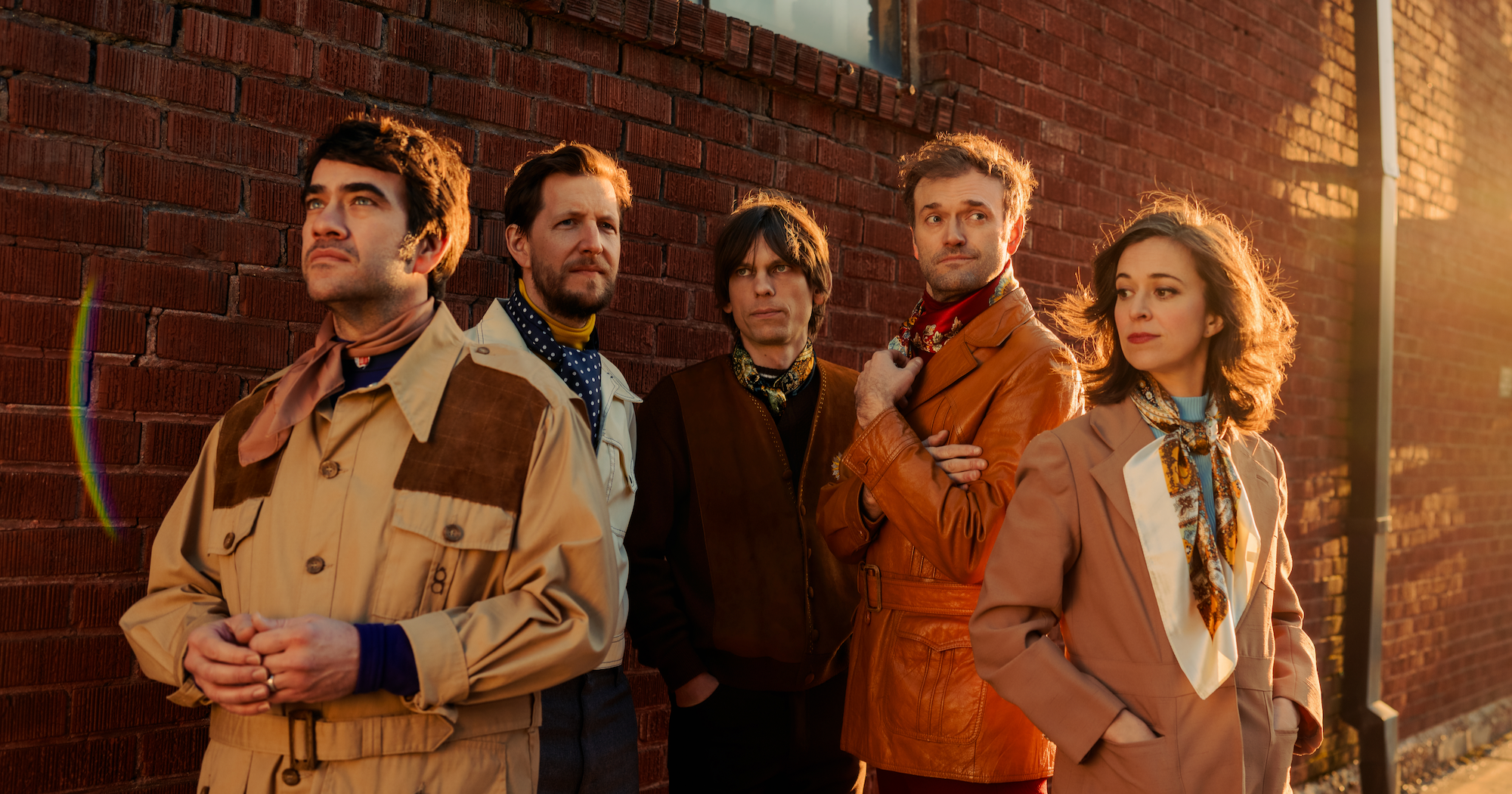
The traversings of Punch Brothers have soared and surged to even higher heights this week with the release of their seventh studio album. The Unsung Adventures of Punch Brothers emerges as the first in their catalog to feature exclusively instrumental tracks – as well as the first album to feature fiddler Brittany Haas (who joined the group back in 2023).

While The Unsung Adventures is their first entire collection bereft of vocals, Punch Brothers are no stranger to an instrumental. Their nearly two-decades-long discography reveals far more than just a smattering of tunes. From groundbreaking originals to transformed traditionals to Radiohead renderings, Punch Brothers have proven time and time again that even the most illustrious music does not always require lyrics. (Though they can sing pretty well, too…)

Renowned as one of the most virtuosic groups of the century, every musician who has ever played a role in Punch Brothers’ cast contains their own universe of talent. Together, the band’s progressive, genre-fluid nature pairs acuity and improvisation with nearly unfathomable execution. Without the constraints of lyrics, a certain levity ignites their instrumentals – fingers flutter across strings, notes braid together, and impressions invite the listener to emote freely, transcending the limitations of language.

Read along to adventure with us through some of our favorite “unsung” offerings among Punch Brothers’ best instrumentals of all time.

“The Eleventh Reel,” How To Grow A Woman From the Ground (2006)

Predating their official conception as a band, How To Grow A Woman From the Ground (2006) was the first time the initial Punch Brothers configuration recorded together. The then-twentysomething Chris Thile had been scheming a musical project with his prodigious childhood friend Gabe Witcher (fiddle), but the two were unsure of the form it should take.

The decision to toy with a traditional bluegrass setup was consecrated after a fateful all-night jam session at Telluride Bluegrass Festival with banjoist Noam Pikelny. Alongside Greg Garrison (bass) and Chris Eldridge (guitar), the newly minted quintet set out to record an album. Though released under Thile’s name, How To Grow A Woman From the Ground built the framework for Punch Brothers’ legacy to come – an eclectic compilation of both covers and originals that veer beyond the scope of bluegrass, while maintaining fidelity to its instrumental makeup. “The Eleventh Reel,” a Thile original, is a formative example of the group’s brilliant musical synastry.

“Sometimes,” Punch (2008)

In March 2007 at Carnegie Hall, the same quintet performed “The Blind Leaving the Blind” – a four-part, 40-minute opus by Thile chronicling the tumult of his divorce. The ambitious piece became the focal point of the group’s debut album as Punch Brothers. Punch was released in February 2008 by Nonesuch Records, featuring Thile’s four-part suite alongside four additional tracks written with the rest of the band. “Sometimes” is the only instrumental piece on the record and perhaps serves as one of the more accessible compositions among the collection. Punch features lengthy vocal-less interludes throughout the entire album, achieving a cerebral fusion of jazz, bluegrass, classical, and folk.

“Two Hearted,” Antifogmatic (2010)

2010 saw the release of Punch Brothers’ third studio album – the first to feature the illustrious Paul Kowert on bass – two years following Greg Garrison’s departure from the band. Antifogmatic arrived as a ten-track album written collaboratively among the quintet. The special deluxe edition of the release included two bonus discs (and a guide to Punch Brothers’ favorite cocktail recipes for those among the first 250 orders). A second disc was a 4-track instrumental EP and a third was entitled Live from the Lower East Side: It’s p-Bingo Night!, a DVD containing footage of seven songs performed during the band’s residency at The Living Room in NYC. “Two Hearted” could be found on the instrumental EP.

“Kid A,” Who’s Feeling Young Now? (2012)

Though not the first Radiohead cover to appear on one of their albums, Punch Brothers’ rendition of “Kid A” from Who’s Feeling Young Now? is an entirely unique experience. With the original Radiohead rendering couched in electronic weavings, Punch Brothers employ their traditional bluegrass orchestration to alchemize the song into an acoustic instrumental. The result is a translation of the track that holds intimate loyalties and groundbreaking innovations at once – a combination that Punch Brothers have only continued to expound upon throughout their career.

“Squirrel of Possibility,” Ahoy! (2012)

In 2012, Punch Brothers released Ahoy!, a five-track EP of previously unreleased selections from the Who’s Feeling Young Now? recording sessions. A crowd favorite, “Squirrel of Possibility” sets sail on a gorgeous melody, even hinting towards an old-time feel with the conversation between fiddle and banjo. While there are a handful of choice twists and turns, “Squirrel of Possibility” is one of the more straightforward of Punch Brothers original instrumentals.

“Passepied,” The Phosphorescent Blues (2015)

Perhaps their most popular demonstration of their long-nurtured affair with classical music, “Passepied” is a spritely re-rendering of the fourth movement of Claude Debussy’s Suite bergamasque. Released in its original form in 1905 as a piano suite, Punch Brothers ingeniously breathe new life into the piece via bluegrass ensemble on their 2015 album, The Phosphorescent Blues. Clever, playful, and fiercely technical, Punch Brothers’ greatest attributes are on full display.

“The Hops of Guldenberg,” The Wireless (2015)

Punch Brothers cemented a pattern with the release of The Wireless (2015), a five-track EP derived from the sessions responsible for the LP they released earlier that year. Comprised of four original compositions and an Elliot Smith cover, The Wireless packs a punch (no pun intended) with its iconicity. One of many tunes that fall under the Punch Brothers’ motif of titles that harken to alcoholic beverages, “The Hops of Guldenberg” is definitively a highlight of this collection.

“Three Dots and a Dash,” All Ashore (2018)

Following a scheduled hiatus, Punch Brothers reemerged in 2018 with All Ashore, the record that earned them the GRAMMY for Best Folk Album. Much had changed professionally and interpersonally for the group in the interim. Released as a single, “Three Dots and a Dash” was named for a libation – notedly Chris Thile’s cocktail of choice – that becomes something of an onomatopoeia during moments of punctuation in the song’s melody.

“Cattle in the Cane,” Hell on Church Street (2022)

For their sixth studio album, Punch Brothers set out to record their own reimagining of Tony Rice’s beloved 1983 solo album Church Street Blues. Titling it Hell on Church Street, the band had hoped to surprise Rice with the recording, but he passed before its completion.

Speaking about Rice and the album, Punch Brothers relayed, “No record (or musician) has had a greater impact on us, and we felt compelled to cover it in its entirety, with the objective of interacting with it in the same spirit of respect-fueled adventure that Tony brought to each of its pre-existing songs.” Several of those songs are canonical bluegrass instrumentals, including the traditional “Cattle in the Cane” and Bill Monroe’s “Gold Rush” and “Jerusalem Ridge.” Decidedly, the band chose to suspend their listening to Rice’s original album until their version was complete so as to bolster their own creative impulses. The result is a creative and distinctive tribute to one of the greatest legends in bluegrass history.

“New Bike,” The Unsung Adventures of Punch Brothers (2026)

Number ten lands us in the present with the release of The Unsung Adventures of Punch Brothers. The first single and inaugural tune from the album, “New Bike,” is an explosion of excitement and energy, named for the childlike whimsy and glee Thile experienced when “allowed to ride my new Diamondback Topanga mountain bike to the library for the first time when I was 10 years old.” As Brittany Haas’ first recorded feature as a Punch Brother proper, her fiddle glides across the melody and perfectly captures the essence of the band – thoughtful, spirited, and articulate.

“June Apple (poisoned),” The Unsung Adventures of Punch Brothers (2026)

Another tune from The Unsung Adventures, “June Apple (poisoned)” offers up a deconstructed version of a prominent old-time tune. Piecing together disparate tempos and textures, this version invites a dark and cerebral alternative reality to this age-old vernacular fiddle tune. Unafraid of the uncharted, the breadth of their innovations reaches further than ever on this album. With solely instruments as their vehicle, The Unsung Adventures follows the Punch Brothers’ curiosities and impulses through stirring explorations.


Photo Credit: Josh Goleman
Molly Tuttle on CBS Saturday Morning: “I’m Not Abandoning the Bluegrass Fans”

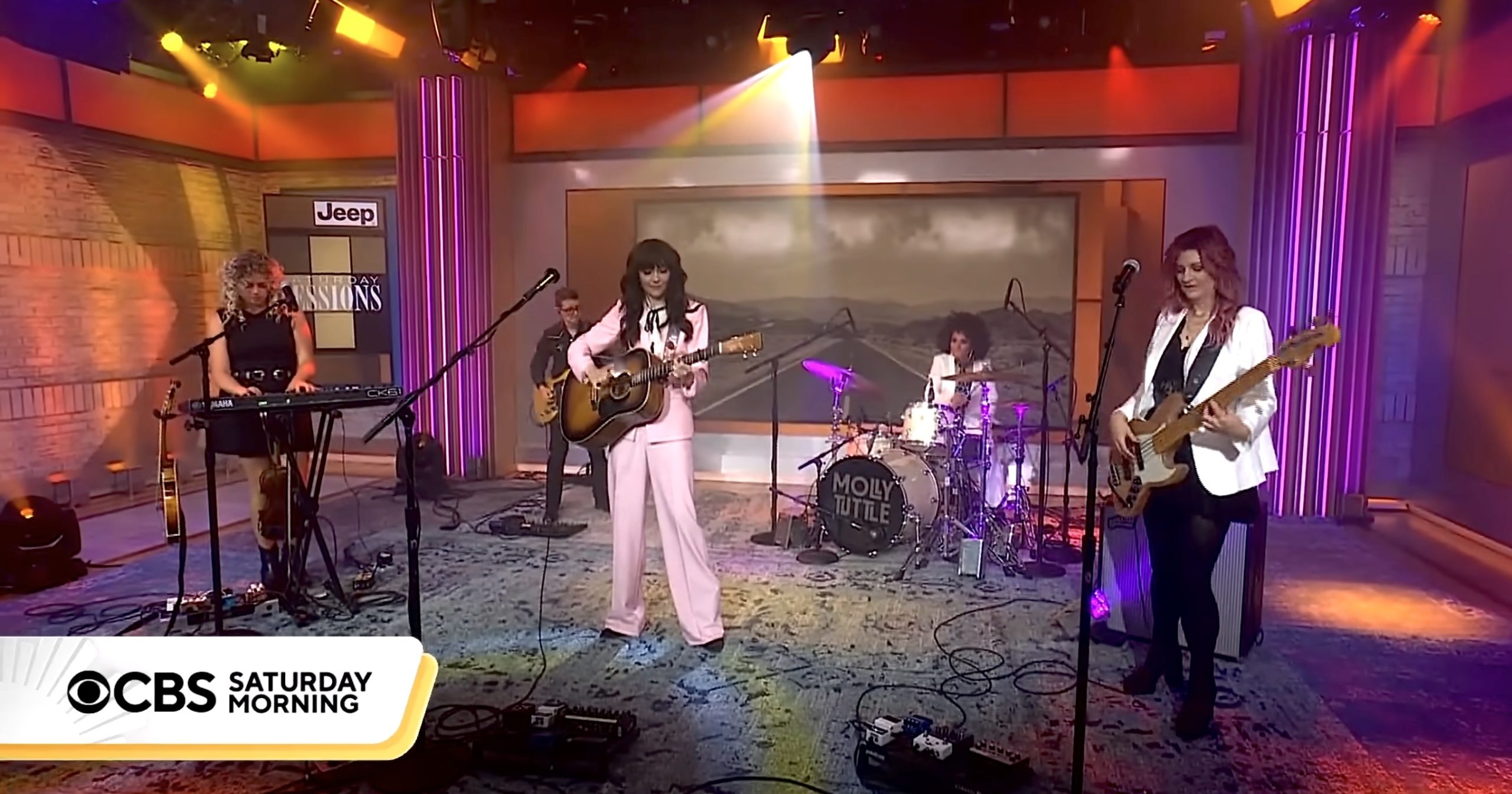
Guitarist-singer-songwriter Molly Tuttle caused bit of seismic activity in the roots music world when in the middle of May she announced a brand new band and the beginning of a brand new era, after the smashing, GRAMMY-winning run of her decidedly bluegrass outfit, Golden Highway. With several years of touring and two critically acclaimed and audience-adored albums with that group under her belt, Tuttle posted on social media that she had assembled Mary Meyer (fiddle, mandolin, keys), Vanessa McGowan (bass), Megan Jane (drums, percussion) and Ellen Angelico (guitars, Dobro) for her new backing band. Predictably, the award-amassing picker had many a bluegrass “chair snapper” run to her comment sections to decry her abandonment of bluegrass, her selling out, and her forsaking the genre that made her.

A little over a month later, Tuttle announced her upcoming album, So Long Little Miss Sunshine, due out August 15 via Nonesuch Records. With that second wave of exciting news she dropped the LP’s first single, “That’s Gonna Leave a Mark.” Last week, she and her newly-minted band appeared on CBS Saturday Morning to perform that track (watch above) as well as a burnin’ fan favorite from the Golden Highway years, “San Joaquin” (watch below). In addition, Tuttle spoke to journalist Anthony Mason about the project, her creative process, and how and why she’s ready for something fresh and different – sonically, and otherwise. (Watch Tuttle’s interview with Mason below, as well.)

“Okay, yeah, I want to set the record straight!” Tuttle laughs when asked about “abandoning bluegrass” and her more string-band-inclined fans. “I’m not abandoning the bluegrass fans. I feel like, with my music, a door will just open and then I’m walking through it.”

“With my last two records,” she continues, “I just felt so inspired to go back to my roots and write bluegrass songs. And, all of a sudden in the last year, I was like, ‘It’s time to do something different, to do something totally new, and find my own sound that’s not emulating a certain genre or style.'”

Longtime fans of Tuttle know that dabbling in genres on the fringes of more traditional bluegrass has always been a practice at the core of her creativity, songwriting, and expression. Her debut EP after moving to Nashville, 2017’s Rise, was far from straight ahead bluegrass in structure, arrangements, and production. In 2019 she released When You’re Ready. Her full-length debut, it boasted bluegrass and flatpicking bones with dashes of old-time and country, but couldn’t be easily or simply defined – or entirely contained – underneath any of those aesthetic umbrellas. “That’s Gonna Leave a Mark” is poppy, bold, and broad with dashes of Katie Gavin (of MUNA), Sheryl Crow, and Aimee Mann. But still, it’s anchored by, of all things, clawhammer guitar. Is that “abandoning” the genres that made her?

Along the way, Tuttle’s live shows have always been expansive, joyous, and fun, whatever the personnel on stage – and her shows have always been unconcerned with genre fidelity, too. (Even as she crisscrossed the country and the globe with her beloved ‘grassy Golden Highway comrades.) Now, with her new “that ain’t bluegrass” band, she continues playing with genre and expectations.

For instance, at ROMP in Owensboro, Kentucky, last month she at one point invited Del, Ronnie, and Rob McCoury onstage for a guest slot, many a Golden Highway track made the set list, and she covered both “Blue Moon of Kentucky” and a dramatic, languid version of Icona Pop and Charli XCX’s smash hyperpop hit “I Love It” for her twin encores. This sort of musical multiplicity from Tuttle isn’t anything new, it’s foundational. It’s a keystone on which she’s built her entire brand. Her incredible covers album, 2020’s pandemic-proffered …but i’d rather be with you is another excellent example of this fact.

It’s clear Tuttle, her band, and her team are knee-deep in messaging and intentionally reinforcing their brand identity for this next album and her headlining “The Highway Knows” tour, which kicks off in September. Whether on CBS Saturday Morning, social media, or a bluegrass festival stage, that task comes incredibly naturally to Tuttle, because these sounds aren’t a gimmick. This isn’t a cash grab or selling out or abandoning anything or anyone. It’s Molly Tuttle being exactly who she has always been. After all, just when you think you know her, “She’ll Change.”


Artist of the Month: Yasmin Williams

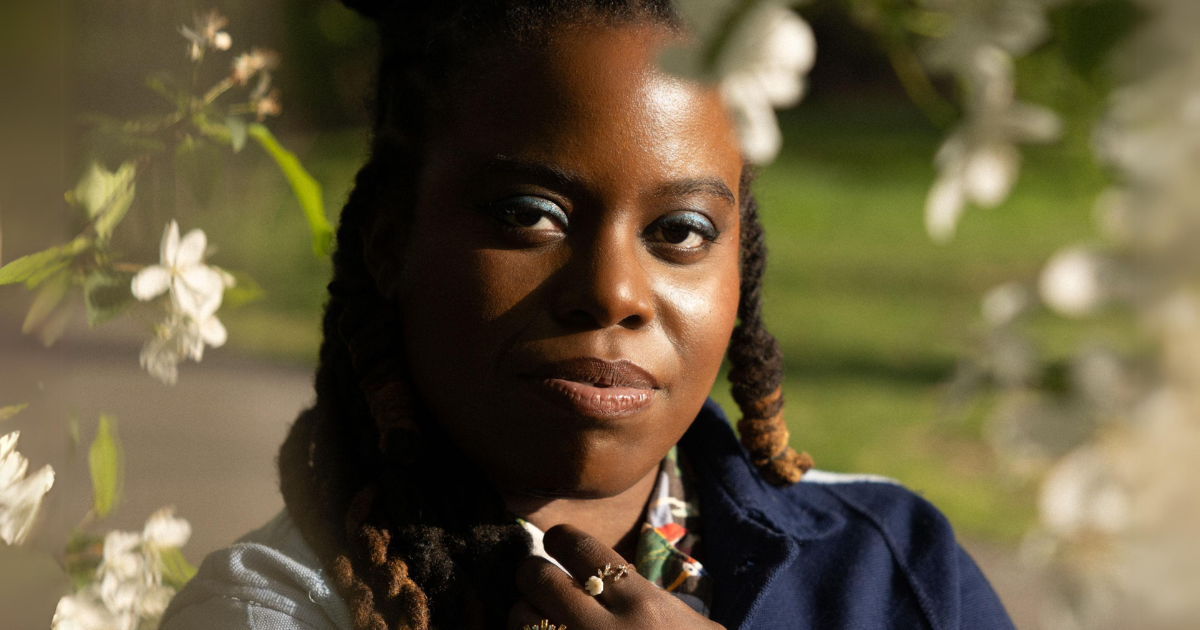
No one on earth plays the guitar like Yasmin Williams. When the BGS team was first introduced to her music – back a few years now, in 2017 or 2018, during our annual programming for our Shout & Shine diversity showcase – it was an objectively jaw-dropping discovery. We’ve covered many singular musicians, instrumentalists, and guitarists over the years on our site, but here was something completely and totally brand new. Then, in 2021, she wowed our BGS audience with her Shout & Shine livestream performance. From our staff to our followers, we were all hooked.

Immediately upon hearing Williams’ ethereal, otherworldly, and effortlessly charming guitar-centered compositions, it’s natural, reflexive even, to imagine how listeners may have first reacted to encountering Sister Rosetta Tharpe’s earth-stopping rock and roll, or Elizabeth Cotten’s unassuming backwards-and-upside-down guitar genius, or Jimi Hendrix’s showy shredding behind his head. There’s a jolt of electricity, a child-like wonder, and proper awe that each result from even the slightest encounter with Williams’ talents.

But, like those legends before her, this is not merely toxically masculine, performative, over-the-top “guitar culture” music. You can tell, from the first breath of tone from her instruments, that Williams is not now nor has ever been the guitarist trying to impress or outdo all of the AC/DC or Led Zeppelin rehearsers plucking through “Stairway to Heaven” at the local Guitar Center.

No, Williams’ approach to the instrument is totally brand new, too – and a remarkable breath of fresh air in a scene that is often derivative, competitive, exclusive, and rife with “Um, actually…” Instead of focusing her ambitions or goals entirely on the insular, inward-facing guitar world, Williams has demonstrated over two impeccable, critically-acclaimed albums – 2021’s Urban Driftwood and her first Nonesuch project, Acadia (out October 4) – that her community is far broader, richer, and truly incandescent.

Acadia builds on the rich and resplendent universe Williams built for Urban Driftwood – and has been cultivating for years, since her full length debut in 2018, Unwind. With a foundation centered on fingerstyle acoustic guitar with plenty of blues, bluegrass, flatpicking, and Americana infusions, Williams approaches the instrument as if a just-invented, novel machine; pedagogy, tradition, and technique are all present, but only ever in service of the melodies themselves – never as exercises in “correctness” or propriety. She’ll play with the guitar in her lap, tapping with both hands on the surface of the strings and fretboard. She’ll affix a kalimba to the face of the instrument and play both simultaneously. She quite literally turns her six-string (and her harp guitars, banjos, and more) on their ears, throwing all expectations and convention out the window.

There’s showmanship evident herein, of course, and a tinge of acrobatics, but these are merely knock-on effects and not the entire point. Instead, it seems Williams’ intention is to follow each and every tendril and tributary of her musical ideas to their natural conclusions, raising no barriers to herself in the process. Not even the barrier of the guitar itself. What even is a guitar, if you approach it from a unique perspective or through a fresh lens each time you pick it up? Williams shows us this common, everyday, century-spanning instrument can always find new sounds and styles.

Again, in contrast with “norms” in the guitar scene, Acadia is a testament to Williams’ community, as well. Her albums as yet never feel like guitar vanity projects, as the picker decidedly brings in so many facets of her musical and creative community to her music making. In just the first three singles from Acadia she taps an impressive array of featured artists, from Aoife O’Donovan to Darlingside to Allison de Groot & Tatiana Hargreaves. On prior releases, she’s recorded with the legendary Tommy Emmanuel, Taryn Wood, Dobrotto, and many more. Her approach to the instrument is singular, but it’s never solitary. Where other guitarists might prefer to leverage the instrument and their virtuosity to center themselves, Williams seems determined to do the opposite. The results are, as always, stunning.

Fingerstyle acoustic guitar is engaging and lovely music to begin with, but given her particular touch, her compositional voice, and her community collaborations, Yasmin Williams is showing roots music fans everywhere that even our most familiar instruments can be wellsprings of originality, inspiration, and joy. Acadia is a masterwork, and a perfect album to spotlight as we name Yasmin Williams our Artist of the Month. Enjoy our Essentials Playlist below to kick off the month and read our exclusive interview feature here. And, read an excellent op-ed on Williams written by buzzworthy viral guitarist and improviser Jackie Venson here. Plus, we’ll be dipping back into the BGS archives for all things Yasmin throughout October.


Photo Credit: Ebru Yildiz

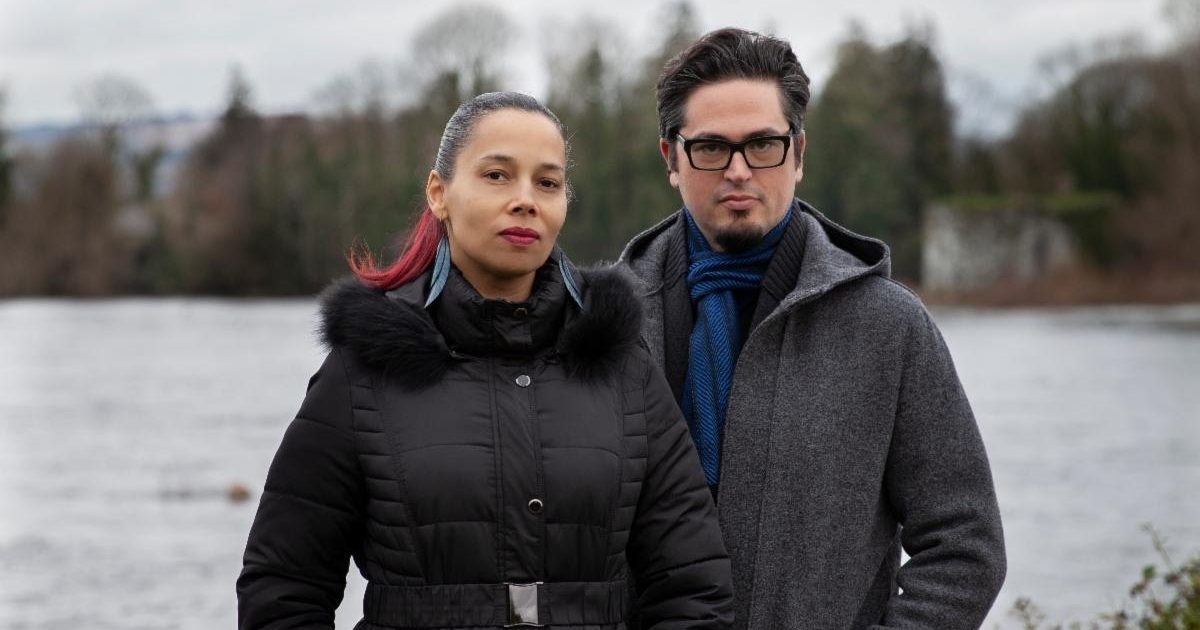
WATCH: Rhiannon Giddens with Francesco Turrisi, “Calling Me Home”

Artists: Rhiannon Giddens with Francesco Turrisi
Single: “Calling Me Home” (written by Alice Gerrard)
Album: They’re Calling Me Home
Release Date: April 9, 2021
Label: Nonesuch Records

In Their Words: “Some people just know how to tap into a tradition and an emotion so deep that it sounds like a song that has always been around — Alice Gerrard is one of those rarities; ‘Calling Me Home’ struck me forcefully and deeply the first time I heard it, and every time since. This song just wanted to be sung and so I listened.” — Rhiannon Giddens


Photo credit: Karen Cox

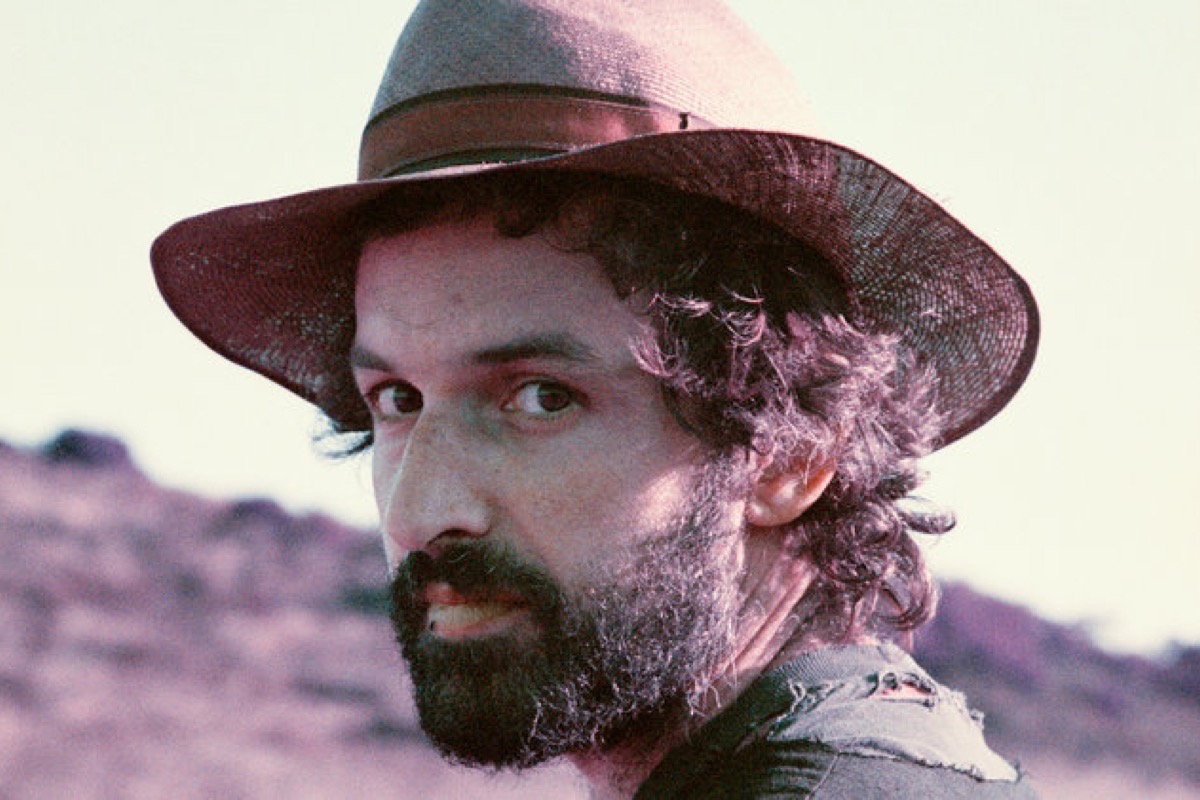
The String – Joachim Cooder plus Daniel Tashian

Joachim Cooder has pursued his musical life as drummer, percussionist and family man, staying near and working regularly with his father, blues/roots guitarist Ry Cooder and his songwriting wife, among other scattered projects.


LISTEN: APPLE PODCASTS

In recent years though, his writing/composing side has fully emerged, and his debut on Nonesuch Records ‘Over That Road I’m Bound,’ featuring modern interpretations of Uncle Dave Macon songs, was one of the most unique and beguiling albums of 2020. We speak from his Los Angeles home. Also, Nashville writer/producer Daniel Tashian talks about his generation-spanning collaboration with the legendary Burt Bacharach.

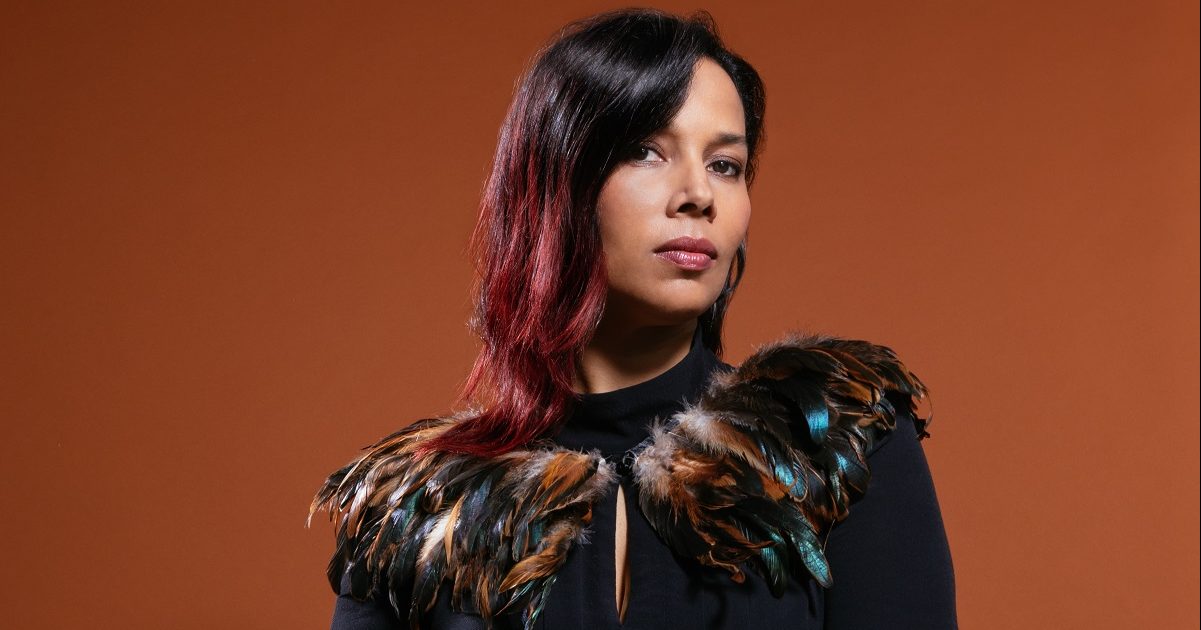
LISTEN: Rhiannon Giddens, “Don’t Call Me Names”

Artist: Rhiannon Giddens
Hometown: Greensboro, North Carolina
Song: “Don’t Call Me Names”
Release Date: August 23, 2020
Label: Nonesuch

In Their Words: “The framework in the song is a love affair, but it can happen in any kind of connection. The real story was accepting my inner strength and refusing to continue being gaslit and held back; and refusing to keep sacrificing my mental health for the sake of anything or anyone.

“I don’t often write personal songs but this one has stayed with me — it poured out then and has just sat there waiting for the right time. I got a chance to do it with some incredible musicians and a fabulous producer and I’m thrilled it’s going to be out in the world; when I listen to it, the anger that I felt then is the anger I feel [now] at my entire country being gaslit, held back, and sacrificed. We have to keep saying NO to toxic behavior, no matter how small or large the stage, and keep saying it nice and loud.” — Rhiannon Giddens


Photo credit: Ebru Yildiz

The Shift List – Nonesuch, Oklahoma City

Colin Stringer and Jeremy Wolfe are two of the three chef/founders of Nonesuch in Oklahoma City, an intimate, 22-seat restaurant that focuses on cooking with ingredients that come exclusively from their native Oklahoma.

LISTEN: APPLE PODCASTS • MP3

In a landlocked state that rarely gets national recognition for its culinary ambition from any organization, Nonesuch was named Best New Restaurant in the country by Bon Appetit back in August, ahead of nine other concepts from food capitals like Los Angeles, New York City, and Washington D.C.

The inventiveness and inspiration for Nonesuch were set in motion when Stringer and Wolfe started running a supper club back in 2014 called Nani, in the 100-year-old Victorian house that Stringer also lived in near the heart of Oklahoma City.

Word grew around town about the semi-legal restaurant operation in Stringer’s home, and it was eventually shut down by the city for operating without a license. When Nonesuch opened back in October 2017, it wasn’t a coincidence that the dining experience felt intimate, familial, and hospitable.

As Bon Appetit’s Editor in Chief Andrew Knowlton wrote in his review of Nonesuch, the best analogy to describe the young chefs that run it are like “three guys in a band, heads down, making incredibly beautiful music together — that they doubt anyone would ever hear.”

A little over a year after their opening, Nonesuch is booked solid for the foreseeable future, and the guys are poised and focused to take on the newfound attention with a unique sense of artistry and a killer playlist.