The Best Punch Brothers Instrumentals of All Time

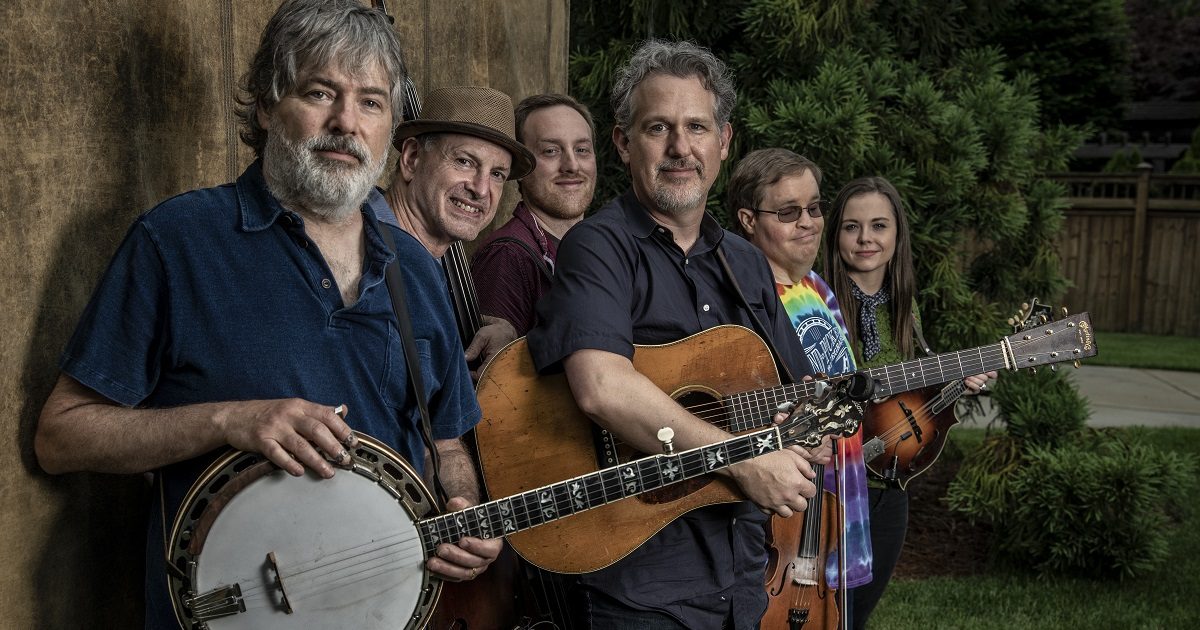
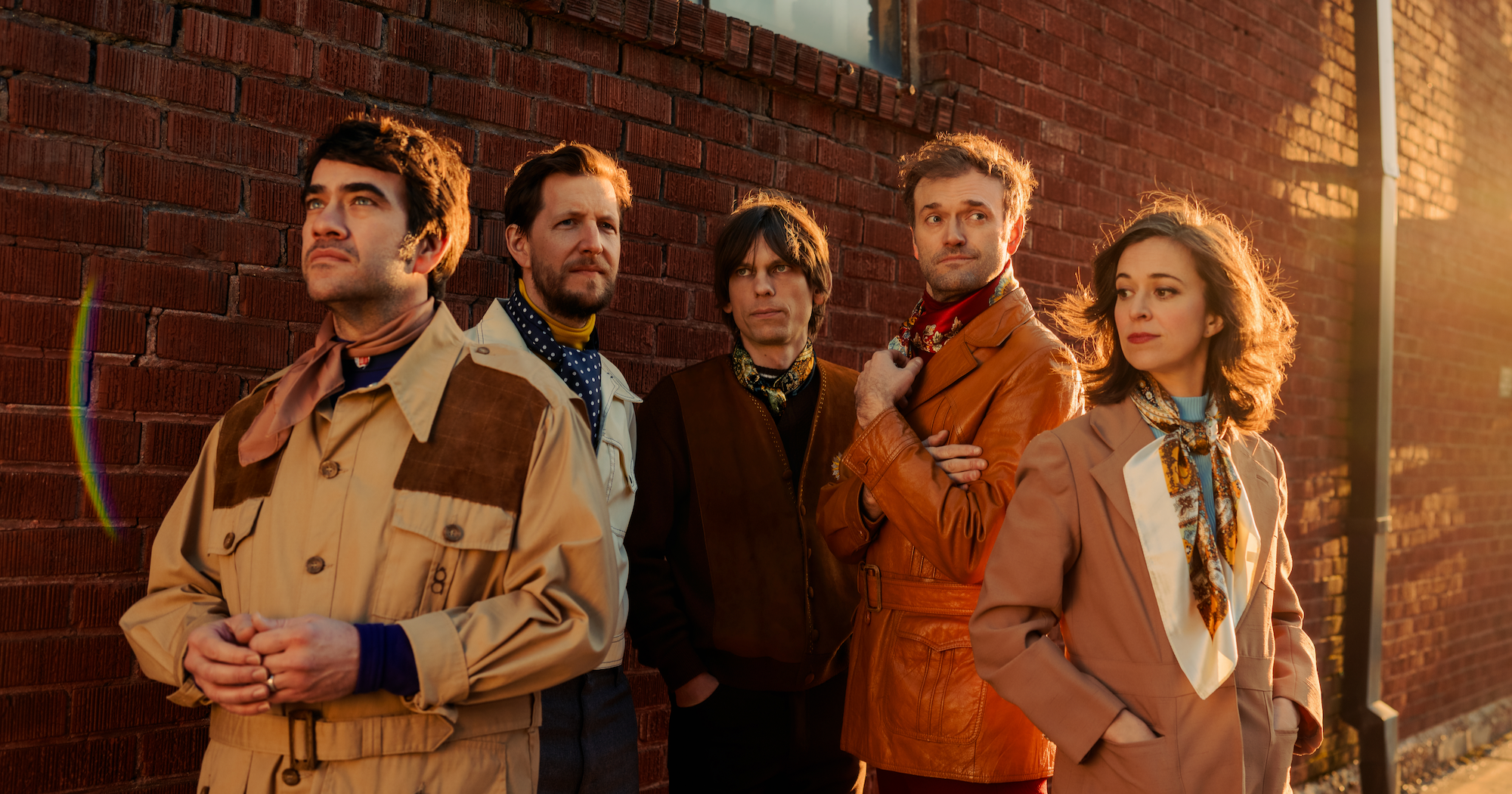
The traversings of Punch Brothers have soared and surged to even higher heights this week with the release of their seventh studio album. The Unsung Adventures of Punch Brothers emerges as the first in their catalog to feature exclusively instrumental tracks – as well as the first album to feature fiddler Brittany Haas (who joined the group back in 2023).

While The Unsung Adventures is their first entire collection bereft of vocals, Punch Brothers are no stranger to an instrumental. Their nearly two-decades-long discography reveals far more than just a smattering of tunes. From groundbreaking originals to transformed traditionals to Radiohead renderings, Punch Brothers have proven time and time again that even the most illustrious music does not always require lyrics. (Though they can sing pretty well, too…)

Renowned as one of the most virtuosic groups of the century, every musician who has ever played a role in Punch Brothers’ cast contains their own universe of talent. Together, the band’s progressive, genre-fluid nature pairs acuity and improvisation with nearly unfathomable execution. Without the constraints of lyrics, a certain levity ignites their instrumentals – fingers flutter across strings, notes braid together, and impressions invite the listener to emote freely, transcending the limitations of language.

Read along to adventure with us through some of our favorite “unsung” offerings among Punch Brothers’ best instrumentals of all time.

“The Eleventh Reel,” How To Grow A Woman From the Ground (2006)

Predating their official conception as a band, How To Grow A Woman From the Ground (2006) was the first time the initial Punch Brothers configuration recorded together. The then-twentysomething Chris Thile had been scheming a musical project with his prodigious childhood friend Gabe Witcher (fiddle), but the two were unsure of the form it should take.

The decision to toy with a traditional bluegrass setup was consecrated after a fateful all-night jam session at Telluride Bluegrass Festival with banjoist Noam Pikelny. Alongside Greg Garrison (bass) and Chris Eldridge (guitar), the newly minted quintet set out to record an album. Though released under Thile’s name, How To Grow A Woman From the Ground built the framework for Punch Brothers’ legacy to come – an eclectic compilation of both covers and originals that veer beyond the scope of bluegrass, while maintaining fidelity to its instrumental makeup. “The Eleventh Reel,” a Thile original, is a formative example of the group’s brilliant musical synastry.

“Sometimes,” Punch (2008)

In March 2007 at Carnegie Hall, the same quintet performed “The Blind Leaving the Blind” – a four-part, 40-minute opus by Thile chronicling the tumult of his divorce. The ambitious piece became the focal point of the group’s debut album as Punch Brothers. Punch was released in February 2008 by Nonesuch Records, featuring Thile’s four-part suite alongside four additional tracks written with the rest of the band. “Sometimes” is the only instrumental piece on the record and perhaps serves as one of the more accessible compositions among the collection. Punch features lengthy vocal-less interludes throughout the entire album, achieving a cerebral fusion of jazz, bluegrass, classical, and folk.

“Two Hearted,” Antifogmatic (2010)

2010 saw the release of Punch Brothers’ third studio album – the first to feature the illustrious Paul Kowert on bass – two years following Greg Garrison’s departure from the band. Antifogmatic arrived as a ten-track album written collaboratively among the quintet. The special deluxe edition of the release included two bonus discs (and a guide to Punch Brothers’ favorite cocktail recipes for those among the first 250 orders). A second disc was a 4-track instrumental EP and a third was entitled Live from the Lower East Side: It’s p-Bingo Night!, a DVD containing footage of seven songs performed during the band’s residency at The Living Room in NYC. “Two Hearted” could be found on the instrumental EP.

“Kid A,” Who’s Feeling Young Now? (2012)

Though not the first Radiohead cover to appear on one of their albums, Punch Brothers’ rendition of “Kid A” from Who’s Feeling Young Now? is an entirely unique experience. With the original Radiohead rendering couched in electronic weavings, Punch Brothers employ their traditional bluegrass orchestration to alchemize the song into an acoustic instrumental. The result is a translation of the track that holds intimate loyalties and groundbreaking innovations at once – a combination that Punch Brothers have only continued to expound upon throughout their career.

“Squirrel of Possibility,” Ahoy! (2012)

In 2012, Punch Brothers released Ahoy!, a five-track EP of previously unreleased selections from the Who’s Feeling Young Now? recording sessions. A crowd favorite, “Squirrel of Possibility” sets sail on a gorgeous melody, even hinting towards an old-time feel with the conversation between fiddle and banjo. While there are a handful of choice twists and turns, “Squirrel of Possibility” is one of the more straightforward of Punch Brothers original instrumentals.

“Passepied,” The Phosphorescent Blues (2015)

Perhaps their most popular demonstration of their long-nurtured affair with classical music, “Passepied” is a spritely re-rendering of the fourth movement of Claude Debussy’s Suite bergamasque. Released in its original form in 1905 as a piano suite, Punch Brothers ingeniously breathe new life into the piece via bluegrass ensemble on their 2015 album, The Phosphorescent Blues. Clever, playful, and fiercely technical, Punch Brothers’ greatest attributes are on full display.

“The Hops of Guldenberg,” The Wireless (2015)

Punch Brothers cemented a pattern with the release of The Wireless (2015), a five-track EP derived from the sessions responsible for the LP they released earlier that year. Comprised of four original compositions and an Elliot Smith cover, The Wireless packs a punch (no pun intended) with its iconicity. One of many tunes that fall under the Punch Brothers’ motif of titles that harken to alcoholic beverages, “The Hops of Guldenberg” is definitively a highlight of this collection.

“Three Dots and a Dash,” All Ashore (2018)

Following a scheduled hiatus, Punch Brothers reemerged in 2018 with All Ashore, the record that earned them the GRAMMY for Best Folk Album. Much had changed professionally and interpersonally for the group in the interim. Released as a single, “Three Dots and a Dash” was named for a libation – notedly Chris Thile’s cocktail of choice – that becomes something of an onomatopoeia during moments of punctuation in the song’s melody.

“Cattle in the Cane,” Hell on Church Street (2022)

For their sixth studio album, Punch Brothers set out to record their own reimagining of Tony Rice’s beloved 1983 solo album Church Street Blues. Titling it Hell on Church Street, the band had hoped to surprise Rice with the recording, but he passed before its completion.

Speaking about Rice and the album, Punch Brothers relayed, “No record (or musician) has had a greater impact on us, and we felt compelled to cover it in its entirety, with the objective of interacting with it in the same spirit of respect-fueled adventure that Tony brought to each of its pre-existing songs.” Several of those songs are canonical bluegrass instrumentals, including the traditional “Cattle in the Cane” and Bill Monroe’s “Gold Rush” and “Jerusalem Ridge.” Decidedly, the band chose to suspend their listening to Rice’s original album until their version was complete so as to bolster their own creative impulses. The result is a creative and distinctive tribute to one of the greatest legends in bluegrass history.

“New Bike,” The Unsung Adventures of Punch Brothers (2026)

Number ten lands us in the present with the release of The Unsung Adventures of Punch Brothers. The first single and inaugural tune from the album, “New Bike,” is an explosion of excitement and energy, named for the childlike whimsy and glee Thile experienced when “allowed to ride my new Diamondback Topanga mountain bike to the library for the first time when I was 10 years old.” As Brittany Haas’ first recorded feature as a Punch Brother proper, her fiddle glides across the melody and perfectly captures the essence of the band – thoughtful, spirited, and articulate.

“June Apple (poisoned),” The Unsung Adventures of Punch Brothers (2026)

Another tune from The Unsung Adventures, “June Apple (poisoned)” offers up a deconstructed version of a prominent old-time tune. Piecing together disparate tempos and textures, this version invites a dark and cerebral alternative reality to this age-old vernacular fiddle tune. Unafraid of the uncharted, the breadth of their innovations reaches further than ever on this album. With solely instruments as their vehicle, The Unsung Adventures follows the Punch Brothers’ curiosities and impulses through stirring explorations.


Photo Credit: Josh Goleman
Combining Classical and Bluegrass, Scroggins & Rose Improvise and Inspire on ‘Speranza’

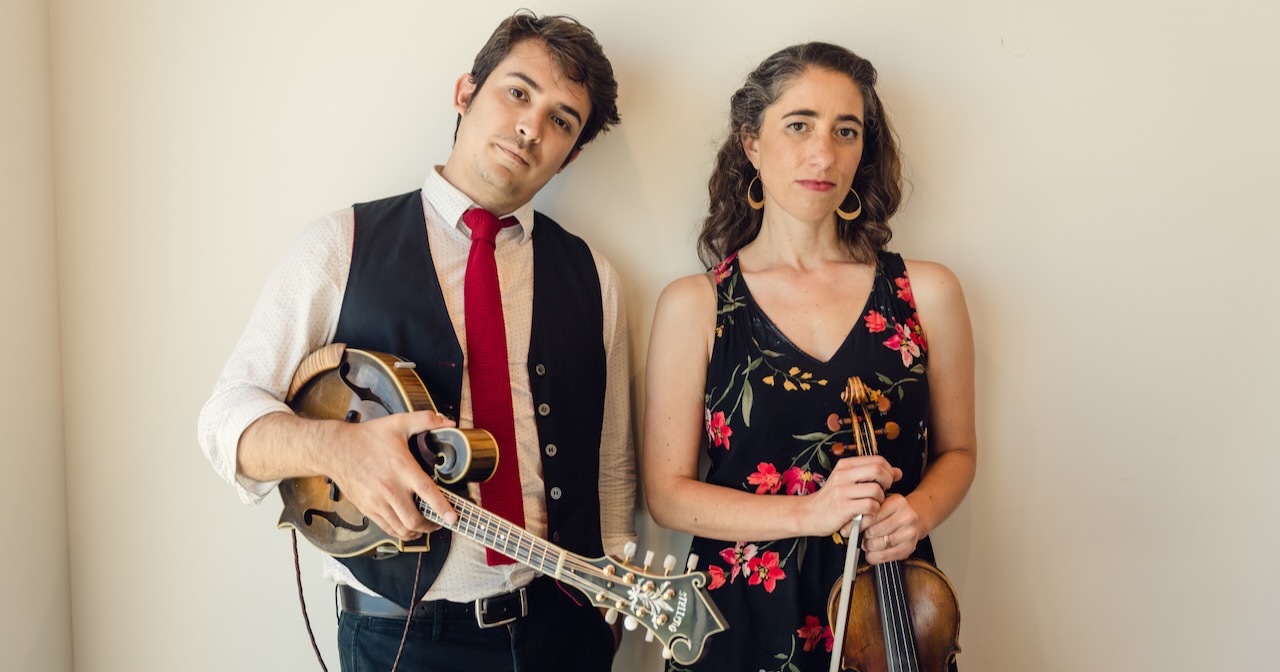
Acutely expressive, profoundly innovative, and ceaselessly gripping, Scroggins & Rose are masters of sonic storytelling. The project consists of Alisa Rose (violin) and Tristan Scroggins (mandolin), both virtuosic talents with a sprawling list of credits each in their own right. While Scroggins primarily forays in the bluegrass sphere and Rose spent her musical upbringing largely studying classical music, the two alchemize a blend of genres to achieve their distinct style.

The duo’s third collection, Speranza, relays a moving dialogue between fiddle and mandolin, drawing upon a diverse range of musical influences to weave together a thoughtful assortment of colors and textures. Initial ideas for the project began back in the quarantine days of 2020, and Speranza – which consists of six immersive instrumentals, a dynamic assortment of original and familiar tunes – now arrives nearly five years later in a moment where its intonations of hope feel just as crucial.

BGS had the pleasure of sitting down with Scroggins & Rose to discuss their origins, influences, and the percolation of their most recent release.

Congratulations on the album release! To start us off, could you talk about how the two of you came into playing together?

Alisa Rose: We both taught at NimbleFingers, which is a camp in British Columbia.

Tristan Scroggins: It’s a bluegrass week of workshops that has been going on for a couple decades. I always describe it on stage as “sleepaway camp for adults who want to learn how to play the banjo and drink.”

AR: There’s a really nice feel at that camp. Tristan was in a band with his dad at the time, so I did some shows with them there. Then one night, I remember the two of us improvising by a picnic table and we just had a really nice musical chemistry where we follow each other’s ideas around. Immediately it felt like, “Oh, this is a good musical fit.”

TS: At that time I was playing with my dad in Jeff Scroggins & Colorado, and we were touring full-time. So I just ended up in California a lot and I would tack on extra time to come hang out with Alisa. And we started writing music and playing shows. I live in Nashville now, so these days it’s more of a deliberate effort when I come out to collaborate.

At this point you’ve been able to flesh out that musical chemistry over the course of three collections. What would you say unites your musicality or differentiates it?

AR: I think when we improvise, it’s playful and creative and experimental – we’re not afraid to leave what may be reasonable behind, and sometimes that takes us to good places, and sometimes we fall on our faces. We also have a similar sense of rhythm and how we respond to it. It allows us to improvise freely because we feel rhythm in the same way. So that’s where we unify, but we have really different musical backgrounds.

Could you tell me more about that?

AR: Sure. Growing up I played a little bit of fiddle, but mostly I grew up in the classical world. I was a Suzuki kid, so I learned by ear initially, which I think has allowed me to play a lot of different music, but I was learning primarily classical violin growing up. Tristan grew up very much in the bluegrass world, and I’ve studied bluegrass and I’ve played in bluegrass bands, but I still have a different sense of melody and expressiveness. I think a lot about how to make music really expressive emotionally and I play with timings – those two things are less common in the bluegrass world.

TS: I think it’s been really valuable for me, generally musically and especially in the context of this project, to be exposed to those different ways of thinking about playing. I grew up playing with my dad, and in mandolin contests just learning how to play bluegrass, which does instigate this question of, is bluegrass expressive or not? I think it is sort of, but it’s so different from how classical music is expressive or how jazz is expressive. I’ve had to work a lot on navigating that challenge, because for me, I didn’t go to school at all for music. So much of how I play is very instinctual and this project often has me figuring out how to adapt those instincts in order to have more options, especially since there’s just two of us. We have to really be on the same page a lot of the time and work together to fill in spaces or leave holes where we want them to be – they have to line up, and it’s really obvious if they don’t.

Speranza does an excellent job at combining those classical and bluegrass sensibilities to achieve expression while still leaning into roots-like melodies. Can you tell me about the impetus behind your latest release? What drove you to create this third collection?

AR: So our first collection, Grana, was very improvised and we were a new duo. Basically we set out to make a demo – we wanted to record, like, three tunes and get some gigs. We got an Airbnb, rented some recording equipment, had our awesome engineer friend set it up for us, and we just hit record over and over for a weekend. By the end it seemed like it was an album, so that’s how that one came to be. Very improvised, very sort of exploratory. There were like 1000 takes of everything. Well, not actually 1000 because we didn’t have that long, but there was definitely a sort of trial and error of figuring out what we wanted to create.

And then for the second album, Curios, we worked out everything. We rearranged everything and really sought to emphasize the strength of melodies. A lot of that album was about making the melodies come out. To me, it’s also an exploration of different sound colors. We worked with Wes Corbett on that one and he helped bring that out in that album. We really tried to shape each tune into a little story, so they’re more composed. Some have solo sections, but they’re more like little pieces and arches – I mean, I would call them miniatures, but really they’re sort of standard length for bluegrass. In the classical world they might be considered miniatures– little, crafted, sparkly gems.

But we put [Curios] out in the pandemic, which was very anticlimactic. We were supposed to have a release tour and we worked really hard on that album for a long time. We had received a great grant from FreshGrass and were able to do a lot of things in the way we wanted. We worked with Dave Sinko as our engineer, who was awesome, and recorded in this pretty church in Nashville with Egyptian stained glass.

So the third one, Speranza, is more organic. We’ve grown as a duo in terms of creating, so we decided that instead of writing a whole record of stuff we would write and record as we went, or write and improvise as we went, and do some of both. So I believe this album combines the freedom of the first album and the shape and craft of the second album. And the material for Speranza came out of the pandemic – that was such a crazy time. Life seems sort of normal now, but a lot of the tunes started in that time and then we finished them once we could get back together.

TS: I think that in a lot of ways Speranza feels very shaped by the reality of the pandemic, 2020, things getting shut down – the first stuff that we worked on remotely, because we had to. It feels wild that we’ve been working on this for years now. It’s funny, similarly to the pandemic, it doesn’t feel like that was five years ago. We recorded it over different sessions and then mixed it over different sessions.

AR: “Pandemic Buddy” and “Reaper” are the darkest ones – those I did write in like that first month of the pandemic, but I just came up with the beginning idea and then as a duo, over two or three or four visits, we finished writing the pieces together. We’re often coming up with ideas, kind of sitting with them, and then recording voice memos and listening to them. It takes us a fair amount of time to do it and we really flesh out the arrangement and how our parts fit together in person. That tends to be pretty time-intensive. Basically we’re writing the pieces, but we’re memorizing them at the same time, with space for improv – everything is fluid, but the basic composition is pretty worked out. So our compositional process is pretty spacious and lengthy.

What was inspiring you during the composition of these pieces? Any art that you were ingesting or other cultural touchstones of during that moment?

AR: In the beginning of the pandemic, Tristan did a tune challenge, which is where some of these songs started. There was a word prompt every day to write a tune about. For example, “Reaper” began with the prompt “death.” “Pandemic Buddy” was for the prompt “friend.” It was a really nice way to channel energy at the beginning of the pandemic, when everything was crazy. I spent hours every day writing these tunes and trying to get a good video, and I think I got a little better at them as I went.

TS: I mean, it’s sort of an obvious one, but we talk a lot about Mike Marshall and Darol Anger. It’s the same mando and violin pairing, but I love listening to them and listening to other people who do this kind of new acoustic music/composing. I spend a lot of time in Nashville with Wes Corbett. Wes produced our second album, but he’s also a friend of mine, and I helped him with publicity for his first album, which has a lot of really beautifully written instrumental pieces.

It’s interesting – we spent so much time working on this in chunks and that was a very different part of my brain than the part of that was working very hard on, like, Texas-style fiddle tunes. Those weren’t crossing over, exactly. I think rather than being influenced by something specific, it’s more that I try to cultivate something within myself by listening to both stuff I like and new stuff. Absorbing all of that, letting it ferment inside, and then figuring out how to express that all together, rather than trying to emulate any one thing.

AR: I tend to think that when composing, everything you’ve ever listened to, everything that ever resonated with you and definitely anything you’ve ever played with your body or had in your body – whether you danced to it, or you physically played it – is a part of your musical sensibility. I don’t know what I was listening to when I was writing these tunes, but I definitely love Darol Anger and Mike Marshall. I also love Schubert string quartets, I love Beethoven piano sonatas, and I love Debussy piano music – I love a lot of different kinds of music, and I think all of that is part of what comes out. That’s all part of what’s in my head when I’m conceiving of new material.


Photo Credit: Lenny Gonzalez

The BGS Radio Hour – Episode 219

Welcome to the BGS Radio Hour! Since 2017, this weekly radio show and podcast has been a recap of all the great music, new and old, featured on the digital pages of BGS. This week we have a previously unreleased live performance from Emmylou Harris and the Nash Ramblers, as well as Béla Fleck’s return to bluegrass, a conversation on songwriting with Rodney Crowell, and much more.

APPLE PODCASTS, SPOTIFY

Béla Fleck – “Round Rock”

Our current Artist of the Month recently gathered an incredible crew of bluegrass power pickers for a live rendition of “Round Rock,” a tune that he included on his recent album My Bluegrass Heart, but that he had in his back pocket for nearly 20 years. He had been saving the piece for the right band to come along, and with this lineup, he has certainly found the players up for the task.

The Kody Norris Show – “Farmin’ Man”

Kody Norris’ “Farmin’ Man” is a true-life account of the American farmer – from the perspective of Kody himself, who grew up in a tobacco farming family in the mountains of east Tennessee. “I hope when fans see this they will take a minute to pay homage to one of America’s greatest heroes…”

Katie Callahan – “Lullaby”

Katie Callahan wrote “Lullaby” on the edge of the pandemic, before anyone could’ve imagined the way parenting and work and school and home could be enmeshed so completely. The song became a sort of meditation for her amidst the chaos.

Della Mae – “The Way It Was Before”

For Della Mae’s Celia Woodsmith, the process of writing “The Way It Was Before” was one of the toughest. [The song] “took Mark Erelli and I six hours to write (three Zoom sessions). Half of that time was spent talking, looking up stories, getting really emotional about the state of the world. We wanted to make sure that every word counted, so we took our time and tried to honor each of the characters (who are actual people). The pandemic isn’t even behind us, and yet I keep hearing people say that they can’t wait to get back to “the old days.” There’s so much about “the old days” that needs changing. After everything we’ve been through in the last 18 months, I found that writing a song like this felt impossibly huge. I may not have finished it if it hadn’t been for Mark.”

Ross Adams – “Tobacco Country”

The inspiration behind singer-songwriter Ross Adams’ “Tobacco Country” came from the idea of always staying true to your roots and remembering the people who helped you follow your path and dreams.
It’s a track paying tribute to the South.

Swamptooth – “The Owl Theory”

Savannah, Georgia-based bluegrass band Swamptooth wrote this jammy, energetic tune based on a Netflix series and true crime mystery with an unlikely theory that involves an owl. Read more from Swamptooth themselves.

Emmylou Harris & The Nash Ramblers – “Roses In The Snow (Live)”

A September 1990 performance by Emmylou Harris and the Nash Ramblers at the Tennessee Performing Arts Center in Nashville had been lost to time, but now, Nonesuch Records has released it as a new live album, which features a slew of songs that were not performed on the iconic At the Ryman record.

Jon Randall – “Keep On Moving”

“‘Keep On Moving’ started with a guitar lick and a first line,” Jon Randall tells us. “Once I put pen to paper, I never looked back. That’s exactly what the song is about as well. Sometimes I wish I could just get in the car, hit the gas and keep going. I think we all feel that way and probably hesitate to do so in fear of finding somewhere you don’t want come back from. What if there is a place where nobody gives a damn about where you come from and the mistakes you’ve made? That would be a hard place to leave.”

Fieldguide – “Tupperware”

“Tupperware” came to Canadian singer-songwriter Field Guide all at once in about 20 minutes. It’s a song about his early days living in Winnipeg, but it’s also more generally about the beautiful parts of life that aren’t meant to last forever, and coming to terms with that.

Rodney Crowell – “One Little Bird”

Courage and truthfulness. Those qualities permeate Rodney Crowell’s new album, Triage; in fact, it’s safe to say they’ve guided Crowell’s entire career. In our latest Cover Story, we spoke to Crowell about the new project, making amends, mortality, and so much more.

“I learned a long time ago,” he explains, “If it’s coming from my own experience, there’s a good chance I’m a step closer to true. And I can mine my personal truth, but confessional only goes so far. I’ve tried to walk that line; if I can carefully write about my own experience and put it in a broader perspective, then [for] the listener, it becomes their experience…”

Triage, as specific and particular as it gets, feels like it contains truth that belongs to each and every listener. “That’s why I feel like I have to be really careful; if I make it too much about my experience, then I start to tread on the listener’s experience.”

Suzanne Santo – “Mercy”

In a recent edition of 5+5, Suzanne Santo shared her thoughts on the emotional alterations of cinema, the gift of playing music for a living, taking long, rejuvenating walks, and much more.

Jordan Tice (featuring Paul Kowert) – “River Run”

Hawktail members Jordan Tice and Paul Kowert collaborated on an original tune, “River Run,” during lockdown. According to Tice, the song “started with a little lick I had been carrying around in the key of D — a speedy little cascading thing that felt good to let roll off the fingers that I’d find myself playing in idle moments.” The end result evokes the lightness and constancy of a swiftly moving river as it passes over rocks, rounds curves, and speeds and slows. “[I] hope you experience the same sense of motion while listening and are able to glean a little bit of levity from it.”

Skillet Licorice – “3-In-1 2 Step”

Skillet Licorice combined a few different old-timey, ragtime, swinging melodies into a sort of parlor song medley that feels like it came straight out of Texas, complete with banjo and mandolin harmonies.


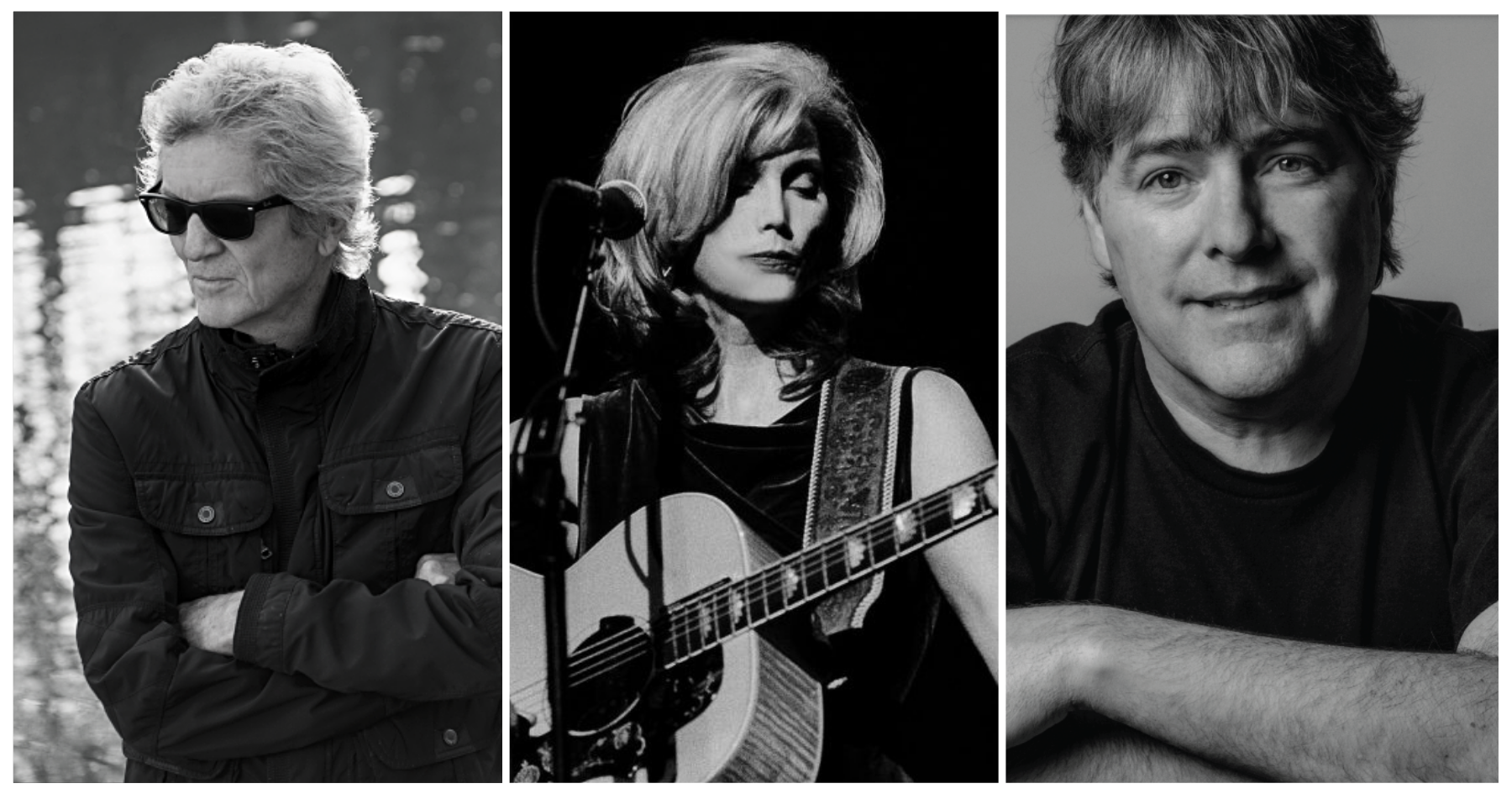
Photos: (L to R) Rodney Crowell by Sam Esty Rayner Photography; Emmylou Harris by Paul Natkin/Getty Images, circa 1997; Béla Fleck by Alan Messer

WATCH: Béla Fleck, “Round Rock” (Live)

Artist: Béla Fleck
Hometown: Nashville, Tennessee
Song: “Round Rock”
Album: My Bluegrass Heart
Release Date: September 10, 2021
Label: Renew Records/BMG

In Their Words: “I’ve been saving this tune for a long time, looking for the right band to play it — but nothing seemed right ’til this project. Then it seemed real right! I think it’s at least 20 years old, but I certainly spruced it up as the recording dates loomed closer, writing a pair of bridges — and at the last minute, the night before the session — an intro and outro sequence with apologies to Ravel and Debussy. The title references the circular chord progressions, and with these two bands, it rocks!” — Béla Fleck

Editor’s Note: Filmed by Abigail Washburn, this video features Michael Cleveland, Sierra Hull, Justin Moses, Mark Schatz and Bryan Sutton. The album version features Cleveland, Jerry Douglas, Cody Kilby, Paul Kowert, and Dominick Leslie.


Photo credit: Alan Messer