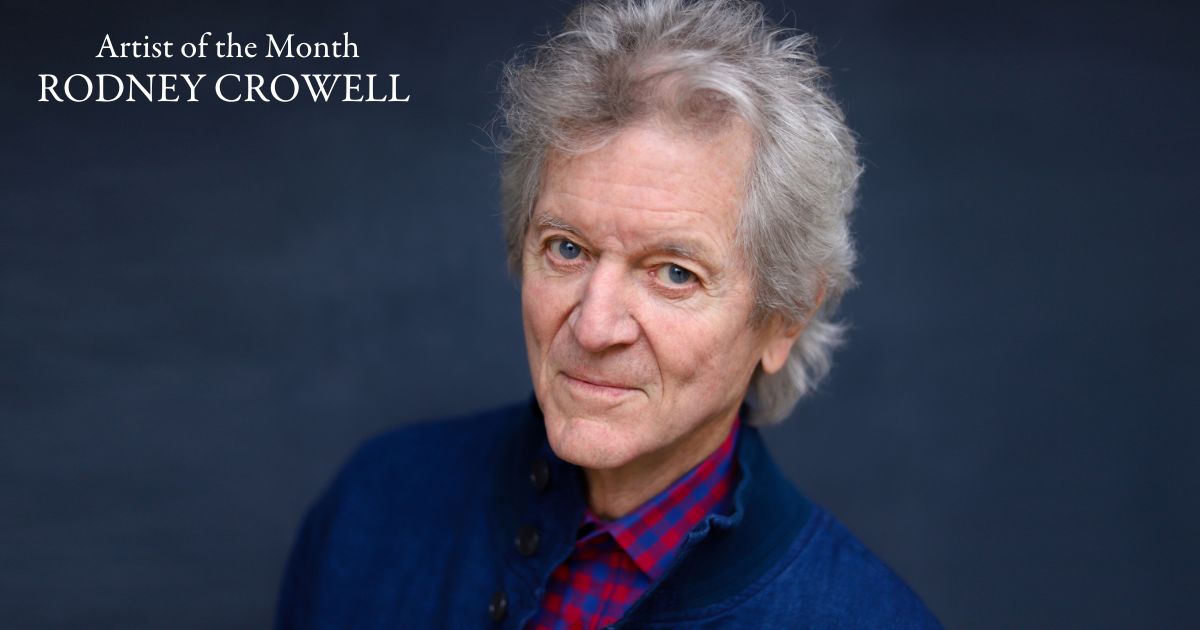
From ‘Heartworn Highways’ to Chicago, Rodney Crowell Keeps Getting Better

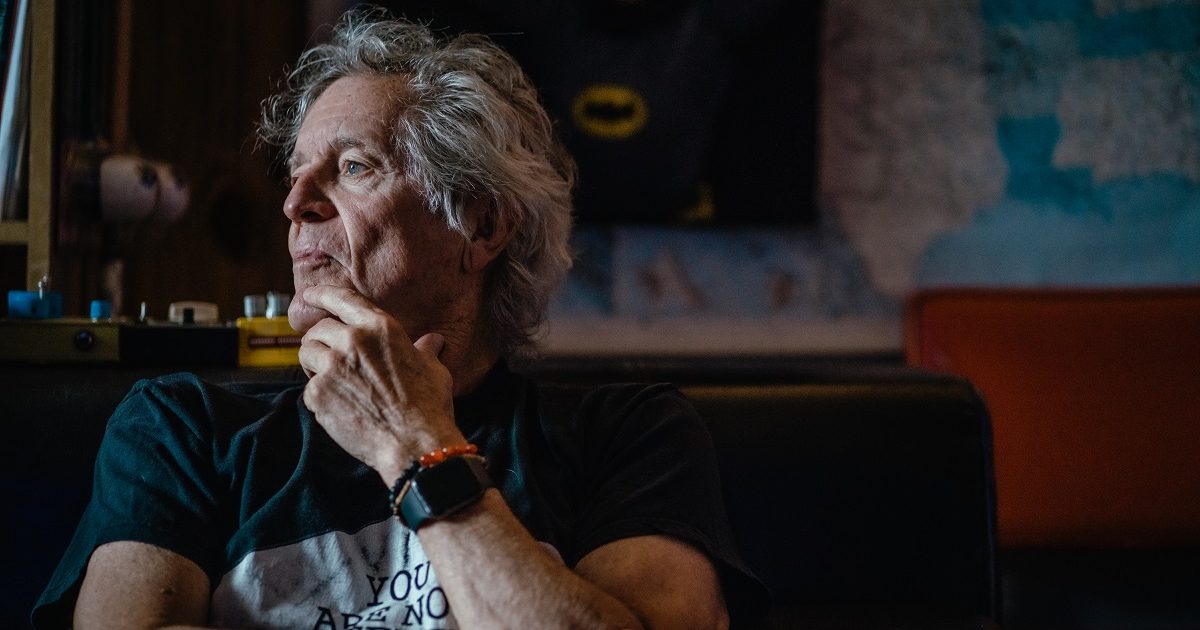
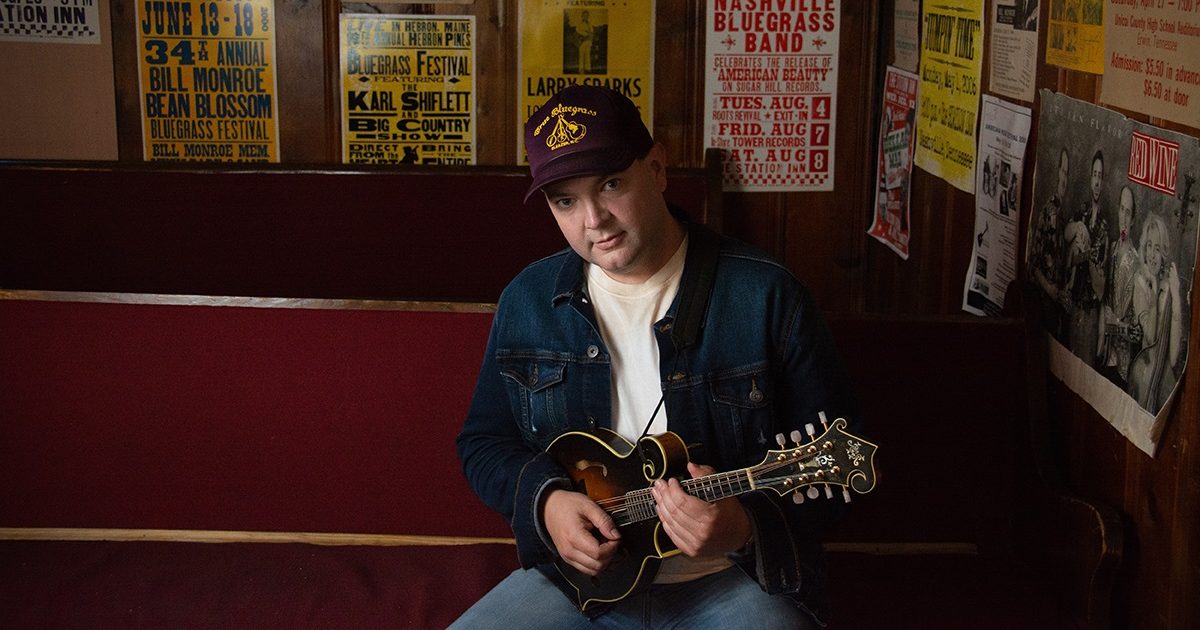
There is a crossroads of 1970s folk, blues, and nonconformity in Texas. Ask students of it about Rodney Crowell, and chances are, visions of a lean, baby-faced guitar picker belting out “Bluebird Wine” at Guy and Susanna Clark’s kitchen table flood their brains. It’s a scene from Heartworn Highways that is both wild and tender, captured when Crowell was just 25 years old. Today, that Houston kid is 72. He’s won Grammys, topped charts, pushed the musical and literary boundaries of songwriting, and continued to write and record, as friends and mentors passed away.

Produced by Wilco’s Jeff Tweedy, Crowell’s new album The Chicago Sessions is the latest evidence that Crowell isn’t just continuing: He keeps getting better. The 10-track collection was recorded live in Tweedy’s warehouse studio, perched atop a northwest Chicago building. Crowell had always wanted to record in Chicago. “That would be Chuck Berry, Howlin’ Wolf, Muddy Waters, John Prine, and Steve Goodman who have a lot to do with that,” Crowell says. “The Rolling Stones, as soon as they got to America, said, ‘Let me go to Chicago.’”

The ghosts and recordings that drew Crowell to Chicago did right by him. Surrounded by his own go-to players (guitarist Jedd Hughes, pianist Catherine Marx, and bassist Zachariah Hickman) plus two drummers of Tweedy’s choosing, Crowell sounds smooth, sly, and often downright happy. “It was liberating. I felt no pressure whatsoever,” he says. “If I’m producing myself, I’m wearing one too many hats. I’m helping everybody else and making sure I can make them get to where we’re all going, sometimes to my own detriment. But with a producer like Jeff Tweedy or Joe Henry, hey, I’m freed up. I’ll just play and sing.” He pauses, then adds, “I’m really good when I just play and sing.”

Gratitude and race, self-worth and religion, cynicism and hope: The songs on The Chicago Sessions cover ample ground without feeling disconnected.

A swampy shuffle, “Somebody Loves You” is a master class on cultural commentary and exposing shifty motivations. With subversive conviction on par with Tom Waits, Crowell implicitly questions people in power who shush the disenfranchised with assurances that somebody — in this case, Jesus — loves them.

There’s lead in the water, knees on your neck
Son of your father, born to neglect
Mind your own business, siren gone’ wail
Make one false move brother wind up dead or in jail
It’s been 400 years right down to the day
Somebody loves you, least that’s what they say

“As a writer, I need the stakes to be high,” Crowell says. “I am hard on myself as a singer because I’ve heard Ray Charles, and I’ve heard Don Everly. I’ve heard Aretha Franklin. ‘Look, man,’ I say to myself: ‘You don’t have that voice. But you gotta deliver on what you got.’”

Crowell confesses that really, he didn’t care for his own voice much at all until he was about 50 years old. “I knew I was writing — I developed early as a songwriter,” he says. “But I wasn’t delivering at the level I wanted to deliver when I would record those songs. I stayed with it, and I outgrew it.”

But to the rest of us, Crowell’s voice is and always has been lovely: steady, expressive, and charged, like an electric orb capable of warm light or hot sparks. Another album standout, “Loving You Is the Only Way to Fly,” which Crowell co-wrote with Hughes and Sarah Buxton, is a pining love song, perfectly executed. The sweet keys and strings are timeless. Tweedy’s production throughout the record is exquisite. “Making Lovers Out of Friends,” another track off The Chicago Sessions, is a testament to the power of a great producer and a great song, reminiscent of Billy Sherrill’s work with Charlie Rich, both in sonic texture and achievement.

As a writer, Crowell doesn’t cut himself any slack as a protagonist. Over the years, he’s developed a habit of being hard on himself in lyrics — or perhaps, of seeing himself clearly and confessing self-perceived shortcomings. “Lucky,” a piano-driven song he wrote as a birthday gift for his wife Claudia, plays with a bit of exasperation: “Anyone with eyes could see, I’d had about enough of me.” The record’s sauntering blues track “Oh Miss Claudia” hits similar ideas.

But it’s not just songs written recently. The Chicago Sessions also includes Crowell’s self-penned “You’re Supposed to Be Feeling Good,” originally recorded by Emmylou Harris in 1977. Oscillating between stripped-down acoustic and groovy full-band swells, the song picks up the same self-deprecating themes: “You’re supposed to be in your prime / You’re not supposed to be wasting your time / Feeling like you’re down and out over someone like me.”

Crowell often credits friends or lovers with seeing the best in him or pulling him through tough times. “I know it seems like that, honestly,” Crowell says of being hard on himself, then laughs a little. “They deserve the credit.”

Crowell doles out credit when it comes to his craft, too. “Guy and Townes [Van Zandt] were right there at the beginning of my development,” he says. “Guy was a generous mentor, in a way — the way we talked about writing. Discussed it. Examined it. Townes was around intermittently because he was traveling a lot. When he was around, he was a bit jealous of my relationship with Guy. And rightfully so. He and Guy were tight friends before I ever came around.”

Then, Crowell sets the scene: “Did you ever see Don’t Look Back? Remember Bob Dylan and Donovan in the hotel room? Donovan plays this kind of sappy, folky, flowery song for Bob Dylan, and then Dylan picks up a guitar and sings, ‘It’s All Over Now, Baby Blue.’ He slaughters Donovan’s song with a masterful song. Well, I had that same experience with Townes, just in the privacy of the breakfast table at Guy’s house.”

Crowell pauses, then explains, “‘No Place to Fall’ is exactly what happened. I was sitting there, going on about something, and Townes said, ‘I’m going to play you a song.’ And it just crushed me.”

In a nod to his artistic education and one of the figures who delivered it, Crowell recorded “No Place to Fall” for The Chicago Sessions. “Listen, if Townes had not crushed me with ‘No Place to Fall,’ I wouldn’t have written ‘Till I Gain Control Again,’” Crowell says. “It was like, ‘Oh, that’s what it is. That’s what you aim for. If you don’t aim for that, you’re selling the whole deal short.’”

Crowell pondering where he’d be without Van Zandt’s lyrical gutting spurs a bigger question: Where would roots music be without Crowell? His sheer musicality, instincts, and determination to recognize greatness and then, instead of feeling defeated, aspiring to match it in his own way, has propelled an entire art form forward.

Widespread mainstream success — especially at the high levels Crowell has achieved — can lead to oversights of actual artistic achievement. While Crowell himself often describes his relationship to Van Zandt and Clark as one of student and teachers, over the last five decades, Crowell’s consistently brilliant output has proven he shouldn’t be framed solely as a disciple of songwriting giants, but as their peer.

Clark and Van Zandt were the sons of attorneys. Crowell was the son of a heavy drinking dive bar musician, born on the wrong side of the tracks. He comes from East Houston, historically an industrial sector, marked by factories and proximity to oil refineries. He’s never shied away from his past and people. “Houston, Wayside Drive — Avenue P, where my parents lived when I was born,” Crowell muses. “It always meant something to me.”

After a brief stint in college, Crowell sought knowledge on his own — perpetually. His lilting cadence and thoughtful care with language is like that of a professor, especially when he dissects music or history. His curiosity isn’t just intellectual, but spiritual, too. He explores and sings about acceptance and peace, especially when talking about friends, himself, or even people with whom he disagrees. The Chicago Sessions’ closer, “Ready to Move On,” is a meditation on balance, and Crowell’s pursuit of it.

“I’m sitting out here, listening to the wind go through the trees, thinking, ‘Wow, I live on top of this hill, surrounded by all this green. Man, how did I get here from East Houston?’” Crowell is talking about his home, just outside of Nashville. “The way I got here was, I fell in love with the sound of these songs, from my father singing them to me when I was a wee child. It makes me humble, in a way. God, I have gratitude for that. Whatever my sensibilities are that came through DNA from my parents that made me so attuned to the sounds that were coming at me, all the way through Merle Haggard, the Beatles, anything that moved me. It’s like, ‘Whoa, man. What a lucky break I got.’”


Photo Credit: Claudia Church
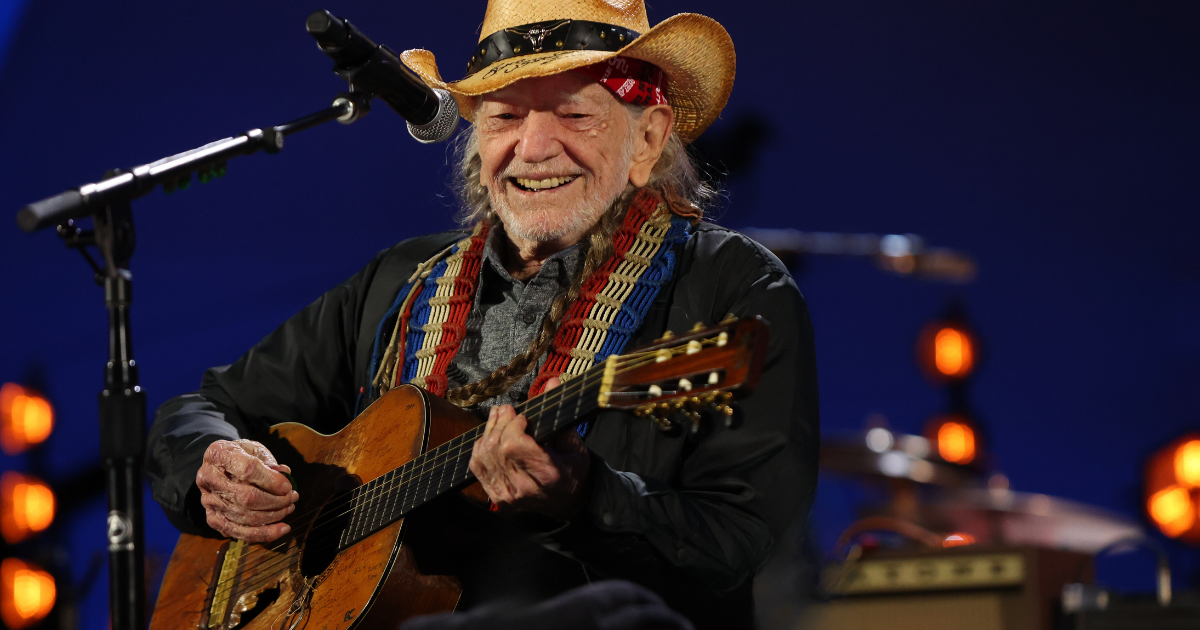
Minute-by-Minute at Willie Nelson’s 90th Birthday

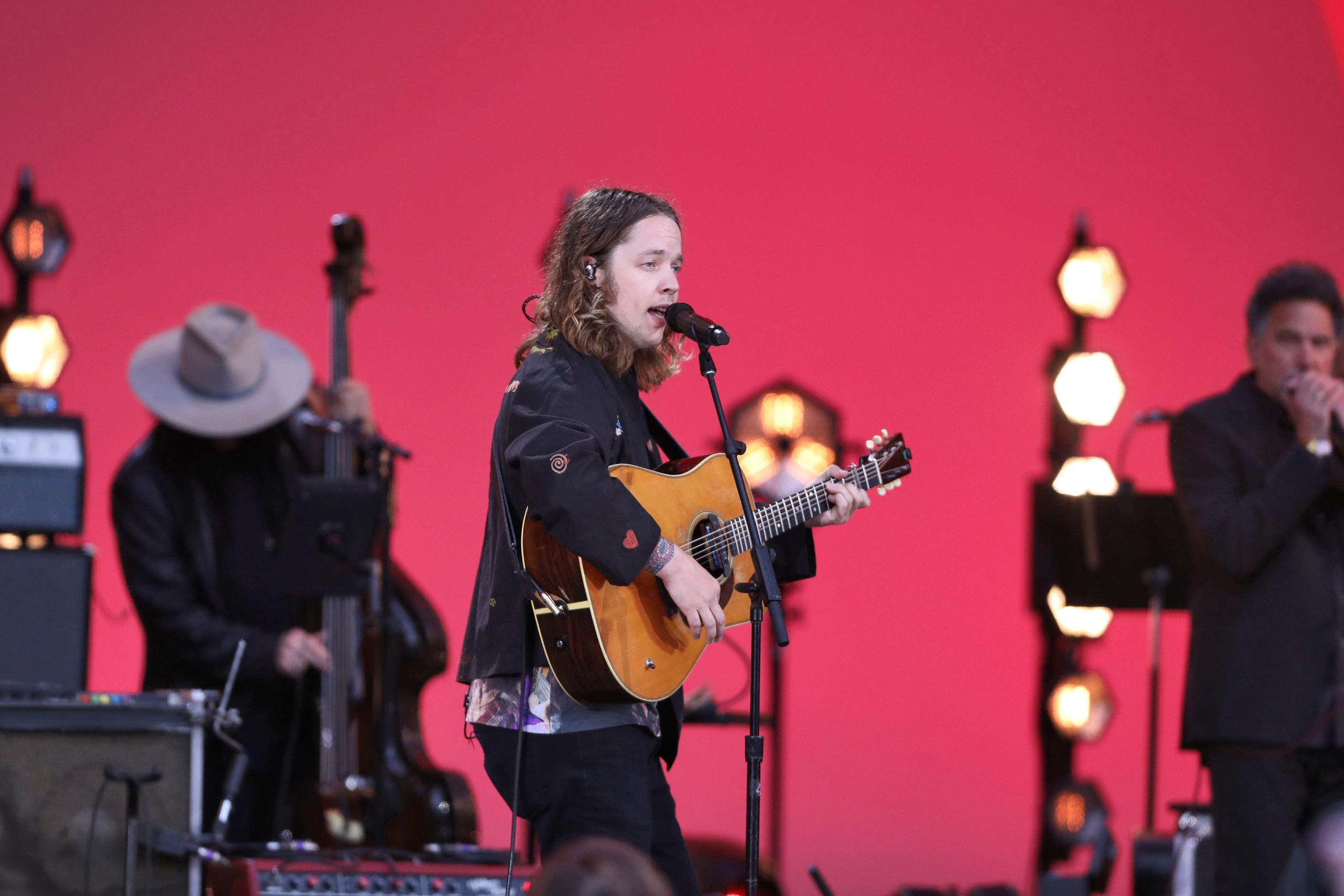
6:35pm – Billy Strings kicks off Night Two at the Hollywood Bowl with “Whiskey River.” It’s the same song as the first night but it’s a welcome repeat number (and face).

Billy Strings by Randall Michelson

6:39pm – Ethan Hawke opens the show, saying “Willie has always stood for equality,” so it’s no surprise to see the next guest…

6:40pm – It’s Orville Peck in a sleeveless vest (Aren’t his arms cold?! It’s freezing tonight) and his classic fringed mask. Performs “Cowboys Are Frequently, Secretly Fond of Each Other.” Makes use of the full Hollywood Bowl stage – he is owning this moment.

6:45pm – Charley Crockett. “Yesterday’s Wine.” Lady in box next to me states loudly, “Now this is real country.”

6:49pm – Allison Russell and Norah Jones do “Seven Spanish Angels.” These two voices are so perfectly in sync… please call me as soon as they do a duet record together.

6:56pm – Chelsea Handler introduces Dwight Yoakam for “Me and Paul.”

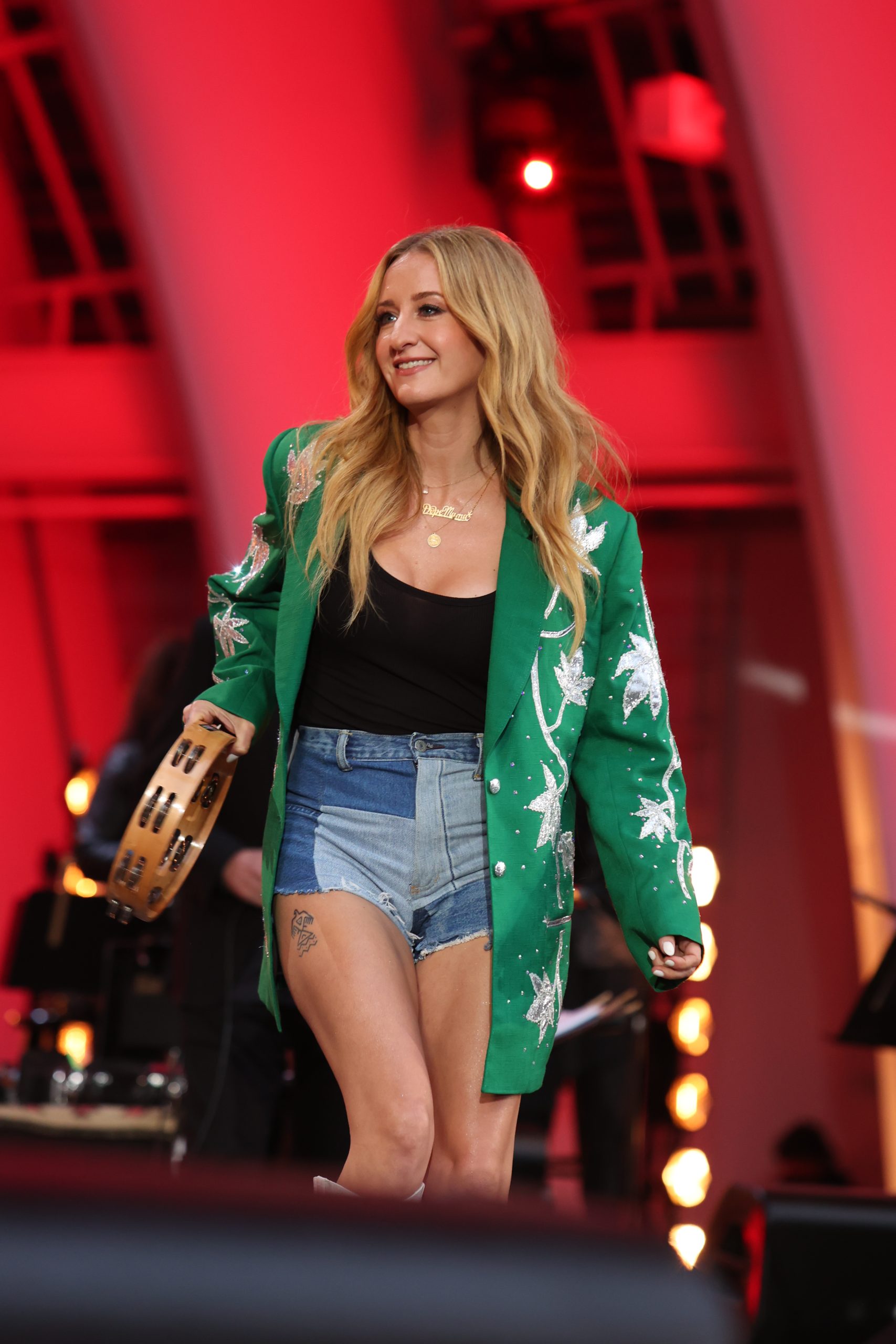
7:05pm – Waylon Payne and Margo Price take the stage together for “Georgia On A Fast Train.” These two are having the absolute best time together. Their chemistry is off the charts. From the box next to me, I hear a fan whisper under their breath, “MARGO IS MOTHER.” Couldn’t agree more.

Margo Price by Randall Michelson

7:14pm – Particle Kid (aka Willie’s younger son, Micah) along with Daniel Lanois. “I went to the garage and got high as shit and wrote a Willie Nelson song.” The lyrics come from a phrase his dad said one day: “If I die when I’m high I’ll be halfway to heaven, or I might have a long way to fall.”

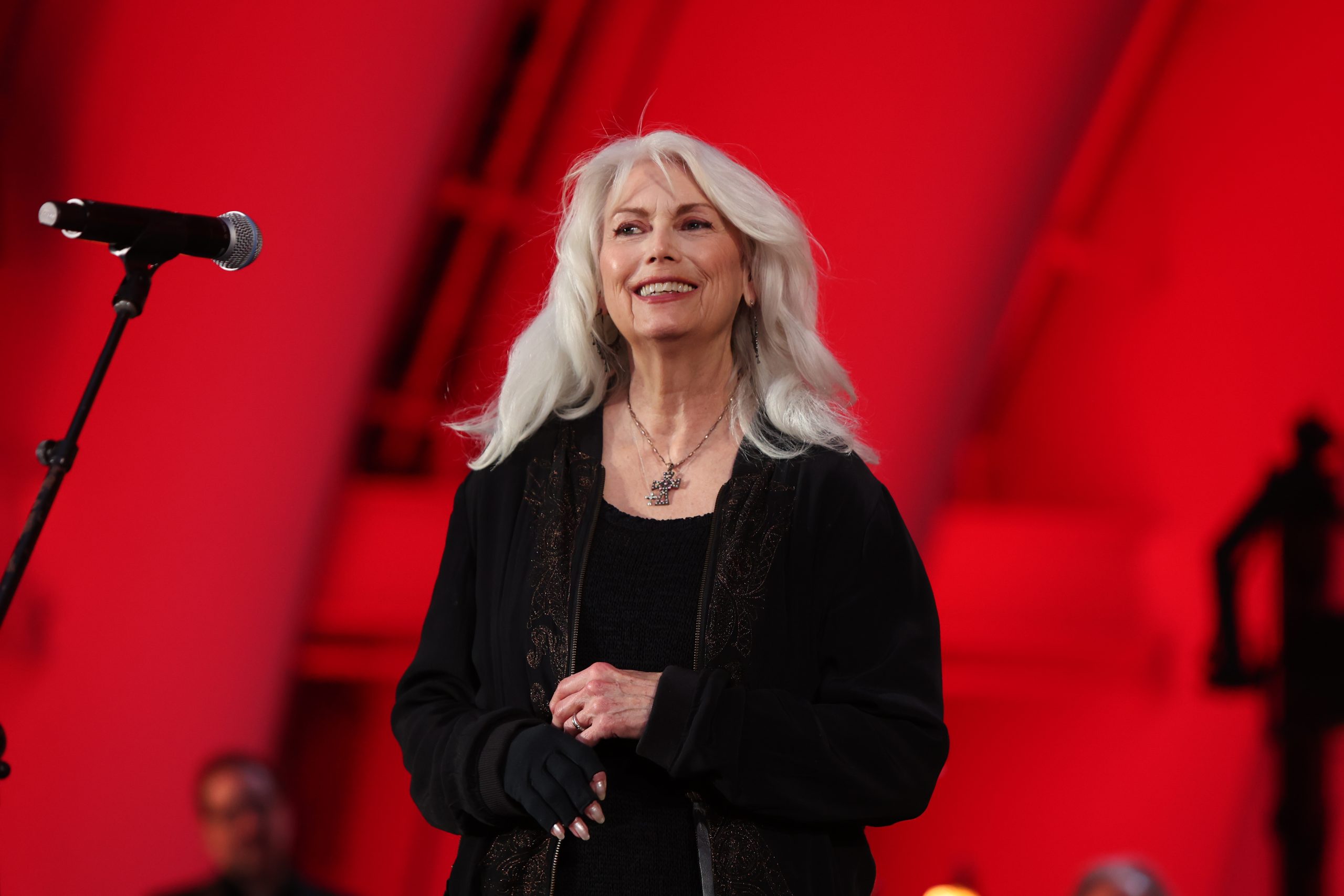
7:19pm – Dame Helen Mirren (!) introduces Rodney Crowell. Emmylou joins mid-song for “‘Till I Gain Control Again.” Crowd goes bananas.

Emmylou Harris by Randall Michelson

7:33pm – Rosanne Cash does “Pancho and Lefty.” Totally different interpretation compared to Night One (where it was performed by Willie and George Strait), but a universally beautiful song nonetheless.

7:46pm – Lyle Lovett melting hearts and brains on “My Heroes Have Always Been Cowboys”

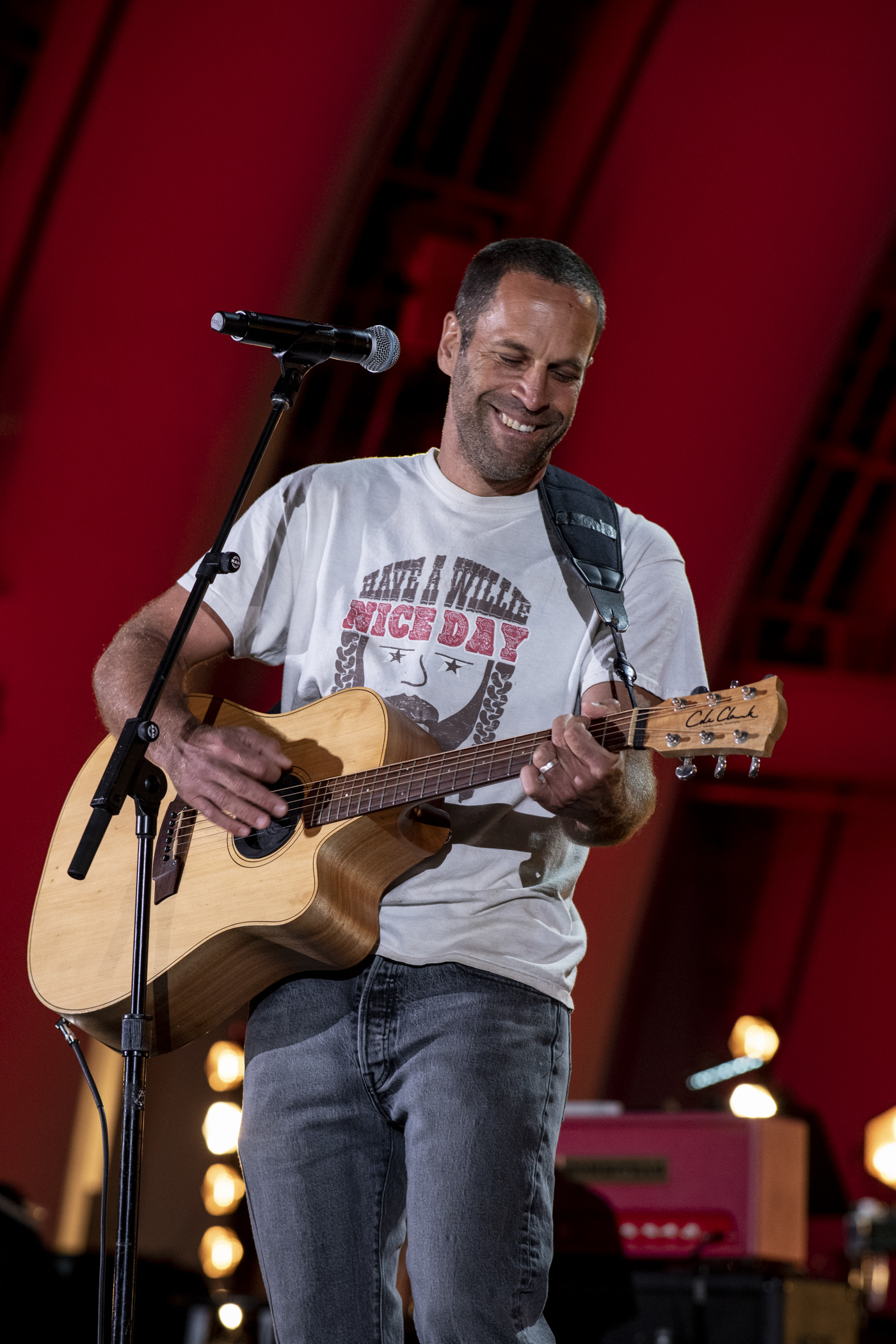
7:53pm – The “Aloha State Statesman” Jack Johnson performs one of the only non-Willie catalogue songs of the night, “Willie Got Me Stoned and Took All My Money.”  He wrote it after Willie got him stoned and took all his money (in a poker game).

Jack Johnson by Jay Blakesberg, Blackbird Productions

7:57pm – Beck (in sunglasses). First artist to acknowledge the unreal house band. “Can you imagine waking up in the morning and opening your eyes and realizing ‘I’m Willie Nelson’? It’s already a great day.” Performs “Blue Eyes Crying In The Rain.”

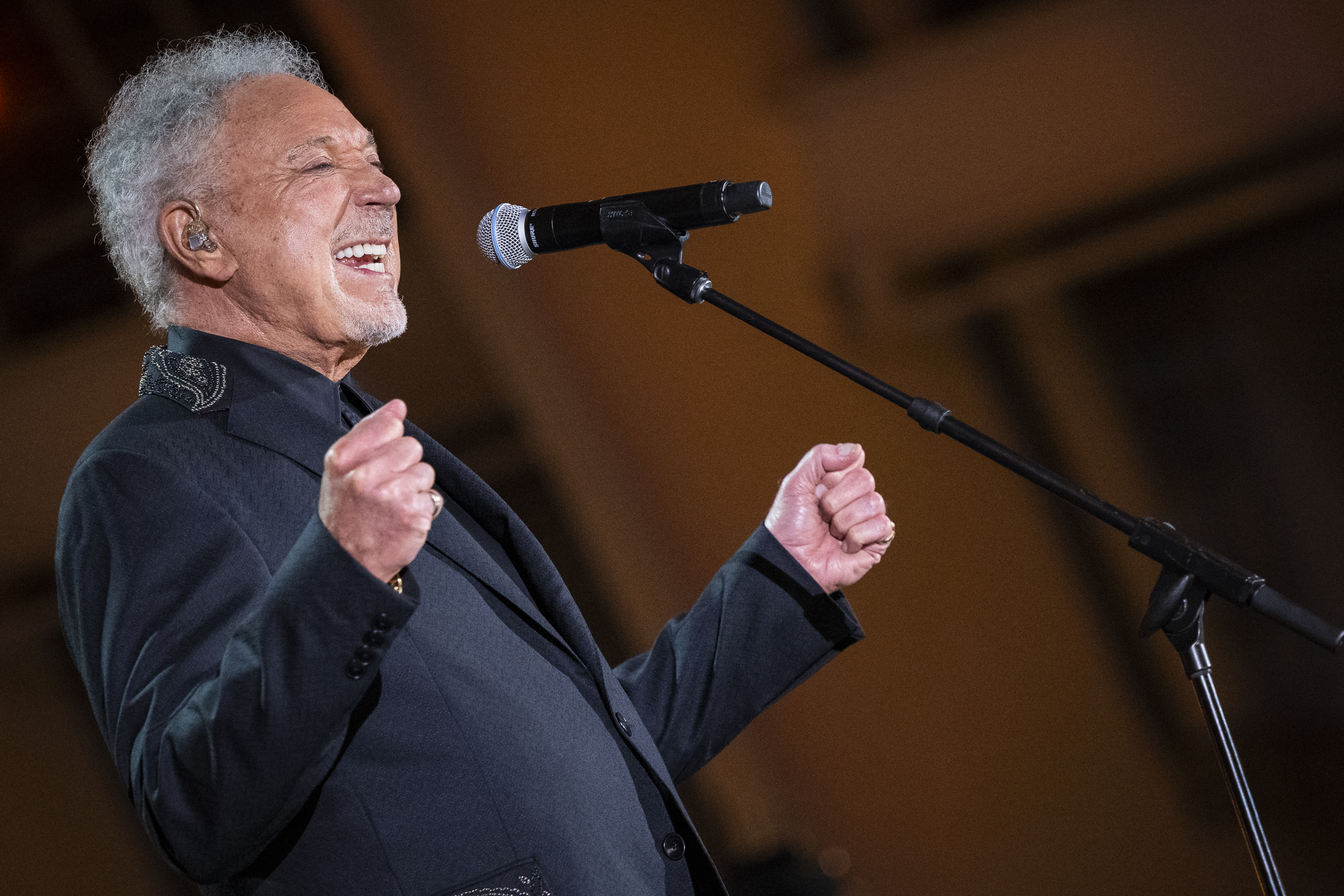
8:03pm – TOM JONES! One of the most unexpected joys of the night. His love for Willie shines through in his performance of “Across the Borderline.”

Tom Jones by Josh Timmermans

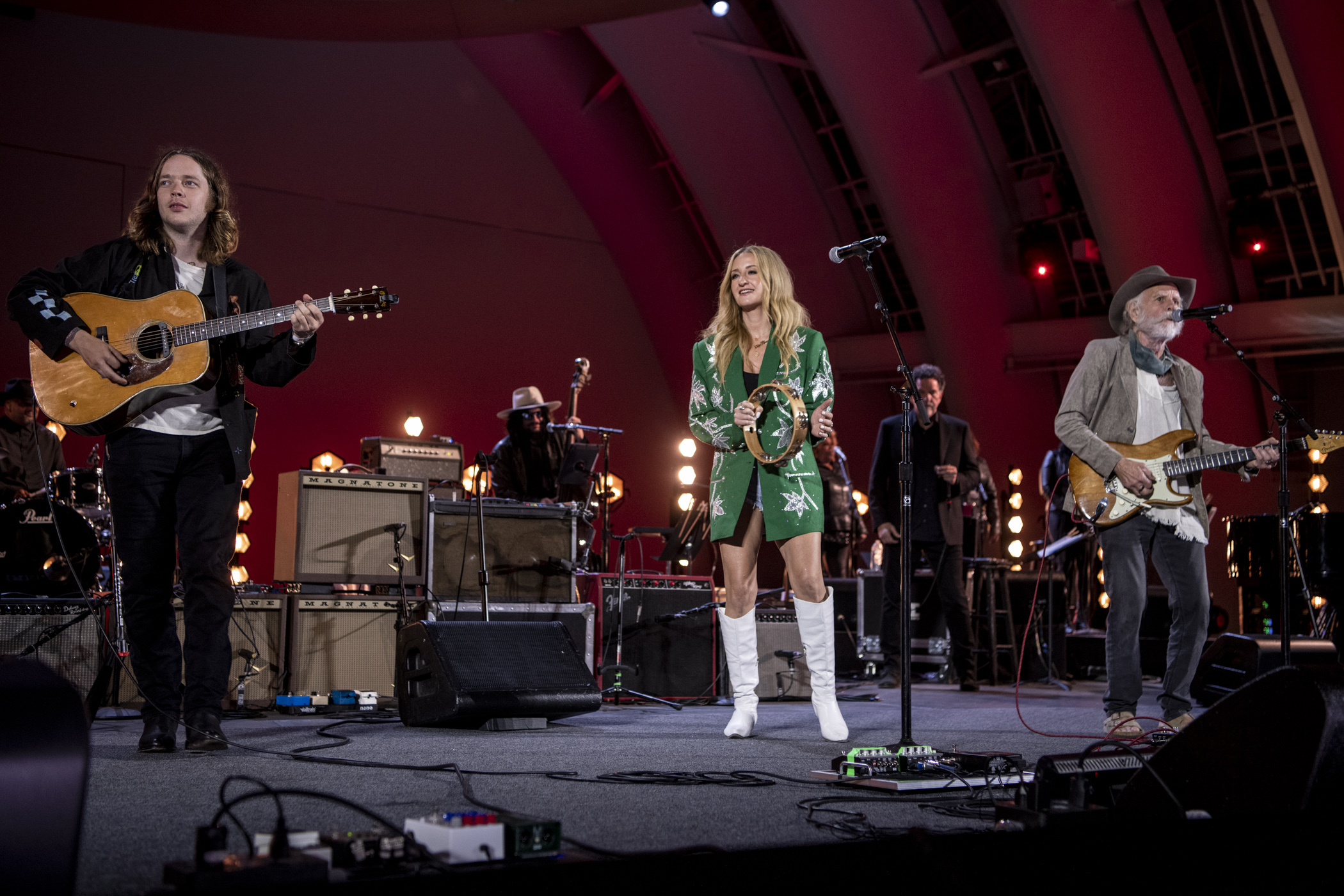
8:12pm – Surprise guest host Woody Harrelson takes the stage. “Not to self-promote, but just so you guys know, I did open a dispensary… seems like the right audience.” He introduces the legendary Bob Weir. Billy Strings and Margo Price join Bob on stage for a fun and enthusiastic “Stay All Night (Stay a Little Longer).”  Margo is having the most fun tonight.

Billy Strings, Margo Price, Bob Weir by Jay Blakesberg, Blackbird Productions

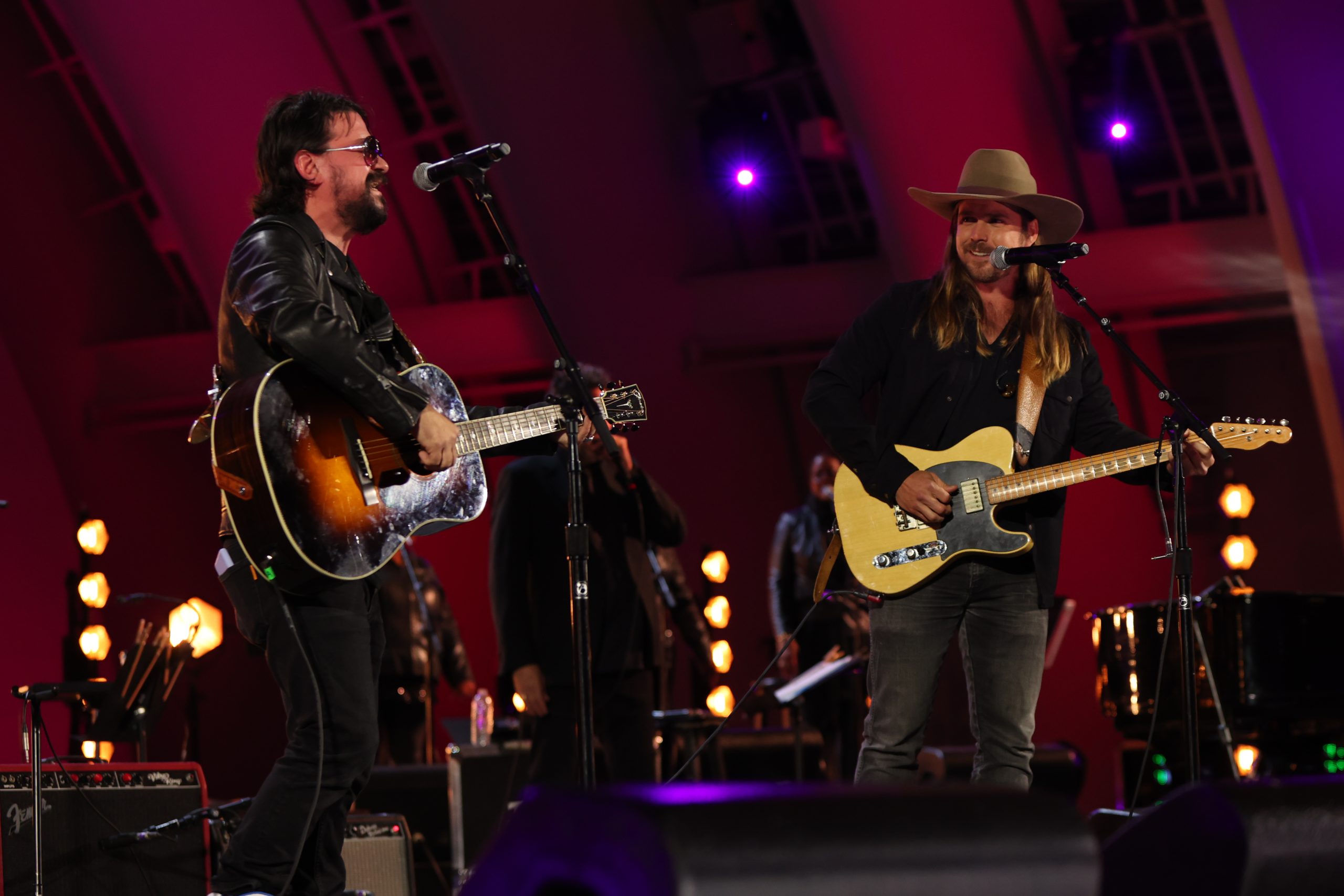
8:18pm – Shooter Jennings and Lukas Nelson together! The next generation doing their fathers proud with own rendition of “Good Hearted Woman.”

Shooter Jennings, Lukas Nelson by Randall Michelson

8:22pm – Lukas performs a heart-wrenching version of “Angel Flying Too Close to the Ground.” Sounds so much like his dad yet simultaneously unique to himself. He has all 18,000 attendees in the palm of his hand.

8:29pm – The Avett Brothers. Wow. They sound so good, and fresh off the MerleFest stage just 48 hours prior. It’s been a few years since I saw them and gosh I missed them.

8:40pm – Chelsea Handler introduces Norah Jones, who performs an instrumental ode to Bobbie Nelson.

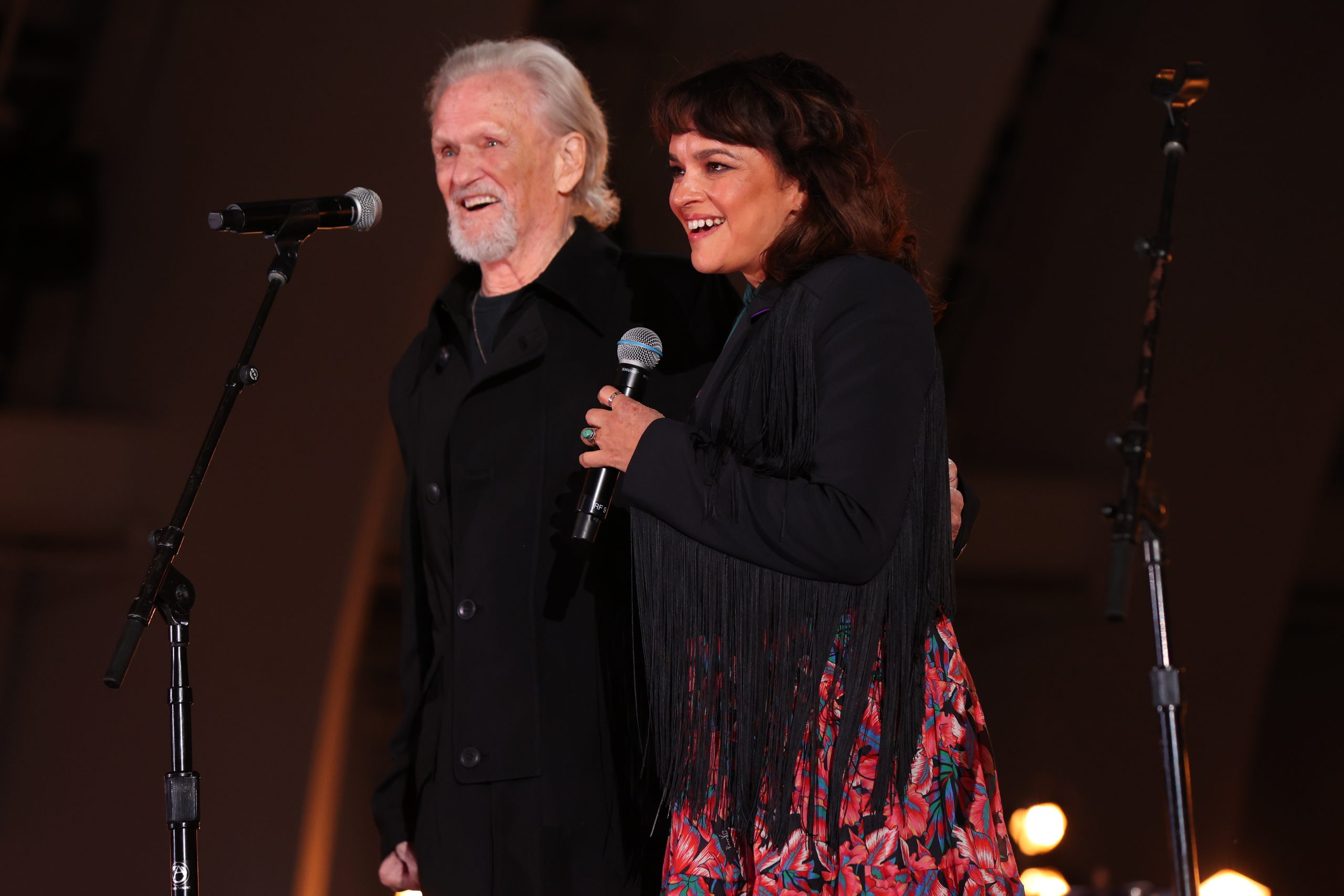
8:43pm – Norah brings on Kris Kristofferson (!) and helps him through “Help Me Make It Through the Night.” There’s not a dry eye in the house.

Kris Kristofferson, Norah Jones by Randall Michelson

8:49pm – Ethan Hawke introduces Nathaniel Rateliff. Not unlike the first evening (where he performed “City of New Orleans”) he steals the show with “A Song For You.” Rateliff is a national treasure who should be protected at all costs.

8:54pm – Sheryl Crow does “Crazy.” Crowd (rightfully) goes Crazy.

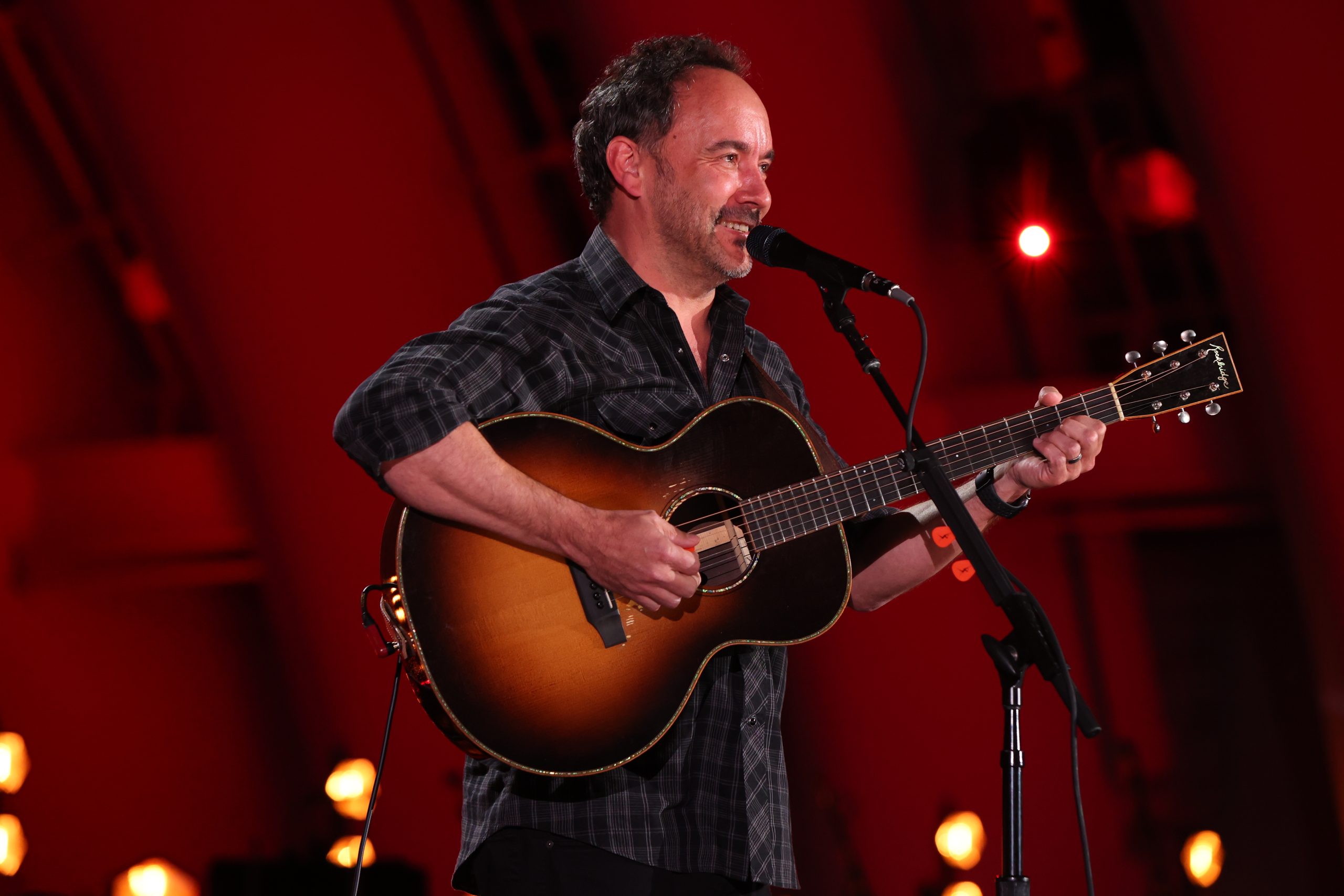
9:02pm – Dave Matthews, overflowing with sheepish charisma, tells an amazing story about getting high with Willie on his bus and how proud his mom was of that moment. The photo of that night is still prominently displayed on her mantle. He performs “Funny How Time Slips Away,” a song that seems to be the theme of the night.

Dave Matthews by Randall Michelson

9:18pm – Jamey Johnson and Warren Haynes perform “Georgia On My Mind.” From the first word Jamey sings, the audience goes wild. These two bring down the house.

9:28pm – The Children of the Highwaymen, including Lukas and Micah Nelson (Particle Kid), Shooter Jennings, and Rosanne Cash. One of the few moments during the show with technical difficulties.

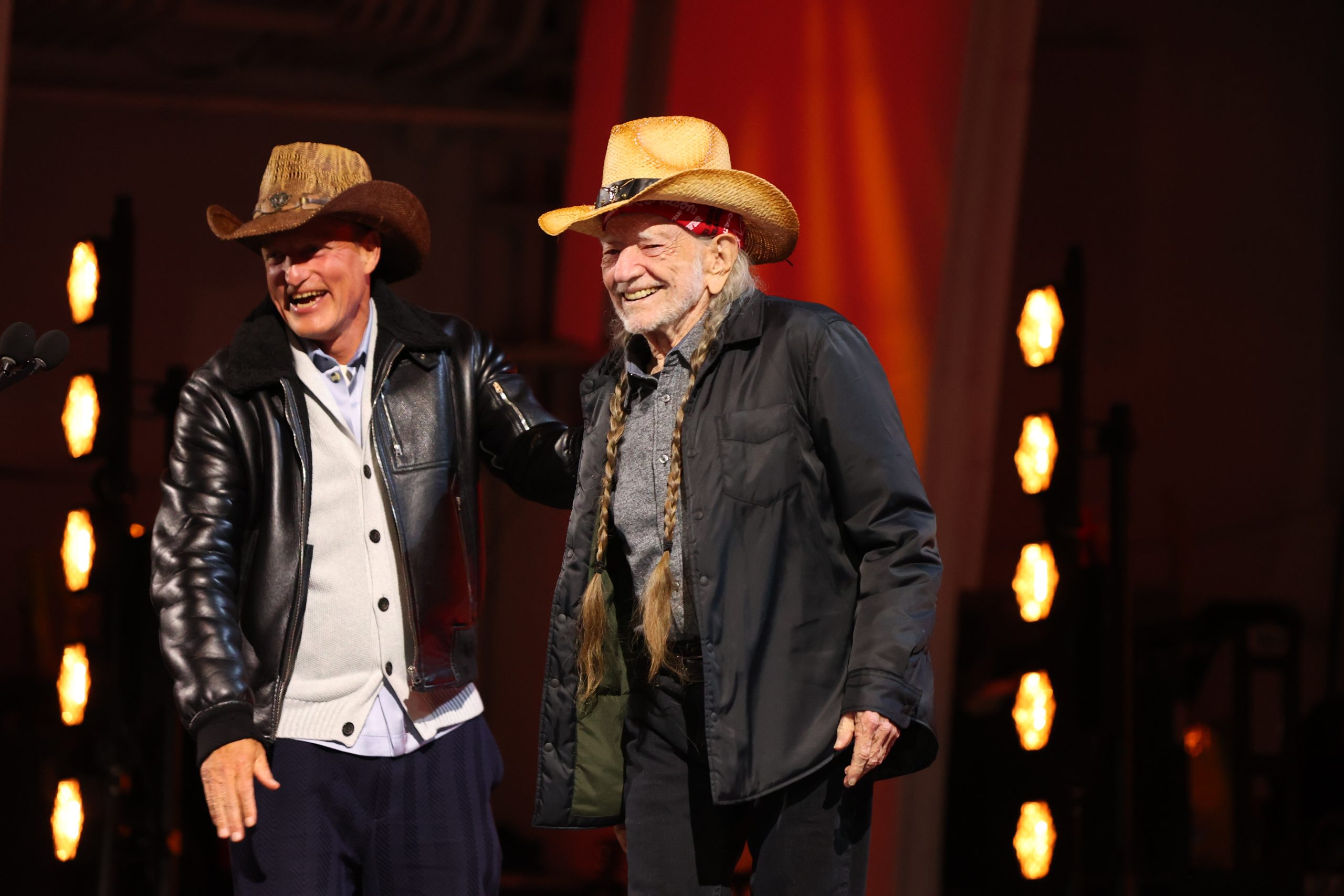
Woody Harrelson, Willie Nelson by Randall Michelson

9:35pm – Woody Harrelson returns to the stage to introduce Willie. The man of the hour finally takes the stage. Willie performs “Stardust.” It is perfect. I am crying.

9:53pm – Willie duets with his longtime studio producer, Buddy Cannon, on “Something You Get Through” (which the two wrote together).

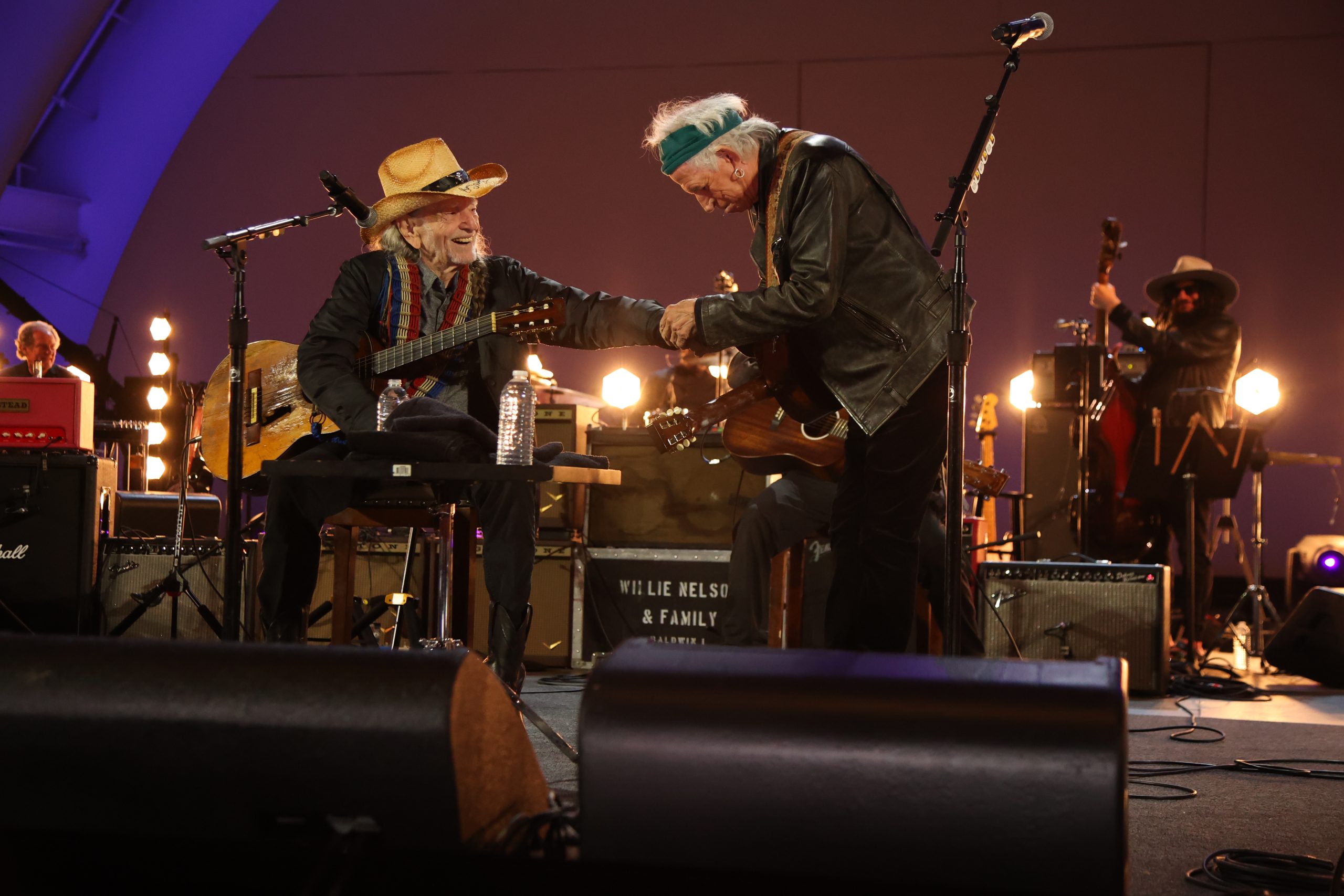
10:02pm – KEITH RICHARDS JUST WALKED OUT. I AM DECEASED. It’s hard to even remember what they performed because everyone is in such shock. (They performed “We Had It All” and “Live Forever”).

Willie Nelson, Keith Richards by Randall Michelson

10:10pm – All skate. “On the Road Again” of course. Willie wraps up the night by taking us all to church, ending with a medley of “Will the Circle Be Unbroken” and “I’ll Fly Away.” It’s going to take an awfully long time to process everything from this weekend.


Lead photo of Willie Nelson by Randall Michelson.

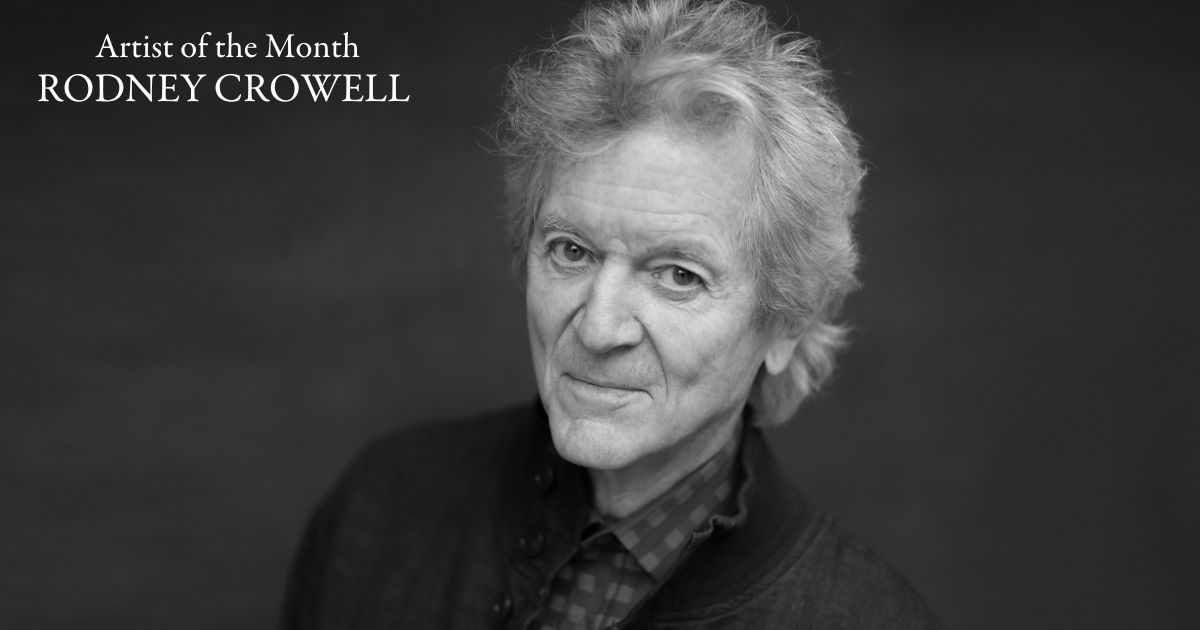
Artist of the Month: Rodney Crowell

Throughout Rodney Crowell’s best work, there’s a rhythm — one could say a heartbeat — in the way he sings and writes about love and mistakes. You can feel the pulse inside of his poetry, an undeniable energy that marks this Texas native as one of the most intriguing and important country and Americana songwriters of his generation. He can be sentimental but rarely sappy, always ready to reassess a situation through a song without making you feel like you’ve heard it before. His albums reveal themselves further over time, rather than chasing a trend.

Longtime fans of Crowell’s work are likely to keep his new album, The Chicago Sessions, in rotation alongside classics like Diamonds & Dirt or The Houston Kid. (Even the album’s cover image is a throwback to his 1978 debut.) Compelling new songs like “Making Lovers Out of Friends” are delivered in a voice that’s weathered but not weak, yet he also offers salutes the late great Townes Van Zandt with a poignant rendition of “No Place to Fall,” composed decades ago by Van Zandt from the perspective of a sad wanderer who’s looking for someone to count on.

For The Chicago Sessions, Crowell counted on producer Jeff Tweedy and recording engineer Tom Schick to frame the collection in a manner that feels eloquent as well as immediate. Crowell and Tweedy also team up to sing the album’s lead single, “Everything at Once,” and the mutual admiration is evident.

Upon its release, Crowell noted, “It occurred to me that Jeff and I are both songwriters, and we ought to write something together for this album. We could have harmonized on it and gone down an Everly Brothers route, but ultimately we decided to just sing in unison and throw it out there like an all-skate. I love that we didn’t get too precious about it.”

Tweedy added, “The way that Rodney writes is deeply connected to a classic era of country songwriters that I’ve always loved. In my estimation, it’s as close as I can get to working with Townes Van Zandt or Felice and Boudleaux Bryant — people who crafted songs with a very specific sensibility. And I like being near that.”

Same here. For that reason and many more, we’re proud to reveal Rodney Crowell as our BGS Artist of the Month. In a few weeks, we’ll share our exclusive interview about his new work, plus we’re diving into our archives for our favorite tracks and videos from his admirable career – like his 2017 Sitch Session performance of “East Houston Blues.” Meanwhile, enjoy our BGS Essentials playlist for Rodney Crowell.


Photo Credit: Claudia Church
WATCH: Rodney Crowell, “Everything at Once” (Feat. Jeff Tweedy)

Artist: Rodney Crowell
Hometown: Houston, Texas; Nashville, Tennessee
Song: “Everything at Once” (Feat. Jeff Tweedy)
Album: The Chicago Sessions (Produced by Jeff Tweedy)
Release Date: May 5, 2023
Label: New West Records

In Their Words: “It occurred to me that Jeff and I are both songwriters, and we ought to write something together for this album. We could have harmonized on it and gone down an Everly Brothers route, but ultimately we decided to just sing in unison and throw it out there like an all-skate. I love that we didn’t get too precious about it.” — Rodney Crowell

“The way that Rodney writes is deeply connected to a classic era of country songwriters that I’ve always loved. In my estimation, it’s as close as I can get to working with Townes Van Zandt or Felice and Boudleaux Bryant — people who crafted songs with a very specific sensibility. And I like being near that.” — Jeff Tweedy


Photo Credit: Jamie Kelter Davis

MIXTAPE: Ashby Frank’s Songs For a Traveling Life

My new album Leaving Is Believing features songs that are related to my journey as an artist. I’ve spent 23 years on the road performing bluegrass, country and roots music, and I’m a huge history, food and geography nerd, so I’ve gained a unique perspective on both the culture in which I grew up and the cultures I’ve been fortunate enough to experience around the world throughout my travels. On this mixtape are some of my favorite songs that feel relevant to my life on the road, as well as some newer tunes that represent what’s moving me these days. — Ashby Frank

Blue Highway — “Message From the Wind”

Everyone has had that “urge to go” at one time or another, and I don’t know of another song that describes that feeling as well as this song does. It was perfectly written and sung by the great Shawn Lane, and I’d venture to guess that I’ve listened to it at least 10,000 times.

Rodney Crowell — “Earthbound”

The line “One man’s lust for life brings world renown, and the next guy can’t get two feet off the ground” always jumps out at me when I listen to this track. The same Rodney Crowell that wrote the classic “Song for the Life” that was recorded by bluegrass legends The Seldom Scene and Alison Krauss also wrote this song, and it’s one of my favorites. Lots of existential questions that we all have are masterfully referenced in “Earthbound,” but it also has such a catchy melody and production that the listener can choose to dive as deep into the lyrics as they want to. So perfect.

Mary Chapin Carpenter — “Down at the Twist and Shout”

Mary Chapin Carpenter is a songwriter’s songwriter. I’ve read that she wrote this song about a venue in Bethesda, Maryland, but the picture she paints with the words, melody, and backing musicians transports you so deep into Louisiana that you can almost smell the gumbo. It’s such a great song from such a great talent, and every time I hear it, I want to be in the scene she’s describing. What more could you ask for from a song?

Dale Ann Bradley — “Falling Down”

I wrote this song quite a few years back while I was stuck in an ice storm waiting for an accident to clear on I-40 coming back from a show at the old Pyramid in Memphis. The words came to me in less than 10 minutes, and I wrote the melody with a guitar as soon as I got back home. Everyone has doubts, insecurities, and anxiety, and I think for artists and creators, it’s amplified. This song is about those all too familiar feelings, which might be something you don’t hear a lot about in bluegrass music.

“Falling Down” was originally recorded by my buddy Will Southern when he was a student at Belmont, and the great Dale Ann Bradley came in to sing the harmony vocals. Luckily, she remembered the song and recorded it on her album The Things She Couldn’t Get Over some 15 years later and invited me to sing harmony and play mandolin on it. She did such a wonderful job and poured her heart into it.

Tim Wilson — “First Baptist Bar and Grill”

I grew up in rural west-central North Carolina and heard country comedians like Ray Stevens, Lewis Grizzard, Jerry Clower, Jeff Foxworthy, and Tim Wilson at my childhood home and at my grandparents’ home constantly. I think that the hokeyness that surrounds this sub-genre prevents a lot of people from realizing how brilliant and well-written a lot of the material is. These folks obviously greatly influenced my writing, and I’m really proud of that. This particular song is a masterpiece by the late great Tim Wilson.

Ashby Frank — “Arkansas Island”

This is one of three songs that I wrote on the new album, and all three of them come from a span of a few years in my life when I was living and working on cruise ships in the Caribbean. One day, I was stuck onboard in Cozumel because of a safety precaution known as “port manning” where the ship has to have a minimum number of employees onboard, and I wrote this song looking out my cabin window. The scene I witnessed looked very much like what you’d see at a marina or lakefront beach in rural America, and I thought that was amusing, so I wrote about it. The subtle Caribbean vibes that Scott Vestal added on the banjo and my Mountain Heart bandmate Josh Shilling added on organ really made this track fit the lyrics, and I couldn’t be more pleased with the end result.

The Wonderful Nobodies — “The Wire”

Lacy Green of The Wonderful Nobodies is one of my favorite singers and writers in Nashville. This song tells a different kind of story about performing and the highs and lows that go with it, creating tension and putting you on the edge of your seat.

Amanda Cook — “Point of No Return”

This is another song I wrote, and it’s about being a free spirit and going where you’ve never been before. There are many “normal life” sacrifices that are made when you pursue your dreams and try to make a living out of the art that you’re passionate about. But the rush that you get from a great performance where you connect with the audience, or from discovering a new town, venue, artist, song, or even a beautiful landscape is always something special and can be addicting. That’s what I wrote this song about, and Amanda, her band, and her producer Aaron Ramsey did a perfect job of presenting it.

Sean McConnell — “What the Hell Is Wrong with Me”

Sean McConnell’s 2021 album A Horrible Beautiful Dream is in my opinion one of the most masterfully written, produced, and performed collections of songs in recent American music. This song stands out to be included on this mixtape because it asks a lot of the questions that any sane professional musician would ask.

Sam Bush — “Same Ol’ River”

This song was masterfully written by the great Jeff Black, and to me the lyrics demonstrate the overwhelming feelings that free spirits often encounter when they think about the world around them and the myriad of possibilities in life and directions they could go. I first heard Sam sing this one at MerleFest when I was a teenager, and it’s still my favorite song that he performs.

Robbie Fulks — “Where There’s a Road”

Robbie Fulks has such a way with words, and this song is a road warrior’s anthem. So many of the lyrics to this one are relatable for any traveling musician, so it’s no surprise that there are also two great cover versions of this song by my friends Blue Moon Rising and the great Sam Bush.

Brandon Ratcliff — “Tale of Two Towns”

“Are you more brave for leaving or sticking around? It’s one dot on a map but a tale of two towns.” Whoa. Brandon Ratcliff is kind of new on the scene. He’s the son of roots music royalty (his mom is Suzanne Cox of the legendary Cox Family) and the writing on his new project has impressed me so much. This song really struck me and is very relatable to anyone that grew up in a small town.


Photo Credit: Melissa DuPuy

Curl Up With New Books by Bob Dylan, Willie Nelson, Margo Price, and More

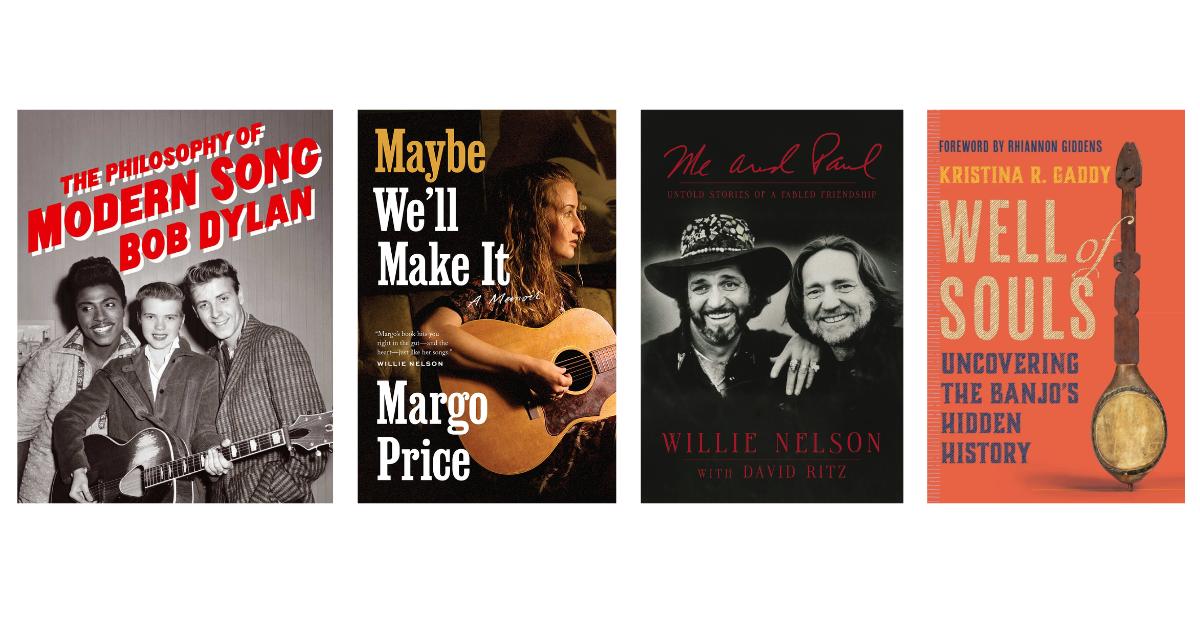
It’s that time of year when the world falls in love, when we dust off “Pretty Paper” for its annual spin, and of course … recollect the best work of the past year. In that spirit, here is a round-up of 16 music-related books from 2022, with topics ranging from the banjo to The Byrds.

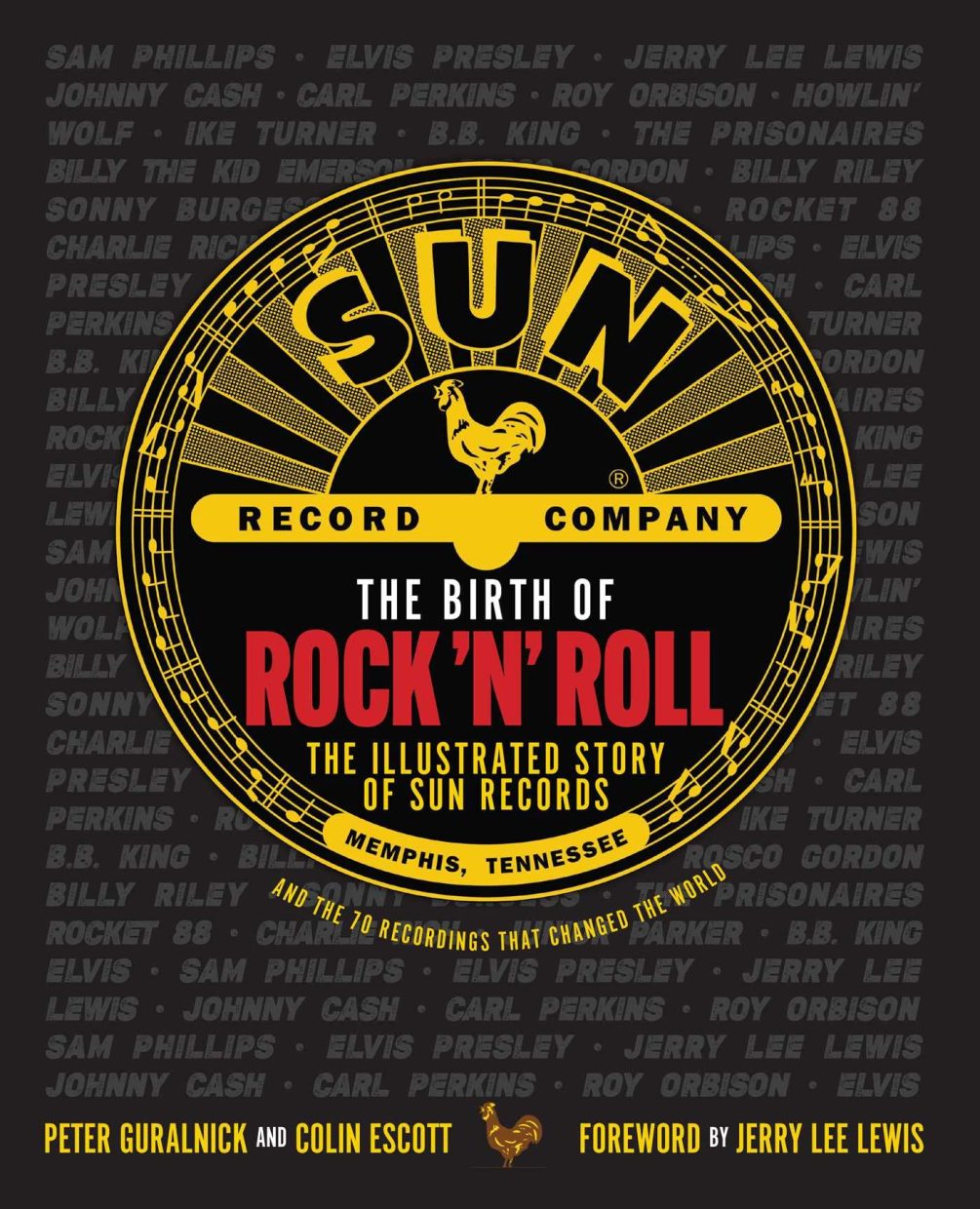
The Birth of Rock ‘n’ Roll: The Illustrated Story of Sun Records and the 70 Recordings That Changed the World, Peter Guralnick, Colin Escott

Some would contend that Chuck Berry, not Elvis Presley, should be considered the “King of Rock and Roll.” That aside, Sun Records certainly put a stamp on the budding industry, and this book offers a look into its history with 70 iconic recordings by Elvis, Howlin’ Wolf, B.B. King, Jerry Lee Lewis, and more. Jerry Lee Lewis himself wrote the foreword.


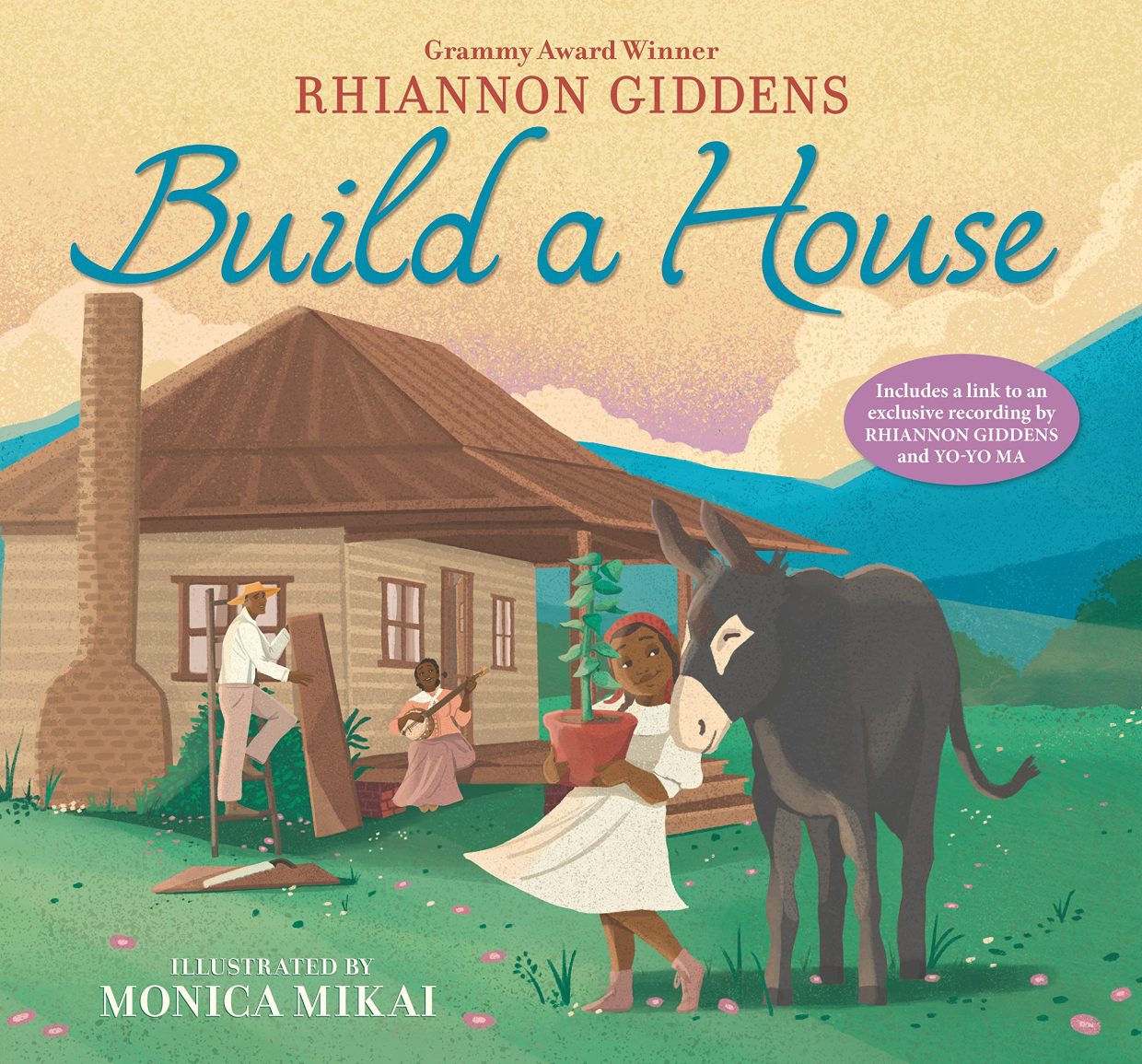
Build a House, Rhiannon Giddens

This illustrated book celebrates the determination and triumph of Black people in the face of oppression. It follows an enslaved family that “will not be moved.” The book contains lyrics from the song Rhiannon Giddens wrote, by the same name, to commemorate the 155th anniversary of Juneteenth. Illustrations are by Monica Mikai.


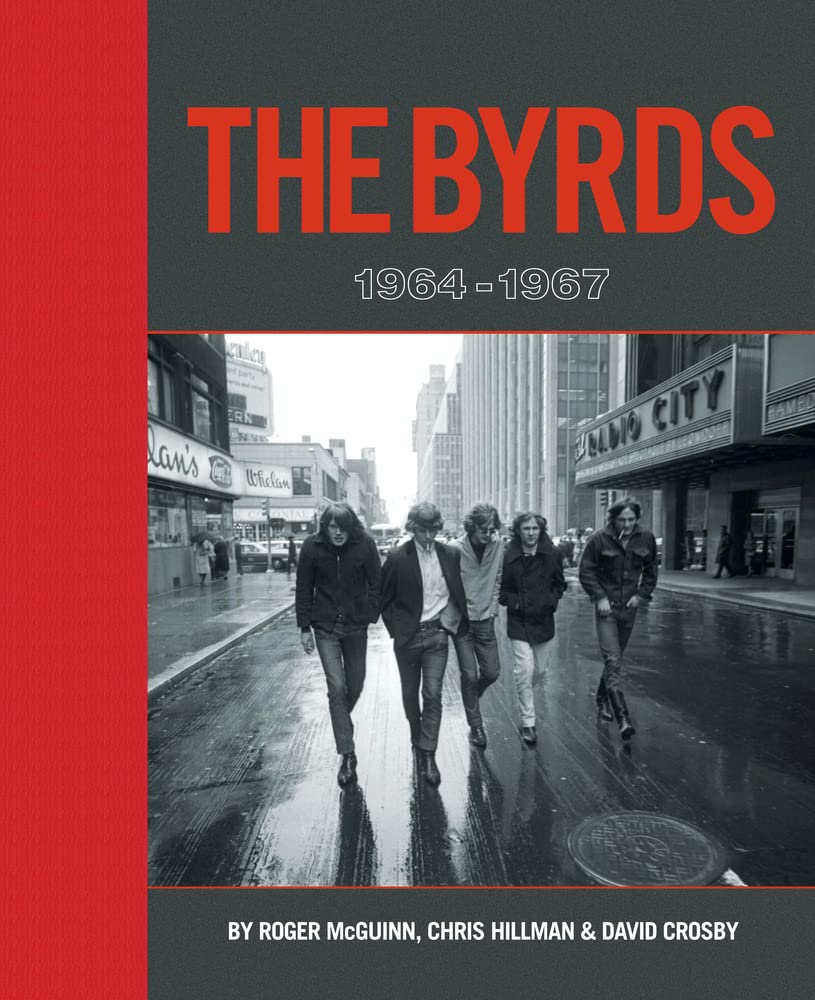
The Byrds: 1964-1967, Roger McGuinn, Chris Hillman, and David Crosby

The Byrds members Roger McGuinn, Chris Hillman, and David Crosby came together to curate this hefty 400-page art book that gives a visual and oral history of (and from) the original era of the band. The book comes in three editions: a standard edition with no signatures, a deluxe edition with signatures from McGuinn and Hillman, and a super deluxe version for which Crosby even provided his John Hancock.


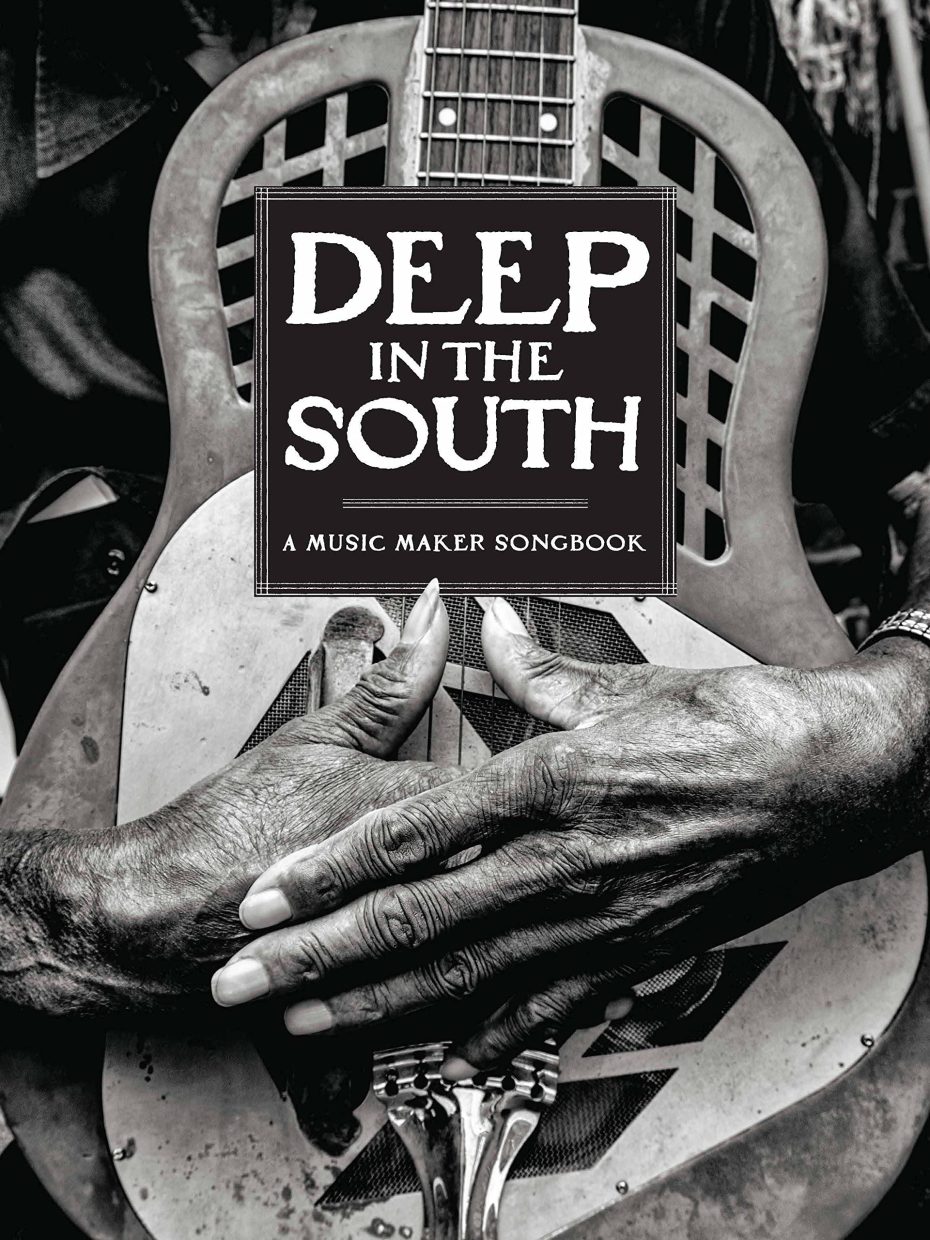
Deep In the South: A Music Maker Songbook, Tim Duffy, Chuck Reece, and Earle Pughe

This songbook and CD compilation from the Music Maker Foundation, a non-profit founded in 1994 to “preserve and support” roots music of the South, brings together songs, stories, photographs and sheet music/guitar tabs from the likes of Etta Baker, Little Freddie King, Alabama Slim, Beverly “Guitar” Watkins, and more. It promises to take you on “a musical road trip through the South.”


How to Write a Song That Matters, Dar Williams

Dar Williams has led songwriting retreats for both beginners and professionals for many years. Now, How to Write a Song That Matters gives songwriters access to these lessons in book format. Songwriters looking for a “formula” for writing “hit songs” can skip. Williams instead focuses on tapping into the writer’s own creativity and unique experiences to make meaningful songs.


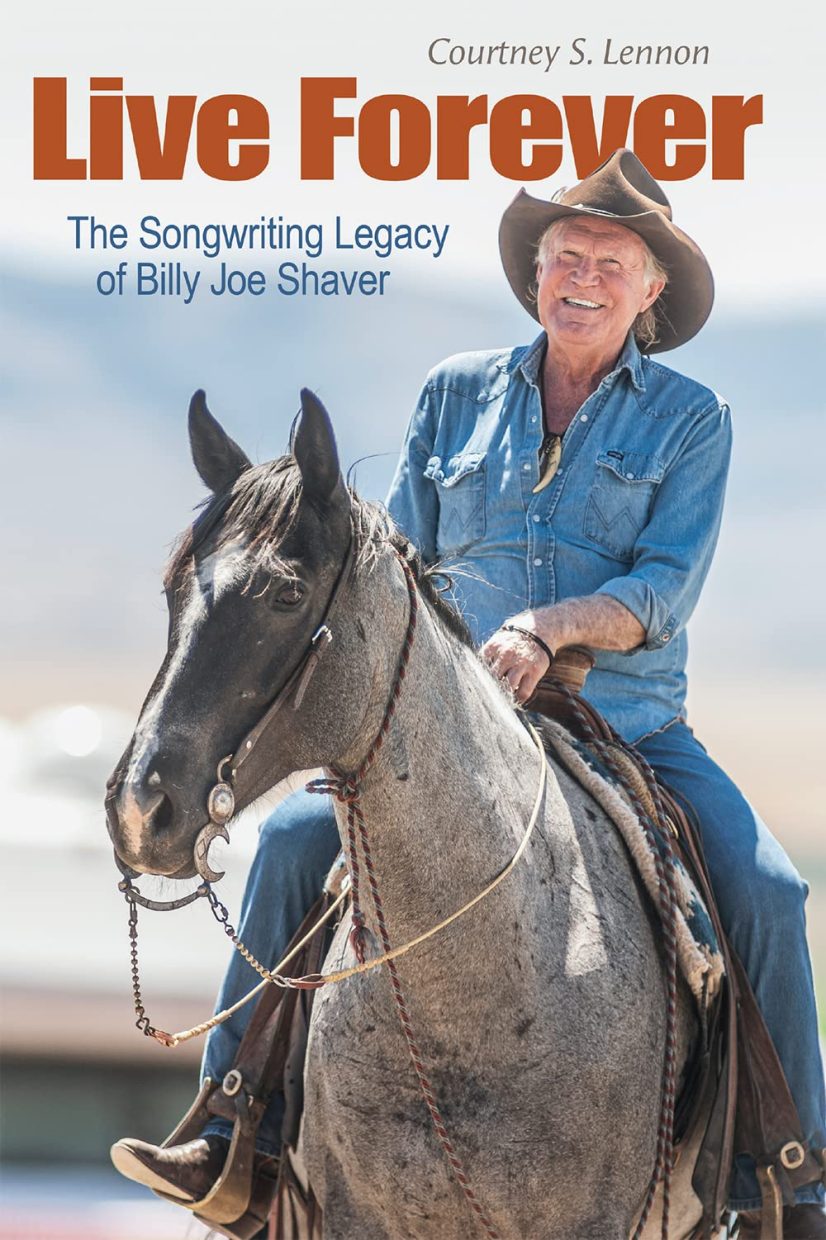
Live Forever: The Songwriting Legacy of Billy Joe Shaver, Courtney S. Lennon

Courtney S. Lennon describes Billy Joe Shaver as “country’s music unsung hero.” Shaver wrote all but one song on Waylon Jennings’ 1973 album Honky Tonk Heroes, considered a foundational work in the genesis of the “outlaw country” subgenre. If that credential on its own isn’t enough, the author dedicates the entirety of Live Forever to shed light on Shaver’s accomplishments, giving him the credit he’s due.


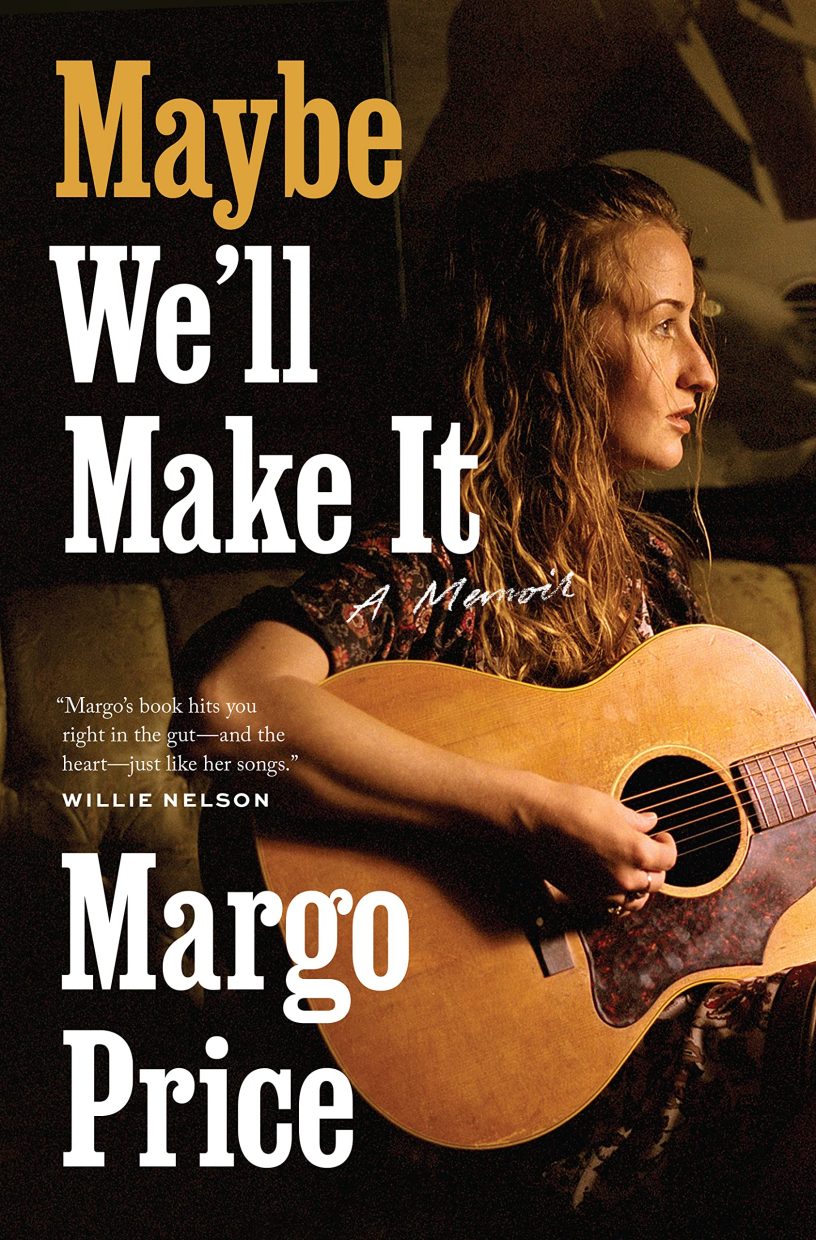
Maybe We’ll Make It: A Memoir, Margo Price

Parts of Margo Price’s memoir may be relatable for aspiring singer-songwriters: long tours with little to no payoff, busking, open-mic nights, and struggling to make ends meet. But much like her music, her memoir is written with an authentic, singular voice. She opens up more about loss, motherhood, drinking, her songs, and much more.


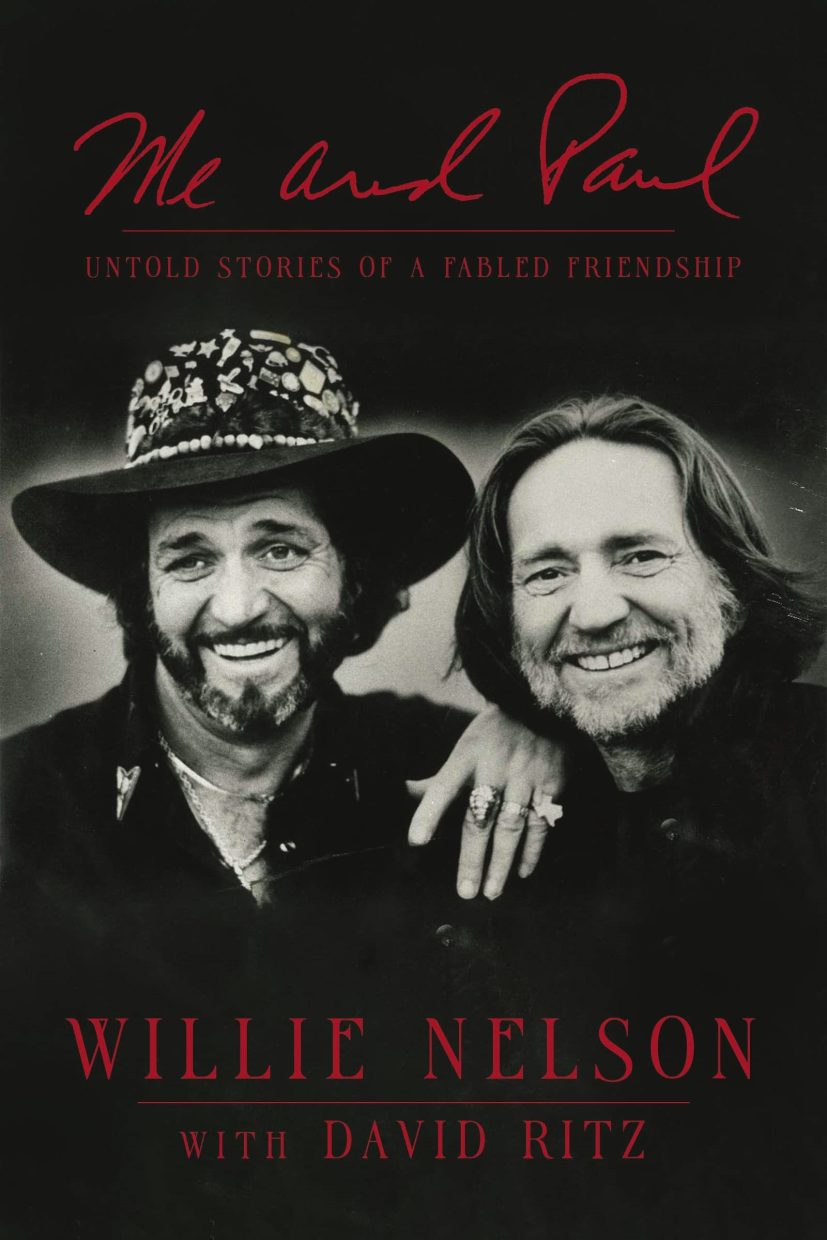
Me and Paul: Untold Stories of a Fabled Friendship, Willie Nelson and David Ritz

Me and Paul: Untold Stories of a Fabled Friendship chronicles the relationship between Willie Nelson and his longtime drummer, Paul English. Willie’s classic song “Me and Paul,” (released on the 1971 album, Yesterday’s Wine) gave us a primer on the misadventures of these pals, but the conversational book promises to go deeper and reveal the … well… “untold stories” of their time together.


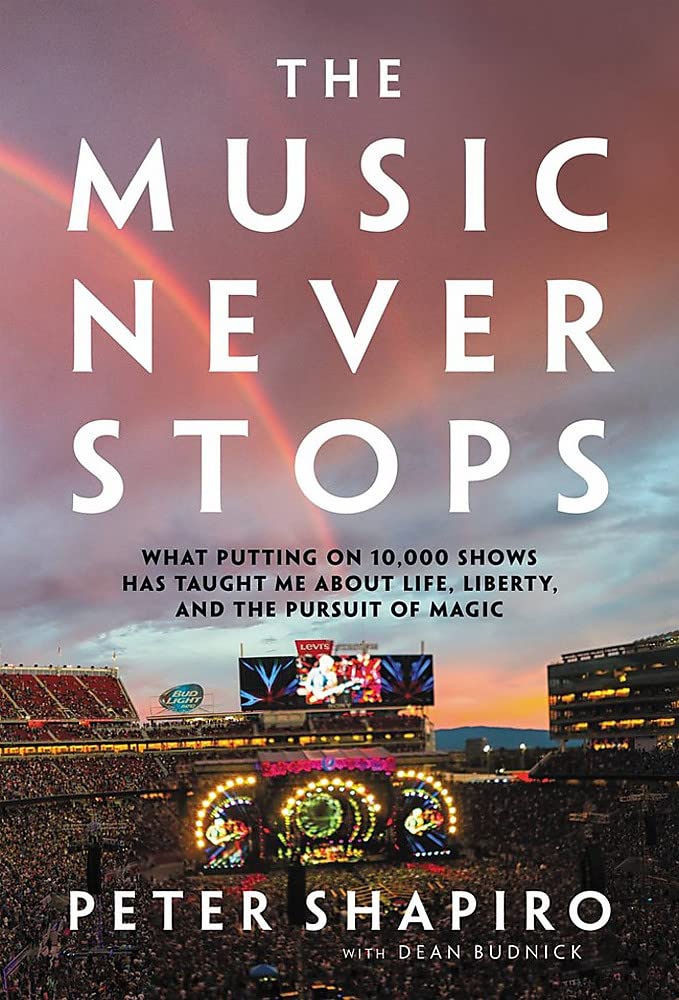
The Music Never Stops: What Putting on 10,000 Shows Has Taught Me About Life, Liberty, and the Pursuit of Magic, Peter Shapiro with Dean Budnick

Have you ever wondered what goes into putting on shows for the most celebrated acts in the music industry and what really goes on behind the scenes? Well, Peter Shapiro has been there, and in this book he shares the story of how he became one of the most successful concert promoters in the business. Looking back on 50 of his iconic concerts, Shapiro shares backstage stories, photographs, and insights to what it’s like working with big names such as Bob Dylan, The Grateful Dead, U2, Lauryn Hill, Al Green, The Roots, Jason Isbell, Robert Plant, Leonard Cohen, and more.


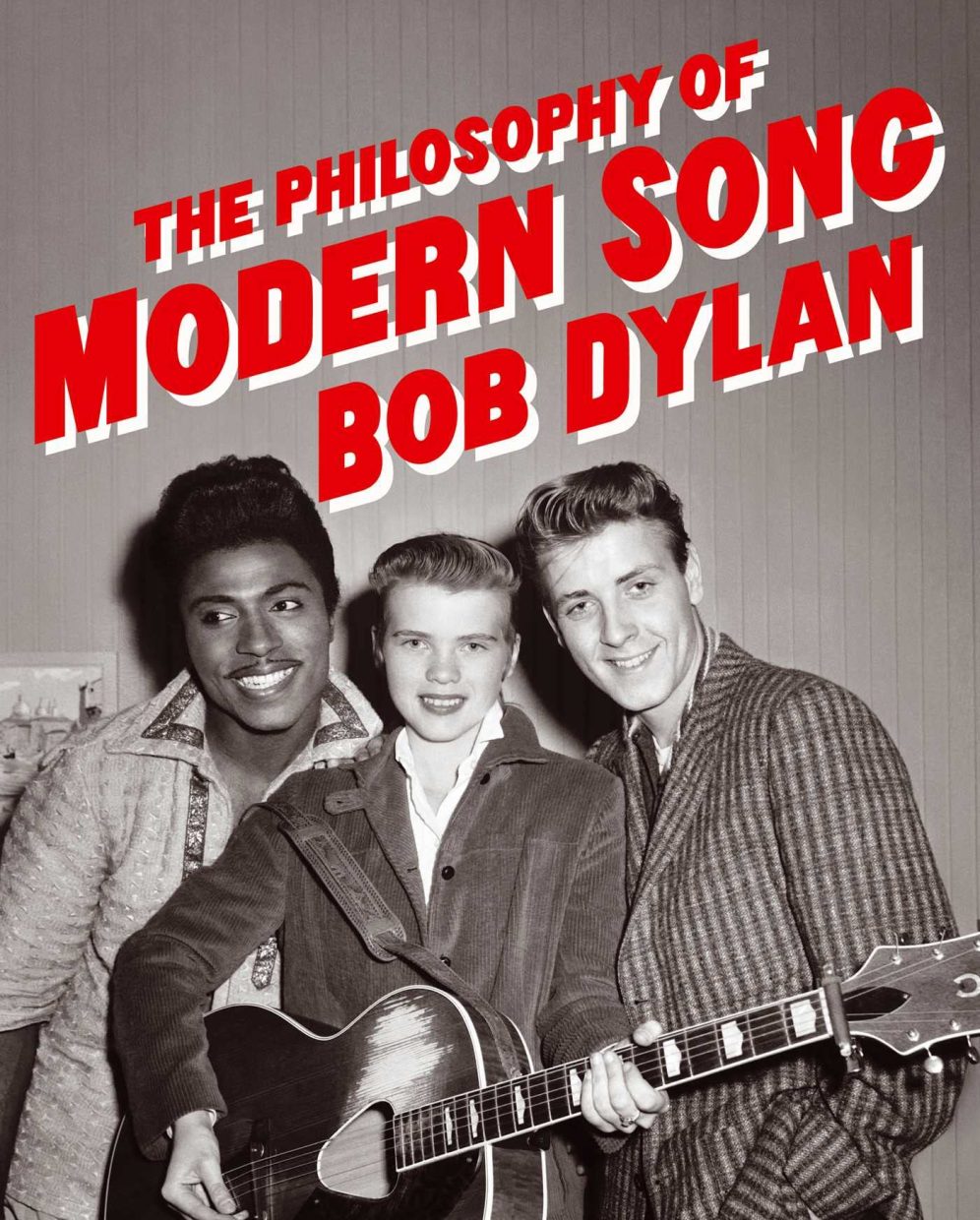
The Philosophy of Modern Song, Bob Dylan

So… Dylan may have not “personally” hand-signed the copies that customers of the $600 edition expected. Nonetheless, it seems he put a lot of work and thought into writing the actual book. According to publisher Simon & Schuster, Dylan began penning it back in 2010. The book contains over 60 essays that dissect songs by other artists, including Nina Simone, Elvis Costello, and Hank Williams. The music Dylan explores spans many genres. He even finds common ground with bluegrass and heavy metal.


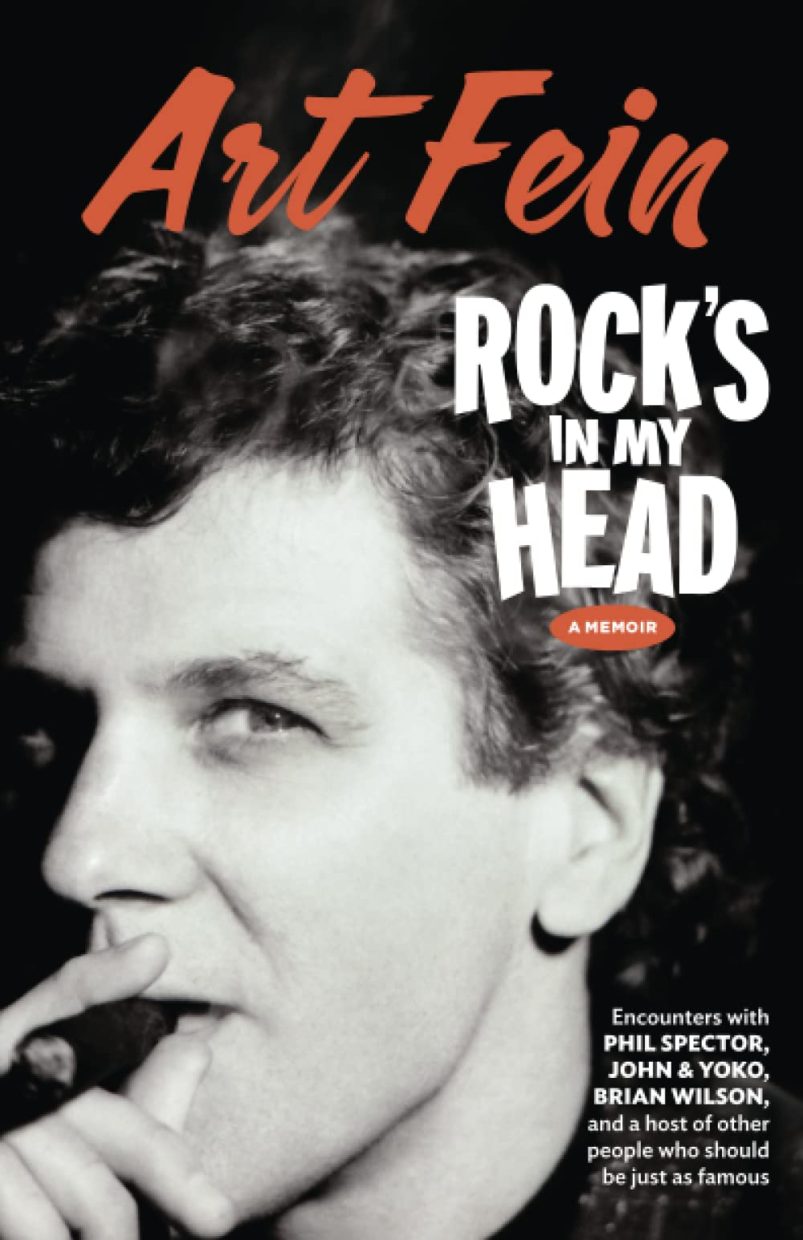
Rock’s In My Head: Encounters With Phil Spector, John & Yoko, Brian Wilson, and a Host of Other People Who Should Be Just as Famous, Art Fein

Art Fein has held many roles in the music industry. He’s been a music journalist, album producer, worked for labels, hosted a music-themed public access TV show (Art Fein’s Poker Party), and more. In this book, Art shares some of the wild experiences he’s had in his career including spending a week with John Lennon and Yoko Ono, coaching Lennon on “old rock and roll” that he wasn’t exposed to in Liverpool.


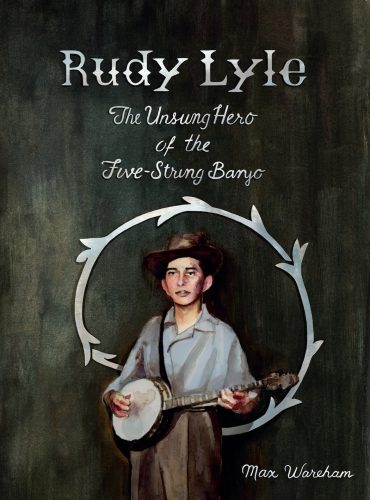
Rudy Lyle: The Unsung Hero of the Five-String Banjo, Max Wareham

Max Wareham shares the legacy of a lesser-known banjo player, Rudy Lyle, through interviews with other prominent banjo players and members of Lyle’s family. The book analyzes 19 instrumental breaks Lyle played with the legendary Bill Monroe. BGS wrote about, and previewed a chapter of Rudy Lyle: The Unsung Hero of the Five-String Banjo ahead of its August release.


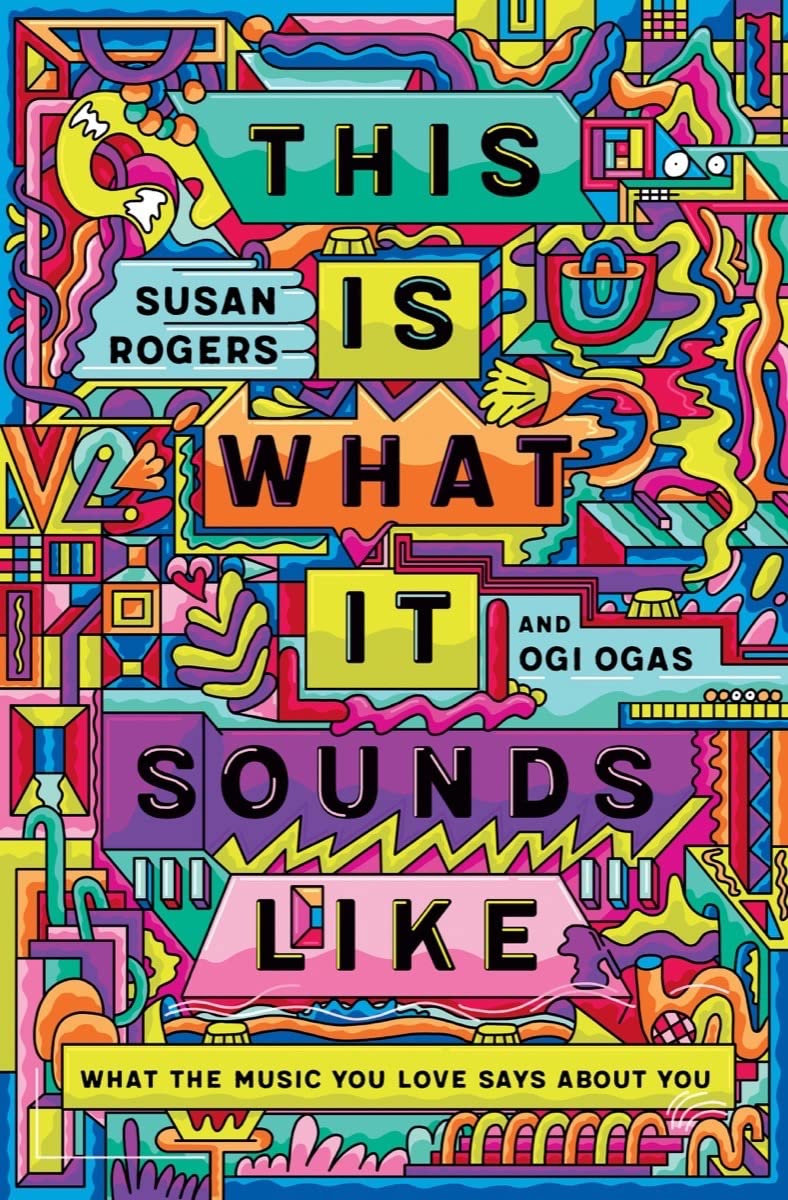
This Is What It Sounds Like: What the Music You Love Says About You, Susan Rogers and Ogi Ogas

Susan Rogers has a fascinating résumé. She was the lead engineer on Prince’s Purple Rain and worked on records by The Barenaked Ladies and David Byrne (to name a few). She’s also an award-winning professor of cognitive neuroscience. It’s this unique set of experiences that gives her the ability to, as she says, determine one’s “listener profile,” and scientifically dissect why certain songs move certain people.


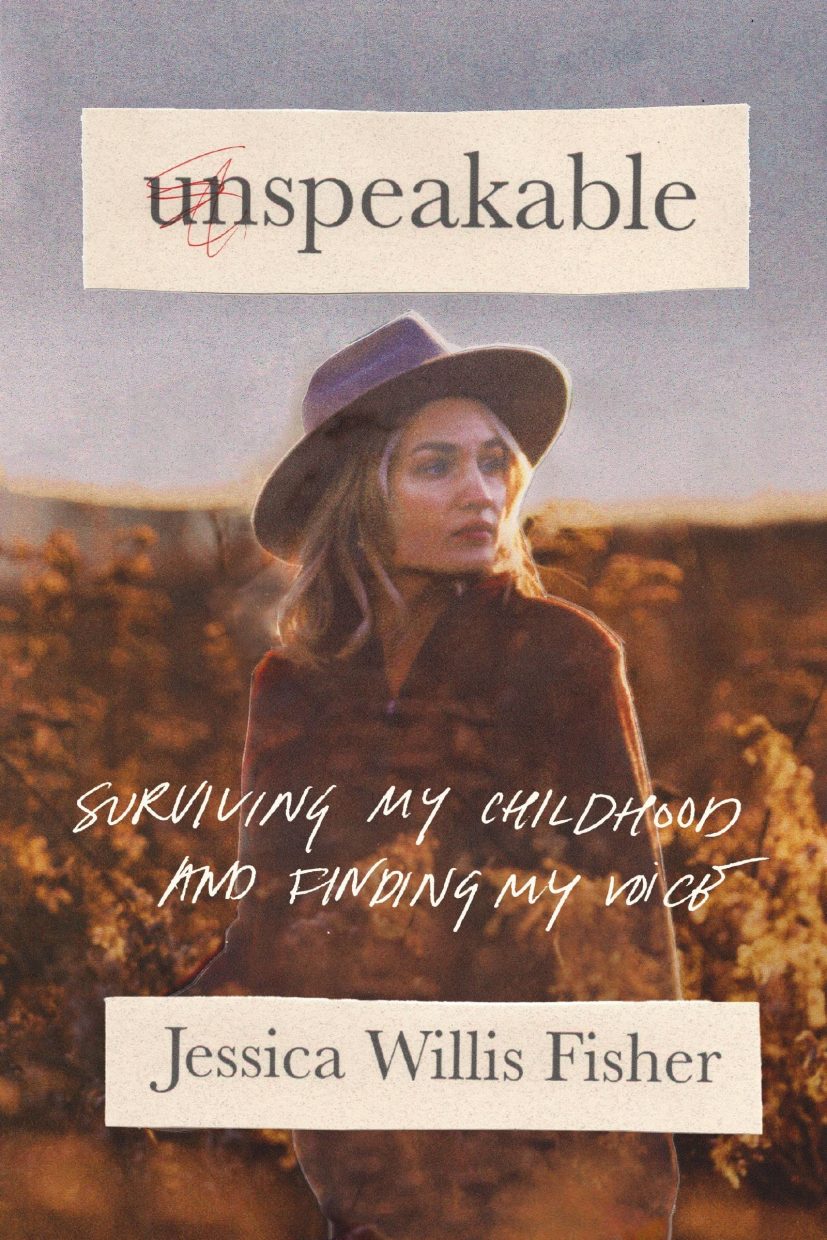
Unspeakable: Surviving My Childhood and Finding My Voice, Jessica Willis Fisher

Jessica Willis Fisher fronted a band made up of her parents and her 11 siblings. The Willis Clan found fame on America’s Got Talent in 2014. During that performance, the children charmed America while their fundamentalist Christian father lurked backstage, hiding an ugly truth. In this memoir, Fisher discusses finding her voice after years of being silenced by her abusive father, Toby Willis.


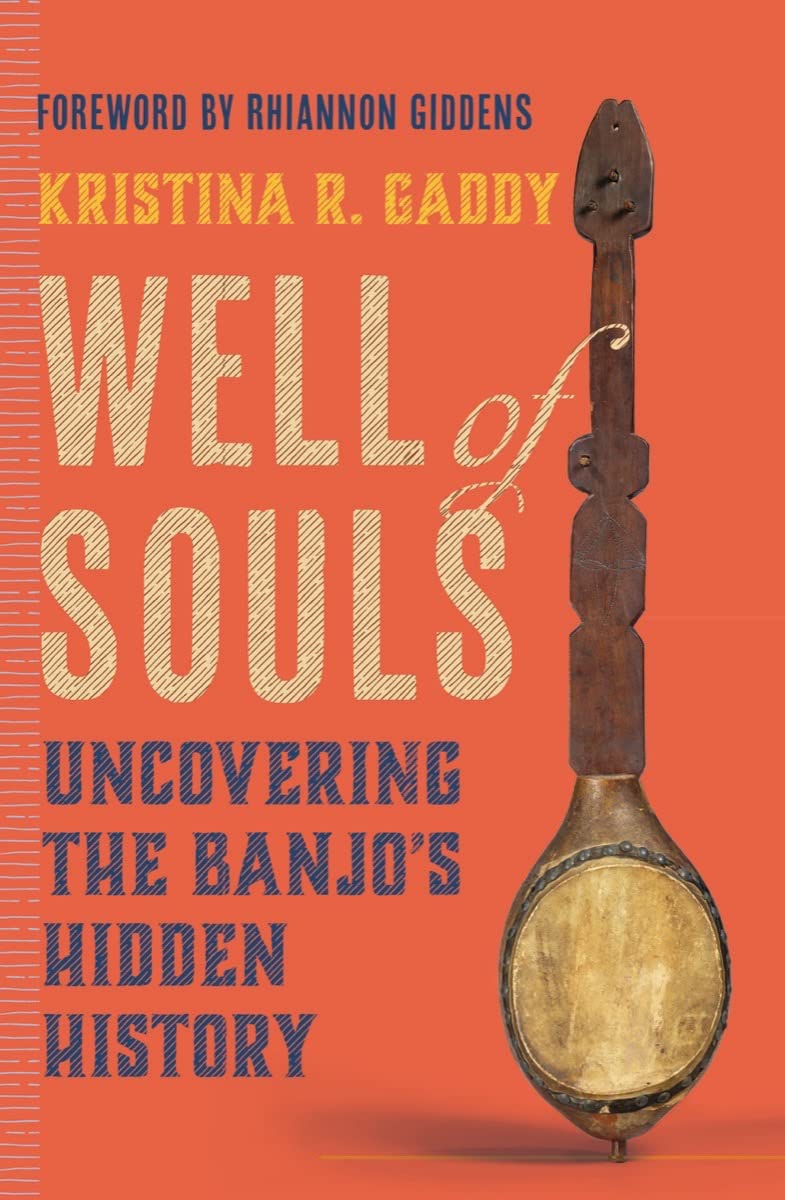
Well of Souls: Uncovering the Banjo’s Hidden History, Kristina R. Gaddy

Kristina Gaddy traces the banjo’s roots back to the 17th century when enslaved people with African descent created them from gourds, calabashes or wood. As future generations were sold to slave owners in other countries, the banjo became prevalent around the world, even though its origins are often overlooked and misunderstood today. Through archival research and seeking out letters and diaries, Gaddy describes the banjo’s journey over the last 200 years and educates the reader of the instrument’s place in American slave gatherings and Blackface routines. Rhiannon Giddens offers a foreword.


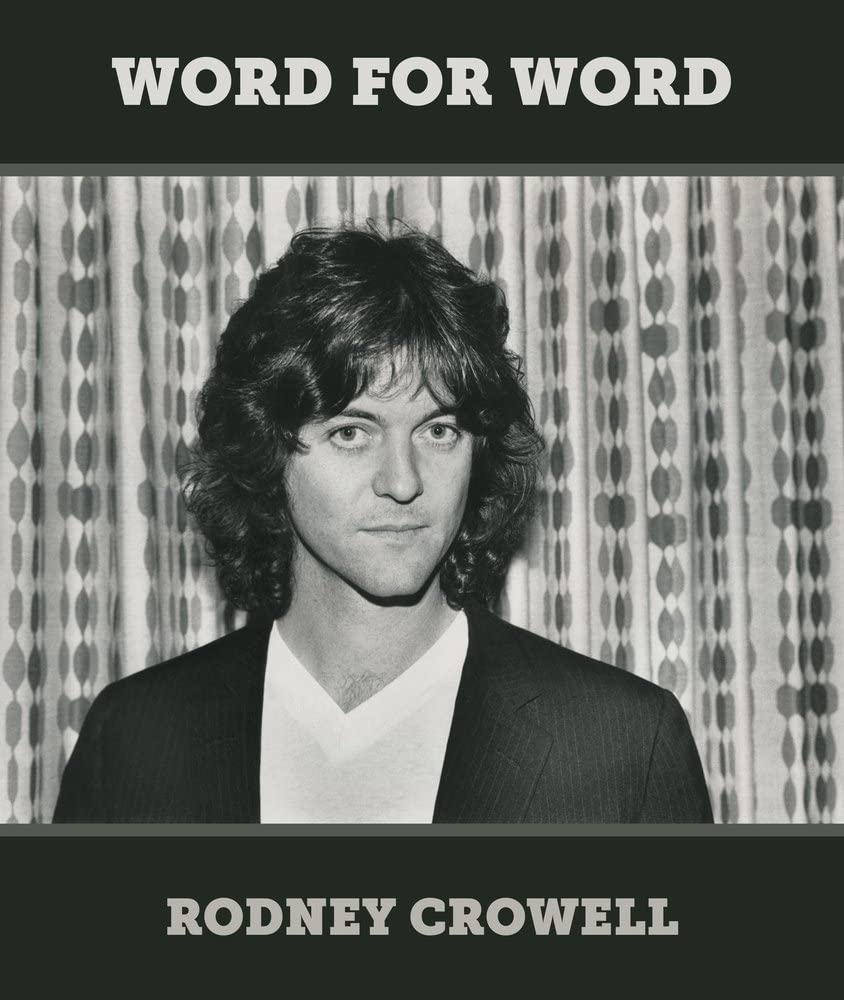
Word for Word, Rodney Crowell

After publishing a memoir in 2012, Rodney Crowell now gives readers a peek into a legendary songwriter’s process and history. The book documents his handwritten lyrics, the notes he made while writing the songs, and numerous personal photos. It also features commentary from Rosanne Cash, whom he worked with both before and after their 13-year marriage. Crowell shares, in his own words, his memories of collaborations with Guy Clark, Emmylou Harris, and others throughout his illustrious career.

Top 10 Sitch Sessions of the Past 10 Years

Since the beginning, BGS has sought to showcase roots music at every level and to preserve the moments throughout its ever-developing history that make this music so special. One of the simplest ways we’ve been able to do just that has been through our Sitch Sessions — working with new and old friends, up-and-coming artists, and legendary performers, filming musical moments in small, intimate spaces, among expansive, breathtaking landscapes, and just about everywhere in between. But always aiming to capture the communion of these shared moments.

In honor of our 10th year, we’ve gathered 10 of our best sessions — viral videos and fan favorites — from the past decade. We hope you’ll enjoy this trip down memory lane!

Greensky Bluegrass – “Burn Them”

Our most popular video of all time, this Telluride, Colorado session with Greensky Bluegrass is an undeniable favorite, and we just had to include it first.


Rodney Crowell and Emmylou Harris – “The Traveling Kind”

What more could you ask for than two old friends and legends of country music reminiscing on travels and songs passed and yet to come, in an intimate space like this? “We’re members of an elite group because we’re still around, we’re still traveling,” Emmylou Harris jokes. To which Rodney Crowell adds with a laugh, “We traveled so far, it became a song.” The flowers were even specifically chosen and arranged “to represent a celestial great-beyond and provide a welcoming otherworldly quality … a resting place for the traveling kind.” Another heartwarming touch for an unforgettable moment.


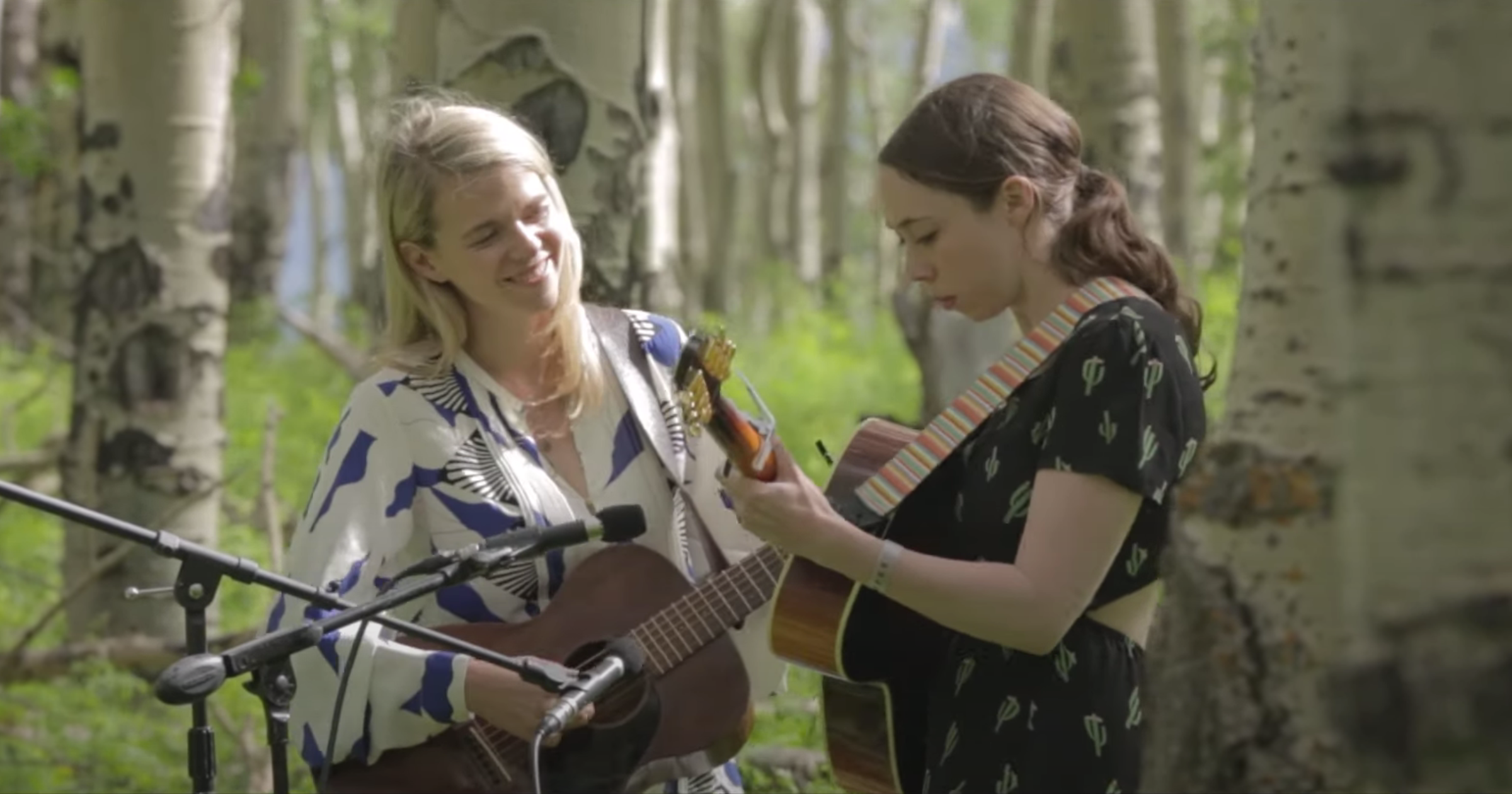
Sarah Jarosz and Aoife O’Donovan – “Some Tyrant” 

In the summer of 2014, during the Telluride Bluegrass Festival we had the distinct pleasure of capturing Sarah Jarosz and Aoife O’Donovan’s perfectly bucolic version of “Some Tyrant” among the aspens. While out on this jaunt into the woods, we also caught a performance of the loveliest ode to summertime from Kristin Andreassen, joined by Aoife and Sarah.


Rhiannon Giddens – “Mal Hombre”

Rhiannon Giddens once again proves that she can sing just about anything she wants to — and really well — with this gorgeously painful and moving version of “Mal Hombre.”


Tim O’Brien – “You Were on My Mind”

Is this our favorite Sitch Session of all time? Probably. Do we dream of having the good fortune of running into Tim O’Brien playing the banjo on a dusty road outside of Telluride like the truck driver in this video? Definitely.

Enjoy one of our most popular Sitch Sessions of all time, featuring O’Brien’s pure, unfiltered magic in a solo performance of an original, modern classic.


Gregory Alan Isakov – “Saint Valentine”

Being lucky in love is great work, if you can find it. But, for the rest of us, it’s a hard row to hoe. For this 2017 Sitch Session at the York Manor in our home base of Los Angeles, Gregory Alan Isakov teamed up with the Ghost Orchestra to perform “Saint Valentine.”


The Earls of Leicester – “The Train That Carried My Girl From Town”

In this rollicking session, the Earls of Leicester gather round some Ear Trumpet Labs mics to bring their traditional flair to a modern audience, and they all seem to be having a helluva time!


Sara and Sean Watkins – “You and Me”

For this Telluride session, Sara and Sean Watkins toted their fiddle and guitar up the mountain to give us a performance of “You and Me” from a gondola flying high above the canyon.


Punch Brothers – “My Oh My / Boll Weevil”

The Punch Brothers — along with Dawes, The Lone Bellow, and Gregory Alan Isakov — headlined the 2015 LA Bluegrass Situation festival at the Greek Theatre (a party all on its own), and in anticipation, the group shared a performance of “My Oh My” into “Boll Weevil” from on top of the Fonda Theatre in Hollywood.


Caitlin Canty feat. Noam Pikelny – “I Want To Be With You Always”

We’ll send you off with this delicate moment. Released on Valentine’s Day, Caitlin Canty and Noam Pikelny offered their tender acoustic rendition of Lefty Frizzell’s 1951 country classic love song, “I Want to Be With You Always.”


Dive into 8 of our favorite underrated Sitch Sessions here.

Fifteen Years Ago, It Took ‘Balls’ to Hear Elizabeth Cook at Her Breakout Moment

By 2007, Elizabeth Cook had endured just about every wrong turn you can make in the country music business, but she bounced back with Balls, a breakthrough album that let the world discover one of Nashville’s most compelling artists and songwriters. To mark its 15th anniversary, she’s releasing Balls on pink vinyl and reissuing the eye-catching music video for “Sometimes It Takes Balls to Be a Woman.” Asked what goes through her mind when she watches the clip now, she simply replies, “I can’t believe I did that.”

Written with Melinda Schneider, “Sometimes It Takes Balls to Be a Woman” gave notice that Cook didn’t need major label deals, publishing contracts, or the star-making machinery of Music Row to make a name for herself. She caught up with BGS by email to talk about Balls.

BGS: How long had you and Melinda known one other when you wrote “Sometimes It Takes Balls to Be a Woman”?

I can’t remember but certainly not long. She was just one of those people who I instantly clicked with.

Nanci Griffith had a hand in helping this song get heard, right?

She did, in many ways. She witnessed about me, as she did with everything she was passionate about. Having a cheerleader like her made me believe in myself more than I could on my own at the time, especially considering my recent failures at a straight career, and as a mainstream country radio babe. Beyond that, she gave me a big stage and shared me with her audience as her opening act. I can’t say enough about her. Not to even address what she meant artistically.

I like the optimistic spirit of “Gonna Be.” And I can hear that sense of determination in your voice and in your words. After all the setbacks you faced in that era, where did you find the strength to keep on going?

Well, folks like Nanci Griffith, Rodney Crowell [who produced Balls] and David Macias showed belief in me. And honestly, I think I like a challenge in general. But at that time it is also true that I simply didn’t want to disappoint my family. I didn’t want to fail again.

On your albums, you’ve often included references to your family, and especially your parents — in this case, “Mama’s Prayers.” Do you recall their reaction to this album? Did they have a favorite song?

They were proud. “Mama’s Prayers” has a specific memory for me because I was empty-handed the night before Mother’s Day, but I had gone to the farm to be with her. She used to say, “I pray for every one of you kids every night.” As a young woman, I got tired of hearing it. But I also know that it was true. And as life got more vigorous, shall we say, I was glad to know I had one going up for me. So on that Mother’s Day eve, I wrote the song and printed it out on card stock paper. I found an old picture in a box and pulled it out of the frame, trimmed the paper and placed it in there. I propped the whole thing up on the kitchen counter, knowing she would be up well before me. Since she and the farm are long gone, it hangs in my office now.

As part of this 15th anniversary, you’ve got Balls coming out on pink vinyl. Are you a vinyl collector yourself? And if so, what do you like most about vinyl?

I am. I like the deliberate nature of it. You don’t scroll for it and click…you delicately take it from its sleeve and carefully place a literal needle on it. It’s a more intentional investment. It’s respect.

With the growth of Nashville these days, it almost feels like a history lesson when you talk about “the old days” of 2007. For those who weren’t around to experience it firsthand, how would you describe the city’s musical community back then?

Spotty. Billy Block’s Western Beat was the best scene in town by a mile. Now, I miss being able to get anywhere in 12 minutes, but I am inspired by the rivers of musical tribes all over the city and how they fork and meet.

You’ve seen a lot of changes personally and professionally over the last 15 years. What would you say has remained the same?

Hopefully my character…some of the basic things that my relatively poor and uneducated but good country folk parents sought to instill in me…how to treat people with compassion and how to stand up for myself.

BGS 5+5: Lisa Morales

Artist: Lisa Morales
Hometown: Grew up in Tucson. Live in Austin, TX/San Antonio, TX
Latest Album: El Amor No Es Cobarde

What was the first moment that you knew you wanted to be a musician?

I always say music chose me, not the other way around. It was always around me. The family got together all the time and sang Mexican music, mostly rancheras since before I walked. My grandmother played classical piano at a performing level; my great-aunt was first chair violinist in the very first Tucson Symphony and my brother had a band in high school that was quite popular. When my father died I was 14 years old. I came home for lunch during school and wrote songs to grieve. I’m very lucky I had that release mechanism through music because it’s so hard to communicate at that age, let alone understand that the depression you are going through is grieving.

How often do you hide behind a character in a song or use “you” when it’s actually “me”?

I did that in the past to hide but for the most part it’s just me naked in front of the world. I’ve learned that I’m not alone in going through life and its challenges, and in turn I can also help people know THEY are not alone in going through something similar.

What other art forms — literature, film, dance, painting, etc. — inform your music?

All of them! Poetry was my communication with my mother since I can remember. She would quote all different Latin poets and writers to me: Garcia Lorca, Cervantes and stories about Juana La Loca. To Kill a Mockingbird and Little Women were books that influenced me in third grade. I went to Del Prado every Saturday as a kid living in Madrid — so yes (!) Art was fortunately pushed on us as children. Lyrics and music are the colors of my palette. My mother also owned bookstores. One of them was called the Antiquariat. It was rare books and she often had book signing parties there with authors and playwrights from all over the world. They would stay at our house and my sister and I would sing for them.

What has been the best advice you’ve received in your career so far?

I was 14 or 16, I had been so nervous sitting in on stage and asked when the nervousness will go away. Shep Cooke from the Stone Poneys told me, “It won’t! If it goes away then you don’t care about the audience!” So I learned how to channel it into energy.

What’s your favorite memory from being on stage?

I have had many, but one that stands out at this moment: I was on stage with my sister, Roberta, and we were singing a very old Mexican song. We looked to the side of the stage and every single member of Los Lobos was standing there watching us. Cool moment! There was a similar moment when we were playing a Country Jam, singing a country song I wrote, and off to the side of the stage watching our show was Alan Jackson. When artists stop to listen to you it feels as though you’ve moved them and possibly done something right. It’s wonderful to get a nod of approval from those you respect.

Oh, but last month was a beautiful moment. I was opening for Rodney Crowell. We had written a duet together last year but (due to Covid) recorded it separately in different cities. We worked it up backstage in Berkeley and performed it for the audience. That was special. My sister passed away in August so I’m sitting here recalling these wonderful moments on stage with her like when we were playing a festival in Colorado and the power went out. She looked at me and said, “Let’s go!” We became mariachis and went into the crowd — just us and our guitar player, David. That was unforgettable for all of us and the crowd. You could hear a pin drop and see the joy on people’s faces… well, I can still see that in my mind. Another was where we unconsciously swapped vocal parts and didn’t know it until it had passed then turned to each other and laughed. That’s magic on stage.


Photo Credit: Enrique Garza

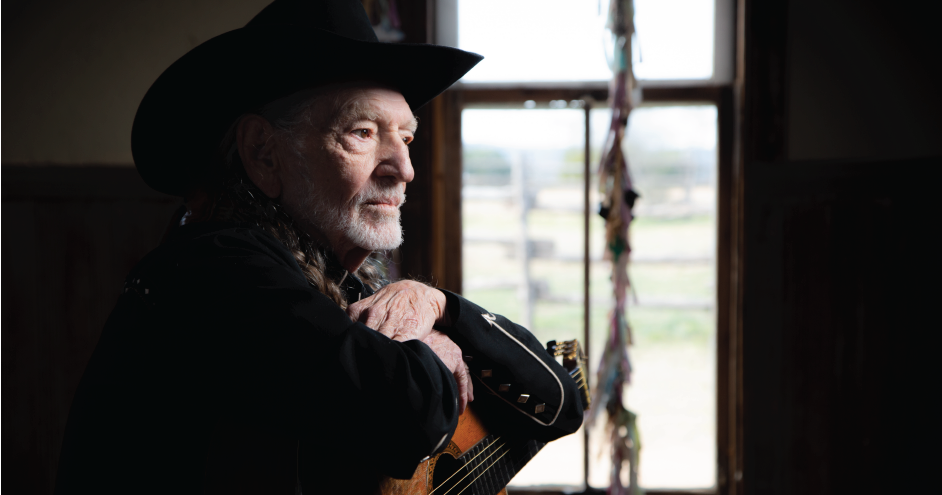
Willie Nelson Ushers in ‘A Beautiful Time’ With a Ballad by Crowell & Stapleton

Some people would take it easy after an incredible career in the music business, winning countless awards, making over 100 albums, and pioneering a unique style of music. For one Willie Nelson, that isn’t enough. The legendary singer-songwriter has more to give, and his latest endeavor is a studio album on Legacy Recordings titled A Beautiful Time.

The lead single for the album is a tune penned by Rodney Crowell and Chris Stapleton called “I’ll Love You Till The Day I Die.” Like most of his records, the single is an instant classic, drenched in the glow of country music lore. Willie’s straight delivery marries perfectly with the song, which is a ballad about unfaltering love. Trigger’s distinct “voice” can be heard in places over the steel guitar, fiddle, and harmonica, adding a gut-wrenching, nostalgic element.

The country icon wrote five of the songs on A Beautiful Time with producer Buddy Cannon. He also covers the Beatles’ “With a Little Help From My Friends” and Leonard Cohen’s “Tower of Song.” The collection is set for release on April 29, which coincides with Willie’s 89th birthday, a milestone that would usually accompany a peaceful retirement. Fortunately for us, the Red Headed Stranger continues to work his magic behind the microphone and guitar.


Photo Credit: Pamela Springsteen