Emmylou Harris Revisits “Roses in the Snow” in Lost Concert, Vintage Video

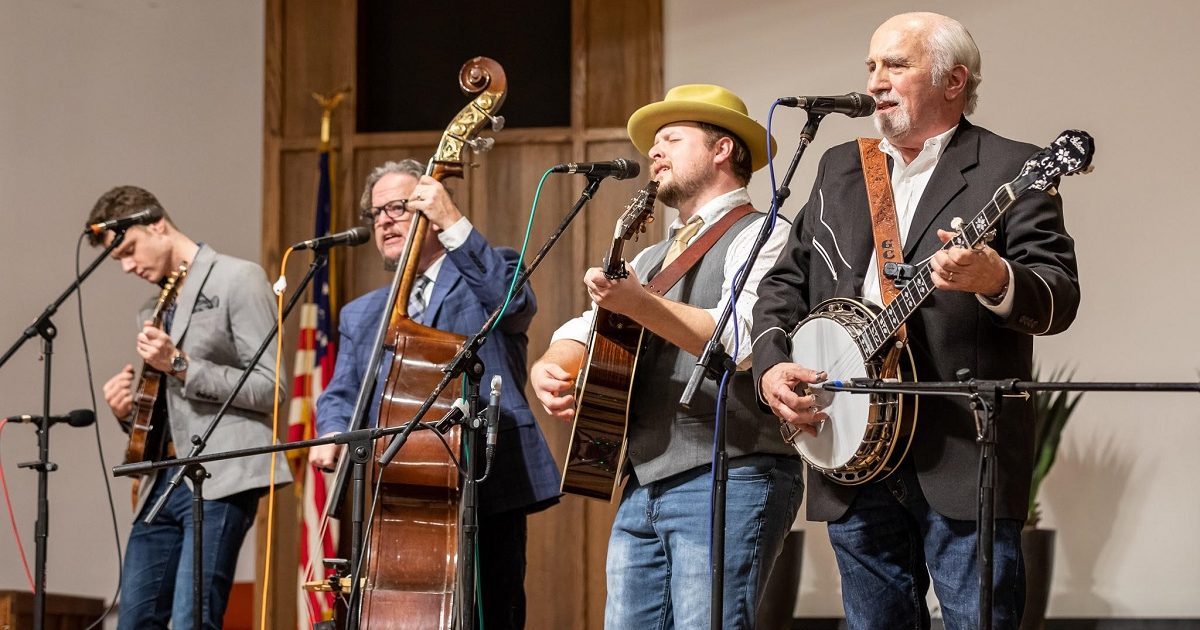
The year was 1990, and after more than a decade with the celebrated Hot Band, Emmylou Harris hit the road with a group of bluegrass all-stars — Sam Bush, Roy Huskey Jr., Larry Atamanuik, Al Perkins, and Jon Randall Stewart — and called them the Nash Ramblers. Although the group represents only a small portion of Harris’s decorated career, the music they made was exciting and powerful. After the band’s first year together, they recorded At the Ryman, a 1992 project that not only won a Grammy but also helped bring about a second life for the Ryman Auditorium as a premier concert venue.

It was in the band’s earliest days, at the conclusion of their first tour in 1990, that the Nash Ramblers made their Nashville debut. The performance was recorded at the Tennessee Performing Arts Center on September 28, 1990, and until now, has never been released to the public. In September, Nonesuch Records issued it after its discovery by Rhino Records’ James Austin. The live album, titled Ramble in Music City: The Lost Concert features a slew of songs that were not performed on At the Ryman.

Harris says, “When James Austin, in my humble opinion, the world’s best and certainly most devoted music archeologist, unearthed the tapes of this ‘lost’ concert, I was taken aback by their very existence, like finding some cherished photograph misplaced so long ago the captured moment had been forgotten. Then the memories came flooding in, of the Nash Ramblers, hot off the road from our first tour, ready to rock and bringing their usual A-game to the hometown turf.”

She continues, “It only took one listen to realize not a single note was out of place or in need of repair, a truly extraordinary performance by these gifted musicians. What a joy it was to share the stage with them.”

In promotion of the album release, Austin City Limits shared its own video of the ensemble performing “Roses in the Snow” on the celebrated Texas stage in 1993. (The title track from Harris’ 1980 beloved bluegrass album leads the live record, too.) Enjoy this vintage video from Emmylou Harris & the Nash Ramblers and their timeless musicianship.


Photo credit: Paul Natkin/Getty Images, circa 1997

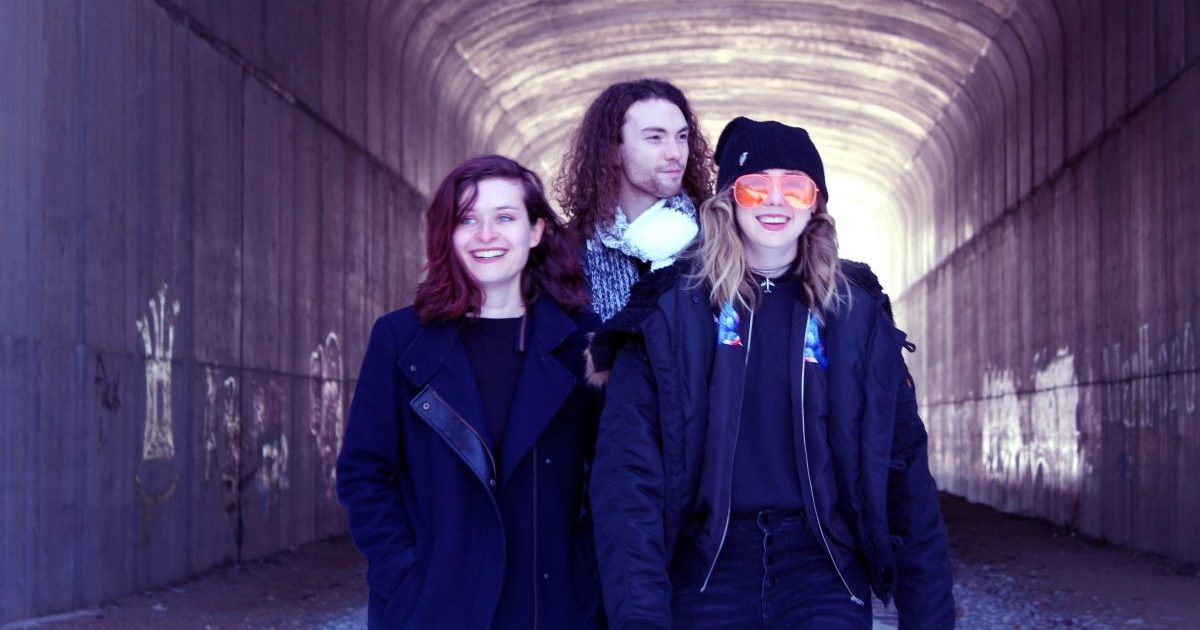
BGS 5+5: The Accidentals

Artist: The Accidentals
Hometowns: We split hometowns of Traverse City and Nashville; we have houses in both (Sav and Katie) and Michael is from Grand Rapids
Newest Album: TIME OUT (Session 1)
Nicknames: Savannah is Sav, Katherine is Katie, Michael is ALWAYS Michael. haha.
Rejected band names: Flavor Monkeys, Savage Kittens (now our publishing company), Go Dog Go, Jalapeno Honeymoon, Comfort and Dismay. We were The Treehuggers before.

Which artist has influenced you the most … and how?

Katie: Brandi Carlile is one of those through-line artists we bonded over when we were teenagers and have never stopped learning from. I’ll never forget hearing “The Story” for the first time and doing a double take when the music drops out and she belts the chorus like there’s no tomorrow. As a socially anxious kid I wanted nothing more than to be able to hurl my feelings out of my lungs the way she does. Over the years we’ve watched her do everything from producing records to making her own music festival in order to support women artists.

One of the last shows we saw before the lockdown was Brandi playing with Kim Richey at the Ryman Auditorium in Nashville. We had just moved to town and as we sat on the worn wooden pews overlooking the stage, I was moved to tears watching the young girls in the front row throwing their heads back and belting along to “The Story.” Never in a million years would we imagine that a few months later we’d be writing music for our TIME OUT EP with Kim Richey, but we’ve learned even our heroes are humans who we can talk to on Zoom while wearing sweatpants and talking about bread baking. When we cancelled all our tours in 2020 we started feeling lost, but so many artists including Brandi reminded us that you never have to give up collaboration, activism, hard work, and heart.

What’s your favorite memory from being on stage?

Katie: Looking back, I have to say that 90% of my favorite moments were the unplanned ones. In 2018 we had the opportunity to sing on stage with Joan Baez for the Ann Arbor Folk Festival. I had just finished reading her biography and was starstruck, but once we were onstage her voice made everyone at ease and soon there were thousands of voices singing along. While everyone was walking off stage she grabbed my hand and I felt like my feet were floating.

Another favorite memory was playing Summerfolk Festival in Ontario — they have a tradition of pairing up two bands at the festival who’ve never met, and put them on stage together to play an after-party set. We had no idea what to expect when we loaded in our gear, but ended up playing an insanely fun hour-long set with Turbo Street Funk, a five-piece brass funk band including electric guitar, drums, sax, French horn and a hand-painted sousaphone plugged into a bass amp. We improvised on each other’s tunes all night, throwing in covers of “Ghostbusters” to The Yeah Yeah Yeahs to the Black Keys. We’re friends to this day, it was amazing.

What other art forms — literature, film, dance, painting, etc — inform your music?

Sav: Katie and I pick up inspiration everywhere we go. Usually every song is a culmination of things we’ve picked up around us – a piece of an Edgar Allan Poe poem here; the first sentence of Markus Zusak’s The Book Thief paraphrased; a story in the New York Times about an endangered kind of parrot; an art piece made entirely of thread in the Crystal Bridges Museum, or if you’re Katie, sometimes a perfectly made plate of zucchini noodles is all it takes to be inspired.

We never really know where the moments of inspiration strike. I keep voice memos on my phone of little ideas as they come to me (usually in a public place, so I have to mumble them into my phone like a nerd) and a whole list of sticky notes of random billboards saying ominous phrases or things I pick up in conversation. There’s an episode of the Song Exploder podcast featuring John Darnielle of the Mountain Goats, who talks about keeping a whole list of song titles written down at his disposal, so I started picking that up recently, too.

I will say that being in the music industry requires you to know a little bit about other art forms like film and visual art, because you never know when you’re going to be writing a treatment for a music video, or brainstorming / creating an album cover from scratch. Seeing how projects like TIME OUT EP or our upcoming album Vessel translate into film or visual art is fascinating, because it shows how when an art piece becomes multimedia, it starts to feel like you’re not just looking at a picture anymore – you’re standing in a room full of color, and you can see how it all fits together.

What’s the toughest time you ever had writing a song?

Sav: I think the answer would be different for both of us — our processes for writing vary song-to-song, but also Katie and I are really different writers. Katie usually takes her time with writing, and she’ll work on the same song for months at a time until it’s perfect. I usually like to knock out a song by sitting down once in a blue moon and just getting it down in two hours. So a process like “Night Train,” co-written with Dar Williams over the course of many Zoom calls, was pretty tough for me. That song had a Leonard Cohen-like aspect where it had infinite verses; the stories Dar told would have amounted to at least ten different songs. It was really hard to pick and choose what best told the story we were trying to tell.

Ultimately the version we kept is a travel journal about the power of community, the magic you experience in meeting strangers and finding common ground. The song is about coming to the realization that we are more alike than not, and there is more goodness in the world than we might believe. We wanted a song that would speak to every generation and community, a song about healing and investing in our future, because there’s still work to be done.

How often do you hide behind a character in a song or use “you” when it’s actually “me”?

Sav: This is one of the very first things Beth Nielsen Chapman called me out on when Katie and I were doing our first co-write with her (which was also our first co-write in general). Beth made a good point that using “you” too many times in a song starts to sound pretty accusatory. If that’s what you’re going for, great! Ha ha. She went further to say that saying “I” makes it more personal. I definitely have a habit of doing this — putting “you” where “I” should be — and sometimes I still do it, but I’m watchful of it now.

One thing we picked up this year is that songs don’t always have to be about us, necessarily. They can be from someone else’s perspective, while still using “I” and “me.” On one of our weekly Monday writes with Tom Paxton, he told us one of the best ways to get started was to pick up a newspaper, read a story, and write like you’re a person standing in the room where it happened. There will always be some personal piece of you invested in it by the time you’re done. The goal is to get outside of yourself for a moment and write for the sake of the story. That was a good lesson to take away after a year of isolation. It’s human nature to tell stories — whether that story is to heal, to inspire, to relate, or to learn from. So even if it’s “me” or “you” or “they” or “we,” the goal is for someone to walk away feeling like they got something out of that story, so that they may retell it in their own way.


Photo credit: Aryn Madigan

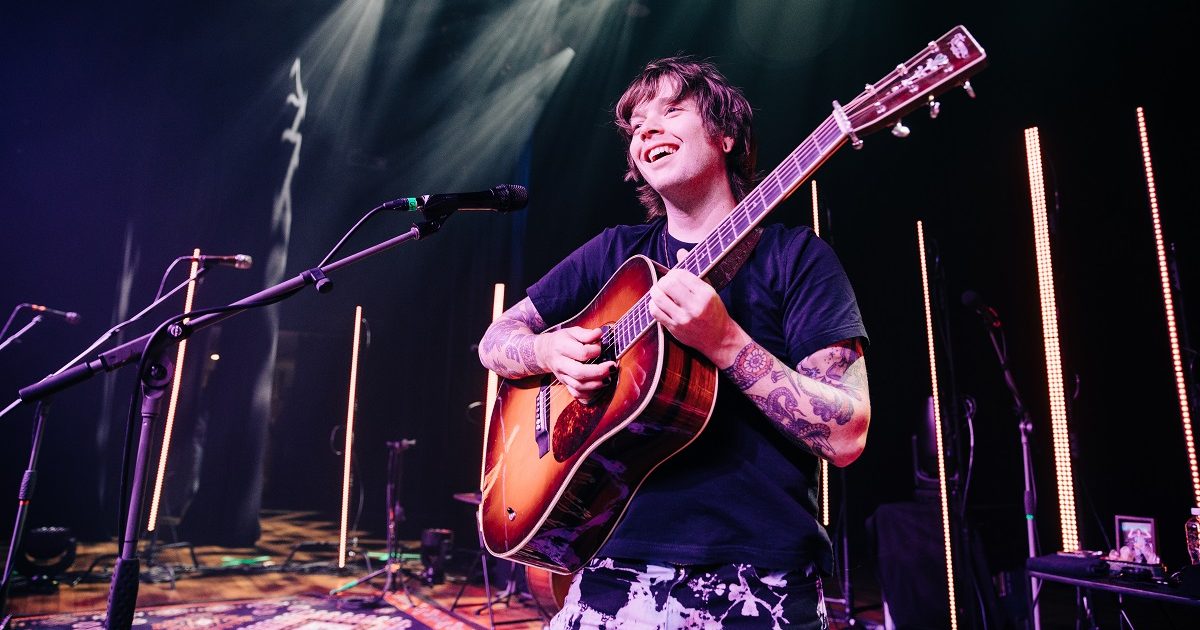
WATCH: Billy Strings Brings the Ryman Auditorium Into the Living Room

Taking a break during a live stream rehearsal, Billy Strings is pulling up a pew in the Ryman Auditorium in Nashville to talk about what makes the Mother Church of Country Music so special.

“To be able to bring the Ryman into people’s living rooms, that’s pretty cool,” he says in the video below. “Maybe they’ll check it out and realize that whenever stuff opens up, they should come see a real show here.”

As anyone who’s already attended a Ryman show can attest, the acoustics are impressive, especially when it comes to bluegrass. As the IBMA Award-winning guitarist explains, “Something about this old wood, it just… works. It’s like an old church, you know? So many amazing songs ring out in here, and all the echoes of all the amazing artists from the past. It’s almost like you’re inside of an old guitar. It’s just been resonated so much that all the sounds really work well in here.”

Later this month, Billy Strings will compete for a Grammy Award for Best Bluegrass Album, for his exceptional 2019 album, Home. Although the Michigan native’s rise to bluegrass stardom may seem like an overnight success, he’s actually been at it quite a while, as he explains in this video, presented by Nissan.

“When I was really young, from the time I was born until about 5, 6, or 7 years old, I mostly listened to bluegrass. And then when I got a little bit older, my dad started showing me Black Sabbath, Led Zeppelin, Jimi Hendrix, and stuff like that. That led to even heavier music. I got to a certain point in middle school where I wanted to play music with people that were my age. Mostly the only bands that were really happening in the town I was in were metal bands. So I acquired a taste for the music and then joined a band,” he says. “I learned a lot about what I know about music from playing bluegrass, and I suppose I learned some musical stuff from the metal as well, but I know I took a lot of the stuff that I learned about performing from playing in the metal band.”

Even as he absorbed those other styles, bluegrass beckoned and he’s now one of the genre’s most promising artists and prominent ambassadors. He adds, “I think when I was in middle school, it’s not that I was embarrassed about playing bluegrass, but it was something that I did with my dad and his older friends, so I didn’t really feel like it was that hip. But then when I got over that phase I was in, I realized that it is super hip, and the musicians are really awesome. The guys who are playing the mandolin, fiddle, bass, and banjo in these bands, they really know how to play their instruments really well, and they spent a lot of time practicing. You know, this is where it’s at, really.”


Photo Credit: Emma Delevante

This Nashville Museum Shows the Vital Role of Black Music in American History

Nashville’s “Music City” nickname has always been broader and more inclusive than the national impression, which largely has been built on two things: the city’s impressive country music legacy and its equal importance as a hub for the general music business, with major emphasis on recording and publishing. But what hasn’t been as well recognized and celebrated, at least by those outside particular communities in Nashville, is its contribution to numerous other idioms and its role in their evolution and development.

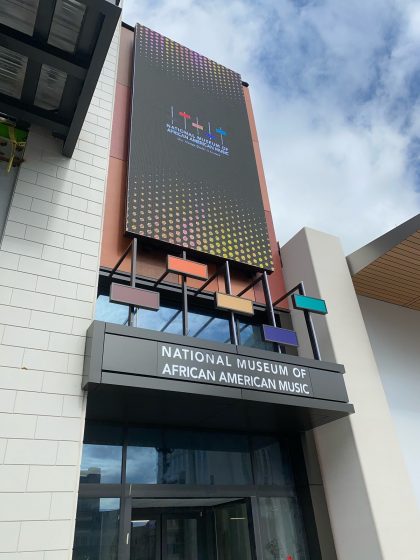
Hopefully that’s going to change with the new National Museum of African American Music (NMAAM), now open across the street from the historic Ryman Auditorium in downtown Nashville. The Fifth and Broadway entrance to NMAAM and its proximity to one of the nation’s music shrines couldn’t be more appropriate, and it is notable that the museum isn’t located in one of the sites better known as a Black music hotbed such as Detroit, New York, Los Angeles or even Memphis. Nashville has always been a major player in the African American music world, from the days of the Fisk Jubilee Singers to radio station WLAC breaking R&B, soul and blues hits, and the Jefferson Street nightclub scene providing both valuable training for emerging artists and a vital showcase for established ones.

However, the museum isn’t focused mainly or wholly on Nashville, nor any single city or musical style. The 56,000-square-foot entity aims to spotlight the entirety of the music made in this nation by Blacks, to demonstrate its impact on the totality of American sounds, and to celebrate its history and multiple influences. As CEO/president Henry Hicks repeatedly told media members who attended tours in January, “We’re showing how music through the prism of the Black experience has played a vital role in the growth of this country and how it’s affected every fabric of the culture.”

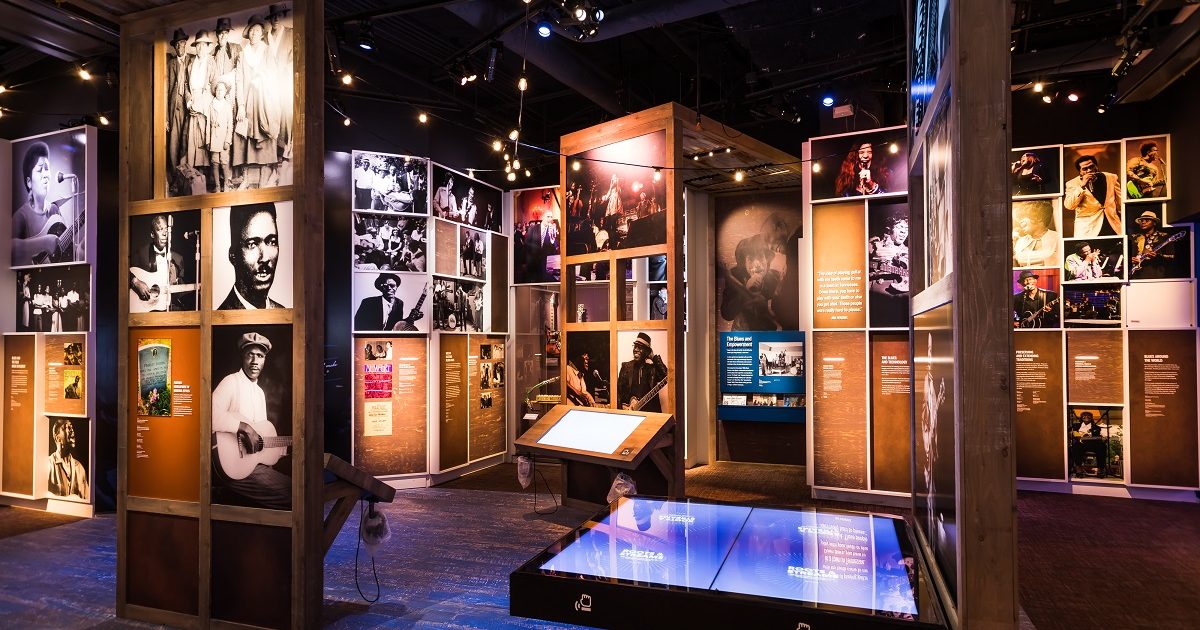
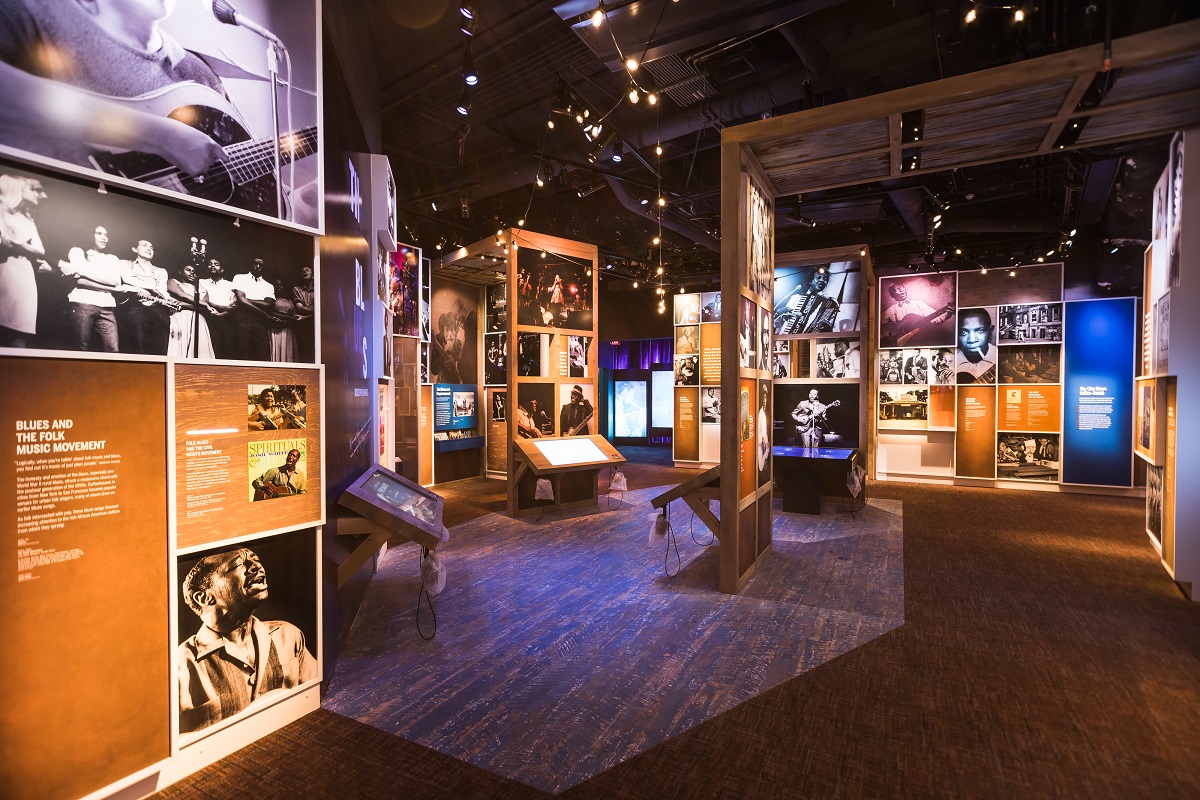
The sleek, architecturally striking building has the same visual splendor and attractiveness as the National Museum of African American History and Culture in Washington D.C. Upon entrance, visitors to NMAAM will be immediately drawn to the central corridor that’s billed as the Rivers of Rhythm. It features touch panel interactive exhibits, something that’s a recurring sight throughout the halls housing exhibits and other items designed to showcase 50 genres and sub-genres of Black music.

The corridor leads into The Roots Theater, which is actually where the museum tour formally begins. There’s an introductory film presentation that provides the African background and heritage of the various exhibits. It also offers a cinematic shorthand of what visitors later see presented in more exacting, visually striking manner: the multiple sounds and styles of notable Black music creators and performers. The theater seats approximately 190, and in later weeks and months will serve as the location for various screenings, lectures, music performances, and concerts.

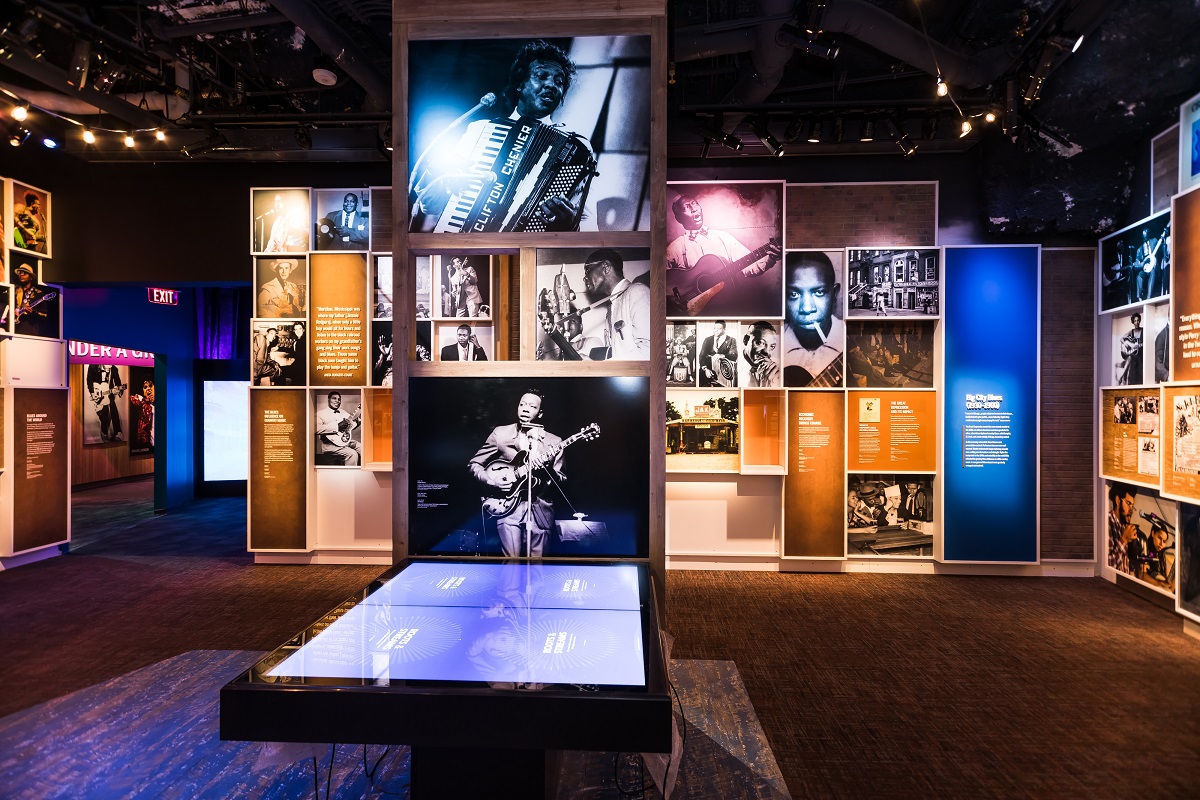
The different genre exhibitions feature everything from more interactive exhibits with timelines to cases containing such items as one of Louis Armstrong’s trumpets, one of B.B. King’s “Lucille” guitars, or costumes worn on key nights by performers like Billie Holiday, Nat “King” Cole, Ella Fitzgerald, Ray Charles, or Aretha Franklin. The museum doesn’t neglect any area of Black music, going from the earliest spirituals to pre-jazz, traditional and modern jazz, blues, R&B/soul, funk, disco, and into contemporary hip-hop and EDM. There’s also a detailed storyboard for every idiom.

The greatest examples of Black music influencing other idioms that are sometimes mistakenly assumed not to have any links with African Americans can be seen in the Crossroads section. It includes an essay that traces how country founding fathers like Jimmie Rodgers and Hank Williams were influenced by the blues, and how the acoustic guitar playing of people like Sister Rosetta Tharpe and the gospel-tinged shouting of Odetta in turn influenced white folkies like Joan Baez and Bob Dylan.

One of Chuck Berry’s biggest hits, “Maybellene,” was a reworked version of Bob Wills’ “Ida Red” with new lyrics, while certainly Elvis Presley, Carl Perkins, Jerry Lee Lewis and other white rock ‘n’ roll and rockabilly types were performing a hybrid of country, blues, and R&B. In both cases, as well as early string band music played by white and Black performers, these artists were hearing and creating a fresh sound based on their love of multiple genres, which the Crossroads section reflects in text and exhibits.

Along the way, depending on your musical preferences, you’re able to become an active part of the experience. There’s a disco dance room that inserts a neon silhouette onto the wall. You can construct your own blues song, improvise within a personal jazz composition, become part of a gospel choir, or craft your own freestyle raps. Any or all of this activity is recorded on a personal RFID wristband and automatically uploaded so that it can be shared online with friends, assuming you really want those efforts heard by others.

But most importantly, the mission, one frequently cited by tour guides and reinforced through the various exhibits, displays, and films, is Black music’s cross-generational links and the way it’s been both a voice of protest and a force for unity across diverse backgrounds. The role music played both in rallying Blacks into the World War II effort and helping inspire and fortify the Civil Rights Movement are just two parts of that underlying joint theme.

Whether it’s “One Nation Under a Groove” or “A Love Supreme,” regardless of spiritual or secular content, Black music has been at the core and forefront of American culture. No single building better exemplifies and reveals that than the National Museum of African American Music. No matter what kind of music you love, or even if you’re tone deaf, this museum will have something of value for you to see, hear and enjoy, as well as valuable lessons to learn and history to remember.


Photo Credit: NMAAM/353 Media Group

At the Ryman, Four of Bluegrass’ Finest Sing “Down in the River to Pray”

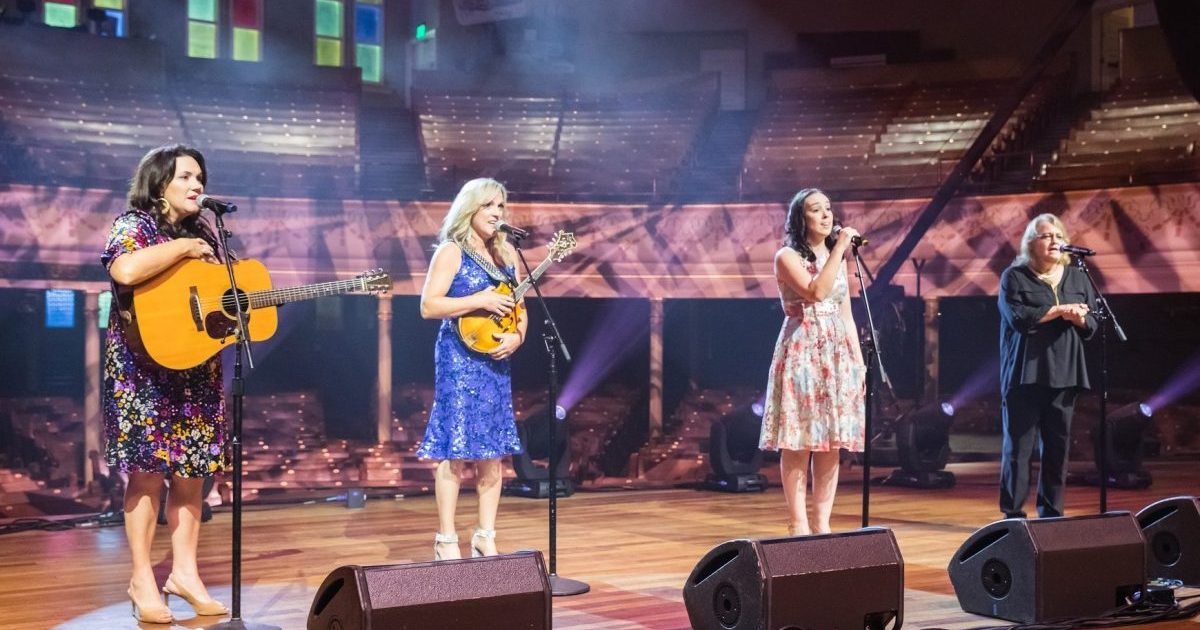
In our celebration of the movie that returned bluegrass to the spotlight of pop culture, we’re throwing it back to the 31st Annual IBMA Awards from October 2020. During the ceremony, four of the five women nominated for Female Vocalist of the Year banded their angelic voices together to pay tribute to the 2000 landmark film O Brother, Where Art Thou? In the video below, Amanda Smith, Rhonda Vincent, Brooke Aldridge, and Dale Ann Bradley stand stoically on the stage of the famed Ryman Auditorium to deliver a brilliant rendition of “Down in the River to Pray.”

This a capella performance is a reminder of not only the music featured in the film, but also the unique characteristic that bluegrass and old-time music can have, feeling simultaneously nostalgic and modern. The women’s gentle voices are wonders to behold in their own rights, but sparks fly when they harmonize, emanating a warmth and life into the historic venue where bluegrass was born. Watch these four eminent women of modern bluegrass interpret an all-time classic recording from our BGS Artist of the Month, O Brother, Where Art Thou?

Editor’s Note: The 2020 IBMA Bluegrass Music Awards will air on Circle TV on Monday, January 18 at 8pm ET / 7pm CT. The ceremony will be broadcast on Circle and Gray TV stations and can also be seen on DISH Studio Channel 102, Sling TV, and other TV affiliates. Circle TV is also available on 275 million smartphones and tablets via the Roku Channel and XUMO apps in addition to a companion livestream on Circle All Access Facebook, YouTube and Twitter.


Photo credit: Shelley Swanger. Pictured L-R: Amanda Smith, Rhonda Vincent, Brooke Aldridge, Dale Ann Bradley

IBMA Awards 2020: See the Full List of Winners

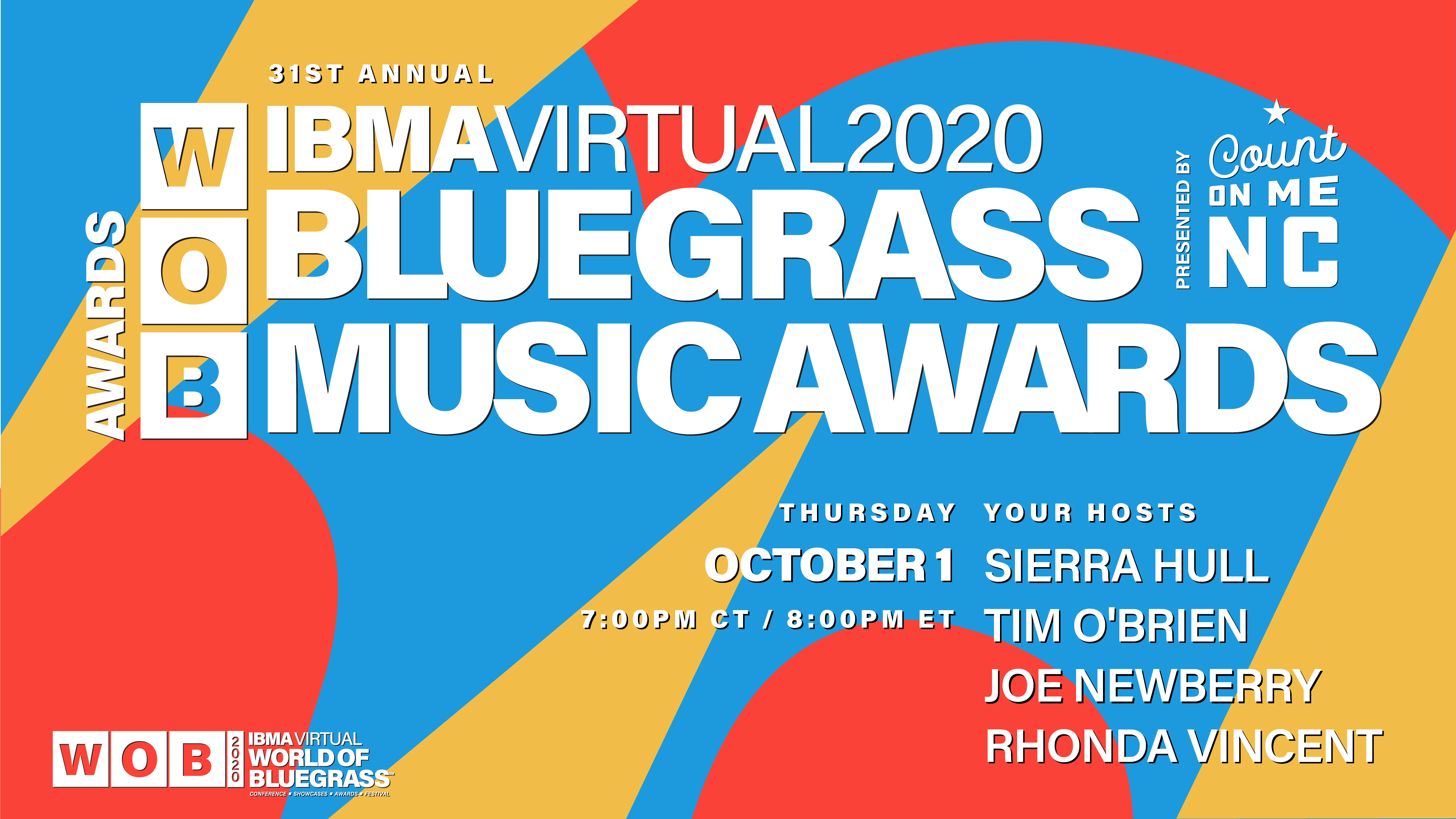
The winners of the 31st annual IBMA Bluegrass Music Awards were announced Thursday night via video awards show, hosted by Sierra Hull, Tim O’Brien, Joe Newberry, and Rhonda Vincent.

The “biggest night in bluegrass” was well-adapted to its virtual setting and boasted three Hall of Fame inductions, guitar and banjo tributes to Doc Watson and J.D. Crowe, a continent-spanning collaboration by Rob Ickes & Trey Hensley and Taj Mahal, and celebrations of the 20th anniversary of O Brother, Where Art Thou? and the 75th anniversary of the birth of bluegrass. Marking the occasion, Del, Ronnie, and Rob McCoury opened the evening from an empty Ryman Auditorium, regarded as the birthplace of bluegrass and a former home for the show.

Special performances were shot live at home, in studios, and at various small venues — as well as the Station Inn and the Ryman. Billy Strings paid tribute to Hall of Famer and Male Vocalist of the Year nominee, Larry Sparks, with a cover of “John Deere Tractor” — with double pickguards, to boot. In the Doc Watson tribute, each of the five Guitar Player of the Year nominees (Trey Hensley, Billy Strings, Bryan Sutton, Molly Tuttle, and Jake Workman) took their turn virtually swapping solos on “Black Mountain Rag,” with T Michael Coleman, Watson’s longtime friend and bandmate, holding them all together through the webcams and headphones. Many other unique collaborations, tributes, and performances were peppered throughout the award announcements. The most stunning performances, though — like Vocal Group of the Year and Entertainer of the Year winner Sister Sadie’s “900 Miles” — were from the mother-church setting of the Ryman, where in a pandemic twist, the bands each performed not facing an audience, but with the auditorium’s empty pews as a background.

As IBMA Executive Director Paul Schiminger put it in his speech from the Ryman stage, in a virtual conference year and a pandemic, returning to the birthplace of the genre was “an unexpected gift through it all.” 75 years of bluegrass were poignantly brought together beneath the rafters of the hallowed, though empty, Ryman Auditorium.

Here are the winners of the 2020 IBMA Bluegrass Music Awards, in the order they were announced:

New Artist of the Year

Mile Twelve

Instrumental Group of the Year

Michael Cleveland & Flamekeeper

Gospel Recording of the Year

“Gonna Rise and Shine”
Artist: Alan Bibey & Grasstowne
Label: Mountain Fever Records
Producer: Mark Hodges

Banjo Player of the Year

Scott Vestal

Resophonic Guitar Player of the Year

Justin Moses

Fiddle Player of the Year

Deanie Richardson

Bass Player of the Year

Missy Raines

Mandolin Player of the Year

Alan Bibey

Guitar Player of the Year 

Jake Workman

Collaborative Recording of the Year

“The Barber’s Fiddle”
Artists: Becky Buller with Shawn Camp, Jason Carter, Laurie Lewis, Kati Penn, Sam Bush, Michael Cleveland, Johnny Warren, Stuart Duncan, Deanie Richardson, Bronwyn Keith-Hynes, Jason Barie, Fred Carpenter, Tyler Andal, Nate Lee, Dan Boner, Brian Christianson, and Laura Orshaw
Label: Dark Shadow Recording
Producer: Stephen Mougin

Instrumental Recording of the Year

“Tall Fiddler”
Artist: Michael Cleveland with Tommy Emmanuel
Label: Compass Records
Producers: Jeff White, Michael Cleveland, and Sean Sullivan

Vocal Group of the Year

Sister Sadie

Song of the Year

“Chicago Barn Dance”
Artist: Special Consensus with Michael Cleveland & Becky Buller
Writers: Becky Buller, Missy Raines, Alison Brown
Label: Compass Records
Producer: Alison Brown

Album of the Year

Live in Prague, Czech Republic
Artist: Doyle Lawson & Quicksilver
Label: Billy Blue Records
Producers: Doyle Lawson and Rosta Capek

Female Vocalist of the Year

Brooke Aldridge

Male Vocalist of the Year

Danny Paisley

Entertainer of the Year

Sister Sadie


Also honored during the broadcast were three inductees into the Bluegrass Music Hall of Fame: owner of the Station Inn, J.T. Gray, The Johnson Mountain Boys, and New Grass Revival.

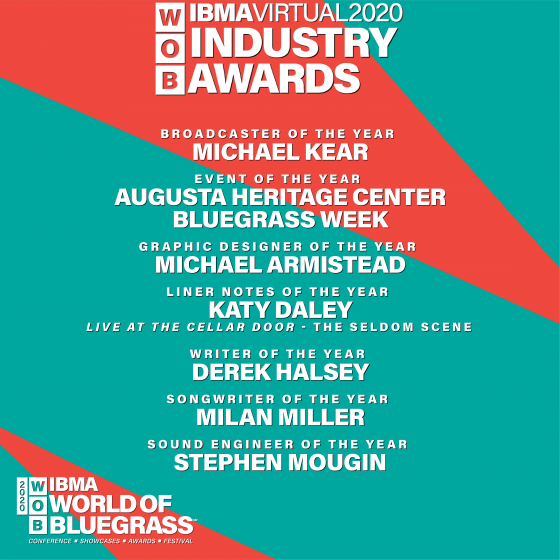
The Industry Awards were held on Wednesday, September 30. Hosted this year wittily and absurdly in video format by Béla Fleck and Abigail Washburn, the Industry Awards recognize outstanding professional work within the many arms and branches of the bluegrass industry at large. 

The Industry Awards recipients:

Broadcaster of the Year

Michael Kear

Event of the Year

Augusta Heritage Center Bluegrass Week, Elkins, WV

Graphic Designer of the Year

Michael Armistead

Liner Notes of the Year

Katy Daley, Live at the Cellar Door – The Seldom Scene

Writer of the Year

Derek Halsey

Sound Engineer of the Year

Stephen Mougin 

Songwriter of the Year

Milan Miller

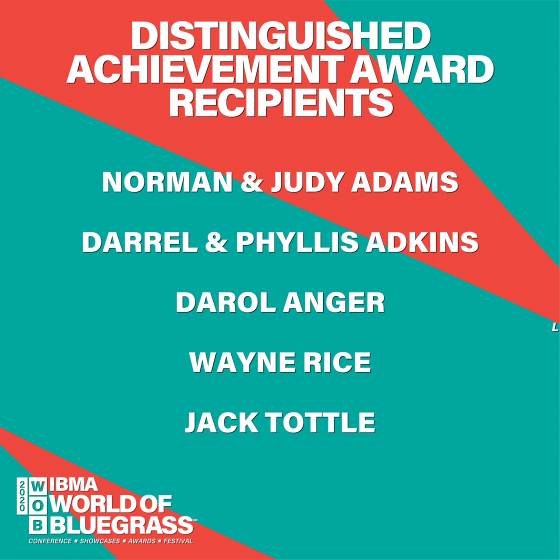
The recipients of the Distinguished Achievement Awards, honoring lifelong contributions by forerunners and ambassadors for bluegrass music, were honored with presentations on Wednesday as well: 

Norman & Judy Adams, Adams Bluegrass Festivals

Darrel & Phyllis Adkins, Musicians Against Childhood Cancer

Darol Anger, fiddler/educator

Wayne Rice,  San Diego’s KSON “Bluegrass Special” host

and Jack Tottle, band leader and educator at East Tennessee State University.

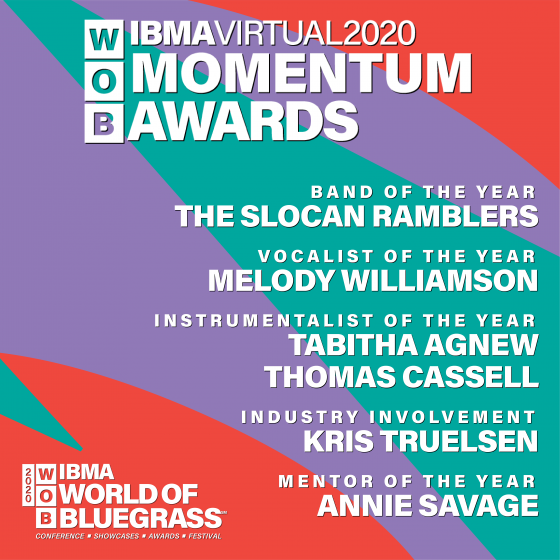
The Momentum Awards, handed out via video ceremony on Tuesday, September 29, focus on artists and industry professionals who are in the early stages of their bluegrass careers and the mentors who have helped them reach their young success.

The Momentum Awards recipients:

Industry Involvement

Kris Truelsen

Mentor

Annie Savage

Instrumentalist (2 recipients in this category)

Thomas Cassell

Tabitha Agnew

Vocalist

Melody Williamson 

Band

The Slocan Ramblers


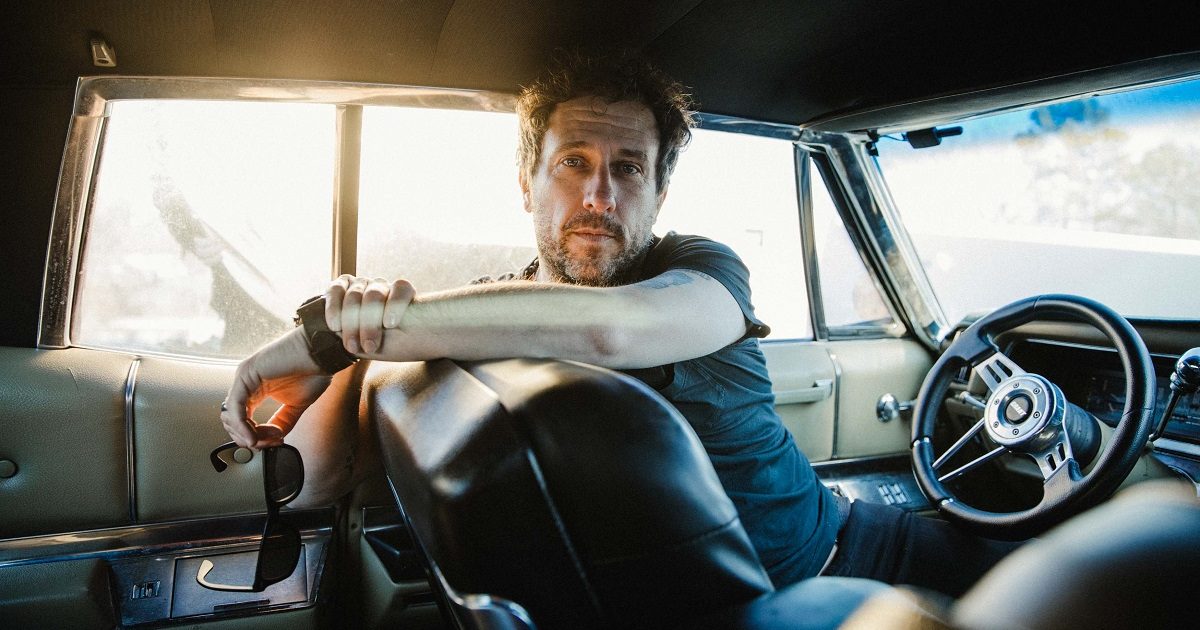
BGS 5+5: Will Hoge

Artist: Will Hoge
Hometown: Nashville, Tennessee
Latest Album: Tiny Little Movies (June 26, 2020)

Which artist has influenced you the most … and how?

My dad. He was a musician before I was born and that carried over into an incredible album collection. Every great album from 1964-1978 was at my disposal.

What’s your favorite memory from being on stage?

Shit, at this point, I’ll repeat a worst memory just to be back on stage. Also any time I get to play at the Ryman.

What was the first moment that you knew you wanted to be a musician?

My dad and my uncle snuck me into a bar to see Bo Diddley when I was about 13. My mind was totally blown. Hard to focus on much else after that.

What’s the toughest time you ever had writing a song?

“Jesus Came to Tennessee.” It had about 15 more verses. Editing that one was a journey.

Since food and music go so well together, what is your dream pairing of a meal and a musician?

Ice cream and Brandi Carlile


Photo credit: Katie Krauss

BGS 5+5: Special Consensus

Artist: Greg Cahill of Special Consensus
Hometown: Oak Lawn, Illinois
Latest album: Chicago Barn Dance
Personal nicknames (or rejected band names): Special C

What other art forms — literature, film, dance, painting, etc — inform your music?

I actually enjoy and appreciate all the forms listed here. I have always been a history buff and read a good bit of American history books as well as books about country and bluegrass music. I also enjoyed the Carlos Castenada books of the 1970s, which actually inspired our band name, Special Consensus. I very much enjoy live theater (Hamilton was unbelievably superb) as well as seeing movies in movie theaters and I am a fan of Cirque du Soleil dance troupe. Living in Chicago provides access to fantastic museums and of course the Art Institute, where I thoroughly enjoy spending an afternoon any time.

What was the first moment that you knew you wanted to be a musician?

My mother’s mother was a fabulous piano player who played for silent movies and gave piano lessons throughout my mother’s childhood so my mom also became a great piano player. My father’s father was a great harmonica player who would give me his old harmonicas whenever he got a new one (usually a Christmas present from my grandmother) and he began teaching me to play when I was 5 years old. My father was a great tenor singer in the church choir. By the time I was 7 or 8 I began taking accordion lessons, which I continued until I was about 15.

By senior year of high school I became interested in string instruments and went off to college with guitar and long-neck banjo (a la Pete Seeger and Dave Guard of the Kingston Trio) in hand and played in a folk group until graduation. I first actually heard bluegrass music around junior year of college and dabbled with playing 3-finger style on the banjo, went into the Army for two years after graduation and came back to Chicago after living in Georgia for a bit and seriously began to try and play the five-string (around 1970-71). I have always had music in my heart and in my bones and I still absolutely love to play the banjo!

If you had to write a mission statement for your career, what would it be?

I think the most important thing about playing music professionally is to decide what you really want to do and set some goals. A mission statement might be something like practice your music to hone your skills, decide what type of music you really want to play and set goals for creating musical situations for yourself (like finding other people to play with) and be willing to continually work on improving. One has to create opportunities for oneself in the world of music.

It is vital to attend concerts to hear the music you want to play, to practice a lot and to seek those opportunities to play with others. Audition for bands you would like to play with whenever there is an opening. Once you are in a band or are gigging as a solo or duo/trio artist or in any configuration, take it seriously — it is very enjoyable but it is also now your job. Most importantly, don’t give up if this is what you really want to do. There will always and forever be huge ups and downs — keep the faith, believe in yourself and keep on keepin’ on!

What’s your favorite memory from being on stage?

I would have to say it was the first time Special C ever played the Grand Ole Opry. It was in I think 2003 and the Opryland venue was under renovation so we played at the Ryman Auditorium. My bandmates at the time were Josh Williams, Jamie Clifton, and Tim Dishman. We had been together for a few years and gone through some wonderful times and some difficult times, including being in a bus wreck (fortunately, none of us were seriously injured).

Our individual and collective dream was always to play the Grand Ole Opry and that night we were truly living the dream. After being instructed backstage to play one and only one song, Jeannie Seely introduced us and we went out and played our hearts out. The audience went wild and the whole house was standing and cheering — Jeannie had no choice but to give us an encore. I will never forget that night.

Which artist has influenced you the most … and how?

There are many artists who have influenced me. My parents’ love of music was instilled in me as a young child and they appreciated the “old standards” of the day and Dixieland music — family gatherings always included everyone around the piano singing and then my sisters and I would be asked to play. I was of course influenced by the master Earl Scruggs but then I would say J.D. Crowe became my mentor, even before I ever met him, because I loved his way of creating new licks and ways of playing with the drive and clarity and beauty of Earl’s playing.

Then there are so many great banjo player influences (Munde, Keith, Trischka, Vestal, Bela, Pikelny, Shelor, Shelton, Luberecki, Brown, Kruger, Munford, Benson, etc.). Other musicians whom I admire and listen to include Jethro Burns, Benny Goodman, Louis Armstrong, Buddy Guy, Don Stiernberg and many more. I believe it is the brilliance of these players, this gestalt that has and always will continue to influence me and keep me growing.


Photo Credit: David K. Cupp

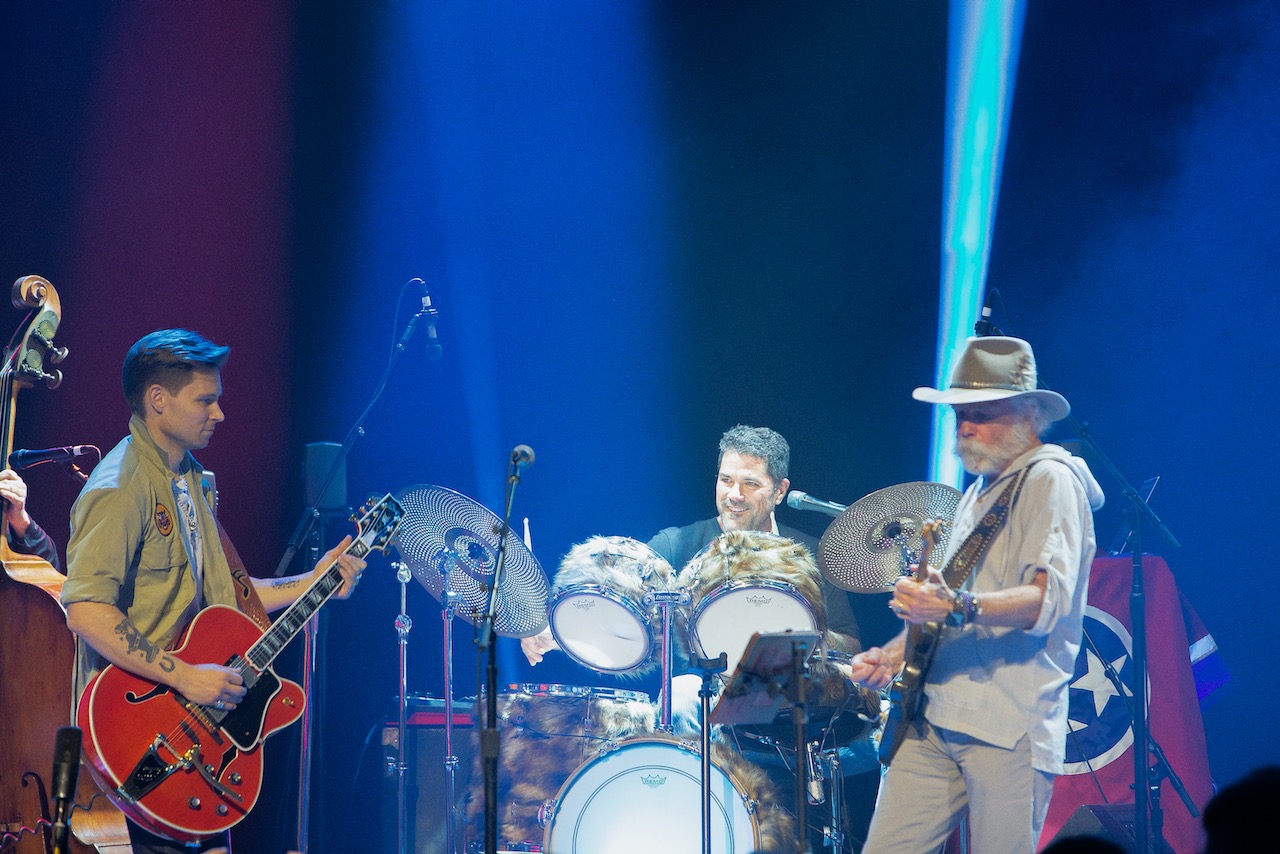
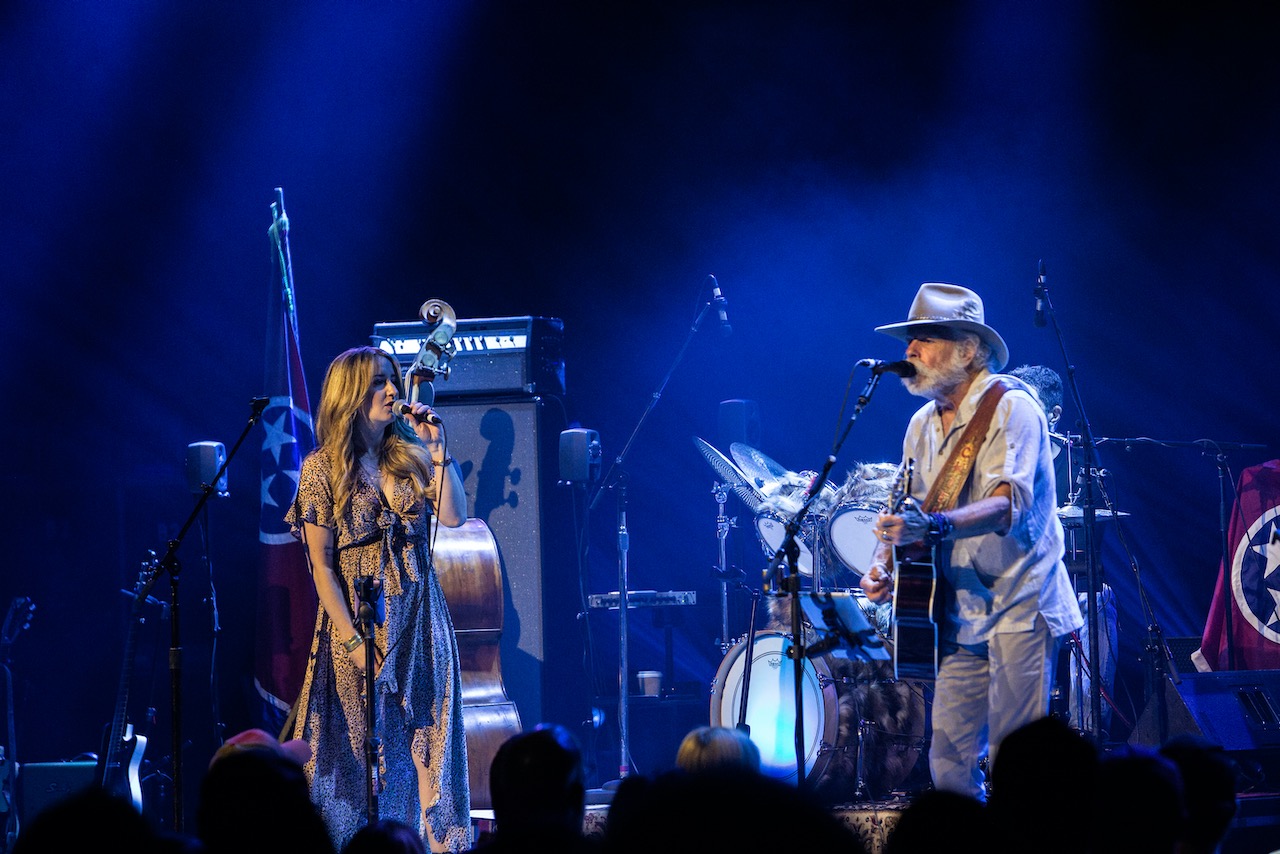
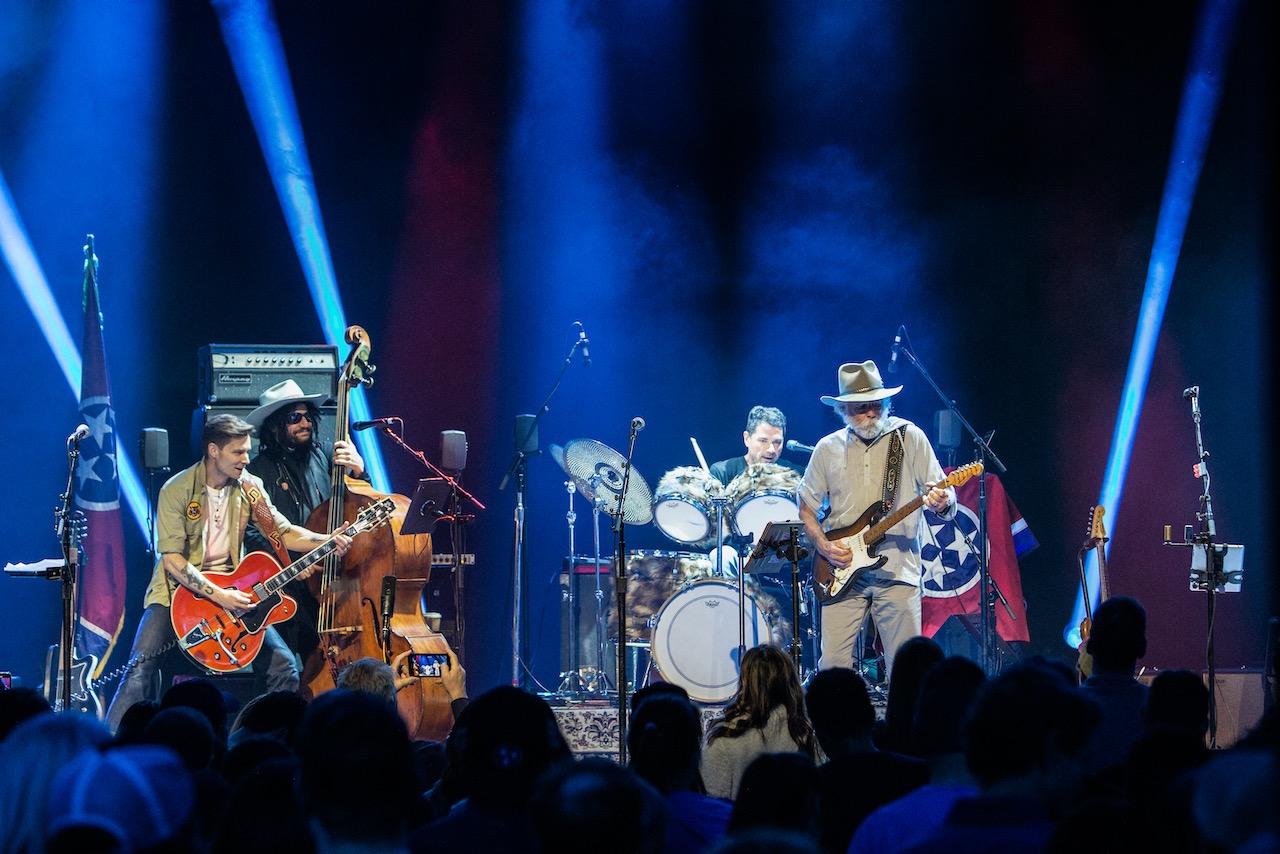
Photos: Bob Weir and Wolf Brothers Lead Tornado Relief Benefit at Ryman

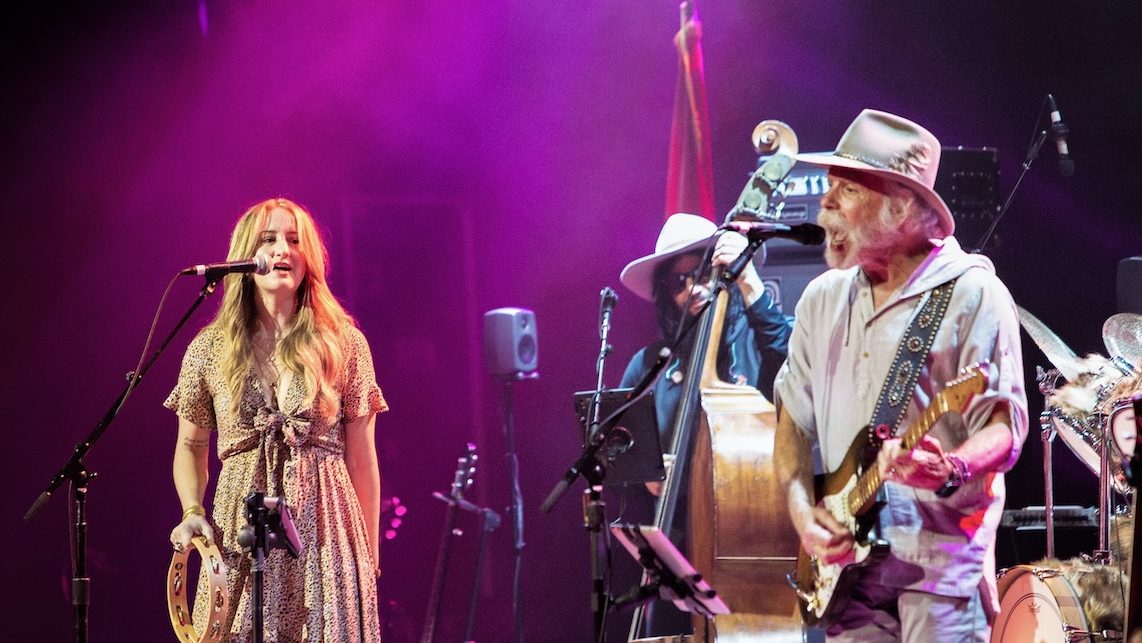
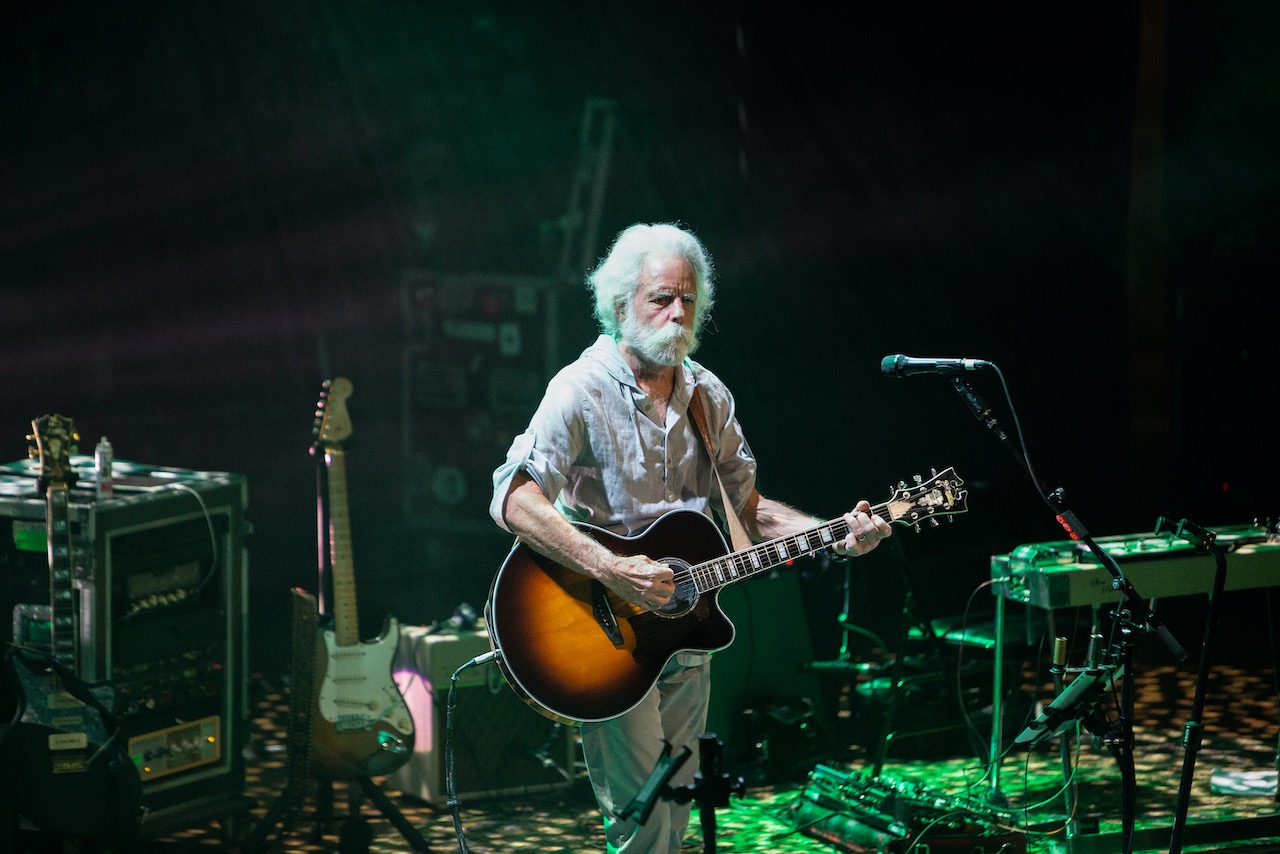
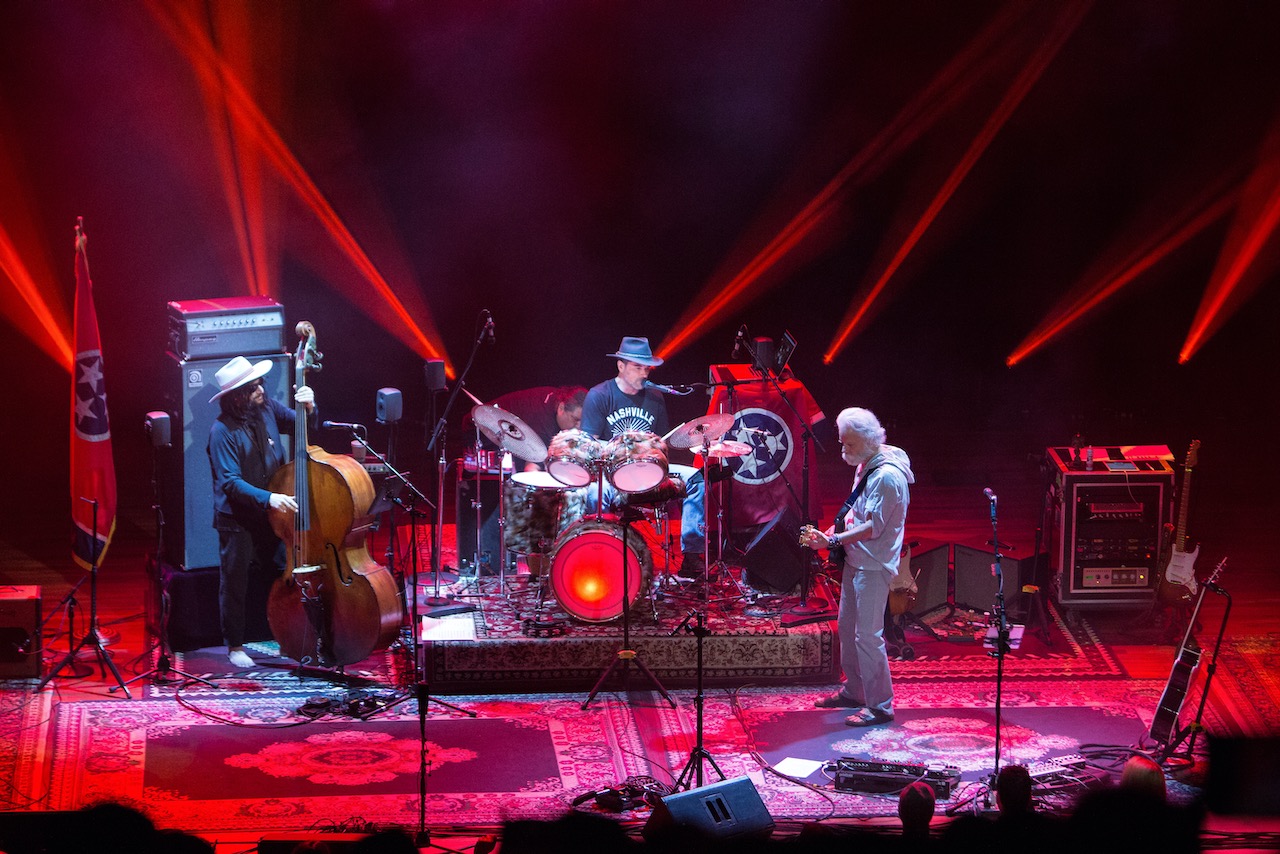
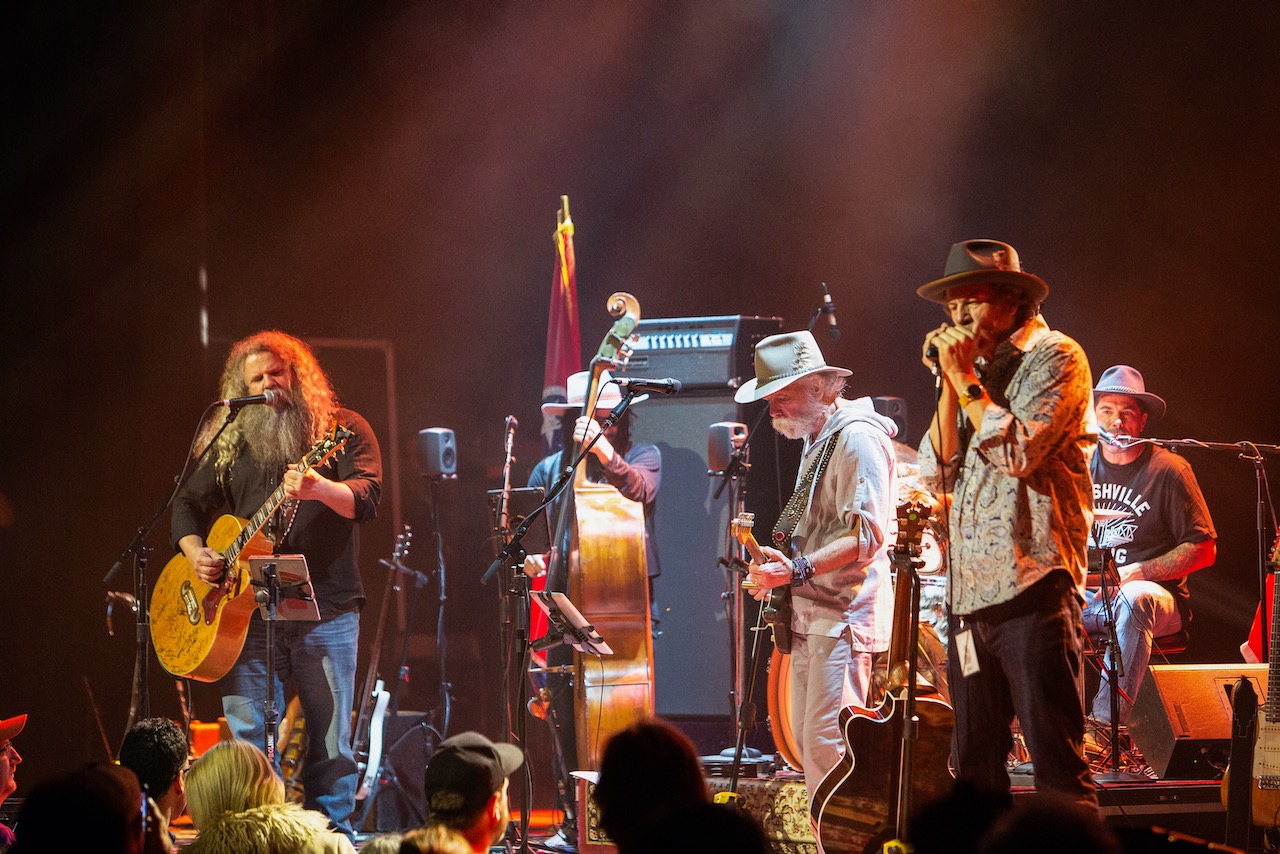
Bob Weir and Wolf Brothers turned their Nashville gig into a tornado relief concert and, yes, we are grateful for it. On Saturday night, Weir welcomed many special guests to the Ryman Auditorium stage, including Frankie Ballard, Jamey Johnson, Buddy Miller, Margo Price, and Mickey Raphael.

The primary charity partner for the event is The Middle Tennessee Emergency Response Fund of The Community Foundation. The organization collected a percentage of proceeds from ticket sales and providing a text-to-donate option for all patrons. Donate now.


All photos: Chad Crawford Photography

Old Crow Medicine Show’s Ketch Secor Learned This From ‘Country Music’ (Part 2 of 2)

In Ken Burns’ documentary opus Country Music, a weaving path from the hollers of Appalachia to Garth Brooks’ theatrical stadium concerts was laid out for all to see. But mapping that trail has always been a complicated, cumbersome task.

The sheer number of influences at play required 16 hours of footage for Burns to tell the story – and lots of help from the artists themselves. One of those artists was Old Crow Medicine Show’s Ketch Secor, who gladly jumped in to tackle the unwieldy narrative of his favorite subject.

Secor had a two important roles to play in the series. Most obviously, he related a lifetime’s study of country’s earliest touchstones and how they combined into something uniquely American. But the outspoken frontman was also tapped in the beginning of Burns’ process as a behind-the-scenes consultant, helping guide the project’s tone and ultimately delivering one of its final and most powerful lines.

“It’s almost like [country music] needs to be exhumed, and new life breathed into it,” Secor proclaimed. “The part that is the songs of the people, the hopes and aspirations of the people — the pain and suffering of the people — that needs to remain embedded in country music. If it isn’t there, I’m out.”

Backstage at the Grand Ole Opry House on the night the series premiered, Secor explained what the project meant to a history buff like himself, and how Burns unwittingly played a role in Old Crow’s founding.

BGS: Old Crow Medicine Show’s music has always shined a light on the past. What made you interested in that to begin with?

Secor: I was always interested in history, and I really attribute that to Ken Burns – I saw The Civil War when I was 11 years old. I lived in the Shenandoah Valley, and I wondered why the kids went to Robert E. Lee High School and why we played Stonewall Jackson, why the name of the shopping mall and the subdivision and the motel was what it was — it was all the war. It was everywhere, and we took some field trips but I didn’t really understand it. I could feel this echo, though. Seeing that movie on PBS really helped me to take this tour of my own backyard and see how history was alive. I credit that to him.

Knowing how deeply you care about country music’s history, what did you think when you found out Burns was going to present it?

I thought immediately, “Thank God. Finally somebody is going to tell our story and get it right.” I don’t trust any of these people to our story [gestures to photos Opry stars dotting the dressing room walls] because they’re all right in the middle of it. Everyone here has a very, very different story, and everybody has “The True Story” — but only their truth. Country music is richer than any one truth, so it takes an outsider’s perspective because of Nashville’s tendency toward this clan-ishness, the good ol’ boys network and these sorts of forces.

I mean, we’re the genre that has told its own history ever since it started. The radio charts today are full of songs about the good old days — and they’re talking about the ‘90s. That’s the good old days now. But it doesn’t matter, whatever the good old days were, the ethos here is that times ain’t like they used to be, they used to be better. That’s what they’ve been selling from the start, but they can’t tell our history without making it a commodity. So it takes this outsider, and you can’t ask for a better outsider than America’s most beloved documentarian, because he was the outsider who told us how jazz was born and flourished, how baseball was created, the Roosevelts, the National Parks, the Brooklyn Bridge. Country music is just as important as all that.

What did they actually ask of you?

I talked about slavery and the plantation system, the penal system — because incarceration was a great cultural conversationalist. It kept people locked up in isolation, which is one of the keys to making country music so rich. How long did the Scotch-Irish people live in Appalachia before being disturbed? Well, the great disturbance comes in Bristol in 1927. The record companies came in and said “Whaddya got?” And what they had was so specific to one region that it might sound different one holler over.

Then I talked about the Opry, and then I tried to talk about more New Age-y hip-fangled things, but they didn’t use any of that [laughs]. The other way I’ve been involved is by being an advisor to the film, so I read all the early scripts for the past eight years. But it was great, they just asked me, “How would you tell the story? Where was the birth? Who was important to mention?”

This has been in the works for eight years?

Yeah, he conducted like 140 interviews, and of that maybe 50 or 60 of his interviewees have died. See, the other thing about Ken is he knows when it’s time to tell a story, and by doing the story when he did, he was able to get Little Jimmy Dickens, Merle Haggard, numerous artists who wouldn’t be here — George Jones is in this film.

Did you get surprised by anything?

Oh yeah, a trove of knowledge is in this documentary, I learned a ton. And lots of things made me cry. What I learned primarily was a real self-reflective thought of, “Oh my God, this is my life.” I think almost all of these folks on the wall are in the movie, and when they watch they’ll be crying, too, because they’ll see themselves in the Bristol Sessions. They’ll see themselves at the earliest days of the Grand Ole Opry, they’ll compare themselves to the Outlaw movement and the traditional movement of the ‘80s, the development of the star system, and contextualize their own career.

You talked about isolation. We’re in this weird moment where country is more popular than ever, but rural life is changing fast. It’s easy to connect with people all over the world. How does the film address that?

One of the things that’s great about the film is that it stops around 1996, because Ken Burns isn’t a journalist, he’s a documentarian. He’s not making a movie about today, and here’s why: Historians say you’ve gotta have a generation pass before you can tell what happened. I just think it’s gonna go a lot deeper than anybody could say right now.

Like if you told the story of why Randy Travis mattered in 1986, it would be a lot different. And also the forces that are at play in country music, they need time to gestate for us to understand what they’re saying. Who’s gonna last? Who are we going to be talking about in 25 years? Blanco Brown? Chris Stapleton? Who’s gonna have their picture on this wall in 25 years? I don’t know.

Editor’s Note: Read Part 1 of our interview with Old Crow Medicine Show’s Ketch Secor.


Photo credit: Crackerfarm