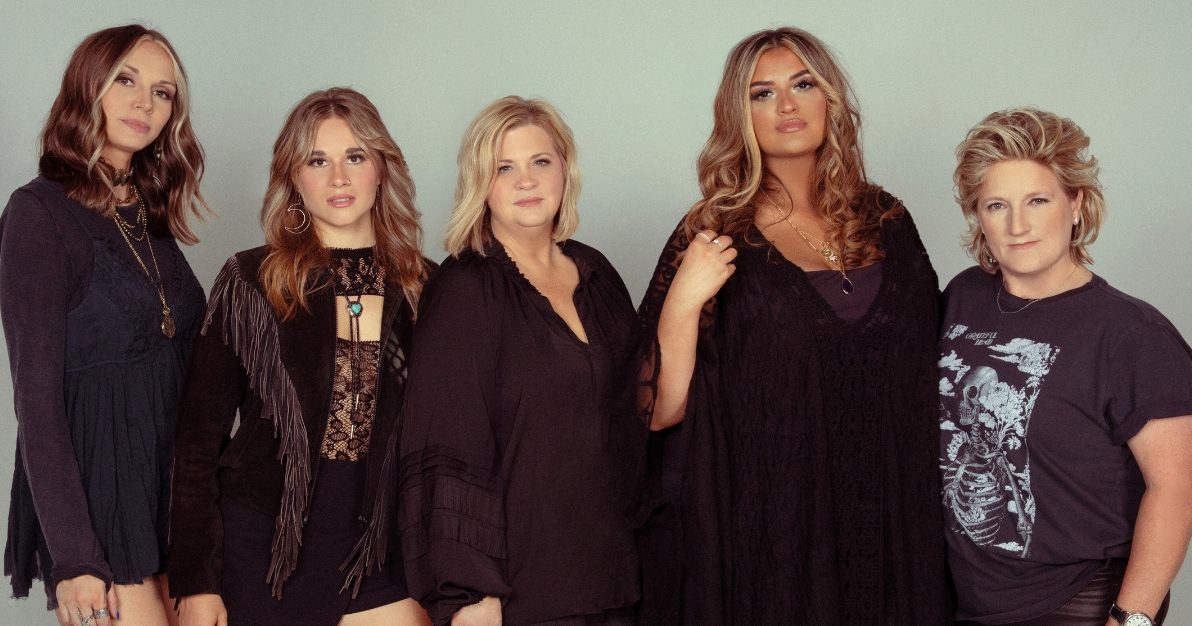
The Other 22 Hours: Molly Tuttle

Molly Tuttle has shared stages and recorded with Ringo Starr and Billy Strings, yet she still grapples with the unpredictable “ups and downs” of a musician’s schedule and the inherent instability of the road. We talk with the GRAMMY-winning artist – who was also the first woman to win IBMA Guitarist of the Year – about the “baggage” of turning a passion into a profession. We explore the necessity of trusting one’s gut over industry expectations, how she navigates the transition from bluegrass traditionalism to rock-leaning solo projects, and the quiet power of having a partner who understands the nuance of tour routing.

LISTEN: APPLE • SPOTIFY • AMAZON • MP3

In This Episode:

Molly Tuttle
Nonesuch Records
Tyler Childers
Berklee College of Music
Ep 3 – The Milk Carton Kids
The Goodbye Girls
The Stray Birds
Ozark Mountain Folk Center
First Ladies of Bluegrass
Alison Brown
Ep 50 – Sierra Hull
Missy Raines
Becky Buller
Ketch Secor
Old Crow Medicine Show
Chris Stapleton
Ep 28 – The Wood Brothers

Go Deeper:

Watch: View this entire conversation above or on YouTube.
Explore: Find similar conversations in these themed playlists.
Connect: Join the conversation on Instagram.

The Other 22 Hours is hosted by Aaron Shafer-Haiss (producer, mixer, musician) and Michaela Anne (songwriter, artist, creative coach). More about Aaron’s workMore about Michaela Anne’s work.


Produced by Aaron Shafer-Haiss. Original music written, performed and produced by Aaron Shafer-Haiss.

Photo Credit: Ebru Yildiz

An Oral History of the Infamous Stringdusters

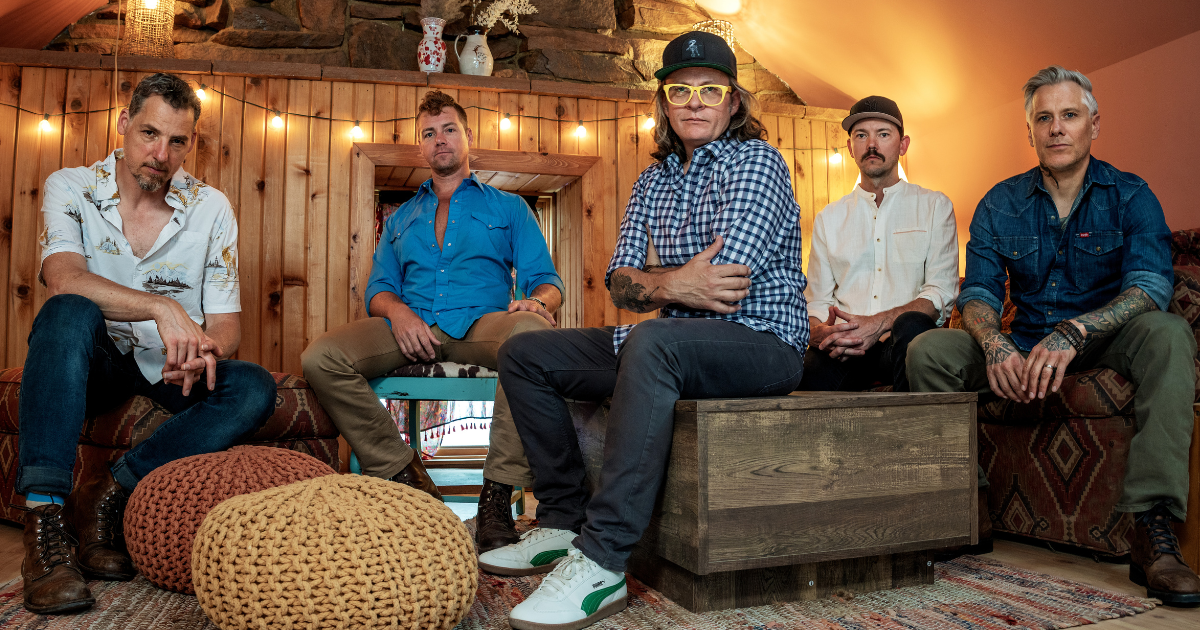
BGS was founded 14 years ago and from the very beginning, we’ve been covering, collaborating with, and cheering on the Infamous Stringdusters. Our first posts about the group published to our site in 2013 – not even a year after our launch – spotlighting banjoist Chris Pandolfi’s Bluegrass Manifesto, the band’s only-four-years-old marquee event The Festy Experience, and their most recent album at that time, Silver Sky. Now, in 2026, they’re not only our Artist of the Month for the second time, they’ll be headlining our stage at Bourbon & Beyond this September, too. But, our love for the band – and the many partnerships we’ve built together – began, like most, back in 2007 with their now iconic debut album Fork in the Road and a banner year for the group at IBMA’s World of Bluegrass and the IBMA Awards.

Back then, when the Stringdusters took home trophies for Song of the Year (“Fork in the Road”), New Artist of the Year, and Album of the Year, perhaps no one – not even the band themselves – would have predicted the seismic, existential impact they would end up having on bluegrass and the as-yet-unnamed subgenre thereof: jamgrass. Twenty years on, the Stringdusters celebrate their duo of decades with 20/20, an album of 20 songs celebrating 20 years of defining and redefining bluegrass and jamgrass.

For our Artist of the Month coverage, BGS and Good Country co-founder Amy Reitnouer Jacobs sat down with all five members the Infamous Stringdusters for a wide-ranging conversation of a band that epitomizes bluegrass, jamgrass, and psychedelic string band music in the 2000s.

First of all, again, I wanna just thank you for doing this. We are so thrilled to have you guys as our Artist of the Month and congratulations on 20 years of the ‘Dusters.

I wanna start this with Panda actually, and this is not gonna be just an oral history interview, but I think, looking back on 20 years, it feels appropriate to start from the beginning. So let’s talk about origins and start back at Berklee [College of Music], if that’s cool. Tell us a little bit about the beginning of the band.

Chris Pandolfi: I arrived at Berklee in 2001, which was the year that Andy [Hall] had just left Boston for Nashville. I first met Critter [Chris Eldridge] through Zach Hickman, who was playing in Josh Ritter’s band. He went to Oberlin [University] with Critter. We got together and we were playing, and Zach had some free studio time at a spot in New Hampshire and we were gonna go record some music, just for fun. Our careers were not underway in any way, shape, or form. We didn’t have any grand designs here. We were just gonna go record some music and have some fun.

Then, on the precipice of this recording, we went down to the Cantab Lounge to meet this guy named Andy Hall. We went there and–

Andy Hall: [It was] The Plough and Stars.

CP: The Plough and Stars! Andy was playing–

AH: I don’t remember exactly if I was playing or if you were playing.

CP: And the next day we were in New Hampshire at this recording studio and we made this EP called Stable Horse. Essentially, Andy was already living in Nashville, so around that same time, he had met Jeremy [Garrett] and they were playing together. It was that recording session that got the wheels turning for me. Like, “Oh, we could do this thing with other people our age,” and not fall into the very sort of common thing in bluegrass where you get hired by someone else and you’re essentially a sideman.

We were recording and teeing things up, and we all had other gigs at that time. It was me, Andy, Jesse [Cobb], Critter, and Alan Bartram from the Del McCoury Band. But that was my earliest memory of “We could start a band with our contemporaries.” And Zach Hickman, I give him credit, he facilitated that.

I don’t even think we had the name “Stringdusters” yet. Alan got the offer to go play with Del McCoury and we had met Travis [Book] at IBMA, so we called him up and he came and lived in my driveway for a few months. True story.

Travis Book: You can really get away with a lot if you park your car in someone’s driveway and then try to stay outta the way.

So Andy and Jeremy, what are the origins of you guys starting to play together?

AH: Was it Ronnie Bowman? Was that the first time? I was in Ronnie Bowman’s band and the fiddle player and Ronnie had a bit of a falling out while we were on the road and–

CP: We were all at a festival, so we scooped up Jeremy and he got on the bus with Ronnie Bowman!

Jeremy Garrett: Yeah, I definitely knew about you two beforehand. And, of course, in bluegrass everyone’s a fan of Ronnie Bowman. He’s such a crooner and such a cool cat. I definitely had plenty of experience before, but this was like one of my first major Nashville gigs. And it was eye-opening very quickly that, as a sideman, it’s pretty limiting.

The conversations I remember started happening pretty fast in the back rooms: “Hey, let’s maybe consider doing something of our own. Long-term, how can we make this happen?” But it was just like whispers. I remember going to IBMA – that’s where I met Chris Pandolfi and he blew me away with his melodic banjo playing style and this futuristic sound that he had. I’d really never played with that before, because I came from a very traditional side of bluegrass.

CP: Didn’t I give you a copy of my record? I remember you telling me that.

JG: Yeah. And I listened to that record all the way home from IBMA – I’ll never forget – and my dad was riding with me. I was just like, “This guy’s awesome.” Overall, it felt like all of us coming together through our connection in Nashville and these music parties that used to happen on the reg. I don’t know if they still do. We would have huge jam sessions, especially at Panda’s Pad. There’d be 20-30 people all gathered up in somebody’s backyard, picking. And it was almost every night. So you can’t help but get tight and start seeing the writing on the wall, the possibilities, through those kind of connections.

CP: These days in Nashville are so different. It’s so much “cooler” now. There’s so many young people playing bluegrass and when you hear about a lot of the socializing in Nashville, it’s a lot of young musicians. When we were having these parties, it was a real diverse mix of ages. You had Sam Bush there, you had Scott Vestal, you had Ronnie Bowman, and the McCourys. We were the young cats around and there wasn’t a very vibrant young scene. We were intermingling with a lot of the elder statesmen of bluegrass.

That’s a really special time in Nashville. I can remember that’s when I started hanging out in town and there was like a magic in the air. That intergenerational mix doesn’t organically seem to be happening as much, but maybe it is and I’m just not invited to parties anymore.

So Travis, were you coming to Nashville from Colorado? Where were you before then?

TB: Yeah, I was living in Durango and Anders Beck from Greensky [Bluegrass] and I started playing music together in maybe 2002. There were gigs and we were learning this music and then Andy Thorn and some other friends – that’s Leftover Salmon – they just showed up in a music store one day. Andy was probably 19 on college break and we hung out with him for three days straight. When he went back to North Carolina, we called him up. We’re like, “Dude, you gotta come back! We gotta make a band! We’ll play RockyGrass, you’ll win the banjo contest, we’ll win the band contest.” Anders and I were like, “We can see the future, but we need Andy Thorn,” because he was such a compelling musician and just such a natural. Still is.

We started this band called the Broke Mountain Bluegrass Band with Jon Stickley, who’s also a visionary in our music. We were all picking and almost entering that same path as Leftover Salmon or Yonder [Mountain String Band]. We were already doing this like hippie bro band, just loving playing music and camping and playing festivals and going to hot springs and just fucking around. It was brilliant.

But then we went to IBMA, which at the time was the best way to show off your band and position yourself in the context of the larger [bluegrass] world. Try to get some gigs and go party your absolute brains out for a week. We were pretty rough around the edges, but one night I stepped off an elevator and Chris Eldridge came around the corner. [He] was like, “We need a bass player for this jam. Will you come jam with us?” I went into this little alcove and it was essentially the Stringdusters. It was Critter and Pandolfi and Andy Hall and Jeremy and Jesse Brock. I was just hanging out, holding on for dear life. I’m partying, I have a backpack full of beer, I have no shoes on, and I looked around and all my band mates were just there sitting along the hallway floor listening to the jam.

Andy’s partner at the time, Janice, said, ” Do you ever think about moving to Nashville?” I just laughed. Absolutely not. But I had fixed myself in their mind and once they exhausted all the possibilities of people who could play bass in Nashville – at least this is my understanding – they dug into their collective consciousness and called me up to audition. They’re like, “We think you’re the guy. When can you move to Nashville?” So I went out there to work on Fork in the Road that summer. What was this, 2004? Am I right, guys?

AH: I think that would’ve been 2005.

TB: Yeah, you’re right. 2005. [I] moved out there in September and lived in this guy’s driveway. It was kinda wild.

Falco, I promise we’re getting to you. We’re almost there!

In pretty quick succession though, you’ve got the core crew with Critter and Jesse [Cobb] at that time, you record the album, and get signed to Sugar Hill. And then things just start happening! Can you walk me through the time between recording and the IBMA Awards in ’07?

CP: There’s a lot of extremely disorganized touring. We’re driving around in two cars. I still have the notebook from the gigs – we were getting paid a few hundred bucks a night, maybe a thousand on a good night. Doing everything that we could.

We didn’t have grand designs on anything. The IBMA Awards was a really big moment for our band. Thinking back, it was a moment of legitimacy, of just getting [to] one of the hardest things as a band, which is the collective feeling that this thing is gonna stick together. That’s the peril of starting a band with players who you think are really good: at any time anyone could get hired away for something. But we were playing gigs, we were loving life, we were working on our music, and we were poor as could possibly be. I just remember the IBMA Awards as a big moment of solidity, of that feeling like we could really do this, we could really be in this for a long time.

TB: There was that first summer we had a couple of big anchor gigs, but a lot of it was really just driving around and killing time in between these anchors and hoping that we could reach the right audiences. I think that the big bluegrass scene was ripe for some young pickers who were taking it seriously and committed to each other.

JG: Yeah, getting gas in the tank right off the bat was huge for us, that’s for sure. And we spent a lot of time in between those gigs just going to be in the wilderness and spending time together. I don’t know, for lack of a better way of explaining it, [we were] bonding like a band.

But man, when you’re a real band and you’re not just like a frontman or whatever, you’ve got a real synergy with other guys in a group. It’s special. And I feel like a lot of what brought us together and [what] makes us as tight as we are now was those off times where we were discovering our lives and just doing cool stuff like that. Creating this thing together.

I do need to know who came up with the name. Where did the name come from?

CP: Ben Eldridge.

AH: Yeah!

CP: We were working with a list of pretty mediocre names and Ben came up with “Stringdusters.” After 20 years, I can say there’s a lot of bad band names out there, but the Stringdusters – I think it’s a cool band name and it suits us.

All right. Now we bring Falco into the mix. So how did you get mixed up in all this? Tell us your origin story.

Andy Falco: So, Critter fell off the back of a truck and I got picked up – no! What happened was, I’d known Pandolfi and Andy Hall from the Northeast bluegrass scene. I was playing with this guy, Buddy Miriam, who’s on Long Island, and who actually was friends with Bill Monroe because he got struck by lightning at the Berkshire Mountain Bluegrass Festival, which of course was Grey Fox. And Monroe found out about it and reached out and they became friends. So he learned a lot of mandolin directly from Monroe.

My brother was getting into bluegrass and was like, “You should come to this bluegrass festival.” I went up there and saw Doc Watson and really got into playing bluegrass. ​I moved to Nashville maybe a year after Panda and Critter did. Andy Hall was already playing in Dolly Parton’s band. And I had met Jeremy, actually by accident, at SPBGMA. My first time in Nashville, some guy came up to me and said, “Hey man, how are you doing? How’s everything been?” I was like, “Great. This is my first time in Nashville. Everything’s been great.” Then he stopped and said, “Man, I thought you were someone else.” And he says, “Come meet my son.” That was Jeremy’s dad, and that’s the first time I met Jeremy.

When I moved to Nashville, these guys were starting the band. I was watching them doing their sets at IBMA. It was killer. Then when Critter left, they asked if I’d be in. I wasn’t gonna start until September and one month later was the IBMA Awards. So I just joined the band and here they are, winning all these awards.

JG: I would like to say, I’ll never forget your first gig. You killed it harder than literally anybody I’ve ever worked with to this day. Absolutely stepped into the role and blew it away. And it was very obvious at that moment that he was the right man for the job, for the Stringdusters.

AF: I had big shoes to fill with Critter – and Critter and I were friends. In fact, I knew Critter before I met anybody in the Stringdusters. We met at seven o’clock in the morning on the last day of IBMA, when we’d pick all night and our door was open. And here comes Critter with his guitar.

CP: Critter introduced us.

AF: Yeah.

CP: He said to me, “Do you want to go hear the fastest guitar player alive?” And I said yes.

AF: I worked with Critter, too. Critter was very supportive of coming over when I was preparing to join the band, showing me the parts that he played on the record. So I had a really good foundation, thanks to Critter, of what he had done. Then I was able to put my stamp on it.

So what is that pivot then? You all mentioned the kind of shift that occurred, moving you away from traditional bluegrass and more towards jamgrass. How did you find your own sound? What was the decision to pivot?

AH: I remember a specific show where we decided we were gonna try and extend some [of the] set. I think it was the Animus Theater in Durango and it was a Colorado bluegrass crowd, which was more of a dancing crowd. They were used to more diverse sounds. I don’t remember, we were just like, “Let’s try and put a jam in this one song,” or whatever. So we’re playing, we’re jamming, and we’re extending whatever song it was. The whole crowd was just dancing. The energy was feeding back and forth and it was like, “Whoa! This is so much more exciting,” in contrast to everyone sitting silently and clapping in between songs. We made a choice one night and we saw the crowd just light up and dance and lose themselves in the music, and that fed our energy.

CP: Also, we were into that stuff.

AH: Yeah.

CP: But we hadn’t really made that connection yet. The real moment that I remember is we opened three shows for Railroad Earth. We played the 9:30 Club. We played Theater of the Living Arts and, I think, and we played Burg Williamsburg, when our van broke down and we showed up last minute. Those are the gigs that I referenced in the Bluegrass Manifesto. When I did the IBMA keynote that grew out of that, it really referenced those. I remember a few shows, too, where we would come off stage and we’re like, “Oh my god, that jam. Let’s do that again.”

We played these shows with Railroad Earth and it connected some dots that didn’t connect automatically, even though we had Grateful Dead, Phish, playing all the time. We were really coming from that IBMA buzz and awards. And, like anything, it took some time to discover, [it took] some experience. That was when some real change started happening around our business. Then the music really followed that trend.

JG: I’ll say, you guys, don’t forget about the Zeltfestivals. They were beyond anything that I personally had ever experienced. We went out and these people were going absolutely bonkers for our music – they had barricades out there and stuff. I’d never seen any of that at a bluegrass show. To me, that was fire in the tank.

AF: I think that also a big part of that is just, I know for myself, not growing up playing bluegrass music and then getting turned onto it by Garcia and Grisman and people like that. But I think it was just like when I started learning bluegrass. There’s a way that you have to do it and then, finally, you get to a certain point where all these dots are being connected, where you start to let these other influences come out, because you start to get more comfortable as a band. You start to allow that like, “Yeah, why can’t we do it? Why can’t we mix these things?” Even just as individual players. Why can’t you play this style? Blending these kind of jammy elements and these rock elements and then seeing how it worked.

You all have such varied individual projects and influences. Do you still think that you’re shifting your sound? What are you listening to and is that influencing what you’re doing?

AH: It’s definitely influencing what we’re doing. I think, to Falco’s point, I feel like I’m allowing [in] more and more of my original influences that I grew up with. I was a metal dude in high school. I think the older I get, the more I enjoy letting in who I am.

AF: Getting away from the “that ain’t a part of nothing” bullshit, right? Like, what? Who’s to say, right?

JG: Yeah, at the end of the day it’s art and you gotta let that lead itself, if you’re a true artist. Otherwise, you’re doing a preservation society kind of thing in the bluegrass world. For the longest time, I felt we were all paying homage to this awesome music, but we’re not letting it breathe like it should sometimes. It’s very fun to be an artist and be able to have the permission to just kinda let it flow, which is what we let ourselves do. We let the art dictate what we did, and we were true to ourselves in that way. That was something that served us very well. Still does.

You all live in different places now. I know the band is not as centered in Nashville as it used to be, but you did talk about the off-times and how that bonded the group early on. How do you stay bonded as a band now? How have things shifted? Being a decentralized band, how has the writing recording process changed for y’all over the last 20 years?

JG: I think that’s an important point. Yes, we’ve changed a lot over the years, but we’ve been able to stay tight because of those early formative years when we were all just broke traveling around in a band. I didn’t have any brothers growing up, but these guys are definitely my brothers and they know more about me than anybody else in this world. To allow each one of us to have the freedom to live where we wanna live and come together the way that we want to come together, I think that has been really one of the main things that have kept us together.

Over the years we’ve all developed little side things outside of the band. I think that’s been healthy. For me, I like to do my own solo music, music that I write and I like to perform – and stuff that wouldn’t necessarily fit within the confines of the Stringdusters. But I still want to get that art out there. We continue to challenge each other. Music can be competitive in a not-healthy way. But I feel like we do it in a healthy way, in the sense that we drive each other to just be the best that we can be at what we do.

CP: I got married last fall and in the run up to my wedding, one of my aunts asked me, “Are all your bandmates gonna be there?” In my mind I had this moment where I was like, “Are my band mates gonna be there?” You might as well ask me if my family is gonna be there! It’s just life at this point. After 20 years, it’s cool to observe the level to which you become each other’s family.

That’s the definition of community and you don’t think about these things when you’re going into this life, but there are some incredible unintended consequences. That informs the music and that informs all the life experiences too.

And here we are, 20 years later. That’s pretty cool.


Explore more of our Artist of the Month coverage of the Infamous Stringdusters here.

Photo Credit: Daniel Milchev

Laurie Lewis’ O California!
Was Made With Open Ears
and Open Minds

It’s noon in the Bay Area, and singer-songwriter/multi-instrumentalist/producer Laurie Lewis is sitting in her backyard on what she describes as “a beautiful sunny day.” She spent her morning pulling up oxalis, and now she’s painting a railing she purchased at Urban Ore.

“It’s a good handrail for our front steps and along the walkway for my partner, Tom,” she says, “so I’ve been sanding it, wiping it down, and painting it.” Later during this interview, she’ll continue pulling up weeds, noting, “It’s very liberating for me, getting my hands in the dirt. It feels really good.”

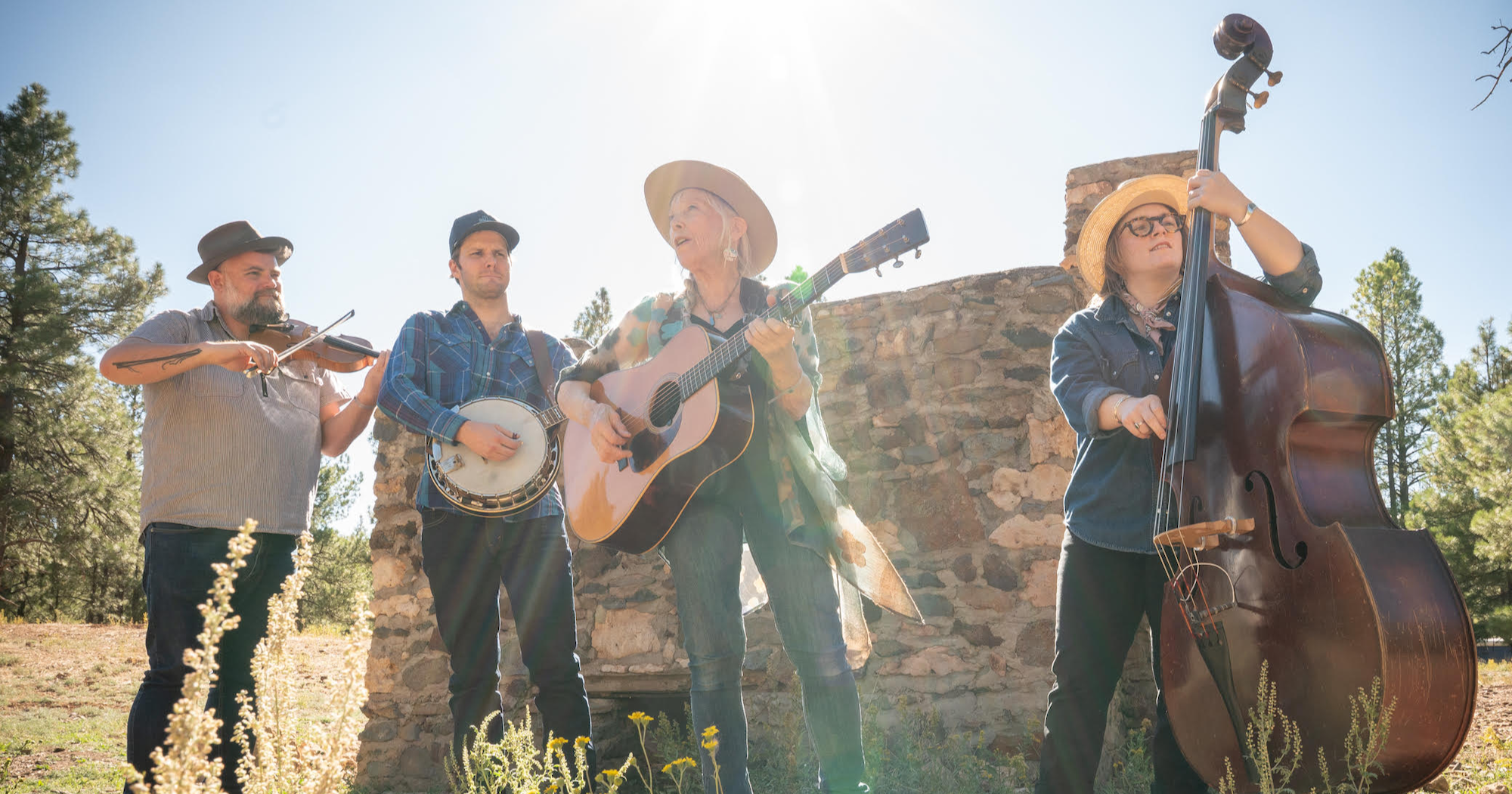
The reason for today’s call is Lewis’s new album, O California! Like its predecessors, it’s an emotional palette of songs – five originals, five traditionals, and a cover of close friend Alice Gerrard’s “Sweet South Anna River” – that blend the many genres influencing her work, from bluegrass to country, jazz, and even a hint of rock. O California! features the stellar musicianship and vocals that define Laurie Lewis and her band, The Right Hands: Brandon Godman (fiddle), Hasee Ciaccio (bass), and George Guthrie (banjo, guitar).

A two-time IBMA Female Vocalist of the Year and a two-time GRAMMY nominee, Lewis is no stranger to BGS readers, as she’s been featured many times. Dedicated fans are also deeply familiar with her longtime partner, mandolinist Tom Rozum, and his Parkinson’s disease diagnosis. “He’s doing pretty well,” Lewis says. “He had spine surgery in November and he’s recovering very well from that. He had been living with intense sciatica pain for a year and a half, and the pain is gone, so that’s great.”

What would you like readers to know about O California!?

Laurie Lewis: Let’s see… all kinds of things. I wrote five of the songs on the album and they’re all over the map, so they’ll say, “She’s got a lot of different musical influences.” We’ve also drawn from the folk tradition and some great traditional songs and thrown that in the mix. It’s all done with the same four people and same four voices on beautiful acoustic instruments. Sonically, it’s really nice. You really hear the personalities of these particular four people working together. It’s what made me want to make the album.

This is album number 25 in your catalog. Artists often speak of albums as chapters in their lives. Which chapter is O California!?

This chapter is this band at this moment in time, these particular four people. I wanted to celebrate our working relationships together. It’s something that wouldn’t have happened at another time in my career, because I wasn’t working with these particular people for as long as I have been on this album. They are all on the previous album, but that was me calling all the shots. This is me settling in, listening to everybody, and trying to make a whole out of the four parts.

How did this approach make the creative process different?

Usually I come into a recording situation with more of an idea of what I want a song to sound like. This one, I came in with snippets and vague ideas for [the band] to have their way with it. We collaborated on arrangements and we listened to every idea. It’s not that I don’t listen to other people’s ideas at other times, but generally there might be more input than just three other people if I’m doing that.

I’m a collaborative artist. One of the reasons I play music is because it’s my best way of communicating in the world. And that is, for me, to an audience. But it’s also true for me to my bandmates and other musicians. It was fun to say, “We’re making a band album. This is what it’s going to be. We’re going to let people toss out songs.” “How does this sound?” “Oh yeah, great. Let’s do that.” It was, “How shall we do it?” “I’ve got an idea.” “How about if we do this?” It’s a very free and open feeling.

[The band are] all very open-eared and open-minded about the music. It doesn’t have to be the way Earl Scruggs did it, or the way Bill Monroe did it, or anything. It doesn’t have to fit into a neat bluegrass category. I’ve played with musicians in the past who have been more or less open, and all it takes is one more closed-off person to direct the band in a particular direction.

You’ve stated in the past, paraphrasing here, that writing is sometimes specific and sometimes spontaneous, sometimes it’s almost random, sometimes it’s unfinished. What was it this time, or was it some of each?

I’d say it was some of each. With the song “O California,” I was writing lyrics in the studio. I did a scratch vocal and changed the lyrics three times before I came home and overdubbed an actual vocal. That’s unusual for me, that it was in such an unformed state when I got into the studio, but it’s when we had the time and I knew the bones of it were good. Some vocal lines, some lyrics, just were not right yet, but I knew what it was about.

When did the songs start coming together as an obvious collection? Was there an intention in mind, a theme, when you all got together?

We started this project in a different way than I have other projects. We had little tours booked, so we would get together a day early before every tour, because we all live in different parts of the country. They would fly out here, we’d rehearse a song, get what we wanted down, figure it out, and then go on our tour and play it every night. We’d have a studio day booked on the day we got back from the tour, so we’d go in and record whatever we had worked out the week before and played on the tour. It was a fun way to approach a project and it spaced it out over a long period of time. It took close to a year.

When it’s spaced apart that way, how do you make it feel like a collection, rather than recording individual pieces of music?

Because it’s all us. It’s like an old friend – you can pick up the conversation right where it was. You haven’t changed your tone or your relationship with each other so drastically that it doesn’t fit together. It would be different if I were doing something like that over a year and just getting together with whoever I thought was the right person to play on a particular song. Then, the only thing that would hold it together would be my production values.

Do you still write ideas on notes, or have you tech-ed your way up to phone apps?

Oh, no. I write. I like to write with a good pen or a pencil on a piece of paper. I will make notes sometimes on voice memos, but mostly that’s it. I’m old-fashioned. I feel like there’s something that happens, the tactile feel of a writing utensil on the paper, that is easier for me to get a thought out than to sit at a keyboard. I’ve been known to still write letters, in fact.

We live in a world of texts, emojis, phone scrolling, and what’s being called “an epidemic of isolation.” Bluegrass is associated with festivals, musicians getting together and jamming, and community. Is this still true?

Oh, definitely. In fact, here in the Bay Area it’s having a real resurgence of community jamming culture. That’s always been at the basis of bluegrass. It’s what everybody wants to do – get together and let their instruments do the talking, let the songs do the talking. It’s a wonderful thing. I love it so much.

You mentor and teach at workshops and music camps, where you connect with younger and up-and-coming musicians. What do they want to know? What do they need to know?

One of the things that I try and impart to people is the importance of finding your own voice, because many young musicians have heroes they want to emulate. That’s how you learn, but at some point you have to find what you want to say with your voice and your instrument. That’s one of the things I try to emphasize and help people feel confident that they have something to say and their own way of saying it.

There is intergenerational connection at these camps and workshops, contrary to the ageism on both sides, that society seems to push: “What do those kids know?” or “What do those old people know?” What is your perspective?

There’s still a lot of that, but luckily there are enough people, young and old, paying attention and willing to listen to each other. It’s especially helpful when there are youth music camps and stuff like that, because then the kids have each other, but they also have their mentors there. They’re there because they want to learn, and it’s usually the older people who are teaching them, but then they get to be with their cohorts, their age group, and that helps a lot.

I certainly learned a lot from teaching at kids’ camps. When I first was asked to teach at a youth-oriented fiddle camp, I thought, “I can’t do that. I don’t know how to talk to kids. I don’t know anything about that stuff.” I said yes because I tend to say yes to things, and I found it to be so enlightening and so important in my life. It’s very enriching.

On a 2021 FolkWorks podcast, you talked about The Good Ol’ Persons playing a trade show luncheon years ago in front of a room full of drunk men. You described it as being “thrown to the wolves.” Many years later, how are we doing?

In terms of women musicians out in the world, there are so many more, and it is so great to see. And the technical abilities – you can’t fault it. You can put Molly Tuttle up against any guy. It’s been some huge steps forward in the time I have been in the music business, but it’s still very male-dominated from the top. It takes generations to change things like this, these ways of thinking, and now there’s a real cultural backlash happening and I don’t know how that’s going to play out. Women have made huge strides and maybe that’s just going to be taken away. Every generation has to fight the same fights, apparently.

Overall, how is bluegrass doing, to your eyes and ears?

That’s a really hard question for me to answer. Honestly, there’s a part of it that has gotten very entrenched in staying within a particular genre. I hear a lot of songs by people singing in a bluegrass style about bluegrass music, or their cabin home and I think it’s in danger of becoming a trope instead of a living, breathing art form.

Luckily, there are enough people out there creating in the art form and doing great stuff. There’s so much of everything happening all the time now that it’s going in all different directions at once. There’s good stuff and bad stuff, and it all depends on your point of view.

Who is making an important contribution, in your opinion?

I hear a few things now and again that I respond to and like a lot. I’m not very impressed with a lot of technical brilliance. I want to be made to laugh and cry, and if it doesn’t do one or the other or both, I’m not all that interested in it.

In terms of bands, Mighty Poplar can do it, and the duo Paper Wings, two young women, Emily Mann and Wila Frank, who I actually met at a fiddle camp when they were teenagers. They’re pretty wonderful. And I always like hearing what my old friends are coming up with in terms of songs and writing. I love hearing whatever 92-year-old Alice Gerrard is coming up with. She has a way of putting her finger on the pulse of what’s happening in the world and is pretty great.

In 1998, you recorded a song called “The Refugee.” Twenty-eight years later, here we are …

Oh, I know. I find it unfortunate that [that] song is still so incredibly relevant – or more relevant. I find it very unfortunate that song has not outlived its message. It’s terrible. I wrote it when Guatemala was in such bad shape, people were fleeing, and there was all this backlash. It’s an empathetic song. These days, empathy – there’s a whole movement, “empathy’s a bad thing.” It’s so crazy.

In a 2020 interview with BGS you said, “Music has a real way of being able to soothe and heal grief.” Could you talk about that healing power, not only as a songwriter, but also as a lover of music, a listener?

Oh, yeah, it’s true. I stand by that. There’s nothing like it. It’s such a direct conduit to the heart. A song can sneak in and express something for you that you had no words for. It can help you, as a songwriter, to figure out a way to express what you might be going through in a way that makes it universal. You put it out there in the world, everybody can feel it and relate to it, and it makes you feel a part of something greater than just your little dark cell that you might be stuck in, or your own personal grief.

It has helped me deal with things, with grief in my life, to be able to learn a song that makes me cry. Every time I hear it, I learn it, and it becomes part of me. It becomes part of my way of being able to express myself, or to write a song that every time I start trying to sing it, I’m in tears or something. You learn to work through your grief by embracing it musically. It’s an incremental way of dealing with things, and it’s really healing.

It’s a sense of support through the company of songs that speak to us.

Yeah. You are not alone. Especially with all the internet stuff, people spend a lot more time not with actual other humans, having conversations or whatever. To hear something, to listen and understand that other people are going through the same alienation or grief or loss, or whatever it is that you are experiencing, makes it easier to bear.

The French author Jean Giono, who wrote The Man Who Planted Trees – I wish I could find this quote – said in an essay that an artist’s duty is to express yourself for all the people who don’t have the words or the art to express themselves. It’s your duty in society, your job, to put it out there for everybody who can’t.


Photo Credit: Dawn Kish

50 Years of the Paisley Family Business

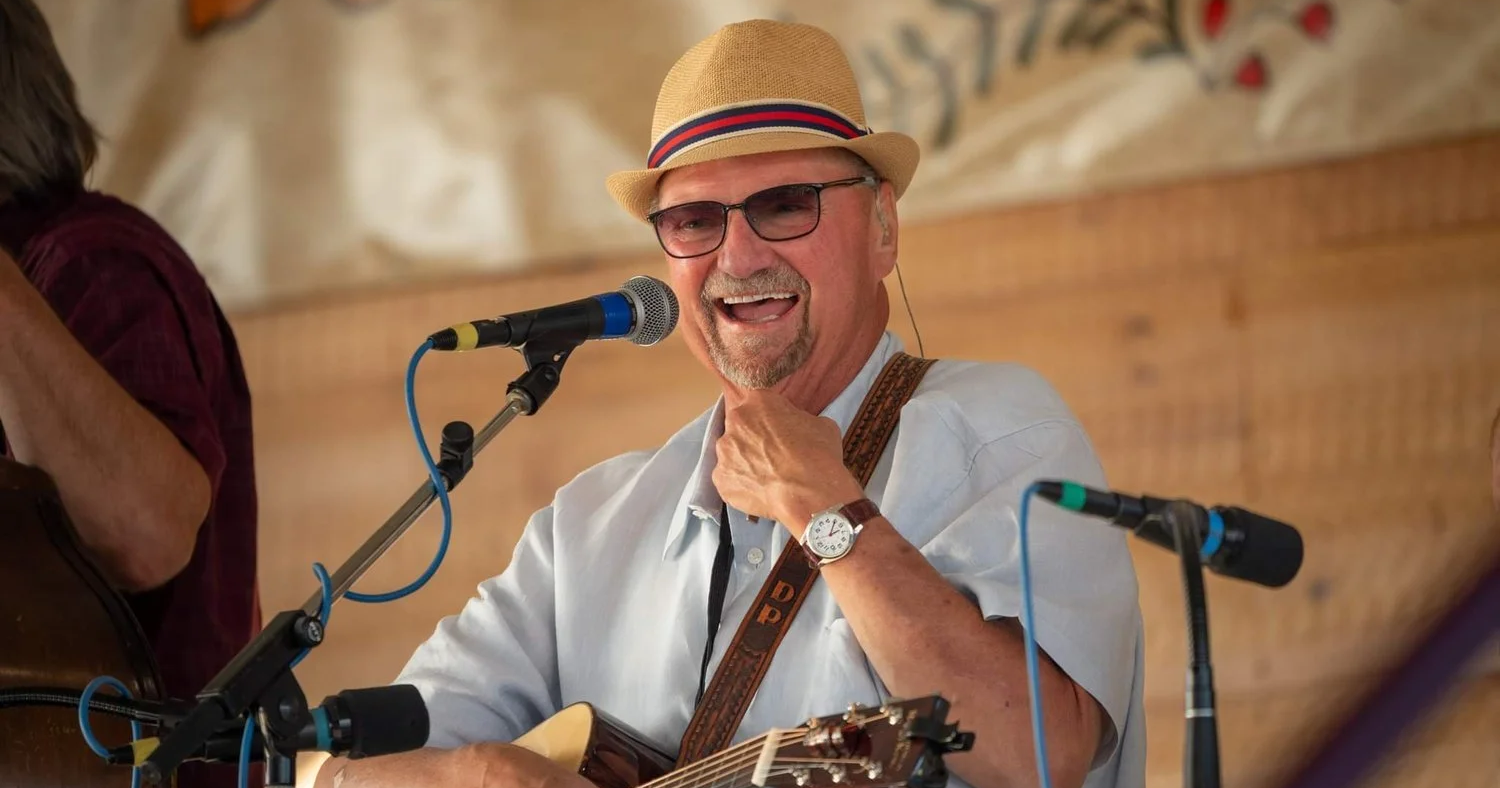
Danny Paisley is a quintessential bluegrass tradesman. He began playing music around the age of 10 and soon after was sneaking into bars and clubs with his dad Bob Paisley, Ted Lundy, and their band, the Southern Grass. Danny was already gigging and touring at the age of 13, and now, five decades later, he’s enjoyed 21 years at the helm of the Southern Grass – with the next generation of Lundys, T.J. and Bobby, and the next generation of Paisleys, his son Ryan, in tow.

Danny learned the bluegrass ropes from his father, crafting and carrying on a traditional sound that draws directly from Bob’s musical foundation but also sounds distinct and personal. When Bob passed away in 2004, Danny had already taken over some of the leadership roles in the band while the elder Paisley had been battling cancer. Danny was determined to continue the group’s legacy, and over the last two decades he’s honored that legacy while consciously expanding it. Along the way, he’s earned four IBMA Awards for Male Vocalist of the Year, while he and the Southern Grass were awarded Song of the Year in 2009 for “Don’t Throw Mama’s Flowers Away.”

His 2025 album, released in May on Pinecastle Records, finds Paisley continuing that expansion, looking for new challenges and focusing in on a fresh sonic sparkle. Bluegrass State of Mind would sound like a straight-ahead traditional bluegrass album to a layperson, but to devoted fans of the Southern Grass, it’s a much more Americana-steeped and forward-looking endeavor. The usual five-piece lineup is augmented by Dobro, snare drum (gasp!), and a healthy dose of “what if we tried… this?” all across the project.

The result is charming, engaging, and downright excellent – it’s one of the finest bluegrass albums of the year, to be sure – showcasing how Paisley’s longevity is built upon a keystone of innovation and looking to the future, rather than being entrenched in the past. For someone who sounds entirely dyed in the wool and is held up by chair-snapping traditionalists as well as jamgrassy rebels, any level of “coloring outside the lines” of the genre would be remarkable. But Paisley isn’t stopping at new challenges and fresh sparkles; he wants to take his Bluegrass State of Mind to as many brand new audiences as he can find.

Fifty years into his career, Paisley is not resting on the assumption that he can keep performing and plying his trade by doing the same ol’ same ol’. No, Danny Paisley & the Southern Grass are still committed to bringing the bluegrass they love and hold dear to anyone and everyone who may enjoy it, by showing folks this kind of music can be for everyone. All the while, he’ll be turning over plenty of new leaves and passing along the family business in real time, too.

We caught up with Paisley at the Industrial Strength Bluegrass Festival in Wilmington, Ohio, between sets, when he and his son Ryan sat down with BGS to chat about his most recent album, what he wants to accomplish next, and the absolute unforgivable sacrilege of including drums on Bluegrass State of Mind.

Right on the album cover for your latest project it says, “Celebrating 50 years of bluegrass music.” To me, you’re a bluegrass tradesman. It’s very clearly your trade, it’s what you’ve done your whole life, and it runs in the family. It began with your father, Bob, and is continuing in the next generation with your son, Ryan. Can you talk a little bit about the meaning that you’re holding right now at 50 years, as you put together this record and were thinking about that anniversary, and that longevity?

Danny Paisley: I didn’t want to do a record rehashing old favorites. I kept hearing different songs and I kept saying, “I want to try this,” just for me to try this new approach. A “new challenge.” We recorded it and some of ’em were not standard Danny Paisley-type songs, but I felt they were awful good songs and I wanted to try it.

So Ryan and I worked it out, and he come up with a different approach for some of the tenor lines I would’ve sang previously. Now Ryan is singing them, so that added a different flavor. We just tried to sparkle the music, just to tweak it.

We added a Dobro for the first time, only ’cause I kept hearing it through so many of the songs. I’m more of a fan of the newer approach to Dobro than the older school. Mike Auldridge was the one that turned me [onto it], the way he was getting tones out of a Dobro.

You’re 50 years into doing this and have such an established sound as your own frontman, your own bandleader. People see you as so solidly traditional, but for you, five decades in, it’s clearly still important for you to turn over new leaves, to find that sparkle you’re describing.

Because I was feeling… maybe I was [feeling] stale, and after my health issues, I felt I really need to do this – for maybe a couple years, now. I regret that I didn’t try it [sooner]. So I tried it and I loved it. Had a great time, had a great producer [Greg Cole] and great help with Ryan and his influence and I think it’s a great CD. Different approach.

You’re still looking for new challenges and you’re looking forward. Obviously, with this record, with the way that you operate as a musician and a creative, you aren’t just somebody that’s like a lot of bluegrass people, with one foot in the past, one foot in the future.

Right.

Looking ahead – ’cause it seems like you’re looking ahead right now – what are the goals you haven’t done yet? Or the bucket list items you haven’t checked off yet?

I want to take our band – and this is a real goal – to reach other audiences. I think there’s a real audience and a real needing, almost, at some of the more jammy festivals. And we’ve done ’em and I’ve realized it really works well, presenting a straight-out, hardcore bluegrass band. We pick out songs that sort of go to that crowd, but we just play ’em in our style and we try to keep it upbeat, just to draw people in for a new audience.

I know the music has gotta move on. I’m a firm believer of it. We revere the past, but we look to the future – and I’m in that category. I look to the future, but I love the past. I don’t want to dishonor it, ’cause it’s the music I love and feel. It’s what’s inside of me. That’s the music I love.

So that’s my goal. I want to bring it out [to new audiences], and I really feel in today’s world, you’ll have to adapt things, but I really wanna make it traditional bluegrass. There’s a real audience for sincere, true bluegrass.

It makes me think of how we have Molly Tuttle, Billy Strings, and Sierra Ferrell–

Exactly.

All who are, at their core, traditionalists. So they’re shining a light on the folks who sound like you. I definitely think there’s space for a band like you in that constellation.

And Billy loves hardcore bluegrass! But he made it an event. People will pay money for an event. He puts it right down in their faces with some straight-out bluegrass, and it’s great.

Our mutual friend Jon Weisberger always talks about how one of the most valuable things you can do as a bluegrass band is to be the most traditional bluegrass band in a non-traditional space. The music can stand out for what it really is and doesn’t fade into the grayness of it all being the same.

There’s so many traditionalists who don’t want any variation, which I respect. We all do. I wanna revere that. But we also gotta realize these people, young folks today, are not coming into the music. With all the outside influences and modern day [stuff], Facebook and all the different Instagrams. [Laughs] They’re not coming into the music the same way. We need to respect that and bring it to them and bring them in.

We can’t expect some young person that’s just getting into music, that’s 18 or 19, to be really drawn in by singing another cabin song. We sing cabin songs, but we can’t [only do that]. And we’ve all had heartbroke and there’s a world of songs about heartbroke. Your lover has passed or left you, boohoo! We have to present it in a fresh way. And meet people where they’re at, for sure. That’s the best line, that’s truly it. And I’m a firm believer in that.

I fully believe in the intrinsic charm of bluegrass. I think everybody’s a fan, they just don’t know it yet. So if you can reach them with music that doesn’t show them or tell them that they’re not allowed to like bluegrass, it happens. Bluegrass can feel exclusive. Or it can feel like, “Oh, that’s music for other people, not for me.”

“Not me,” yeah! Or, “I’m afraid.” “I’m not sure that’s good enough, or that I would be accepted.” Or, “I hear it, but I don’t really want people to know I like it.” Because that stereotype has to go! It has to move on. It’s music for everyone. I don’t care what kind of music you’re in, music is for everyone. And you have to accept that or live in your little corner of the world and think everybody else is wrong.

I’ll probably get in trouble for that. [Laughs]

No, no! But speaking of traditionalism and traditionalists… so, bluegrass drums, huh? [Laughs]

Uh huh! [Laughs]

You’ve got bluegrass drums on the album. And what a lot of people don’t know – maybe our audience on BGS will know – but a lot of people don’t know that bluegrass drums are a traditional bluegrass instrument. I hear the “sparkle” and the difference in these songs, but I also still hear you. It sounds like your personality.

What my approach and my thought is, is I want it to still be me. I’ve had some people criticize it and say they didn’t appreciate that drum. Why? ‘Cause it was listed? [Laughs] It’s there to add some rhythm. And it was only there for a little sparkle, a little snap. And a little rhythm. If you didn’t really know it was there and we didn’t tell you, you probably wouldn’t know it. There’s nothing wrong with that, no. Drums are in a lot of bluegrass.

Exactly. We could list the folks who’ve had drums: Bill Monroe, Jimmy Martin, the Osborne Brothers, J.D. Crowe – the list goes on and on and on.

For you, as a traditionalist, straight-down-the-middle bluegrasser, this album is a few clicks towards Americana. But if you played this album for an Americana audience, it would just sound like traditional bluegrass.

It would be traditional bluegrass, yeah. I’m gonna draw those people in. That’s my goal.

The album sounds so warm and live. You know how bluegrass records nowadays, especially the ones made especially for satellite radio, all sound really compressed. They sound canned and sometimes stale. This album feels really warm and live and fresh.

I think ’cause they all want radio airplay. They have a certain– I don’t know the technical way [to describe it], but sometimes you start compressing the music too tightly. You miss guys like Jimmy Martin who threw his voice real up there and really stood out on a certain line. He popped –I call it popping – he’d pop his voice and stuff. It might have been there, but then they compress it with the recording or the engineering. I try to not let that get too overtaken in the music, even in straight bluegrass, ’cause that adds energy and life.

I do wanna talk about some of the songs on the album. I love these three in the middle: “Diagnosis Broken Heart,” “Two Old Church Pews,” and “Cream in My Coffee.” Let’s start with “Diagnosis Broken Heart,” ’cause that one, I think the sparkle and the challenge you’ve been talking about is there.

We had it recorded and I didn’t really like it. I felt it didn’t really work. So we redid it after we had it all done and mastered, we redid it. That’s a different approach for me. I said, “Let that sink in.” And after it sunk into me, I go, “No, I don’t wanna do it that way. I’m gonna go back and just sing it my way.” And that’s what I did. Then that one, we added the snare. I wanted a little pop – and the groove on that one is great. We brought the tempo up and that one worked.

The most challenging song was “Cream in My Coffee.” David Stewart wrote it along with some other gentlemen and David kept saying, “I want you to do this. I hear this.” And I kept saying, “I do too, but I don’t know if I can.” And so there’s your challenge!

So I did it and it wasn’t right. We’re in the studio and David Stewart’s there and he’s telling me how to do it and I’m not doing it the way I hear it. I’m listening to the way he’s singing it and I go, “I can’t really do it that way.” I’m listening back and forth. Finally, David comes in the studio and he says, “Think of a marching band.” We did a take and next thing I know he’s standing in the [control] room while I’m doing the vocal and he’s in there marching. [Laughs]

More people come and say, “I never thought you would record the song like that,” but I love it. I said that was a challenge, but it was a good challenge.

I also wanted to talk about “Two Old Church Pews.” Can you tell me about where that song came from? That line about how a church is wherever you are, that really resonated.

That was the major part of that song that grabbed me! That song was pitched to me by Brink Brinkman and Daryl Mosley. They sent it and I immediately said, “This is beautiful.” I said, “This wraps up basically how I feel.” You can talk to your deity wherever you are. Some people need to go to church. Some people just go out, have a quiet moment, and sit in the yard or a quiet spot in the house. That’s how I believe. And the two old church pews were [the singer’s] church. He took ’em home and he sat there and he would talk to the Lord in that way.

That’s how I feel and it’s a beautiful song. It rings thanks to Ryan and Greg. It come out excellent. And that’s probably the most traditional feeling, one of the new songs on that CD.

I love the text painting of it. It really feels like you’re seeing the imagery.

That’s what I tried with my singing. Tried to present that way. And the wording of it was excellent. That’s a once in a lifetime song.


Photo Credit: Shot by Rob Wasilewski, courtesy of the artist.

Among Bluegrass Diehards, Red Camel Collective Stands Out

When you’re walking around the halls of IBMA’s business conference, World of Bluegrass, for good reasons and bad, everything ends up sounding the same. The Earls of Leicester sound just like Flatt & Scruggs. (Thank goodness.) Every single version of “Carolina in the Pines” sounds exactly like Special Consensus. (As they should.) There are pickers born in the 2000s who sound like carbon copies of Frank Wakefield or Don Reno or Wilma Lee Cooper.

But, in the well-intentioned and admirable adoration, emulation, and preservation a homogeneity results. It’s why IBMA jams sound different from SPBGMA jams; why Californian trad bluegrass sounds completely distinct from say, Virginian trad bluegrass these days. Where music happens, ideas cross-pollinate, and we all start sounding like each other, little bit by little bit. It’s a blessing and a curse.

That’s why it’s all the more remarkable when, out of that bluegrass milieu, a singular voice or perspective or sound can pierce through the sameness and rise above. Especially when that sound utilizes exactly the same tools and is built on a similar respect for emulation and preservation. At this year’s IBMA World of Bluegrass in Chattanooga, Red Camel Collective were one such band.

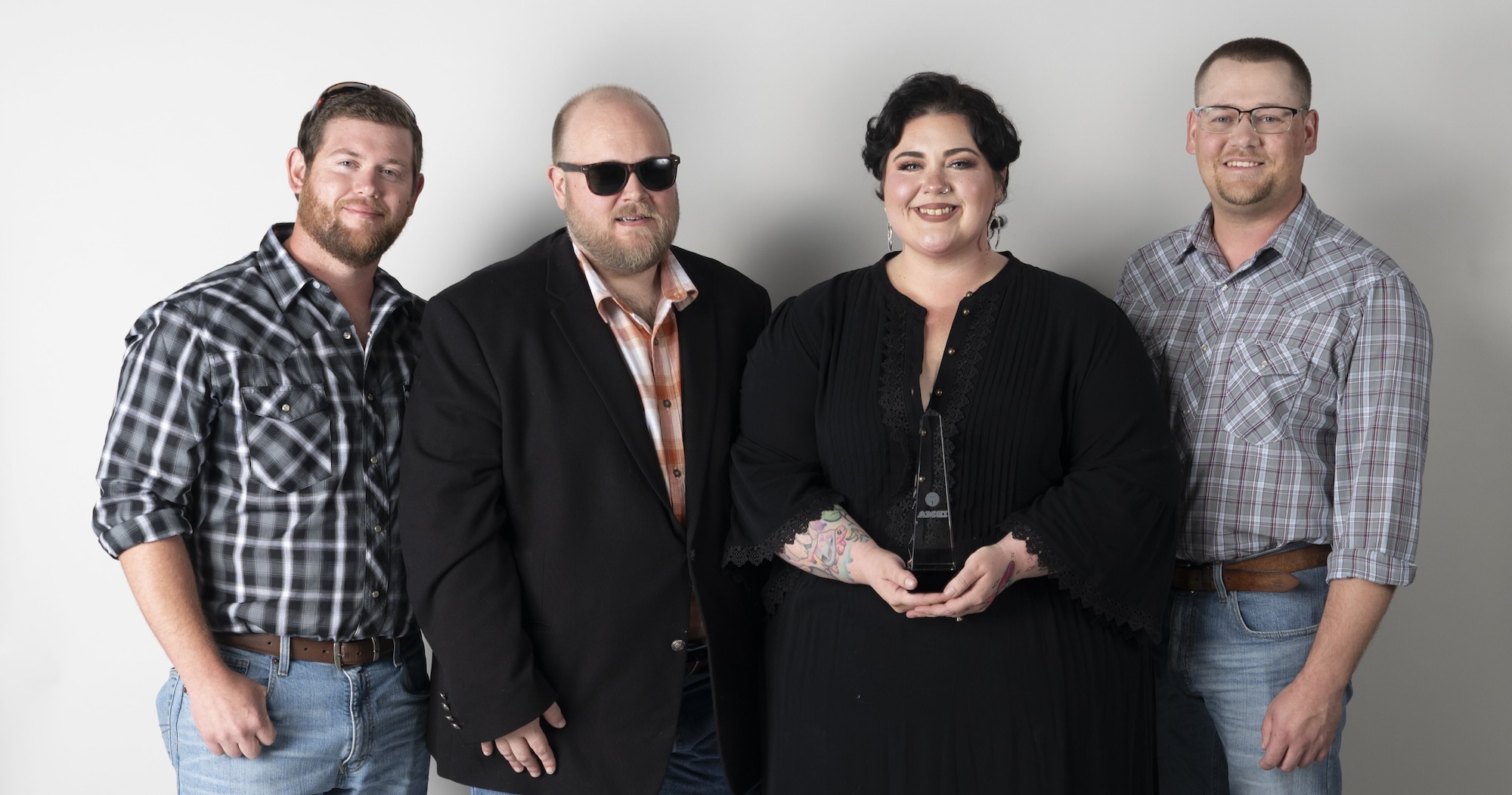
The group – made up of Heather Berry Mabe, Tony Mabe, Curt Love, and Johnathan Dillon – took home the IBMA Award for New Artist of the Year, their first such trophy. While it’s true they’ve only been a band for a few years (they came together first as Junior Sisk’s backing band and he has since encouraged them to take on work, make music, and record albums of their own), each of the Collective’s members are lifelong veterans of the bluegrass scene.

Perhaps that’s why they do sound like themselves and no one else. They know well by now the intricate little details that add up to a unique sonic brand. It’s intuition. They’re able to follow each other and each song wherever they may lead, landing in sometimes surprising or unexpected places. But still, the bones of this band and of their 2025 debut self-titled album are “just” bluegrass. Straight up and down. When you listen, though – or have the pleasure of chatting with any member of Red Camel Collective, like we did speaking to Heather Berry Mabe by phone – you’ll quickly realize this group has much more going on than the same ol’ same ol’.

Y’all sound like bluegrass, straight up and down, but you also sound like yourselves. Your sound has so much personality. You can tell that you’re holding up tradition, but also you’re trying to sound like your own band, your own group. How do you think that you’ve done that? How have you accomplished having a sound that feels within tradition, but also is something that’s all your own?

Heather Berry Mabe: First of all, thank you so much. That is a huge compliment, especially in today’s time. When I was growing up playing – I’ll soon be 38 years old – it was before YouTube and all of that. So I learned from my family members, I learned from my grandpa and my great-grandpa, and then also from the music that I was listening to at the time. Which was everything from ‘90s country to traditional bluegrass. To me, there was no box. I just loved music and it was just about getting as much of it as I could.

I think what influenced me and my husband, as far as having our own sound, I don’t think it was something that we set out to do [intentionally]. Like, “Hey, we’ve got to find a way to sound like ourselves.” I just think that happened organically. And I’m very thankful, because he’s such a recognizable picker, Tony Mabe. My husband is such a recognizable banjo player. You can hear the influences, but he totally sounds like himself. And his singing is the same way.

And, Johnathan, our mandolin player, he has so many influences, too, but he sounds like Johnathan. Nobody else sounds quite like him. I love that. I think on his part, it’s not focusing on trying to sound like anybody, but playing what you love and inspires you.

It’s not really uncommon for backing bands of bluegrass stars to have their own brand, their own shows, their own followings. I’m thinking about Quicksilver becoming their own band more than once or the New South becoming their own band once J.D. Crowe retired. Or how The Infamous Stringdusters got their start.

So could you tell us a little bit about how your relationship with Junior started as a band? And he just announced his eventual retirement at the end of 2027, as well. I’m wondering how y’all are thinking about what the next couple of years mean for you as a group. Is this your chance to springboard into having a full calendar of solo shows by 2028? Is that too far out to be thinking about?

Playing with Junior, I’ll answer that part first. Johnathan Dillon has been there with Junior since he was 18 years old and he is now 31 – or he’ll be 31 in January. So he’s been there for years and years. I’m not exactly sure how those two got hooked up, I can’t exactly remember the story. But for me and Tony, Junior called me in 2018 to sing a duet with him on an album that he was working on. The song is called “Backwards And Forwards.” I was so tickled when he called out of the blue, especially because I knew this is the first song that Junior Sisk & Rambler’s Choice had ever done with a woman. There’s never been a woman on anything [of theirs before]. So I felt really honored to get to be the first one.

A few months later, he called and said that he needed some help. He asked if Tony and I both would be interested in coming to work with him. Again, I was really tickled to get to be the first woman to play with Junior. We were just so thankful to have the work. It was at a time when my husband Tony was losing his vision. And the rest is history!

It was actually Junior’s idea [for us to be our own band], because there are songs that I’ve written and songs that we love, like I was saying, that really sing to us and speak to us and inspire us. We would sit around and jam on those and they don’t exactly fit Junior’s style. It’s two different styles there. But Junior suggested to us that we cut an album so that we would have something to sell at these venues, something to play on the radio, and all of that. He said, “I think it would be really good for you guys to do that.” So we did. Man, you can imagine our amazement at how much this has blown up! When it started as a side venture.

What are you feeling as you stare down a couple more seasons with Junior, but then his eventual retirement? What’s in the cards for Red Camel Collective? Are you looking ahead already?

We’re doing our best. It’s super hard to plan very far ahead. Lord, sometimes it’s hard for me to plan next week. [Laughs] I’ll be honest with you, most of the time I feel like I’m riding by the seat of my pants, as they say. But we are looking to the future and trying to secure bookings for ourselves so that Red Camel can continue on when Junior retires. And Junior, when he says “retire,” I’m sure that he’ll still keep making records and things like that. He’s using the word “retire” here, but he’s not gonna go away completely, because music is in his blood! It’s just like all of us, we’ll never [stop making music.]

We have plans to go as far with Red Camel as we possibly can. Man, if Johnathan Dillon and Curt Love will have me and Tony – I’m sure he feels the same way – if they’ll have us for the rest of forever, we’ll stay with them for the rest of forever! [Laughs] We love making music together. And we are working on a new album right now. As much as I loved the first one, this next one, it’s just beautiful to see the growth. It’s got several songs that I wrote. Of course, we’ve released one single, “In the Mexican Sun,” and it’s getting played on SiriusXM and a lot of bluegrass DJs are playing that one for us. We’ve got a music video that goes along with that, too.

Yes, we premiered the video right here on BGS!

That’s right!

I’m glad you bring up the single, I feel like it’s the perfect sunny, summer vacation song for moving through fall into winter. It reminds me of Jimmy Webb and the way he writes songs and it also reminded me of Dale Ann Bradley’s “Somewhere South of Crazy.” Can you tell us about the story of the single, because I know from the premiere we did that the songwriter has quite the bluegrass pedigree too…

Yeah, absolutely. We reached out to our buddy Malcolm Pulley, who is a banjo player extraordinaire and incredible bluegrass songwriter. He wrote “In the Gravel Yard” for Blue Highway. He wrote “How Many Roads,” several folks have recorded – Tina Adair, Michelle Nixon, and the list goes on. But he’s just such a good writer, so we reached out to him to ask if he had any songs. [We were] expecting traditional bluegrass, something along that line. I had no idea that he had ever written anything like this.

I believe this is right, he was playing with a jazz quintet at the time – I forget the name of the quintet. They had a [woman] lead singer who was so good. Anyway, he sent me this song that was written I guess in the early to mid ‘90s. The way they recorded it together, it sounded like a Hispanic song, I don’t know if you call it a rumba beat or whatever. It was most certainly not bluegrass! But I loved it, man. I loved the melody and the way that lady sang. It was so good.

I thought, “Man, this is just begging for banjo.” I could hear, instead of the four-quarter time that they were doing, like to halftime it and put a bluegrass spin on it. I thought, “This will really work.” I worked on a little demo of it and sent it over to Johnathan and he was like, “Wow, you’re right. I think that is really cool.”

Let’s talk about the IBMA Award you just won. It’s funny to me – and I think it’s funny to everybody – how every year in the New Artist of the Year category at IBMA barely any of the artists are new!

[Laughs] It is like that, ain’t it?

You just made the point, you’ve only been a band for two years. Your debut album just came out in February of this year. So you guys are new in so many ways, but you’re all also lifelong musicians, veterans. Tell me about what it meant to y’all to step on stage and receive that trophy, because these are peer-voted awards. And yeah, maybe you aren’t new, maybe you’ve been doing this for decades, but this is also a “moment” y’all are having as a band.

It’s so hard, because there are so many emotions. Tony and I, we’ve been married for 20 years and we’ve both, even before that, we’ve just been doing this our whole lives. This is all we’ve ever wanted to do is make music. I know and he knows that’s why the good Lord put us here. We know that it’s our purpose in life and it’s our story. As I look around and compare, I see these young people making such great strides and hitting so many marks so early in their careers. Tony and I, while we had some success, throughout the years for some reason we could just never get that momentum going.

When you’re a person who battles anxiety and crippling self-doubt, those types of things can really eat at you. [They] make you question, “Am I capable of this?” I will tell you the truth. I just said earlier, I’m 38 years old. I have never in my life grown in confidence the way that I have in the last two years. Putting together this album, writing these songs, working through the production process, putting ourselves out there as something brand new.

[Getting the award] felt like a confirmation. It felt like, “Yes. This is where you’re supposed to be.” At the end of the day, an award is a glass thing. It’s just a thing. Awards are not what matters, because there are so many incredible artists and musicians who will never be recognized in that way. Does that take away from their value? Absolutely not! On the other hand, it just felt surreal and it felt like a big kiss on the forehead from the good Lord above to me.

As a band, we were just all blown away. We were not expecting it. I know everybody says that, but this is absolutely the truth. [Laughs] In a category with Jason Carter, Bronwyn Keith-Hynes, AJ Lee [& Blue Summit], and Wyatt Ellis and all. Man, we absolutely were completely surprised and blown away – and just extremely grateful, because there are folks who work so hard for years and never get that sort of acknowledgement.

I wanna talk about the new album as well, which came out in February. It’s your self-titled debut. Like what we’ve already talked about, it combines traditionalism as well as contemporary sounds. It’s forward-looking.

But what I noticed first is how live it sounds, warm and inviting – like you’re in the room with y’all. It’s really crisp and it’s really clean, but it also sounds like real music. It doesn’t sound like it came out of a can of bluegrass cheese whiz.

[Laughs] I love it.

Can you tell me a little bit about how you guys accomplished that sound?

For Red Camel Collective, this was our first experience recording together. It was so different from recording with Junior, because the songs and the arrangements are different. I don’t know that we went in with any expectations except to do the very best job that we could. I think those were basically our only expectations.

As far as the sound, we record live. We track live and then we go back and fix and edit. I wish I could answer your question better! … Music is all about feel. Aaron Ramsey said one time, “It’s all about feel, it’s not a science project.” I think that you can strive so hard for perfection that you suck all the soul and all of the life right out of it. There has to be a balance between what we perceive as perfection and the feel and the groove of the music. Because all of the best albums, the ones that I love the most, were all created before autotune! And there are notes in there that would probably end up being tuned today. But they sure didn’t bother me. ‘Cause it’s all about the feel and the vibe.

I’m thankful to work with musicians who recognize that. While they want it to be right, more than anything they want it to have a good groove. We don’t want anything to interrupt that groove, ’cause that’s what makes people wanna get up and dance.

Speaking of sonics, I love how your voice sounds on the record, too. Could you talk a little bit about your vocal process and maybe your inspirations – or who you looked up to as you were developing your own voice as an instrument? I also can’t help but notice you have two vocal powerhouses guesting on the album, Suzanne Cox and Sharon White.

They’re heroes of mine!

Who are the inspirations and heroes that you feel have been infused into your own voice? Or maybe you’ve just done it all yourself?

Lord, no! Uh-uh, absolutely not. [Laughs] The first one that I have to list is Dolly Parton, because she was my earliest influence when I was just a little girl. The first song that I ever sang anywhere was in my grandpa’s church. I sang “Coat of Many Colors” and she was just my hero in every sense of the word, vocally, aesthetically, that she was a songwriter, an actress. I just adored her. I saw her in all these cute little movies like that Christmas movie she made and I just adored her.

Alison Krauss would’ve probably been the next one who came into my purview. Then that album that Alison did with the Cox Family. I was just a kid when that came out and I had never heard anything more beautiful in my life than their voices. They were so angelic. I would put that album on to go to sleep when I was just a little kid. I loved it so much. Suzanne Cox is probably my favorite female vocalist ever. Ever. I love Alison to no end, but there is just something that draws me to [Suzanne]. I call Suzanne Cox the queen of phrasing. Because no matter what it is that she’s singing, she will phrase it exactly the way it should be phrased. She’s a genius and she doesn’t even realize it, because it is so natural to her and it’s not forced. It’s just effortless. It’s just a gift. She just has one of those one-in-a-million voices and I’ll always sing her praises.

Then you mentioned Sharon White. It was so cool to have her come and Suzanne Cox come in and sing on that song, “Last Time I Saw Him.” But the Whites, man, oh my gosh. They were like the it group for harmony backup in the ‘80s and ‘90s country. That’s who everybody sought out, because their voices – it doesn’t matter who they’re singing with – they make whoever they’re singing with sound like a million bucks. And their singing lead, too. Their tone and their delivery is so pure.

That’s what draws me to vocalists. It’s purity. Sometimes with singing you can just hear it’s just put on. That just doesn’t sing to me. It’s a hard thing to describe really, isn’t it? It’s just something in the purity of people’s voices that really draws me in.


Photo Credit: Ed Rode

See the Winners of the 2025 IBMA Bluegrass Music Awards

Tonight, September 18, 2025, the International Bluegrass Music Association held their 36th Annual IBMA Bluegrass Music Awards at the Soldiers and Sailors Memorial Auditorium in Chattanooga, Tennessee – the organization’s first awards show presented in their new host city.

The IBMA Awards are designed to be peer-to-peer, voted on by the professional membership of the IBMA, performers, artists, industry professionals, broadcasters, and beyond. As a result, the show this year – which was hosted by the hilarious and talented duo of Steve Martin and Alison Brown – was an evening celebrating mutual admiration, mentorship, sharing, and the diverse ways all of this music’s creators celebrate tradition, and the innovation at its core. That phenomenon has been a hallmark of the IBMA Awards over all of their 36 years. Through the many categories there were a wide array of winners from across generations, styles, and levels of notoriety.

Bluegrass’s most prominent artist at the moment, Billy Strings, took home the night’s highest honor, Entertainer of the Year – his fourth such trophy. Alison Krauss, who recently returned to the road with a brand new album, Arcadia, for the first time in 14 years, received her fifth Female Vocalist of the Year award, her first since 1995. Jason Carter & Michael Cleveland received three awards for their superlative debut album together and its songs including Album of the Year, Song of the Year, and Collaborative Recording of the Year.

Women were represented in force across the many categories this year, remarkable given the sheer number of years where women nominees were absent entirely or merely counted in the single digits. Along with Krauss winning Female Vocalist women took home trophies in many more categories: Gospel Recording of the Year (Jaelee Roberts; writer, Kelsi Harrigill); Instrumental Recording of the Year (Kristin Scott Benson, Gena Britt, Alison Brown); Banjo Player of the Year (Kristin Scott Benson); Bass Player of the Year (Vickie Vaughn); Fiddle Player of the Year (Maddie Denton); and Mandolin Player of the Year (Sierra Hull).

During the IBMA Bluegrass Music Awards, the 2025 class of Bluegrass Music Hall of Fame inductees were honored with speeches, plaque presentations, and incredibly special musical performances. This year’s inductees include Hot Rize, The Bluegrass Cardinals, and Arnold Schultz, the first Black person to ever be elected to the hall, the association’s highest honor, since it was begun in 1991.

IBMA’s World of Bluegrass business conference and IBMA Bluegrass Live! festival continue in Chattanooga through Saturday, September 20. Get more information on the event and purchase tickets for Bluegrass Live! here. Below, check out all of the winners at this year’s 2025 IBMA Bluegrass Music Awards.

(Winners denoted in bold.)

ENTERTAINER OF THE YEAR 

Alison Krauss & Union Station
Appalachian Road Show
Billy Strings
East Nash Grass
The Del McCoury Band

SONG OF THE YEAR 

“5 Days Out, 2 Days Back” – Alison Brown, Steve Martin, Featuring Tim O’Brien
Songwriters: Steve Martin, Alison Brown
Producers: Alison Brown, Garry West
Label: Compass Records

“Big Wheels” – Authentic Unlimited
Songwriter: Jerry Cole
Producer: Authentic Unlimited
Label: Billy Blue Records

“Coal Dust Kisses” – The Grascals
Songwriters: Susanne Mumpower, Jerry Salley
Producer: The Grascals
Label: Mountain Home Music Company

“My Favorite Picture of You” – Darin & Brooke Aldridge
Songwriters: Darin Aldridge, Brooke Aldridge, Dennis Duff
Producers: Darin Aldridge, Mark Fain
Label: Billy Blue Records

“Outrun the Rain” – Jason Carter & Michael Cleveland
Songwriters: Terry Herd, Jimmy Yeary
Producers: Jason Carter, Michael Cleveland
Label: Fiddle Man Records

ALBUM OF THE YEAR 

Arcadia – Alison Krauss & Union Station
Producer: Alison Krauss & Union Station
Label: Down the Road Records

Carter & Cleveland – Jason Carter & Michael Cleveland
Producers: Jason Carter, Michael Cleveland
Label: Fiddle Man Records

Earl Jam – Tony Trischka
Producers: Tony Trischka, Lawson White
Label: Down the Road Records

Highway Prayers – Billy Strings
Producers: Billy Strings, Jon Brion
Label: Reprise Records

I Built a World – Bronwyn Keith-Hynes
Producers: Brent Truitt, Bronwyn Keith-Hynes
Label: Sugar Petunia Records

VOCAL GROUP OF THE YEAR 

Alison Krauss & Union Station
Authentic Unlimited
Blue Highway
Sister Sadie
The Del McCoury Band

INSTRUMENTAL GROUP OF THE YEAR 

Billy Strings
East Nash Grass
Michael Cleveland & Flamekeeper
Molly Tuttle & Golden Highway
The Travelin’ McCourys

GOSPEL RECORDING OF THE YEAR 

“Blue Collar Gospel” – Jerry Salley Featuring The Oak Ridge Boys
Songwriters: Rick Lang, Bill Whyte, Jerry Salley
Producer: Jerry Salley
Label: Billy Blue Records

“Dear Lord” – Darin & Brooke Aldridge
Songwriter: Daniel Davis
Producers: Darin Aldridge, Mark Fain
Label: Billy Blue Records

“Even Better When You Listen” – Joe Mullins & The Radio Ramblers
Songwriters: Rick Lang, Mark BonDurant
Producer: Joe Mullins & The Radio Ramblers
Label: Billy Blue Records

“He’s Gone” – Jaelee Roberts
Songwriter: Kelsi Harrigill
Producer: Byron House
Label: Mountain Home Music Company

“Wings of Love” – Authentic Unlimited
Songwriters: Jesse Brock, Stephen Burwell, Jerry Cole, Eli Johnston, John Meador
Producer: Authentic Unlimited
Label: Billy Blue Records

INSTRUMENTAL RECORDING OF THE YEAR 

“Bluegrass in the Backwoods” – Jason Carter & Michael Cleveland
Songwriter: Kenny Baker
Producers: Jason Carter, Michael Cleveland
Label: Fiddle Man Records

“The Drifter” – Danny Roberts
Songwriter: Danny Roberts
Producers: Danny Roberts, Andrea Roberts
Label: Mountain Home Music Company

“A Drive at Dusk” – Authentic Unlimited
Songwriter: Jesse Brock
Producer: Authentic Unlimited
Label: Billy Blue Records

“Kern County Breakdown” – Jason Carter & Michael Cleveland
Songwriter: Buck Owens, Don Rich
Producers: Jason Carter, Michael Cleveland
Label: Fiddle Man Records

“Ralph’s Banjo Special” – Kristin Scott Benson, Gena Britt, Alison Brown
Songwriter: Ralph Stanley
Producer: Alison Brown
Label: Compass Records

NEW ARTIST OF THE YEAR 

AJ Lee & Blue Summit
Bronwyn Keith-Hynes
Jason Carter
Red Camel Collective
Wyatt Ellis

COLLABORATIVE RECORDING OF THE YEAR 

“5 Days Out, 2 Days Back” – Alison Brown & Steve Martin Featuring Tim O’Brien
Songwriters: Steve Martin, Alison Brown
Producer: Alison Brown, Garry West
Label: Compass Records

“A Million Memories (A Song for Byron)” – Darin & Brooke Aldridge Featuring Vince Gill
Songwriter: Vince Gill
Producers: Darin Aldridge, Mark Fain
Label: Billy Blue Records

“Cora Is Gone” – Bobby Osborne & C.J. Lewandowski Featuring Rob McCoury, Billy Strings
Songwriter: Mac Odell
Producer: C.J. Lewandowski
Label: Turnberry Records

“Outrun the Rain” – Jason Carter & Michael Cleveland, Jaelee Roberts, Vince Gill
Songwriters: Terry Herd, Jimmy Yeary
Producers: Jason Carter, Michael Cleveland
Label: Fiddle Man Records

“Ralph’s Banjo Special” – Kristin Scott Benson, Gena Britt, Alison Brown
Songwriter: Ralph Stanley
Producer: Alison Brown
Label: Compass Records

MALE VOCALIST OF THE YEAR 

Billy Strings
Dan Tyminski
Del McCoury
Greg Blake
Russell Moore

FEMALE VOCALIST OF THE YEAR 

AJ Lee
Alison Krauss
Brooke Aldridge
Jaelee Roberts
Sierra Hull

BANJO PLAYER OF THE YEAR 

Alison Brown
Gena Britt
Kristin Scott Benson
Ron Block
Tony Trischka

BASS PLAYER OF THE YEAR 

Barry Bales
Mike Bub
Missy Raines
Todd Phillips
Vickie Vaughn

FIDDLE PLAYER OF THE YEAR 

Bronwyn Keith-Hynes
Jason Carter
Maddie Denton
Michael Cleveland
Stuart Duncan

RESOPHONIC GUITAR PLAYER OF THE YEAR 

Andy Hall
Jerry Douglas
Justin Moses
Matt Leadbetter
Rob Ickes

GUITAR PLAYER OF THE YEAR 

Billy Strings
Bryan Sutton
Cody Kilby
Molly Tuttle
Trey Hensley

MANDOLIN PLAYER OF THE YEAR 

Alan Bibey
Jesse Brock
Ronnie McCoury
Sam Bush
Sierra Hull

MUSIC VIDEO OF THE YEAR 

“5 Days Out, 2 Days Back” – Alison Brown & Steve Martin Featuring Tim O’Brien
Songwriters: Steve Martin, Alison Brown
Producer: Alison Brown, Garry West
Videographer: Joseph Spence
Label: Compass Records

“A Million Memories (A Song for Byron)” – Darin & Brooke Aldridge Featuring Vince Gill
Songwriter: Vince Gill
Producer: Jenny Gill
Videographer: Travis Flynn
Label: Billy Blue Records

“Big Wheels” – Authentic Unlimited
Songwriter: Jerry Cole
Producers: Bryce Free, Kyle Johnson
Videographer: Bryce Free
Label: Billy Blue Records

“Gallows Pole” – Appalachian Road Show
Songwriter: Traditional, arr. Barry Abernathy, Jim VanCleve, Darrell Webb
Producer: Steve Kinney
Videographer: Steve Kinney
Label: Billy Blue Records

“Tennessee Hound Dog” – The Grascals
Songwriter: Felice Bryant, Boudleaux Bryant
Producer: Ty Gilpin
Videographer: Nate Shuppert
Label: Mountain Home Music Company

“The Auctioneer” – The Kody Norris Show
Songwriters: Leroy Van Dyke, Buddy Black
Producer: James Gilley
Videographer: Nate Wiles
Label: Rebel Records


Photo Credit: Billy Strings by Dana Trippe; Jason Carter & Michael Cleveland by Emma McCoury.

IBMA World of Bluegrass Arrives in Chattanooga

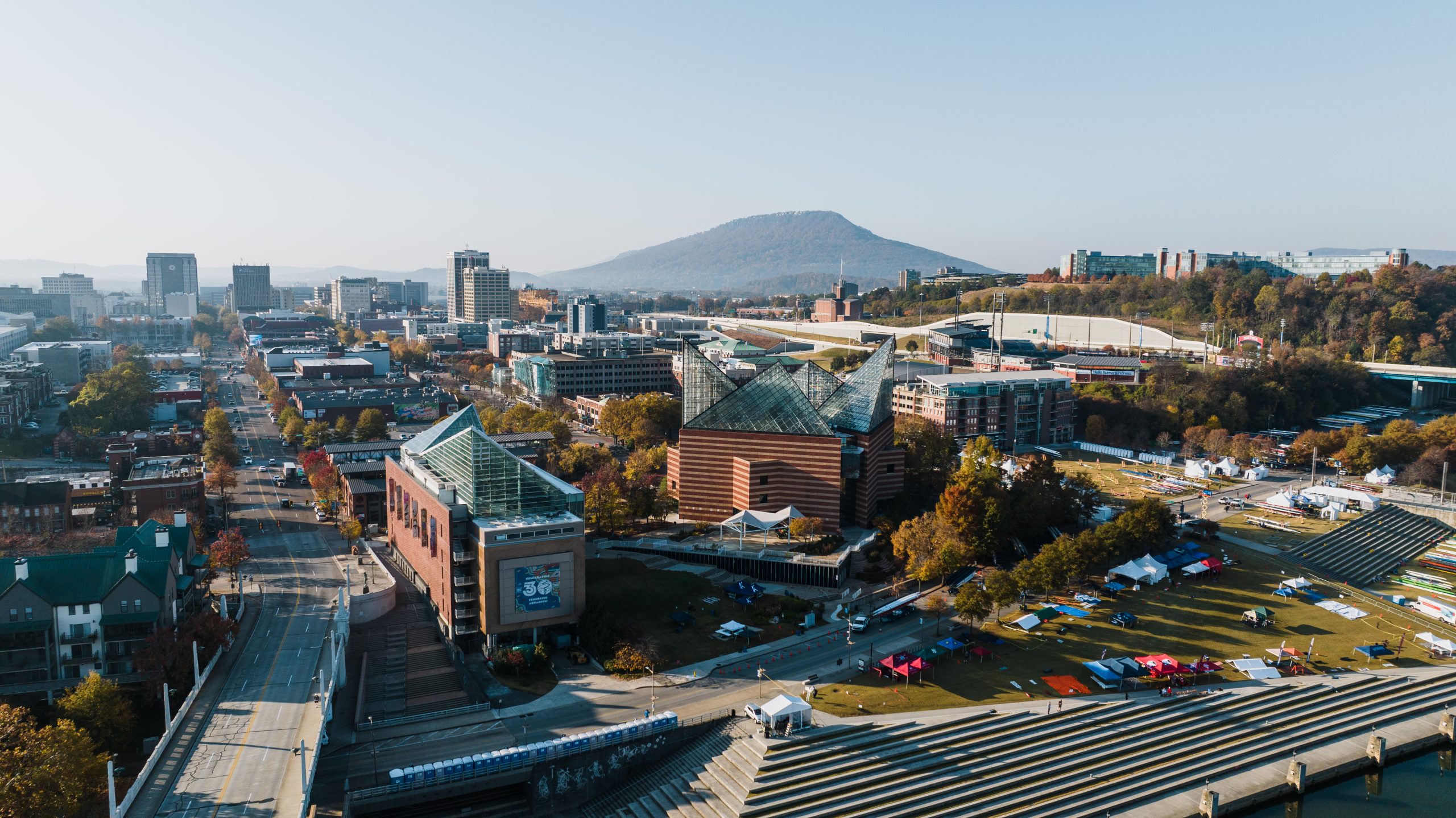
After 11 incredibly successful years of partnership with Raleigh, North Carolina, the International Bluegrass Music Association will holds its World of Bluegrass business conference and Bluegrass Live! festival for the first time in Chattanooga, Tennessee, this week. From September 16 to 20 the biggest week in bluegrass will return to Tennessee, this time nestled between the Tennessee River and the mountains, foothills, and ridgetops surrounding this lovely city rich in art, music, food, and culture. Chattanooga has a long history with bluegrass, old-time, and hillbilly music of all strains, so it’s sure to be a perfect home for World of Bluegrass.

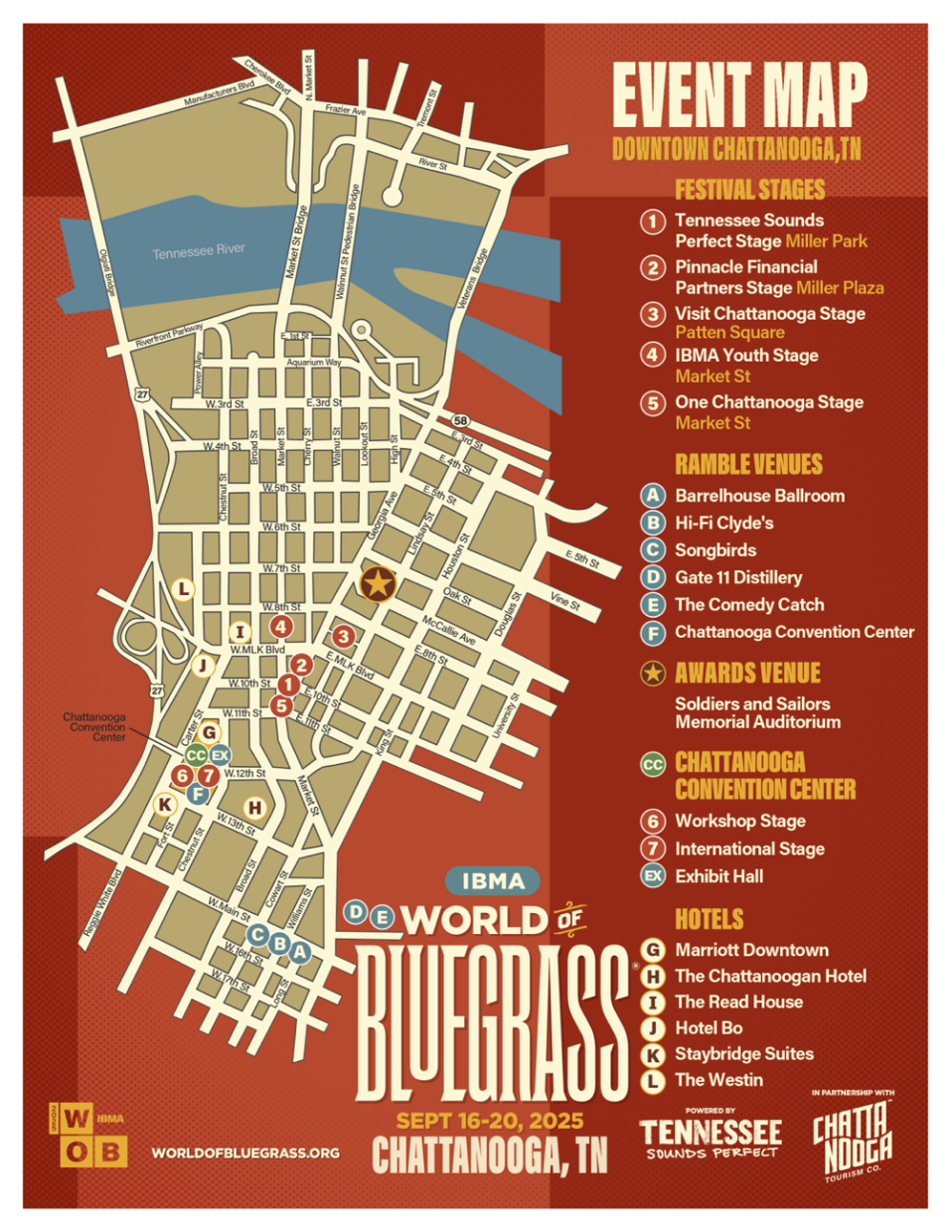
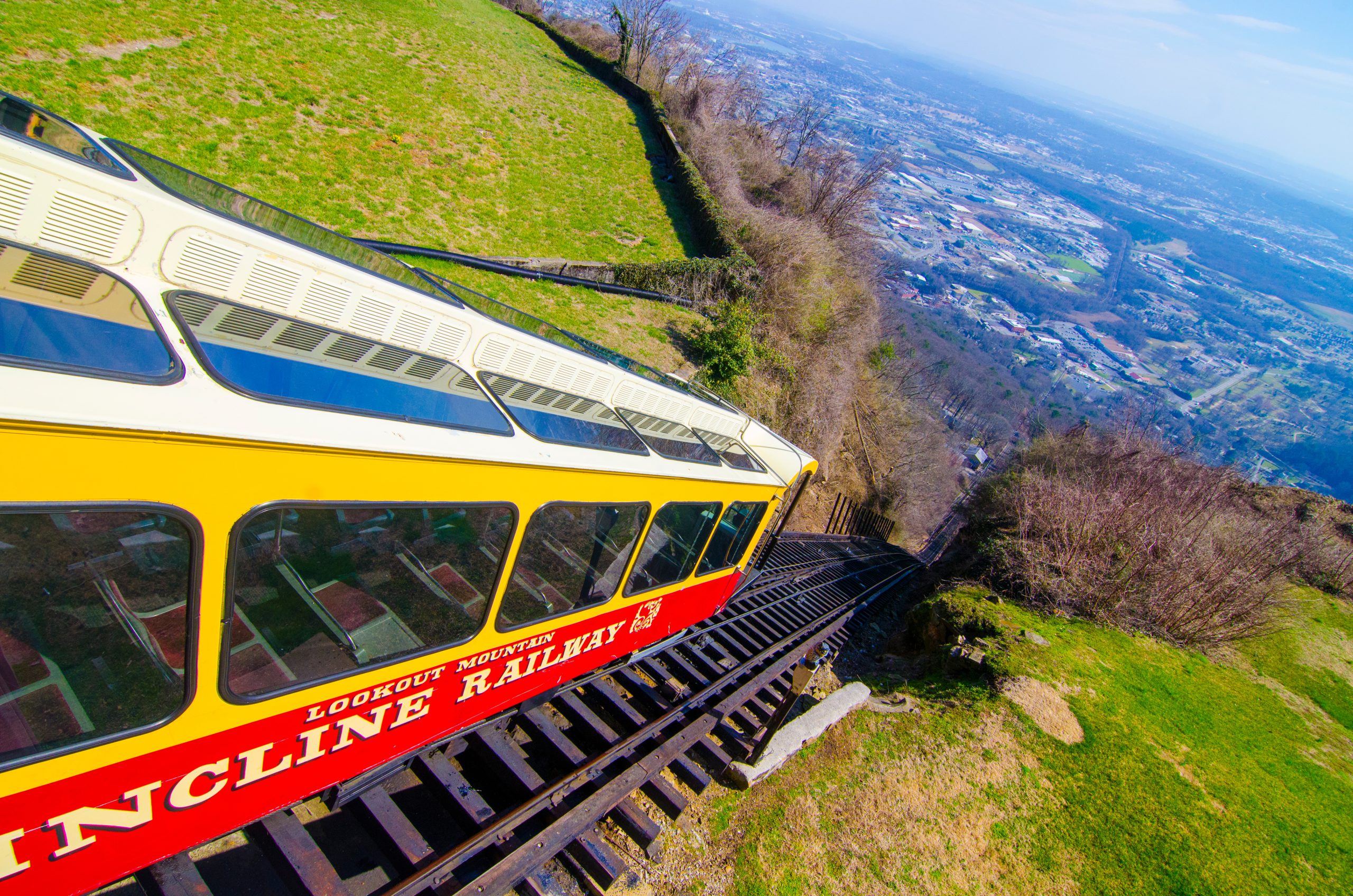
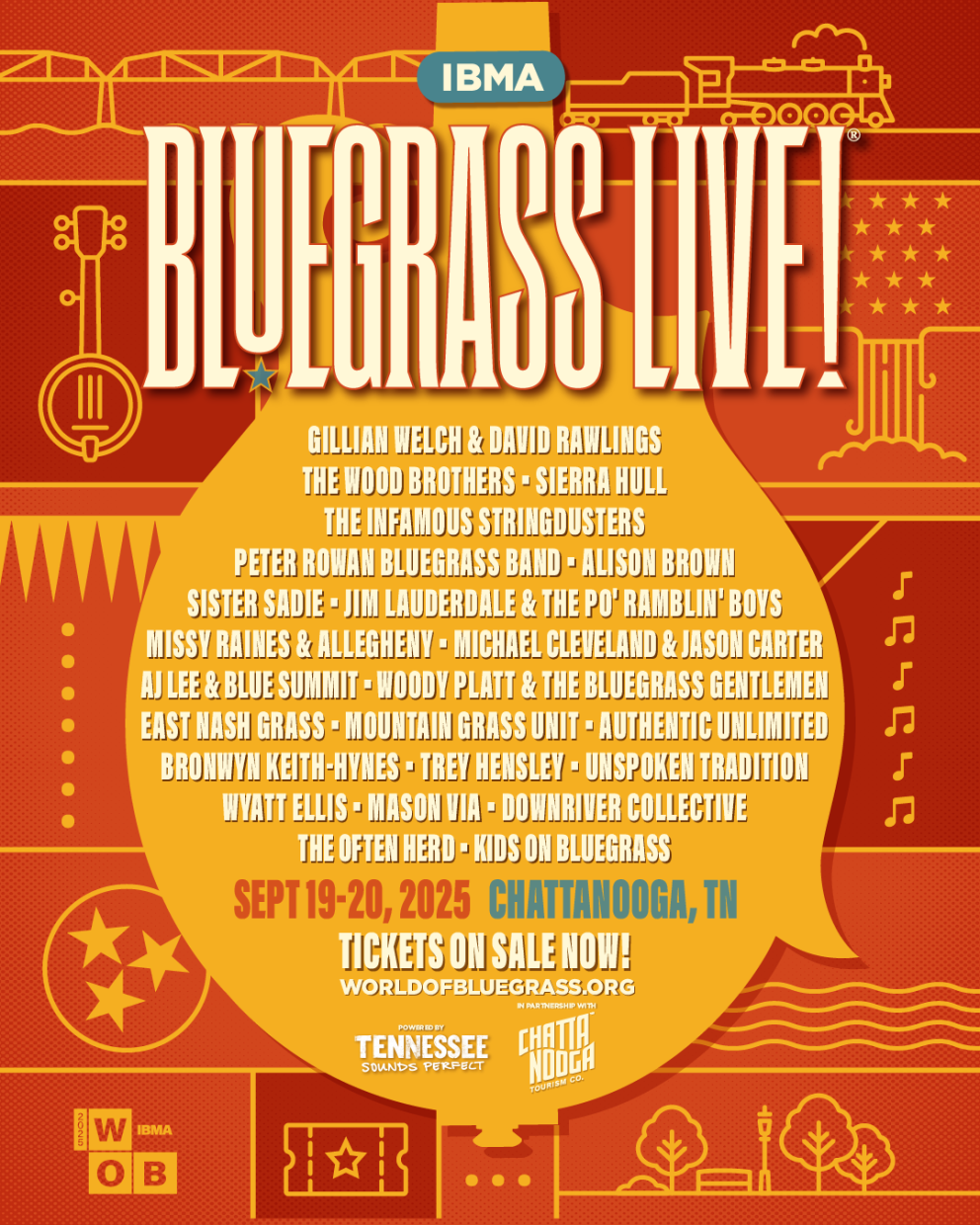
As we like to do each year going into the week of events, music, and jamming we all colloquially refer to as “IBMA,” below you’ll find our preview of World of Bluegrass, Bluegrass Live!, the IBMA Bluegrass Music Awards, and the move to Chattanooga. You’ll find information on the festival lineup, official showcase artists playing the Bluegrass Ramble, the layout of the festival and conference footprint, and more. Plus, we’ll have a few tips and tricks for local attractions and must-do/must-see activities while you’re in the River City.

Not able to attend IBMA World of Bluegrass this year? Never fear! Select events and programs from the packed-full conference slate will be livestreamed. You can find info on how to tune in – and what you’ll be able to see – below.

We hope that we’ll see you in Chattanooga this week for IBMA World of Bluegrass!

The Footprint

You gotta know how to get around the new host city, right?! If, like us, you had gotten used to the layout and logistics of Raleigh over more than a decade of conferences held there, IBMA wants to give you a head start on getting around their lovely new territory in downtown Chattanooga. The convention center, awards show venue, and Bluegrass Ramble venues may be a bit more spread out than in Raleigh, but there are plenty of excellent bars, restaurants, and attractions to explore above, below, and in between so keep your eyes peeled as you stroll.

Don’t forget that the convention center itself is also a Bluegrass Ramble venue! The other handful of Bluegrass Ramble venues are just a couple of blocks away to the south. Plus, the five stages for the weekend festival, Bluegrass Live!, are just around the corner from the convention center, too, where the exhibit hall, workshop stage, and international stage will all be hoppin’ with activity.

Put on your explorer hat and your favorite step-tracking device, we’ve got ground to cover!

What To Do

The Tennessee Aquarium (Photo by Kelley Lacey).

While in Chattanooga, you simply must take advantage of the many first-rate and world-class attractions that stud the city like jewels downtown, on the outskirts, and on the mountaintops overlooking the city and Tennessee River. The Tennessee Aquarium, situated along the riverbanks just a handful of blocks from the conference and festival, is a beloved and award-winning non-profit institution that perfectly showcases the aquatic ecosystems of Appalachia, Tennessee, and the world. Their work through the Tennessee Aquarium Conservation Institute directly benefits the habitats you can see just outside their doors – that kind of local impact is something special. From sturgeon and hellbenders that call the waters around Chattanooga home to oceanic species of fish and jellyfish to exotic birds and reptiles, the Tennessee Aquarium is certainly worth a visit while you’re enjoying a week full of bluegrass.

The Lookout Mountain Incline Railway descends from Lookout Mtn. to Chattanooga. (Photo by Kelley Lacey).

There are far too many amazing Chattanooga-area attractions to list here, but your shortlist for off-site, non-bluegrass activities for the week of World of Bluegrass certainly ought to include Lookout Mountain (especially the Lookout Mountain Incline Railway), Ruby Falls, Rock City, the Creative Discovery Museum, the Hunter Museum of American Art, the Chattanooga Choo Choo Historic District, and many, many more.

Ruby Falls, an underground waterfall, on Lookout Mountain in Chattanooga.

World of Bluegrass

Now, don’t forget, IBMA World of Bluegrass is work. (Even if it doesn’t feel like it!) Don’t miss the many opportunities for networking, professional development, education, creative cross-pollination, and more during the business conference portion of World of Bluegrass, held Tuesday, Wednesday, and Thursday this week at the Chattanooga Convention Center.

The full schedule for the conference – with panels, showcases, luncheons, awards presentations, and much more – can be found here, so you can sketch out your priorities and must-sees.

A few highlights and standouts we see on the schedule that might inspire you: Jim Lauderdale himself leads Tai Chi each day, so you can start your day connecting with your body and warming yourself up after all-night jamming. On Tuesday, learn about ReString Appalachia, a non-profit program helping put instruments back in the hands of victims of Hurricane Helene. Plus, don’t miss the ever-popular Gig Fair that afternoon, too.

We’re especially excited for the keynote address on Tuesday evening, as our own podcast host and CBC broadcaster Tom Power interviews Billy Strings, with a performance by Junior Sisk to kick off the event. We’re excited to bring you the keynote conversation in the near future as a bonus episode of Toy Heart with Tom Power.

On Wednesday, up-and-comers in the IBMA scene will be honored at the Momentum Awards Luncheon, as well as mentors and industry players. It’s always an exciting and energetic event that celebrates talent, skill, and effort at all levels in bluegrass. Elsewhere in the afternoon, archivist, historian, and musician Jen Larson will dive into the legacy and impact of Bluegrass Hall of Famer Hazel Dickens with her presentation titled “Hazel Dickens, A Bluegrass Life and Legacy at 100.”

There will be town hall meetings throughout the week, as well, where IBMA members can voice their feedback, ideas, and concerns and take an active role in the organization’s future. On Wednesday, the DEI Town Hall will be held at 4:20 p.m. and on Thursday the general IBMA Town Hall will be held at 9 a.m.

Of course, Thursday is chocked full of great programming, too, but we’d be remiss if we did not point out Dom Flemons’ panel, “Rooted Rhythms: African American Contributions to Bluegrass Music.” The first panel of its sort at IBMA, there’s plenty to be learned about the true multi-ethnic origins of bluegrass at this presentation. Don’t miss the Industry Awards Luncheon, the IBMA Songwriter Showcase, and the Women’s Council Meeting on Thursday, too. And, of course, the conference all culminates Thursday night with the IBMA Bluegrass Music Awards show, held just up the road at the Soldiers and Sailors Memorial Auditorium. Hosted this year by Steve Martin and Alison Brown, it promises to be an exciting and engaging celebration of bluegrass music and its makers yet again.

There’s so much more going on throughout the conference, so don’t forget to dive into the full schedule so you don’t miss a thing.

The Bluegrass Ramble

Now, how about some music!? On Tuesday, Wednesday, and Thursday, IBMA Official Showcasing artists and bands will descend on Chattanooga for the Bluegrass Ramble, a series of performances held around official conference venues that will highlight the depth and breadth of the bluegrass scene while spotlighting artists and musicians with new albums, new shows, and new opportunities for bookers, promoters, industry professionals – and fans, of course!

Check out the full lineup of Bluegrass Ramble artists below, but here are a few we’re excited to catch while we’re in Chattanooga: fiddler and dancer Hillary Klug, who recently toured with Cirque du Soleil’s country show, Songblazers (watch above). There’s certainly a reason she’s amassed thousands and thousands of followers online. If you haven’t caught her electric and joyful show before, now is the time.

Some of the best bluegrass being made today is actually old-time, so we’re glad to see plenty of old-time, hillbilly, and mountain music represented throughout the week of World of Bluegrass and on Bluegrass Live! – we’re especially excited to catch showcases by George Jackson & Brad Kolodner.

Mountain Grass Unit are all the rage these days and if you haven’t yet had the chance to catch them live, don’t let your Bluegrass Ramble opportunities slip by. The cutting edge of jamgrass’s second (or third?) generation, these are shredders who can and will transport you beyond the bluegrass veil and into new horizons. These guys are going places and Chattanooga is just one stop on their journey to the stratosphere.

And what about the future of bluegrass? Oh yes, it’s in good hands, as nearly everyone declares when they encounter the picking and singing of young Wyatt Ellis and his band. Maybe “prodigy” is a tired description, but it’s certainly accurate in this case. We’ve covered Wyatt quite a bit over the years and always enjoy watching him grow, mature, and find himself in his music and picking style.

There are many more acts you won’t want to miss during the Bluegrass Ramble, of course! Here’s the full list of showcasing artists, duos, musicians, and bands at this year’s World of Bluegrass: Backline, Burnett Sisters Band, Caroline Owens & New Company, Darin & Brooke Aldridge, Foggy Mountain Spaceship, George Jackson & Brad Kolodner, Greenwood Rye, Hillary Klug, Jackson Hollow, Mark Schatz & Bryan McDowell, Mason Via, Michael Prewitt & CrunchGrass Supreme, Mike Mitchell Band, Mountain Grass Unit, Remedy Tree, Seth Mulder & Midnight Run, Special Consensus, The Faux Paws, The Foreign Landers, The Sentimental Gentlemen, The Sullivan Sisters, The Tennessee Bluegrass Band, The Unfaithful Servants, Under the Rocks, Veranda, Vickie Vaughn, and Wyatt Ellis.

How To Livestream

Tune in from afar, if you can’t be in Chattanooga with us! You can catch several events from World of Bluegrass streamed online for free! The keynote address with Billy Strings in conversation with Tom Power, the IBMA Momentum Awards, and the IBMA Industry and Distinguished Achievement Awards will all be livestreamed on IBMA’s Facebook page and YouTube Channel. Like/follow or subscribe now so you don’t miss a single stream: IBMA Facebook; IBMA YouTube.

The IBMA Bluegrass Music Awards, one of the most exciting nights of the year in bluegrass, will be carried exclusively by Volume.com. But don’t worry, livestream tickets are free! Tune in for once-in-a-lifetime performances, Hall of Fame inductions, and all of your favorite bands and instrumentalists taking home awards – as voted on by their peers and colleagues!

These livestreams are a great way to participate from afar while you plan your journey to join us in Chattanooga next year.

Bluegrass Live! 

On Friday and Saturday, September 19 and 20, IBMA Bluegrass Live! will bring the best in bluegrass, old-time, Americana, and beyond to the downtown streets of Chattanooga, superlative roots music wafting throughout the River City. Though you may be disappointed by the last minute headliner swap – Sierra Ferrell recently announced she wouldn’t be able to perform at IBMA – you should not despair, as this lineup boasts the absolute best in bluegrass from top to bottom and bottom to top. Gillian Welch & David Rawlings, direct from their Americana Honors & Awards win of Duo/Group of the Year, will be stepping in to fill Sierra Ferrell’s slot – what a pair of pinch hitters! Attendees will also enjoy performances by the Wood Brothers, Sierra Hull, Alison Brown, Sister Sadie, Michael Cleveland & Jason Carter, East Nash Grass, Bronwyn Keith-Hynes, and so many more.

Overwhelmed by your options here, too? We don’t blame you! There’s so much you won’t want to miss, so here’s the full schedule for IBMA Bluegrass Live! to help make your plans:

Tennessee Sounds Perfect Stage, located in Miller Park – Friday, September 19

2:05PM – 3:20PM Alison Brown
4:30PM – 5:45PM Jim Lauderdale & The Po’ Ramblin’ Boys
7PM – 8:15PM Sierra Hull
8:45PM – 10:15PM The Wood Brothers

Saturday, September 20

2:05PM – 3:20PM AJ Lee & Blue Summit
4:30PM – 5:45PM Michael Cleveland & Jason Carter
7PM – 8:15PM The Infamous Stringdusters
8:45PM – 10:15PM Gillian Welch & David Rawlings

Pinnacle Financial Partners Stage, located in Miller Plaza – Friday, September 19

1PM – 2PM DownRiver Collective
3:25PM – 4:25PM Mason Via
5:50PM – 6:50PM Trey Hensley

Saturday, September 20

1PM – 2PM The Often Herd
3:25PM – 4:25PM Wyatt Ellis
5:50PM – 6:50PM Mountain Grass Unit

Visit Chattanooga Stage, located in Patten Square – Friday, Saturday 19

1PM – 2PM Kids on Bluegrass
2:30PM – 3:30PM Peter Rowan Bluegrass Band
4PM – 5PM Missy Raines & Allegheny
5:30PM – 6:30PM Woody Platt & The Bluegrass Gentlemen
7:15PM – 8:45PM East Nash Grass

Saturday, Saturday 20

1PM – 2PM Kids on Bluegrass
2:30PM – 3:30PM Authentic Unlimited
4PM – 5PM Unspoken Tradition
5:30PM – 6:30PM Bronwyn Keith-Hynes
7:15PM – 8:45PM Sister Sadie

Don’t have your tickets yet? It’s not too late! Click here to purchase single and two-day tickets to Bluegrass Live! The festival will also include free programming on several stages, too, so there are options to enjoy for fans and audience members at all levels.

In fact, it’s not too late to line up admission for any part of World of Bluegrass, from the conference to the Bluegrass Ramble to the awards show to Bluegrass Live! You do want to join us in Chattanooga for the first year in this brand new beautiful host city, right? Get all the info on World of Bluegrass here and make your plans to join us – the fun gets officially going tomorrow, September 16, in the Scenic City.


Photos courtesy of Chattanooga Tourism Co., photo credits as marked. Lead image: Downtown Chattanooga by Kelley Lacey.

Graphics and logos courtesy of the International Bluegrass Music Association.

Molly Tuttle Always Leaves a Mark

Fresh off two back-to-back GRAMMY-winning albums, guitar virtuoso, songwriter, and artist Molly Tuttle is heading in bold new directions with her fifth solo release, So Long Little Miss Sunshine. A California native now based in Nashville, Tuttle embodies many sides of herself while staying rooted in where she comes from – both musically and geographically.

Already highly decorated as an instrumentalist (including two International Bluegrass Music Association awards for Guitar Player of the Year and the Americana Music Association’s Instrumentalist of the Year), Tuttle continues to captivate with her signature tone while stretching the boundaries of the genre that launched her. And she does it all with reverence and a playful sense of self-exploration.

From the scorching opener “Everything Burns” to the crush-worthy pop bop “That’s Gonna Leave a Mark” (co-written with Better Than Ezra frontman Kevin Griffin), the album weaves together personal reflections and observations of the world around her. It’s a colorful puzzle that reveals the many pieces of Tuttle.

When BGS sat down with her to discuss the album via Zoom, it was clear that her boundless curiosity about life and what’s next musically fuels everything she does. She spoke about her songwriting process, her reverence for her roots, the inspiration behind the album’s visual aesthetic, and how she’s already working on her next project.

You’ve called this record a departure, but to me it also feels like a distillation of all the people you’ve been, all the places you’ve gone, and all of who you are. Even though you’re experimenting with different genres, it feels cohesive—like you’re telling a story about yourself over a really diverse musical bed. Almost as diverse as the wigs on the cover of the record. Was there a lightbulb moment when this project came to life for you, or was it more of a gradual process?

Molly Tuttle: It was kind of a gradual idea. About a year ago, I was finishing the songs for this record. The first one I wrote was “Golden State of Mind,” a few years back, but for a long time, I just had this big batch of songs that didn’t feel like a cohesive grouping. Then last year, there was a light bulb moment where suddenly the songs really started flowing again, and it felt like I’d found this new voice – though it still connected to earlier songs like “Golden State of Mind” and “Everything Burns.” I reworked those older ones and then wrote about two-thirds of the record in the last year.

Making Crooked Tree and City of Gold helped me gain the confidence to do something different this time and not feel tethered to any particular style or genre. Those bluegrass records were me paying tribute to the music I grew up with, and once I did that, I felt free to branch out—try something bold and ambitious sonically while still tying it back to where I came from. I wanted to tie it to my past work but also really spring forward and try something new.

Did you have any trepidation about that shift?

I wasn’t really nervous, but we did have a lot of conversations about it – mainly between me and Jay Joyce, who produced the record. He first saw me play at the Ryman with Golden Highway, which was a bluegrass show, though we always stretched the boundaries a bit. The next day, he called me and said, “I think we should still incorporate your banjo playing and some acoustic elements.” That’s when we brought in Ketch [Secor] to play fiddle, banjo, and mandolin.

We wanted to make sure it didn’t feel like too far of a departure and that it still sounded like me. So we decided to make this a guitar record. Every song has guitar solos and I’m the only soloist on the album. That was new for me, and really exciting.

How did you end up working with Jay? Did you seek him out? Were you a fan of his work?

I actually wasn’t super familiar with him at first. I’d heard music he’d produced, but hadn’t connected it to him by name. During the pandemic, my manager, Ken Levitan, suggested I meet with Jay. Ken thought we’d work well together since Jay’s not only a producer, but also a great guitarist.

I played him some songs and liked his vibe, but at the time, I felt pulled to make Crooked Tree because I had those songs ready to go. Still, I always kept Jay in the back of my mind and really wanted to work with him eventually. Last year it fell into place: I sent him my new songs, we met again, and then started pre-production in the fall. I’m glad that I’d had that rapport with him for the last few years rather than just meeting him when we started making the record.

What was the studio experience like? Did it feel different from your past records?

Very different. We spent so much time on pre-production – more than I ever had before. We worked on arrangements, added solos, and rewrote bridges. By the time we brought in the band for a week of tracking, we already had these really fleshed-out demos. I’d played and sung a lot of my parts. Jay had been programming and I think Ketch had even played some of his parts already. We had a ton of tracks ready to go when we went into record.

Some of my demo takes even made it onto the final record, because I was just so relaxed, not feeling the pressure of having a set number of days to get it all done.

Much of this album was co-written with your partner, Ketch. What does writing with someone who knows you so well unlock for you?

Over time, we’ve developed a shared voice that feels like both of us. Earlier songs sometimes sounded more like his voice or mine, but now it feels like ours. He sees my daily life, so he can suggest ideas I might not have thought of, and that keeps the process flowing and honest.

Are you approaching the tour for this record differently than past tours?

It is going to be a little different. We’ve got some amazing special guests and openers joining us, and I’m excited to collaborate with them onstage.

The band is also super versatile: Ellen Angelico plays pedal steel, Dobro, banjo, and more, and Mary Meyer plays fiddle, mandolin, keys, and guitar. That range allows us to move between full-on rock moments and stripped-down acoustic sets, which fits perfectly with the mix of songs from this new record and my older ones.

The visual aesthetics of this record are striking. How did you land on the album cover concept?

Honestly, I didn’t have an idea at first. I was brainstorming on Pinterest and even asked a friend to pull tarot cards about it. She told me, “I think you already know the cover in your mind – you just need to uncover it.” Around that time, my friend Fletcher Moore sent me this grid of women with different hairstyles, and I was also looking at Let It Be by the Beatles. I thought, “What if I did something like that?”

This is the first time I’ve appeared without a wig on an album cover. I’ve worn wigs on all my past covers, but I wanted this one to feel more personal, like, “Hey, this is the real me.” At the same time, wigs are still a part of who I am. I wear them often, sometimes multiple in a day if I’m going to different things. What once felt like a source of insecurity when I was a kid now feels like a source of creativity.

So that inspired the cover, along with my song “Old Me, New Wig.” We had fun tying different hairstyles to songs – like a hippie look for “Summer of Love,” a goth look for “The Arsonist,” and even a Dolly Parton-inspired one. It was really fun but at the same time, I’m always nervous. I don’t want to distract from the music by making it all about the hair, but I like to have fun and experiment with it. It is something that feels unique to who I am.

That’s amazing. What inspired you musically and otherwise while making this record?

Playing with people like Sheryl Crow and Dave Matthews over the past few years has been hugely inspiring. I think you can hear echoes of artists like them.

As for books, I love California literature and that ends up inspiring some of the songs on the record. Angle of Repose [by Wallace Stegner] inspired some of this record and City of Gold. Joan Didion is another big one for me – her writing about California is just gorgeous.

You’re clearly prolific. Are you already working on what’s next?

After I finish a record, I usually take a little break from writing, just to focus on preparing the new music for live shows. But now I’m back at it – I’ve got about two-thirds of another record written already. I love being in the studio and I’m always chasing that feeling of making an even better record than the last. Touring slows down my writing a bit, but when I’m home, I’m already dreaming about what’s next.

Last question: from what I can tell, some fans feel a sense of ownership over your bluegrass identity. How has the reaction been to this new music?

Mostly supportive and loving, especially when I play the songs live. But yeah, when I released the first single, “That’s Gonna Leave a Mark,” probably the poppiest track on the record, some people online were like, “Oh my God, Taylor Swift!”

And it is not like I am never playing bluegrass again. Our shows are still half, if not more, bluegrass! I’ve stopped looking at online comments, because it’s not a real snapshot of what people are thinking and feeling.

But this is what I wanted to do. I wanted to shake things up. I feel like this record is full of little surprises. And if people are talking, that means they are paying attention. It means they care. If nobody said anything, I would be worried.


All photos by Ebru Yildiz.

See All the Nominees for the 36th Annual IBMA Awards

Today, July 16, 2025, the nominees, inductees, and recipients of the 36th Annual IBMA Bluegrass Music Awards were announced in Nashville, Tennessee at a special live event broadcast from SiriusXM’s studios co-hosted by Sierra Hull and Bluegrass Junction radio host and programmer Joey Black. The announcement broadcast also featured live on-air performances by Hull and the Travelin’ McCourys.

Alison Krauss & Union Station lead the nominations following the release of their first album in over a decade, Arcadia. Between Krauss, and Union Station’s band members, the group have amassed nine nominations, including Entertainer of the Year – for which their last win was in 1995 – Album of the Year, and Vocal Group of the Year. Billy Strings, who last took home an Entertainer of the Year trophy in 2023, received five nominations – for Entertainer of the Year, Album of the Year, Instrumental Group of the Year, Male Vocalist of the Year, and Guitar Player of the Year.

Alison Brown & Steve Martin have racked up a handful of nominations between them this year, too, and Jason Carter & Michael Cleveland’s excellent new duo album – and the pair of fiddlers themselves – appear all across the nominees list, the duo collecting nine nominations together and separately.

And, for the first time in the nearly 40-year history of the IBMA, a Black person will be inducted into the Bluegrass Music Hall of Fame. Arnold Schultz, a seminal figure in bluegrass, blues, and old-time credited with greatly influencing the Father of Bluegrass, Bill Monroe, will be the first non-white member of the genre’s hall of honor.

“Our mission is to inspire innovation by recognizing the great work done by artists this past year and to honor tradition by inducting new members into the Bluegrass Music Hall of Fame,” said Ken White, executive director of IBMA, via press release. “The early influence of Arnold Shultz on Bill Monroe continues to shine through in the playing of even the youngest member of Kids on Bluegrass.”

Joining Schultz in this year’s class of Hall of Fame inductees are the Bluegrass Cardinals and Hot Rize. Additionally, IBMA announced 2025 recipients of their Distinguished Achievement Award, including Alan Arthur Knoth, Penny Parsons, Ron Thomason, Sidney Austin, LLP, and Missy Raines.

IBMA’s annual conference, World of Bluegrass, the IBMA Bluegrass Music Awards, and the organization’s annual festival, IBMA Bluegrass Live! will take place this year in a brand new host city, Chattanooga, Tennessee. The conference will run September 16-18 at the Chattanooga Convention Center; the IBMA Bluegrass Ramble, the event’s showcase series, will also run Sept. 16-18 in local venues. The 36th Annual IBMA Bluegrass Music Awards, where the winners, recipients, and inductees will be honored by their peers and fans, is scheduled for Thursday evening, Sept. 18; IBMA Bluegrass Live! will be held Sept. 19-20.

Find more information on IBMA and all of this year’s World of Bluegrass events in Chattanooga here and find the full list of nominees, recipients, and inductees below.

ENTERTAINER OF THE YEAR 

Alison Krauss & Union Station
Appalachian Road Show
Billy Strings
East Nash Grass
The Del McCoury Band

SONG OF THE YEAR 

“5 Days Out, 2 Days Back” – Alison Brown, Steve Martin, Featuring Tim O’Brien
Songwriters: Steve Martin, Alison Brown
Producers: Alison Brown, Garry West
Label: Compass Records

“Big Wheels” – Authentic Unlimited
Songwriter: Jerry Cole
Producer: Authentic Unlimited
Label: Billy Blue Records

“Coal Dust Kisses” – The Grascals
Songwriters: Susanne Mumpower, Jerry Salley
Producer: The Grascals
Label: Mountain Home Music Company

“My Favorite Picture of You” – Darin & Brooke Aldridge
Songwriters: Darin Aldridge, Brooke Aldridge, Dennis Duff
Producers: Darin Aldridge, Mark Fain
Label: Billy Blue Records

“Outrun the Rain” – Jason Carter & Michael Cleveland
Songwriters: Terry Herd, Jimmy Yeary
Producers: Jason Carter, Michael Cleveland
Label: Fiddle Man Records

ALBUM OF THE YEAR 

Arcadia – Alison Krauss & Union Station
Producer: Alison Krauss & Union Station
Label: Down the Road Records

Carter & Cleveland – Jason Carter & Michael Cleveland
Producers: Jason Carter, Michael Cleveland
Label: Fiddle Man Records

Earl Jam – Tony Trischka
Producers: Tony Trischka, Lawson White
Label: Down the Road Records

Highway Prayers – Billy Strings
Producers: Billy Strings, Jon Brion
Label: Reprise Records

I Built a World – Bronwyn Keith-Hynes
Producers: Brent Truitt, Bronwyn Keith-Hynes
Label: Sugar Petunia Records

VOCAL GROUP OF THE YEAR 

Alison Krauss & Union Station
Authentic Unlimited
Blue Highway
Sister Sadie
The Del McCoury Band

INSTRUMENTAL GROUP OF THE YEAR 

Billy Strings
East Nash Grass
Michael Cleveland & Flamekeeper
Molly Tuttle & Golden Highway
The Travelin’ McCourys

GOSPEL RECORDING OF THE YEAR 

“Blue Collar Gospel” – Jerry Salley Featuring The Oak Ridge Boys
Songwriters: Rick Lang, Bill Whyte, Jerry Salley
Producer: Jerry Salley
Label: Billy Blue Records

“Dear Lord” – Darin & Brooke Aldridge
Songwriter: Daniel Davis
Producers: Darin Aldridge, Mark Fain
Label: Billy Blue Records

“Even Better When You Listen” – Joe Mullins & The Radio Ramblers
Songwriters: Rick Lang, Mark BonDurant
Producer: Joe Mullins & The Radio Ramblers
Label: Billy Blue Records

“He’s Gone” – Jaelee Roberts
Songwriter: Kelsi Harrigill
Producer: Byron House
Label: Mountain Home Music Company

“Wings of Love” – Authentic Unlimited
Songwriters: Jesse Brock, Stephen Burwell, Jerry Cole, Eli Johnston, John Meador
Producer: Authentic Unlimited
Label: Billy Blue Records

INSTRUMENTAL RECORDING OF THE YEAR 

“Bluegrass in the Backwoods” – Jason Carter & Michael Cleveland
Songwriter: Kenny Baker
Producers: Jason Carter, Michael Cleveland
Label: Fiddle Man Records

“The Drifter” – Danny Roberts
Songwriter: Danny Roberts
Producers: Danny Roberts, Andrea Roberts
Label: Mountain Home Music Company

“A Drive at Dusk” – Authentic Unlimited
Songwriter: Jesse Brock
Producer: Authentic Unlimited
Label: Billy Blue Records

“Kern County Breakdown” – Jason Carter & Michael Cleveland
Songwriter: Buck Owens, Don Rich
Producers: Jason Carter, Michael Cleveland
Label: Fiddle Man Records

“Ralph’s Banjo Special” – Kristin Scott Benson, Gena Britt, Alison Brown
Songwriter: Ralph Stanley
Producer: Alison Brown
Label: Compass Records

NEW ARTIST OF THE YEAR 

AJ Lee & Blue Summit
Bronwyn Keith-Hynes
Jason Carter
Red Camel Collective
Wyatt Ellis

COLLABORATIVE RECORDING OF THE YEAR 

“5 Days Out, 2 Days Back” – Alison Brown & Steve Martin Featuring Tim O’Brien
Songwriters: Steve Martin, Alison Brown
Producer: Alison Brown, Garry West
Label: Compass Records

“A Million Memories (A Song for Byron)” – Darin & Brooke Aldridge Featuring Vince Gill
Songwriter: Vince Gill
Producers: Darin Aldridge, Mark Fain
Label: Billy Blue Records

“Cora Is Gone” – Bobby Osborne & C.J. Lewandowski Featuring Rob McCoury, Billy Strings
Songwriter: Mac Odell
Producer: C.J. Lewandowski
Label: Turnberry Records

“Outrun the Rain” – Jason Carter & Michael Cleveland, Jaelee Roberts, Vince Gill
Songwriters: Terry Herd, Jimmy Yeary
Producers: Jason Carter, Michael Cleveland
Label: Fiddle Man Records

“Ralph’s Banjo Special” – Kristin Scott Benson, Gena Britt, Alison Brown
Songwriter: Ralph Stanley
Producer: Alison Brown
Label: Compass Records

MALE VOCALIST OF THE YEAR 

Billy Strings
Dan Tyminski
Del McCoury
Greg Blake
Russell Moore

FEMALE VOCALIST OF THE YEAR 

AJ Lee
Alison Krauss
Brooke Aldridge
Jaelee Roberts
Sierra Hull

BANJO PLAYER OF THE YEAR 

Alison Brown
Gena Britt
Kristin Scott Benson
Ron Block
Tony Trischka

BASS PLAYER OF THE YEAR 

Barry Bales
Mike Bub
Missy Raines
Todd Phillips
Vickie Vaughn

FIDDLE PLAYER OF THE YEAR 

Bronwyn Keith-Hynes
Jason Carter
Maddie Denton
Michael Cleveland
Stuart Duncan

RESOPHONIC GUITAR PLAYER OF THE YEAR 

Andy Hall
Jerry Douglas
Justin Moses
Matt Leadbetter
Rob Ickes

GUITAR PLAYER OF THE YEAR 

Billy Strings
Bryan Sutton
Cody Kilby
Molly Tuttle
Trey Hensley

MANDOLIN PLAYER OF THE YEAR 

Alan Bibey
Jesse Brock
Ronnie McCoury
Sam Bush
Sierra Hull

MUSIC VIDEO OF THE YEAR 

“5 Days Out, 2 Days Back” – Alison Brown & Steve Martin Featuring Tim O’Brien
Songwriters: Steve Martin, Alison Brown
Producer: Alison Brown, Garry West
Videographer: Joseph Spence
Label: Compass Records

“A Million Memories (A Song for Byron)” – Darin & Brooke Aldridge Featuring Vince Gill
Songwriter: Vince Gill
Producer: Jenny Gill
Videographer: Travis Flynn
Label: Billy Blue Records

“Big Wheels” – Authentic Unlimited
Songwriter: Jerry Cole
Producers: Bryce Free, Kyle Johnson
Videographer: Bryce Free
Label: Billy Blue Records

“Gallows Pole” – Appalachian Road Show
Songwriter: Traditional, arr. Barry Abernathy, Jim VanCleve, Darrell Webb
Producer: Steve Kinney
Videographer: Steve Kinney
Label: Billy Blue Records

“Tennessee Hound Dog” – The Grascals
Songwriter: Felice Bryant, Boudleaux Bryant
Producer: Ty Gilpin
Videographer: Nate Shuppert
Label: Mountain Home Music Company

“The Auctioneer” – The Kody Norris Show
Songwriters: Leroy Van Dyke, Buddy Black
Producer: James Gilley
Videographer: Nate Wiles
Label: Rebel Records

HALL OF FAME INDUCTEES

Hot Rize
The Bluegrass Cardinals
Arnold Schultz

DISTINGUISHED ACHIEVEMENT AWARD RECIPIENTS

Alan Arthur Knoth
Penny Parsons
Ron Thomason
Sidney Austin, LLP
Missy Raines


The 36th Annual IBMA Bluegrass Music Awards will be held September 18, 2025 in Chattanooga, Tennessee. Tickets and more information here.

Photo Credit: Alison Krauss by Randee St. Nicholas; Billy Strings by Dana Trippe.

Artist of the Month: Sister Sadie

Sister Sadie, one of the most electrifying, interesting, and resonant bands in bluegrass today, have just released their latest album, All Will Be Well, via Mountain Home Music Company. The award-amassing collective of impeccably talented women have once again raised the bar for themselves, offering an LP with limitless star power, heart, and unapologetic grit – musically and otherwise.

Over the years since their origin – a one-off supergroup-style show in 2012 at the World Famous Station Inn in Nashville – Sister Sadie have undergone quite a few metamorphoses. As is the case for many bluegrass groups, where band names may be retained as lineups constantly change, members leaving, returning, and swapping out, the ensemble has seen many a superlative woman picker join or leave their ranks over the last decade plus. Somehow, over these many transitions, the group has emerged with a cogent, cohesive sound – and a brand and sense of identity that remain indelible, whomever they may boast among their members at any given time.

It’s remarkable that this musical identity and their mission statement can be so clear, but is no surprise with stalwarts fiddler Deanie Richardson and banjoist Gena Britt as the sole remaining original members of the group. It’s even more remarkable that this new project, All Will Be Well, truly feels like the most true and one-for-one representation of the band recorded and released to date. No matter what changes may come for this assemblage of women, their perspective – as a band, as songwriters, as collaborators and peers, as first-rate bluegrass pickers – comes more and more into focus. As a result, All Will Be Well shines, tackling generational and familial trauma, highlighting class and social stratifications, uplifting women, femme folks, and the narratives that touch on their lives, all while welcoming and engaging all of their fans, no matter who they are or how they came to love this music.

Most of all, though, this album is pure fun. Redemptive and forward-looking? Yes. Intricate, detail-oriented, and technically on point? For sure. Cerebral, heartfelt, and emotive? That, too. But is it also down-to-earth, danceable, and rowdy? Oh, of course!

Sister Sadie are a bluegrass band, but they’re so much more. The mantle they take up with their music, recordings, and live performances was perhaps lifted in portions from the shoulders of the Chicks, and Alison Krauss, and Lynn Morris, and Ashley McBryde. These songs would feel equally at home on mainstream country radio or your local, once-a-week bluegrass radio show. As driving and barn-burning as they can be, there are as many moments of tenderness, embodied love, tearful compassion, and boundless empathy – for ourselves and for each other. For every sort of “Goodbye Earl” winking moment there are equal touches of “When You Say Nothing At All” and “I Never Wanted To Be That Girl” and “Wrong Road Again.” Whether soaring, blazing, or slowly smoldering, this band moves in and out of each texture with ease.

As for any/all of the all-women groups that have been born of bluegrass, Sister Sadie could have at any point across their lifespan rested on the perceived “novelty” of being a band comprised of all women pickers, singers, and songwriters. Instead, they know firsthand that the reality for women in roots music is one that requires superlative skills, ardent commitment, and a polish and care often not mandatory for the cis, straight, male bands occupying similar niches. Sister Sadie are diamonds forged by such pressure, though, not just rising up to industry expectations, but exceeding them – while finding self expression, originality, and insight in their work. A novelty group this is not. A “mere” supergroup? Not that, either. This is a band, not just a collection of last names and ampersands.

It’s an obvious, forest-for-the-trees sort of statement, but these women are certainly greater than the sum of their parts. With mandolinist Rainy Miatke, guitarists and singer-songwriters Dani Flowers and Jaelee Roberts, who often split frontwoman and lead singer duties, and bassist Katie Blomarz-Kimball currently filling out the band, Richardson and Britt demonstrate time and time again that there are always more women to call who are qualified and interesting and engaging enough to join the ranks of Sister Sadie. And they clearly haven’t even begun to exhaust those resources.

The central messages of All Will Be Well are incredibly apt and well-timed for this particular social and political moment, as well. It’s striking to find these women, as on “Let the Circle Be Broken,” offering and accepting redemption from themselves and each other, instead of any external force or power. Perhaps, in that truth is where they also find their greatest strengths within the music industry, too.

From their GRAMMY nominations to their many (individual and collective) IBMA Awards, this jaw-dropping band truly does not need any external factor to validate their music, their mission, or their existence. It’s how they started, too, a simple pick-up gig at the Station isn’t a particularly ambitious origin story, it’s even passé. Usual. But, from the outset then, the foundation of Sister Sadie hasn’t been one of ladder climbing, belt notching, or industry achievement. It’s been about expressing themselves, making great music, and having a whole hell of a lot of fun.

It’s no wonder, then, that with an album like All Will Be Well, they continue following in the exact trail they’ve blazed for themselves, being, becoming, or striving to arrive at the best version of Sister Sadie possible in each and every present moment, with whomever they find among their ranks. And, above all else, doing it for their own edification and joy before any other purpose. That’s what makes this band a true supergroup. Sister Sadie knows that All Will Be Well, because they are determined to make that reality so.

We are so proud to have Sister Sadie return for their second stint as Artist of the Month. Enjoy our Essential Sister Sadie Playlist below and read an all-skate interview feature with the entire band here. Plus, we’ll be dipping back into the BGS archives for all of the many times we’ve covered and collaborated with this incredible group. So follow along right here on BGS and on social media as we celebrate Sister Sadie for the entire month of July.


Photo courtesy of the artist.