Oliver Wood Gets “Weird” On Second Solo Album, ‘Fat Cat Silhouette’

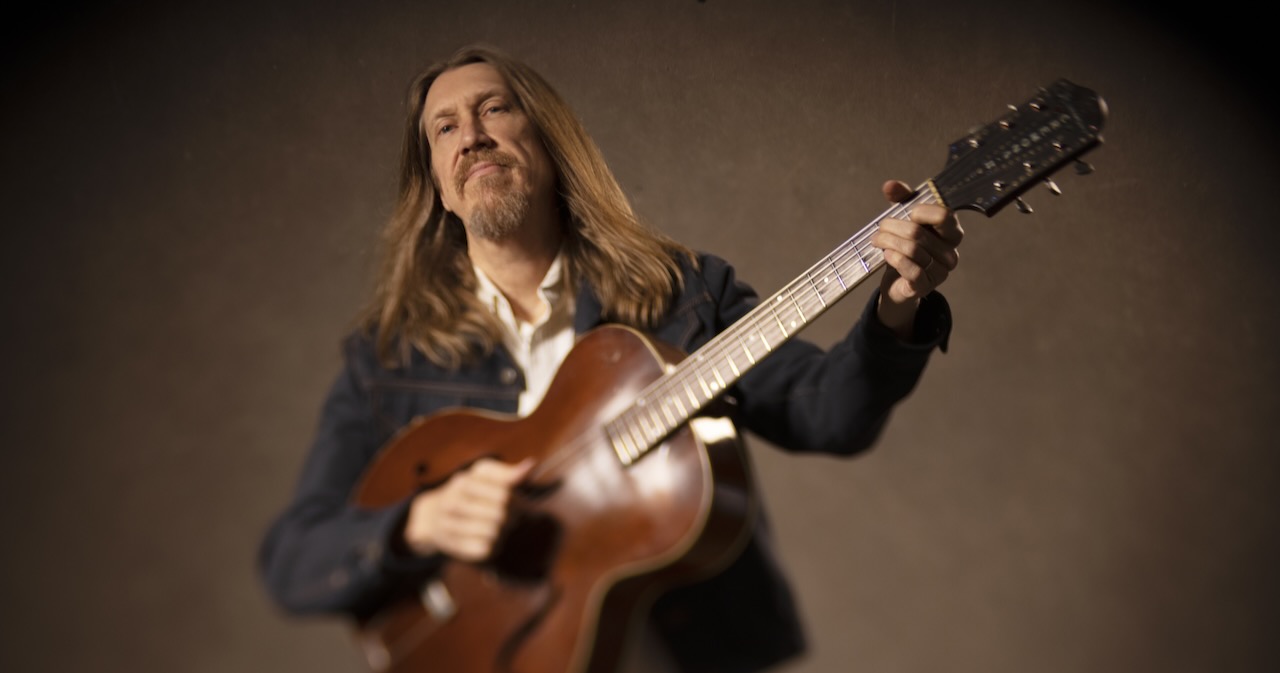
As the frontman/guitarist of The Wood Brothers, Oliver Wood is well versed in the art of roots experimentalism, but even that genre-blurring trio can’t satisfy all of his curiosity. With his second solo album, Fat Cat Silhouette (out now), the singer-songwriter set out to reach a new creative plane of existence.

Featuring nine playful, untethered tracks exploring pure sonic adventurism, the set became a case study in songwriting for songwriting’s sake; it’s a joyful mix of folk, jazz and free form pop. Recorded analog to tape by Wood Brothers percussion polymath Jano Rix, it features guest appearances by Katie Pruitt and Los Lobos saxophonist Steve Berlin, and some of the most irreverent, open-minded musical journeys ever taken. Each day, Wood would wake up, grab a coffee and sit down in a comfy chair, looking out the window to write whatever crossed his mind. The result was musical mood-shift, just a refreshing as it is insightful.

Ahead of another Wood Brothers tour, BGS talked with the artist about clearing his creative mind and getting “weird.”

It seems like you were purposely expanding your horizons on this second solo record, right? Why did you want to open up the floodgates?

Oliver Wood: I don’t know, it just felt like time to do that and time to experiment. … The Wood Brothers, we put out an album last spring and when we were done, I guess I was just still writing tunes. But also, I’ve always just liked in the last few years to make it a point to collaborate with some people outside of the band. And then production-wise, I felt like we’ve just done this album with The Wood Brothers a certain way, and a lot of times we react as artists and as writers. You sort of react to what you did before, and you try to be different, even though there’s not necessarily an exact sound in mind. It’s like, “What can we do that’s weirder?”

I love that idea of being a little weird, because why not, right? But the funny thing is that as a band, The Wood Brothers does not exactly seem limiting in terms of creativity.

No not at all.

So was there just still more in you, that had to get out creatively, or what?

I think so, yeah. And I’m sure there’s a subconscious part of me that wants to figure out what is my musical identity. I know what it is within The Wood Brothers. That’s sort of our bread and butter, but when I do my own thing, I feel like I can do whatever I want. … Maybe nobody will even hear it, so why don’t I just do get as weird as I want to get?

In the album bio, you talk about practicing songwriting without self-judgment and I think that’s a cool idea. Can you explain what that is to you and how you go about getting there?

Yeah. I think that is, first of all, almost impossible. However, maybe putting myself in a frame of mind that I was under less pressure to make something that people would like helps get there. It’s all subconscious, but when we’re with The Wood Brothers, even though we’re not trying to please anybody but ourselves, we do have to make our living, so in the back of our heads it’s like, “Oh, this song will sound good at Red Rocks or the Ryman Auditorium.” In other words, “People are going to love this.” I can’t help but think that in the back of my mind probably. But as far as writing without judgment and what that looks like? I think it looks like trust. I think it looks trusting that oftentimes your first instincts are right.

You don’t have to fix something or change something. You can trust that your soul and realness is going to come out if you just let it, and you write something down or play something, rather than going over it and editing it. I feel like I did that a lot with lyrics on this record. I wrote some things and I was like, “That doesn’t make any sense.” I caught myself thinking that, and then I was like, “Screw it. I trust that that’s what my subconscious told me to write. And it’s real.” I don’t think you really have to try to do that. In fact, the more you try, the less authentic it might be.

What came out is these nine tracks that to me are really playful and enthusiastic. What do you like about where the sound went? You definitely took some leaps.

Well, I talked with [album producer and fellow Wood Brothers member] Jano a lot about maybe being a little bit less on the drum set side, a little more on the percussion side. He is my favorite drummer ever, but sometimes I get tired of drum sets. I mean I love classic rock ‘n’ roll and R&B drums, all that stuff. But sometimes when you think about it, it sounds like everything else. So it was like “What if we didn’t have that?” There was one point where it’s like, “Jano, why don’t you do that percussion part vocally?” With the song “Whom I Adore,” not only did he play the Sitar and the tambourine, but he also did this weird shaker part with his mouth. Sometimes when you avoid one thing, you have to innovate to replace it with something else. And that was kind of the idea.

I use this really dull, rubber-bridge guitar on a lot of the songs, so there’s some more atypical guitar sounds. And of course, Steve Berlin and the bari-sax was a really cool thing. There was one section where we were wishing we had a horn section and instead Jano and I just sang all the parts. That was for “Star In the Corner,” and we just sang them like idiots – like fake opera singers! It’s kind of silly, but it was like, “That’s cool. And we haven’t done that before.”

That to me was the way to go to be non-judgmental, to be like you called it, playful. Sometimes you feel like you can control something and make it just perfect. But the opposite of that is letting go and trusting that if you try something, it may or may not turn you on, but when it works, it’ll surprise you and delight you. And that’s so much more fun than trying to control something and never quite being happy.

Tell me about the track “Little Worries.” This contains the album title, Fat Cat Silhouette, which is so fun. How does that song speak to the project overall?

Some of the themes, I feel like bloomed from that song. I have a ritual where I’ll go downstairs in the morning and have a cup of coffee in this armchair, which is right by a window facing my front yard. And I usually go down there and I write and sometimes I just write in a notebook, just sort of freeform. Sometimes it’s working on a song, but it’s wide open and several of these songs kind of started that way.

The idea of the Fat Cat Silhouette was really just an actual thing. I’m sitting there in that chair with my cup of coffee and I have these semi-transparent sheer curtains, and there’s a cat sitting there looking out the window. Sometimes for me – and I’m pretty sure for a lot of other songwriters – you don’t know what you’re going to write about, but you may see something that gets you started. And so the beginning of that song is literally me describing sitting in the chair with my cup of coffee and there’s a fat cat silhouette in the window.

That sort of observation, oftentimes if you write it down, can lead to a story. The first song on the album, “Light and Sweet,” happened the same way, sitting in the same spot looking out the window and there’s a sparrow. I started the song and then I started fantasizing. He’s on the phone with his lawyer talking about his divorce with his soon to be ex-wife.

[Laughs] You don’t hear many songs about bird law.

Exactly! But with the “Little Worries” song, I think writing that song and writing in general every morning is a good way for me to deal with anxieties and overthinking things. And that kind of turned out to be what that song was about.

How about “Yo I Surrender.” This is another track about giving up control, but also I think the most fun on the record. I love how you said it has the worst guitar sound ever. Why does that work for you?

That’s one that Jano and me and [bassist] Ted [Pecchio] were warming up one day, and we just started playing that groove. We just had fun playing that groove and I saved it on my phone, and then Steve Berlin from Los Lobos was in town with his bari-sax, and we invited him to come into the studio, help us finish writing that song. So the four of us sort of arranged the music and parallel to that, I was starting to think about the lyrics. I was also reading some cool books that were giving me some cool vocabulary words that I was like, “I just want to use that word. I don’t even care if it fits. I don’t even care if it makes sense.” It was definitely one of those things where it was musically such a group effort, and then lyrically one of those things – let it be weird, let it be ambiguous. I think some of my favorite songs that I’ve heard over the years are always a little bit ambiguous.


Photo Credit: Alysse Gafkjen

Kim Richey Travels the World in Search of ‘Every New Beginning’

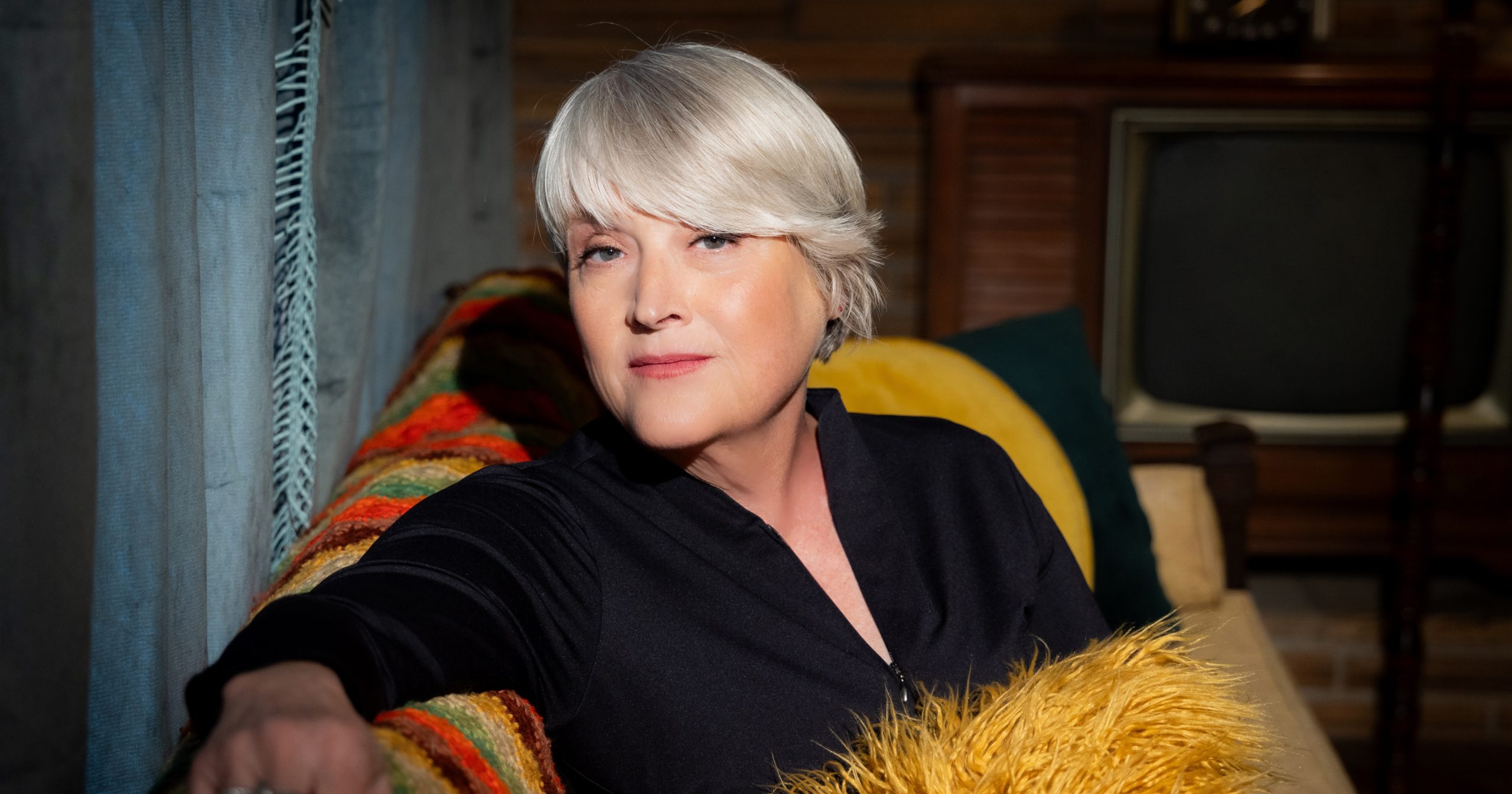
With a voice that shimmers like sunlight on a rippling lake and songs that step deftly through ever-shifting emotional terrain, Kim Richey is the queen of understated finesse. On her latest album, Every New Beginning, she carefully tempers the ache of loss with moments of humor and even optimism. Produced by Doug Lancio (Patty Griffin, John Hiatt) and containing collaborations with Don Henry, Mando Saenz, Jay Knowles, Aaron Lee Tasjan, and Brian Wright, among others, it provides yet another elegantly nuanced reminder of why other singer-songwriters revere her talents.

Dozens of country and Americana artists have invited her to sing on their albums and/or recorded her songs or ones they co-wrote, including Rodney Crowell, Vince Gill, Martina McBride, Patty Loveless, Will Kimbrough, Chuck Prophet, the Chicks, and Brooks & Dunn. Radney Foster had a No. 2 hit with their co-write, “Nobody Wins;” Richey earned a Grammy nomination for co-writing Trisha Yearwood’s No. 1 song, “Believe Me Baby (I Lied).”

In October, she’ll open the final show of Jason Isbell’s annual Ryman Auditorium residency; last year, she helped celebrate the 10th anniversary of his career-making Southeastern album by reprising her vocal contributions. During Brandi Carlile’s solo-set debut at the 2019 30A Songwriters Festival, she spotted Richey and declared, “Kim Richey has been my hero since I was 16!” Citing the Ohio-born East Nashville resident as a major influence, Carlile beckoned Richey onstage to sing “A Place Called Home.” Turns out that wasn’t the first time — and, as Richey notes in this interview, conducted during her recent U.K. tour, it wouldn’t be the last.

Listening to these songs, one could assume this is a breakup album. But you’ve mentioned that songs like “Take the Cake” aren’t necessarily about a specific person. Are there breakups reflected within these songs?

Kim Richey: People always assume they’re breakup songs. [The “Feel This Way” line], “It hurts like it’s always gonna feel this way” — my mom passed away in November. It can be the loss of a friend, the loss of a family member, or it’s just a lot of looking back. COVID really had an effect on me that way, and maybe a lot of people as well, where I had old friends getting in touch out of the blue, and people taking stock, and that’s stuck with me.

You could hear “Feel This Way” as a song about grief or even generalized depression, which certainly doesn’t have to be precipitated by an event.

Or [the song] “A Way Around,” it’s like, “Oh, man, things are not going my way.” It can be general. That’s a great thing about songs; people can have their own interpretation of them and it can connect with them and help them. Maybe it’s something that they’re going through, which was not necessarily my intention when I wrote it, if that makes any sense. If I’m going through a hard time, it’s just nice to hear a song and think, “They know exactly how I feel.” You don’t feel alone.

I think that’s one of the major functions of songs — giving us something to connect to, even if it’s just to pull the tears out. Sometimes that’s all you have when you’re feeling like that. But let’s talk about something that must have been a really happy time: Brandi’s Girls Just Wanna Weekend in Mexico. Was that the first time you got invited, or the first time it worked out to go?

I actually did get invited a couple of years ago, but I’d already promised my parents I was going somewhere with them. But this was getting organized while my mom was in the hospital and everything, so I went down [in January] not really having any idea what to expect. When I got there, they asked if I could come to the rehearsal for Ladies of the ’80s, so I go to the rehearsal, and there’s Annie Lennox. And that was just the start of me crying the entire weekend.

Then I got to meet Wendy & Lisa, and Wendy was so sweet. And when the four of us — Brandy Clark, Brandi Carlile, Mary Chapin [Carpenter] and myself — were onstage playing songs, the crowd was so overwhelmingly amazing that Chapin and I just sat up there and cried in-between songs. It was absolutely one of the most intense and beautiful musical experiences, really, ever, for me. It’s hard to explain the vibe of it. The feel of the festival is so inclusive, and so kind and fun. I’ve never been to anything like that before.

Brandi’s always been really great to me. Like that year of the Pilgrimage Festival, that’s right outside of Nashville, got rained out [2018], her people called City Winery and said “Hey, can we come there and play?” and they packed it out. I had just gotten home from a tour and she texted and said, “Hey, you want to come and play with me tonight?” and I’m thinking, “Absolutely not. I don’t know who you are. I’m in a bathrobe, and I’m gonna watch TV and do absolutely nothing.” I texted back and said, “Who is this?” And it was Brandi and it’s like, “OK, I’ll be right over!”

I love seeing your Instagram traveling pictures. It seems like you seek out interesting places wherever you go. Is that something you’ve always done?

I always want to explore the places where I go, whether it’s a big famous place or some town nobody’s ever heard of. I don’t want to sit in a hotel. I like to find the local great food or coffee or something. One of my most favorite parts about doing music and playing shows is the touring and getting to go and see all these different places. It doesn’t have to be some really exotic place, because one of the things I love about touring in the states is you get to see some of these smaller towns and out-of-the-way places that you would never go to on purpose, because you don’t even know they’re there. I’ve found some fantastic restaurants and sites and hiking places; there’s all kinds of fantastic places in the states. Like, I love Michigan, the Great Lakes; that’s beautiful.

That brings me to the song about your home state, “Goodbye Ohio,” which you describe as “a leaving song.” Do you still have ties there?

Well my mom’s gone, but my stepdad still lives in Ohio and I’ve got my cousins and auntie. I still have a lot of people in Ohio. I go back up there pretty regularly.

So it’s not bittersweet to go home.

Oh, no, no, no. I got all the time in the world for Ohio. I like the people there. It’s very Midwest, and I like that. It’s interesting, too, because the different parts of Ohio are really different, like Southeastern Ohio has more in common probably with West Virginia. And then when you get further up toward Cleveland and Akron, that’s more Northeast-y vibes. It’s great; it’s got a lot going on.

What are some other destinations you would recommend?

I love Glasgow, that’s always been one of my most favorite places. Mostly these days, I’m not in a [tour] bus, I’m in a car or a van. You actually can see all these places you’re driving through, and then you have the ability to go, “Hey, what’s that weird shop there? Let’s pull in and see what that is.” When you’re on a bus, you’re just [taking] the quickest and easiest way to get from one point to the other. So I’ve really enjoyed that part of traveling in a car.

I’ll tell you someplace I just went that was absolutely amazing. My friend Dean Tidey was playing guitar with me and we had a couple days off on the West Coast, so we went to Sequoia National Park and stayed for a couple days in this Airbnb that was right on this beautiful mountain stream. And since it was still early springtime, there weren’t a lot of people there. There was still snow on the ground. I love doing stuff like that. The more I travel, the more I want to see. And the more I travel, the more I know there’s just so much stuff out there to experience and see.

Gosh, I’ve been all over the place. I love London; I lived here for five years. I love Belfast. I got to go to Croatia last year on a boat trip with the Accidentals, and that was amazing.

I love that band! Tell me how you wound up on a boat trip with them.

Well, they asked me to come along. It was a fan trip, and we played and slept on the boat and went to these different harbors. We docked in a different place every night – it was just a cool trip. There were bike rides; there was a lot of swimmin’. We went to Dubrovnik and toured different cities; we were all over the place. And I had no idea. I didn’t think of that as being a Mediterranean country. The food is fantastic. The people were super, super nice. I really loved being there.

You have such a great body of work, and younger artists who appreciate that, and appreciate you, they’re hooking into you and having you play. It seems so important for that kind of give-and-take to happen, in both directions.

It’s great for me, because I get excited about stuff. I love writing with Aaron Lee. He used to live just across the alley from me, so that’s how I got to know him. He’s definitely one of my favorites and one of the most talented musicians and songwriters. He’s great with lyrics and music, the whole deal, and a brilliant player. So it’s fun for me, too, to find somebody new that I really love writing with. It’s one of my favorite things, to write with other people.

Is there anything else you want to talk about?

Well, I would like to like thank the guys who played on the record, especially Doug Lancio, who did so much great work. He played most every string thing aside from when Aaron Lee played on a couple songs. And we had [bassist/mandolinist] Lex Price, who I’ve been wanting to work with for a long time. And Dan Mitchell and Neilson Hubbard; I’ve been playing with those guys for years. And the Accidentals came and put strings on a couple songs. So I just really want to give a shout out to the musicians, and my songwriting friends.

One song, “The World Is Flat” is an old one that I wrote with Peter Vetesse. He lives in Bristol, [England], and we played and he came and we got to play the song that we wrote together. I just never recorded it because it was so sad. I have a lot of sad songs, but there’s always a little kernel of something [positive]; “The World Is Flat” was like, you’ve just kind of given up. But the demo that he made was so beautiful, I just thought if I never make another record, I want people to hear that song.

You just said, “If I never make another record” – obviously, we hope that’s not true. Do you feel like you’re at a point now where you think in those terms?

A little bit. I do enjoy playing, but [touring is] tough physically. But I love to travel and I have super-close friends over here, in New York, in Washington state. Playing and touring allows me to go and spend time with those people. I do love playing for people and writing songs and making records, so we’ll see. I don’t know how much longer I’ll do it. This could be my last record, but you don’t want to say it is, because you never know.


Photo Credit: Stacie Huckeba

First Woman To Ever Yell “WOOO!” During Concert Honored With Statue

NASHVILLE, TN – The first woman to ever yell “WOOOOOO!” at a bluegrass show over eight decades ago will be honored by the city of Nashville with a statue on Lower Broadway.

Mayor Freddie O’Connell acknowledged Vicki Lynn Bludso (103) in a heartfelt speech during the statue’s unveiling ceremony. “When a 22-year-old Vicki Lynn devised her perfect exclamation during the open bars of ‘Shady Grove,’ she had no idea that ‘WOOOO!’ would change the world,” O’Connell said.

“Heck, I yelled it last night during my daughter’s piano recital,” he grinned.

Despite the praise, the centenarian Bludso appeared unfazed in her remarks. “I’d just gotten out of a bad marriage and was letting off some steam,” she shrugged. “The band kicked in, and it just came out. I didn’t think the whole world would start sayin’ it.”

The last surviving member of The Red Boot Boys, fiddle player Jimmy “Slacks” McCoy (99) was on stage at the time of the incident. “When it happened, I froze. I thought a lady had fallen out of the Ryman balcony.”

As the sound caught on, McCoy said it became nearly inescapable whenever The Red Boot Boys played. “Sometimes they’d yell it before a tune started or right in the middle of a solo. By the time we came off the road, our nerves were fried. I think it broke up the band.” He added, “Either that or the excessive drinking.”

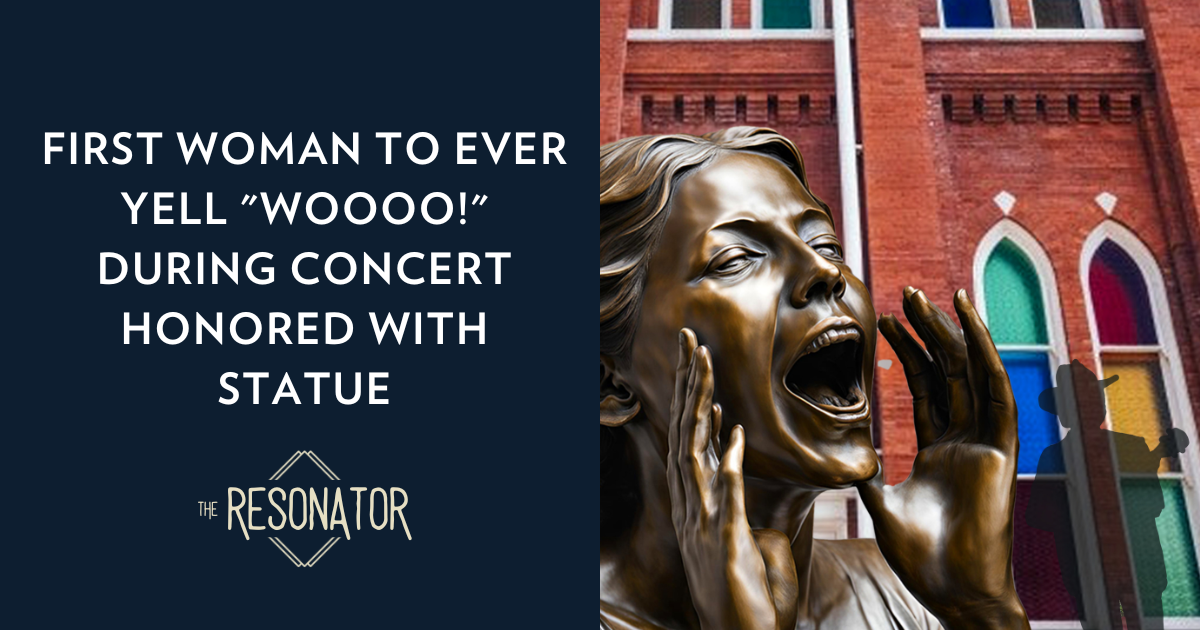
The 14-foot bronze statue depicts a young and wild-eyed Bludso, head tilted back, bellowing with the now-signature “O”-shaped mouth. Little did she know that “WOOOO!” would go on to span the worlds of music, sports, frats, bachelorette parties, transpotainment and extreme temperature change.

“I only said it once. Now I’m stuck with it.” Bludso reminded the crowd.

Bludso’s statue will join the statue of Rick Funt, more famously known as the 1974 creator of yelling “Freebird!” during a show of a band that did not, in fact, know the song.


13 Online Tributes to Earl Scruggs for His 100th Birthday

On January 6, bluegrass luminaries gathered at the Mother Church itself – the Ryman Auditorium in Nashville – to celebrate what would’ve been the 100th birthday of a man whose name is synonymous with the genre. On that day just over a week ago, banjo legend Earl Scruggs would have celebrated his centennial, and bluegrass celebs like Sam Bush, Béla Fleck, Sierra Hull, Bronwyn Keith-Hynes and many more gave a tribute concert streamed live on Veeps. While the live show might have come to an end, many are sharing pics and memories of Scruggs, keeping his special celebration going.

We’ll be highlighting the pioneer’s 100th all year long, so we’re also collecting some of the best social posts – in no particular order – that you might have missed.

Ryman Auditorium

With such a star-studded tribute concert, of course we should kick our list off with the Mother Church’s post about their live concert celebrating Scruggs – which benefitted the Earl Scruggs Center in Earl’s hometown of Shelby, North Carolina. The Ryman itself is located in the heart of downtown Music City, a fitting venue for this show.


Béla Fleck

Béla Fleck is just one of many modern banjo pickers inspired by Scruggs’ iconic three-finger style. We recently featured a single from his upcoming album in our #BGSClassof2024 playlist. His Facebook post recalling memories of working with his banjo hero is a touching accompaniment.

“Rhapsody in Blue(grass),” from Fleck’s upcoming album Rhapsody in Blue, is a perfect commemoration of the 100th birthday of Scruggs. Fleck is joined by his My Bluegrass Heart band, picking alongside Michael Cleveland, Sierra Hull, Justin Moses, Mark Schatz and Bryan Sutton.


Sam Bush

It’s hard to imagine historic movements and bands like New Grass Revival existing without the ability to build on the foundation that Earl Scruggs and others laid for the generations that followed. It’s no surprise, then, that Sam Bush paid tribute to Earl in a Facebook post following the Ryman show.


Gena Britt

IBMA Award winner and Grammy-nominated Sister Sadie banjo player Gena Britt has posted several photos and reels on her Facebook page from the Scruggs bash, where she was just one of many banjo players in attendance.


Tony Trischka

Tony Trischka’s upcoming album, Earl Jam, is a tribute to his musical mentor and inspiration, Scruggs, and will be released later this spring by Down the Road Records. Trischka just released the official music video for “Brown’s Ferry Blues,” featuring Billy Strings, right after Scruggs’ birthday.

Earl Jam will be a special collection of Trischka playing Scruggs transcriptions note-for-note that he gleaned from jam session recordings taken by John Hartford at Earl’s house in the ’80s and ’90s.


Earl Scruggs Music Festival

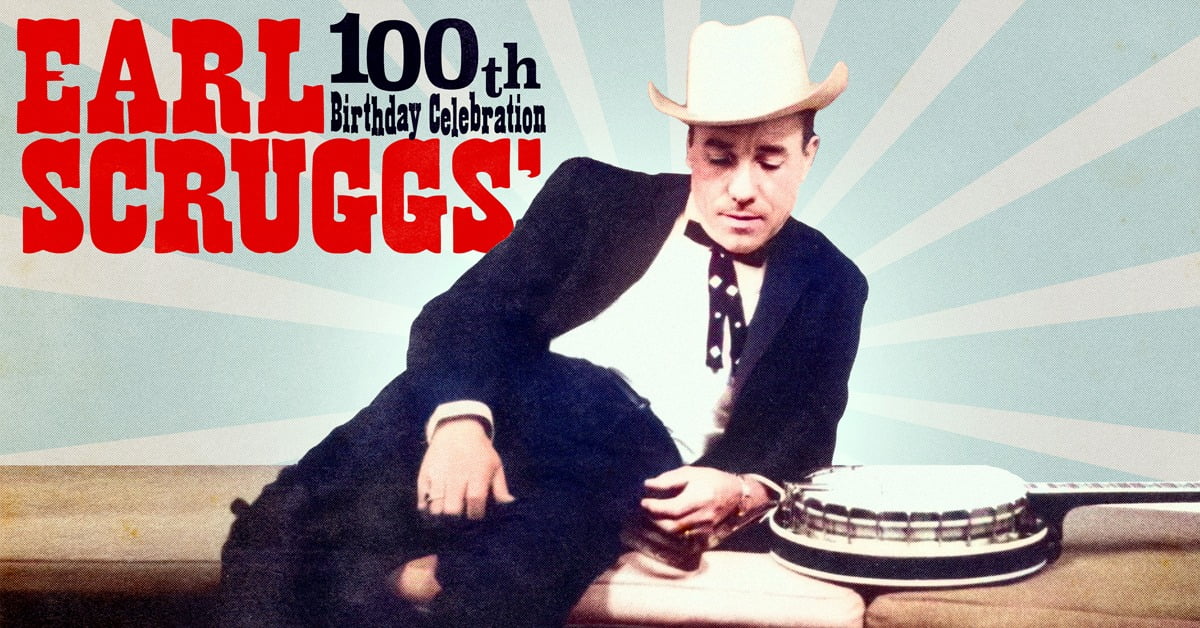
To mark their namesake’s birthday, the Earl Scruggs Music Festival posted one of the most iconic photos of the banjo player in music history. If you haven’t made it to this North Carolina event yet, check out our coverage from last year’s festival. We’re very much looking forward to Earl Scruggs Music Festival 2024!


John McEuen

For his own tribute, John McEuen – a founding member of the Nitty Gritty Dirt Band – shared some incredible footage of the first time he met Earl Scruggs back in October of 1970.

“This meeting right here is what led to the Will The Circle Be Unbroken album,” he shared.


Jerry Douglas

Jerry Douglas, iconic Dobro player and member of the Earls of Leicester, posted a wonderful collection of photos from the Ryman show!


Kyle Tuttle

Kyle Tuttle, member of Molly Tuttle’s Golden Highway band, posted a clip of his own three-finger work inspired by Scruggs.

“Who knows where the banjo would be had this man not come along and shown us how it works,” Tuttle mused.


International Bluegrass Music Association

The IBMA marked Scruggs’ centennial by posting an abbreviated history of his life and career.

“From his home state of North Carolina, Earl took the sound of the banjo and revolutionized it across the world,” the post reads. “Not only did he pioneer the three-finger banjo, but he played it to standards of taste and technique unmatched by thousands of disciples over seven decades.”


Alison Brown


View this post on Instagram


A post shared by Alison Brown (@alisononbanjo)

Alison Brown, co-founder of Compass Records and multi Grammy award-winning banjo player, posted a touching tribute to Scruggs on Instagram.


Mark O’Connor

In a lengthy tribute post with multiple photos fiddler and composer Mark O’Connor remembered Scruggs on his Facebook page.


Andy Thorn


View this post on Instagram


A post shared by Andy Thorn (@_thornpipe_)

Thorn, banjoist for Leftover Salmon, posted a clip of himself on Instagram playing what is perhaps the most iconic banjo tune of all time, making it a fitting end to our list of social media tributes. Check out Thorn’s take on “Foggy Mountain Breakdown!”

We’ll continue to celebrate Earl Scruggs’ 100th all year long, so keep checking back for more on BGS!


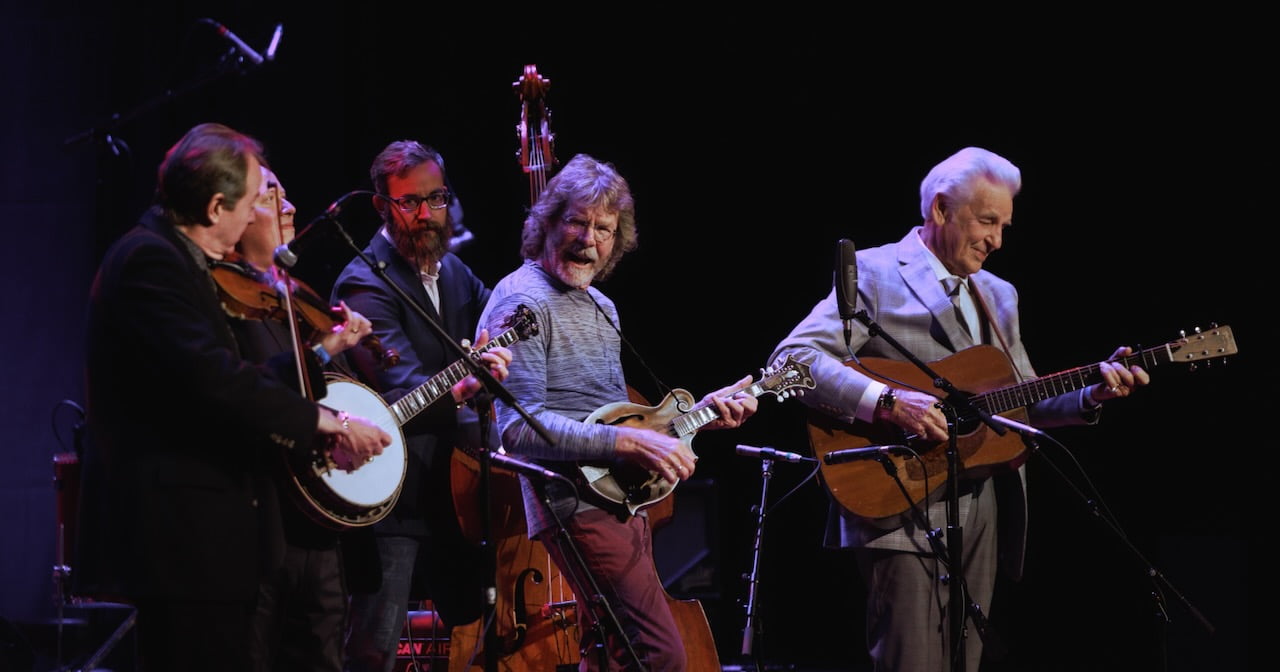
Lead photo by Eric Ahlgrim courtesy of the Ryman Auditorium. Pictured: Stuart Duncan, Jim Mills, Alan Bartram, Sam Bush, and Del McCoury perform for Earl Scruggs’ 100th Birthday Celebration at the Ryman on January 6, 2024. 

How to Watch Earl Scruggs’ 100th Birthday Celebration

January 6, 2024 would be the 100th birthday of Earl Scruggs, a musician and artist who helped create bluegrass music and who was and is perhaps the most prominent and well known banjo player to have ever lived. Scruggs passed away in 2012, but this posthumous celebration – to be held at Nashville’s Ryman Auditorium – speaks to his undying musical legacy. The performance will benefit the Earl Scruggs Center, a museum in Shelby, North Carolina that’s dedicated to Scruggs, the local community, and its residents, and inhabits the former courthouse just up the highway from unincorporated Flint Hill, where he was raised.

The show, with musical director Jerry Douglas, will feature performances by bluegrass and roots music luminaries such as The Earls of Leicester, The Del McCoury Band, Gena Britt, Alison Brown, Sam Bush, Michael Cleveland, Stuart Duncan, Jimmie Fadden, Béla Fleck, Jeff Hanna, Sierra Hull, Bronwyn Keith-Hynes, Jim Mill, Justin Moses, Jerry Pentecost, Todd Phillips, Harry Stinson, Bryan Sutton, Tony Trischka, Abigail Washburn, Pete Wernick, and more. Limited tickets are still available and, for those who may not be able to attend in person, the entire show will be livestreamed via Veeps.com for $14.99.

It promises to be a quintessential Nashville evening, a star-studded lineup with endless appearances, special guests, and with certainly plenty of heartfelt remembrances and tributes in store. Livestream viewers will get a rare chance to be invited “flys on the wall” for a magical and one-of-a-kind concert.

Earl Scruggs’ legacy will certainly live on – for another hundred years and, we hope, beyond. BGS and many other roots music and bluegrass communities and organizations will continue to celebrate Scruggs’ centenary throughout the year, so keep an eye out for upcoming content that celebrates Earl Scruggs and his three-finger style.


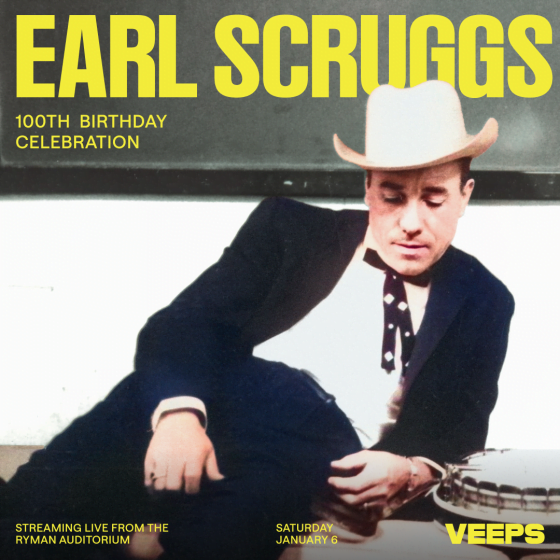
Lead image courtesy of the Ryman Auditorium; inset graphic courtesy of Veeps.

Cover Story: Hogslop String Band Went From “We Are Not A Band” To the Opry

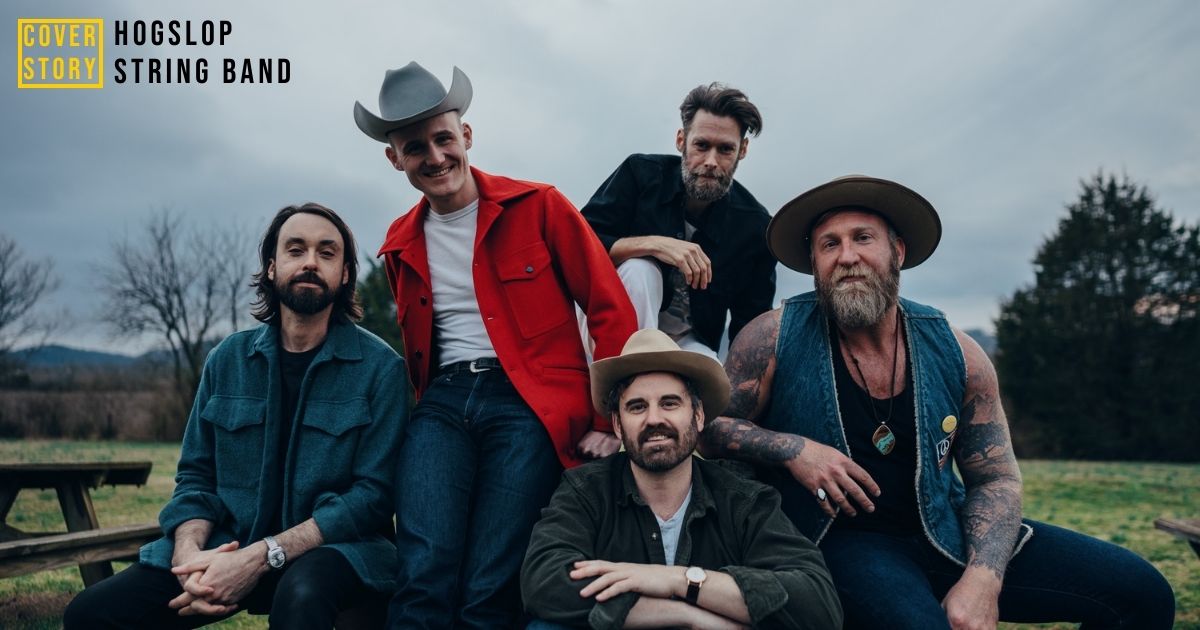
Few bands have benefitted from the same type of steady, organic growth as the Hogslop String Band. Originally formed in 2009 as a pickup band for a square dance, the group played together for 10 years before releasing their first album. In that time, their camaraderie strengthened – as did their songwriting, performance style, and fanbase.

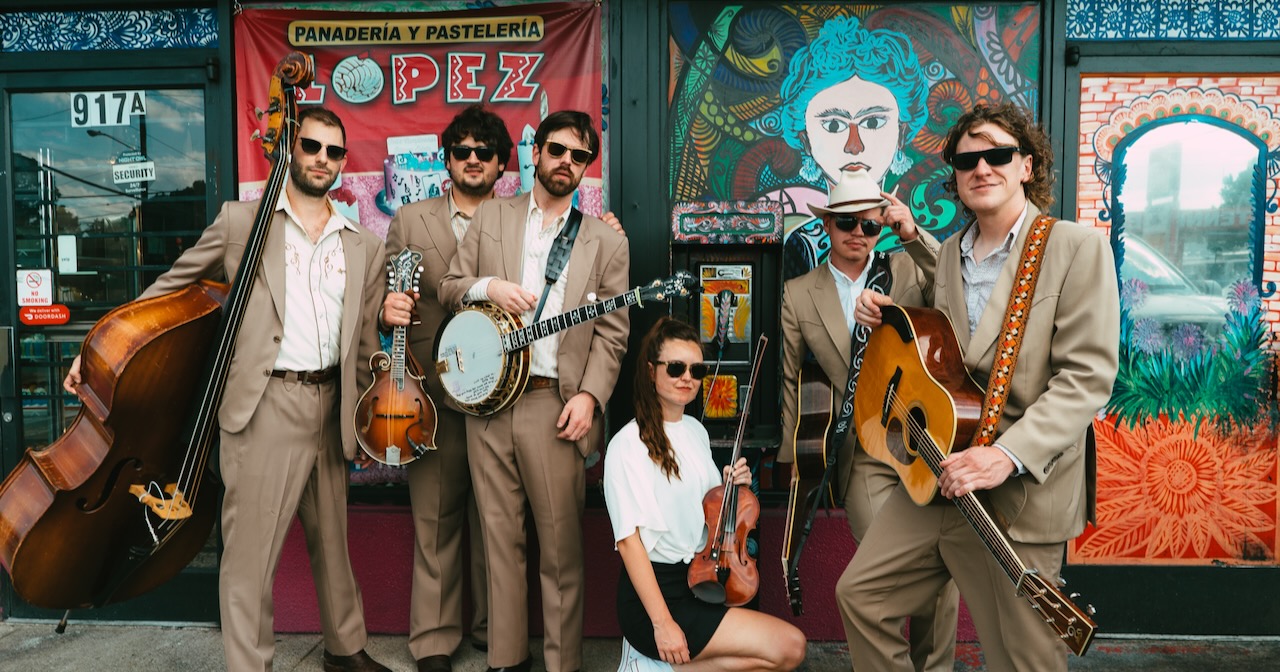
Following their 2019 self-titled album, the group – Gabriel Kelley, Daniel Binkley, Kevin Martin, Will Harrison, and Pickle – has been hard at work on their next record (expected spring 2024). Produced by Kelley at his own Mobile Traveler Studios in Bells Bend, 10 miles west of Nashville, the record illuminates the purely original sound that the Hogslop String Band has found over nearly 15 years of making music together.

BGS caught up with Gabriel Kelley and Daniel Binkley to talk about the new music, the formations of the band, and where it’s all headed.

You formed in 2009, but it was 10 more years before your first album came out. What has the journey been like, coming from such casual origins to debuting on the Opry in 2022 and looking ahead to releasing your sophomore record?

Gabriel Kelley: We sure did. We were, to be honest, just a rag-tag bunch of buddies. Most of us had grown up playing old-time music or found it in our early years. For a very long time, our motto was a little more on the punk rock side: “We are not a band” is what we said for the first 10 years of the band. It was just a way to get together and have a good time. It wasn’t until a few years ago that we started taking it more seriously. One thing that’s cool about our Opry debut – and Binkley can fill you in – is that his family has been a part of the Opry since the ’20s.

Daniel Binkley: My family has been in Nashville forever – my great-grandfather, Amos, he had a band called the Binkley Brothers’ Dixie Cloghoppers, and they were a part of the very first Opry cast in 1926. Backstage they have a placard for every member and I found my family back there. That was a very special moment for me. They mentioned it during the broadcast, and we actually ended up playing one of the Binkley Brothers’ songs on the Opry.

For a band with a foundation in traditional music, i.e, fiddle tunes, where do you find the balance between introducing your own original material and digging from the old-time repertoire?

DB: Old-time music is sort of the school that we come from. So when we write original stuff, it’s gonna come through that lens. Once you run it through the “hogslop filter,” it’s gonna sound like hogslop. There’s just something about that foundation, and our knowledge of each other as musicians, that makes it come together – whether it’s traditional tunes or original material.

GK: We absolutely don’t ever want to lose the component of old-time string music and we’re currently in a time where that music seems a lot more accessible and is getting thrown under the big umbrella that everyone is calling Americana. We don’t do a show without old-time tunes in there. A lot of the other music we take influence from – blues, rock and roll – they were actually getting inspiration from early country and old-time music. So for us, it all goes in the same bucket.

You’re definitely known for that high energy string band sound, but this new album has quite a range of pace. How do you stay true to that sound while incorporating softer material like “Mississippi Queen?”

GK: We’re very much a live band and in that setting it’s about that high energy, rowdy thing. We love that, but amongst us in the band, three to four of us are songwriters and have very different approaches to songwriting. We’re very lucky to have Daniel in the band, he’s one of my favorite songwriters and has an ability to write some of that intimate, close to the chest material, like “Mississippi Queen.” And you need that delicate stuff just as much as you need the fast, hard hitting, and fun stuff. We feel that it’s very important to show audiences (and ourselves) that we have those dynamics.

DB: A lot of our shows at festivals are late night, midnight shows and it’s almost more like a punk-rock show. But there are also theaters or other venues where you can really showcase more of that dynamic. Kevin Martin has a few tunes on the album and he writes totally different that I do. He’s more rock and roll and I guess I’m the softy. It’s nice to have a little variety – especially on a record.

What’s special to you about this upcoming album, compared to music you’ve released in the past?

GK: Personally, watching this band shift and develop over 15 years has been pretty wild. This is the first record of the band’s that I’ve produced, and what’s special to me is (and I’m not saying that we’re reinventing the wheel), I’ve never heard quite the blend of genres that we’ve thrown together. It’s cool that Hogslop is still shifting and mutating and we’re still discovering that. And that we’re embracing our songwriting – everything on this record is our own material, and I’m really proud of that.

DB: I agree with all of that! One thing I’ll add that was a major game changer – and this is thanks to Gabe – was the ability to take our time in the studio and not be under the time constraints that’d you’d be under paying for studio time somewhere.

What else is on the horizon with the release in 2024?

GK: We’ll be in the studio most of November, and then we’ve got the Ryman show [supporting the Mavericks] on December 1. As different as this new music is, we’re really woodshedding and figuring out our live show. It sounds like our ‘24 is gonna be busy – we’re mainly a festival band, so that’s where we’re headed.


Photo Credit: Josh Goleman

See the Winners of the 2023 Americana Honors & Awards

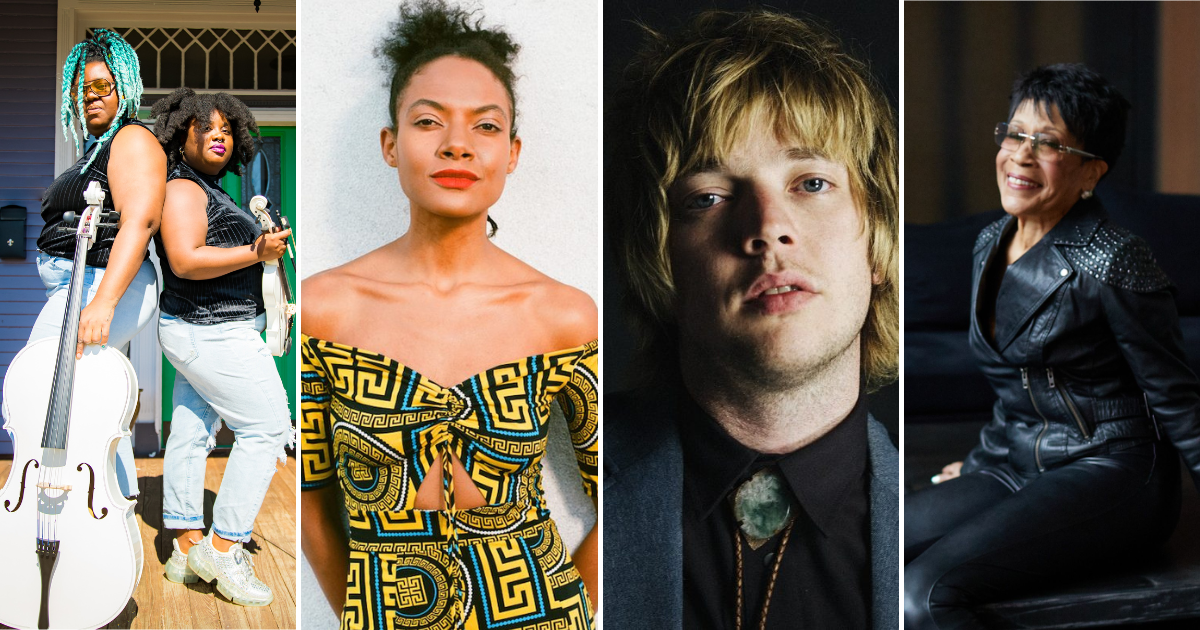
The Americana Music Association announced the winners of its 22nd annual Americana Honors & Awards this evening (September 20) at a star-studded show at the historic Ryman Auditorium during the week-long AmericanaFest conference and festival in Nashville. Performers at the marquee event – which felt, as it usually does, more like a concert interspersed with awards presentations than vice versa – included Bonnie Raitt, Bettye LaVette, S.G. Goodman, Noah Kahan, The Avett Brothers, Adeem the Artist, William Prince and many more with Buddy Miller once again as music director for the Americana All-Star Band.

The evening’s presentations also spotlit this year’s Lifetime, Trailblazer, and Legacy Award Honorees: The Avett Brothers, George Fontaine Sr., Bettye LaVette, Patty Griffin and Nickel Creek. Allison Russell, nominated in two categories, was bestowed the Spirit of Americana / Free Speech in Music Award by the infamous Tennessee Three, Tennessee state representatives Gloria Johnson, Justin Jones and Justin Pearson, whose expulsion by the Tennessee General Assembly after protesting in support of common sense gun legislation earlier this year made international headlines.

A full list of categories, nominees and winners at the Americana Music Association’s 22nd annual Americana Honors & Awards is below, winners in bold. Congratulations to all of the honorees and awardees!

ARTIST OF THE YEAR:

Charley Crockett

Sierra Ferrell

Margo Price

Allison Russell

Billy Strings


ALBUM OF THE YEAR:

Big Time, Angel Olsen; Produced by Angel Olsen and Jonathan Wilson

Can I Take My Hounds To Heaven?, Tyler Childers; Produced by Tyler Childers

El Bueno y el Malo, Hermanos Gutiérrez; Produced by Dan Auerbach

The Man from Waco, Charley Crockett; Produced by Bruce Robison

Strays, Margo Price; Produced by Margo Price and Jonathan Wilson


SONG OF THE YEAR:

“Change of Heart,” Margo Price; Written by Jeremy Ivey, Margo Price

“I’m Just a Clown,” Charley Crockett; Written by Charley Crockett

“Just Like That,” Bonnie Raitt; Written by Bonnie Raitt

“Something in the Orange,” Zach Bryan; Written by Zach Bryan

“You’re Not Alone,” Allison Russell featuring Brandi Carlile; Written by Allison Russell


DUO/GROUP OF THE YEAR:

49 Winchester

Caamp

Nickel Creek

Plains

The War and Treaty


EMERGING ACT OF THE YEAR:

Adeem the Artist

S.G. Goodman

William Prince

Thee Sacred Souls

Sunny War


INSTRUMENTALIST OF THE YEAR:

Isa Burke

Allison de Groot

Jeff Picker

SistaStrings – Chauntee and Monique Ross

Kyle Tuttle


Jack Emerson Lifetime Achievement Award

George Fontaine, Sr.

Legacy of Americana Award (Presented in partnership with the National Museum of African American Music)

Bettye LaVette

Lifetime Achievement

Patty Griffin

The Avett Brothers

Spirit of Americana / Free Speech in Music Award

Allison Russell

Trailblazer Award

Nickel Creek


Photo Credit: Bettye LaVette by Danny Clinch; Allison Russell by Laura E Partain; Billy Strings by Jesse Faatz; SistaStrings by Samer Ghani.

East Nash Grass Bring Their Weekly Residency to the World

The avant-garde, southern rock icon Col. Bruce Hampton had a belief that defined his career: don’t take yourself seriously – take what you do seriously. That saying holds strong for East Nash Grass, a group who have entertained the crowds at Dee’s Country Cocktail Lounge (in Madison, Tennessee) with incredible bluegrass and charming stage antics every Monday night for nearly six years.

Bluegrass music has a longstanding tradition of bands performing recurring shows. In the 1970s, J.D. Crowe & the New South rose to popularity while performing five nights a week at the Red Slipper Lounge in Lexington, Kentucky. Meanwhile, the Seldom Scene was gaining traction in the Washington, D.C., area with weekly performances at the Red Fox Inn and later the historic Birchmere. Performing that much allowed those bands to not only grow musically, but to grow their own, almost cult-like fanbase.

While the members East Nash Grass – Harry Clark (mandolin), Maddie Denton (fiddle), James Kee (mandolin), Gaven Largent (Dobro), Jeff Picker (bass), and Cory Walker (banjo) – are getting ready to celebrate six years of performing Monday nights at Dee’s, their sophomore record Last Chance to Win is charting No. 4 on Billboard’s Bluegrass Chart, they’re booked at festivals all over the country, and they’re nominated for IBMA’s New Artist of the Year award. 

BGS recently caught up with James Kee and Cory Walker to discuss the new album, the origins of the band, and the longstanding residency at Dee’s.

East Nash Grass started with a rotating cast in 2017, playing every Monday night at Dee’s Country Cocktail Lounge. Can you tell me about the origins of the group, and when the lineup came together as something more than a weeknight pickup band? 

James Kee: We had a lot of lineup changes in the early days – we solidified that lineup by 2018 or so, but it wasn’t as strong as the current lineup. We had Maddie [Denton] then, but Cory started playing with us full time in 2019, as did Harry [Clark]. And when that happened, East Nash Grass became serious. We just gelled together. It was super comfortable musically, and also professionally. 

Cory Walker: I got a gig in 2015 or ’16, at Arrington Vineyards, and came up with the band name then. There was such a resurgence of bluegrass in the East Nashville area. Putting together the band, if I couldn’t get this one person on mandolin, there were five others I could call. Then, Harry and I met this guy that worked at Dee’s and wanted to put together a weekly bluegrass show. So that’s how we were associated in the very beginning. But I wasn’t playing every Monday night, and around that same time Harry moved to Lexington for a couple of years to play with the Wooks. 

You’ve definitely become known for your unique stage presence and antics, between (and often during) songs, and you take that same energy from Madison to stages all over the country. How has playing a weekly gig for six years shaped the way you perform?

CW: I’ve played with so many people who use the same old formula. I don’t want to be a mouthpiece for the thing that has always worked. That’s one of the things I love about playing in this band, turning peoples heads upside down. It’s fresh air. 

JK: We’ve each been a sideman in all these different bands, and so many can suck the air out of the room between songs. They’re great, but we really wanted to loosen up from that. I have the same irreverence for the “same old” that Cory does. 

How has your stage presence been received in more traditional performance spaces?

JK: It’s not for everyone, but never any negative experiences. Often, they’re not sure what to think. People might think we do something different than other bands, but we do a lot of the same, just in our own way. We got on the Ryman stage and thanked Tim Allen – twice.

CW: But, he was there… this is really new territory, as far as the stage show. I love to go back to the Dee’s stream from the past week and watch the clown moments, where somebody does something off the wall and then everyone else responds to it in some way. In any other band scenario, that person would be fired, immediately.

Your performances are always unique, but so is this new record. How did you choose material, and go about recording Last Chance to Win?

JK: We knew there were some songs that people wanted us to record, that we’d already been doing. That was “Slippin’ Away,” “How Could I Love Her So Much,” three or four songs. We went in and cut those and got used to the environment, this particular studio and this first album with Jeff [Picker] on bass. I brought a lot of material to the first record, and I wanted to see what everybody else would bring to this one. It ended up having this old-time vibe that just naturally occurred, and so we ended up finishing out the record with more songs that fit that. 

Everyone in East Nash Grass seems to get their own voice, despite each of you having worked for countless solo artists. What’s it like to all come together and cultivate your own fanbase?

CW: Having a band where everyone has a say really makes people care more about the music and want to stick around. Even though we’ve all worked for bigger acts, we’re getting in together at the bottom floor. The people at our release show were primarily our age and younger. Those people will stick around, too. 


Photo Credit: Kaitlyn Raitz

BGS 5+5: Alex Williams

Artist: Alex Williams
Hometown: Pendleton, Indiana
New Album: Waging Peace (October 21, 2022)

Which artist has influenced you the most … and how?

It’s hard to pin one artist down that has influenced me more than another, but I would say Todd Snider was the first songwriter I was exposed to as a kid. My parents used to play his Step Right Up in the car constantly. I’ve been a huge fan of all of his records since and he inspires me to this day.

What was the first moment that you knew you wanted to be a musician?

The moment I wanted to become a musician was after my dad persuaded me to take the first song I had written to my high school winter talent show and play it. I knew I was destined to write songs and play them for people on the road after that night, so I immediately dove headfirst into playing anywhere I could get a gig.

What’s your favorite memory from being on stage?

My favorite memory from being on stage is probably when I got to play the mighty Ryman Auditorium with my friend/musician Whitey Morgan a few years ago. Lot of magic in that place, and the sound is just absolutely incredible.

What has been the best advice you’ve received in your career so far?

I’ve received a lot of advice from friends in this business and fellow friends/musicians, but the one thing that’s remained consistent and stuck with me is to always be unapologetic, to be as honest as you can be, and to understand that life as a musician is a lifelong journey in every regard and there are no guarantees. That within itself over the years has made me appreciate every moment a hell of a lot more as I get older, whether it’s writing songs or playing out on the road.

Since food and music go so well together, what is your dream pairing of a meal and a musician?

I’d probably say a Buffalo chicken sandwich with Jim Croce if he was still with us. I would love to pick his brain about his writing process and how he came up with all of those great chord changes and melodies. He’s a huge inspiration for me and was gone way too soon. The sheer body of work that he left behind in such a short amount of time is amazing and a prime example of why he is one of the greatest songwriters that has ever lived.


Photo Courtesy of Lightning Rod Records

Vandoliers Drop the Banter to Develop a Sound Shaped by Country and Punk

Right now, no band is blending country and punk music better than Vandoliers. Although that mash-up has been attempted for decades, it’s rare to actually find a band that disregards the rules completely and still sounds like they just might belong in a late-night honky-tonk. For years and years, that’s likely where you would find this Dallas/Fort Worth-based band. And if you’re gonna play in Texas, as the old country song goes, you’ve gotta have a fiddle in the band. While that instrument does provide a definitive fire to their show, it’s just one component to an invigorating sound that sets them apart on the local landscape.

However, the band has tapped into a market well beyond Texas, hitting the road with artists like Flogging Molly, Lucero, Old 97s, and their own personal heroes, Turnpike Troubadours. When the group’s European tour kept getting delayed during Covid, a disc jockey in Spain kept playing their songs anyway, and by the time they wound up in Madrid, they were selling out clubs to crowds who knew every word. Beyond just singing along with “Every Saturday Night,” which they’d heard on the radio for years by this point, the Spanish fans were almost certainly responding to the blasting, somewhat unexpected trumpet solos that punctuate anthemic songs like “Before the Fall.”

Most impressive of all, they managed to bottle up their on-stage energy and inject it into their first album in three years, The Vandoliers. While the band had a day off in Lawrence, Kansas, lead singer and principle songwriter Joshua Fleming filled us in about their first time at the Ryman Auditorium, kinda learning how to play guitar, and the unmistakable influence of country star Marty Stuart.

BGS: When I saw you at the Ryman, what struck me the most was your showmanship. You guys were full throttle from the moment you walked out there. What does it feel like in those moments before the stage lights hit you?

Fleming: We play this song [backstage] called “Urban Struggle” by the Vandals, and it’s an old punk song from the ‘80s. Evidently there were two clubs — a punk bar and a country bar — that were right next to each other, and that song is about the fight that would ensue because of that. Every time that comes on, we all just get super excited. It’s really those moments of excitement. Like at the Ryman, I had a moment where I went out back and hung out in the alley where all the musicians hung out before the show. I’ve been doing this thing where I’ve been writing a tour journal, and I wrote a little paragraph. Instead of posting it on Twitter or Instagram, I have this little book that I’ve been writing in, just trying to gather my thoughts, because there’s been those moments.

Like when we first started, when people would tell us we weren’t country enough, which they were probably right, you know? But we love that music so much and we love that heritage and we love that legacy. This is just how we get to be a part of it, by sounding like this, because that’s just where we’re from. I’m not from the hollers or the hills of Kentucky, or anything like that. I’m not from Nashville, Tennessee. I’m kind of stuck in the middle between Fort Worth and Dallas. … That’s where I grew up, so this is just the sound that I love, and these are things that remind me of Texas and where I’m from. When you get to play at the Ryman, especially for a band like Turnpike, who’s been a massive influence on us, and being accepted by your peers after seven years of kind of being the red-headed stepchild, it’s really surreal!

Do you have any influences in terms of the way you present yourself on stage? Did you ever see a band and say, “THAT’S what I want to do!”?

All the time! We’ve played a lot of empty bars and had to get people out of their chairs to get the excitement. We’ve also gotten to learn tricks from Old 97s, Lucero, and Flogging Molly, and those bands kind of taught us and showed us the ropes of how to put on a show and get people moving. When I was out with Flogging Molly, Dave [King, the lead singer] just completely commands not only the crowd’s emotions, but also their bodies. He can get their hands up, waving, and they can get people moving. And with Lucero, every Lucero show is just the crowd singing Lucero songs with Lucero. I saw that and I was like, “THAT’S the kind of show I want.” What I really want is a cathartic release and if I’m lucky enough to write some songs that people want to sing with me, that means a lot.

This was my first time seeing you and I noticed you don’t spend a lot of time on stage banter.

Oh yeah. I hate banter! I come from the Ramones school of “1-2-3-4, ‘Good night!’” I want every song to sound like they run into each other. I don’t want that energy to stop. I don’t want to shut the crowd out; I just don’t want to turn it into this soapbox because I want to play as many songs as possible.

I was very surprised that Turnpike gave us an hour at the Ryman. I had [prepared for] a 45-minute set so I actually got to add songs instead of take away, and that was super fun. But I shoved 16 songs into an hour. I think I gave myself three minutes to say our band name. And tune. [laughs] And to say thank you to Turnpike because they’re the reason we were there. It was really great that they allowed us to be a part of their coming back. We played their first two shows at Cain’s and those were amazing. But playing the Ryman, I mean, it was their first night at the Ryman, too, so we got to share that feeling together. That was such a cool bro thing to do. [laughs]

I read an interview where you said Marty Stuart was the reason you started the band. What did you mean by that?

I mean, I’m constantly learning and there’s so much music I don’t know. And when I found Marty Stuart, it was this perfect time. Hank III was on his show and I just gotten into Hank III. Marty Stuart is a Hall of Famer and absolutely brilliant but he wasn’t quite as in-your-face as other artists I had seen and heard all my life. So, when I discovered him, it was through The Marty Stuart Show. I watched the episode with Hank III, and I was like, “This is RAD! This is rockin’!” There’s an electric guitar up there and he’s ripping — Kenny Vaughan is up there, just crushing. And their harmonies were perfect. Harry Stinson is of the best singers ever while also being one of the best drummers. It’s really unfair that they’re so talented!

My wife and I, one of our favorite bands is T-Rex, so that glam rock thing was very fresh in my mind at that time, because we had just met and I was showing her these records. We walked down the aisle to The Slider and “Metal Guru” was the song. I really love glam rock. So, anyway, I see the glam in Marty. I see the talent. I see the stories. It was everything that I loved from all of these different genres, and also very traditional and amazing.

So, I run in to find my wife, who’s a huge country fan, and I’m like, “Look at this guy! He looks like a country Marc Bolan!” She’s like, “Oh, that’s Marty Stuart. He’s awesome.” And goes back to bed like it’s no big deal. [laughs] I got obsessed and watched every episode of that show and bought records and tapes and CDs. And one day I got to open for him, going out with them for three shows with him in Texas, and he was one of the kindest people in the world. He is so cool and everybody in that band is the coolest. If Marty Stuart can accept me and be kind to me, then the sky’s the limit, right?

When did you learn to play guitar?

I started banging out chords when I was, like, 11. I wasn’t very interested in being a virtuoso, like a guitar-solo guy. I was more into that outlet to speak and write my feelings out. And I also really liked the idea of being in a band. I played sports but there was always somebody on the bench. No one’s on the bench in a band. Everybody gets to play and it gives you a little bit of a social scene, too. Those were the things that I was really interested in at the time. I started my first band when I was 12. I played roller rinks and movie theaters and little DIY shows for all the kids in my middle school. And then I moved to high school and I played all-ages clubs and theaters with my ska band. Then I moved into cutting records and learning about recording and going to school for recording. It’s been a long journey.

So, did I “learn guitar”? Kinda. I learned how to write a song and I learned how to be in a band — and it’s been great! I think that’s why I liked punk in the beginning because it made me feel like I could do it. I didn’t have to worry about having some pedigree. I didn’t have to be the son of some famous dad. I was from a small town very far away from L.A., Nashville, New York, and Chicago. It was more of just me being able to have a little place in my social scene and it kind of grew from there. Then I started touring and traveling.

Is that where the song “Sixteen years” comes from?

Yeah, that’s actually exactly it. You can take it any way you want, but in the song, story-wise, my dad’s not a preacher. That’s actually referencing one of my songs from my punk band, The Phuss. Like, “A poor man’s song that no one wanted to hear” was “Bottom Dollar Boy,” which we re-recorded for Bloodshot, but it came out on our first EP that didn’t sell very many. [laughs] I wasn’t famous because of that song but I really love that song. It’s just referencing trial and error, trial and error, trial and error. And it’s not about being successful. It’s just about doing it. So, even if it takes me forever, I’m still going to do it. And even if I don’t even make it, whatever that means, I would still do it. I love it so much.


Photo Credit: Rico DeLeon