Old Crow Medicine Show: “Time to Start Doing Exactly What We Feel Like Doing” (Part 1 of 2)

I can still remember the first time I saw Old Crow Medicine Show live. It was a sweltering summer night in Nashville around 2008 (back before the bachelorettes and Bird scooters) and they played from a massive barge moored at Riverfront Park. The thing was huge — far too big for six skinny street musicians to budge — but I swear it moved while they stomped and hollered, the Cumberland rolling by lazily behind them.

I was familiar with the band and already loved the unapologetic mix of tradition and edgy intensity, but that live show was revelatory. It gave me a new appreciation for the sense of community Old Crow was trying to forge, so it’s always surprised me that they didn’t record live albums. That has finally changed with this month’s release of Live at the Ryman.

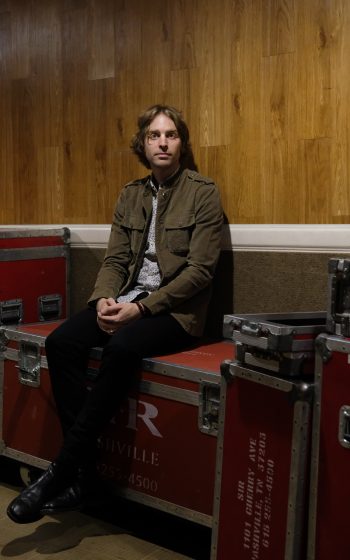
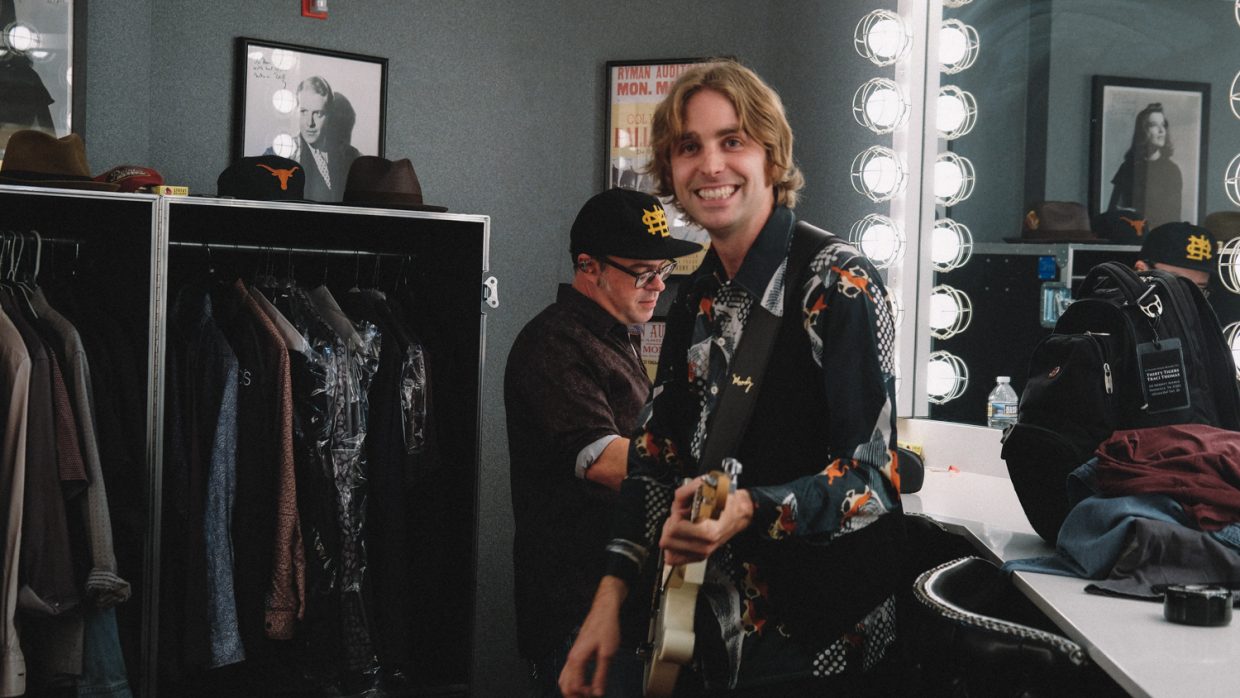
Backstage at the Grand Ole Opry House on another hot summer night, front man Ketch Secor spoke with BGS about the project, why Old Crow is just now getting around to a live album, and what their style of music needs most right now.

BGS: Part of the idea of this album is that Old Crow has played the Ryman over 40 times. For a band that started out busking in the Northeast, how does it feel wrap your head around that?

Ketch Secor: Actually, I wish I had a real count because Lord knows I’ve played there more than 40 times. I think that’s how many times we’ve headlined, but if you add them all up I bet it’s a triple-digit number. We’ve been openers there for Dolly Parton back in 2002 for, like, a daytime show. We’ve done a lot of film and television there, all kinds of awards shows. It always felt like the place to shoot for — it’s the moon, the Ryman Auditorium, and we were always a shoot-for-the-moon kind of band because we figured “Well, we’re not supposed to be here anyway, so we might as well try and go as far with it as we can.”

You self-released one live album in 2001, and then nothing else until now. Why did it take 18 years to do another, since the live show has always been the foundation of what you guys do?

Oh, I think because we’ve always tried to put out a new studio record every couple of years, and here at the 21-year mark it’s probably time to start doing exactly what we feel like doing.

You haven’t been doing that the whole time?

Nah, not with those studio records. There’s a lot of stuff you’ve gotta do. Yeah, we always did it “our way” in the fact that we always played our own music. But just being in the music business means doing it everybody else’s way.

So you had to make a few compromises here and there?

Oh yeah, there was a lot of playing the game in ways that never seemed to pan out, but it never stopped us. That was just the way it was, and we were impressionable, so that’s what we did. We did it the way we were advised to do it.

Can you elaborate a little?

Like playing Napster. Doing shows for radio programmers in L.A. who never played us. Trying to make videos for CMT that were never in rotation, ever. …Opening up for Carrie Underwood at [Country Radio Seminar], it’s like, “What were we doing there?” Those guys, they might have liked it, but they were never gonna play it. And I don’t care if they like it, I want them to fucking play it, or I don’t want to play that show.

So now that you feel freed up to do it your way, what’s that look like?

Live at the Ryman. Here we are singing a Merle Travis song! Here we are singing our songs or selling popcorn and tickets and people brought their buck-dance shoes! I mean, we’ve set beer records at the Ryman. I’d rather sell beer at the Ryman than sell records! …I’d rather sell beer at the Ryman than digital streams! What’s the fun in that?

“Tell it to Me,” “Methamphetamine,” those are interesting songs to present because rural America has a new drug problem going on with opioids. Why is it important for you guys to sing songs like that, especially at the Ryman?

Well, “Tell It to Me” was recorded in Johnson City in 1928 I think. The band that brought that song to the studio had been an original backing band for Jimmie Rodgers… Anyway, I’m just saying this because if you like country music, you should probably know that drug songs have been part of the canon since recording studios first illuminated a red light bulb and said, “You’re on.”

I don’t think people do know that. We’re just now starting to get radio songs with pot references that people don’t flip out over.

Yeah, I mean it was blow in the ‘20s and now it’s pot in the 2010s. And then “Meth” is a really different kind of song because it’s more topical. We recorded it a long time ago but it seemed important to bring it back and revamp it, make it more intense, and Charlie Worsham plays some really great electric guitar on it. It just feels like it’s knocking on your door, like a hurricane.

Tell me about doing “Louisiana Woman, Mississippi Man” with Margo Price.

We were down in Oxford, Mississippi, doing a show with Margo. She was opening up for us down there near Ole Miss, and we were looking for a song that seemed to fit, so we tried that one. Our duo thing felt really good, and I feel like I’m a little bit in the Conway range — and she’s definitely in the Loretta range — so it worked out pretty good. We heard the playback we thought it sounded great so we wanted to put it out. I saw her at the grocery store the other day and she said she loved it.

Why did you include a song like “C.C. Rider,” which has Lee Oskar playing harmonica?

I really love his band War. We did “Lowrider” onstage at the Ryman, too, maybe that will come out on Volume 2. But what I really loved about that moment on the Ryman recording is that it has twin harps. You know the old guys don’t have their pictures up here [gestures at photos of Opry stars on the dressing room wall]. …But the story of the twin harp playing of the Crook Brothers — Herman and Louis Crook — lives a long time, because Herman and Louis lived, like, into their 90s. What they were great at was two harmonicas playing in unison.

That’s interesting. In your music you’re often looking to the past for inspiration, but what do you think is the future of string bean …. er, string band music, Americana?

You just answered it, man. We need a new Stringbean. Nobody’s acting like that and that’s what’s missing. Who’s gonna be the clown? What happened to the kind of entertainment that’s self-effacing? Everybody on this wall loves the clowns, but none of them are. They’re “the vocalists” and we’re supposed to take them seriously. I’d love to see this genre — whether it’s country or Americana or whatever — just not take itself so damn seriously. Let’s just have a grand ole time. Let’s poke some fun at each other, and especially at ourselves. I’d love to see that.

Editor’s Note: Read part 2 of our interview with Old Crow Medicine Show’s Ketch Secor.


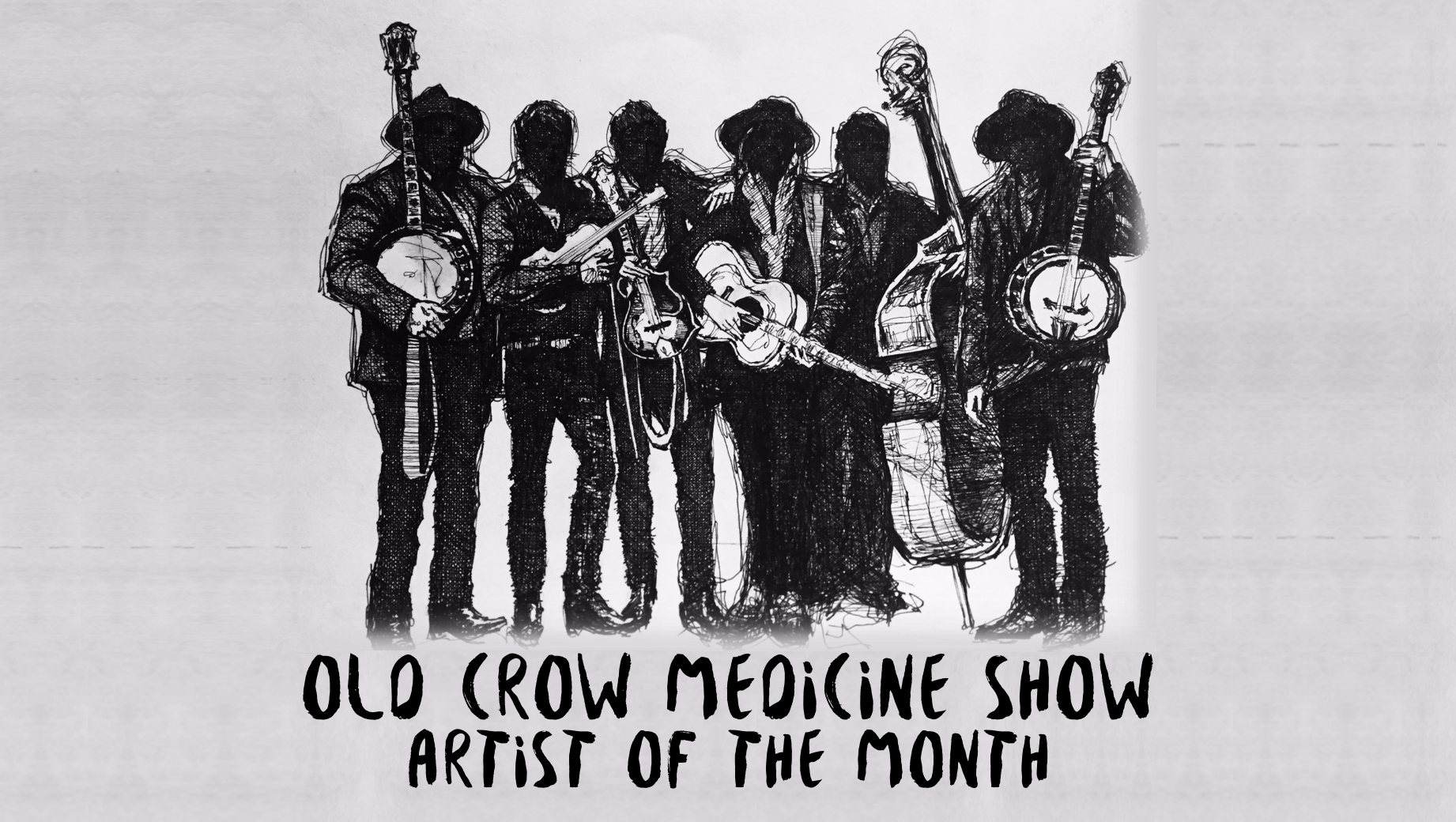
Illustration: Zachary Johnson

WATCH: The Wild Feathers Sing Alone at the Ryman

Celebrated for its acoustics, the mother church of country music hosts this special performance by the Wild Feathers. This Nashville band blurs the lines between country and rock, while never forgetting to pay respect to the roots of American folk music. Watch as the Wild Feathers deliver a moving performance of “Lonely is a Lifetime” huddled around one microphone in an empty Ryman Auditorium.


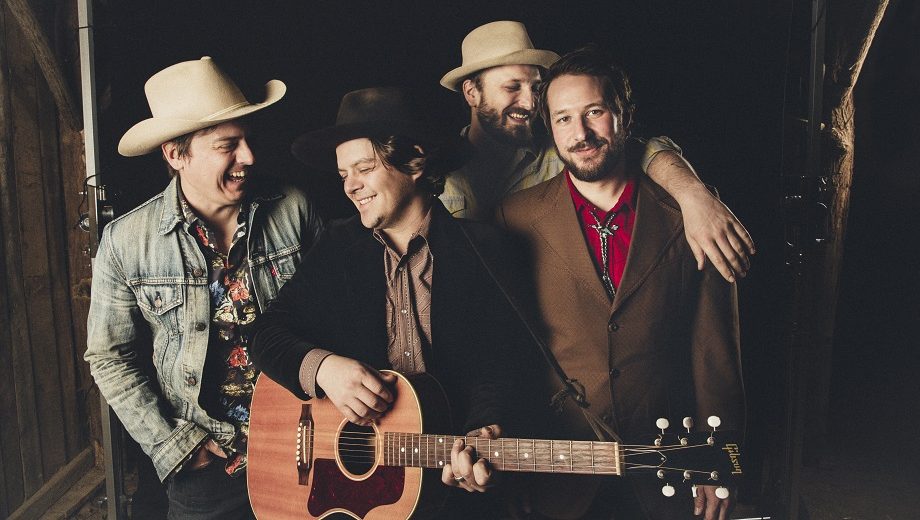
Photo credit: Alysse Gafkjen

Artist of the Month: Old Crow Medicine Show

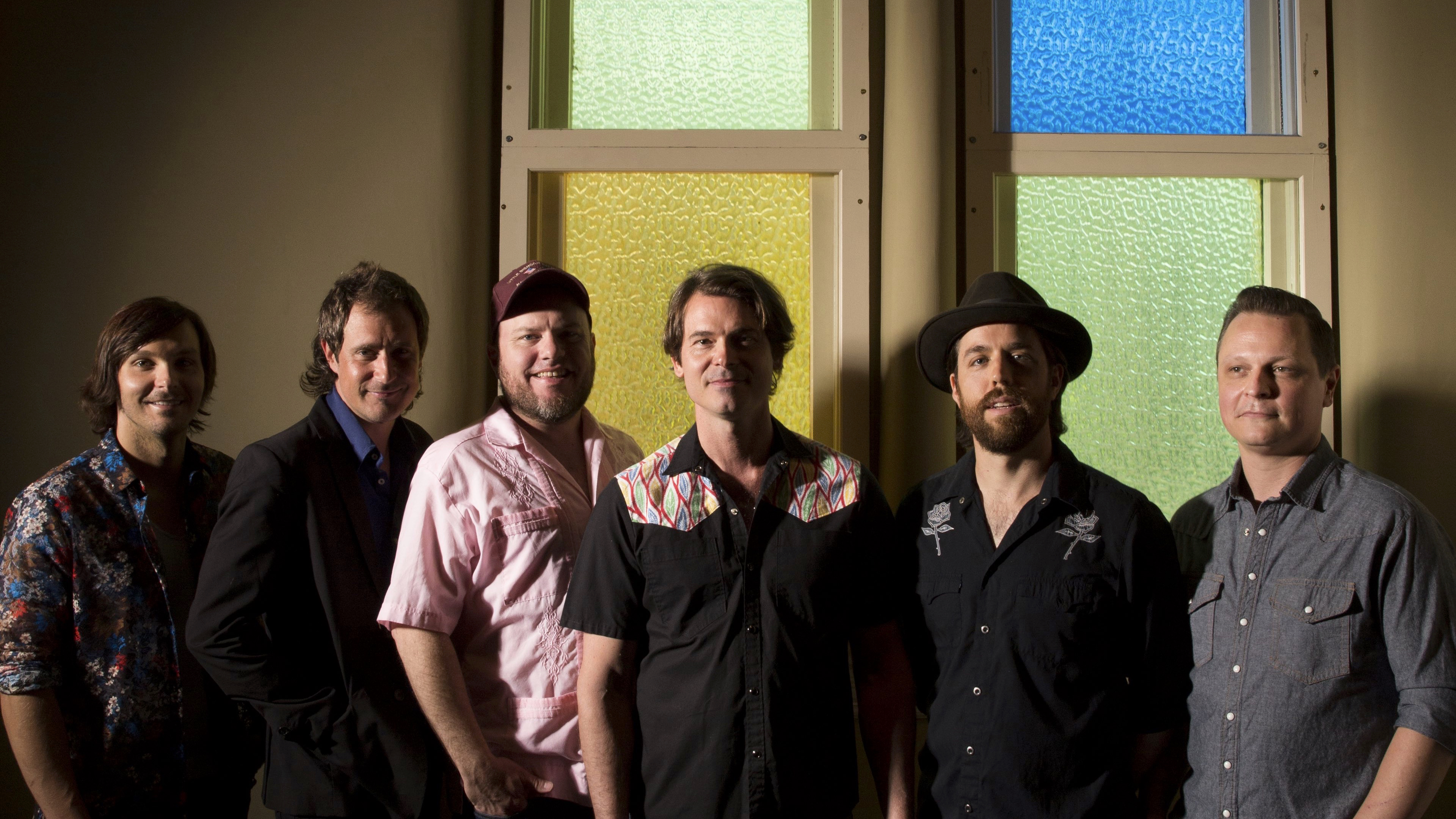
From their earliest days of busking and playing to capacity crowds at the Station Inn, Old Crow Medicine Show has shown they know how to pull in a crowd. Now they’ve captured that raucous, captivating energy in their newest release, Live From the Ryman, recorded during the group’s numerous headlining performances at the landmark Nashville venue.

The band has seen its share of setbacks and lineup changes over the years, but their catalog is surprisingly limber. In other words, the songs from Eutaw and O.C.M.S. blend seamlessly with tracks from newer releases like Remedy and Volunteer.

It’s a testament to the vision of band founder Ketch Secor, who tells BGS, “If they had tried to stop us a long time ago, they probably would have been able to, but they never tried. We were never curtailed. We were asked to be quiet and to clean up, but nobody ever said ‘no’ enough times for us to pay attention.”

Look for a two-part interview with Old Crow Medicine Show coming up on BGS this month, and enjoy our Essentials playlist.

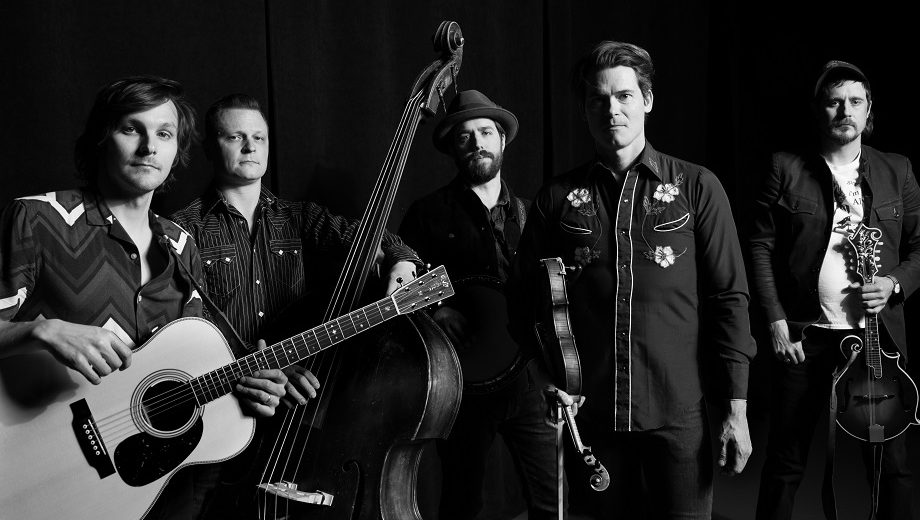
Photo credit: Crackerfarm; (L-R): Charlie Worsham, Cory Younts, Critter Fuqua, Ketch Secor, Joe Andrews, Morgan Jahnig

Artist of the Month: Vince Gill

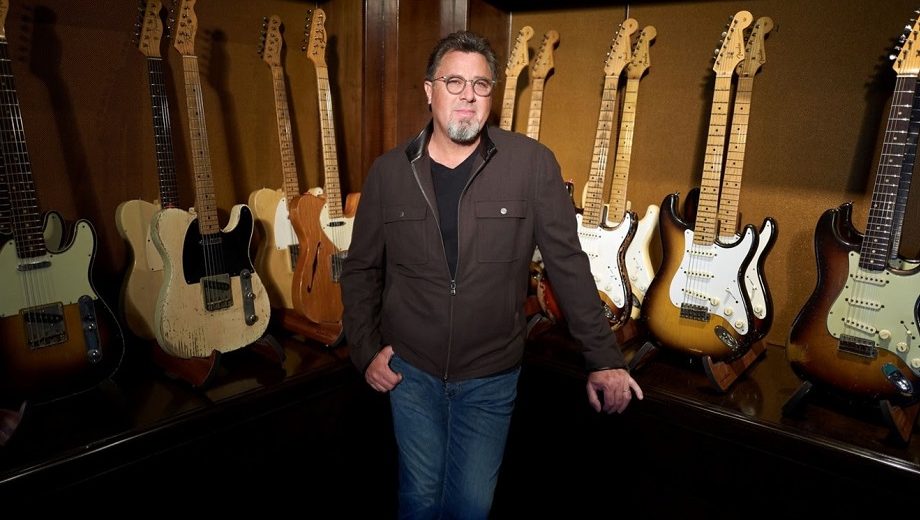
Who doesn’t love Vince Gill? His pristine tenor fits beautifully into bluegrass, country, Western Swing, and even classic rock, as he tours as a member of the Eagles. Still, the good-natured Opry star tells BGS that bluegrass remains close to his heart.

“You get the right band, the right drive and the right thing — I tell people it rocks as hard as the Rolling Stones. When it’s right — it’s really, really right — it’s like a freight train coming at you,” he observed during a visit in his Nashville home, just a few days after his annual summer appearance at Bluegrass Nights at the Ryman.

He continues, “It’s awesome — even in the middle of it. I don’t know that it translates far away like it does in a circle of it. We practiced over here the other night, and just being in this room and being this close to everybody was so much fun.”

Gill’s childhood memories shape a large part of Okie, his exquisite new album — an acoustic-oriented project that puts his voice and songwriting at the forefront. Look for our two-part interview this month with this member of the Country Music Hall of Fame, and in the meantime, enjoy our Essentials playlist.


Photo credit: John Shearer

A Minute in Nashville with Chuck Mead

“I have a lot of people ask me, ‘Where do I go when I come to Nashville?’ and my answer is always, ‘Well, what are you into? Music? Food? Underground sex scene?’ I don’t know much about that last one there, but there sure is a lot to do in Nashville these days. Top-notch dining, a bunch of clubs and bars, and spectacular musicians of all types.” – Chuck Mead

https://www.instagram.com/p/ByyyGAIpkoN/?utm_source=ig_web_copy_link

Lower Broadway
You have to see Lower Broadway at least once during your visit. This is where honky tonks line both sides of the street and the people and music spill out onto the sidewalks. Robert’s Western World is the must-stop on the street. It’s my old stomping grounds where my old band BR5-49 got our start. Traditional honky tonk played the way it’s supposed to be — with heart. Layla’s next door is an excellent place to be as well.


https://www.instagram.com/p/By0V1Fuga-d/?utm_source=ig_web_copy_link

Ryman Auditorium
These honky tonks are all in the shadow of the Mother Church of Country Music, the Ryman Auditorium — another must-see downtown. And while you’re in that neck of the woods, see The Country Music Hall of Fame and Museum, where you can follow the progression of country music from the beginning right up to today’s stars.


https://www.instagram.com/p/Bxfqe7Njrxm/?utm_source=ig_web_copy_link

Honky Tonk Tuesday at American Legion Post 82
If you’re around on a Tuesday night, go to the American Legion Post 82. Just driving into the parking lot takes you to another world. Make your donation at the door (unless you’re a veteran), grab a nice cold, cheap beer, go dance your ass off to some really fantastic old school country music, and don’t forget to tip the band!


https://www.instagram.com/p/BxGDgXKHDJa/?utm_source=ig_web_copy_link

The Grand Ole Opry
It pretty much goes without saying that if you come to Nashville, a visit to the Grand Ole Opry should be on the itinerary. It’s the show that made country music.


https://www.instagram.com/p/Bmy9wCfgmhe/?utm_source=ig_web_copy_link
Third Man Records
But it’s not all hillbilly music – there’s Jack White’s Third Man Records for a killer record store experience and it’s always great to go see Thee Rock n Roll Residency at the Mercy Lounge whenever they’re in town.


https://www.instagram.com/p/BrnQWU5AT6y/?utm_source=ig_web_copy_link
Bolton’s Spicy Chicken & Fish
Nashville is pretty famous, food-wise, for its hot chicken. There are a few ways to go — Prince’s is the original and is great of course (if you order the hot – you have a stronger constitution than me.) But my favorite hot chicken in town is Bolton’s. I suggest a taste test!


https://www.instagram.com/p/BybYlmwhmn0/?utm_source=ig_web_copy_link
Margot Cafe
If you’re looking for a world-class dining experience, may I suggest Margot Cafe in Five Points in East Nashville. Margot serves up fancy French-type food combined with down-home Southern heart; fresh, local cuisine with a menu that changes all the time, and a terrific bar as well.


https://www.instagram.com/p/Bxsio3xDn7V/?utm_source=ig_web_copy_link
Mas Tacos
Also on the Eastside is Mas Tacos. This is my go-to place for times when I say to myself, “Man, I sure could use some more tacos.” Great food. Great vibe. Groovy courtyard.


https://www.instagram.com/p/Byq_mFsAwYK/?utm_source=ig_web_copy_link

Here are other places I recommend: Grimey’s Record Store (made by record people for record people); The Basement and The Basement East – always a variety of different kinds of great live music both places; Germantown Cafe, fresh and modern American cuisine; First Tennessee Park, right across the street, where you can take in a Nashville Sounds baseball game (if it’s in season, of course); and many others you can look up on your phone yourself. Check out the music listings and see if I’m playing anywhere. If you see me, say “Hey!”


Photo credit: Joshua Black Wilkins

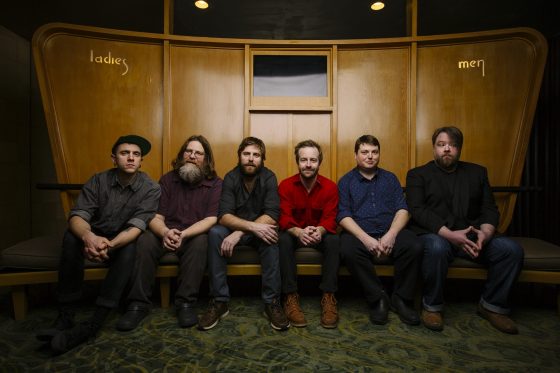
Reading the Room: A Conversation With Trampled by Turtles

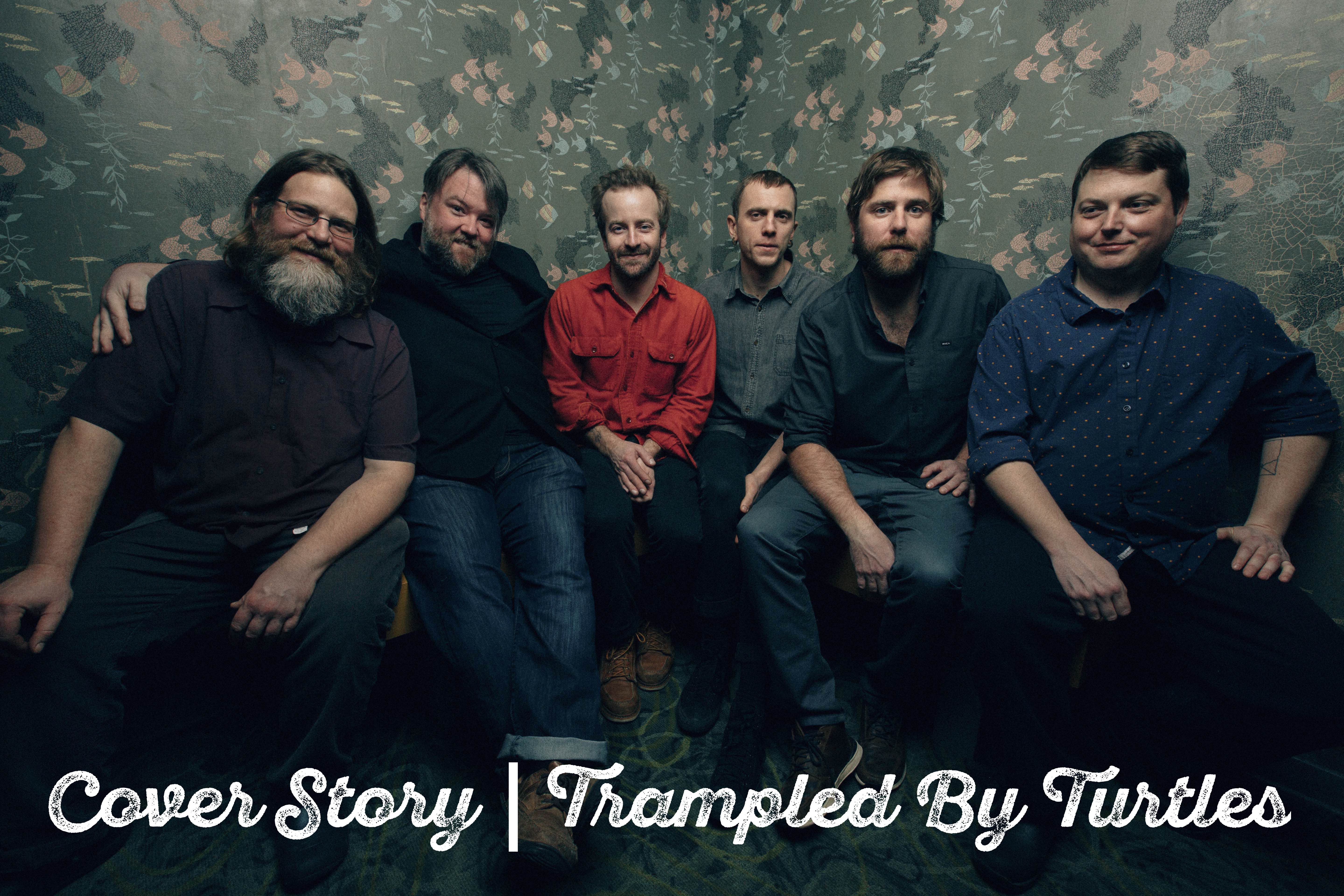
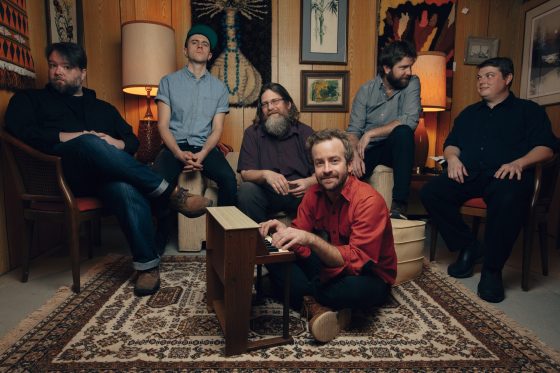
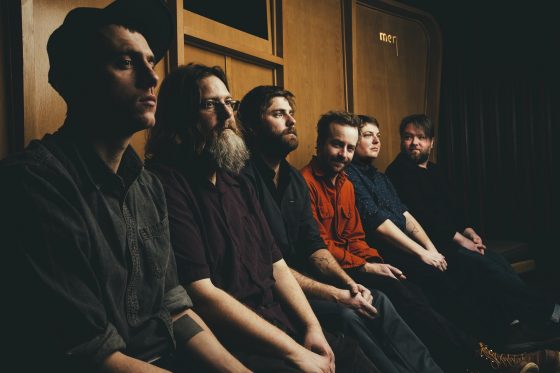
Trampled by Turtles are living up to the title of their newest album, Life Is Good on the Open Road. The Minnesota-based band parked the bus for nearly 18 months after touring behind their prior album, 2014’s Wild Animals. Leading up to the new project the six-piece group gathered at a lakeside cabin and rekindled their connection forged over more than a decade of performing together. Those positive vibes carried over to the new album, which emphasizes their exceptional acoustic chops. On the afternoon of their Ryman Auditorium show in Nashville, frontman Dave Simonett and mandolin player Erik Berry visited backstage with the Bluegrass Situation.

I know you cut this new album live-to-tape, but I was still surprised to see it took just six days to record it.

Simonett: We were surprised too. We had two weeks booked in a studio, which I think for a lot of people might be fast as well. For us that’s plenty of time, usually. But we ended up mixing the whole thing while we were there too.

Berry: Yeah, there was a dinnertime meeting where it was like, “Gentleman, I think we’re done. We got one more song to record tomorrow.” “Really?”

Other than just the general efficiency, what’s the upside to that?

Simonett: I enjoy lots of parts about live recording. I like to do it quite a bit. When I produce other people, I try to get bands to do it as well. It’s always spoken about in a vague way because I think it’s really hard to describe. But you do capture some kind of energy, a vibe. People play differently, if you want to get practical about it, when they’re all playing with each other, rather than playing to something that’s already been recorded.

The rhythm is one. You’re not following anything, you’re all just kind of moving in the same direction at the same time and it’s elastic. Nowadays it might be considered risky because it’s so easy to make things perfect now. But I’ve never felt like that really benefits that many people anyway. But especially us who have been playing together for a while. When we all sit and play and look at each other and play with each other, it sounds different than if we don’t, I guess.

Berry: To add to it, we hadn’t played together for about a year, outside of the weekend retreat we did. To build on what Dave’s saying, when people are playing together live, there’s also something different when something’s happening for the first, second, third, or fourth time, than when you’re playing that tune for the 50th time. Stuff grows on it; they move together differently.

Simonett: Yeah, I’ve always loved trying to capture a song before people start to really think about what they’re doing. Before people come up with parts to play. Before it gets dissected too much. It’s cool to see what happens naturally. I’m burnt out after a fifth take. That’s as far as I want to go.

Dave, how do you introduce your new songs to the band? From what I understand, you had songs already in your back pocket when you got together to record. How do you show the band, “Here’s some songs I’ve written”?

Simonett: That’s about as simple as that. Sit down and…

Berry: I use the phrase “coffee house ready.” Dave’s got them to a point where you could go to a coffee house and play the song.

Simonett: Yeah, I can play them. Core structure, melody, lyrics are pretty much done. And then I just sit there and play it a few times, and people join in when they feel like they have the hang of it, and it’s pretty organic.

That seems cooler than recording a little demo and emailing it to everybody.

Simonett: Yeah. I do that too, just so people can get the vibe, or at least know what’s coming – maybe if I have the song done in time to do that kind of thing. That is a nice thing to be able to have. I don’t think the real learning of it happens until we are all in the same space, though.

Berry: The real benefit of having stuff in advance is like in “Annihilate,” where I have a part that I wrote on it because I had the time to think about it.

Simonett: I also don’t know how to write music down on paper, so it’s all pretty simple anyway.

You guys seem to operate a lot on instinct. Is that something you had to develop and learn?

Simonett: Oh, I think it’s the absence of learning for me. I don’t really know any other way to act.

Berry: I hate the word “easy,” but there’s been a certain easy chemistry that all of us have always had with each other. On the very early shows, I’m like, “That’s pretty good. I could see doing that again.” So there’s something like that, too, now that it’s 15 years down the road.

Simonett: There’s a lot of bands in the string band world, if you want to call it that, that are amazing at that kind of stuff. I guess I don’t want to list examples because I’ll probably leave somebody out, but I think we’re pretty comfortable being a band that’s not that. It’s maybe more song-driven than upfront-playing driven, if that makes sense. That’s just where we naturally fit, I think.

Berry: I’ll name a couple names. When we first started, I didn’t know what I was doing. So I went across the street from where I worked to the Electric Fetus Record Store in Duluth and said, “I’m just getting this bluegrass band starting. I don’t know what to listen to.” So they sold me a Bill Monroe CD and they sold me a Yonder Mountain String Band CD. They were like, “This is your basis. Here’s what’s happening right now.” That Yonder Mountain disc was Mountain Tracks, Volume 2. That’s a live one. There’s some really great stuff on there. It didn’t take me very long for me to realize I couldn’t play like that. [laughs]

You guys are good at reading the room by now, I’d imagine, after 15 years on the road.

Simonett: Yeah, I think so. It’s always kind of a mystery. You can play the same set list two nights in a row and the response could be completely different. My goal as a performer is to get as far away from caring about that as possible. Any true performer will tell you that you can’t please everybody and that’s really not your job anyway. My job onstage – I don’t view it as to be up there to make everybody in the room happy because I can barely keep myself happy, you know? But I feel like we tailor to rooms, though, with our set list.

Berry: If we were going to do a set that no one was going to watch, I think that what we would prefer to do would be like, “OK, let’s take a break with a little slower one, now. Now we’re going to kick it up again.” I think people like our tastes. We’re pretty lucky … I don’t know, I’ve had to come to grips with it, too, because people aren’t shy about letting you know they’re disappointed.

Simonett: They love it, actually.

Berry: People have been telling me after shows that it’s bullshit that we didn’t play “Song X” or “Song Y” since the year 2005.

Yeah? What do you do when that happens?

Berry: You play a 90-minute show. If you have more than 90 minutes’ worth of material, the odds of dropping a song are high. … If we played every original song we have, that’s a four-hour show. That’s not going to happen. So I could challenge any Trampled fan: “Here. Write your ideal set, 24 songs.” I know that I could read it and be like, “But you left off… Now you know how it feels.”

Simonett: A listening crowd – it’s a weird relationship, man. It feels great generally. I like performing. It took me a while to like it. I still get freaked out about getting up on stage. But I enjoy the act of it now. But you can’t go up there with the illusion that everybody in the room is going to enjoy what you do. I think if you start thinking about that too much, you start changing yourself and you’re really close to becoming a cover band.

Do you mean like a cover band of your own material?

Simonett: Of ourselves, yeah. To just go up there and try to do what you think people are going to like. That’s not the point. For me, I like to think as an artist, I want to be able to feel totally comfortable. This tour is a good example – to go up and play new music every night. That’s holding on to still being valid in some way.


When I listen to this record, there does seem to be a sense of motion in the writing and the songs. Do you agree with that?

Simonett: I agree with it, yeah. I think even the title. But all of that came about after we made it. It’s happened to me before. You write a bunch of songs and make a record and you have no clue of any kind of thread that binds them all together until you put it in order and listen to it. “I guess I was singing about traveling a lot.” [laughs] I don’t really notice it as it’s happening.

Listening to “Thank You, John Steinbeck,” I heard a reference to the book Travels With Charley. What are the literary influences you draw on for inspiration?

Simonett: Steinbeck is really high on my list. That book in particular. It’s been a couple of years since I’ve done this, but I used to read that book before every tour. Hopefully this isn’t too long-winded of an answer, but after a certain amount of time touring, maybe the traveling part of it starts to lose its sparkle a little bit, and you forget … It’s amazing how easy it is to have a life like this become predictable, which it’s not supposed to be. At least I don’t want it to be that way. [I want to] remember that it’s still an adventure. You’re still roaming around the world playing music. I think the core of that book is appreciating the adventure of a road trip. It made me want to pack my camera, you know?


Photos by David McClister

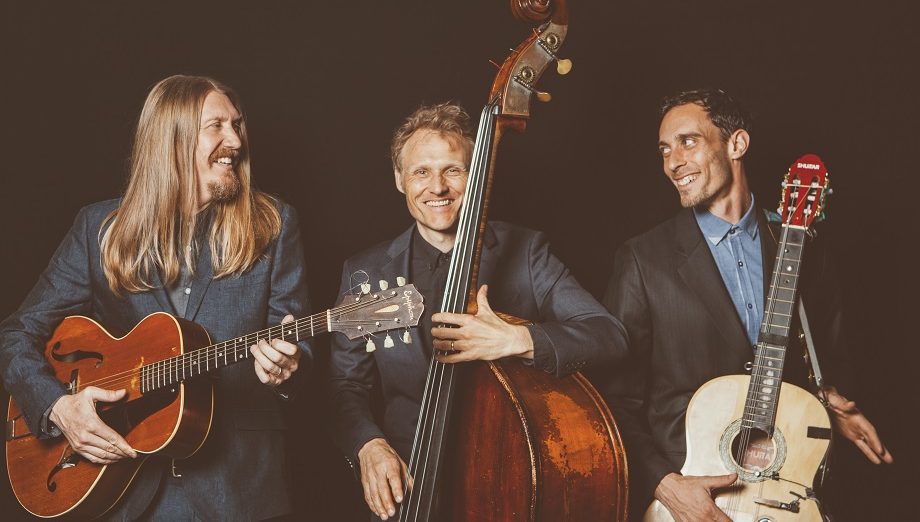
The Wood Brothers Build Slowly to Share ‘One Drop of Truth’

The Wood Brothers write songs for front parlors, back porches, Saturday night rave-ups, and Sunday morning comedowns. Theirs is a sound anchored by the rudiments of American roots music — acoustic instruments, Southern strut, Bible Belt bounce — with deeper grooves and a willingness to break from tradition. One Drop of Truth, the trio’s latest record, finds the guys exploring that sound even further. Some might say that band members Chris Wood, Oliver Wood, and Jano Rix have become the cool uncles of the Americana family — younger and less rigid than the old-timers, while also wiser and more worldly than the newcomers.

BGS: You’re family men now. Did you record One Drop on Truth in Nashville because it would allow you to stay close to home?

Oliver Wood: We cut our previous two records in town, too. We had previously done records in other destination cities, and I’ll admit there’s something to be said for holing up somewhere exotic and getting a lot of work done, versus coming home every night. But the beautiful thing about this album was how we spread it out over the course of nine months. It was such a different experience.

Tell me about that process. Isn’t that a particularly long timeline for you?

What’s been typical for us is to let some songs gestate, work on them for a year, then book a studio for two weeks and just go in there and knock it out with a producer. That’s the normal way to do it, I guess. The process we chose this time was to work on a couple songs at a time and record them in between tours. We almost treated them like demos: Rather than booking a fancy studio and doing the whole album in one shot, we went to more modest studios — places we really felt comfortable in, places where we could experiment. Since we only did one or two songs at a time, each song got more attention. It took the stressful part out of the process and added the freedom of being creative. If something didn’t work out, we’d re-record it the next time. We could sit with stuff for awhile. We produced things ourselves, which is something we did on the Paradise album, too, and we wanted to take that to the next level.

Did you approach the songwriting differently, as well?

It was very collaborative. When we’re working on new music, all three of us make a point to … well, I hate to use the word “jam,” but that’s what we do. We improvise. We’ll get together in a space and just play random grooves and riffs, without talking. We record it and improvise off one another in a very free sort of way. A lot of our basic musical ideas come from that process. And we’ll take those things and file them under them “things to work on later.” In the meantime, Chris and I have books full of lyrics, and we take them home and work on them.

Some bands will radically rethink their live show with each new album. They’ll change their clothing, their stage setup, their light show. Do the Wood Brothers concern themselves with that, as well, or do you focus on the music?

We do think about the presentation. We’ll try using different lights for a new tour, or we’ll bring a big black curtain around the country with us. It doesn’t necessarily match up with an album cycle, though. What we enjoy, constantly, is integrating new songs into a show, whether it’s a new cover tune or an old Wood Brothers song that we’ve completely reworked. That last bit is something we’ve really enjoyed lately. We’ll take an old song that was originally a mellow acoustic song and we’ll turn it into a rocker, or vice versa. We love transforming those things. We try to keep that process going, regardless of which album we’re promoting.

That’s a big part of the roots music tradition, right? Re-examining old songs and presenting them to new audiences?

Absolutely. We’re huge music fans and music nerds. There are so many songs I’ve always wanted to do, and it can be a personal indulgence sometimes, playing some of these songs and making them your own. Ultimately, the whole thing is a privilege, just to share music with your bandmates and your audience. To play a cover song everybody knows and loves, that’s really gratifying. We’re all loving the song together. It can be one of ours or someone else’s. It’s all about us connecting with people, and them connecting with us.

You’ve been connecting in some large rooms lately. You’re playing venues like the Ryman on this tour.

The way I think of it is, we’ve had a very gradual rise to the middle, which I appreciate. It’s held my interest over the years. I can’t imagine a meteoric rise to the top. I prefer the non-meteoric rise to the middle, because it’s so gradual that you might not even notice. We’ve been playing these markets for years, and the climb toward bigger rooms has happened really slowly. Playing the Ryman this spring is a huge jump for us, and a real special occasion for any band that’s never played there before. That might be the biggest headlining show for us.

I imagine that you’ve run into some challenges in those bigger venues, too. They’re not always designed with acoustic bands in mind.

We’re learning what works and what doesn’t. We’ve did some crazy opening slots for larger acts — everyone from k.d. lang to Brandi Carlile to the Tedeschi Trucks tour this past summer. Several years back, we opened for Zac Brown at venues like Bridgestone Arena, and it didn’t always work, to be honest. It doesn’t make sense to have us play at Bridgestone.

But we did learn a lot from doing those shows. We learned that if you’re doing something subtle — the stuff we enjoy doing for a captive audience inside a theater — it isn’t always going to work for a basketball arena. At the Ryman, on the other hand, some of that stuff will definitely work. We started playing at listening rooms, and we still like that subtle stuff. Like I said, we’re still learning. It’s an epic quest.

As a three-piece band, the recording studio allows you to make a much more lush, layered sound than the one you can create in concert. Where do you draw that line between the honest — but limited — sound of a live trio and the infinite sounds you can make with overdubs? And does that line change with each album?

It changes with each song and with each album. What some people were drawn to at the beginning of the Wood Brothers’ career was how spare we sounded. We were pretty much a duo on our first album, and we mostly played live in the studio. That album was meant to represent what the two of us sounded like. As we began playing bigger venues, we grew sonically and added a member. Having Jano in the mix allows us to experiment on a song-by-song basis, where we can add keys, horns, or strings.

The venue can dictate a lot of things, too. Subconsciously, the venues you’re playing do affect the way you write. Sometimes, when we’re working on a new song, I can’t help but picture us playing it at a festival. I’ll wonder how it’ll work in that context. There are certain songs where you think, “This will rock in a bigger room,” and there are other songs where you think, “This is a nice song for a theater, where everyone is facing the stage and remaining silent.” You can’t help but think about that. Your environment colors the way you write.

To get back to your question, though, our general aesthetic is to not add too much, in general, but we’ve learned that the studios can be very different than the live shows. Oftentimes, when we prepare a song for its live debut, it changes from its studio version. It doesn’t need to be the exact same.

The band has worked with different labels over the past decade. You were with Blue Note for years. You worked with Zac Brown’s label, Southern Ground, as well. What’s your current situation?

We have our own label, but we also work with Thirty Tigers for marketing and distribution. We really like the independence part of it. It’s nice to own your own music. We have the luxury of creating our own budget for an album. It’s not that expensive these days, especially if you’re not paying a producer. For us, the best part of it is, we just make an album. No one is watching us or checking in. We can get the purest, uninfluenced stuff. Whether people like it or not, who knows? But we like it. And we’re not beholden to anyone, on the creative side or financially.


Photo credit: Alysse Gafkjen

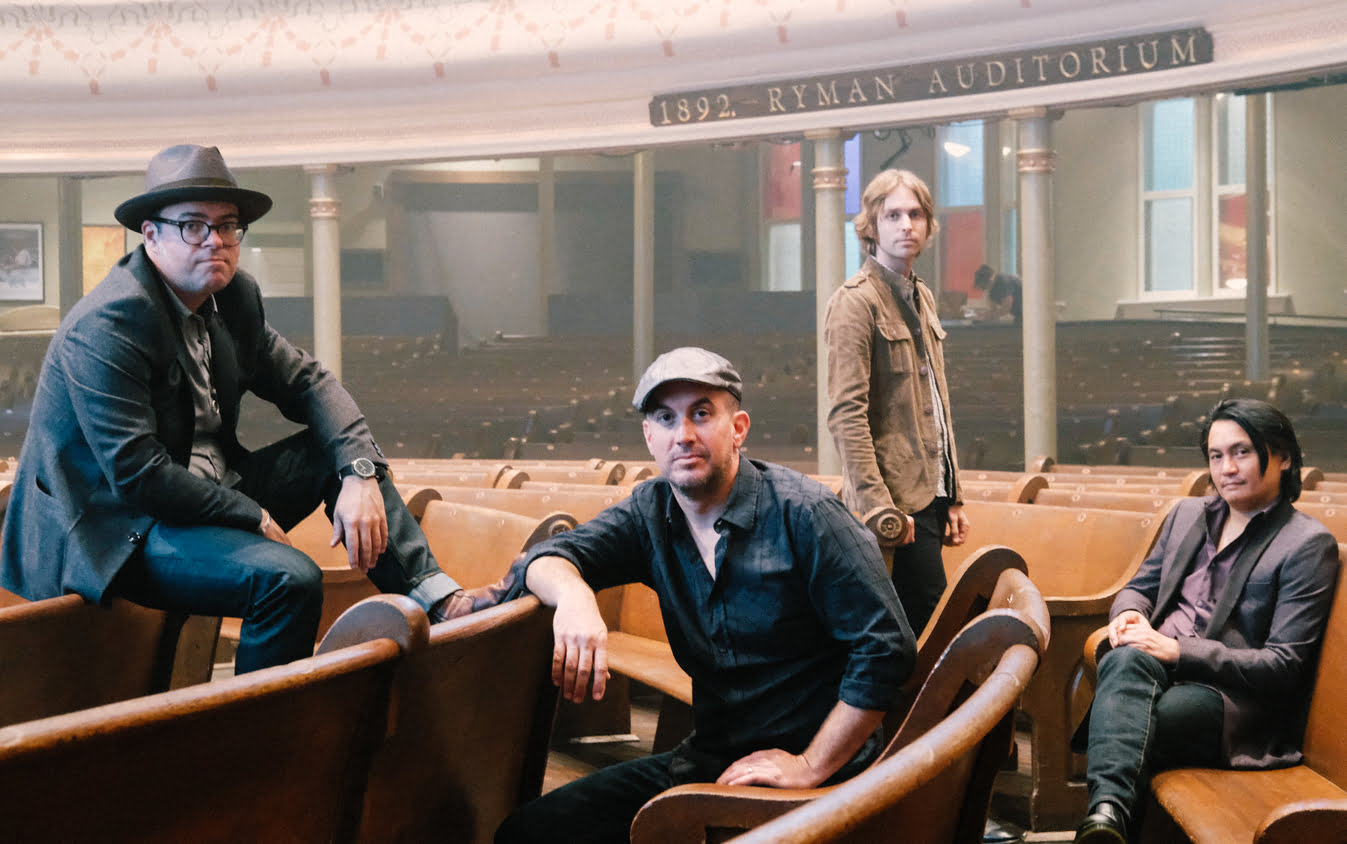
The 400 Unit: Gets Ready to Rock

Before there’s sound, lights, or friendly stage banter, there’s stage wear setting the tone for the performance. Whether it’s sporting jeans and a tee or showing up dressed to the nines night after night, what a musician chooses to wear on stage says a thing or two about themselves and mood of the night.

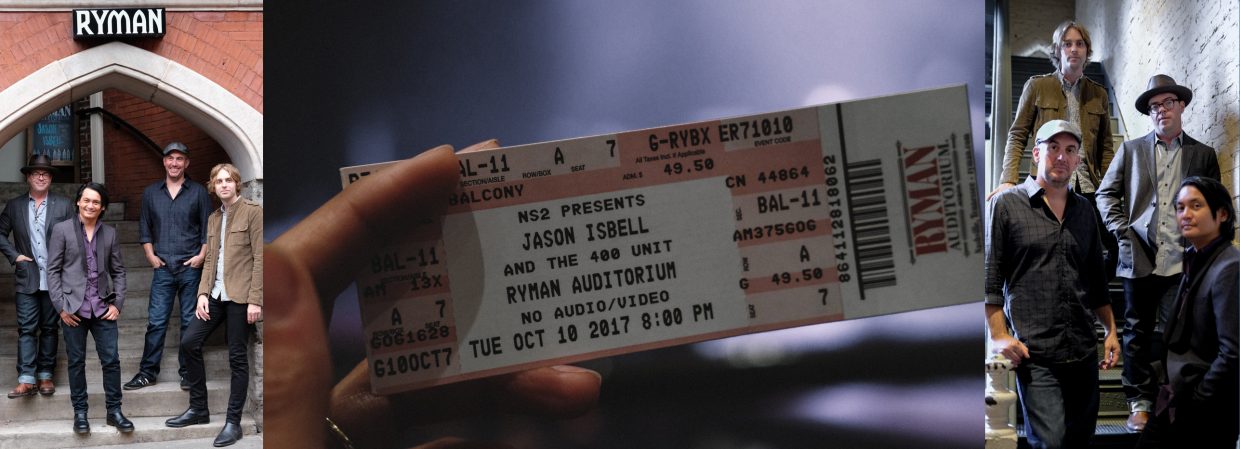
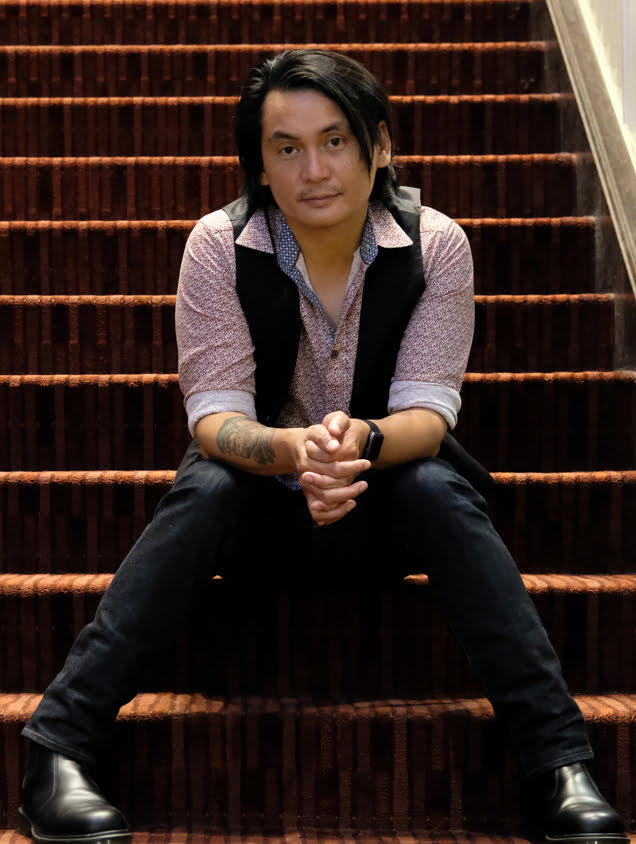
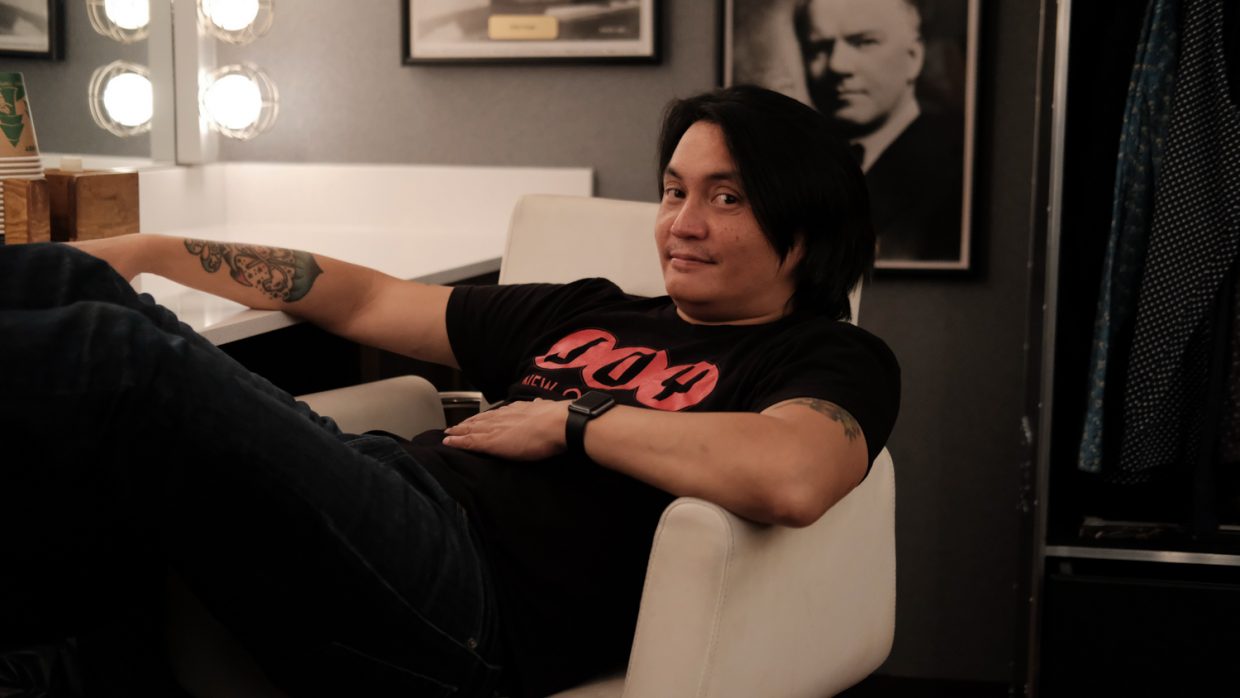
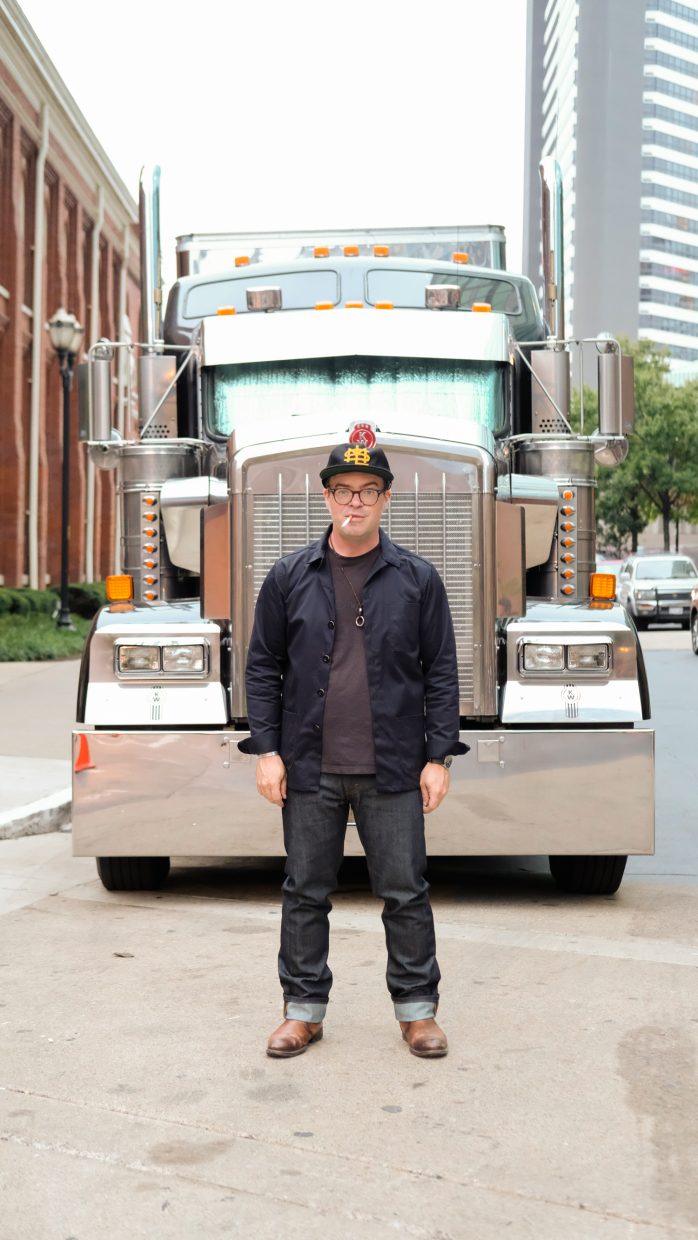
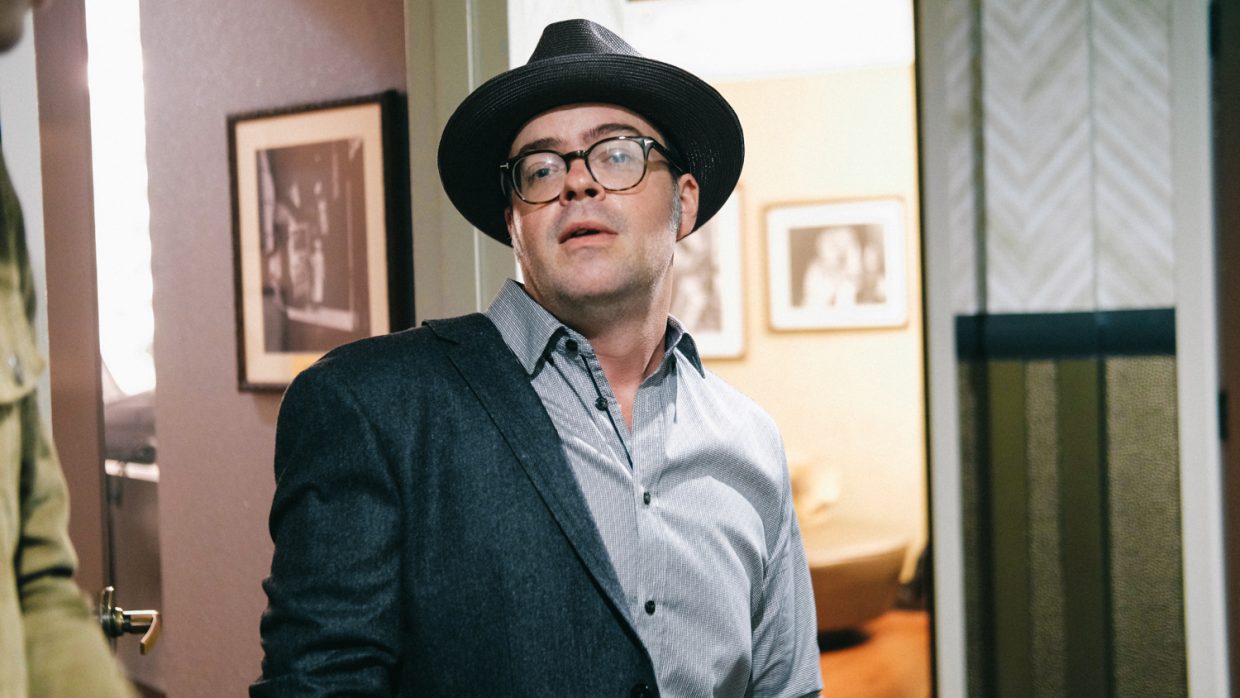
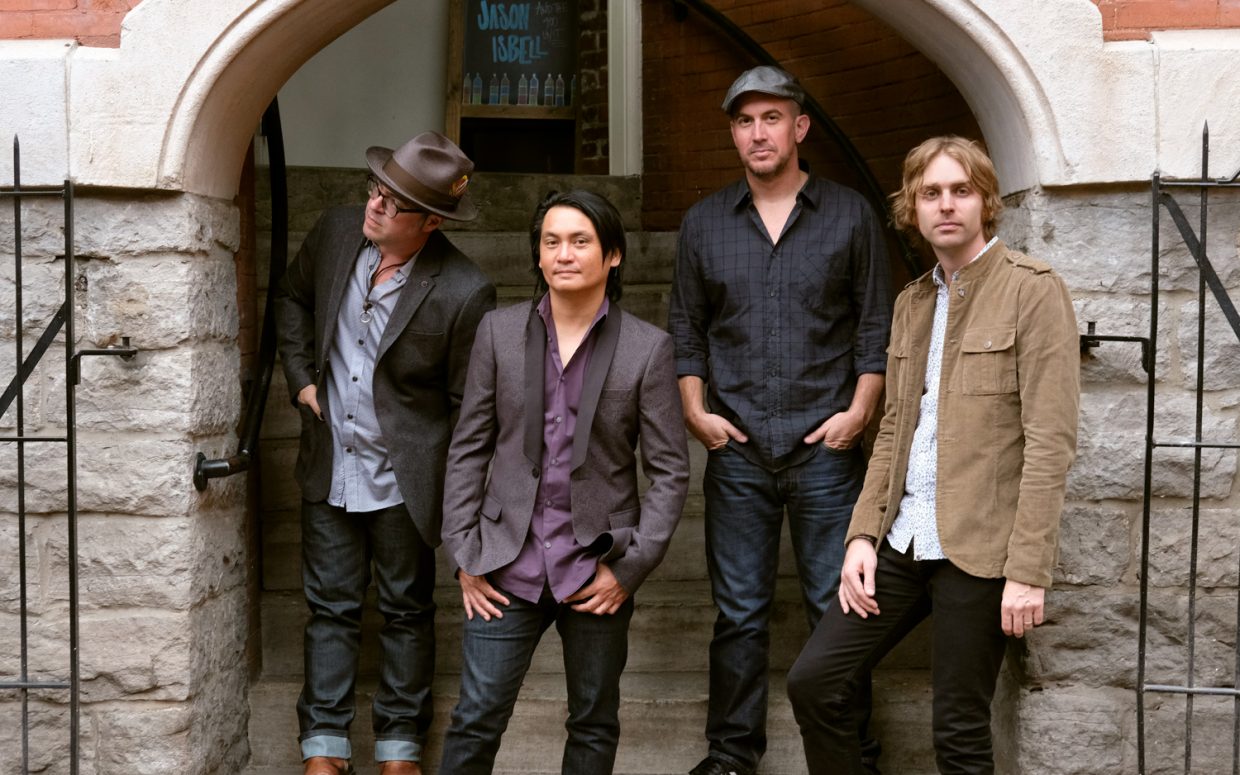
I have an appreciation for everything from the understated and functional to the over-the-top wardrobe decisions of an artist/band. One band that always delivers an unforgettable performance while looking handsome as hell is the 400 Unit. I caught up with the guys earlier this month during their impressive six-night run backing Jason Isbell at Nashville’s beloved Ryman Auditorium and got a behind-the-scenes experience of their rituals and wardrobe choices. 

“No one ever gave me any advice on stage wear. I’ve been touring since I was 18 years old, so I pretty much learned as I went. I think it’s important to dress how you feel and, also, if you like a vintage look, don’t go too far; still try to remain in the current time you’re living in, as best you can.” — Sadler Vaden, guitar

Clothing Superstitions 
I like to have my coin necklace that belonged to my mother, who is deceased. I feel a sense of comfort and a relaxing energy when I wear it.

Pre-show Ritual
Lately, my pre-show ritual has been getting the guitar out and singing any song while Jimbo sings the high harmony.

Stage Wear Essential
I find that a good pair of black Levi’s jeans are essential for any rocker. You can make those work in any situation you’re in, if you need to look sharp or casual

Never leave for tour without … one good pair of comfortable socks.

“When I was 19 or so, and playing in a couple of different working bands in college, one of my gigs was in a blues band. For every other gig I did, it was pretty much anything goes, as they were college bands playing whatever was popular at the time. But my blues gig was always way more serious and professional. It was then that I realized that fashion had a place in what I was doing. Playing blues festivals and juke joints around the South put me around a culture of musicians who dressed their best, no matter what the gig. Admittedly, I don’t always go full-on dapper, but when I do …” — Chad Gamble, drums

Clothing Superstitions
As a drummer, I tend to stay away from things like long sleeves, coats, and slick boots. Plenty of drummers are able to pull those things off, but it only increases the possibility of disaster for me. Sticks getting caught in shirt cuffs and feet sliding around pedals are true wardrobe malfunctions. 

Pre-show Ritual
I pace. Endlessly. 

Stage Wear Essential
I wear hats when I play. I’m not vain enough to think that it makes me look better, but the truth is, I have the propensity to sweat when I play … a lot. If I were in Dire Straits or something, I might wear a sweat band, but hats serve that purpose well enough for me and look better, in my opinion. 

Never leave for tour without … Downy Wrinkle Release. 

“I don’t remember anyone giving me any particular advice about how to dress for the stage, but it was during my time in Son Volt that I figured things out for myself. That was my first professional gig and it was the first time I wasn’t begging my friends to come see me play because there was an audience already there for that band. A lot of them were paying good money for tickets and for a ‘show.’ Suddenly, you’re not just a musician; you’re a performer.” — Derry deBorja, keys and accordion

Clothing Superstitions
I used to wear a tie the night a show sold out. It was mustard yellow and probably lost somewhere in my closet. No real superstition behind it. It became a kind of game. Made it easier to decide what to wear on some given nights.

Pre-show Ritual
I go to the bathroom a lot. I drink a lot of water.

Stage Wear Essential
Combat boots are my new essential. You can wear them anywhere with pretty much anything, both on and off the stage. Very handy for touring as it makes for a lighter suitcase.

Never leave for tour without … either a camera, an audio recorder, or a pen and paper. Also, never leave for tour without cleaning up your place before you leave. Trust me.

“I can’t recall anyone specifically giving any advice on stage wear. I’d always heard that Hank Williams once said that, if you’re gonna stand in front of an audience to entertain them, you have to dress better than them. That piece of advice gets more expensive every year!” — Jimbo Hart, bass

Clothing Superstitions
I once had a fedora that I acquired while on the road with a band that didn’t end well, and I held on to that fedora … until I started almost having automotive incidents every single time I wore it. I started to believe that it was cursed, somehow. Derry and I had to go to St. Louis one time to get some of his gear, and I told him about the hat the morning we were leaving. He called me crazy and then we got in the van to leave and, sure enough, we almost got hit head-on. I tossed that fedora out the window somewhere on I-55 and, thankfully, no more near-collisions.

Pre-show Ritual
Besides making sure all pockets are empty, save a few picks, the only pre-show ritual that seems to happen every single night is me asking Derry if my clothes are okay. He always shoots me straight.

Stage Wear Essential
I wear a lot of hats. I call them essential because they cover up my lack of good hair. Also, I have a thin, aluminum bracelet that a friend gave me with ‘Sweet Home Alabama’ inscribed on it that I wear all the time (on and off stage) to remind me of where I’m from and the people who made me who I am.

Never leave for tour without … at least one awesome pair of boots. They always work with jeans, and you never know when you’ll actually need their functionality. It’s more often than one might imagine.

Root 66: The Isaacs’ Roadside Favorites

Name: The Isaacs
Hometown: Hendersonville, TN
Latest Project: Nature's Symphony in 432

Tacos: Pappasito's Cantina in Houston, TX

Pizza: John & Joe's Pizza in Bronx, NY

Burger: In & Out Burgers in California

Coffeehouse:  Peet's in San Francisco, CA

Record Store:  Ernest Tubb Record Shop in Nashville, TN

House Concert: Bonfire in Bill Gaither's backyard in Alexandria , IN

Backstage Hang: Ryman Auditorium with Steven Tyler

Music Festival: MerleFest!

Airport: Nashville!

Car Game: " I Spy"

Day Off Activity: Guys — Golfing; Girls — Shopping

Tour Hobby: Eating at different restaurants

Why ‘Cover Me Up’ Is the Truest Love Song Jason Isbell Will Ever Write

“It’s not easy to sit down and open yourself up and say, ‘This is how much I love you,’ you know? It’s scary to do that.”

Jason Isbell told this to NPR Music in 2013, shortly before the release of Southeastern, the record that marked the beginning of a new era for the Alabaman troubadour and his tenure as this decade’s best American songwriter. The song he was talking about, “Cover Me Up,” was a bold choice for Southeastern’s lead-off track: Solemn, stripped-down, and slow, it floors listeners with its stark vulnerability and the strength of its romance as Isbell unfolds his love for Amanda Shires, the fiddle player he married just days after he finished recording the album earlier that year. Southeastern is Isbell’s “sober” record, the one he wrote following a stay in rehab after years of hard-partying took their toll on the musician’s personal life (and professional one, too). As such, it stuns with its clarity and ability to cut to the core of his sentiment in a chorus or less, and “Cover Me Up” is the beacon of this. (The “I sobered up / and swore off that stuff” line in the song doesn’t fall on deaf ears, either.)

It came as no surprise when “Cover Me Up” was recognized at the 2014 Americana Music Association Awards for its ascent to modern classic status. It earned the distinction of Song of the Year, and Isbell took home the additional honors of Album of the Year and Artist of the Year after he and Shires performed the ballad for a rapt crowd at the Ryman. Isbell may need another shelf for his statuette collection soon, as Southeastern’s follow-up, the remarkable Something More Than Free, netted him two golden gramophones at the 2016 Grammys, one for Americana Album of the Year and one for American Roots Song of the Year with “24 Frames.”

He, Shires, and the 400 Unit, Isbell’s band, have been touring in support of Something More Than Free following the Grammy win, and the setlist of their current show is split between its track list and the rest of his catalog. While “Flying Over Water,” “Elephant,” and other selections from Southeastern go over brilliantly with Isbell fans, “Cover Me Up” is what brings the house down — and its current form serves as a reminder that a great love only deepens with age.

As such, the context of “Cover Me Up” has changed, for this tour especially. Isbell always plays “Cover Me Up,” even if Shires isn’t present, but to see the two of them play it together is to watch a man waltz with his muse live and in the flesh. It’s one thing to hear Isbell sing about how “home was a dream / one that I’d never seen / ‘til you came along” and pray that you’ll find a love that terrifyingly transformative yourself. It’s another to watch him and Shires lock eyes shortly after he finishes his phrase and she elevates that euphoria with the might of her own voice and strings.

Those at the Ryman watched them do this back in 2014, and those who caught the most recent leg of his tour had the privilege of taking in this performance, as well. But Isbell in 2016 is further changed, and “Cover Me Up” boasts a confident shine that hits the ear as a sure-footed affirmation instead of the gamble of a love letter, one written to a still-new object of his affection that could spook and take off should the going get rough. Isbell and Shires are parents, now, and their baby, Mercy Rose, comes along for the tour bus ride. Another addition to their touring life flies as the splendid backdrop for their live show: three stained-glass cathedral window tableaus, each featuring an anchor and sparrow, the same image Isbell and Shires sport as twin tattoos that represent Isbell, Shires, and the baby. (Isbell’s lucky socks — which he wore for his wedding, the AMA Awards, and the birth of Mercy — are emblazoned with anchors, too.)

Isbell’s adoration for Shires has always had a front-and-center prominence during his performances, but now, that love has deepened and swelled outside of its verses, and it’s only nourished the resonance of “Cover Me Up” years after it was written. “Cover Me Up” is the kind of timeless that’ll echo long after Mercy’s grown, the kind that Isbell and Shires will be remembered for when they’re no longer striding out onto the same stage and singing for their suppers. It’s as faithful to the connection that inspired it as it is to the truth that certain songs speak to us in perpetuity because they touch on scary and unknown and incredible so beautifully. While Something More Than Free may carry Isbell through the end of this tour and the next one, “Cover Me Up” will carry him into the folklore of American music — except now, “This is how much I love you” is something he can, and does, say so effortlessly.


Lede photo of Amanda and Jason after his 2016 Grammy wins by Danny Clinch.