Old Crow Medicine Show’s Ketch Secor Learned This From ‘Country Music’ (Part 2 of 2)

In Ken Burns’ documentary opus Country Music, a weaving path from the hollers of Appalachia to Garth Brooks’ theatrical stadium concerts was laid out for all to see. But mapping that trail has always been a complicated, cumbersome task.

The sheer number of influences at play required 16 hours of footage for Burns to tell the story – and lots of help from the artists themselves. One of those artists was Old Crow Medicine Show’s Ketch Secor, who gladly jumped in to tackle the unwieldy narrative of his favorite subject.

Secor had a two important roles to play in the series. Most obviously, he related a lifetime’s study of country’s earliest touchstones and how they combined into something uniquely American. But the outspoken frontman was also tapped in the beginning of Burns’ process as a behind-the-scenes consultant, helping guide the project’s tone and ultimately delivering one of its final and most powerful lines.

“It’s almost like [country music] needs to be exhumed, and new life breathed into it,” Secor proclaimed. “The part that is the songs of the people, the hopes and aspirations of the people — the pain and suffering of the people — that needs to remain embedded in country music. If it isn’t there, I’m out.”

Backstage at the Grand Ole Opry House on the night the series premiered, Secor explained what the project meant to a history buff like himself, and how Burns unwittingly played a role in Old Crow’s founding.

BGS: Old Crow Medicine Show’s music has always shined a light on the past. What made you interested in that to begin with?

Secor: I was always interested in history, and I really attribute that to Ken Burns – I saw The Civil War when I was 11 years old. I lived in the Shenandoah Valley, and I wondered why the kids went to Robert E. Lee High School and why we played Stonewall Jackson, why the name of the shopping mall and the subdivision and the motel was what it was — it was all the war. It was everywhere, and we took some field trips but I didn’t really understand it. I could feel this echo, though. Seeing that movie on PBS really helped me to take this tour of my own backyard and see how history was alive. I credit that to him.

Knowing how deeply you care about country music’s history, what did you think when you found out Burns was going to present it?

I thought immediately, “Thank God. Finally somebody is going to tell our story and get it right.” I don’t trust any of these people to our story [gestures to photos Opry stars dotting the dressing room walls] because they’re all right in the middle of it. Everyone here has a very, very different story, and everybody has “The True Story” — but only their truth. Country music is richer than any one truth, so it takes an outsider’s perspective because of Nashville’s tendency toward this clan-ishness, the good ol’ boys network and these sorts of forces.

I mean, we’re the genre that has told its own history ever since it started. The radio charts today are full of songs about the good old days — and they’re talking about the ‘90s. That’s the good old days now. But it doesn’t matter, whatever the good old days were, the ethos here is that times ain’t like they used to be, they used to be better. That’s what they’ve been selling from the start, but they can’t tell our history without making it a commodity. So it takes this outsider, and you can’t ask for a better outsider than America’s most beloved documentarian, because he was the outsider who told us how jazz was born and flourished, how baseball was created, the Roosevelts, the National Parks, the Brooklyn Bridge. Country music is just as important as all that.

What did they actually ask of you?

I talked about slavery and the plantation system, the penal system — because incarceration was a great cultural conversationalist. It kept people locked up in isolation, which is one of the keys to making country music so rich. How long did the Scotch-Irish people live in Appalachia before being disturbed? Well, the great disturbance comes in Bristol in 1927. The record companies came in and said “Whaddya got?” And what they had was so specific to one region that it might sound different one holler over.

Then I talked about the Opry, and then I tried to talk about more New Age-y hip-fangled things, but they didn’t use any of that [laughs]. The other way I’ve been involved is by being an advisor to the film, so I read all the early scripts for the past eight years. But it was great, they just asked me, “How would you tell the story? Where was the birth? Who was important to mention?”

This has been in the works for eight years?

Yeah, he conducted like 140 interviews, and of that maybe 50 or 60 of his interviewees have died. See, the other thing about Ken is he knows when it’s time to tell a story, and by doing the story when he did, he was able to get Little Jimmy Dickens, Merle Haggard, numerous artists who wouldn’t be here — George Jones is in this film.

Did you get surprised by anything?

Oh yeah, a trove of knowledge is in this documentary, I learned a ton. And lots of things made me cry. What I learned primarily was a real self-reflective thought of, “Oh my God, this is my life.” I think almost all of these folks on the wall are in the movie, and when they watch they’ll be crying, too, because they’ll see themselves in the Bristol Sessions. They’ll see themselves at the earliest days of the Grand Ole Opry, they’ll compare themselves to the Outlaw movement and the traditional movement of the ‘80s, the development of the star system, and contextualize their own career.

You talked about isolation. We’re in this weird moment where country is more popular than ever, but rural life is changing fast. It’s easy to connect with people all over the world. How does the film address that?

One of the things that’s great about the film is that it stops around 1996, because Ken Burns isn’t a journalist, he’s a documentarian. He’s not making a movie about today, and here’s why: Historians say you’ve gotta have a generation pass before you can tell what happened. I just think it’s gonna go a lot deeper than anybody could say right now.

Like if you told the story of why Randy Travis mattered in 1986, it would be a lot different. And also the forces that are at play in country music, they need time to gestate for us to understand what they’re saying. Who’s gonna last? Who are we going to be talking about in 25 years? Blanco Brown? Chris Stapleton? Who’s gonna have their picture on this wall in 25 years? I don’t know.

Editor’s Note: Read Part 1 of our interview with Old Crow Medicine Show’s Ketch Secor.


Photo credit: Crackerfarm
Old Crow Medicine Show: “Time to Start Doing Exactly What We Feel Like Doing” (Part 1 of 2)

I can still remember the first time I saw Old Crow Medicine Show live. It was a sweltering summer night in Nashville around 2008 (back before the bachelorettes and Bird scooters) and they played from a massive barge moored at Riverfront Park. The thing was huge — far too big for six skinny street musicians to budge — but I swear it moved while they stomped and hollered, the Cumberland rolling by lazily behind them.

I was familiar with the band and already loved the unapologetic mix of tradition and edgy intensity, but that live show was revelatory. It gave me a new appreciation for the sense of community Old Crow was trying to forge, so it’s always surprised me that they didn’t record live albums. That has finally changed with this month’s release of Live at the Ryman.

Backstage at the Grand Ole Opry House on another hot summer night, front man Ketch Secor spoke with BGS about the project, why Old Crow is just now getting around to a live album, and what their style of music needs most right now.

BGS: Part of the idea of this album is that Old Crow has played the Ryman over 40 times. For a band that started out busking in the Northeast, how does it feel wrap your head around that?

Ketch Secor: Actually, I wish I had a real count because Lord knows I’ve played there more than 40 times. I think that’s how many times we’ve headlined, but if you add them all up I bet it’s a triple-digit number. We’ve been openers there for Dolly Parton back in 2002 for, like, a daytime show. We’ve done a lot of film and television there, all kinds of awards shows. It always felt like the place to shoot for — it’s the moon, the Ryman Auditorium, and we were always a shoot-for-the-moon kind of band because we figured “Well, we’re not supposed to be here anyway, so we might as well try and go as far with it as we can.”

You self-released one live album in 2001, and then nothing else until now. Why did it take 18 years to do another, since the live show has always been the foundation of what you guys do?

Oh, I think because we’ve always tried to put out a new studio record every couple of years, and here at the 21-year mark it’s probably time to start doing exactly what we feel like doing.

You haven’t been doing that the whole time?

Nah, not with those studio records. There’s a lot of stuff you’ve gotta do. Yeah, we always did it “our way” in the fact that we always played our own music. But just being in the music business means doing it everybody else’s way.

So you had to make a few compromises here and there?

Oh yeah, there was a lot of playing the game in ways that never seemed to pan out, but it never stopped us. That was just the way it was, and we were impressionable, so that’s what we did. We did it the way we were advised to do it.

Can you elaborate a little?

Like playing Napster. Doing shows for radio programmers in L.A. who never played us. Trying to make videos for CMT that were never in rotation, ever. …Opening up for Carrie Underwood at [Country Radio Seminar], it’s like, “What were we doing there?” Those guys, they might have liked it, but they were never gonna play it. And I don’t care if they like it, I want them to fucking play it, or I don’t want to play that show.

So now that you feel freed up to do it your way, what’s that look like?

Live at the Ryman. Here we are singing a Merle Travis song! Here we are singing our songs or selling popcorn and tickets and people brought their buck-dance shoes! I mean, we’ve set beer records at the Ryman. I’d rather sell beer at the Ryman than sell records! …I’d rather sell beer at the Ryman than digital streams! What’s the fun in that?

“Tell it to Me,” “Methamphetamine,” those are interesting songs to present because rural America has a new drug problem going on with opioids. Why is it important for you guys to sing songs like that, especially at the Ryman?

Well, “Tell It to Me” was recorded in Johnson City in 1928 I think. The band that brought that song to the studio had been an original backing band for Jimmie Rodgers… Anyway, I’m just saying this because if you like country music, you should probably know that drug songs have been part of the canon since recording studios first illuminated a red light bulb and said, “You’re on.”

I don’t think people do know that. We’re just now starting to get radio songs with pot references that people don’t flip out over.

Yeah, I mean it was blow in the ‘20s and now it’s pot in the 2010s. And then “Meth” is a really different kind of song because it’s more topical. We recorded it a long time ago but it seemed important to bring it back and revamp it, make it more intense, and Charlie Worsham plays some really great electric guitar on it. It just feels like it’s knocking on your door, like a hurricane.

Tell me about doing “Louisiana Woman, Mississippi Man” with Margo Price.

We were down in Oxford, Mississippi, doing a show with Margo. She was opening up for us down there near Ole Miss, and we were looking for a song that seemed to fit, so we tried that one. Our duo thing felt really good, and I feel like I’m a little bit in the Conway range — and she’s definitely in the Loretta range — so it worked out pretty good. We heard the playback we thought it sounded great so we wanted to put it out. I saw her at the grocery store the other day and she said she loved it.

Why did you include a song like “C.C. Rider,” which has Lee Oskar playing harmonica?

I really love his band War. We did “Lowrider” onstage at the Ryman, too, maybe that will come out on Volume 2. But what I really loved about that moment on the Ryman recording is that it has twin harps. You know the old guys don’t have their pictures up here [gestures at photos of Opry stars on the dressing room wall]. …But the story of the twin harp playing of the Crook Brothers — Herman and Louis Crook — lives a long time, because Herman and Louis lived, like, into their 90s. What they were great at was two harmonicas playing in unison.

That’s interesting. In your music you’re often looking to the past for inspiration, but what do you think is the future of string bean …. er, string band music, Americana?

You just answered it, man. We need a new Stringbean. Nobody’s acting like that and that’s what’s missing. Who’s gonna be the clown? What happened to the kind of entertainment that’s self-effacing? Everybody on this wall loves the clowns, but none of them are. They’re “the vocalists” and we’re supposed to take them seriously. I’d love to see this genre — whether it’s country or Americana or whatever — just not take itself so damn seriously. Let’s just have a grand ole time. Let’s poke some fun at each other, and especially at ourselves. I’d love to see that.

Editor’s Note: Read part 2 of our interview with Old Crow Medicine Show’s Ketch Secor.


Illustration: Zachary Johnson

WATCH: Boyz II Men Bring Out Steep Canyon Rangers

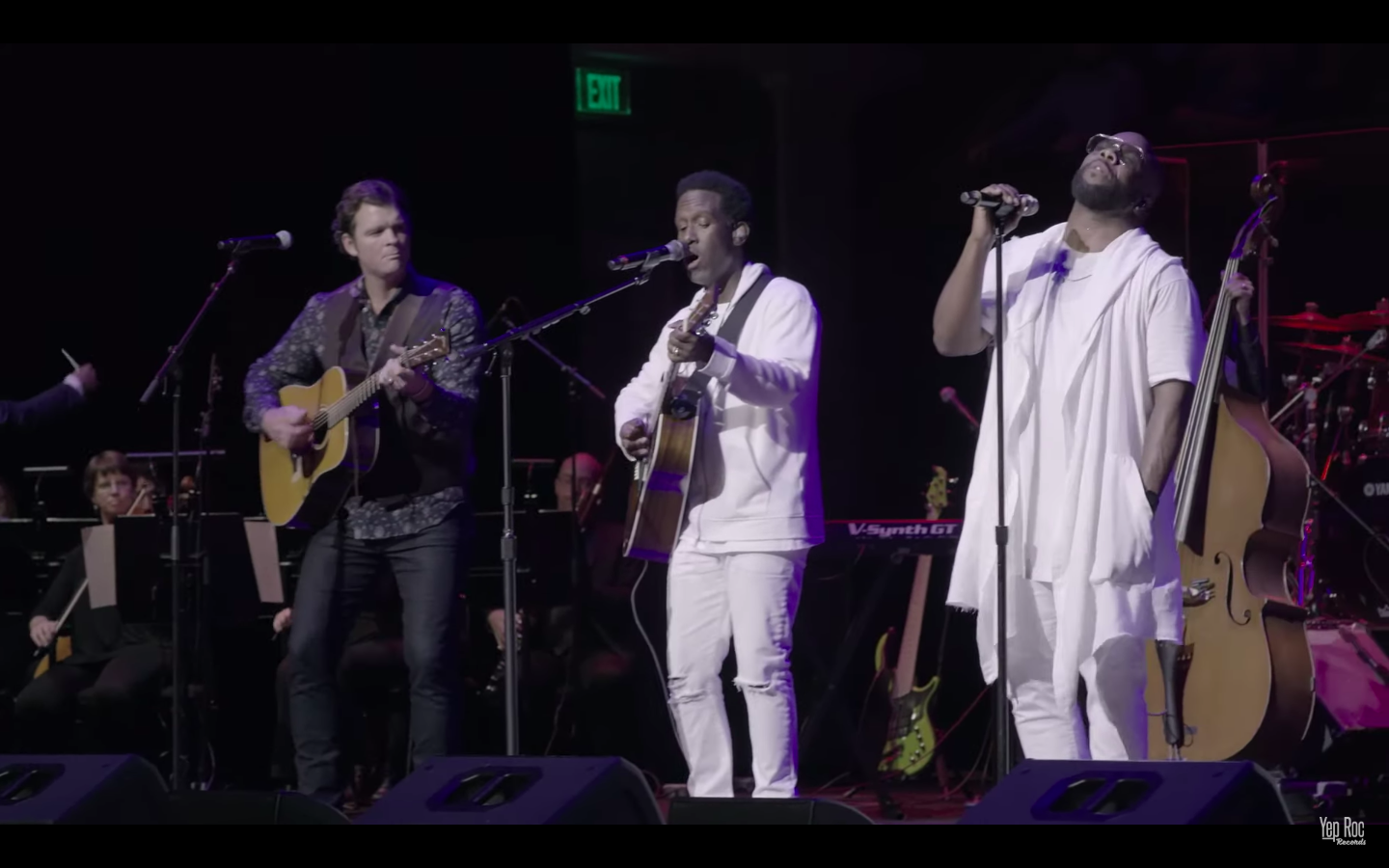
Boyz to bluegrass?! You read that right. R&B legends and vocal virtuosos Boyz II Men have collaborated with North Carolina’s Steep Canyon Rangers for this stunning reproduction of the bluegrass group’s 2007 song “Be Still Moses.” During a Boyz II Men performance at Nashville’s Schermerhorn Symphony Center, twelve members of the Asheville Symphony joined the Rangers for this video, capturing what may very well be a once-in-a-lifetime performance of the song.

Boyz II Men’s Nathan Morris remarks, “The other day someone said ‘Boyz II Men does bluegrass?’ We laugh cause it sounds crazy, but to us good music is good music no matter what genre.” Graham Sharp of the Steep Canyon Rangers adds, “I give credit to our producer Michael Selverne and to Michael Bearden for their vision of bringing together two very different musical worlds for a moment that transcends any genre designation.”

Watch as musical traditions collide and stars align in this illuminating performance.

WATCH: The Wild Feathers Sing Alone at the Ryman

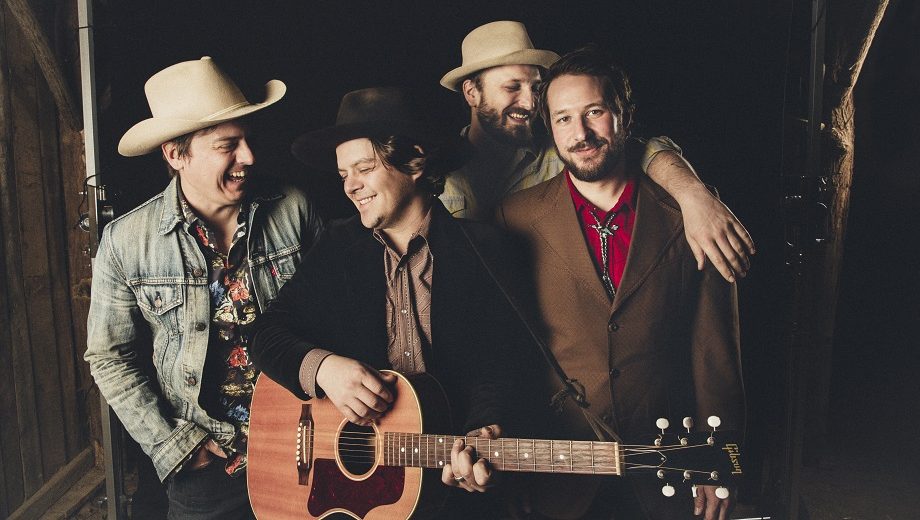
Celebrated for its acoustics, the mother church of country music hosts this special performance by the Wild Feathers. This Nashville band blurs the lines between country and rock, while never forgetting to pay respect to the roots of American folk music. Watch as the Wild Feathers deliver a moving performance of “Lonely is a Lifetime” huddled around one microphone in an empty Ryman Auditorium.


Photo credit: Alysse Gafkjen

ANNOUNCING: WinterWonderGrass Returns to Colorado, California, and Vermont in 2020

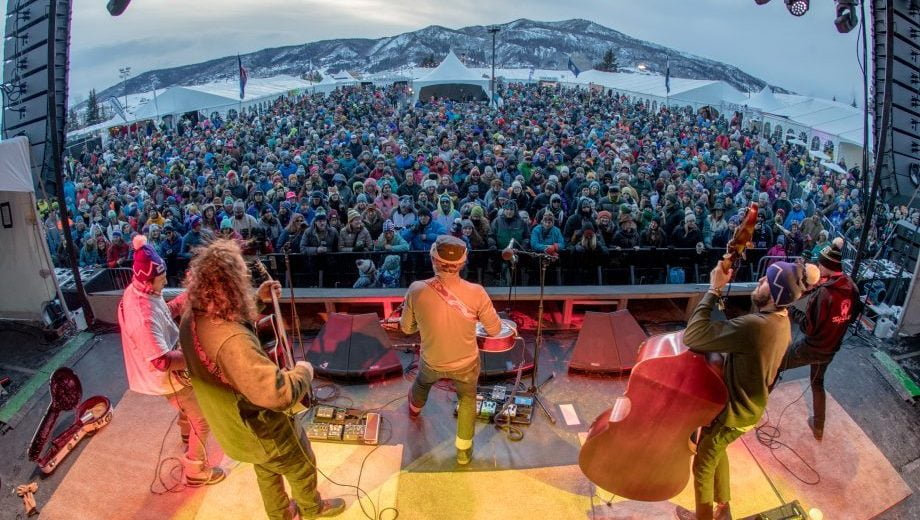
Today, the WinterWonderGrass Music & Brew Festival shares the 2020 lineup across all three of their flagship events. Taking place in Colorado from February 21-23, California from March 27-29, and Vermont from April 10-11, the traveling music festival will welcome performances from some of the hottest names currently thriving in today’s bluegrass and Americana scenes.

“It’s with a mountain of intention, huge hearts, humility, and a commitment to delivering the hottest and sweetest artists that we present to you the 2020 WinterWonderGrass landscape,” says festival founder Scotty Stoughton in a press release. “Each year, the hardest thing to do is not heed our desire to return to each and every band — and by virtue of that, friends to WWG — year in and year out. It is our sincere desire you’ll find new lifetime favorites on this lineup, have the chance to be reunited with old loves and step out of your comfort zone with open arms to new experiences.”

“WinterWonderGrass has become a home for artists, fans, staff, locals, businesses, skiers, riders, their families and all of the like,” adds festival Director of Marketing & Ticketing, Ariel Rosemberg. “We pride ourselves on creating a sustainable, safe and receptive environment, bound by the marriage of the best in bluegrass, folk and Americana, and the undefeated nature of American ski culture.”

BGS has partnered with WWG for the past two years and we are excited to once again join forces with WinterWonderGrass to create and share unforgettable experiences and world-class music across our communities and across the country.

Returning to Colorado for its eighth consecutive year, and its fourth year located in the pristine ski town of Steamboat Springs, Colorado, WinterWonderGrass presents headlining performances from Greensky Bluegrass, Billy Strings, and Margo Price over its three days this coming February.

Additional artists on the bill include: Keller & the Keels, Della Mae, Travelin’ McCourys, Nikki Lane, Molly Tuttle, Horseshoes & Hand Grenades, Bluegrass Generals (Chris Pandolfi & Andy Hall of The Infamous Stringdusters), ALO, Lindsay Lou, a collaborative set from the WinterWonderWomen, Pickin’ on the Dead, Che Apalache, Cris Jacobs, Twisted Pine, Jon Stickley Trio, Meadow Mountain, Jay Roemer Band, Buffalo Commons, and Bowregard, as well as special guests Andy Thorn, Jennifer Hartswick, Bridget Law, Pappy Biondo, and Will Mosheim.

Over March 27-29, WinterWonderGrass makes its way to the Tahoe region of California for its sixth consecutive year presenting three days of music at the base of Squaw Valley Ski Resort. Headliners for this festival stop include The Devil Makes Three, The Infamous Stringdusters, and two sets by Billy Strings.

Also joining the bill: Peter Rowan, Fruition, Keller and the Keels, The War and Treaty, The Lil Smokies, Brothers Comatose, Della Mae, Larry Keel Experience, Kitchen Dwellers, Andy Falco & Travis Book Perform Jerry Garcia, Cris Jacobs, Trout Steak Revival, Midnight North, Town Mountain, Pickin’ on the Dead, Pixie and the Partygrass Boys, Old Salt Union, TK & the Holy Know-Nothings, Rapidgrass, and Twisted Pine. As well as special guests Lindsay Lou, Bridget Law, Will Mosheim and a collaborative WinterWonderWomen set.

A Mountaintop Dinner with Keller Williams, co-presented by BGS, will kick off the festivities in both locations on Thursday, February 20, and Thursday, March 26, respectively. These events will include a ride up the gondola in Steamboat and the Tram at Squaw, a multi-course meal complete with locally-sourced ingredients from each respective region, wine and beer samplings, plus two sets by Williams during each event.

The Vermont stop of the festival takes place over April 10 and 11 at Stratton Mountain Resort in Stratton, Vermont. Previously held in December, this year’s festival stop in Vermont was scheduled to coincide with the ski resort’s closing weekend. Headliners for this iteration of the festival, billed as WonderGrass Presents: Sugar & Strings, include The Infamous Stringdusters, Cabinet, Della Mae, and Molly Tuttle.

Additional artists on the two-day lineup include: Kitchen Dwellers, Andy Falco & Travis Book Perform Jerry Garcia, Twisted Pine, Che Apalache, a special WinterWonderWomen collaboration, Saints and Liars, Dead Winter Carpenters and Damn Tall Buildings, as well as special guests Jennifer Hartswick, Bridget Law, Pappy Biondo, Will Mosheim and more.

Additionally, the Grass After Dark Series will return for post-festival programming with more details coming soon.

Tickets for all three festivals are on sale now: Colorado | California | Vermont.

The Show On The Road – The Lone Bellow

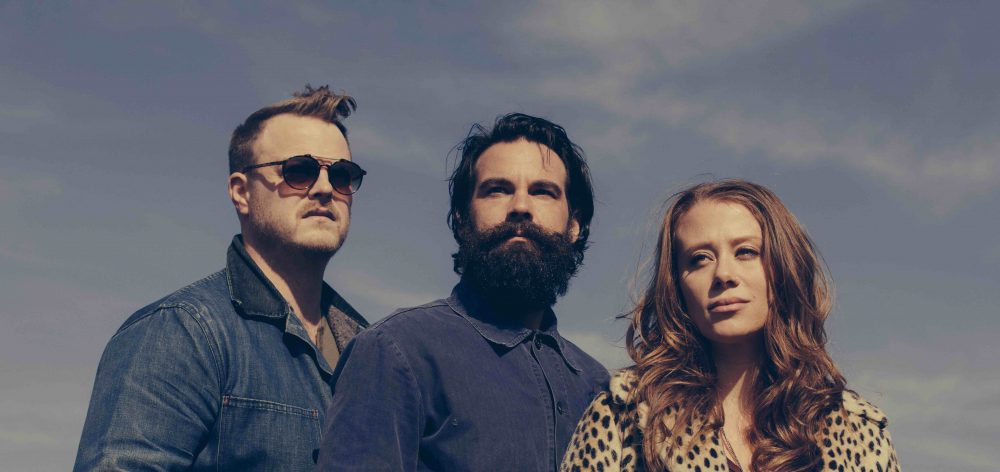
This week, Z. Lupetin speaks to the founding trio of one the most respected and sought after folk-rock bands in the country, The Lone Bellow.

LISTEN: APPLE PODCASTS • MP3

Their hedonistically heavenly harmonies have lifted them from playing tiny bars around their founding home base of Brooklyn, New York to adoring audiences at venerable venues like Red Rocks Amphitheatre, the Apollo, and The Ryman Auditorium, in their new home of Nashville, Tennessee. The Lone Bellow have a rapport that is intimate, hilarious, and — when it calls for it — deadly serious. The band is full of so much heart and genuine insight that you can’t help but lean in and listen.

Artist of the Month: Old Crow Medicine Show

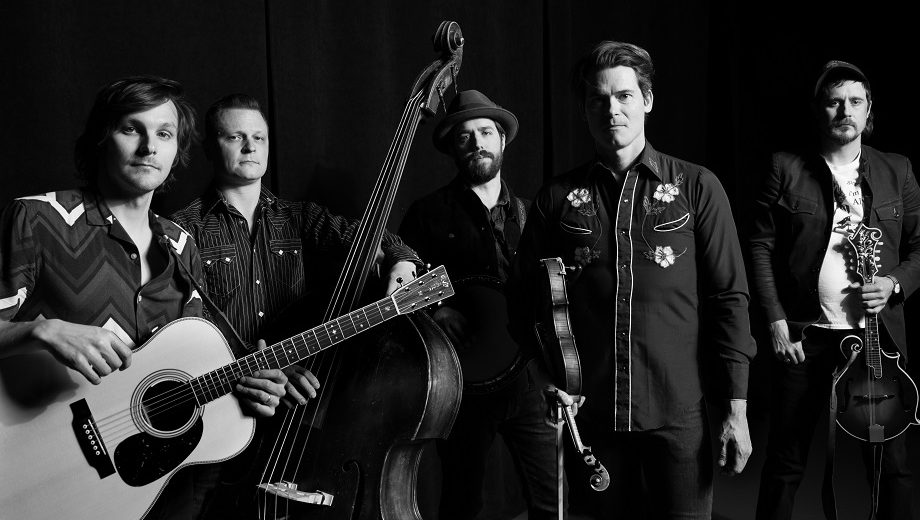
From their earliest days of busking and playing to capacity crowds at the Station Inn, Old Crow Medicine Show has shown they know how to pull in a crowd. Now they’ve captured that raucous, captivating energy in their newest release, Live From the Ryman, recorded during the group’s numerous headlining performances at the landmark Nashville venue.

The band has seen its share of setbacks and lineup changes over the years, but their catalog is surprisingly limber. In other words, the songs from Eutaw and O.C.M.S. blend seamlessly with tracks from newer releases like Remedy and Volunteer.

It’s a testament to the vision of band founder Ketch Secor, who tells BGS, “If they had tried to stop us a long time ago, they probably would have been able to, but they never tried. We were never curtailed. We were asked to be quiet and to clean up, but nobody ever said ‘no’ enough times for us to pay attention.”

Look for a two-part interview with Old Crow Medicine Show coming up on BGS this month, and enjoy our Essentials playlist.

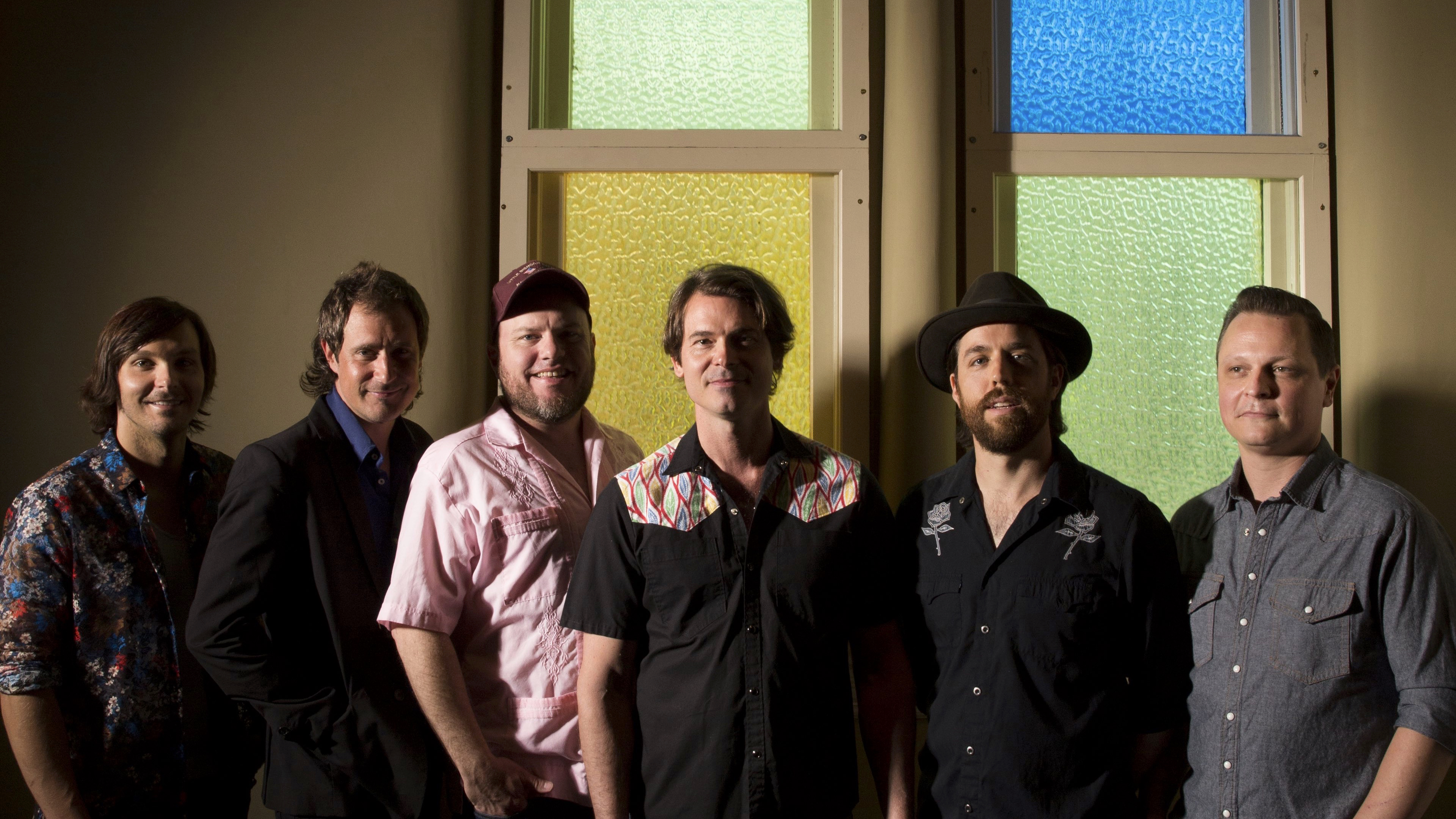
Photo credit: Crackerfarm; (L-R): Charlie Worsham, Cory Younts, Critter Fuqua, Ketch Secor, Joe Andrews, Morgan Jahnig

WATCH: The Quebe Sisters, “Pierce the Blue”

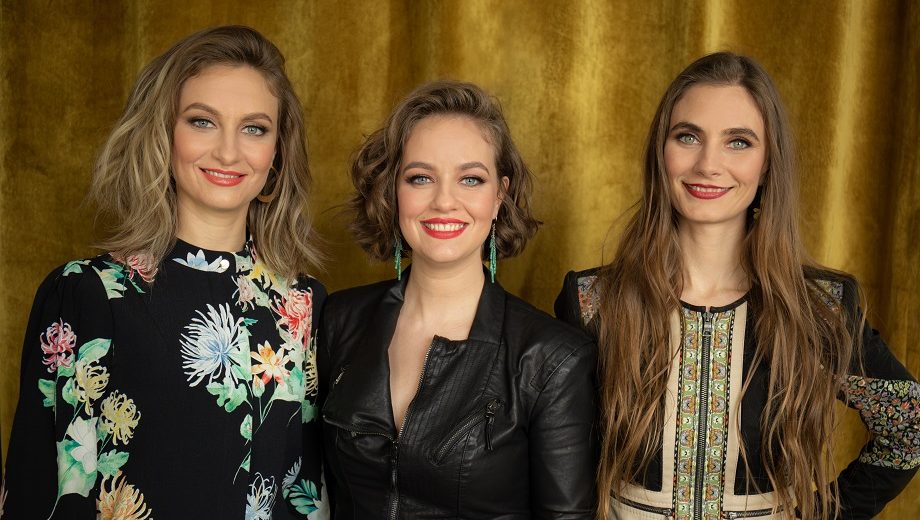
Artist: The Quebe Sisters
Hometown: Dallas, Texas
Song: “Pierce the Blue”
Album: The Quebe Sisters
Release Date: September 20, 2019

In Their Words: “This album represents several ‘firsts’ for us, and it captures a new phase and the start of a new direction for our sound. In many ways the process of making this album felt like starting over; deconstructing what we knew about music and then trying to put it back together again. Making and producing this album was a very collaborative effort where we sought to diversify our sound using our same instrumentation. It features solos from everyone in the band as well as originals, including ‘Pierce the Blue.’ This song has two parallel themes running through it. It’s about a difficult season of our lives we went through, and it’s also about universal pain we all feel that brings about our longing for reconciliation, change, and a better tomorrow.” — The Quebe Sisters


Photo Credit: Katherine Chiu + Bill Stipp

Che Apalache, “24 de marzo (Día de la Memoria)”

Though it’s largely viewed as a music by and for Appalachian and southern white Americans, bluegrass is a genre born of a much more complicated, harlequin heritage — as is the case for most American cultural touchstones. The U.S.A. is a melting pot country and bluegrass is melting pot music. As such, it takes on touches, overtones, and undertones of many other folk traditions with ease. Musicmakers from around the world, from Eastern Europe to Japan to South America, have for many years fashioned string bands that begin with the skeletal structure of American roots music — banjos, fiddles, mandolins, and so on — and expand into incredibly imaginative realms informed by their own cultures, backgrounds, stories, sights, and sounds.

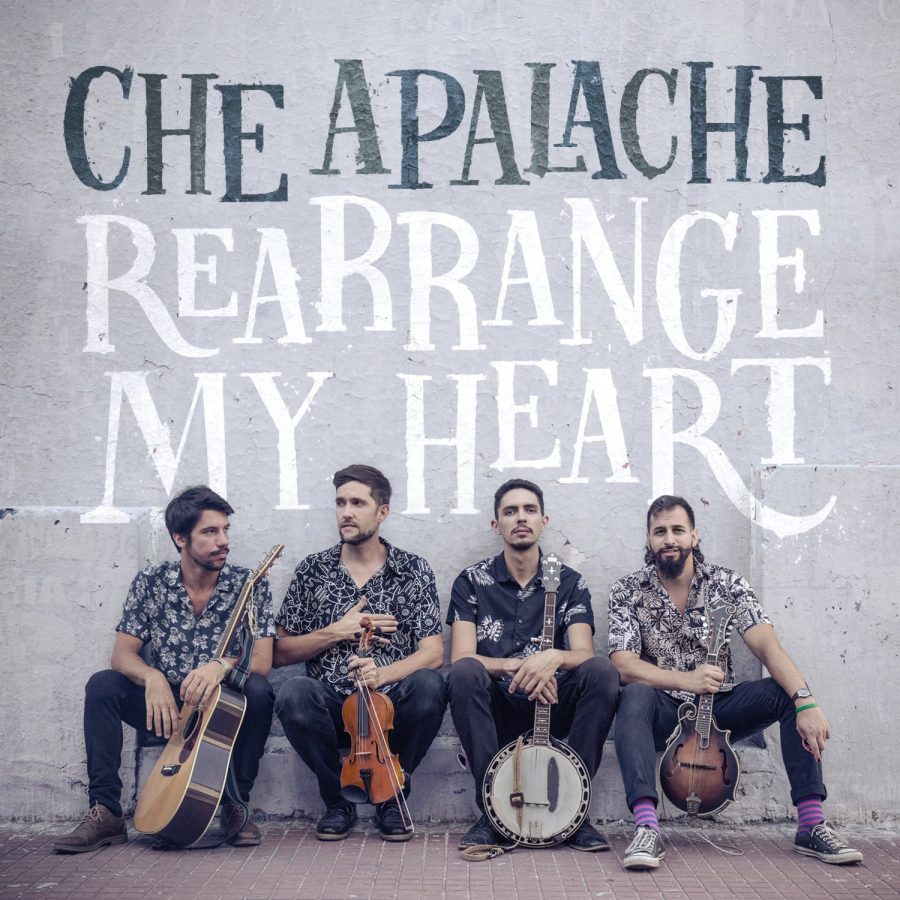
One such band helping to further this global potential for bluegrass is Che Apalache. An Argentina-based bluegrass and old-time quartet, the group (with members from Mexico, North Carolina, and Argentina) covers a vast musical space that includes barn-burning picking, soulful, gospel-tinged vocals, and composed, cinematic arrangements with touches of chamber music and the virtuosity of formal training. One standout song from their brand new, Béla Fleck-produced album, Rearrange My Heart, is “24 de marzo (Día de la Memoria),” an instrumental tango written by fiddler Joe Troop based on experiences of banjo player Pau Barjau’s family members.

The tune commemorates victims of an Argentinian dictatorship that was backed by the United States. Día de la Memoria por la Verdad y la Justicia is a holiday observed each year in Argentina on March 24, the anniversary of the coup of 1976. The bluegrass instrumentation doesn’t feel clunky or out of place utilizing the musical vocabularies of Central and South America in this context. Rather, it reinforces the fact that our communities — musical and otherwise — are strengthened by the experiences of others. And, it reminds us that there are so many more stories ready to be told by bluegrass bands, if we’re ready to hear them.

LISTEN: Songs from the Road Band, “Any Highway”

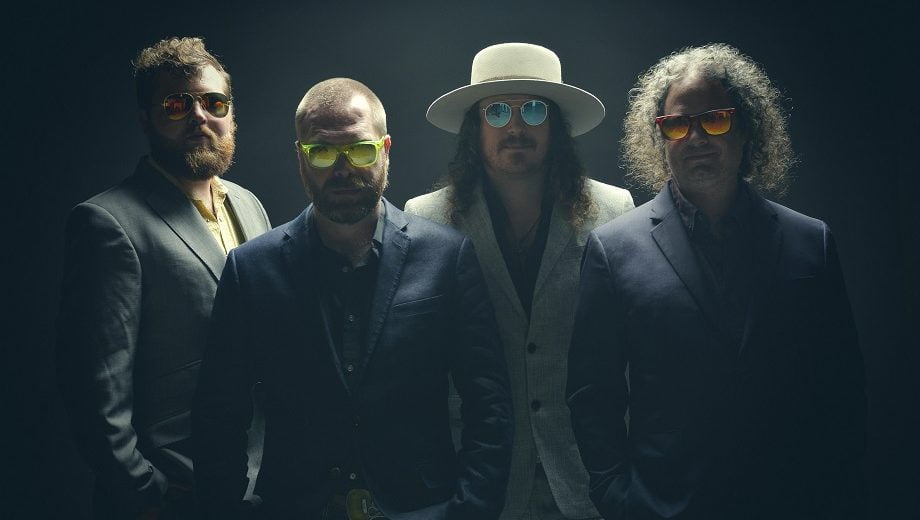
Artist: Songs from the Road Band
Hometown: Asheville, North Carolina
Song: “Any Highway”
Album: Waiting on a Ride
Release Date: July 31, 2019
Label: Lucks Dumpy Toad Records

In Their Words: “‘Any Highway’ is a song about the one that got away! It’s set out west in a desert town. Its relevancy is timeless. It was written by Darren Nicholson of Balsam Range fame and Charles R Humphrey III. We made it the first track on our new album because it introduces the themes of change, transition, travel, and nostalgia. Those threads are woven throughout the album and seem to tie this batch of songs together as one cohesive project.” — Songs from the Road Band


Photo credit: Keith Wright