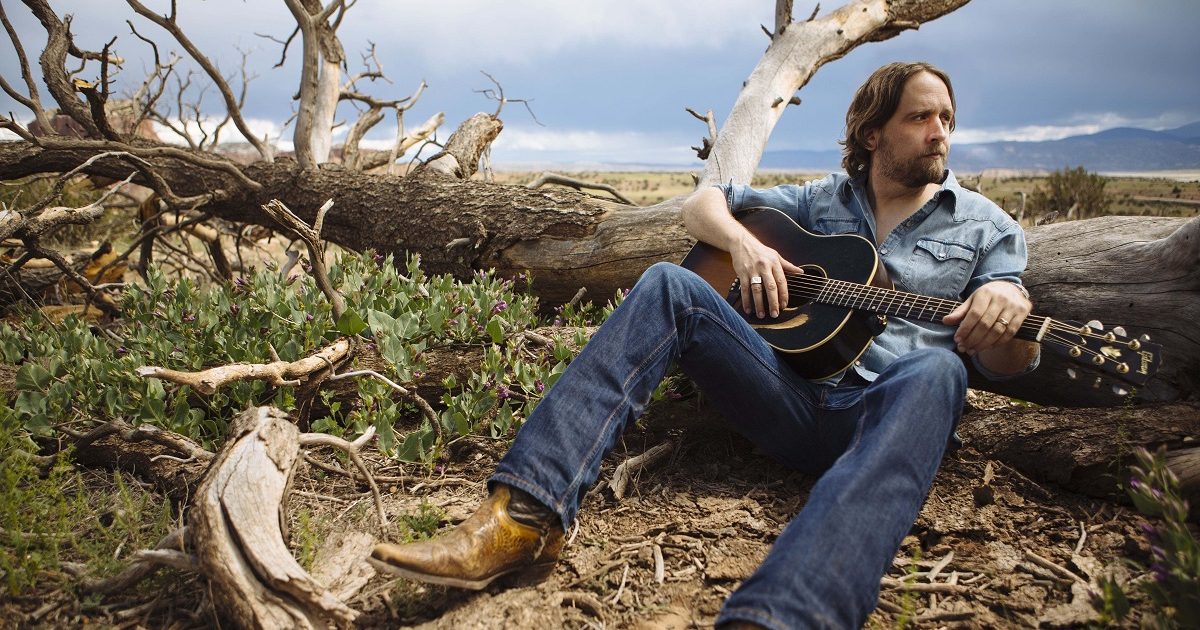
WATCH: Jeremy Ivey, “Things Could Get Much Worse”

Artist: Jeremy Ivey
Hometown: Nashville, Tennessee
Song: “Things Could Get Much Worse”
Album: Waiting Out The Storm
Release Date: October 9, 2020
Label: ANTI-

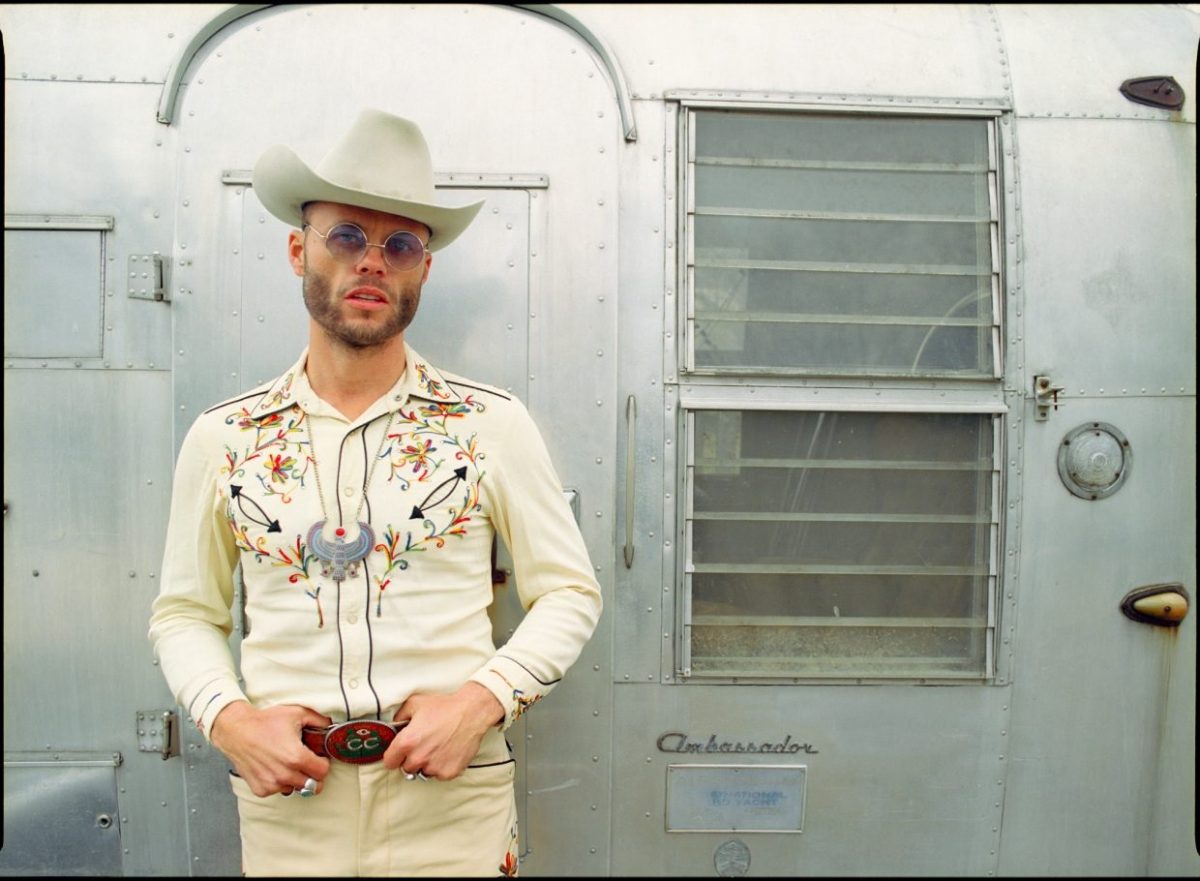
In Their Words: “I don’t write a whole lot of positive songs, but I try to have one per record at least. So this my positive message for the world. These are the good old days no matter how bad they seem. Just remember, life could suck a lot more. This song was written in about ten minutes, this is our first take in the studio and the video was shot in a couple hours. All in the moment and off the cuff, the way it should be! Also, watch out for Elon, I don’t trust that guy.” — Jeremy Ivey


Photo credit: Alysse Gafkjen

The Show On The Road – Nicole Atkins

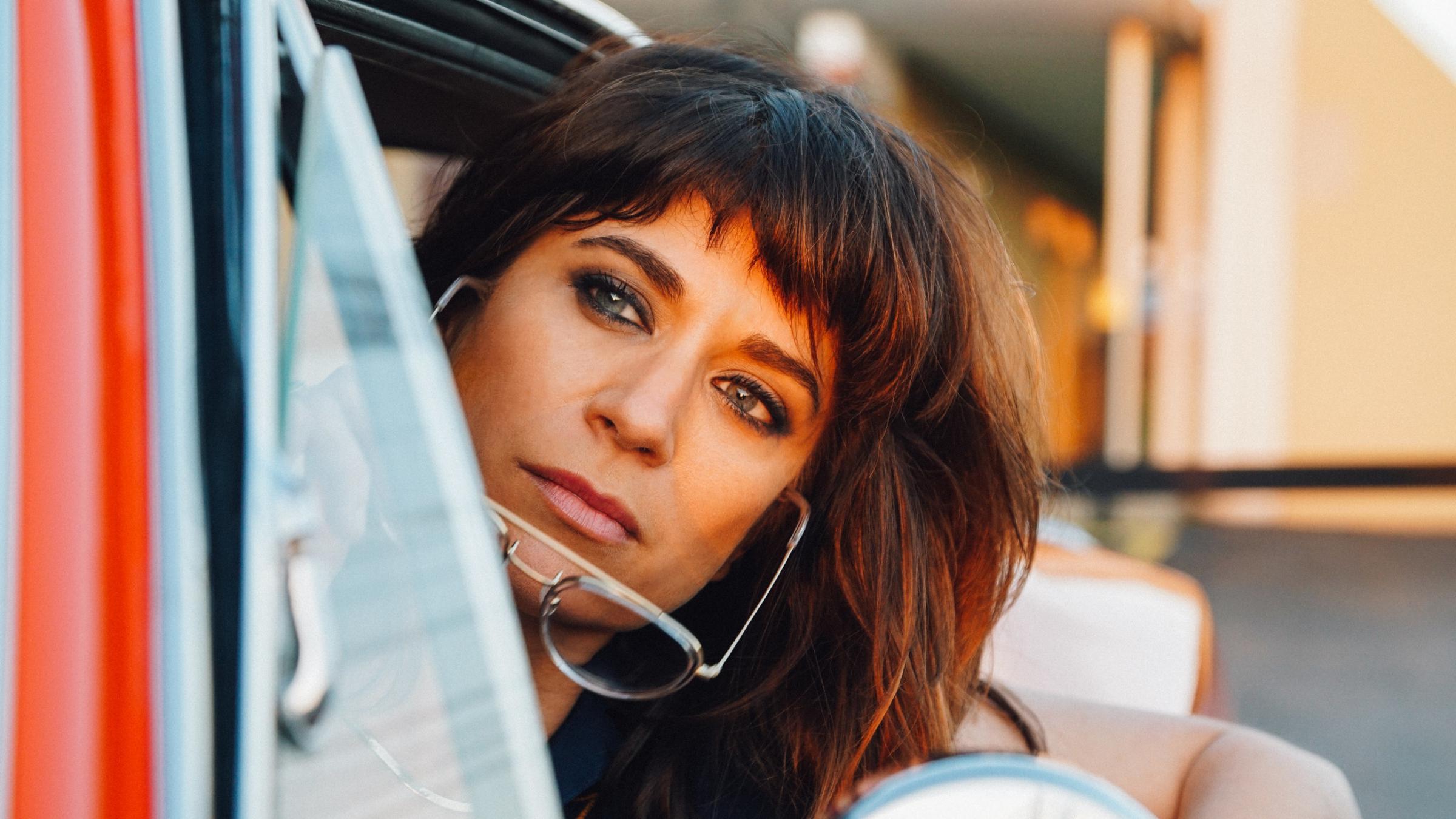
This week on The Show On The Road, a conversation with Nicole Atkins, a singer/songwriter  out of Neptune City, New Jersey who has become notorious for making her own brand of theatrical boardwalk soul. 

LISTEN: APPLE PODCASTSSTITCHERSPOTIFYMP3

The Show On The Road host Z. Lupetin fell in love with Atkins’ newest, harmony-rich record, Italian Ice, which came out spring 2020 and was recorded in historic Muscle Shoals, Alabama. Both rumblingly ominous and joyously escapist, standout songs like “Domino” make the record a perfectly David Lynch-esque summer soundtrack of an uneasy 2020 scene that vacillates between fits of intense creativity and innovation and deep despair. Toiling below the radar for much of her career, Atkins is finally enjoying nationwide recognition as a sought-after writer and producer; Italian Ice was co-produced by Atkins and Ben Tanner of Alabama Shakes.

While some may try to shoehorn Nicole Atkins into the Americana and roots-rock categories, one could better describe her as a new kind of wild-eyed Springsteen, who also mythologized the decaying beauty of New Jersey’s coastal towns like Asbury Park, or a similarly huge-voiced, peripatetic Linda Ronstadt who isn’t afraid to mix sticky French-pop grooves with AM radio doo-wop, ’70s blaxploitation R&B and airy jazz rock like her heroes in the band Traffic. If you watch her weekly streaming variety show, “Live From The Steel Porch” (which she initially filmed from her parents’ garage in NJ, but now does from her new home in Nashville), you’ll see her many sonic tastes and musical friends gathering in full effect. Italian Ice features a heady collection of collaborators including Britt Daniel of Spoon, Seth Avett, Erin Rae, and John Paul White.

After playing guitar and moving in and out of hard-luck bar bands in Charlotte and New York — many of which that would find any way to get rid of their one female member — Atkins’ bold first solo record Neptune City dropped in 2007 and three more acclaimed LPs followed, including her twangy, oddball breakout, Goodnight Rhonda Lee in 2017 on John Paul White’s Single Lock Records.

Much like the tart and brain-freezing treat sold on boardwalks around the world, Atkins’ newest work is a refreshing and many-flavored thing and demonstrates that, in a lot of ways, the show-stopping performer, producer, and songwriter has finally embraced all the sharp edges of her personality.


Photo credit: Anna Webber

LISTEN: Delta Spirit, “What Is There”

Artist: Delta Spirit
Hometown: NYC, Brooklyn, Los Angeles, Austin, Montreal
Song: “What Is There”
Album: What Is There
Release Date: September 11, 2020
Label: New West Records

In Their Words: “’What is There’ is an acrostic poem that I wrote for the guys in the band, with each verse directed at a specific person. I wrote the song in the winter of 2018 while living in Oslo. We had just decided to give the band another go and I was feeling sentimental about the journey we had been on since 2005. We were all just kids trying to break into this business. Each of us had been burned by the major label system with other projects. Starting Delta Spirit with my best friends, traveling the world, and playing music that meant the world to us was such an improbable miracle, but then it felt inevitable. There were moments when we lost our way as brothers and as creative collaborators, but since the break, we have found new and better ways to communicate. And that feeling of inevitability is back.” — Matthew Logan Vasquez, Delta Spirit


Photo credit: Alex Kweskin

BGS 5+5: Wood & Wire

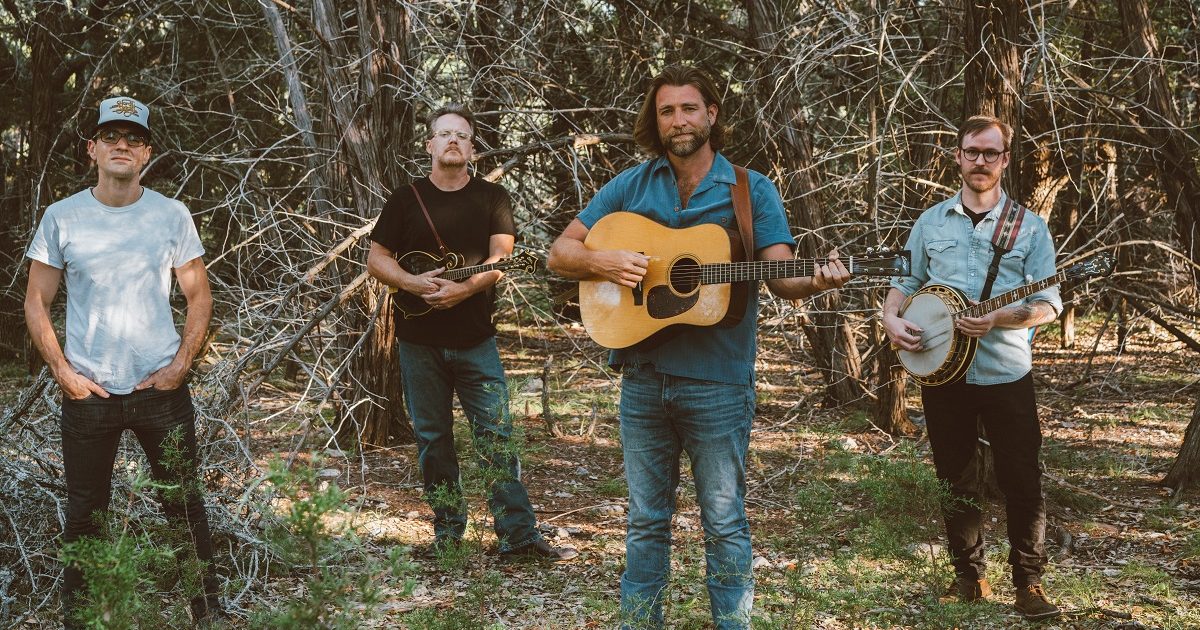
Artist: Wood & Wire
Hometown: Austin, Texas
Latest album: No Matter Where It Goes From Here

Answers by Tony Kamel and Billy Bright

Which elements of nature do you spend the most time with and how do those impact your work?

Water, for sure. I mean there’s so many metaphors available there. When writing I tend to lean towards the rivers, but it’s all the same water. We are all just part of the water cycle. — BB

Growing up on the Gulf Coast, the ocean has always been a consistent theme in my writing. I essentially learned to swim in the Gulf of Mexico. A lot of unique characters down there that are easy to tell stories about and put them into song. “John” on the new record is about a friend of mine that split time in Galveston as an artist and Alaska as a salmon fisherman. — TK

What other art forms — literature, film, dance, painting, etc. — inform your music?

Stand-up comedians and the way they work material out on stage. Maybe they don’t inform the music itself, but certainly the idea of putting your art out there, trying things out, adjusting to the audience, making yourself vulnerable, and developing swagger and confidence (especially) when things are going south. Being comfortable being uncomfortable is quite the asset and the best stand-up comedians have that mastered. Recently I’ve listened to all of Tig Notaro’s recorded material. She’s absolutely brilliant. There’s a video of her on Conan where she just pushes around a stool because it makes a funny noise… sounds ridiculous. It is. You should watch it. — TK

Since food and music go so well together, what is your dream pairing of a meal and a musician?

Music and food do pair well. Like if you’re eating a meal and there’s music in the background, or a band, that can be dreamy. Musicians and meals, not as dreamy. Too frequently, they’ll disappear when the bill comes, or are checking their Instagram page the whole meal. All that aside, Trevor has been talking about Sonoran Dogs in Tucson and we have never been able to check that box. So I’d have to say Sonoran Dogs with Trevor Smith. — BB

Definitely Sonoran Dogs in Tucson with Trevor Smith… or maybe Machaca at Lucy’s Cafe in Kings X in El Paso, Texas, with Billy Bright. Oh wait…..I’ve checked that box and it was every bit as dreamy as I could have imagined. (see “My Hometown” on the new record for El Paso references). — TK

What was the first moment that you knew you wanted to be a musician?

I knew from about 10 years old I wanted to create. I didn’t know I wanted to make it the way I (tried to) make a living until I was working a sales job and it came down to doing one or the other full-time. At this point, no matter what I do for living, it’ll have to be on my own terms. Like my bandmates, I’ve never been good at doing what I’m told — and that certainly isn’t getting better with age. — TK

My first band ‘practice’ ca. 1987. But those moments happen all the time. I still want to be a musician someday. I fell down the acoustic music hole for good when I saw The Bad Livers live in 1992. First time I ever saw a banjo played in real life, or ever, like that. — BB

How often do you hide behind a character in a song or use “you” when it’s actually “I”?

I’m not an intentional songwriter, they just come out sometimes and sometimes end up being recorded. I can’t think of a single song I’ve written where I doesn’t mean I. I should try that though. So should you…. — BB

Agreed. I’m not super intentional either. Kinda speaks to the relationship I have with songwriting. I don’t always enjoy it — it’s not always fun. For me personally, if I’m not feeling creative, or I’m not inspired, I don’t even try. It comes in waves. When the wave comes, I really buckle down, let it flow however it comes out, and ride it to the bitter end. And by I, I mean you. — TK


Photo credit: Alison Narro

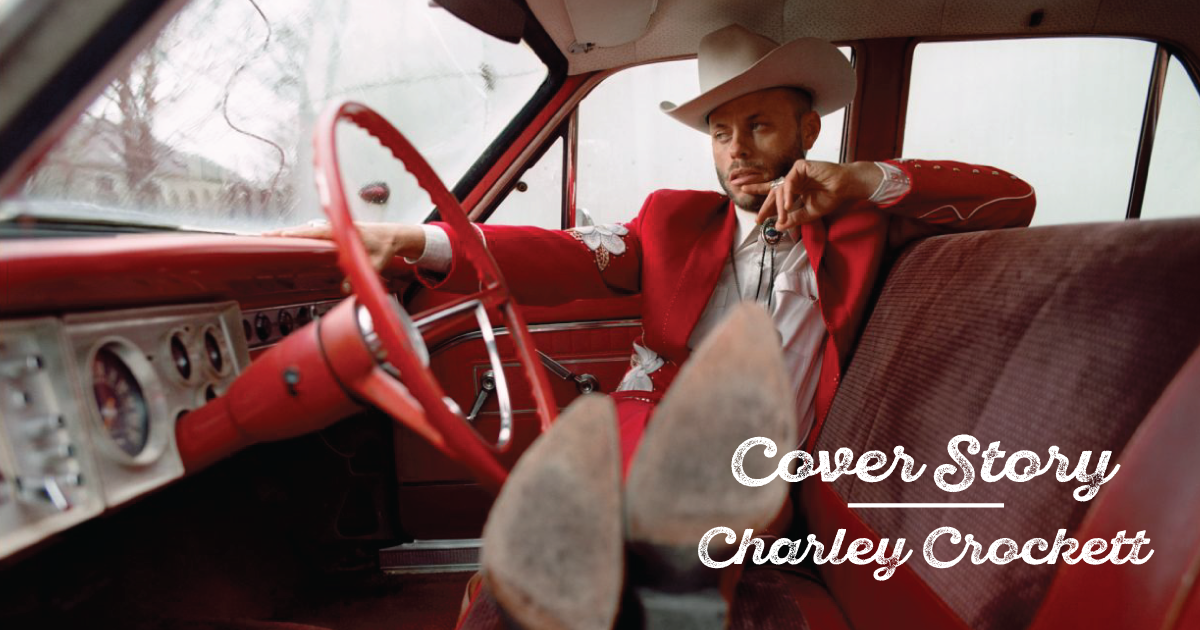
Through His Music, Charley Crockett Speaks to ‘Hard Times’ We’re All Facing

“Welcome to Hard Times,” the opening and title track from country crooner Charley Crockett’s eighth album is Crockett at his finest. He is pensive and pitch perfect, relevant and retro. “The dice are loaded, and everything’s fixed,” he sings. “Even a hobo would tell you this.”

It’s hard to tell if the 36-year-old Crockett is the hobo he references in that line, though it’s entirely plausible. As contemporaries cut their teeth at Belmont and Berklee, Crockett was busking on the streets of New Orleans and New York. While there, he learned how to entertain an audience in pursuit of a tip; perhaps more importantly, he learned the ways of this world, how we’ve all been ushered into a 24/7 casino where the house is telling lies and the gamblers are predestined to sin.

Welcome to Hard Times, comprised of 13 tracks of searing anguish set to slick, ’60s-style, country-western production, culminates with the particularly sorrowful “The Poplar Tree.” It’s a song that Crockett says has been received differently by different audiences, even as he — a man living somewhere between Black and white, privileged and not — feels that his message is obvious. “I have, many times, on this album cycle, said to press folks, ‘Yes, we’re all oppressed folks, but some folks just have it harder,’” he says. “And you have to recognize that.”

By phone, we talked to Crockett about his album, the role of artist as activist, and, of course, these very hard times.

Welcome to Hard Times sounds like you wrote it for this moment — in the midst of a pandemic, with widespread racial unrest — but you actually wrote it before everything went down. What inspired you?

You didn’t need this shit going on this year to know about these problems that we’re talking about. I don’t know how you could travel this world as an artist and not see it. I think that says everything about the nature of people. I recognize people are in different positions, but there are a lot of people who are in positions to not see what’s going on, and there are no consequences for them. Then there’s everybody else who’s forced to see it, who deals with it and suffers for it.

You’ve definitely been vocal in interviews and in your music. But even as you speak now, I get this sense that there’s a push and pull, or a toeing of some line that you’re subconsciously doing.

I’m trying to walk this line that is strange because I have been identified by a lot of my audiences as just a regular white man. Then there are a lot of people that look at me strangely as the complete opposite, as African-American. But I can’t speak for the Black community and I don’t really feel like I’m speaking on behalf of the white community either. I never saw myself as Black but I never liked my whiteness.

What does it mean when you say that you never liked your whiteness?

I dreamt of myself and viewed myself as not white from probably 5 years old. And then I look at myself now in videos and stuff, and I just… I feel like I look strange.

I guess what I’m saying to you is: My issues with my own identity tie to the kind of James Baldwin viewpoint that whiteness is just a metaphor for power, and that my identity as somebody who is uncomfortable in my whiteness says a lot about the relationship between Europeans in America and African-Americans and Natives. The romanticization of genocide is an unbelievable crime, but I think what is probably more savage and brutal is the assimilation through rape, through bondage, through [people like] my grandmother [who was mixed].

The easy thing for somebody to do is say, “Well, you can’t skip white responsibility for institutional and structural privilege.” I see that, so I’m not saying, “Hey, whiteness isn’t real, therefore nothing that’s happening to you is valid.” I’m saying you have to recognize that it’s happening, and then, if you truly wanna change it, at what point in the future do whites need to stop looking at whiteness as meaning anything? That’s the step that I feel is completely absent in the national conversation.

There are conversations happening though, right? And white people, at least some of them, appear to be really listening.

There’s a combination of white consciousness, and then there’s this other, fake, white virtue signaling. I just can’t stand some of that stuff ‘cause I see a lot of these people playing politics with their public image who are not doing anything in their life about shit. It’s whites signaling to other whites, and that’s what Martin Luther King was talking about at the end, you know? He really was. I think Malcolm X saw it at the end; I think James Baldwin, because he was so intellectual, was saying it to everyone, but he managed to get away with it because I think he seemed like he was mostly speaking within that kind of elite, intellectual world.

“Blackjack County Chain” is a song written in the ‘60s about a Black chain gang in Georgia that kills their supervising sheriff. Word on the street is that Red Lane, the writer, offered it to Charley Pride, but he passed on it because he didn’t want to stir up controversy. You covered it on Welcome to Hard Times, and it’s the only song on the album that you didn’t write. Why’d you decide to cut it?

I sung that song mostly ‘cause I listened to the words and identified with it. I feel like I’m dragging chains, you know? I just do. I always have. I think that that’s the other weird thing about America that is really hard to recognize, for a lot of us. It’s, like, no matter how much better a lot of these people have it, the insane thing that I’ve seen about America is, even among all these people in positions of power and privilege, they all view themselves as discriminated against and oppressed.

Your song “Poplar Tree” discusses lynching. Was there a concern about going too far when you wrote it?

I don’t know. I wasn’t thinking a whole lot about where that song was gonna go. It just went there.

Right, because you said this stuff dominates your mind.

It just does. And it’s who I am. I am in the public eye on some level and people got all kinds of crazy shit to say about that. And it is not lost on me that, for whatever reason, these people saying the crazy shit that they’re saying about me, they got nothing like that to say about these people that I’m getting compared to in the independent, Americana country scene. Even if I can sing ‘em under the table, they don’t criticize how they sound, but they criticize me up and down. And I’m not blaming them; I’m not mad at ‘em, I’m asking for it, in a way. I know that I’m asking for it, ‘cause I can just pack up and stop doing this shit.


Like, let’s talk about folk music. Let’s talk about blues, back in the day. When these guys were singing about their situation, it was all code. It had to be code because if it wasn’t, that might mean your life. So I’m stepping up and down to say this shit loudly, but I’m trying to build my audience to a place beyond where it is now. I’m just saying, I don’t exactly know who I’m speaking for, really, because of how completely outside of this society that I feel.

How did playing on the streets for so long shape you as an artist?

To me, that’s the best education I could’ve ever gotten in my life. It was unfortunate circumstances and difficult living that brought me there, but I would never wanna go another direction. It’s informed what I’ve done, and I learned about folk music, hip-hop, and everything else. I just absorbed it all on the street, and I made it into what it is now.

I have people in country who look at me like, “This guy’s an imposter! Look at this video of him on the subway train ten years ago! He’s wearing a beanie and tight pants; he’s not a real cowboy! He’s not country music!” And I’m like, who is more authentic than me? I never got a leg up in the business, period. I never opened up for anybody of note. I built my career out of the most unlikely of circumstances.

Do you think artists have a responsibility to speak up about social issues?

It’s like this: If your art isn’t saying shit, I don’t care about your political opinion. Like, if your art isn’t making an impact, your political opinion, to me, is little more than you trying to get ahead. And I mean that about white people; I mean that about everybody. If the art isn’t doing anything, then what’s the point?


Photo credit: Laura E. Partain. See the full photo story.
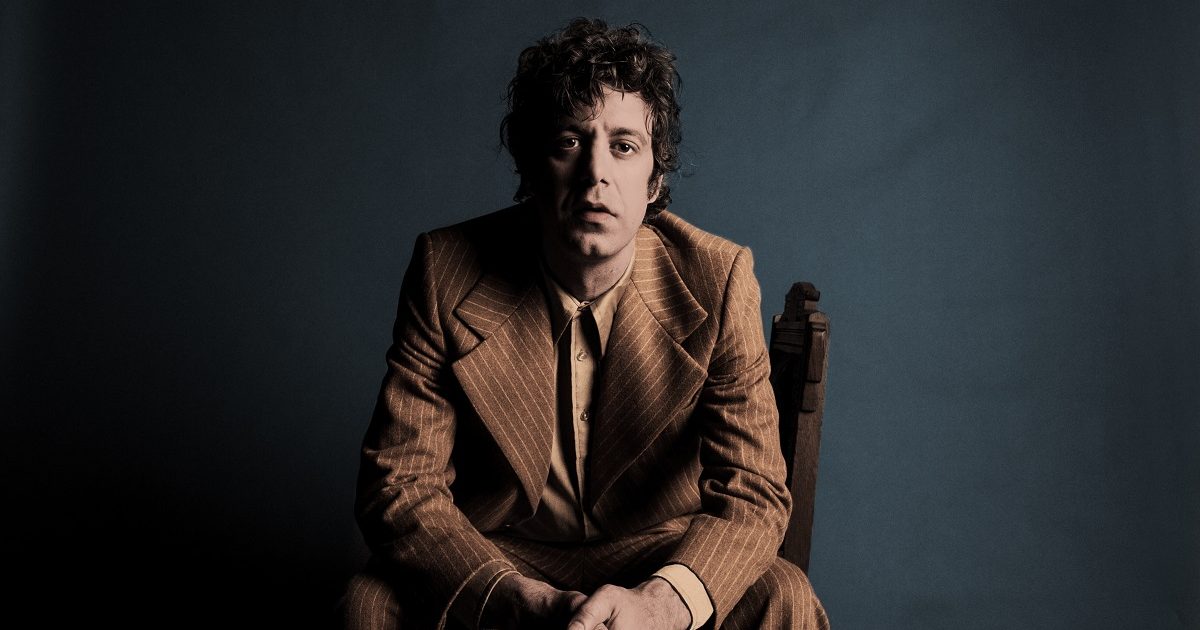
WATCH: Raye Zaragoza, “They Say” (Featuring Colin Meloy & Laura Veirs)

Artist: Raye Zaragoza (feat. Colin Meloy on harmonica and Laura Veirs on banjo)
Hometown: New York City
Song: “They Say”
Album: Woman in Color (produced by Tucker Martine)
Release Date: October 23, 2020
Label: Rebel River Records

In Their Words: “This song is about the dysfunction of American power structures. It’s about how the systems built to support the people don’t support all people. Especially during a pandemic, it’s been exposed how those lower on the socio-economic ladder are left without the basic resources everyone deserves.” — Raye Zaragoza


Photo credit: Cultivate Consulting

WATCH: The Milk Carton Kids, ‘Live From Lincoln Theatre’

Artist: The Milk Carton Kids
Album: Live From Lincoln Theatre
Release Date: Released on video in 2014; released on streaming services in 2020
Label: ANTI- Records

Editor’s Note: The Milk Carton Kids both filmed and recorded Live From Lincoln Center in Columbus, Ohio, in October 2013 during a tour in support of their Grammy-nominated album The Ash & Clay. Originally the video was edited and the audio mixed by band member Kenneth Pattengale in the band’s Sprinter van in the days following the show. Now it has been remastered by Kim Rosen, one of the band’s favorite collaborators.

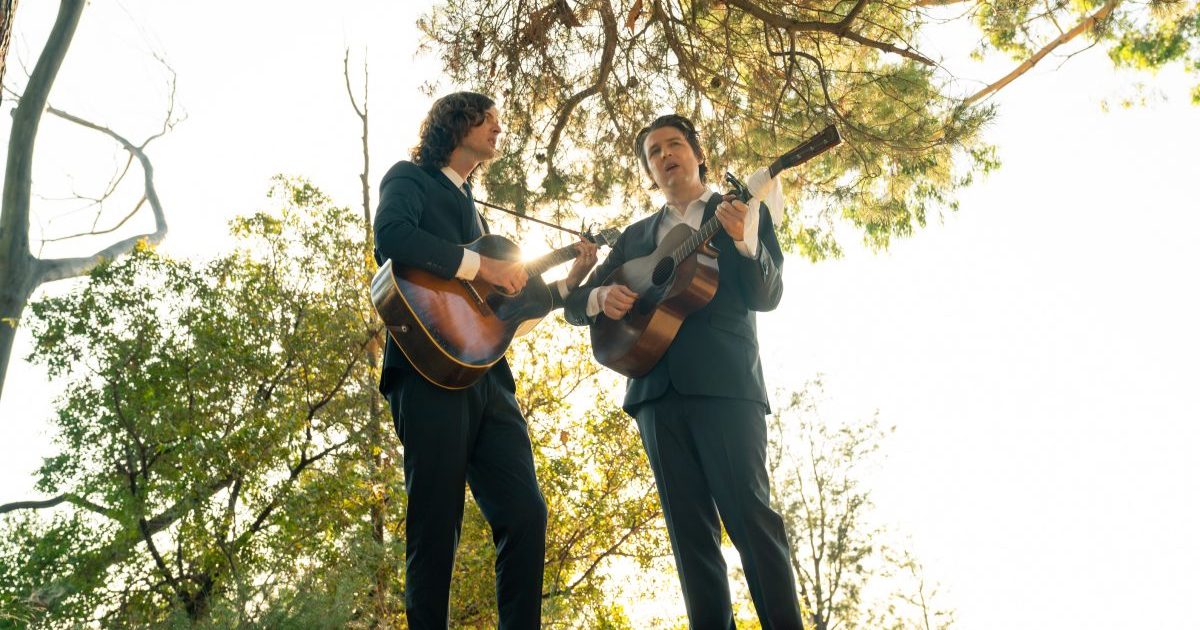
In Their Words:Live From Lincoln Theatre is the truest representation of what Joey and I have been up to for the last decade. The set list is like a greatest hits album of Milk Carton Kids songs. I’ve never played guitar in the studio quite the way that it comes together on stage. Our voices also communicate something extra for the occasion. And, of course, Joey doesn’t ramble about our master recordings, but there’s no stopping him once the lights are dim and the mics are hot. … In Columbus everything came together the way that it does when audience and performer are in fine form, the energy coalescing into the mystery that drives us musicians to do EVERYTHING we do.” — Kenneth Pattengale


Photo credit: Jessica Perez

The Show On The Road – Chicano Batman

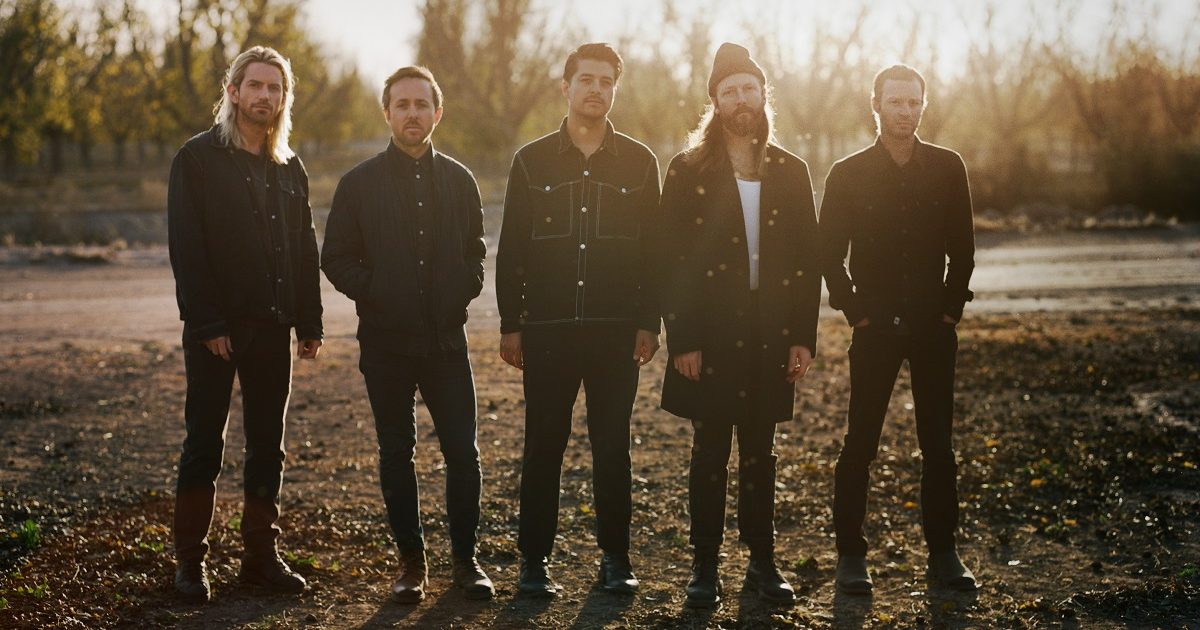
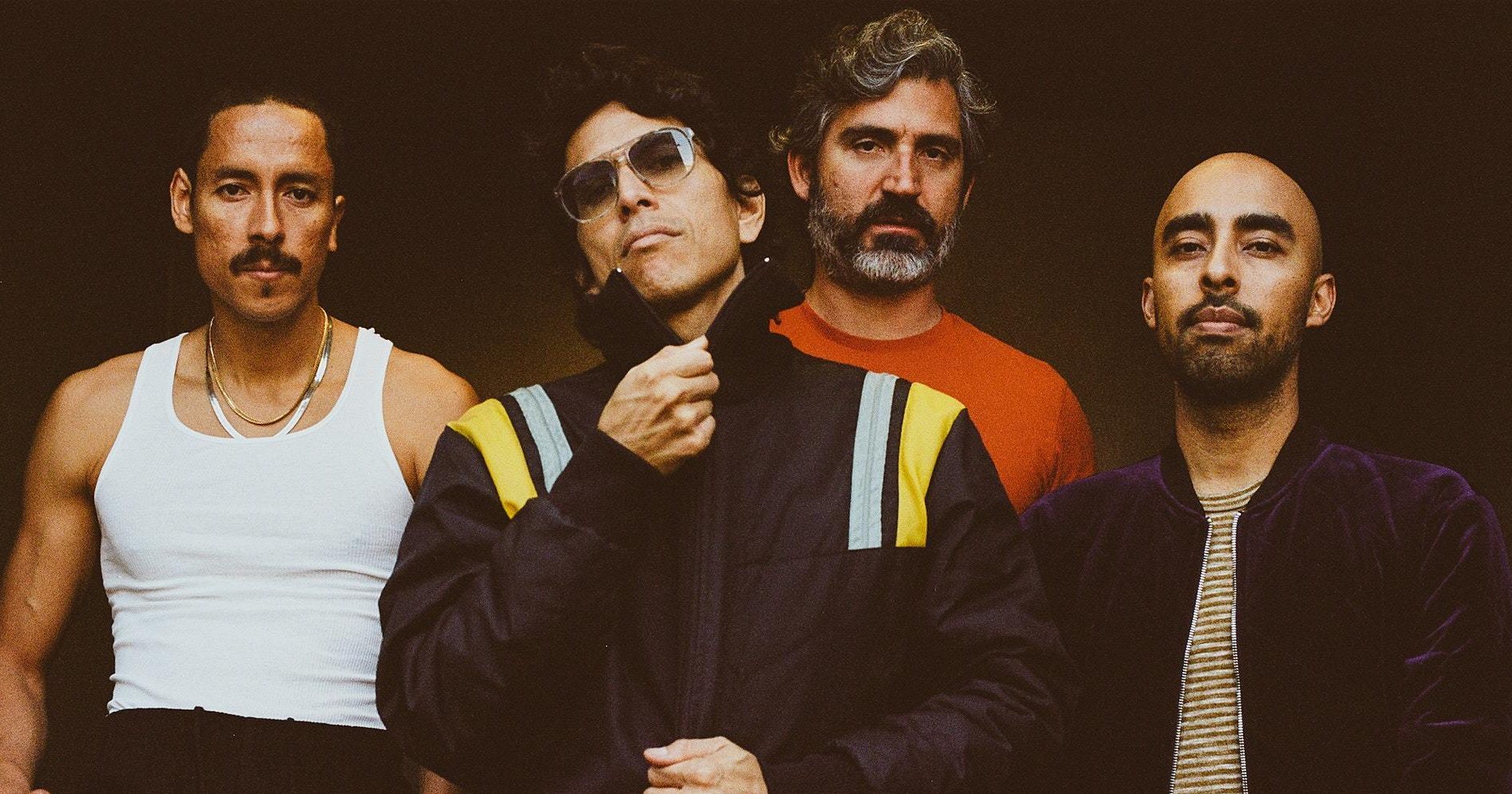
This week, The Show On The Road features a conversation with members of LA’s Latin roots-rock heroes Chicano BatmanThe band came together in 2008 and is comprised of Eduardo Arenas (bass, guitar, vocals), Carlos Arévalo (guitars), Bardo Martinez (lead vocals, keyboards, guitar) and Gabriel Villa (drums).

LISTEN: APPLE PODCASTSSTITCHERSPOTIFYMP3

Host Z. Lupetin was able to catch up with Bardo Martinez and Eduardo Arenas while they sheltered in place at home in LA. In the past you may have seen Chicano Batman at music festivals like Coachella dressing up in matching Mariachi outfits or crooning in a colorful mashup of Spanish and English on previous standout records like the dreamy Cycles of Existential Rhyme and the rebellious Freedom Is Free.  

Their newest work, Invisible People, is their most personal, political, and downright danceable release to date. The traditional Mariachi outfits may be tucked away in storage, but their playful vibe remains, even as the musicianship and pop-tightness took a big jump forward.

After twelve years of expanding and fine-tuning their sound and finding a devoted national audience, Chicano Batman is no longer the oddball, upstart band. While they now focus mainly on English lyrics, they know as songwriters and performers that they’ve become role models for Los Angeles’s vibrant Latin-roots rock renaissance, acting as springboards to a whole new scene that may not have a genre or name yet.


LISTEN: Great Peacock, “Heavy Load”

Artist: Great Peacock
Hometown: Nashville, Tennessee
Song: “Heavy Load”
Album: Forever Better Worse
Release Date: October 9, 2020
Label: Soundly Music

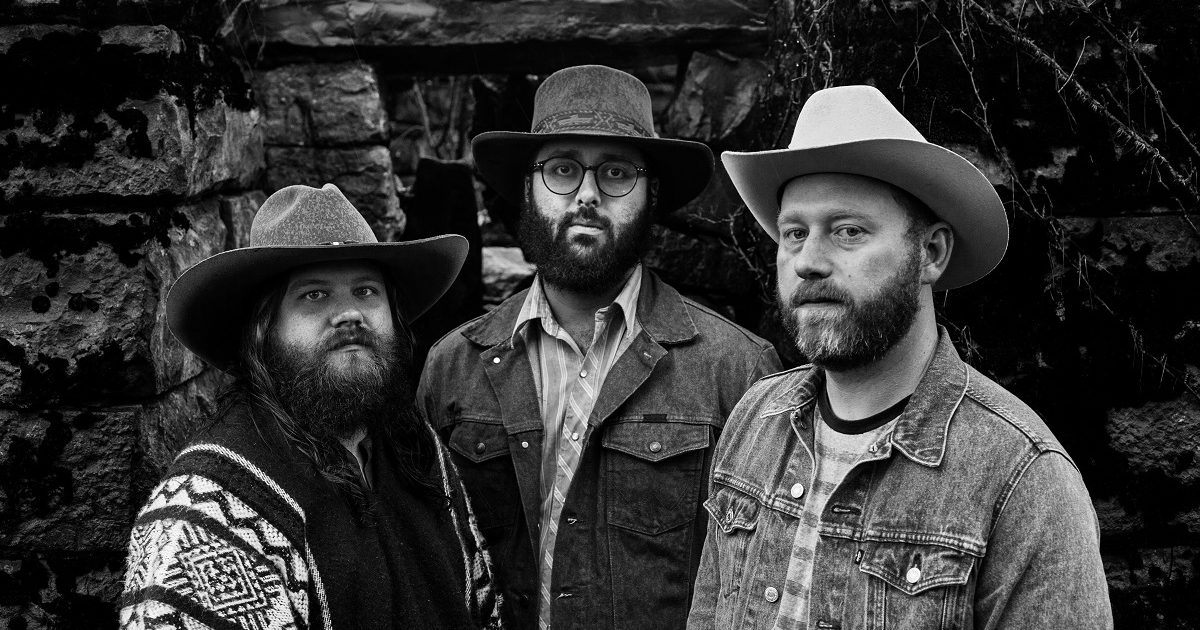
In Their Words: “I don’t totally know what this song means or is about. I just know that it makes me feel a lot of different emotions. We love so many things throughout the course of our life. Love is experienced and given and received in so many different ways for all manner of experiences, memories, places, things, and people. I think the real message of this song is that love isn’t always an easy thing, but you can’t give up on it. You have to give and receive it. I’m telling myself that in this song. I’m not singing to anyone else. I’m singing to me.” — Andrew Nelson, Great Peacock


Photo credit: Harrison Hudson

LISTEN: Hayes Carll, “Beaumont” (Acoustic)

Artist: Hayes Carll
Hometown: Woodlands, Texas; currently resides in Nashville, Tennessee
Song: “Beaumont” (Acoustic)
Album: Alone Together Sessions
Release Date: September 4, 2020
Label: Dualtone

In Their Words: “I started out singing on the southeast coast of Texas. Beaumont was just an hour up the road from where I was living. I had a few gigs there. A few friends too. The town just kept finding its way into my work. Its physical proximity to Houston, combined with the cultural differences, made it an interesting origin point for the narrator in this song. He’s in the city but the perspective comes from a simpler place. I’m thinking about all the folks down there right now dealing with yet another hurricane.” — Hayes Carll


Photo credit: David McClister