The Show On The Road – Aubrie Sellers

This week on the show, we catch up with a rising star in boundary-bending country and take-no-prisoners rock ‘n’ roll, Aubrie Sellers.


LISTEN: APPLE PODCASTSSTITCHERSPOTIFYMP3

What have you been doing since the pandemic hit in late February? Somehow Aubrie Sellers has managed to release a striking new LP of twisty, guitar-drenched originals on Far From Home (collaborating with her roots rock heroes like Steve Earle) while also pushing herself to make a EP of beloved covers on the aptly-titled, World On Fire. In rejuvenating a faded favorite like Chris Isaak’s “Wicked Game,” she takes a song we all thought we knew and twists it around until it seems like a poisonous, reverb-zapped revelation that just arrived out of nowhere.

Sellers was prepared to make music earlier in life than most. Growing up, she often found herself in nontraditional school situations, doing her homework on tour buses, hanging out in green rooms, and getting her feet wet on stages in Nashville’s tight-knit country community; you might know her mom, twangy-pop icon Lee Ann Womack and her dad, Jason Sellers, had a few chart toppers of his own, writing for folks like Kenny Chesney and playing in Ricky Skaggs’ touring band.

Sellers made her major label debut in 2016 with the more straight-ahead, but tightly crafted New City Blues, and earlier sang on a compilation record with the late Ralph Stanley. But at only 27, Sellers feels and sounds like an old soul — one less interested in climbing the current country charts than mining thornier material like her history of anxiety and stage-fright. She harnesses the punky, poetic outlaw energy that more cerebral songwriters like Steve Earle and Lucinda Williams have become known for. And audiences are taking notice, as Sellers’ scorching duet with Earle, “My Love Will Not Change,” was recently nominated for the Americana Music Association’s Song of the Year.

Stick around to the end of this episode of The Show On The Road to hear an acoustic, live-from-home rendition of her tune “Far From Home.”


Photo credit: Scott Siracusano

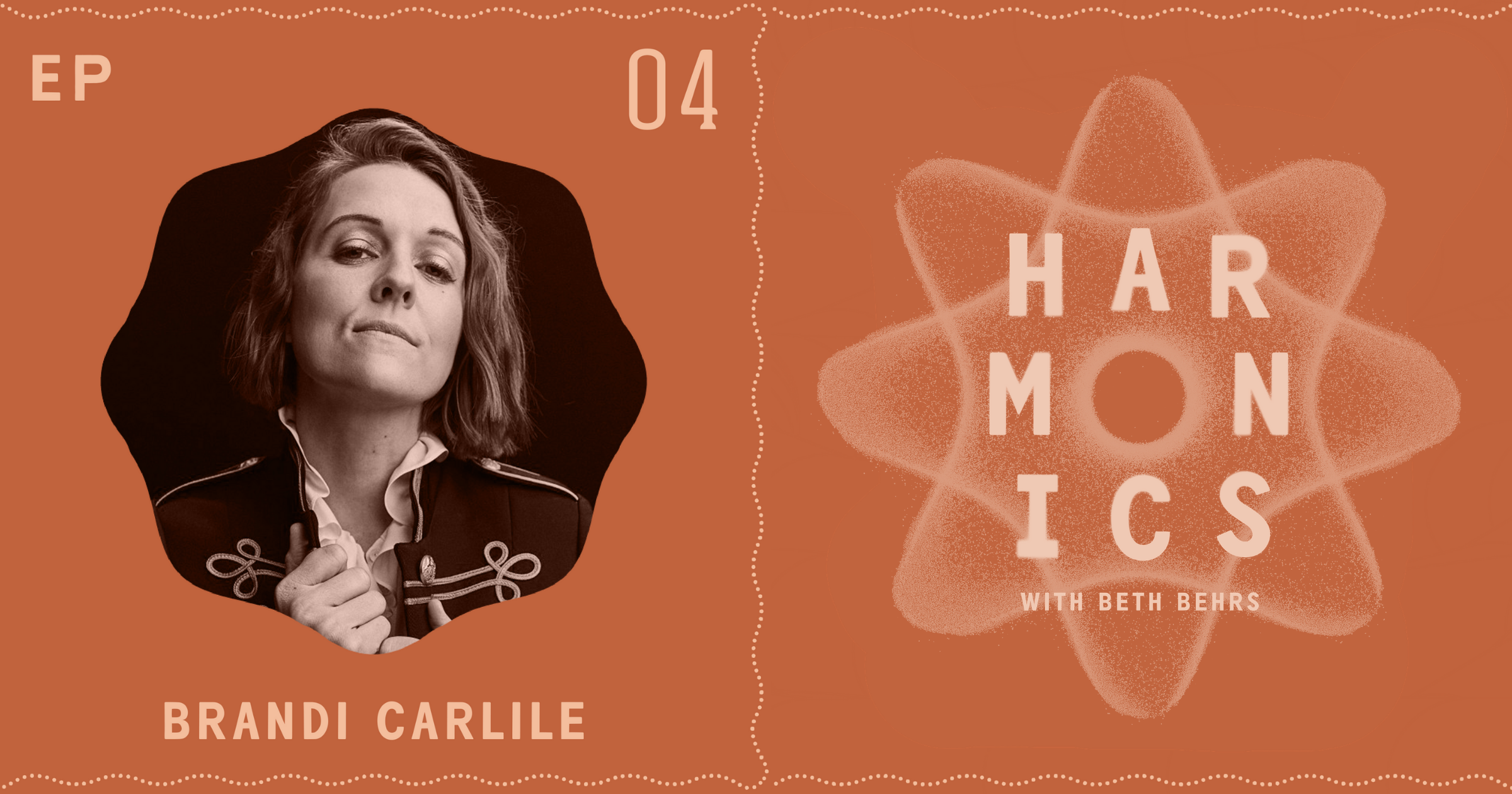
Harmonics with Beth Behrs: Episode 4, Brandi Carlile

Harmonics with Beth Behrs is the newest show from the BGS Podcast Network, which delves into the intersection of music and wellness. The podcast’s third week features Brandi Carlile, Americana icon and advocate for the empowerment of women and the LGBTQ+ community.

LISTEN: APPLE • SPOTIFY • STITCHERAMAZON • POCKET CASTS • MP3


Harmonics host Beth Behrs talks with Carlile about spirituality and wisdom found through horses and nature, performing the album Blue for Joni Mitchell, the joy and connection of live music, anxiety, and singing with Dolly Parton at the Newport Folk Festival.

For many folks, the first time they heard of Brandi Carlile was during her show-stopping performance of “The Joke” at the 2019 Grammy awards. Carlile walked away with three trophies that night for her record, By The Way, I Forgive You (including Best Americana Album). She’s been honing her distinctive voice and building a dedicated audience for over twenty years, all the while staying committed to building a family and community with her band and team.

That commitment has made her a godmother of modern American roots music — as a curator of festival stages, interpreter of the legendary artists who came before, and producer and collaborator for a whole new generation of female artists.

Listen and subscribe to Harmonics through all podcast platforms and follow BGS and Beth Behrs on Instagram for series updates!

BGS 5+5: Elizabeth Cook

Artist: Elizabeth Cook
Hometown: Wildwood, Florida
Latest album: Aftermath
Personal nicknames: Shug

What’s your favorite memory from being on stage?

Forgetting that I’m on stage and then coming to and being like, “Oh my god, I’m on stage!” That, and one night in Phoenix, this group of young girls stood at the front of the stage and sang along to every one of my songs.

What was the first moment that you knew you wanted to be a musician?

I didn’t really know that I wanted to be. I was a kid singer — so, I came to it from a funny angle. I fought it for years and tried to do other things, but never found a really gratifying way to fit into the world. I got asked to open for Todd Snider once in Wilmington, North Carolina, at this outdoor amphitheater. He threw a one-man acoustic folk show party riot throwdown. I’d never seen anything like it and really haven’t since. But I thought if this is on the table — I will try it.

What other art forms — literature, film, dance, painting, etc — inform your music?

All of it. I’m always collecting details that ping me in some way… and it can be something that I see, read, taste, touch or hear.

What’s the toughest time you ever had writing a song?

I wrote a song about my mama’s funeral. And of course it’s not something you want to write about, because it’s not something you want to even happen in the first place. But it did. And I was really dreading this event, and the responsibility I felt in the throes of my grieving. I was resenting the whole process. But then, it turned out to be a really beautiful day and it was helpful and healing. And I owed it to the world, almost a right to the wrong for my attitude towards it in the beginning. The song is called “Mama’s Funeral” and it’s on Welder.

What rituals do you have, either in the studio or before a show?

I have a “hard hat” bag! I can get really fussy and anxious right before I go on and dig neurotically for things I think I need. So I made this little bag… it has all the comforts from Advil to throat sprays and drops, a neck and hand massager, extra guitar picks, my lucky rock and some dice.


Photo credit: Electropogram

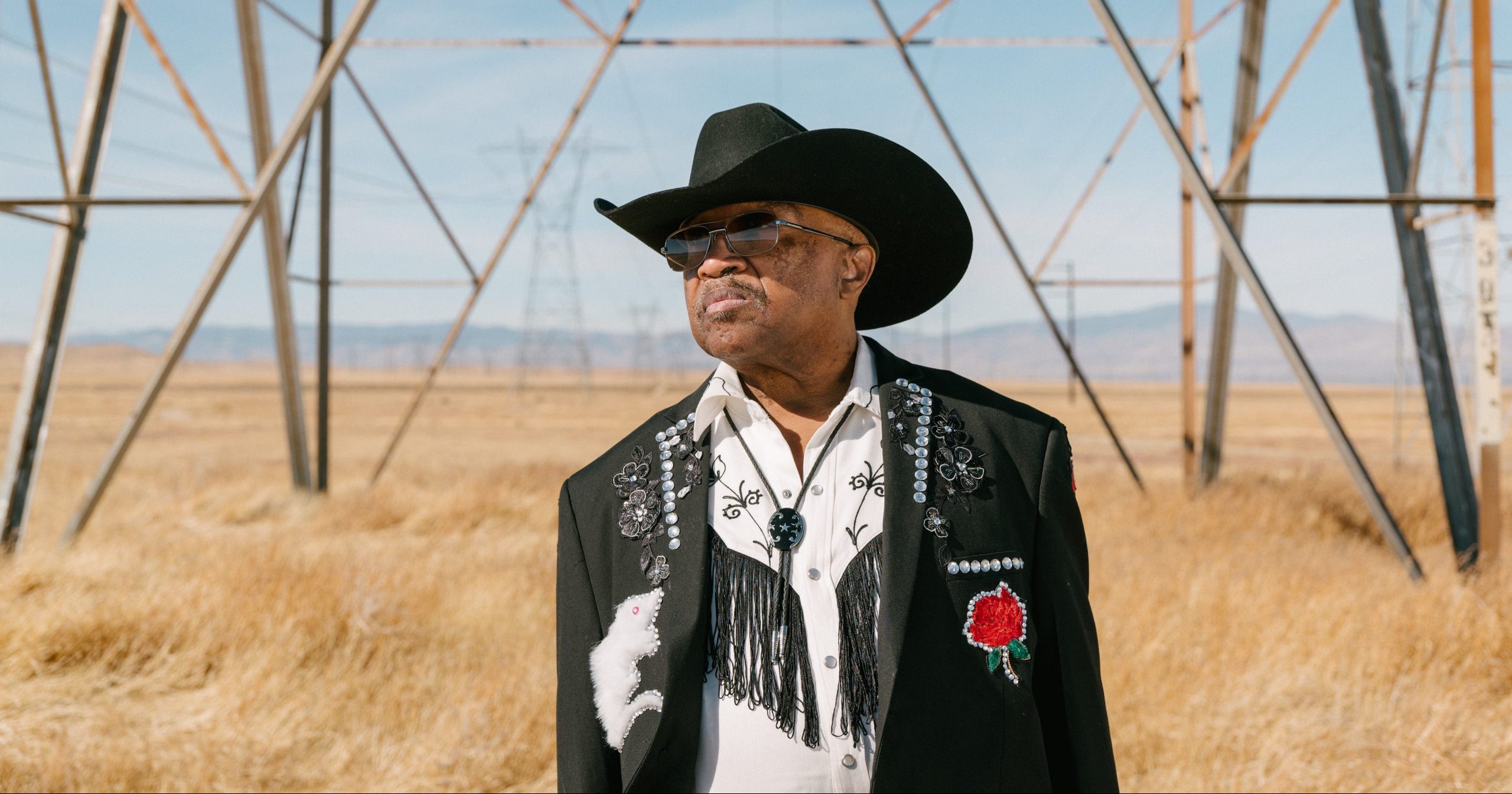
WATCH: Go Behind the Scenes of Swamp Dogg’s ‘Sorry You Couldn’t Make It’

In the winter of 2019, bona fide soul man Jerry “Swamp Dogg” Williams made his return to Nashville after nearly 50 years away from Music City. His aim was to cut a new record, and a slew of artists joined him in collaboration, chief among them guitarist Jim Oblon, singer/songwriter Justin Vernon, and the late great John Prine. The music that came from those winter sessions feels like a time machine right back to the late 1960s.

The album, titled Sorry You Couldn’t Make It, is a shade more country than Swamp Dogg’s other material, but his warm, rough voice wears his many years on its sleeve, allowing him to sit comfortably in the common core of soul, country, and blues. Portions of the album have moxie for miles while others hold abundant sincerity and sadness. NPR’s Fresh Air reviewed one song, “Sleeping Without You is a Dragg,” which was joined by two other selections from other artists classified as beautiful, comforting songs. A reminiscent sound ties the whole record together beautifully.

A Noisey mini-documentary about the star-studded recording sessions for Sorry You Couldn’t Make It shows humorous, casual, behind-the-scenes moments from the album’s creation. While Dogg had the bad luck of the COVID-19 lockdown slow its rollout, don’t let this music slip through the cracks of your social media timelines!


Photo credit: David McMurry

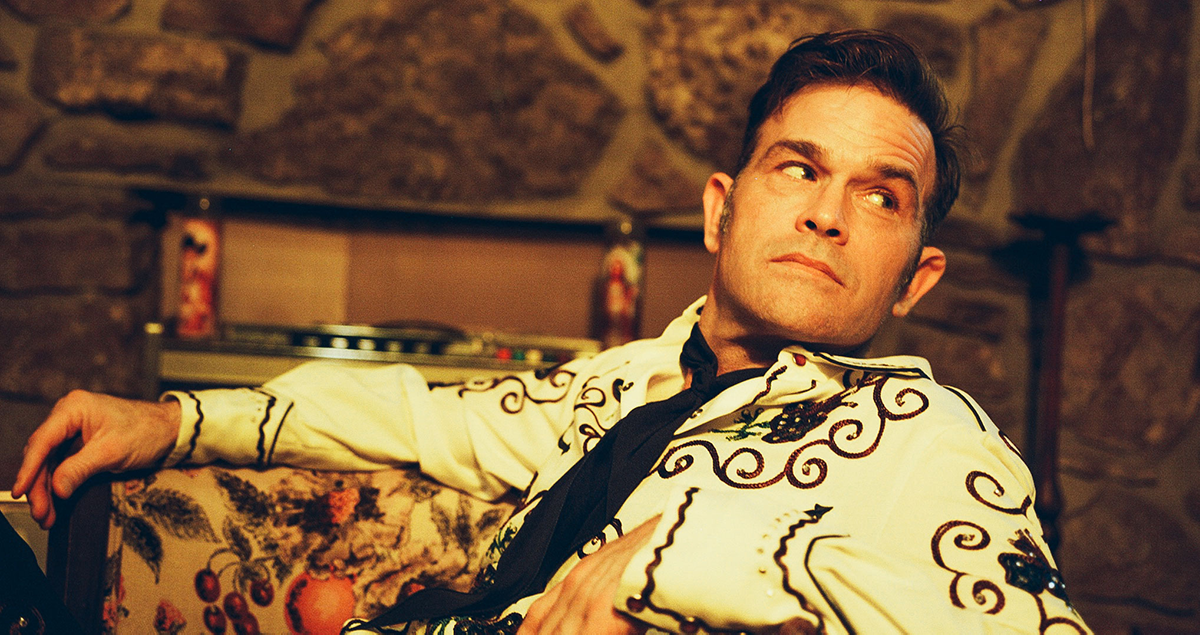
With a New Album About His Turbulent Past, Waylon Payne Makes It Through

Roughly 20 years ago, Waylon Payne’s life had become enough of a mess that he’d been booted off tour by one of his closest friends. These days he’s in a much better spot, though many of the trials and tribulations of his 20s are woven throughout the narrative of his new album, Blue Eyes, The Harlot, The Queer, The Pusher and Me.

The 12-song collection emerged gradually on digital platforms three songs at a time, though now as a whole, it’s also available on vinyl, and it should fit neatly within his own album collection of Bobbie Gentry, Kris Kristofferson, Willie Nelson, and his late mother, Sammi Smith. His late father, Jody Payne, played guitar in Willie Nelson’s band for four decades.

With classic country music in his blood, Payne has had songs cut by songwriting partners like Miranda Lambert, Ashley Monroe, and Lee Ann Womack, yet Blue Eyes, The Harlot, The Queer, The Pusher and Me is uniquely his own story. “I’m extremely proud of it. Every song is mine, and every song is a story that I’m choosing to tell,” he says. “It’s been extremely freeing and extremely cool to know that I’ve made it out of a dire situation and that I lived to tell about it. That’s all I’m really trying to do, buddy, I’m trying to offer some hope and maybe a different viewpoint that people have heard before.”

BGS: What do you remember about the vibe in the studio while making this record?

Waylon Payne: It was a pretty interesting vibe. We cut it at Southern Ground, which used to be in its heyday the old Monument studio, which is where my mom cut “Help Me Make It Through the Night” and a bunch of her other hit songs. She did sessions when she was pregnant with me there, and I was a baby there, and I was a toddler there. It was pretty interesting to sit in the same spot that she stood and sing all of these songs and do this album. It was just lovely. It was something special and everybody knew it I think.

Did you keep a picture of her with you when you recorded the album?

I have her face on my left forearm so I can’t play the guitar without seeing her face.

How did you learn to play guitar? When did you pick it up?

Early 20s, maybe? My friend Shelby Lynne showed me a few chords, and once it bites you, once it gets its grips on you, you’re a slave to it — once it puts its power on you and gets around you. And that was it. I picked out some chords of my own and I pretty much taught myself everything else, or I’d ask somebody about a chord. I was around 23 or 24.

Is that when you started writing songs?

Yeah, that was around the same time, too. It all came along around the same time. I started learning some chords in Nashville but it was LA mostly that really brought it all home.

At what point did you realize that you enjoyed being on stage?

Probably about 2. [Laughs] Who wouldn’t enjoy that? Like I said, once it bites you, you’re bitten.

Was it the applause? The approval?

I think it was because when I was on stage, I was always with my mother. So, it was family. And that’s what I did it for, for the family.

Your parents are referenced in several songs, almost like characters in the songs. So, I’m curious when you’re singing “Sins of the Father,” is that about your father?

Oh yeah, exactly. I developed a drug problem and it was pretty much his fault. He showed me those drugs. When I got myself together and got myself sober, I had another buddy of mine named Edward Johnson come along that showed me what fathers and sons were really supposed to be like. It changed my life. That song’s about my father and my buddy Edward and his son Lake. Lake’s the one that counts it off in the beginning. Lake saved my life — he and his daddy did. They made me stand up to be a better man and they helped me get sober. I’m really proud of those boys.

There’s a line in “After the Storm” about your mother closing the door on you. And you sing that you have trust that it will open again. Is that emblematic of the experience of coming out to her?

Well, there were some deeper circumstances going on in the house than just me being gay. There was some sex abuse that had happened. It was just hard for the family to deal with. That was a brief period of our life, and that is totally a reference to that time period. [I’m saying,] I know that you’re my mother and I know that you’re the one that gave me life. You’re also the one that’s got to teach me the roughest lessons and that was a hard one, when she shut that door on me. But I knew that it wasn’t shut forever.

How old were you when that happened?

18 or 19.

Was there a moment when she reopened that door, when you felt like that relationship was back on track?

Yeah, about four, five, or six years later. We had a nice moment over Christmas and Shelby was responsible for bringing that relationship back together, too. She’s been like a sister to me for many, many years. I love her, love her deeply.

What year did you go to LA?

I probably ended up there in ’99 or 2000. I got fired out there. I was playing with Shelby [on tour promoting I Am Shelby Lynne] and maybe I was drinking and doing too many drugs. Being a dick, so she fired me. [Laughs] And I didn’t have any money to get home, so I stayed there and ended up making it — that’s basically all I can tell you about that.

When I moved to Nashville in the ‘90s, it seems like aspiring artists had a lot of places to play, and several stages were available to them for showcases and other performances. Were you able to take part in those kind of things during that time?

Man, when I came here in ’93 or ’94, Broadway [the city’s strip of downtown honky-tonks] was a godsend for me. Broadway and Printers Alley saved my life, because they introduced me to the greatest pickers I ever knew in my life. It gave me a place to sing six or seven nights a week. I would go to work at six o’clock at night, and by going to work, I mean we would show up down there and we’d start on one side of Broadway and we would sing on one side, go through Printers Alley, and then down the other side. That was how we got our chops in. We would go and find places to sing. We didn’t make any money, but that’s what I did. I learned how to do that stuff right in my hometown of Nashville, on Broadway.

How did you make ends meet if you weren’t making money in the bars?

Well, I was a prostitute back in the day for a while. I also drove hookers around. I was a construction worker, I was a short order cook, I’ve done a lot of things, pal.

There’s a different vibe in Nashville now than there was in the ‘90s — and of course, the ‘90s were different than the ‘70s, too. What do you like about the Nashville music community now?

What do I like about it?

Yeah, what makes it special, and why do you like to be part of it?

Well, I don’t know that I’m necessarily a huge part of it. I’ve got a group that I write with at Carnival — Lee Ann, Miranda, and Ashley, and those folks. I don’t know if I necessarily hang out with a lot of folks. If I’m part of the Nashville community now, then I’ll take that. That’s pretty freaking cool. That’s something I’ve never really heard with my name before, being part of the Nashville community.

I guess I think of you that way because I see your name as a co-writer on Ashley Monroe’s records. What is it about that writing relationship that makes it click?

Ashley, Miranda, and I started writing together four or five years ago on a regular basis, then Ashley and Aaron Raitiere and I write together a lot. We tend to write pretty good music together. If I write music with somebody and it clicks, and we get good songs, then that’s pretty much a good partnership and I’ll stick with that for a while.

You put this record out three songs at a time, but when I listened to it in its entirety, it struck me that there’s a theme of moving forward, and sometimes outright optimism, that comes through. Do you hear that too?

I mean, I always want to give people hope. That’s one of the biggest things about this record: Even though it’s about tragic situations, I still made it out.


Photo credit: Pooneh Ghana
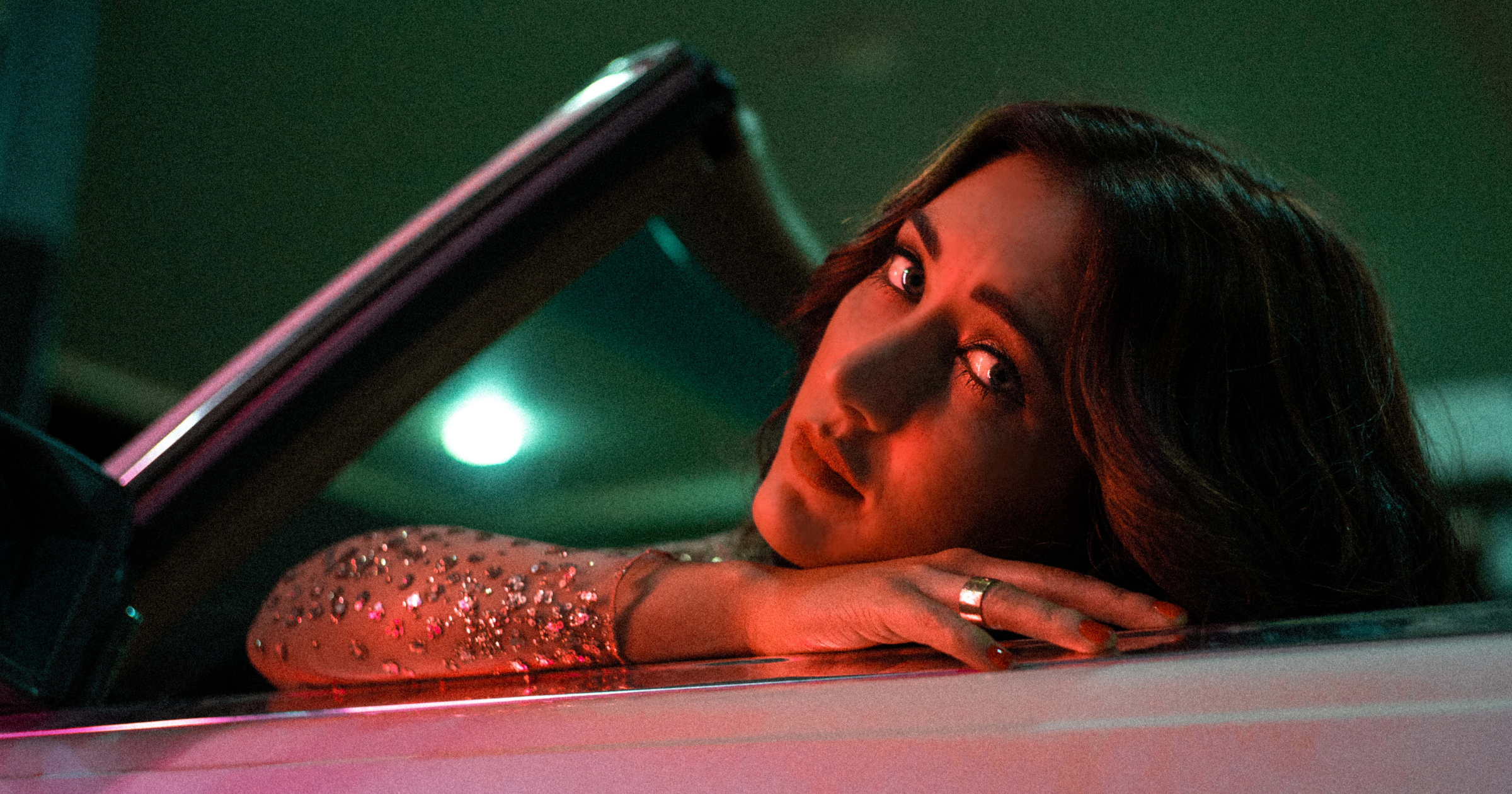
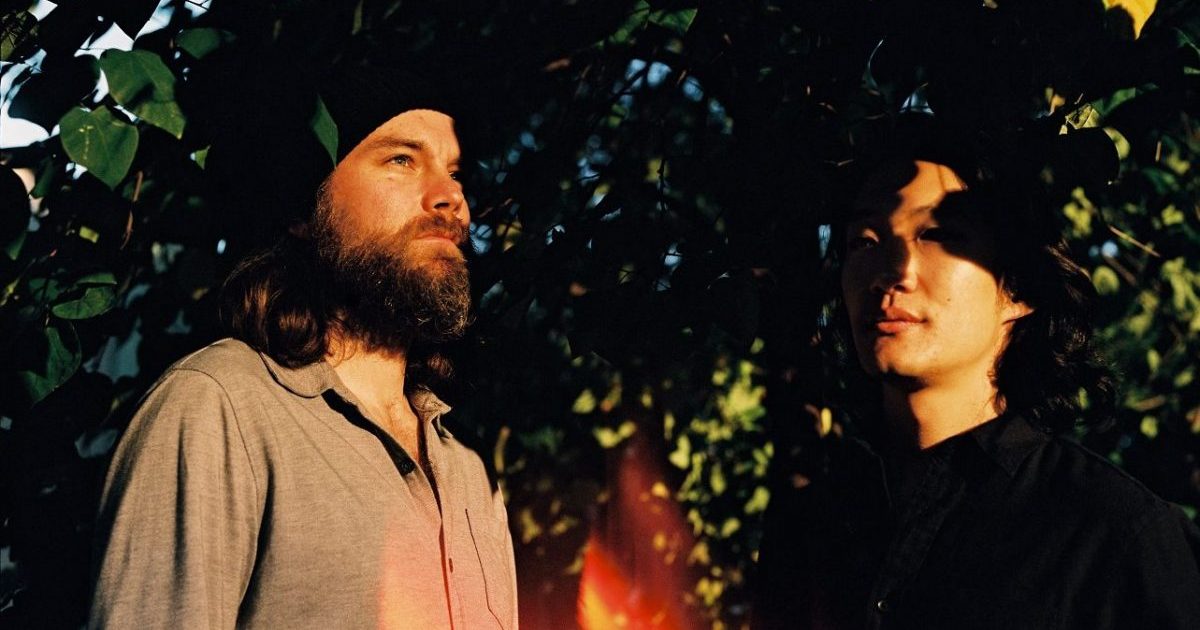
WATCH: Handsome Ghost, “Weeds”

Artist: Handsome Ghost
Hometown: Worcester County, Massachusetts
Song: “Weeds”
Album: Some Still Morning
Release Date: September 18, 2020
Label: Photo Finish Records

In Their Words: “‘Weeds’ may be the brightest song on our record. The melody, the production — and the lyrics too. It’s about anticipating the inevitable end of a relationship (sounds sad, I know), but recognizing that you’re both going to move on and find your own way, independent of one another. In the simplest terms, it’s: ‘I’ll be here, you’ll be there — but I’m still going to care about you and I hope you think about me too sometimes.’ The song comes from a good place, a steady state of mind.

Nick Noyes has worked on all of our music videos for Some Still Morning and ‘Weeds’ is his latest creation. Typically the three of us will build up a visual concept together — but ‘Weeds’ is all Nick. He had a vision and we trust him and basically said, ‘Go for it, brother.’ Nick and I didn’t speak about the meaning of the song beforehand — and I’m glad we didn’t — because he interpreted it completely differently. To Nick, the song is about memory. About longing for a moment in time that is no longer there. The visual focuses on that feeling and explores it further…without explicitly referencing memory or flashbacks or anything of the like. I love how the video turned out, I find it very powerful and strange at times. And I mean that as a compliment.

“I also love that listeners, in this case someone extremely close to the band, can interpret a song completely differently than it was intended. That’s the best part about music, in my opinion. Once you put a song out there, it’s any listener’s right to make it their own and define what it means to them.” — Tim Noyes and Eddie Byun, Handsome Ghost


Photo credit: Mitchell Wojcik

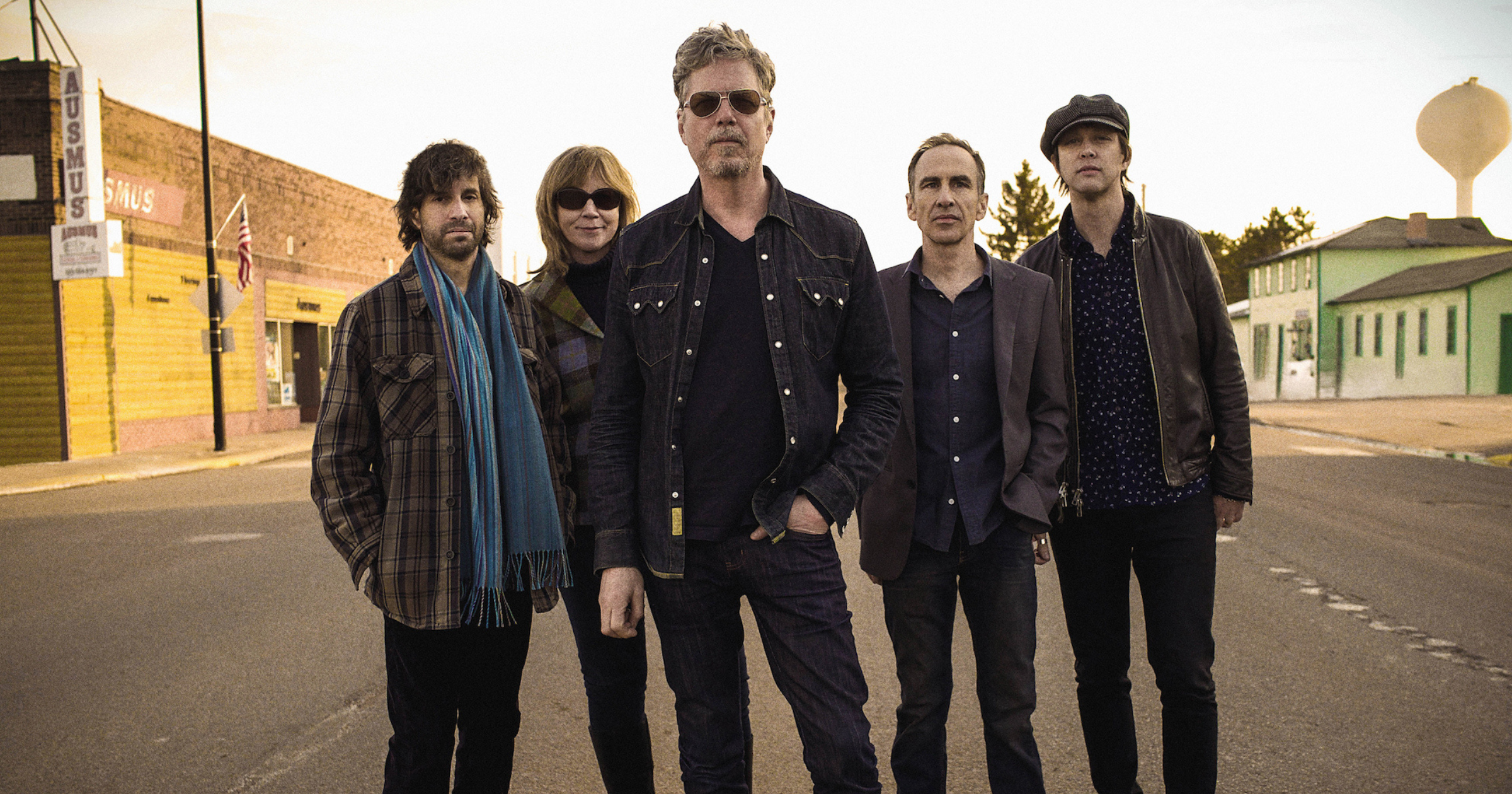
The Show on the Road – Gary Louris (The Jayhawks)

This week on The Show On The Road, we feature a conversation with Gary Louris, co-founder and leading songwriter of longtime Americana favorites The Jayhawks — who launched out of Minneapolis in 1985 and celebrated the release of their harmony-rich, 11th studio album, XOXO, this July.


LISTEN: APPLE PODCASTSSTITCHERSPOTIFYMP3

Any band that has managed to stick together for a generation (their self-titled debut dropped when host Z. Lupetin was in diapers) clearly has kept a fervent fanbase intrigued; their signature shoegaze-y, electric roots has endured through personnel changes, bouts of addiction, and the upheaval of the music industry that often leaves fading rock and rollers behind. While Louris will be first to admit that for many years he didn’t think it would be “cool” to keep a rock band together this long, he has grown to appreciate the band’s defiant longevity.

Indeed, their newest collaboration, XOXO, doesn’t show The Jayhawks softening at all, even as they have become respected Americana elder statesmen. Instead it shows off some of their sharpest rock-guitar-inspired records yet — with tunes like the Uncle Tupelo-, sepia-tinted “This Forgotten Town” staying at the top of Americana single charts for months, getting near-constant radio play nationwide.

Seminal Americana records like Smile and Rainy Day Music in the early 2000s finally launched The Jayhawks into international notoriety — they played late night TV and enjoyed (or endured) packed bus tours across North America and Europe — but the success was often bittersweet and they never quite tipped the scale like other roots-adjacent groups like Wilco and Jason Isbell and the 400 Unit.

As host Z. Lupetin discovered while remote recording, Louris can now laugh about an infamous New York Times review of their album Smile that, despite being quite positive, lead with an unfortunate headline noting the band’s lack of widespread acceptance: “What If You Made a Classic and No One Cared?”

Louris is often cited as leading the charge behind the band’s shift from jangly alt-country toward a more catchy, rock-pop sound, but there are plenty of roots still showing — especially Louris’ noted love of British Invasion rock energy and 1970s AM radio layered harmony. After some years that took Louris away from the supportive twin city hub for other ventures (he was also in supergroup group Golden Smog) the band’s core group of Louris, Marc Perlman, Karen Grotberg, and Tim O’Reagan are now happily back together in their original Minneapolis home-base, grateful to still be creating new rock ‘n’ roll with a devoted audience that is waiting patiently for touring to open up again.

Stick around to the end of episode to hear Louris share an intimate acoustic performance of The Jayhawks’ all too fitting new song, “Living A Bubble.”


Photo credit: Sam Erickson

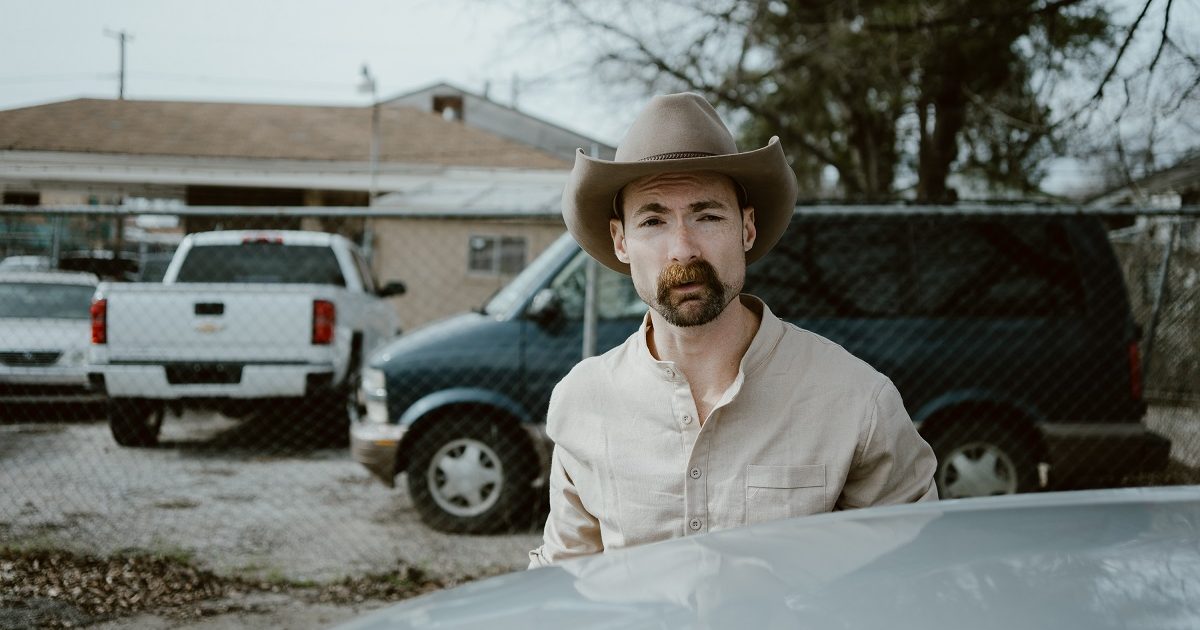
LISTEN: Garrett Owen, “Souvenir”

Artist: Garrett Owen
Location: Fort Worth, Texas
Song: “Souvenir”
Album: Quiet Lives
Release Date: September 18, 2020

In Their Words: “I wrote the opening guitar figure and first verse to ‘Souvenir’ a long time ago. I showed what I had written to a friend — ‘I put our love in a jar and drove it around in my beat-up car….’ He thought it was catchy. I started slowly trying to coax the rest of it out of myself and used it as an opportunity to take some really tricky chord work in the chorus and impose a massive key change for the second chorus. I have a lot of songs inspired by a long-term relationship I was in; the rest of the lyrics are a mix of abstract expressions of pain and emo-dramatic statements about how things with her ended.” — Garrett Owen


Photo credit: Melissa Laree Cunningham

MIXTAPE: An Indigo Takeover by Spotify’s Laura Ohls

“Our Nashville-based team had been having ongoing conversations since early 2019 regarding just how diverse the taste of our country music audience was. It was clear to us that there were many modern songs in the genre, touching on Americana, rock, roots, and bluegrass, that had sonic and thematic throughlines. We were also seeing many of these artists on the road together (Marcus King Band joined Chris Stapleton, Yola toured with Kacey Musgraves), talking to each other on socials, echoing the strong community within the scene. With this in mind, the goal was to create a playlist brand that reflected these intersections and the audience appetite for a playlist of this nature. With the success of the playlist since its launch in March, Indigo has continued to be a priority for us, which is reflected by enthusiastic listening from users. We’re celebrating the playlist this month with a sizzle video, new video playlist formats, artist sharecards, billboards, and more, in hopes of bringing more fans aboard the Indigo train.” — Laura Ohls, Senior Editor, Folk & AAA, Spotify

 (Editor’s note: Listen to Laura Ohls’ Indigo Takeover Mixtape below.)

Zach Bryan – “Heading South”

Twenty-three years old and on active duty in the US Navy, Zach Bryan might not be what one would expect from a country act on the rise. The Oklahoma native’s self-released material from the fall of 2019 is gaining traction on Spotify, creating buzz throughout the Nashville music industry. At the time of its initial release he had no publicist, no manager, no team to speak of whatsoever, yet his live videos sparked the interest of an audience on social media — which ultimately led to the flood of activity on streaming we are seeing today. His biggest song to date, “Heading South,” has been included in our Indigo playlist since its launch in March and remains a consistent tentpole track. Though he hasn’t had the opportunity to tour as a result of deployments and the pandemic, expect crowds of fans when the time comes.

Caylee Hammack – “Small Town Hypocrite”

One of country’s most notable rising stars, Caylee’s powerful and vulnerable ballad proves how strongly personal songwriting still resonates in the genre. A vocal standout in the playlist, you’ll feel her heartbreak and strength throughout the song.

Flatland Cavalry – “War With My Mind”

While the song was not written during the pandemic and this time of quarantine, the Texas band’s newest song lyrics grapple with internal battles we all face due to lack of stability, isolation, or just general disruption, which certainly resonates with listeners today.

Brent Cobb – “Keep ‘Em on They Toes”

A real toe-tapper, this track encourages the listener to follow your own path versus one that has perhaps been laid out for you. The song also suggests taking higher ground when being tested by others, some sage advice we could all use during these stressful times. Cobb’s classic, warm tone shines through this cut.

Hailey Whitters – “Heartland”

The Iowa-native-turned-rising-country-star pays homage to her roots in this nostalgic song about the place she was born and raised. As the saying goes, you can take the girl out of the Heartland…

Cut Worms – “Sold My Soul”

A hint of Neil Young, a splash of Guy Clark, a shake of Gram Parsons, and you get this great tune from Cut Worms, AKA Max Clarke, embodying country-folk storytelling at its finest.

Jonathan Terrell – “Never Makes a Sound”

I have seen Jonathan Terrell’s music described as “Springsteen in a Honky Tonk,” and no song better reflects said description on Terrell’s new record than this one. Passionate and driving, it’s a real rocker on Indigo.

Aubrie Sellers – “Far From Home”

A little bit country, a little bit rock ‘n’ roll, Aubrie makes the kind of gritty Americana that a playlist like Indigo was made for. The title track and opener off her newest album is a more subtle take on her “garage country,” but is exemplary of how dynamic she is as an artist.

The War & Treaty – “Five More Minutes”

The husband-and-wife duo have always written songs that strike a chord and can often bring the listener (me) to tears, but they’ve managed to accomplish this with a song that feels upbeat and… happy? The roots of the song, however, are quite dark. Michael Trotter Jr, after years of mental and financial struggles, contemplated leaving this world. In response his wife, Tanya, pleaded to him, “Just give me five more minutes. Stay with me. Just five more minutes to love you.”

Charley Crockett – “Welcome to Hard Times”

Is there really another song title on this playlist that is more appropriate for our day and age? Following his 2019 album, The Valley, and a severe health scare, Charley’s newest album (and title track) touches on failures and a system that’s rigged for said failures. Crockett is one of those artists that embodies all subgenres and eras under the American roots umbrella, and it’s songs like these that showcase how his art feels old and familiar while simultaneously being new and exciting.


Images and artwork courtesy of Spotify

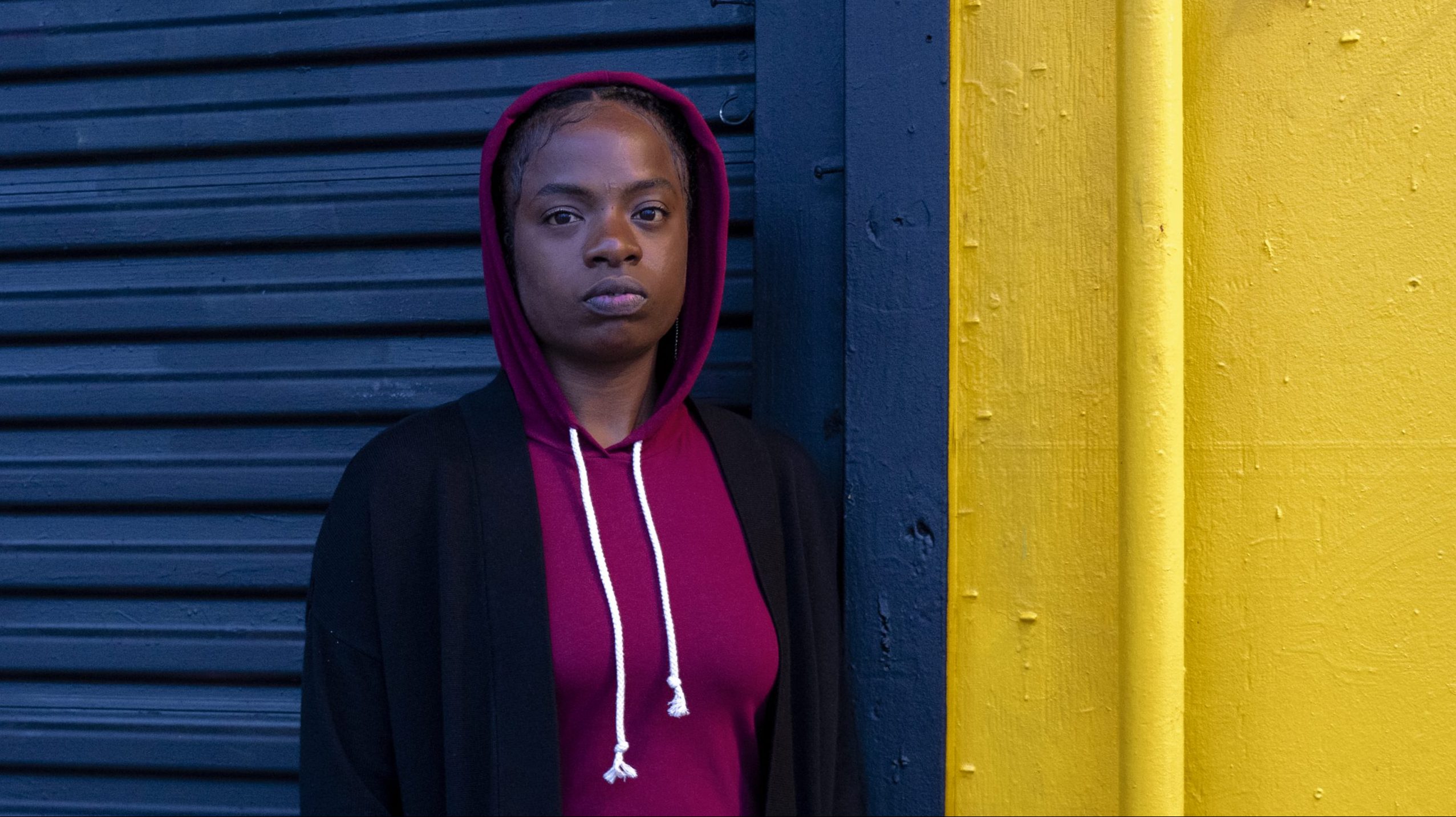
Fingerstyle Guitarist Sunny War Wants Punk’s Honesty Back in Music

Guitarist and singer/songwriter Sunny War doesn’t necessarily miss performing live, in-person shows — she’s not even sure she ever really liked playing shows that much in the “before COVID-19” times at all. But, as she connects with BGS over the phone in preparation for another pandemic-tailored event, her Shout & Shine livestream show on Wednesday, September 16 (live on BGS, Facebook, and YouTube at 7pm ET / 4pm PT) her general feelings regarding the pandemic and its far-reaching impact on the music industry are very clear: It’s all just really weird.

She, like many creators in the March-and-April maelstrom that swallowed up any/all meaningful work for an interminable period of time, became depressed, distant, and took some time to work her way back into a creative mode that feels respondent to our harsh everyday without being bogged down in it. A punk-influenced and inflected lyricist, she’s once again turning to her songwriting pen as an outlet. 

While her peers turn to that same outlet to process many of the myriad daily tragedies and injustices we’re all so attuned to in this global moment, War instead pauses. “I kinda don’t like protest songs from people who didn’t do it before,” she explains, calling to task the frantic and frenzied rush to pivot records, releases, and pressers into more “appropriate,” digestible bits for a newly awakened, activist reality — and consumer. 

(Watch Sunny War’s complete Shout & Shine performance above.)

But War’s identity, her selfhood, as evidenced through every note of her idiosyncratically finger-plucked songs and through her carefully chosen words in her lyrical poetry and our conversation, calls upon her to challenge that propriety. “[Democracy] actually is working” she explains, noting hypocrisy and/or tone deafness in our roots music communities. “It’s working, it’s always been working. It just hasn’t ever been in our favor.” 

BGS: I’m a banjo player, I came up through bluegrass, and there’s something about your right hand in your guitar playing that’s really entrancing and relatable to me. It conjures bluegrass and fingerstyle, but it is so unique to you, it’s idiosyncratic. Where did your style come from? What influenced your right hand technique, how did it develop? 

SW: I think it came from mimicking banjo, actually. My stepdad’s friend played banjo, so I was around a banjo player sometimes growing up. The first fingerpicking thing I learned was “Blackbird” by the Beatles and that was the first time I thought I sounded kinda good. When I was a kid, I thought, “Wow! This [fingerpicking] sounds way better than just strumming a chord.” I never really learned a lot of chords, I still just play a lot of chords in first position. I was just playing C and G and D open and I thought, “Well now I sound like I’m really playing something.” 

I didn’t listen to blues until I was in high school and then I was kind of imitating country, blues, and my stepdad’s friend on banjo. Later, I was trying to be like Mississippi John Hurt; and I kinda wanted to be like Chet Atkins. But I couldn’t ever figure that out. 

I see plenty of folks in the scene who idolize Derek Trucks or Joe Bonamassa or even Molly Tuttle and Billy Strings who are coming up. There are these guitar fans that just idolize and adore them. Have you seen guitar fans trying to capture what you’re doing with your playing?

Not really? I don’t know. There are some people on Facebook and Instagram who message [me] and want to talk about my guitar style, but they’re usually just into old-timey blues stuff. Then we just talk about that. Sometimes they ask who I listen to. But I think [the implication is], “You’re really close to maybe being like this person I know of.” 

I can think of a lot of shredders out there, but I do the same kind of riffs in every key that I play in. I feel like I can say I really do fingerpick well, but I know people that really do it and can play as well with their left hand as their right. I’m not quite there. [Laughs]

It’s hard to talk about music and performing right now without acknowledging the giant, COVID-19 elephant in the room. It’s interesting to me that this moment of pausing, of stopping everything, especially in the music industry, has given artists a chance to refocus or realign their priorities – have you been thinking about the future? Thinking about the present? How has the pandemic felt to you? 

The first three months I was just depressed and drinking a lot and not doing anything. Then recently, I’ve been trying to write. I’ve been jamming with my friend Milo, who plays a lot of lead guitar on two of my albums, and we’re going to make some demos together. I’ve also been thinking about going to school, trying to get into some kind of two-year program. Since music might not [come back], there might not be live music for two more years. I’m thinking about getting a job. [Laughs] 

It’s daunting to wake up every day like, “I’m going to keep doing this now, because I believe — I think — it’s going to happen in the future.” It’s a lot! 

Yeah, it’s like, “Maybe music is just not essential…” You know? [Sad chuckle] 

Then, with the whole Zoom thing and the livestream thing, I’m just not really into it. I’m not enjoying it at all, it feels weird. It’s just like, sitting in a room by yourself, trying to make a video, and then you think, “Should I look into the camera? Should there be talking in between?” You’re trying to imitate a set at a venue, but you’re just sitting by yourself. It just feels weird! I would rather just play by myself, without a camera. 

I liked playing shows [before] kind of, but I almost didn’t even like that. At least it felt like there was a reason for doing it. I was talking to my mom and we both realized we used to watch concerts before, too. Just then it was an actual concert on film. Even that would be better! If there were somehow an audience in the livestream… I guess that can’t be, but it’s just awkward [without them.] Seeing a band play off of the energy of the room is more what it’s about.

Well, for your Shout & Shine livestream performance we’ll have to ask our audience to be “loud” in the comments! Use that clapping hands emoji! [Laughs] Who would you like to see as a guest on Shout & Shine? Whose music is inspiring you right now and getting you through the day-to-day?

I like Tré Burt! Amythyst Kiah, too. 

Have you heard of Yes Ma’am? They’re from New Orleans – the singer sometimes plays solo, but also has a band. They used to busk on the street in New Orleans. It’s just really good, a great kinda folky string band. 

I like the new Run The Jewels album. I listen to Elliott Smith still, and a lot of ‘90s music. I like Black Pumas a lot.

What would you like to see from the music community, as far as a response to this moment in our culture’s history — not only the racial injustice and righteous rebellions against police brutality, but also how divided and polarized our musical community is now. It’s like half people who want music to “remain apolitical” and half folks who are like, “Music has always been political, where the fuck have you been all along?” What do you see as the urgent need of our community to reconcile all of this? I know that’s a huge question.

I think it just needs to become about honesty again. That’s something I would like to see. I’m not really that into “Americana” music, but even so I feel like [Americana] musicians are going to be faced with not being able to let these issues go unaddressed anymore. I think that’s interesting. At this point, you can’t just put out your weird corny love song that’s not even about anything that happened in your life, but is actually just something that makes sense pop-wise and hit-wise. You should have to really be honest. People don’t necessarily have to be “political,” they can just write about all the emotions they’re going through. We’re all dealing with the pandemic and with Trump and with police brutality — it’s a lot. Even if people don’t want to write a song about why we should get rid of the police, they could at least write about how scared they are. I don’t know, there’s a different, new kind of folk that could happen about just being freaked out and unsure of your future. I love shit like that. 

I kinda don’t like protest songs from people who didn’t do it before. It’s just not hitting right. I don’t want your protest music if you weren’t writing it before. Whatever issue is being highlighted, it’s always like, “Yeah, we’ve BEEN talking about that.” [Expectant pause] This has been the conversation. I’m into punk, I’ve always liked protest music. As far as folk, I do like its protest music, but I mostly like punk or really politically-charged hip-hop. It’s kind of annoying when say, a really poppy country person who’s never said anything about anything is writing a protest song. It’s just cashing in. It’s corny. It’s weird. 

And another thing, a lot of people who are going out to these Black Lives Matter protests and stuff, I still don’t feel like they would treat me any differently than they normally would. I saw people posing and taking pictures. This is a weird thing to just be a trend. 

Like Breonna Taylor now being a meme.

Yeah. It’s offensive, it’s too much. 

And how many times they show those videos [of Black people being murdered by police]. There’s a lot of murder porn going around! People are saying one thing, but showing someone die every day. I was kind of like, “You know, I don’t think they would show a video of a white person being killed, over and over again.” A lot of things happening right now are really dehumanizing and I don’t think people can see it unless they really, really think about it. Or maybe put themselves in that position. It’s murder porn.

I know what happened. I don’t want to see this over and over again. I don’t need to physically see it to be angry about it. Think of all the bad this is doing to our psyches on top of everything else, seeing people murdered every day. 

But, a lot of musicians are “activists” now, I guess. I just… don’t really know what that means. They were going to put out a song anyway. That’s what they do for a living. Obviously they can’t just put out the typical love song — that’s what people always write about, love. That would be “offensive.” Or, it wouldn’t be “appropriate.” So they all have to change and pretend to be “activists.” It’s just a reflection of what’s trending right now. 

I just want to know: Are they actually going to change in a year? I’m curious to know how long the Black Lives Matter profile pictures are going to stay up. 


Photo credit: Randi Steinberger