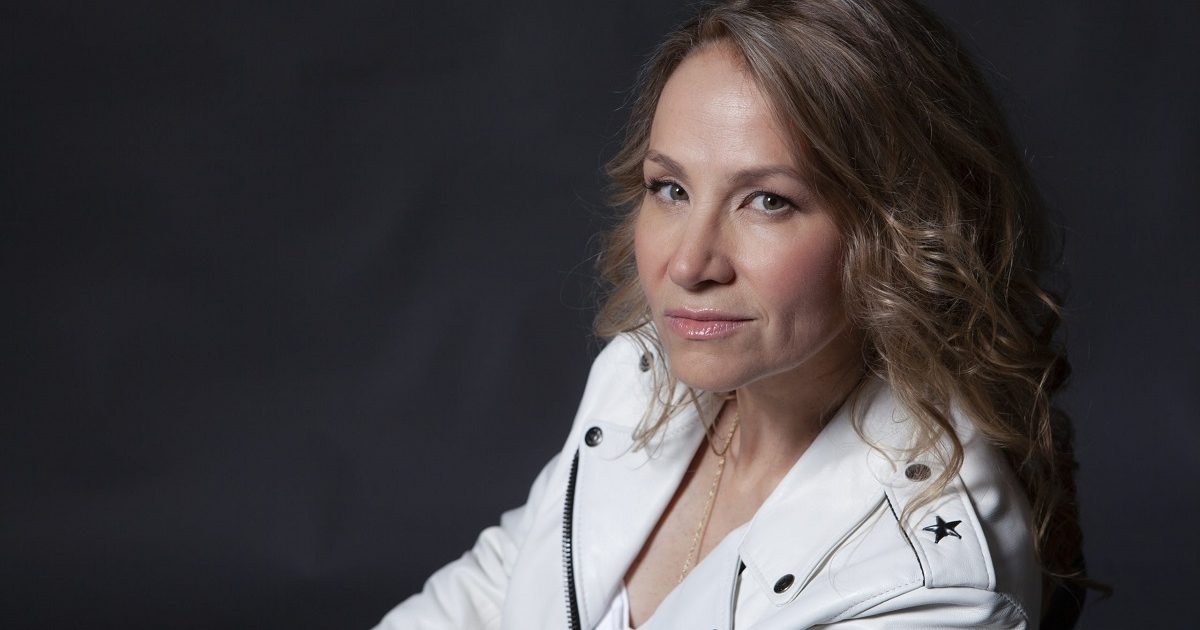
BGS 5+5: Zephaniah OHora

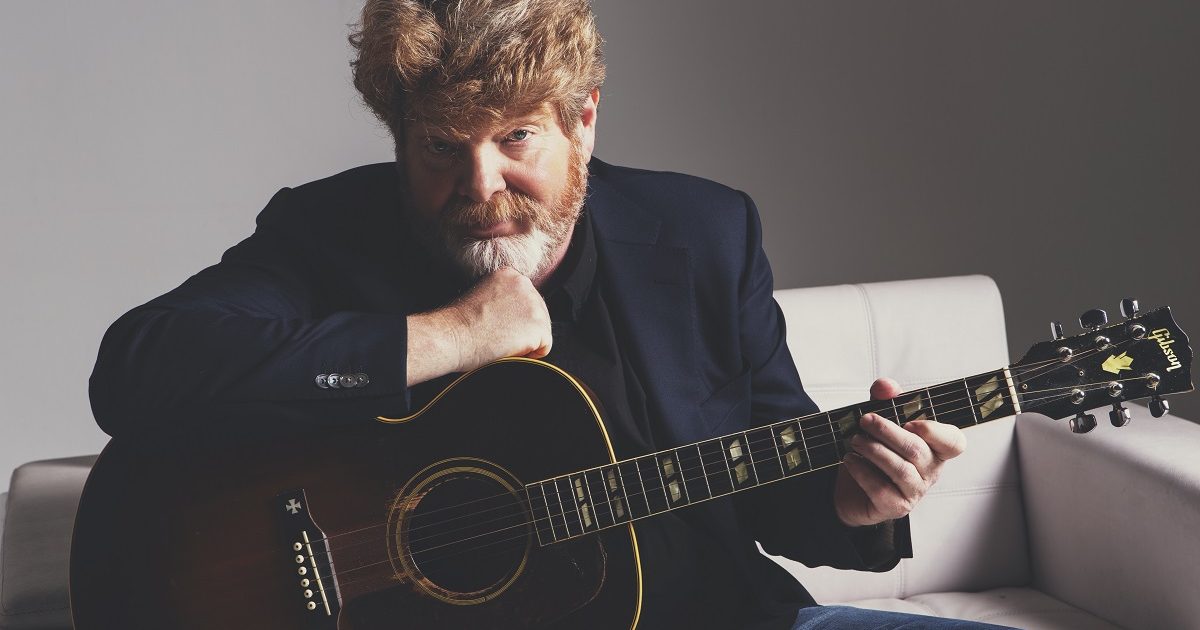
Artist: Zephaniah OHora
Hometown: Brooklyn, New York
Latest album: Listening to the Music
Personal nicknames (or rejected band names): Zeph

What was the first moment that you knew you wanted to be a musician?

I must have been 5 or 6 years old the first time I saw a Zildjian cymbal. A drummer named Ed Nicholas who played in the house band on Sundays at the church I grew up in preferred that brand. I was drawn to it because it had a big Z on it. I thought he was just the coolest. He always wore a pressed shirt tucked in and a nice pair of slacks. He had that hip easygoing, cool jazz drummer presence about him, and that’s when I decided that music was it.

What’s your favorite memory from being on stage?

One of the more recent memories on stage is when I performed at Neal Casal’s ‘There’s a Reward’ Memorial show at The Capitol Theatre in Port Chester, N.Y. It’s a stage that so many incredible bands and artists have performed on. Legendary shows that have gone down in history. And it’s a beautiful old theatre. So thinking about all those people who’d been on that stage and singing a tune to honor my friend Neal in front of a packed house was really something else.

What’s the toughest time you ever had writing a song? I’ve had a few tough times.

Some songs just can’t be written down fast enough. And other songs you labor over for weeks or months. In most recent memory is the song “All American Singer” off my new record. It was to me one of the most important songs I’ve written. There’s a couple ways to interpret that tune and it was important to me that it said what I felt needed to be said. Unlike a righteous Twitter post that you often see these days, it’s a recorded song. There’s no way to delete it or alter your ideas. It’s permanent. So it was important to make sure my thoughts were coherent within the song.

Which elements of nature do you spend the most time with and how do those impact your work?

I haven’t been spending a lot of time in nature. Sadly. I live in New York City so nature is scarce. However I am around an incredible amount of architectural history and beauty. There’s so much to see here, and so much you could walk right past and never pay any mind to. And then one day you finally stop to admire something you’ve passed by many times and realize there are so many stories within that building or space. I think that’s also simultaneously an analogy for life. I’m always trying to tap into some collective shared experience in my writing. I think architecture is a reflection or expression of human experiences and history so it directly shapes my work.

If you had to write a mission statement for your career, what would it be?

The mission I’m on is to create those moments in music live or recorded when you get chills or feel as though the narrator in the song is singing about your own life experience. It’s a lofty goal and one that’s pursued by many. That’s part of my greater goal of connecting with people and understanding my own unique experience in this life. And music is a great vehicle for that.


Photo credit: Jammi York

‘Harmonics with Beth Behrs’ Debuts on BGS Podcast Network on September 8

The Bluegrass Situation is thrilled to announce the newest addition to the BGS Podcast Network: Harmonics With Beth Behrs. The eight-episode podcast explores the intersections of music, creativity, wellness, and healing. (Subscribe here.)

Hosted and produced by actress, comedian, and banjo lover Beth Behrs (The Neighborhood, 2 Broke Girls) each episode features a deep dive conversation into topics such as mental health, sound healing, songwriting as therapy, ancient musical traditions, and the power of the creative process on our physical bodies and emotional selves.

The first two episodes of the series premiere on Tuesday, September 8, kicking off with guests Glennon Doyle (New York Times bestselling author of Untamed) and renowned sound healer Geeta Novotny. Other featured season one guests include Brandi Carlile, Mary Gauthier, Mickey Guyton, Tichina Arnold, and Allison Russell.

Behrs says, “Songs are simple ways of telling stories, you can find a song to fit any mood you’re in. That’s because music bypasses the intellect and goes straight to the heart. I’ve always felt that healing is creative and creativity is healing. Maybe it’s magic? I want to feel closer to the magic. I want all of you to feel closer to the magic. Harmonics was born so we could explore the intersection between music, healing, creativity, and spirituality- and in doing so, makes ourselves feel a part of something bigger. Less alone. More connected.”

Amy Reitnouer Jacobs, co-founder and executive director of BGS, says, “Developing this show with Beth was a dream — we’ve wanted to do something together for a long time. During this time when we’re all refocusing our lives and constantly assessing the state of the world, creating a space where women could be honest and vulnerable about so many topics — such as maintaining creative processes under stress and maintaining mental and physical health at home — seemed more relevant and necessary than ever before. We’re honored to feature so many incredible talents from the roots music world, but I think the breadth of our guests will show our audience that so many of these themes are universal and relevant across the creative spectrum.”


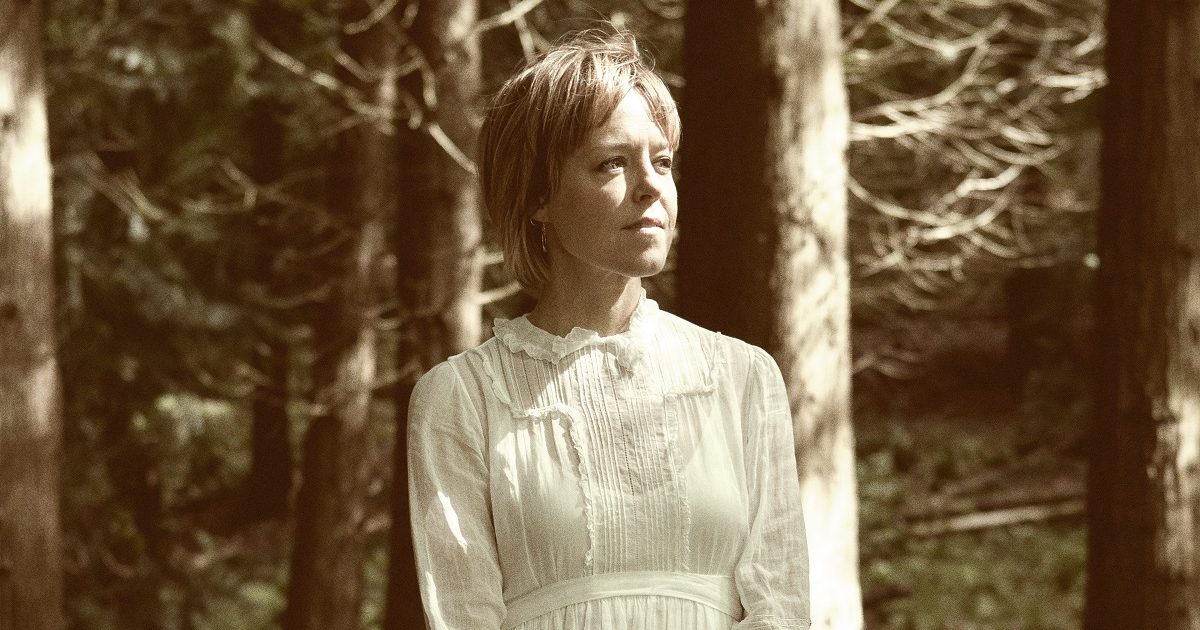
Amid Climate Crisis, Emily Barker Brings ‘A Dark Murmuration of Words’ to Light

Emily Barker is sitting at home in the southwest of England, as the country sweats through its worst heat wave in 60 years. There’s something not quite right about temperatures of 90 degrees F and tropical downpours flooding the sleepy villages. It’s that kind of creeping unease that’s reflected in her new album, A Dark Murmuration of Words — a moving meditation on the state of the world today, in which climate change is a recurring theme.

Barker, who recorded the songs last November, worried whether it might be too much for an audience reeling from the pandemic. “Before the album came out I was wondering: are people going to want to hear these difficult songs at a time like this? Or do they just want escapism?” In the end, she decided to release them anyway. “I know myself I’ve been needing the hard stuff as a source of comfort to feel that collective experience of all the emotions we’re going through.”

In fact, her music achieves the perfect tone for the many unsettling feelings that COVID-19 has forced us to confront. Barker’s wistful melodies bear the listener along even as her evocative lyrics take you into uncomfortable territory. “Strange Weather” grapples with the real-life conversations she has had with her musician husband Lucas about whether to bring a child into a world under threat. “Any More Goodbyes” sounds like a breakup song, says Barker, but is actually a hymn of love to vanishing species. And “Where Have the Sparrows Gone,” with its haunting chorus (“they’re where the woods were once”), takes us into a not-so-distant future where birds have abandoned London, and the city is in lockdown.

The album captures the emotions of anyone struggling to take in the frightening predictions of climate scientists and witnessing the desperate fight of environmentalists like Greta Thunberg to bring humanity to its senses before it’s too late. “Last year the climate crisis was very much at the forefront of all of our conversations and thoughts, wondering what we can do to adapt, and feeling helpless and guilty and angry and upset and all these things,” says Barker, who admits she that even as an optimistic person, she had moments, in 2019, of feeling “really, really pessimistic about it.”

Her response was to try and change her perspective to focus on her closer community. “Sometimes that’s how we cope,” she says. “I have to focus on my immediate community and the things I can change, the conversations I can have, because I can’t fix the world.” Hence the presence on this album of a tribute to Wangari Maathai, “The Woman Who Planted Trees.” The Kenyan activist’s simple individual acts of tree-planting grew an entire movement, empowering the women around her with forestry and beekeeping skills, and educating thousands of people on ecology.

Barker’s new community focus manifested in all aspects of the album’s production. “I wanted to bring in as many local artists as I could,” says Barker, whose band was made up of good friends from the UK’s thriving South West scene, including her husband. “And not only the musicians but the painter who did the art cover and the filmmakers who did the music videos. That fit with the ethos of the album but also with lockdown — we’ve got limitations now and it’s a good reason to make the work happen here.”

Stroud, the town where she lives, sits in a beautiful landscape surrounded by rivers, lakes and rolling hills. She and Lucas have just moved into a new house, and are being visited by electricians and workmen when we talk. The theme of home has been a recurrent one throughout her work, prompted by the fact that she left her country of birth 20 years ago. Having grown up in a small country town in Western Australia, she came to the UK as a backpacker in 2000, and has made her life there.

Several songs in the new album remain redolent of her love for her homeland, from the vast night skies she conjures in “When Stars Cannot Be Found” to the nostalgia of “Return Me” and “Geography,” the music to which she wrote with English rock band 10cc’s Graham Gouldman. “Eucalyptus after rain remind me who I am again,” she sings, and it makes you wonder whether having two homes rather than one is a blessing or a burden.

“It’s less easy in some ways,” Barker agrees, “because I always have this constant question of where should I be. I’m always missing at least one place. Sometimes two places! You can feel quite fragmented.” Every year she escapes the English winter to spend 10 weeks with her family down under. She had just returned before the pandemic hit.

Barker wasted no time, when lockdown began, in reaching out to her neighbours. She saw the “viral kindness” forms that Extinction Rebellion had created and posted help slips through doors on her street, asking if anyone needed someone to talk to, or their errands done. “We had five vulnerable people who were living on their own give me a call and we started doing a weekly shop for them. It was such a good way of meeting people and gave us a sense of purpose, especially with festivals and gigs being cancelled seemingly every hour.”

Purpose and mission are clearly important to Barker. At university, aware that her Australian education had celebrated colonialist settlers and taught her nothing of the oppression and injustice they had brought with them, she sought out a course taught by Indigenous historians. “That was the trigger for me looking into structural racism,” she says. “I never understood growing up why in my country town there were so few Aboriginal people — we never learned about that.”

Recent years touring the US with her friend and mentor Mary Chapin Carpenter led her to research more widely. It was Ava DuVernay’s film The 13th, about the Constitutional amendment that abolished slavery, but allowed it to continue in prisons, which inspired her song “Machine.” Written before the killing of George Floyd, her lyrics prove uncannily timely, sung from the point of view of one of the architects of a system that has oppressed Black people for centuries.

“I covered all my tracks in books on history, justified my actions through anthropology,” she sings. And then, as if anticipating the Black Lives Matter protests that have since taken hold, “a crack has appeared, it keeps me up at night… I’ve been a bully and a sinner now I’m on the way out.”

She has seen, in Australia, how the arts have influenced politics by bringing untold stories and narratives to light. Some of her favourites are Indigenous singer/songwriters Archie Roach and Gurrumul. “I feel like the story of how Australia was settled is really well-known now among your average citizen,” she says.

So there remains hope in her outlook, however challenging times may appear. As she changes her own behaviour — flying less, taking trains when on European tours — she looks for ways to help others confront theirs. “Environment and equality are very important to me,” she says. “And it’s finding the right perspective to write that from and being respectful of the people in society who are suffering.”


Photo credit: Emma John

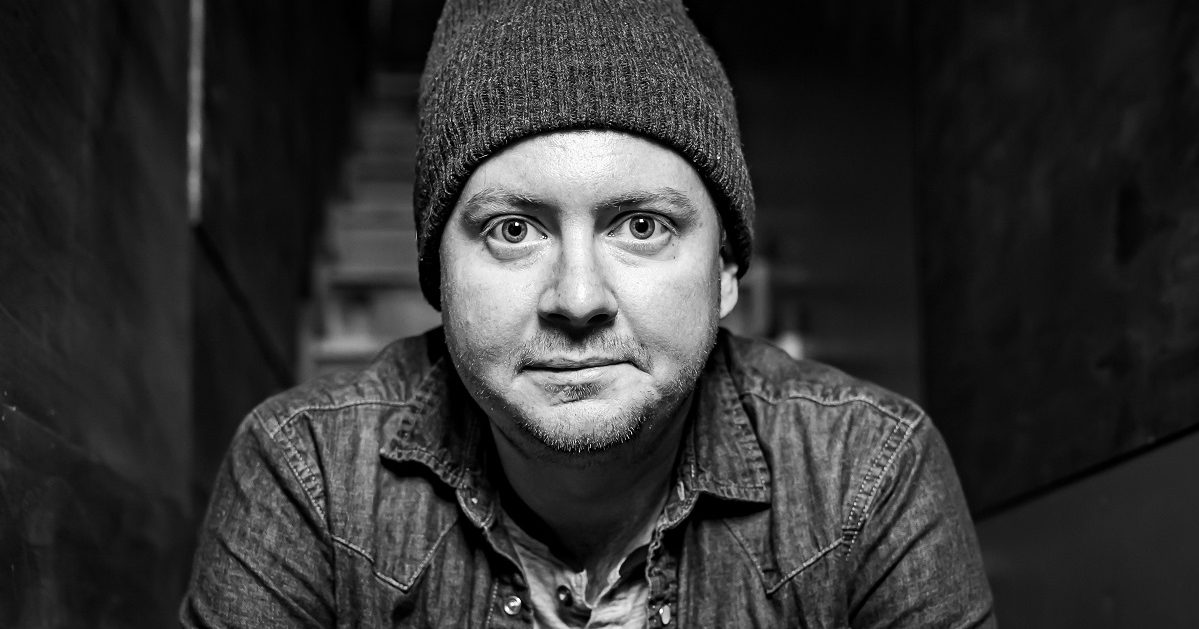
LISTEN: John Fullbright, “Crossing Over”

Artist: John Fullbright
Hometown: Born in Bearden, Oklahoma; lives in Tulsa, Oklahoma
Song: “Crossing Over” (written by Steve Ripley)
Album: Back to Paradise: A Tulsa Tribute to Okie Music
Release Date: August 28, 2020
Label: Horton Records

In Their Words: “I played various keyboards and acoustic guitar, percussion, and sang a bunch of stuff — I was all over the map on the record. I picked out ‘If the Shoe Fits’ by Leon Russell because I’m pretty sure that song was recorded at Paradise Studio and it’s about that place. I did an audible at the last minute and recorded a Hoyt Axton song called ‘Jealous Man.’ We wound up doing it in one take, which always feels nice. I thought the selection was great — we went from the obscure to stuff that everybody knows.

“I also recorded a song called ‘Crossing Over’ by Steve Ripley. Yeah, it’s my buddy, Steve. It’s literally a song about him going on to the next thing, and right after, he went on to the next thing. There was a tape glitch sound when we were recording it that was just subtle enough that everyone just turned and looked at each other. It was so subtle that it wouldn’t mess up everything else. It was just a little ‘Hey guys,’ ‘Hey kids.’ That was Steve.

“I’d heard about Leon’s Grand Lake Studio for a long time. It was a lot cooler and vibier than I had expected. I didn’t know that so many of the records that I really like were recorded there. So, walking around the place, and just kinda feeling it out, it was almost as good as being there back in the day. This is a snapshot in time of the Tulsa music scene that is very eclectic and very talented. And it’s a city that obviously doesn’t forget its roots, its past, and celebrates it and builds on it.” — John Fullbright


Photo credit: Phil Clarkin

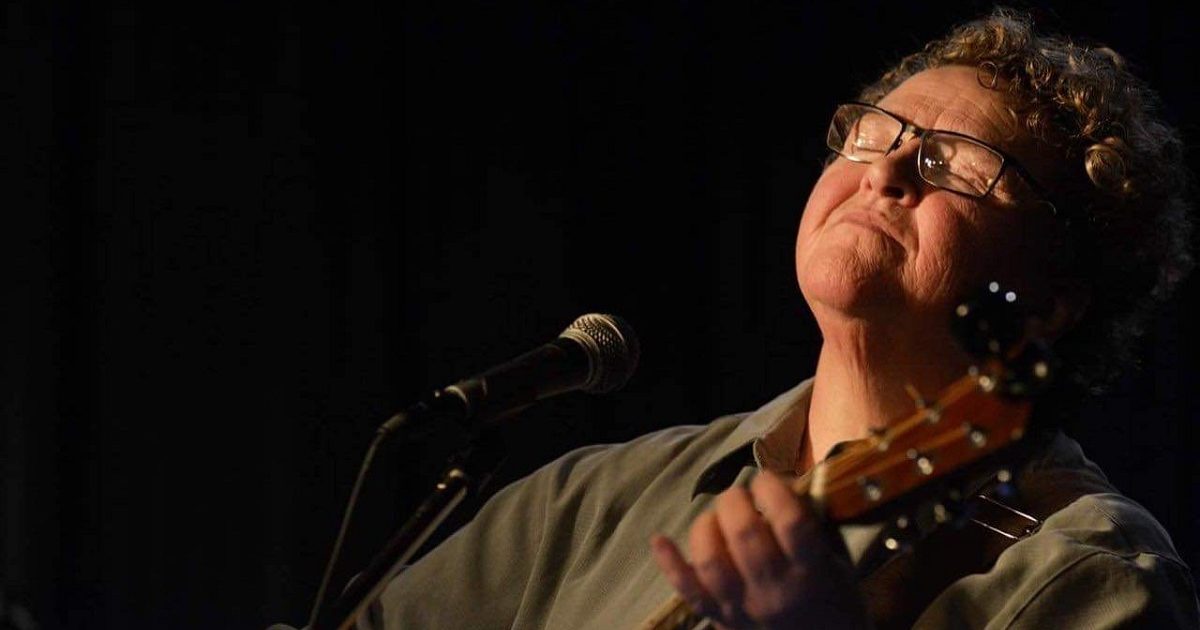
LISTEN: Dianne Davidson, “Sounds of the City”

Artist: Dianne Davidson
Hometown: Nashville, Tennessee
Song: “Sounds Of The City”
Album: Perigon: Full Circle
Release Date: August 28, 2020
Label: Perigon Music

In Their Words: “I was 19 or 20. I was already being a bit beaten up by the business. I spent two weeks on the road with The Moody Blues as opening act while I was touring my third album, Mountain Mama. Sometimes on those quick one-nighter tours, you can lose your bearings and realize you don’t quite know where you are. I was in a high-rise hotel, down below was traffic and noise and people milling about. I felt like a lost soul and wrote the song to center myself again. As fate would have it, I never recorded it until now. I was fortunate enough to have it recorded by Tracy Nelson on her Homemade Songs album in 1978. I was so grateful for her version of it. I knew I needed to do it on this record. It just belonged. The feeling just poured out and I was blessed with the beauty of my friends who played and sang on it. The B3 player, Austin Wireman, wasn’t even born when I wrote it. Full Circle.” — Dianne Davidson


Photo provided by the artist.

Interviewed by His Daughter, Mac McAnally Recounts a ‘Lifetime’ in Music

Mac McAnally is a highly-decorated and prolific multi-instrumentalist, producer, songwriter, and artist. He tours with Jimmy Buffett’s Coral Reefer Band, plays on countless sessions in Nashville and Muscle Shoals, and produces a number of independent artists, too. But more important to me, he’s my dad. And he’s a great one. On the occasion of the release of his new album, Once in a Lifetime, we discuss guitars, bluegrass, moments of social change, why he covered a Beatles song, and the process of making this record amidst a pandemic. And though I get to talk to him most days of my life, it is heartening to hear him put a fine point on his eternal optimism.

BGS: Growing up, music was constant in the house and one of the most pervasive cover songs you played was “Norwegian Wood.” What do you think it is about that song that sticks in your craw and drew you to record it?

Mac McAnally: As you know, I’ve always loved that song. In the very first line, from a lyric standpoint, “I once had a girl/Or should I say/She once had me,” you can tell any story in the world after that. That is something that I subconsciously try to do and have since the beginning.

Specifically, why I recorded it is because I bought an octave mandolin about four years ago. I did a show with Sarah Jarosz and she had one and let me play it and I thought, “I am going to have to get me one of these.” I always feel like I have to do something to justify the purchase so I play it on as many sessions as I can to try to amortize the cost, but I also came up with this new way to play it that is kind of a cool arrangement that I’ve never heard. I don’t in any way challenge the Beatles version and don’t mean any disrespect; I’m trying to find ways to justify the guilt of buying an octave mandolin.

On almost every record that you’ve made there’s a nod to bluegrass, like “Brand New Broken Heart” on this record. Who are some of your biggest bluegrass influences?

I have to preface this by saying I am a bluegrass fan, I am not a bluegrass player. Anything that I might be doing would just be trying to pay homage to what the greats can do. I’ve gotten to play with some of them, which I count high among the blessings of my life. When I wrote “Brand New Broken Heart,” I envisioned I would someday pitch it to Ricky Skaggs or Dailey & Vincent. I recorded it because I was a lazy song plugger who never pitched it to anybody.

Doc Watson was one of mine and my dad’s heroes. He was sort of my intro to real bluegrass. And all the way through my life, Emmylou Harris. We played her songs in bands when I was a teenager. Bryan Sutton is just frighteningly good. I can’t even fathom what he is doing, let alone try to do it myself. He inspires me to go get a pick out and play differently than I play because I love so much of what he does. And I’m crazy about I’m With Her.

What brought about recording “Changing Channels” for this record?

I have always loved that song. It is the second song that Jimmy (Buffett) and I wrote together. We wrote it in one my favorite places I have ever been. He had a spot down in Thomasville, Georgia, with a big porch. As you know I’m a porch guy. We sat out on the porch and wrote that song. He did a great version of it on Off the See the Lizard and I honestly never imagined myself cutting it but I love to play it. It has worked its way into my shows over the last ten years and his fan base will come up after and ask which one of my records the song is on. They had cash out trying to buy it and I don’t have it. You know better than anybody how terrible of a businessman I am, but eventually enough people tried to buy a version of it that I listened.

You have collected a lot of guitars, and in various ways: some saved from landfills, some gifted, some cast for you by friends and colleagues. How do you pick which guitars make your records?

It is certainly not an exact science but sometimes it is the guitar that the song came out of. The main thing that has always made me select guitars is if I think they have songs in them. I would happen to be holding them and a couple of my stories got mashed with them. In more cases than not, if I wrote a song on a guitar, that’s the one I’ll record. You end up learning over the years. In the same way when you are photographing someone, you learn what the best side of their face is. … A Gibson with dead strings is an awesome rock ‘n’ roll rhythm guitar. A Martin with new strings is an awesome fingerpicking guitar.

We are in a moment of social change. Music has the power to both inspire and record change. You moved to the Shoals in the ‘70s. Thinking back on those early days in the studio, what was it like in those moments?

Playing music in Muscle Shoals was extremely encouraging from the standpoint of equality. They didn’t really think of it in terms of race. Music transcended that. And I love that. And I still love that. I’m standing in Muscle Shoals right now proud to be part of that. You can be encouraged on some levels and discouraged on some levels and I am both of those things. I haven’t in my life ever thought that I was better or worse than anybody else and I look forward to that being a more prevalent vantage point for everyone.

I want to challenge you on that a bit. One of your dear friends and longtime collaborators, Ralph MacDonald, told you that he never felt comfortable coming to Muscle Shoals and we’ve heard from more folks that it wasn’t an inviting place to come collaborate, so a lot of those musicians opted for Detroit or Miami. With that added perspective, does it make you feel differently about the time?

Absolutely, it makes me more aware of the context. As I said, Muscle Shoals would have been advanced in terms of racial relations in the music community in the South. As I look back now, I realize that doesn’t mean it was great. It was just better relative to the surroundings.

Ralph and I, we were like brothers. He told me he would’ve been scared to death of a big red-headed dude from Mississippi. And he was a Black man from Harlem. I could not have imagined that we would connect on as many levels as we did. We both had misconceptions that got better. He was one of my heroes. He was one of the best percussionists that ever played. And I loved him. It is hard to get into racial discussions without stirring stuff up. But we made each other better. Music is one of the best ways to bridge across preconceptions. I think it’ll play a big part of getting us the rest of the way home. ‘Cause we ain’t there yet.

Stirring stuff up is the way we make progress.

That’s true and they are not easy discussions. I don’t think of myself as someone with prejudices, but when I think back, some of the things I laughed at growing up as a kid in Mississippi I’m embarrassed of. And I was mainly laughing because everyone around me was laughing, but when I think of what it was we were laughing at, it is embarrassing. I don’t really want to talk about it, I just want to be a better person, because I know it was wrong. But you are right. Talking about it is better. Air it out.

What does it feel like to release an album in a pandemic?

Well, not speaking ill of either thing, but I hope it is a one-time thing. I hope I never have to try to beat a pandemic album with a second pandemic album. My records are normally made in what I call “the cracks of time.” I make them in the cracks of my schedule because I work full-time as a Coral Reefer, a fair amount of time as a session musician for other people, writing songs for other people and producing other folks. But because of the circumstance of this record, it is really special to me because I got to sit and think about what I felt was important and what was not. I wouldn’t wish a pandemic on the world just to get extra time to make my record. I think maybe next time I’ll just take the time on my own.

Even in your darkest lyrics, there is a balance that shows your shining optimism. We are surrounded by a heavy dose of dark right now. Are you feeling optimistic?

Absolutely. I absolutely am. I wish we weren’t where we are right now and that everyone could see that it is better to find a way to coexist than it is to hate one another. I’m not someone who has any room for hate. As you recall, I don’t even like the word. I’ve probably pestered you about it for your entire life. Actual hate hurts me. We’ve been celebrating the life of John Lewis the last few weeks and John is a great example of figuring out a way to make it better by not hating the people who hated him. I think things are going to get better and I intend to try to help.


Erin McAnally is a regular contributor to The Bluegrass Situation

Photo Credit: Jeff Fasano

LISTEN: Rhiannon Giddens, “Don’t Call Me Names”

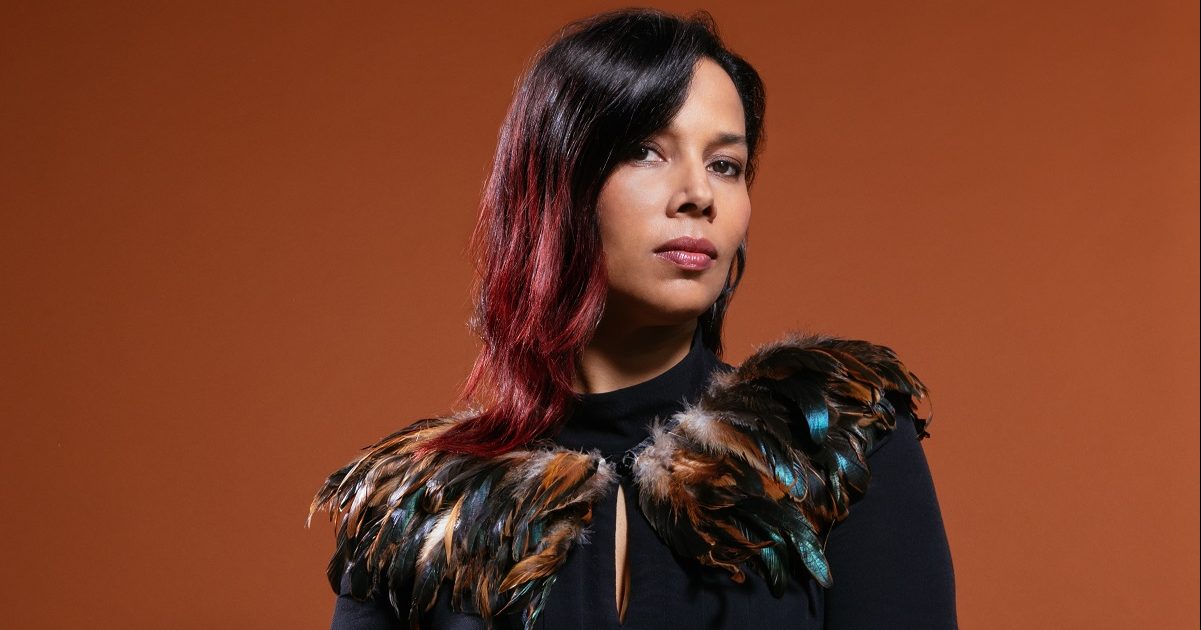
Artist: Rhiannon Giddens
Hometown: Greensboro, North Carolina
Song: “Don’t Call Me Names”
Release Date: August 23, 2020
Label: Nonesuch

In Their Words: “The framework in the song is a love affair, but it can happen in any kind of connection. The real story was accepting my inner strength and refusing to continue being gaslit and held back; and refusing to keep sacrificing my mental health for the sake of anything or anyone.

“I don’t often write personal songs but this one has stayed with me — it poured out then and has just sat there waiting for the right time. I got a chance to do it with some incredible musicians and a fabulous producer and I’m thrilled it’s going to be out in the world; when I listen to it, the anger that I felt then is the anger I feel [now] at my entire country being gaslit, held back, and sacrificed. We have to keep saying NO to toxic behavior, no matter how small or large the stage, and keep saying it nice and loud.” — Rhiannon Giddens


Photo credit: Ebru Yildiz

WATCH: Bruce Robison & Kelly Willis, “Tennessee Blues”

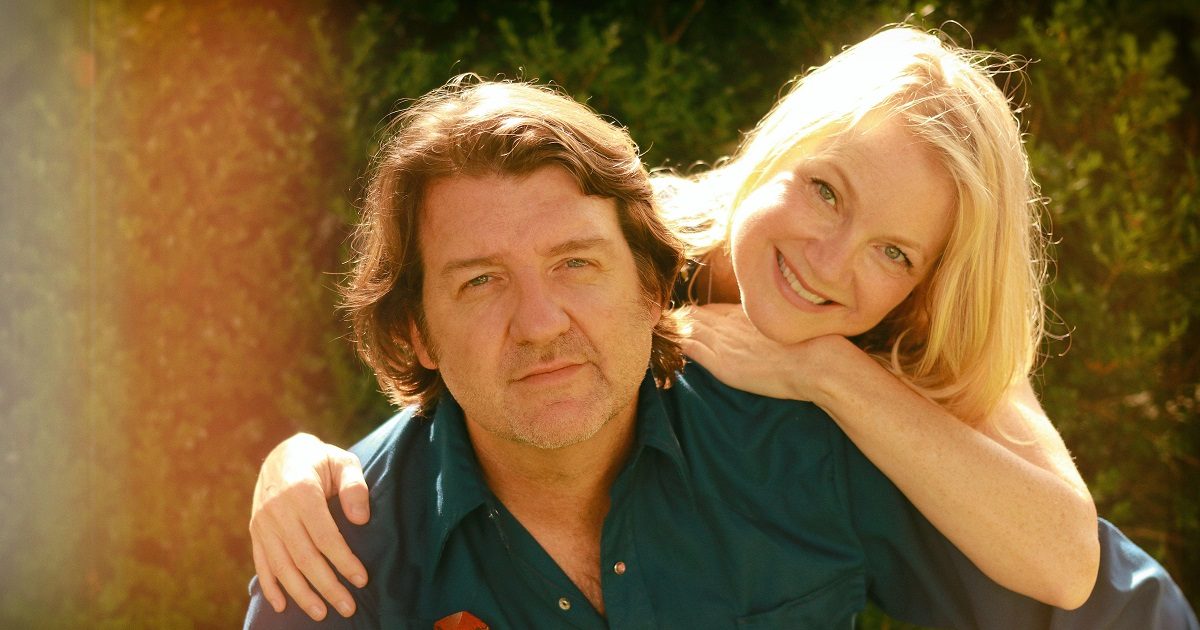
Artist: Bruce Robison & Kelly Willis
Hometown: Austin, Texas
Song: “Tennessee Blues”
Release Date: August 27, 2020
Label: The Next Waltz

In Their Words: “Nikki Lane mentioned ‘Tennessee Blues’ to me probably four years ago and that was the first time I heard of Bobby Charles. I realized I had heard the song by Doug Sahm over the years. It is one of those tunes that after first listen you know it would be incredible for harmonies, and it is. I think the greatest songs are effortless to play and even easier to sing. ‘Tennessee Blues’ is that. Bobby Charles is an artist that should be much better known, but occasionally discovering those artists and songs is about my second favorite thing in life.” — Bruce Robison


Photo credit: Todd V. Wolfson

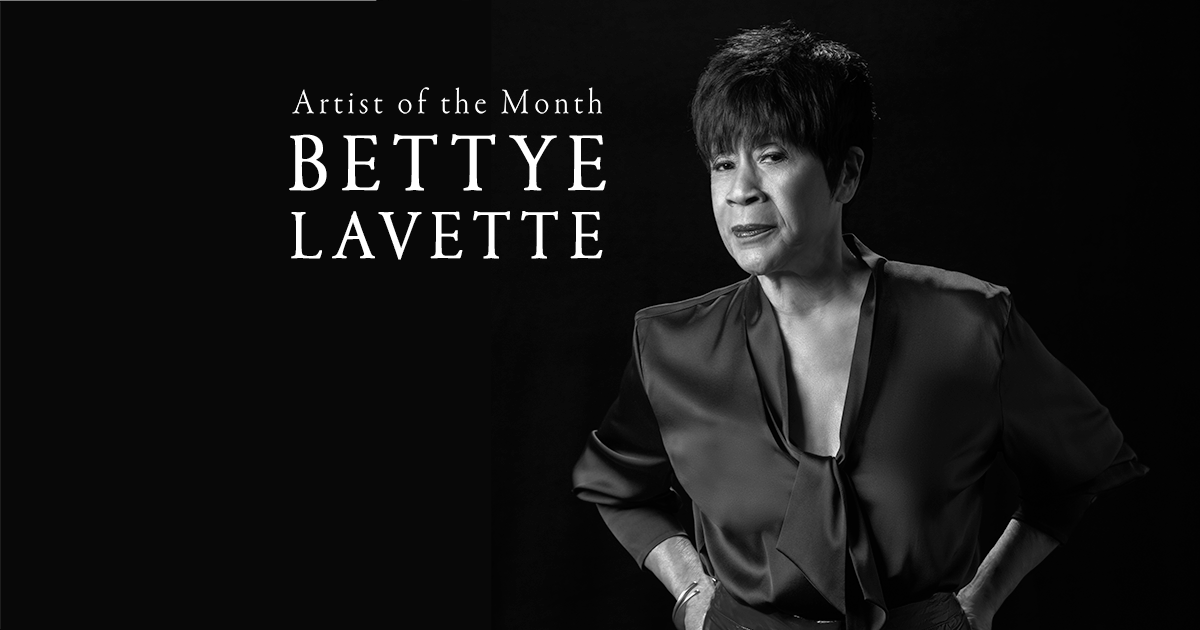
On ‘Blackbirds,’ Bettye LaVette Honors Black Women Who Inspire Her (Part 2 of 2)

When Bettye LaVette sings “I Hold No Grudge,” she brings the weight of all her years to it. The 74-year-old vocalist draws out certain notes, delivers certain lines almost in a speaking voice, as though she wants to show us how difficult, but also how essential, it can be to let things go. “Deep inside me there ain’t no regrets,” she declares, “but a woman who’s been forgotten may forgive but never, never forget.” She draws out that second “never” to underscore its harsh finality, to remind you that she’ll live with the memory of this slighting forever.

“I Hold No Grudge” has never been merely a song about romantic betrayal — not when Nina Simone recorded it for her landmark 1967 album, High Priestess of Soul, and not when LaVette recorded it more than sixty years later. This new version sounds like it’s addressed to anyone who stood in LaVette’s way so many years ago, in particular those executives at Atlantic Records who saw fit to shelve her debut album in 1972 without so much as explanation, much less an apology. That decision crushed her and thwarted her promising career. “That’s exactly what it is,” says LaVette. “I probably have some grudges, but they aren’t big enough to make me stop. I’ve not been defeated. I’m extending the olive branch once again.”

“I Hold No Grudge” opens her latest album, Blackbirds, which collects her interpretations of songs made famous by Black women in the 1940s and 1950s, including Dinah Washington, Ruth Brown, Nancy Wilson, and Billie Holiday. She calls them “the bridge I came across on,” referring to that era between big band blues of the 1940s and rhythm & blues of the 1960s, when these artists were pushing popular music in new directions.

With a small band led by producer-arranger Steve Jordan, LaVette runs through deep cuts like “Blues for the Weepers,” a song first sung by Ruth Brown (and later made famous by Lou Rawls). It’s a song dedicated to “all the soft-singing sisters and torch-bearing misters,” she sings. “They just come to listen and dream.” She understands that we go to songs now for the same reasons we did sixty or seventy years ago: to find sympathy and solace, but also to find a way forward, perhaps some promise of a better life.

The most familiar tune on Blackbirds is likely “Strange Fruit,” popularized by Billie Holiday ninety years ago at Café Society in New York City and covered by countless singers ever since. As a result it’s difficult to make the song sound new and urgent, yet LaVette manages to do just that. Against her band’s dolefully trudging rhythm, she tilts the melody forward just slightly, as though pulling us toward some horrific destination, and she shreds the syllables of the song’s climactic declaration: “Here is a strange and bitter crop.”

That middle word is frayed almost beyond recognition – “stra-ya-ange” – to make the song’s metaphor sound tragically real. LaVette recorded it nearly a year ago and was startled when it became so heavily relevant again. To hear her sing “Strange Fruit” in 2020 is to be reminded that the injustices so many Americans are protesting — the murders of George Floyd, Breonna Taylor, and too many other Black men and women — are not new or specific to the current era.

In the second installment of our Artist of the Month coverage, LaVette talks about growing up with a jukebox in her living room, giving these formative artists their due, and how Paul McCartney fits into all this.

(Editor’s note: Read part one of our Artist of the Month interview here.)

BGS: This record is rooted in the history of popular music. Can you tell me about this particular period and what it means to you?

LaVette: People — especially white people — they throw “rhythm and blues” and “blues” together a lot. And now today, they’re throwing “rhythm and blues” toward young blacks and young whites who want to sound black. When people talk about rhythm and blues, they go back about as far as Etta James, but these women are the bridge that Etta came across on as well. Rhythm and blues was a music that came from blues, of course, and from gospel. When people ask me the difference between “blues” and “rhythm and blues,” I always tell them that you can cry to blues, but you can dance and cry to rhythm and blues.

It’s a short bridge, from about 1948 or ’49 to the burgeoning of Atlantic and Motown’s rhythm and blues, which was about ’61 or ’62. That’s when I came along. We took away the saxophones and added more guitars. We took the blues guitar and sped it up and put it in our tunes. The people who took us from the late ‘40s into the early ‘60s are rarely mentioned, and that’s why I chose this group of women.

I didn’t even know there were Black women who sang, other than Lena Horne and Dorothy Dandridge. And then, hearing LaVern Baker and Ruth Brown and Little Esther, I don’t know whether it gave me hope or whatever, but it really surprised me. I didn’t know that women who sung in such a bawdy way even existed.

When did you first hear these women?

When rhythm and blues came about, that was when I was young and I was dancing. That was when I was coming up and my sister was a teenager. We had a jukebox in our living room in Muskegon, Michigan, which is where I was born, and it had all the current tunes of the day, which my sister played daily when she got out of school. They were all rhythm and blues songs. You know, they weren’t into jazz — they were either blues or rhythm and blues songs on the jukebox. And gospel and country-western, no less. At one point, my favorite singers used to be Doris Day and Dale Evans.

Wait, you had a jukebox in your living room?

My parents sold corn liquor in the ‘40s and ‘50s. Muskegon was extremely segregated, so if you wanted a drink after dinner or after work, you had to come by my house. These were homes that had been built for the soldiers returning from the Second World War. So they were theoretically projects, but they hadn’t started making them out of brick yet. They looked more like barracks, and everybody’s house was just alike.

It was living room, dining room, small kitchen, two bedrooms, and a bathroom. My parents sold corn liquor and chicken sandwiches and barbeque sandwiches. There was no gambling. Nobody could cuss but my mother. But they could get shots and pints and half pints. And the jukebox was there in the living room where most people’s couch probably was. I was about 18 months old when I learned all the songs on the jukebox — all of them.

How did you choose the songs for this record?

I keep several files. Or, I should say, my husband keeps them for me. I’ve got all kinds of files. I’ve got a country and western file. I’ve got a strictly George Jones file. What I do is, I offer my label two or three ideas based on these files, and they tell me which one they like best. So I have some ideas that I like, and that way I don’t have to take their suggestions. If they find one they believe in and are willing to spend money on, I’ve got the songs already in.

I had this file here of standards, some of which I had done when I did little gigs in places around, just me and a keyboard player. Some of them, like Nancy Wilson’s “Save Your Love for Me,” I had done in other venues that most people haven’t seen me in, because they didn’t come where I was. A song like “I Hold No Grudge, which I heard eighteen years ago, it’s been in my file since then. I thought, if I ever get a chance to do that kind of album, I will do that tune. I wasn’t going to throw it away.

When did you discover that song?

I was living in Detroit, and I was getting my hair done. Usually in Black salons, there’s a radio on that plays Black music, and this song came on. I had never heard it before! And because Detroit is one of the places where I can pick up the phone and call whoever is playing whatever it is and I’ll know them, I called them up and she told me it was Nina Simone. And I said, well, if I ever get the chance, I’m gonna record that tune. That was eighteen years ago.

Just a few years ago I performed at a party for David Lynch, the movie producer, and this gentleman came up to me and said, “I loved your performance. My name is Angelo Badalamenti, and I do all the music for David Lynch’s films.” My husband, who loves David Lynch’s films, was ecstatic. Angelo says, “I have a tune. Years ago, I used to work with Nina Simone, and I wrote this tune for her that I think would be perfect for you.” I said, “What’s the name of it?” “‘I Hold No Grudge.’” I said, “I know you aren’t going to believe this, but I’ve had plans to do that tune for the last fifteen years!” So when I got the opportunity to do this album for Verve, I got in touch with Angelo and sent it to him, and he said he could hear Nina listening to it, closing her eyes, and saying, “Yeah, she got it.” Of course that made me feel very good.

Another song I wanted to ask you about is “Strange Fruit,” which seems sadly very timely right now.

But it just became timely! When we recorded it back in August, it was one of the oldest tunes on the album. And then all of this mess broke out, and the tune became timely! But all of this wasn’t going on when we recorded it. That’s not why we recorded it. We recorded it to fill in the Billie Holiday slot. While we were waiting for the album to come out, all of this happened. And it was just timely — as if we went to look for a tune to describe what’s going on now. So it’s bad that it’s timely — it’s awful that it’s timely — but it’s timely.

I knew the tune had not lost any of its power, and I knew I had to do it completely different from Billie. I’m blessed to work with Steve Jordan because he doesn’t hear these songs the way they were originally recorded. He hears them the way I sing them, because his age is closer to mine. He was born and raised in Harlem, and he grew up with these rhythm and blues tunes. He knew that I wanted “Strange Fruit” to be terse and sad and black and dark, and when we finished recording the music, I said, “Steve! I didn’t want it to sound exactly like they’re standing by the tree playing this song,” but it does. It’s just haunting. That’s the thing that makes Steve so important to me.

The outlier on the album is your interpretation of the Beatles’ “Blackbird.” What made that song fit this project?

The reason that I chose it — and I chose it for the title — is because many Americans don’t know that Brits call their women birds, and Paul is talking about a Black girl that he saw standing up on a picnic table singing one night in a park. He’s talking about a Black girl singing and I thought that that would just be perfect for it.

(Editor’s note: Read the first half of our Artist of the Month interview with Bettye LaVette.)


Photo credit: Joseph A. Rosen
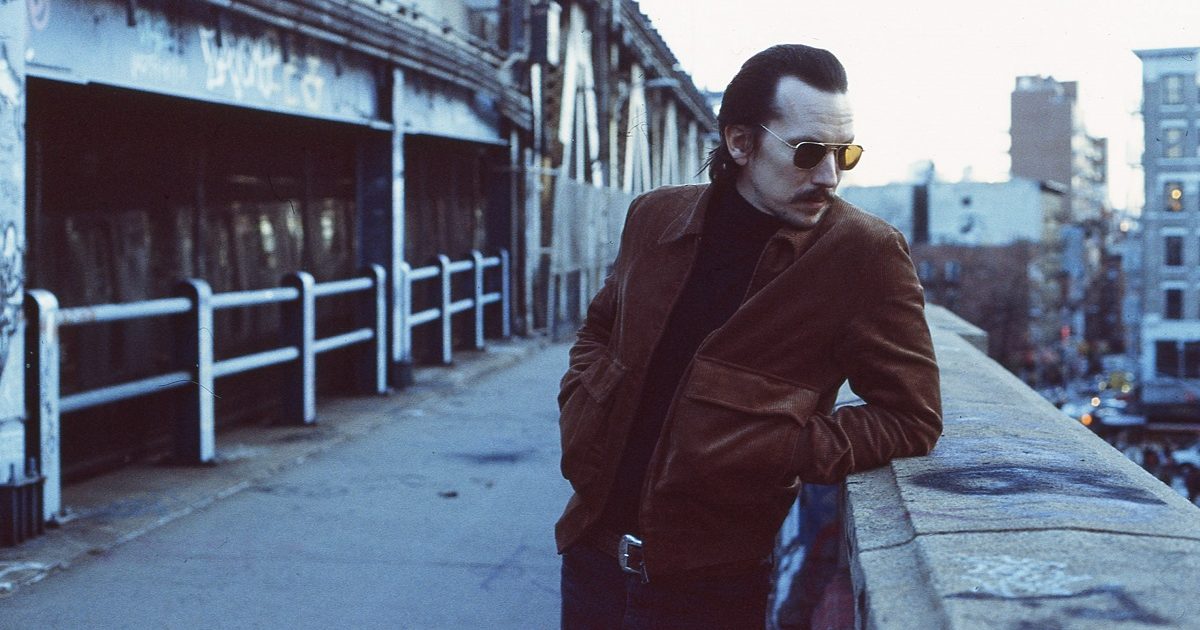
 

LISTEN: Joan Osborne, “That Was a Lie”

Artist: Joan Osborne
Hometown: Brooklyn, New York
Song: “That Was a Lie”
Album: Trouble and Strife
Release Date: September 18, 2020
Label: Womanly Hips/Thirty Tigers

In Their Words: “I get so enraged watching these polished, camera-ready mouthpieces for our government just straight up lying to us. And journalists seem unable use the word ‘lie’ when talking about this: their coverage is full of euphemisms like ‘falsehoods’ or ‘misstatements.’ But these are just blatant lies, and I think it’s important not to sanitize them, to call them what they are. People in power are abusing the public trust, whether it’s government officials or the insurance industry or the hierarchy of the Catholic Church, and I believe we need to call them on it in no uncertain terms. To quote Bob Dylan, ‘I just want you to know I can see through your mask.'” — Joan Osborne


Photo credit: Jeff Fasano