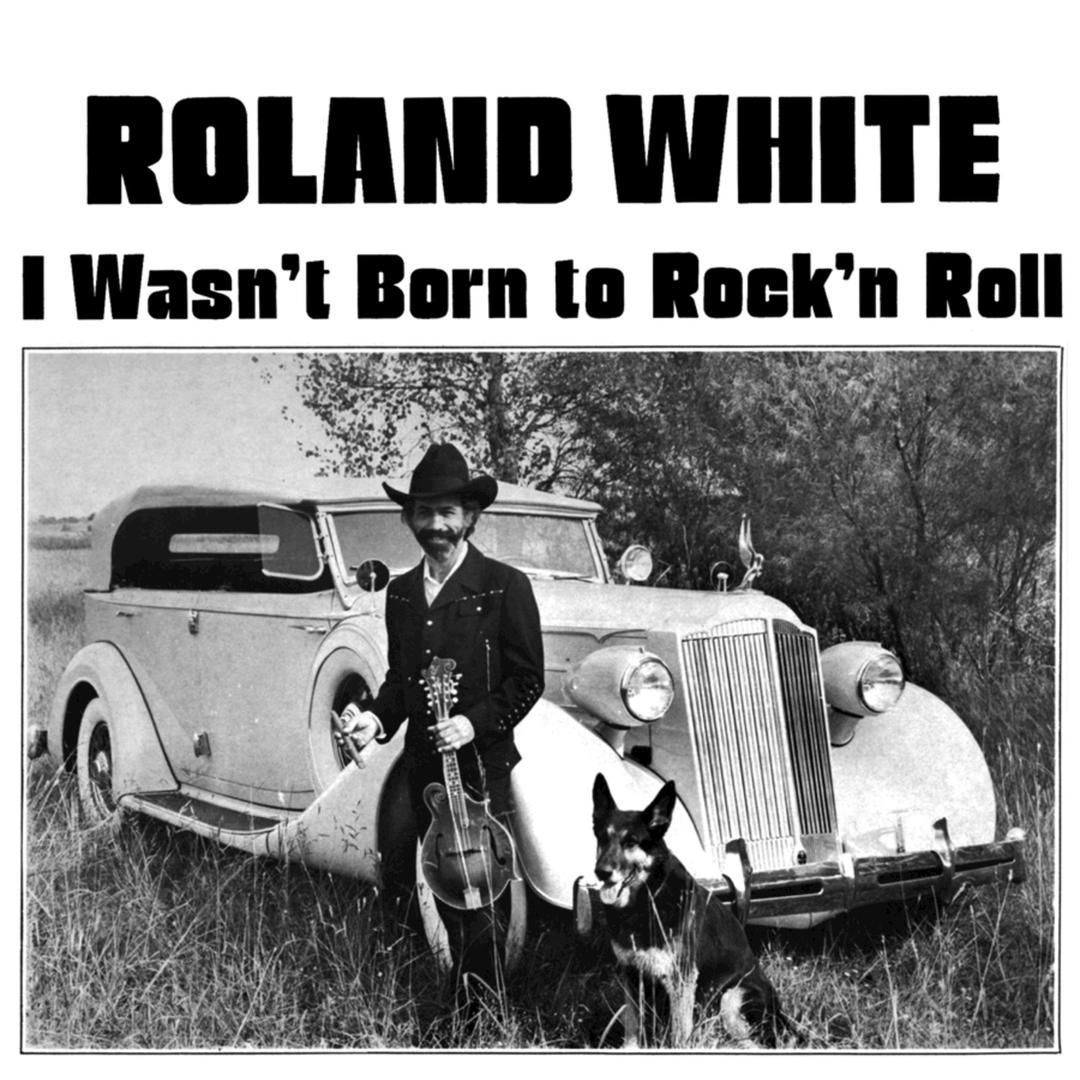
Roland White, “Powder Creek”

Our artist of the month, Roland White — living legend, mandolinist, and Bluegrass Hall of Famer — has spent a good portion of his storied career with the addendum “brother of Clarence White” permanently affixed in close proximity to his name. In just describing the phenomenon, it is perpetuated still.

Roland’s career, whether sampled when he played guitar and sang with Bill Monroe and his Blue Grass Boys, or witnessed during his time with the Nashville Bluegrass Band, or as member of Lester Flatt’s Nashville Grass, or even as he’s fronted the Roland White Band, has never necessitated the association with his brother to validate its far-reaching impact and influence. By the same token, the legacies of the brothers White are so closely intermeshed, so inextricably cross-pollinated, that it would almost be a disservice to attempt to unwind the two.

Roland’s brand new record, A Tribute to the Kentucky Colonels, once again points the spotlight on the brothers collectively. Despite the fact that it includes many beautiful instrumentals from the Colonels’ catalog, this Tunesday will reach further back in Roland’s discography to celebrate the pair. As Roland tells the story, he was riding in the car with the Clarence and the rest of the Colonels, playing his mandolin and picking out the tune to “Powder Creek” as they drove, fashioning the melody note by note. Worried that they would forget the song before they had a chance to get it on tape — yes, physical, reel-to-reel tape — they stopped at a rest area along the route, set up in the bathroom with a portable recorder, and ensured the tune would live on forever.

This recording is from Roland’s seminal 1976 release, I Wasn’t Born to Rock’n Roll. Although it lacks any White brothers beyond Roland himself, the track showcases his truly singular, archetypical phrasing, his thoughtful picking, and his incredible musical friendship with banjo great Alan Munde.


Editor’s Note: Justin Hiltner plays in Roland White’s band and on the new album, A Tribute to the Kentucky Colonels.

LISTEN: Meadow Mountain, “Shadow of a Mountain”

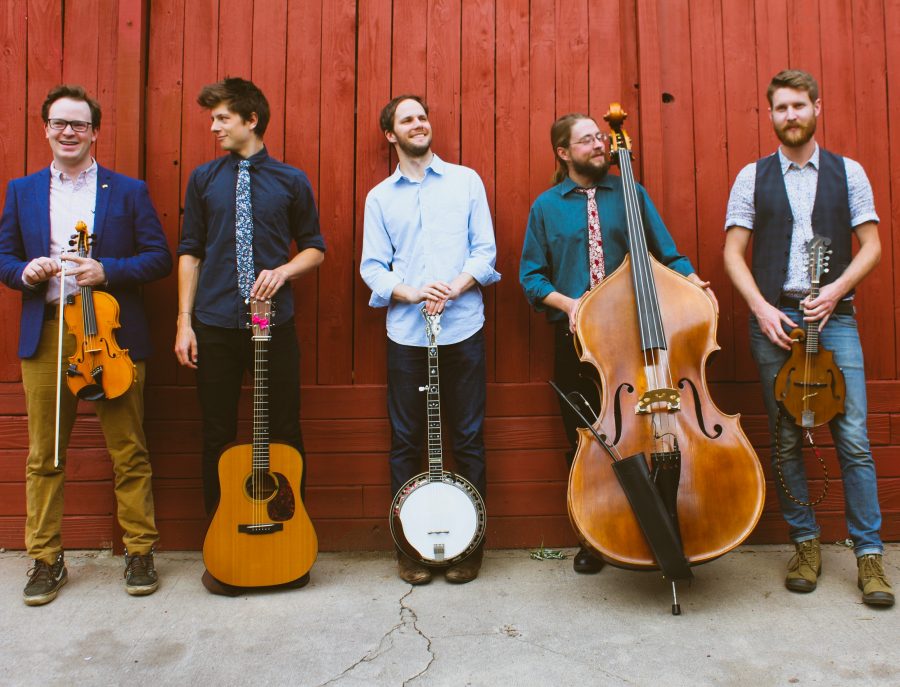
Artist: Meadow Mountain
Hometown: Denver, Colorado
Song: “Shadow of a Mountain”
Album: Meadow Mountain
Release Date: November 2, 2018
Label: Tape Time Records

In Their Words: “This was the first song I wrote that I kept. I was living in Colorado at the time and wanted to write a song that evokes the scenery there. The mountains can offer sublime beauty and inspiration but they can also be very cold and uninviting places. The lyrics of ‘Shadow’ attempt to paint that picture of the Colorado mountains. It’s also the classic bluegrass tale of longing for lost love, but I decided to throw a little dark twist in at the end, which makes it even a little more lonesome.

“There isn’t really a chorus here, but rather a chorus melody, with different words every time. This lyrical technique is reminiscent of old folk ballads, where the story seems to go on and on. When we first started playing this tune live I was always nervous I was going to forget the words, and did a few times! I’m glad it’s all muscle memory now.” — George Guthrie


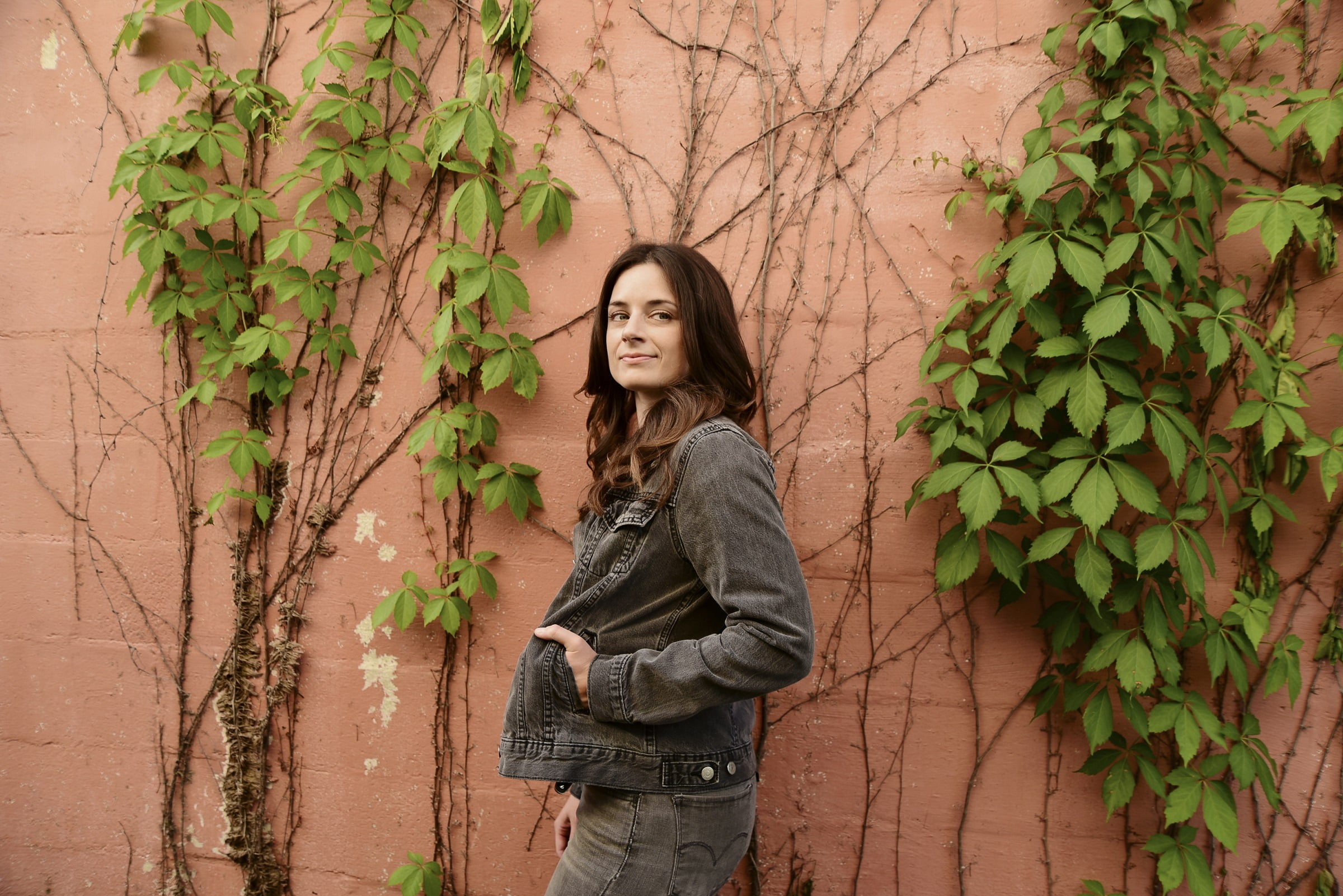
Photo credit: Grace Clark

WATCH: An Exclusive Preview of ‘Revival: The Sam Bush Story’

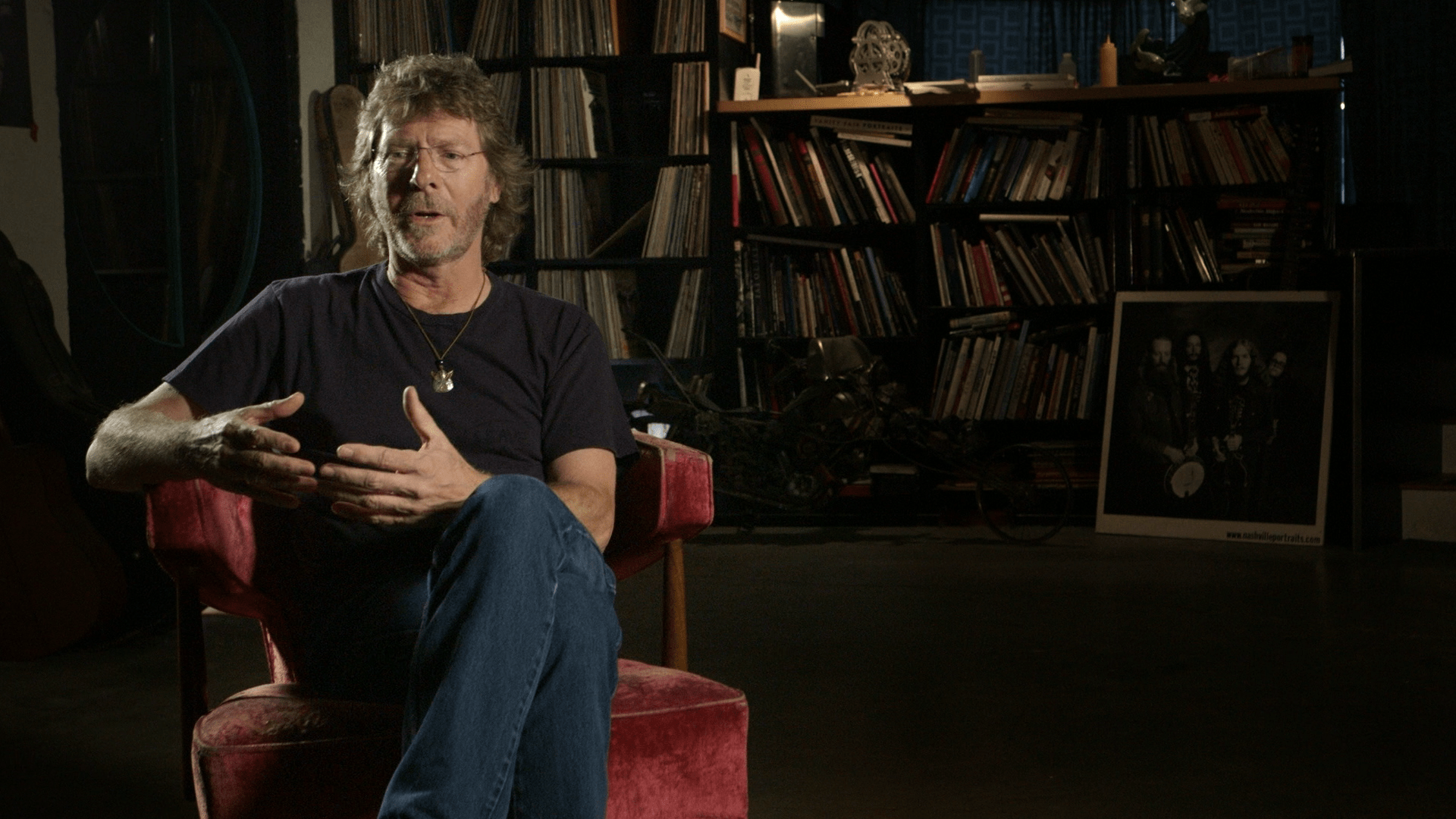
With his extraordinary musicianship and boundless energy, Sam Bush embodies the spirit of bluegrass. The award-winning documentary, Revival: The Sam Bush Story, captures him in peak form, with testimonials from many of his fellow musicians.

“It’s pretty overwhelming,” Bush remarked after seeing the film for the first time. “Your friends are talking about you. You’re watching yourself back when you only had one chin. It’s pretty amazing to think I got out of high school 45 years ago and have been fortunate to play music ever since. I hope people come away from watching the film with a greater appreciation for Americana and acoustic music.”

The film may be purchased or rented on Amazon on Thursday, November 1. Here’s a preview:


Image Used With Permission from Revival: The Sam Bush Story

LISTEN: On Big Shoulders, “Heavy Traffic Ahead”

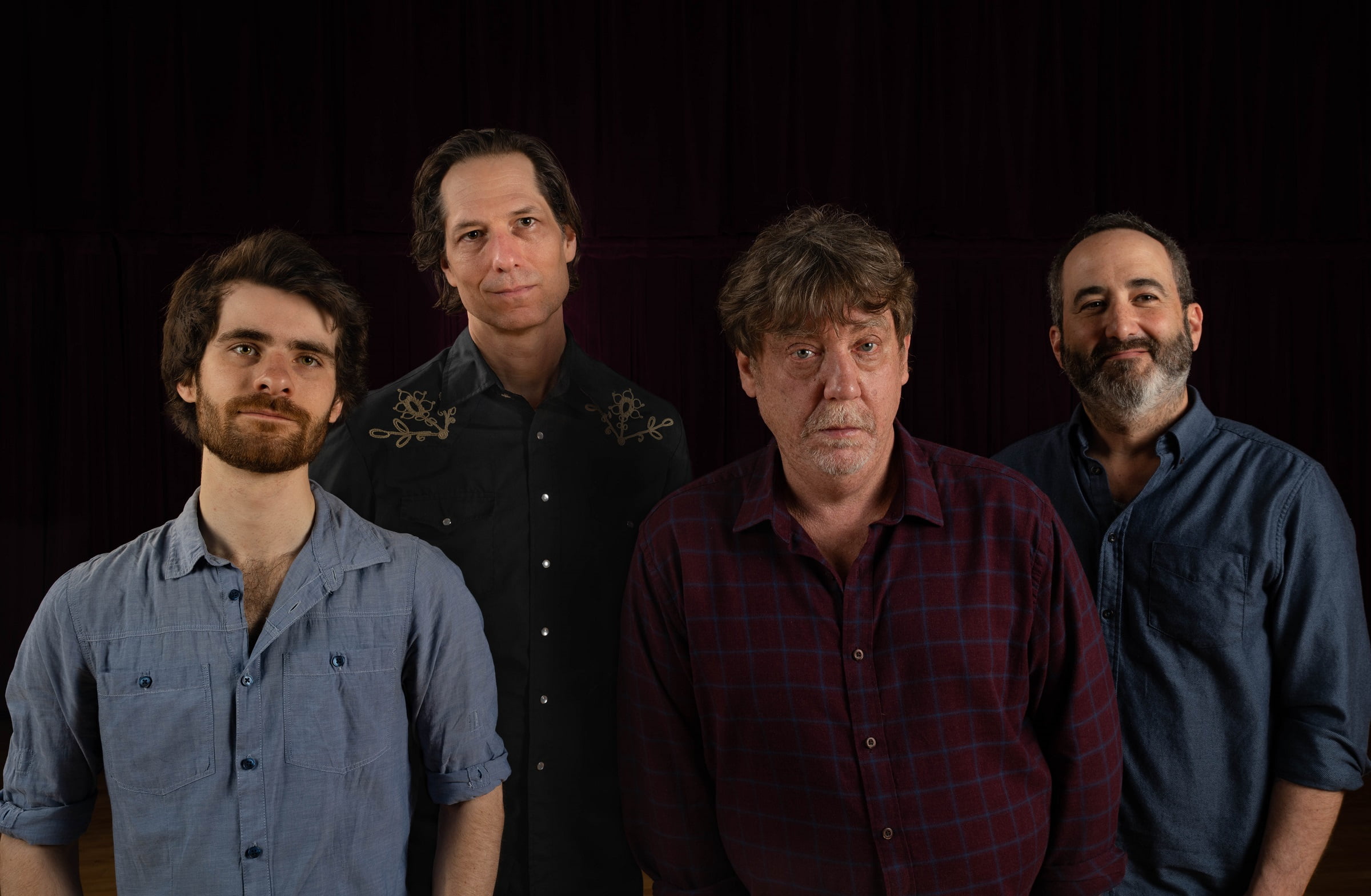
Artist: On Big Shoulders, executive producer: Matt Brown
Hometown: Chicago, Illinois
Song: “Heavy Traffic Ahead”
Album: On Big Shoulders
Release Date: November 2, 2018
Label: Allograph Records

In Their Words: “Each On Big Shoulders track has a Chicago connection. We performed new songs from contemporary Chicago songwriters and covered older artists who recorded or lived here, ranging from The Delmore Brothers and Barbara Carr to Wilco and Bill Monroe. ‘Heavy Traffic Ahead’ is the first track. For that Monroe tune, we may have dialed up the ‘blue’ and dialed back the ‘grass.’ You’ll hear Steve Dawson on rhythm guitar and lead vocals, Brian Wilkie on lead guitar, Aaron Smith on bass, and Gerald Dowd on drums.

Produced by Art Satherley, head of country and blues A&R for Columbia Records, Bill Monroe’s recording of ‘Heavy Traffic Ahead’ was made just after 8:00 p.m. on Monday, September 16, 1946, in the WBBM-CBS studio in Chicago’s Wrigley Building. Though not released until 1949, it was the first song cut at this famous session featuring Monroe on mandolin and lead vocals, Lester Flatt on guitar, Earl Scruggs on banjo, Chubby Wise on fiddle, and Howard Watts on bass. The other two songs they recorded that night were ‘Blue Moon of Kentucky’ and ‘Toy Heart.’

On Big Shoulders features eleven of my favorite Chicago musicians: Steve Dawson, Brian Wilkie, Aaron Smith, Gerald Dowd, Elise Bergman, Gia Margaret, Keely Vasquez, Liam Davis, Anna & Evan Jacobson, and Liz Chidester. We recorded with engineer Shane Hendrickson at I.V. Lab Studios. Liam Davis co-produced, edited, and mixed the record.” — Matt Brown


Photo credit: Tim Brown

12 Essential Songs by Tom T. & Miss Dixie Hall

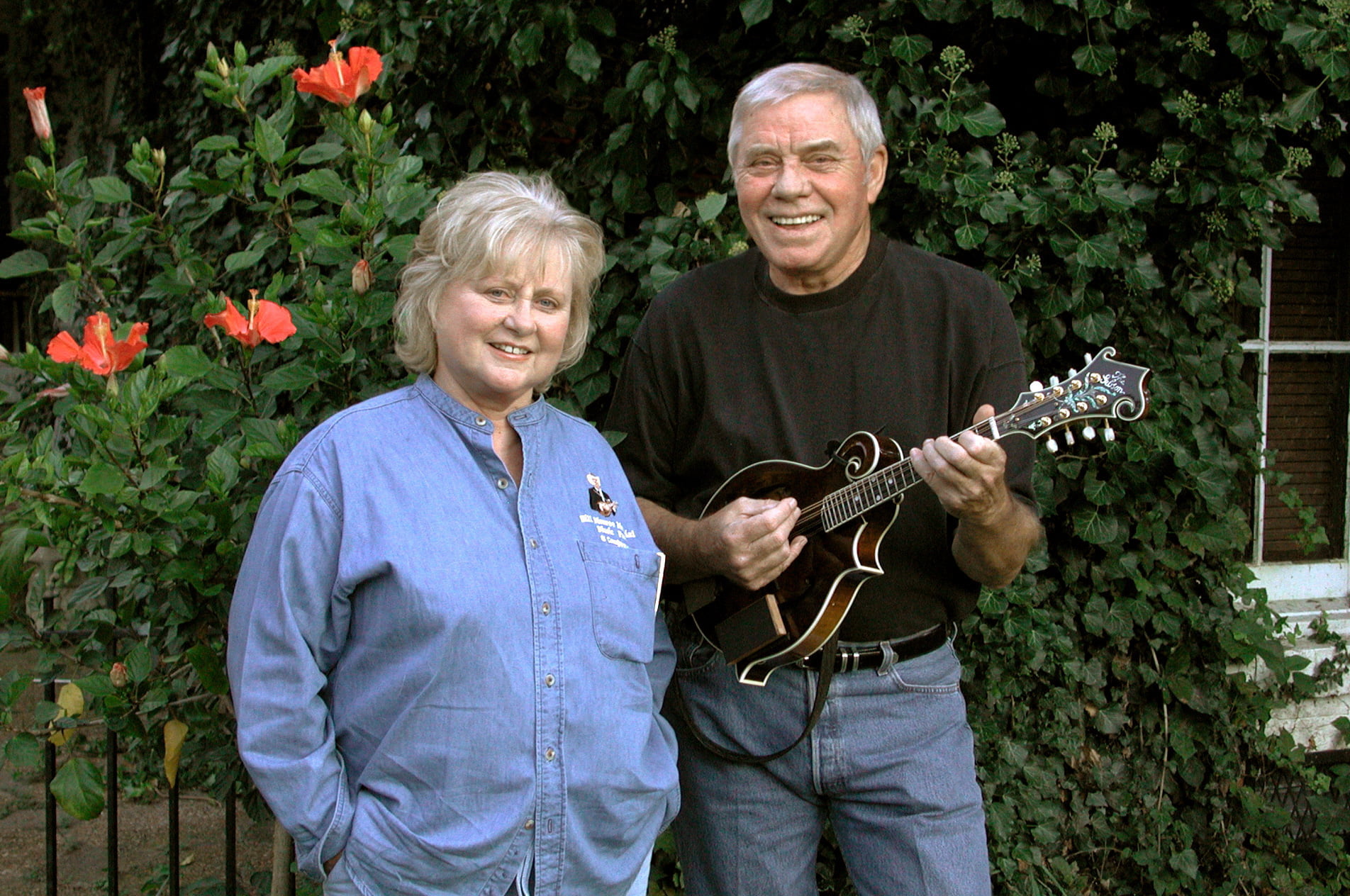
She was a trick-riding horsewoman born and raised in England; he, an Army veteran born in the foothills of Appalachia. Together, they were one of the most important songwriting duos of bluegrass, country, and American roots music as a whole. This year, they were inducted into the Bluegrass Music Hall of Fame together, following his induction into the Country Music Hall of Fame in 2008. If y’all don’t know the music — and impact — of Tom T. & Miss Dixie Hall, it’s time you do. Here’s a 12-song primer that attempts to scratch the surface of their far-reaching influence.

“Truck Drivin’ Son Of A Gun” — Dave Dudley, co-written by Miss Dixie

Co-written by Miss Dixie Deen (before she became a Hall), this single, released by Dave Dudley in 1965, reached #3 on the US country charts. It earned a BMI award; Dixie and Tom T. met at that awards banquet. The rest is history.

“Fox On The Run” — Tom T. Hall

An absolute classic. Tom T. brought bluegrass to country radio in 1976, when this track reached #9 on the Billboard charts. Just one stellar track on an entire album of top-shelf bluegrass that included appearances by J.D. Crowe, Donna Stoneman, Bill Monroe, Bobby Thompson, and so many more.

“Washed My Face In The Morning Dew” — Porter Wagoner and Dolly Parton, written by Tom T. Hall

Recorded the year before “Harper Valley P.T.A.,” Tom T.’s first top 40 hit is still going strong, relevant as ever 51 years later. “The rich got richer and the poor got poor, and to me it just didn’t seem right.”

Here’s a version by one of country’s favorite duos of all time, Porter and Dolly.

“Old Dogs, Children, and Watermelon Wine” — Tom T. Hall

“Old Dogs” was Tom T.’s third #1 hit as an artist. Charlie Sizemore, who followed Keith Whitley as Ralph Stanley’s lead singer, led an all-star cast on an entire album of Tom T.’s songs, including this one, in 2002.


“I Flew Over Our House Last Night” — Tom T. Hall

“So close, yet so far away,” Tom T. laments, whimsically, being 30,000 feet above the one he loves as he flies over home. This one has been covered by everyone from Balsam Range to Joe Henry.

“Leaving Baker County” — Junior Sisk & Rambler’s Choice, written by Tom T. & Miss Dixie

There’s a sardonic glee in the chorus, leaving Baker County and the woes described herein. “I never did think much of Baker County, and every mile I’m thinking of it less.”

“A Hero In Harlan” — Chris Jones & the Night Drivers, written by Tom T. & Miss Dixie

A somber story of a little brother coming home to Harlan the one way all military families fear — in a flag-draped casket. But Tom T. and Dixie don’t glamorize or sensationalize the story, as songs on this subject matter often do. They (and Chris Jones & the Night Drivers, who first recorded the song) tell it real, raw, and relevantly.

“Lessons In Stone” — Longview, written by Tom T. & Miss Dixie

A 1990s bluegrass supergroup, Longview’s original members included Dudley Connell, Glen Duncan, James King, Joe Mullins, Don Rigsby, and Marshall Wilborn. Woof. Dudley, Don, and Glen give the buttery three-part on the chorus.

“Our Little World” — Darin and Brooke Aldridge, written by Tom T. & Miss Dixie

The way Tom T. & Miss Dixie tell it (via Darin and Brooke), you really can have it all, without needing much.

“Pretty Green Hills” — Tom T. Hall, written by Tom T. & Miss Dixie

These two could write a story song like almost no one else can. The level of detail might seem mundane, but with such deft pens, these two make the little things seem integral — important, minute colors and shades that make the whole picture shine.

“Someone Made the Sandals Jesus Wore” — Paul Williams and the Victory Trio, written by Tom T. & Miss Dixie

Paul Williams, a fellow Bluegrass Hall of Famer inducted with Tom T. & Dixie this year, sings this gospel tune with the Victory Trio. It’s a simple, but incredibly poignant message: there really is no contribution, talent, or skill that’s too small or insignificant to positively impact the lives of others.

“Somewhere In Kentucky Tonight” — Tom T. Hall, written by Tom T. & Miss Dixie

When Tom T. recorded this song on Tom T. Hall Sings Miss Dixie & Tom T., that project was a Christmas gift to his wife. His Christmas card to Dixie promised:

“We’ll record in our studio; you choose the songs and the pickers. You produce and I’ll do songs we have written together. Local and Pal will handle (canine) security. We will call the project TOM T. HALL SINGS MISS DIXIE & TOM T. Merry Christmas! Love, T.”

And if that beautiful sentiment doesn’t capture their love perfectly, the song itself truly does. What a pair. Hall of Famers, indeed.


Photo courtesy of IBMA 
Jon Weisberger and Justin Hiltner contributed to this piece. 

WATCH: Amanda Fields & Friends, “When We’re Gone, Long Gone”

Artist: Amanda Fields & Friends
Hometown: Nashville, Tennessee
Song: “When We’re Gone, Long Gone”

In Their Words: “I was going through a difficult time at the end of this past summer and I thought that doing something creative with my friends would lift my spirits. I called Nathan Shuppert (director), and fellow musicians Jenni Lyn Gardner (mandolin, vocals), John Mailander (fiddle), and Ashleigh Caudill (bass, vocals), who all jumped on board with the idea of capturing a performance of the sweet song, ‘When We’re Gone, Long Gone,’ written by the O’Kanes. From my perspective, this video documents the healing power of music and friendship.” – Amanda Fields


Photo Credit: Allen Clark

STREAM: David Benedict, ‘The Golden Angle’

Artist: David Benedict
Hometown: Boston, Massachusetts
Album: The Golden Angle
Release Date: October 26, 2018

In Their Words: “The Golden Angle has been a dream project of mine for some time now. Ever since moving to Boston to join Mile Twelve two years ago I’ve been inspired musically. This album is the product of that inspiration. My hope is that the compositions on this record hit that right balance between modernism and tradition. I’m so honored to have gotten to work with all of the amazing people who have worked with me to bring this project to life. Hope you enjoy!” –David Benedict


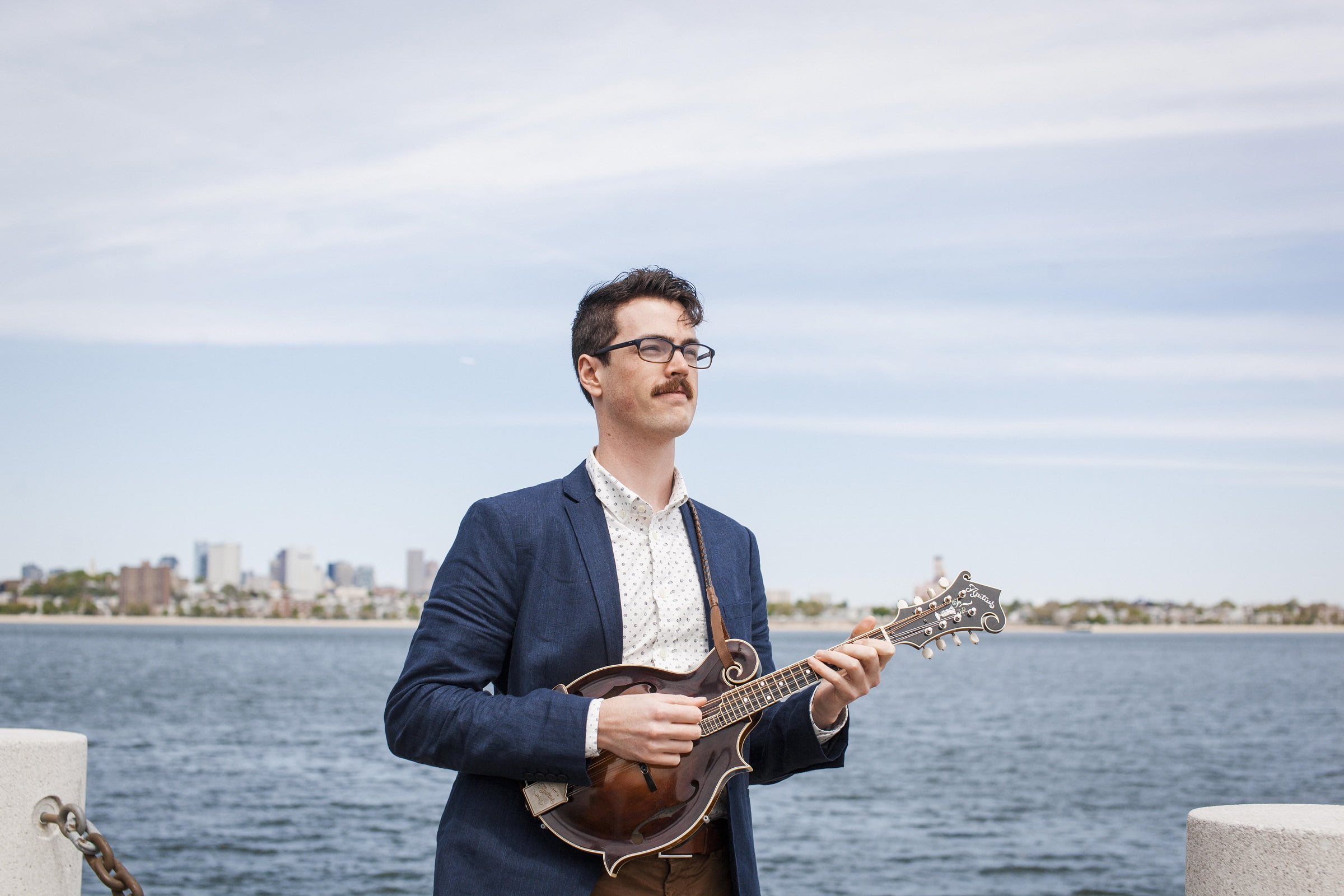
Photo credit: Louise Bichan

John Jorgenson Revisits His Southern California Bluegrass Roots

John Jorgenson is not only a man of many talents, he’s a musician with many interests. Perhaps you’ve heard his gypsy jazz, or remember when the Desert Rose Band — a neo-trad country group that included Jorgenson, Chris Hillman and other luminaries of the California country and country-rock scene — was riding high at radio, or perhaps you saw him playing an indispensable role in Elton John’s touring band. As Jim Reeves might have put it, he’s done a lot in his time.

Even so, you might not know that John Jorgenson is also a bluegrass guy — unless, that is, you saw him on the road with Earl Scruggs during the legend’s final touring years, or happened to buy his 2015 box set, Divertuoso, which included a disc of bluegrass alongside one of gypsy jazz and another of eclectic, electric music. Earlier this year, that disc was issued as a standalone album, From the Crow’s Nest. Featuring the regular (and equally eclectic) members of the John Jorgenson Bluegrass Band (J2B2) — Herb Pedersen, Mark Fain and Jon Randall — it’s a delicious collection that scatters well-known songs (Pedersen’s “Wait a Minute”; Randall’s “Whiskey Lullaby” co-write; and the Dillards’ “There Is a Time”) among a trove of newer material, much of it written or co-written by Jorgenson.

From the Crow’s Nest ought to go some distance in alerting wider audiences to a new standard-bearer for a style of bluegrass that, while its roots trace back to the early 1950s, hasn’t gotten the attention it deserves. Though Southern California is a long way from the Grand Ole Opry and other spawning grounds for the original bluegrass sound, it served in the post-World War II years as a magnet for job seekers from both sides of the Mississippi River, and that meant bluegrass pickers, too — and so, when we met up, that made for a good starting point for our conversation.

Listening to your album reminds me that you are a product of a Southern California roots music scene that included bluegrass from early on. How did you get exposed to it?

Probably the first time was when a band came to my high school and I thought they were from another planet, because I’d never heard anything so fast in my life. I played music already — I played classical music, and rock — but that was sort of an anomaly, and then I didn’t really see it again for a while.

I came to it sort of in a backwards way. I had a scholarship to the Aspen Music Festival. They brought me in as a jazz bass player; they wanted to start a jazz program. And I accepted the scholarship as long as I could also be in their classical program, playing the bassoon. Well, I had my tuition paid for, and my room paid for, but I didn’t have money for meals. So I needed to figure out how to make some money, and then I saw an ad that said: Wanted: strict jazz player for immediate gigs. So I checked out an upright bass from the school and went to this audition. And they weren’t playing jazz — what they were playing was David Grisman’s first album. This was the summer of 1978, so this album was new. I’d never heard it.

So they’re playing all instrumental stuff and I thought, OK, I really like the sound, especially of that mandolin. I liked the flatpicking guitar, too. I was already a guitar player, but I just loved the mandolin. When I got home that summer, my neighbors had a Gibson A model and I borrowed it. Not too long after that, I ran into a friend who had been instructed to put together a band that could play bluegrass and Dixieland to cover two different areas of Disneyland. And he asked, “Hey, do you know anybody that could play bluegrass fiddle and Dixieland cornet?” And needing a job at the time, I said, “I can play mandolin and clarinet.”

And then I kind of learned backwards, whatever I could. I learned from New Grass Revival, and then Bill Monroe, and Flatt & Scruggs, and the Stanley Brothers, and the Osborne Brothers. And all the others — Tony Rice, Sam Bush, the Bluegrass Cardinals, whoever was playing around at the time. Larry Stephenson was playing with the Cardinals at that time, and I remember I was — I don’t want to say shy, but I’m shy around people I don’t know. And to me at the time, they were real bluegrass musicians and I was a pretender. I sort of felt an attitude from some people, too, but he was not like that at all. He was really friendly.

Did playing bluegrass at Disneyland motivate you to build connections with the larger bluegrass scene, or was it a standalone kind of gig?

Actually, when we first started, we were terrible! We learned three songs and then we’d play those, move to a different place and play them again. But everyone was ambitious, so we all practiced; we learned songs, we got better. And then we started to play out around Los Angeles. I think the first time we played out as an act, we opened for Jim & Jesse at McCabe’s [Guitar Shop]. There was also a venue called the Banjo Cafe, with bluegrass every night, on Lincoln [Boulevard] in Santa Monica. So the Cardinals played there; Berline, Hickman & Crary would play there; and touring acts, too — Ralph Stanley would play there. And a young Alison Brown, a young Stuart Duncan.

I know that there are a lot fans of Desert Rose Band among bluegrassers, and some gypsy jazz fans, too, but for a lot of people, you came onto the radar when you were going places with Earl Scruggs — 15 years ago, maybe? How’d that come about?

Actually, it was because of Brad Davis. He was playing with Earl, and we were kind of guitar geek friends. We ended up sitting next to each other on a plane one time, and were chatting, and he said, “I’m playing with Earl Scruggs,” and I said, “I’d love to do that.” He said, “You know, they like to have an electric guitar, maybe there might be a spot.” He really set that up for me.

I said, “OK, I’m happy to play electric guitar, but I would really love to play the mandolin.” So I would bring both, and if I played too much mandolin, Louise [Scruggs] would say, “John, don’t forget that electric guitar.” Then they said, “Don’t you play saxophone? We used to have that on a song called ‘Step It Up and Go.’” So I said, “What about the clarinet? It’s not quite so loud.” And as it turns out, Earl said his favorite musician was Pete Fountain, and he loved the clarinet. So every time after that, Gary Scruggs would call me up: “Dad says don’t forget the moneymaker.”

The J2B2 record was originally part of a box set — a disc of gypsy jazz, one of bluegrass, one of electric stuff. So you have these different musical itches, and some musicians would choose to try to synthesize these things into something new and different and unique, but you seem to have an interest in keeping them each their own thing. Why is that?

It’s because, to me, the things that I love about bluegrass are what make it bluegrass. I love the trio harmony, I love these instruments, the way each instrument functions in the band. And I love gypsy jazz, and some folks might say they’re closely related — they’re string band music, they both have acoustic bass and fiddle and acoustic guitar, and each instrument has a role. There are a lot of similarities, but the things that I like about each one are what make them different. I think each music has an accent, and a history and a perspective, and I really want to be true to those, because those are the elements that touch my heart.

I feel like what I do and what this group does is quite traditional, compared to a lot of people. It’s not jamgrass. It’s not Americana. It’s bluegrass. There are folk elements, and all those other things, of course. But really, my touchstones for that style of music are all the classics: the trio harmonies of the Osborne Brothers, and the slightly softer Seldom Scene and Country Gentlemen sounds, the early Dillards, the Country Gazette, and the whole Southern California sound… you don’t think of Tony Rice’s roots as Southern California, but they are.

And probably at one point, if I could have sounded like I was from Kentucky, I wouldn’t have minded that. But at the end of the day, well, I love Bill Monroe as much as the next guy, and I’m going to take inspiration, but I feel like I’m part of a lineage of bluegrass that’s just as viable as any other, and why not have that sound be a part of me?


Photo credit: Mike Melnyk
WATCH: Missy Raines, “Allegheny Town”

Artist: Missy Raines
Hometown: Nashville, Tennessee
Song: “Allegheny Town”
Album: Royal Traveller
Release Date: October 5, 2018
Label: Compass Records

In Her Words: “I grew up in the Allegheny mountains of West Virginia, leaving home at 18 to follow my dreams. I didn’t realize then the cost of time away from loved ones – time you never get back. I wrote this song ‘Allegheny Town’ for my family, for those who went searching and perhaps more importantly, for those who stayed behind. This video offers a personal glimpse into my life from long ago with scenes and people who are no longer with us. ‘And I can hold you up, against the eastern sky, and we can try our luck, to never say goodbye.’” –Missy Raines


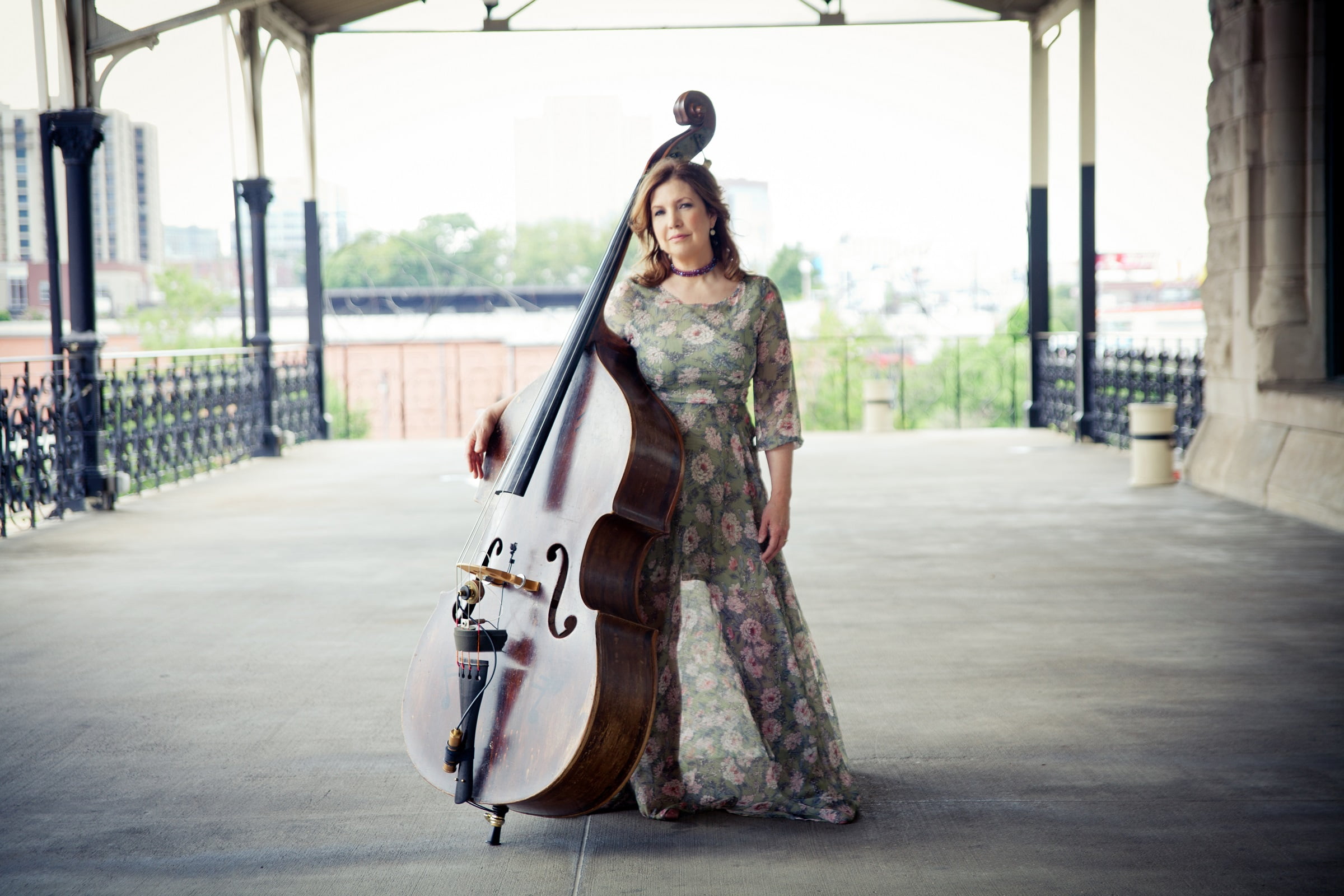
Photo credit: Stacie Huckeba

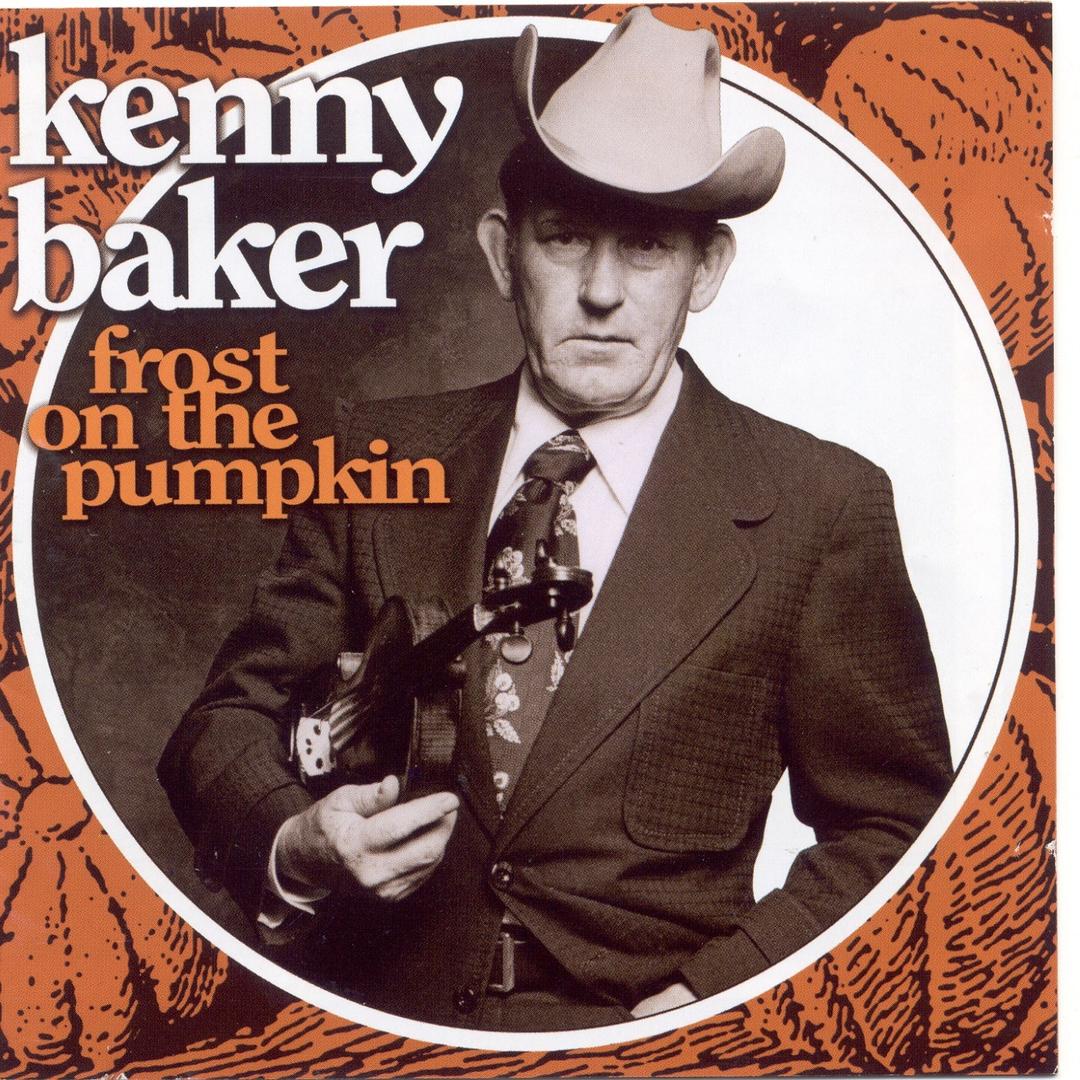
Kenny Baker, “Frost on the Pumpkin”

Look, it’s October. We’re well into it, really. It’s the season of leaf-peeping, big and cozy sweaters, apple-flavored everything, and complaining about those who do or don’t enjoy a pumpkin spice coffee drink. But somehow, here at BGS South in Nashville and across the country from Oakland to Chicago to Miami the oppressive heat and generally obstinate weather of summer refuses to cede its ground to bonfires, apple pies, and hayrides.

So, while we wait for the ever-warming climate to give in, allowing us perhaps one or two enjoyable weeks of late-harvest vegetables, dazzling colors, warm waning light, and a slight nip in the air (before a brown, muddy winter), Kenny Baker’s “Frost on the Pumpkin” will have to get us in the mood. It’s like an immersive auditory candle, bringing our favorite time of year wafting on the swampy, 90 degree breeze. It reminds of a barn dance, insulated with bales of straw and heated with warm, dancing bodies — and maybe some whiskey in the cider and nog.

After all, what’s more autumnal than a resonant, warm, ruddy-sounding fiddle, played at the perfect happy-medium dancing speed by one of the most down home, soulful pickers to ever pick up a bow? Well, actual autumn might be. But for now, “Frost on the Pumpkin” will have to suffice. And if, wherever you are, this tune isn’t just a harbinger of our favorite season, but a soundtrack, will you send some of that crisp air our way? We could use a little frost on our pumpkins…