The Golden Age of Bluegrass… The ’90s?!

With the following eleven songs, we will convince you, the bluegrass jury, that neither the ‘40s, the ‘50s, the ‘60s, nor the ‘70s were the golden age of ‘grass. Before the bluegrass gods and all these gathered here today we unabashedly assert: the ‘90s were the absolute best years for bluegrass!! Consider the following evidence:

Lonesome River Band – “Long Gone”

Remember the days when LRB was a quartet and there was a critical mass of mullets among their members? Such a small lineup and still somehow a supergroup: Dan Tyminski and Ronnie Bowman dueting the life out of it, Sammy Shelor pulling for his life, and Tim Austin demolishing the flat-top. Woof.

J.D. Crowe – “Blackjack”

The ‘90s were the golden age of bluegrass and the bluegrass supergroup. The TV show American Music Shop, which ran for three years starting in 1990, often amassed the best star-studded lineups of the time period – like this one: J.D. Crowe, Mark O’Connor, David Grisman, Tony Rice, Jerry Douglas, and Glen Worf.

Laurie Lewis & Friends – “Texas Bluebonnets”

Laurie Lewis won Female Vocalist of the Year from the International Bluegrass Music Association only twice — once in 1992 and again in 1994. We could rest our ‘90s-bluegrass-is-best case on that fact alone, but we’ll let Laurie (and Tom Rozum, Sally Van Meter, Peter Rowan, Alan Munde, et. al.) convince you with this Texas swing-flavored masterpiece.

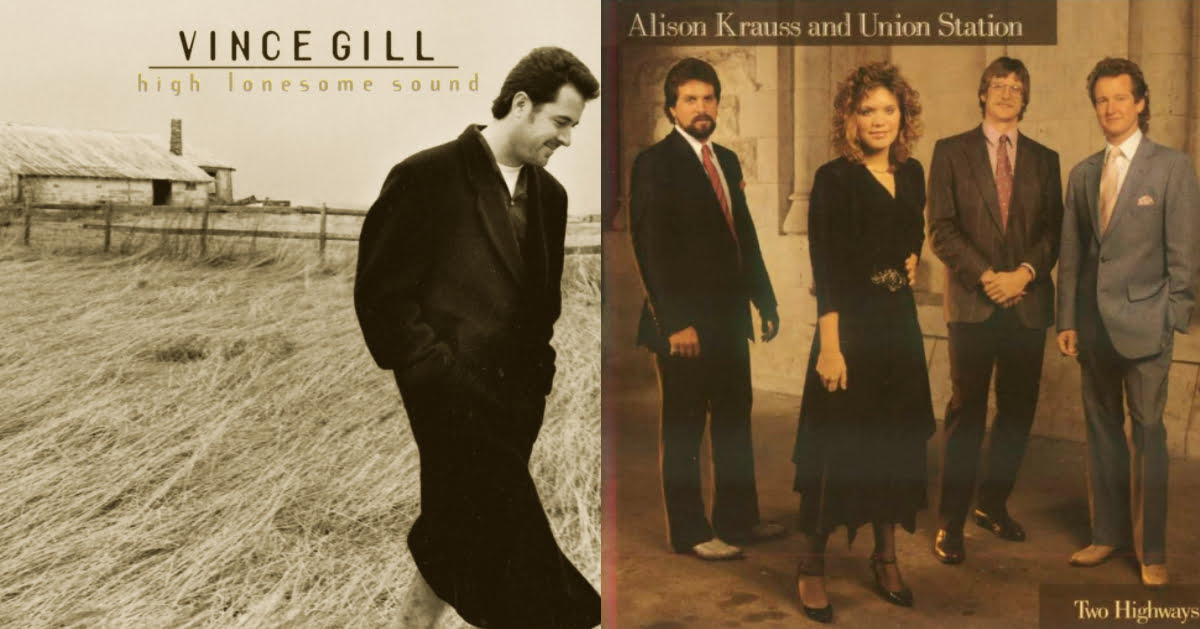
Alison Krauss & Union Station – “Two Highways”

I mean… do we even need to contextualize this one with a blurb? Alison Krauss — before she became the winningest woman in GRAMMY history — with Adam Steffey, Barry Bales, Tim Stafford, and Alison Brown (no, they aren’t sisters, even if they do have the same name) is exactly why ‘90s bluegrass never fails us. If you happened to forget that AK is a ruthless fiddler, too, just listen to any of her stuff from this decade for a reminder.

Strength in Numbers – “Slopes”

We continue with supergroups, for a moment, this time regaling in the new acoustic, esoteric instrumental, 1990s beauty of “Slopes” played by a group of folks you may know: Béla Fleck, Mark O’Connor, Sam Bush, Jerry Douglas, and Edgar Meyer. Makes you wanna time travel, doesn’t it?

Dolly Parton – “Train Train”

Everyone’s favorite songwriter, actor, country star, business mogul, theme park owner, and literacy advocate made one of the best bluegrass records in the history of the genre in 1999 — and of course the world went crazy for it. She took bluegrass places it too-rarely appears with a band that could’ve sold out a nationwide tour themselves. Iconic.

Ricky Skaggs & Kentucky Thunder with the Del McCoury Band – “Rawhide”

Del and the boys cleaned up on the IBMA Entertainer of the Year awards between 1990 and 2000, winning the organization’s top honor a total of five times during that span. Ricky never truly left, but he visibly returned to dominating bluegrass in the 1990s, touring with Kentucky Thunder. Talk about a golden age!

Emmylou Harris, Ralph Stanley, Dwight Yoakam – “The Darkest Hour”

Once again, we thank American Music Shop for bringing together a seemingly disparate yet totally seamless power collab. One of the best things about bluegrass is the shared vocabulary, the commonality of the songs. Just throw a bunch of folks up on stage and have ‘em sing one together!

Nashville Bluegrass Band – “On Again Off Again”

Best decade for bluegrass = best decade for bluegrass music videos, too. (Sure, all music videos, but especially bluegrass ones!) This one is just deliciously retro and it doesn’t hurt that the Nashville Bluegrass Band is not only freakin’ stacked with talent, but they knock out these mid-tempo, sultry, vocal-centered songs better than anybody else.

Lynn Morris Band – “Love Grown Cold”

Lynn Morris has been unconscionably underrated for her entire career. Just listen to this. She had her heyday as an artist and band leader in the ‘90s, winning multiple Female Vocalist of the Year awards and even a Song of the Year, too. That banjo pickin’ definitely deserved better recognition, though. Hell, the whole kit-and-caboodle deserved more recognition. If you take away anything from our journey back through this bygone era of great hair choices and clothes that go zip-zop it should be a never ending love and appreciation for Lynn Morris.

Vince Gill, Alison Krauss – “High Lonesome Sound”

Two roots music icons of the decade, collaborating on a song that tributes the father of bluegrass himself, it’s just too perfect. We rest our case. May 1990s bluegrass live on forever in our hearts, our ears, and our mullets.

WATCH: Unspoken Tradition, ‘Land’

Artist: Unspoken Tradition
Hometown: Cherryville, North Carolina
Song: “Land”
Release Date: May 11, 2018
Label: Mountain Home Music Company

In Their Words: “‘Land’ follows a tradition in roots music of singing songs about the love of our sense of place. It’s an update to traditional themes about the nostalgia of home. It also issues a warning that we have to be good stewards and that there are things that can never be manufactured.” — Audie McGinnis


Photo Credit: Sandlin Gaither

Hawktail, ‘El Camino Pt. 2’

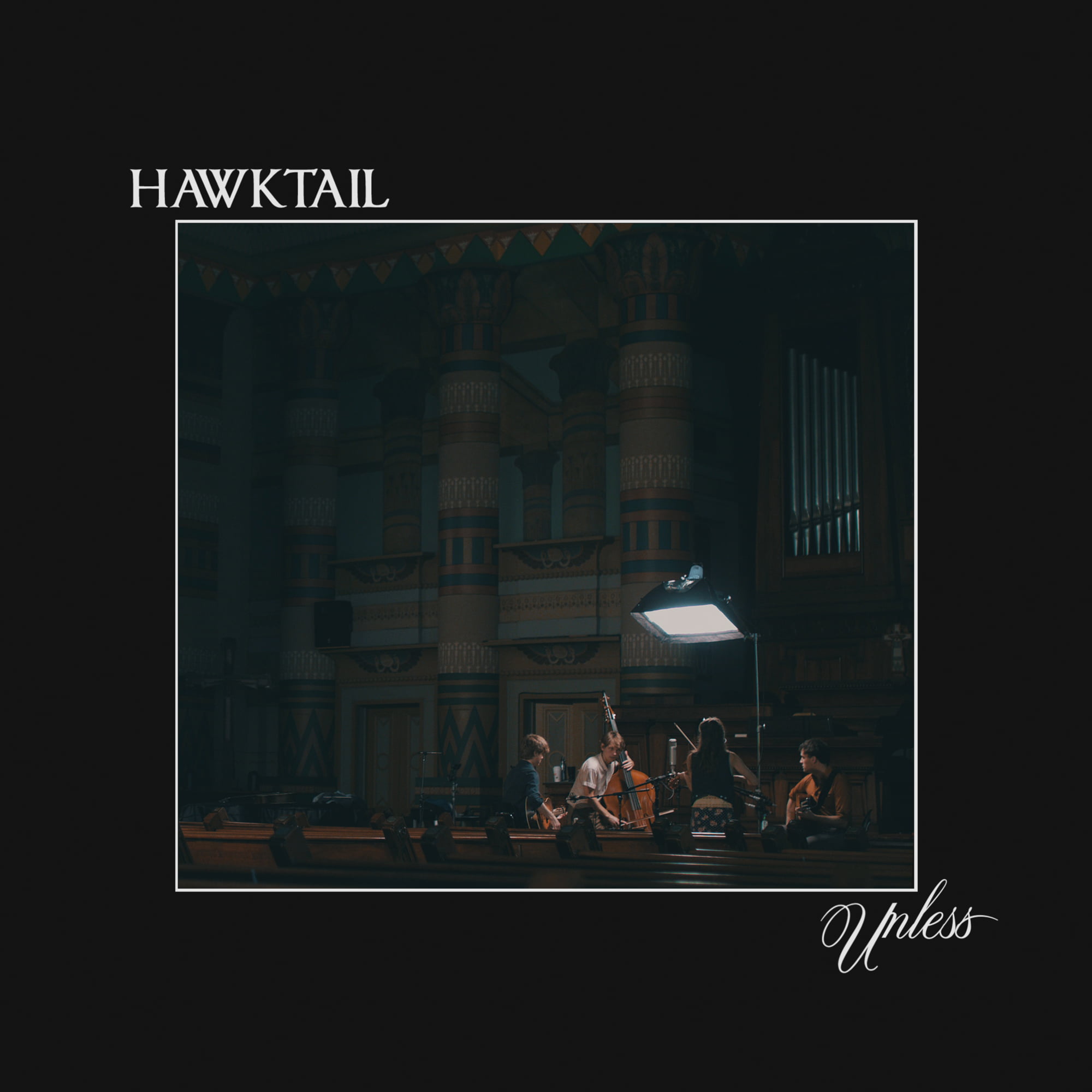
Not long ago, the bluegrass-meets-old-time-plus-chamber-music supertrio that consisted of fiddler Brittany Haas, bassist Paul Kowert, and guitarist Jordan Tice stopped simply billing themselves by their last names, added mandolinist Dominick Leslie to the fold, and renamed their outfit Hawktail. Their debut album, Unless, solidifies their status as a concrete ensemble — a grown, autonomous entity, more than just a collection of friends and string band experts who happen to enjoy playing tunes together here and there, when tour schedules allowed and stars aligned. Fortunately, that solidification was not predicated upon the elimination of the spontaneity, whimsy, and kineticism that shone through their picking as they grew from a pick-up band to an established trio to this, their current, matured form.

On “El Camino Pt. 2,” you can hear the live audience responding to this kineticism, watching in palpable awe while these four young paragons of acoustic music dialogue with each other. As they ebb and flow, rise and fall, they demonstrate to every listener that that feeling among the crowd, the exciting premonition that everything could, at any point, careen off the rails, is purposeful and under precise control. After all, this is one reason why old-time and bluegrass are so appealing: When you are in the presence of true virtuosos, players whose musicality transcend their instruments, quite literally anything can happen. The fact that Hawktail never forsake their exquisite taste, their sometimes quirky, funky, or nerdy personalities, their supremely traditional influences, or their penchant for everybody-hold-onto-your-hats fun while maintaining their deliberate, cohesive voice as an ensemble makes it even more adventuresome to follow wherever they may lead.

Traveler: Your Guide to Cumberland, MD

Cumberland, Maryland, is a mountain town tucked into the base of the Appalachian Mountains. It earned the nickname “the Gateway to the West” because of its location as a jumping off point to the western United States during the Gold Rush. It’s an artsy town with a healthy dose of a small town feel. One of our favorite artists takes over this mountainside town for four days every May for DelFest, started in honor of and in conjunction with the great Del McCoury. (If you are reading this, you know who he is, so I’ll spare you the storied history about his bluegrass career.)

Getting There

Nestled along the Potomac River, Cumberland is located in western Maryland. It’s a stone’s throw from both Pennsylvania and West Virginia, and right around two hours from Baltimore, D.C. and Pittsburgh. Airport options include Reagan, Dulles, Baltimore, and Pittsburgh. Amtrak also provides intercity service to Cumberland via the Capitol Limited rail line.

Where to Stay

If you’re attending DelFest, most people camp on the ample festival camping grounds or stay at area hotels. Airbnb and VRBO are also fruitful in the Cumberland area. If Cumberland is booked, try Lavelle or Frostburg for a short fest commute. Paw Paw is another town nearby which we know nothing about, but love the name. Please let us know if you visit.

What to Do

Allegany County Courthouse Tower. Photo credit: Preservation Maryland.

A mountain town at heart means trails on trails on trails are at your disposal in Cumberland. The Great Allegheny Passage is a seemingly daunting 135-mile hiking and biking trail connecting Cumberland with Duquesne, Pennsylvania. Hiking bits and pieces of the trail is perfectly acceptable, if you’re not up for the whole journey.

The Chesapeake & Ohio Canal National Historic Park boasts nearly 185 miles of biking and hiking trails with parks, camping, and historical structures along the way. Take the Western Maryland Scenic Railroad from Cumberland through the Allegheny Mountains for a fascinating adventure with mountain eye candy.

If you’re mainly a city dweller, Washington Street Historic District is a neighborhood in the southern part of the city which was once Fort Cumberland, serving as George Washington’s headquarters during the French and Indian Wars. It’s a playground for architecture and history nerds.

Yellow K Records

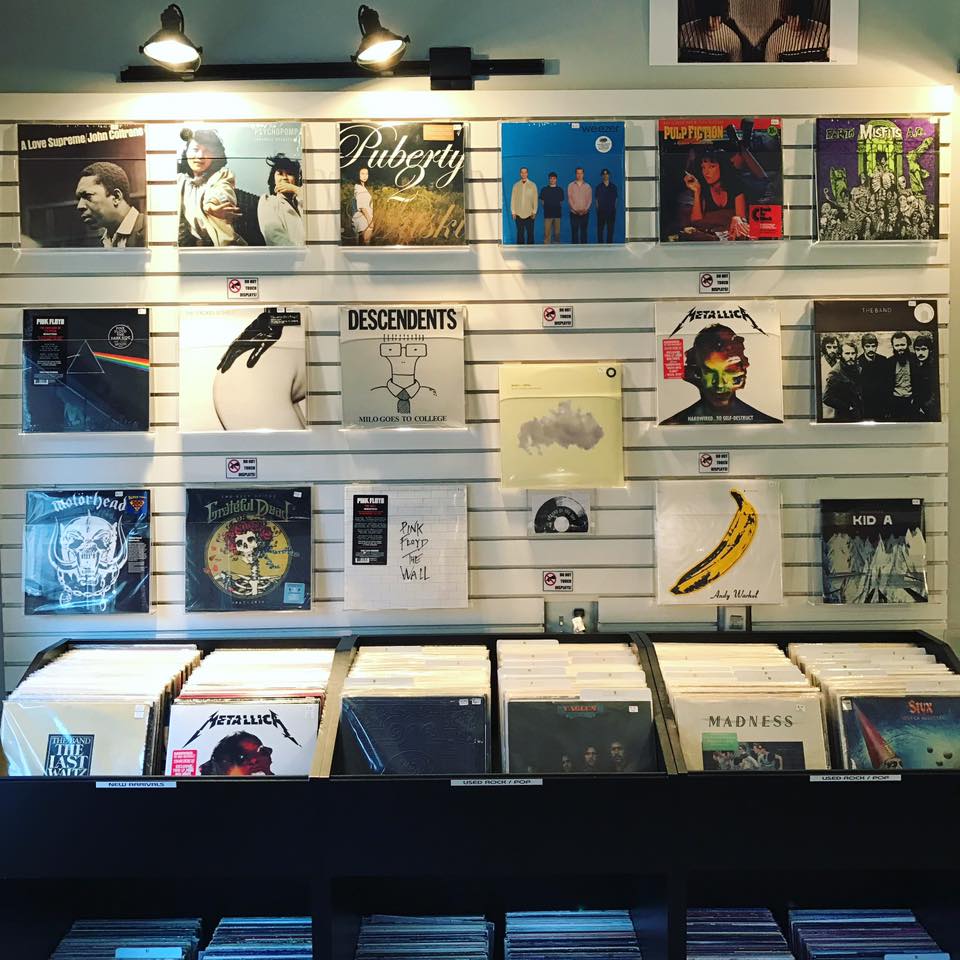
This rural town has a quaint arts and culture scene. The Cumberland Theatre is the town’s musical theatre go-to; Graphicus Atelier is a print-making studio and gallery dedicated to fine prints; and Dante’s hosts poetry slams. We’re also fans of Yellow K Records in downtown Frostburg for your new and used vinyl fix.

Eats & Drinks

Puccini’s Pizza

Puccini’s woodfired pizza is renowned in Cumberland, plus it’s in a converted Civil War hospital (which isn’t as creepy as it sounds).

El Jinte is an unsuspecting hole-in-the wall, serving affordable and authentic Mexican food. And Ristorante Ottaviani is another classic and fresh Italian spot offering wine tastings in town. For sushi, Thai, or Chinese, head to Jins Asian Cuisine and try their Shumai dumplings. For breakfast, head to Clatter Coffee in Frostburg for some of the best smoked trout around.

DelFest Tips

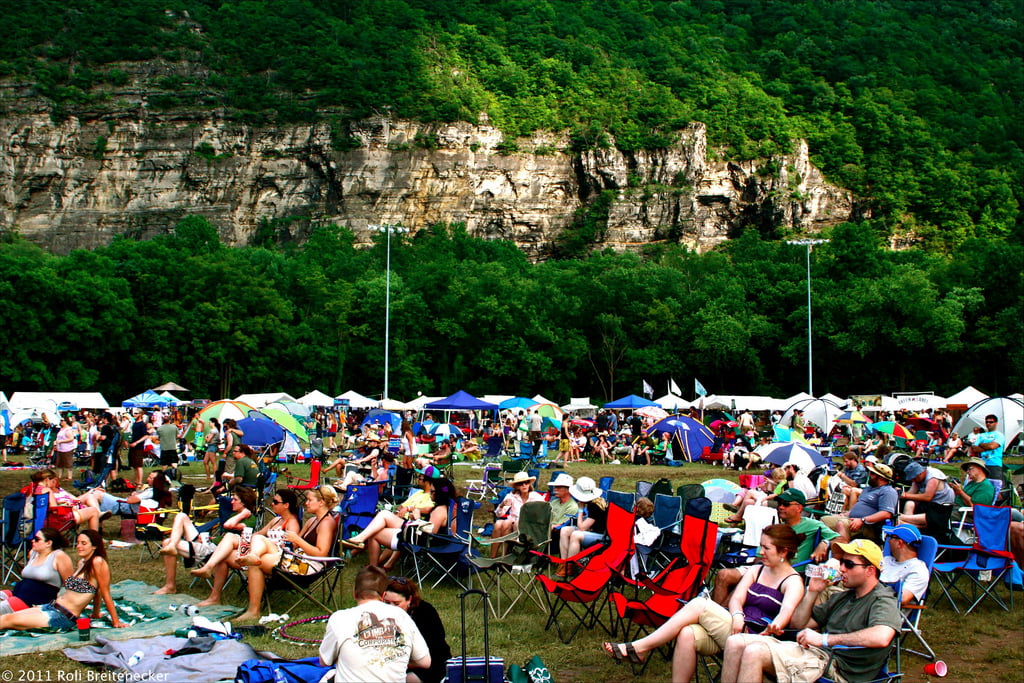
DelFest. Photo credit: Roli Breitenecker.

DelFest is held at the Allegany County Fairgrounds, nestled along the Potomac River. The festival celebrates the rich legacy of the McCoury family’s music, while helping fans discover new favorites. This isn’t a stuffy bluegrass festival, but instead one where you’ll see Del on stage with Trey Anastasio one hour and Junior Sisk the next.

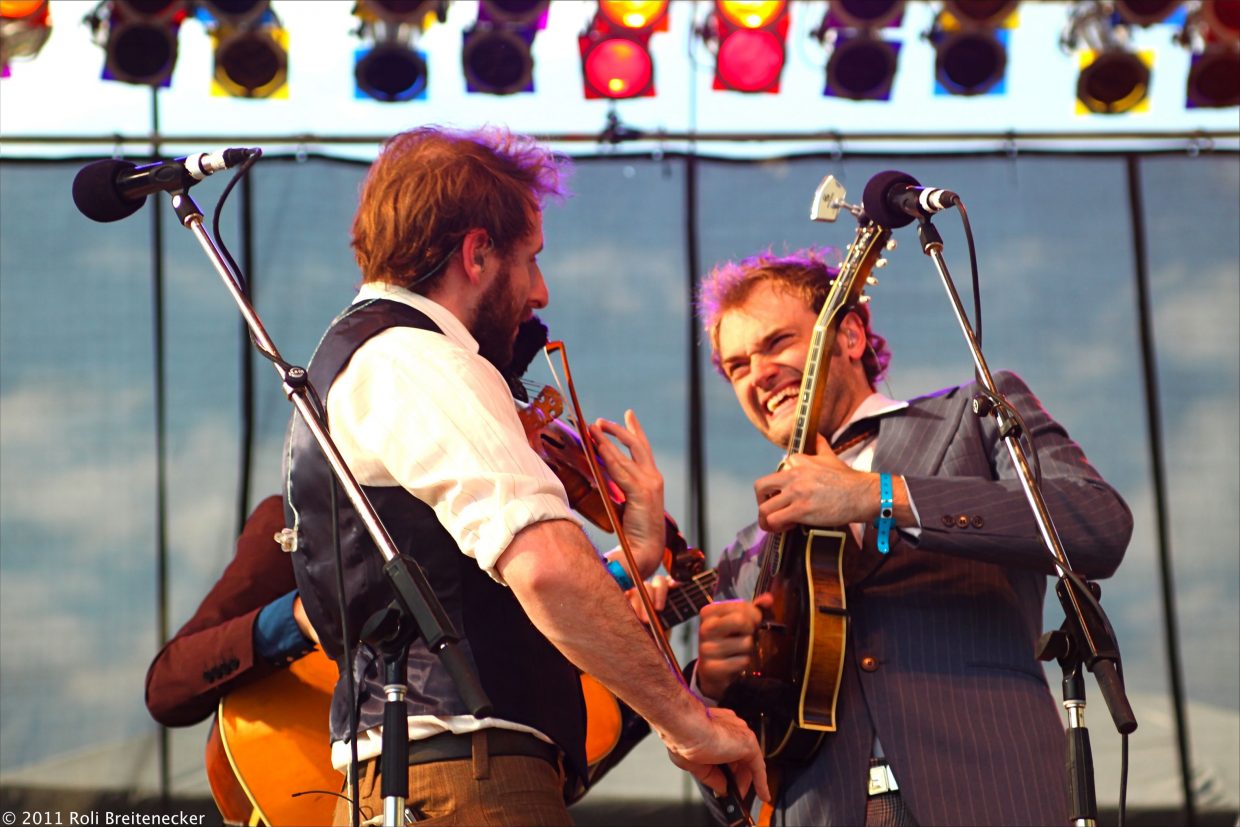
Punch Brothers. Photo credit: Roli Breitenecker.

In its 11th year, the lineup is more bluegrass than it has been in a while. On Saturday night, they are even holding Bluegrass Congress (the most productive Congress we can think of …) with Sam Bush, David Grisman, Béla Fleck, Ricky Skaggs, Bryan Sutton, Stuart Duncan, Jerry Douglas, and the Del McCoury Band holding court. DelFest is a jam band-influenced festival, so of course it has copious amounts of dancing, craft beer, and staying up into the wee hours of the night.


Lede image: The Great Allegheny Passage. Photo credit: Jbrown620 at English Wikipedia.

John Prine: The Difficulty of Forgiveness

In the days following the release of The Tree of Forgiveness, John Prine — the 71-year-old master song crafter, storyteller, and lover of a good meatloaf — had the best sales week of his decades-long career. His first album of originals since 2005’s Fair and Square, it’s a rare bit of triumph for the good guys — and for an artist like Prine, who has shaped our current musical climate in ways that are often beyond measure. Because, despite being one of the primary influences on Americana’s best and brightest — from Jason Isbell to Margo Price and Deer Tick — Prine’s never banked those platinum albums. Though 1991’s The Missing Years eventually sold around a half-million copies some 20 years after his self-titled debut, records, like the rest of human life, then went online: People stopped buying, and started streaming.

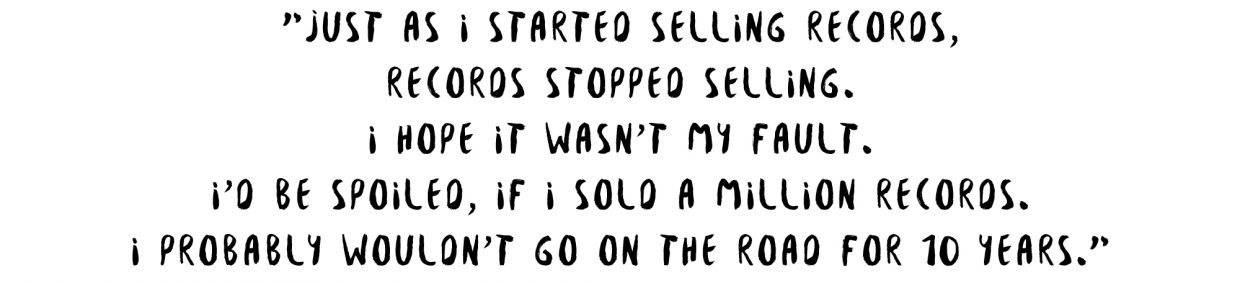
“Just as I started selling records, records stopped selling. I hope it wasn’t my fault,” Prine says, chuckling from his living room at home in Nashville. “I’d be spoiled, if I sold a million records. I probably wouldn’t go on the road for 10 years. But I don’t ever want to sell so many records that I have to do shows in a stadium. Stadiums are for sporting events: They’re not to watch a guy with a guitar come out and tell his story.”

He’s right, though if there’s anyone who could capture a stadium full of people with just an acoustic guitar and his heart-shaking stories, it would be Prine. The Tree of Forgiveness, an exquisite record that finds Prine looking at love, death, and the passage of time with humor, lightness, and his own quirky sort of grace, isn’t a set of arena rock barnburners (obviously). Instead, it’s touching moments of humanity that stick to the bones and linger in the mind, letting the imagination wander in exactly the direction that Prine wants it to … which is everywhere. Take “Summer’s End,” a nostalgic track if there ever was one, though it’s not explicitly clear for what — for summer, for a relationship, for life itself. “I could sell John Prine Kleenex with a song like that,” he says, laughing.

But it’s hard to be too sad about the end of life or love in Prine’s world, particularly life, if what happens next is as fun as “When I Get to Heaven,” the album’s closer. With Amanda Shires, Jason Isbell, and Brandi Carlile all chiming in on kazoo and vocals — all three appear across the Dave Cobb-produced LP — it details Prine’s perfect afterlife, where he can smoke again, post-cancer, hug his loved ones, and drink his signature cocktail, the Handsome Johnny, to his heart’s content. Like most of what Prine does, “When I Get to Heaven” is loaded with a potent combination of humor and vulnerability. Death is life’s biggest mystery, and Prine would rather solve that problem with lightness than exist in the dark, reality be damned. And Prine likes a good story as much as he likes (or doesn’t like) reality, anyway.

Prine’s own life story is a bit of rock ‘n’ roll lore: He grew up outside of Chicago in a mill town, and formed his songwriting voice after leaving the Army, writing between shifts as a mailman. But much of his signature finger-picking style and his artistic identity come from Kentucky, where his father hailed from, and which feeds the deep bluegrass presence within his songs.

Prine is equally important to Kentucky, too — and to Kentucky’s artists, like Kelsey Waldon, who will open select shows for him in the fall. “John Prine’s music is very special and significant to me,” says Waldon. “He brought together my country and bluegrass worlds, but with relevant and honest songwriting that I think would touch most any walk of life. As a Kentuckian, yes, of course his bluegrass roots make me proud. I have spent some time in Muhlenberg County, and I believe that’s where John learned to play, from his grandfather. That is the area where the great Merle Travis is from, and you can really hear a lot of Merle in John’s pickin’ style — that rhythmic thumb picking. The Everly Brothers and Bill Monroe are also from around the same area so, you know, it’s a lush environment for music. Something has always been in the water. I had heard in an interview that his daddy used to drill the kids that they were not only from Illinois, but also from Kentucky. So, I’d say the roots run deep.”

“I can never really lose those roots,” Prine says. “My family is a big part of my life. A lot of the older relatives are gone now, but I still have family in Kentucky, and I still go to my family reunions every year. Country and bluegrass have always been big influences on me and my music. I still listen to that music.”

Prine listens to a lot of Isbell and Shires, too, and Sturgill Simpson, a fellow Kentucky native with whom he shares a songwriting office — which has never actually been used for any songwriting. Prine stores a big pool table there and, besides, they can’t give it up. Producer/engineer Dave Ferguson uses the space next door, and he likes to smoke there, so Prine and Simpson hold on to it so a new tenant doesn’t put the kibosh on the stogies. “Friendship and cigarettes,” Prine says.

“I would love Sturgill if he was from New York City,” says Prine, “but he is from Kentucky, and I love that he respects and cherishes those roots as I do. He and I both come from the same long line of country-folk-bluegrass guitar-playing musicians. I learned to fingerpick by listening to Elizabeth Cotton and musicians in our tradition. We are all still playing and writing about stuff we know.”

One of the reasons that Prine’s songs are so impactful is how they balance what he knows and what he doesn’t — the mysteries of life, its frustrations, and unknowns. On The Tree of Forgiveness, recorded at RCA Studio A, he’s thinking a lot about forgiveness, itself, and what it means to be kind, something that resonates loud and clear in the Trump era. Prine didn’t write explicitly political songs on this record, but that simple act of forgiveness and kindness is political, in and of itself, in 2018 — a concept that other country and folk singers, like Kacey Musgraves and Courtney Marie Andrews, have also explored on their recent albums.

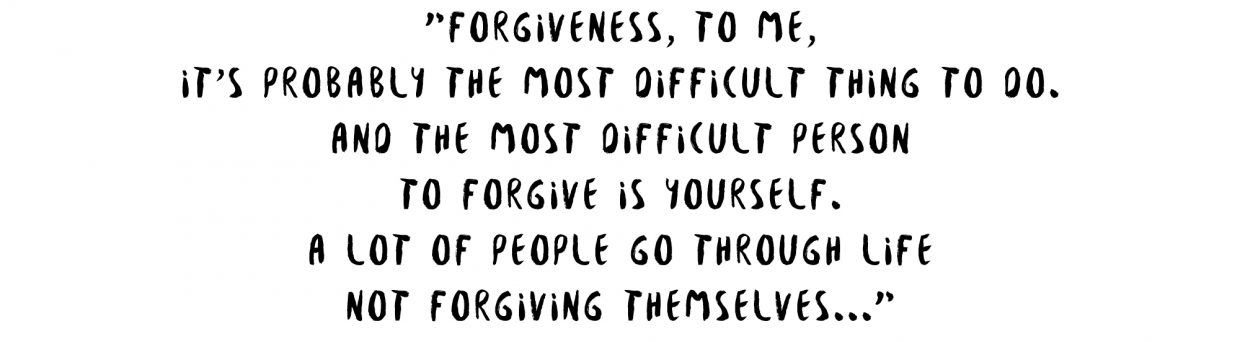
“Forgiveness, to me, it’s probably the most difficult thing to do,” Prine says. “And the most difficult person to forgive is yourself. A lot of people go through life not forgiving themselves for short-selling something, or paying enough attention to kids or parents, not looking after them when they get old. But the most difficult thing is to forgive yourself.”

Prine’s songs include so much permission to forgive ourselves for being imperfect, for acknowledging that we can love our weaknesses as much as our strengths, and for being content with our priorities, however skewed they may be. Some of Prine’s personal priorities are songs, a good meatloaf, and friends and family. His record label, Oh Boy, is a family affair, with his wife and manager Fiona running things with their son, Jody Whelan. When he’s not touring or playing with his grandkids, he’s writing with friends like Dan Auerbach, who appears on the record, and Pat McLaughlin, or seeing shows around town. He recently checked out the I’m With Her gig at the Station Inn in Nashville. “His support is incredibly meaningful,” says Sara Watkins, who could see he him bopping along from the stage.

“The longer I live in Nashville, I only co-write with friends,” says Prine. “Because, if you spend an afternoon together and you don’t write a song, at least you get to hang out.” For one of The Tree of Forgiveness‘s tracks — “Egg & Daughter Nite, Lincoln Nebraska, 1967 (Crazy Bone)” — Prine and McLaughlin were writing together on a Tuesday (“meatloaf day, that’s our carrot on a stick”) and Prine brought up a story about how he’d heard of farmers taking their daughters to town in order to pawn them off for marriage — which he’d heard jokingly referred to as “egg and daughter night.” Naturally, this gave Prine a good laugh. And an idea.

Prine didn’t think it was a real thing, though (according to Google, apparently, it is), but they wrote the song anyway. “We didn’t think it was about the truth and, when you aren’t writing about the truth,” he says, “the world is your oyster.”


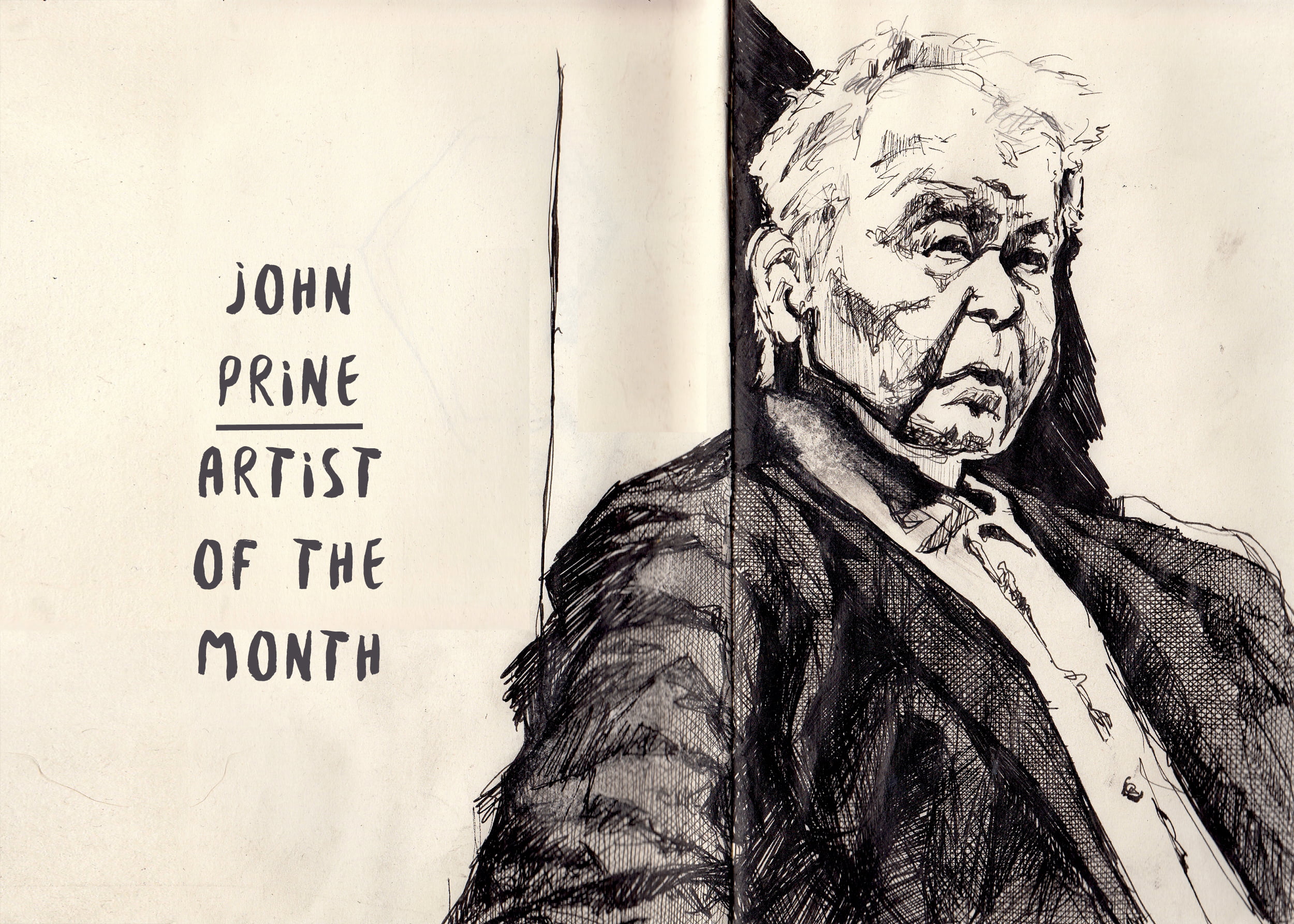
Illustration by Zachary Johnson

Ashley Campbell, ‘Carl & Ashley’s Breakdown’

Bluegrass music has a lot of rules — spoken, unspoken, inferred, implied. These rules can make the genre a veritable minefield to tiptoe through as an artist or creator inspired by it. For singer/songwriter and banjoist Ashley Campbell, the expectations must be even more intense, with a father as beloved and critically acclaimed as Glen Campbell and a godfather, Carl Jackson, who is a bluegrass, country, songwriting, pickin’ legend unto himself.

The beauty of “Carl & Ashley’s Breakdown,” the sole instrumental on Campbell’s forthcoming debut album, The Lonely One, is that it subverts all of these rules and expectations, all at once. For a tune described as a “breakdown,” the tempo lays back, letting the picking shine for its precision, rather than just speed and freneticism. Intermittently, when the rhythm is broken down for another jammy solo, we get the wordplay in the title. Whether she’s referencing licks directly from Earl Scruggs or melodic ideas that remind of Béla Fleck’s iconic albums Drive and The Bluegrass Sessions: Tales from the Acoustic Planet, the banjo is central here, purposefully driving the band forward. There are flavors of country & western, new acoustic instrumentals, Tony Trischka-esque melodic picking, and just a dash of wonky, gritty funk. On a record mostly populated by manicured, crisp, pop-influenced country songs, “Carl & Ashley’s Breakdown” is Campbell’s subtle nod to the fact that not only does she know bluegrass rules, she knows just how to break them.

Nefesh Mountain: From the Inside Out

In bluegrass, rags-to-riches stories are revered and glamorized, strong personal convictions are lauded, off-stage legends of wit and badassery are currency, and a sharp suit (rhinestones optional) and western hat speak volumes. There’s a notable correlation between the success of the genre’s greats and the presence of their personalities, perspectives, and stories throughout their art. The relatability, accessibility, and appeal of their songs can often be attributed not only to the level of talent, but also to the boldness with which their true selves are communicated, musically, to an audience. Roots music fans have always been hungry for indicators of an artist’s authenticity — a way to winnow out the performative, commercial aspects intrinsic to the recording industry and leave just the juiciest nuggets of “real life.”

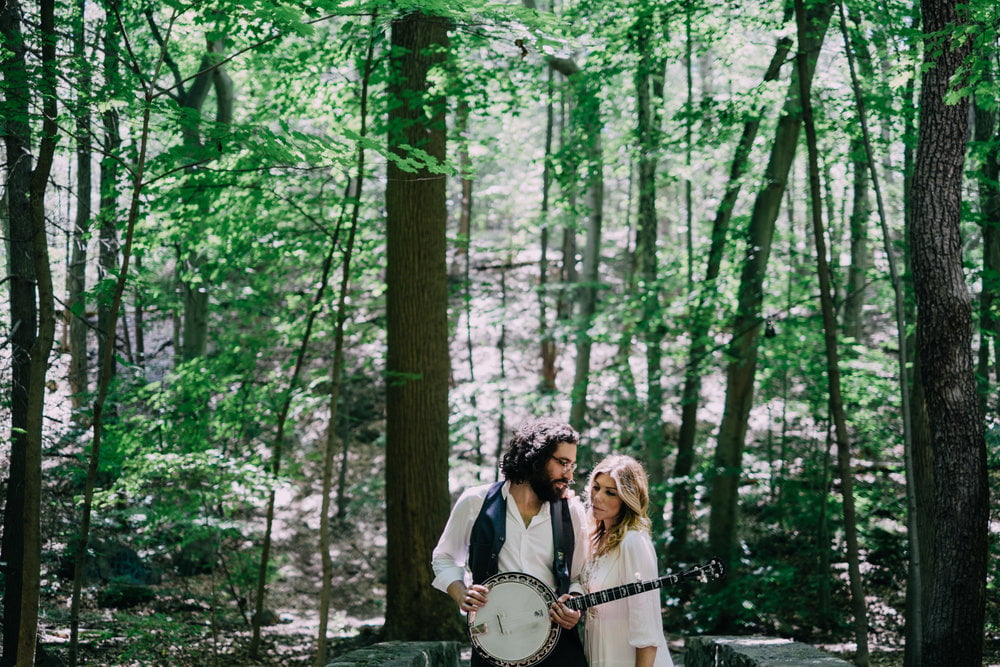
Attempting to follow in that tradition and feed that hunger is Nefesh Mountain. Partners Eric Lindberg and Doni Zasloff want nothing more than to have the lens of their entire identities filtered through their brand of crisp, refined, and timeless bluegrass in myriad ways — tangible or intangible. Overtly, we hear this perspective in vocals sung in Hebrew, lyrical hooks derived from Jewish sayings, and a grassy cover of Irving Berlin’s “Russian Lullaby.” Deeper, more subliminally, we find that the themes of family bonds, a love for home, a respect for nature, and prayers for peace and empathy comforting our ears also stem from their Jewish background. But the specificity of this origin point is neither alienating or confusing. Rather, it reinforces two truths about this music: Bluegrass is for everyone, and bluegrass is indeed better when the people who make it shine brightly throughout it.

So many different folks from so many different backgrounds have analogous stories of how they come into roots music. What is it about bluegrass, old-time, and these more vernacular forms of roots music that allows the heart and soul of the music to effortlessly intertwine and weave itself into any background, experience, or personal story?

Eric Lindberg: That’s such a good question and something I think about all the time. I think that folk music — you could use “folk” or “roots music” — is synonymous with bluegrass nowadays. It’s all under that same umbrella. When I hear folk music from anywhere, it seems to be the music that translates in a spiritual sense or, for some people, a religious sense — which isn’t exactly where we’re coming from — or, as a general function of society, as a storytelling vehicle.

When I see and hear music from China, or Eastern Europe, or Australia, or Ireland, there’s kind of a pentatonic or maybe diatonic, very simple matrix of melody that has that high lonesome sound. There’s a certain thing about bluegrass that feels American to me; it connects me to our country. The way that the melody lilts connects me to the mountains, to the trees, and the things that I feel are undeniably true in the world. It speaks to my soul, as a human being.

As we’ve played our music infused with our Jewish background through the years, Doni and I have gotten in touch with our own hearts and our own worlds, breaking down the barriers between anybody or anything. It’s been really exciting to live this way — where we’re all humans. We’re living, breathing things, and we all just want … well, we don’t all, unfortunately, but the people that I know just want to put more love out there. Most of humanity is good, in that sense. Folk music has a way of bringing that out, and bluegrass, specifically, has this way of embracing nature, the beauties of the world, and also the beauties of humanity: feelings, friendship, love.

On your record, those themes might be assumed to be simply, overtly Jewish, but they do fit uncannily within the working language of bluegrass. The parallels are there. I wonder if you feel audiences relate to your music because they already feel these parallels, perhaps not from a cultural Jewish background, but from their own perspectives. Are you seeing that connection happen?

Doni Zasloff: That’s exactly what is happening, and it brings us almost to tears because it’s so moving. After a show, we’ll go into the audience, and it’s so many people of so many different backgrounds. That’s what’s happening with this music, and I don’t even have words to express the gratitude that I feel that it could do that.

Yes, the point is that we’re singing about love. We’re singing about friendship. We’re singing about these universal themes. That’s why we’re singing about them. The little bit of Hebrew in it is our background — it’s so cool to listen to music with different languages threaded into it. It’s a cultural expression.

EL: When we sing Hebrew, we’re celebrating our culture and our heritage. I was talking with Jerry Douglas, during the [recording] sessions, about the Transatlantic Sessions that he’s been leading and a part of for so long, and about how much that’s influenced me. The Scottish-Irish music they create is sung in these ancient kind of Scottish/Gaelic tongues, and it’s never been a barrier to me. I listen to that on repeat.

DZ: To your point, the message is something that we know all people can relate to. On one of the songs, “The Narrow Bridge,” we sing an old saying from the 1800s: “The whole world is a narrow bridge, and the important thing is to not be afraid.” We thought it was a beautiful, poetic saying. We turned it into a story and a song relating to the world right now and how it feels troubled and divided.

I love the lyric in that song, “From the cracks of a barren land, a beauty grows unplanned.” I feel like that’s what roots music is poised to accomplish, especially when it’s dedicated to the idea that we can come from different backgrounds, experience life, and be human with empathy and understanding for stories and experiences that might seem ultra-specific and somewhat forbidding. Have you tried to make what you do more relatable for that purpose? Or does it just work if you put it out into the universe as is?

EL: I think, on the one hand, it works if you just put it out into the universe, but we’re really careful what we put out. Well, not careful, but we really want to write songs that are universal. I think that’s something about folk music — it is universal. It goes back to that thought that we’re all people. There are certain things that we can all embrace and rejoice in about life, in general, while also coming at it from our own different places and different flavors. Like food, it’s a universal thing, but sometimes I want sushi and sometimes I want Mexican. We all have cultures — and beautiful cultures — but they’re better all celebrated in the mix together.

DZ: The magic of bluegrass and old-time music, for us, is that it’s been a way to break down some people’s perceptions. We’re Jewish Americans. This is who we are. I’ve lived here all my life. My mother lived here all her life, and my grandmother came from Poland. I think to be doing “Jewish bluegrass,” we’re quite literally being authentic to what we know and who we are. A lot of people will immediately try to stereotype Jewish music as klezmer music, even when say we play this music they’ll say, “Oh, are you like, klezmer-y?” No! We’re not. Yes, my great-grandmother lived in Poland, but I don’t, so that’s not authentic to me.

You’re making melting-pot music.

DZ: Right. And this is who I am.

EL: Jewish people are an interesting bunch of folks. Throughout all the years of this world, Jewish people have lived in all these places of the world: Eastern Europe, Spanish-speaking countries, South America — we’ve kind of moved all over the place. Historically, we’ve made music in all these different places where Jews have put down roots. In Eastern Europe, what we know as the branded Jewish music is klezmer and that’s because that’s where they lived! Klezmer is actually more of an Eastern European sound than a Jewish sound. For me, it’s interesting that Jewish people have lived in this country for centuries, but we haven’t played these American forms.

I want to shift gears a little bit. In my experience, being gay in bluegrass, if I boil my identity down to just those two communities, I find myself on the margins of both. Gays don’t know what to do with a gay who plays banjo, and bluegrass doesn’t know what to do with a gay who plays banjo. So I wondered … you exist in a very small overlap of the Venn diagram of Jewish identities and bluegrass. Do you feel the tension of being on the fringes of both of those communities?

EL: I do. I totally do. Hearing you talk about it makes me feel for you, because I live in a world — in my own head, and I want the world to be this way — where there are no barriers or lines between people. I was born in Brooklyn to be this Jewish American kid who happened to fall in love with bluegrass music. A lot of that was because my father actually converted to Judaism before I was born. My dad’s side of the family, who aren’t Jewish, all used to live in rural Georgia, and we’d go down there for weeks at a time, when I was a kid, being in the heartland, in Appalachia. With the make-up of who I am — whether it’s my experiences, where I was born, or the kind of melodies that I like — I can’t help but be a Jewish bluegrass musician. That’s just the truth. I think the world’s going to have to catch up to that. Just like you have to blaze your trail — which you are doing — Doni and I have to create, for lack of a better word, a genre around this music, because there’s no textbook for it.

That’s interesting, because in bluegrass, Jewish folks are one of very few marginalized, minority identities that actually have had ongoing, historical representation. From folks like Ralph Rinzler to Andy Statman to Jerry Wicentowski — how do you feel your music connects to that Jewish heritage within bluegrass? Or does it at all?

EL: I love Andy Statman. He’s a master klezmer musician and, obviously, a master on the mandolin. He changed the mandolin game around when Tony Trischka was changing the banjo game back in the ‘70s or earlier. Béla Fleck, by his heritage, is Jewish. Noam Pikelny is Jewish — and I’m not trying to out them in any way — and David Grisman. I mean, I’ve had so many heroes in the bluegrass world and whether they were Jewish or not has had no bearing on that. I’ve always found it interesting, actually, that so many Jews could record gospel music. I’ve always wondered about it with my big heroes. Like David Grisman … how did that work for him?

I think that, over the years, and especially since World War II, Jews in this country have been very silent about who they are, whether or not they’re religious with their Judaism, or just culturally. The biggest case, I think, is Bob Dylan who, in the end, converted away from Judaism, but who is obviously the biggest troubadour and songwriter of our time. He grew up as a Jew in the Midwest. When he moved to New York, he basically copied Woody Guthrie, a very non-Jewish persona. Jews have a hard time dealing with the events of World War II. I don’t have it totally worked out, but there’s something in there.

DZ: And I think that people with Jewish identities have been comfortable being the comedians, and it’s different for a Jewish person to come out and be very authentic. There has been some Jewish bluegrass in the past, but it has all been kind of comedic and not quite the same as us coming from a really soulful place, trying to speak to who we are, own it, share it, and take a different approach.

To get back to this prior question: Do you feel like you have looked to that representation of other people with Jewish identities in bluegrass as an influence? Does your music build on it and expound on it, or do you feel like you’re coming from a different place? A different artistic impetus?

EL: I feel the latter. We’re coming from a different place. I was really only influenced by Andy Statman, personally, and it wasn’t in a Jewish way. I have listened to his klezmer music, but that hasn’t had any effect on my own bluegrass music.

I guess I just wanted to feel out if you thought you were on the same family tree as that tradition, or if you felt you two had planted your own sapling. It sounds like you feel like you have your own sapling growing, which is not a qualitative judgement. I’m not saying you should be one or the other.

DZ: I think that we are just deeply inspired by music. All of our heroes, you know, that’s where the inspiration came. We are just trying to be authentic to the expression of the music that we are so inspired by — like Béla Fleck, and all of the guys on the record. We just make honest music and we’re super inspired by other people who do that.

EL: To sum it up, we didn’t set out to be the first ones, but it kind of weirdly happened this way for us. Nobody has ever recorded any sort of spiritual or Jewish heritage [influenced] bluegrass music of their own making. Either I haven’t heard it, it’s been infused with some sort of klezmer, or it’s been something like a Jew doing a cover of a bluegrass song or a song with Bill Monroe. There have been so many beautiful bluegrass songs that I’ve played through the years — all the Bill Monroe, the Flatt & Scruggs, the Stanley Brothers, all the way through Tony Rice, Jerry Douglas, and Béla. I feel like I’m standing more on their shoulders, in terms of the music. I feel like we’re a separate thing.

DZ: Our story is that we fell in love when we were doing this — it’s our love story. It came from falling in love and being vulnerable. We always say this is our baby, this is our life. It came so much from inside of us. We had no plan. We were just falling in love and being authentic with each other. It just happened.
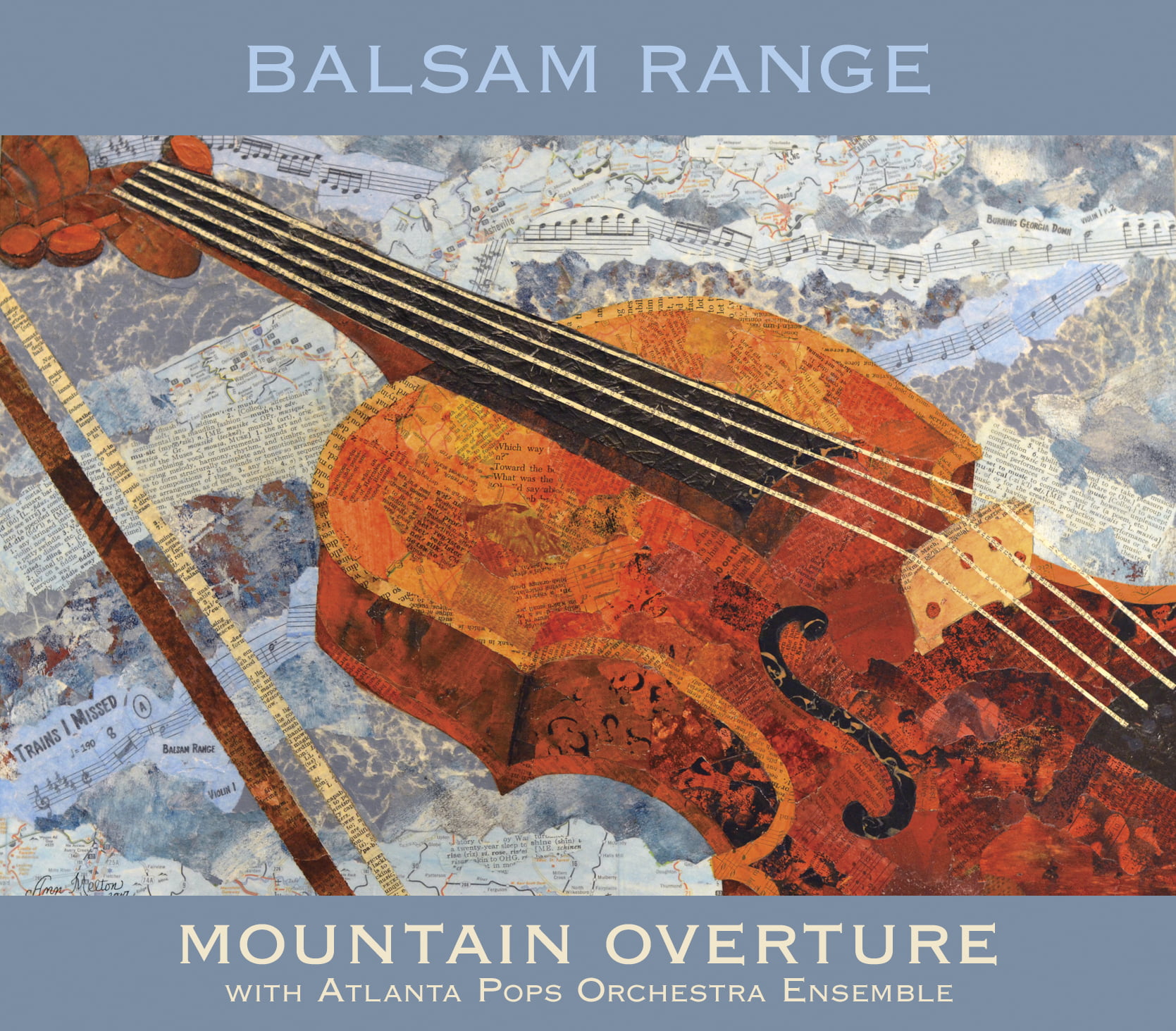
STREAM: Balsam Range with Atlanta Pops Orchestra Ensemble, ‘Mountain Overture’

Artist: Balsam Range with Atlanta Pops Orchestra Ensemble
Hometown: Haywood County, NC
Album: Mountain Overture
Release Date: April 27, 2018
Label: Mountain Home Music Company

In Their Words: “It’s amazing to see what these songs, which were pretty good to start with, have become when the orchestra joined us. The interface between an orchestra and a bluegrass band has been seamless for us. It’s just a powerful sound!” — Tim Surrett

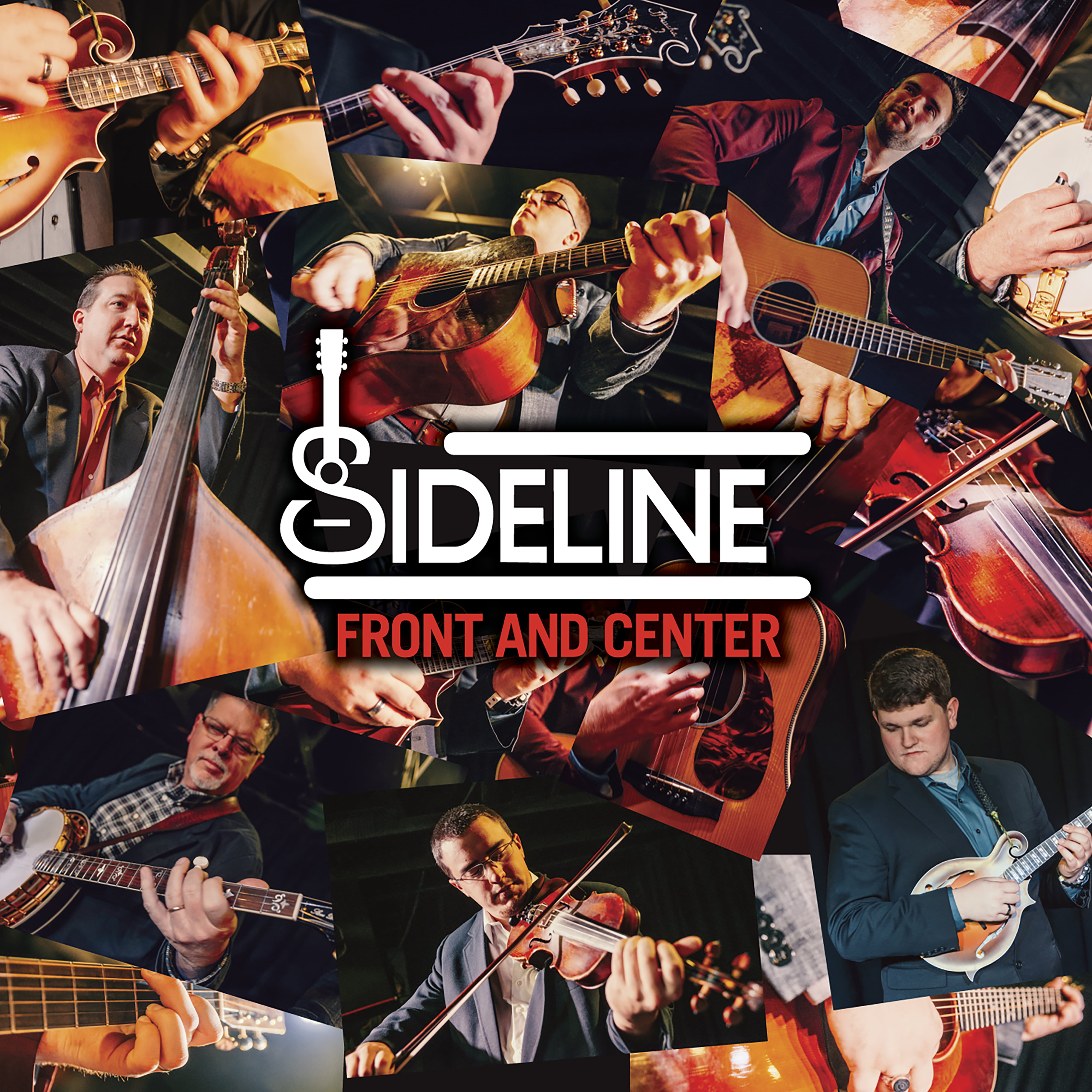
STREAM: Sideline, ‘Front and Center’

Artist: Sideline
Hometown: Raleigh, NC
Album: Front and Center
Release Date: April 27, 2018
Label: Mountain Home Records

In Their Words: “This was our first time working with a producer. Tim Surrett was so great to work with, and I think that it shows in this record. He wanted to get the energy that we have in our live shows, and that is exactly what he did. We wanted to have a good mix of up-tempo drivin’ songs, medium, and slow songs, and, for the first time, we recorded an instrumental — ‘Cotton Eyed Joe.'” — Steve Dilling

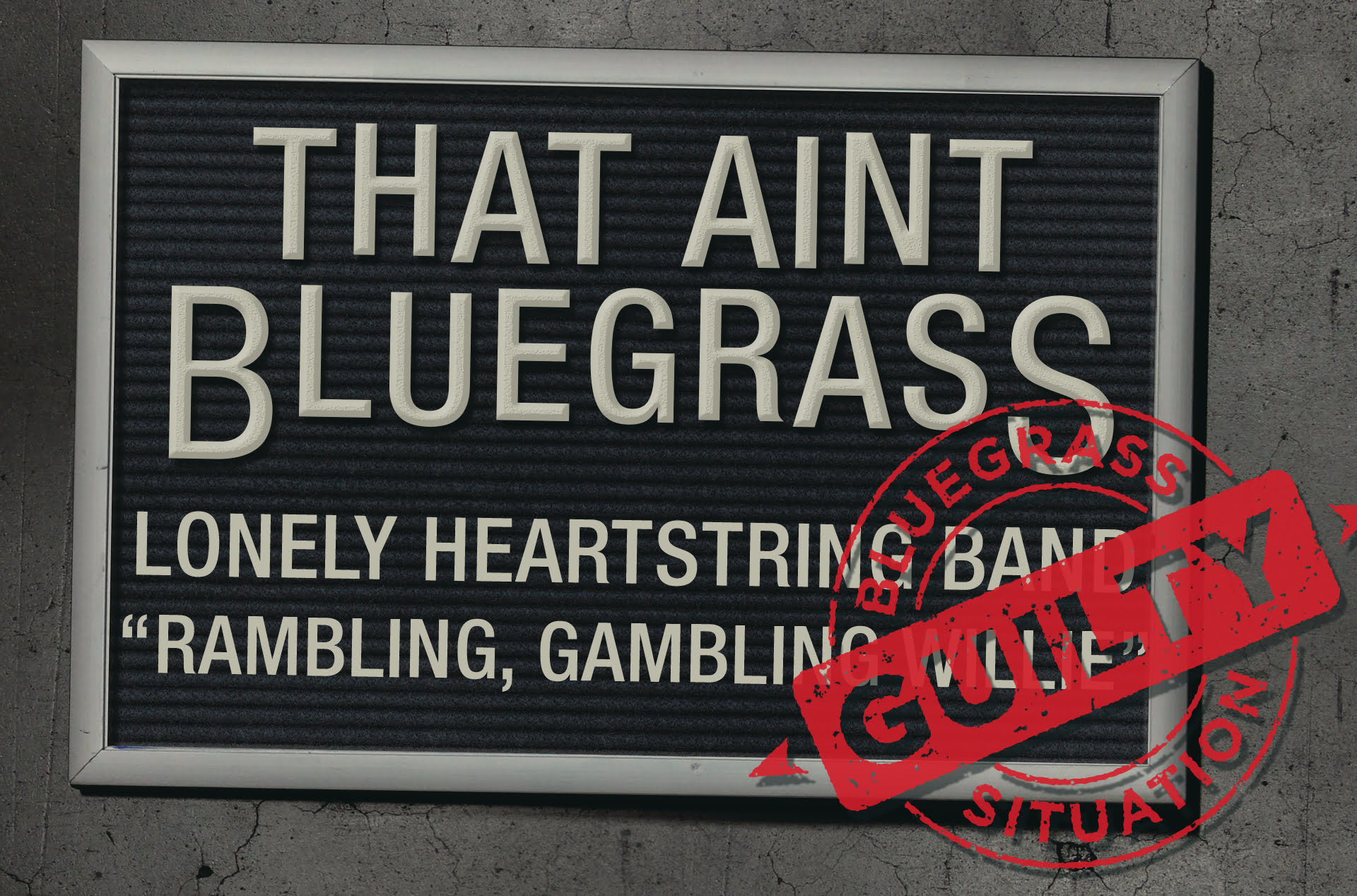
That Ain’t Bluegrass: Lonely Heartstring Band

Artist: Lonely Heartstring Band
Song: “Rambling, Gambling Willie” (originally by Bob Dylan)
Album: Deep Waters

Where did you first hear “Rambling, Gambling Willie?”

Patrick M’Gonigle: Matt [Witler] actually found the song. It was released probably seven or eight years ago now, as part of The Witmark Demos — a set of outtakes from when Bob Dylan recorded The Freewheelin’ sessions. He released a whole bunch of other music from that session. I think it was Matt that thought it would make a cool bluegrass song.

We actually have an interesting side note about that: We had a guy come to a show a couple of years ago and we played that song, introducing it as a song that didn’t make The Freewheelin’ Bob Dylan record. The guy said he went home very confused. He had The Freewheelin’ Bob Dylan album, and he said, “I grew up listening to that record. I know that song intimately. And I never had The Witmark Demos. So I don’t get this.” When he found his copy and looked at the track order, sure enough “Rambling, Gambling” was not on the track order. Then he put the record on and “Rambling, Gambling” was on it! He had one of a very small handful of misprints of the stereo version of that record, and it’s worth a ton of money.

I thought this was going to be a Mandela Effect kind of thing!

It was actually on there!

The title of the song almost answers this question, but what made you all think this would make a good bluegrass song?

It’s got a great, classic chord progression. Also, the timing of the words allowed us to speed it up and have it work. A lot of songs, you speed them up, and the words just become insane or crunched together. The song itself, the words are at a slower pace, so when we sped it up, they totally fit. It’s super fun to play on as a soloist. It had all of the elements. We did the same thing recently with a song that we learned from Willie Nelson. If we hear [three-chord] songs that are slow, but also have a slow word flow, they lend themselves to this. “Rambling, Gambling Willie” was our first experiment with that.

What was your process of arranging the song and putting it together?

It was a few years ago now. When we sped it up, the verses ended up being quite short. There are a lot of them — I think the original version has maybe eight or nine verses. We chose six of them. We chose the ones that told the story cohesively. We cut a bunch of them, and we realized, because we were speeding it up, it didn’t make sense to do verse-chorus-solo. So we did two verse-choruses in a row between solos, which kind of acted as one verse.

The other thing we did, when we worked up the harmonies on the first chorus of each pair, we would do a low harmony and, the second one, we’d do a high harmony, so it would still have kind of an arc over the two verses. One of our favorite, one of our most popular bluegrass songs when we arranged that song was “Born to Be with You” by J.D. Crowe and the New South, which we still play. That has a really cool arrangement style where the banjo finishes every break. We applied that to this song, too. When it gets to the chorus parts, because we would solo over verse-chorus, Gabe [Hirshfeld] on the banjo would always solo over the chorus part.

Bluegrass has always had this tradition of reworking and revamping songs from outside of bluegrass since the very beginning. Why do you think this still happens?

I feel like there are several answers to that. For us, we love — in terms of traditional bluegrass sounds — J.D. Crowe and the New South. J.D. is a great example of someone who does that. Like the song “Born to Be with You,” that’s a ‘50s doo-wop song by the Chordettes. The original sounds nothing like what J.D did with it.

Also, I think a lot of the bluegrass themes are pretty constant throughout bluegrass. We have a banter joke on stage that there are only like six themes in bluegrass: heartbreak, drinking or making alcohol, trains, God, and death. In pop music, especially folk revival — ‘60s, ‘70s pop music — there was a kind of poetic awakening and there was a lot more content. That’s one answer: You can talk about more complex themes.

Then, on the other hand, it’s just natural. Especially in this day and age, when there’s so much good music happening all over the place, if you grow up listening to the radio, it’s not just the Grand Ole Opry anymore. Everyone’s listening to everything.

You know that ain’t bluegrass, right?

Whatever, man. [Laughs] In our band, it’s different for everyone, but I think, in general, I see the term “bluegrass” as either a help or a hindrance. It’s a double-edged sword. On the one hand, sure, it’s bluegrass. In my opinion, bluegrass is whatever anyone wants to call bluegrass. I’m not concerned with it. Maybe it’s not traditional bluegrass, if you define traditional bluegrass as anything that happened before 1953 or whenever. I don’t feel like it’s constructive, especially in our band, to talk about what is or isn’t bluegrass. To us, that song is bluegrass because we’re taking pentatonic solos over essentially a 1-4-5 [chord progression,] the mandolin is chopping, the banjo is rolling, and we have three-part harmony that’s stacked in thirds. That’s awfully bluegrass, if you break it down as a specific musical form.

If you start trying to define what bluegrass means to us, it can start holding us back, because we can easily decide that nothing is bluegrass. I think it’s better for everyone, especially touring, performing musicians who are trying to expand their markets, trying to talk about diversity, or any sort of expansion, because if you start putting labels on whatever bluegrass is, the conversation is over pretty quickly. Everyone has a different idea.

But, at the same time, bluegrass as a positive aesthetic is really powerful. Bringing in the imagery of traditional bluegrass, in a good way, to any sort of music, incorporated into any of those styles can be super awesome. People can immediately conjure some sort of nostalgic, rural, aesthetic. Those are powerful aesthetics that are very popular in American culture. That’s the double-edged sword, to us.

Ken Irwin had a very interesting thing to say to us after we played at Pemi Valley Bluegrass Festival in New Hampshire — that’s a pretty traditional festival. We were up there playing our music, but at that point, we were probably playing more of the Flatt & Scruggs and Bluegrass Album Band kind of stuff. I kept saying, “Here’s one of our songs” and then, “Here’s a traditional bluegrass song.” Ken pointed out that, if we say that, people will start putting those divisions in their own minds about our music. If the audience loves traditional bluegrass and they want to call our music “bluegrass,” then we should let them. But as soon as we start saying what is or isn’t bluegrass from stage, we might be steering someone’s opinions in directions they wouldn’t otherwise go.