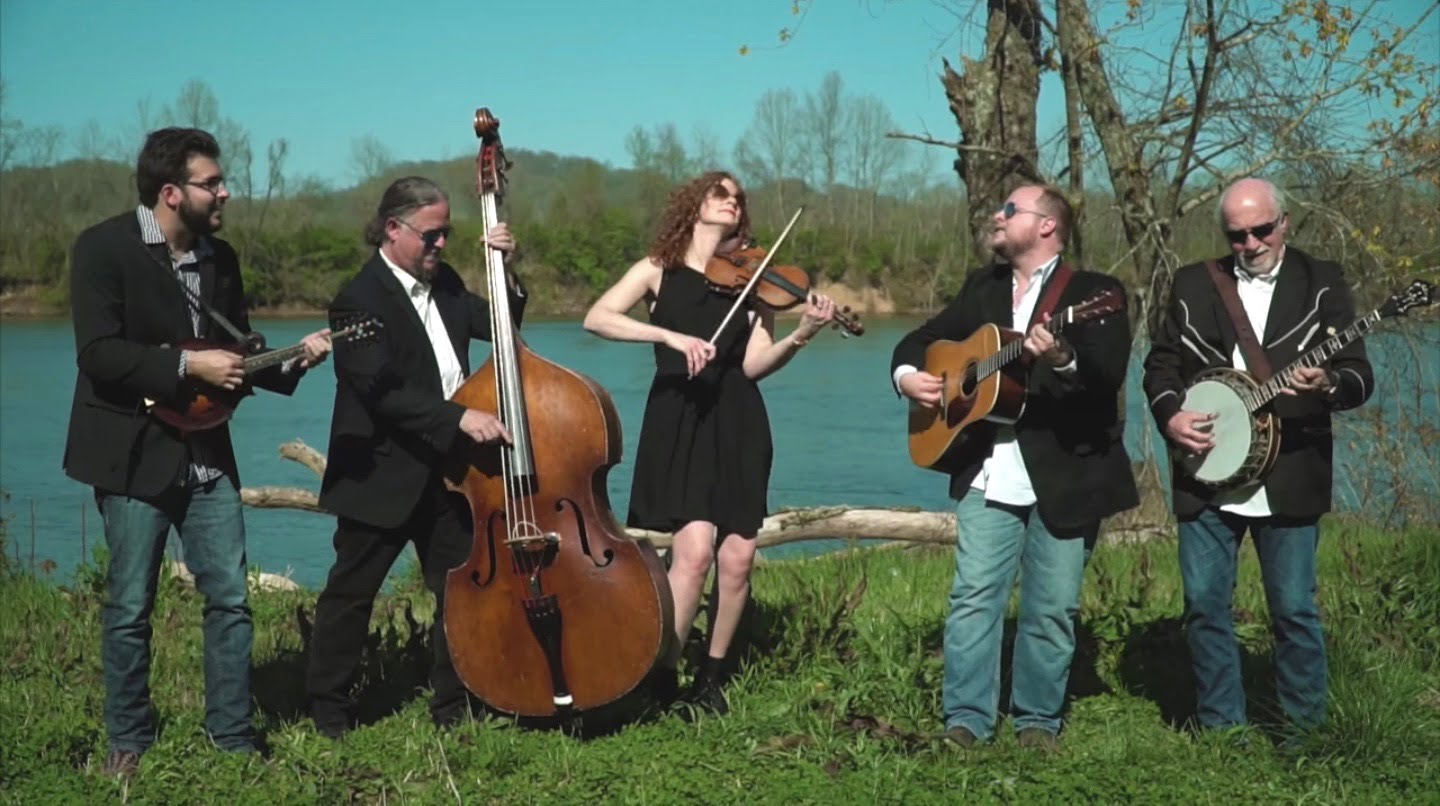
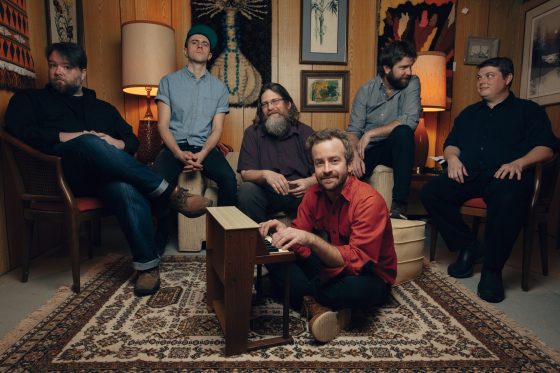
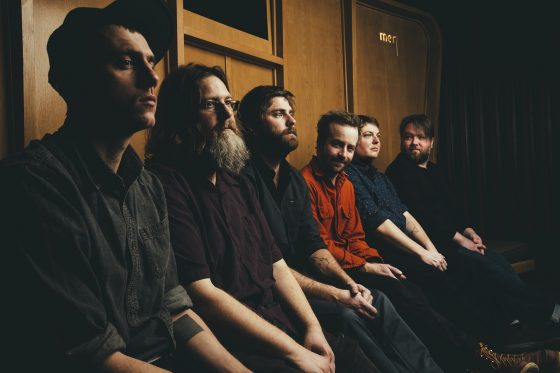
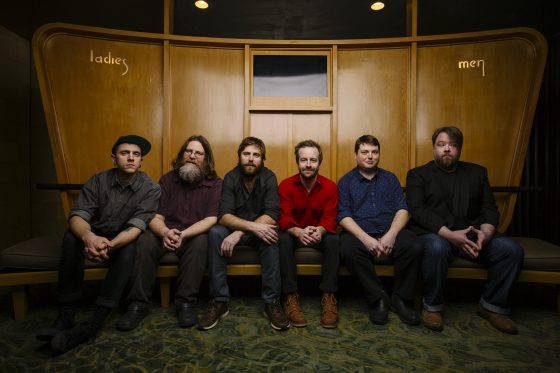
LISTEN: 10 String Symphony, ‘The Ballad of Bruno’

Artist: 10 String Symphony
Hometown: Nashville, Tennessee
Song: “The Ballad of Bruno”
Album: Generation Frustration
Release Date: July 13, 2018
Label: Tasty Note Records

In Their Words: “‘The Ballad of Bruno’ was inspired by a children’s cartoon history show that Rachel happened to catch accidentally while on tour. The program told the story of an ancient philosopher named Bruno who had some very advanced and controversial ideas for his time. He was one of the first to argue that the universe was infinite, and that the earth was not, in fact, the center of the universe. He was imprisoned for his blasphemous ideas and eventually burned at the stake in Rome. Several real biographical situations make their way into the song, including his seven-year imprisonment in the Tower of Nona. As an ancient hero of critical thinking and free speech, we thought Bruno deserved a song. The chorus, spoken in Bruno’s voice, proclaims ‘I gave to them infinity and yet they were so daft, they crushed me between their fingers for what they could not grasp.'” — Rachel Baiman/Christian Sedelmyer


Photo credit: Gina Binkley

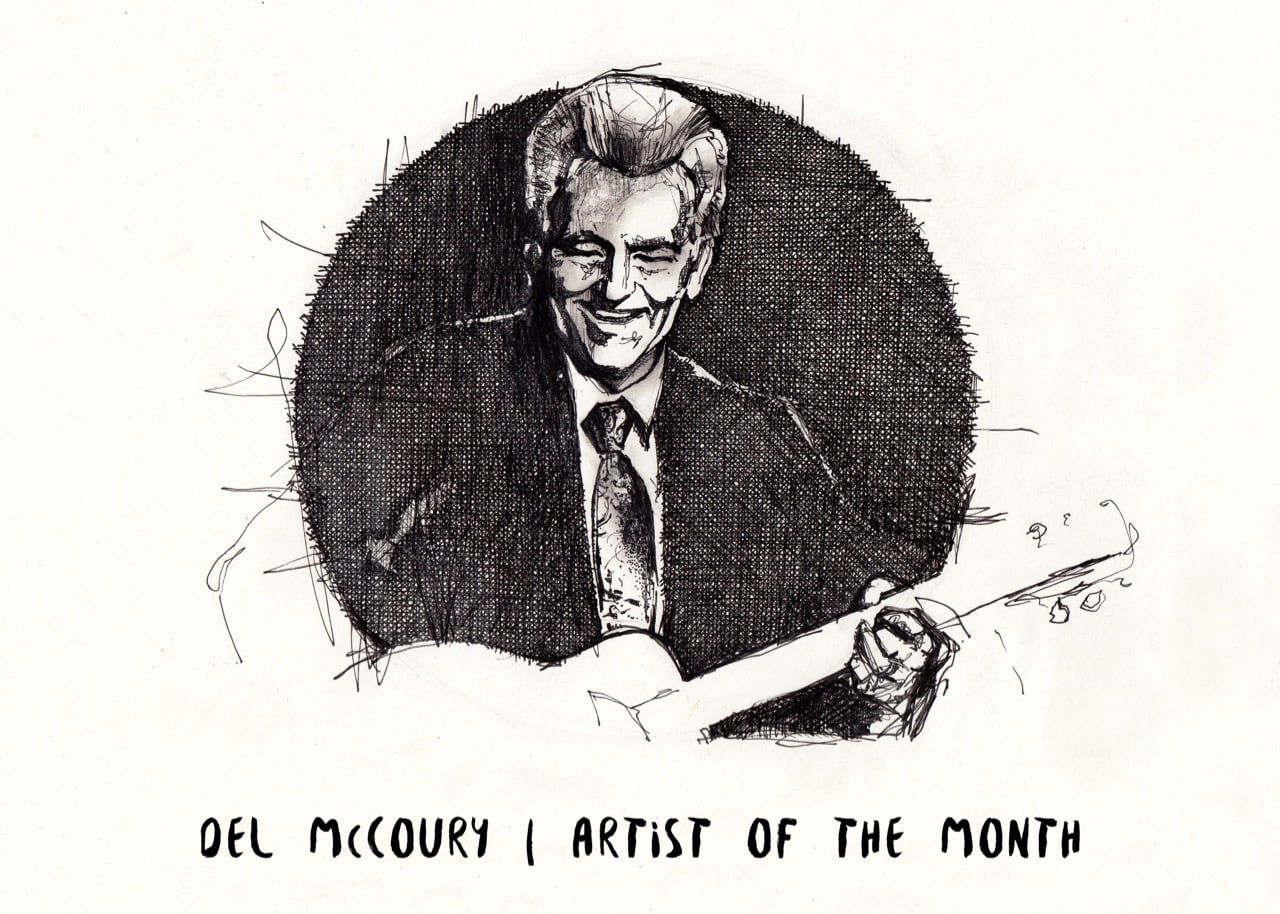
Del McCoury: Whatever Suits the Song

There are three things that you need to know about Del McCoury before anything else: His hair is incomparable, he giggles almost ceaselessly, and he still sings bluegrass.

Fifty years ago, after ending his stint with Bill Monroe’s Blue Grass Boys as lead singer and guitarist, McCoury released his debut solo project, Del McCoury Sings Bluegrass, with his now-iconic pompadour coiffed proudly and precisely on the cover. The album was released on Arhoolie Records, whose founder and proprietor, Chris Strachwitz, produced the album, phoning the young McCoury barely a day before the session to offer him the deal. Because of the severely short notice, the band was cobbled together from whomever was available and the songs chosen from whatever Del knew: A lot of Bill Monroe material, plenty of traditional bluegrass, and some old-time country, too.

Since those days in the late 1960s, songs have been the most significant driver of McCoury’s inspiration and creativity all along. “In the early years,” he remembers, “my producers would bring songs to me and I would usually just do them, even though sometimes I didn’t really like the song. As time went by, I got to thinking, ‘I’m just going to record songs that I like, instead of doing everything [anyone] brings to me.’ I figured I’m the one who’s going to have to sing these songs!”

It’s this love for the songs themselves that has informed his entire career, sculpting the iconic McCoury style that can be detected through each and every one of his albums. It’s remarkable that he’s been able to sustain such a particular, tangible musical identity over the decades without it ever growing stale or cliched. That identity — innovation balanced with tradition and overlaid with melody-focused, virtuosic picking, while centered on soaring, high lonesome vocals, all accomplished with a wink and a smirk — doesn’t always come from overt attempts at consistency. “I’ll tell you what it is,” he says in a tone that foretells that this is not some ironclad secret. “It comes down to, simply, I just record songs that I like. It’s hard to say where they’re going to come from. … I don’t think about if anybody else is going to like it when I do it. I just think about me having to sing it.” And as far as production and arrangements? That’s no proprietary recipe under lock and key, either: “But really, it’s whatever suits the song.” Whatever he’s throwing into the pot, it is downright delectable on McCoury’s brand new album, Del McCoury Still Sings Bluegrass.


Thank goodness that he does. If his signature chuckle, a constant as he tells stories and discusses the new record over the phone, wasn’t indication enough, Del has always been a beacon of joy in bluegrass communities. From the first second of track one, the slightly silly, totally burning, almost-a-love-song “Hotwired,” through a high-speed Alan Jackson cover, a classic fast waltz, yes, a train song, too, and another couple of handfuls of carefully curated material, that joy is palpable. It’s a striking through line that stems first from his absolute adoration of just doing the thing. It’s a love he’s always had. “In the early days,” he says, “When I was playing bluegrass festivals, we’d stay up all night, play all night, and go and do a show the next day in the afternoon. I had that much interest in it that I could play night and day and never stop. When you get older, you can’t do that; you have to pace yourself. But I still have that interest, I really do.”

Even casual observers would not note McCoury’s current clip as “pacing oneself.” He’s a member of the Grand Ole Opry and a Bluegrass Music Hall of Fame inductee, he tours nationally, he hosts the radio show Hand Picked with Del McCoury on SiriusXM’s Bluegrass Junction, and he presents an annual roots-music-festival-meets-family-reunion, DelFest, in Cumberland, Maryland, every May. All of that notwithstanding any current album release cycles and press junkets he may be running. While plenty of other artists with such long, successful careers would be pumping the brakes, Del is still looking ahead. “I just never lost interest in it. I never lost interest in recording records and entertaining folks. It’s something I love to do.”

And the folks love him back. Whether listeners come from the most staunch camps of bluegrass diehards, or from hippie festivals and jammy string band gatherings, or symphony halls and performing arts centers, they all count Del as one of their own. The rarity of that fact is not lost on him. “[That’s why] when we do a show, we never have a set list. We figure these people paid to see us, so we’re just going to do what they want us to do, we’ll see what they want to hear. It keeps me enthused, the audience excited, and also the boys [excited, too.] And the audience never know[s] what we’re going to do. ‘Cause I don’t!”


By choosing to record and perform material that he connects with personally, he’s passing down that care and respect for songs to every one of his audiences, who, in turn, learn to appreciate and then reinforce that care. So, when a song comes along on Still Sings Bluegrass that includes an extended, rip-roaring electric guitar solo (in this case played by Del’s grandson, Heaven), or when “To Make Love Sweeter for You” kicks with a jangly upright piano, you don’t hear the predictable, “that ain’t bluegrass” balking. Furthermore, the traditional, straight-ahead policers are visibly absent from DelFest, where more fringe, jammy acts like Trey Anastasio and The String Cheese Incident are just as likely to appear as Larry Sparks — or Tedeschi Trucks Band. And whether he’s recording a set of songs such as this fresh crop, curated by the man himself, or lending his voice and his band to projects like Del and Woody, an album of unrecorded Woody Guthrie songs, or American Legacies, the New Orleans-meets-Nashville, jazz-meets-bluegrass, Del McCoury Band-meets-Preservation Hall Jazz Band crossover album, his footing within bluegrass never falters and is rarely challenged.  

Del doesn’t believe there’s a secret antidote to the signature, absolutist trains of thought some find in bluegrass and he clearly says so. When asked why he thinks his fans might let him off the hook he laughs, “You know what, I’m afraid they’re gonna let me go any minute!” But we know this isn’t true. Now more than fifty years into his song-led career, Del’s creative vision has never been so clear, his perspective never more innovative, his hair never more enviable, his laugh never so charming, and his music never more joyful.

No matter how that ends up sounding from the stage or through the speakers, by definition, it’s still bluegrass.


Illustration by: Zachary Johnson


WATCH: Special Consensus, “She Took The Tennessee River”

Artist: Special Consensus with Bobby Osborne, Becky Buller, and Josh Williams
Song: “She Took The Tennessee River”
Album: Rivers And Roads
Label: Compass Records Group

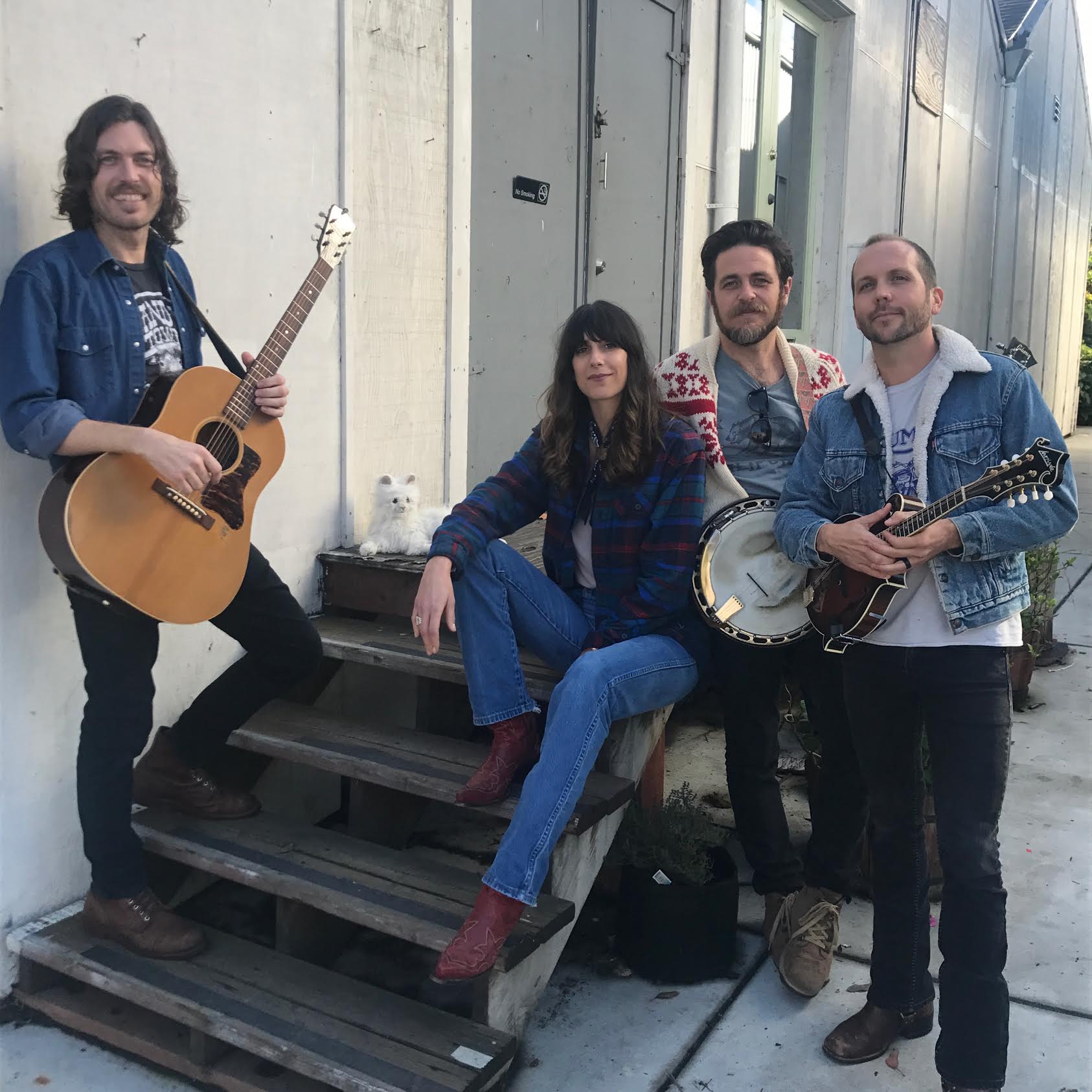
WATCH: The Brothers Comatose Featuring Nicki Bluhm, “Sugar Please”

Artist: The Brothers Comatose
Hometown: San Francisco, CA
Song: “Sugar Please”
Album: Ink, Dust & Luck
Release Date: June 1, 2018

In Their Words: “Nicki Bluhm is one of the best dang singers we’ve ever worked with. Our new track ‘Sugar Please’ is sort of a throwback country style duet and she brings the magic to this one.” – Ben Morrison of the Brothers Comatose

“I love singin’ with that tall can of PBR so when Ben asked me to join him for a duet, I could think of no greater pleasure. Ben and The Brothers Comatose sure can write those sweet love songs from the perspective of the road. I have an appreciation for that livin’ out here myself.” – Nicki Bluhm


Photo credit: John Vanderslice

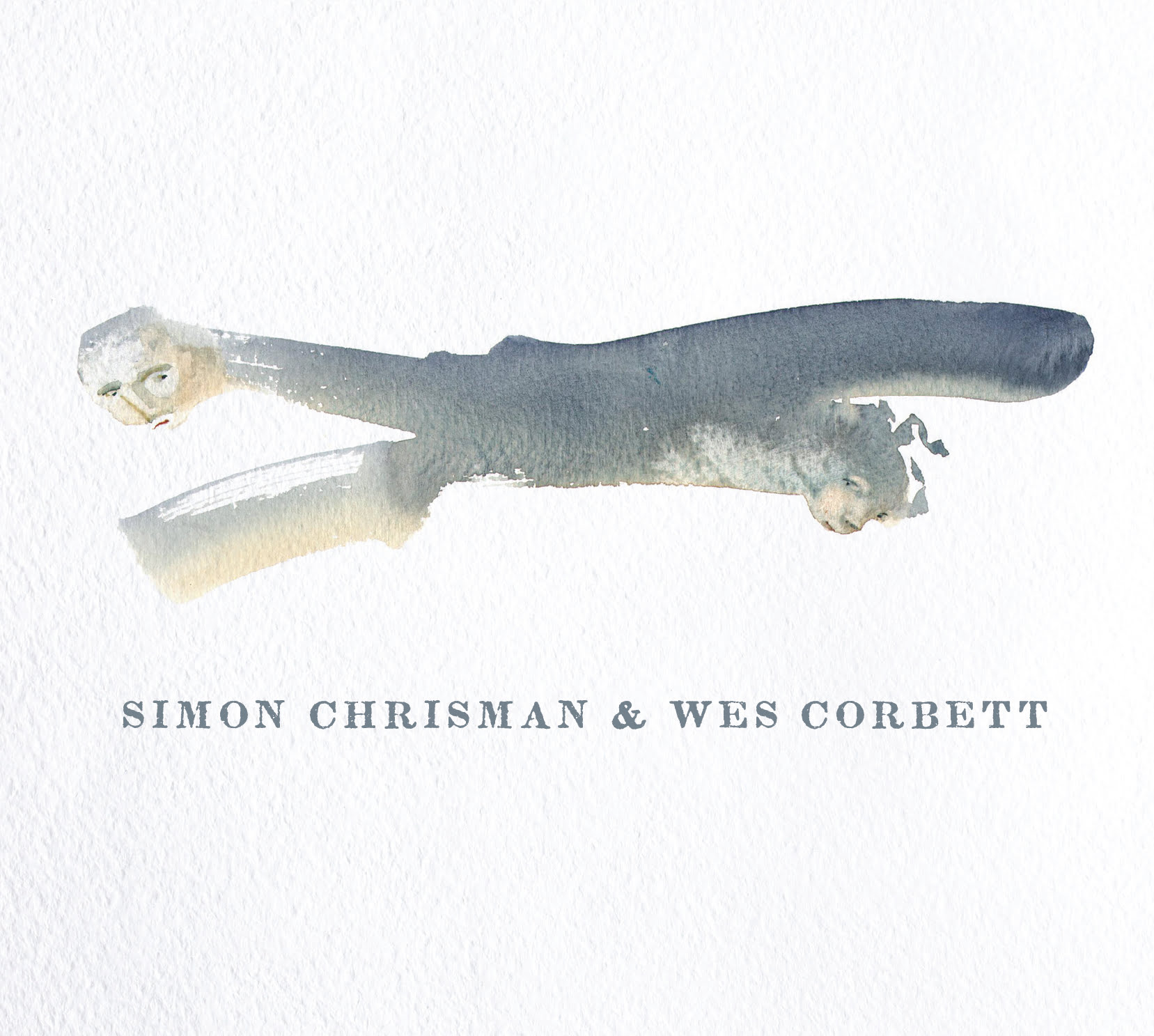
Simon Chrisman & Wes Corbett, ‘Jane’s Reel’

During Flatt and Scruggs’ iconic At Carnegie Hall! performance Lester brought Earl and fiddler Paul Warren up to the mic for their fiddle/banjo feature with this introduction: “It hadn’t been too many years ago since just a five-string banjo and the fiddle was kinda called a band…” The banjo has always lent itself to these kinds of duo configurations. Fiddle/banjo is certainly the most familiar in American roots music, but banjo/bass is not uncommon — earlier on during At Carnegie Hall! bassist “Cousin Jake” Turlock got his turn dueting with Earl, too. There’s also banjo and accordion (hold your jokes, please) and even double banjo. From Ireland to New Orleans to Appalachia there’s no shortage of variations on the template of banjo plus fill-in-the-blank.

Banjo and hammered dulcimer is a much more infrequent combo. On their self-titled album Simon Chrisman (The Bee Eaters) and Wes Corbett (Molly Tuttle, Joy Kills Sorrow) make a compelling case for its immortalization in the old-time and bluegrass zeitgeist. Both Chrisman and Corbett effortlessly transcend their instruments, stepping well outside the stylistic and musical constraints that one might assume are nonnegotiable. “Jane’s Reel” — named for Corbett’s alluring cat — might cause serious injury if you were to attempt to dance a reel to it, given its breakneck speed and unpredictable twists and turns. The album does have its expected chamber music-influenced moments, peppered among more meditative pieces and a couple of sweetly sentimental songs, but “Jane’s Reel” demonstrates that Chrisman & Corbett aren’t willing to let this record be filed under “interesting acoustic background music.” It demands and deserves full attention.

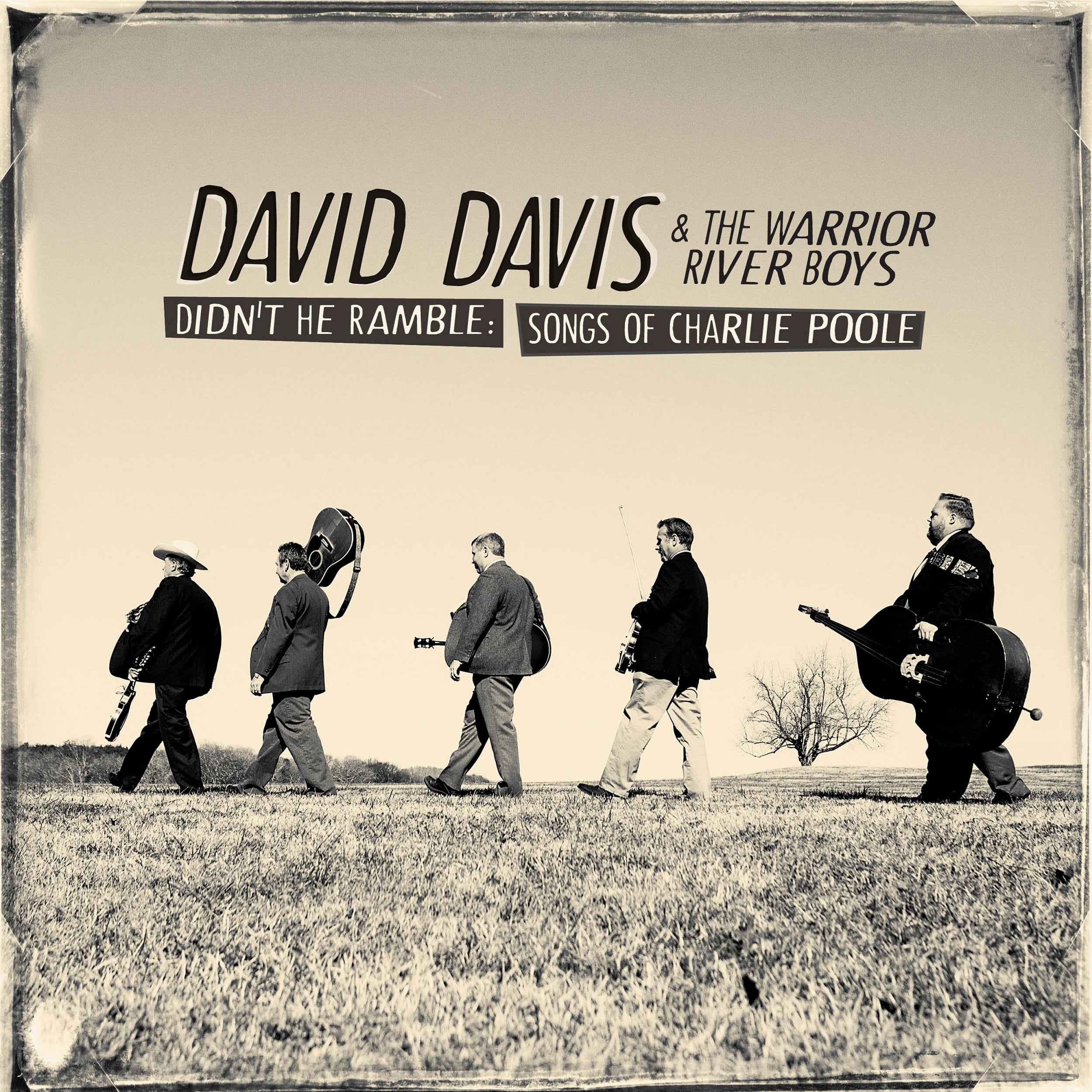
STREAM: David Davis & The Warrior River Boys, ‘Didn’t He Ramble: Songs of Charlie Poole’

Artist: David Davis & The Warrior River Boys
Hometown: Cullman, AL
Album: Didn’t He Ramble: Songs of Charlie Poole
Release Date: June 1, 2018
Label: Rounder Records

“Our goal with this recording was to take the key elements of Charlie Poole’s music and build from that, evolving the material into a more modern form of traditional music. Poole had reimagined popular songs of the day including Tin Pan Alley songs and blues songs into his own style and his treatments were widely accepted by the public. For us, when we started looking at the songs closely, they morphed just as easily into the way we play music. For a number of years we have called Charlie Poole our “Grandfather of Bluegrass Music” but really his music has influenced a much larger roots-based family.” – David Davis

That Ain’t Bluegrass: NewTown, ‘Can’t Let Go’

Artist: NewTown
Song: “Can’t Let Go” (Originally by Lucinda Williams)
Album: Harlan Road

Where did you first hear this song?

Kati Penn Williams: I was looking for songs for the record and I just randomly went on Apple Music and put in Lucinda Williams, because she’s so awesome. I was trying to go through artists that I hadn’t really delved into in a little while. That song, it’s kind of funny, because I was on the treadmill, or something, and that song was the first one that came on. [Apple Music] is supposed to pick out songs it thinks you will like and I guess it nailed it, because I loved that song as soon as I heard it.

What do you think makes it a good bluegrass song?

I think the feel of it and the timing. And I mean of course, the story, too. You have to have good heartbreak in a bluegrass song. You know, love gone wrong — can’t let go! And just the beat, too. It’s different, it’s not your traditional bluegrass beat. It’s a little bit different in that way. To me, it still fits well in a bluegrass set.

What was your process of arranging it and putting it together?

I usually have an idea about how I hear a song going when I bring something to the rest of the guys, but then, of course, once I play it for them they always have their thoughts, too. We try to settle somewhere in the middle. I want to say on that song Hayes Griffin (guitar) had a pretty big influence on how we ended up doing that. He has a pretty big musical background; he’s very well-versed in all kinds of different music. I say between him and Travis Anderson (bass) — he does a lot of jazz and different kinds of things — they were really helpful on that particular song, as far as putting the beat together.

It’s kind of a tradition in bluegrass to take songs from outside the genre and interpret them through a bluegrass lens. Why do you think that is?

Well, there are only so many bluegrass songs out there. [Laughs] If you just constantly did all of the bluegrass songs, if everyone did that over and over all the time it would get pretty boring. For us, it’s not about necessarily trying to find a song that’s of a different genre and make it bluegrass, we just like songs that we like. It’s not that we necessarily hear a song and think, “How can we make this bluegrass?” We just think, “How would this song be best represented?” I think it can get kind of cheesy if you try to put everything to a bluegrass beat. We don’t try to do that. It doesn’t fit.

What is your favorite thing about performing this song live?

I’ve gotta say the beat again. It’s such a fun beat and it brings a lot of people up. People get out of their seats, they clap, it’s an easy song to clap along and dance along with. It’s not too fast — traditionally, a lot of bluegrass songs are really fast. It’s quicker and upbeat, but it’s not so fast that you can’t move along with it. This song tends to bring a lot more crowd interaction than some other songs do. That makes it enjoyable for me.

But you know that ain’t bluegrass, right?

[Laughs] Yeah. That’s fine! I wouldn’t say our goal when we get up every morning is to be the most bluegrass band that we can be. We just want to be the best band that we can be. No matter what you play or how bluegrass you think you are there are always going to be people out there who say, “That’s not bluegrass.” Even if you aren’t trying to be bluegrass there will be people saying, “Well that’s just bluegrass.” [Laughs] By most standards we’re considered a bluegrass band and like I said, we just want to make the best music we can. Whatever [umbrella] that falls under, that’s where it’s gonna fall.

We focus on the song, the music we enjoy, and music we think other people will enjoy as well. We’re not going to take a song and do it a certain way just to make it more bluegrass. That would be counterproductive, I think. If it happens to have a banjo, that’s good — but you know, there are songs that have banjo that aren’t really bluegrass, so… You can’t win! [Laughs]

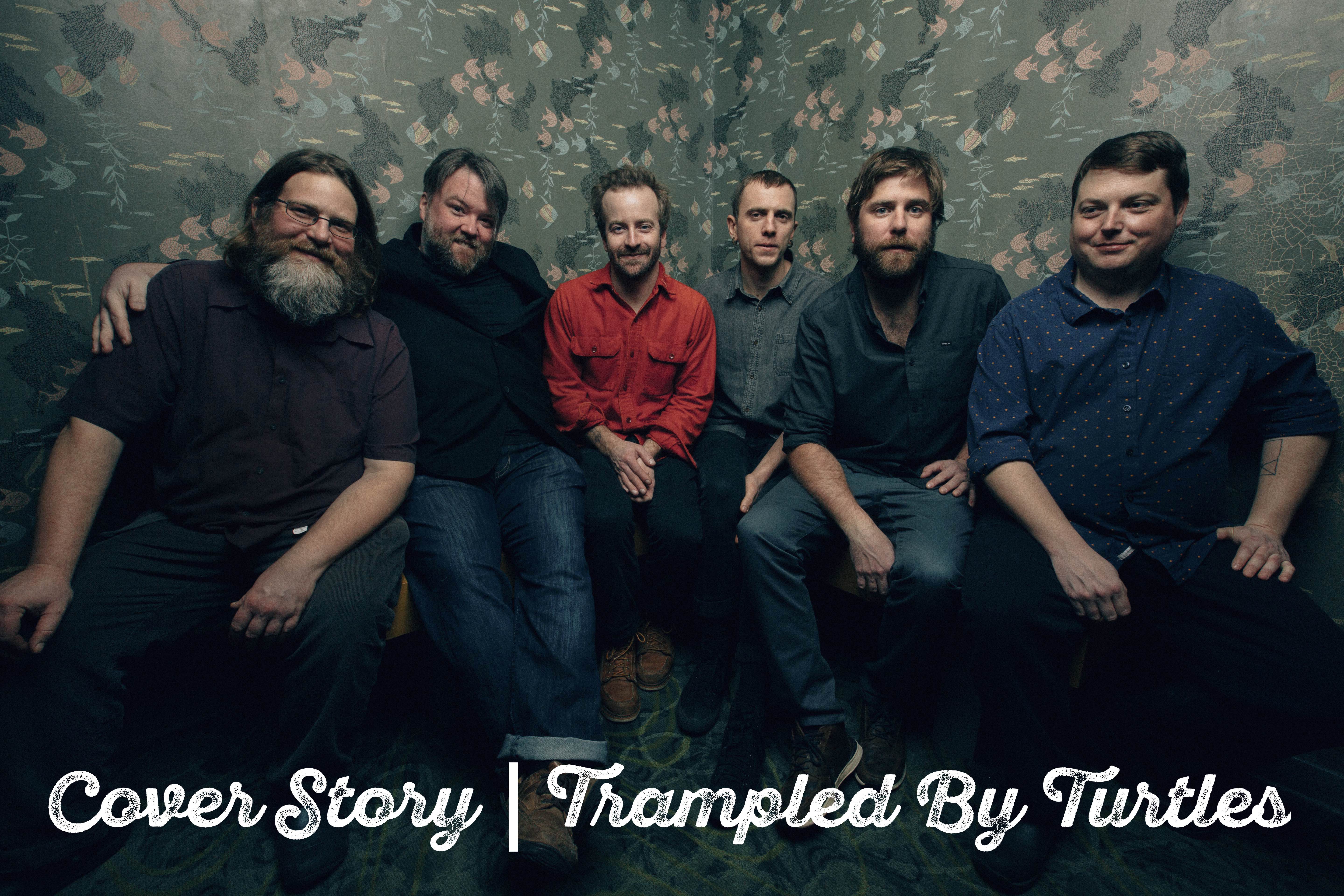
Reading the Room: A Conversation With Trampled by Turtles

Trampled by Turtles are living up to the title of their newest album, Life Is Good on the Open Road. The Minnesota-based band parked the bus for nearly 18 months after touring behind their prior album, 2014’s Wild Animals. Leading up to the new project the six-piece group gathered at a lakeside cabin and rekindled their connection forged over more than a decade of performing together. Those positive vibes carried over to the new album, which emphasizes their exceptional acoustic chops. On the afternoon of their Ryman Auditorium show in Nashville, frontman Dave Simonett and mandolin player Erik Berry visited backstage with the Bluegrass Situation.

I know you cut this new album live-to-tape, but I was still surprised to see it took just six days to record it.

Simonett: We were surprised too. We had two weeks booked in a studio, which I think for a lot of people might be fast as well. For us that’s plenty of time, usually. But we ended up mixing the whole thing while we were there too.

Berry: Yeah, there was a dinnertime meeting where it was like, “Gentleman, I think we’re done. We got one more song to record tomorrow.” “Really?”

Other than just the general efficiency, what’s the upside to that?

Simonett: I enjoy lots of parts about live recording. I like to do it quite a bit. When I produce other people, I try to get bands to do it as well. It’s always spoken about in a vague way because I think it’s really hard to describe. But you do capture some kind of energy, a vibe. People play differently, if you want to get practical about it, when they’re all playing with each other, rather than playing to something that’s already been recorded.

The rhythm is one. You’re not following anything, you’re all just kind of moving in the same direction at the same time and it’s elastic. Nowadays it might be considered risky because it’s so easy to make things perfect now. But I’ve never felt like that really benefits that many people anyway. But especially us who have been playing together for a while. When we all sit and play and look at each other and play with each other, it sounds different than if we don’t, I guess.

Berry: To add to it, we hadn’t played together for about a year, outside of the weekend retreat we did. To build on what Dave’s saying, when people are playing together live, there’s also something different when something’s happening for the first, second, third, or fourth time, than when you’re playing that tune for the 50th time. Stuff grows on it; they move together differently.

Simonett: Yeah, I’ve always loved trying to capture a song before people start to really think about what they’re doing. Before people come up with parts to play. Before it gets dissected too much. It’s cool to see what happens naturally. I’m burnt out after a fifth take. That’s as far as I want to go.

Dave, how do you introduce your new songs to the band? From what I understand, you had songs already in your back pocket when you got together to record. How do you show the band, “Here’s some songs I’ve written”?

Simonett: That’s about as simple as that. Sit down and…

Berry: I use the phrase “coffee house ready.” Dave’s got them to a point where you could go to a coffee house and play the song.

Simonett: Yeah, I can play them. Core structure, melody, lyrics are pretty much done. And then I just sit there and play it a few times, and people join in when they feel like they have the hang of it, and it’s pretty organic.

That seems cooler than recording a little demo and emailing it to everybody.

Simonett: Yeah. I do that too, just so people can get the vibe, or at least know what’s coming – maybe if I have the song done in time to do that kind of thing. That is a nice thing to be able to have. I don’t think the real learning of it happens until we are all in the same space, though.

Berry: The real benefit of having stuff in advance is like in “Annihilate,” where I have a part that I wrote on it because I had the time to think about it.

Simonett: I also don’t know how to write music down on paper, so it’s all pretty simple anyway.

You guys seem to operate a lot on instinct. Is that something you had to develop and learn?

Simonett: Oh, I think it’s the absence of learning for me. I don’t really know any other way to act.

Berry: I hate the word “easy,” but there’s been a certain easy chemistry that all of us have always had with each other. On the very early shows, I’m like, “That’s pretty good. I could see doing that again.” So there’s something like that, too, now that it’s 15 years down the road.

Simonett: There’s a lot of bands in the string band world, if you want to call it that, that are amazing at that kind of stuff. I guess I don’t want to list examples because I’ll probably leave somebody out, but I think we’re pretty comfortable being a band that’s not that. It’s maybe more song-driven than upfront-playing driven, if that makes sense. That’s just where we naturally fit, I think.

Berry: I’ll name a couple names. When we first started, I didn’t know what I was doing. So I went across the street from where I worked to the Electric Fetus Record Store in Duluth and said, “I’m just getting this bluegrass band starting. I don’t know what to listen to.” So they sold me a Bill Monroe CD and they sold me a Yonder Mountain String Band CD. They were like, “This is your basis. Here’s what’s happening right now.” That Yonder Mountain disc was Mountain Tracks, Volume 2. That’s a live one. There’s some really great stuff on there. It didn’t take me very long for me to realize I couldn’t play like that. [laughs]

You guys are good at reading the room by now, I’d imagine, after 15 years on the road.

Simonett: Yeah, I think so. It’s always kind of a mystery. You can play the same set list two nights in a row and the response could be completely different. My goal as a performer is to get as far away from caring about that as possible. Any true performer will tell you that you can’t please everybody and that’s really not your job anyway. My job onstage – I don’t view it as to be up there to make everybody in the room happy because I can barely keep myself happy, you know? But I feel like we tailor to rooms, though, with our set list.

Berry: If we were going to do a set that no one was going to watch, I think that what we would prefer to do would be like, “OK, let’s take a break with a little slower one, now. Now we’re going to kick it up again.” I think people like our tastes. We’re pretty lucky … I don’t know, I’ve had to come to grips with it, too, because people aren’t shy about letting you know they’re disappointed.

Simonett: They love it, actually.

Berry: People have been telling me after shows that it’s bullshit that we didn’t play “Song X” or “Song Y” since the year 2005.

Yeah? What do you do when that happens?

Berry: You play a 90-minute show. If you have more than 90 minutes’ worth of material, the odds of dropping a song are high. … If we played every original song we have, that’s a four-hour show. That’s not going to happen. So I could challenge any Trampled fan: “Here. Write your ideal set, 24 songs.” I know that I could read it and be like, “But you left off… Now you know how it feels.”

Simonett: A listening crowd – it’s a weird relationship, man. It feels great generally. I like performing. It took me a while to like it. I still get freaked out about getting up on stage. But I enjoy the act of it now. But you can’t go up there with the illusion that everybody in the room is going to enjoy what you do. I think if you start thinking about that too much, you start changing yourself and you’re really close to becoming a cover band.

Do you mean like a cover band of your own material?

Simonett: Of ourselves, yeah. To just go up there and try to do what you think people are going to like. That’s not the point. For me, I like to think as an artist, I want to be able to feel totally comfortable. This tour is a good example – to go up and play new music every night. That’s holding on to still being valid in some way.


When I listen to this record, there does seem to be a sense of motion in the writing and the songs. Do you agree with that?

Simonett: I agree with it, yeah. I think even the title. But all of that came about after we made it. It’s happened to me before. You write a bunch of songs and make a record and you have no clue of any kind of thread that binds them all together until you put it in order and listen to it. “I guess I was singing about traveling a lot.” [laughs] I don’t really notice it as it’s happening.

Listening to “Thank You, John Steinbeck,” I heard a reference to the book Travels With Charley. What are the literary influences you draw on for inspiration?

Simonett: Steinbeck is really high on my list. That book in particular. It’s been a couple of years since I’ve done this, but I used to read that book before every tour. Hopefully this isn’t too long-winded of an answer, but after a certain amount of time touring, maybe the traveling part of it starts to lose its sparkle a little bit, and you forget … It’s amazing how easy it is to have a life like this become predictable, which it’s not supposed to be. At least I don’t want it to be that way. [I want to] remember that it’s still an adventure. You’re still roaming around the world playing music. I think the core of that book is appreciating the adventure of a road trip. It made me want to pack my camera, you know?


Photos by David McClister
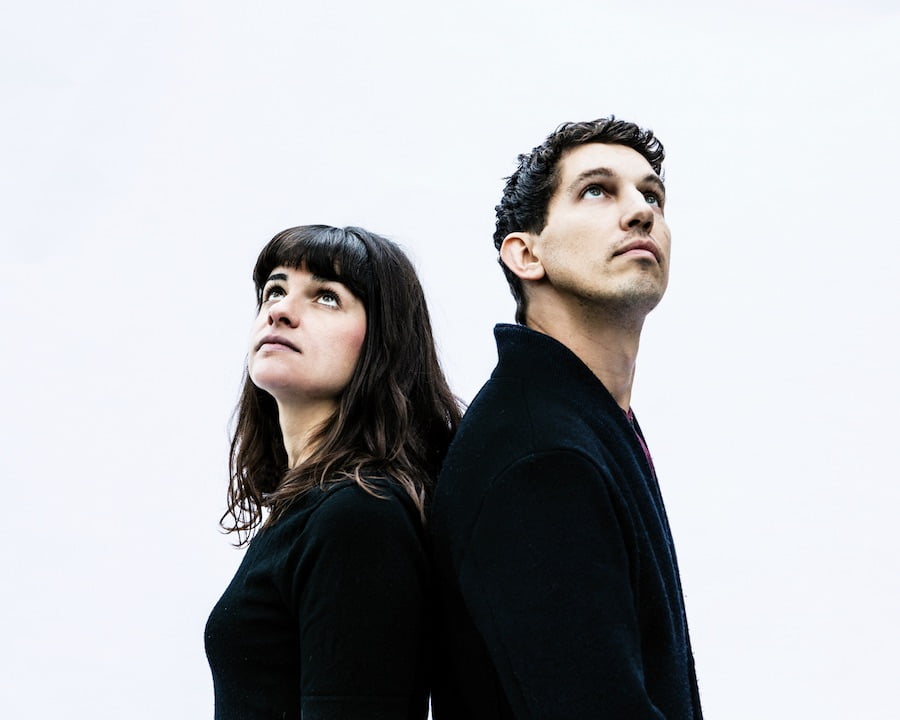
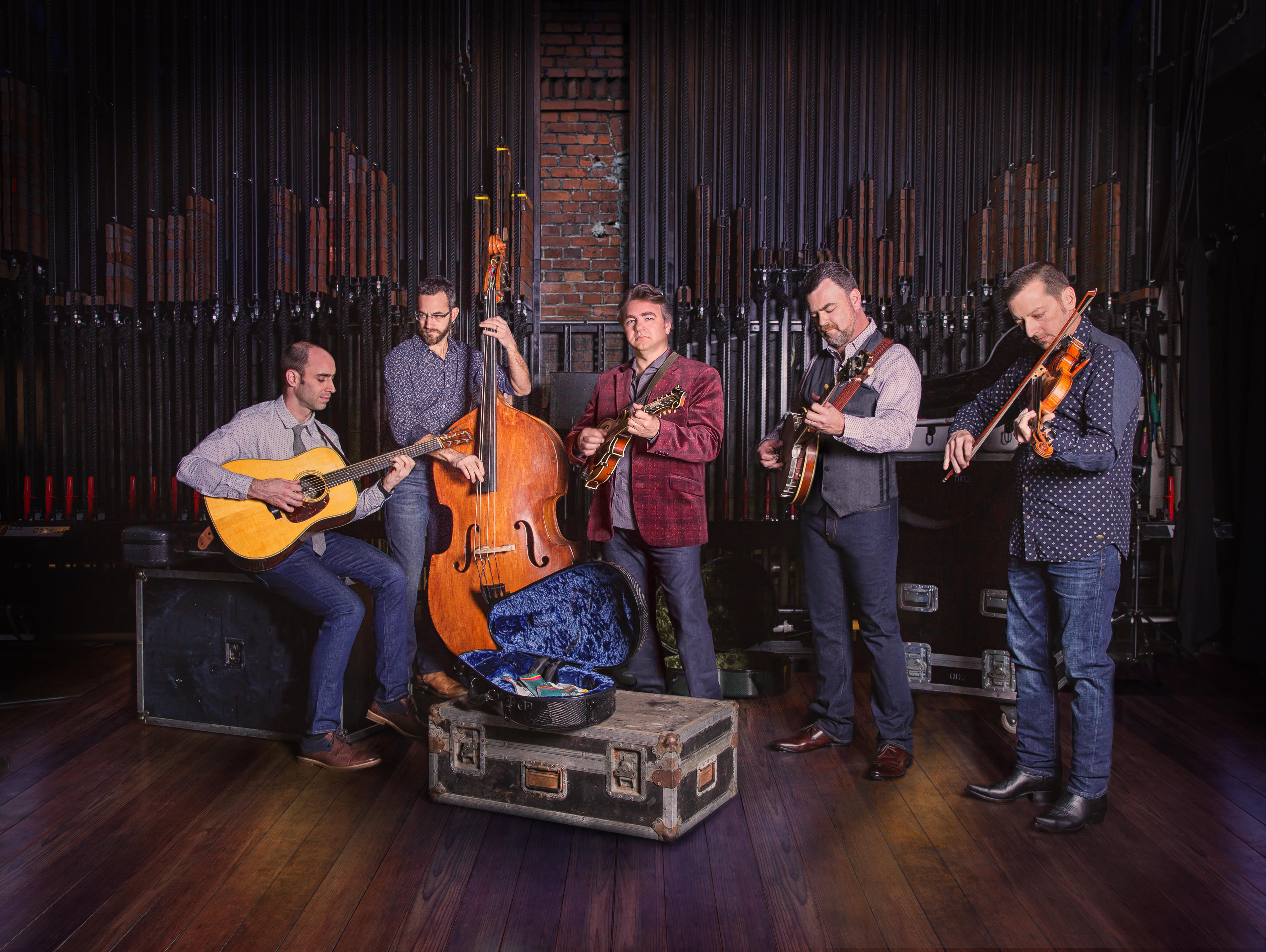
LISTEN: The Travelin’ McCourys, ‘Lonesome, On’ry and Mean’

Artist: The Travelin’ McCourys
Hometown: Nashville, TN
Song: “Lonesome, On’ry and Mean”
Album: The Travelin’ McCourys
Release Date: May 25, 2018
Label: McCoury Music

In Their Words: “Jason Carter, who sings here, is a huge Waylon fan — we all are, really. Several years ago when we started looking for material to cut, Jason brought this one and it worked. We’ve been playing it for four or five years now. Using our instruments, we kept the arrangement similar to Waylon’s version with maybe a few more solos.” — Rob McCoury


Photo credit: Shelly Swanger

Alfi, “Farewell to Trion”

Irish music as a genre tends to conjure images of dozens of step dancers clopping on stage in unison with curls bouncing, or dashing jigs and reels perfect for a night of revelry, or moody ballads with a thousand verses, or drunken sing-alongs with choruses full of nonsense words. A layperson might assume that Irish music doesn’t necessitate nuance beyond perhaps the melodramatic story songs, but that assumption does an incredible disservice to the depth and breadth of emotion and detail that runs through Ireland’s vernacular music.

Alfi, a string band equally comfortable with Irish traditional material and American old-time, demonstrate the stunning, understated beauty of this nuance on their rendering of “Farewell to Trion,” an old-time tune from the U.S. side of the pond. The tempo is relaxed, the reharmonizations are modern, yet timeless, and the form rolls by a handful of times without ever becoming stale or boring — a remarkable feat. Beneath the surface of banjo (Ryan McAuley) and whistle (Fiachra Meek), artfully teasing the melody at its edges, are the hands of Alannah Thornburgh on harp, not only plucking along with the tune, but comping as deftly and expertly as any firecracker Irish rhythm guitarist, morphing the standard chord progression at her will and whimsy. “Farewell to Trion” is worth a second and third listen if only to train our ears and brain to focus in on the mind-blowing magic happening at the fingertips of Thornburgh’s left hand. Here, it’s pretty clear to see that there’s much more to Irish music than just pomp, showmanship, drinking songs, and curly wigs. And there’s beauty to love in all of the above.