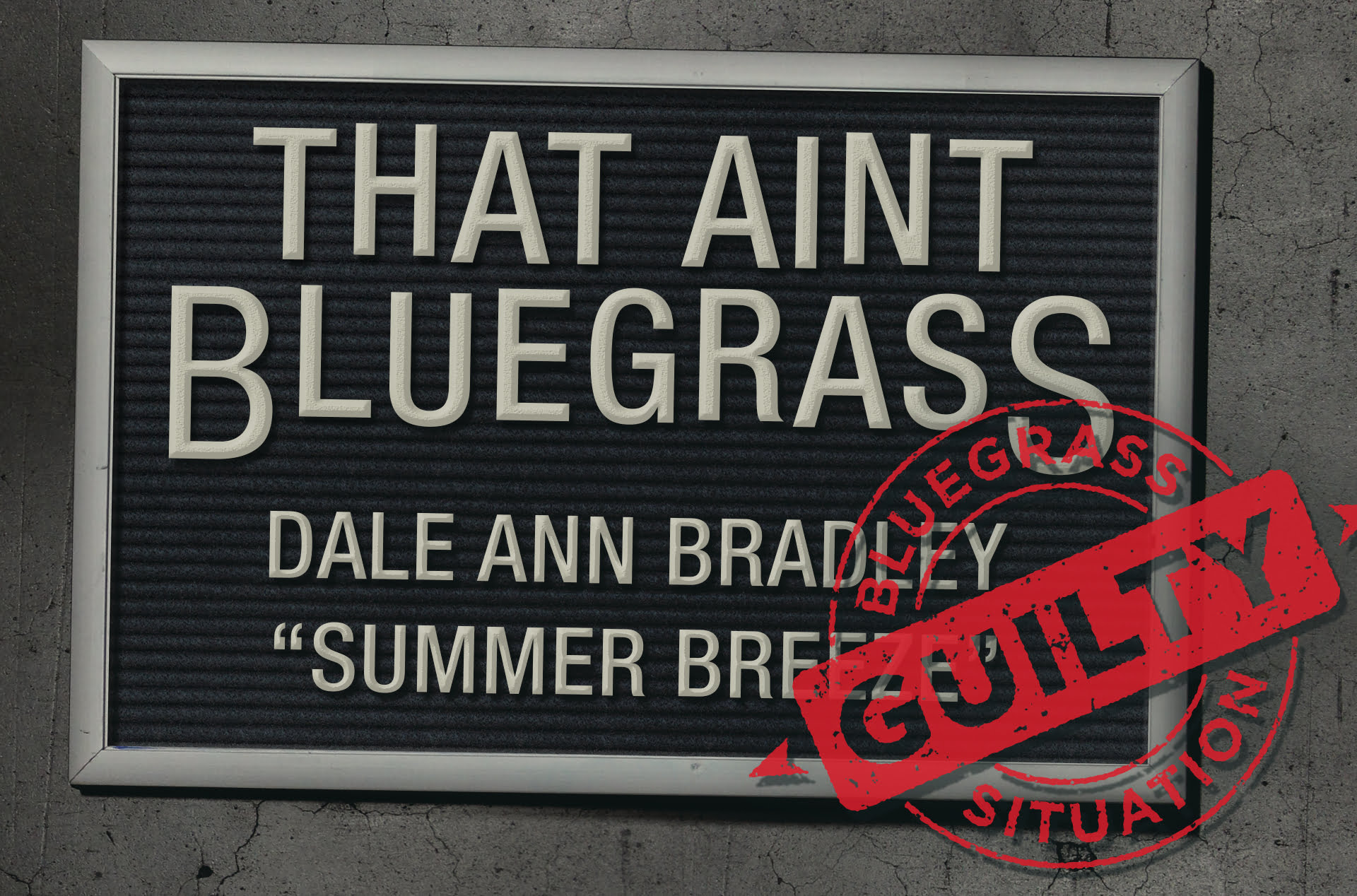
That Ain’t Bluegrass: Dale Ann Bradley

Artist: Dale Ann Bradley
Song: “Summer Breeze” (originally by Seals & Croft)
Album: Somewhere South of Crazy

Where did you first hear “Summer Breeze?”

Well, I probably heard it on the local radio station. And I can’t remember exactly what year it came out, but I know that I was small. Loved it then — of course I loved everything Seals & Croft done — but that song, for years and years, was just one of those you heard every time you went into a grocery store. You know, wherever you went, you’d hear that playing on the system there, as you still do today. I heard it probably, I guess, when it first came out. Just on the radio, though — static-y AM — ’cause I had trouble getting any kind of recorded music and that one might not have been available anywhere near me! [Laughs]

What do you think makes “Summer Breeze” a good bluegrass song?

Well, to me — now I don’t know what everybody else will feel about the song — but the song sounds Celtic to me, which would be the roots of this music in one way or another. It has so many roots — blues and what-have-you, jazz — and it’s made up of so many styles. Once I started listening as I got older, like I said, I first heard it when I was a little kid, when I got to listening to different banjo players and I got really into the Country Gentlemen, Seldom Scene, New Grass Revival, and started hearing different styles of banjo playing — then, of course, I knew Alison Brown would just deliver like she always does.

So the lyrics and the melody both, it was just haunting, it was minor. Everything about it, to me, was just like our traditional songs, it just had different instrumentation, but rhythmically and everything else. “Leave the curtains hanging in the window” — of course, we’d say “winder” — “in the evening on a Friday night. Little light shining through the window lets me know everything’s alright.” Well that’s, Lord, Bill Monroe and everybody’s written songs like that for years!

When it come time to do Somewhere South of Crazy, which that song is from, I never had done a cover tune before just to have one on an album. The fact that Alison Brown was going to play banjo on it had a whole lot to do with that, because I knew, like I said, that she would deliver what I heard in my head. Having Steve Gulley and Kim Fox doing harmony had a lot to do with it, too, because they’re like me — they like all styles of music. It’s not a traditional [harmony] stack, even though I hear all the tradition in it. It would take maybe people that were familiar with other styles of music for that harmony to be natural and comfortable for them. Not that anybody else couldn’t do it, but I was excited about those two.

Bluegrass artists have reworked popular songs and turned them into bluegrass songs since the beginning. Why do you think they do that?

I think it’s because it’s all entwined. You take those songs, you’re talking first generation, Lester and Earl even, people who had done “That’s Alright Mama,” “Blue Suede Shoes,” or “Johnny B. Goode” — I guess Jim and Jesse was famous for that. It was a blues thing — it’s the blues in all of that that connected it. And even the lyrics. Even though those lyrics came from wherever, Mississippi or wherever, it still rang true to the whole South — and the whole place where bluegrass started. Of course, it’s evolved and every demographic has latched onto it and it’s become everybody’s music. I think that’s why. The blues sound. It’s fun to play.

That’s actually my next question: What is your favorite thing about having this song in your set and performing this song?

If we’re talking about “Summer Breeze,” in particular, it brings back for so many people my age and older — because that song has been around a long, long time — it spans generations of listeners. It’s still familiar today. So I love to see that in their eyes like, “Oh, yeah, I love that song!” And I want to showcase what bluegrass musicians can do. And how it’s all so similar. It’s music. Some things may work better than others, but you know, I’ve found that mostly it will work.

Now, you know that ain’t bluegrass, right?

[Laughs] “It ain’t bluegrass” … Well, I’ve heard that for so many years! Now, I’ll tell you: I am hearing a different theory to that now, just from basically people my age and a little bit younger. You hear so many of the ones that were so dyed-in-the-wool — and God bless ‘em, and I’m dyed-in-the-wool, too — I just figured that it can expand.

Bluegrass artists, you can put them anywhere, any setting, and they’re gonna be able to execute anything. It is true. If people would just listen, they will see so many similarities. “Summer Breeze” is more than three chords, but listen to Bill Monroe’s “My Last Days on Earth” and compare that melody to “Summer Breeze.” Or any of that! The Stanley [Brothers] stuff, even though it’s more Appalachian, there’s still similarities. All people have to do is not purposefully block their thinking. And if you’re listening to it and it’s something you don’t like it, turn it off! [Laughs] People have to go a long way to say, “Well, I got up and left when this one got up, and I got up and left when this song was played.” Well, good! Leave and hush about it, ’cause there’s a bunch of people that liked it! [Laughs]


LISTEN: Jason Hawk Harris, “The Smoke and the Stars”

Artist: Jason Hawk Harris
Hometown: Houston, TX
Song: “The Smoke and the Stars”
Album: Single
Release Date: April 28, 2017
Label: Free Man Records

In Their Words: “I’ve been writing music since I was 9. You could say that, all these years, I’ve just been waiting for this song to come out. It finally did. It clawed its way out of me and left me on the floor in a pool of blood, smiling like a lunatic. The lyrics themselves are the best explanation I can give. Explaining the song would be to offer a mediocre paraphrase. In general, I’m a fan of the idea that music is best experienced without pre-conceived notions. And with that, I’m going to shut up so you can listen.” — Jason Hawk Harris

LISTEN: David Childers, ‘Collar and Bell’

Artist: David Childers
Hometown: Mount Holly, NC
Song: “Collar and Bell”
Album: Run Skelton Run
Street Date: May 5, 2017

In Their Words: “Shannon Mayes, a school teacher from Gallipolis, Ohio, sent me some lyrics he had written a while back — those lyrics pretty much told the story in this song. I had trouble finding a way to convey what I wanted the listener to feel from the story, but after a couple of years of trying different approaches and re-writing a lot of the words, I found an enjoyable way to play and sing it. It’s about a man and a dog going hunting in a deep snow. Shannon is a hunter and he brought elements and details into the story that I would not have known to use.” — David Childers

MIXTAPE: Mark O’Connor’s Bluegrass Basics

From Bill Monroe on down the line, bluegrass has always stayed rooted even while it has reached its branches out to embrace each new generation of players. Fiddler Mark O’Connor knows a thing or two about that history, growing up listening to the greats and, eventually, playing with many of them. He collected a dozen bluegrass basic tunes for anyone wanting to explore the form.

Bill Monroe — “New Muleskinner Blues” (1940)
The virtuoso singer Bill Monroe introduced his new bluegrass sound in 1939 to the Grand Ole Opry with “New Muleskinner Blues.” Jimmie Rodgers also called it his “Blue Yodel No. 8” on his recording of the song 10 years earlier. In an Atlanta recording session in 1940, Bill and his Blue Grass Boys revved the song up with his high tenor voice, a faster tempo, and his trademark hard-driving rhythm. Along with his unusual lead mandolin solos and the bluesy fiddling by Tommy Magness, it set the pace for bluegrass to come. I am proud to say that I got to record with Monroe on one of his signature instrumentals, “Gold Rush” in 1992.

Flatt & Scruggs — “Foggy Mountain Breakdown” (1949 Mercury Single)
Flatt and Scruggs made bluegrass wildly successful, bringing it to the mainstream of television, the movies, and to Carnegie Hall. Lester Flatt had, perhaps, a more accessible country music voice than Monroe did, but it was his instrumental counterpart, Earl Scruggs, who lit the music scene up with the perfected five-string banjo roll he adopted from North Carolina banjo pickers. Forward, backward, and alternating, he was an absolute virtuoso on the banjo. I had the Scruggs book and tried to learn banjo the way he did it, as did thousands of others. A thrilling opportunity for me was to record with Earl on his second instrumental banjo album produced by his son Randy Scruggs.

Osborne Brothers — “Rocky Top” (1956)
When the mandolinist and virtuoso singer Bobby Osborne recorded “Ruby, Are You Mad at Your Man?” featuring his astonishingly clear tenor voice, the bluegrass world had another standard-bearing tenor after Monroe. The brothers soon took “Rocky Top” to being one of the most successful bluegrass songs in history. Not many have the chops to sing “Ruby,” but our own Kate Lee sure can in the O’Connor Band! We recorded it in a loving homage to these greats from the 1950s.

The Stanley Brothers — “Angel Band” (mid-1950s)
My mother had nearly 30 Stanley Brothers albums during my childhood. Like with Mozart, mom thought that listening to the Stanley Brothers on the phonograph was good for her children. And it was. Ralph had the most alluring lonesome tenor voice in bluegrass music, and there is no one really close to him on that account. When the old-time mountain soul singer comes in on each chorus to join his brother Carter, Ralph’s was a lonesome, enchanting beauty. The sacred quartet singing of the Stanleys moved the soul.

Doc Watson with the Nitty Gritty Dirt Band — “Tennessee Stud” (1972)
When I was 11, this is the album that I actually took to bed with me at night. It replaced my stuff animal and security blanket, I loved it so much. I wanted this music more than anything else really, and so did a lot of people as the three-LP set went platinum. Besides the virtuoso performances on it by Vassar Clements and Earl Scruggs, I was transfixed by Doc Watson’s guitar playing and voice. He was a larger-than-life figure on this recording. I joined Doc on the road, along with his son Merle, for a few years in my early 20s on the fiddle and mandolin, and it gave me the mountain groove for a lifetime that I will never forget.

Old & in the Way with Jerry Garcia, David Grisman, Peter Rowan, and Vassar Clements — “Midnight Moonlight” (1973)
The folkies and hippies from the unlikely bluegrass stronghold of California were blowing minds in the ’70s. For the next generation like me, it appealed to my contemporary sensibilities. These rockers navigated the bluegrass byways with their long hair, virtuoso playing chops, and a modern attitude with the old music. While it was hard for Monroe to accept, this generation of bluegrass was among the best thing that happened to his music. It gave bluegrass music its future, and prevented it from becoming a museum piece. I must have played “Midnight Moonlight” on stage with former Monroe sideman Peter Rowan hundreds of times in the ’80s.

J.D. Crowe and the New South with Tony Rice, Ricky Skaggs, and Jerry Douglas — “Ten Degrees” (1975)
At the same time that the California bluegrassers were establishing the genre’s jamband future, Crowe ran his ship tightly with this group of new bluegrass virtuosos out of Kentucky. In much the same way that Monroe rehearsed his boys, the New South vintage 1975 album achieved perfection in bluegrass music for their time. Ricky became a superstar and Jerry became a person for which the dobro could have been renamed. And there was the legend in the making — Tony Rice. He was defining what bluegrass guitar was to become and, at the same time, bringing modern songs and singing into bluegrass repertoire.

David Grisman Quintet with Tony Rice — “E.M.D.” (1976)
When this album came out, it changed my young life and musical direction. I knew what I wanted to be, all of the sudden. Although I loved the old bluegrass, I could not see myself embarking on a career doing it. Tony’s switch to the DGQ from traditional bluegrass gave many of us bluegrass musicians permission to partake in swing and jazz, and that we did. I got to join the David Grisman Quintet just three years after this recording was made, replacing Tony as the lead guitarist and playing Dawg music.

Strength in Numbers — “Slopes” (1989)
Once upon a time, there was this group of bluegrass players that upped the ante from the swing, modern country, and rock explorations of its predecessors, bringing in modern jazz and classical sensibilities to the bluegrass music, successfully, for the first time. No one really knew what to call it or knew what to do with it, at the time. Decades later, the words “seminal” and “iconic” are ascribed to the five Nashville lads who dared to take it another step further.

Mark O’Connor — “Granny White Ridge” (1991)
This is one of my recordings and one of the biggest-selling albums I have released. Receiving two Grammys, this album put Nashville session musicians from the 1980s front and center. For a blistering track, the bluegrass and newgrass cats of Nashville were summoned: I called on Béla Fleck, Sam Bush, Jerry Douglas, Russ Barrenburg, and Mark Schatz who all rose to the occasion and answered bluegrass’s call once again!

Alison Krauss & Union Station — “Every Time You Say Goodbye” (1992)
Alison made history as the first great female bluegrass star. With the voice of an angel and great bluegrass fiddling to match, she took a page from J.D. Crowe’s seminal bands and made bluegrass about smart, contemporary songs for a new generation of music lovers. Two of my best memories of getting to know Alison are when she beat me in a fiddle contest at age 13 and her parents apologized to me! And when I arranged the old tune “Fishers Hornpipe” for both of us to play fiddles with Yo-Yo Ma. Today we carry that arrangement of the old hornpipe into the O’Connor Band.

Kenny Baker — “Jerusalem Ridge” (1993)
I was like a kid in a candy store when I got to create an album that featured all of my fiddle heroes on it — all 14 of them! But the fun didn’t end there … I got to play fiddle duets with each of them on the album, and recording the very music of theirs that inspired me to play the violin in the first place. The largely out-of-body experience culminated in one of my classic records. For one of the cuts, I got to record with the bluegrass great Kenny Baker on a fiddle tune he wrote with his boss at the time — the Father of Bluegrass, Bill Monroe. Perhaps the greatest bluegrass instrumental tune of all time. We added the tune to the O’Connor Band repertoire as well with our three fiddles in the mix. Always a highlight, it is timeless.


Photo credit: mauxditty via Foter.com / CC BY.

WATCH: Pert Near Sandstone, ‘Getaway’

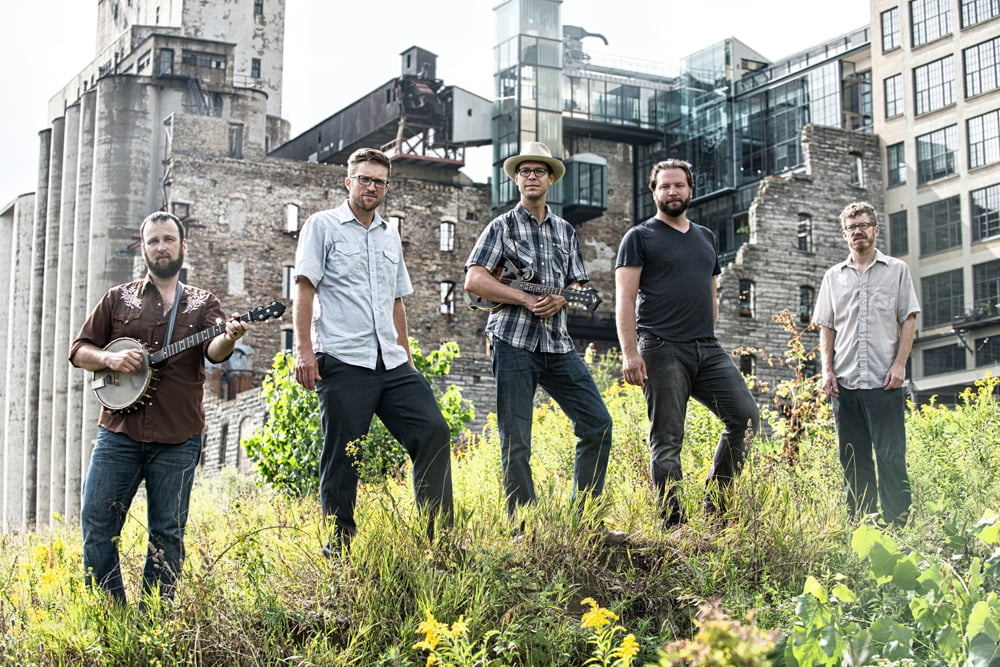
Artist: Pert Near Sandstone
Hometown: Minneapolis, MN
Song: “Getaway”
Album: Discovery of Honey
Label: Pert Near Music

In Their Words: “When we had our initial talk about the video, J said to make the visuals crazy and fun, and we agreed the song has a sense of humor about it and a pace that’s energetic and kind of wild. So I wanted to come up with a concept that was visually interesting and kept in line with the personality of music. I’ve always loved old, lo-fi special effects, so I decided to build a car in my studio and do projection and play with the idea of this character having an adventure right in his own garage in a cardboard car he made himself. I think it captures J’s goofy, rowdy nature, but also the thrill of driving fast and going on a wild ride.” — Nicole Brending, video director


Photo credit: Jayme Halbritter

3X3: Chris Jones on Salad Shooters, Green Olives, and Working Pens

Artist: Chris Jones
Hometown: Brooklyn, NY
Latest Album: Made to Move
Personal Nicknames: Jonesey, Doops (childhood), Mr. Gwiforbidees (also childhood, and I swear I didn’t make that up)


Last week at #wideopenbluegrass in #raleigh #cjnightdrivers @jonweisberger @mountainhomemusic

A post shared by Chris Jones/The Night Drivers (@cjnightdrivers) on

If you could go back (or forward) to live in any decade, when would you choose and why? 

Which decade had Duran Duran and the Salad Shooter? Seriously, though, I’d have to say the 1940s. Just the opportunity to be alive for the start of bluegrass music and bebop would be amazing, plus I just like the look of things from that period, from cars to clothes to telephones.

Who would be your dream co-writer and why? 

I have to say that, in the last few years, I’ve already gotten to write with my dream co-writer, and that is Tom T. Hall. Long before we were friends, I was in awe of his perspective, and his ability to boil the complex down into a simple and poetic phrase. I guess that means I can quit now and pursue my alternate dream of becoming an ice cream man.

If a song started playing every time you entered the room, what would you want it to be? 

“Along Came Jones” by the Coasters (even though they never say what Jones does once he gets there).

What is the one thing you can’t survive without on tour? 

A working pen. I like to write stuff by hand, and I feel naked without one. For the spur of the moment song idea, and for writing set lists, I’ve got to have one.

What are you most afraid of? 

Fear itself, to borrow from FDR. As individuals and as a society, we spend a lot of energy being afraid of the wrong things, and it tends to paralyze us and keep us from really living and loving. Now the high diving board is another story.

Who is your favorite superhero?

I’d have to go with the Green Hornet. He’s a snappy dresser, plus he’s got a bodyguard with martial arts skills and a cool car that will start with the push of a button. (I’ll admit that was more exciting back before a lot of mid-sized rental cars could do that, too.)


At the Old Feed Store, photo by John Longmire #cjnightdrivers #bluegrasslife #carbondalemusic #madetomove

A post shared by Chris Jones/The Night Drivers (@cjnightdrivers) on

Pickles or olives?
Olives, garlic-stuffed, but not right before greeting fans at the merch table.

Which primary color is the best — blue, yellow, or red? 

Blue

Summer or Winter? 

Winter all the way. I own at least four pairs of long johns and a pair of cross-country skis I’ve had since I was 14.

Traveler: Louisville

Loo-a-vul, Lou-e-ville, Loo-a-ville, Looey-ville: Ask a local and you might get mixed responses on the correct pronunciation of its name, but anyway you spin it, the city boasts a lot more than their slugger. Louisville is proving itself as a destination, not just a stop along Highway 65. In addition to the unmistakably Kentucky traditions of bourbon and basketball, the town has a storied cultural history, a thriving food culture, and an evolving music scene. Derbies and juleps are great, but we did a deep dive of Louisville’s local spots.

Getting There

Smack dab in the middle of the eastern U.S., Louisville’s geography lends itself well to a quick weekend trip from various surrounding cities, like Nashville (two+ hours), Cincinnati (four hours), and St. Louis (four hours). Take the Bourbon Trail through Lexington to Louisville or, if you’re feeling ambitious, bike it. Louisville International Airport is 10 minutes from downtown.

Accommodations

Photo credit: Seelbach Hilton
If you like your accommodations with a side of cocktails and modern art, check out the 21C Hotel. If a hotel with an art museum isn’t in your budget, you should still stop by for cocktails and art browsing. For the lit nerds, F. Scott Fitzgerald hung around the Seelbach Hilton’s bar, meeting a gangster who inspired his socialite character, Jay Gatsby, in The Great Gatsby.

Eats

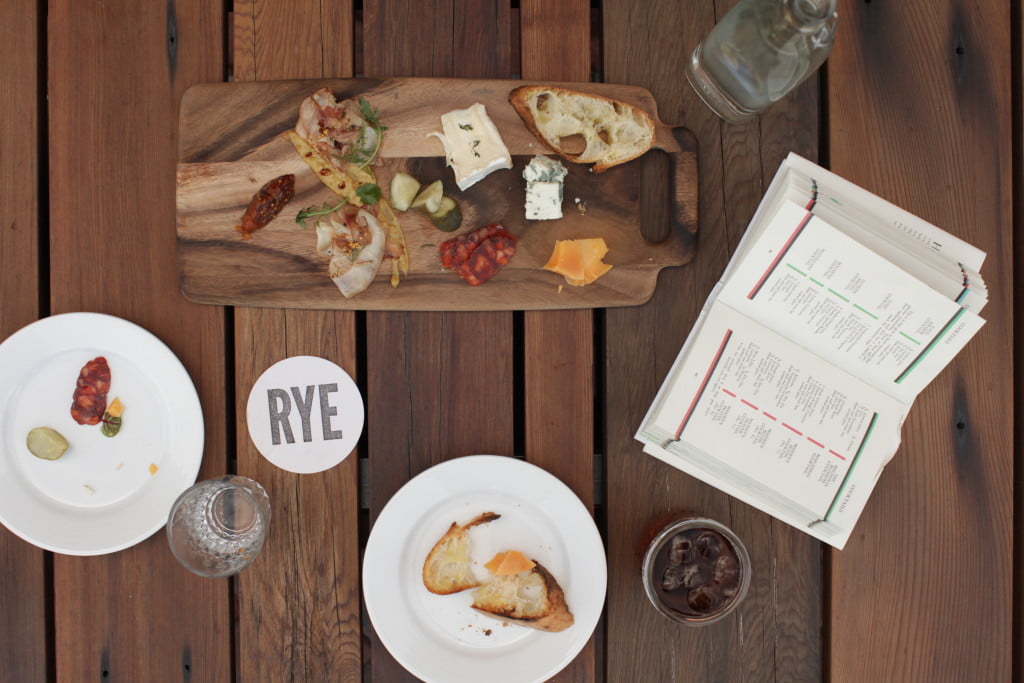
Photo credit: Rye on Market

UPS is headquartered in the town, so local chefs have extra speedy access to fresh ingredients overnighted, thus fostering a killer food scene. From restaurants which have endured the times — like Jack Fry’s — to new kids on the block — like Rye — Louisville’s food scene is rooted in Southern food with a finger on the contemporary foodie pulse. Chef Edward Lee’s 610 Magnolia is also a great choice for a fancy meal that’s worth it.

Drinks

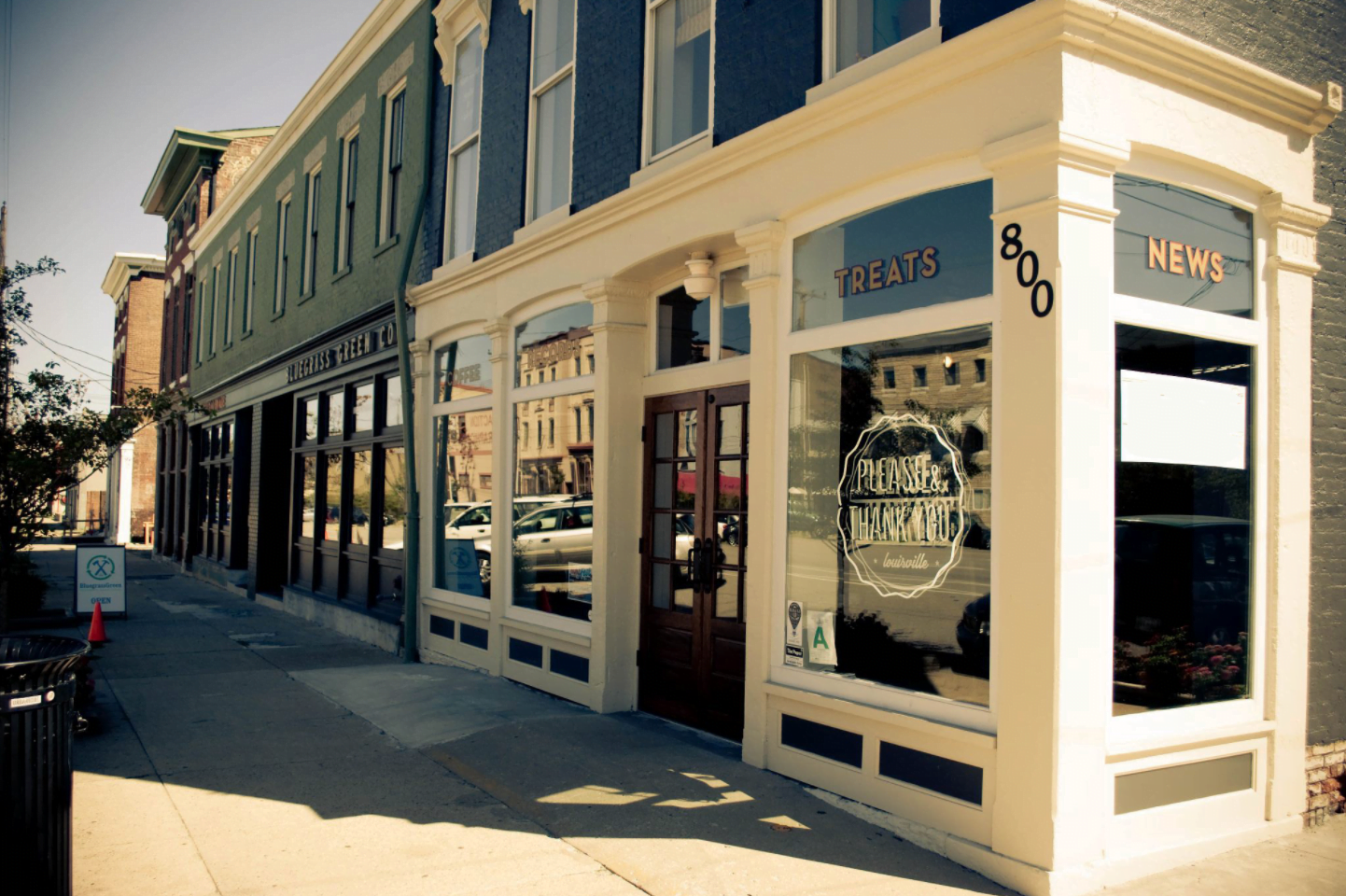
Photo: Please & Thank You

Bourbon. And lots of it. Declared “America’s Official Native Spirit,” more than 95 percent of the world’s bourbon is distilled and aged in Kentucky. Downtown Louisville has a free Urban Bourbon Trail, which consists of bars which all serve at least 50 different kinds of bourbon. For the hops enthusiasts, Falls City Brewery is in the midst of reinventing itself and has been a Louisville staple for years. Apocalypse Brewing has quality brews made in an environmentally conscious process and a Yappy Hour for you and your pup.

For your coffee fix, Quill’s Coffee and Please & Thank You will fit the hip coffee bill of big cities. Head to the back of Please & Thank You to shop for records, while you sip their Thai iced coffee and eat “Louisville’s Best Chocolate Chip Cookie.” Wander over to Bardstown Road for local shops, food, and bars in one spot.

Cultural Sights

Photo credit: Muhammad Ali Center

Pay homage to the greatest of all time at the Muhammad Ali Center, a spot well worth the $12 price tag. It’s just as much about civil rights as it is his career, plus we could all take a cue from his motto, and the museum’s tagline: “Be great. Do great things.” It’s not open on Mondays and has spotty hours, so check before you go.

If you’re planning on geeking out on museums, consider getting “The Main Ticket,” which bundles admission to six downtown Louisville attractions, including the Frazier History Museum, Kentucky Museum of Art and Craft, Kentucky Science Center, KentuckyShow!, Louisville Slugger Museum & Factory, and the Muhammad Ali Center for 30 bucks.

On top of that, the Bernheim Arboretum and Research Forest is a great day hang and hosts all kinds of nerdy plant events, like wildflower walks and updates on the American Woodcocks’ nesting.

Photo credit: louisvillemegacavern.org

Louisville Mega Cavern boasts the world’s only underground zipline. Yep, that’s a thing, and they’ve got six of them which run year round.

Music

Louisville’s upped its festival game with Forecastle every July, and Bourbon And Beyond in September. If you’re looking for low-key, down-home Kentucky bluegrass, look no further than Barret Bar. For bluegrass with your bloody mary, check out the Monkey Wrench. Louisville’s quirky Zanzabar brings under the radar artists to their pinball arcade/venue combo, and has been open since the ’30s.


Lede photo credit: Scott Oves

LISTEN: The Gage Brothers, ‘All You Are’

Artist: The Gage Brothers
Hometown: Akron, OH
Song: “All You Are”
Album: The Gage Brothers
Release Date: May 5, 2017

In Their Words: “A song about the gradual end to a love full of doubt, fear, and perceived flaws, it touches on the idea of taking more than what is given and the harm that can follow.” — Zach Gage


Photo credit: Ernie Joy

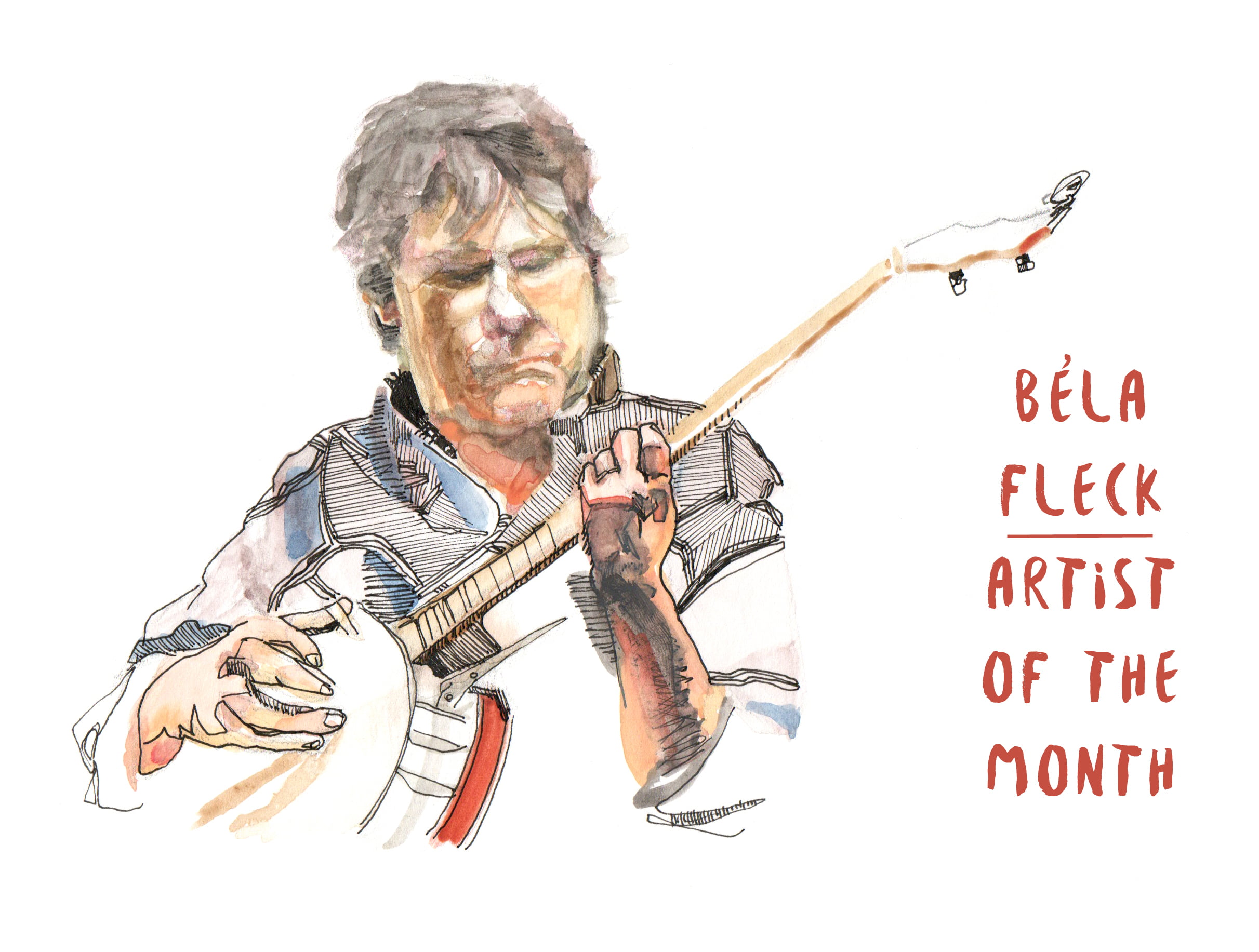
Béla Fleck on Playing His Newest Role

Béla Fleck has explored chapter and verse over the course of his tome-length music career, but there remained one role he had yet to play — father. The world’s most inventive banjo player took on that title over three years ago when he and his wife, clawhammer banjo player Abigail Washburn, welcomed their son Juno. Parenthood inevitably shifted innumerable things for both musicians, not least of which included when and how to write music. “It’s all family-motivated,” Fleck explains about his life now. “How do you find the time to be a musician when you’re trying to be the best parent you can be? It was a new structure that I’ve never experienced before.”

It was especially tough at first. Fleck and Washburn received a standard warning from their doctor about Sudden Infant Death Syndrome (SIDS) prior to taking Juno home from the hospital, which left an indelible mark. “All I could think was, ’I’m not letting him out of my sight. I’m going to have my eyes on him 24/7,’” Fleck recounts. “When he slept, I would sit and watch him all night because we were all so spooked.” Composing at home, as opposed to concentrating on duet or band projects requiring his presence elsewhere, became a way to balance fatherhood with the musical identity he’d long inhabited. “That was the beginning of realizing you can get a lot of work done by yourself when you’re with your family,” he says. Fleck took to using naptime and nighttime to work out ideas he quickly captured on a recorder during other points of his day. “Creativity can be like maple sap coming out of a tree,” he says. “If you don’t collect it for a while, and you go back, there’s a whole bunch waiting for you. It really happens that way sometimes.” As a result of his newfound approach, Juno’s influence is everywhere. “Anybody who has kids knows how that works.”

It’s an influence that extends to Fleck’s latest project and second banjo concerto, Juno Concerto. Besides naming the project after his son, Juno’s thumbprint arises thematically throughout each of the three movements. “As a musician, I was trying to be who I was as a father, and I also wanted the music to express some of the ways I was feeling,” Fleck explains. “Some simpler emotions were coming out that I was not expecting to ever feel before I became a parent. I felt more comfortable with letting them be in the music and encouraging them, while still finding ways to be my complicated self in the middle of it.” The end result is cinematically striking, full of sweeping musical phrases and a seamless conversation between banjo and orchestra. “I didn’t expect to be playing over the full orchestra going crazy, but I had to be very aware of creating textures where the banjo could be heard and then creating places where I was either in support of the orchestra or not playing at all so I could be big and not distracting from the orchestra,” he says. “It’s like a David and Goliath heroic kind of thing, but they’re not competing. At their best, they lift each other up.”

If there’s one singular characteristic to Fleck’s career, it’s his willingness — his inclination — to push boundaries. Having recorded as a solo artist, a collaborative partner, and in an array of bands — including the Béla Fleck and the Flecktones — as well as a variety of styles, Fleck takes pleasure in erasing preconceived notions about where his instrument belongs. “I want it to be on the edge and something that hasn’t been done before,” he says about his approach. “That’s the whole reason to play music: expression and exploration.” Thanks to his boldness, Fleck has done much to quell ideas about high and low art. The banjo may have found its most familiar setting in bluegrass, but over the course of his career, Fleck has helped reveal its historical place in early jazz (bringing it up to speed in the modern era), its African lineage, and now its classical possibilities. “I’d prefer to be a wine that matured and got better than a wine that you need to drink when it’s young, because I’m not young anymore,” he laughs. “I’m trying to say something meaningful and trying to get deeper into honest, pure expression as I play music, whatever music I’m playing.”

Fleck composed his first banjo concerto in 2011 after receiving a commission from the Nashville Symphony Orchestra. “It’s a lot of fun when you’re composing. You’re just sort of ordering everyone around on paper,” he says. Appropriately titled The Impostor, it involved a good deal of posturing; Fleck concentrated — thematically and literally — in asserting the banjo’s place alongside more traditional classical instruments. But he didn’t include a true slow piece for the banjo, following a concerto’s typical fast-slow-fast structure. With Juno Concerto, he set out to answer that challenge. “The banjo tends to do things well that are fast and crisp and clear,” he says. “I made a real point of insisting that the banjo could play slow, as hard as it was to do these gaping spaces. It was a challenge.”

Juno Concerto didn’t fill an entire album’s worth of space, so — as he’d done with The Impostor — Fleck set about adding additional string pieces, recording “Griff” and “Quintet for Banjo and Strings: Movement II” with string quartet Brooklyn Rider. He originally composed “Quintet for Banjo and Strings” with Edgar Meyer in the early 1980s, but never got about to recording it. “It’s so good to have something like that to settle the dust of all the craziness of the pieces I like to write,” he says. And since he’s received one more commission to compose a concerto, he anticipates following suit by combining concerto and string pieces for that next album. “I didn’t intend to do the exact same thing, but then I started to think, ‘Well, if I do it three times, it’ll be a set,’” he says. “Three concertos with three string pieces, that becomes interesting.”

For all his experimentation, it might seem that nothing intimidates Fleck anymore. In fact, the bravery he’s developed by inserting himself into myriad musical conversations only comes about after months and months of hard work. “I’ve done so much stuff that, sometimes, I forget how hard I worked on each thing,” he says. “I have a pretty intense work ethic, and then when I’m done, I forget and I go back and listen to the record and go, ‘Oh that sounds pretty good.’ I don’t hear all the blood and guts that went into getting it to that level. But when I start on a new project, I go, ‘Wow, this doesn’t sound very good. Maybe I just don’t have it anymore. Maybe my good years are behind me.’ But I don’t realize that I spent months and months and months working on those projects that, in hindsight, makes them sound easy.”

If there are ever any doubts about his talent diminishing with age, Fleck’s work ethic seems likely to keep things in check, as well as his son. Growing up in a household with two world-renowned musicians means Juno has developed quite the ear. “He doesn’t realize how much he knows about music from being around it so much,” Fleck says. Still, there’s one point on which they continue to disagree. “He always asks me, when I play instrumental songs, ‘When’s the singing going to come in?’” Fleck jokes. “That kind of bothers me because I’ve made a life of trying to make believe that singing doesn’t have to be there for music to be good. I’ll play him a song and he’ll go, ‘Papa, that’s too long.’”


Lede illustration by Cat Ferraz.

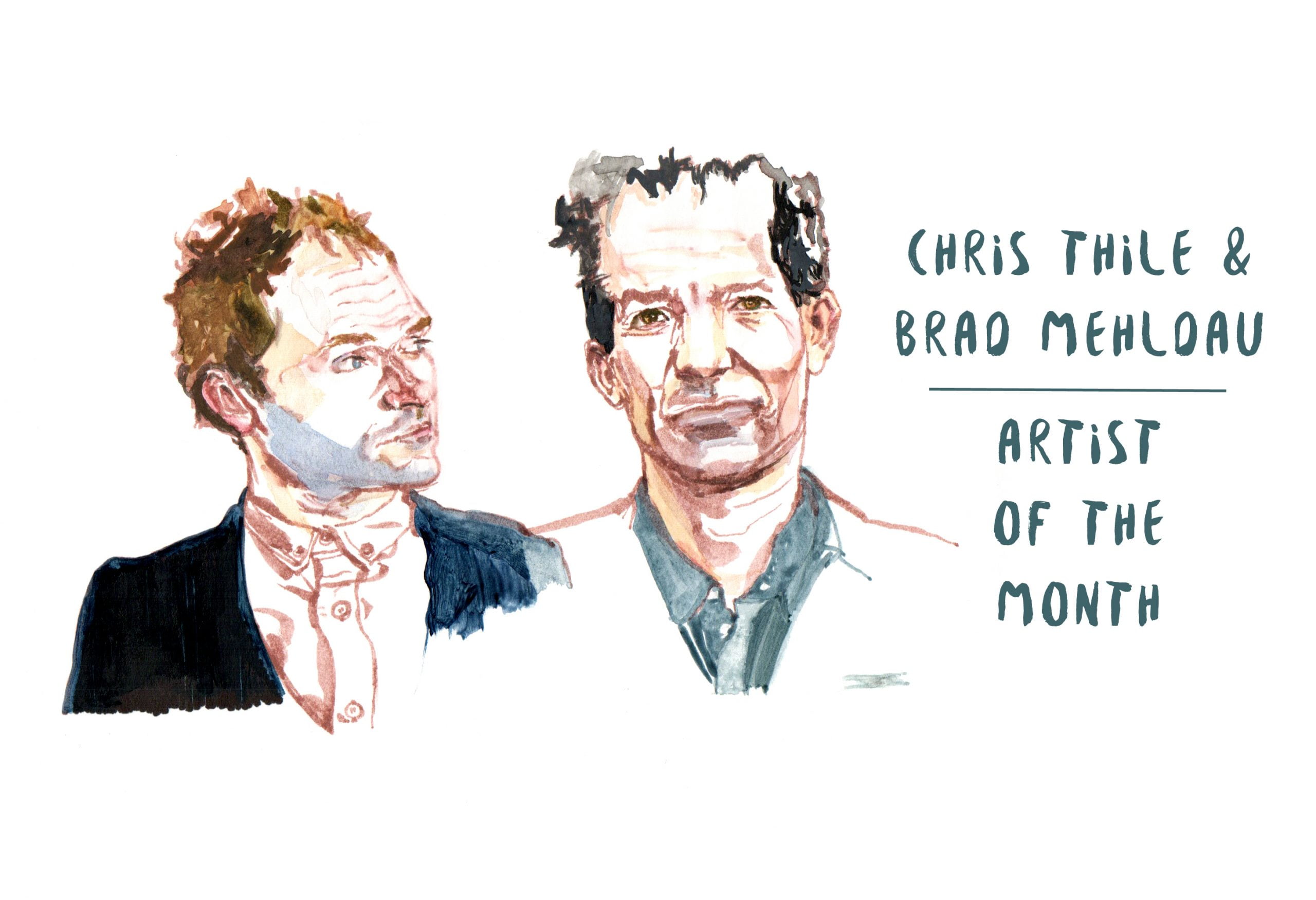
Chris Thile and Brad Mehldau: Playing Against Type

The repertoire for mandolin and piano isn’t exactly teeming with arrangements. Compared to other duets, those two specific instruments haven’t conversed with one another as often, but consider that dearth a starting point from which anyone daring enough can create their own dialogue. Mandolinist Chris Thile and pianist Brad Mehldau, virtuosos in their own right, have concocted just such a conversation — by way of original composition and cover, alike — on their first duo debut album, Chris Thile & Brad Mehldau.

The pair first experimented with what they could “say” when they performed a handful of live shows together in 2011 and briefly toured later in 2013. But getting to the studio would take some time. Thile sums up the reason in one word. “Schedules,” he admits, with a sharp chuckle. “We both have pretty voracious appetites for musical projects, and we both love to perform. The little touring things that we had were always coming in the cracks of other projects.” Those projects ranged from Thile’s role in progressive bluegrass band Punch Brothers to Mehldau’s eponymous trio, as well as a whole host of solo, duo, and collaborative projects in between.

The two stay busy, to put it mildly.

Thanks to their respective projects, Thile and Mehldau have learned the art of accommodation, but embarking on this particular album required a novel approach. “I felt like Chris and I were orchestrating for each other a lot,” Mehldau says. “We were finding the right ‘instrument’ to play for each other. Sometimes Chris gave me a drum part during my piano solos, sometimes I gave him low cellos during his. That orchestrating is a big part of the fun of the project.” Beyond that, Thile and Mehldau needed to find a balance between airy mandolin and weighty piano. Mandolin lacks dynamic range. It excels at being soft — Thile compares all the ways it can “whisper” to the myth about the Inuit’s many words for “snow” — but other instruments tend to sacrifice their own clarity to make way for it. “The challenge for me was to not drown out Chris with the piano, because the instrument is simply louder and bigger,” Mehldau explains. “I really enjoyed that challenge, though.” Thile credits Mehldau’s ear with helping the two instruments find a shared space. “He’s such a sensitive listener,” he says. “He immediately intuits the potential issues.”

Listening, as an exercise, has shifted for Thile ever since he took over hosting A Prairie Home Companion. “I feel like my ears have grown four or five sizes,” he says about his new gig. “I’m listening to everything with far more open ears. I’ve often listened to music like, ‘What can this do for me and my musicianship?’ as opposed to listening for pure joy. But joy is improving. Within my craft, I can get so mercenary about it. That hunger to improve can result in unhealthy listening habits, and I feel like this show is actually helping me grow out of that.”

As critical as Thile may be about his listening habits, he has always heard outside the box. It’s a connection he shares with Mehldau. Both men have covered artists seemingly antithetical to their styles, such as Beyoncé or Nirvana but, in that kind of play, they’ve forged edifying creative spaces, and the same is true on Chris Thile & Brad Mehldau. The 11-track album features an array of covers. There’s Gillian Welch’s “Scarlet Town,” Bob Dylan’s “Don’t Think Twice It’s Alright,” the 17th-century Irish tune “Tabhair dom do Lámh,” and more. “I think the reason why it worked so well was because of the common musical ground Chris and I share,” Mehldau says. “Roots rock, Bach, Radiohead … a whole bunch of stuff.” In short, there’s a level of fanboy about the album.

Thile and Mehldau went back and forth trading favorite songs, some familiar and some not. Thile says, “He and I have operated that way for a long time, as individuals, whether it’s something we’re listening to because we love music and hope that this thing we’re listening to seeps into the stuff we’re creating on our own, or whether it ends up as a performance piece or something we record.”

One particular track shows off the imaginative possibilities inherent in piano and mandolin, or at least when Thile and Mehldau play them. It’s a striking seven-minute cover of the jazz standard “I Cover the Waterfront.” Mehldau takes over the song from Thile’s anxious mandolin shortly after the 1:30 mark, at which point Thile concentrates on singing. What results is one of his most diaphanous vocals thus far. “I really enjoyed it because I had all this time to listen,” he says about the song’s extended phrases. “So then it was like an out of body experience for me. When I would start singing, I didn’t feel like I was singing, I felt like I was listening to myself sing.”

If there’s a parallel to Billie Holiday’s infamous version, it’s because she influenced Thile. “It’s so mournful and beautiful and delicate but strong,” he says. Thile captures those qualities in bits and pieces, but puts his own hurt on the track, as well. Mehldau says, “I think it’s a double challenge for Chris when we think about the possibility of a cover. Sometimes with vocals, the original performance is so iconic, it’s not immediately clear what more there is to do. I was just thrilled by what Chris did with all the covers that he sang on — he got to the heart of what was great about the song in the first place, lyric included, but also just completely made it his own, in this very easy-going manner, like he wrote the tune himself.” Thile, for his part, admires what Mehldau accomplished on “I Cover the Waterfront,” calling it a “masterpiece of a solo.”

As much as Mehldau brings a jazz and classical sensibility to the album, playing with Thile revealed a new quality to his own style. “In some deeper sense that is hard to put in words, I really have discovered another kind of musical expression with Chris, but I would say it was like unearthing something inside of me that I didn’t know was there,” he says. “It’s definitely not the jazz guy from New York; it’s the hillbilly who was born in Jacksonville.”

Aside from covers, Thile and Mehldau include a handful of original compositions on their debut, like “Noise Machine,” a song about a restless infant and sleep loss. Thile wrote the song to his son Calvin, but it ends up taking on the form of an ode indirectly addressed to his wife, actress Claire Coffee. “Whatever I go through pales in comparison to what she goes through, and she has a full-time job,” he explains. “I’m doing what I can, but I travel and he needs her because he’s still nursing.” The song oscillates between explaining sleep’s incredible fun to Calvin and making sure he knows just how lucky he is to have the mother he does. “So I sing just above the noise machine. Your mother is a hero,” Thile sings on the chorus, extending his delivery while Mehldau dances around him on piano. In the lyrics’ nuanced construction, Thile hit his intended mark — a way to praise Coffee for all she does — without becoming overly saccharine about it. “I’m amazed at my wife and won’t hesitate to praise her, but a song where I’m like, ‘Baby you’re great,’ doesn’t feel like the right approach in this case,” he says. As for sleep, that’s still hard to come by in their house. “I wrote that song over a year ago now and I thought for sure it would only be relevant to me for a little while, but, no, it’s still very relevant,” he says.

Chris Thile & Brad Mehldau is, at turns, compelling, curious, and playful. The two create soothing music together because they bring such care and consideration for one another to the recording process. Each track contains a deep breath, of sorts — one that comes from Mehldau’s jazz approach and Thile’s bluegrass-tinged response. But Thile knows the real secret to the album’s success. It’s not a matter of experimentation or improvisation or the sheer gumption of taking two instruments and exploring the conversation that results. “The secret is for the piano player to be Brad Mehldau, and then it works real well,” he says with a laugh.


Lede illustration by Cat Ferraz.