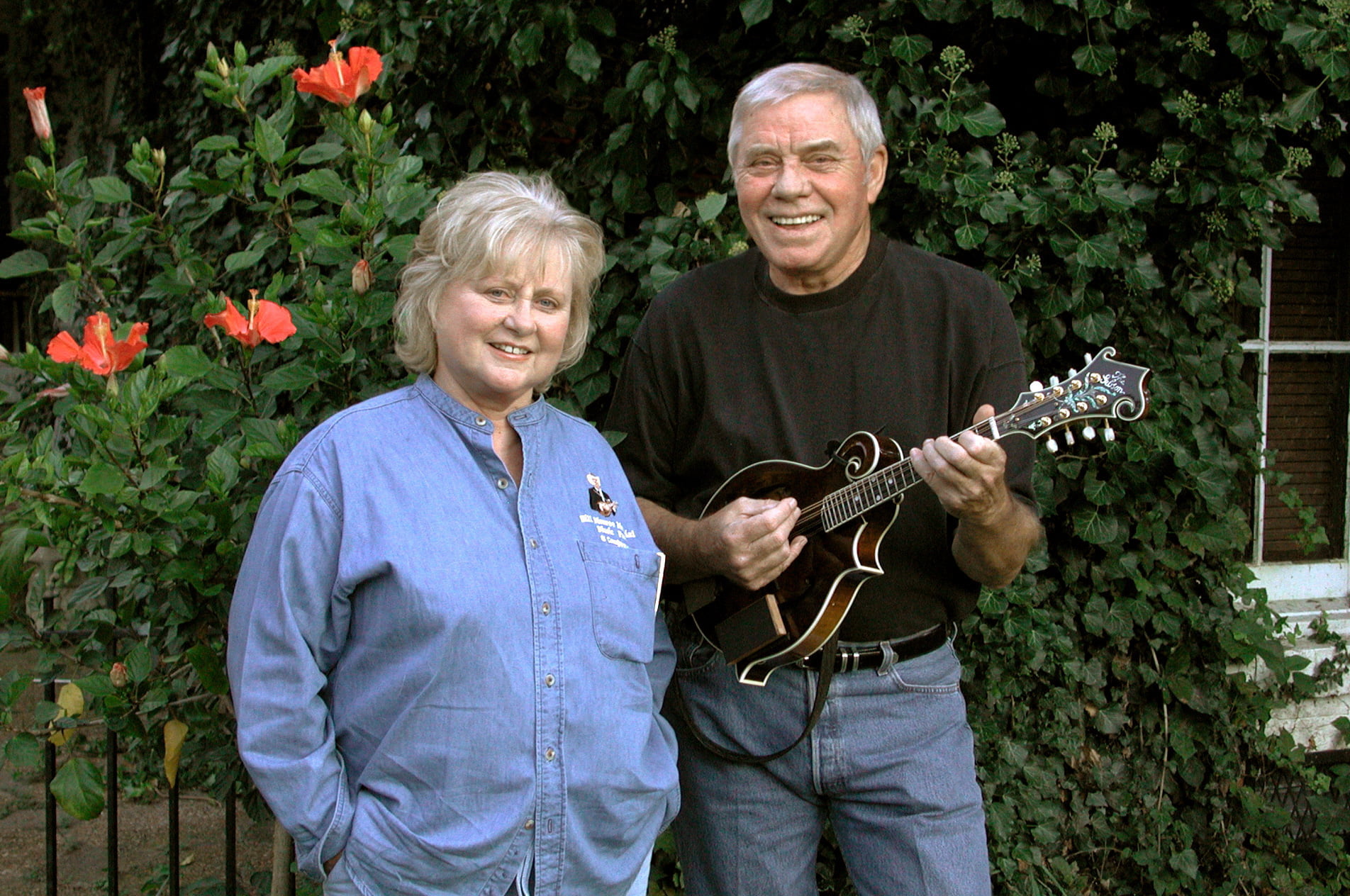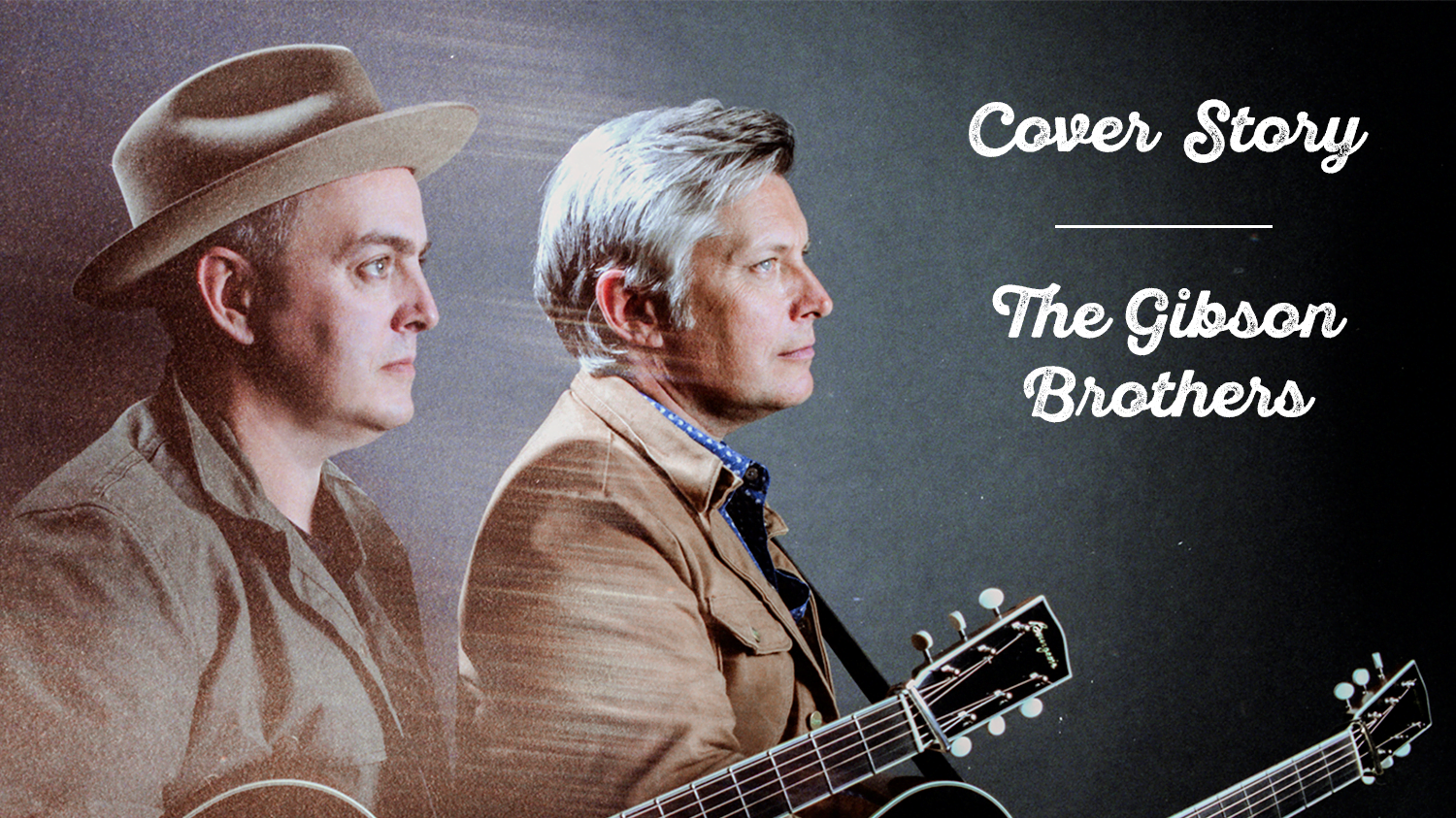
The Gibson Brothers Still Call It Music, Just Not Bluegrass

Featuring the stunning blood harmonies of days gone by and an abiding love for classic sounds, The Gibson Brothers long ago earned the respect of the bluegrass establishment – even scoring back-to-back wins as the International Bluegrass Music Association’s (IBMA) Entertainer of the Year in 2012 and 2013. Even so, they’ve always cultivated an adventurous spirit.

Having grown up on a dairy farm in the far north of New York State, sandwiched between the Adirondack Mountains and Quebec’s provincial border, their musical appetite was as varied as their home was removed from the bluegrass heartland – from Flatt & Scruggs to Celtic traditionals, and from Tom Petty and The Eagles to French-Canadian fiddle tunes. Throughout their two-decade recording career, The Gibson Brothers have subtly mixed bluegrass reverence with a hint of rock refreshment, but with their new album, Mockingbird, Eric and Leigh Gibson have taken a bold creative departure – at least for the time being.

Mockingbird’s 11 tracks still feature their celebrated close harmonies, but also pull heavily from the countrified world of late 60s/early 70s rock, all masterminded by producers Dan Auerbach (of The Black Keys) and David Ferguson (Johnny Cash’s American Recordings series). Freewheeling and fun, but also rooted in the crisp refinement of their past success, the boisterous rural funk of tracks like “Sweet Lucinda” stands alongside breezy Laurel-Canyon rock in “Cool Drink of Water,” while “Travelin’ Day” explores a trad-country template and R.E.M.’s seminal 90s hit “Everybody Hurts” becomes a swaying example of country R&B.

“The impetus behind the music was that we had done bluegrass our whole career, and when we got talking about the next record, we really just decided we didn’t want to do the same old thing again,” he explains. “It’s not because we were ashamed of what we were doing. We love what we do. There was no intention of anything. This all really happened naturally.”

“I think people love a band where they found them,” banjo-playing lead singer Eric Gibson adds. “But it was so exciting that we didn’t have time to think about ‘Oh, is this gonna upset people who are used to what we’ve done in the past?’ We just dove into the process and had a ball.”

Speaking with The Bluegrass Situation by phone, The Gibson Brothers dug into the inspiration for Mockingbird – and the creative avalanche that followed.

The obvious question here is “What made you want to get away from bluegrass?” But I feel like being from upstate New York might have had something to do with it. Is your approach to bluegrass a little different?

Leigh: We started learning how to play bluegrass when we were 11 and 12, and the guy who taught lessons at our local store played five-string banjo and guitar, among other things. Our father just happened to have both of those instruments, but he didn’t have a banjo because he was into Celtic music. So the guy we took lessons from taught Eric out of the Earl Scruggs method book, and I think that’s what pointed us in the direction of bluegrass.

Eric: Yeah, and once we heard Flatt & Scruggs it really drew us in, but if we hadn’t gotten into the Scruggs handbook, we probably would have played something else.

So what was the idea behind Mockingbird? Do you think of it as a rock and roll album?

Eric: There are definitely elements of rock and roll, but I hear country in it, too. I don’t know where it neatly fits. I’ve heard some people call it an Americana record, but on top of it all I hear the brother harmony. I think it’s that, weaving through a variety of styles.

Leigh: We wanted to do something different, and originally we had some tunes that didn’t fit neatly into the box of a bluegrass band. But we didn’t know we were gonna make a whole album. We were just looking to record some tracks.

Eric: And we ended up not recording any of the songs we were thinking about. We just wrote a bunch of new ones! … When we went to Nashville and started working with Dan Auerbach and David Ferguson, they asked us, “Do you wanna make a country record?” And we said, “Let’s just write songs and see what they need.” They handled the producing chores and did a beautiful job, and came up with sounds that I know I couldn’t have come up with.

You reached out to Ferguson to produce Mockingbird first, and I know he also engineered your first Nashville bluegrass album, Another Night of Waiting. Why was he at the top of the list for this project?

Leigh: [Laughs] Because he’s fun.

Eric: He’s a character and once you meet him you don’t forget him. We’d see him here or there and he’s been doing all kinds of big things in the last 20 years. He’s the one who engineered all those late-career Johnny Cash albums with Rick Rubin. He’s worked with U2, and lately he’s been working with Sturgill Simpson and Tyler Childers. We’d see him and he’d say, “Why don’t you come record some music with ol’ Ferg?”

Leigh: And I’d say “I don’t think we can afford you, Ferg.” And he’d be like, “You’re right, you can’t.” [Laughs]

Eric: But we were riding around DelFest on a golf cart with him in 2017 and he brought it up again, and by fall we were feeling a little restless. We kept listening to records that he worked on in the van, and I think Leigh was the one who said “Maybe we should call Ferg.” I said, “Why do you think I’ve been playing all these albums over and over again!”

So then Ferguson suggests bringing in Dan Auerbach from The Black Keys. Was that a surprise?

Leigh: I was floored, to be honest. Our manager called me and said, “Well, Ferg’s first action as your producer is to bring on another producer, and it’s Dan Auerbach.” [Laughs] So I called Eric and I couldn’t believe it.

Eric: What was funny was Leigh said, “Is this something you’d be interested in?” And I was like, “Duh!” This is the kind of thing that falls out of the sky and you have to go for it.

I read that the whole album was written and recorded in just a few days. Is that unusual for you?

Eric: Yeah, we’ve never worked like that before. … Every day it would be Leigh and Dan and me, plus one other writer. We didn’t go in with any melodies. I had a couple of lines jotted down but we hardly used any of those. A lot of it just came out of conversations we were having at Dan’s studio kitchen table, like “Travelin’ Day.” Dan said, “You know, Ferg lost his stepdad a few days ago,” and we got to talking about that. Ferg said, “He really showed us how it’s done. He was brave at the end.” We said, “Our dad was the same way.”

It’s interesting that you started off with something so heavy, because the album doesn’t come across heavy at all.

Eric: It’s not. That first song is pretty heavy, but there’s a lot of love songs on there, and we hadn’t written a lot of love songs in the past.

Leigh: Dan and Ferg showed us how to love. [Laughs]

“Love the Land” seems like a reference back to you roots on the farm. Where did that come from?

Eric: That was written with Joe Allen.

Leigh: With that song, obviously Eric and I have a background of shared memories, so we’re probably thinking about the same thing as we’re writing it. But Joe’s from Oklahoma and Dan’s from Ohio, so they’re thinking about different things. I remember talking to Dan and he said, “Man, I need to get outside more. I miss it.” It’s kind of funny that it’s wherever your head is at the time. If we sat down with the same guys tomorrow, something totally different would come out.

Eric: Dan loved that we kept showing up early. I’d apologize and Dan would say, “No, no, make yourselves at home.” So we’d go back to that kitchen area and he has this beautiful vinyl collection. We’d put on different records and I think sometimes they would influence the direction of the day. Like, that one has a very Don Williams feel, and I think we were listening to Don Williams that morning.

Why did you pull Mockingbird out of that song as the album title?

Eric: Just because that kept jumping out of my head. Joe came up with the line, something like “Mockingbird, if you haven’t heard / Never been a sound so sweet.” I loved that, so I actually Googled “mockingbird.” [Laughs] It turns out they can sing a variety of songs. They don’t just sing the same thing every day, and I thought “Wow, that’s kind of what we’re doing here.”

I’m sure you’ve been asked a million times, but did the cover of R.E.M.’s “Everybody Hurts” come out of left field?

Eric: Totally out of left field.

Leigh: Just before the last day of tracking, Dan said, “Think of a song from the 80s or 90s that everybody knows but no one would think of you doing.” So Eric and I talked about it on the way back to the hotel and came up with something by a female artist, and we got to the studio the next day and Ferg is like, “So what song did you choose?” We told him and he’s like, “Oh, I hate that song.” Allen Parker, who is Dan’s in-house engineer, said “Hey, how about ‘Everybody Hurts’?” I had heard the song – you couldn’t miss it if you’re a person my age – but I never in a million years would have thought about doing it. Those guys went and charted it, and it had such a comfortable, funky feel, that we were compelled to learn it.

Do you think your fans saw this album coming?

Eric: No. I mean, it’s a hard question. If they’ve really been paying attention to us over the years, it shouldn’t come as a big surprise because we’ve recorded stuff by Tom Petty and The Band and The Rolling Stones and Mark Knopfler. We have a variety of tastes.

Leigh: I think there are certain fans who see you as one thing, and if you do something else it can be upsetting, but no one twisted our arm to do this. It’s absolutely what we wanted to do and we’re proud of it, but we didn’t do this to offend anybody. If somebody is offended, there’s nothing we can really do about that except say, “Look at our track record and all this other stuff we’ve done that you really love. Why not give this a chance?”


Photo by Alysse Gafkjen
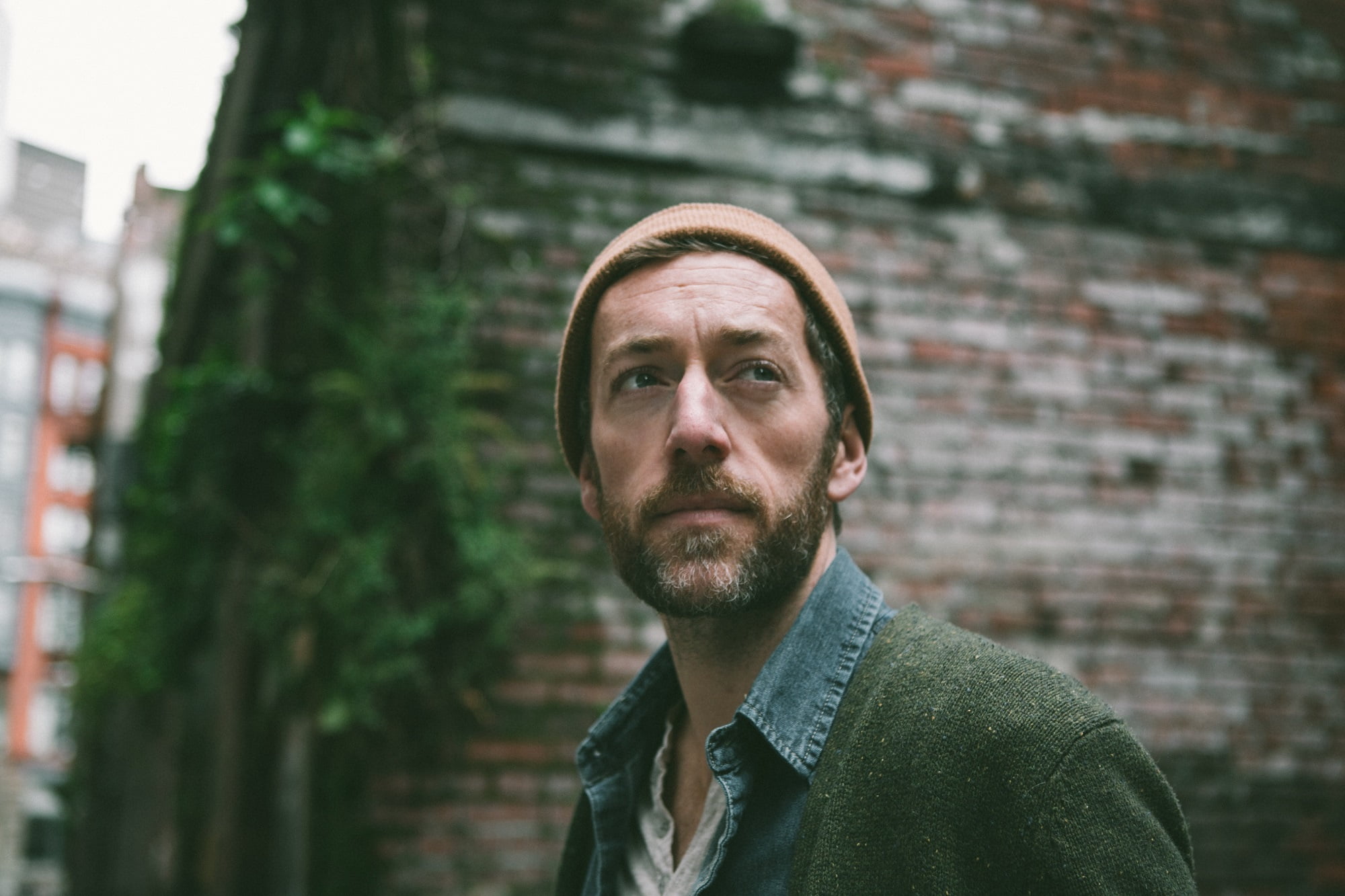
LISTEN: Alex Dunn, “Will You Be”

Artist: Alex Dunn
Hometown: Seattle, Washington
Song: “Will You Be”
Album: Scattered Poems
Release Date: November 16, 2018

In Their Words: “I wrote this song a couple years ago, when I had just met and fallen in love with someone far, far away. It was an unrequited love. But the song isn’t really about that person. It is more about the feeling itself. The feeling of falling. A feeling so good. I was living in the little town of Saratoga, Wyoming, at the time and had just come back alone from the Rustic Bar, where a honky-tonk band was playing — so naturally, the two-step rhythm was coursing through my veins. I came dancing through the door, grabbed my guitar and wrote this tune in one go.” — Alex Dunn


Photo credit: Nicole Griffin

WATCH: Matt Campbell, “That’s The Way”

Artist: Matt Campbell
Hometown: Nashville, Tennessee
Song: “That’s The Way”
Album: The Man With Everything
Release Date: November 9, 2018
Label: Flour Sack Cape Records

In Their Words: “I woke up with the hook of the song in my head, not sure where it came from or what to do with it. I was listening to a lot of Merle Haggard at the time. Country music has a rich tradition of artists staking out political positions, but a lot of modern takes are full of platitudes or play to lowest common denominators. I’m staking out my own position in no uncertain terms, informed by my own experiences. I thought of it as Western Swing song, but the more the lyrics came together the phrasing turned into something closer to rap. I suppose that makes sense because my view is that you have to blur a few lines to make sense of America, if only for your own sanity.” — Matt Campbell


Photo credit: Emily Beaver

Whitey Morgan Won’t Settle on ‘Hard Times and White Lines’

Few bands deserve the sometimes-dubious title of “Outlaw Country” like Whitey Morgan and the 78’s. But after nearly 15 years of non-stop touring and boozy, honky-tonk rocking, the words of Rodney Crowell’s prescient “I Ain’t Living Long Like This” are starting to hit close to home.

With the Flint, Michigan-based band’s gritty fourth album, Hard Times and White Lines, Morgan takes a step back to examine his own fast-living ways — doing so with the same hard-edged-but-classic country sound and unflinching honesty his fans have come to expect. Alongside Rust Belt ballads like “What Am I Supposed to Do,” Ray Price-inspired two-steppers like “Around Here” and a trouble-brewing cover of ZZ Top’s “Just Got Paid,” Morgan and company offer some candid thoughts on the lifestyle they’ve become known for.

I can tell the album title speaks to your reality as an artist. But it’s interesting that your first album was called Honky Tonks and Cheap Motels, and now we’re at Hard Times and White Lines. After all these years, does it feel like nothing has changed?

The only thing that’s really changed is that the crowds are bigger and I can pay my bills on time. … But I’m glad we’ve done it the way we did. I can’t imagine having it any other way. I know too many people who get it handed to them, like they get an opening slot on a tour and they think they’ve got the world by the balls. Well, then all of a sudden the record label shelves their album because maybe it’s not that great, and this artist doesn’t know how to tour on his own because he’s never done it and doesn’t even know how to book a fucking hotel room because they’re used to having everything done for them, and now what? … I know that if it ever gets to the point where I have to go back to doing everything myself, I can do it, because I have done it.

You have the reputation of being an outlaw band, and fans have always loved the songs about drinking, drugging and staying out all night. But you’re not a kid anymore, and in fact you have a son now. Is your approach to that subject matter any different?

Definitely. It’s more of a reflective view than a “This is happening right now” thing. But I don’t think I’m ever gonna settle down to the point of some of these other guys who get old and they don’t allow any beer backstage at their shows, or no one in the band is allowed to smoke any weed before they play. I don’t imagine I’ll ever have that starchy of a shirt, because that’s when shit gets boring. The reputation was well-deserved in the old days, and it still is to some extent. I mean I go out there and a lot of the bigger bands we play with, they’re that way. Meanwhile I’m sitting here drinking three or four whiskeys before I play still, and to me that’s taming it down.

“Honky Tonk Hell” starts off the album, and to me it’s got this epic “Devil Went Down to Georgia” meets “Hotel California” feel. What’s it like to be stuck in a honky-tonk hell?

It’s like that line: “A man can get caught up.” I was caught up for a time, between the drinking and drugging and girls, and it’s almost like this place you keep getting sucked back into every night, whether it’s on the road or not. There’s guys who go to the same bar every night of their lives and they don’t play music or have anything to do with that world, and it’s kind of a take on that.

Anybody who has been to Nashville recently knows that we have a ton of hotels now. But I don’t think many of the tourists or bachelorette parties are familiar with The Fiddler’s Inn. You wrote a song about it, so could you explain for them what that place is like?

Yeah, The Fiddlers Inn is a lot different from most other places in Nashville now. It’s just an old travel lodge with lots of rooms, and it’s over there by the Grand Ole Opry House and the mall, all that shit, but it was there before all that. Just a classic old American roadside motel.

I don’t really know too much about it but I stayed there because me and my buddy Ward Davis were gonna try to write a song. I was staying at this other hotel that was kind of bullshit, so I said “I want to go over to Music City Bar and Grill tonight, because the Music City Playboys are playing” – they’re one of the best fucking bands in town that play on a regular basis. So we were drinking at Music City and already half in the bag, probably more, and we made this plan to write but kept procrastinating all day like “Ah, my notes are kind of empty right now.” We went over there and finally sat down with the guitars, and I just had this idea — “What if we wrote about this exact thing?”

The first line is about a guy sitting in a hotel room and he came here to write, but he can’t think of anything. And then the next verse is about what’s going on down the hall. We could have written a verse for every room because there are a million stories that happen every night at those places. Everybody’s on a different path, everybody’s coming from a different place.

You made your debut at the Ryman Auditorium this past year, and just thinking about where you guys came from, that’s a pretty big honky-tonk. What did it mean for you to be on that stage?

The first time I came to Nashville was probably 20 years ago, and like everybody says, it was a much different town back then. We’d go down and stay for a few days if we were playing a show, and sometimes we’d just go down to hang out because Broadway was still cool back then. There were at least five good bars where you could go hear real country music every day of the week, not just Sunday morning or whatever.

A lot of nights I would get drunk and disappear from the group, and just go sit on those front steps [of the Ryman]. [Playing there] was always something I wanted to happen, and I told myself I would never open for anybody there. I wanted the first time I was on that stage to be because the people were there to see me and my band. … It was an amazing night, and it went by so fast, but I tried to make as many memories as I could. I walked around before the show and just sat in different pews while it was empty just to see the different vantage points, because I had never even been in the building before. I never wanted to go inside until it was my day. I’m happy, but I don’t know if we’ll ever play there again. I’d almost rather just leave it one-and-done, and let that be my memory of the place.

I know your grandfather taught you about music and he meant a lot to you. And I read that he was also a guy who liked a drink at the local honky-tonk, but eventually gave it up. Do you see yourself following in his footsteps?

I mean, I imagine I can’t go on drinking forever if I want to continue putting on decent shows and have at least somewhat decent health. I’m gonna have to stop this shit eventually, but it’s probably not happening any time soon. I’m enjoying the fact I can still drink a bit and keep it together, and I’ve been singing and playing guitar better because I’ve been drinking less, but there are few things that I enjoy more than a good glass of whiskey and hanging out with my buddies. It just turns some shit on in my brain that nothing else turns on.


Photo Credit: Michael Mesfoto

LISTEN: On Big Shoulders, “Heavy Traffic Ahead”

Artist: On Big Shoulders, executive producer: Matt Brown
Hometown: Chicago, Illinois
Song: “Heavy Traffic Ahead”
Album: On Big Shoulders
Release Date: November 2, 2018
Label: Allograph Records

In Their Words: “Each On Big Shoulders track has a Chicago connection. We performed new songs from contemporary Chicago songwriters and covered older artists who recorded or lived here, ranging from The Delmore Brothers and Barbara Carr to Wilco and Bill Monroe. ‘Heavy Traffic Ahead’ is the first track. For that Monroe tune, we may have dialed up the ‘blue’ and dialed back the ‘grass.’ You’ll hear Steve Dawson on rhythm guitar and lead vocals, Brian Wilkie on lead guitar, Aaron Smith on bass, and Gerald Dowd on drums.

Produced by Art Satherley, head of country and blues A&R for Columbia Records, Bill Monroe’s recording of ‘Heavy Traffic Ahead’ was made just after 8:00 p.m. on Monday, September 16, 1946, in the WBBM-CBS studio in Chicago’s Wrigley Building. Though not released until 1949, it was the first song cut at this famous session featuring Monroe on mandolin and lead vocals, Lester Flatt on guitar, Earl Scruggs on banjo, Chubby Wise on fiddle, and Howard Watts on bass. The other two songs they recorded that night were ‘Blue Moon of Kentucky’ and ‘Toy Heart.’

On Big Shoulders features eleven of my favorite Chicago musicians: Steve Dawson, Brian Wilkie, Aaron Smith, Gerald Dowd, Elise Bergman, Gia Margaret, Keely Vasquez, Liam Davis, Anna & Evan Jacobson, and Liz Chidester. We recorded with engineer Shane Hendrickson at I.V. Lab Studios. Liam Davis co-produced, edited, and mixed the record.” — Matt Brown


Photo credit: Tim Brown

LISTEN: Martha Spencer, “My Heart Says Yes”

Artist: Martha Spencer
Hometown: Whitetop, Virginia
Song: “My Heart Says Yes”
Album: Martha Spencer
Release Date: October 26, 2018

In Their Words: “‘My Heart Says Yes’ features a duet of Frank Rische and myself on guitars and vocals. I guess it would be a love song in the ole-timey vein that talks about the tug of war of the mind – in wanting to stay or go, and caring for someone and realizing you might not be the best for them in the end. And I tried to pay a bit of homage to Hank Williams with the words ‘lost soul on the lost highway.’ It is one of my favorite songs on the album. Frank always does a great job with harmonizing vocally and on the guitar too.” — Martha Spencer


Photo credit: Christy Baird

12 Essential Songs by Tom T. & Miss Dixie Hall

She was a trick-riding horsewoman born and raised in England; he, an Army veteran born in the foothills of Appalachia. Together, they were one of the most important songwriting duos of bluegrass, country, and American roots music as a whole. This year, they were inducted into the Bluegrass Music Hall of Fame together, following his induction into the Country Music Hall of Fame in 2008. If y’all don’t know the music — and impact — of Tom T. & Miss Dixie Hall, it’s time you do. Here’s a 12-song primer that attempts to scratch the surface of their far-reaching influence.

“Truck Drivin’ Son Of A Gun” — Dave Dudley, co-written by Miss Dixie

Co-written by Miss Dixie Deen (before she became a Hall), this single, released by Dave Dudley in 1965, reached #3 on the US country charts. It earned a BMI award; Dixie and Tom T. met at that awards banquet. The rest is history.

“Fox On The Run” — Tom T. Hall

An absolute classic. Tom T. brought bluegrass to country radio in 1976, when this track reached #9 on the Billboard charts. Just one stellar track on an entire album of top-shelf bluegrass that included appearances by J.D. Crowe, Donna Stoneman, Bill Monroe, Bobby Thompson, and so many more.

“Washed My Face In The Morning Dew” — Porter Wagoner and Dolly Parton, written by Tom T. Hall

Recorded the year before “Harper Valley P.T.A.,” Tom T.’s first top 40 hit is still going strong, relevant as ever 51 years later. “The rich got richer and the poor got poor, and to me it just didn’t seem right.”

Here’s a version by one of country’s favorite duos of all time, Porter and Dolly.

“Old Dogs, Children, and Watermelon Wine” — Tom T. Hall

“Old Dogs” was Tom T.’s third #1 hit as an artist. Charlie Sizemore, who followed Keith Whitley as Ralph Stanley’s lead singer, led an all-star cast on an entire album of Tom T.’s songs, including this one, in 2002.


“I Flew Over Our House Last Night” — Tom T. Hall

“So close, yet so far away,” Tom T. laments, whimsically, being 30,000 feet above the one he loves as he flies over home. This one has been covered by everyone from Balsam Range to Joe Henry.

“Leaving Baker County” — Junior Sisk & Rambler’s Choice, written by Tom T. & Miss Dixie

There’s a sardonic glee in the chorus, leaving Baker County and the woes described herein. “I never did think much of Baker County, and every mile I’m thinking of it less.”

“A Hero In Harlan” — Chris Jones & the Night Drivers, written by Tom T. & Miss Dixie

A somber story of a little brother coming home to Harlan the one way all military families fear — in a flag-draped casket. But Tom T. and Dixie don’t glamorize or sensationalize the story, as songs on this subject matter often do. They (and Chris Jones & the Night Drivers, who first recorded the song) tell it real, raw, and relevantly.

“Lessons In Stone” — Longview, written by Tom T. & Miss Dixie

A 1990s bluegrass supergroup, Longview’s original members included Dudley Connell, Glen Duncan, James King, Joe Mullins, Don Rigsby, and Marshall Wilborn. Woof. Dudley, Don, and Glen give the buttery three-part on the chorus.

“Our Little World” — Darin and Brooke Aldridge, written by Tom T. & Miss Dixie

The way Tom T. & Miss Dixie tell it (via Darin and Brooke), you really can have it all, without needing much.

“Pretty Green Hills” — Tom T. Hall, written by Tom T. & Miss Dixie

These two could write a story song like almost no one else can. The level of detail might seem mundane, but with such deft pens, these two make the little things seem integral — important, minute colors and shades that make the whole picture shine.

“Someone Made the Sandals Jesus Wore” — Paul Williams and the Victory Trio, written by Tom T. & Miss Dixie

Paul Williams, a fellow Bluegrass Hall of Famer inducted with Tom T. & Dixie this year, sings this gospel tune with the Victory Trio. It’s a simple, but incredibly poignant message: there really is no contribution, talent, or skill that’s too small or insignificant to positively impact the lives of others.

“Somewhere In Kentucky Tonight” — Tom T. Hall, written by Tom T. & Miss Dixie

When Tom T. recorded this song on Tom T. Hall Sings Miss Dixie & Tom T., that project was a Christmas gift to his wife. His Christmas card to Dixie promised:

“We’ll record in our studio; you choose the songs and the pickers. You produce and I’ll do songs we have written together. Local and Pal will handle (canine) security. We will call the project TOM T. HALL SINGS MISS DIXIE & TOM T. Merry Christmas! Love, T.”

And if that beautiful sentiment doesn’t capture their love perfectly, the song itself truly does. What a pair. Hall of Famers, indeed.


Photo courtesy of IBMA 
Jon Weisberger and Justin Hiltner contributed to this piece. 

Colter Wall Revives Western Country on ‘Songs of the Plains’

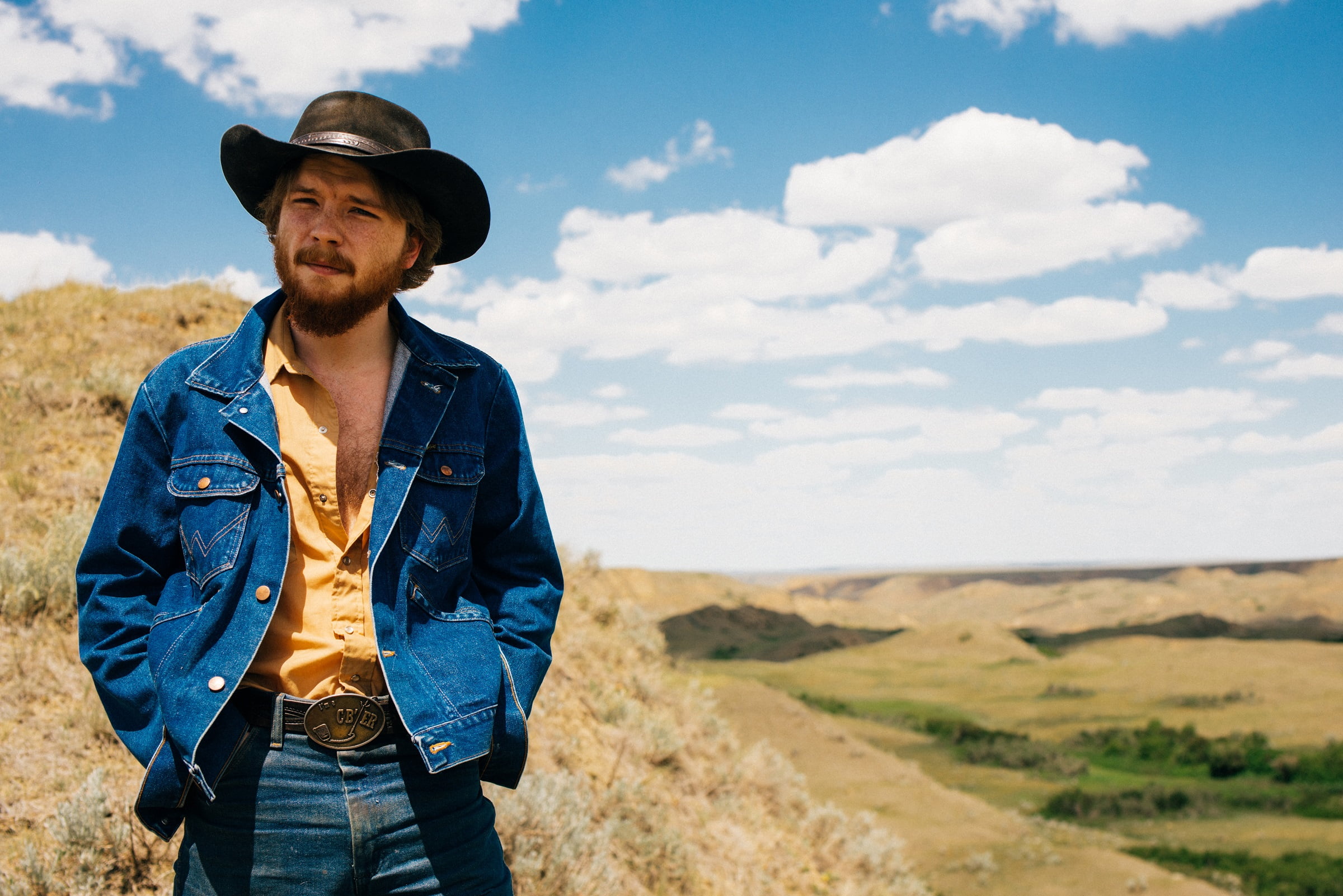
He’s only 23 years old, but Western Canadian musician Colter Wall has created an album which echoes through time with Songs of the Plains.

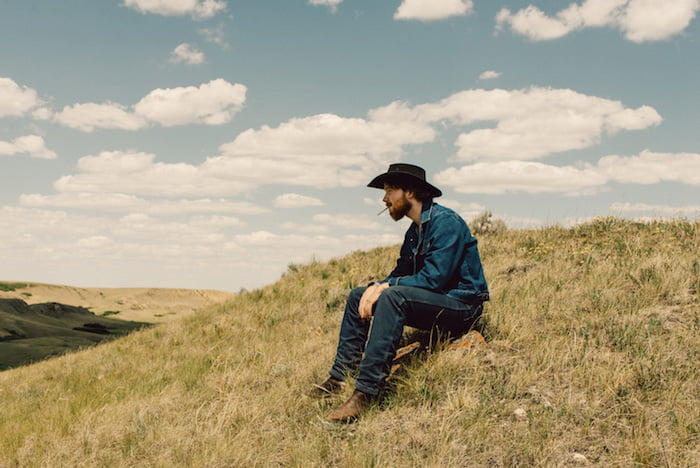
A traditional Western love letter to the wide open, often-frozen prairies of his native Saskatchewan, Wall’s sophomore project once again highlights booming baritone vocals and an appreciation for historic sounds – but it’s more living artifact than relic of the past. Mixing originals in with covers of Canadian classics like “Calgary Round Up” (by Wilf Carter), “Night Herding Song” and “Tying Knots in the Devil’s Tail” (both cowboy traditionals), its 11 tracks feels as fresh as the first wildflower bloom of spring.

Dave Cobb produced Songs of the Plains, with Canadian country stalwarts Corb Lund and Blake Berglund joining harmonica great Mickey Raphael and pedal steel legend Lloyd Green as guests. But it’s Wall’s youthful enthusiasm for the genre – and his timeless approach to song craft – which stands out. He spoke with The Bluegrass Situation about his love for Saskatchewan, working with his heroes and what it’s like recreating a good-old-fashioned campfire song.

You grew up in Saskatchewan, and Songs of the Plains is very much a Western album. What makes a life out West different? Why does it lend itself to inspiring its own genre?

That’s a great question. Just like any place, the people have an entirely unique culture, and we have our way of doing things, our own way of talking and our own way of telling stories. When I think of the West, because of its history and because of the way people romanticize it, it’s sort of a land of myth. It’s a land of harsh realities and a sort of mythos – one of wild, tall tales. And it’s been painted in a lot of different ways, often by people who aren’t actually from that part of the world.

Not many people are doing this kind of music anymore. How did you get turned on to traditional Western music, especially being such a young guy?

Well I’m just a huge fan of traditional music in general and have been for a long time. … I love those old tales and folk songs and how they’re so rooted in people, being passed down from year to year, changing and shifting over time. I’ve always been fascinated by that. Probably the first cowboy songs that I heard and really dug – and tried to learn – were done by Ramblin’ Jack Elliot, who was notorious for doing cowboy and Western songs, but he played folk music from all over. He would also play Blind Lemon Jefferson songs and Woody Guthrie songs, bluegrass traditionals, country traditionals, and then those old cowboy songs. So I had been listening to his catalog and stuff like Jimmie Rodgers and from there I started to dive down the rabbit hole and discovered all the greats like Marty [Robbins], Tex Ritter, and all those guys.

I really love the opening track, “Plain to See Plainsman.” It seems like autobiography, so what did getting away from home teach you about it?

The short answer is that distance makes the heart grow fonder. I had always loved Saskatchewan, but I didn’t realize how much until I moved down here [to Nashville] and started to travel around a lot. I think I became more interested in our history and culture. Before [moving] I was aware of it, but maybe not trying to actively learn about it and write about it.

“Saskatchewan in 1881” speaks right into that history, right? It’s kind of a warning to a city slicker from Toronto about what he’ll find if he comes West looking to get rich. Why did you set the story in 1881?

That’s my take on prairie humor. The 1880s are when they first started to ship people out to the Western Provinces – and they weren’t even provinces yet, they were territories. The people in the cities back East had just realized that we had all these natural resources out West, so they started surveying the areas and sending people out to settle them. That started in the early 1880s, so the premise was to tell in a humorous way about the lives of people and what life might have been like back then, having to deal with all the frustrations of frontier life. It’s kind of a regional joke.

You’ve got Mickey Raphael and Lloyd Green on this album, and they add so much Western flavor. What was it like bringing those guys on board?

I had known I wanted Mickey to play on the record long before we went into the studio. I had met him probably a year ago at a show where he was part of the house band, and I was already a huge fan. I think he’s the best harmonica player in the world. Since then he’s been really nice and supportive and kept in touch, so that was just a matter of waiting to get in the studio.

With Lloyd, I have to be honest. I wasn’t even aware he was still around. I told Dave [Cobb] I wanted some pedal steel, and he said ‘Why don’t we get Lloyd Green?’ My eyes about fell out of my head. So we called Lloyd and sure enough he came down. I helped him carry his stuff in, then I got to hear him play pedal steel on my songs for about an hour – which was pretty incredible – and then after that I got to listen to him tell stories about playing with [George] Jones and [Johnny] Paycheck, all these legends. It was surreal.

The power and depth of your vocal has always stood out. Does it still surprise people?

The most common thing I get is ‘How old are you?’ And I tell them, and then there’s always some surprise there.

When did you notice you had this deep, timeless baritone of singing voice?

I’ve been working at it for a long time. When I turned 18 I had been trying to sing, and it wasn’t really working out, but I realized I could sing low a little bit in the baritone register. It felt natural, so I kept doing it, and I’m still working at it. I feel like these three records, to me they’re like little stepping stones on my road of trying to figure out how to sing. Listen to that first EP and then the first album, there’s quite a difference in the vocal. And then if you listen to this new record, this is the first time I’ve felt comfortable and like I had control over my voice. I think it sounds better.

You let your voice stand on its own on “Night Herding Song,” and I read you left the studio to record that. How did that decision happen?

We tried to cut it in the studio, but the thing about RCA [Studio A] is that it’s a really big room, but it’s a studio so it’s kind of dead in there – there’s no natural reverb. I don’t record with headphones on, so singing a capella in a room like that, it’s kind of hard to hear. It just wasn’t working out, so we decided to go out to Dave’s house – this tucked-away little spot in the trees with a studio in the basement. But just outside the studio is this patio and fire pit, and we figured we’d cut it outside, just pull the microphone out the door. I was really trying to get a campfire vibe going on, which is a cowboy tradition, and really went with the nature of the song. So I went out there and started a little fire, and recorded it that way. It was a lot easier, and it turned out great.

Did this project satisfy your urge to make a real Western album? Where will you go from here?

Yeah, I’m pretty pleased with the way it turned out. I had more of an idea of what I wanted going into the studio than ever before, and I’m proud of it. As for the future, I’ve got a few ideas of where I might want to go, but it’s hard to say this early. I’ve been playing a lot more shows with my new band, and we’ve been messing around with some interesting sounds, but I just hope people enjoy this one when it comes out. After that we can start worrying about the next one.


Photo credit: Little Jack Films

LISTEN: Belle Plaine, “Squared Up”

Artist: Belle Plaine
Hometown: Saskatchewan, Canada
Song: “Squared Up”
Album: Malice, Mercy, Grief and Wrath
Release Date: October 19, 2018

In Her Words: “‘Squared Up’ isn’t about grief, but it is about the choices that musicians make to follow what they love into the world and leave their families. We give up routine and stability to do what we love. I wrote it for my friend Zachary Lucky specifically, but it’s become a song that I sing for all my friends who tour. We’ve become each other’s family – putting each other up when we cross paths, setting up shows, and calling each other for support. There’s as many conversations with my music friends that end in ‘I love you- as with my relatives.” — Belle Plaine


Photo credit: Little Jack Films