Curiosity and Persistence: Amy Ray Gets Down to Her Roots on ‘Holler’

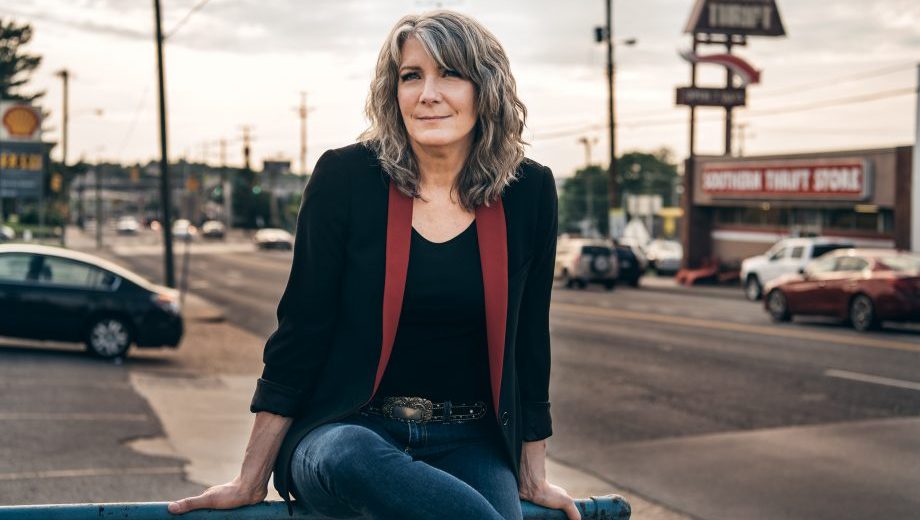
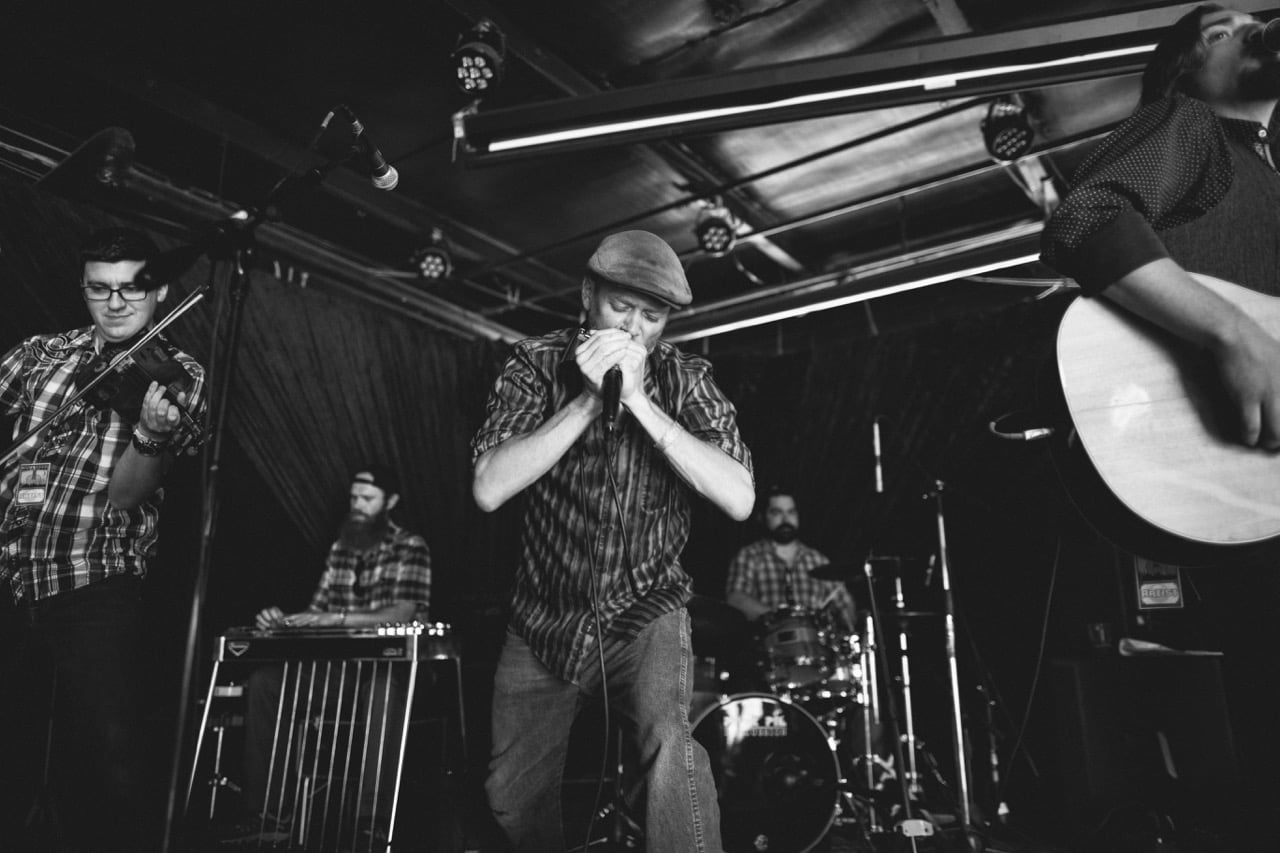
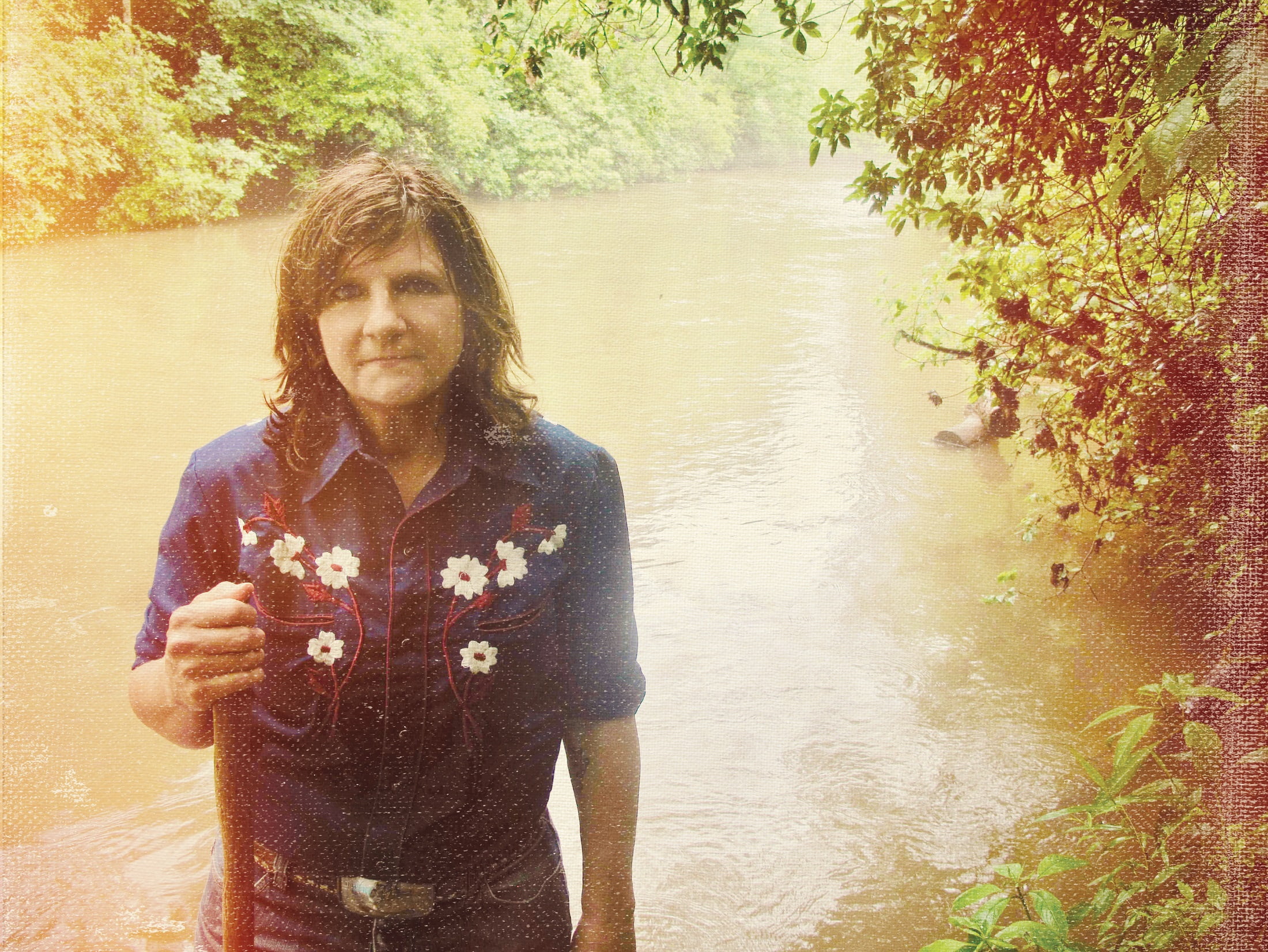
Amy Ray’s new project, Holler, is the closest thing she’s made to a classic country album in a career that stretches across nearly 30 years. As one-half of the Indigo Girls, she’s won a folk Grammy and toured the world, sharing her musical path with Emily Saliers. But on Holler, Ray retreated to Asheville, North Carolina, with a hand-picked band of musicians who knew how to play country music – and she was eager to record the new music to tape using the studio’s vintage machines.

“For this band in particular, there is a real kind of magic quality to knowing that you can’t go back and change a lot of things,” she says. “So it keeps you on your toes the whole time. You have to be well-rehearsed. And at the same time, you just want to go for it.”

Taking a break from signing vinyl copies of Holler a few days before its release, Ray chatted with the Bluegrass Situation about finding happiness on a clawhammer banjo, discovering a commonality with Connie Britton’s character, Rayna Jaymes on ABC/CMT’s Nashville, and staying curious about the world.

How much did you rehearse this new material before going into the studio?

This unit has been playing together for about almost five years, so that’s like been our rehearsal — just touring. For these songs in particular, we did have some rehearsals, but most of the stuff we had rehearsed or worked on arrangements at my house. Or we would have a gig, like we opened for Tedeschi Trucks here and there, and I would use that as an opportunity to practice the day before. We would get together at the hotel and go to the conference room and work on songs – like at the Microtel or whatever – and do arrangements. It bought us a lot of time.

So the band knew the songs well in advance.

Yep, except for “Dadgum Down,” which was a wildcard, which no one knew. We didn’t even know if we were going to do it. I kept saying, “I have this song I wrote on banjo, but I don’t know what I’m going to do with it,” like a broken record over and over and over again. Jeff Fielder, the guitar player, and Alison Brown, who guested on banjo on the track – those two really came up with what became the arrangement for the song. It turned out to be a really fun experience because I put my banjo down and said, “I’m just going to sing.” But everything else, we had really worked on it and spent a lot of time fine-tuning the arrangements.

So the reference in that song about the sting of the bee — is that a reference to drugs?

It’s everything. The stinging [lyric] was another song I was working on, and I was like, “Oh, these are actually about the same thing.” Which is addiction, and relationships. So it’s like, it’s in the nature of the bee to sting. And it’s in the nature of love, and it’s in the nature of drugs. You can’t get mad at that item, because that’s part of their nature, and it’s also what you’re hungry for.

So it’s meant to be more than one dimension because the song is about wrestling with addiction — addiction to a person, and addiction to drugs, and addiction to anything. I’m always fascinated by that because I have an addictive personality, but also I have a lot of friends in recovery. And I don’t drink anymore, so I know how it is to try and beat that.

I want to ask about your musicianship. How did you get interested in the guitar?

It was just a vehicle to sing with probably. I mean, that’s probably why I’m not a better guitar player, too, because I looked at it as, “I want to write songs, and I want to sing, so I gotta learn how to play something.” I was playing piano, but not very successfully. I was in fifth grade and I got a guitar and took lessons at the Y. I learned like five chords and I could play all the Neil Young songs. So I was like, “This is perfect.”
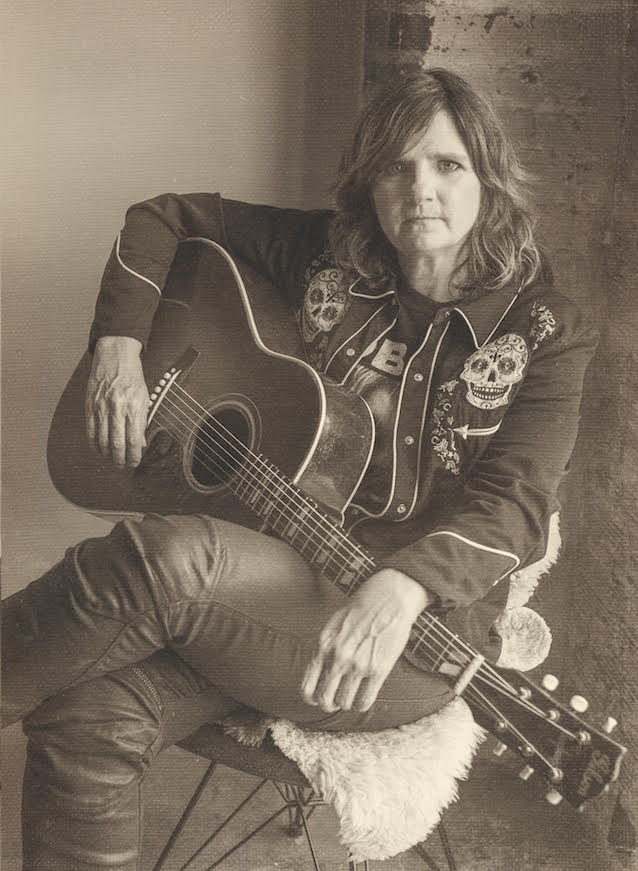
What was the path to learning the other stringed instruments?

Well, mandolin, I just learned. It was like a natural thing for me, I guess. I was interested. I think I learned it because…. I’m trying to remember why I picked up a mandolin. I think I borrowed somebody’s flatiron mandolin and I liked it a lot. I thought this was cool, these chords. And I never really learned how to play properly, which I really want to do one day. But I was learning more from mountain music, like field recording kind of stuff. So I didn’t really learn the bluegrass style, or any of that. And then banjo is just something to knock around on, I don’t really know how to play.

Yeah, but it makes you happy right?

It makes me happy! It doesn’t matter. I try to play clawhammer and it makes me happy. [Laughs]

I’ve followed your career since that first Indigo Girls record, and you always seem to be doing something new and having something coming up. Where did that work ethic from?

Probably my parents, my family, just the way I was raised — workaholic.

Yeah, but you’ve never really rested on your laurels or waited around for it.

I get bored with laurels, and there’s not enough of them to rest on, either. I like the process as much as the prize. I mean, seriously. So for me it’s like I get bored and I really do want to become better at what I do. I think the only way to do that is to keep doing it. And for Emily and I, persistence was our friend forever. I mean, if we hadn’t worked hard and been persistent, and then had a lot of luck, we wouldn’t have made it.

That reminds me of “Tonight I’m Paying the Rent,” which is about putting in the time. Some gigs are not necessarily feeding your spirituality, but you’re still working, doing what you love. What’s the reward for what you’re telling me about – where you’re working, and traveling, and staying busy?

I don’t know, I’m just proud of it. Because when I do a solo tour and get to the end of it, and been able to play all the gigs, and drive all the miles and everything, I feel proud of it. I don’t know why. The process is fun, and I like the people I’m with. I’m just compelled. I think we are compelled by something, and it probably is fear of mortality and all of those deep things too. But it’s also like, well, it beats us sitting around. And it’s fun to try to do something that’s hard to do, and then be able to do it. It feels good.

Is it a calling for you, do you think, to be up there singing?

Who knows? I mean, I have no idea. It’s all I know, though. It’s all I know how to do. So I don’t know if it’s a calling or like a compulsion. I mean, “Tonight I’m Paying the Rent” really also grew out of needing an attitude check. Emily and I were playing a few of these private party kind of things, and I had such a negative attitude about it because they’re soul-sucking. And you’re just doing it for the money, and we stopped doing them because of that.

But then at the same time, I was watching an episode of Nashville where Rayna has to play a private party for a venture capitalist in California. And of course, the guy that hired her is a big fan, but no one else likes her, or likes country. And she’s out there, and she’s smiling, and no one’s listening. And I was like, I’ve totally been there a million times. Then her attitude about it after the show was like, “We all have bills to pay,” or whatever she says.

And that’s the attitude I have. Like, “Tonight I’m paying the rent.” That’s what that song grew out of. It’s like, “Why be so negative about this thing?” Yeah, maybe it’s not fun, but it beats digging a ditch. And look – you’re actually paying bills. That’s hard to do.

To me, “Didn’t Know a Damn Thing” is about history that you haven’t been taught, that you discover it on your own by seeking it out. Where does your own sense of curiosity come from?

I think that’s probably from my family and growing up with role models that were curious. Even my dad, who was super conservative, was also curious about everything. Even though we disagreed about a lot of things, one thing I know about him is that he was curious, and he would always listen to the other side. All the best teachers I ever had in high school and my favorite youth minister at church were curious and they didn’t mind it when I questioned things either.

And I don’t know why I always felt like I needed to question things. … I think part of that was paranoia. It was like the flip side of curiosity, which is paranoia. And I was like, this can’t be all there is, there’s got to be something else going on. It doesn’t feel right. And when you start feeling those feelings, you know you’ve got to look into it.


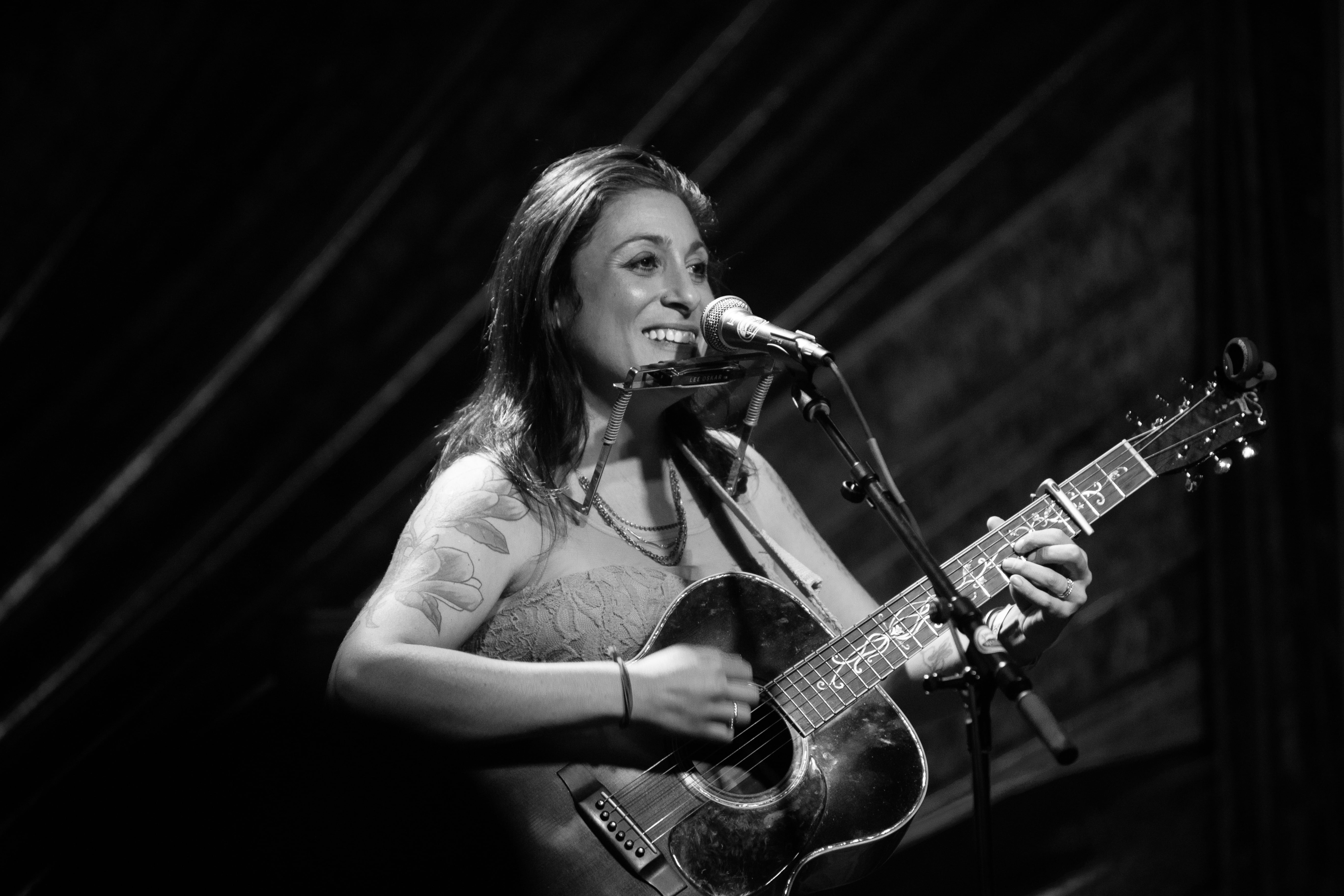
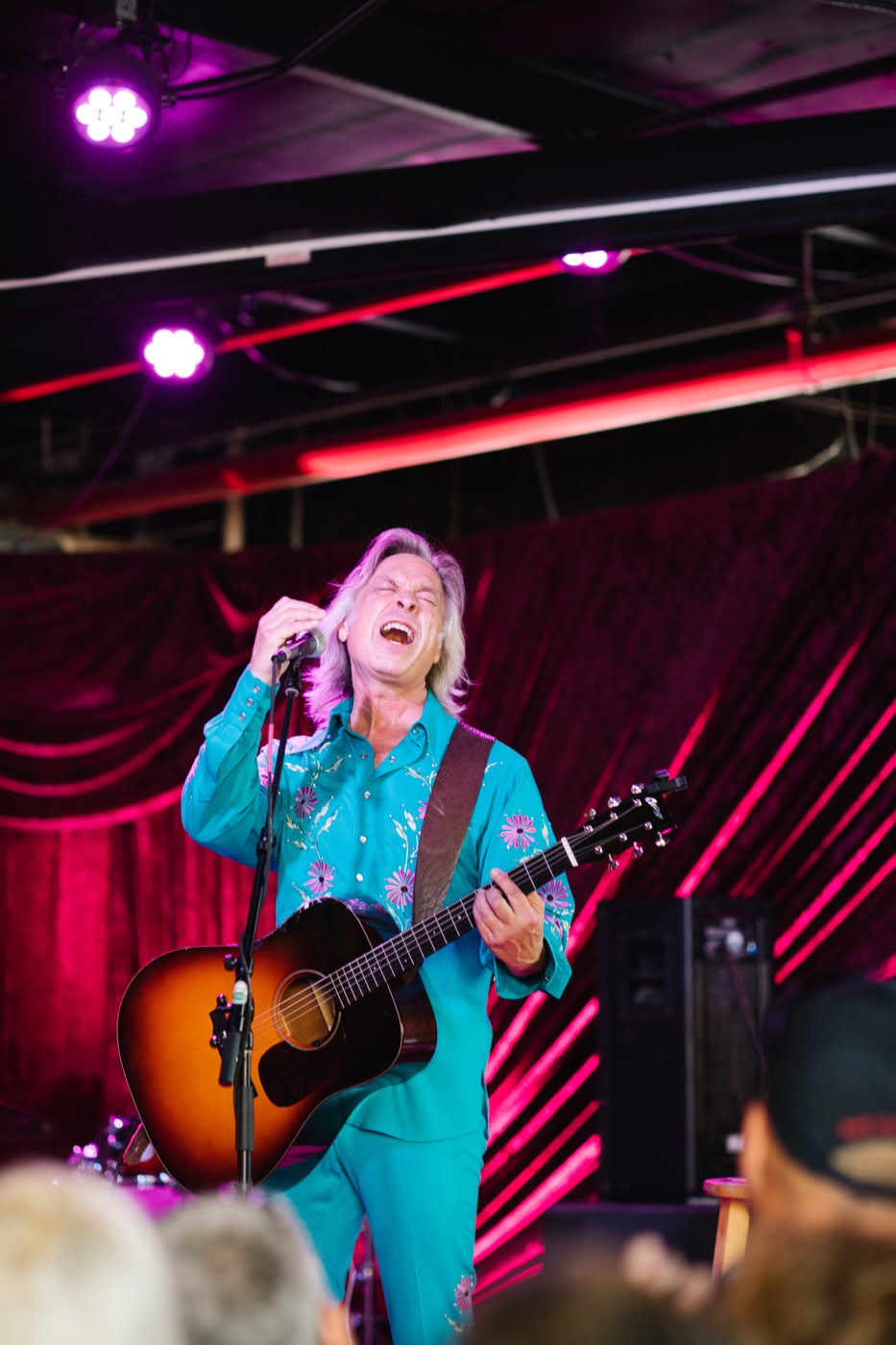
Photo credit (color): Carrie Schrader
Photo credit (black-and-white): Ian Fisher
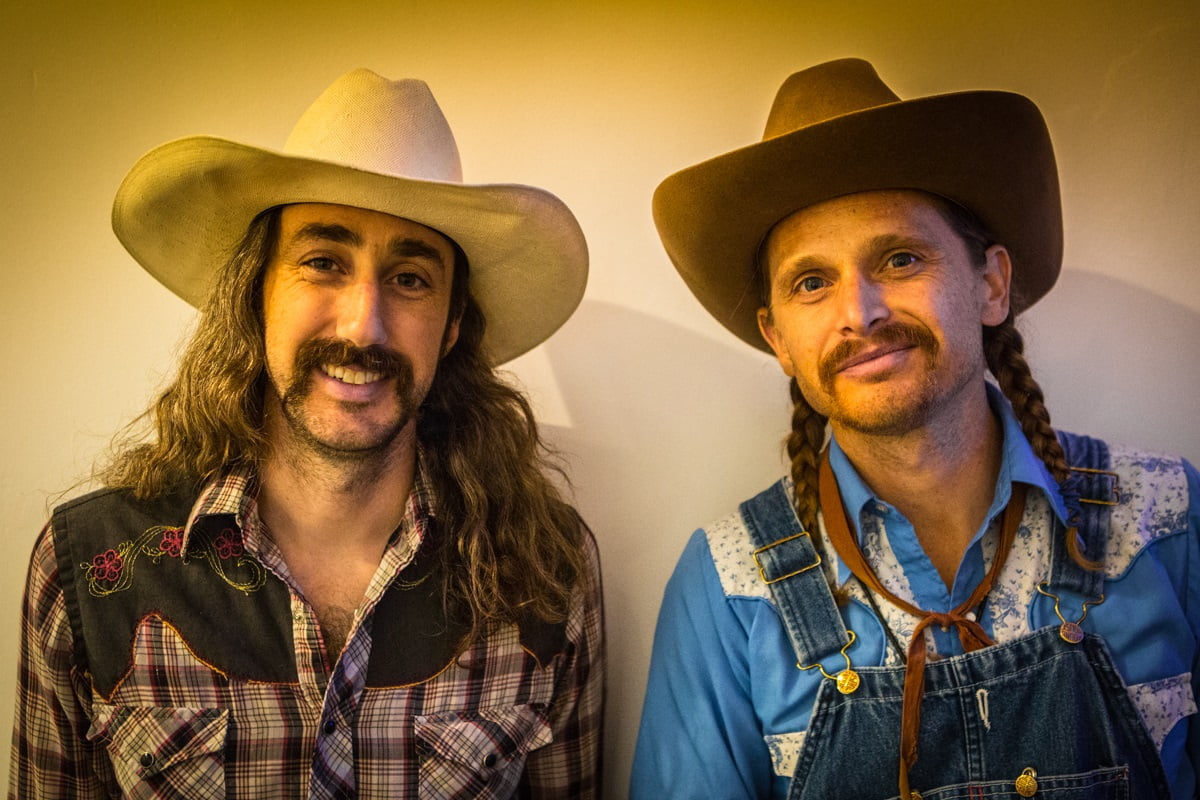
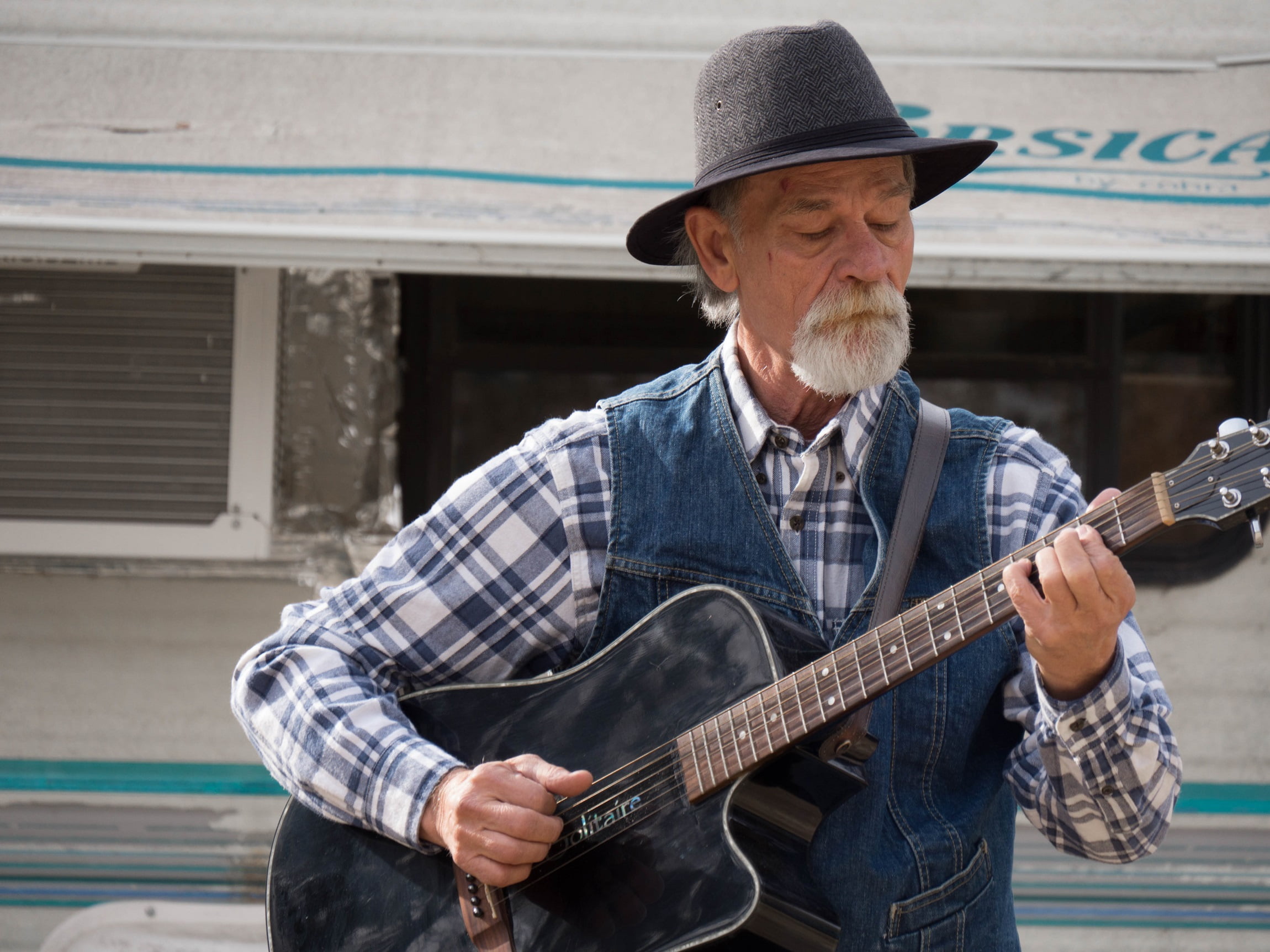
WATCH: The Easy Leaves, “The Wheels”

Artist: The Easy Leaves
Hometown: Santa Rosa, California
Song: “The Wheels”
Album: The Wheels
Label: Omega Records

In Their Words: “I wrote [“The Wheels”] thinking of coming down from the Sierras after a party show out there. The stars are so bright from up there in the mountains, and when you hit a gap where the city below opens up to view, the sky lights and the valley lights seem like they’re having a conversation. Something about how we try to bring the stars down to the ground, the way we love them. Brighten up the night. The wheels are a constant modern drone, never ending, always humming, no matter what time of day or night. We asked Frank Door to do the video. He’s really great, has a great eye. And we couldn’t be more pleased with the result.” –Sage Fifield


Photo credit: Tracy Graham

LISTEN: Lauren Morrow, “Mess Around”

Artist: Lauren Morrow
Hometown: Marietta, Georgia
Song: “Mess Around”
Album: Lauren Morrow
Release Date: October 12, 2018

In Their Words: “I like to joke that ‘Mess Around’ is my less violent version of Loretta Lynn’s ‘Fist City.’ But in all seriousness, I think every girl at some point in her life has been stabbed in the back by someone who she once considered a friend. I’ve always felt like I had a pretty good ‘bullshit radar’ on people, but sometimes it malfunctions. So, this is my retaliation song. My ‘Taylor Swift diss track’ if you will.” — Lauren Morrow


Photo credit: Jacqueline Justice

LISTEN: Jim Wyly, “Someone’s Gonna Love You”

Artist: Jim Wyly
Hometown: Austin, Texas
Song: “Someone’s Gonna Love You”
Album: The Artisan
Release Date: October 5th, 2018

In Their Words: “I’ve had this song for 30 years and never recorded it. It’s been a go-to for years as a show opener because people like to sing along with the chorus and it gets them involved. I think maybe people can relate to a song about someone looking for love and always ending up with the wrong person or as the song says, being ‘jacked around by jerks and clowns.’ Only to discover that what they were looking for was right in front of them all along. The narrator is telling them to not worry, someone’s going to love you and it just might be the person that is standing next to you.” — Jim Wyly


Photo Credit: Amberly Russel

After Struggling to Sing, Kathy Mattea Soars on ‘Pretty Bird’

Kathy Mattea’s latest album, Pretty Bird, is in many ways a continuation of the West Virginia native’s journey back to the simple Appalachian sounds of her homeland. Hints of the region’s acoustic roots have popped up throughout her Grammy-winning country career, best known to most folks for her signature song, 1988’s “Eighteen Wheels and a Dozen Roses.”

With 2008’s Coal, Mattea leaned into the music of the West Virginia mountains like never before, singing about the complicated area export that is still a political hot potato in 2018. The acoustic evolution continued with 2012’s Calling Me Home, but Mattea faced an evolution of a different kind leading up to Pretty Bird.

A few years ago, Mattea suddenly discovered her voice was changing, and she couldn’t hit the notes she once found with ease. In this Q&A, Mattea explains how she worked through her vocal challenges with the eclectic group of songs she recorded for the new project.

In the past decade, you’ve stripped away a lot of the instrumentation from your music to explore more acoustic sounds. Over the past few years, you’ve also had to relearn how to use your singing voice. Did that experience of first stripping away layers from your music help prepare you to later rebuild your voice?

It felt like that, only much more extreme. I didn’t have a choice except to strip away. When I tried to do it the way I always knew how to do it, it wouldn’t work. So, I didn’t know when I began this process if what I was experiencing was the beginning of the end of my singing voice, or if it was just a shift, just a change. For instance, the transition in my chest voice to head voice, not to get too technical, had gone down a half-step after I went through menopause. So, my body has been singing the same songs in the same keys for many years and would just go for the way it knew to hit a certain note, and it wouldn’t happen. I went, “What is going on?”

Was there a physical problem with your voice or was it just part of the process of getting older?

Really, it was the latter. There was nothing wrong with my voice except that it felt wrong because it was unfamiliar. So, it wasn’t like an injury or anything like that. I got to hear Kenny Rogers during this time. He was on his final tour and he was like, “Look, I have no voice left, but I love these songs, and you guys love these songs. So, I’m coming out to sing them for you one more time.” He’s very open about it and I thought, “Yeah, I can’t do that. I’m not wired that way.” If I can’t sing in a way that I feel like I’m really expressing myself, I will have to stop. I knew this about myself. So, I thought, “OK, I’ve got to answer the question.”

Who was there with you as you went through the process of relearning your voice?

Once a week, Bill Cooley, who has played guitar for me for 28 years, would come to my house, and we’d just jam in the afternoon. We’ll just brainstorm, because sometimes, in that open-ended time, that’s when the creative process happens and surprises happen. I said, “Bill, I’ve got to get to know my voice. I’ve got to experiment around and bump up against the edges.” So, I started throwing out songs that were really different than anything I’d ever done. They were God-awful in the beginning, but it started to open up.

You’ve recorded with Tim O’Brien many times, and he’s also from West Virginia. What were you looking for from him as a producer on Pretty Bird?

I realized during this process that I needed to make another record. The songs I’d put together were all so crazy different from each other! I couldn’t figure out how I was going to do “Pretty Bird” and “October Song” and “Mercy Now” and “Chocolate on My Tongue” all on the same record and make it hang together. I’m just chewing on this and chewing on this. Then one night, I woke up at 3 o’clock in the morning and said out loud in bed, “Tim O’Brien has to produce this record! He’ll know exactly what to do!” I’ve heard Tim do jazz-flavored stuff, blues-flavored stuff, bluegrass stuff, mountain stuff — all that. He does it all from a deep understanding.

I definitely see you being drawn to documenting the way of life in West Virginia as well as the music. What’s prompting you there?

When I was growing up, I was completely eaten up by music. But there wasn’t a lot of formal training around me. So, I would learn whatever I could from anyone who would teach me. My friend’s dad had a bluegrass band and he’d jam with me. I did community theater and I did folk music in my church. We had a little folk mass thing. Choral music in school, but there was nobody around to teach me the roots music of my place. So, that woke up in me in a big way later in my life. That last album, Calling Me Home, was about that sense of place that exists in Appalachia that has been lost in so much of the rest of the culture.

Most of my family lives back in the same basic area that we all grew up in and that our parents grew up in. Cousins, second cousins, third cousins now living just a few miles from where our moms were born. So, there is a sense that the contour of the land, the mountains, the river — all of that is like a member of your family. Bill, my guitar player, he’s from Southern California, and he was like, “Kathy, why don’t people move out and move away for jobs and stuff?” I’m like, “Bill, it’s not that simple.” You don’t leave your family. You don’t leave the nest, basically. And there’s a whole exodus of people to Detroit to work in factories and stuff when all the mines shut down. There’s a whole culture of displaced people that pine for what that is and come back home eventually.

I think of it as being an expatriate, you know? Even though I moved to Tennessee when I was 19, I think of myself as a West Virginian who lives in Tennessee.

Getting into the songs you chose, let’s start out with Mary Gauthier’s “Mercy Now.” Why does it appeal to you right now?

As we had this election, and it was very contentious, and there was all this tension and polarization and all the cultural stuff was going on, I just found myself listening to that song. I pulled it out and I would listen to it every day. So, one day I said, “Bill, I’ve been listening to this song, and it really gives me a lot of solace. It’s really different than anything I’ve ever done but I want to try.” I wanted to sing that song because in a time when people are polarizing, it’s really great to say, “I have pain. I have angst. I am scared. I am upset, and I need help from some place bigger than me.”

I love it because it’s not a “You, you, you” song. It’s an “I’m looking at this, and I don’t know what to do, and I need some help from something bigger than me.” Mercy doesn’t come from me. It’s a kind of grace that comes in from somewhere else. And I thought, “Man, how lucky am I? I get to sing that song every night.” The interesting thing is my audience doesn’t know that song. So, I get to bring that song to a whole new group of people. That’s been a really satisfying experience.

I hear a similar theme in “I Can’t Stand Up Alone.” It has a real gospel flavor with The Settles Singers backing you up. It seems to me that it would speak to the community that you’ve been leaning on during your issues with your voice.

To me, “I Can’t Stand Up Alone” is like the straight-at-it gospel version of “Mercy Now.” “Can’t Stand Up Alone” is like, “Honey, you need the Lord!” [Laughs] I love the contrast of two different approaches to basically the same thing. I’m not very overt about it, but a lot of the process of this was really praying. I felt like I was praying a prayer and feeling my way in the dark over and over again.

You start the album with “Chocolate on My Tongue,” which is an ode to the small joys in life, and then you go right into “Ode to Billie Joe.” It’s such a left turn. Tell me about that juxtaposition.

Hey, I’m not pretending that all that stuff makes sense! [Laughs] I love “Chocolate on My Tongue.” It’s so playful and, for me, to have gone through such a struggle with my voice and to come out with something that light and playful — and to allow myself the freedom to do that, was such a gift.

Then, “Ode to Billie Joe,” to me, is like a familiar, old friend. Those of us of a certain age know that and have memories of that song growing up. I found that when I went to sing it, that there’s this low end — this low register in my voice that was always there, but never this rich. When I found that, it was the moment I turned the corner from thinking of my voice as something diminished to seeing that it was opening into something new that was beautiful. I was astonished by how that song brought that about in my voice.

The last song on the record is “Pretty Bird” by Hazel Dickens. You’re singing it a capella. That had to be a vulnerable experience given all that you’ve gone through.

I have loved “Pretty Bird” for a long time and I wanted to do it on my last album. I lived with it. I wrestled with it. I danced with it. It’d pin me down, and then I’d pin it down. I could not find my way into the song. I could not sing it. I could not make it come out. I think the reason is that if you tighten up at all, it will just die in your mouth. It won’t work. I couldn’t pull back enough.

One night, [my husband] Jon is on the road and I’m home alone. I’m taking a shower before I go to bed that night and I just start singing that song. I’m like, “Oh my God! I don’t know! I think I’m singing it! I think this is happening!” But I’m soaped up now and I’m soaking wet. So, I keep singing, and I rinse off and dry off. The whole house is buttoned up for the night and my cell phone is plugged in downstairs. So, I grabbed the landline and I called my voicemail and I sang it into the voicemail so I have a record of what I did — so I’d know which key I was in and where it lay and explore from there. The next thing, I was like, “OK, I’ve got it.”

I haven’t done it live very much. So, it is still super vulnerable. I’ve been making myself pull it out and do it in the show because it’s the title song for my record. It feels like taking all my clothes off. But it’s like, “Well, you’ve been through a process, and what you’ve learned, Kathy, is that it’s not about perfection. It’s about being real.” This is as blatant a demonstration of that as I can give people. You just have to trust that they’ll get it.


Photo by Reto Sterchi

LISTEN: Nickel&Rose, ‘Americana’

Artist name: Nickel&Rose
Hometown: Milwaukee, Wisconsin
EP: Americana
Release Date: September 14, 2018

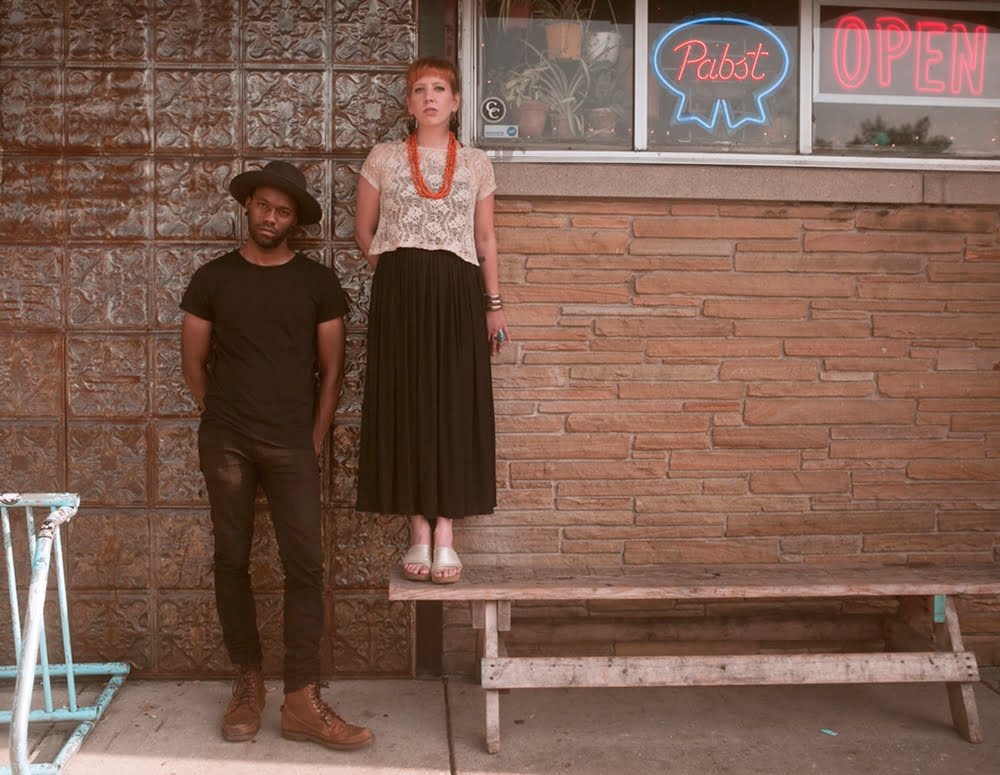
In Their Words: “The EP was inspired by over a year of touring, presenting American folk music to European audiences as well as side gigs playing bluegrass and blues in the US. It made us rethink what “Americana” really is. We wanted to show that we have respect for Americana as it is but also that we feel it needs to be moved in new directions. Each song on the EP is a inspired by American music but performed through our own experiences.” — Carl Nichols

“Americana is sonically our most traditional release yet. We didn’t necessarily set out to be an Americana folk band but the more we played and wrote, the more we identified with that genre. On this release we explored a lot of the roots of Americana and tried to pay homage to the music and the people who made it what it is today while challenging exactly what that looks and sounds like. Throughout the EP, we grapple with our personal experiences of loss, but in the end I think we persevere. We are able to say what we need to and perhaps offer listeners a little compassion. We can’t necessarily say to listeners everything is going to be okay, but we can relate our challenges and say that we got through it and so can you.” — Johanna Rose


Photo credit: Amanda Mills

Jam in the Trees 2018 in Photographs

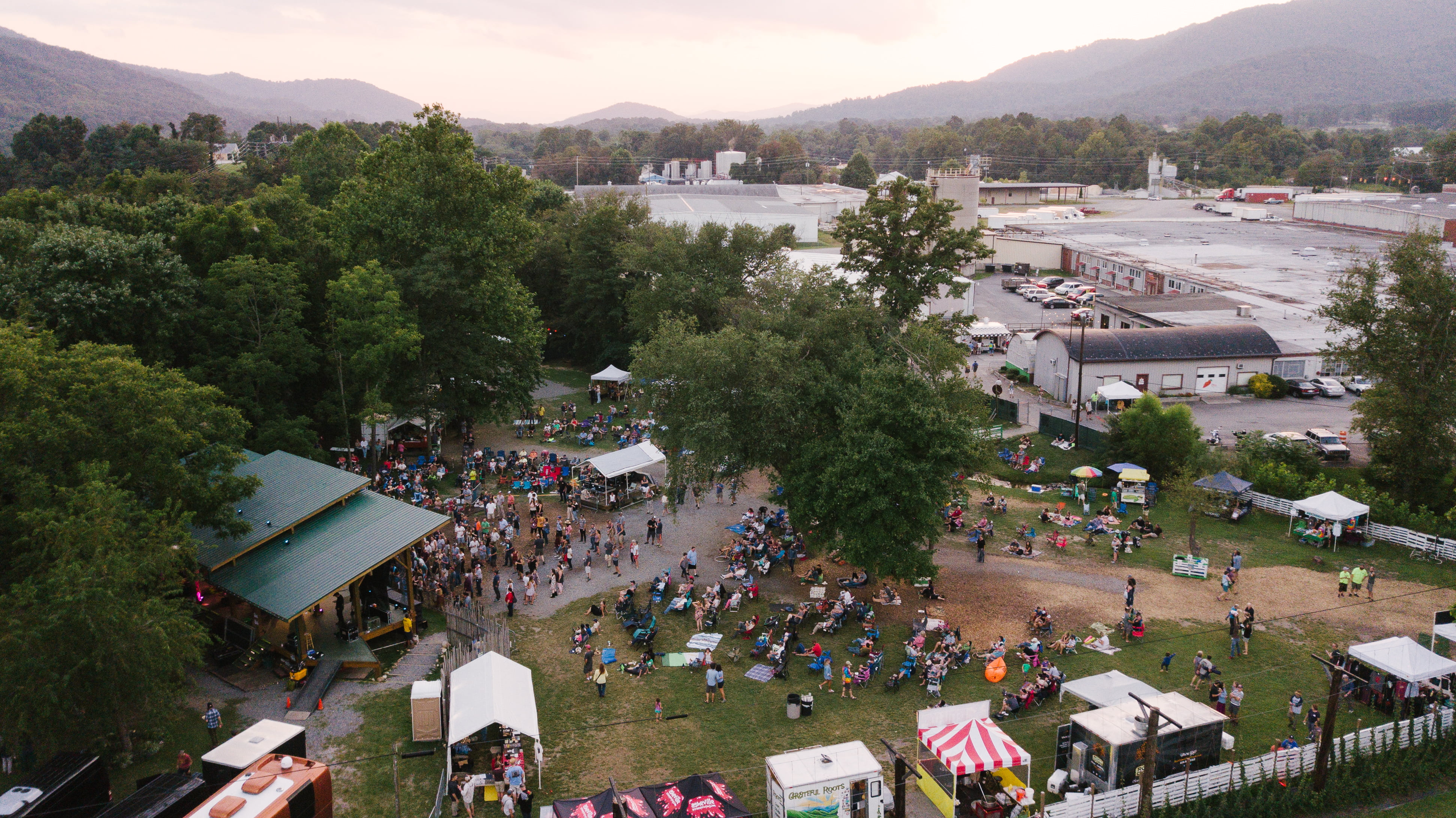
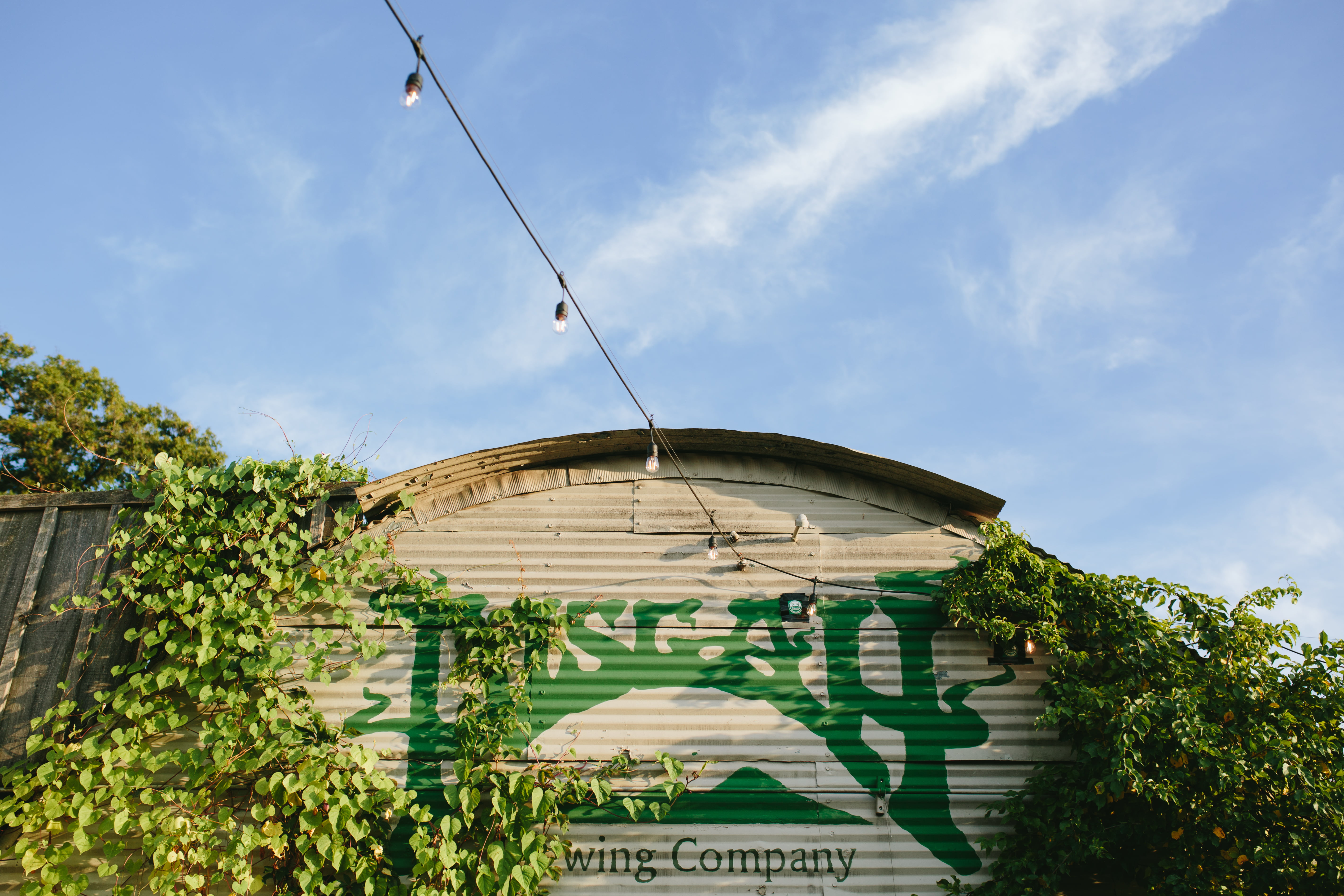
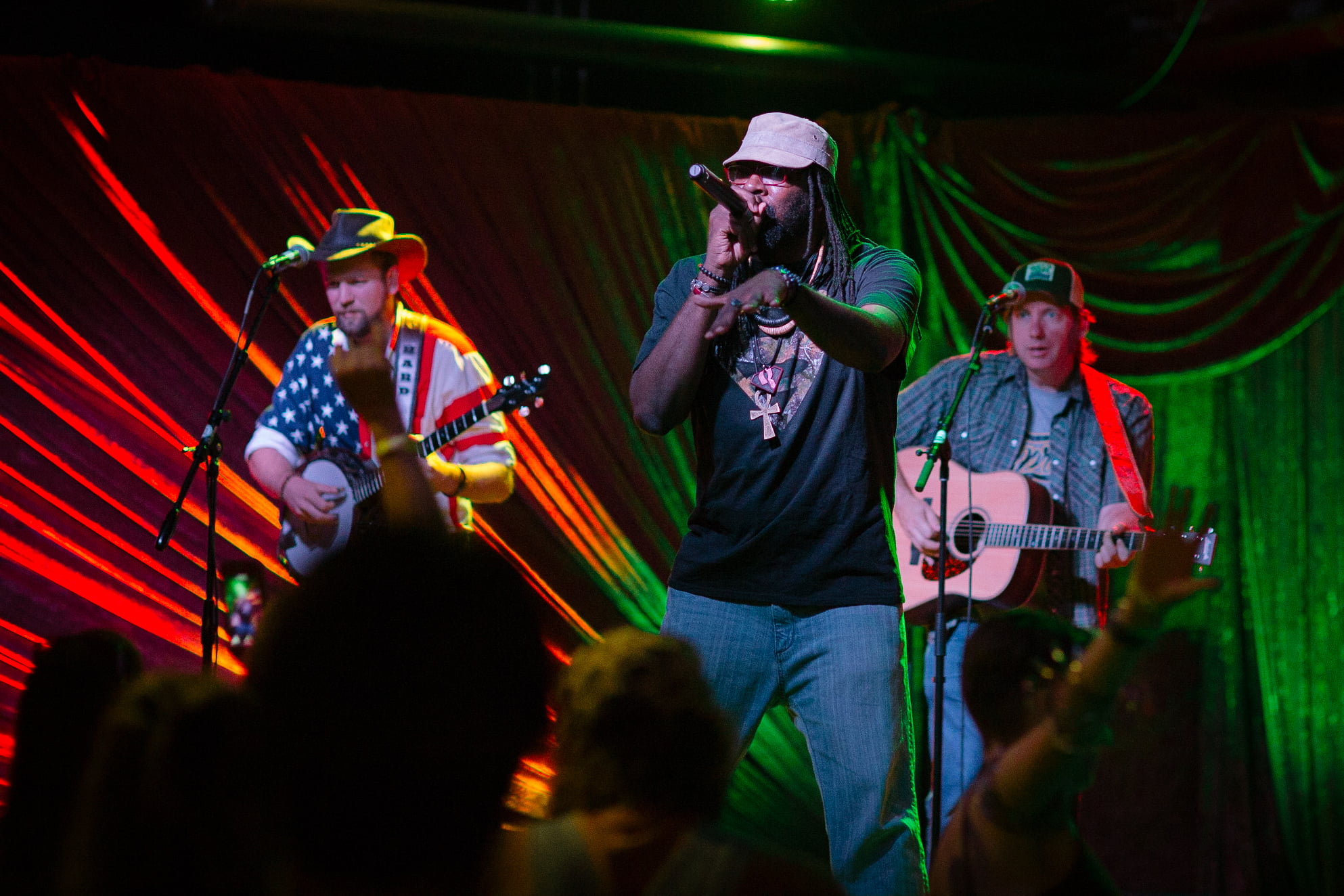
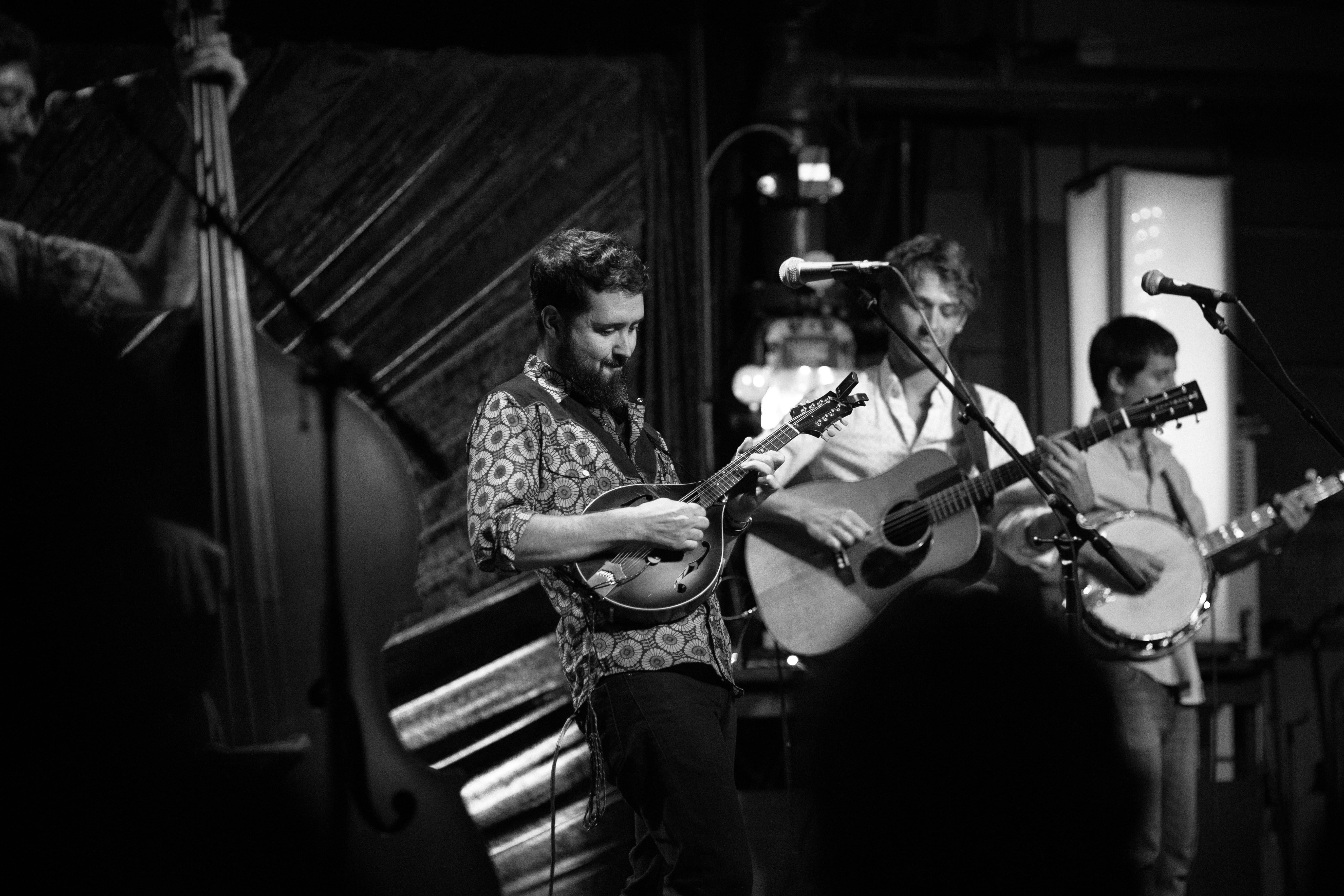
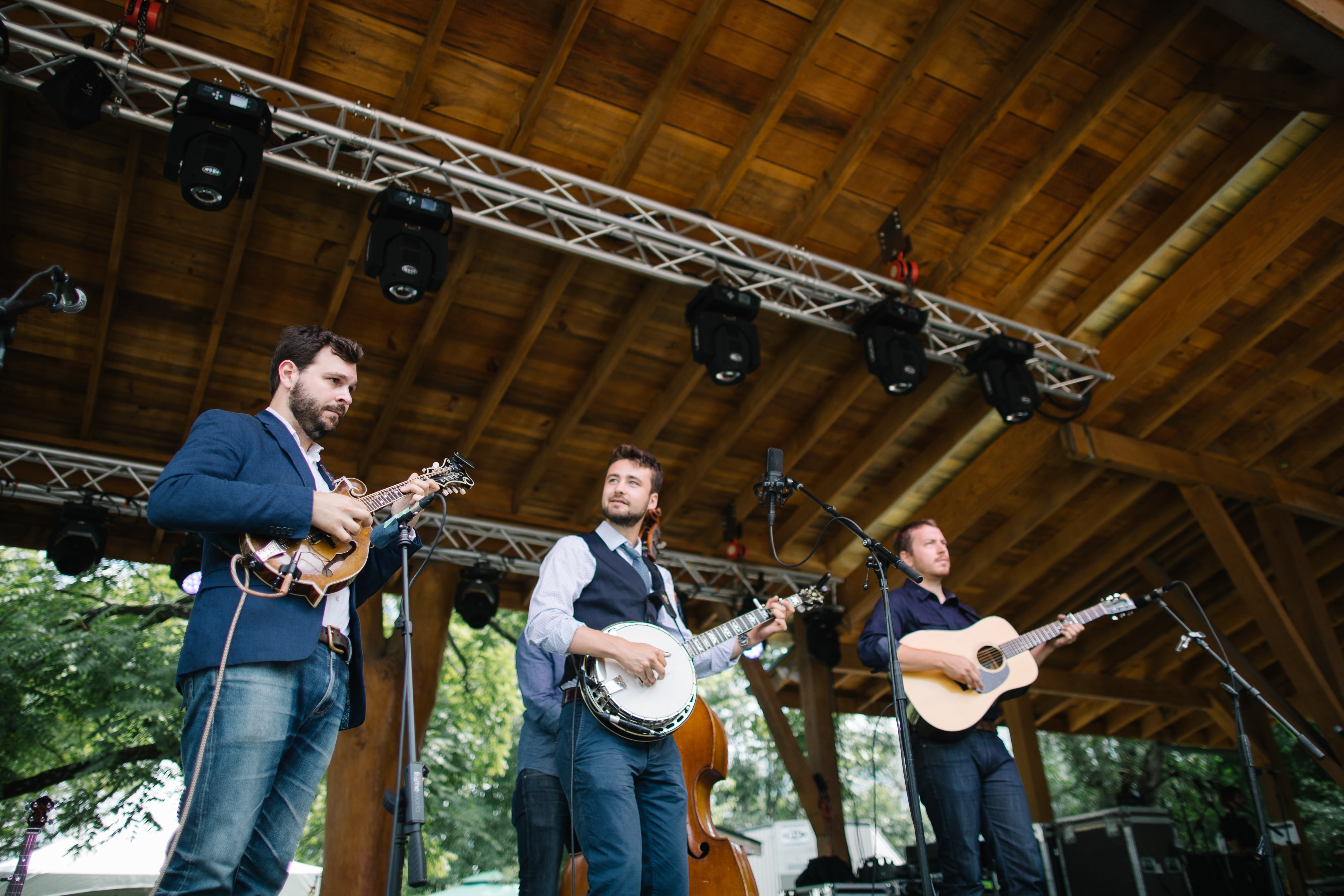
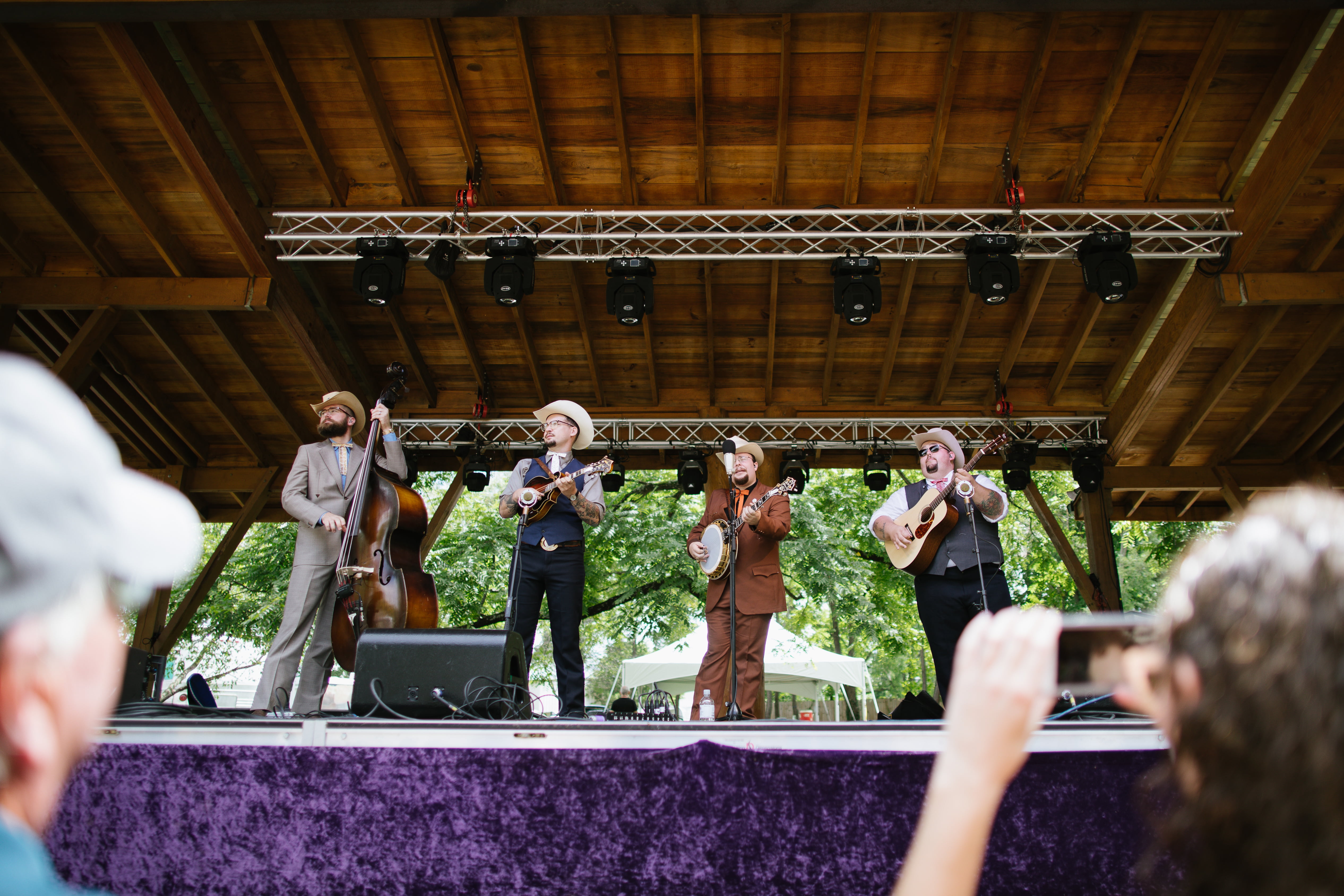
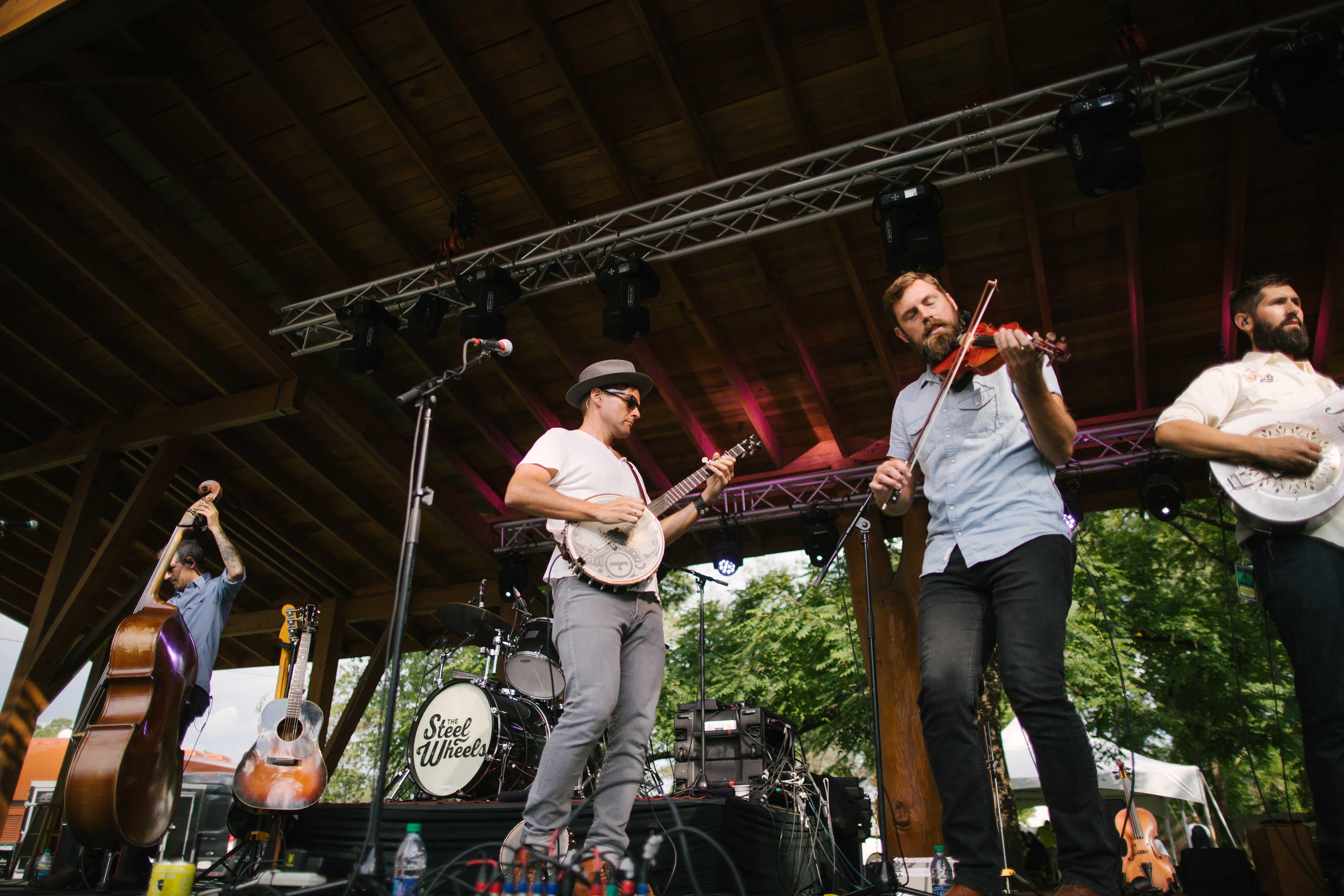
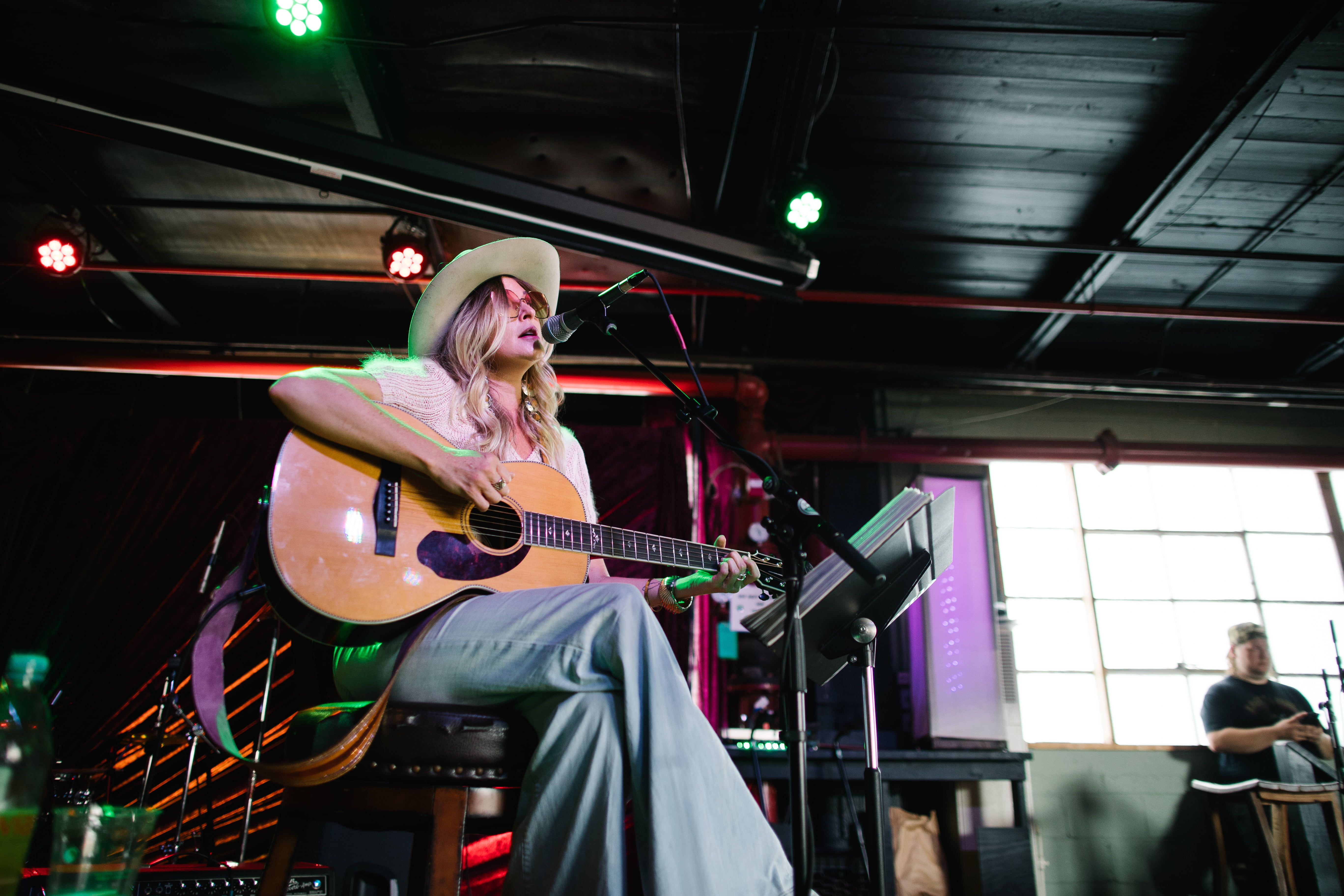
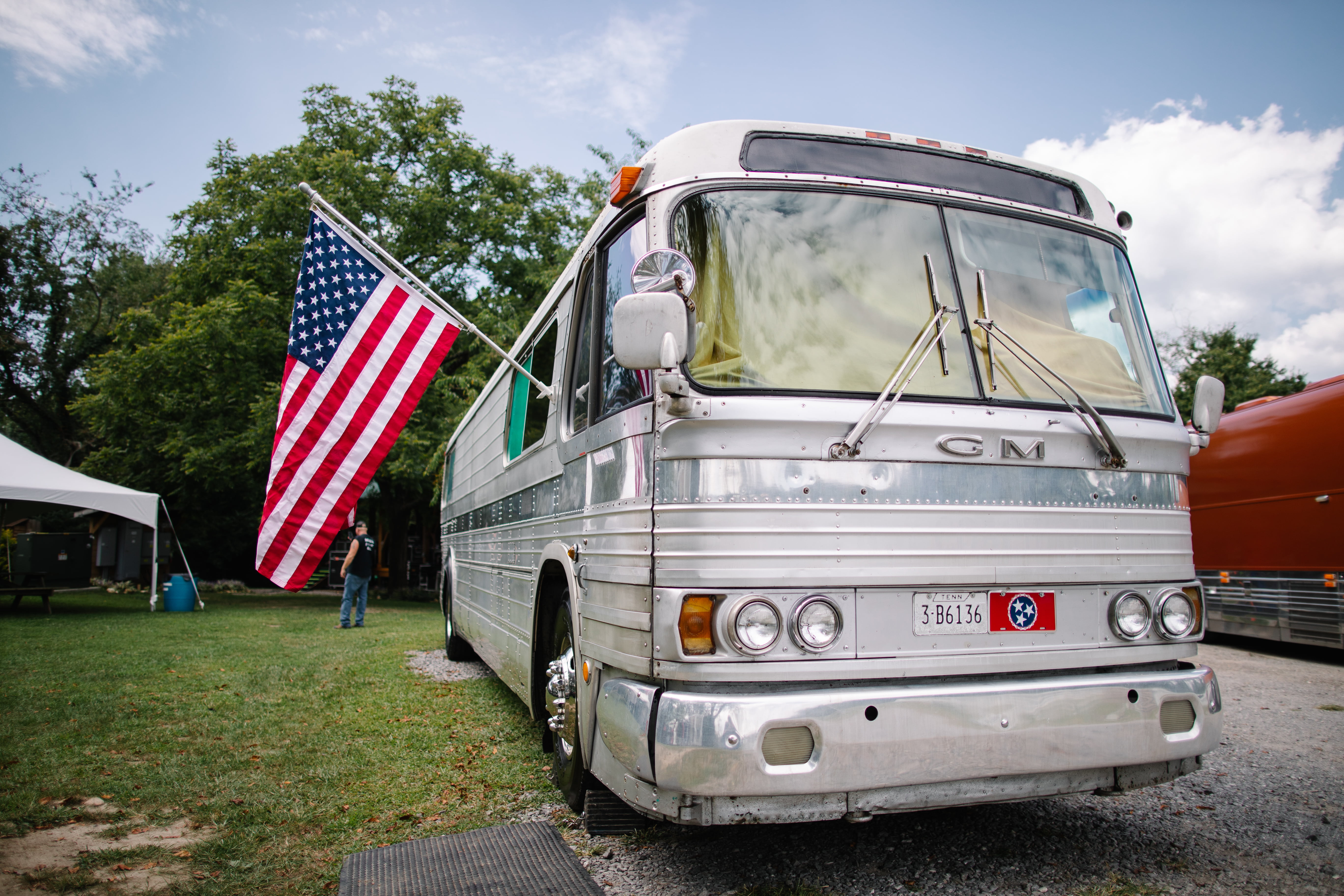
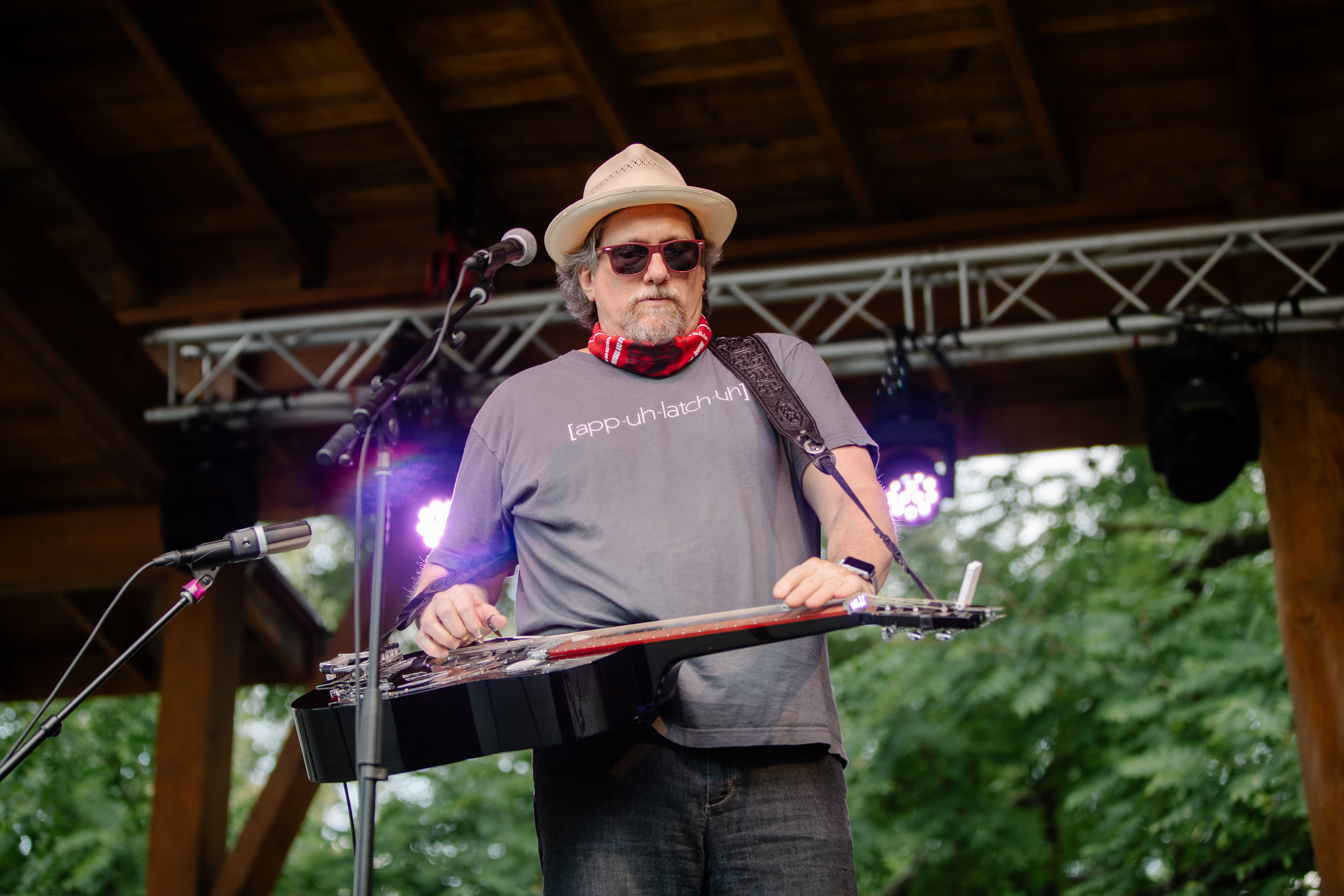
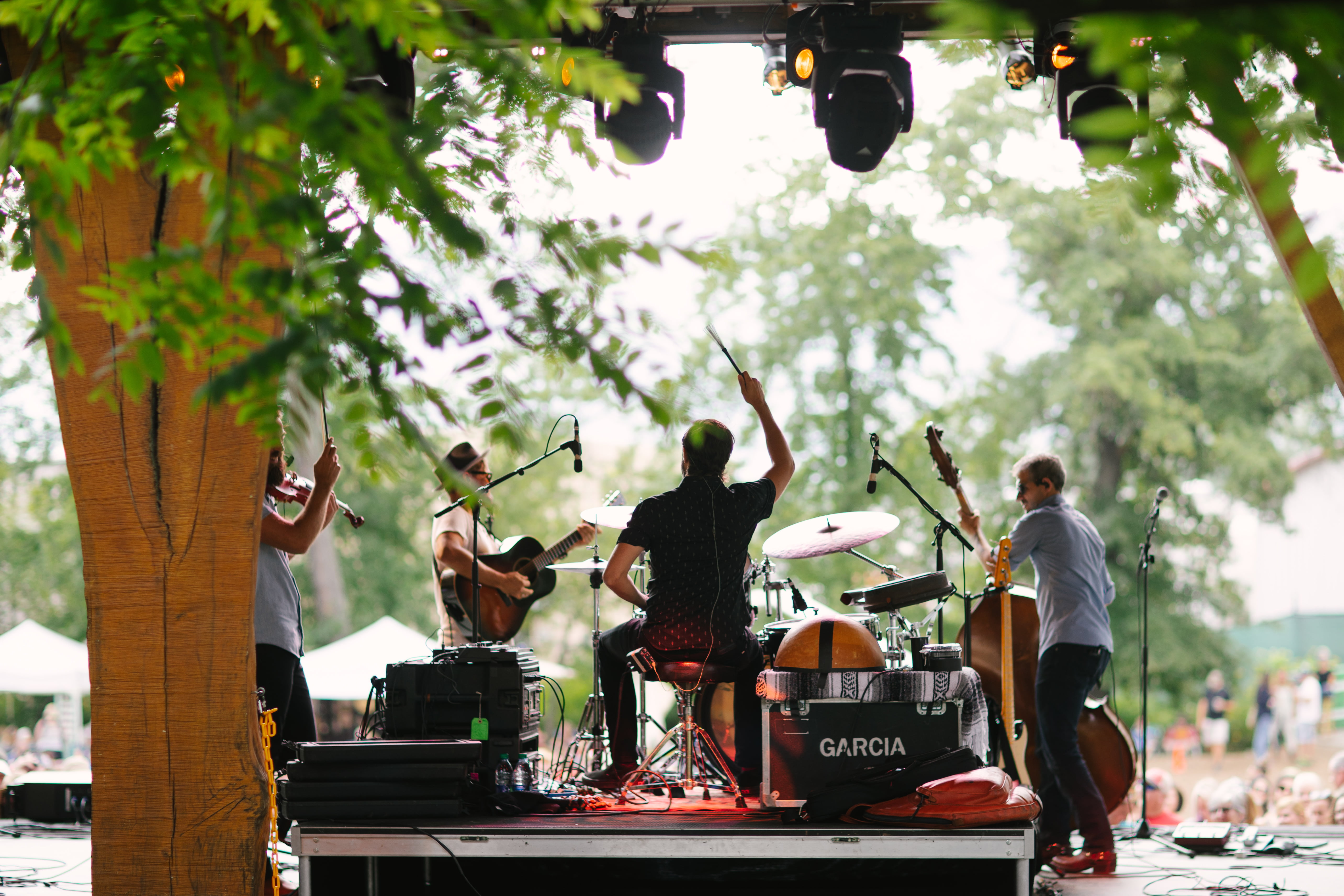
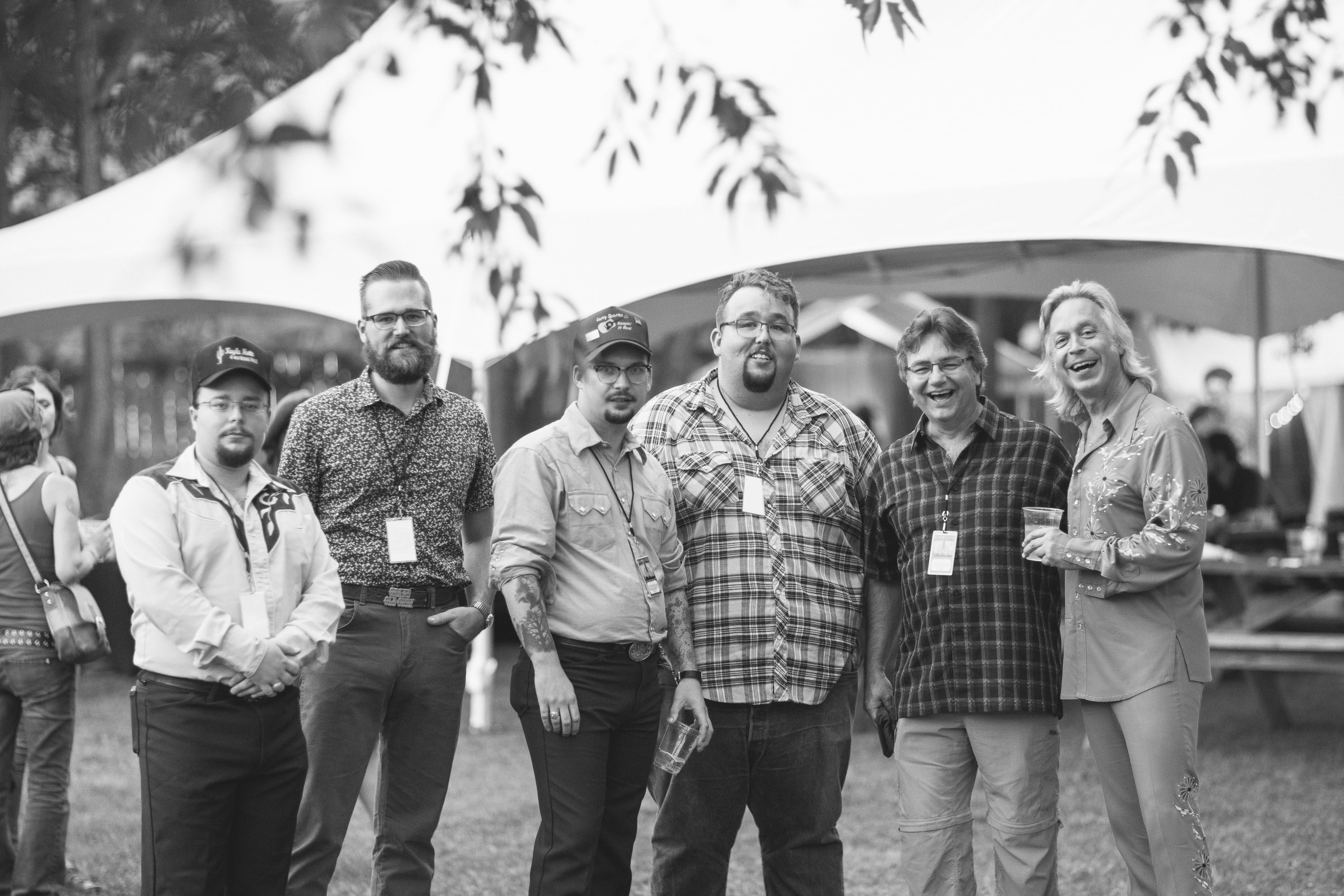
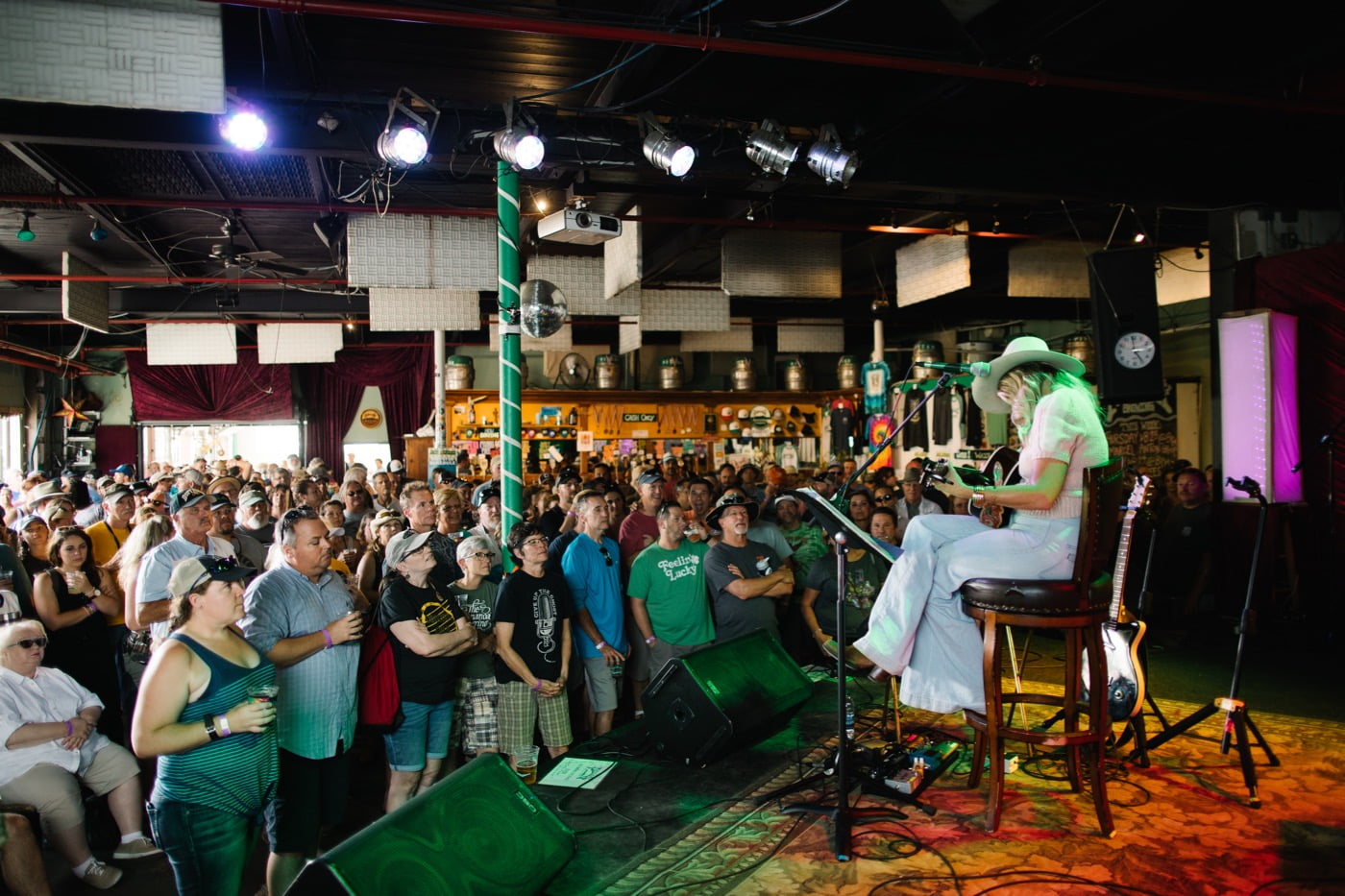
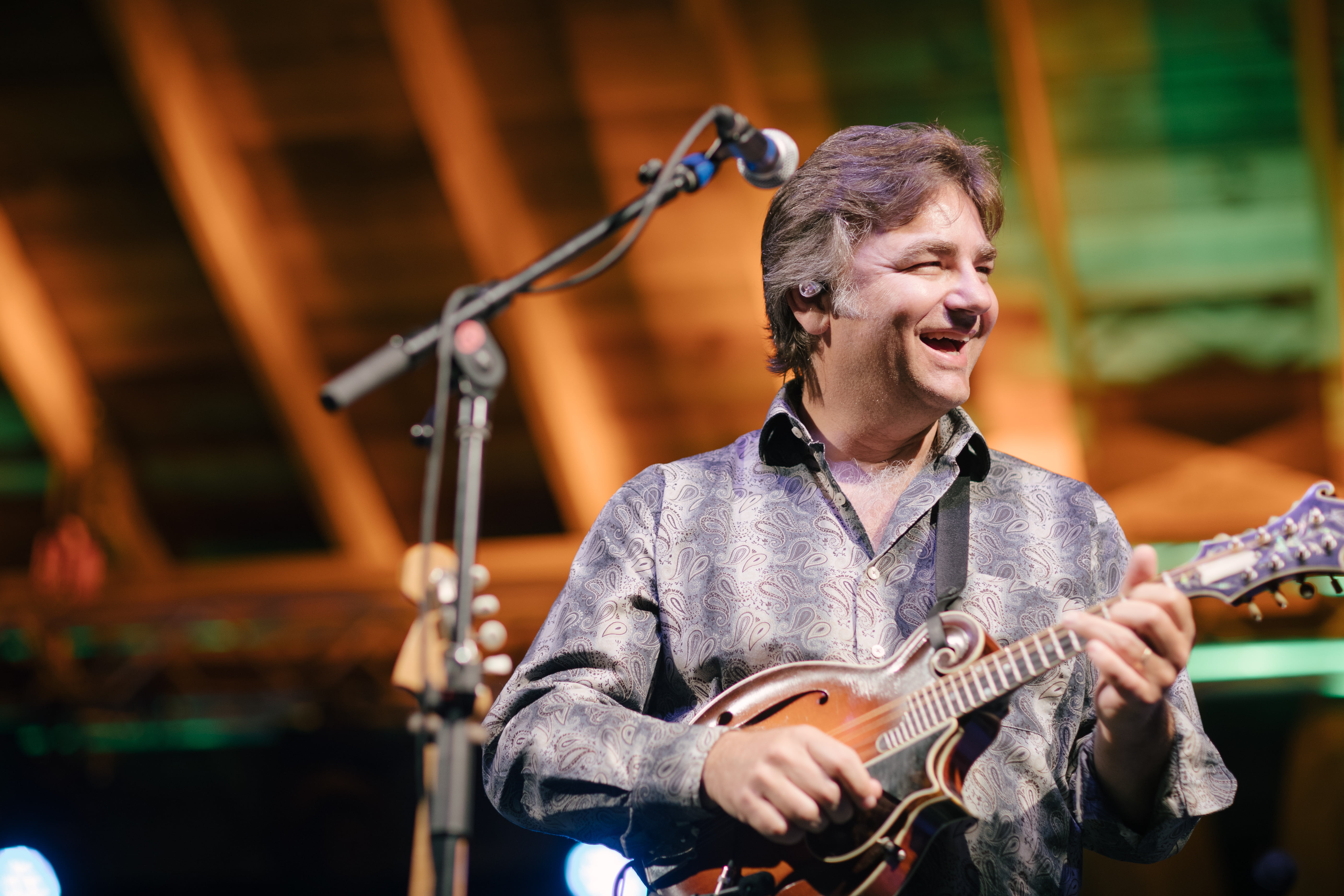
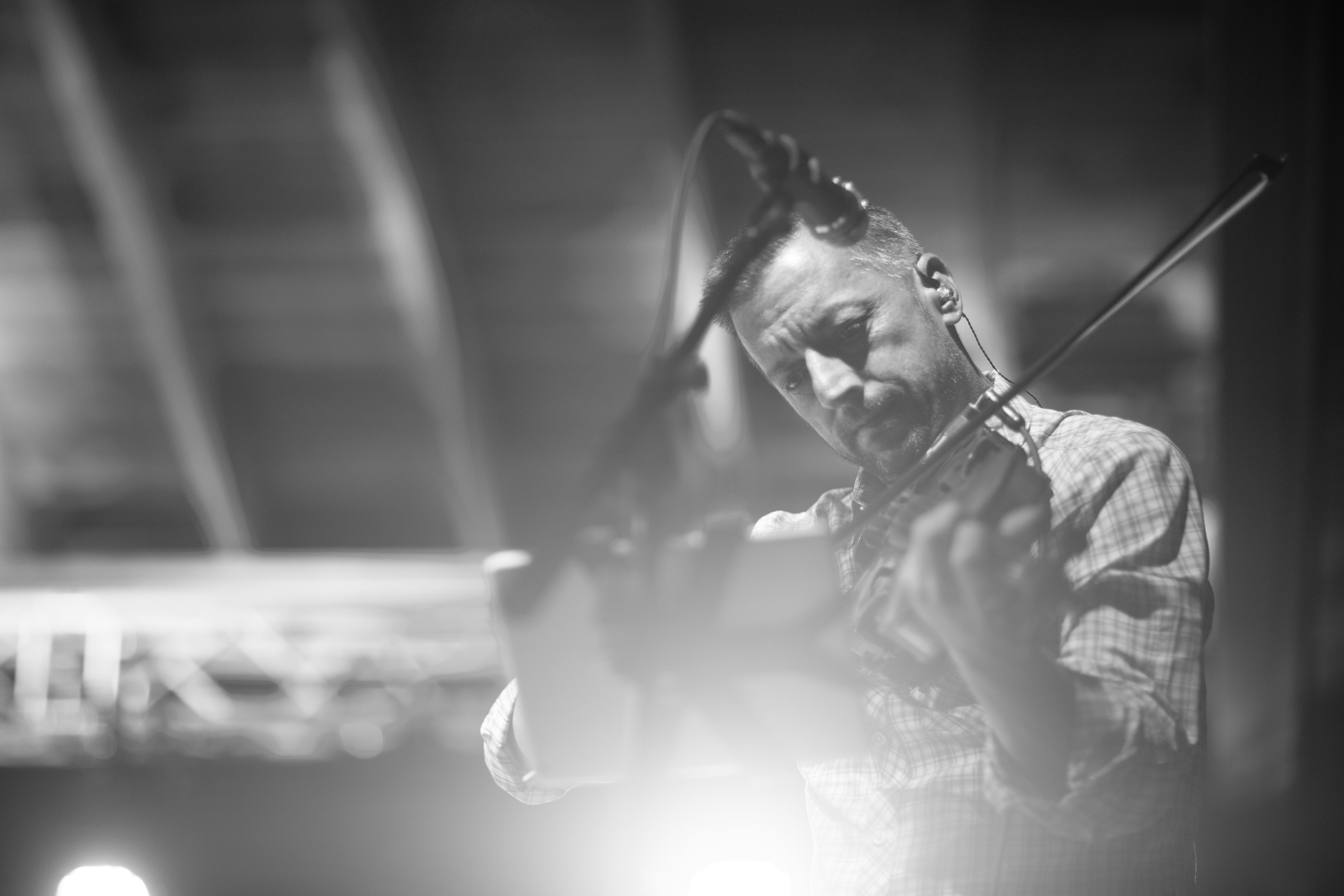
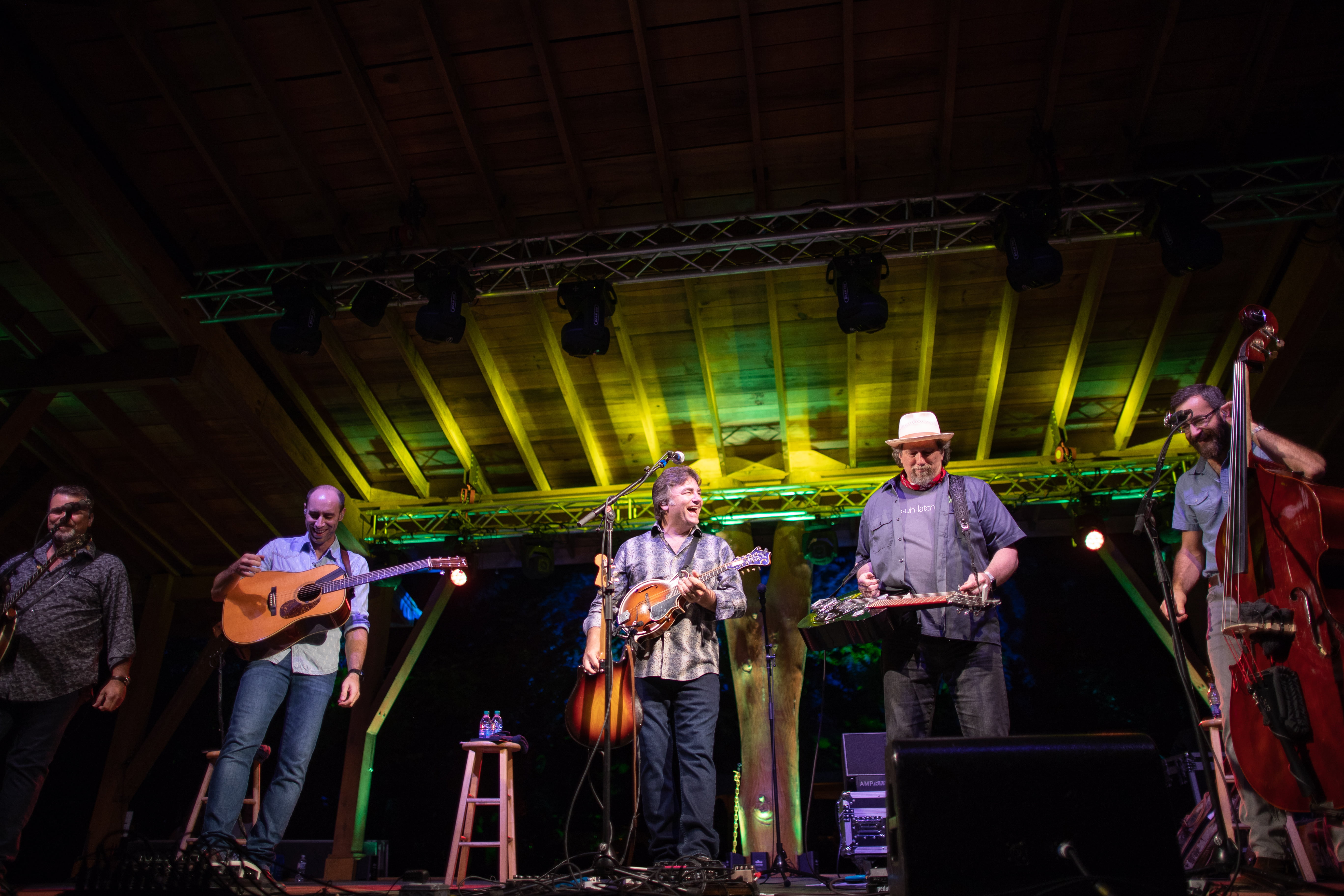
Black Mountain, North Carolina-based Pisgah Brewing hosted their third Jam in the Trees over the weekend of August 24 and 25, bringing together a harlequin lineup of Americana, alt-country, string bands, and bluegrass in the idyllic Blue Ridge Mountains. Whether you were on hand for every second of the musical magic or you couldn’t quite make it to the festival this year, relive the two day roots celebration with our photo recap.


Photos by Revival Photography: Jason and Heather Barr

BGS Preview: The Long Road Festival in the UK

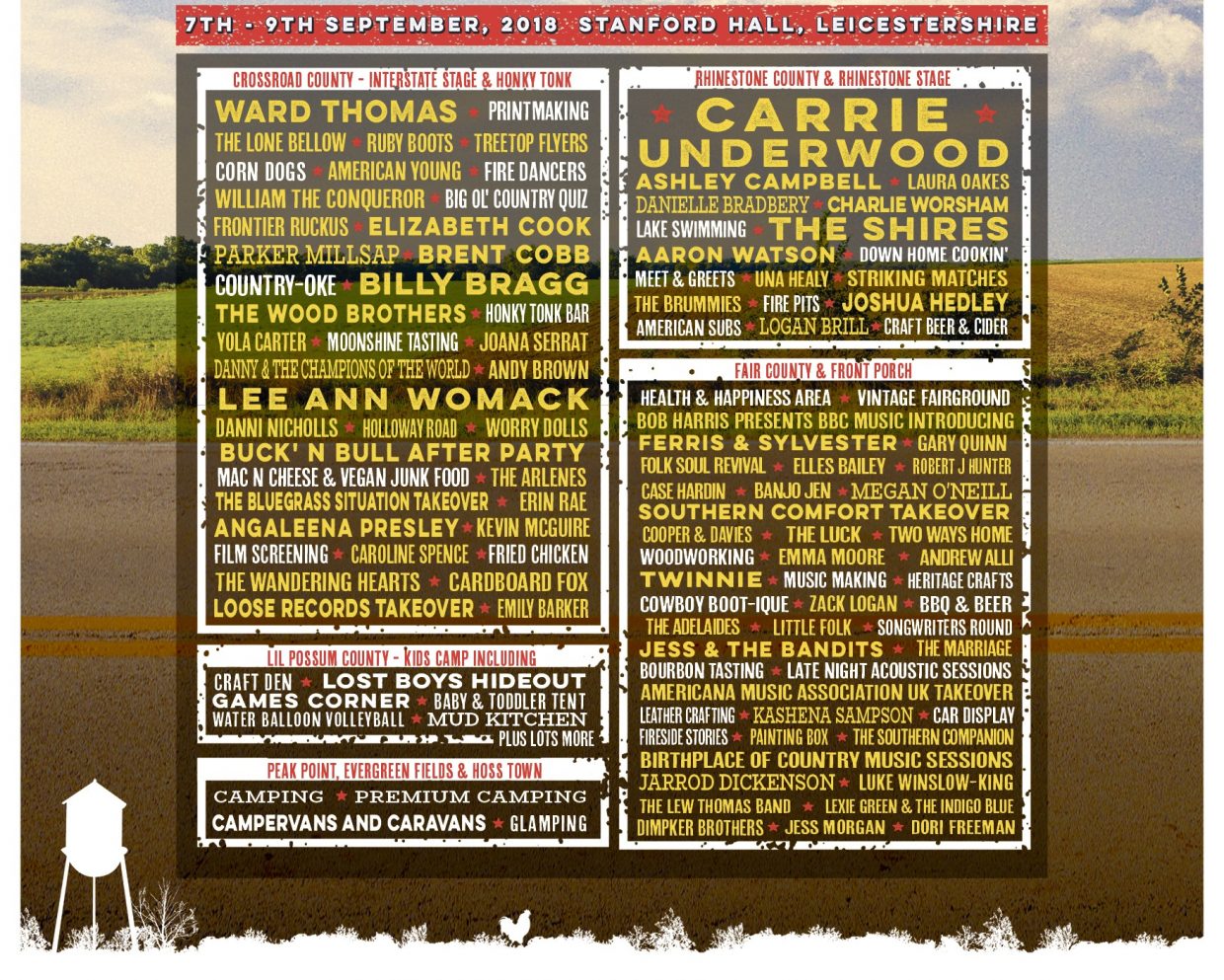
As this is being written, we’re on our way to the UK to prepare for our FIRST EVER international stage takeover, taking place next weekend at The Long Road Festival, in Leicestershire (near Birmingham). It’s a milestone event for BGS, and part of a larger initiative to reach our dedicated audience outside North America and shed light on some incredible talent that is putting their own spin on folk and roots traditions from other parts of the globe.

To prepare for The Long Road, held Sept. 7-9, we’ve summed up the top stuff we can’t wait to see and do while we’re in town. Hope some of you can join us to check out these highlights too:

1) That lineup tho…
With main stage appearances ranging from Carrie Underwood and Lee Ann Womack to Billy Bragg and Joshua Hedley, TLR is representing a variety of talent from commercial [read: Pop] Country to Americana with a capital A. The lines between roots and country music seem a bit more blurred over here, and we can’t wait to see how it all comes together.

2) Birmingham
Less than an hour from the festival lies the city of Birmingham. What was once a hardened industrialist town is now a breeding ground for creatives and start-ups, fostering one of the youngest populations in Europe (nearly 40 percent of the population is under 25). There’s plenty to discover here — from the old Custard Factory market to four (4!) Michelin-starred restaurants — so it’s a great stopover before or after the festival weekend.

3) AMA-UK stage takeover
Friday kicks off the fest with our friends at Americana Music-UK curating a stage featuring their freshest crop of British Americana talent. (Stay tuned to the BGS site for an announcement highlighting an upcoming collaboration with that team very soon….)

4) Moonshine + whiskey tastings?!
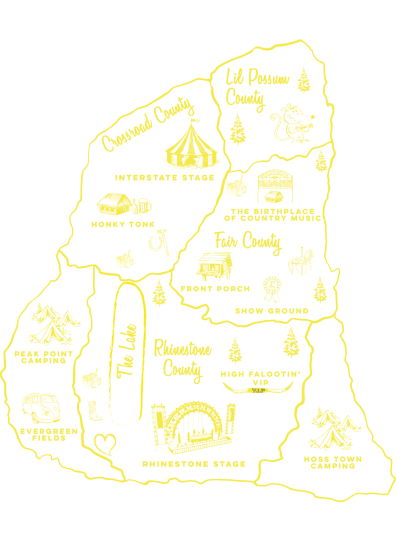
Say no more. You can find us in the Honky Tonk for more than just the BGS stage…

5) Stanford Hall
This is not your mama’s country festival. TLR is held on the grounds of Stanford Hall, a 400-year-old stately home in the heart of Leicestershire, sitting on over 700 acres of expansive parkland. Not too shabby!

6) Born in Bristol film screening
Produced and presented by the Birthplace of Country Music, retracing the 90 years since the recording of the original Bristol Sessions the resounding impact that music has had on the world, the documentary features the likes of Dolly Parton, Vince Gill, Eric Church, Emmylou Harris, Steve Earle, Marty Stuart, Sheryl Crow, and Doyle Lawson. Special screenings of the film will take place on site at TLR.

7) The Bluegrass Situation Takeover at the Honky Tonk stage on Sunday, September 9 (DUH!)
Featuring a cavalcade of fierce females from three different continents, our BGS-curated stage highlights everything ranging from bluegrass (Cardboard Fox) to country (Ashley Campbell, Angaleena Presley) to folk (Dori Freeman, Worry Dolls) to Americana (Danni Nicholls, Ruby Boots). It’s gonna be great. You can check out the full day’s schedule below:

13:05-13:45: Danni Nicholls
14:10-14:50: Ashley Campbell
15:15-15:55: Worry Dolls
16:20-17:00: Angaleena Presley
17:25-18:05: Cardboard Fox
18:30-19:10: Ruby Boots
19:35-20:15: Dori Freeman

Discover more about The Long Road and stay in the know by liking our BGS-UK Facebook page.

Purchase tickets for The Long Road.

LISTEN: Darin & Brooke Aldridge, “TC & Pearl”

Artists: Darin & Brooke Aldridge; songwriter Dennis Duff
Song: “TC & Pearl”
Album: Songs from Lyon County (featuring songs written by Dennis Duff)
Release Date: Sept. 7, 2018
Label: Gracey Holler Music

In Their Words: “‘TC & Pearl’ is the perfect example of what a great song is made of. Songs like these are what always appeal to Darin and I. Songs that are REAL with a story that seems to take you to that exact place and time. We were honored to be a part of this wonderful project and song that makes you smile every time you hear it.” — Darin and Brooke Aldridge


LISTEN: Bill and the Belles, ‘DreamSongs, Etc.’

Artist: Bill and the Belles
Hometown: Johnson City, Tennessee
Album: DreamSongs, Etc.
Release Date: August 24, 2018
Label:
Jalopy Records

In Their Words: “DreamSongs, Etc. captures the sound we’ve worked tirelessly in developing over the past three and a half years incorporating influences from a variety of times and places that were once representative of country music. We think listeners will find these songs refreshing in their simplicity and delivery, and hope the joy we experienced in creating this record transcends to their listening experience. We hope timelines become blurred… that the music can speak for both the here and now yet remind us of our past bringing listeners a sense of comfort and familiarity in a time that’s anything but. The voices and songs of America’s past float around all of us up in the ethos and we do our best to remain conscious and aware of those sounds when they call. We try and take those sounds to turn them into something that will resonate with people today. More than anything we hope these songs lift your spirits.” — Bill and the Belles


Photo credit: Josh Littleton