Lori McKenna Shows Love of Every Kind on ‘The Balladeer’

When it comes to capturing life’s big loves — romantic ones, sure, but also the love between siblings, parents, children, and friends — Lori McKenna is one of the strongest songwriters of our time. The Stoughton, Massachusetts-based singer finds fodder in the everyday moments that most of us overlook, reminding us that every day is worth singing about.

Her new album The Balladeer, produced by Dave Cobb, embraces the same openness, expert wordplay, and quiet wisdom that have become her hallmarks. “This Town Is a Woman” uses extended metaphor to reflect on the push-pull of a hometown. Perceptive songs like “When You’re My Age” and “Til You’re Grown” offer hope and direction to a younger generation, while “Good Fight” is an ode to hard-won, imperfect, lifelong love. The Balladeer shows McKenna at her best.

BGS caught up with McKenna by phone about where she found the courage to try open mic night, the advice she’d give to aspiring artists, and the family moments that keep her centered.

BGS: How did you first begin writing songs?

McKenna: I started writing songs with my two older brothers that were songwriters. They always wrote songs in their bedrooms and that’s what I would always do with my siblings. I grew up just outside of Boston and we were listening to singer/songwriters and talk radio and things like that, but not a lot of country music. But strangely enough, the first song I wrote was a country song about… a rodeo? [Laughs] My mother was like, Where did this come from? I joke now that I must’ve brought it along with me from another life.

How did that evolve into performing and writing professionally?

It was really unexpected. I’m sure my husband would say this as well, but I didn’t know that I could do music for a living. I never sang outside of our house, because I had such a strange voice — certainly, compared to my siblings, I have like the weirdest voice out of all of us. My siblings all sing so beautifully. [Laughs] I never thought that I really could do it.

I always say my kids really gave me the courage to really step out and try. I started doing open mics around here in the Boston area because we have this really great community of venues and a great acoustic or live music scene. But it was especially a surprise to me more than anybody else, that I could do this. It has been such a big part of my life since and I’m very thankful for it.

“This Town Is a Woman” finds so many ways to drive home the metaphor: “You curse her every time she tries to change / and when you’re not happy, you swear that she’s to blame,” which sounds like a tumultuous relationship, or “The way you talk is partly her fault / From the back roads to the church parking lot,” which sounds more motherly. What was the first example that clicked for you, that told you this was a comparison you could make?

The song came to me in a strange conversation that I had with Dave Cobb on the phone one day. He called, and he was talking about putting together a record of women singer/songwriters in the Nashville community. The next day, I was driving my daughter to school, and it just occurred to me that if a town could have a gender — you know, the way they name storms after women, or boats, or whatever — surely a town would be a woman. I mean, there’s just no question.

It’s very motherly, in my brain. She’s gonna let you grow up and push you out, but she’s gonna wait right there for you to come home if you need her. She’s always gonna see you as yourself. She’s gonna know things about you that nobody else knows. It’s that calling; that call of the blood, the call of the hometown. Springsteen talks about it in Springsteen on Broadway, how he couldn’t wait to get out of there and now he lives five minutes from where he grew up. We all have that in us. And if so, it’s definitely because … well, it’s a woman.

And you live in the same town where you grew up. What do you love about where you live?

I think there’s just something in my bones about New England; it would be hard for us to leave here. I live just up the road from where I grew up in this town — I could walk to my dad’s house — and my husband grew up here as well. Our kids had some of the same teachers we had. Family is such a big part of both of our lives. I’m the youngest of six kids. My mom passed away when I was little, and when that happened my family just hunkered in on each other. The older I get, the more I realize that my siblings are such a big part of my life. I need to be around them.

You write a lot about family, specifically about motherhood. You were young when your mother passed away, but is there any specific way you feel she shaped you, particularly as a writer?

There’s some sort of button that was pressed when we lost my mother. I had just turned seven, and when there’s a death of someone that big in a family, and you’re that young, everyone’s going to come up to you and explain that your emotion is warranted: This is a real emotion, you should have it, it’s your right to have it and own it. When kids have really blissful lives, everyone’s brushing off their emotions a lot. You’ll be okay. You fell, but you can get up. You don’t need a Band-Aid. You’re tough. But because at such a young age, I had this family around me that said, “You’re sad, and it’s okay,” it stuck with me. I gave my emotions, when they came to me, a little bit more space than some people are able to. Me having the right to a very powerful emotion at such a young age informed a lot about being a songwriter.

What advice would you give someone who’s just embarking on a career as a songwriter and artist?

The biggest thing they have to be careful of is not changing themselves to bend toward what is in style at the moment. I was so lucky, in so many ways, that I started so much later than everybody else. I was too set in my ways to change very much. Your best asset is to be yourself — nothing is going to be always right for everybody, so you might as well. I think with any kid growing up, they have to learn not to look at social media and feel like it’s a lesson book on how to be. You have to be who you are right this minute, and it may be different next year, but you still have to be who you are as an artist — even if it’s an artist that’s not ready.

You recorded the title track a little differently than the others on The Balladeer, two vocals singing in unison throughout. Why?

That was one of my favorite production moves of the record. It was Dave Cobb’s idea and I’ve never done it on a whole song before. Making demos over the years, there are times where you’ll double your vocal on a chorus, but that song actually doesn’t have a chorus. [Laughs] That’s the reason he thought to do that. He didn’t tell me he was going to do it: We tracked live, and when we finished, he said, go ahead and sing it again. I said, What do you mean? It’s over! You’re crazy! And it just came out so good. To a producer, a song like that, without a chorus, is a little bit of a challenge. And he just brought it to life.

The main character in that song struggles with an insecurity — the idea that if she stops being sad, she won’t be able to write. Have you encountered that fear in the songwriting world — in yourself or in collaborators?

I definitely have had that conversation with people over the years, and I’ve always been kind of the opposite of it. I’ve been so lucky in my career and in my life, and I’ve had so many blessings — things I don’t even know how I got so lucky to do. People sometimes ask me, “How are your songs so sad when you’re so happy?” … But I think your job as an artist or as a songwriter is to learn how to not always need the pain to be able to write. Pain cannot always have to inform your craft. Once I discovered that character in “The Balladeer,” I liked the idea of her being challenged by that, and then coming back and realizing that there is pain in life no matter what — it just doesn’t have to be all of it.

So many of your songs are a good reminder of that balance, the good and the bad. Right now, is there anything in your life that centers you when things get tough?

That’s such a good question, especially now, because we don’t really know what’s next. Every day is like four days, emotionally. This whole time and space thing is like… you forget what day of the month it is, but you’ve had four emotions before lunchtime. For me, I still draw from music, and I’ve had really, really great dinners in the backyard with my kids, because everyone’s slowed down a bit.

In the past, my husband and I have taken the kids on vacation, tried to do all these things to make all these moments. But this year my favorite moments have been sitting in the backyard, with takeout, and talking to each other. We’ve all had to slow down a little bit, and as scary as that seems sometimes, I’ve tried to find the beauty in it. Watching most people around me find the beauty in it has been rewarding, too.


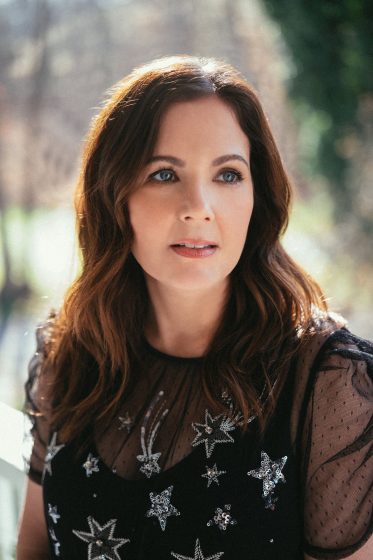
Photo credit: Becky Fluke
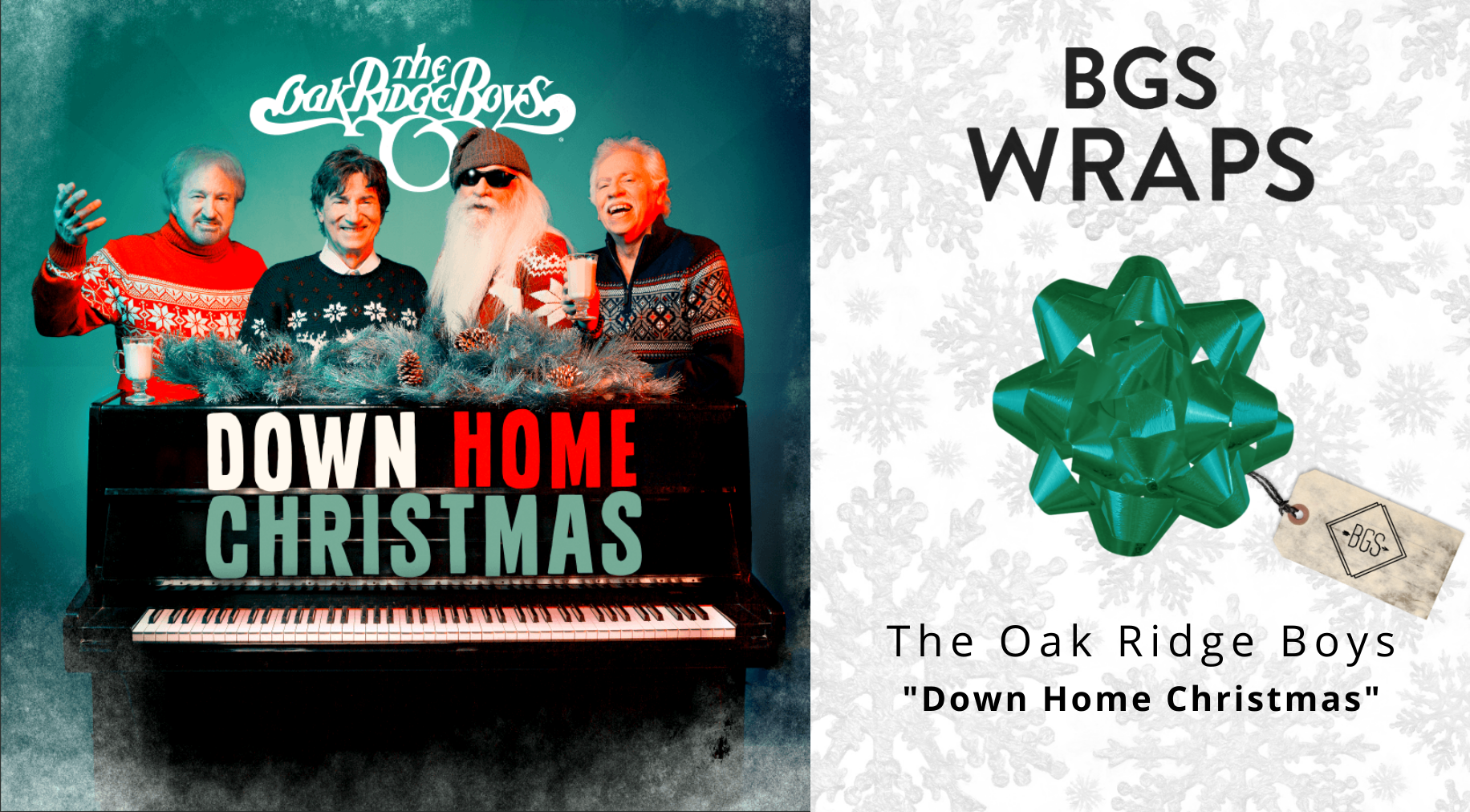
BGS WRAPS: The Oak Ridge Boys, “Down Home Christmas”

Artist: The Oak Ridge Boys
Song: “Down Home Christmas”
Album: Down Home Christmas

In Their Words:Down Home Christmas began much like the other seven Christmas albums we have recorded. But things changed. Most of the songs I had collected were put on the shelf, and we started looking for songs that addressed specific subjects related to Christmas. Dave Cobb was the producer/coach/motivator for this project. He encouraged us to dig a little deeper into our souls, to capture the magic of each song. With very simple instrumentation, the four Oak Ridge Boys’ voices are out front, and in your face, with the awesome, huge sound of RCA Studio A wrapped around, but not overpowering it.” — Duane Allen, The Oak Ridge Boys

Don’t Be the “Second One To Know” about Chris Stapleton’s New Video

The idea of success, especially as it relates to being a musician, songwriter, and/or performer, has always been a wily, shifting idea. What are the benchmarks we use to determine someone’s level of notoriety? What are their claims to fame? Owning a tour bus? Having your first number one hit? Being the musical guest on SNL? Having a highway named after you? Or perhaps a proclamation from your local public figures designating a [Named After You] Day?

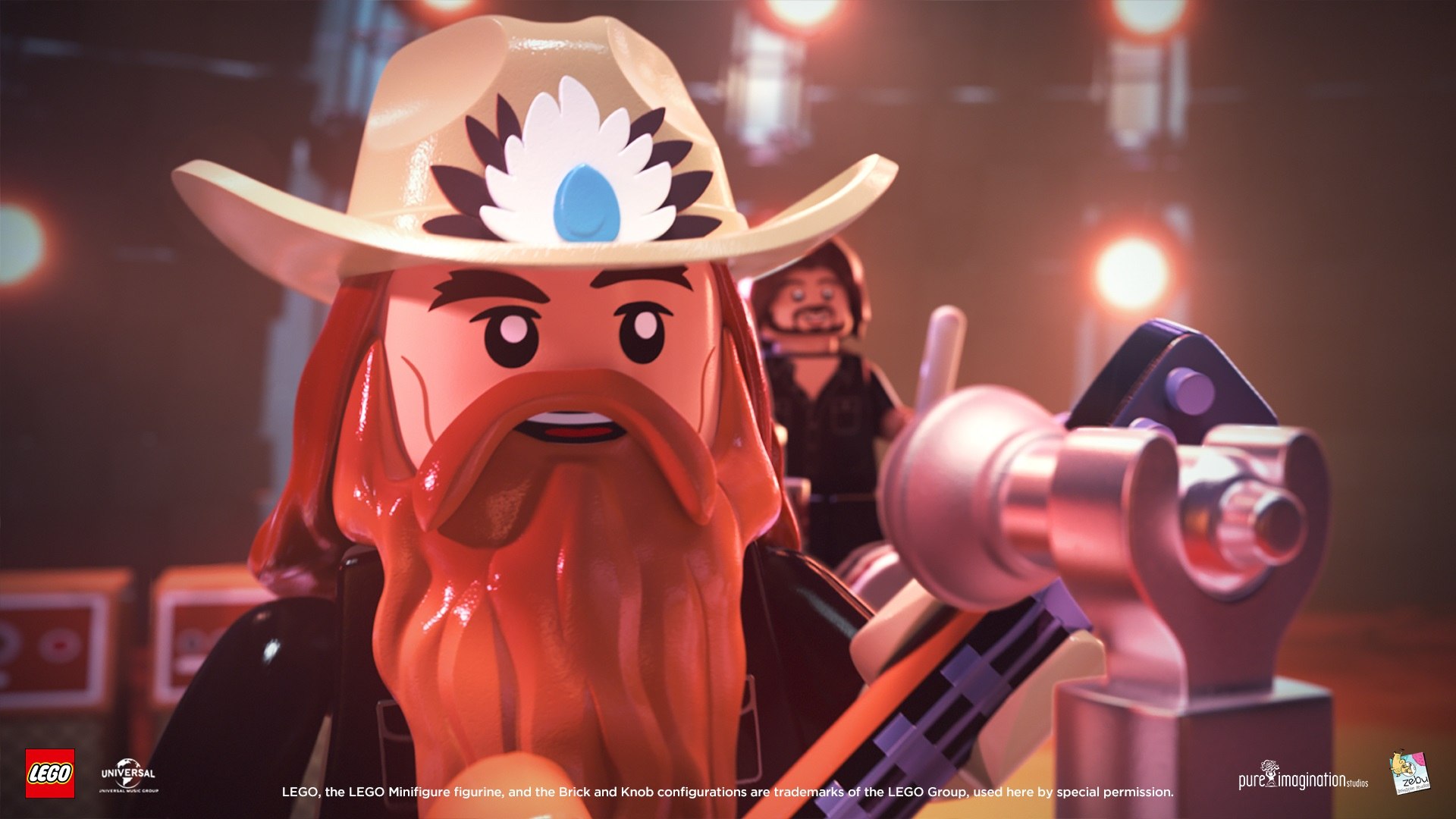
Well, for everyone’s favorite bluegrass powerhouse vocalist turned mainstream country star and global sensation Chris Stapleton, success isn’t measured only by a cameo appearance on HBO’s Game of Thrones. How about having LEGO figures modeled after you, your wife, your band, your stage set, and your otherworldly, music-hating fantastical arch-enemies?

LEGO Group and Stapleton collaborated on the brand new music video for “Second One To Know,” creating a fully realized toy brick universe replete with Stapleton’s signature hat, Morgane Stapleton’s omnipresent tambourine, strikingly accurate LEGO versions of instruments, gear, crew, family members, and even a cameo by bassist J.T. Cure’s cat! (A cat-meo? A cat-meow?)

It may seem a little off the wall for an artist who, while ceaselessly compelling, is generally reserved and counterintuitively subdued — despite his music and window-shaking voice being anything but. But the video is whimsical, painstakingly detailed, expertly crafted, and damn, it’s entertaining. Watch LEGO + Chris Stapleton’s “Second One To Know” right here, on BGS.


Still courtesy of the artist.

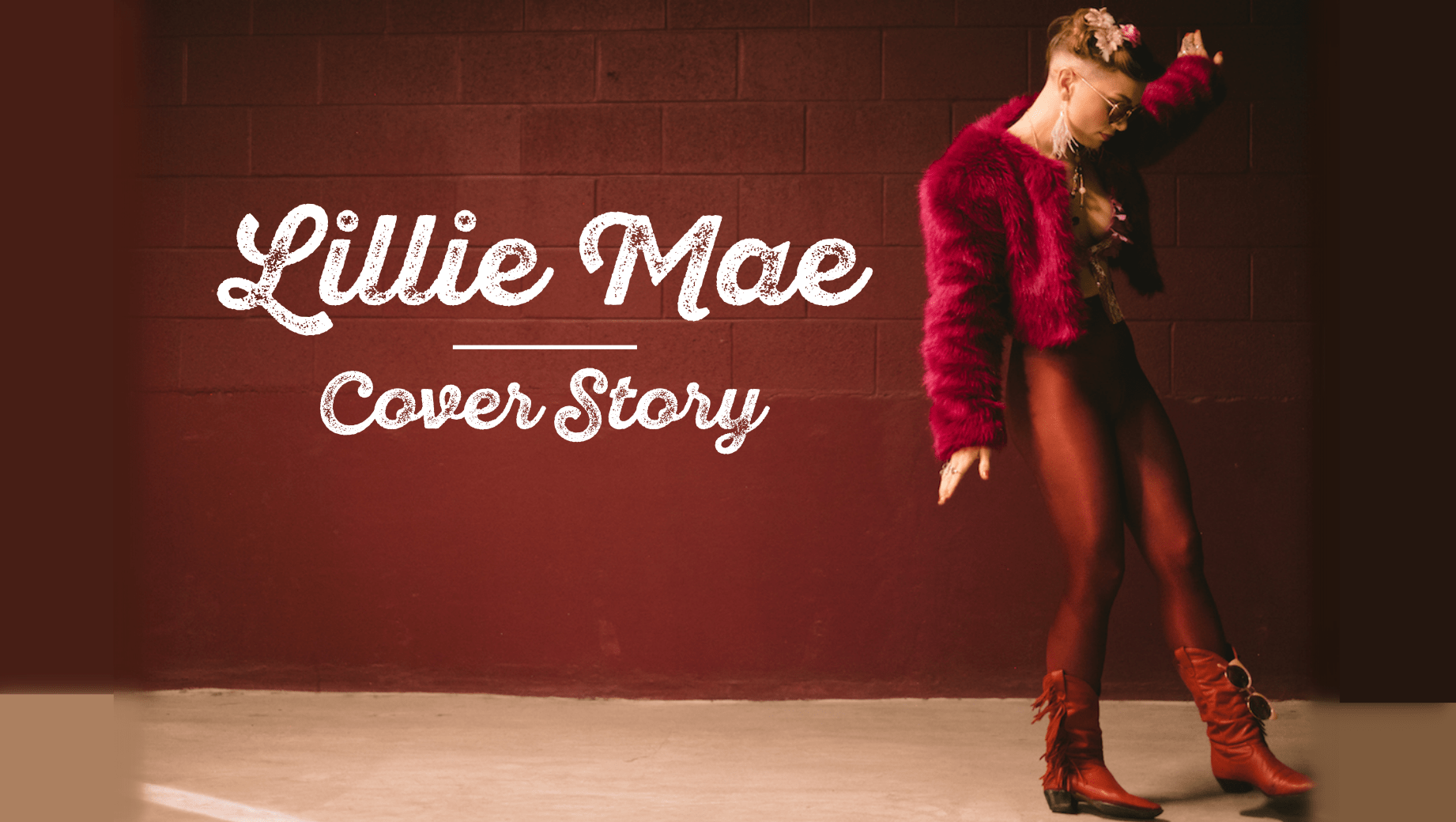
This Could Be a Golden Year for Lillie Mae

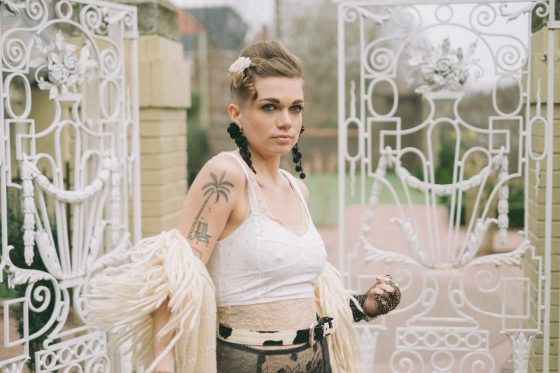
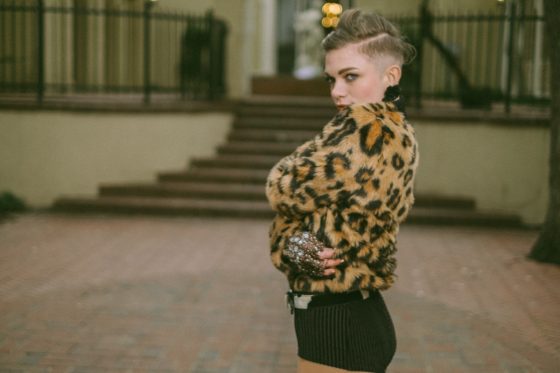
Brown’s Diner is the kind of hole-in-the-wall that your eyes have to adjust to, after stepping in from a sunny afternoon in Nashville. However, Lillie Mae shines like a beacon in the dim light of the dark booth as she gabs with the staff she’s clearly known for years.

A twenty-year Nashville veteran, her very first business meeting as the youngest member of her former family band, Jypsi, was in this very restaurant. A true road warrior, Lillie Mae and family traversed the country playing bluegrass festivals and churches. On the heels of a censored childhood steeped in traditional music, she graduated to the honky-tonks of Lower Broadway and on to her own burgeoning career as a solo artist now signed to Third Man Records.

Settling in at the beloved burger-and-fries mainstay after three weeks on the road with The Raconteurs, Lillie Mae detailed the process of making her brand new record, Other Girls, with producer Dave Cobb, as well as songwriting inspiration, a crummy golden year, and what works feels like when it doesn’t feel like work.

BGS: Your lyrics leave a lot to the imagination. They weave a story and put you in a setting but they aren’t inculcating anything for the listener. But tell us more about “A Golden Year.”

That one and the last one are my favorites on the album for sure. Basically, my birthday is June 26 so my golden year was a year ago. We were in The Refuge in Appleton, Wisconsin, and we’d played a couple of gigs up there and we were leaving this monastery. It is an amazing place where musicians and artists of all kinds can go and live for free. Food and everything is taken care of. They get government grants and they have a studio. It is an amazing place right on the water.

We were rolling out and I went to do one more look around and my brother was still wrapping up so I was just walking through the hallways. They have a chapel where they do shows and I heard a choir singing “Ahhhs” and I just heard the whole song and I had a guitar in my hands. I rummaged through rooms to find a pen. I sat down on the guitar case and wrote it. It came from somewhere else. It is a perfect example that we are just a vessel. I had been looking forward to my golden year my whole life and then it turned out pretty lousy for me. I was super depressed and down and writing that song was probably the best part of it.

Do you sit down to write or do you mostly write when you are inspired?

You know, mostly when it starts to come through. But if I sit down and pluck on the guitar or something for a minute, I will easily find myself trying to come up with something. I don’t sit down and try to write nearly as often as I should.

Did you have to do any of that for this record as you were putting the songs together?

Nah. There were a couple of things that were not completely finished, like the last song on the record. I was tweaking words until recording. Some stuff was almost there. And every once in a while, if a second verse is not coming, I’ll just repeat the verse, though that’s kind of cheating.

With your ingestion of art being censored in your religious upbringing, there is some open sexuality on this record. Bluegrass, folk, and country have all been known to suppress that. Have you ever come up against censorship from co-creators or folks in the business realm?

Totally. I think a lot of it you can do it to yourself. You can put yourself in a little conservative box easily. But these days, I’ve just lost my care about what people think. It just doesn’t matter. I have a couple of songs that I haven’t been open about what they are about — on the last album, that were written about abortion. Songs that were really heavy to me and I never talked about that. It wasn’t a secret but “Why do we need to talk about this?” because it can mean whatever it means to anyone. But that is coming from a very conservative place of trying to please all ears.

Having these old mindsets of being in old Nashville, I definitely have been more conservative than I truly am. For me to not mute or hide lyrics or not be open about things, it has been a step for me. There is a song on the album called “Crisp & Cold” that was inspired by a friend of mine who is transgender. There is a line in the song that says, “Don’t be scared/Be more.” When you literally have to worry that some people might take your life because of that. It is crazy. There are times when you don’t want to offend anyone but those days are over.

But growing up in bluegrass, we did the circuit. We were always on our way to another festival. My sisters were older than me and were beautiful young women who were experiencing growing out of the whole religious thing. We did Beatles covers back then when I was a little kid and bluegrass snubbed us. To love something so much and to be ousted from it because you’ve developed some fashion sense or something. It sucks to be such a supporter of something and to not have them have your back. But it has changed a lot.

Did you and your siblings grow up listening to any specific artists?

It was super limited, what we were allowed to listen to and we grew up playing full time. We played churches and bluegrass festivals. We had a lot of live influence. As far as what we were allowed to listen to, it was not very much. We’d be allowed to listen to some Del McCoury songs but not all of them because of the content. A lot of Marty Robbins and Hank Williams, but always excluding some stuff because my folks were super strict.

Did you find yourself seeking ways to listen to those excluded songs?

Not me. I’m the youngest in the family and I never did. I’m really bad about that still. I don’t go out and pick out music. If I go to a record store, I have a panic attack. Every single time I end up on the floor in a corner just sitting cross-legged waiting for everyone to check out. I have full-on attacks. Maybe I’ll be better now. It has been a minute since I’ve been in one. I never got joy out of going to buy a record.

I was the youngest and growing up, I never had a choice. I didn’t get to pick where we went or what we listened to or anything. I just listen to what other people are listening to. I really rely on my boyfriend or my brother playing cool music. Unless I hear someone at a gig or a festival, then I’ll pick up their music. Like Natalie Prass. My brother met her at a show a couple of years back and he brought her CD home. And I was like, “Oh my God.” Her music changed me.

Jack White gave me a record player but I didn’t have speakers and I’m technically challenged so I could never figure out how to hook it up. The vehicle I have doesn’t have music. I have very little music on my phone and rarely listen to it. I do think I have Natalie Prass’ record on there. [Laughs]

What was it like working with Dave Cobb on this album?

He was wonderful to work with. He’s a really nice person. The first conversation we had, we talked about some bluegrass bands. I think it was something different for him. I was very nervous as first to go in because I was out of my comfort zone but it was really easy. We went in and recorded a song, took a lunch, and came back and recorded another song. It was a pretty easy process.

How was it out of your comfort zone?

Well, Dave uses his drummer Chris Powell on most of his stuff so for me going in because I’m such a picky asshole, I was nervous about playing with someone I hadn’t played with. I was just nervous it wasn’t going to be my vibe. But it was. It was wonderful. It’s an amazing studio [RCA Studio A] with great sounds and a great crew.

So it was pretty easy once it started?

Totally. After song number one. The first song had two different time signatures the way it was written but it got straightened out to just one. At first, I was like, “What is going to happen here?” It ended up a great thing, but I was a little stubborn at first.

Did that create friction?

No. Not at all. I kept it to myself. I went to the bathroom, cried it out, and came back ready to give it a try.

That’s awesome you trust your producer.

Well, I’d be foolish. Who am I, you know? Here’s a shot to work with some amazing people. If I threw a wrench in it, there are too many people on board. There are too many people invested in me. I owe too many people too many things. There’s a time and a place. Maybe next album. [Laughs]

I’ll get OCD and have little brain freak-outs. One can come across as stubborn, and all I’ve ever tried to do is be opposite of that. I’ve tried hard to be positive and give my all no matter what the project is, but those little OCD things, they can hinder you for sure.

Have you ever made concessions that you regretted making because the art didn’t turn out the way you wanted it to?

If I’ve thought like that, I’ve tried to change my outlook and be like, this is the way it was supposed to be. It (the process of making the album) wasn’t what I had anticipated. I anticipated buckling down. I anticipated really working hard, and then when I wasn’t working hard and it was just coming really easily and naturally, I felt like I wasn’t doing a lot. When you are used to hustling and it comes easy, it feels like something must be wrong.

How do you feel about the release of the new album? What is the period like right before it comes out?

The last couple of weeks [touring with The Raconteurs] were super exciting. It was fun to be out playing the tunes. I wasn’t ready to be done. I enjoyed it a little too much.

I’m pretty level. Just from so many years of getting my hopes up, not even just about music. I used to get so excited about something but I crashed and burned too many times. I don’t allow myself to get excited about much of anything. People will get the wrong impression that I’m not enjoying myself or that I’m not grateful. I’m so thrilled but my expectations are pretty low. I’m excited about it coming out, but if I got dropped tomorrow I think I’d be prepared. Which is not good! [Laughs]

My boyfriend took the pictures for the album campaign. And my sister Scarlett and our friend Amy helped with the photo shoot. It was just us, so it feels super close to home, and I feel really proud of it.


Photo credit: Misael Arriaga

The Show On The Road – Dylan LeBlanc

This week Z. speaks with Dylan LeBlanc, the lithe Louisiana-born roots ‘n’ roller who has one of those once-in-a-generation, ghostly-lilting voices that doesn’t seem of this time or place.


LISTEN: APPLE PODCASTS • MP3

His newest record Renegade, produced by Dave Cobb, makes it clear LeBlanc has grown up a lot in the last few years. It’s a big, snarling, cinematic, banger of a record; part spaghetti-western dust storm, and part hook-filled, ’60s AM radio sunshine.

This is our last episode of the summer season, so have a listen with a cold drink under the sun, and let Dylan’s voice transport you. Where? It’s up to you.

The Highwomen Make Room for Lori McKenna at Their “Crowded Table”

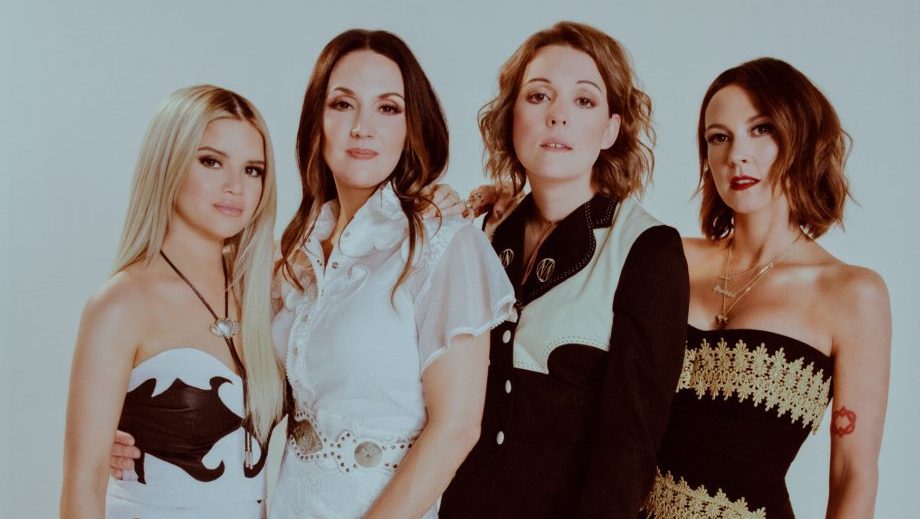
Hungry for new music? Here’s another serving of The Highwomen, harmonizing effortlessly on “Crowded Table.” A co-write with Lori McKenna and band members Brandi Carlile and Natalie Hemby, it’s from their upcoming self-titled album, produced by Dave Cobb and set for a September 6 release. (Take a look at the track listing at the bottom of the story.)

The band, of course, is composed of Carlile, Hemby, Maren Morris, and Amanda Shires. But who else is crowded around the table? Sheryl Crow, Jason Isbell, and Yola are all confirmed to appear on the album, as well as Carlile’s longtime musical partners Phil Hanseroth (bass, background vocals) and Tim Hanseroth (guitar, background vocals), Chris Powell (drums) and Peter Levin (piano and keyboards).

Look for The Highwomen this weekend at Newport Folk Festival, their only scheduled appearance.

1. “Highwomen” (written by Brandi Carlile, Amanda Shires, Jimmy Webb)
2. “Redesigning Women” (written by Natalie Hemby, Rodney Clawson)
3. “Loose Change” (written by Maren Morris, Maggie Chapman, Daniel Layus)
4. “Crowded Table” (written by Brandi Carlile, Natalie Hemby, Lori McKenna)
5. “My Name Can’t Be Mama” (written by Brandi Carlile, Maren Morris, Amanda Shires)
6. “If She Ever Leaves Me” (written by Amanda Shires, Jason Isbell, Chris Thompkins)
7. “Old Soul” (written by Maren Morris, Luke Dick, Laura Veltz)
8. “Don’t Call Me” (written by Amanda Shires, Peter Levin)
9. “My Only Child” (written by Natalie Hemby, Amanda Shires, Miranda Lambert)
10. “Heaven Is A Honky Tonk” (written by Brandi Carlile, Natalie Hemby, Ray LaMontagne)
11. “Cocktail And A Song” (written by Amanda Shires)
12. “Wheels Of Laredo” (written by Brandi Carlile, Tim Hanseroth, Phil Hanseroth)


Photo credit: Alysse Gafkjen

Ian Noe Finds Carnage and Compassion in ‘Between the Country’

Folk rocker Ian Noe captures both beauty and ugliness on his debut album, Between the Country, populating his isolated Eastern Kentucky home with vivid portraits of human carnage.

Heavily influenced by John Prine, the 29-year-old writes with insight and deep compassion for what some might describe as the dregs of society. Meth-addled junkies, alcoholic drifters, and the gangs that prey on them dominate his songs, but he says shock and awe has never been his real goal. Instead, it’s to write songs reflecting the hardscrabble truth of his hometown. It’s a great place to grow up, he explains, but there’s no denying the dark reality which lurks down almost every holler.

“I guess it’s just the environment and the stuff you see growing up in Eastern Kentucky,” Noe says of his inspiration. “There’s a vibe to it. I hate to be so vague, but there’s a definite vibe.”

Noe has articulated that vibe so well he was invited to serenade Prine during a pre-Grammy Awards tribute at Los Angeles’ iconic Troubadour in February, and this summer he’ll open a series of shows for the legend in Europe. But for now he’s touring the U.S. with a batch of tunes that make traditional murder ballads sound like lullabies.

Noe spoke with The Bluegrass Situation about his admiration for Prine’s work and how it led to Between the Country, as well as his connection to the doomed souls of his songs and producer Dave Cobb’s help in creating a full-band sound.

BGS: Your vocal and the literary quality of the lyrics remind me of John Prine, which I’m sure you get a lot. How big of an influence was he on you?

Noe: Oh, he was huge. I would have to say he’s definitely the biggest influence for me. I started out wanting to be Chuck Berry on guitar, but it didn’t take me long to realize I wasn’t Chuck Berry. [Laughs] Then I heard John Prine through my dad, who would play his songs all the time in between Merle Haggard and Neil Young. But when he went to Prine songs, they would stick out … and I was just obsessed ever since.

What was it that stuck out about Prine?

He can just take simple things and make them profound. He’s the best at that. He can look at a sidewalk and write a song about it, make you laugh and think at the same time.

You’ve done something similar with Between the Country, but there’s a lot of dark themes – songs about substance abuse and self-destructive behavior. Why are those topics given so much prominence in your own writing?

I imagine it would have to be all the stories and people I know, as well as people I didn’t know but heard stories about. Just stuff that you hear happening in a town of six or seven thousand. Lee County is not that big, and it’s a cliché, but you hear everything that goes on in a small town.

Were you exposed to that stuff personally?

Not really, to be honest. I never did go to a meth house or anything like that, or even see anybody using it. But it’s one of those not-really secrets. Everybody knows it’s around.

I think that’s interesting because you seem so good at getting into these characters’ skin. How do you make that happen without first-hand knowledge?

I just think about them. Just think about it and picture in my head how it might be to live that way. It starts with a melody. I like to get the melody going in my head and if it’s a good one, try to see what’s going on with it.

I guess what I’m getting at is even though there’s bad stuff going on, it never seems like you’re judging anyone, or the area, for it.

Yeah, I tried to be real careful not to do that or come off as holier than thou. “Meth Head” is harsh, but I just wanted to be as extreme as I could be because it’s such an extreme drug, you know?

Tell me about coming up with that song. It’s really specific, I mean the imagery of this guy hunting for scrap metal and the woman covered in sores is chilling.

That song used to be about a war hero who was coming home, or at least the melody did anyway. I thought I was wasting the melody because I had already written some songs about battlefields and stuff like that, so I scrapped all of that and started again with the melody. I came up with that first verse pretty quick and just kept going.

How did you get so vivid with it?

It just comes with there being an actual junkyard in Lee County and thinking about the sound of the junkyard, thinking about the rest area that’s down the road and all the smells and sounds, things like that, just trying to get as descriptive as I could be.

Tell me about the title track. What does that phrase, “Between the Country,” mean to you?

Just being in the country, and everything that’s going on in between it. In between this hill or mountain, or what’s going on up in this holler, that’s what it means.

Why did you decide on that for the title track?

My grandmother used to say stuff like “If you treat your parents well, your days will be long on this earth,” which I’m not saying right but it’s from the Bible. She used to say stuff like that all the time, and I got to thinking about it, like “On down between the country, where deer lay along the road / On down between the country, where a long life’s a blessed one, I’m told.” It was like some people don’t make it past 40, you know? And that’s everywhere, it’s not just in a small town. But I didn’t grow up everywhere. I grew up in Lee County.

“Irene (Raving Bomb)” is about an alcoholic who’s not hiding it so well, even though she seems to think she is. How hard is it for you to find compassion for a character like that?

Not hard at all. We’ve all had our issues with this or that or the other, and I grew up seeing a lot of things like that. It wasn’t hard to have compassion for somebody whose disposition turns them to something like that.

How about “Letter to Madeline”? It’s about this guy who’s on the run and he’s carrying a letter he never mailed. What’s his backstory?

I was and still am a big fan of [the FX series] Justified, and I think it’s season two or three where there’s a story arc about the Detroit Mafia. I wanted to make it sound as if it was older. “A Detroit general” just meant a Detroit Mafia boss, and then his company just refers to his gang. It just came from that and people like D.B. Cooper — thinking about somebody robbing this guy and him trying to make it back to Kentucky.

Tell me a little about the sound here. It’s got this mix of folk rock and even a touch of ‘70s psychedelia at times. I know you’ve mostly worked solo in the past but teamed up with Dave Cobb for the album. Did he have a big impact?

It was pretty natural and easy. We were going back and putting in some of the electric lead you hear on “Dead on the River,” and he had bought a specific amp from Carter Vintage [Guitars in Nashville] the day we were mixing and overdubbing, and I believe he said he’d been listening to The Byrds that week. It was off the cuff, but the tone fit the themes, if that makes sense. … I like that there’s not a whole lot of crazy guitar solos, but every one of them suits the song. We don’t have congas or whatever, and it just has enough to breathe. Anything we overdubbed didn’t get in the way of any of the stories.

What do you hope people will take away from this first record?

Like everybody always says, when you make an album you just want people to appreciate it as much as you appreciate it. You want them to listen from track one all the way to the last track, and not everybody does that, which is all right. But the subject matter is all a common theme through the whole thing, and the cohesiveness is important. That’s what I love about all my favorite albums.


Photo credit: Kyler Clark

The Show On The Road – Chris Shiflett

This week, Z. speaks with Chris Shiflett, a renegade guitar slinger who has spent 20 years prowling stages around the world with the Foo Fighters and has become a soulful songwriter in his own right.

LISTEN: APPLE PODCASTS • MP3

His new record, Hard Lessons, is coming out June 14, and he talked with Z. about the vulnerability of striking out on his own, the whiplash jump from rocking Madison Square Garden one night and a rowdy bar the next, and how growing up with three brothers in Santa Barbara helped him navigate becoming a dad to three young sons of his own.

For those about rock, we advise you listen to this man. He’s been to the mountaintop and has had to start over more than once, but most of all, he can write rock ‘n’ roll songs that make you roll the window down and sing at the top of your lungs.

WATCH: Amazon Music Americana Roundtable

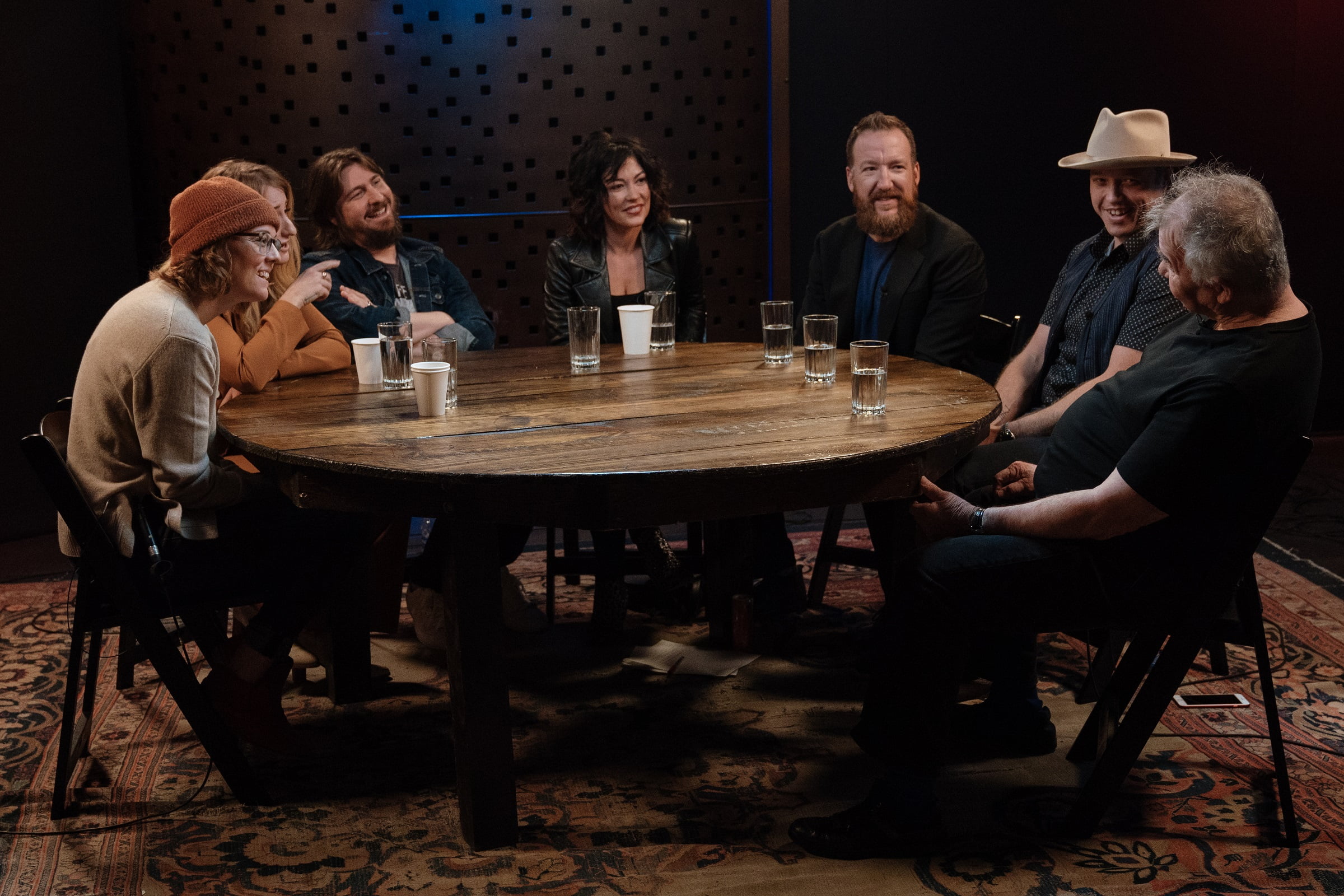
Don’t you wish you could pull up a chair at this table? From Brandi Carlile and Margo Price, to producer Dave Cobb and Amanda Shires, to Jason Isbell and John Prine – these songwriters always have something to say in their music. In a conversation with Amazon Music’s Adam Steiner, these Americana all-stars go in-depth about their early musical influences, the mentors and producers who shaped their sound, and the most important parts of recording – including goofing off.

Carlile kicks off the conversation with this childhood memory: “The first time I fell in love with music probably would have been hearing my grandfather yodeling as a 4- or 5-year-old — yodeling, and playing the spoons, with his mom on piano and his brother on banjo and my mom singing background vocals. Kind of the family jam scene. That’s what I remember — falling asleep on the stairs, thinking, ‘Maybe I can do that – that little trick he does – when I get older.’”

Check out the whole video below:


Photo credit: Ky Elliot

Lori McKenna Finds Comfort and Reflection in ‘The Tree’

Some writers seek out the truth, excavating situations to uncover a universality that shines some light of understanding on the world. For others, the relationship works another way. Hungry to be heard, the truth seeks them out, and time and again makes itself known.

For Grammy-winning singer-songwriter Lori McKenna, the latter seems to be the case. Her lyricism, sketched from life’s myriad everyday scenes—hearth fires, heartbreak, and the like—strikes upon central truths to an almost uncanny extent. Listening back through her catalog, which now numbers eleven albums with her new release The Tree, it’s as if she wields some otherworldly wisdom and has been kind enough to share it with listeners.

McKenna’s the first to admit it’s all a “happy mistake.” As she explains, “I think my brain starts small and it takes me a minute to see if there’s a bigger message in there.”

Small has been McKenna’s modus operandi since her 2000 debut album Paper Wings and Halos. She regularly portrays characters’ private interiors, snapshotting quiet moments typically shared with oneself, a partner, a parent, or even the small town one wishes to escape. On The Tree, McKenna found herself identifying in larger ways with what she was writing, even if she hadn’t set out to hold a mirror up to her life. “The more you write, the more comfortable you get in your craft, the more of you reflects back in it, even if it’s a character that isn’t you,” she says.

Time’s circularity informed several songs on The Tree. At a moment when her aging father needed more help and her children needed less, she was struck by the roles she was being asked to play. “Your mom role is getting less intense, and your child role—as far as helping parents—gets a little thicker,” she says. “I think a lot of people get to exactly to this place.”

McKenna took all the fears and pain that go along with aging, and penned a beautiful ode to the daring act of living. On “People Get Old,” with a slight twang to her vocals, she sings: “Time is a thief/ Pain is a gift/ The past is the past, it is what it is / Every line on your face tells a story somebody knows/ It’s just how it goes/ You live long enough, the people you love get old.” The catch is the last line: “You live long enough.” Life can and does hurt like hell, but if you’re lucky you’ll make it long enough to acquire all those scars.

Though she’s been writing and playing for herself since she first picked up a guitar as a teenager in Massachusetts, McKenna’s obvious talent for distilling greater wisdoms down into a hook caught Nashville’s attention early on in her career. Faith Hill recorded three of her songs—”Fireflies,” “Stealing Kisses,” and “If You Ask”—on her 2005 album Fireflies, and set into motion a relationship with Music City that continues to this day. McKenna has gone on to pen songs for some of the biggest names in contemporary country music. “I had never tried to write a song for someone else,” she explains about when she first visited Nashville.

In 2016 she teamed with producer Dave Cobb to release The Bird & the Rifle, a critically-acclaimed project that led to two award nominations from the Americana Music Association — for Artist of the Year and Song of the Year (“Wreck You,” written with Felix McTeigue), as well as three Grammy nominations. She reunited with Cobb for The Tree sessions as well.

McKenna now splits her time between Boston and Nashville, visiting once or twice a month to work on songs. She speaks fondly of her adopted city. “I fell in love with the community. Nashville is such a songwriter town. They really honor their songwriters,” she says. “I have to pinch myself sometimes when I think about the group of people that I get to write with because it’s not just that they’re all great writers. I’ve really found a group that I feel so comfortable with. [An idea] might not be right and it might even be kinda stupid, but they won’t judge me. They’ll say, ‘Well, let’s see. How can we make that work?’ The people that you feel bravest around are the best people to be creative with.”

Among their many collaborations together, McKenna, Hillary Lindsey, and Liz Rose wrote “Girl Crush,” which Little Big Town recorded for their 2014 album Pain Killer. The song focuses on a woman who finds herself developing a complex desire for her ex via his new love interest. It’s jealousy painted in layers: “I want to taste her lips/ Yeah, ‘cause they taste like you.” Despite complaints to pull the song from country radio due to a growing controversy about whom the central figure wanted, it went on to earn McKenna her first Grammy—for Best Country Song. She repeated the following year for “Humble and Kind,” recorded by Tim McGraw.

When it comes to the success of “Girl Crush,” McKenna says she, Lindsey, and Rose weren’t anticipating a hit. “We didn’t think anybody would cut the song—we just chased the song,” she explains. “That song was about reminding ourselves how we want to write the best song we can and reaching that goal on our level.” That same sentiment pops up on The Tree’s final track, “Sing It Like Patsy Would.” McKenna, Lindsey, and Rose wrote the gut-honest song, which details the strife and success of the creative path, but ultimately ends with the important point: Let the love for the work drive you. If you’re looking for fame, you’re in it for the wrong reasons.

The work clearly drives McKenna and other songwriters in Nashville, but the question looms about why men continue to dominate the country charts. “I think overall if you had to figure out why is there are fewer women on country radio—and I’ve never asked anybody this so I might be wrong—I think it may have something to do with the fact that women are less likely to write a party song,” she muses. “They do, but when you look at the women who have become the biggest part of country music, most of their songs—the biggest songs—are statement songs. They say things that men can’t really get away with. Tammy Wynette, Loretta Lynn, they’re saying things.”

Whether or not country radio ever wakes up to the imbalance in its formatting remains to be seen. Even McKenna admits the conversation has been going on for some time. “Ever since [I arrived in Nashville in 2005], I’ve heard people say, ‘The woman thing is coming around. You just watch. I can feel it.’ It’s funny because it always does feel like it’s going to turn.”

In the meantime, she and her cohorts will continue writing the songs that make people sit up and take notice, that help shift the conversation. She says with a chuckle, “I love landing in Nashville and going, ‘Somebody’s writing a great song right now.’ It’s just a given.”


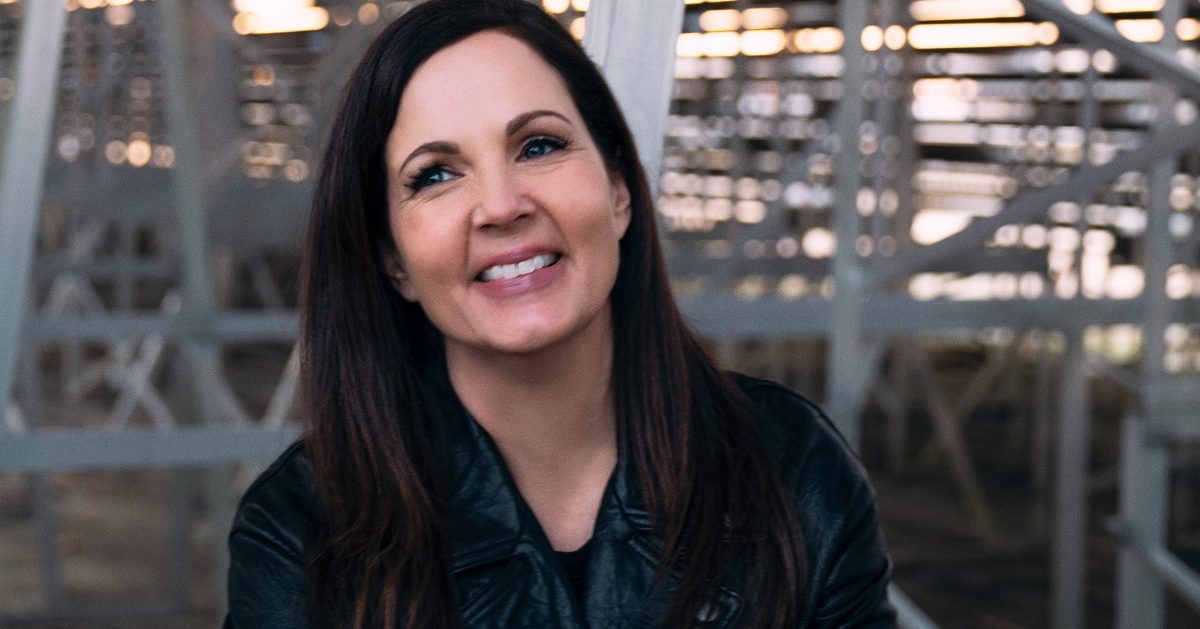
Photo credit: Becky Fluke
Illustration: Zachary Johnson