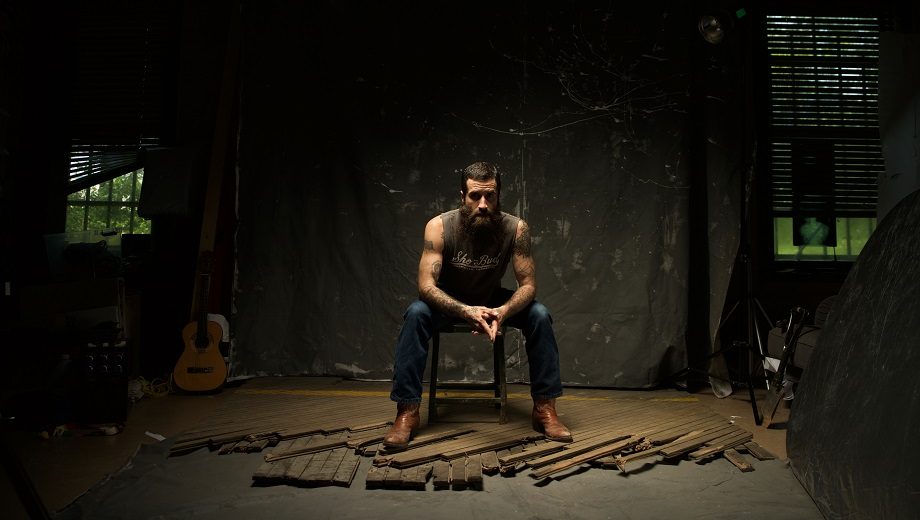
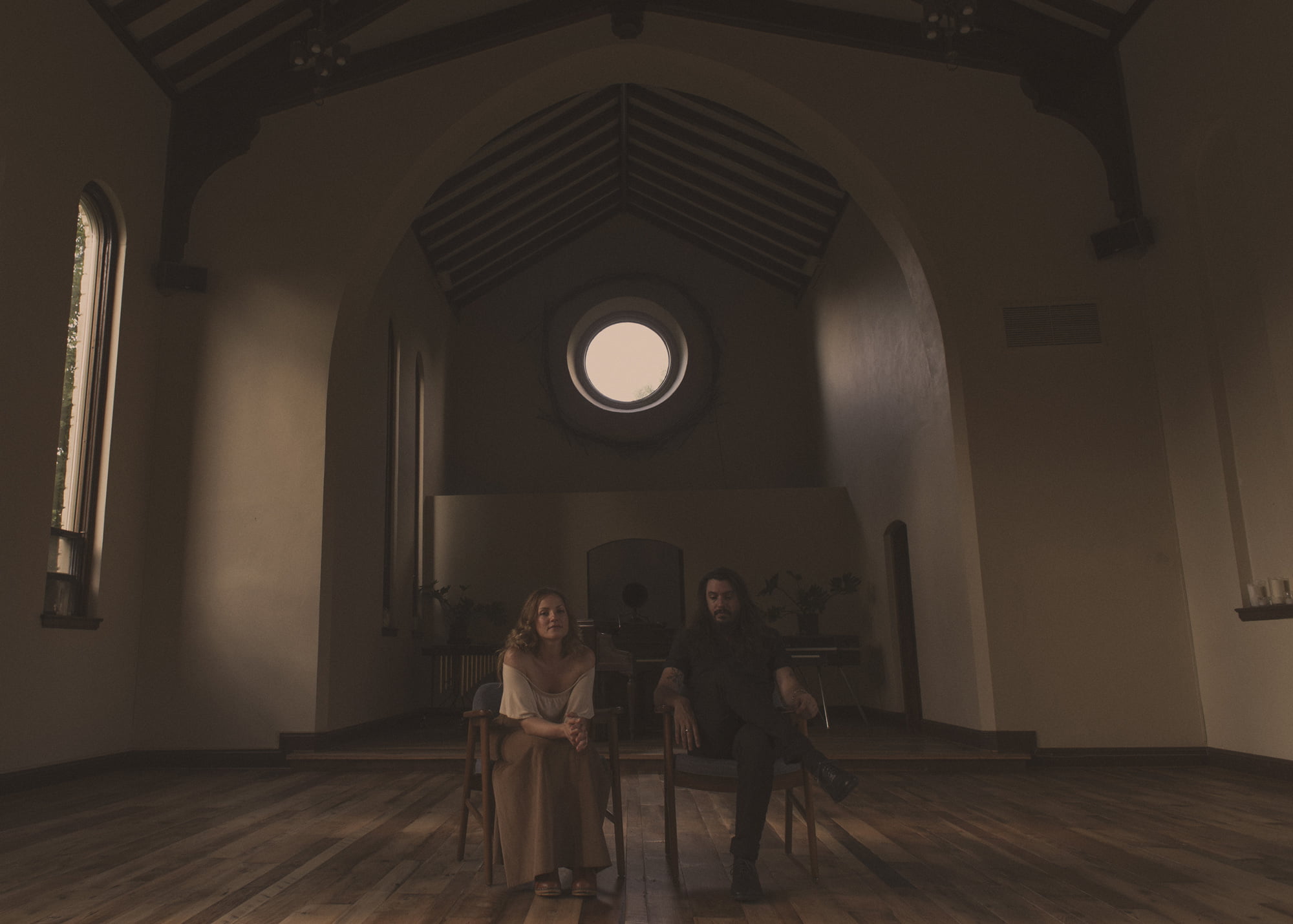
LISTEN: JP Harris, “Early Morning Rain” (Feat. Erin Rae)

Artist: JP Harris
Hometown: Nashville, Tennessee
Song: “Early Morning Rain” (feat. Erin Rae)
Album: Why Don’t We Duet In The Road (Again)
Release Date: September 13, 2019
Label: Demolition & Removal

In Their Words: “This one was really interesting to record. Erin and I have been close friends for a good while now, and sang this years ago at a residency together at her suggestion. It has a very different production style than anything I’ve recorded before and forced me to vocally explore a gentler approach and range. Erin has this ethereal, soft-yet-commanding air about her singing, and is a generally calming person to be around, so it was really just playing ‘follow the leader’ to sing alongside her. She’s definitely going to be known as one of the greatest folk singers of our generation one day and it’s a huge honor to release a song with her.” — JP Harris

“I was so excited JP asked me to be part of Why Don’t We Duet In the Road (Again). I’ve listened repeatedly to him and Kristina Murray’s version of ‘Golden Ring’ and Kelsey Waldon’s version of ‘If I Were a Carpenter’ so much in the last year. JP has also just been such a good friend and supporter of me over the years, and I love getting to match my lil’ voice with his. I grew up on the Ian & Sylvia version of this song and love the Gordon Lightfoot spin on it, too. Love how it turned out.” — Erin Rae


Photo credit: Giles Clement

Americana Honors & Awards 2019 Nominees Revealed

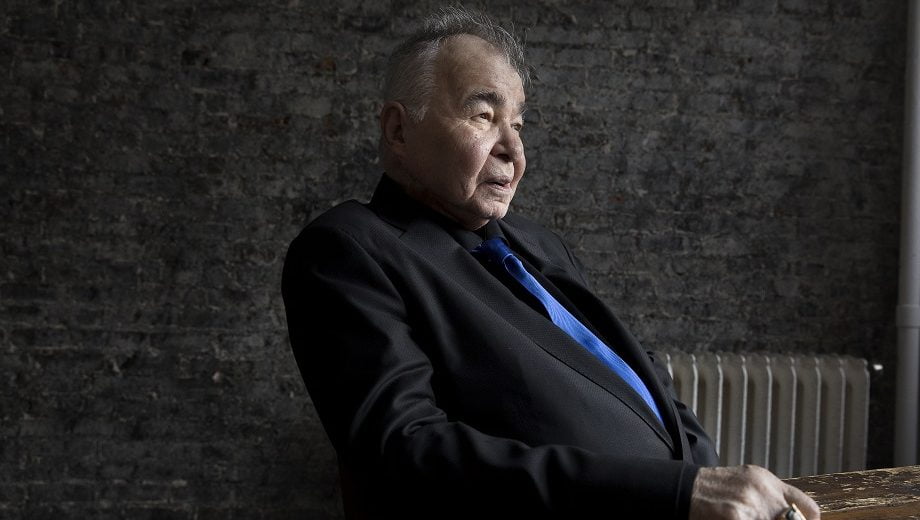
Lori McKenna, John Prine, The War and Treaty, and Yola are among the artists nominated in multiple categories for the 18th annual Americana Honors & Awards, to be held on September 11 in Nashville.

Meanwhile, Dave Cobb produced three of the four albums in the Album of the Year category. In addition, Rhiannon Gidden received nominations for Artist of the Year, while her ensemble Our Native Daughters earned a Duo/Group of the Year nod.

A full list of categories and nominees for the Americana Music Association’s 18th annual Americana Honors & Awards is below:

ALBUM OF THE YEAR:
To the Sunset, Amanda Shires, produced by Dave Cobb
The Tree, Lori McKenna, produced by Dave Cobb
The Tree of Forgiveness, John Prine, produced by Dave Cobb
Walk Through Fire, Yola, produced by Dan Auerbach

ARTIST OF THE YEAR:
Brandi Carlile
Rhiannon Giddens
Kacey Musgraves
Mavis Staples

DUO/GROUP OF THE YEAR:
I’m With Her
Our Native Daughters
Tedeschi Trucks Band
The War and Treaty

EMERGING ACT OF THE YEAR:
Jade Bird
J.S. Ondara
Erin Rae
The War and Treaty
Yola

INSTRUMENTALIST OF THE YEAR:
Chris Eldridge
Eamon McLoughlin
Chris Powell
Michael Rinne

SONG OF THE YEAR:
“By Degrees,” Mark Erelli, Rosanne Cash, Sheryl Crow, Lori McKenna, Anais Mitchell & Josh Ritter, written by Mark Erelli
“Mockingbird,” Ruston Kelly, written by Ruston Kelly
“People Get Old,” Lori McKenna, written by Lori McKenna
“Summer’s End,” John Prine, written by Pat McLaughlin and John Prine

In addition, the Americana Music Association honors distinguished members of the music community with six member-voted annual awards and with Lifetime Achievement Awards, which will be announced leading up to the event. The Milk Carton Kids and Mavis Staples unveiled this year’s nominations in Nashville.

The winners of each category will be announced during the Americana Honors & Awards at the historic Ryman Auditorium. Americanafest runs from Sept. 10-15. Tickets for the Americana Honors & Awards are currently only available for purchase by Americanafest conference registrants.


Photo credit for John Prine: Danny Clinch

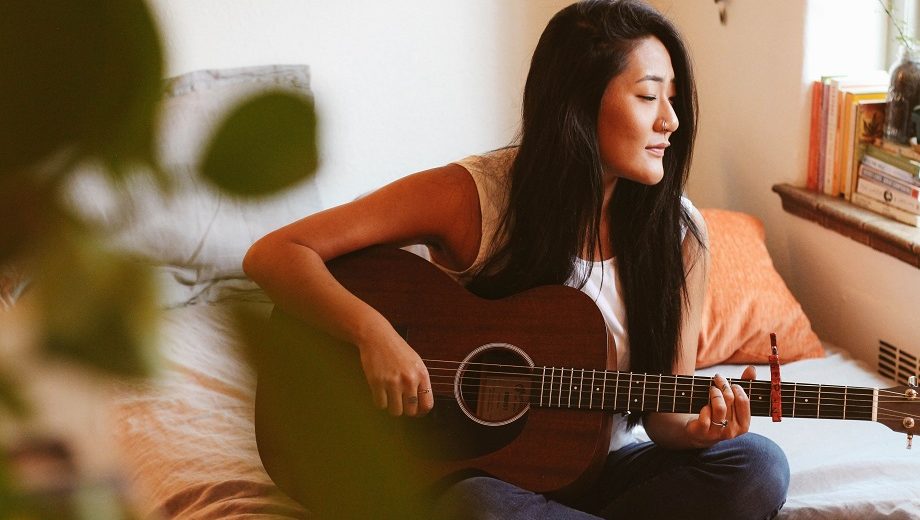
BGS 5+5: Grace Clark

Artist name: Grace Clark
Hometown: Williamston, Michigan
Latest album: Grace Clark EP
Rejected band names: Still pushing for Grace Clark and the Red Dirt Girls (even though all the members of my band are guys)

What’s your favorite memory from being on stage?

I’m not sure if I can think of one specific memory (there are so many!) But it’s always the best feeling whenever I can walk on stage, let go of expectation and allow myself to be fully present. It’s so easy to get caught up in our heads, always overthinking and putting pressure on the way we think things should go. Being able to find that space where I can trust that the hard work has been done, and then make the conscious choice to let everything else go and enjoy my time on stage is such a beautiful gift. Those performances always solidify why I’m pursuing this path.

What’s the toughest time you ever had writing a song?

I’ve been in the process of writing a song about my birth mother for a little over two years now. I have two tunes — one from my perspective and one from the perspective of my mother. I was adopted when I was four months old from South Korea and for so much of my life it has felt mostly unfathomable to imagine coming from people who look like me, who share my blood and my heart. As I’ve gotten older, the desire and yearning to feel more connected to my ancestry and my roots has gotten stronger. I find myself either feeling so many intense emotions about it all of it or the exact opposite — distant and unable to really comprehend that part of my life. I think that’s what makes writing these songs so difficult.

What rituals do you have, either in the studio or before a show?

I always enjoy pampering myself and spending some quality time alone. Hot water with lemon and honey, yoga, and a long, hot shower are always a must on the day of a show. I’ve struggled with getting caught up by the high energy of a performance, ungrounded by all of the extroverted energy and the little things that can come up on the performance day. I find that a bit of meditation and silence always puts me in a good head space! Also a shot of tequila can sometimes do the trick, haha.

How often do you hide behind a character in a song or use “you” when it’s actually “me”?

Opera taught me that the moment you walk onto the stage, you are your character. And you’ve probably spent countless hours off-stage channeling that energy and perfecting the role. What I loved most about that practice was finding ways to connect with my character, whether it was a major role or a small part in the chorus. Taking from my own life events and then using that to deepen the relationship with the role always made the process that much more exciting.

When I first got into the bluegrass scene, I think I took people a little off guard by how much I “performed.” So many facial expressions, lots of hand dancing (look up any video of me and you’ll understand what I’m talking about). I remember being really insecure that maybe people thought I wasn’t being very genuine, but I think that theatrical side has always felt like the most honest me. Most of my tunes are about real life experiences, so I feel like I rarely hide behind a character but rather, just allow myself to let that dramatic side come out and hopefully convey to my audience how deeply I feel about these songs.

What was the first moment that you knew you wanted to be a musician?

I was in fourth grade and was performing at Carnegie Hall with a group called the MSU Children’s Choir. The experience was unlike anything I had ever been a part of. I remember being on stage, looking out into this beautiful hall, being surrounded by hundreds of other kiddos singing out. There really is nothing like singing with a giant group of people! My little 10-year-old self was freaking out and my heart felt so darn full. At the time, I wasn’t thinking, “I really want to be a professional folk singer!” Haha…but the thought, “I want to do this for the rest of my life” resonated with every part of my being.


Photo credit: Carly Miller

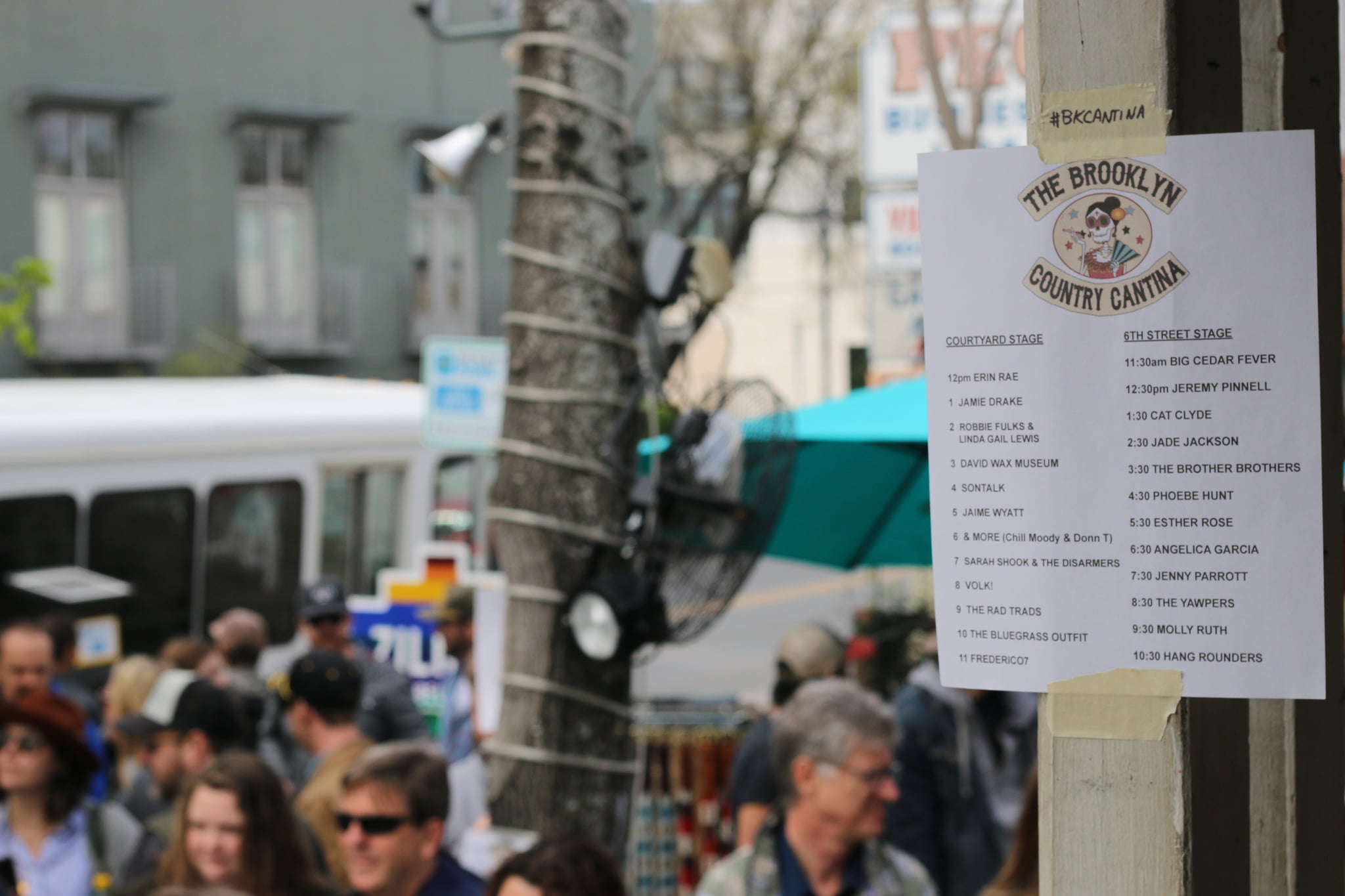
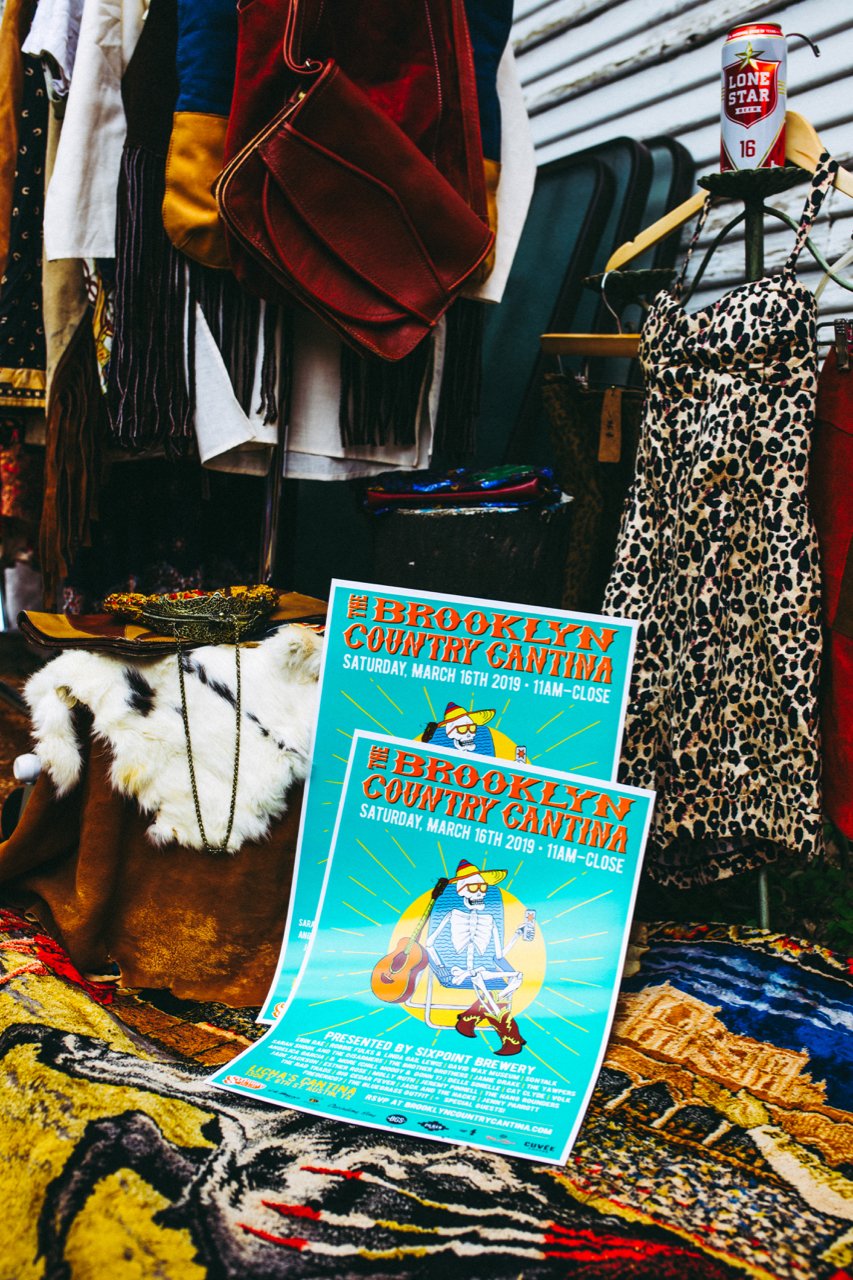
Brooklyn Country Cantina 2019 in Photographs

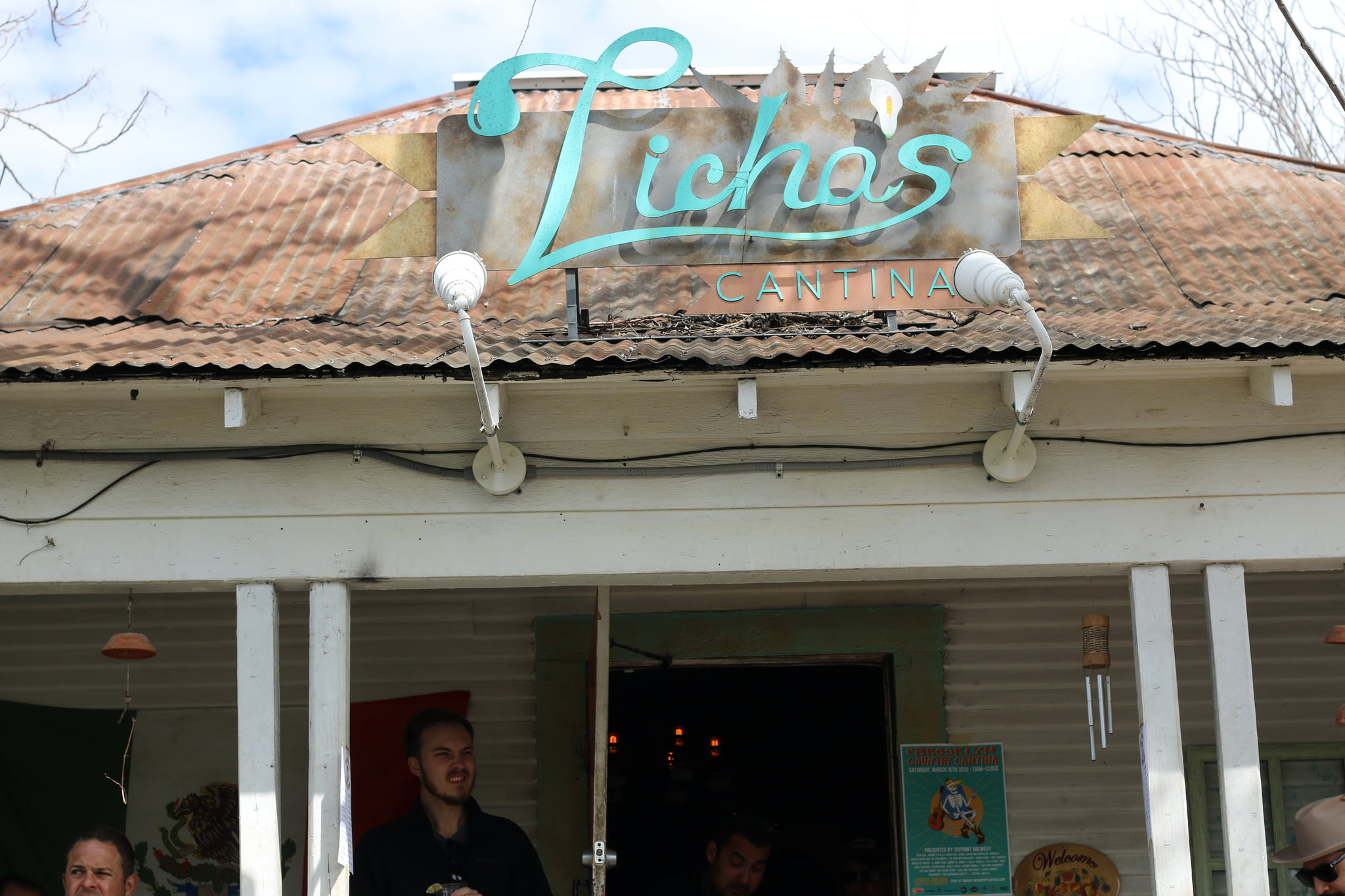
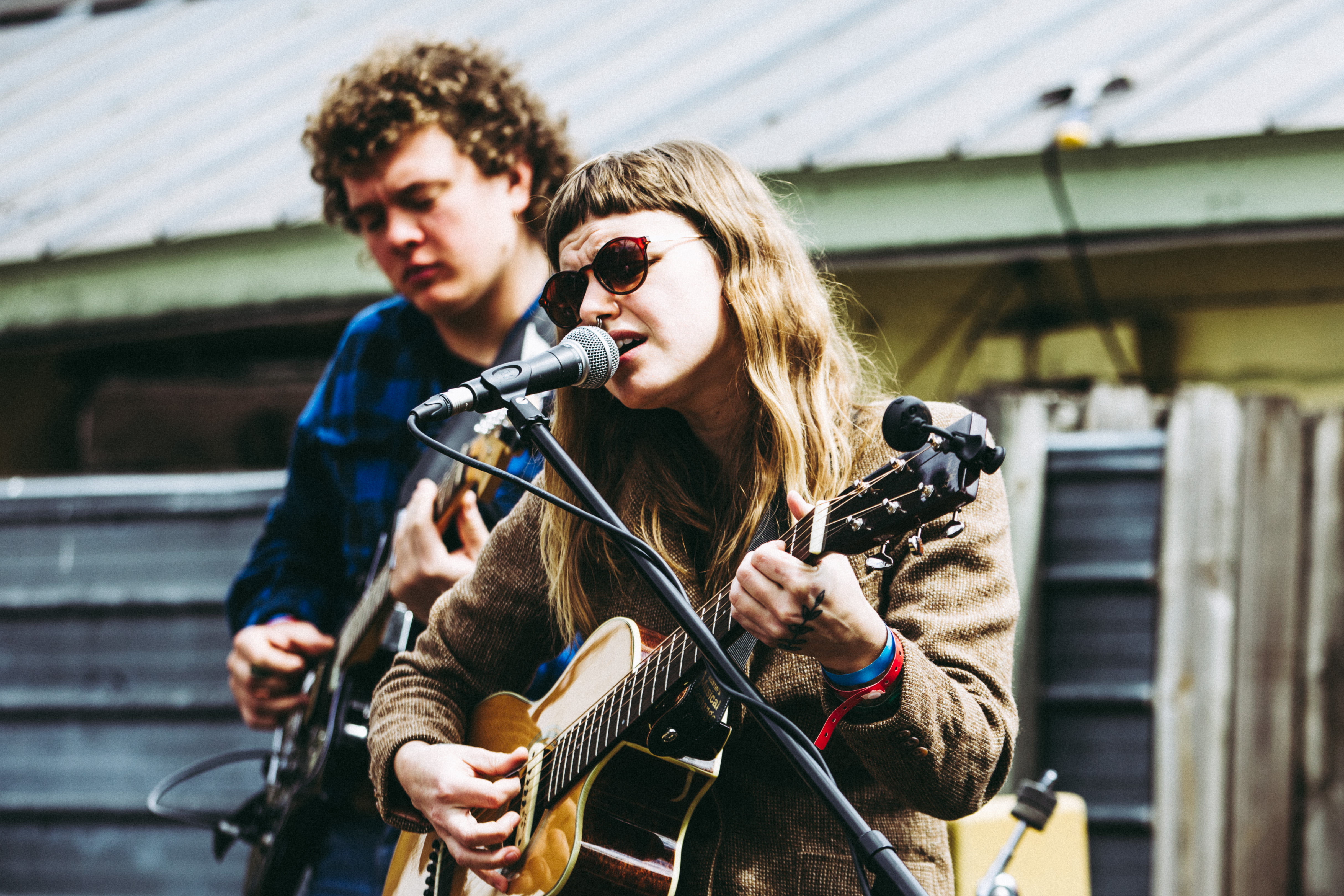
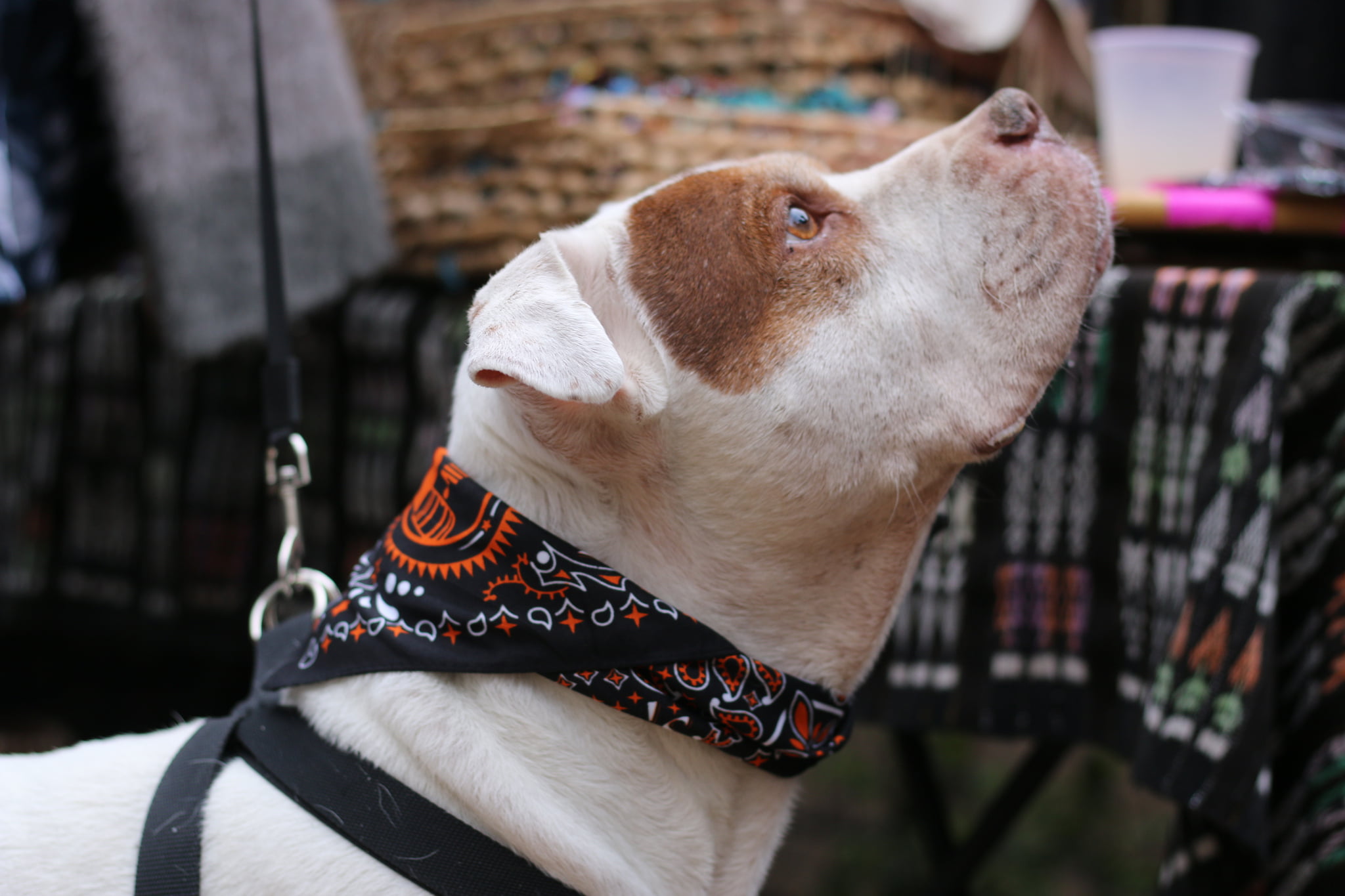
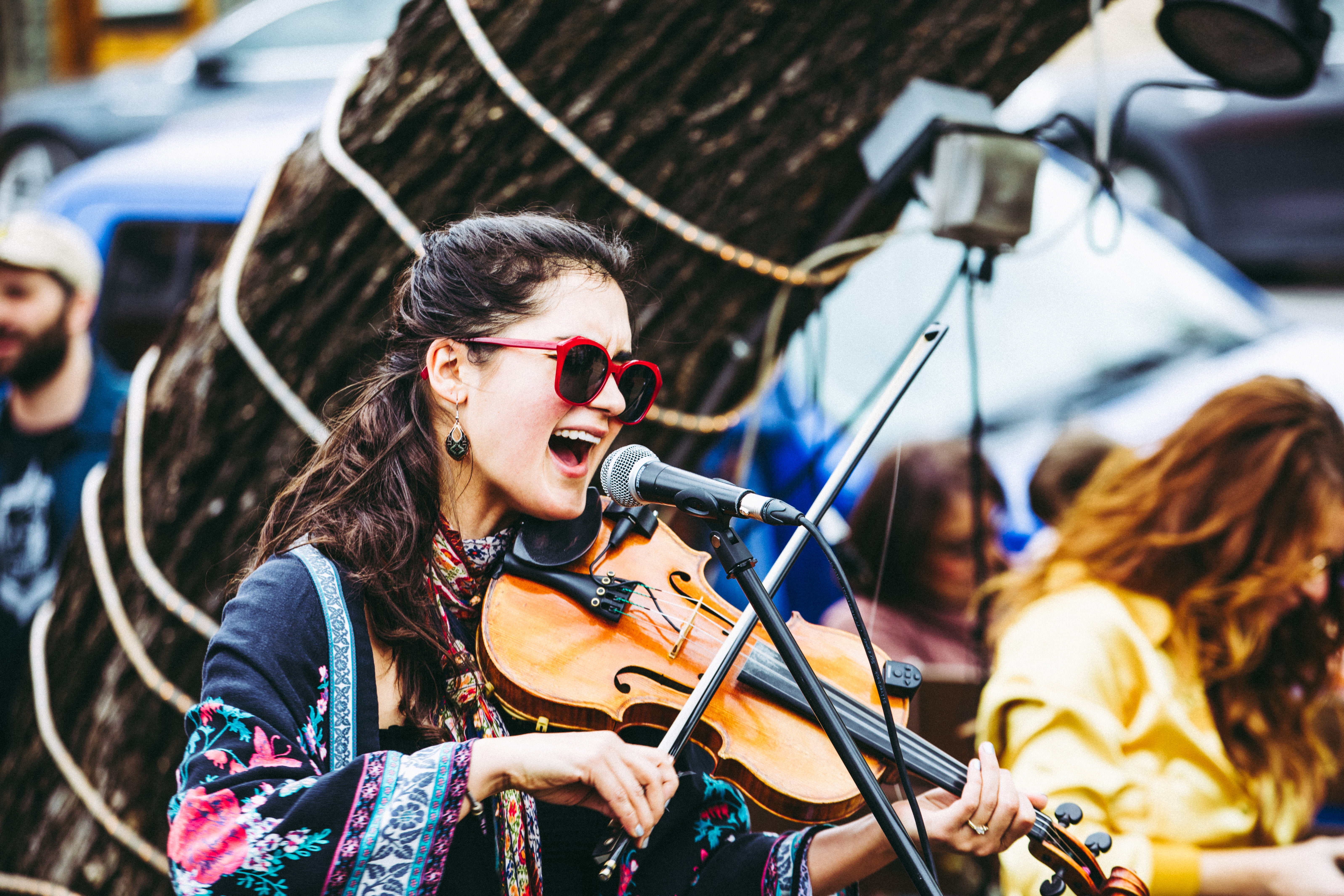
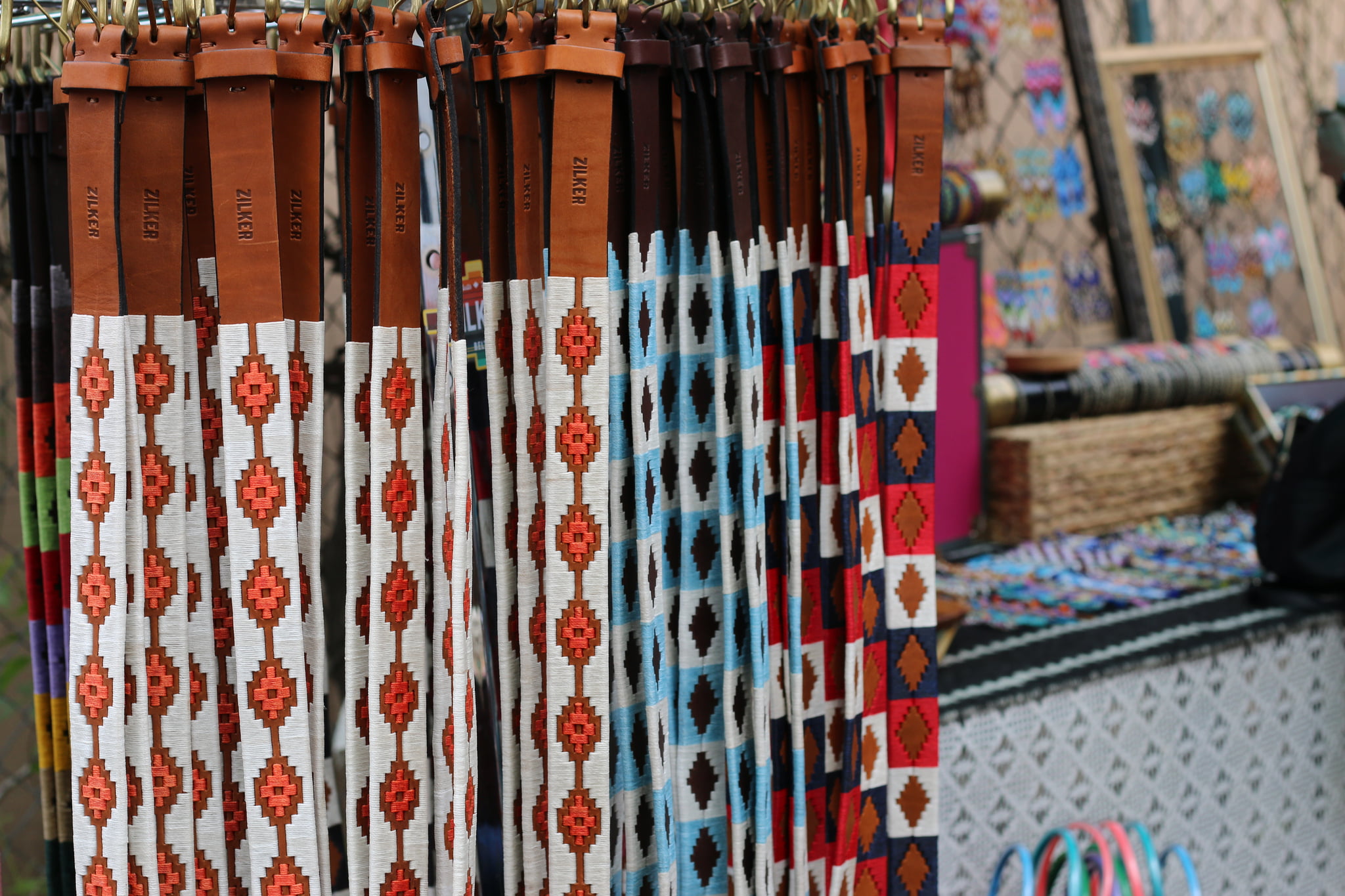
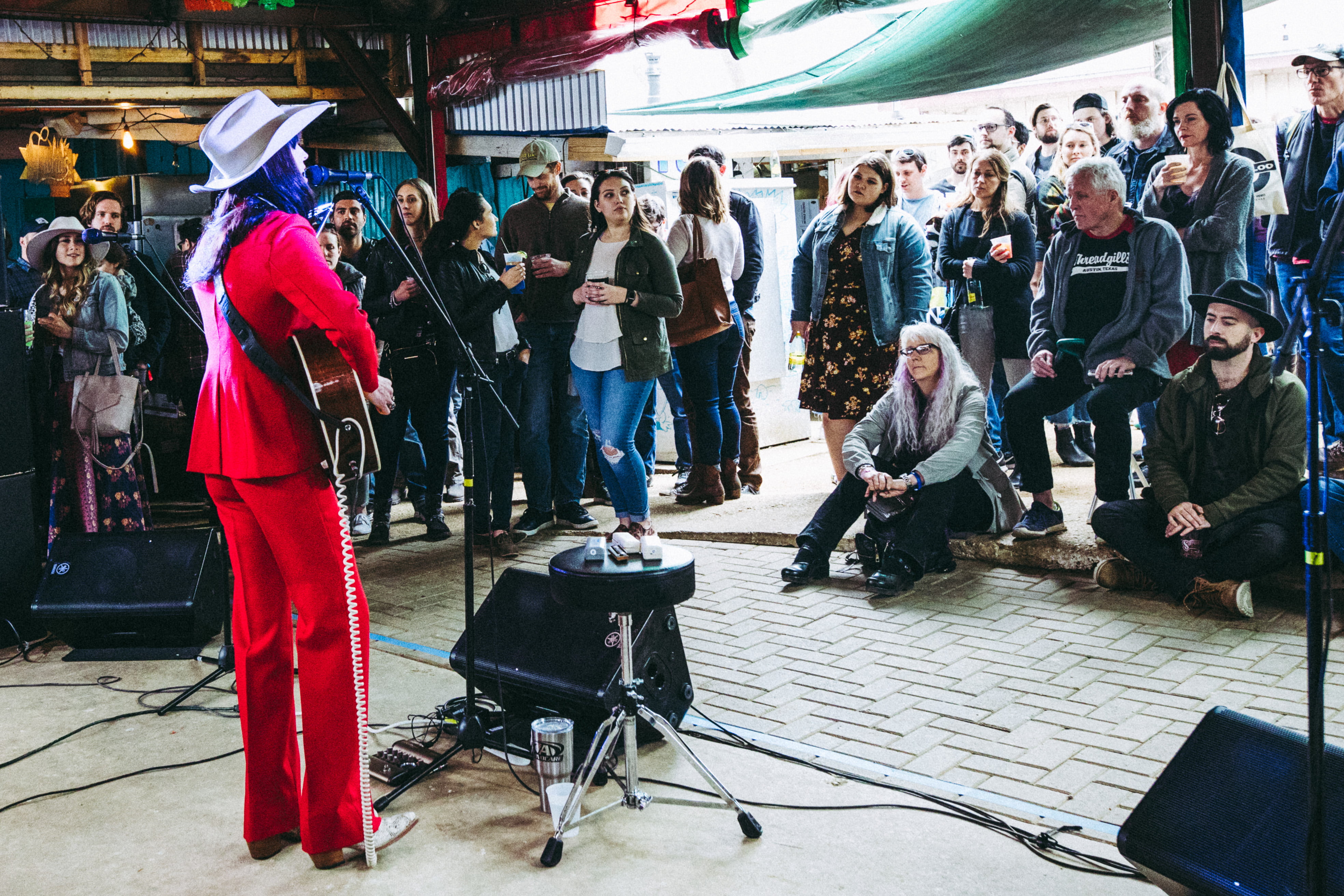
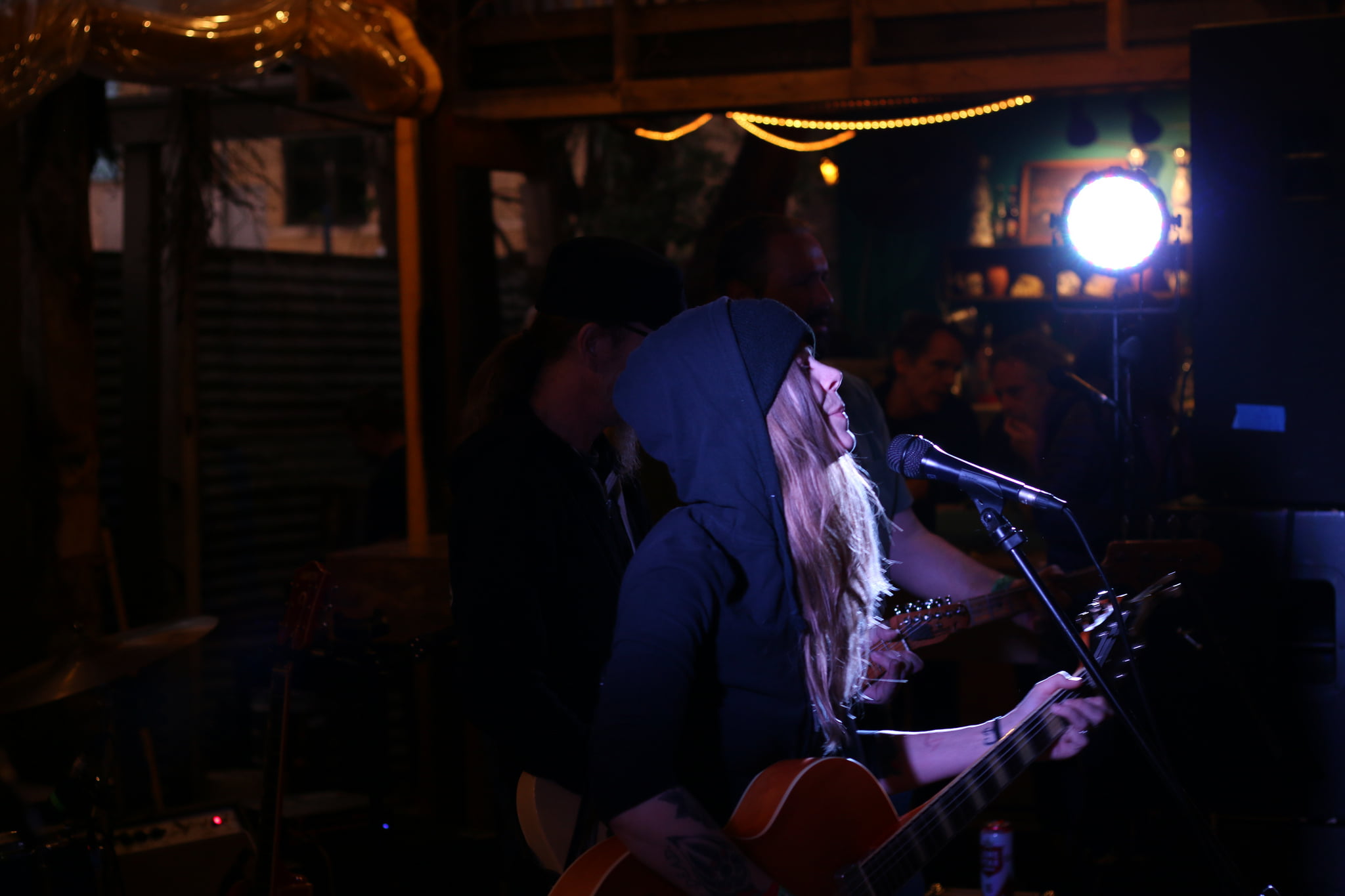
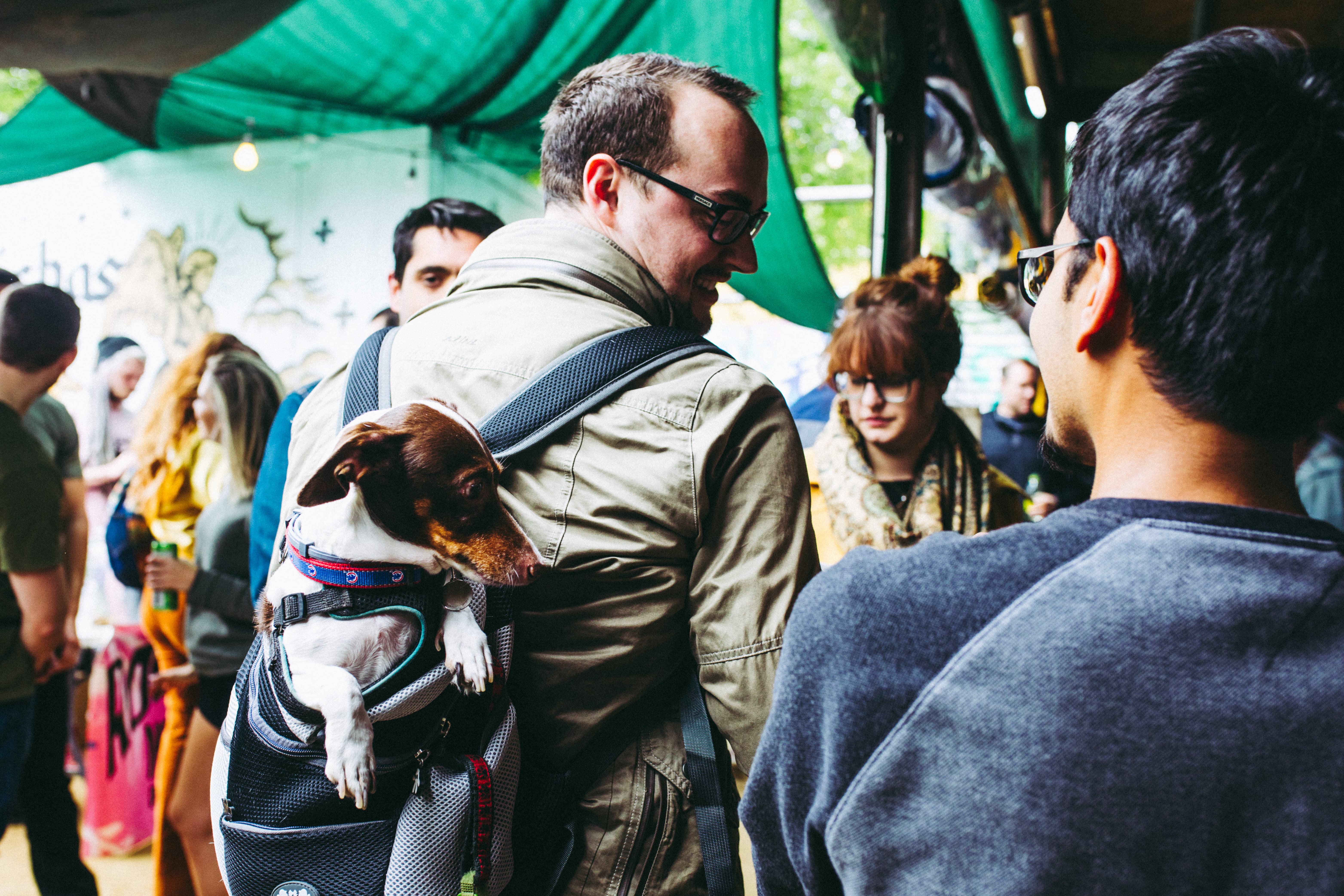
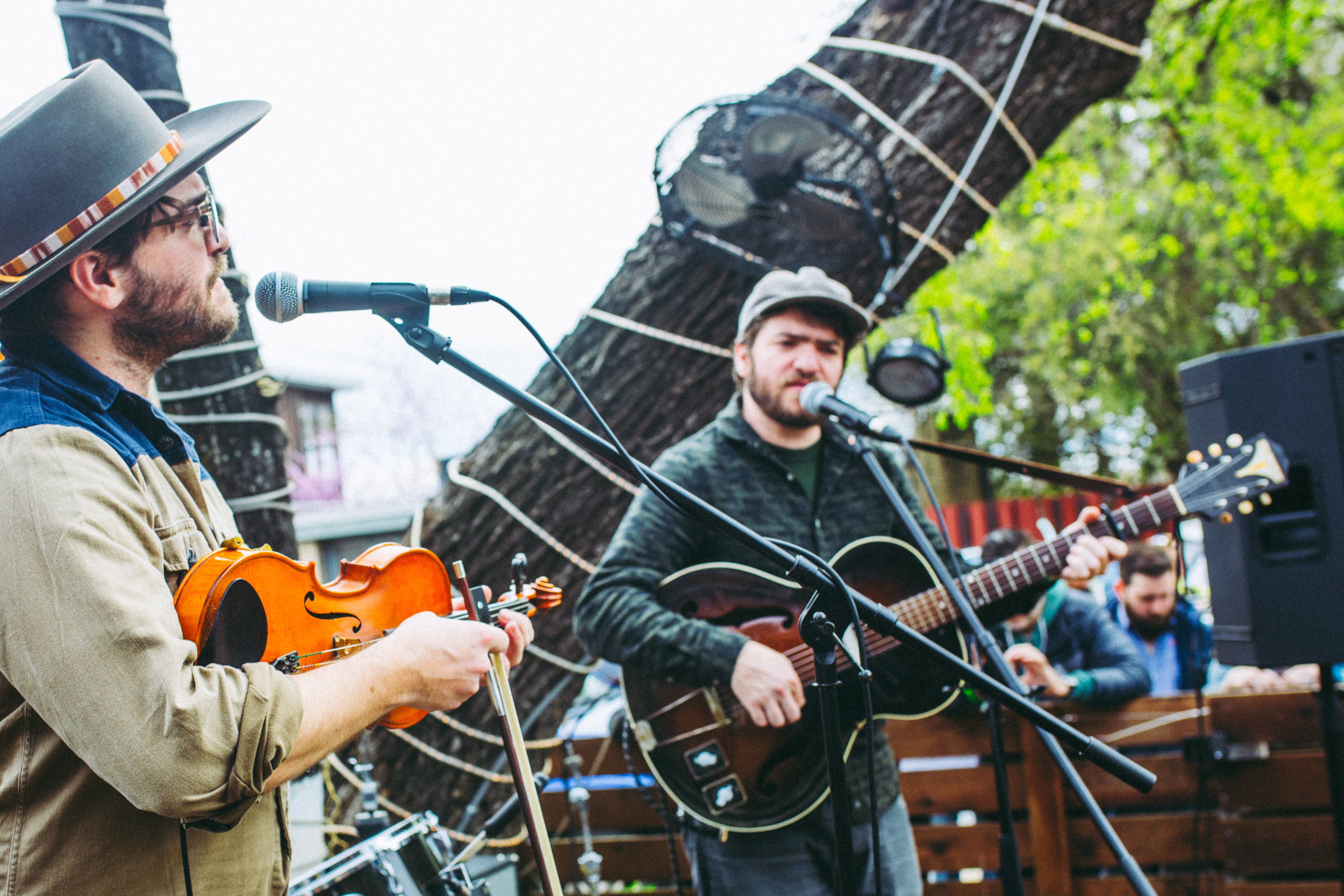
The crowds turned out all day and all night for last Saturday’s Brooklyn Country Cantina at SXSW in Austin, Texas. Amazing music, delicious food, relaxing hangs, beautiful belts, and adorable puppies all came together to make the day a smashing success. Relive BGS’ third year co-presenting the Country Cantina with these FOMO-preventing photographs.


Lede photo by Jaki Levi

BGS Top Albums of 2018

This year, as we revisit the albums that resonated with each of us, we may not find a tidy, overarching message. However, the diversity herein — of style, content, aesthetic, format, genre, perspective, and background — demonstrates that our strength as a musical community, or zoomed-out even further, simply as humans, indeed comes from our differences. To us, these 10 albums are testaments to the beauty, inspiration, and perseverance we found in 2018.

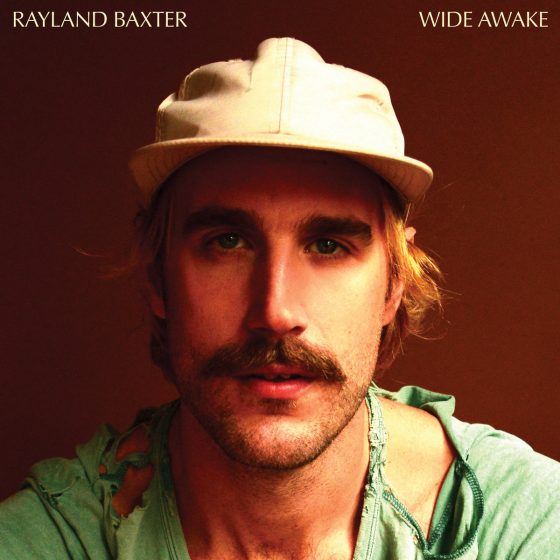
Rayland Baxter, Wide Awake
His career-launching musical epiphanies happened on a retreat in Israel some years ago, so Rayland Baxter’s decision to isolate himself in a contemplative space to write Wide Awake had precedent. The venue this time was an abandoned rubber band factory in rural Kentucky where a friend was installing a new recording studio. In that quiet, Baxter wrote songs about the noisy world beyond the cornfields, with perspective on its tenderness and absurdity. Later in the studio, his posse set the deft verses to enveloping, neo-psychedelic, Americana rock. Social commentary doesn’t have to plod, as the Beatles proved, and Baxter is farming similar terrain with vibrant melodies, saucy beats and a voice that’s entirely his own. – Craig Havighurst


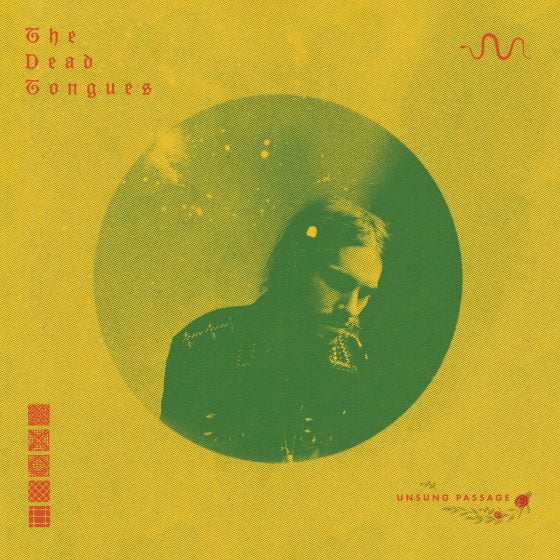
The Dead Tongues, Unsung Passage
I didn’t expect The Dead Tongues (aka Ryan Gustafson, guitarist for Hiss Golden Messenger and Phil Cook) to be my most-listened-to record of the year. But Unsung Passage is an album I find myself returning to again and again. The ten songs form a sort of travelogue for Gustafson, and you can hear the influences and rhythms of other cultures drifting throughout. It’s the rare record that’s both comforting and complex. –Amy Reitnouer Jacobs


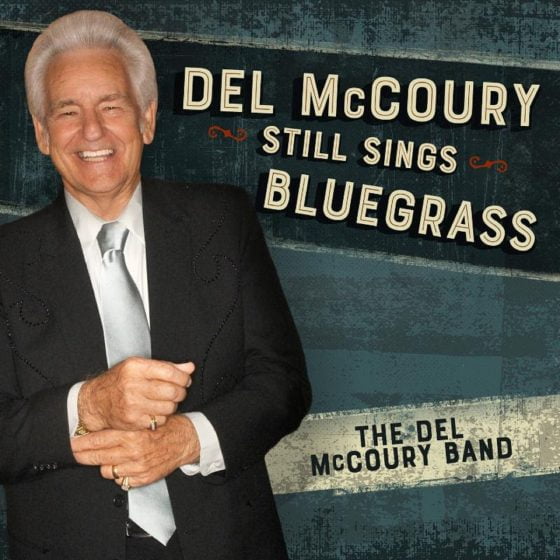
Del McCoury Band, Del McCoury Still Sings Bluegrass
Named after his debut record, which was released fifty years prior, Del McCoury Still Sings Bluegrass seems like a painfully obvious, on the nose title for a record, but upon deeper inspection we realize that, because the album was built on his signature ear for songs and his unfaltering trust in his own taste, it is an immediately digestible statement of McCoury’s worldview. At this point in his long, diverse, uniquely successful career, most listeners would give Del a bluegrass authenticity “hall pass,” letting the more innovative, less bluegrass-normative moments herein by without a blink, but Del, from the outset, avoids letting himself fall into that paradigm. He chooses songs because, well, he likes them, and he doesn’t concern himself with what is or isn’t bluegrass, he just creates music that he enjoys to make with people he enjoys making it with. It’s a simple approach that may border on simplistic, but the result is a resoundingly bluegrass album that doesn’t concern itself with the validity of that genre designation at all. Which, after all, is bluegrass to a T. — Justin Hiltner


Jason Eady, I Travel On

Jason Eady, I Travel On
A fixture on the Texas touring scene, Jason Eady offered his most satisfying album yet with I Travel On. First off, he enlisted Rob Ickes and Trey Hensley for these sessions, giving the project a bluegrass groove with plenty of cool Dobro licks and guitar runs. Second, Eady wrote from the perspective of a man with some miles on him – the album title isn’t a coincidence, after all. His expressive country baritone is made for slice-of-life story songs like “Calaveras County” and “She Had to Run.” At other times, Eady looks inward, drawing on themes like mortality, gratitude and contentment. I Travel On may not be the most obvious album for a road trip but it’s certainly a worthwhile one. – Craig Shelburne


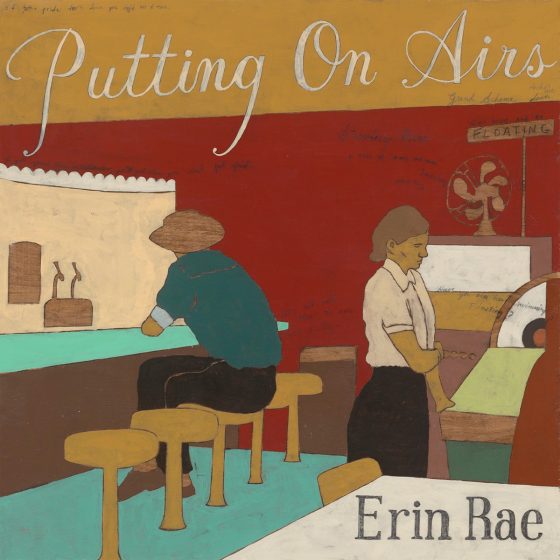
Erin Rae, Putting on Airs
Her velvety, maternal vocals and the subtle, understated alt-folk production vibes of Erin Rae’s Putting on Airs might initially disguise the millennial-reckoning being wrought through these songs and their topics; from top to bottom Rae’s brand, her musical identity, defies comparisons with any one era of music making and songwriting. Her talent oozes through her writing, her melodic hooks, and her musical and rhetorical fascinations, which together in this song sequence feel like they epitomize a microcosm that contains all of our generation’s — and this particular historical moment’s — angst, but without feeling simply capitalistic, opportunistic, or “on trend.” Instead, her viewpoint is decidedly personal, giving us a window into her own individual reckonings — with her own identity, with mental health, with family relationships, with being a young southerner in this modern era; the list is potentially endless, determined only by each listener’s willingness to curl up inside these songs and reckon along with Rae. Which is the recommended Putting on Airs listening strategy espoused by this writer. — Justin Hiltner


High Fidelity, Hills And Home
It’s in the nature of bluegrass to forever be casting backward looks at the giants of the music’s early years; nothing wrong with that, but when those who do it get aggressive about how they’re playing “real” bluegrass, well, that’s another story. High Fidelity’s eyes are firmly fixed on the musical past, but they’re also a modern, mixed-gender band who aren’t afraid to let their music do the talking — and what it says is that there’s a lot more variety, not to mention pure joy, in the under-appreciated gems of old than you might think. – Jon Weisberger


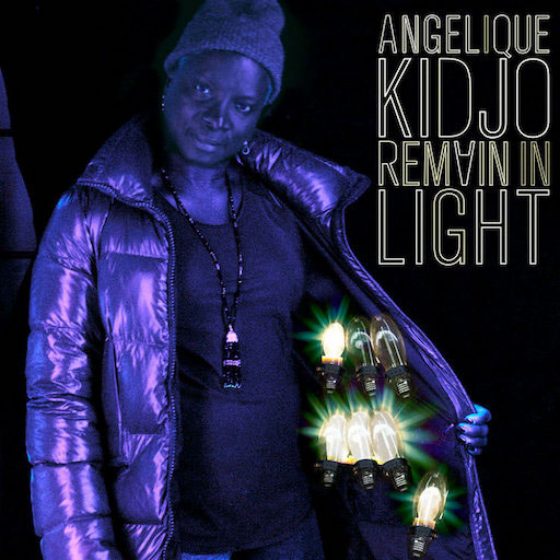
Angelique Kidjo, Remain in Light
It’s not simply a remake of the Talking Heads’ 1980 landmark, but a stunning reimagining by the visionary Benin-born artist Kidjo. She doesn’t merely repatriate (er, rematriate) the African influences that fueled TH’s revolutionary stream-of-consciousness masterpiece — which opened the door for many to discover the wealth of those inspirations — she considers and explores the worlds that have emerged in African music in the time since, all brought together via her singular talents and sensibilities. Remain in Light was arguably the album of the year for ’80, and so it may be again for ’18. – Steve Hochman


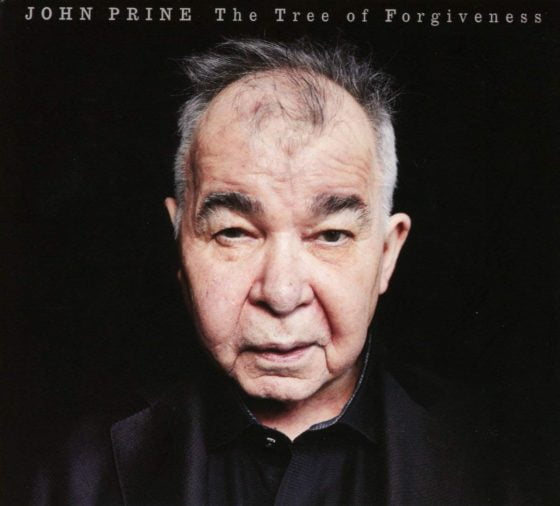
John Prine, The Tree of Forgiveness
No album this year brought me as much pure joy as John Prine’s latest. His first collection of new material in over a decade —which is way too long — The Tree of Forgiveness shows him in fine form, tossing out clever phrases and humorous asides that add to, rather than distract from, the low-level sadness thrumming through these songs. From the Buddy Holly bop of “I Have Met My Love Today” to the percolating existentialism of “Lonesome Friends of Science,” from the rapscallion reminiscences of “Egg & Daughter Nite, Lincoln, Nebraska, 1967 (Crazy Bone)” to the almost unbearable heartache of “Summer’s End,” every line and every word sounds purposeful and poignant, culminating with “When I Get to Heaven.” Prine sings about nine-mile-long cigarettes and bars filled with everyone you’ve ever loved, and it’s one of the most inviting visions of the afterlife set to tape. I hope he’ll save me a barstool. – Stephen Deusner


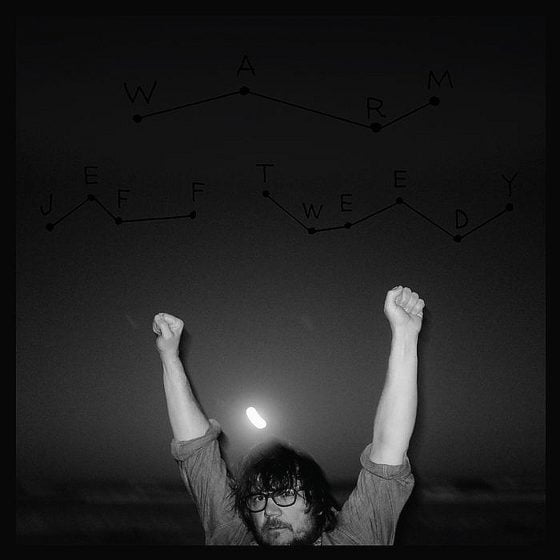
Jeff Tweedy, WARM
The album lives up to its name. Following last year’s quieter Together at Last project, Tweedy now hearkens back to his country punk roots from Uncle Tupelo, and makes a perfect accompaniment to his must-read autobiography, Let’s Go (So We Can Get Back). The new music reminds of his strength as a master songwriter and his place as one of the most tender and raw performers of a generation. It might have almost slid under the radar with its release at the end of November, but it definitely belongs on our year-end list. — Chris Jacobs


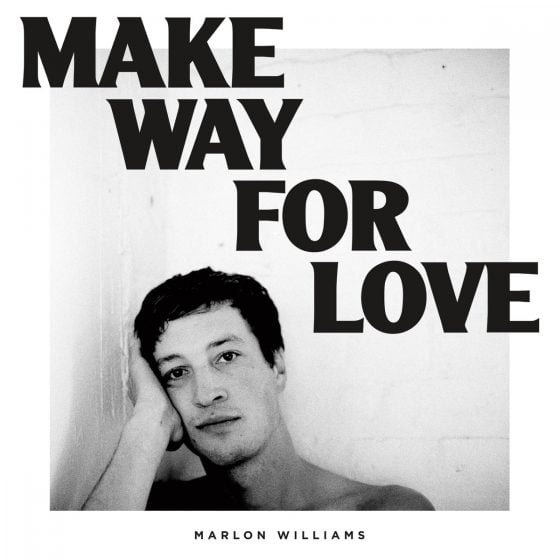
Marlon Williams, Make Way for Love
Mere seconds into hearing Marlon Williams croon the opening greeting of his song “Hello Miss Lonesome” in 2016, I knew I’d found a euphoric talent. After poring over his debut Dark Child, my greedy ears immediately wanted more, and this year finally brought that much-awaited second helping. On Make Way for Love, Williams moves away from the rootsy Americana that defined his first album, and leans into darker, baroque explorations that nod to Scott Walker and Roy Orbison in equal measure. Exploring heartbreak — from the puerile but pacing “Party Boy,” to the seething “I Know a Jeweller,” to the pitious “Love is a Terrible Thing”— Williams dips into the jagged crevices that naturally appear when the heart cracks wide open. – Amanda Wicks


MIXTAPE: Carson McHone’s Recent & Relevant Playlist

Modern songs that deal with important topics. Not all of these songs pinpoint specific political or social issues but they contribute to the conversations I believe we need be having in society today. When I am frustrated or angry or scared about the state of the world, these are songs that inspire me to focus my energy. They remind me that art is relevant and in fact an important tool in the global discussion. — Carson McHone

“To the Boys” — Molly Burch

Molly is a local Austin favorite and her latest record covers lots of territory. This one’s very direct and delivers an undeniable punch. Also it’s super catchy!

“Glass Jar” – Tristen

Killer pop songs all over Tristen’s latest release. “Glass Jar” examines social media I believe … great imagery!

“Wild Blue Wind” — Erin Rae

Like Tristen, Erin Rae is based in Nashville and tapped in to some very relative issues including sexual identity and, in “Wild Blue Wind,” struggles with mental health. This song is so beautiful and it makes me cry every time I hear it.

“Bad Bad News” — Leon Bridges

This song is something else. It’s heavy, but it rises above and is groovy in every way. It’s my favorite thing from him so far…

“(Gone Is) All but a Quarry of Stone” – Premix Single — Daniel Romano

Both this song and the accompanying video are devastating. There’s something so beautiful and timeless about the melody and yet the song is haunting and foreboding, suggesting, well, just doom it seems. And I love this premix version.

“Little Movies” — Aaron Lee Tasjan

Another Nashvillian making waves and great music. “Little Movies” I believe also deals with the modern age of technology and social media, how we establish our presence on the screen, definitely a worthy topic for discussion.

“Boyfriend” — Marika Hackman

She’s not afraid to get dirty. Marika Hackman’s lyrics always dig deep. The music on her 2018 I’m Not Your Man album, this song in particular, is more raw and rockin’ than I’ve heard from her before and it’s totally killer.

“Image” — Lera Lynn

Every line is great. Relevant? I’d say especially these days!

“The Body Electric” — Hurray for the Riff Raff

This song does a beautiful job of reaching back in time and bringing a common, and dark, theme into the spotlight of modern times. The tune and the video are working on lots of levels, and they’re all very powerful.

“It Seemed the Better Way” — Leonard Cohen

The timing of his passing was uncanny. It certainly got darker, way darker. But he left us with a lifetime of just the most thoughtful art. We’ve got a lot of work to do and we’ve got his words and music to aspire to. Thank you Leonard Cohen.


Photo credit: Laura Hajar

Allowing Herself to Be Free: A Conversation with Erin Rae

Quiet may come off as meek, but don’t be fooled; strong doesn’t necessarily present in overly clamorous ways. That’s the central truth Erin Rae unearths on her new album Putting on Airs. Across twelve hushed tracks, her haunting voice depicts the ways in which the past looms over the present, especially how the scenes we witness as children build their own imposing edifices in the psyche. On the title track, she sings with bare-bones honesty, “I never did learn to like myself/ Been chasing down anyone that might could help/ Lure them in with charm, come out stealing.”

Putting on Airs is as much about calling out herself as exploring the circumstances that formed her, but through it all the Nashville-based songwriter’s honesty is manifested through her clear-eyed vocals and deft lyricism. She wants to heal, and her music, functioning like a salve, allows her to do exactly that. For example, on “Bad Mind,” she sings about a lesbian aunt who faced discrimination decades ago in the Alabama court system and how that, and other adolescent experiences, shaped the perception of her own sexuality.

Recorded in Appleton, Wisconsin, during winter’s muted apex, Erin Rae worked with co-producers Jerry Bernhardt and Dan Knobler to make full use of the space—a former Franciscan monastery known as The Refuge. As a result, the production lives, breathes, and echoes, giving her the room to use her voice, both literally and lyrically.

These songs are so tender, and that descriptor strikes me in two ways: Tender like a bruise, and tender as in full of care. When you were writing them, did one apply more than the other?

I think it’s a little bit of both. With “Putting on Airs” in particular, I was like, “Am I just being harsh on myself?” My mom’s Buddhist now, so I’m really [thinking] like, “Is this being kind? Is this causing harm?” It’s been helpful to me to own that behavior and, yeah, it is uncomfortable to feel the reality of that and the consequences of that and how it affects other people and myself. But also, by owning it and saying it, my hope is to continue to get more free from that. It’s a little bit of both: It’s tender temporarily.

How have you seen your songwriting shift on this album?

I guess I’ve always used songwriting to process through my own stuff; it’s been very cathartic for me. My last record was tying my own experience in with that of my parents or close friends. There’s still an element of that, but I feel like this record has become more directly about me. I didn’t really intend for these songs to be that, like “I’m going to call myself out.” “Putting on Airs” is about people-pleasing where it’s harmful to myself and other people, where eventually you just become dishonest in a way.

No kidding. That line, “Lure them in with charm, come out stealing,” got me right in the gut. It almost hurts to hear but it’s so true.

It’s like, “I want you to like me!”

It’s almost like a safety mechanism at first, but it’s interesting how you say it can become self-harming at a point.  

My dad is super outgoing. He’s one of those people who’s never met a stranger. That’s how I am as well, but learning in a way to make sure…especially as far as it goes with relationships. That’s really what I’m focusing on in that song.

Ok, we have to talk about “June Bug.” That transition to the old-timey piano at the two-minute mark is stunning. That riff says so much, and coming after all you’ve confessed, hangs even all the more beautifully.

At the Refuge up there in Appleton, there’s this giant chapel and all these monks’ quarters, 60 little individual bedrooms, and a lounge area on the first floor. It was in the middle of winter, it was still snowing, and the Fox River is right out the back. The room has a wall of windows, so you could see the snow and the bald eagles. There are two hallways, and in the center of that is where we had a lot of tracking stuff set up and the computer and all the gear. Then we ran guitar amps and put the drums in the chapel, so you hear that huge open sound. We tracked vocals in there so we had the room sound.

I have these fond memories of everyone being super sweet to each other. Basically, Jerry played everything. I think he had tracked that piano part and then Dan, when he was mixing everything, surprised Jerry by putting that into the end of the song, because the song otherwise would just be a minute and a half long. We had this beautiful piano track that Jerry had done in this space, and Dan surprised us with the old timey piano outro, and I thought Jerry was going to cry. It was really great.

I’m especially interested in the labels that circulate around Southern women. To that end, “Mississippi Queen” is such a striking song. How have you attempted to battle against the labels about who women should or shouldn’t be?

Nashville is like a blue spot surrounded by red. It’s a town full of creatives. I’ve got a family member that lives in Mississippi and my dad grew up in Missouri, but whenever you go back to more traditional Southern cities, it’s kind of like, “Oh yeah, people more or less adhere to these cultural norms that feel a little outdated to me.” But I’m always drawn to a sense of tradition. The only way I’ve known how to challenge anything is personally, like internally making sure that I’m clear.

That’s what a lot of this record’s about—allowing myself to be free to see what my own personal truth is, so that, hopefully, I’m able to lend that to others and give other people that space. Even in thinking that that’s a way I want to live, it’s still difficult. I empathize with people that have grown up in a more traditional city; I feel like it takes a conscious effort to grow up and be open-minded if it’s not the norm.

Right, if it’s not modeled for you it’s even harder to practice.

My parents are super open-minded and I still grew up in the South and absorbed a lot of the social norms, so I can’t imagine how hard it is for someone else [who didn’t] to feel free enough. With a more conservative or strictly religious background, it’s hard work for everybody to be more open-minded.

The past six months have been fruitful for singer-songwriters wishing to challenge heteronormativity, including projects from H.C. McEntire and Sarah Shook. Why do you think now is such a powerful moment for such visibility?

So much progress that had been made was starting to feel uncertain with this new administration. It kind of worked out to be a timely thing, especially with the song “Bad Mind,” and that story being born out of the state of Alabama. When Roy Moore was almost elected, I was like, “It’s all happening in the same time.” I think it’s so important to keep the conversation going and make opportunities to heal around this stuff, around sexuality, while it’s all being threatened.

It does feel like a backlash, similar to what took place in the ‘80s after women had made significant strides in the ‘70s.

Music helps us process. One image that came to mind while you were talking about a backlash is the Women’s March—the second one that happened recently in Nashville. It ended with a big concert at Bicentennial Mall, and Alanna Royale and Becca Mancari were both performing there. Alanna has always represented real womanhood for me, being a strong and powerful woman. She’s full of life. It was this really beautiful moment to walk with all these people—dads, and little kids, and folks old and young—through Nashville, and then end up at this powerful, beautiful concert with people that I admire in our community. It was such a beautiful way to tie it all together.


Photo credit: Marcus Maddox

Ross Cooper, ‘Living’s Hard, Loving Is Easy’

Our music is filled to the brim with songs about the hardship of love — how difficult it can be to fight for a true partnership, to triumph over heartbreak, to pine away for some unrequited romance. Love, and its never-ending complications, will likely feed songs until eternity, and lyrics will forever serve as a scrawling board to work out the road bumps along the way. Songwriters have been known to resist or even end a steady relationship out of fear that comfort might impact their creative minds: Everyone wants a Blood on the Tracks, and it’s a lot easier to get divorced than it is to be Bob Dylan. A lot.

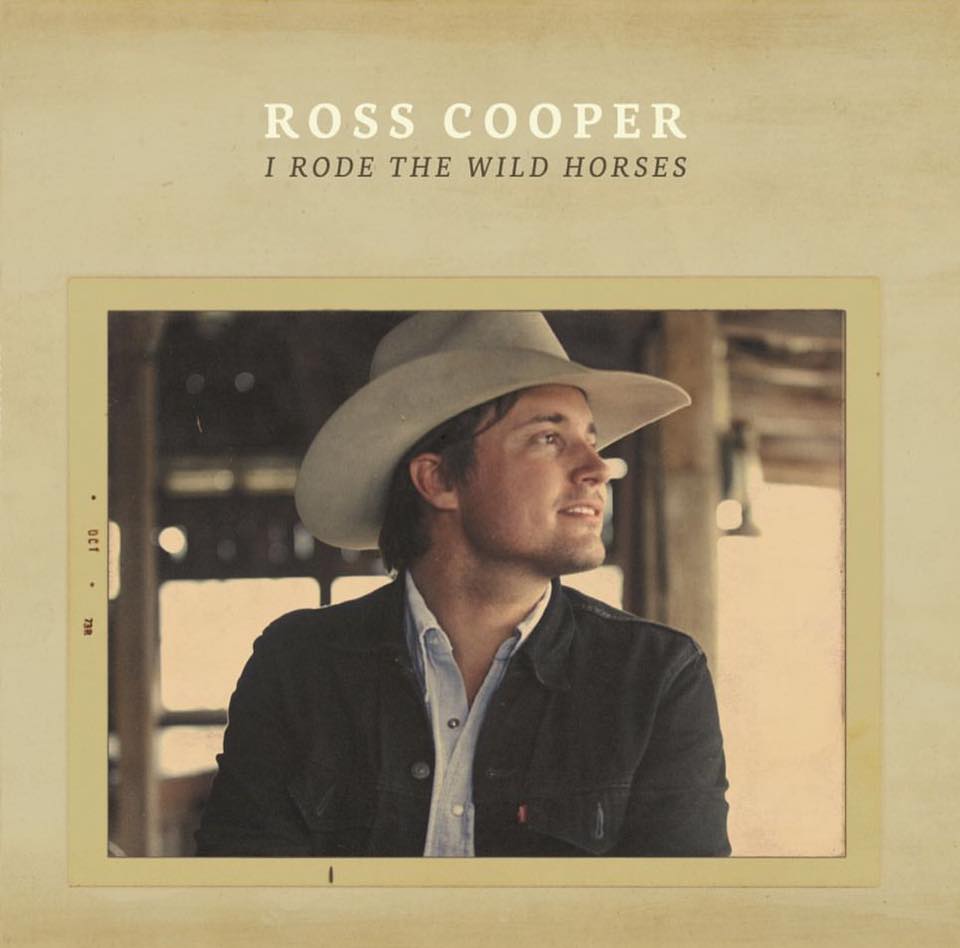
So it’s refreshing to find a song that deals in the pure security and ease of a relationship — particularly in a world that gets less secure and less easy by the day. Ross Cooper, a former professional bareback bronco rider, is a Nashville-residing songwriter with a background that could lend itself to aggressive, barn-burning honkytonk that those with only cowboy dreams could conjure. Instead, on “Living’s Hard, Loving Is Easy,” he goes sweet and subtle with gorgeous harmonies from Erin Rae. The story isn’t complicated: It’s about making ends meet while pursuing your dreams, always knowing that, back at the kitchen table, you’ll be sitting next to the one you love. Bills are difficult to pay, but, in “Living’s Hard,” love is the free currency. There’s no blood on the tracks … just a train chugging full steam ahead.

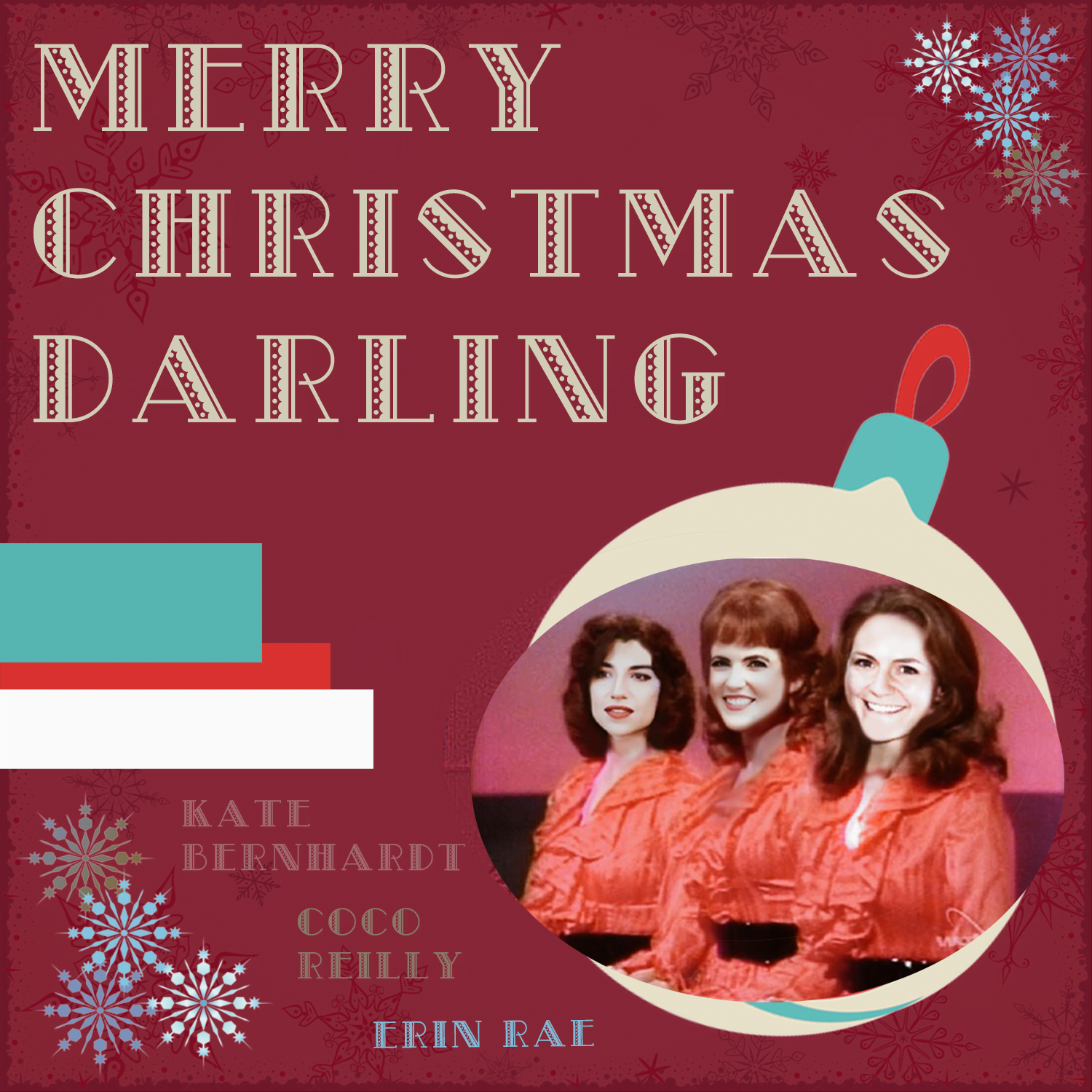
Erin Rae, ‘Merry Christmas Darling’

It’s no secret around the Bluegrass Situation — or anywhere, for that matter — that there are two things in life that bring surefire joy to the eyes of this Jewish ex-New Yorker (well, other than music, loved ones, and the obvious answers). And that’s a decent bagel or a great Christmas song … preferably together. Of course, I realize what a holy day December 25 is to so many, and I’d never want to discount that. But songs about Santa and snowflakes and reindeers that fly have always been more about a mood to me than anything else and tapped into a sort of unabashed innocence that we’re suppose to let go as we age. For a few weeks when “Jingle Bells” or “All I Want For Christmas Is You” come back into the cultural sphere, everything just feels a notch brighter — a notch closer to my youth, instead of a step even deeper into adulthood.

Erin Rae, one of Nashville’s most talented vocalists, captures this spirit in the gorgeous folk lightness of “Merry Christmas Darling,” originally recorded by the Carpenters. With help from Coco Reilly, Kate Bernhardt, Joe Bisirri, and Dom Billett, Rae’s version trickles in slowly and majestically, with her soft vibrato warming frozen toes by the fire. And, like every good Christmas song, there’s a note of melancholy trickling through it all, too: Beneath the cheer and the presents and the joy are always reminders of the people who aren’t there sharing it with us. Adding a notch of Laurel Canyon Technicolor and a notch of Southern twang, it’s as enchanting as the holidays themselves can be.

Finding Refuge at the Edge: A Conversation with Cory Chisel and Adriel Denae

On a weekday afternoon in September, Cory Chisel and Adriel Denae are at home in Appleton, Wisconsin. It’s been a busy summer. Several weeks earlier, the couple brought 225 bands to town for Mile of Music, the citywide festival that Chisel helped launch in 2013. Not long before that, they hosted the recording sessions for a handful of upcoming albums — including Erin Rae’s newest, Putting on Airs, as well as the debut release from Traveller, Chisel’s trio with Robert Ellis and Jonny Fritz — at the Refuge, the 33,000-square-foot building that once served as a monastery and now pulls triple duty as an art studio, live music venue, and Chisel’s headquarters.

“We used to live at the Refuge, too,” he says. “Now, we have a house as nearby as we could possibly be, without being on the grounds. It wound up being good for us to have a little bit of distance, and not be at ground zero all the time.”

A little bit of distance … Chisel has been working on adding some sort of space — a buffer zone between his current environment and the one he once inhabited — to much of his daily life. Once a roots-rock road warrior who spent eight months of every year on tour, he’s since grown more attached to the home, and the family, he’s built alongside Denae in Appleton. It’s easy to see why. The two have a son, Rhodes, as well as a new album, Tell Me True. Years ago, they would’ve promoted Tell Me True by hitting the highway and gigging relentlessly, but things are different these days. Priorities have shifted. And with those shifting priorities comes a deeper appreciation for the things that matter: family, roots, the gigs that do find a way onto the couple’s schedule, and the downtime that elapses between those shows.

You spent years living in a van, but this year has been different. What pushed you to stay home and plant deeper roots in Appleton?

Cory Chisel: As an artist who tours, you know how you feel like you’re constantly chasing something? You’re chasing the crowds. You’re chasing the people who like you. That’s what the majority of our careers have been. I’ve always felt like I’ve showed up to the party one year after the party ended. Our approach now is to invert that system, if only just to try it. We’re at a point where we’re looking inward and creating our own environment that has pieces of all those things we’ve seen elsewhere, rather than running to those places.

Adriel Denae: Finding out I was pregnant really shifted everything, too. I’d been living on the road since I was 21, and I enjoyed the gypsy lifestyle. I think I had this delusion that I was gonna have a baby and strap him on my back and keep doing it, but when our son arrived, I felt an immediate shift and started craving a deeper connection to the place I was living.

As artists, what are the benefits of spending more time in one place?

AD: It can really help you, in a creative context, to sink down a little deeper into life and a community. I enjoy interacting with artists who’ve lived this way for a long time, and never got on the industry boat the way we did. There are fascinating artists all over the world who’ve never played the game we started playing. I’m finding it really inspiring to interact with them. That’s something that’s fun about moving outside of the music mecca parts of the country.

Let’s compare your current situation with your busiest days as touring musicians. Which album kept you on the road the longest?

CC: That would be Old Believers. And I’m not complaining at all. I needed that experience.

AD: We did have a blast.

CC: We did. But I did have a nervous breakdown, too, where I felt like my soul was always two towns behind me. I showed up to the Letterman stage, and I’d be lying to you if I said I felt anything. This would happen a lot: I’d get to this place I thought I wanted to reach, and either it didn’t feel nearly as momentous as I had expected it to feel or the comedown was so strange that I’m not sure it was worth coming up. We traveled the world as bodiless ghosts for years. For most artists, that’s how you survive. You’re just trying to pick up the next $100 in the next town. But the thing is, that $100 is exactly the price it takes takes to get to the next $100. And at some point, you ask, “What are we doing, exactly? What’s next on this journey as an artist?” After years of touring nonstop, I was ready to try something new.

AD: We hit a season, right around the time we moved to Nashville, where we were only home for a few days a month for the whole year. We’d say hi to friends, do laundry, and then get going again. I liked the lifestyle. I honestly may have enjoyed it a bit more than Cory …

CC: Because I was in charge of the thing. When you’re in front of the boat, you’re taking the full waves, too. Nothing was wrong with it; I was just done with it for awhile. So that’s why I wanted to create a context where I could still be an artist, but reorganize.

And part of that organization included transforming the Refuge’s chapel into a recording studio. You made Tell Me True there. Is the studio a reaction to the more expensive studios you’ve seen elsewhere?

AD: When you’re a young musician, you spend a lot of time dreaming and anticipating the moment where you’re in the studio for the first time. You think it’s gonna be a certain way. But in reality, I was unprepared for the amount of anxiety and awkwardness that a professional studio environment can create. At first, I thought it was a problem with me. Then I read this interview with Elliot Smith, where he was comparing the process of home recording to the experience you get in a big studio. You know what it’s like in a big studio: There’s an artist sitting in a booth with headphones on and cords everywhere, and you get into this headspace where you’re ready to create your song, and suddenly there’s a buzz in some line somewhere, and everything has to stop, and everyone starts running around, and you have to sit there and maintain some space for yourself while they fix it. There’s a lot stacked against you, before you even consider the financial constraints. I can really understand the draw to recording in non-traditional spaces, whether it’s someone’s home or someplace else. A lot of my favorite recordings were done that way. We hit a point in our journey where we were really longing for that.

When did the songs for Tell Me True begin to arrive?

AD: During those months of our son, Rhodes, being a newborn.

CC: It arrived either as a way to soothe our little baby or immediately after he went to bed, in those weird half-awake, half-asleep moments you have as a new parent, where you’ve got a tiny amount of time to do something other than grapple with a new life. It was in those little, tiny spaces. I used to have all the time in the world to do God knows what. That time vanished, but the songs didn’t. I worried that if I added more to my life, the music would go away. But the music just accompanies life. It’s a way of digesting or processing what’s happening to you.

AD: I remember once, when Rhodes was just a few weeks old, I woke up in the middle of the night and Cory wasn’t in bed with us. I could hear a guitar from the other room and, around sunrise, Rhodes woke up and we both went to find Cory, and he was sitting on the floor in Rhodes’s room, which our son never actually moved into. He had that crazed look you get when you’ve been writing all night, and he’d completed a song. It came out through the night like that. There were other songs, like “Tell Me True,” that were refrains we’d been singing for weeks. A lot of the music on the record was something that had been floating around us in that three-month period. I feel like Rhodes brought a lot to us with his life, and that record is part of what he helped to create when he came.

You haven’t entirely stopped touring, though.

CC: We haven’t, but touring is different now. I don’t go out with Traveller for more than 10 days at a time. Our upcoming tour to Australia and New Zealand is a good example. We might have continued that run, but I just couldn’t do it. So Robert [Ellis] is going to Japan afterward to play solo shows. I have things now that matter more to me than going everywhere during a tour. Being present in this life, here, is my number one treasure. When I say to an audience now, “I’m so glad you’re here, and I’m so glad I’m here,” I’m definitely not lying. I love having so much truth to that exchange.

I visited Appleton for the first time this year as a Mile of Music performer. The town is great, but the festival … that festival is fantastic.

CC: Thank you. That festival was born out of one question: Could this thing be done differently? Could we have a festival that was really for the benefit of the people attending, as well as the artists playing? We weren’t asking ourselves, “How much money can we squeeze out of these people involved?” For me, it feels different than other festivals. So we thought, “If that’s possible, why can’t everything be changed?”

You mean, if a festival like Mile of Music can be successful, why can’t a recording studio like the Refuge be equally successful? Or a homemade album like Tell Me True?

CC: Sure. The music industry isn’t that old. We think of it as this unchangeable thing, but it hasn’t been around long enough to earn that kind of respect. I think it’s necessary to disrespect it a bit and see what can be changed.

Meanwhile, Adriel has been working on her new record, too.

AD: Cory and I are in different places in our careers. I’m just beginning the process of releasing my own songs and couldn’t be more excited to do it.

Norah Jones produced it. She’s been a friend and fan for years, right?

AD: I was a fan of hers first. Norah took Cory out on the road in 2012, and she wanted it to be a stripped-down opener. He brought me and a guitar player along, and we wound up finishing the tour just the two of us. I was so star struck. I could hardly even talk to her. I was just a huge fan and have been since her first record.

How did the tour lead to an offer to produce your record?

AD: She started asking me if I’d been writing my own songs, and she asked that I send them to her. I sent her some demos, and she was so encouraging and affirming. She had built out a home studio at her house and she offered to produce, and that was just the biggest dream come true. So I went to New York in January of that year, and I found out I was pregnant 48 hours before getting on the plane. That threw a huge curveball into the equation.

CC: Norah was pregnant, too, so the producer and the musician were both making a record and a baby at the same time.

AD: It was a very sober recording experience! We were in our pajamas and slippers the whole time. I kept seeing her as a painter, more than a producer. It felt like she was helping me find my colors and helping me paint this picture around my ideas. It was really fun to experience record-making with that kind of feminine sensibility and energy to it.

Where was Cory during this?

AD: He was watching Game of Thrones in Nashville.

CC: I told her not to make a record while Game of Thrones was on!

Do you look back and regret that you weren’t there, Cory?

CC: This was Adriel’s art, with Norah in the producer’s role. Now I get to enjoy it as one of my favorite records, and I don’t have that weird feeling of … you know when you work on an album, you can’t hear it the way other people hear it? It’s almost as though, if you participate in it, you can’t be a fan the way others can. So I’m glad to have that record in my collection, where it can be one of my favorites.

Is there a title?

AD: There’s still time to figure that out, but I’ve always thought of it as being called The Edge of Things, which is a song on the record. I like to start some of my sets with that song because, for me, it’s a kick in the pants to not be afraid to jump into the unknown. But I guess we’ll decide before February, which is when it’s coming out.

What about the Traveller record?

CC: If all of this pans out, it would be fun to time it together, so Traveller’s record and Adriel’s record both come out at the same time, and we’re all touring at once. Because then we’ll be a tribe, and everyone’s traveling all together. And suddenly, Gary, Indiana, becomes a lot more fun to be in.


Photo credit: Justus Poehls