With the “Modern Woman” Music Video, Erin Rae Lifts Up Her Own Community

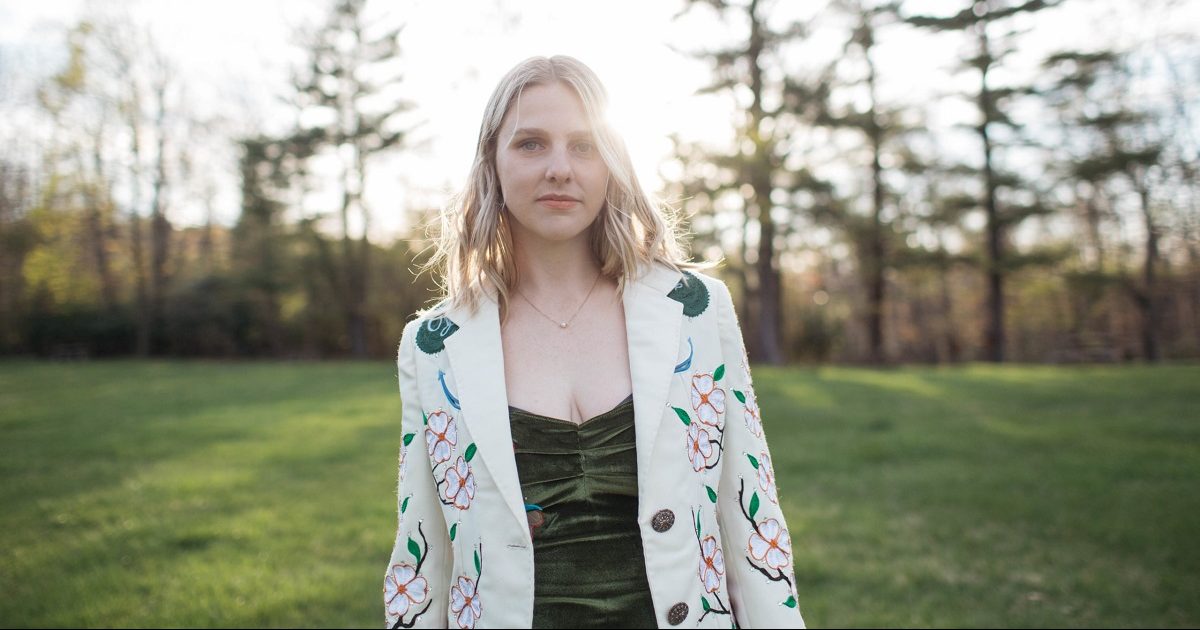
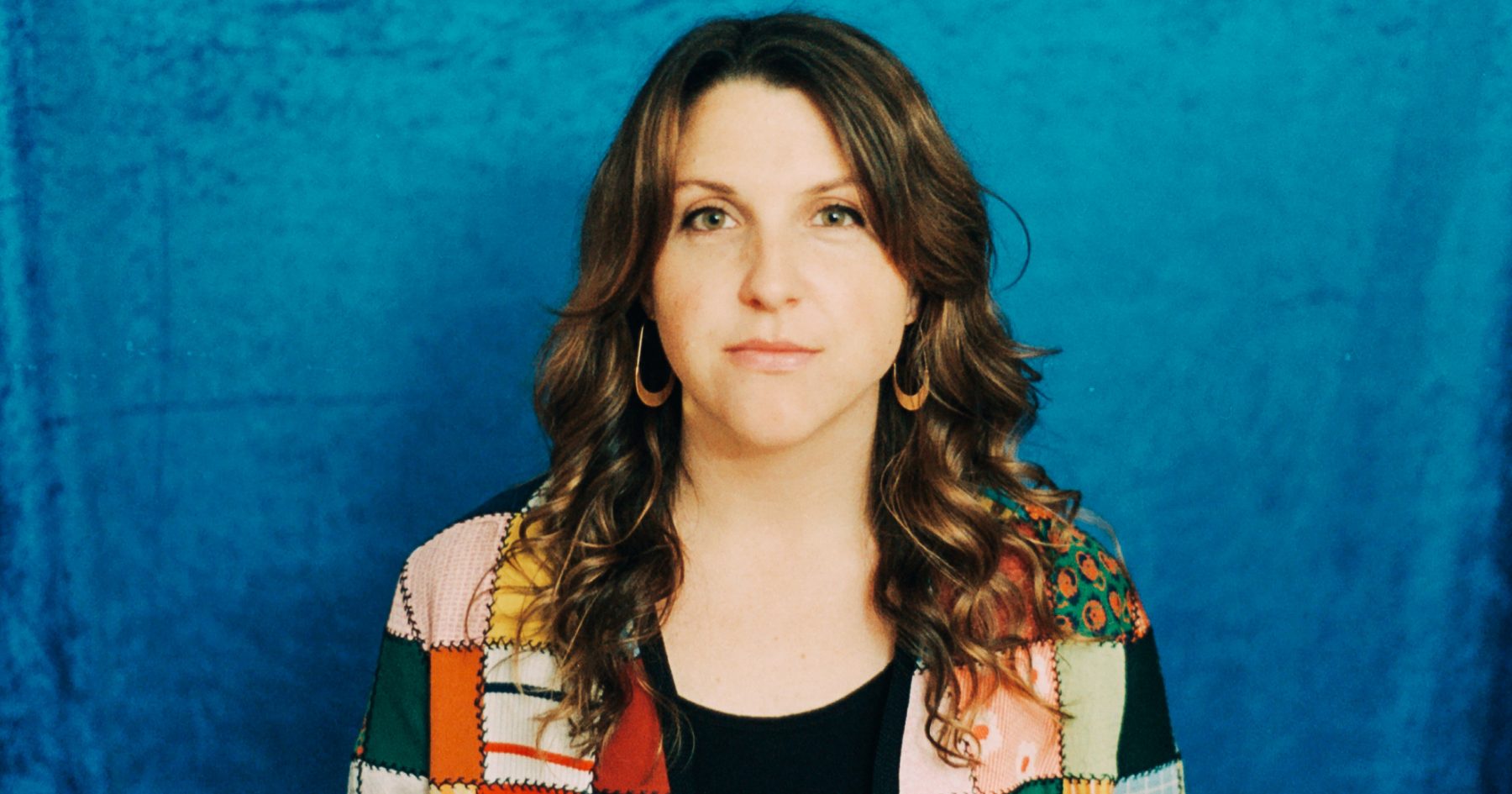
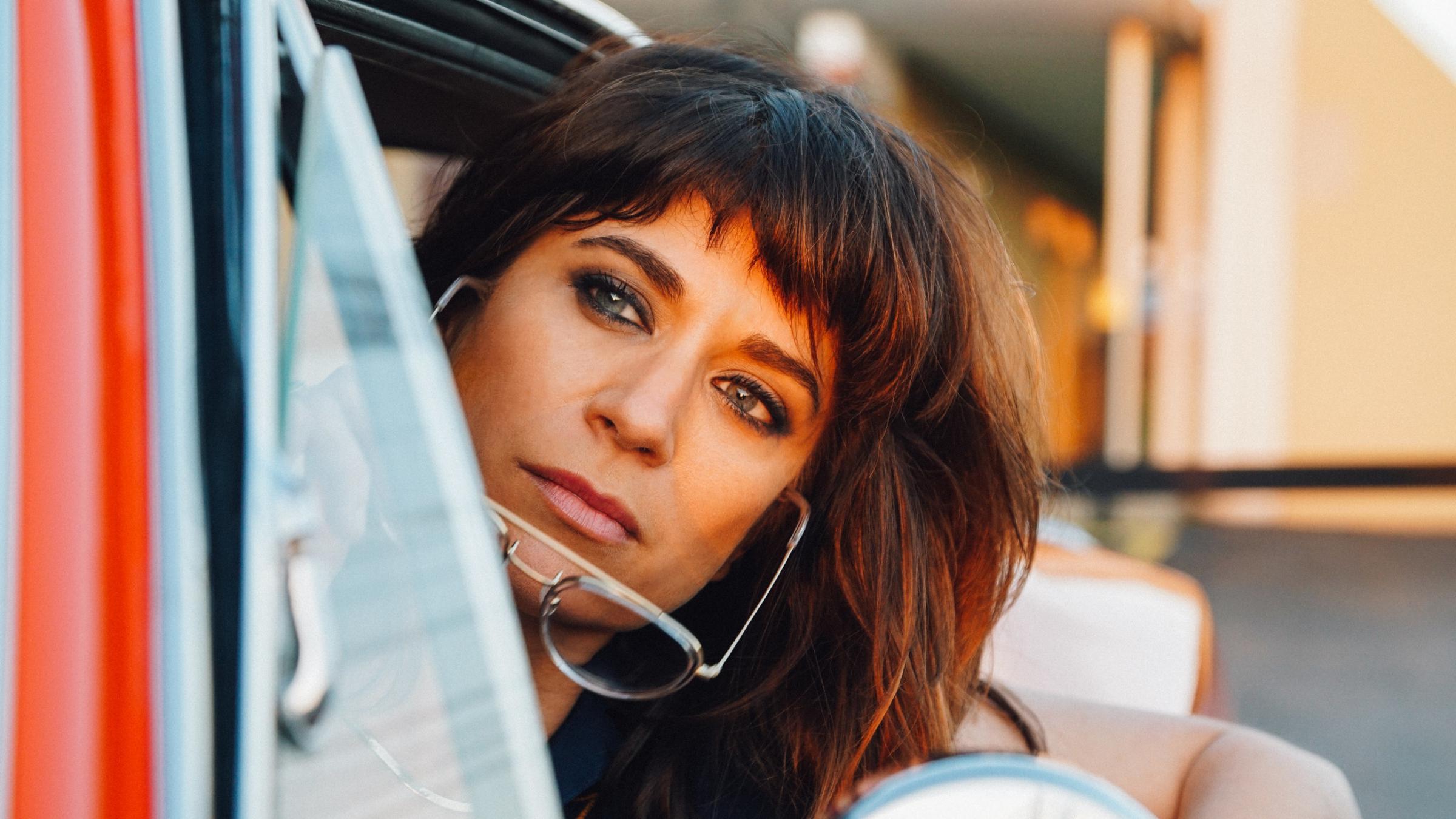
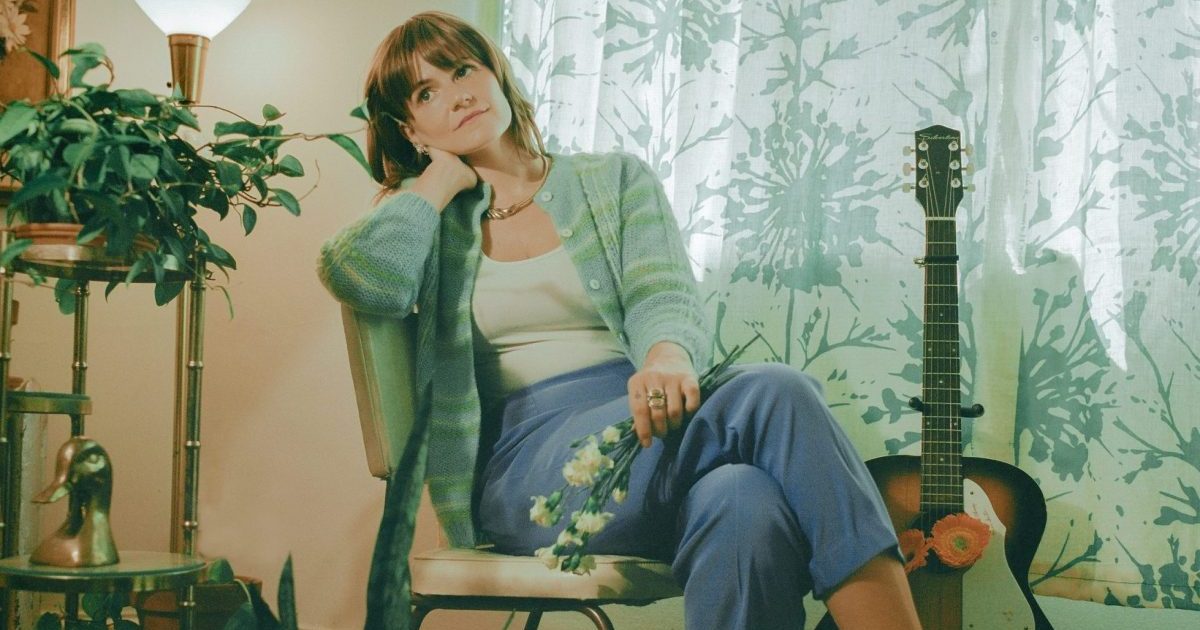
Erin Rae’s compelling new music video for “Modern Woman” is a wake-up call that not only addresses the dated norms and expectations women are subjected to, but also celebrates the array of creative pursuits, career paths, and artistic journeys of women in her Nashville community. Shuffling back and forth from Rae miming a performance of her song to images of business owners, artists, and creatives, the song’s message is reinforced as the concept comes to life. Like the eyebrow-raising way in which you realize a co-worker is being rude but won’t get a clue, Erin Rae delivers “Modern Woman” with an irritated niceness that shows how silly it is to think that a person’s gender alone defines their individuality or their roles in society. The new track comes from her upcoming album, Lighten Up, out on February 4.

“‘Modern Woman’ from the start is meant to be a little cheeky, coming from me, a white femme-presenting woman, but it just sort of spilled out one day in the kitchen during the pandemic,” she has said. “It’s been so incredibly powerful to witness the discussion and evolution of gender norms through my peers and friends, as well as the representation of all bodies breaking more and more into mainstream media. The song is basically a speech to a figurative person who is uncomfortable with the disintegration of a tired definition of what it means to be a woman. With the video, Joshua Shoemaker and I wanted to celebrate and represent our friends in the community who relate to the term ‘woman’ in different capacities, and basically brag on the diverse community of small business owners Nashville holds, and the work they are all doing to push Nashville forward, often against its will, into this new world of inclusivity.”

Look for the new album, Lighten Up, on February 4 via Thirty Tigers.


Photo Credit: Bridgette Aikens

MIXTAPE: Dori Freeman’s Waltzes for Dreamers and Losers in Love

Waltzes are my favorite. Can’t explain why, but they touch me in a way that other songs don’t. In honor of my album, Ten Thousand Roses, and its title track, here are twelve of my favorite waltzes — some by dear friends and some by long-gone greats. — Dori Freeman

Erin Rae – “June Bug”

Erin is one of my favorite artists — I just love her voice and the style of her records. This song is so simple (my favorite kind of song), but so sweet and effective lyrically and in the arrangement. The last minute or so of the melody being played on piano is particularly lovely.

Kacy & Clayton – “Down at the Dance Hall”

Kacy and Clayton are dear personal friends and some of the most genuine and truly original people I’ve ever met. This is such a classic-sounding waltz it’s hard to believe it was written only a few years ago. Kacy is also one of my favorite singers *of all time.*

Ric Robertson – “Julie”

Ric is another good friend of mine and easily one of the best songwriters of the time. He writes with a vulnerability and honesty that most people are afraid to share. I also had the privilege of singing harmony on this lovely track with my friend Gina Leslie.

Teddy Thompson – “Over and Over”

I have to include a Teddy song on this playlist since he’s been such a big part of my own music. He produced my first three records and continues to be such a kindred spirit in music making. This song has such a heartbreaking honesty lyrically and a truly haunting arrangement.

Iris Dement – “Sweet Is the Melody”

Iris has one of the most instantly recognizable and unique voices in music. I had this album on cassette tape and used to listen to it driving around in my old Subaru when I was like 19. Such a tender song.

John Hartford/ Tony Rice/ Vassar Clements – “Heavenly Sunlight”

My husband introduced this song to me a few years ago and we’ve been performing it at shows ever since. I never get tired of singing this beautiful song and this is my all-time favorite version. A good gospel waltz is hard to beat.

Linda Ronstadt/ Dolly Parton/ Emmylou Harris – “Hobo’s Meditation”

This song is twofold in its importance to me. First, these are three of the most talented singers ever singing together on one album. All three of these women have had a huge influence on me individually and I think you’d be hard-pressed to find another country singer who wouldn’t say the same. This is also a song that my dad’s band performed and recorded when I was a child. I can vividly remember sitting in the audience listening to them play this song.

The Louvin Brothers – “Blue”

If you want a master class in harmony singing, the Louvin Brothers are it. I love to listen to them dance around each other when they sing, jumping all over the place with grace and finesse. This waltz is a classic heartbreaker with lots of tender swooning falsetto.

George Jones – “Don’t Stop the Music”

Another one of our greatest singers, George Jones. This is one of my husband’s favorite waltzes and makes the cut for me, too. That jump up to the sixth he sings right in the opening gets me every time.

Rufus Wainwright – “Sally Ann”

Most people familiar with my music know that Rufus Wainwright’s music is very dear to my heart. He has a couple beautiful waltzes to choose from, but I included this one from his first record. A weird thing to note perhaps, but I love that you can hear each breath Rufus takes before singing on his recordings.

Lee Ann Womack – “Prelude: Fly”

This album was on heavy rotation when I met my husband in 2016 so when I hear this song I’m reminded of how sweet a time that was. It’s got a special place in my heart. And Lee Ann is one of those singers who makes me cry every time.

Richard Thompson – “Waltzing’s for Dreamers”

My daughter used to like this song when she was littler so that makes it an especially sweet one for me. It has one of my favorite lines — “waltzing’s for dreamers and losers in love.” So funny, so sad, so true.


Photo credit: Kristen Crigger

With Her Banjo and Best Friends, Allison Russell Delivers ‘Outside Child’ (Part 2 of 2)

Allison Russell’s first solo album offers an intimate look into her life, yet it’s far more than just her musical vision that elevates Outside Child to one of the year’s most eloquent albums. Working with Dan Knobler in Nashville, she populated the studio with musicians like Joe Pisapia, Jason Burger, Chris Merrill, Jamie Dick, and Drew Lindsay, as well as exceptional guests such as Yola, Ruth Moody, Erin Rae, and the McCrary Sisters. She describes them as her “chosen family,” accompanying her as she shares stories about other families in her life.

Enjoy the second half of our BGS Artist of the Month interview with Allison Russell. (Editor’s note: Read the first half of our AOTM feature here.)

BGS: You can feel that sense of community between the musicians on this record. Can you talk a little bit about what it felt like while you were tracking?

Allison Russell: These songs were recorded in four days. Everything that you are hearing, I sang live with the band. We did it at Sound Emporium Studio A. There’s a lovely, big room with glass doors that you can open up. Everyone was in a semi-circle. It was a magical experience. We would gather in the center of the room and work out an arrangement together and then we would record the song. Most of what you are hearing is the second take. That was sort of when it magically coalesced, when everyone was communing and free flowing.

Dan [Knobler] shares my deep conviction that it is not about perfection. It is about capturing the communication in as honest and as true of a way as you can. That has been my approach ever since working with Joe Henry four or five years ago on a record called Real Midnight. So what you are hearing is a community choosing to come together to uplift these songs. I will be grateful for that for the rest of my life, even if no one ever heard the record. That experience of getting to record that way with chosen family. I can’t imagine a more healing, supportive environment than I experienced.

This is your first solo record and though you’ve made many records with groups, I’m wondering if the feeling of picking the songs and the sounds was different for you as a solo artist?

I don’t know that I really picked them. I think that the songs just poured out. So much of the sound is my community of artists. I would never dream of telling any of those artists what to play. I trust their ears and I trusted Dan Knobler’s ears, who produced the record. And I trusted my own ears too, of course, but really what we did was cast the room with people who we love and trust. What was different is that I’d never worked with Dan before and I trusted him bringing in two of his brothers, Joe Pisapia and Jason Burger to join the family of musical kindred that I’ve been part of. A lot of the artists who played on the record were artists that I’d met over my many years and different projects. …

And then since I moved to Nashville in 2017, I’ve been going to hear the McCrary Sisters and loving them. I really got to know them through Yola, because they formed a friendship at a festival in Scotland and I got to know them through her. I’m a huge admirer of them and their work and their harmonies. I reached out to them thinking I wouldn’t be able to afford them and they were so generous. They came and sang for way less than they are worth and worked within my budget. I was honored that they came. So it was really a matter of casting the room and then letting people shine the way they do.

I read your speech from the [2020] Women’s March [in Nashville]. It is really gorgeous, thought- and emotion-provoking. In it you mention that you are the hero of your own story which is wildly inspiring and important for us all to remember – that there are some things we can save ourselves from. Can you talk a bit about ways in which you save yourself?

I feel like connection with a loving community is what saves me every day. Art and music save me every day. I’ve been a book worm my entire life and I can’t emphasize enough, I don’t think I would have survived my childhood if I hadn’t had the escape of literature. Being able to go into other worlds and other imaginings and literally inside of someone else’s mind and take refuge and find inspiration and comfort and strength. Disappearing into books was the first kind of way that I learned how to try to be brave. It was reading about brave protagonists and people in situations worse than I could imagine. I got very obsessed in my tweens with reading first person accounts of survival of the Holocaust. It put into context what was happening to me, that if people could survive that, then I could survive what I was experiencing.

Being in a community with people that uplift you and see you and value you and you do the same for them, that is life-changing. I have that with my partner J.T. I have that with my sisters in Our Native Daughters. We wrote a whole record together, uplifting each other and bringing forward the perspective of Black women within the diaspora and within the historical record. Our particular demographic is so often left out of any kind of historical record in any kind of first-person way, with agency and lived experience. That has been a source of great strength and resilience.

And then to connect with my ancestors. To delve into all of the history. With all of the intergenerational trauma and abuse, there is also incredible intergenerational strength and resilience and transcendence. The ability to overcome circumstances I cannot even dream of. My many-times-great-great-grandmother Quasheba survived being enslaved. She survived being ripped away from everything she knew, her family and language and home. She survived the horrible Middle Passage. She survived multiple plantations and having her children taken. If she can survive all that, I can get through this.

Do you remember what prompted you to pick up a banjo for the first time?

I was in a band called Po Girl, that was my first baby band and the woman I started the band with, Trish Klein, played the banjo. She taught me my first few chords and I just kept playing from there. I met Rhiannon Giddens in 2006 at the Vancouver Folk Music Festival and I was so excited to meet another Black woman that played banjo, because I was the only one that I knew. She told me about the Black Banjo Gathering, which I never got to attend. I’ve met so many dear friends who were a part of that, like Valerie June. All of us in Our Native Daughters play banjo and that has been a deep communion for us.

I think Rhiannon’s minstrel banjo is one of the most beautiful sounds I’ve ever heard. I’ve adapted my little Americana Goodtime banjo to sound as much like that as I can by adding gut strings and a fiber skin head. I’ve modified the bridge a bit to give it that deeper resonance. For me the banjo has allowed me to access my songwriting in a different way. I’ve noticed this over time as I’ve picked up more instruments. Different songs come through on different instruments and now for me, the banjo has become my primary songwriting instrument.

This album is coming out hopefully at the tail end of the pandemic so I’m guessing some of the songs have not been performed in front of an audience yet. Are there songs you are particularly excited about presenting on stage and on the flip side are there songs you are nervous or trepidatious about presenting to an audience?

Basically none of them. Of course I’ve done some virtual performances here and there of a couple of them. But they have not been played live. I am always nervous about everything. I’m just a very anxious person most of the time. But where that stops, usually, is on stage, when I get to be in communion with my fellow artists and with the people who have come to listen. That is very much a two-way exchange. The answer is, I’ll be nervous about all of it right up until the moment we are playing and then I will be in the happiest place I know.

(Editor’s note: Read part one of our Artist of the Month interview with Allison Russell here.)


Photo credit: Marc Baptiste (top); Laura E. Partain (in story)

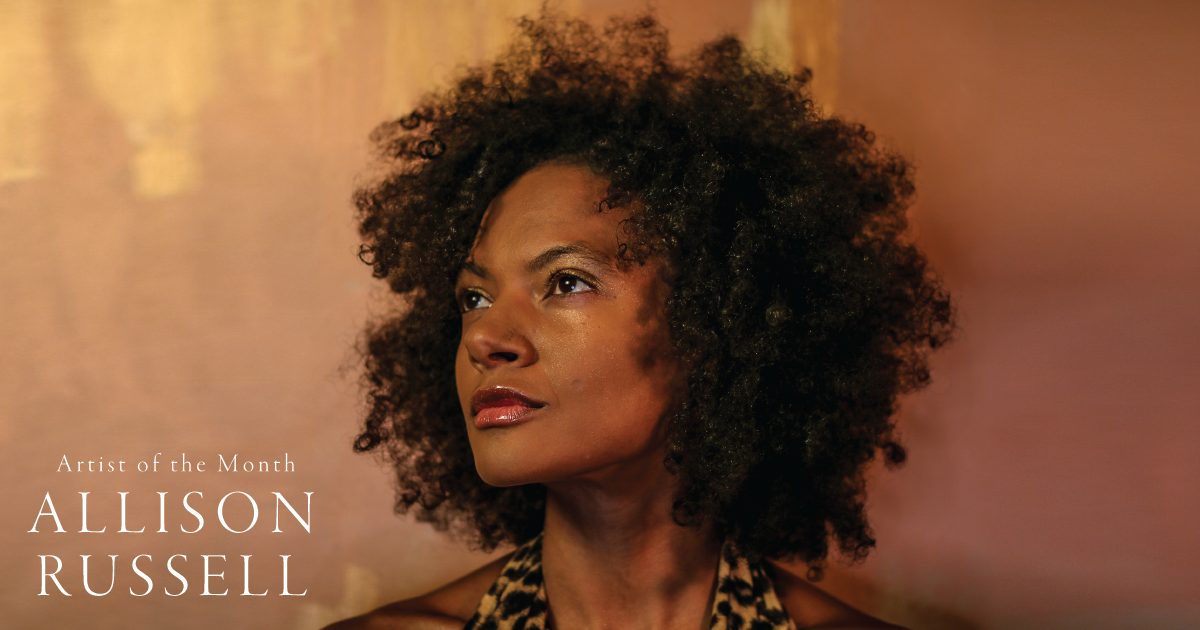
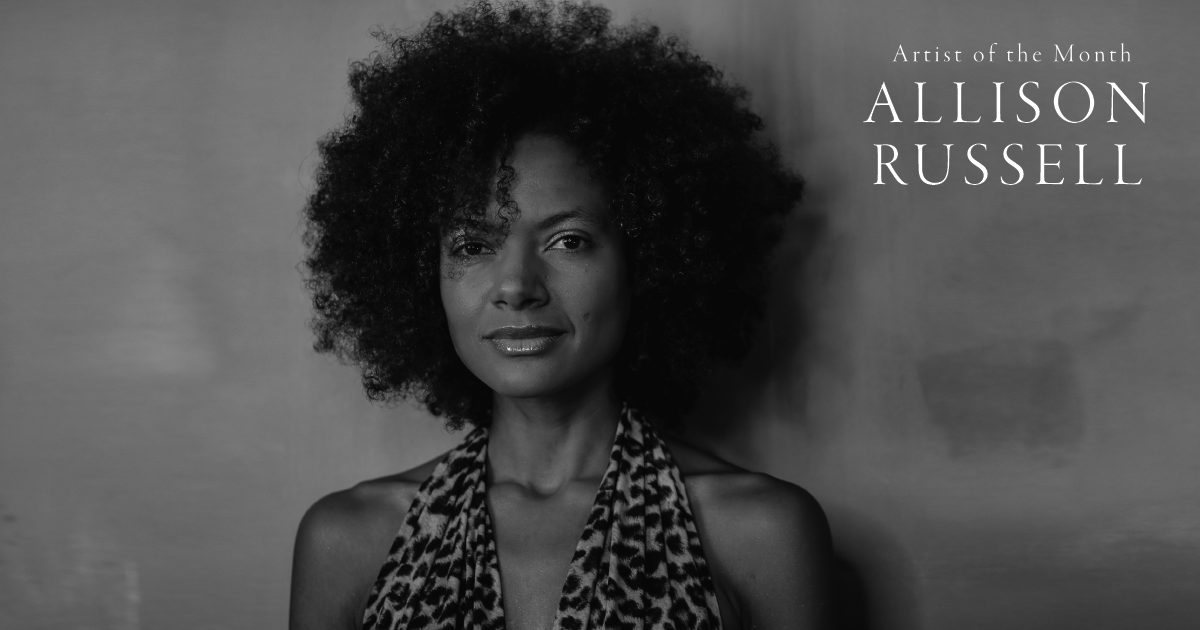
Artist of the Month: Allison Russell

Allison Russell has already made an exceptional impression in roots music — first in the duo Birds of Chicago, then as a member of Our Native Daughters. Now with her new album Outside Child, she’s putting her own story front and center. Whether she’s singing in English or French, Russell’s voice feels like satin, comfortable and cool. Yet she weaves some of the most painful memories of her formative years in Montréal into the fabric of her Fantasy Recordings debut.

Special guests on the album include the McCrary Sisters, Ruth Moody, Erin Rae, and Yola. Upon revealing the project, Russell wrote, “This is my first solo album. It is acutely personal. It was hard for me to write, harder still to sing, play, and share. Also a relief. Like sucking the poison from a snake bite. Thanks to the supreme empathy, musicality, kindness, sensitivity, and humour of each artist who brought these songs to life with me, the recording process became — by some mystical alchemy –joyous and empowering…. Eased by loving communal laughter as much as shared tears.”

Specifically pulling from the childhood trauma she experienced at the hands of her stepfather, she adds, “This is my attempt at truth and reconciliation and forgiveness — a reckoning and a remembrance. This is my attempt to be the hero of my own history, despite the shame that has been my closest and constant companion all these years.”

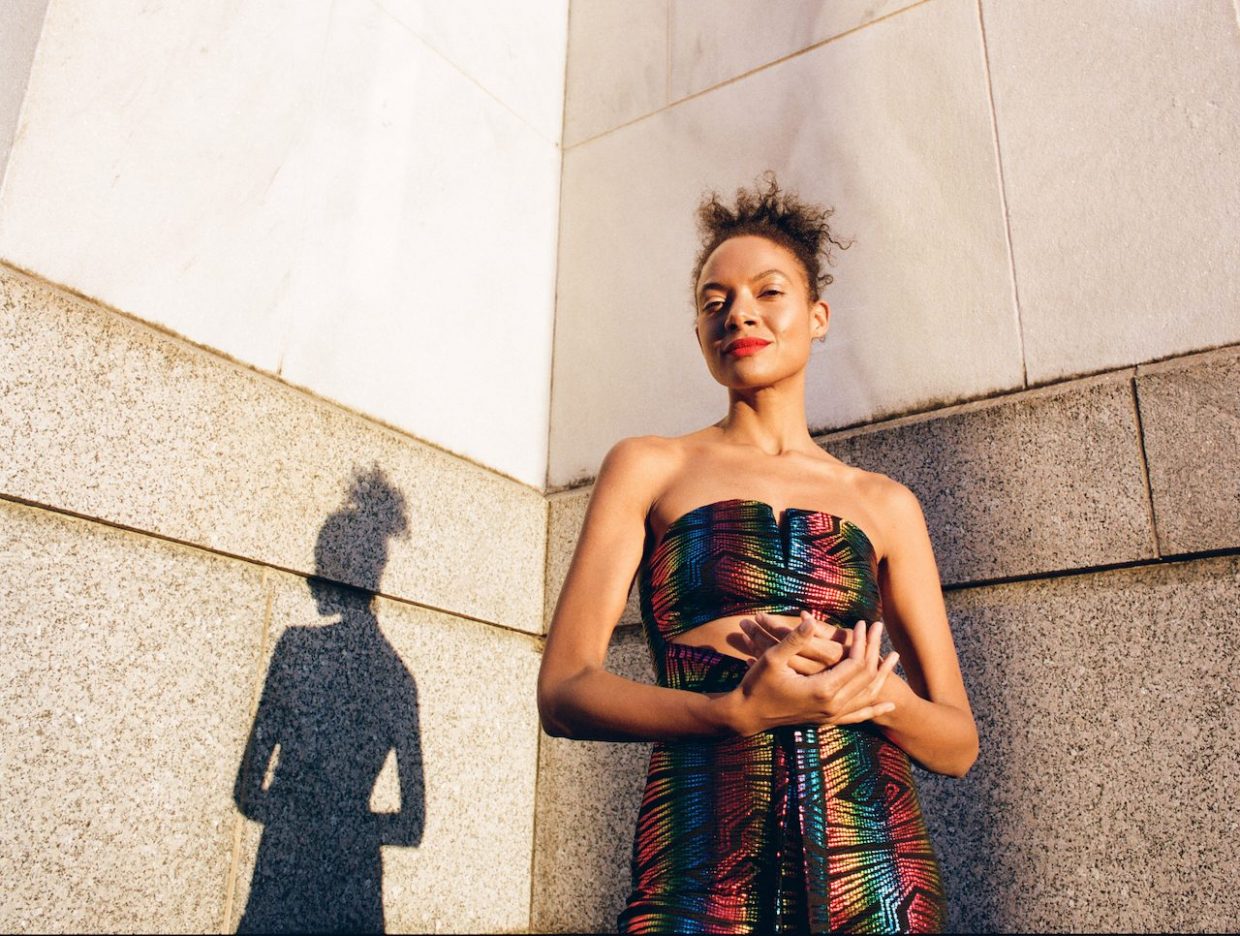
We are proud to present Allison Russell as our BGS Artist of the Month for May. In the days ahead, look for a new performance video, an exclusive interview (read part one here)(read part two here), and a sleek style shoot with this singular artist, who now calls Nashville home alongside her partner JT Nero and their young daughter. Discover more of her musical journey with our BGS Essentials playlist.


Photo credit: Marc Baptiste

The Show on the Road – Caroline Spence

This week on The Show On The Road, we feature a conversation with an admired and sharp-witted singer-songwriter in the fertile Nashville Americana scene, Caroline Spence.


LISTEN: APPLE PODCASTSSPOTIFYSTITCHER
A sought-after lyricist who mines her own vulnerabilities and lovelorn past to tell delicately crafted story-songs, Caroline Spence’s voice seems to always hover angelically above the page, bringing to mind new-wave country pop heroine Alison Krauss or her vocal hero, Emmylou Harris.

Growing up in Charlottesville, VA daydreaming to Harris’ signature twangy honey-toned records like Wrecking Ball, Spence admittedly was a bit starstruck when the silver-maned lady herself came on board to sing harmonies on the title track of Spence’s newest LP, Mint Condition. It quickly became a critic’s darling and an Americana radio staple nationwide.

As a conversationalist, she usually leads with cheerful southern modesty, but beginning with her 2015 debut, Somehow, Spence wasn’t afraid to push at country music’s guy-centric boundaries. She brought aboard a talented group of genre-defining collaborators like blue-eyed soul hero Anderson East and pop-folk favorite Erin Rae to give the songs new heft. Her follow-up Spades And Roses brought more lush atmospherics to her yearning acoustic stories, elevating the clear-eyed feminine power behind emotive songs like “Heart Of Somebody.”

While Spence will tell you she is just furthering the empowered spirit of roots songwriter pioneers who came before her, during this time of high anxiety, her deeply felt love songs like “Sit Here and Love Me” and “Slow Dancer” seem especially fitting, touching on her bouts of depression and her inability to connect with the ones who are trying to help her through.

Sometimes sad songs truly do make people happy, and if you’re feeling a bit low, maybe pop on her newest single “The Choir,” about finding your people when you need them most.


Photo credit: Angelina Castillo

The Show On The Road – Nicole Atkins

This week on The Show On The Road, a conversation with Nicole Atkins, a singer/songwriter  out of Neptune City, New Jersey who has become notorious for making her own brand of theatrical boardwalk soul. 

LISTEN: APPLE PODCASTSSTITCHERSPOTIFYMP3

The Show On The Road host Z. Lupetin fell in love with Atkins’ newest, harmony-rich record, Italian Ice, which came out spring 2020 and was recorded in historic Muscle Shoals, Alabama. Both rumblingly ominous and joyously escapist, standout songs like “Domino” make the record a perfectly David Lynch-esque summer soundtrack of an uneasy 2020 scene that vacillates between fits of intense creativity and innovation and deep despair. Toiling below the radar for much of her career, Atkins is finally enjoying nationwide recognition as a sought-after writer and producer; Italian Ice was co-produced by Atkins and Ben Tanner of Alabama Shakes.

While some may try to shoehorn Nicole Atkins into the Americana and roots-rock categories, one could better describe her as a new kind of wild-eyed Springsteen, who also mythologized the decaying beauty of New Jersey’s coastal towns like Asbury Park, or a similarly huge-voiced, peripatetic Linda Ronstadt who isn’t afraid to mix sticky French-pop grooves with AM radio doo-wop, ’70s blaxploitation R&B and airy jazz rock like her heroes in the band Traffic. If you watch her weekly streaming variety show, “Live From The Steel Porch” (which she initially filmed from her parents’ garage in NJ, but now does from her new home in Nashville), you’ll see her many sonic tastes and musical friends gathering in full effect. Italian Ice features a heady collection of collaborators including Britt Daniel of Spoon, Seth Avett, Erin Rae, and John Paul White.

After playing guitar and moving in and out of hard-luck bar bands in Charlotte and New York — many of which that would find any way to get rid of their one female member — Atkins’ bold first solo record Neptune City dropped in 2007 and three more acclaimed LPs followed, including her twangy, oddball breakout, Goodnight Rhonda Lee in 2017 on John Paul White’s Single Lock Records.

Much like the tart and brain-freezing treat sold on boardwalks around the world, Atkins’ newest work is a refreshing and many-flavored thing and demonstrates that, in a lot of ways, the show-stopping performer, producer, and songwriter has finally embraced all the sharp edges of her personality.


Photo credit: Anna Webber

WATCH: Kirby Brown, “Justine”

Artist: Kirby Brown
Hometown: Nashville, TN (by way of New York City; Dallas; Sulphur Springs, Texas; Damascus, Arkansas)
Song: “Justine”
Album: Dream Songs EP
Release Date: July 2019
Label: Soundly Music

In Their Words: “As I have continuously sought to do with my writing, this song is an exploration of duality and juxtaposition. It’s about the courage to accept love as a gift, even against the backdrop of a dog-eat-dog barter culture. It imagines a world where the mighty Universe itself stoops to your level, cigarette in hand, to affirm who you are… to say, ‘Honey, you beat all I’ve ever seen.’ I wanted the video to visually represent a similar dichotomy, but I also wanted to give voice to someone else, to hear another story about what acceptance of self can look like — and to perhaps, with reverence and nuance, challenge us all to be more accepting of others. I threw the reins to Queen Robert and Gabriel, and I got out of the way.” — Kirby Brown, artist

“I was refreshed by the concept of God [as represented in Kirby’s lyrics] being visually represented by the duality of drag. Religious ideologies of God and wrath have historically oppressed queer people for centuries — I have felt that fear and oppression firsthand. Appearing in this video presented me with the opportunity to confront those fears while challenging a new audience with ideas about masculinity and femininity. I admire Kirby and Gabriel’s risk in taking an otherwise heterosexually-dominated music genre and infusing it with some queerness. Some people will love what we’ve done, but some won’t be ready for it. Those with open minds will make the connections within the dichotomy presented. Regardless, If God is THE almighty, then drag queens are a close second — just look at Dolly Parton!” — Queen Robert, actor

“Being asked to direct the video for Kirby’s song ‘Justine’ was a true gift, made even more special when Kirby told me his concept. He asked me, with genuine concern and empathy, if it felt appropriative to utilize this decidedly queer form of art as a cis straight man. I reminded him that, though I’m married to a woman, I am a queer person still. This was a generous opportunity for me to own my queer identity through his song and this video. The shoot itself was an embarrassment of riches. Kirby shared his song and in turn we were able to share ourselves.” — Gabriel Barreto, director


Photo credit: Jacqueline Justice

WATCH: Veronica Stanton, “Wildflower”

Artist: Veronica Stanton
Hometown: Jenkintown, Pennsylvania
Song: “Wildflower”
Album: 827 Miles

In Their Words: “I wrote ‘Wildflower’ about having the desire to be seen and loved but also knowing that I’d miss the freedom and independence that comes with being alone. To me, being alone doesn’t have to mean being lonely and this song is my little ode to individualism. Matt Boylson captured the beautiful footage of wildflowers in California and Kentucky and then he and Nathan Powell filmed the studio footage together. The track is off of my debut EP 827 Miles, which was produced by Dan Knobler and recorded by Justin Francis at Goosehead Palace in Nashville. It was tracked live with Dan Knobler on acoustic guitar, Anthony da Costa on electric guitar, Danny Mitchell on keys, Dom Billett on drums, Sam Howard on bass, and Erin Rae on harmony vocals.” — Veronica Stanton


Photo credit: Bridgette Aikens

Letting Go of Time: My Soundtrack for a Year with Cancer

Many of the facets of the music industry are the way they are simply because they are the way they are, but there is one pillar of melodic and lyrical art-making that remains extraordinarily arbitrary.

Time.

Records are released on Fridays now. Except when they aren’t. Some release days are packed with albums and others are desolate. Festival season coincides with the weather-outside-is-bearable season — except when it doesn’t. Holiday records are recorded in the summer. Lead time is inflexible, though ever-changing. Deadlines are always drop-dead… until they aren’t.

Time has gone from being regarded as something that inevitably passes to being framed as a commodity that can be “spent.” Time is money, especially in this gig economy era and in creative spaces where sentiments like “If you love what you do, you don’t work a day in your life!” rapidly devolve into a workaholic culture. We’ve seen the dissolution of boundaries between professional and personal lives, and made constant comparisons to those we perceive as more productive and ambitious.

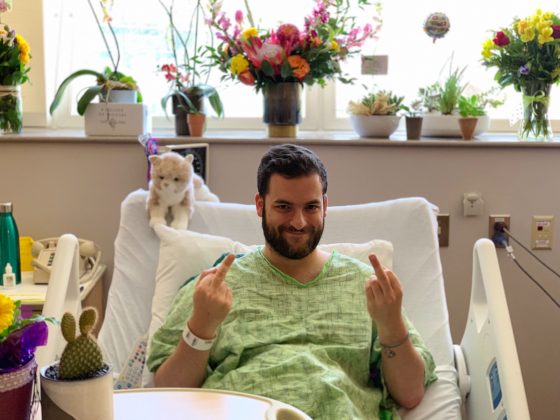
My relationship with time — from each basic, incessant twitch of the clock’s second hand to my holistic understanding of existential time — changed fundamentally and cataclysmically in August 2018 when I was diagnosed with rectal cancer. In the earliest days my doctors told me that I would “lose a year of my life” fighting the disease. Being naive, new to the realms of life-threatening illness and the omnipresent physical, mental, and spiritual alterations of such diagnoses, I believed them.

Over the months that followed, time passed not linearly, but as if it were a roller coaster operating in many more than just three dimensions, with twists, turns, and corkscrews I never considered possible. The associated cognitive impairments of cancer — from chemotherapy, an inordinate amount of prescription drugs, and the related traumas of fighting the disease — exacerbated my willy-nilly tumble through the twelve months that landed me here, writing this. Now, just over a year post-diagnosis and almost four months in remission, I am free of cancer (though not technically “cancer-free”).

Cancer is an arbitrary demon in and of itself, and as such, it’s very good at reminding: If something need not be arbitrary, perhaps it ought not to be. A rectal cancer diagnosis in an otherwise healthy 26-year-old is a perfect example. Humans cannot help trying to force such a thing to make sense, to have a direct cause and effect, but in this case and in many, many others it doesn’t. And it never will.

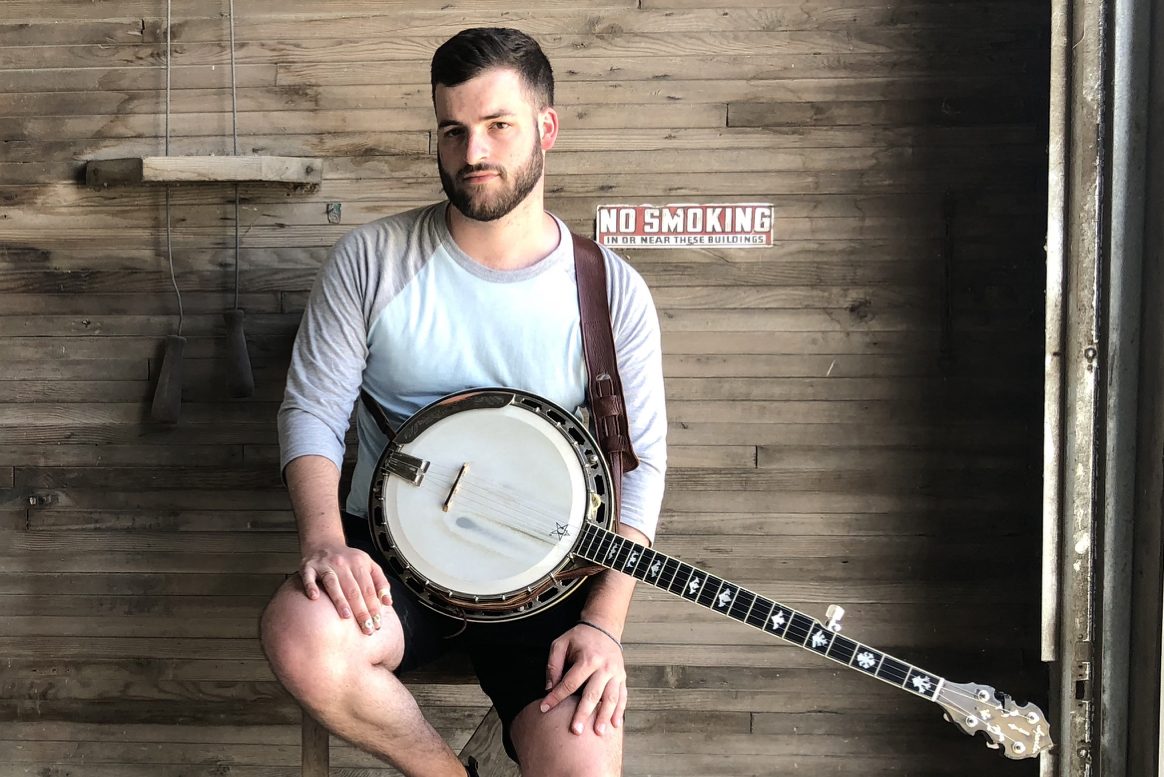
Before the final months of the 2010s elapse and we find ourselves reliving the year — and the decade — in music; while I find myself emerging from the fog of a year of pain, loss, and grief, a year fighting for my life and coming out ahead, I offer you this year-end wrap up. Not of 2019, but of a year fighting cancer. This is a soundtrack. For a few more than 365 days (and many more to come) of a queer banjo player, songwriter, and music writer holding onto life and letting go of time.

“Soon You’ll Get Better” — Taylor Swift feat. Dixie Chicks (2019)

In my eyes, the single most resonant line of any song released in the past year must be, “You’ll get better soon, ‘cause you have to.”

There’s this general, almost universal understanding of cancer, from a societal standpoint, that often does more harm than good. Almost everyone has a simplistic, rudimentary handle on what cancer is, what it means, and how to operate in relation to it. We’ve been fed countless narratives on the subject in the media, in fiction, non-fiction, through science, by the Hallmark Channel — you name it. One of the most frustrating outgrowths of this well-intentioned, though often tactless and somewhat misinformed understanding is that fighting cancer is noble. That it’s a holy war, a righteous baring of the teeth in the face of mortality and abject suffering and the quickened unraveling of existence.

But that is not how it feels. At least not to this survivor. Fighting cancer isn’t honorable. It’s necessary.

There is no choice.

It is exist or cease to exist. Because we romanticize storylines, dynamics in which “pulling the plug” seems like an actual option; because of faith systems that predicate moral truth on the existence of an afterlife; because we have heartbreaking, gut-wrenching tales of friends and family who opted for less pain, without treatment, than more time in misery with it; because there are all too many folks who shine, choosing joy against the odds, facing terminal diagnoses with bravery and aplomb, we think that the battle is wholesome, good, and virtuous.

I can tell you it is not. We get better because we have to. Sadly, there are too many who don’t. Because they can’t. Not because they are any less “noble” than those of us who “win” the fight. Not because they made a choice to give up the fight.

Choosing between being and ceasing to be is not a choice.

“The Capitalist Blues” — Leyla McCalla (2019)

Besides pain, discomfort, fear, and grief, the most present phenomenon to accompany cancer is bills. Piles and piles and piles of window envelopes. Emails. Push notifications chiming, “YOU HAVE A NEW STATEMENT.”

Each time my health insurance denied a claim on the grounds of some aspect of my care not being “medically necessary” — is the contrast used in my CT scans truly not necessary? — each time a prescription fell outside of coverage, often to the tune of hundreds and hundreds of dollars, my body and visage would grimace as if twisted from the pain of a 5cm mass in my colon.

To know, to see in plain daylight, that other human beings are getting rich off of my fight for life, causes such visceral anger and, in the wake of that anger, something that can only be described as the capitalist blues. Leyla McCalla’s wonky, off-kilter, Big Easy sound herein is a perfect wry smile in the face of a daunting, insurmountable task such as holding capitalism accountable. We’re all swimming with sharks and it’s a cold, cold world — even at the doctor’s.

“Anyone at All” — Maya de Vitry (2019)

As if to mock me, the electric guitar joins the band with a tick-tocking hook. Maya de Vitry’s narrator (however autobiographical) hasn’t been seeing anyone at all, hasn’t been drinking much at all, hasn’t been crying in the mornings, and she’s tired of hearing folks tell her it’s going to get harder.

Believe her. (Believe me.) It’s always been hard.

I spent the majority of a year at home, in my apartment, in bed, alone. Which is not to say I haven’t been supported throughout this journey by my friends, family, peers, colleagues, et cetera. It’s just that cancer is isolating in many, many more ways than one, and each of those sly, constituent methods of enforcing solitude conspire together to relegate us to these lonely spaces. Hearing de Vitry rejoice in them, embracing them, laughing in the face of what others, outsiders, might perceive as weakness and wallowing is not only redemptive, it’s liberating. I’ll see your “Have you been seeing anybody?” and raise you an “It’s been a couple of days since I’ve seen anyone at all!”

“Fixed” — Mary Bragg (2018)

The world teaches us how to regard ourselves, our bodies, our minds, our personhoods. We often don’t even realize this dictation is happening, but it is. Let me tell you, cancer brings out the worst in these tendencies, these trained reflexes. While Bragg’s message seems geared toward a childlike listener faced with society’s beauty standards, with dynamics of insiders and outsiders, cool and uncool, conformist and eccentric, I found myself returning to that refrain, “You don’t have to be fixed” over and over.

While my body image issues and low self-esteem run amok, fed on a glut of internalized ableism and materialism and superficiality and shame, the reminder in those lyrics that there is no one right way to be human, to be embodied, to be hurt or to be healed, was simply uncanny. Packaged with Bragg’s pristine, orchestrated arrangement and her powerfully tender voice, it’s a mantra in a song that we could all add to our quiver of weapons with which we face the world.

“Bad Mind” — Erin Rae (2018)

This song sounds like Ativan feels. Glossy and ethereal. The panned, double-tracked vocals, just distant enough in the mix, giving the impression that her voice is nearby, but out of reach. I was prescribed Ativan after being hospitalized due to complications from my first round of chemotherapy, namely that my nausea medications didn’t seem to be effective — until we brought Ativan on board.

That’s right, Ativan is prescribed for nausea. It’s also an effective anxiety medication, a strong benzodiazepine that’s often taken recreationally, but it’s a depressant. A strong, unyielding, psychoactive drug that guarantees dependency as a result of regular use. For months I was on an astronomical dose, without knowing it was considered high, to curb my incessant nausea.

I took two “cancer break” vacations during treatment. During the first, a country music cruise in the Caribbean, I cried myself to sleep every night. On the first night of the second trip, a solo getaway to the Bahamas, I wrote in my journal, through tears, “Perhaps I’m too depressed to enjoy an island paradise?”

As the lyrics in verse two reference indirectly, growing up gay in a conservative — and in my case, evangelical — family teaches you quite rapidly that your mind is bad. Very bad. Which, in quite a predictable turn, caused an anxiety disorder and clinical depression that I’ve been battling for more than a decade now. At times I was convinced that the problem of my erratic and burdensome mental health was simply due to my bad mind.

Ativan sank me to depths beyond those that I thought were possible. At its worst, beneath every word I spoke, beneath every layer of my thoughts, there was a constant suicidal hum. My prior struggles with suicidal ideation couldn’t even prepare me for the surprise of realizing, in some deep, hidden catacomb of my psyche, that I was fantasizing about taking my own life.

After chemo and radiation, when my nausea began to subside, I made getting off of Ativan my number one goal. I didn’t want to have a bad mind anymore. After seven months of three pills a day and after weeks of titrating, lowering my dose bit by bit to wean my dependent body and brain off of the potent, depressing, stomach-settling drug, I took my last Ativan in the hospital, after surgery to remove the mass.

It’s worth mentioning, for my sake and others’, there is no such thing as a bad mind.

“Sleepwalking” — Molly Tuttle (2019)

This year truly felt like sleepwalking. Through a world that disappeared.

In the Bahamas, after a month of daily radiation sessions and a mere handful of weeks before my operation, I walked straight into the Atlantic until the cold, steel blue water covered my head. I pleaded, I begged the sea to carry me away. To be allowed to float away with my fears. I cried into the saltwater.

Each time, as I listen to Tuttle’s voice — not angelic, no, but cosmic — grasping for the highest altitudes of her breathy vibrato, I hear my own personal flailing. My desperation to find an anchor, to not be woken up, to be left fantasizing about drifting away on the waves and the sounds of a voice that is that anchor, that is the one thing coming in clear through the static.

Another lesson learned from cancer: sometimes, you have to be your own anchor.

“Sit Here and Love Me” — Caroline Spence (2019)

My own helplessness over the last year was somewhat expected, but I was surprised that it wasn’t simply typified by the inability to help myself. There’s a deep, despairing helplessness found when you wish you could help others help you. To alleviate their helplessness. And I couldn’t. So often all I could do to help others help me was to ask them, with all of the kindness and compassion I could muster, to just sit here and love me.

I did not anticipate the hot, searing pain of telling my mother — a kind, generous, selfless woman who would admit time and time again, “If I could take your place, I would in a heartbeat” — telling her not merely once, but time and again, “This isn’t a problem you can solve. I just need you to hear me and love me.”

I know you hate to see me cry… and to hurt, and to fade into the nothingness of a round of chemotherapy, and to face doctors telling me my life and my body will be forever changed, and to know that there’s nothing you can do to step in, to interrupt the deluge pouring over me.

… But I just need you to sit here and love me.

“Keep Me Here” — Yola (2019)

Going through cancer when you’re single is difficult and complicated, but especially so as a young, gay man experiencing colorectal cancer. In the darkest moments, in the loneliest hours, when I craved physical affection, a hand to hold, a big spoon to lull me to sleep, a shoulder in which I could hide my eyes from the world — and with them, all of my worries and cares — I had nowhere to turn. Hook-up culture and the apps that have come along and monopolized queer entry to romantic and sexual relationships aren’t built for finding a security blanket for a battle with a lethal illness.

And so, in those moments, I turned to my ex. The reasons for our relationship ending notwithstanding, I think we’d both readily volunteer that we don’t think we’re a match. At least, not with a capital M. We live in that strange, queer space of happily being more familiar than platonic friends in that precipitous, somewhat intangible realm of deep connection — predicated on almost three years together — and unspoken boundaries.

He’s an entertainer, traveling the globe for work, ducking back into my life between contracts, each time leaving me with an ex-shaped chasm in my heart. My visceral yearning for closeness, for affection physical and emotional and spiritual, is a cacophony in my head each time, defiant against being denied these needs after having them finally fulfilled. Even if by someone who was not mine, nor could be, nor really should be.

Every time he left, I would love him a little more. It’s a strange thing to give love to someone so dear without being in love with them. So, I cried along with Yola, led by her expressive, assertive, grief-stricken vocals. I shouted along with Vince’s harmony in my car, trying to drown out the maximum volume. I waited a long time, for the right time to tell my ex how much I needed him, how much I wish I didn’t have to need him, I wish cancer didn’t require me to, but it did. I’m not sure the right time has happened yet, but I’ve tried — and I’m still holdin’ on.

“You’re Not Alone” — Our Native Daughters (2019)

Context matters. Circumstances matter. Privilege matters. It’s nearly impossible to listen to the stunningly timeless music of Our Native Daughters without considering these things. Songs mined from the experiences of women of color, of enslaved peoples, of folks categorically and systematically oppressed might seem like the last place a cisgender, white man like myself could seek comfort, but the salve here is twofold. First, to see and be seen. “None of us is here for long / but you’re not alone.”

Second, even in the extreme misfortune and despondency I’ve faced through my journey back to health, I ought to be reminded — I want to be reminded — of my privilege. Of how fortunate I am. Of the ample opportunities and advantages afforded to me by my race, my income level, my geography, my access to world-class medical care, my ability to work and continue working through my diagnosis and treatment, my support system, and on and on.

Yes, we all face our own trials, our own sorrows, and they are no less valid or troublesome because someone else in the world may have had it much, much worse. But the reminder is helpful, it’s cathartic, it’s therapeutic. And, while these injustices continue, while thousands and thousands of others are left in the shadows, we mustn’t take our privilege for granted.

Our Native Daughters use their platform to remind us of this, and no set of circumstances — no, not even cancer — is such that any one of us ought not hear that message. In the process, we might just uncover something limitlessly resonant that we didn’t expect to find.

“Everything’s Fine” — Jamie Drake (2018)

Maybe tomorrow we’ll find / everything’s fine.

Maybe tomorrow…

Maybe tomorrow…

Maybe tomorrow…

For 365 days. And more. Longer. And longer. And looooooonger. But you know what, the cinematic feel of this exquisite, arty folk-pop isn’t coincidental. It’s a deliberate tease. It’s dangling the carrot, leading you toward the conclusion that this is just part of the story. There is a tomorrow. You can hear the future in the sigh of the background vocals, in the whimsical harps, and it sounds good. It sounds like we might just find that everything is fine. And if we don’t (we won’t. At least not always), that’s fine too.

I hope in that future I’m able to option the rights to this story of mine and make a movie, if not for the sake of monetizing the misery I’ve endured, at least so that we can include this stunner on the literal soundtrack. Because that’s where it belongs.

Roll credits.


Photo courtesy of the author
Americana Honors & Awards 2019: Arrival Photos

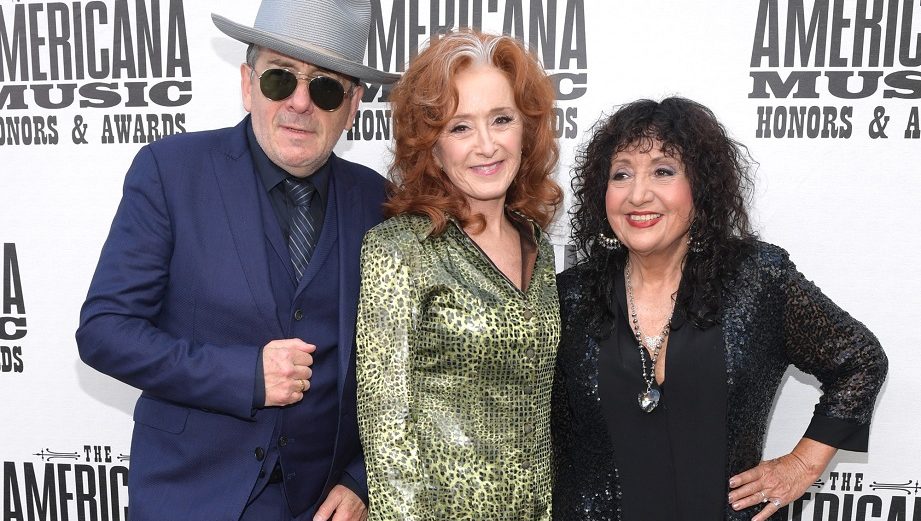
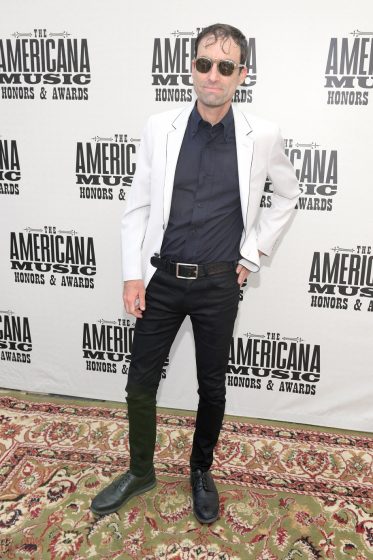
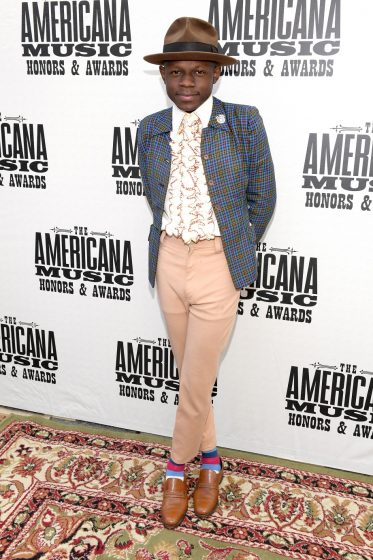
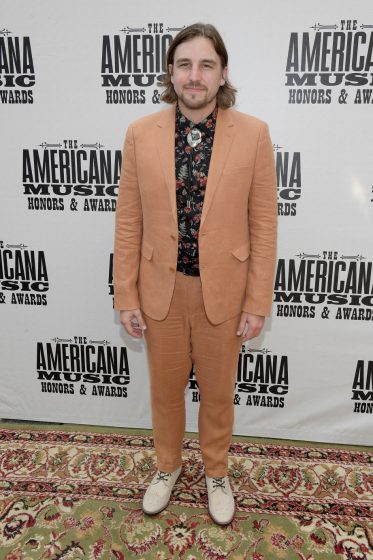
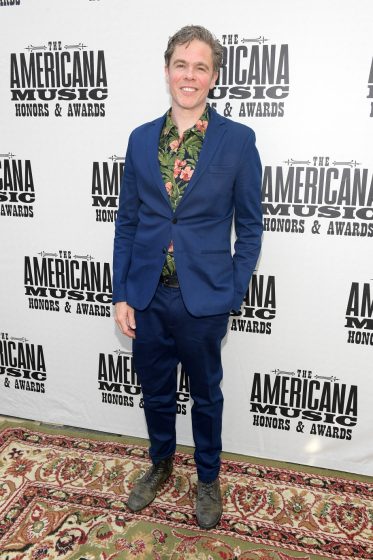
The most acclaimed roots music artists are getting dressed up for the Americana Music Honors & Awards in Nashville. In addition to Elvis Costello, Bonnie Raitt, and Maria Muldaur (above), the following artists paused for a pic on the red carpet. See show photos.

Andrew Bird


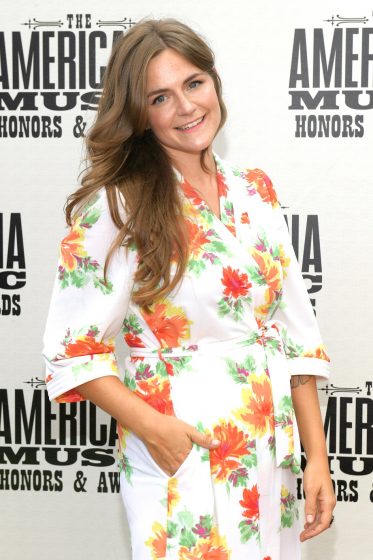
Erin Rae


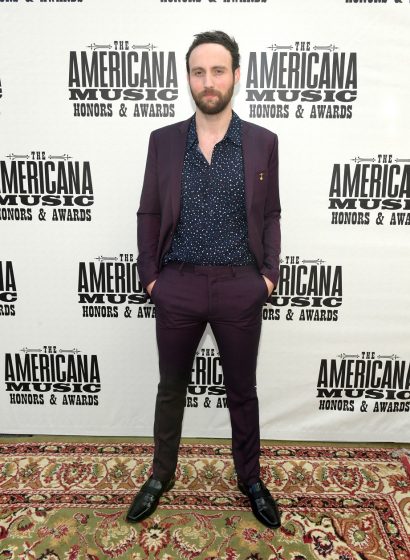
Ruston Kelly


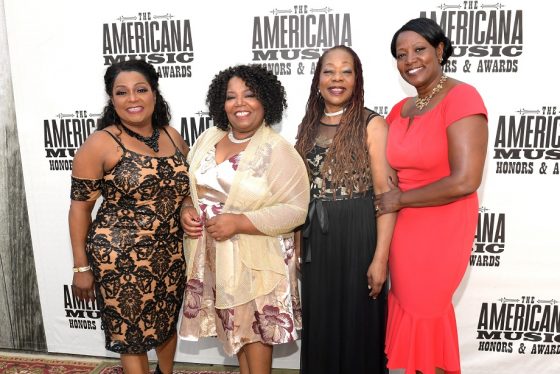
The McCrary Sisters


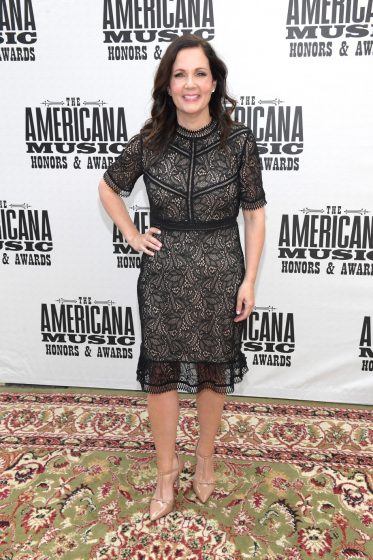
Lori McKenna


J.S. Ondara


Michael Rinne


Josh Ritter


Photos by Jason Kempin/Getty Images for Americana Music Association