BGS Top Books of 2018

As we turn the page on another year, the Bluegrass Situation has compiled ten music-related books from 2018 that may appeal to fans of bluegrass, roots, classic country, and yes, even alt-country.
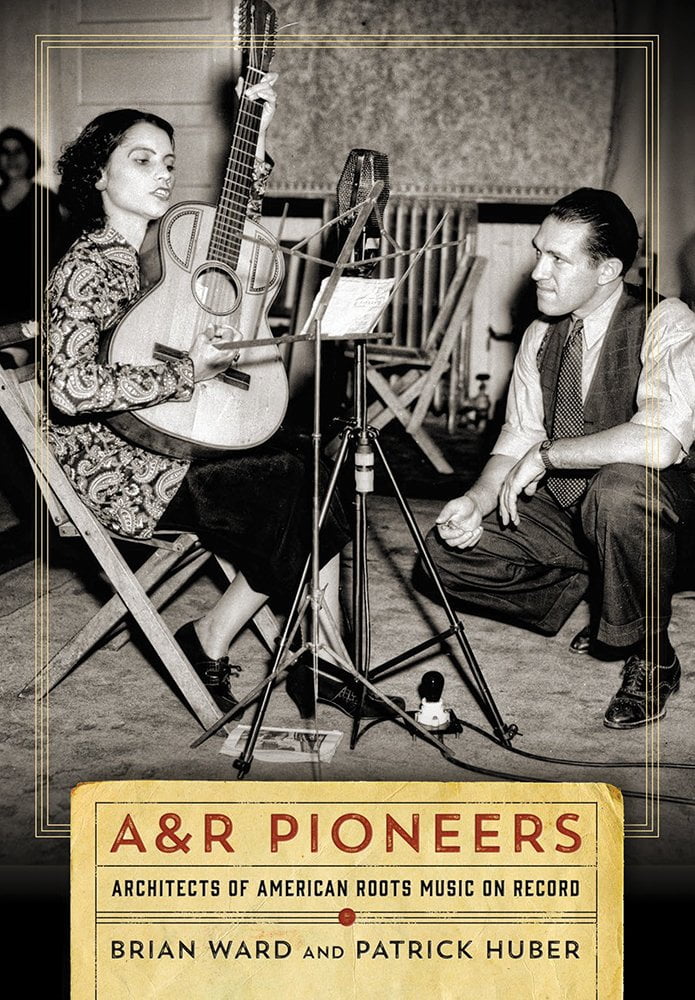
A&R Pioneers: Architects of American Roots Music on Record
Authors: Brian Ward and Patrick Huber
Some musicians just have that “it” factor – as true 100 years ago as it is today. This historical volume looks at the men and women who shaped raw talent for record labels as A&R (“artists and repertoire”) scouts. With an emphasis on roots music, the book focuses on important figures like Ralph Peer, Art Satherley, Frank Walker and John Hammond, as well as many less-celebrated figures. It also acknowledges that some of these A&R executives were not exactly virtuous. Authored by two professors, the project is jointly published by Vanderbilt University Press and the Country Music Foundation Press.
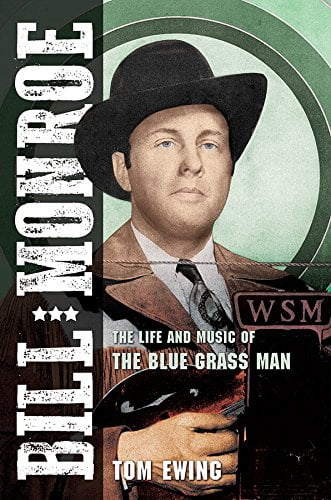

Bill Monroe: The Life and Music of the Blue Grass Man
Author: Tom Ewing
In addition to spending 10 years on the road as Bill Monroe’s bandleader and guitarist, author Tom Ewing may be the foremost expert on the Father of Bluegrass. At 656 pages, this biography ties together Monroe’s personal and professional life without glossing over the tougher times. Ewing writes with the knowledgeable bluegrass fan in mind, making this an especially rewarding book for students of bluegrass and those who are familiar with Monroe’s contemporaries. With hundreds of new interviews and rare access to Monroe’s archive, Ewing is able to build a comprehensive narrative that is likely to become the definitive account of an American music legend.
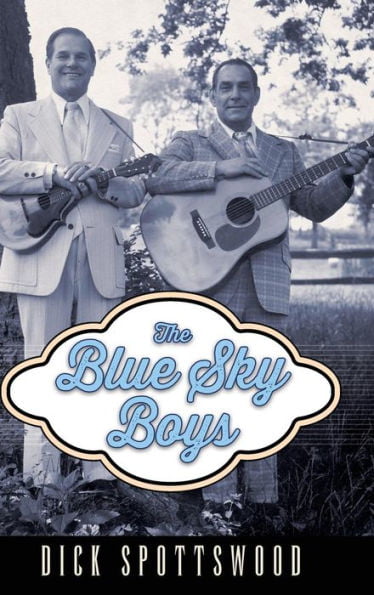

The Blue Sky Boys
Author: Dick Spottswood
Born and raised in North Carolina, the Blue Sky Boys emerged as one of the first and finest brother duos in country music. As teenagers, Bill and Earl Bolick riveted radio listeners in the Southeast with a stunning harmony blend. Earl sang baritone lead and acoustic guitar, while Bill sang tenor vocal and played mandolin, although their music was never fast and high like bluegrass. A deal with RCA Records in 1936 led to appealingly understated recordings such as “The Sunny Side of Life.” Drawing on archived interviews and Bill’s written accounts, this biography also compiles vintage photos and a complete discography.
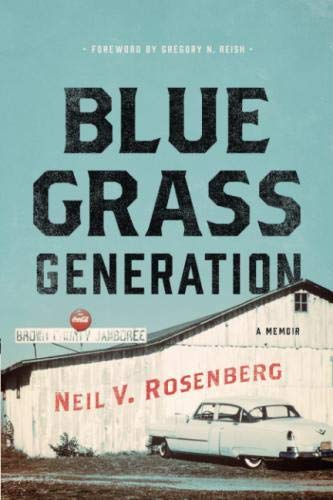

Bluegrass Generation: A Memoir
Author: Neil V. Rosenberg
Author and historian Neil V. Rosenberg vividly recounts his own experiences with Bill Monroe and many other memorable characters at the Brown County Jamboree and the Bean Blossom Bluegrass Festival in the early 1960s. Through these recollections, Rosenberg shows how these seminal concert events helped solidify Bill Monroe as a bluegrass icon. Rosenberg’s scholarly reputation is already well-established, thanks to his prior books and the title of Professor Emeritus of Folklore at Memorial University of Newfoundland. Yet this volume is more personal, as it describes how an eager college student in Indiana became entrenched in bluegrass banjo and the festival scene.
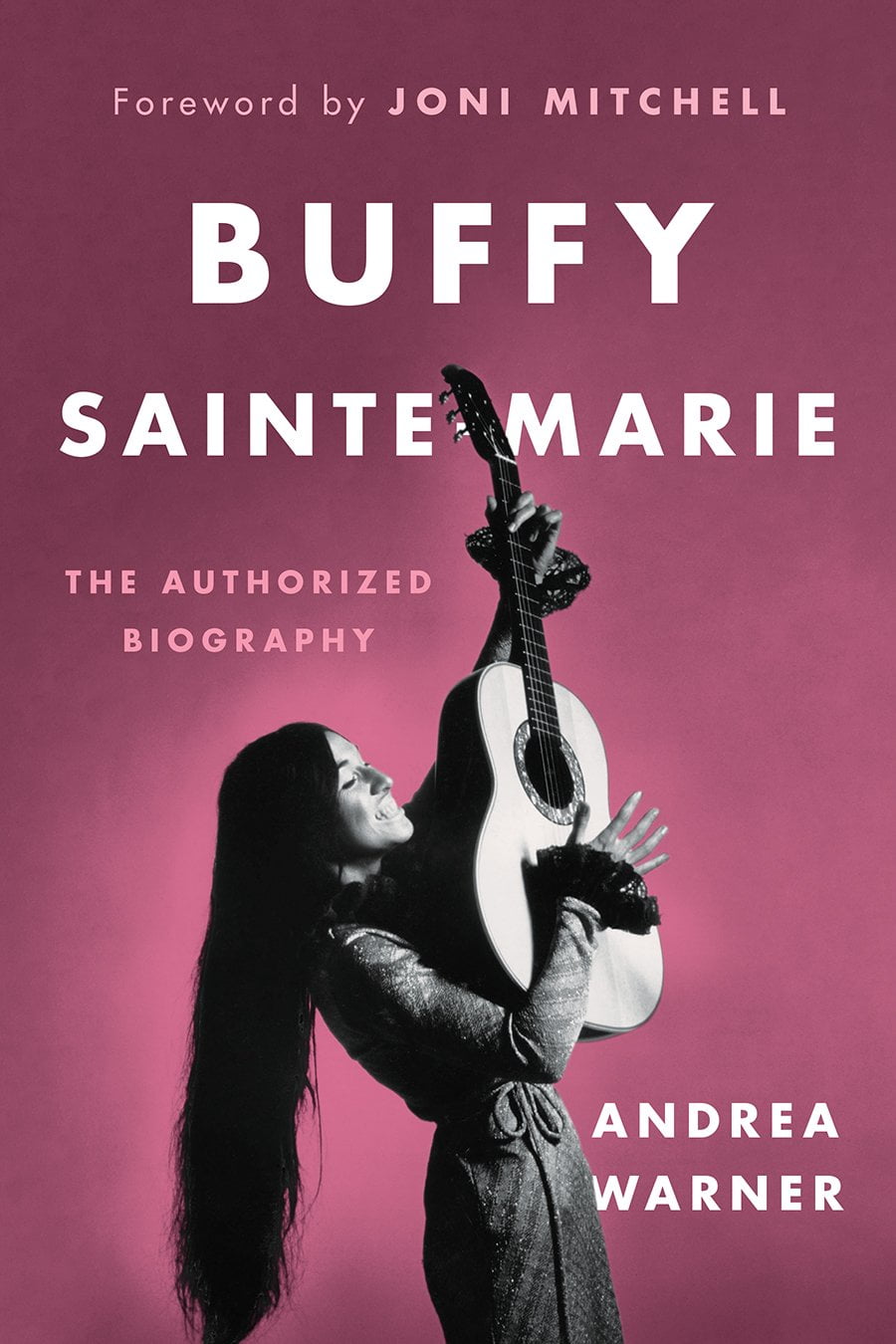

Buffy Sainte-Marie: The Authorized Biography
Author: Andrea Warner
In February, Buffy Sainte-Marie will receive the People’s Voice award at Folk Alliance International in Montreal. Presented to an individual who unabashedly embraces social and political commentary in their creative work and public careers, the songwriter known for the poignant 1964 anti-war anthem “Universal Soldier” fits that description neatly. This approved biography portrays the Cree musician as an advocate for Indigenous rights, as well as a woman who endured a traumatic childhood and intimate partner violence. Feminist author Andrea Warner distilled more than sixty hours of original interviews into an insightful story that illuminates Sainte-Marie’s activism and art.
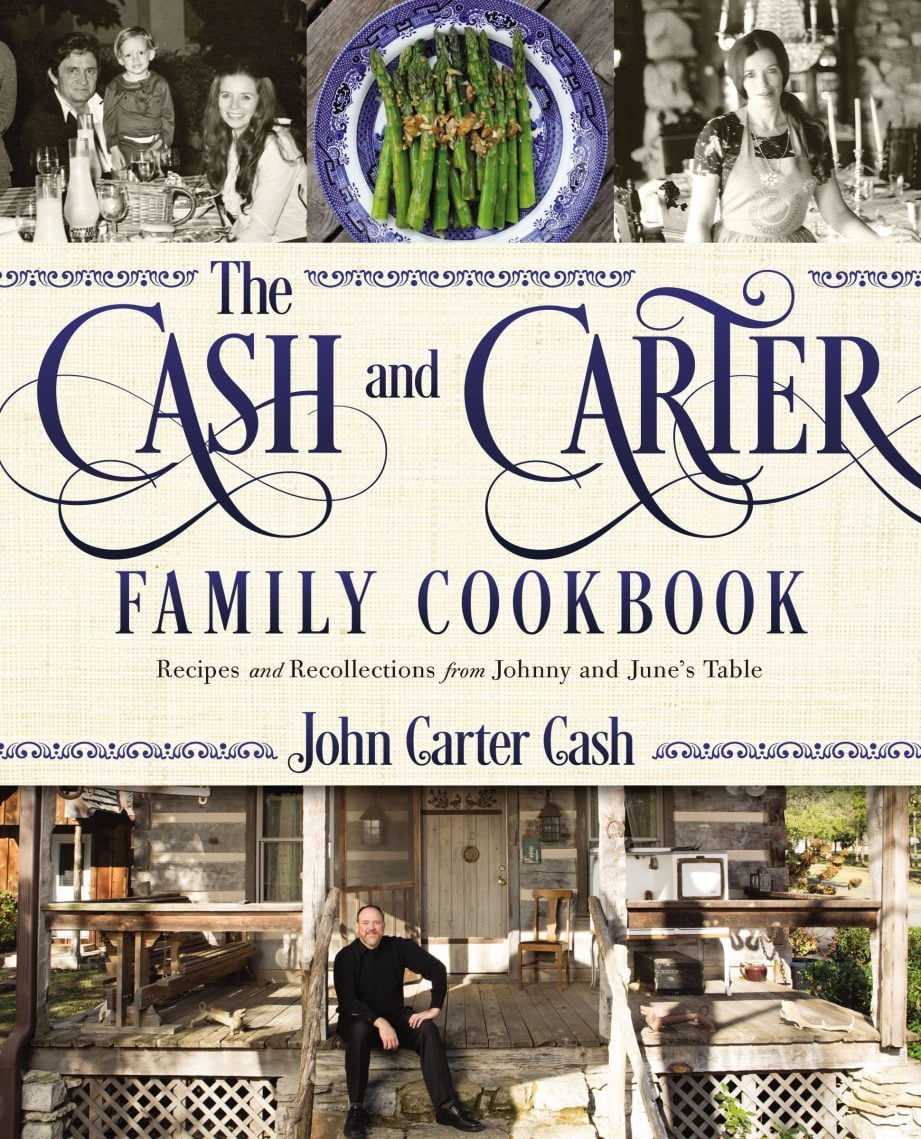

The Cash and Carter Family Cookbook: Recipes and Recollections from Johnny and June’s Table
Author: John Carter Cash
John Carter Cash is a foodie and it shows in this lovely cookbook dedicated to his parents, Johnny Cash and June Carter Cash. Family recipes abound, with the first two recipes being June’s biscuits and Mother Maybelle Carter’s tomato gravy. This isn’t all Southern cooking, however. Johnny and June also liked Asian flavors and vegetarian dishes, including their own veggie burger (a.k.a. Cashburger). The full-color photos are beautiful but the coolest pic is in the front, where the Man in Black presides over a barbecue wearing a white apron and shorts. His famous recipe for Iron-Pot Chili is in here, too.
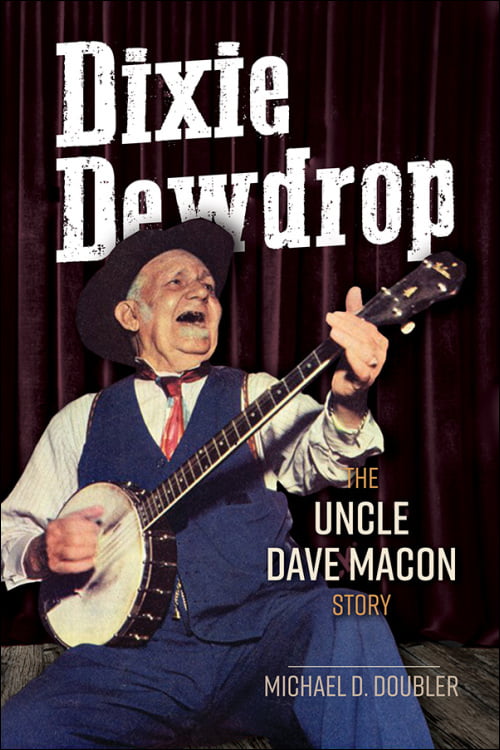

Dixie Dewdrop: The Uncle Dave Macon Story
Author: Michael D. Dubler
Considered the first superstar of the Grand Ole Opry, Uncle Dave Macon is remembered as one of the finest banjo players of his era. This well-researched biography by his great-grandson, Michael D. Dubler, also captures the entertainer’s complex personality. Pulling from original and archived interviews, the narrative provides a detailed account of Macon’s recording output, as well as crucial personal moments, such as his father’s murder in Nashville. Because Macon’s career didn’t really take off until he was 50, the book also conveys just how much strength – both physical and emotional – it took for Macon to stick with it.
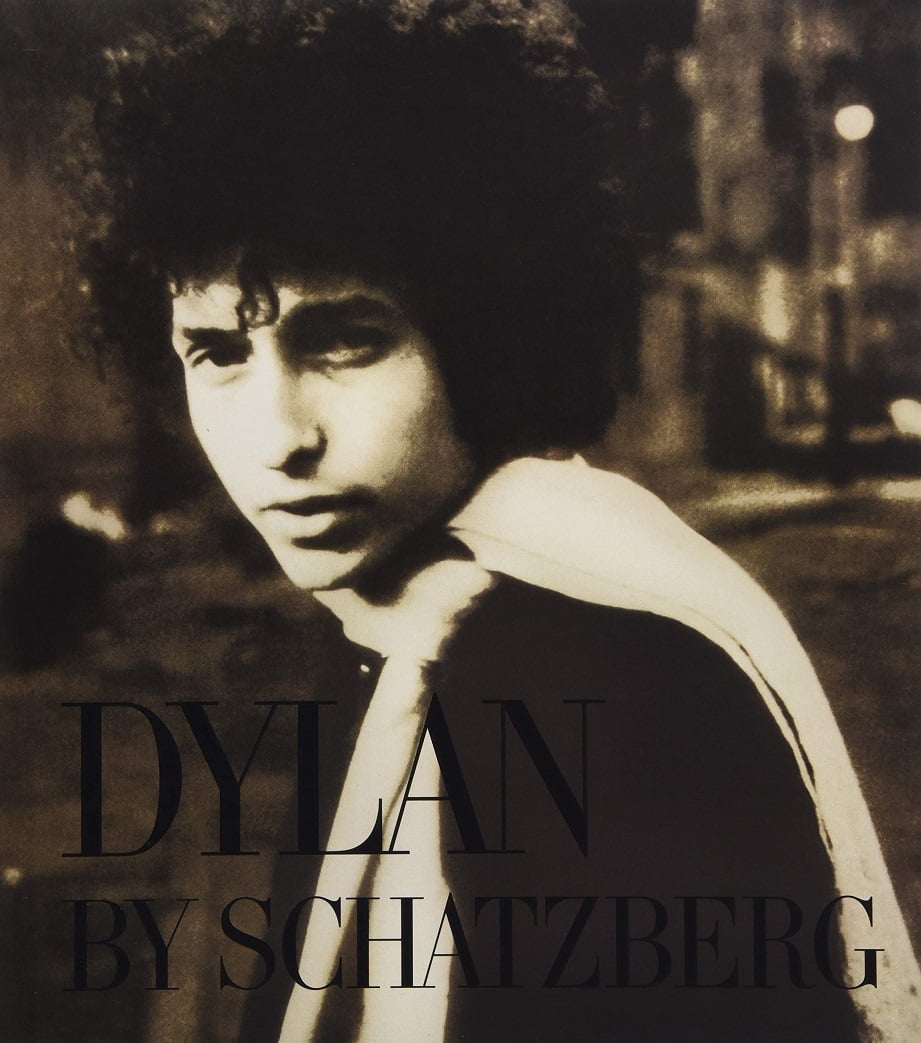

Dylan by Schatzberg
Author: Jerry Schatzberg
Bob Dylan seems the epitome of cool when gazing at the lens of photographer Jerry Schatzberg, who took innumerable pictures of him in the 1960s. Now in his 90s, Schatzberg has compiled personal stories and never-before-seen photos from that era for Dylan by Schatzberg. Inside, the enigmatic subject is documented in recording studios, concert stages, and city streets. For example, Schatzberg snapped the famously blurry Blonde on Blonde album cover in the Meatpacking District in Manhattan. Some believed it was a metaphor for drug use, but Schatzberg says it’s out of focus simply because both men were shaking in the cold.
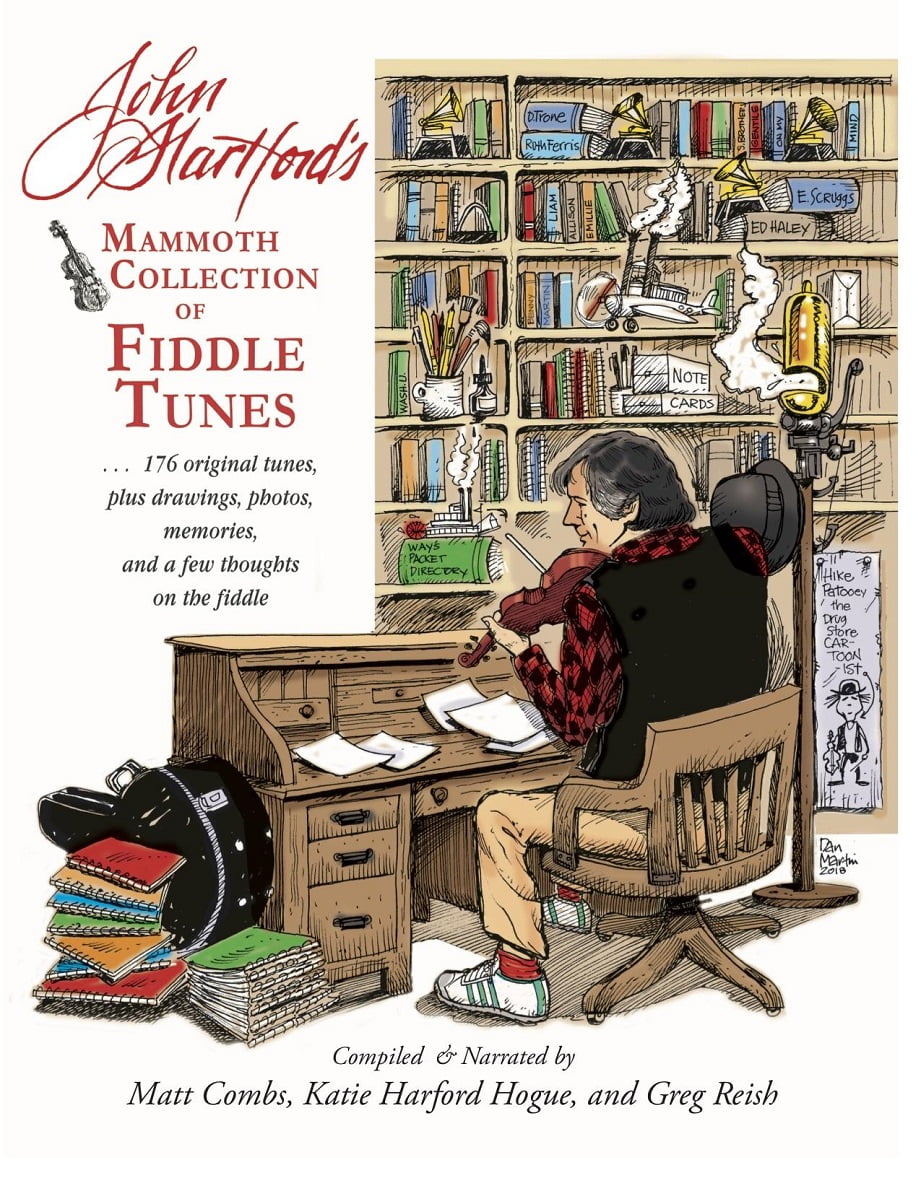

John Hartford’s Mammoth Collection of Fiddle Tunes
Authors: Matt Combs; Katie Hartford Hogue; Greg Reish (Author), John Hartford (Illustrator)
One of acoustic music’s most treasured talents, John Hartford left behind a brilliant legacy that is ceaselessly resonant. This full-color book goes a long way to explain why generations of bluegrass fans continue to admire him. Co-authored by accomplished fiddler Matt Combs, Hartford’s daughter Katie Hartford Hogue, and musicologist Greg Reish, the volume expands beyond career landmarks like writing “Gentle on My Mind” and recording Aereo-Plane. Readers can also peruse 176 original compositions (some never before published), more than sixty of Hartford’s personal drawings, interviews with musicians who still consider him an essential player of American music, and Hartford’s own ruminations on playing the fiddle.
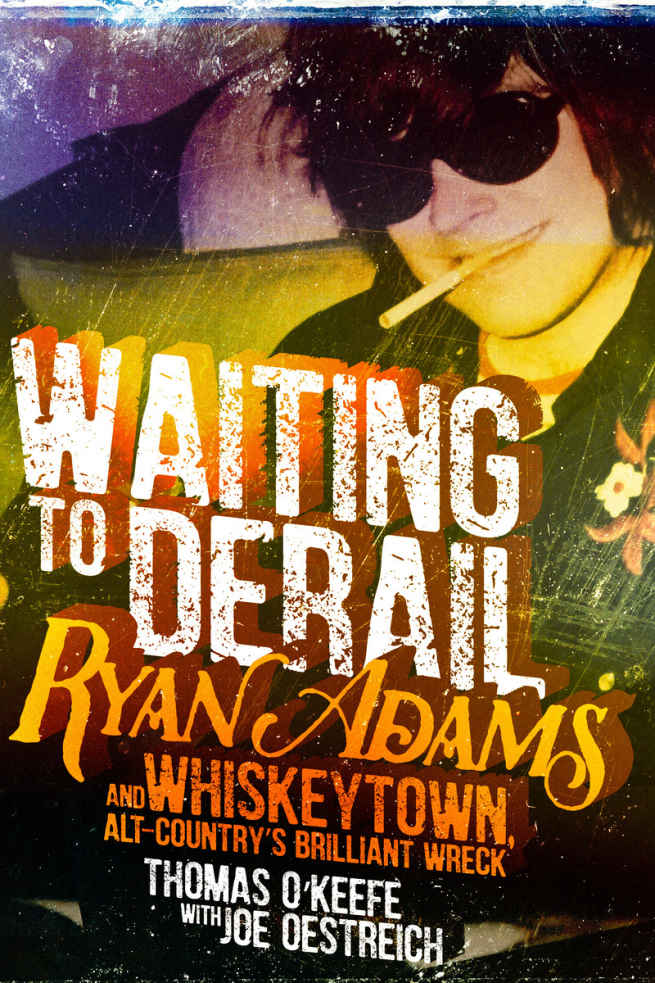

Waiting to Derail: Ryan Adams and Whiskeytown, Alt-Country’s Brilliant Wreck
Author: Thomas O’Keefe
Time has been kind to Whiskeytown’s 1997 album, Strangers Almanac, with country-tinged tracks like “16 Days” and “Yesterday’s News” paving the way for the Americana movement. (Back then it was usually called “alt-country.”) But why didn’t the band have more national success? This candid book written by their former tour manager makes it obvious that Ryan Adams didn’t care about playing nice to fans, venue owners, influential radio programmers or the music industry. Still, there’s an important scene where Adams silences a North Carolina club with “Avenues,” serving as a potent reminder of just how powerful his music can be.
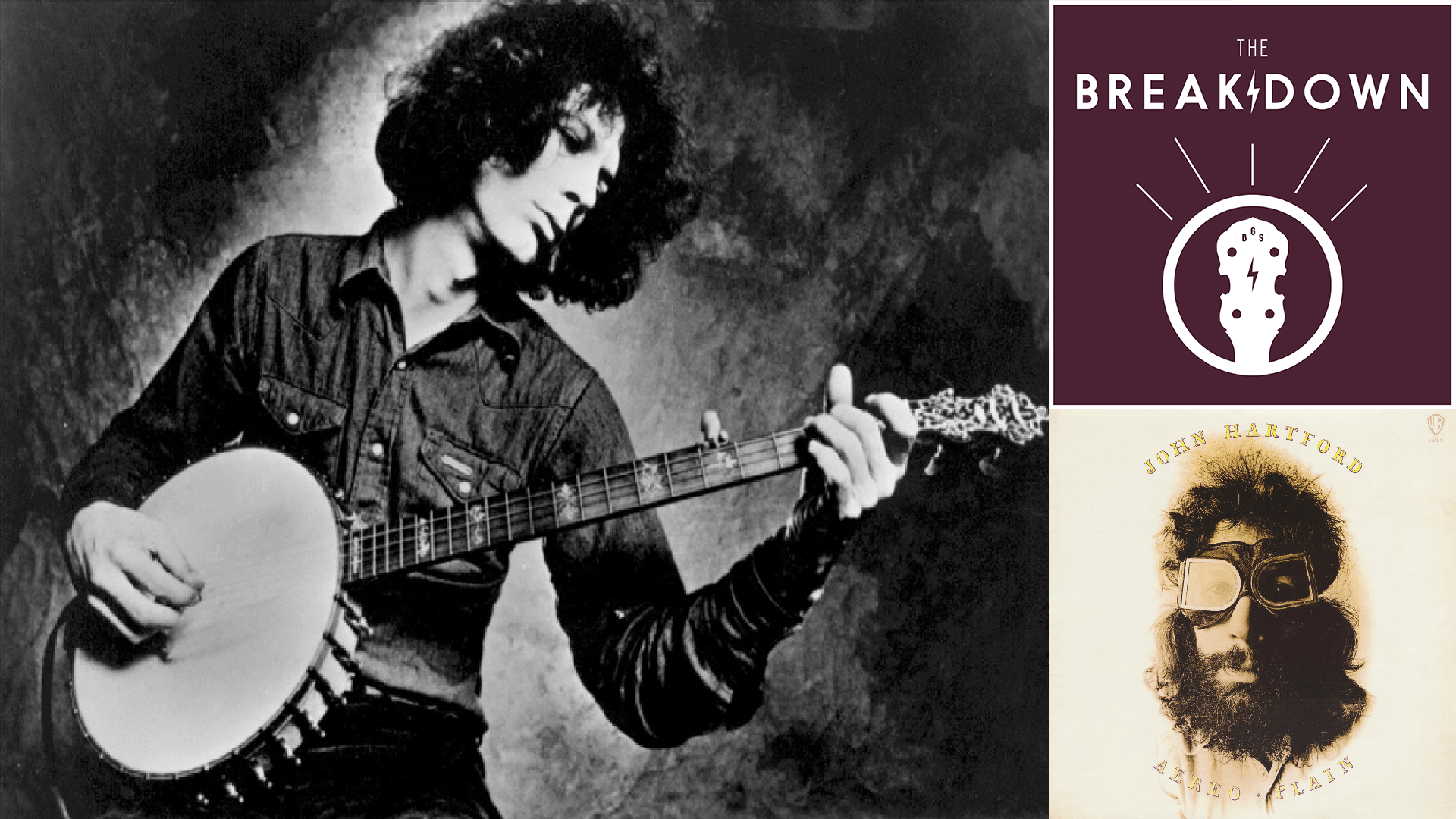

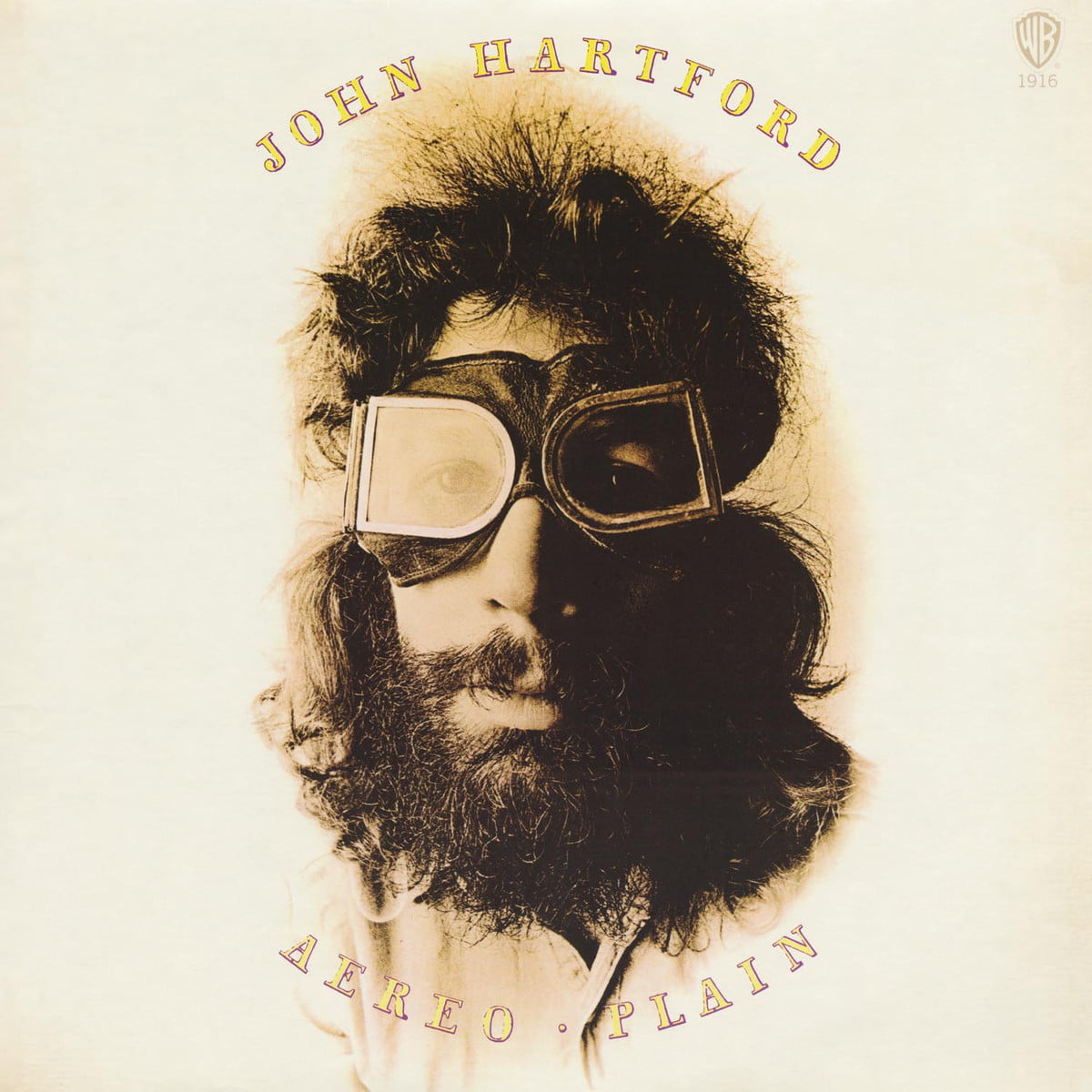
The Breakdown – John Hartford, ‘Aereo-Plain’

Aereo-Plain is probably the greatest album John Hartford ever made — but when it came out in 1971, even his record label didn’t know what to make of it.

LISTEN: APPLE PODCASTSMP3

We’re still not quite sure – is it a genuine nostalgia fest, or was hippie Hartford pulling bluegrass’ leg? And can producer David Bromberg and Vassar Clements superfan Alex Hargreaves help solve the mystery?

Featured Song Clips From “Aereo-Plain”:
“Turn Your Radio On”
“Steamboat Whistle Blues”
“Back in the Goodle Days”
“Up on the Hill Where They Do the Boogie”
“Boogie”
“With a Vamp in the Middle”
“Steam Powered Aereo Plane”
“Tear Down The Grand Ole Opry”
“Station Break”

IBMA Awards 2018: Read the Full Winners List

Some of the most decorated artists in bluegrass, such as Balsam Range, Doyle Lawson & Quicksilver, and the Travelin’ McCourys, picked up even more International Bluegrass Music Awards on Thursday night (Sept. 27) in Raleigh, North Carolina. Other top winners included longtime favorites like Joe Mullins & the Radio Ramblers, Special Consensus, and Becky Buller.

Instrumentalist awards were presented to Michael Cleveland (fiddle), Sierra Hull (mandolin), Justin Moses (Dobro), Ned Luberecki (banjo), Tim Surrett (bass) and Molly Tuttle (guitar). Hot Rize, the IBMA’s first-ever Entertainer of the Year recipient in 1990, hosted the show.

The recipients of the 2018 IBMA Awards, presented by the International Bluegrass Music Association, are listed below:

ENTERTAINER OF THE YEAR:
Balsam Range

VOCAL GROUP OF THE YEAR:
Doyle Lawson & Quicksilver

INSTRUMENTAL GROUP OF THE YEAR:
The Travelin’ McCourys

SONG OF THE YEAR:
“If I’d Have Wrote That Song” – Joe Mullins & The Radio Ramblers (artist), Larry Cordle/Larry Shell/James Silvers (writers)

ALBUM OF THE YEAR:
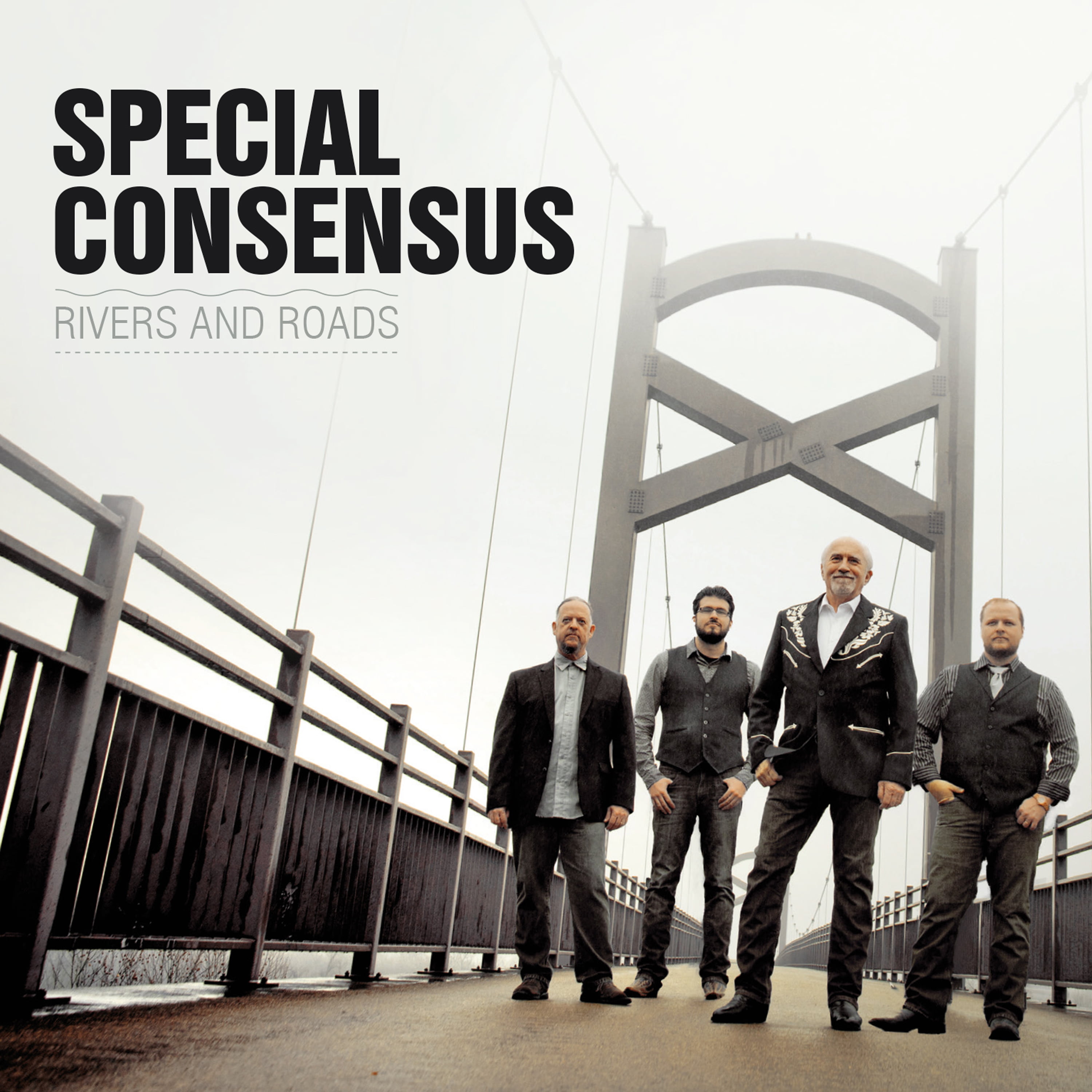
Rivers & Roads – Special Consensus (artist), Alison Brown (producer), Compass Records (label)

GOSPEL RECORDED PERFORMANCE OF A YEAR:https://thebluegrasssituation.com/?p=10924&preview=true
“Speakin’ to That Mountain” – Becky Buller (artist), Becky Buller/Jeff Hyde (writers), Crepe Paper Heart (album), Stephen Mougin (producer), Dark Shadow Recording (label)

INSTRUMENTAL RECORDED PERFORMANCE:
“Squirrel Hunters” – Special Consensus with John Hartford, Rachel Baiman, Christian Sedelmyer, and Alison Brown (artist), Traditional arranged by Alison Brown/Special Consensus (writers), Rivers & Roads (album), Alison Brown (producer), Compass Records (label)

EMERGING ARTIST OF THE YEAR:
The Po’ Ramblin’ Boys

RECORDED EVENT OF THE YEAR:
“Swept Away” – Missy Raines with Alison Brown, Becky Buller, Sierra Hull, and Molly Tuttle (artists), single release, Alison Brown (producer), Compass Records (label)

FEMALE VOCALIST OF THE YEAR:
Brooke Aldridge

MALE VOCALIST OF THE YEAR:
Buddy Melton

BANJO PLAYER OF THE YEAR:
Ned Luberecki

BASS PLAYER OF THE YEAR:
Tim Surrett

DOBRO PLAYER OF THE YEAR:
Justin Moses

FIDDLE PLAYER OF THE YEAR:
Michael Cleveland

GUITAR PLAYER OF THE YEAR:
Molly Tuttle

MANDOLIN PLAYER OF THE YEAR:
Sierra Hull

Previously-announced inductees into the International Bluegrass Music Hall of Fame – Ricky Skaggs, Paul Williams, Tom T. and Dixie Hall – were honored at this evening’s show.

At the Special Awards Luncheon earlier in the day, the recipients of the following awards were announced:

BLUEGRASS BROADCASTER OF THE YEAR:
Steve Martin (Northern Kentucky-based host of Steve Martin’s Unreal Bluegrass)

BLUEGRASS EVENT OF THE YEAR:
Bluegrass on the Green; Frankfort, Illinois

BEST LINER NOTES FOR A RECORDED PROJECT (tie):
Craig Havighurst – The Story We Tell by Joe Mullins & The Radio Ramblers
Peter Wernick – Carter Stanley’s Eyes by Peter Rowan

BEST GRAPHIC DESIGN FOR A RECORDED PROJECT:
Lou Everhart
A Heart Never Knows by The Price Sisters

BLUEGRASS PRINT/MEDIA PERSON OF THE YEAR:
Neil Rosenberg

BLUEGRASS SONGWRITER OF THE YEAR:
Jerry Salley

SOUND ENGINEER OF THE YEAR:
Ben Surratt

BGS 5+5: Kendl Winter

Artist: Kendl Winter
Hometown: Olympia, Washington
Latest album: Stumbler’s Business
Personal nicknames (or rejected band names): Cub, Tindl

Which artist has influenced you the most … and how?

Probably Gillian Welch most honestly. She’s a current songwriter that writes these tunes that feel ageless and they have wings and legs that draw other songwriters to sing them and they end up around campfires and get passed around outside of just the recordings. I love the harmonies that Dave Rawlings brings to the sound and the beautiful dissonance that his solos bring. She’s definitely inspired me to try to write songs that have that kind of agelessness to them. But then again I did mention Two-Buck Chuck and taco trucks in my last record so it’s not a rule, just kind of a wishing…

What was the first moment that you knew you wanted to be a musician?

I think it was singing my torah portion at my bat mitzvah in Arkansas and seeing my great uncle cry and thinking, whoa, music is powerful. I want to do that!

What’s the toughest time you ever had writing a song?

Probably now, it’s almost like writing songs is harder now that I’ve written ones that I like or that people have responded to. I think having too much of an expectation about how a song should be makes it much more difficult to try to write one. I like the child’s mind way of trying to approach songwriting, but it’s definitely harder having already written a bunch and trying not to write the same songs over and over.

What rituals do you have, either in the studio or before a show?

Usually I try to do a handstand or something before the show and get some blood to my head. That and a little whiskey…

Which elements of nature do you spend the most time with and how do those impact your work?

I love being in the woods or up and over mountains or by water, any water. I spend a lot of time trail running, or backpacking and foraging for berries or edible mushrooms and camping with my friends. I feel like the solitude of nature or just the sounds away from the cities is necessary for reflection. I feel the most myself out there.


Photo credit: Erica Keeling

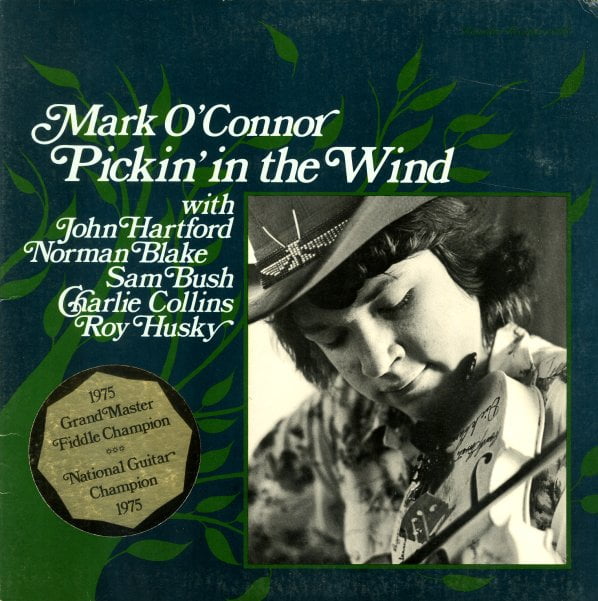
Mark O’Connor, ‘Pickin’ In The Wind’

Mark O’Connor comes about as close to being a household name as any musician in bluegrass (and its adjacent genres). Because bluegrass is predicated upon instrumental skill, the origin point of O’Connor’s recognition will always be his virtuosity, his musical expertise, and his command of his instrument. He’s a true master of bluegrass fiddle and contest fiddle forms, he’s a trailblazer in fiddle-flavored classical compositions of all manners and sorts, his musical code-switching extends to jazz, gypsy jazz, and swing, and he is pervasive on recordings and sessions from his years spent in Nashville. He even has his own violin and fiddle curriculum, The O’Connor Method, which pedagogically capitalizes on and celebrates American music, rather than Western European music, as usual.

Yet, no matter the level to which he transcends any/all musical barriers or the ubiquity of his name and brand, many folks don’t know he’s a maddeningly adept guitar player as well. In his youth, as he racked up wins at fiddle contests far and wide, he was also taking home flatpicking trophies with the same bravado. On his iconic 1976 album, Pickin’ In The Wind, the title track and the first tune on the record opts not to showcase his signature fiddling, but rather his guitar picking — backed up by a band that is no less than jaw-dropping: John Hartford on banjo, Sam Bush on mandolin, Norman Blake on dobro, Roy Huskey Jr. on bass, and Charlie Collins on the rhythm guitar. The tune listens down as straight-ahead bluegrass, but with a chord progression and arrangement that never strays into the simplistic, thanks in part to O’Connor’s compositional taste and the supreme talent of his fellow musicians. It’s an O’Connor staple that doesn’t require a single bowstroke.

So, in celebration of O’Connor’s birthday (August 5), it seems appropriate that we shine a light on the guitar stylings and the unbelievable ensemble of “Pickin’ In The Wind.”

Special Consensus, ‘Squirrel Hunters’

There’s a phenomenon that certain bluegrass instrumentals experience when, for however brief or extended a time, you hear them almost everywhere played by almost everyone. Tunes like the key-of-B barnburner “Rebecca,” or John Reischman’s “Salt Spring,” or David Grier’s legendary reharmonization of “Angeline the Baker” come to mind. Whether during a lap of your favorite festival’s campground jams or wandering the halls of the IBMA World of Bluegrass host hotel, while each of these numbers enjoyed their respective heydays, you could hear them emanating from almost every single circle of pickers. The old-time tune “Squirrel Hunters” hasn’t just been relegated to one single moment; it’s a pickin’ marvel unto itself. Old-time, mash, straight-ahead bluegrass, jamgrass — they all claim “Squirrel Hunters.”

In this host of renditions, one by Chicago-based bluegrass outfit Special Consensus stands out. Not only because John Hartford’s buzzy baritone introduces the track (as if to remind us that “Squirrel Hunters’” moment has been decades and decades long), but because the entire ensemble artfully reimagines a tune that could much more easily be found stale and tired. Rachel Baiman and Christian Sedelmeyer, the fiddley duo 10 String Symphony, kick off the song alongside Hartford’s fiddle, making a technological cameo. The band jumps into a bushy-tailed clip with another guest — the album’s producer, Alison Brown — on a low-tuned banjo (continuing the nods to Hartford), playing call and response, her postmodern five-string against Greg Cahill’s traditional-while-psychedelic approach. A round of breaks, a melodic bass solo, and an epic rearrangement of the chord changes later, you’ll barely realize you’ve listened to a four-minute-long tune without even a hint of a yawn. And that, right there, is why this “Squirrel Hunters” moment goes on and on.

A Harmonic Convergence: An Interview with Robert Ellis and Courtney Hartman

There’s a strangely specific conversation that takes place between two guitars. Long-time friends Robert Ellis and Courtney Hartman know the very kind. They’ve been playing music together for some time now, but they partnered in a new way when they set about to record a selection of folk singer John Hartford’s songs for their collaborative tribute album, Dear John. The musicians — solo artists in their own respect (with Hartman also playing in Americana group Della Mae) — paired their guitars, as well as their voices for a harmonically infused update on Hartford’s work, both known and obscure.

While their voices ebb and flow like the river that runs central to Hartford’s songwriting, it’s their stunning guitar work that elevates the 10-track LP into a conversation within a conversation. The slow, building guitars of “Delta Queen Waltz” trickle like a stream, widening at the first verse’s start to allow Ellis’s and Hartman’s voices space to enter. Then, of course, there’s their take on one of Hartford’s most famous songs, “Gentle on My Mind.” As the song winds down, their guitars spend nearly two minutes in a tête-à-tête that is as evocative as their harmonies at the beginning. Dear John is a winsome nod to the “weird” writing of Hartford told not through his traditional banjo and fiddle, but two very talkative, beguiling guitars.

What was it about this opportunity to sing together that felt so enticing?

Robert Ellis: We’ve been friends for a long time. We’ve been taking every opportunity to play together ever since we met. I think the tour and the record are products of that vibe of enjoying each other’s company.

Courtney Hartman: Exactly. And, actually, the record had been made before we toured.

What about Hartford’s songwriting feels modern or timeless to you, and how do you feel his subject matter still resonating?

CH: John Hartford writes really specifically and really poignantly, and I think those lyrics will always feel timeless. He would also write some really specific cultural or political or environmental songs, and I think they’re still very relevant today.

RE: Yeah, I think that’s a strength of his style. I was explaining to a student the other day — we were talking about writing — I think, when we’re young, all of our instinct as writers is to want to be profound, to search for this way to say something meaningful that no one has said, or just say something in this unique or profound way. I think, as we get older, we figure out that the most profundity there is in the universe is in the little details of, you know, ironing your shirt or the weird interaction you had with a lover at a coffee shop. There’s something about the very specific narrative nature of that tradition that makes these profound things happen. I think, for John Hartford’s stuff, they’re specific ideas about a specific thing happening, and that says something about this much larger, more important thing.

Speaking about his political songs, “Old Time River Man” comes to mind because I couldn’t help drawing parallels to, let’s say, “Peg and Awl,” and the plight of the laborer. Even that feels relevant still.

CH: I think his songs about interactions, people’s interactions, are imminently relatable, and I think it’s the same specific details that he gives that make you go, “Oh, I know that feeling.” Those are still and always will be relevant.

He once described his compositions as “weird songs.” Where do you see them fitting in the greater tradition of folk?

RE: Especially in the context of the world he was in, he’s very weird. I guess everyone’s odd in some way, but he definitely embraced his eccentricities. Rather than shy away from something that’s really nuanced and John Hartford-y, he would embrace it. “Down on the River,” from an arrangement perspective, you have these weird, old-time fiddle lines, and it sounds like he overdubbed 20 tracks of them. It’s a huge section of fiddles. His instinct was to really be himself regardless of the context. I think that’s what drew both of us to him.

As far as themes, one thing I really like about his meaning and motive for writing songs is that he’s really careful to highlight beauty in the world rather than to call out specific things. You catch more flies with honey. Instead of going out and saying, “This is messed up! This is messed up!” he really shows someone how poignant a day of labor can be. A song like “Tall Building,” it’s not necessarily about how the city sucks. There’s this depth to everything he’s saying that’s much more fair and real-life to me, it’s not so preachy.

CH: I don’t know if he would have said it was protest songwriting.

Not exclusively, but I do think protest comes up in a rather sneaky way.

CH: Mmhmm, and I think it comes with a sense of tenderness.

RE: Exactly. It’s not that he’s softer; I just think he’s more honest. Life is this really nuanced, gray area most of the time, and I think songwriting has a bad habit of not allowing that. Instead of being the gray, uncomfortable feeling we all feel, songwriting tries to be very pointed and very one-sided. Writers like Hartford were comfortable being nuanced.

CH: And he wasn’t afraid to use humor and just be a weirdo in the way that he wrote. His ability to make people dance and his deep rhythmic groove and integrity … when people are dancing, you can’t help but listen to what someone’s playing, so songs like “Up on the Hill Where They Do the Boogie,” who knows what that’s about really. I think there are a lot of things that song can be about. Part of the gift of getting to play it for generations is to go, “Oh, maybe it’s about this. Maybe it’s about the hippies on the hill. Maybe it’s about the White House.”

RE: We were playing it the other day, and I thought, “Oh, maybe it’s about Capitol Hill, and you were like, ‘Well, yeah.’”

CH: I was like, “Duh.”

RE: That had never occurred to me. I had never heard it that way.

CH: The whole time I’m like, “This is such a political song.”

Hartford brought together banjo and fiddle for his compositions, whereas you’ve partnered your two guitars. How did you want to cultivate that particular sound while paying homage to Hartford?

CH: My first introduction to learning Hartford material was his fiddle tunes. I think one of the strongest components of his songs is to shape melodies, and to write really memorable melodies. Coming from playing fiddle tunes on guitar was a bonding place for both Robert and me, when we both came to this material. The first tune we learned together was “Delta Queen Waltz.” We thought it sounded really good; we had a lot of fun playing it.

RE: A lot of it, for me at least, was really intuitive.

It does seem that way watching you two play, but that makes sense, if it’s born of this friendship.

CH: We had two days to rehearse this material, but rehearse meant play it over and over again and learn it, and then we had two days to record, so it was all done in four days. We kept being like, “Dang, this is pretty easy,” because we both had similar instincts, so we didn’t have to talk about nuanced arrangement parts of dynamic because there was a deeper level of understanding, musically.

RE: It was really easy. All of it’s been really easy.

It’s nice when it works out that way. This is a weird question, I admit, but besides sounding beautiful, what did you hope your harmonies would achieve?

RE: I think there’s definitely a tension in the harmony thing that we’re doing on this record; I think we went for more of a conversation within the harmony itself because we are doing this thing as a duo. I don’t know. This is all subconscious. I think when musicians do interviews, a lot of the time they do things because it feels right and they do them naturally.

Right, and then they’re asked to think about them more critically.

RE: And then they have these grandiose explanations as to why. The harmony is having a conversation while the two of us are having a conversation, and I think it accidentally — in a good way — reinforces the lyrics of a song. If it’s a love song, then the harmony tends to be really sweet and beautiful and then, if it’s a song about tension in a relationship, we kind of leaned on dark harmony. I think it’s entirely natural that it happened that way. A lot of it is taking cues from the writing. Hartford already did a lot of the work in the writing.

MIXTAPE: Mike Barnett’s Favorite Fiddlers

If you want to know who the best fiddlers in bluegrass and old-time are, ask one of the best fiddlers in bluegrass and old-time … right? Here, Mike Barnett rattles off not just a list of songs by great players, but the reasons they are so great. Enjoy his insider’s view.

“Flannery’s Dream” – John Hartford

Records from John Hartford like Wild Hog in the Red Brush and Speed of the Old Long Bow got me really excited about the energy in old-time music. I never got to meet Hartford, but feel a connection to him through his music. He brings a special vibe that I’ve often tried to channel. I’ve heard stories that he used to have a guideline that nobody in his band could repeat their accompaniment/part for more than one section of a song, everyone had to mix up their playing often, which gives his music a certain drive and breath.

“Black and White Rag” – Johnny Gimble

When I heard Johnny Gimble play at Mark O’Connor’s camp maybe 14 years ago, it was so strikingly Texas, so rooted in that tradition. I particularly remember his feel when playing Texas rags captivating me, like here in the “Black and White Rag.” Johnny helped me understand more deeply the true spirit and community of Texas-style music.

“Bound to Ride” – John Hartford, Tony Rice, and Vassar Clements

Vassar Clements invented his own, incredibly unique style of fiddling. The vibrato, silky tone, double stops and slides … it’s like magic whenever he touches the fiddle, and I can tell within two notes if it’s him. This recording of “Bound to Ride” is a great snapshot into Vassar’s unique way of playing around a melody, backing up the vocal, and lifting the energy of a song.

“Dill Pickle Rag” – Buddy Spicher and Vassar Clements

Buddy Spicher is one of the legends, and one of those fiddlers you’ve probably heard but maybe didn’t know it was him. It was Buddy who got me wanting to play second fiddle — the harmony. This recording of Buddy with Vassar on “Dill Pickle Rag” shows some of Buddy’s genius and virtuosity (and Vassar’s!).

“Lonesome Moonlight Waltz” – Kenny Baker

Hard not to mention Kenny Baker here. I listened to his album Kenny Baker Plays Bill Monroe frequently growing up, and I’m still trying to understand those bowings! His playing is so clean, clear, good tone and time, and great melody player.

“Sally Goodin'” – Paul Warren

“Sally Goodin'” was actually the first COUNTRY hit! #funfact It was Tony Trischka who got me listening to Paul Warren when I was about 17. Another one of the legends in bluegrass fiddle, Paul brings a grit and edge that is often lost in modern bluegrass fiddling.

“Estrellita” – Bobby Hicks

Once Bill Monroe was asked if he had a favorite fiddler of those who’d played in his band. Bill said, “I’ve had a lot of fiddlers come through my band, but I believe Bobby Hicks was the truest fiddler I ever had.” Bobby is the double-stop king, and took a lot from what Tommy Jackson did with his single note playing around a vocal and made it his own.

“Back Up and Push” – “Benny Martin

Benny Martin’s double stops, attack, and full-throttle style really resonate with me. The tone he gets in this version of “Back Up and Push” makes it seem as if he’s got a brick tied to the end of his bow. And when he gets to the shuffle, it’s clear that so many contemporary fiddlers have been heavily influenced by how he did it.

“Raggedy Ann” – Curly Ray Cline

If you’re wondering who ever had the most fun playing the fiddle, all you need to do is search “Curly Ray Cline Orange Blossom Special” on YouTube, and you’ll find that it was in fact Curly Ray Cline! He’s most known for his work with the Lonesome Pine Fiddlers and Ralph Stanley and is as much a treat to watch as to listen to. I love his note choice and where he plays in the beat — what he does with the time.

“Fire in the Mountain” – Scotty Stoneman and Bill Emerson

Scotty Stoneman was a wild man of a fiddler. His double stops and slides, and aggressive approach to the fiddle, are some things I’ve always gone and checked back in with in my listening. You can hear some of what I’m talking about with Scotty’s sound in the recording of him playing “Fire in the Mountain.”

“Learnin’ the Blues” – The Del McCoury Band

The Del McCoury Band is one of the finest — if not THE finest — bluegrass bands still in the business. One G run from Del will set you straight for the whole year. Jason Carter has got the old bluegrass sound, and I love how much he digs in and goes for stuff, and pulls so much sound and soul out of the fiddle.

“Pickin’ the Devil’s Eye” – Bruce Molsky

I’ve always loved this recording Bruce Molsky made with Rushad Eggleston, Darol Anger, and Michael Ducé of “Pickin the Devil’s Eye.” The groove masters! Or maestros! Bruce’s propulsive bowing, groove, and reverence for tradition is really remarkable. He’s basically a one man band, and hearing him here is transcendent.

“Buffalo Nickel” – Béla Fleck and the Flecktones

Stuart Duncan has played on countless recordings so it was hard to choose just one, but Béla Fleck’s Bluegrass Sessions was one of the most influential for me, and a major landmark in acoustic music. “Buffalo Nickel” is gorgeous, and Stuart plays the melody with so much taste, tone, feel, soul, intonation … all the good things. To me, Stuart has always been sort of a perfect combination of all the things I love about fiddling.

“Future Man” – Strength in Numbers

Mark O’Connor is one of the most versatile players on the planet, combining so many styles and influences so flawlessly to create his own incredible voice. Telluride Sessions by Strength in Numbers is another must-have album. The way everyone plays together, and Mark’s precision and virtuosity … amazing. His solo here on “Future Man” is a highlight — a glimpse of what Mark is capable of.

“Ducks in the Millpond” – Aubrey Haynie

Aubrey Haynie is the initial reason why I got into bluegrass. His sound made me want to learn how to do that. One of my favorite fiddle albums out there is Aubrey’s The Bluegrass Fiddle Album. I like this cut of “Ducks on the Millpond” — a really cool instrumental that weaves between three sections. Aubrey mostly plays the melody with so much tone and taste, and varies it slightly toward the end.

“Sweet Georgia Brown” – Billy Contreras

Not everyone is familiar with the fiddle stylings of Billy Contreras, as his genius is less substantially documented. I think he is the greatest improviser on the violin to ever live, and a master when it comes to bluegrass, swing, modern jazz… he can do it all. His brilliant, almost mathematical mind for music, combined with his deep heart for it all, is endlessly inspiring.

“Lee Highway Blues” – Darol Anger and Stuart Duncan

Growing up, I listened to so much music that Darol Anger is responsible for: Republic of Strings, duo with Mike Marshall, his own projects, his work with the David Grisman Quintet, etc. Besides his amazing lead playing, he is known for paving new roads for the violin as a rhythm instrument with his infectious groove and development of the fiddle chop. His album, Diary of a Fiddler, has so many thoughtful duets with great fiddlers of different styles.

“It Don’t Mean a Thing” – Stuff Smith

Matt Glaser, who turned me onto so much priceless music during my time at Berklee College of Music, introduced me to Stuff Smith. I love Stuff’s emphasis on groove and blues, and the grit and directness in his sound.


Photo credit: Justin Canerer

Robert Ellis & Courtney Hartman, ‘Gentle on My Mind’

Sometimes, songs become so imbedded in our minds, and our culture, that their essential nature makes us forget how unusual they may actually be. And one like “Gentle on My Mind,” written by John Hartford and made iconic by Glen Campbell, is no exception. Hartford, himself, admitted that it actually broke all the musical rules, in terms of what should work commercially — it’s layered thick with his signature newgrass banjo instrumentals, it’s more poetry than traditional verse-chorus-verse (in fact, there is no proper chorus), and it was written in just 20 minutes. Now, it feels like a traditional, and a priceless one at that. Still, Hartford’s not a household name. Though years after his death in 2001, he’s up there amongst the treasured gods in the eyes of so many modern working artists, particularly in the folk, Americana, and country realms.

He’s certainly an influence on Robert Ellis and Courtney Hartman, who toured together and developed an artistic symbiosis on the road before recording Dear John, their tribute to the work of Hartford that will be released on December 8 through Cory Chisel and Adriel Denae’s Refuge Foundation for the Arts. And this version of “Gentle on My Mind” from the collection showcases the kinship Ellis and Hartman carry with the Grammy winner. Together, their voices meld into a soft, harmonious coo, and a luscious, complex interplay of guitar gives the song new life despite its classic status, particularly as the last minute dissolves into just instruments alone when these two incredibly gifted players add what feels like a hidden last verse with no vocals to be found. Utilizing the bones of the past to pave way to the future, they prove that timeless and gentle can still cut just as deep.

Canon Fodder: John Hartford, ‘Aereo-Plain’

In September 2016, I did an interview with banjo player and producer Alison Brown for the now-dormant Producers column, and she told me a little bit about her studio in Nashville. Compass Records is headquartered there now, but 40 years ago, it was known as Hillbilly Central, where numerous outlaw and outlier country albums were recorded. “If I’d known John Hartford recorded Aereo Plain here, I would have been even more intimidated than I already was,” she confessed. “You could set the bar so high for yourself thinking about the other music that’s been recorded in the room, but, at the end of the day, you just have to look at it as there’s great energy in the room, great vibes in the walls, and you have to tap into that.”

I had to admit I didn’t know the album or much about the man. I knew the name, but that had more to do with the namesake music festival near my home than with any of his actual music. With minimal research, I learned that he was most famous for writing the song “Gentle on My Mind,” a late ’60s hit for Glen Campbell that was covered by everyone from Dean Martin to Aretha Franklin to R.E.M. to (most recently) Alison Krauss to (most strangely) Leonard Nimoy. I learned that Hartford was influential in the Newgrass trend of the ‘70s, and I learned that two of his songs had been included on the O Brother, Where Art Thou? soundtrack, the Big Bang of roots music in the 21st century. I learned that he was an accomplished multi-instrumentalist who clashed with celebrity of any kind. He died of non-Hodgkin lymphoma in 2001.

It’s always instructive to fill in these odd gaps in your musical knowledge, and the experience got me thinking about the roots canon, if there is such a thing. It’s a broad term that covers a wide range of styles and traditions and formats, from old-time field recordings to blues and gospel performances to the latest folk and country album releases to bluegrass classes in Appalachia. It’s almost impossible to connect all the dots, but it’s interesting to think about: Which record should every roots fan know about? What would a canon tell us about roots music in the 21st century? What would it say about American traditional music at a time when the entire notion of America is up for grabs?

Those questions became the foundation for this new column called Canon Fodder, so named because I like obvious puns. Each month we’ll examine a new album by an influential artist and explore its impact across generations. Hopefully this will allow us to approach some old artists in new ways, to hear familiar songs with fresh ears. If you have any nominations for albums to consider in this column, please leave them in the comments section below. I can’t promise we’ll get to each and every one of them, but I’ll definitely add it to the list.

In the meantime, it seems worthwhile to kick things off with Aereo-Plain. Brown is right: It does sound intimidatingly magnificent. There are only a few instruments on these songs, but they’re mic’d beautifully to capture the minute grain of Hartford’s banjo and the vibrations of every string on the strummed guitar. Even the goofball vocals at the end of “Boogie” — sung low and phlegmatic, as though making fun of the song that just played — are recorded lovingly and carefully, as though every mucus rumble were important. What makes the album remarkable isn’t so much the sound of the instruments, but the way they interact with one another. They’re alternately genial and hostile toward one another, supportive and undermining. The banjo plays a practical joke on the guitar; the guitar reciprocates. Especially on “Symphony Hall Rag” Hartford evokes a parallax quality in the production, with the rhythm guitar so deep in the background of the song that it sounds out of focus, which makes the song sound slightly askew.

Actually, all of Aereo-Plain sounds slightly askew … most of all Hartford himself. He comes across as something of a mad hatter on these songs — a Frank Zappa parodist for the roots set, pushing bluegrass as a countercultural force. He understands there’s power in wackiness and, even more than Pete Seeger, he believes the banjo can be a weapon against capitalism, complacency, the mainstream, the music industry, electrified instruments, or even conventional song structures. “With a Vamp in the Middle” is a meta song about itself: “I wrote this song with a vamp in the middle,” Hartford declares, but he never really gets to that vamp. He just keeps playing and singing.

If loneliness pervades these songs, it’s largely an effect of the times, an inescapable by-product of living in America during the early 1970s, when the hippie dream was curdling into something of a nightmare of violence and regress. Nixon was already a crook, but hadn’t been impeached yet. Altamont had killed the ‘60s, but the ‘70s hadn’t quite defined itself yet (at least not in America; in England, glam was already starting to define the era). Singer/songwriters like James Taylor and Cat Stevens were starting to make inroads into the mainstream, but no sound or movement defined the pop or country landscape.

Hartford sees not a land of promise or possibility, but a society gone to seed, eaten alive by progress: “It looks like an electric shaver now where the courthouse used to be,” he sings on “Steamboat Whistle Blues.” “The grass is all synthetic, and we don’t know for sure about the food.” It’s not that he wasn’t made for these times; it’s that the times aren’t made for human beings. “We’ll all sit down at the city dump and talk about the good old days,” but it’s the way he sings “city dump” that makes you think the phrase is redundant. He may decry the commodification of country & western on “Tear Down the Grand Ole Opry,” but Hartford understands that music may be our last connection to a more fulfilling past, and Hartford is content to sit down there among the refuse just pickin’ and strummin’ and singin’ and fiddlin’ while Rome burns.

These songs long for a return to the American pastoral, an escape from the pressures of progress and politics to a pre-industrial ideal and, for that reason, the album sounds alarmingly current. “Sittin’ on a 747 just a-watchin’ them clouds roll by. Can’t tell if it’s sunshine or if it’s rain, rain, rain,” he sings on the title track, his voice rising into a comical falsetto. “Rather be a-sittin’ in a deck chair high up over Kansas City on a genuine ol’ fashioned authentic steam-powered aereo plane.” It’s a dream and a mission statement — one that knows the very idea is an innocent impossibility.

Perhaps Hartford knew, or perhaps he didn’t know, that tinkerers and inventors had been trying to build such a contraption since the 1840s, when an aerial steam carriage was patented by the British inventors William Samuel Henson and John Stringfellow. Even before the Wright Brothers went airborne at Kitty Hawk, they had managed to fly a small craft on a steam engine, but they couldn’t reconcile the power of the steam with the weight of the engine. It was folly, and maybe that’s why Hartford longs for the freedom of such a fantastical vehicle. There’s power in folly, an unbridled joy in whimsy that sounds like an intense form of dissidence and defiance.