BGS 5+5: LULLANAS

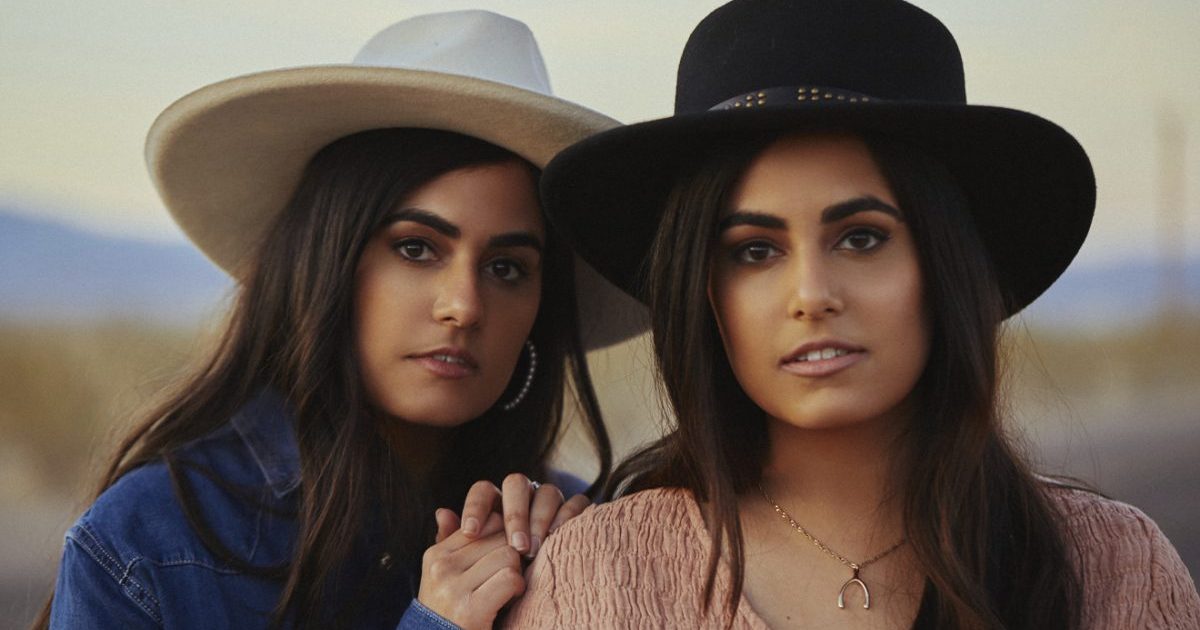
Artist: LULLANAS (twin sisters Atisha and Nishita Lulla)
Hometown: Philadelphia, Pennsylvania
Latest album: Before Everything Got Real EP

Which artist has influenced you the most … and how?

It’s really hard for us to pick just one… honestly our music catalogue really started developing when we noticed the music in the background of tv/film/commercials. Once we saw how instrumental (pun intended) songs were to telling the story… that’s what really took our breathe away. Some artists who inspire us through that realm are Ingrid Michaelson, Peter Bradley Adams, and Gregory Alan Isakov.

What’s your favorite memory from being on stage?

We drove down to Nashville for a week and got a chance to play at the Bluebird. It was a moment we built up in our heads for a while and it did not let us down. We only played a few songs, but as soon as Nishita strummed the first chord to our song “Melody” on her guitar… the room went silent. It was the kind of intensity every artist craves. We could tell that the audience was taking in every feeling, every lyric, every note and any intimate artist to listener moment like that is a favorite stage moment for us.

What other art forms — literature, film, dance, painting, etc — inform your music?

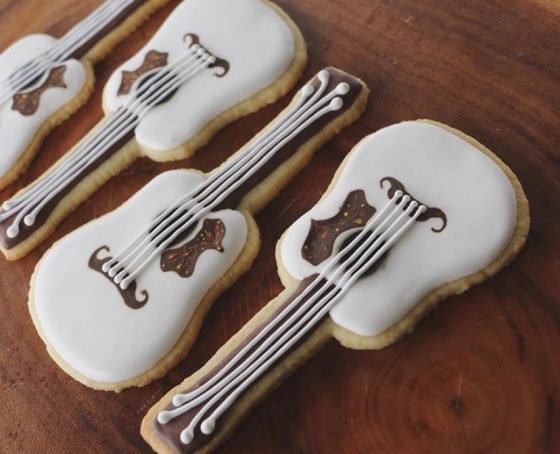
When we aren’t creating music, we are in the kitchen baking up a storm. For us, baking is all about the process and attention to detail. The same goes for our music. One of our favorite things to do is create custom cookie designs inspired by artists who we look up to. We use baking as another outlet of artistic release. What we can’t write/sing about, we can bake about.

What’s the toughest time you ever had writing a song?

We had the chorus scribbled on a page for one of our songs off our latest EP. It was just a chorus for about seven months. No matter how bad we wanted to finish it… we just couldn’t. Eventually, taking a step back from it was what helped us complete it. It was one of the toughest times, but also one of the most rewarding.

If you had to write a mission statement for your career, what would it be?

To create music that helps people feel something in a world that can be a little numbing at times.


Photo credit: Lenne Chai

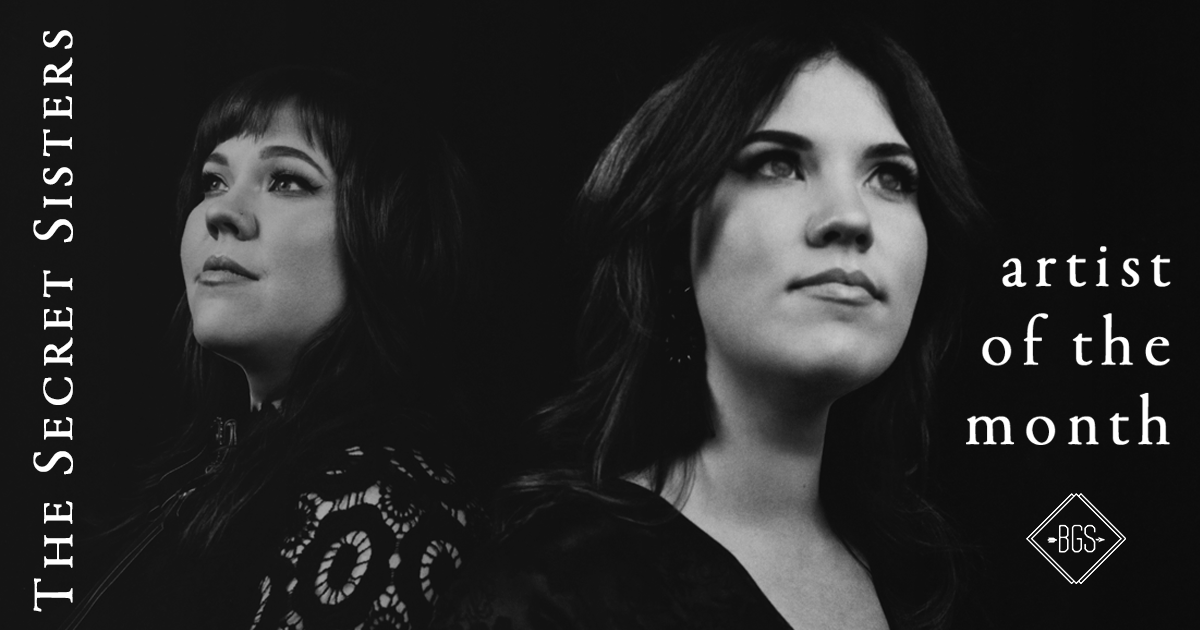
The Secret Sisters’ Laura Rogers: From Separation to ‘Saturn Return’ (Part 1 of 2)

Laura Rogers and Lydia Slagle are best known for doing things together. As sisters, they’ve celebrated birthdays, graduations, and many more of life’s big milestones together. As the Secret Sisters, they’ve made a name for themselves singing together, with intuitive harmonies that lend a honeyed sheen to folk tunes, country anthems, and the occasional murder ballad, too. But for their latest album, Saturn Return, the duo tried things a little differently.

At the suggestion of Brandi Carlile (who co-produced Saturn Return with twins Tim and Phil Hanseroth), Laura and Lydia recorded their vocals separately for the first time, integrating lengthy solo segments in addition to their trademark harmonies. The resulting record reveals two women at the top of their crafts, reveling in their independence while cherishing the inimitable depth of their voices together.

In tribute to their recording individually for the first time, BGS spoke to each sister separately, too. In part one of our Artist of the Month interviews, Laura talks about the influence of her hometown, self-inflicted career pressure, and how Carlile introduced the sisters to new sides of themselves — both individually and as a group.

BGS: You sang separately from your sister on this album for the first time. What did that feel like at first, and how did your feelings about it evolve?

Laura Rogers: I was very uncomfortable about it at first. I play off of Lydia, and I choose my notes based on what Lydia chooses. We read each other so closely when we sing together. Singing without her felt like driving a car for the first time without your parent in there. But when Lydia sang by herself, even though I know she was uncomfortable, I sat there listening to her and thinking, She is so good. She’s so good. I remember thinking about how glad I was that her voice was finally going to get a chance to be heard without mine, because her voice has so much beauty to it.

I thought, It’s time for people to hear what Lydia sounds like without me distracting them. But I was super scared to sing by my self, just because I … Well, I just don’t feel like I sing as well without Lydia. I’m more critical of myself, and I don’t have her to kind of pick up the slack that I need. [Laughs] So in the moment, I remember thinking, I don’t know if this is the right thing. How are we going to pull it off live? But then of course, after the record was done, we would listen back to it, and Brandi’s theory about it was so… right. And so beautiful.

How so?

While we were recording, Lydia and I really were in really separate places for the first time in our lives. I was pregnant and Lydia was trying to get pregnant. We felt this chasm, the two of us. We felt like we were in different places. Brandi could see that, in her bird’s-eye view of our circle. She knew that she needed to capture that moment.

Lo and behold, a few months later, we found out that Lydia was pregnant too, and we were back on another path together. We had been separate for only a moment. So I’m really thankful. I feel like Brandi is a really good photographer who caught the perfect moment with the perfect light and the perfect ambiance — this really special moment that will never come again.

You’ve recorded murder ballads and darker songs, and “Cabin” on this record — which you’ve said grew out of coverage on the Kavanaugh hearings — touches on a crime that was never brought to justice. What are the challenges and nuances you have to consider when broaching topics like those?

That’s a good question. “Cabin” can really be about a pretty broad range of crime. But we were specifically writing about sexual crime: abuse, harassment, and mistreatment of people by those in places of power. We had a message that we wanted to convey, but it felt like we had to tiptoe around some things to try to avoid any sort of heavy political slant.

Lydia and I are not political songwriters. We just aren’t, and don’t want to be. But there are certain elements of that that do come up in our writing that we feel like we have to kind of carefully craft in order to express ourselves, but not isolate. That’s also true with murder ballads. It is a sensitive subject matter, and our protection — up until we wrote “Cabin” — was the fact that those songs that we had written were mostly fiction.

When [our songs] talk about getting your heart broken, or going through bankruptcy, or being done wrong by someone who is supposed to be your friend, those are actually based in truth. We would never specifically mention anyone by name, but if they hear the song, they’ll know that we’re talking to them. If you feel like we’re singing to you, we are.

That’s the way that we view our music — as therapy. The murder ballads have always been about us challenging ourselves to write songs about things that we didn’t experience. On the flip side of that coin, there are a lot of songs that we went through firsthand and had to process through writing.

You sing about the push-pull of success in “Nowhere Baby.” What does that song mean to you, and how do you fight back against the low moments?

I hope that people can find their own story in a song like that. For us, “Nowhere Baby” is about constantly feeling like we’re arm wrestling the music industry; feeling the need to say yes to everything that comes along, because you’re afraid that if you say no you’re going to set yourself back or miss an opportunity; feeling like you need to prove yourself. As artists, creative souls, and women, sometimes we put that on ourselves. We make these ridiculous schedules that we think we have to stick to. “If we don’t go do this show, what’s gonna happen? Are we gonna miss something that could be really important, could get us to the next level?”

We are so hard on ourselves about our careers. We love music, and we love that we’ve gotten to make a lifestyle of playing our songs on the road, but it’s a hard life. You sacrifice more than people on the outside ever realize. You miss the birthday celebrations and the holiday events. Through experience in the ten years that we’ve been on the road, we’ve learned that it’s OK if you need to just be a person for a minute. It’s OK if you want to just sit at home for a few weeks. Nobody’s gonna forget about you, you’re not going to lose your edge.

You’re from just outside of Florence, Alabama, and started singing harmonies with your sister at church. Did your hometown have any impact on the artist you are today?

Oh yes, 100 percent. We grew up pretty close to Muscle Shoals, which is obviously a legendary place for music. But we weren’t exposed to the music of Muscle Shoals as much as you might think. We listened to more folk music, bluegrass, gospel, and country. And where we are geographically had influence on us as musicians — I mean, it’s this weird little place that’s so perfectly located. It’s close to Nashville, so you get the country music influence. It’s close to Memphis, so you get a little bit of the blues. It’s close to the mountains, so you get some Appalachian music. You get gospel music, because we’re in the middle of the Bible Belt. It’s this perfect spot where these little genres of roots music all began.

I think living in a rural place, and growing up where there isn’t a lot to do other than hang out with your family or do sports or play music, is why we are the way that we are, and why we’ve become the musicians that we’ve become. We are so spiritually tied to our hometown. When I leave, I become a different person, and it’s almost like I have to go back to regroup and establish myself again. I come home and I’m like, oh, that’s who I am. [Laughs] I may get to go to all these great places, but when I come back, I’ve still got to scoop up chicken poop off my porch.

Read our interview with Lydia Slagle here.


Photo credit: Alysse Gafkjen

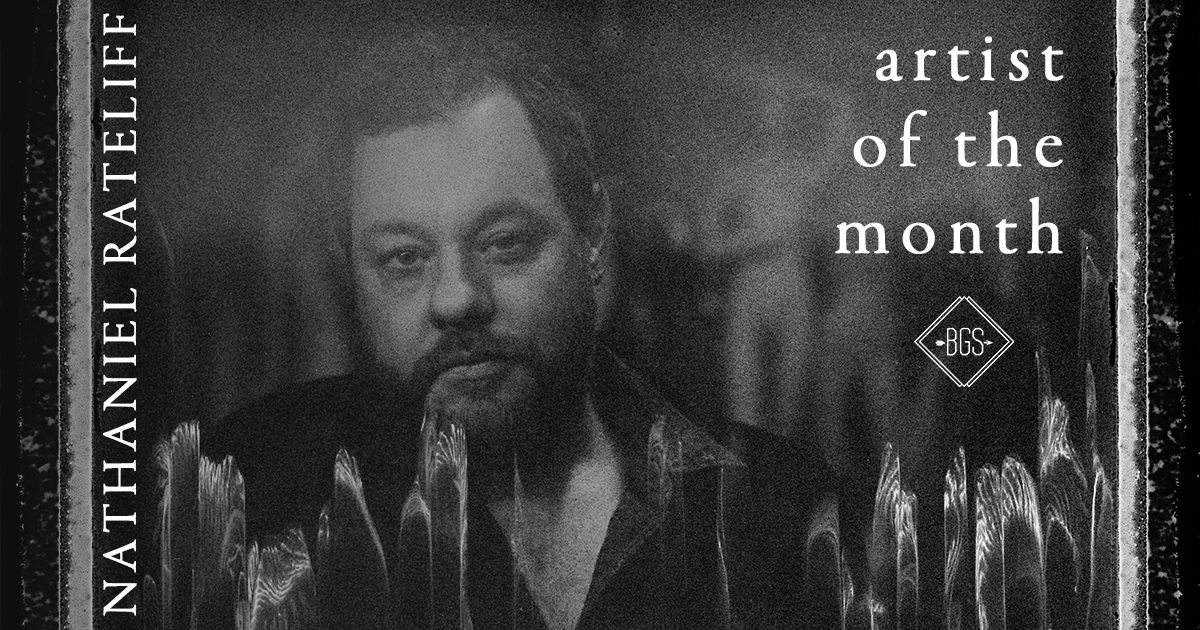
On Tour, Nathaniel Rateliff Wants to Create an Experience (Part 2 of 2)

Nathaniel Rateliff’s And It’s Still Alright marks his first full-length solo release in seven years and grapples not just with the loss of a romantic relationship, but with the unexpected passing of his friend and collaborator Richard Swift, with whom he had planned to record it.

In this portion of our conversation, we discuss Rateliff’s songwriting on And It’s Still Alright — which ventures further into vulnerable, introspective territory than did his previous work with his band the Night Sweats — as well as his time in the studio and how he plans to bring these songs to life on his solo tour, which runs through the summer.

Read the first part of our BGS interview with Nathaniel Rateliff.

BGS: Given the way “And It’s Still Alright” came out, you mentioned earlier that “All or Nothing” began with a chord progression. Do you have a songwriting process you typically follow, or does the creation look different each time?

Rateliff: It’s really song-to-song. It always seems to change for me. “All or Nothing,” with that song in particular I really wasn’t trying to write a song. This progression had come up and I played it at a bunch of different tempos. It reminded me of the Eddy Arnold song, “Anytime.” It has this Western-swing progression to it, and I really liked it. Then I started playing these jazzier chords I had learned that I wouldn’t play with the Night Sweats and it turned into a song eventually.

I had a handful of different words to it. As I remember, at one point the chorus was like, “I got heavy shoulders but I’m not blue.” It didn’t really make sense. [Laughs] That turned into, “I got all this and nothing, too.” So it really does vary. That song was a chord progression that a vocal melody kind of came out of. And sometimes I’ll start with a vocal melody or a phrase and write music around all of that.

“And It’s Still Alright,” the original idea was me sitting in a hotel playing guitar by myself. Richard and I went and saw Tom Petty together. The way [Petty’s] song structure was, you start with a massive chorus and it goes into a verse that’s an even bigger chorus and it’s hook after hook after hook. One of my buddies was listening to “And It’s Still Alright” and he’s like, “Yeah, it’s kind of like it’s only bridges. There’s no chorus.” But there’s something interesting about it, since it doesn’t have a traditional hook.

You mentioned the time you all spent in the studio together. It sounds like you had a great group of players and collaborators who were able to join you. What do you look for in a collaborator, and what is it about a musical partnership with someone that feels right to you?

Even in the beginning, when the first Night Sweats records started, I had grown weary of being the traveling singer/songwriter troubadour kind of guy. I was really over playing acoustic guitar for a little bit. So I was making these demos in my attic, then I shared them with Richard and we decided to make a record. I brought Patrick Meese out with me, because I knew we could both play multiple instruments and that we’re pretty good at not getting our feelings hurt when advising each other about portions of the songs.

Sometimes you have something you think is a great idea and it just doesn’t work; being able to work with somebody who isn’t overly sensitive about that stuff is really helpful. You don’t want to have this unspoken tension or this idea that someone is musically picking on you when they don’t like your ideas… The biggest thing is being able to be in the studio with somebody where there is this element of seriousness in approaching it as work and respecting it as a craft, but there’s another side of it where you have to lighten up and have a good time.

Yeah, if you aren’t having fun, what’s the point of doing it at all?

Exactly. I hear stories of people who are like, “Oh, they got that on the 70th-something-odd take,” and it’s like, “Fuck that!” If we’re not getting it in the first two or three, we’re probably screwing something up.

With the Night Sweats, of course, you were releasing music via Stax, but this is your first solo release you’ve been able to do with the label. Given the label’s history, what does it mean to you to be able to work with them, and what has spending the last several years of your career with them opened up for you creatively?

With the Night Sweats stuff it was like, well, the sound I’m really trying to come up with is influenced by Sam & Dave. My original idea for the Night Sweats was, I wanted to have the feel of when the band would play R&B songs like “Don’t Do It.” Their sort of gritty, funky, but slightly Southern feel and approach to the songs — swamp rock, I guess. But then also have these harmonies, like the Sam & Dave harmonies, with these big, powerful voices. Then I wanted everyone in the band to be working for the song. I wanted it to be a sweaty revival.

Originally I was signed to Rounder and got dropped when Concord kind of took over. Then I eventually got signed by the parent company, Concord, and when I found out they worked with Stax, I was like, “Is there any way we can put this out with Stax?” We shared the record with them and that started our journey together. To me, Stax is such an important part of the community in Memphis and part of the thing I love about music is how it’s a community-builder. We really need that nowadays. We need to be more in touch with the people around us and be more understanding and more caring overall. Also, just that roster; it’s all the greats. It hits me when I look at it. It’s pretty amazing.

It sounds like the tour will really showcase several different sides of you as a musician and as a performer. What are you most looking forward to about getting on the road and getting to play these new songs live?

We’re really trying to create an experience. The other thing, too, since it’s mostly the Night Sweats guys in this band, it’s fun to be able to show people, in pulling these songs off live, that we’re really creating and playing whatever type of music that appeals to us at any given time. Hopefully that will make us look like we’re not just a one-trick pony.

WATCH: LULLANAS, “Memphis”

Artist: LULLANAS
Hometown: Worcester, Pennsylvania
Song: “Memphis”
Album: Before Everything Got Real
Release Date: April 24, 2020
Label: Nettwerk

In Their Words: “What started as a few scribbles on a page and some acoustic guitar was brought to a level we couldn’t have ever imagined. Everyone has their own version of their ‘Memphis.’ This song takes listeners on their own journey, but in the end, we all end up at the same place with the same feeling. We got to record our debut EP with Grammy Award-winning producer Peter Katis (The National, The Head and the Heart, The Paper Kites) whose work we have admired for years. Seeing our song being built from the ground up was truly a life changing experience for us. The video was directed by Lenne Chai, and seeing her stunning interpretation of our lyrics really brought the song life.” — Atisha and Nishita Lulla, LULLANAS


Photo credit: Lenne Chai

LISTEN: Nick Pagliari, “When I Leave”

Artist: Nick Pagliari
Hometown: Memphis, Tennessee
Song: “When I Leave”
Album: Midway
Release Date: January 31, 2020
Label: Ride the River Records

In Their Words: “Written a couple months after the death of Tom Petty, my musical hero, ‘When I Leave’ takes the perspective of how he might have wanted others to remember him and his beautiful legacy. He was a brilliant songwriter and extremely hard worker. Tom was so into his craft that at times he would sacrifice his own well being for the sake of his music and for his fans. ‘When I Leave’ honors the man’s life that had such a huge impact on not only myself, but so many people in this world. Thank you Tom.” — Nick Pagliari


Photo credit: Barbara FG

Charley Crockett Takes “5 More Miles” to DittyTV in Memphis

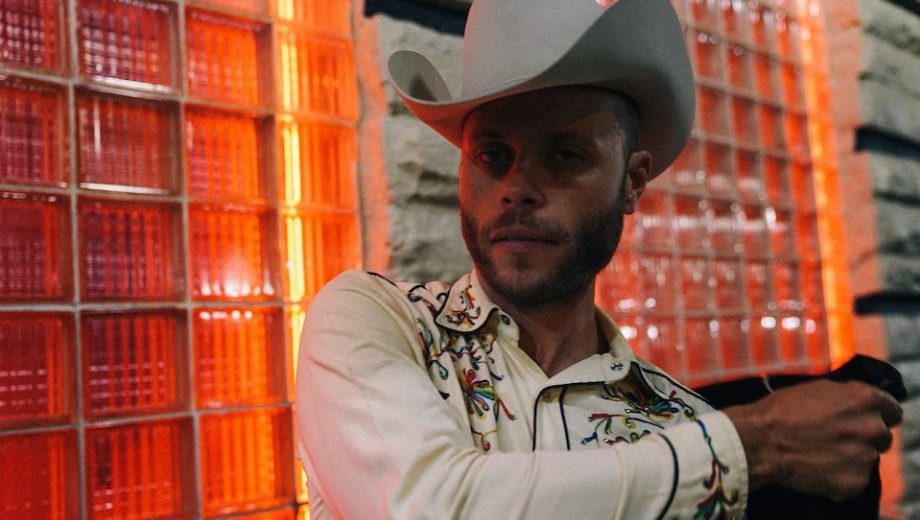
Texas troubadour, modern-day drifter, and musical journeyman Charley Crockett brought his old-school sound to the DittyTV stage in Memphis. Now preparing for West Coast dates — after an international tour — Crockett just released his sixth studio album, a collection of story songs called The Valley.

The new project follows Crockett’s unique history of rambling and collecting some Forrest Gump-esque experiences, writing them into songs all along the way. Performing “5 More Miles” from the new release, here is Charley Crockett on DittyTV.


Photo credit: Lyza Renee

Dalton Domino Emerges Intact from His Exile

Dalton Domino had pretty much ticked off everybody he knew, prompting one friend to remark, “Looks like you’ve been exiled.” That off-the-cuff comment inspired the title of Texas musician’s rugged new album, Songs from the Exile, which he wrote in a year fueled by anger, addiction, and a desire to figure out exactly why he was making so many bad decisions.

“I have a really good knack of shooting myself in the foot, talking shit when I shouldn’t talk shit. It’s one of my biggest character flaws that I have,” he admits. “I’ve driven off a lot of people because I think that I’m right sometimes. And what that does, some people just stopped answering the phone.”

Disconnected from all but a few friends and striving to sort out his worst demons, Domino resurfaced with the autobiographical material that comprises Songs from the Exile. Surrounded by highly-regarded roots musicians chosen by producer Justin Pollard, Domino placed these hard-won songs against a live, in-the-room arrangement, which stands in stark contrast to the orchestration of his prior album, Corners. Not long after wrapping the sessions at Dauphin Street Sound in Mobile, Alabama, Domino checked himself into rehab — again.

More than once, his sobriety has helped him reconnect with his family, whose strong presence is felt throughout Songs from the Exile, particularly on tracks like “Half Blood” and “Hush Puppy.” His grandmother even kept him company as he drove from Dallas, where he lives, to Memphis, where she stopped off to see her son. Domino then detoured to Huntsville, Alabama, to catch up with his dad before swinging through Nashville for a gig and a chat with BGS.

BGS: There was a whole lot that happened leading up to this record, it sounds like.

DD: It was, man. It was a lot of falling off. I was sober for a little while and hitting meetings, and I just got in this rut. I don’t know what happened. I wasn’t paying attention and started drinking again. I thought I was fine and started drinking a little bit, and started doing some other stuff. It just started snowballing.

I cut this record and I was really confused and I had a lot of questions. And it was knee-deep in self-medication with questions. There were moments of clarity and then moments of, “What the fuck is going on?” I don’t know, it was like a quarter-life crisis. But yeah, it was a weird spot. That week getting away [to Mobile], it was nice to do that. It was nice to clear my head a little bit.

So you were using these songs to sort out what was going on with you?

Yeah, man. I was just angry at stuff. In hindsight, I thought I knew what I was angry about. In the same breath, in hindsight now, the stuff I was mad about wasn’t stuff you should be mad about.

It seemed like there was a breakup that threw you way off.

There was a breakup, then it was like, “Well, looking back in my life, they always leave this way. So what did I do?” And then it led to, “It’s me. I was the problem.” I was the asshole in the situation. Not them. I always place blame on them, then that led to, “Well, why do I act this way?” And then that looped into all these other questions I had about myself. That’s where a lot of the songs came from.

“Half Blood” seems like it was ripped from a page of your life. Is that pretty much how it went, where you were in the driveway going, “This is my fault that this is all falling apart”?

I think that every child of divorce at some point thinks that the reason that their family split up is because of them. I think it’s because that always happens with everybody. But that specific story, I set out wanting to write a song about my sister. We have different moms, that’s my half-blood sister. But I took it into a friend of mine, and she was tinkering around with the idea. She goes, “You know, you guys don’t really have too much to complain about, because your family does love you despite their flaws.”

These songs are very introspective, but it seems like you wrote them with an audience in mind, or at least produced them that way.

Yeah. That’s Pollard. I was trying to work on melody a little bit more, in the actual writing process of it. I know I needed to work on melody a little bit more. So, going into sitting down and writing the songs, I knew that I wanted them to be more melodic. I think that you can say whatever you want to say and you can put a good melody on it. At least for me, whenever I sit down to write a song it’s always to share with other people. It’s never just like, “This is mine. I wrote this for me to get off my chest.”

I wanted to ask about “Hush Puppy.” Is that based on something you overheard as a songwriter?

That’s a true story. That’s about my grandfather. He had this hush puppy recipe and he would never let anybody in the kitchen while he cooked it. And we thought he was always going to be around forever. We never did think to have it. But I made sure after writing that song, I sat down and got my grandmother’s cornbread recipe because I don’t want that want that to go the way of the buffalo. But, yeah, it’s a true story. It’s about how he died. He died alone in a V.A. hospital in Memphis.

What was the response when you played that song for your family?

My grandma liked it. You know, they all liked it. Yeah, they thought it was funny. I always tell a story about him. He was a character of his own, man. He was funny. I wish he was still around. He would enjoy all of this because he loved country music. He would enjoy coming up to Nashville and seeing stuff about Johnny Cash and Hank Williams. When he was alive, I wasn’t into country music. I just kind of ignored it. I loved punk music and I still love it, really hard stuff. My grandfather would love all this.

What was it like to see your dad again?

Dude, it was awesome, man. I hadn’t seen him in about a year and a half, or two years, and it was cool seeing him again. We talk on the phone and stuff but I hadn’t seen him in person in forever. He still is the same. I’ve got to drive back to go sign papers because I bought a car. He’s a car salesman. I asked him about a certain car and he was like, “Well, let me show you one. Why don’t we just go ahead and put you in this one?” And, “You know you’re qualified for a trade-in right?” I was like, “Goddamn it.” He said, “Go to your show, I’ll have the paperwork ready.” So I got to go back down there.

He made a sale.

Yeah, he made a sale, man! He’s the finance guy though. But, man, it’s always good seeing him. I saw my little brother last night, but I’m flying him out for a big show out in Lubbock on the 31st. So he’s going to come out there. The show’s 18 and up, and he just turned 18. So I’m going to show him Lubbock. Lubbock is my stomping grounds. That’s the place where I picked out to move to, so I consider Lubbock home. It’s his first time out there, and his first time at one of our shows.

I’ve not been to Lubbock.

Goddamn, it’s a blast!

So for those who read about what you went through, and they’re curious about how you’re doing now, what would you say about your frame of mind and how things are going?

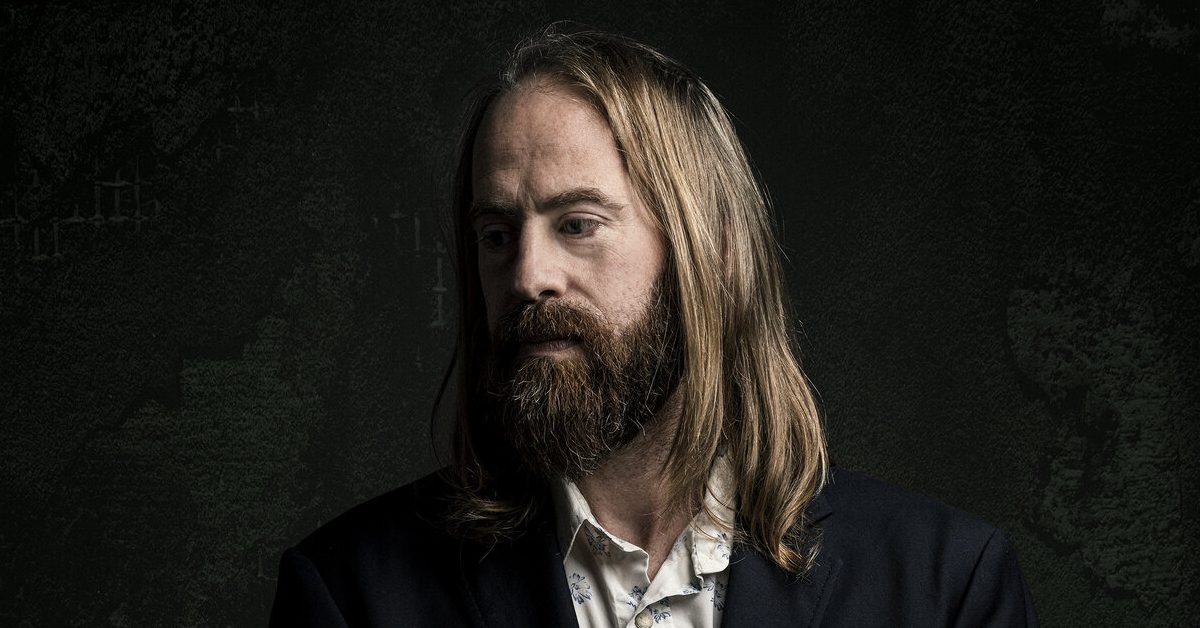
I feel a lot better than what I did this time last year. This time last year, I was miserable. It was weird when we started this record, a friend of mine passed away. And I had a lot more questions. This time last year it wasn’t okay. It wasn’t good, but I still just kept digging in. And finally, this past year, this January, I asked for help with all those questions that I still had from writing the record, and what I thought about over the past year. I sought treatment and got help. I guess what I’m saying is, if somebody comes across this and hears this story, all I can say is, if you’re going through some shit, it’s OK to ask questions. It’s OK to feel bad, but go get some help. Help is out there. Help works.


Photo credit: Joshua Black Wilkins

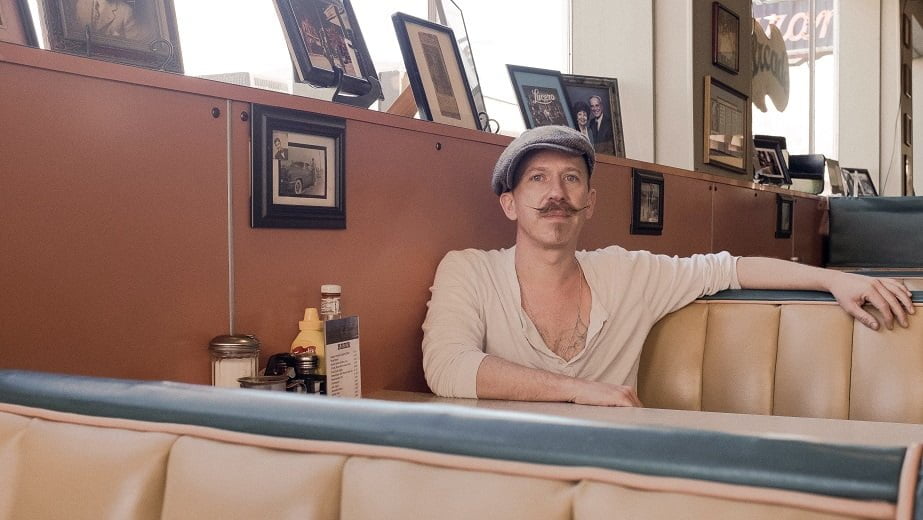
WATCH: Foy Vance, “Wind Blows Chloe”

Name: Foy Vance
Hometown: Bangor, County Down, Northern Ireland
Song: “Wind Blows Chloe” (Live from Sun Studios)
Album: To Memphis
Release Date: September 6, 2019
Label: Gingerbread Man Records/Elektra

In Their Words: “It was Matt Ross-Spang, the co-producer on To Memphis, that first mentioned recording at Sam Phillips Recording Studios and I immediately knew it was the right move. Walking into the space confirmed that… it has hardly changed since the heyday. We had a fun couple of days recording there, but few songs were as fun to record as ‘Wind Blows Chloe.’ I wrote that for my manager’s daughter as a bit of fun. I’m looking forward to the world hearing it.” — Foy Vance


Photo credit: Gregg Houston

LISTEN: Kelly Hunt, “Across the Great Divide”

Artist: Kelly Hunt
Hometown: Memphis, Tennessee
Song: “Across the Great Divide”
Album: Even the Sparrow
Release Date: May 17, 2019
Label: Rare Bird Records

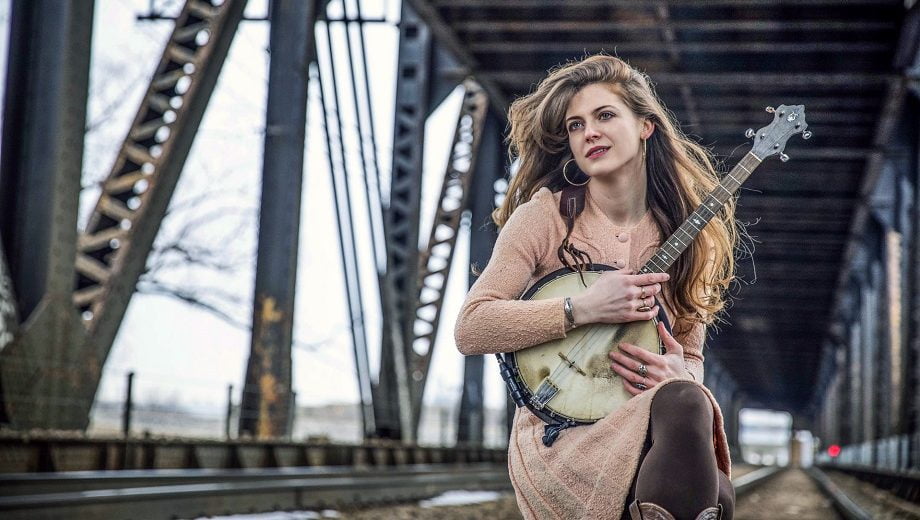
In Their Words: “This song came to me on a street corner. I was on a run when the inkling of a melody struck me. I remember singing it into into my phone’s voice recorder to capture the thoughts as they came. It’s a song that took me by surprise and managed to say everything that needed saying in that moment. Pure catharsis. I went into the studio just a couple weeks later and recorded this take.” — Kelly Hunt


Photo credit: Lori Locke

Dale Watson Makes Himself at Home in Memphis

Call us lucky that Dale Watson is feeling so lucky these days. He’s recently bought a house in Memphis, the city where he recorded his new album Call Me Lucky at Sam Phillips Recording studio, purchased the famous nightclub Hernando’s Hideaway, and continues to develop his sound and to reign as the king of Ameripolitan music. Call Me Lucky includes traveling tunes, love songs, and trucking songs, all under three minutes, and featuring Watson’s signature rockabilly sound.

On the slow-burning ballad “Johnny and June,” Watson and Celine Lee, who co-wrote the song, channel Cash and Carter as they look into each other’s eyes and sing about how deeply their lives are intertwined: “you’re the cream in my coffee/you’re the grits to my gravy/you’re the wind in my sails/a lullaby to my baby.” Cash’s drummer W.S. “Fluke” Holland provides the driving beat for “The Dumb Song,” which features a galloping bass line straight out of the Man in Black’s catalog. Every track features Watson’s inventive songwriting, from the Waylon Jennings-like “Restless” to the scampering Merle Haggard-esque “You Weren’t Supposed to Feel This Good.”

BGS caught up with Watson by phone for a chat about songwriting and his new album.

BGS: You recorded this album in Memphis at Sam Phillips Recording studio. Why did you decide to record it there?

Watson: Mostly I record my albums here in Austin, either at my studio, but sometimes at Willie’s or at Ray Hubbard’s studio. A friend of mine, Matt Ross-Spang, who’s a great producer, had been working over there and I went to visit him. I became close to the Phillips family. Since the 1960s, some of the greatest American records have been made there. It felt like home, and it has this great sound, of course.

What made you decide to buy a house in Memphis?

I’ve always liked Memphis. Wherever I was going that took me in that direction, I’d stop in there. The city has grown but it’s done well in cleaning itself up. Memphis reminds me of Austin in the ‘80s. I can record where I want but I wanted to come here to do this one.

You recently purchased the fabled Hernando’s Hideaway nightclub. Is it open yet? How does owning a club help you in your own music?

We’re still doing work on the club but hope it will open up sometime later this year. Hernando’s Hideaway is the only bar where Elvis, Johnny Cash, Jerry Lee Lewis, Carl Perkins, and Charlie Rich played in, never at the same time, though. I am able to get discs from new bands, so I hear some new music. As the owner of the bar, I have to really look for these people to perform and play the kind of music I want in the bar. If I sit in the bar, though, I am going to hear some music that I really like and that I want to hear more of.

Is this album a bookend to your 2015 album Call Me Insane?

(Laughs) I never put those two things together. I never thought of that. The label wanted to go with one of songs for the title, and this is what they chose.

Who would you say are your major influences?

Merle Haggard, Ray Price, Buck Owens, Lefty Frizzell, Johnny Cash, Carl Perkins.

Can you define Ameripolitan? How did you come up with the term?

I came up with the term out of frustration, I think. (laughs) I’d be somewhere, and people would ask me what kind of music I do, and I’d say country music. They’d say, “I love Kenny Chesney.” Nothing against them, but by today’s standard of country music, they’d be disappointed with my music. If I tell them my music sounds like Hank Williams or Jimmie Rodgers or Merle Haggard, more often than not people say they’ve never heard of that.

So, it’s easier to explain what we are by using a different word, Ameripolitan, to describe original music with a prominent roots influence. It starts with Jimmie Rodgers and has a relationship to music between Rodgers and Hank Williams. We’ve been holding the Ameripolitan Awards Show now for six years and promoting the music. We held the first four shows in Austin; this year’s show we held in Memphis.

You have a knack for writing songs quickly. What’s your view of songwriting? When did you start writing songs and playing guitar?

Early on, I learned to write from my dad, who wrote songs. When I was about seven or eight years old, I started making up songs on a ukulele. A little later I wrote a song about the girl across the street. All the good ones are about the girls. (laughs) I’m not writing “American Pie.” I pick a subject or I write about people or a situation I see. You write and you write and you have an album.

I was cleaning up my place for a move a couple of years ago and I found a good song that we dusted off. The only time I wrote songs on the way to the studio to go on an album was for the Sun Sessions. I wrote about four to five songs on the way there. I started playing guitar when my brother Jim needed a rhythm guitar player in his band. He taught me how to play some chord progressions. Two years later I had my own band and I learned on the job.

You wrote “Inside View” on the spot in a club. How did you come up with it?

We were playing the Continental Club in Austin. There were these two girls near the stage and they kept screaming for me to play “inside view, inside view.” Well, we didn’t have a song called that but I said, “All right, ‘Inside View.’” I turned to my band and I wrote the song there on stage. My drummer and road manager, Mike Bernal, usually records our music; he’ll send it to me later to refine. Usually I have to go back and re-record, but I didn’t have to do that with “Inside View.” I get most of my ideas from my audience.

How did the idea for “Johnny and June” come to you?

I was driving with my daughter when the idea came to me, and she wrote it down as I told her about it. I played Johnny’s guitar on that one. It’s got that Cash vibe to it and it’s a duet between Celine and me.

There’s a song on the album called “David Buxkemper.” How did that song come about?

I never met the guy before I wrote the song. One day I got an email through my website from this guy named David Buxkemper. He told me he was a big fan of the Reverend Horton Heat, and he’d seen me on tour with Heat. He told me he was a truckin’ farmer, and he was a big fan of my trucking songs. He also told me he and his grandfather used to watch Hee Haw together and that he liked listening to trucking songs while he was farming. I was intrigued by his story, and with a name like that—you can’t make that up! So I asked him for more details about his life and ended writing this song about him. I like writing about real people.


Photo credit: Mike Brown