Magoo on Taking Chances and Giving Up Second Guessing

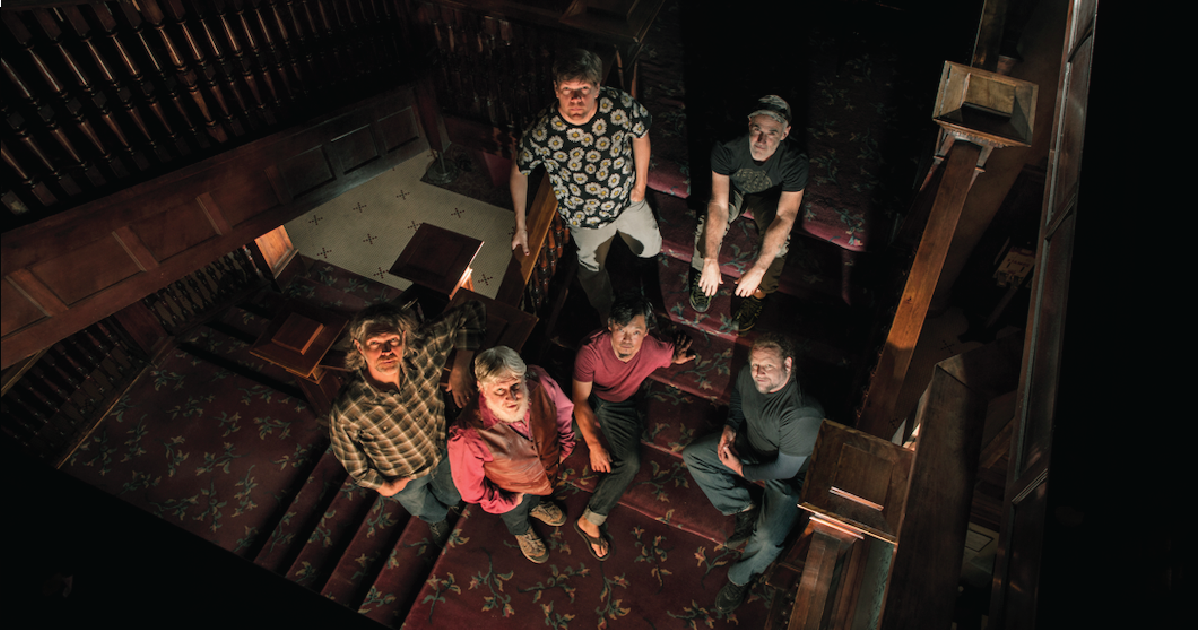
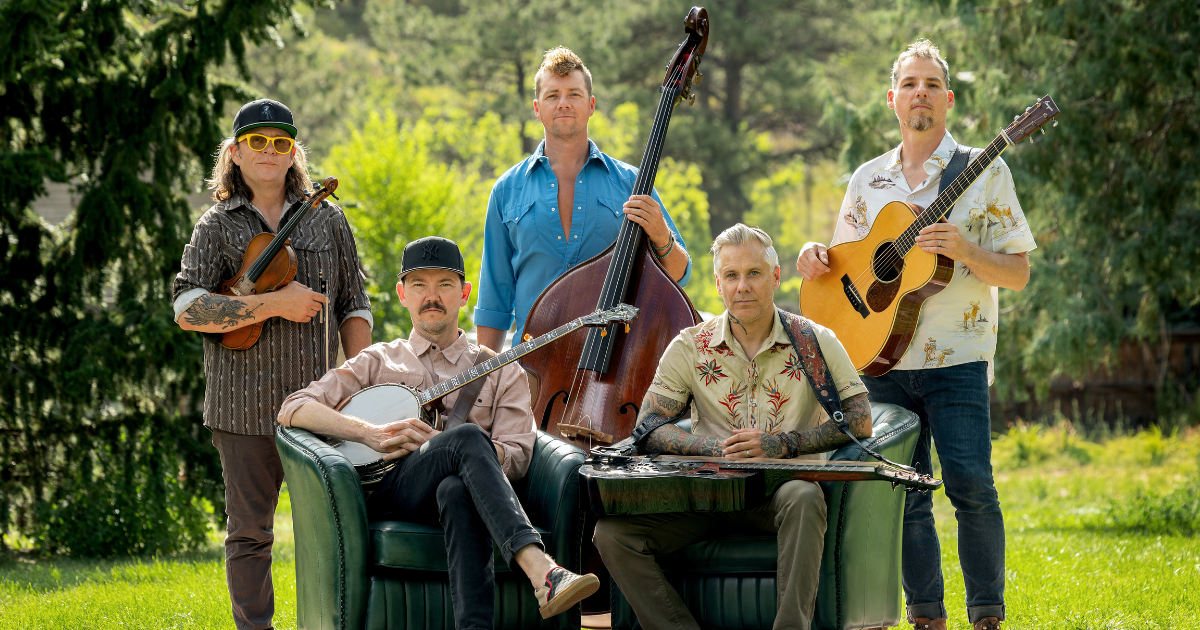
Magoo has been lighting up Colorado’s vibrant and crowded jamgrass scene since 2022. Their collision of string band music with danceable beats, jazzed up instrumental breaks, and anthemic lyrics rooted in rock has led guitarist Erik Hill to coin the phrase “bluegrass with lasers” to describe their sound and style.

After turning heads with two volumes of Magoo The EP in 2023 and 2024, the band – now comprised of Dylan Flynn (Dobro), Courtlyn Bills (mandolin), A. Denton Turner (bass), and Hill – have finally unleashed their full-length debut, What A Life. The 10-song compilation sees the upstart group of pickers contemplating everything from the sacrifices of a life lived on the road, the places that have transformed us, and how our stories are all connected.

Across 52 minutes of run time, the musicians rip their way through meandering jams that flow freely from one song to another as if it was a live show, an approach Hill says was intentional to keep the album from feeling sterile.

“Our live shows and recordings are very important to us, so it was imperative that this album not feel so copy and paste or cut and dry like studio projects often can be,” explains Hill. “I think we landed on a nice, organic feel that stretches the songs out, but not as much as we do when you see us live. In that sense, it serves as a good bridge between the two.”

During a free-flowing conversation with the band inside the green room at The Burl in Lexington, Kentucky, midway through their winter tour, Magoo spoke about the DIY approach to What A Life, Telluride’s significance to the group, near-death experiences, and more.

Why was now the right time to release your debut record?

Erik Hill: We had all the songs that we wanted to record. With the EPs we released previously, we basically recorded the couple originals that we had at the time along with a few covers. Eventually we started collecting a nice set of original music and figured it was time to do a full-length album.

Denton Turner: A big part of it is just having all the parts in place, from our management to booking people, so we can hit the road full speed. But in order to do that right it was important we have an album out to go with it – we needed a product to market. That was a big motivator for us this year, having an album to really kick in the door and make the most of our 100+ shows this year. Getting those other pieces in place on our team gave us ample time to focus on recording. When you’re trying to do everything it’s easy to half-ass it all, so having them by our side allows us to focus on and tackle what we love – the music – head on.

And with What A Life you opted to tackle it in your own DIY studio. Tell me about that experience?

Courtlyn Bills: I’ve made about 80 records in the past, but for this one everything was set up special just to make this album. I was moving and had my dad drive up a bunch of equipment from Texas, including my console he’d been holding in storage that was previously owned by Prince.

EH: Sessions were scattered throughout the month when we weren’t touring. Any time we were able we’d try getting over to Courtlyn’s to bang out a tune or two.

CB: There were a lot of 4 a.m. sessions. The coffee pots were flowing! The only big difference from one session to the next came on the jams, which we decided to use our pedal boards on and mic them up simultaneously. The only other thing is that I changed the action in my mandolin near the end of some tunes, which is why my mandolin sounds a bit thicker to close out three songs. There was a lot of us repeatedly asking each other, “How does your instrument sound?” Because there’s no turning back now, so no pressure. [Laughs]

DT: Even though we’re coming from touring and going straight into recording and back to touring – which seems hectic in a way – it’s nice for me doing [songs] one at a time. Being in a studio can be a grueling, tedious process, so having the luxury of being able to do it ourselves when it made sense for us was nice. We were able to just focus on one song or two songs at a time and give them all our attention. It didn’t feel like we were on the clock and paying by the hour with the pressure to get it all done quickly. Instead we were able to focus on banging out a song then hitting the road and discussing what next song we want to do and develop next before coming back being ready to give that song the attention it deserves, which was a lot of fun.

Courtlyn, you mentioned having a deep catalog of producer credits already. Has it always been a goal of yours to record your own band’s projects?

CB: I first started working in a studio when I was 15, mostly with younger artists that have less developed material, which I love. However, what I don’t love recording is my own music, which is why I never made a record for myself up to this point. But the cool thing about Magoo is, even though I write for and sing a lot with them, it feels like I’m working for a band and not myself. Knowing that removed a lot of the pressure of it being a make or break thing because I could trust my dudes. If they said something was good I wouldn’t question it, I’d just say, “Let’s move on!”

If I’m not mistaken, the only song you didn’t record at the DIY studio was “Angel Of Telluride,” which you flew to Nashville to knock out with its feature artist, Sam Bush. How’d that one come about?

CB: That connection came about through Jeff Fasano, an amazing photographer who used to shoot the rock band I was in prior to Magoo. Whenever we first met I had just started playing mandolin and I remember him telling me that he could see into my soul and could tell that playing it was my destiny, not rock music. I knew he was also close to Sam, so when I eventually wrote “Angel Of Telluride” I did it to be a Sam Bush song.

One day Jeff emailed Sam about the song and once he realized we were a real band and not full of shit he gave me a call and said he’d be honored to be a part of it. When we got to recording, I remember asking him if he wanted a producer credit on the song and he turned it down even though he was still effectively acting as a producer, because every freaking note, chord change, and tone shift he hit was spot on.

DT: Sam actually beat us to the studio the day we recorded. We wound up spending the entire day hanging out with him. It reminds me of a line in “What A Life” – “Buy the ticket, take the ride.” You only get one life, so don’t shy away from taking chances and shooting for the stars. Who knows, you might just wind up at a studio in Nashville recording with one of your heroes. Working with Sam never would’ve happened if we hadn’t taken the chance, and I’m so glad we did. I hope it inspires others to bet on themselves and their abilities too.

That song also holds a lot of significance given what the Telluride Bluegrass Festival has meant to the band, notably how you wound up bringing Courtlyn into the fold. Can you tell me about that?

Dylan Flynn: Erik, myself, and my Uncle Paul [Flynn] were the original Magoo and would regularly attend and pick around at festivals like Telluride, Rockygrass, and Tico Time. Then a few years ago Courtlyn, still new to bluegrass at the time, stumbled into our campsite. We ended up picking all week, through the night until 8 a.m. each day.

Then at one point when we were watching Greensky Bluegrass perform I remember him turning to me and saying, “I want to be in your band” and I responded, “I just met you like five minutes ago. Let me talk to the guys about it first.” [Laughs] But after spending all that time with him there and seeing not just how his brain works, but also how far along he was as someone still new to bluegrass, it was a no-brainer. In the weeks after Telluride it dawned on us that he was the missing piece we needed, not just as a player but as a person as well.

We rode with that lineup for about a year until my Uncle Paul decided he wanted to step away from music to travel the world – he’s actually rooting us on from Thailand right now. But when he departed, Denton was presented to us by a mutual friend. Similar to Courtlyn, after being introduced he tagged along to play several gigs before we formally asked him to join us long-term.

DT: I still remember them proposing to me and making it official with a Slim Jim ring. I still have mine and see it every day. It’s on the bus sitting on the butter tray in our fridge. [Laughs]

Sounds like you’re preserving it like one of those Big Macs you see in a museum that’s unchanged after 20 years!

Switching gears now – Courtlyn, what led to your move from the rock world into bluegrass?

CB: I was seeing the String Cheese Incident and going to festivals like Hulaween a lot, but I still didn’t quite love or understand bluegrass yet. I come from a really progressive and heavy world of jazz fusion, metal, and radio rock, but once I started hearing Cheese do more bluegrass-leaning songs I started falling in love and learning how to do them myself.

Then in 2019 – still prior to picking up a mandolin – I ingested DMT for the first time. When I did, I remember a friend who’d been telling me for years that even though I didn’t know it, that I was a mandolin player. [He] put a 1916 Gibson A[-style mandolin] into my hands and told me to shred. I don’t know how to explain it besides it being like “Dr. Strange,” but with numbers. It was that moment I became a mandolin player.

From there I formed a Celtic band and began plugging away with that, all the while realizing I had to get this bluegrass thing figured out. Bluegrass is one of the most prominent genres in the counterculture-ish scene that I loved being a part of, from String Cheese people to Deadheads and Spreadnecks and beyond. One day I sat myself down and said bluegrass is gonna have to be it – you are married to bluegrass now. Then I started going online and listening to pickers like Ricky Skaggs, Sierra Hull, Jarrod Walker, and David “Dawg” Grisman, slowing down YouTube videos to learn their breaks. That was about it. Once I learned what was going on in bluegrass musically, then it was obvious that these guys and gals are monsters. To be able to create such a back pocket with no drums on that mash grass stuff – there’s nothing like it.

You’re right, there is nothing like it! With that in mind, is that what your song “What A Life” is about – taking chances and being grateful to make a living making music?

CB: The melody and chorus for that song came together really quickly one day in my buddy’s living room. At that time in my life, the songs I was writing didn’t hold a lot of meaning or significance, so I wanted this one to be profound. The last verse really says it all: “What a life/ Is what I thought before I got swallowed by the tide/ Something felt amazing/ But I knew it wasn’t on the other side.”

I had a near-death experience when I was 19 and that is where I take a lot of the song’s inspiration from – although in the beginning I try to get cute talking about grandpas and other relatives and how their actions and memories have impacted the person you are in this very moment. Despite how insignificant those stories may seem to you right now, the fact that they were passed down and made it to you means they must’ve been pretty big moments in their and your family’s history.

So even though something like hopping into a stranger’s car and hauling ass to Telluride may not seem significant to anything other than the present moment, it’s so much more than that. We’re all connected in the climb and the work we put in together to build the memories we cherish. If none of us were here, what would be the point?

DF: …There’d be no life at all. That’s my favorite line in the entire song: “If none of us were here there’d be no life at all.” [Laughs]

A big part of the musical life and memories in your Colorado stomping grounds are its vibrant jamgrass community, a talented and tight-knit group that reminds me a lot of the Kentucky scene I’ve been fortunate to grow up in. What are your thoughts on the scene there and where Magoo fits into it all?

EH: We’re pretty lucky to call Colorado our home base. It’s certainly a breeding ground for a lot of great bands and even better music fans. People that love our type of music are everywhere in Colorado, no matter what town you’re in. From Denver to Boulder and up in the mountain towns, people want to hear that jam music, bluegrass, or a mix of both. It keeps us constantly busy and buzzing with new ideas to explore.

DF: We also have so many friends who are a part of great bands like Clay Street Unit, Tonewood String Band, and The Fretliners. I have more friends in my life now than ever before because of the community that we’re building. It’s also funny too – like one day I was driving home and saw [the Infamous Stringdusters’] Andy Hall in my neighborhood and am in awe, only to find out he lives half a mile down the road. My number one Dobro inspiration is Andy Hall, so having him so close by is a testament to just how unbelievable the music scene is in Colorado right now.

CB: There’s just something about being above 8,500 feet [elevation] that pushes people to their limits, whether it’s climbing a mountain or writing a song. The special thing about Colorado is the people here are making music for their friends. They’re making music for their little community to get together and have a good time. Someone like Vince Herman isn’t out there writing a song to have a number one hit. He’s writing a song so his family and his homies can get in front of the stage and throw down and feel comfortable and have the time of their lives, which is exactly what we’re getting to do now.

All: What a life!

What has bringing this album to life taught you about yourselves?

EH: Doing this album DIY style, we had to learn to trust ourselves and say, “Hey, this is really good.” You can sit here and nitpick each part and each take fucking forever, but at the end of the day what we have is really good, good enough to put out for people.

DT: For me, it’s in line with the phrase “what a life,” to take the chance and take the ride, call Sam Bush, whatever. I hope it inspires others the way it inspired me. When I met these guys, I lived three and a half hours away on a good day, but I saw what was going on and wanted to be a part of it. That meant getting in my car and driving to Denver multiple times a week to practice and learn the material. People thought I was crazy, but if you want something, you’ve got to go for it and give it your all. When you do that, amazing things can happen.

This whole experience has been a case in point of that, especially with the Sam Bush thing and making that call. We didn’t sit there and second guess ourselves about it and look at what happened. It’s always worth your time to give it a shot. You never know where the ride will take you. For me, that’s what this is all about.


Photo Credit: Jeff Fasano
Artist of the Month: The Infamous Stringdusters

During the Infamous Stringdusters’ recent holiday gig at The Orange Peel in Asheville, North Carolina, the storied venue was packed out with jamgrass freaks, the performance itself a kickoff of sorts for the band’s 20th anniversary in 2026. I found myself standing sidestage when show opener Bronwyn Keith-Hynes came up next to me. A smile emerged on her face taking in the band and the audience.

“The Stringdusters made me want to start a band,” the GRAMMY-winning fiddler said, turning to me. “The Fork In The Road album was the most influential modern bluegrass album for me when I was at Berklee.”

Keith Hynes’ sentiment conjured numerous memories and moments I’ve been lucky enough to be a part of when it comes to the ‘Dusters. The first time I ever laid eyes and ears on them, it was the 2008 Targhee Bluegrass Festival in Alta, Wyoming. I was 23 years old and a rookie reporter for the Teton Valley News, based just down the mountain in Driggs, Idaho. By that point in my life, both personally and professionally, I was diving deep into the jamgrass world – the intersection of ancient tones, psychedelia, improvisation, and a collective love of the Grateful Dead.

The initial spark of the modern jamgrass movement was lit by Yonder Mountain String Band, Leftover Salmon, and the String Cheese Incident, all three acts coming into the national spotlight by the end of the 1990s. A musical template had been formed, and the ‘Dusters would emerge in the early 2000s to throw gasoline onto that melodic fire, ultimately becoming a missing link (alongside Greensky Bluegrass) between jamgrass originators, those ‘90s propagators, and folks currently carrying the torch into new, exciting realms: Billy Strings, Sierra Ferrell, Molly Tuttle, Sierra Hull, and more.

“That’s what’s so beautiful about bluegrass music, in particular,” Stringdusters fiddler Jeremy Garrett told me recently. “You pass it on to the next generation and they take it and they do their thing with it. Luckily for us, we were around at a time that [that] was very important, and a transitional time in the industry.”

In 2010, a couple of years after my introduction to the band at Targhee, when I returned to my native North Country of Upstate New York, I found myself covering a show at the intimate Showcase Lounge at Higher Ground in Burlington, Vermont. I was there to see the ‘Dusters once again. Their sound and energy immediately transported me back to the Rocky Mountains that I missed dearly. (Sharing the bill was another rising jamgrass act, Trampled by Turtles.)

I remember walking away from that gig feeling in awe and refreshed with a genuine feeling that something was happening. Something was on the horizon when it came to bluegrass and string band music. This wasn’t a traditional bluegrass band in matching suits, standing like statues. It was a rock show with acoustic instruments. Baseball caps and long hair, grins ear-to-ear. More provocative than standstill, more vibrant than just going through the motions of what past generations were instructed to do.

“Being able to showcase our own songs, in our own way, [our] writing skills, and making the decisions on what was chosen to play and how to play it [were] foremost for most of us at the beginning,” Garrett says. “Over time, we realized that we were actually growing a community. And after all these years, that honestly has become the most important part, the most important thing that we could possibly do.”

What I witnessed in Wyoming and Vermont years ago is what I’ve continued to experience with the Infamous Stringdusters, in person and in method, from Florida to Colorado and beyond. They set the pace then for where we stand with jamgrass right now, built on a full-throttle approach, one which remains sonically elusive as well as paying homage to the architects of bluegrass and those who broke from the pack and made something all their own.

Aside from the talents of the Stringdusters, either as individuals or the sum of their parts, you also have a unique setup. Alongside founding members, banjoist Chris Pandolfi and Dobroist Andy Hall, who emerged from the prestigious Berklee College of Music in Boston, you have the tradgrass pedigree of Garrett, who was born and raised in a traveling family bluegrass band hailing from Idaho. This fusing of road-tested grit and grace with conservatory-style techniques is at the heart of what this group does best: jam.

All of which circles back to the Asheville Orange Peel performance in late 2025. There were tightly knit melodies and freewheelin’ improvisational explorations. They broke down the invisible walls between themselves and the audience, maintaining a two-way street of momentum, energy, and inspiration from both sides of the microphone – a vortex of sound and scope, all revolving around a deep sense of community.

“The band is stronger than ever and making some of the best music we’ve ever made,” Garrett says. “But, the thing I see that is the most important being carried on is that community factor. We certainly didn’t invent that, but we took note and applied the philosophy to our scene, and hopefully the next generation realizes how important that piece is.”

Ultimately, this 20th anniversary celebration for the Infamous Stringdusters is a culmination of a tried-and-true effort to bring this hallowed music into the unknown and unfolding musical landscape of the 21st century. With their upcoming album, 20/20 (out February 13 via Ameriana Vibes) they continue their efforts to break new ground and forge ahead, together, whatever the next 20 years hold for jamgrass and the ‘Dusters.

The Infamous Stringdusters are our Artist of the Month. Below, enjoy our Essential Infamous Stringdusters playlist and stay tuned as we share brand new and archive content on the ‘Dusters throughout the month of February here on BGS – and across our social media channels. Like our exploration of their 20-year discography or our oral history of the band featuring all five members in conversation.


Photo Credit: Daniel Milchev

Banjo Player Kyle Tuttle Reflects on Personal Growth and ‘Labor of Lust’

One of the most talented and sought after banjo players in bluegrass, Kyle Tuttle’s life has been full of the highest of highs and lowest of lows in recent years, from a marriage and divorce to the surprise death of close friend and bandmate Jeff Austin to the loss of his job due to COVID and finally hitting the road as a member of Molly Tuttle & Golden Highway.

All of that and more are documented on Labor of Lust (out February 16), an 11-song expedition taking listeners on a deeply personal and sonically diverse journey of tragedy and triumph. Recorded across three separate sessions in Nashville dating back to 2018, the record also documents a significant chunk of Tuttle’s life that, despite the length of time and changes that come with it, aren’t lacking a central theme. This led him to describing the project as “a long work-in-progress,” due to how its focus shifted throughout the more than five years of bringing it to life.

“By the time it was all said and done, this was a pretty eclectic group of songs,” Tuttle tells BGS. “There’s some stuff with an electric band that includes drums and me on electric banjo, others with traditional string band arrangements and some that meet in the middle for a more jamgrass sound.”

One of the songs that bridge the gap between these two worlds of bluegrass is “Hard to Say,” a song that sees Tuttle grieving the loss of Austin, his marriage, and his job all at the same time. It’s anchored by his blistering banjo backbone with introspective lyrics like, “Knowing that it’s gone and gone for good, makes you wonder what the hell you’re waiting on?” that serve as a message to himself and anybody listening to ask the questions you need to ask, then play another one.

“Even though the music and lyrics were written over a handful of years, loss and learning to deal with it on a personal level is central to this record,” indicates Tuttle. “That being said, there’s a lot of joy within these songs too. I don’t want to make it seem like I wrote music for five years and all I experienced was misery. Loss is something we all have to deal with at one time or another, and my way of dealing with it was to write some of this music.”

Speaking by phone from his snowed-in Nashville home following a mid-January winter storm, Tuttle opened up about how he approaches being a bandleader compared to his current gig with Golden Highway, being stuck in a Bob Ross painting, choosing to work doing something you love, and more.

You’re notorious for staying extremely busy in your musical endeavors, from sitting in with folks on stage and in the studio to your stints with the Jeff Austin band, (your current gig with) Molly Tuttle, and your own compositions and projects, like Labor of Lust. With that in mind, how do you approach your own music versus being a member of someone else’s band?

Kyle Tuttle: It’s a bit different, because with my own show I’m the bandleader, along with other variables. With my shows, I play with lots of different members, I don’t have one set group of people that know my body of material super well, but rather lots of friends I can call on who all have different strengths. For that reason, when fronting my own band I’m more in the headspace of trying to wrangle all these people and variables together for a cohesive show, whereas with Molly we all have our roles that are specifically defined. One role isn’t more comfortable to me than the other, they just both require different things from me.

Is that comfort what had you leaning on friends like Travis Book, Dominick Leslie, and Lindsay Lou in the studio instead of session players?

It speaks very similarly to what we were just talking about with putting together a version of the Kyle Tuttle Band for shows. I wouldn’t use the term session player though, because even though all of these people are my friends they can also be called “session players” for their work on other’s records, because they’re all so good at what they do. I pick them very specifically based on their strengths and what they’ll bring to the music. I’ve been lucky through my years in the business to build personal connections with an awesome group of people that I can call when I’m looking to create something.

Although not an original, I really enjoy your cover of Harry Nilsson’s “Turn On The Radio” that closes the album. What drew you to that song of his in particular instead of “Coconut” or another of Nilsson’s gems?

I’m gonna have to work on a “Coconut” cover next, because that song is awesome! In all seriousness, [“Turn On The Radio”] felt like a thematically appropriate way to close this album. At the end of the day, I’m just a jamgrass stoner that plays banjo wanting to make a record that people can enjoy and have fun with. This record has some heavy undertones, so I felt like it deserved a nice ribbon on top to end it. It speaks to me big time, [about] remembering those near and dear who you’ve lost, especially if they’re an artist doing something you can hear. That sentiment of “turn on your record player, listen to my song, turn on your night light baby, I’m gone” felt like the right words to capture that feeling even though I didn’t say them, Harry did! I’ve loved the song for a while, so when I began putting this record together it immediately made sense to close it with this.

In terms of your own songs, I understand that “Trailer In Boulder Canyon” came together at two different times, similar to the recording process for all of Labor of Lust?

That’s a funny one, because as I said previously, I’m just a jamgrass stoner banjo player. First and foremost it’s a fun, feel good song about a magical place — a shitty little trailer on the side of a mountain up in Nederland, Colorado, where you don’t have to worry about any of your troubles or cares and just get to play fiddles and banjos and have fun all day. There’s a great jamgrass scene up there due to Vince Herman and Drew Emmitt basically starting Leftover Salmon up there. Years later some of The String Cheese Incident guys moved there followed by Jeff Austin, leading to the eventual forming of Yonder Mountain String Band there as well. There’s such a rich history of the music I love so much in that goofy little mountain town.

I initially wrote the chorus and first verse for the song as a goofy little ditty after it bounced around in my head for a while. I went up there when Vince put together a memorial concert for Jeff to help raise money for his family and so people could grieve together and ended up writing the second half of the song driving up the canyon road to get there. So like a lot of things on this record, part of it came to me at one point before finishing it off much later.

You’ve got three instrumentals on this record and another mostly instrumental tune in “Two Big Hearts.” What variations do songs like those have compared to ones with lyrics in the creation process?

The process is relatively the same, because no matter if I write with lyrics or melody I’m starting with some short idea and building around that nugget of information piece by piece. If it’s a melody, it’ll probably come out as an instrumental, but if it’s with lyrics it’s probably going to come out as a song with vocals. Even though it’s one track, “Two Big Hearts” is really two songs. The lyrics in it don’t come in until the second song, nearly four minutes in, but I felt that both were similar enough that they should be together and presented as one idea. I don’t think I’ll ever play one part of it without playing the other.

On “Not Quite Spring,” you’re singing about being stuck inside a Bob Ross painting. How’d that idea come about?

That’s a COVID song. I was sitting around on the couch watching a lot of Bob Ross’s The Joy Of Painting, just killing time like we all were back then. All of his paintings were titled and each episode of his show is titled after the painting he does in it. [“Not Quite Spring” is season 25, episode 3]. It’s of this spooky, huge mountain that’s covered in snow and frozen. A lot of his paintings are happy sunsets and warm things like a pond reflecting the trees around it, a stark contrast to this one that’s cold, dark and lonely, which is exactly how I felt at the time trapped inside my house.

In the album’s liner notes you allude to a life in music often being painted in glamor, when in reality it’s a consistent grind where persistence pays off. Is that message of sticking to it what you’re singing about on “Saddle Up?”

“Saddle Up” is the term I have for getting up every day and doing it again. It’s the idea that you may not have succeeded today or done everything you wanted to do the way you wanted to do it, which is what I’m touching on with the lyric, “The past can’t be where my best is.”

I feel like persistence defines my own life and career. Anyone who works in pursuit of a skill or art is always striving to get better. Even outside of that, we’re all working on our personal relationships and doing better by the people around us. Hopefully our best work, whether it be art or personal growth, is ahead of us and it’s not all downhill from here. It’s also a message I wish to impart on any listener or friend going through a rough patch to remind them that brighter days are on the horizon.

With Labor of Lust’s themes of personal growth in mind, what’s one resolution you have for yourself, music or otherwise, in 2024?

I’m actually trying to play the banjo even more, not from the standpoint of traveling and playing more shows, but just tinkering with it more in my downtime. It’s an interesting duality, tying your work to something you love. It’s a tricky thing to do because the lines between work and play are instantly blurred and made one. If it’s all work and no play it makes Jack a dull boy, so my resolution is to just keep the banjo in my hands for fun and to work smarter, not harder, which comes back to the idea that the past is not where my best work is.


Photo courtesy of the artist.

The String Cheese Incident Salute Tony Rice on This ‘Manzanita’ Favorite

The amount of love and respect that has poured out of the music community around the country and the globe for the loss of Tony Rice has been breathtaking to say the least. The breadth of Rice’s legacy cannot be understated as he pioneered not only the guitar’s role in a bluegrass band, but also created a new sound previously unexplored by acoustic musicians. A seminal flatpicker, his touch, timing, and taste are unmatched to this day, and there’s the separate matter of his beautifully rich voice. Here at BGS, we’ve shared Tony Rice memories and stories from the likes of Ricky Skaggs, Todd Phillips & Robbie Fulks, Sam Bush, Jerry Douglas, and David Grisman, and many others.

The latest contributors to our collective debt of gratitude to Tony is the String Cheese Incident, collaborating virtually to cover “Old Train,” the lead track on what many consider his magnum opus, Manzanita. The String Cheese Incident is known for being a genre-bending group, but founding member Bill Nershi had this to say about their bluegrass roots and Rice’s artistry: “Tony Rice’s guitar playing shaped a generation of musicians. His impeccable tone, taste, and timing were unmatched and highly regarded by players and listeners alike. We are very fortunate to have so many great recordings of his life’s work. If you haven’t had the pleasure of hearing him perform, check out The Tony Rice Unit and David Grisman Quintet albums. I recommend you start with Manzanita. We’ll never forget you, Tony!”

Watch the String Cheese Incident perform “Old Train:”


Photo credit: Scott McCormick

String Cheese Incident, Jim Lauderdale Share “Stories For Another Day”

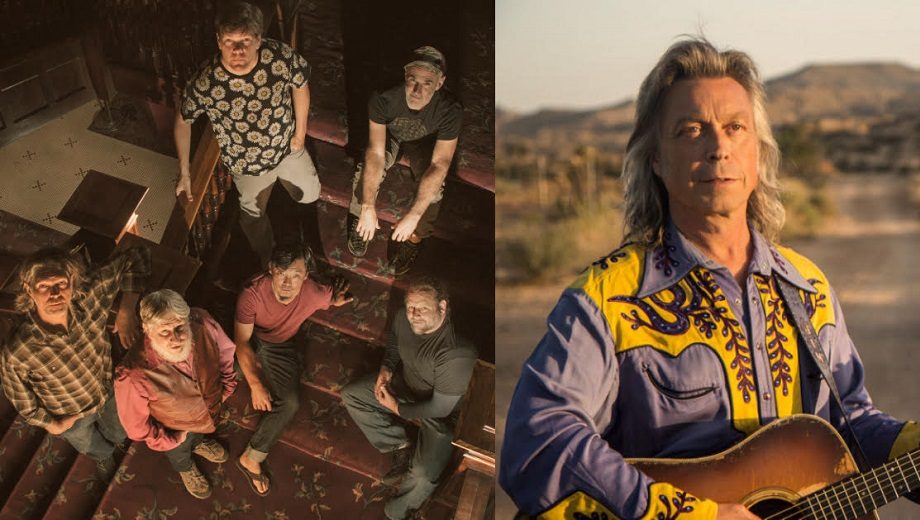
Colorado-based jamgrass troupe String Cheese Incident turned 25 this year, and although they’ve already established themselves as one of the most accomplished groups in jam music, they show no signs of slowing down in the next quarter-century. The band has spent their 25th year touring the country and releasing new music on a regular basis, their most recent single featuring the country-music-great Jim Lauderdale. (See the premiere below.) We called up SCI’s lead singer Bill Nershi to discuss the history of the band, how they’ve managed to stay so productive, and more.

BGS: Thinking about the fact that you’ve been a band for a quarter of a century has got to be awe striking. How have you managed to continue doing things your own way for so long?

Bill Nershi: Ever since we started, which was really 1995, we decided we were going to actually go for it. We met and played some local shows for a while, and then we moved out here to Boulder in ’95 and really started getting after it as far as touring. All these bands used to look for record deals and when we talked about it with other bands who had been through that we heard a lot of negative stories about dealings with record labels, so that’s when we decided to start our own label.

Twenty-five years ago, that must have been a big decision to make. How did the band come to the conclusion that music is what you were going to commit to?

We’ve always been trying to achieve things and get the best results we can from playing together. We work hard on rehearsing. Trying to improve our weaknesses as a band and trying to promote the positives. But really, when we first started, we were encouraged by the audiences that we were playing to and that really motivated us.

I had been playing a long time, and other people in the band had played music with different people, but that was the first time for me that I got together with a group that clicked right away. Even before our skills were really developed musically, there was a chemistry that we could feel — mostly that the crowd had picked up on — and that encouraged us to go for it. From then it was just “How are we going to go about this?”

We’re not going to be the band that has the hit single. So, we looked at some of the bands that had paved the way for us a little bit. How did the Grateful Dead do it? They didn’t have a hit for a really long time but they developed a following. And Phish of course was already successful. So we decided we were going to have to start traveling around and playing lots of shows in lots of different areas of the country to hit all the regions. We had two years where it seemed like I was gone almost the whole time. I think we played 450 shows in two years, and that gave us a lot of momentum for developing a bigger fan base.

It sounds like you approached this very methodically and really thought about how you were going to fit into the grand scheme of music.

Yeah, it needs to be thought out. Especially when you’re out that much and making sacrifices. You know, not seeing your family, or even just not being able to be at home. The idea for us was always, “We want to make every gig count.”

We were going around the country playing these clubs. Some of them had good sound systems, some of them didn’t, but we were carrying our own sound system. Money that we were making touring, which was not a lot back then, we put back into the band. We bought a sound system. We bought a bus from Crested Butte Mountain [Resort], and it was a good transit bus. We gutted it and put in bunks, so when other people were driving around in those little vans, which were just kind of torture chambers on wheels, we had our bus that we were driving around the country with.

We had a trailer with the sound system and our back-line amps and stuff, so we were going into places and sounding a little bit better than the last band sounded, you know? Trying to make it count when you’re making a lot of sacrifices. You don’t want to be wasting shows and wasting the ears that you do get in the room.

And that hits on another point: You’re perhaps best-known for your live performances. How does performing a song live contribute to its development before you hit the studio to record it?

Sometimes you have a new song that you play the same way for months, or even a year, and then you discover a different part or a way to open up a section of a song and go a little bit of different direction. Or you decide, “Hey, this would be better if it had one more verse here.” Things happen that change the song. It’s a bit of a quandary whether that’s better, or whether it’s better to release a song, let people hear it, and then play it live, which is what we’ve been doing mainly lately.

Sitting down and arranging a song in the studio before you play it live — what does that process look like for you?

You want to try to look at the song at some different angles and play it with some different approaches to see if there’s anything there that you may have missed or you might be able to add to the song, or what parts are expendable if you want to make it a little shorter.

The thought in the back of your head is, “I hope I don’t put this out and decide that part of it would be better played a different way, because then we’ll have to change the song and it’s going to be different than what the recording is.” You’re trying to exhaust some different ideas to make sure that you’re not missing something, and at the same time thinking about what are the crucial things that make this song tick so they can be brought the forefront when you record. Build the songs around the best ideas in the songs.

Moving on to this latest single with Jim Lauderdale. I hear very clear elements of his sound along with very clear elements of your own sound. What did that collaboration process look like?

I’ve written, and other members in the band have written, with Jim Lauderdale before and we’ve always had good results. You never walk away from sitting down with Jim empty-handed. He’s like a stream of ideas. You get done with one idea and he’s already singing some melody into his recorder, or some lyric from your conversation with him. And he has this whole chain of ideas going at all times.

I like to show up when I write with Jim with some different ideas of my own. Whether it’s a chord progression, or a lyrical idea, or a concept. Just an idea for a song. So I went out to Nashville and spent a few days out there with him, and you don’t want to go into a project like that and be sitting around going, “Uh….” So you come in with some ideas.

For this song, “Stories for Another Day,” I had this melodic chord progression with all these different parts. I played with a few different ideas and I played this one thing in D minor that I had been working on. I had been trying to think about how to make it work as an instrumental, or with lyrics. I played it for him, and he picked three chords out of one of the three different sections and said, “Let’s just write a song with that chord progression right there. Those three chords.”

So I had a lot of stuff that was maybe gratuitous in this concept that I had and he plucked this one simple idea out of it. We sat down and started writing some lyrics to that. It’s great writing with Jim.

Looking at some of the artists you’ve collaborated with in the past 25 years, the list is seemingly endless. How much of your own sound has sprouted out of collaborating with so many different kinds of artists?

Everybody’s contributing, so you get this blend of different styles and you can come up with something you definitely would not come up with on your own. You also learn things from the different people that you write and play music with. They rub off on you either consciously or subconsciously. Co-writing and collaborating is really important.


Photo courtesy of the artist.