A Jamgrass Chronology

Dichotomy. The essence of jamgrass is the intersection of traditional and progressive ideals, techniques, and tones when it comes to the musical hot potato that is bluegrass – past, present, and future.

Throughout the generations, and within the structured lines of bluegrass, there’s a constant segment of the genre that remains eternally curious about what lies just beyond the horizon. It’s this sonic landscape of unlimited possibilities and creative fulfillment, one where the whirlwind attitudes of psychedelic rock, freeform jazz, classical music, and country gold were injected into the “high, lonesome sound,” ultimately conjuring this new melodic avenue to duck down.

The First Generation

When looking at the origins of jamgrass, the “Big Bang of Progressive Bluegrass” arguably occurred with the formation of New Grass Revival in 1971 in Louisville, Kentucky. Led by fiddler/mandolinist Sam Bush and banjoist Courtney Johnson, the outfit emerged from the ashes of another group, Bluegrass Alliance. This revolutionary quartet combined traditional bluegrass with contemporary influences from the popular rock, country and jazz of the period, the result being their self-titled debut album in 1972. In later years, bassist John Cowan and banjoist Béla Fleck would be added to the lineup.

By the early 1970s, the Earl Scruggs Revue was already well-established on the national touring circuit. With the Western North Carolina banjo great himself at the helm, Scruggs and his two sons, guitarist Randy and bassist Gary, embraced the counterculture movement of the late 1960s and early 1970s. Scruggs not only was outspoken in his support of the anti-Vietnam movement, he also happily and genuinely welcomed those from other musical circles, including playing gigs alongside rock acts The Byrds and Steppenwolf.

Although not necessarily considered jamgrass, the Revue – with Scruggs being a vital pillar of the first generation of bluegrass as a member of Bill Monroe’s Blue Grass Boys – opened doors into an often-heavily guarded realm of traditional bluegrass. One where the fear of outsiders taking over the scene without “proper knowledge or respect” to the unspoken rules and traditions of the genre could be seen as misguided intent versus building a bigger space for more folks to tap into the history of the music and evolve their own craft, the end result being the survival and perpetuation of bluegrass.

In April 1972, the Revue’s album I Saw the Light with Some Help from My Friends featured guest appearances by the Nitty Gritty Dirt Band, Arlo Guthrie, and Linda Ronstadt. The sessions would inspire Nitty Gritty to eventually pursue its own collaborative project, which became the seminal album Will the Circle be Unbroken – the record now regarded as a pillar of the bluegrass and country music scenes in the decades since its release in November 1972.

That winter of 1972/1973 conjured the happenstance formation of acoustic supergroup Old & In The Way. Guitarist Peter Rowan and mandolinist David Grisman, longtime friends and collaborators, found themselves at the home of Grateful Dead guitarist Jerry Garcia in Stinson Beach, California. As expected, impromptu pickin’-n-grinnin’ sessions ensued.

“We started picking every night after supper [at Jerry’s],” Rowan told BGS in a 2022 interview. “We went through old song books and learned a bunch of material.”

By the early 1970s, the Dead had become one of the premier rock bands in America. Even though he was now a bonafide rock star with a massive legion of diehard fans, Garcia yearned for a simpler time in his life, which was his existence before the band itself, when he was a young, hungry bluegrass musician in the San Francisco folk scene of the late 1950s and early 1960s.

Soon after, the trio tapped bassist John Kahn and a revolving cast of fiddlers (Richard Greene, John Hartford, Vassar Clements) and booked a handful of gigs around the Bay Area in 1973. There were no expectations set or boundaries drawn. The gatherings were more about honoring musicianship and friendship, where all present could play joyously in the sandbox together.

Old & In The Way only lasted a little more than a year, disappearing in the spring of 1974 without any fanfare or real notice of its demise. The group was kind of like a comet flying by in the night sky — bright and stunning, and yet all too fleeting, but you counted your lucky stars you were able to see and appreciate it in real time, onstage and in the audience.

And that special time and place that was Old & In The Way would be forever captured in recordings of the live shows. In 1975, the self-titled debut album was released and became the biggest selling bluegrass album of all-time until it was overtaken by the O Brother, Where Art Thou? soundtrack in 2000.

“In bluegrass, you just do the beautiful grace of presenting the music, being good neighbors and all that stuff,” Rowan says. “But you could hear us in the band going, ‘go, man, go.’ Go for it, that’s where we came from. That’s what Old and In the Way was – the ‘go for it’ signal to everybody.”

The final piece to the puzzle that is the first generation of jamgrass was filled when Hot Rize emerged in the late 1970s in Boulder, Colorado. Coming together while all being employed at the Denver Folklore Center, fiddler/mandolinist Tim O’Brien, banjoist Pete Wernick, guitarist Charles Sawtelle and bassist Nick Forster would become the pioneers of the Colorado jamgrass scene – ultimately launching countless bands in The Centennial State with their unique blend of traditional tones and innovative styles.

The Second Generation

Just like O’Brien, Leftover Salmon guitarist Vince Herman was also a West Virginia native who headed west to the Rocky Mountains in search of his musical destiny. In 1985, Herman dropped out of West Virginia University and decided to “go to Colorado and find like-minded players.” This single decision by Herman ushered in the second generation of jamgrass.

“And I knew there was a progressive bluegrass scene based around the Telluride Bluegrass Festival. Hot Rize was in Boulder, which was a major influence on me,” Herman told BGS in a 2025 interview. “So, I figured Boulder would have a good progressive bluegrass scene. And it sure did, proven by pulling up and seeing a ‘Live Bluegrass Music Tonight’ sign [at a bar].”

That night in Boulder in 1985, Herman wandered in and crossed paths with multi-instrumentalist Drew Emmitt. The two were kindred spirits and immediately hit it off, with Herman eventually joining Emmitt’s Left Hand String Band. A year later, Herman launched his own band, The Salmon Heads. But, it would be New Year’s Eve 1989 when Leftover Salmon came to fruition, the ensemble being a combination of the duo’s respective band members.

“We stuck with Leftover Salmon for the first night, never knowing it would be any more than one night of a gig [in Crested Butte],” Herman says of the NYE show. “The older the tune, the more the bluegrass stomp kind of thing would go on, people would slam dance. We were like, ‘Something’s good about this.’”

By 1993, another Colorado band came rolling down the ski slopes of Crested Butte and Telluride. Formed as a casual gathering of acoustic musicians and a percussionist looking to get together during après-ski and play some tunes for free lift tickets and cold beer, the String Cheese Incident took bluegrass and pushed it more into the jamband world than any other group who came before them. Nowadays, the sextet is a glorious kitchen sink of sound and scope – bluegrass to blues, rock to reggae, jazz to jam-tronica – especially through their highly popular annual festivals, Electric Forest and Hulaween.

Heading towards the end of the century, Yonder Mountain String Band appeared on the scene in Nederland, Colorado, in 1998. The quartet originally featured a mesmerizing frontman in the late Jeff Austin, an ambitious and endlessly curious mandolin player. The core of the band was based more in traditional bluegrass, but with a heavy focus on improvisation and just seeing where the night took them. The culmination of which led to Yonder finding itself in this unique position, one that allowed the group to be booked at both lawnchair bluegrass festivals and wild-n-out jamband gatherings across America.

The Third Generation

The new millennium signaled the third generation of jamgrass. On Oct. 31, 2000, in Kalamazoo, Michigan, a casual Halloween gig consisting of college buddies (who played the local bluegrass open mic night at the Blue Dolphin) would parlay itself into the creation of Greensky Bluegrass – an ensemble equally obsessed with Tony Rice and David Grisman as they were the Grateful Dead and Phish.

A few years ago, when I was interviewing frontman Paul Hoffman about the initial intent of Greensky, he replied, “To play heavy metal music on acoustic instruments.” And in the quarter-century since its inception, Greensky has become a marquee act. They blurred the lines between bluegrass and jambands, ultimately setting the stage for every band who came thereafter with ambitions to rock big venues, all in the name of jamgrass exploration.

“I think that we just have a spirit to not be limited,” Hoffman told BGS in a 2025 interview. “So, if we want to emulate all the things we love – and we’d love a diverse amount of things, musical things – we honor the acoustic nature of our heritage as a band, but we want so much more. We want [things] to keep us interested and engaged. We’ve allowed ourselves that creative freedom to try anything.”

On the other side of the Great Lakes, in Duluth, Minnesota, Trampled by Turtles formed by happenstance in 2003 on a tiny stage at Sir Benedict’s Tavern on the Lake. A hearty blend of bluegrass, indie-folk and alt-country influences, Trampled’s sound has been described as “Midwestern Gothic” – a musical signature ultimately straddling the barriers between genres of distinct sounds and approaches.

The third generation is rounded out by the Infamous Stringdusters, coming together in 2006 in Nashville. Consisting of longtime road musicians and recent graduates of the Berklee College of Music in Boston, the group is a meticulous balance of tradgrass and jamgrass. With their core soaked in the principles of traditional bluegrass, the Dusters have never wavered from chasing their artistic muse towards the unknown horizon of Americana and rock influences that run deep in their sound.

“That’s what’s so beautiful about bluegrass music, in particular,” fiddler Jeremy Garrett told BGS in a 2026 interview. “You pass it on to the next generation and they take it and they do their thing with it. Luckily for us, we were around at a time that [that] was very important, and a transitional time in the industry.”

The Fourth & Fifth Generations

That transitional time in jamgrass of the early 2000s and 2010s sparked what is currently being considered the highwater mark of the genre – and also regarded as the fourth generation of jamgrass – as seen by guitar phenom Billy Strings bursting into the arena level, with Molly Tuttle and Sierra Hull right in the mix when it comes to bluegrass spilling into the mainstream.

Also emerging from the same Michigan scene as Greensky Bluegrass, Strings’ rocketship ride from hardscrabble beginnings to selling out any size of venue from coast to coast is the stuff of legend. Only in the summer years of his career, Strings’ playful flexibility around “bluegrass rules” is mirrored by his genuine respect for those who came before him. His knowledge of the genre is as profound as the unknown depths of his skillset and ambition, something witnessed each night he performs for an endless sea of faces.

For Hull and Tuttle, they became the first female musicians to be given the IBMA award for Mandolin Player of the Year (Hull) and Guitar Player of the Year (Tuttle). To note, Hull has now been given the honor seven times in the last 10 years. Both artists are becoming well-known for genre-bending collaborations with a fearlessness in entering new artistic realms – Hull jamming alongside Slash and Cory Wong, with Tuttle shifting into the indie-folk and alt-country scenes as of late.

Where we stand at this exact juncture is considered the fifth generation of jamgrass – a level represented by young, hungry and immensely-talented bands eager to learn, eager to rise to the occasion on the live stage – with the likes of Mountain Grass Unit, Clay Street Unit, Shadowgrass, and Magoo putting down quickly-growing roots in the scene due to impressive appearances in front of massive crowds on the festival circuit in recent years.

“We’re a live band. It’s where we really shine through, and you can just feel the energy up there. We always try to say, ‘There are only so many Thursday, Friday, Saturday nights,’ and we want to elevate that and bring the energy and the emotion and let [the audience] loose,” Clay Street Unit guitarist Sam Walker told BGS in a 2026 interview. “We want to make sure at every show we’re bringing that to the table, our full attention to the energy and making sure that everyone’s having as good a time as they can.”

In the last 55 years or so of the jamgrass movement, the sheer beauty of the genre is the mere fact that many of the architects and torchbearers are still walking this earth, still touring and proudly collaborating with the younger generations, and always offering a real sense of encouragement to happily take risks and not be afraid of what could be, onstage and in the studio – for true gratitude resides in the ancient desire to find one’s truth and purpose.


Continue exploring our Jamgrass in July coverage here. This content brought to you in partnership with Preston Thompson Guitars.

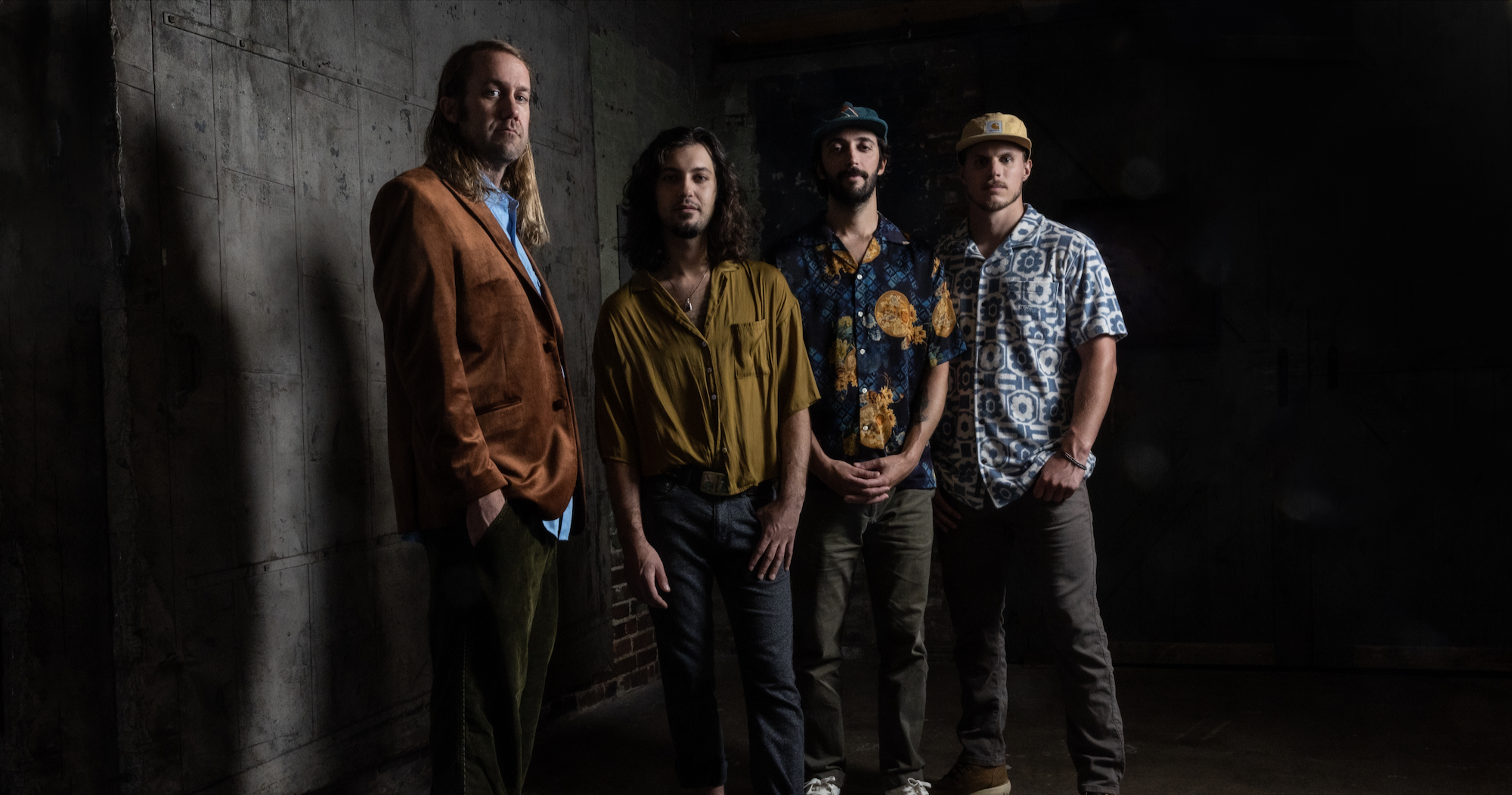
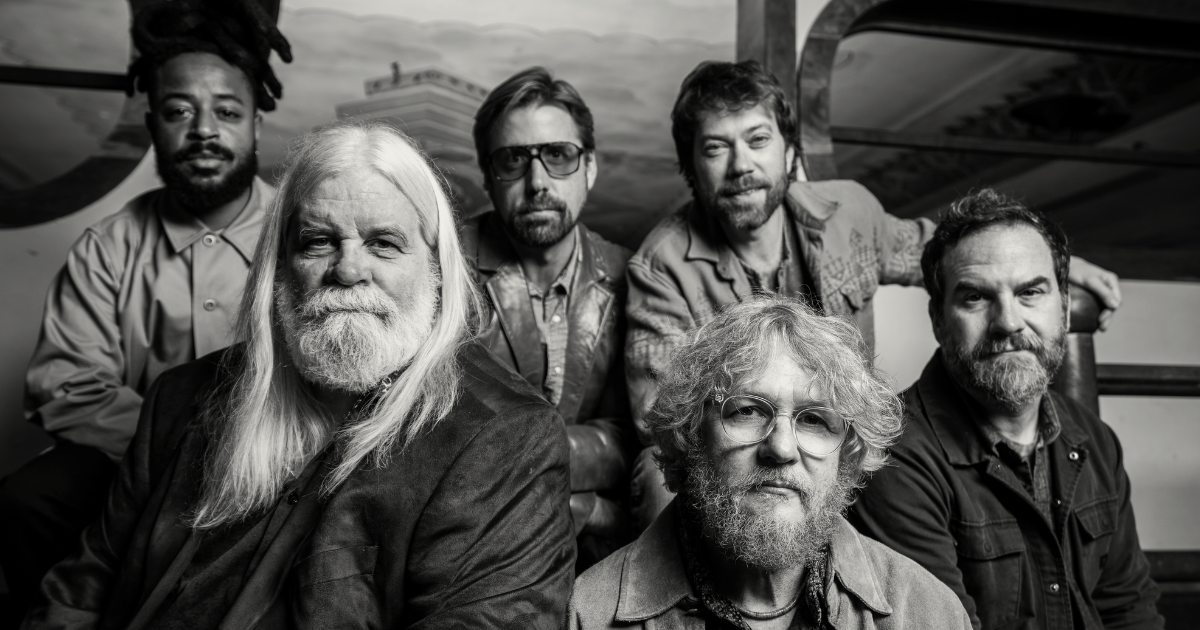
Photo Credit: Leftover Salmon by Tobin Voggesser.
The Origins and Evolution of Jamgrass – And Where It Goes From Here

Whether it’s Bill Monroe, Sam Bush, Sister Sadie, or Billy Strings, bluegrass has always pushed boundaries. At the forefront of that movement sits jamgrass, which brings together a barrage of influences performed with grassy, stringed arrangements and an improvisational sensibility that makes each song and show feel like a living organism – and results in each performance having its own qualities and quirks.

However, despite many tying the origins of jamgrass to ’90s upstarts like Leftover Salmon and Yonder Mountain String Band, its roots actually go back at least a half-century – and in some cases to the very origins of bluegrass music itself.

“When Bill Monroe started the Blue Grass Boys and they came on the Grand Ole Opry with that band, they were so far removed and different from other string bands of that same era even though they had the same instrumentation,” says Bush. “They were light years ahead of all the rest of the music on the Grand Ole Opry in terms of progressiveness and innovation, so in his own way Bill Monroe was a rebel. The Opry audience was just astounded with the way they played, and then when Bill introduced a great fiddler like Chubby Wise and the banjo playing of Earl Scruggs, that’s what kicked what we call bluegrass into gear.”

That same trailblazing spirit of Monroe could also be found in Bush himself several decades later, with the formation of the Bluegrass Alliance and, shortly after, New Grass Revival. The latter went against the grain of traditional bluegrass in nearly every way imaginable, from covers of Jerry Lee Lewis, Bob Marley, and The Beatles to their long hair and the tie-dye they dressed themselves in. All more akin to Deadheads and the hippie movement than bluegrass at the time. Per Bush, the group was inspired by bands that had already deviated from the old-time ways of bluegrass like the Osborne Brothers, Jim & Jesse, the Country Gentlemen, the Dillards, the Greenbriar Boys, Area Code 615, and even John Hartford – who he’d later pay tribute to with his 2022 album Radio John.

That being said, New Grass Revival and the movement they helped spark also held the tradition of bluegrass in as high regard as anyone, even as the band pushed the music in a direction it had never been before. “We always said that if you want to play newgrass, you first have to know how to play bluegrass,” recalls Bush.

The band’s rise gave way to the progressive leaning newgrass movement that saw an influx of outside influences and experimentation flood into the music that Monroe and the Blue Grass Boys made famous, with one of the most notable being Leftover Salmon. Formed in 1989 – the same year New Grass Revival first broke up – in Boulder, Colorado, Salmon brought together acoustic and electric arrangements with percussion to create an offshoot of newgrass they coined “Cajun slamgrass.” The outfit’s hybrid sound was an instant hit, and by the early ’90s the band found itself on the H.O.R.D.E tour with rock and jam bands like Phish, Widespread Panic, Spin Doctors, and Blues Traveler. This further connected the worlds of bluegrass and jam, resulting in what many refer to as the official launch of the jamgrass movement later in the decade when Yonder Mountain String Band burst onto the scene.

In fact, Yonder’s bassist, Ben Kaufmann, recalls attending that H.O.R.D.E tour and credits it for sending him down the rabbit hole of bluegrass. But being from Boston and growing up a Deadhead, he knew that any music he’d go on to create would be radically different from what had come before it.

“We didn’t grow up in the rural South,” explains Kaufmann. “We were suburban kids, which was critical to whatever Yonder ended up achieving. If we weren’t, the band likely would’ve leaned much more traditional. We thought the music of Flatt & Scruggs, Bill Monroe, and the Stanley Brothers were the coolest things ever, even though it was born out of an environment that’s not ours.

“That, combined with the influences of our formative years, helped to mold our own little version of what a bluegrass band could be, even though not everyone thought it was the ‘right’ way to play it. For a while the bluegrass community didn’t want any part of us, which made me realize that if people weren’t going to invite us to their party that we’d create our own, which is exactly what we did.”

From there, Yonder integrated their high-strung and energetic live show even more than the jam band circuit, piecing together the foundations of what would soon become the jamgrass scene in the process. That momentum reached a fever pitch for the band in the late 2000s when the band was headlining bigger rooms than it ever had before and landing opening slots on arena tours with the Dave Matthews Band and Widespread Panic, similar to the gigs New Grass Revival had opening similar venues for Leon Russell in 1979.

Thinking back on that era of the band, Kaufmann says it made him understand the full potential of what jamgrass and bluegrass could achieve if given the opportunity, which he says is now being realized with artists like Billy Strings, Mountain Grass Unit, and others.

“Even in the late aughts when Yonder was at max room capacity and opening these arena shows, we wondered if bluegrass would ever work in rooms this big. And, to our amusement, it did – you just needed to fill the venue with the right people. We didn’t know if that would be us headlining those places one day, but playing those gigs showed us it was something that could happen.

“With that in mind, it’s no surprise to see a young gun like Billy Strings come along and set the world on fire. In the little amount of time we’ve spent together it was obvious that he is a special talent, so observing his rise and all he’s done for this kind of music has been mind-blowing.”

Yonder’s success lit a spark for the jamgrass movement that’s been burning ever since, with countless performers crediting the band for the influence they’ve bestowed upon them. One of those people is Kyle Tuttle, who grew up following the band around on tour in the early 2000s before eventually landing a spot playing in founding member Jeff Austin’s band after Austin departed Yonder in 2014.

“I was just starting to see real bluegrass and already loved the Grateful Dead, so when Yonder Mountain String Band came along and overlapped with those two worlds, it was like a dream come true,” Tuttle explains. “I’d been seeing all these suit-and-tie bands playing straight bluegrass and loved it, but at the same time I was also wondering where I fit into it. Then Yonder pops up and it feels like what I’d been waiting my whole life to discover.”

Tuttle played his first gig with the Jeff Austin Band in 2016 and remained in the group up until the singer’s untimely death in 2019. He went on to perform with the GRAMMY Award-winning Molly Tuttle & Golden Highway from 2021 to early 2025. Now he leads his own collective, the Kyle Tuttle Band, where he intertwines original compositions with traditional bluegrass covers and other off-the-wall influences as he puts his own spin on what jamgrass is.

“It’s a common perspective for people to not want you to mess with their bluegrass and tradition, whereas the jamgrass world tends to be more wide open,” admits Tuttle. “Fans nowadays are ready to hear whatever interesting mashup you create, which makes for a really nice union.”

With how wide open the jamgrass has become, even bands outside its periphery have found their way into the community from time to time. Take Fruition for example, a band that began busking on the streets of Portland over 15 years ago with a mix of string instruments and a poppy folk sound that sits on the far outer reaches of the jamgrass spectrum. Similar to how Yonder struggled to be embraced by the bluegrass community in its early days, Fruition’s Kellen Asebroek said it was the jamgrass community that first embraced and welcomed the band when nobody else would. “There’s no telling where we’d be if they hadn’t welcomed us into their family.”

“I was introduced to [jamgrass] in 2002 before I even knew what it was,” recollects Asebroek. “My uncle was a big Leftover Salmon fan and gave me an audience recording from the ’90s to listen to that left me in awe wondering what the hell it was they were doing. I grew up in more of a punk, reggae and classic rock world, so that was the first time I heard something remotely grassy. It wasn’t until we started Fruition and were busking on the street that people began referring to us as a jamgrass band. That being said, Fruition tends to be on the more structured side, so much so that I wouldn’t even call ourselves a jam band. We’ve always been in a unique place in that world in the sense that the jamgrass community is who took us in as babies and showed us around even though we were on the fringes of it.”

Also on the fringes of jamgrass is Daniel Donato, who began picking country and bluegrass tunes on Nashville’s Broadway strip as a teenager before launching his own project, Cosmic Country, in 2015 after seeing shapeshifting country singer Sturgill Simpson at the Ryman. The sound that grew out of that moment is equal parts Simpson and the Dead, but Donato says that bluegrass legends like Bill Monroe are also critical to what he creates as well, even though he utilizes mostly electric instrumentation.

“Jerry Garcia also had a really sophisticated understanding and appreciation for bluegrass music,” compares Donato. “The arrangements of the Dead were not succinctly bluegrass, but there was a ton of bluegrass influence that went into the way he played, especially with Old & In The Way and the Jerry Garcia Band. My goal has been to tap into a similar feeling, but with a slightly more prominent country twang.”

Someone else who’s spent plenty of time in the jamgrass scene despite not always producing music that would be categorized as such is Sierra Hull. The mandolin prodigy grew up on a heavy dose of traditional bluegrass in East Tennessee, with acts like Blue Highway, the Seldom Scene, and Lonesome River Band being the soundtrack of her youth. While she’s tended to lean more towards “chambergrass” and singer-songwriter styles in her adult life, she also takes plenty of time to let loose and jam, whether it’s stretching out her own material or joining artists like Cory Wong, the String Cheese Incident, Greensky Bluegrass, Béla Fleck, and Sam Bush on stage. The latter of whom she credits – along with luminaries like Peter Rowan and David Grisman – for planting the seeds that later grew to become jamgrass.

“For people like me, [Sam] was such a huge gateway to a lot of these other musicians who were really open-minded about what they played and who they collaborated with,” confides Hull. “Coming from a more traditional background, what I’ve enjoyed most about getting out to these bluegrass and jam festivals [is] mixing it up with folks. I’ve become a fan of jamgrass from seeing it all happen up close, rather than having grown up on albums – which I feel is the case for a lot of fans of jam music. The recorded music is still awesome, but the live shows are where the spirit and energy of jamgrass truly live.”

Hull continued, stressing how despite the current momentum behind jamgrass it’s still a very niche genre that nobody gets into expecting to become famous from it, which makes the heights Billy Strings and others are taking it to that much more mesmerizing.

“There’s something really cool about seeing folks who maybe don’t know who Bill Monroe or Doc Watson is, but they can go to a Billy show and immediately connect to the authenticity of what the music is,” exclaims Hull. “We live in a day and age where people are ripping on their pedals and doing more progressive stuff than they ever have before with string music, but at the same time most all of these bands have their moments where they throw that all away and just play a straight-up bluegrass tune. Seeing people resonate with that is central to what this music is and does.”

Another woman staking out a career in and around jamgrass is Lindsay Lou, who first discovered the subgenre witnessing the early days of Greensky Bluegrass performing in Michigan. Although she’d already been vaguely familiar with Yonder and Leftover Salmon, Lou credits Greensky’s sound and proximity to her as the driving factors for introducing her not just their music, but jamgrass as a whole.

“Greensky was my gateway to the jam world, because we were both part of the same scene,” says Lou. “I started hanging with them and soon found myself at festivals with other like-minded bands that sent me diving into the music of the Grateful Dead and others.”

One of those artists she wound up connecting with was a young Billy Strings, who she’d grow close with and later live across the street from in Nashville. The two would even go on to co-write a number of songs together including “Freedom” and “Nothing’s Working,” which both appeared on Strings’ albums Home and Renewal, as well as the latter appearing on Lou’s Queen Of Time. “It’s been really cool having written songs with Billy and hearing him perform them to arenas packed with 30,000 all singing along.”

“It’s no surprise to me that Billy has brought so many people to jam and bluegrass music in the same way that Yonder and Greensky did for so many before him, including Billy himself,” she stresses. “It’s been so much fun watching a young hippie kid like him take a traditional song to places you never thought it could go due to him embracing the musical conversation that jam music is centered around.”

Someone at the heart of the Billy Strings phenomenon is Jarrod Walker, who’s played mandolin in the Michigander’s band since 2018. Similar to Sam Bush, Walker believes the roots of jamgrass can be traced all the way back to Bill Monroe, due to how he took popular songs of the day and breathed new life into them with stringed arrangements – similar to how modern day jam bands pull from influences far and wide to create something entirely new. And although he credits Sam Bush as being a central figure for the movement, he also holds the Seldom Scene – who recorded an extended version of the Grateful Dead’s “I Know You Rider” (simply called “Rider”) on its 1973 album Act III – in a similarly high regard.

“There have been a smorgasbord of different influences in jamgrass from the very beginning with Irish and English music and gospel and blues – all of it was an integral part of what Bill Monroe originally did,” says Walker. “Then someone like Jerry Garcia comes along and follows Monroe like people would soon be following the Dead, which led to Old & In The Way, continuing the prophecy that’s still playing out to this day.”

But even as that prophecy continues to play out, Walker is amazed by where it’s taken not just the Billy Strings band, but string music as a whole. Having been accustomed to gigging at performance art centers and other smaller, seated venues for most of his pre-Billy picking days, he says that the experience of performing at rock clubs and now arenas with fans going crazy for bluegrass music has been mind-boggling and a phenomenon he’ll never stop being captivated by.

“[Playing arenas] is something none of us saw coming and is a combination of being at the right place at the right time and the contributions of everyone who came before us that paved this path for us to do it,” states Walker. “Billy is also a fantastic musician and student of bluegrass whose love for the music combined with his other influences is emblematic of the cohesion that is core to jamgrass and everything it stands for.”

Like all forms of music, jamgrass is a living, breathing organism that is constantly evolving and bringing new ideas and influences to the table. Whether it’s traditional and progressive bluegrass or rock, blues, punk, soul, country and everything in between, it all has a place in the jamgrass setting and is without a doubt the biggest driving factor of the genre’s success. It truly is a “rising tide lifts all boats” scenario that may have been a long time coming to arrive, but now that it’s here and thriving shows no signs of departing anytime soon.

“It took a long time for listening tastes to catch up with this kind of music and these instruments, but it’s no surprise to me that someone as talented as Billy is having the success he’s having,” declares Bush. “It’s only natural that the music is going to grow, and it’s in a really healthy place right now. But even with the rise of jamgrass you still have good ole Del McCoury leading the pack with his Bill Monroe style of bluegrass, and the same audience that loves jamgrass loves him too.”


Continue exploring our Jamgrass in July coverage here. This content brought to you in partnership with Preston Thompson Guitars.

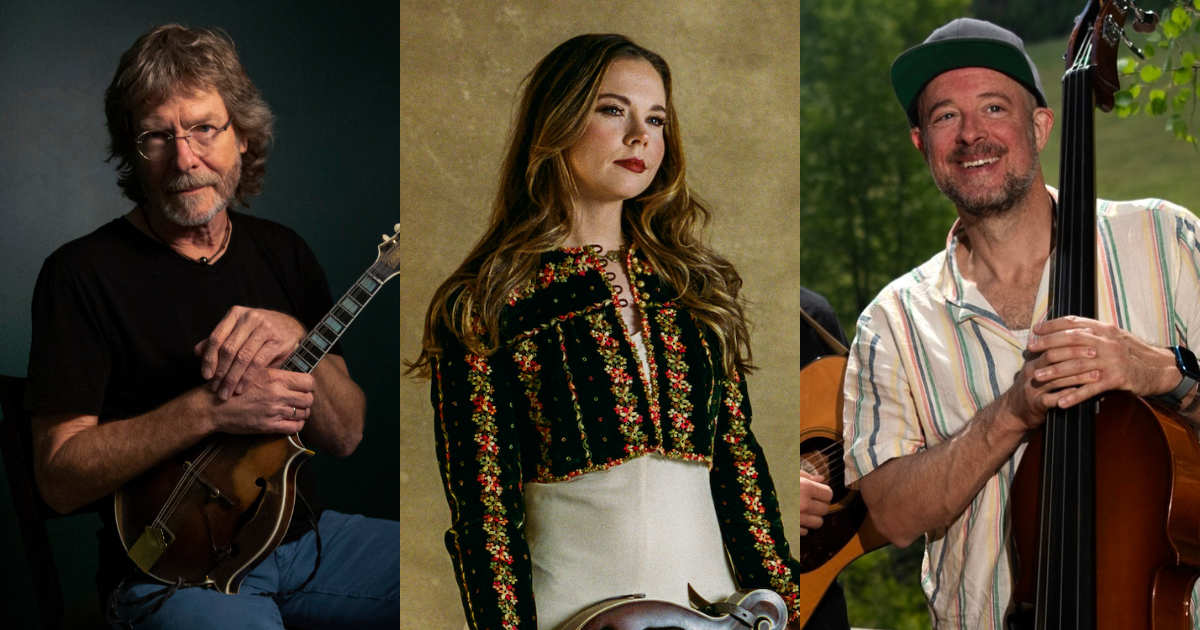
Photo Credit: Sam Bush courtesy of Crossover Touring; Sierra Hull courtesy of the artist; Ben Kauffman courtesy of Crossover Touring.

Magoo on Taking Chances and Giving Up Second Guessing

Magoo has been lighting up Colorado’s vibrant and crowded jamgrass scene since 2022. Their collision of string band music with danceable beats, jazzed up instrumental breaks, and anthemic lyrics rooted in rock has led guitarist Erik Hill to coin the phrase “bluegrass with lasers” to describe their sound and style.

After turning heads with two volumes of Magoo The EP in 2023 and 2024, the band – now comprised of Dylan Flynn (Dobro), Courtlyn Bills (mandolin), A. Denton Turner (bass), and Hill – have finally unleashed their full-length debut, What A Life. The 10-song compilation sees the upstart group of pickers contemplating everything from the sacrifices of a life lived on the road, the places that have transformed us, and how our stories are all connected.

Across 52 minutes of run time, the musicians rip their way through meandering jams that flow freely from one song to another as if it was a live show, an approach Hill says was intentional to keep the album from feeling sterile.

“Our live shows and recordings are very important to us, so it was imperative that this album not feel so copy and paste or cut and dry like studio projects often can be,” explains Hill. “I think we landed on a nice, organic feel that stretches the songs out, but not as much as we do when you see us live. In that sense, it serves as a good bridge between the two.”

During a free-flowing conversation with the band inside the green room at The Burl in Lexington, Kentucky, midway through their winter tour, Magoo spoke about the DIY approach to What A Life, Telluride’s significance to the group, near-death experiences, and more.

Why was now the right time to release your debut record?

Erik Hill: We had all the songs that we wanted to record. With the EPs we released previously, we basically recorded the couple originals that we had at the time along with a few covers. Eventually we started collecting a nice set of original music and figured it was time to do a full-length album.

Denton Turner: A big part of it is just having all the parts in place, from our management to booking people, so we can hit the road full speed. But in order to do that right it was important we have an album out to go with it – we needed a product to market. That was a big motivator for us this year, having an album to really kick in the door and make the most of our 100+ shows this year. Getting those other pieces in place on our team gave us ample time to focus on recording. When you’re trying to do everything it’s easy to half-ass it all, so having them by our side allows us to focus on and tackle what we love – the music – head on.

And with What A Life you opted to tackle it in your own DIY studio. Tell me about that experience?

Courtlyn Bills: I’ve made about 80 records in the past, but for this one everything was set up special just to make this album. I was moving and had my dad drive up a bunch of equipment from Texas, including my console he’d been holding in storage that was previously owned by Prince.

EH: Sessions were scattered throughout the month when we weren’t touring. Any time we were able we’d try getting over to Courtlyn’s to bang out a tune or two.

CB: There were a lot of 4 a.m. sessions. The coffee pots were flowing! The only big difference from one session to the next came on the jams, which we decided to use our pedal boards on and mic them up simultaneously. The only other thing is that I changed the action in my mandolin near the end of some tunes, which is why my mandolin sounds a bit thicker to close out three songs. There was a lot of us repeatedly asking each other, “How does your instrument sound?” Because there’s no turning back now, so no pressure. [Laughs]

DT: Even though we’re coming from touring and going straight into recording and back to touring – which seems hectic in a way – it’s nice for me doing [songs] one at a time. Being in a studio can be a grueling, tedious process, so having the luxury of being able to do it ourselves when it made sense for us was nice. We were able to just focus on one song or two songs at a time and give them all our attention. It didn’t feel like we were on the clock and paying by the hour with the pressure to get it all done quickly. Instead we were able to focus on banging out a song then hitting the road and discussing what next song we want to do and develop next before coming back being ready to give that song the attention it deserves, which was a lot of fun.

Courtlyn, you mentioned having a deep catalog of producer credits already. Has it always been a goal of yours to record your own band’s projects?

CB: I first started working in a studio when I was 15, mostly with younger artists that have less developed material, which I love. However, what I don’t love recording is my own music, which is why I never made a record for myself up to this point. But the cool thing about Magoo is, even though I write for and sing a lot with them, it feels like I’m working for a band and not myself. Knowing that removed a lot of the pressure of it being a make or break thing because I could trust my dudes. If they said something was good I wouldn’t question it, I’d just say, “Let’s move on!”

If I’m not mistaken, the only song you didn’t record at the DIY studio was “Angel Of Telluride,” which you flew to Nashville to knock out with its feature artist, Sam Bush. How’d that one come about?

CB: That connection came about through Jeff Fasano, an amazing photographer who used to shoot the rock band I was in prior to Magoo. Whenever we first met I had just started playing mandolin and I remember him telling me that he could see into my soul and could tell that playing it was my destiny, not rock music. I knew he was also close to Sam, so when I eventually wrote “Angel Of Telluride” I did it to be a Sam Bush song.

One day Jeff emailed Sam about the song and once he realized we were a real band and not full of shit he gave me a call and said he’d be honored to be a part of it. When we got to recording, I remember asking him if he wanted a producer credit on the song and he turned it down even though he was still effectively acting as a producer, because every freaking note, chord change, and tone shift he hit was spot on.

DT: Sam actually beat us to the studio the day we recorded. We wound up spending the entire day hanging out with him. It reminds me of a line in “What A Life” – “Buy the ticket, take the ride.” You only get one life, so don’t shy away from taking chances and shooting for the stars. Who knows, you might just wind up at a studio in Nashville recording with one of your heroes. Working with Sam never would’ve happened if we hadn’t taken the chance, and I’m so glad we did. I hope it inspires others to bet on themselves and their abilities too.

That song also holds a lot of significance given what the Telluride Bluegrass Festival has meant to the band, notably how you wound up bringing Courtlyn into the fold. Can you tell me about that?

Dylan Flynn: Erik, myself, and my Uncle Paul [Flynn] were the original Magoo and would regularly attend and pick around at festivals like Telluride, Rockygrass, and Tico Time. Then a few years ago Courtlyn, still new to bluegrass at the time, stumbled into our campsite. We ended up picking all week, through the night until 8 a.m. each day.

Then at one point when we were watching Greensky Bluegrass perform I remember him turning to me and saying, “I want to be in your band” and I responded, “I just met you like five minutes ago. Let me talk to the guys about it first.” [Laughs] But after spending all that time with him there and seeing not just how his brain works, but also how far along he was as someone still new to bluegrass, it was a no-brainer. In the weeks after Telluride it dawned on us that he was the missing piece we needed, not just as a player but as a person as well.

We rode with that lineup for about a year until my Uncle Paul decided he wanted to step away from music to travel the world – he’s actually rooting us on from Thailand right now. But when he departed, Denton was presented to us by a mutual friend. Similar to Courtlyn, after being introduced he tagged along to play several gigs before we formally asked him to join us long-term.

DT: I still remember them proposing to me and making it official with a Slim Jim ring. I still have mine and see it every day. It’s on the bus sitting on the butter tray in our fridge. [Laughs]

Sounds like you’re preserving it like one of those Big Macs you see in a museum that’s unchanged after 20 years!

Switching gears now – Courtlyn, what led to your move from the rock world into bluegrass?

CB: I was seeing the String Cheese Incident and going to festivals like Hulaween a lot, but I still didn’t quite love or understand bluegrass yet. I come from a really progressive and heavy world of jazz fusion, metal, and radio rock, but once I started hearing Cheese do more bluegrass-leaning songs I started falling in love and learning how to do them myself.

Then in 2019 – still prior to picking up a mandolin – I ingested DMT for the first time. When I did, I remember a friend who’d been telling me for years that even though I didn’t know it, that I was a mandolin player. [He] put a 1916 Gibson A[-style mandolin] into my hands and told me to shred. I don’t know how to explain it besides it being like “Dr. Strange,” but with numbers. It was that moment I became a mandolin player.

From there I formed a Celtic band and began plugging away with that, all the while realizing I had to get this bluegrass thing figured out. Bluegrass is one of the most prominent genres in the counterculture-ish scene that I loved being a part of, from String Cheese people to Deadheads and Spreadnecks and beyond. One day I sat myself down and said bluegrass is gonna have to be it – you are married to bluegrass now. Then I started going online and listening to pickers like Ricky Skaggs, Sierra Hull, Jarrod Walker, and David “Dawg” Grisman, slowing down YouTube videos to learn their breaks. That was about it. Once I learned what was going on in bluegrass musically, then it was obvious that these guys and gals are monsters. To be able to create such a back pocket with no drums on that mash grass stuff – there’s nothing like it.

You’re right, there is nothing like it! With that in mind, is that what your song “What A Life” is about – taking chances and being grateful to make a living making music?

CB: The melody and chorus for that song came together really quickly one day in my buddy’s living room. At that time in my life, the songs I was writing didn’t hold a lot of meaning or significance, so I wanted this one to be profound. The last verse really says it all: “What a life/ Is what I thought before I got swallowed by the tide/ Something felt amazing/ But I knew it wasn’t on the other side.”

I had a near-death experience when I was 19 and that is where I take a lot of the song’s inspiration from – although in the beginning I try to get cute talking about grandpas and other relatives and how their actions and memories have impacted the person you are in this very moment. Despite how insignificant those stories may seem to you right now, the fact that they were passed down and made it to you means they must’ve been pretty big moments in their and your family’s history.

So even though something like hopping into a stranger’s car and hauling ass to Telluride may not seem significant to anything other than the present moment, it’s so much more than that. We’re all connected in the climb and the work we put in together to build the memories we cherish. If none of us were here, what would be the point?

DF: …There’d be no life at all. That’s my favorite line in the entire song: “If none of us were here there’d be no life at all.” [Laughs]

A big part of the musical life and memories in your Colorado stomping grounds are its vibrant jamgrass community, a talented and tight-knit group that reminds me a lot of the Kentucky scene I’ve been fortunate to grow up in. What are your thoughts on the scene there and where Magoo fits into it all?

EH: We’re pretty lucky to call Colorado our home base. It’s certainly a breeding ground for a lot of great bands and even better music fans. People that love our type of music are everywhere in Colorado, no matter what town you’re in. From Denver to Boulder and up in the mountain towns, people want to hear that jam music, bluegrass, or a mix of both. It keeps us constantly busy and buzzing with new ideas to explore.

DF: We also have so many friends who are a part of great bands like Clay Street Unit, Tonewood String Band, and The Fretliners. I have more friends in my life now than ever before because of the community that we’re building. It’s also funny too – like one day I was driving home and saw [the Infamous Stringdusters’] Andy Hall in my neighborhood and am in awe, only to find out he lives half a mile down the road. My number one Dobro inspiration is Andy Hall, so having him so close by is a testament to just how unbelievable the music scene is in Colorado right now.

CB: There’s just something about being above 8,500 feet [elevation] that pushes people to their limits, whether it’s climbing a mountain or writing a song. The special thing about Colorado is the people here are making music for their friends. They’re making music for their little community to get together and have a good time. Someone like Vince Herman isn’t out there writing a song to have a number one hit. He’s writing a song so his family and his homies can get in front of the stage and throw down and feel comfortable and have the time of their lives, which is exactly what we’re getting to do now.

All: What a life!

What has bringing this album to life taught you about yourselves?

EH: Doing this album DIY style, we had to learn to trust ourselves and say, “Hey, this is really good.” You can sit here and nitpick each part and each take fucking forever, but at the end of the day what we have is really good, good enough to put out for people.

DT: For me, it’s in line with the phrase “what a life,” to take the chance and take the ride, call Sam Bush, whatever. I hope it inspires others the way it inspired me. When I met these guys, I lived three and a half hours away on a good day, but I saw what was going on and wanted to be a part of it. That meant getting in my car and driving to Denver multiple times a week to practice and learn the material. People thought I was crazy, but if you want something, you’ve got to go for it and give it your all. When you do that, amazing things can happen.

This whole experience has been a case in point of that, especially with the Sam Bush thing and making that call. We didn’t sit there and second guess ourselves about it and look at what happened. It’s always worth your time to give it a shot. You never know where the ride will take you. For me, that’s what this is all about.


Photo Credit: Jeff Fasano