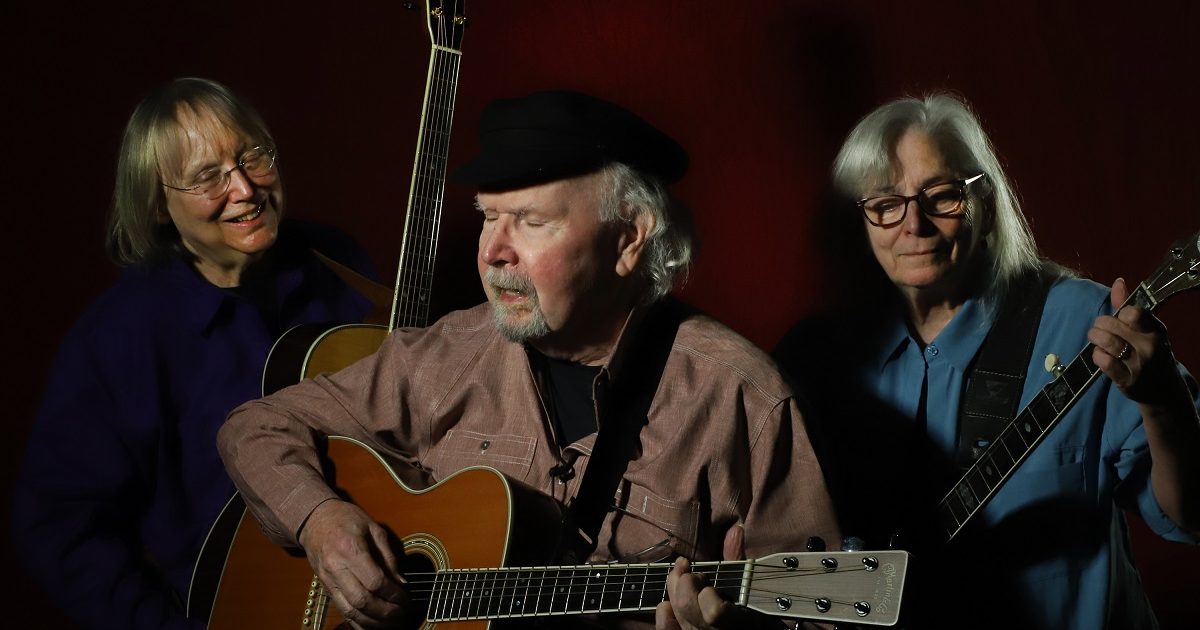
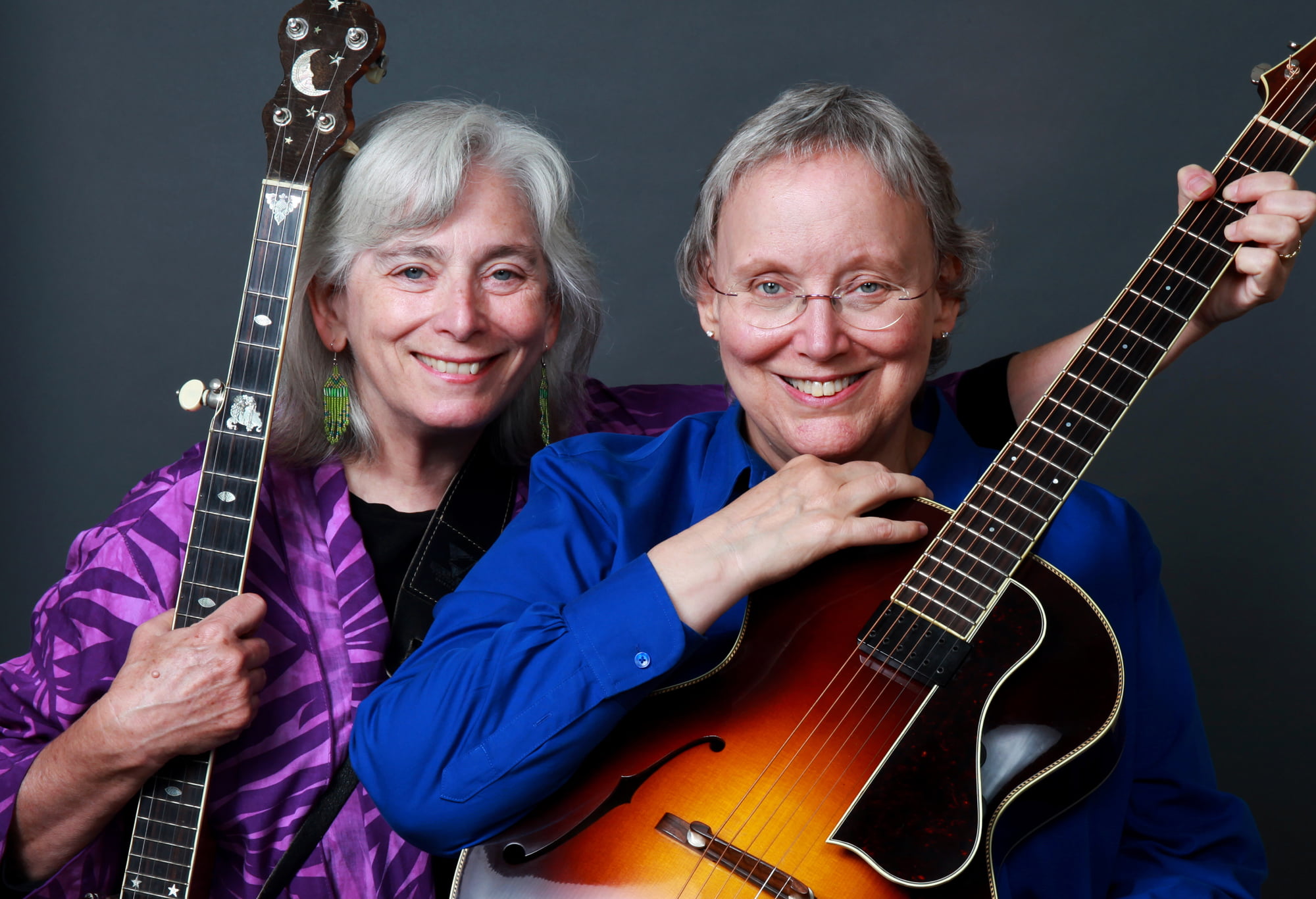
LISTEN: Tom Paxton, Cathy Fink & Marcy Marxer, “Since You”

Artist: Tom Paxton, Cathy Fink & Marcy Marxer
Hometown: Washington, D.C., area
Song: “Since You”
Album: ALL NEW
Release Date: July 29, 2022

In Their Words: “When Tom and I wrote ‘Since You,’ we had a goal of creating a happy bluegrass love song with a harmony chorus. We also wanted to create a song that other bluegrass and country artists might want to sing. We liked the idea of alternating verses so we could both be lead singer. It’s one of many bluegrass songs we wrote — a little generic in order to make it easily sung by anyone. Good energy, good vibe, happy tempo, trio harmonies, and rockin’ bluegrass band. We were writing a song a week together and every few weeks we’d focus on a love song or a bluegrass song, and this one nailed both! And as we thought of both the album and performances, this song fits nearly anywhere.” — Cathy Fink


Photo Credit: Michael G. Stewart

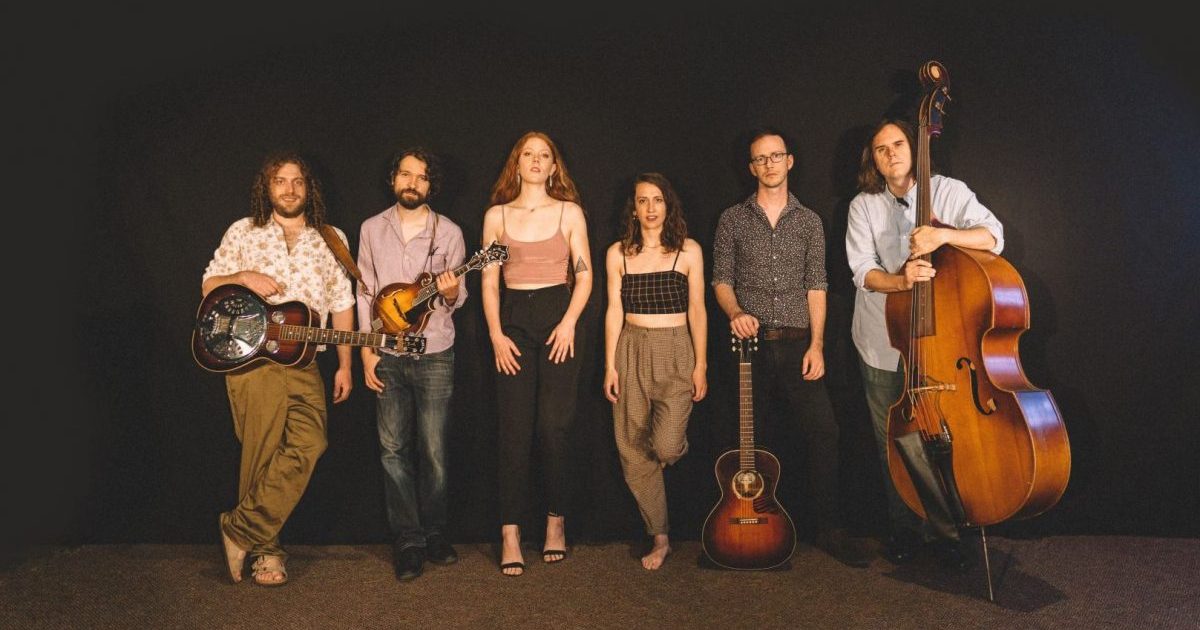
WATCH: Buffalo Rose, “I Give You the Morning” (Feat. Tom Paxton)

Artist: Buffalo Rose
Hometown: Pittsburgh, Pennsylvania
Song: “I Give You the Morning”
Album: Rabbit EP
Release Date: February 22, 2022
Label: Misra Records

In Their Words: “Working with Tom on this entire project was an incredible gift and joy. He was so gracious with his time, his creative energy, and his enduring passion for music and songwriting. This song is just so well-written, with such stunning and unique imagery, so we were really excited to put our own spin on it, and create some moments where the harmonies and instrumental passages could accentuate the lyrics. We were all down at Pulp Arts studio in Gainesville, Florida, and had just tracked our parts and sent it off to Tom to record in Virginia. We got his final verse and played it in the control room. It was so powerful and emotional to hear his voice on this track, revisited 50 years later. Seeing it side-by-side with some footage of him singing in the ’60s really connects us with the power of music to connect people across space and time, and how there are aspects of humanity that transcend both.” — Shane McLaughlin, Buffalo Rose


Photo Credit: Zian Meng

They’ve Got You Covered: 10 Tributes You Need to Hear

2020 was a year of many things – COVID-19, existential elections, the shuttering of the music industry, and on and on – but one common, non-catastrophic throughline of the musical variety was cover songs. Many musicians and artists, finding themselves with more free time than usual and more standard-fare albums and cross-continental tours back-burnered, took the opportunity to explore live records, collaborations, and yes, covers. From Molly Tuttle to Wynonna, livestreams to socially-distanced shows, covers became an unofficial pandemic pastime. 

Now, in 2021, many of these cover projects conceived and created in 2020 have made it to store shelves – digital and otherwise – and we’ve collected ten tributes worth a listen:

Shannon McNally covers Waylon Jennings

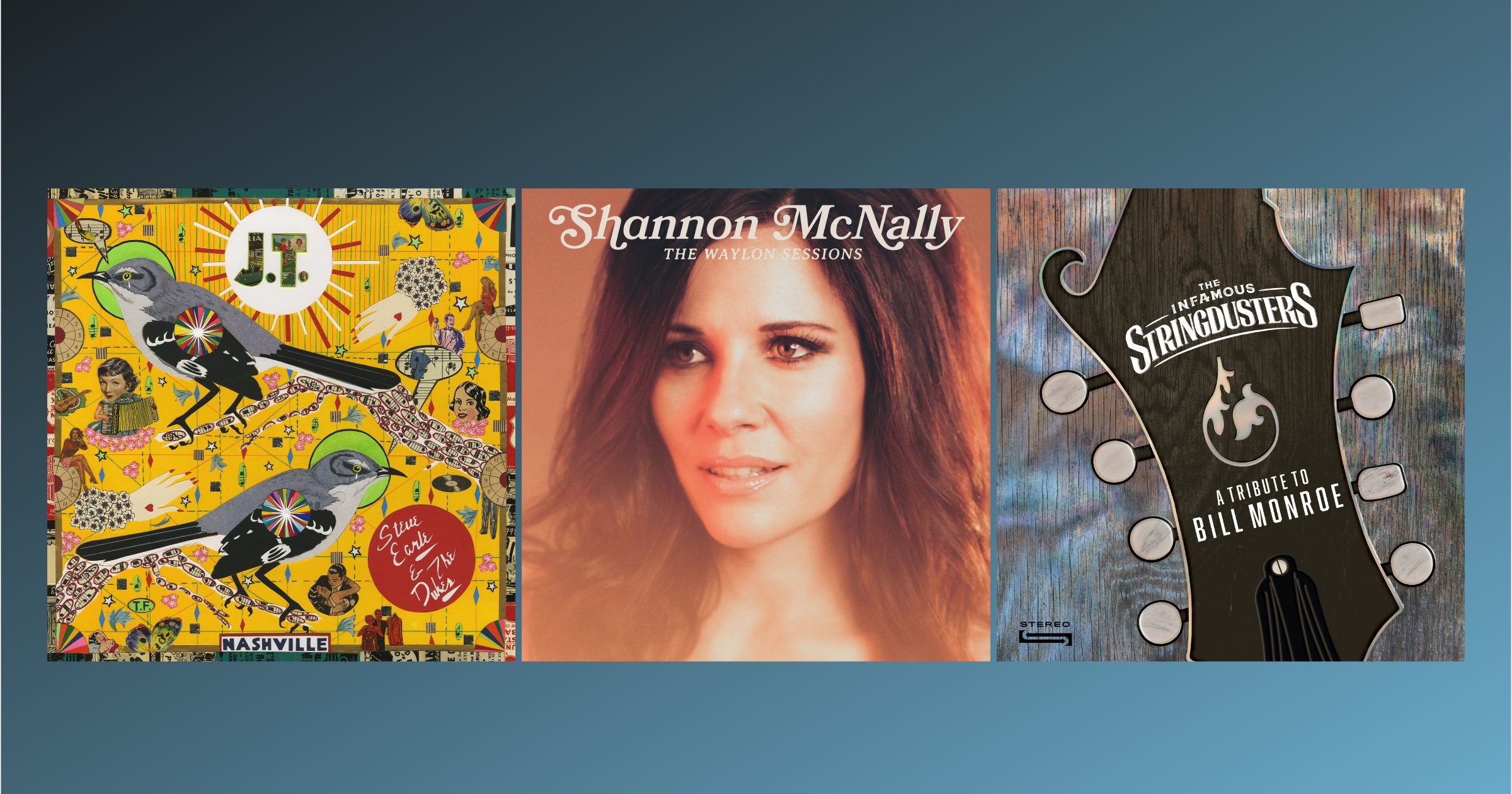
It’s fitting that Shannon McNally released The Waylon Sessions on Compass Records, whose headquarters now occupies “Hillbilly Central.” As Tompall Glaser’s former studio, the building helped give rise to country’s outlaw movement and it’s where Waylon himself recorded. With guests like Jessi Colter, Buddy Miller, Rodney Crowell, and Lukas Nelson, the project recontextualizes Waylon Jennings’ material, which is usually associated with hyper-masculine wings of the country scene. As McNally puts it in a press release, “What Waylon Jennings brought to country music is what country music needs right now, and that unapologetic and vulnerable sense of self are what women are tapping into artistically right now as the industry evolves.” 


Steve Earle covers Justin Townes Earle

Many a musical child has covered their parents’ catalogs in retrospect, but it’s rare that we see the reverse. A gorgeous, gutting, and laid-bare album, Steve Earle’s J.T. is a ten-song tribute to his son, Justin Townes Earle, who passed away suddenly in August 2020, shocking the Americana and folk communities. Earle’s signature emotion bristles and crackles throughout the project, giving Justin Townes’ songs an even stronger quality of visceral electricity. Proceeds from the album will go to a trust for Etta St. James Earle, Justin Townes’ daughter and Steve’s granddaughter. 


The Infamous Stringdusters cover Bill Monroe

Spread out from North Carolina to Colorado and beyond, the Infamous Stringdusters utilized home recording from their respective studios during the pandemic to accomplish musical creativity their jam-packed schedule hadn’t really allowed in the “before times.” Their brand new EP, A Tribute to Bill Monroe, returns the virtuosic jamgrass outfit to territory familiar to those who first found the group when they were cutting their teeth, striding out from traditional bluegrass into the vast, expansive newgrass-and-jamgrass unknown. The project illustrates that the true strength of this ensemble is found in utilizing traditional bluegrass aesthetics for their own creative purposes. For example, you might listen through the entire record without realizing the Stringdusters made a Bill Monroe tribute album without mandolin!


Mandy Barnett covers Billie Holiday

Mandy Barnett is a cross-genre chameleon; between her talent, her voice’s timeless Americana tinge, and her appetite for classics — from Nashville staples to the American songbook — she often finds herself reaching far beyond Music Row and classic country to R&B, standards, and in her most recent release, Billie Holiday covers. Every Star Above was recorded in 2019, pre-pandemic, and includes ten songs from Holiday’s 1958 Lady in Satin album – songs previously also covered by Frank Sinatra, Dinah Washington, and many, many others. The project feels akin to Linda Ronstadt’s pop and big band forays, never fully detached from Barnett’s country roots, but built atop their solid foundation. In another Ronstadt-esque move, Barnett partnered with recently departed jazz arranger Sammy Nestico; Every Star Above was the award-winning composer’s final project.


Charley Crockett covers James Hand

Country-western crooner Charley Crockett is truly prolific, having released nine full-length albums in the past six years. As the story goes, before his friend, acclaimed Texan singer-songwriter James “Slim” Hand passed away unexpectedly about a year ago, Crockett promised he would record his songs. “Lesson in Depression” captures the sly, winking quality of the best sort of sad-ass country, which isn’t burdened by its own melodrama. While it’s certain Crockett (as Tanya Tucker would put it) would have rather brought Slim his flowers while he was living, there’s a poignancy in how 10 For Slim – Charley Crockett Sings James Hand, like Earle’s J.T., immediately demonstrates how these impactful musical legacies will live on.


Lowland Hum cover Peter Gabriel

Lowland Hum’s album covering Peter Gabriel’s So — which they’ve cutely and aptly entitled So Low — began as a passing joke, but the folk duo of husband-and-wife Daniel and Lauren Goans followed the passion and fun that led them to Gabriel’s hit 1986 release, quickly unspooling the passing whim into inspiration for a full-blown project. “We already loved the iconic record, but in translating Gabriel’s melodies and otherworldly arrangements,” they explain on their website, “we fell even deeper in love with the songs, Gabriel’s voice, and his uncanny ability to fully inhabit both vulnerability and playfulness…” Their “quiet music,” minimalist approach is well suited to the material and the entire project is incredibly listenable, comforting, and subtly envelope-pushing.


Chrissie Hynde covers Bob Dylan

After The Bard released “Murder Most Foul” and “I Contain Multitudes” early in 2020 (and in the pandemic) founder, singer, songwriter, and guitarist for The Pretenders Chrissie Hynde was inspired to once again revisit Dylan’s catalog – a limitless fount of material with which she was already intimately familiar. Her new album, Standing in the Doorway, features nine Dylan tracks recorded with fellow Pretenders guitarist James Walbourne – almost exclusively via text message – and for their coronavirus YouTube video series. Hynde opts for deeper cuts, showcasing her affinity for swaths of Dylan’s career often overlooked by other would-be cover-ers. This classic, “Tomorrow is a Long Time,” feels appropriately sentimental and longing, a perfect encapsulation of the day-to-day of the realities of the pandemic, filtered through a Bob Dylan lens and Hynde’s distinctive voice. 


Various Artists cover John Lilly

John Lilly is a songwriter’s songwriter. Based in West Virginia, his original music has been covered by modern legends like Tim O’Brien, Kathy Mattea, and Tom Paxton. April In Your Eyes: A Tribute to the Songs of John Lilly gathers various artists from the folk, old-time, and bluegrass communities – in West Virginia and otherwise – spotlighting the incredible depth and breadth of Lilly’s catalog. The title track is stunningly rendered by Maya de Vitry and Ethan Jodziewicz, who were connected with Lilly originally through West Virginia’s iconic old-time pickers’ gathering affectionately referred to as “Clifftop.” Paxton, O’Brien, and Mattea all make appearances on the project, as do Brennen Leigh & Noel McKay, Bill Kirchen, and many other members of Lilly’s musical family and inner circle, giving the project an intentional and intimate resonance.


American Aquarium cover ’90s Country Hits

BJ Barham’s American Aquarium dropped a surprise album, Slappers, Bangers, & Certified Twangers: Volume One in May. Featuring ten covers of some of the band’s favorite ‘90s country hits, it’s a dose of all-star-tribute-concert packaged in a pandemic-friendly stay-at-home-form – and available on John Deere Green vinyl, of course. One particularly sad casualty of the coronavirus pandemic has been these sorts of musical nostalgia bombs – when was the last time any of us attended a theme night or tribute show at say, the Basement East in Nashville or Raleigh, NC’s The Brewery? – and Slappers, Bangers, & Certified Twangers has us in the mood to attend the first ‘90s country covers live show possible now that things are finally reopening.


Various Artists cover John Prine

A year without Prine seems far, far too long to travel with such a Prine-shaped hole in our musical hearts. But his presence and legacy certainly still loom large; the Prine family has announced “You Got Gold: Celebrating the Life & Songs of John Prine,” a series of special concerts and events held across various venues in Nashville in October. Oh Boy Records is also planning to release a new tribute record, Broken Hearts and Dirty Windows: Songs of John Prine, Vol. 2, to coincide with You Got Gold. The first two tracks from the project that have already been unveiled feature Sturgill Simpson performing “Paradise” and Brandi Carlile’s rendition of “I Remember Everything,” which you can hear above. Each month until October, the Prine family and Oh Boy will release another song from the project, unveiling special guests who each pay tribute to Prine, his songs, and the enormous vacuum his loss has left in the roots music industry.


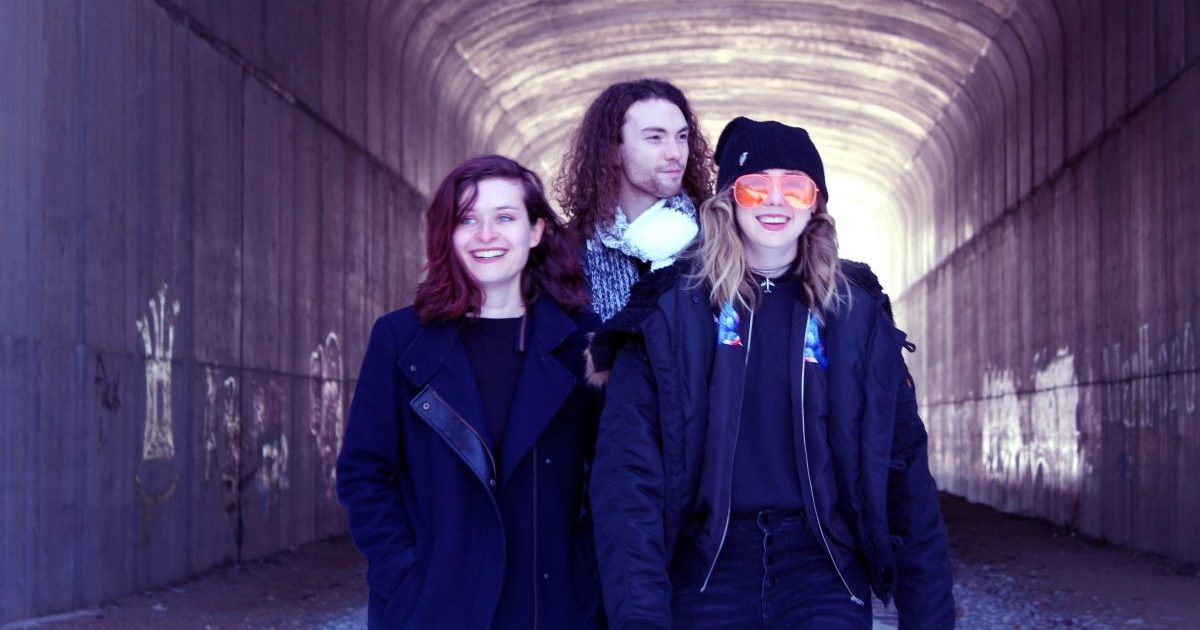
BGS 5+5: The Accidentals

Artist: The Accidentals
Hometowns: We split hometowns of Traverse City and Nashville; we have houses in both (Sav and Katie) and Michael is from Grand Rapids
Newest Album: TIME OUT (Session 1)
Nicknames: Savannah is Sav, Katherine is Katie, Michael is ALWAYS Michael. haha.
Rejected band names: Flavor Monkeys, Savage Kittens (now our publishing company), Go Dog Go, Jalapeno Honeymoon, Comfort and Dismay. We were The Treehuggers before.

Which artist has influenced you the most … and how?

Katie: Brandi Carlile is one of those through-line artists we bonded over when we were teenagers and have never stopped learning from. I’ll never forget hearing “The Story” for the first time and doing a double take when the music drops out and she belts the chorus like there’s no tomorrow. As a socially anxious kid I wanted nothing more than to be able to hurl my feelings out of my lungs the way she does. Over the years we’ve watched her do everything from producing records to making her own music festival in order to support women artists.

One of the last shows we saw before the lockdown was Brandi playing with Kim Richey at the Ryman Auditorium in Nashville. We had just moved to town and as we sat on the worn wooden pews overlooking the stage, I was moved to tears watching the young girls in the front row throwing their heads back and belting along to “The Story.” Never in a million years would we imagine that a few months later we’d be writing music for our TIME OUT EP with Kim Richey, but we’ve learned even our heroes are humans who we can talk to on Zoom while wearing sweatpants and talking about bread baking. When we cancelled all our tours in 2020 we started feeling lost, but so many artists including Brandi reminded us that you never have to give up collaboration, activism, hard work, and heart.

What’s your favorite memory from being on stage?

Katie: Looking back, I have to say that 90% of my favorite moments were the unplanned ones. In 2018 we had the opportunity to sing on stage with Joan Baez for the Ann Arbor Folk Festival. I had just finished reading her biography and was starstruck, but once we were onstage her voice made everyone at ease and soon there were thousands of voices singing along. While everyone was walking off stage she grabbed my hand and I felt like my feet were floating.

Another favorite memory was playing Summerfolk Festival in Ontario — they have a tradition of pairing up two bands at the festival who’ve never met, and put them on stage together to play an after-party set. We had no idea what to expect when we loaded in our gear, but ended up playing an insanely fun hour-long set with Turbo Street Funk, a five-piece brass funk band including electric guitar, drums, sax, French horn and a hand-painted sousaphone plugged into a bass amp. We improvised on each other’s tunes all night, throwing in covers of “Ghostbusters” to The Yeah Yeah Yeahs to the Black Keys. We’re friends to this day, it was amazing.

What other art forms — literature, film, dance, painting, etc — inform your music?

Sav: Katie and I pick up inspiration everywhere we go. Usually every song is a culmination of things we’ve picked up around us – a piece of an Edgar Allan Poe poem here; the first sentence of Markus Zusak’s The Book Thief paraphrased; a story in the New York Times about an endangered kind of parrot; an art piece made entirely of thread in the Crystal Bridges Museum, or if you’re Katie, sometimes a perfectly made plate of zucchini noodles is all it takes to be inspired.

We never really know where the moments of inspiration strike. I keep voice memos on my phone of little ideas as they come to me (usually in a public place, so I have to mumble them into my phone like a nerd) and a whole list of sticky notes of random billboards saying ominous phrases or things I pick up in conversation. There’s an episode of the Song Exploder podcast featuring John Darnielle of the Mountain Goats, who talks about keeping a whole list of song titles written down at his disposal, so I started picking that up recently, too.

I will say that being in the music industry requires you to know a little bit about other art forms like film and visual art, because you never know when you’re going to be writing a treatment for a music video, or brainstorming / creating an album cover from scratch. Seeing how projects like TIME OUT EP or our upcoming album Vessel translate into film or visual art is fascinating, because it shows how when an art piece becomes multimedia, it starts to feel like you’re not just looking at a picture anymore – you’re standing in a room full of color, and you can see how it all fits together.

What’s the toughest time you ever had writing a song?

Sav: I think the answer would be different for both of us — our processes for writing vary song-to-song, but also Katie and I are really different writers. Katie usually takes her time with writing, and she’ll work on the same song for months at a time until it’s perfect. I usually like to knock out a song by sitting down once in a blue moon and just getting it down in two hours. So a process like “Night Train,” co-written with Dar Williams over the course of many Zoom calls, was pretty tough for me. That song had a Leonard Cohen-like aspect where it had infinite verses; the stories Dar told would have amounted to at least ten different songs. It was really hard to pick and choose what best told the story we were trying to tell.

Ultimately the version we kept is a travel journal about the power of community, the magic you experience in meeting strangers and finding common ground. The song is about coming to the realization that we are more alike than not, and there is more goodness in the world than we might believe. We wanted a song that would speak to every generation and community, a song about healing and investing in our future, because there’s still work to be done.

How often do you hide behind a character in a song or use “you” when it’s actually “me”?

Sav: This is one of the very first things Beth Nielsen Chapman called me out on when Katie and I were doing our first co-write with her (which was also our first co-write in general). Beth made a good point that using “you” too many times in a song starts to sound pretty accusatory. If that’s what you’re going for, great! Ha ha. She went further to say that saying “I” makes it more personal. I definitely have a habit of doing this — putting “you” where “I” should be — and sometimes I still do it, but I’m watchful of it now.

One thing we picked up this year is that songs don’t always have to be about us, necessarily. They can be from someone else’s perspective, while still using “I” and “me.” On one of our weekly Monday writes with Tom Paxton, he told us one of the best ways to get started was to pick up a newspaper, read a story, and write like you’re a person standing in the room where it happened. There will always be some personal piece of you invested in it by the time you’re done. The goal is to get outside of yourself for a moment and write for the sake of the story. That was a good lesson to take away after a year of isolation. It’s human nature to tell stories — whether that story is to heal, to inspire, to relate, or to learn from. So even if it’s “me” or “you” or “they” or “we,” the goal is for someone to walk away feeling like they got something out of that story, so that they may retell it in their own way.


Photo credit: Aryn Madigan

The Producers: Cathy Fink and Marcy Marxer

Cathy Fink and Marcy Marxer have devised a clever game to play when they’re traveling — something to keep their ears sharp, when they’re away from their home studio outside Washington, D.C. “We’ll go into a room,” says Marxer. “Big room or small, it doesn’t matter. We’ll clap our hands and see if we can figure out what reverb setting we would need to copy that sound. It’s geeky all the way.”

The pair have visited a lot of rooms together over the years. For nearly four decades, they’ve been playing and recording and touring together: Fink is one of the best banjo players alive, and Marxer plays nearly everything else. They’ve released 45 albums covering a range of styles and set-ups, mostly folk and old-time, bluegrass and children’s tunes. Their latest, Get Up and Do Right, is their first collection of duets for two voices and two acoustic instruments, featuring a handful of originals and covers of songs penned by Alice Gerrard, Pete Seeger, and Bob Dylan.

Gently political and certainly timely, the album digs into folk’s enormous capacity for dissenting voices combining in beautiful harmony. For Fink and Marxer, making music is a way to get up and do right: an inherently radical act. Their DIY process extends into the studio, where they work as their own producers and, occasionally, their own engineers and mixers. Marxer is the more technical-minded of the two (see below for her favorite piece of equipment), while Fink is the conceptualist — the one who keeps the big picture in perspective. Together and separately, they have produced roughly 150 records, including Sam Gleaves’ 2015 breakout Ain’t We Brothers and Tom Paxton’s new album, Boat in the Water.

What unites this disparate catalog is a warmth of sound and an idea of music as a communal undertaking, a labor and a joy to be shared. “We both do many things and wear many hats,” says Marxer. “Sometimes we produce together and sometimes separately.” Adds Fink: “Even when we have separate projects, we have an open door with each other for what we call continuous consulting. It’s pretty hard for one of us to get involved in something where the other person doesn’t have some influence to make it better.”

How did you move into the role of producer?

Cathy Fink: We’ve both been playing music professionally since the early 1970s and, in the early days, I had the opportunity to work with some really great producers. Two who were very influential on me were David Essig and Ken Whiteley, both from Canada. Ken has produced probably 2,500 albums over the last 40 years. In both cases, I was a musician who was confident in what I wanted to accomplish, but didn’t feel like I had the knowledge to take my dream and get it on tape. By working with lots of producers I really trusted and whose music I enjoyed, I was able to pay attention to how they accomplished things. After a few projects like that, it was time for a transition, so I did an album where I co-produced. Marcy was involved, along with a lot of other people, and I bounced ideas off them. As we continued working together, we really relied on each other to the point where most of these things became co-productions.

Marcy Marxer: I started out very differently. When I was a kid, my dad used to go to the junkyard and collect wires and speakers and thermostats and things like that. He’d come home and give them to me to take apart and look at. When I was in the eighth grade, I built my first tube amp. That really developed the techno-geek side of my brain. Eventually, I got a job with Macmillan/McGraw-Hill producing 120 songs for an educational project. Since then, Cathy and I have been able to join forces, and it just mushroomed. We push each other to get better. We have a bit of a competitive streak, but it works in our favor.

It sounds like together you cover nearly every aspect of the recording process.

CF: You don’t need to be an engineer to be a good producer, but we found it so helpful to get those skills in order to better speak with the engineers we were working with. It really rounded out our abilities, and I’m in a better position to know what I’m looking for, how I might get it, and whether or not we’re getting it. In turn, we try to pass that along to other people. Our Grammys actually say Artist, Engineer, and Producer.

MM: It’s crucial to know every step, but it’s not crucial to do every step. It’s good to have a bigger team, people you trust, people who are fast at certain things, people who are the house painters of their field or the Rembrandts of their field. If we didn’t play and engineer and produce and mix, I don’t think we could efficiently speak with the other team members.

CF: We do lots of projects that we don’t engineer on. The reason we started engineering really had to do with a combination of convenience and health issues a long time ago. We wanted to do these things at home and at our own convenience. When you’re traveling as much as we do, we would sometimes book a date in the studio, and then the day would come and, oh man, we’re just too tired to do that today. So we learned to do our own tracks and our own overdubs at home. It gives us a whole new way of producing our own projects. Time is a big factor, so if we have two weeks to make an album, we’re not going to sit in the studio with all of the crayons and start creating the painting. We’re going to visualize the painting before we go in, and then we’re going to take the right steps to make it happen. When we do it all at home, we have the opportunity to take out all the crayons and try out different colors. We might do a take with different banjos or different harmonies and decide which one works better for a particular track.

Is that how you made Get Up and Do Right?

CF: Most of it was recorded in our home studio. There were two tracks recorded live at AirShow, and there are two tracks recorded at Jim Robeson’s studio. We wanted to do those tracks live, but didn’t want to have to deal with the mechanics of being engineers at the same time. Everything else was done at home, sometimes live, sometimes overdubbed, but always with the feeling of, “This is what it sounds like when we play together.”

MM: The great thing about the studio at home is that all of my instruments are here. When I’m working on other people’s projects, I might be doing some overdubs or filling some holes, and I’ll just fill up the car with instruments and see what I can do to finish it up. If I didn’t bring an instrument with me, then I can’t use it. So it’s much easier having everything in one place.

CF: We don’t have to think ahead to which five guitars we might need. If we’re at home, we can go, “What this song really needs is the electric baritone guitar,” and we can run and get it. But if we’re at someone else’s studio, too bad. We recently produced Tom Paxton’s newest album, and we worked with our engineer Jim Robeson at his studio. Tom did all of his tracks there, and a lot of other people came in, but when it came time to do our own tracks, we decided to do them at home. Another example is the project we did called cELLAbration!, which was a tribute to Ella Jenkins that includes an amazing array of artists, including Sweet Honey in the Rock, Red Grammer, and Riders in the Sky. I’d say about 60 percent of that album was done in a variety of commercial studios and about 40 percent was done at home. It’s a really fun way of filling out the whole puzzle.

Something that strikes me about your new album and Paxton’s new album is how rich and complex the instruments sound.

MM: We mic all the instruments in stereo. We almost never single-mic an acoustic instrument because we want it to sound like we’re listening with both of our ears. Both of those albums are so sparse, and you really want to hear all the detail. If something was going to sound really big, we might be inclined to leave it off. We want you to feel like you’re sitting in a living room with us — a really nice-sounding living room.

CF: We don’t have a giant collection of gear, though. What we’ve found is that we’re very good at using a handful of things, so we stick with a couple of mics that sound fabulous. We know how to deal with them, and sometimes we’ll cart them around, if we go to another studio. What you’re most familiar with is usually what you’re going to sound best with. I just have to give a huge amount of credit to Greg Lukens and Jim Robeson for the incredible tutelage they gave us. There aren’t a lot of female engineers who are well known, and we’ve certainly worked in a lot of studios where it was assumed that we couldn’t possibly know what we were talking about. But Greg and Jim really empowered us to do all of this stuff for ourselves.

MM: Every once in a while, I’ll be working with an engineer that I might not be very familiar with, somebody that I might not have a lot of faith or trust in or just might not know very well. If there’s a man in the room, then all the production questions will be addressed to him instead of me. It seems impossible in this day and age, but it does happen. I’ve stopped working with people like that, people I don’t absolutely trust. I’m not the kind of person who will put my foot down and demand something. Cathy is a little bit better at that, but I just try to avoid those people.

You seem to be at the center of a very large musical community, which reflects in the music itself — not just who’s on the record, but how those people interact.

CF: It is a very large, very close musical community in the D.C. area. One of the advantages of working in a place like this is that, when people think of where the hotbeds of music are in the United States, they may pinpoint New York or Los Angeles or Nashville. But in D.C., there isn’t such a competitive atmosphere. When I moved to town, I was welcomed into the world of session players and there wasn’t really a hierarchy. Musicians are very supportive of each other, and the engineering world, in particular, is not competitive at all. If one person has a problem, everybody’s going to help them out.

The other thing is, we have a pretty active touring schedule both nationally and internationally, so we’ve had a good time making that community even bigger. Twenty-two years ago, we played at the Auckland Folk Festival in New Zealand, where we met a couple of musicians that we’ve remained friends with all these years. One of them is Chris Newman, and the other one is a traditional harp player named Máire Ní Chathasaigh. We’ve played on their records through the magic of the Internet. And we just got back from a UK tour, where we did 10 days with Tom Paxton and then a week in the Orkney Islands in Scotland. Talk about off the beaten track. Our friends Hazel and Jennifer Wrigley have spent 10 or 15 years touring nonstop around the world as a fiddle and guitar duo playing traditional Scottish music. They’re just spectacular. They settled back in their home of Orkney to open up this place called Wrigley and the Reel, which is a music shop, café, venue, and educational facility. We’ve played on their records and, when they come to the States, they stay with us. So the community just gets larger and larger.

MM: We also find that when we meet other producers and engineers, they’re thrilled to discuss equipment and show you their gear. It can get pretty geeky. And if you’re wondering, my favorite preamps are simple and easily accessible. They’re APIs, and we use a full preamp rack mount that would sell online for $2,500 or something like that. They’re absolutely clear, beautiful, pristine sounds.

CF: We do get buried in the geekiness, but we try not to forget that what we’re really doing here is using the medium as a way to share the music that we love. When we produced Get Up and Do Right, we wanted to use all that gear to highlight the music — the feeling of the music and the message of the music. There is always something to discover and that’s what makes it fun.

MM: I’ll tell you two of my favorite recordings. One is Cowboy Calypso by Russ Barenberg. The vinyl sounds absolutely gorgeous. The other, which was done digitally, is John Fogerty’s Blue Moon Swamp. And anything Gary Paczosa produces always sounds beautiful.

There is something very direct about the music on this album, something very refreshing about its optimism during hard times.

CF: We have to stay optimistic. On our tour of the UK, we played to about 4,500 people, and the song “Get Up and Do Right” was a rabble-rouser every single night. It’s a song we loved, when we heard it two years ago and, when we recorded it, no one thought Donald Trump was going to win the election. We just knew that it was a great daily meditation, but we didn’t realize that it could be this ultimate rallying cry. I just finished a down-and-dirty video for the song that’s based on pictures that people sent us from marches all over the world. We went to a march in Kirkwall, in the Orkneys, a very tiny place, and the first night we’re there, there’s a vigil in front of the local church. We were very welcomed. When we got there, Marcy announces, “We’re Americans and we’re with you!” That got a big cheer, and we made a bunch of friends. It feels like our job every day is to get up and do right. Do the best we can to make the Earth a good place to live. Negativity breeds negativity. Action breeds positivity. Rather than get bogged down in the negative stuff, we’re just going to continue to get up and do right.

MM: Cathy and I are old enough to have lived through the civil rights movement, so we’ve done this before and we’ve come out better than we were for it. My parents went to marches, and it was really the music that kept us moving forward. It was the music that brought everyone together and kept us going. This was back when you used to have to dress up in your Sunday clothes and your Sunday shoes for a march. For a little kid, that’s not easy. But music gave us support and energy. Something happens when everybody is singing at the same time. They all take a breath at the same time, and that’s power. It’s real power.

Can you tell me how that sense of social responsibility informs your children’s music, especially the Children of Selma album from 1988?

CF: Children of Selma is a project that I still deeply love. I was brought to that project by Jane Sapp who was, at the time, working with the Highlander Center. That’s the place where Rosa Parks went for a workshop two weeks before she wouldn’t go to the back of the bus. Jane had met a woman named Rose Sanders who had worked with a group of kids after school in Selma. Rose is a civil rights attorney, but her purpose was to give the kids something useful to do after school. She turned out to be quite a prolific and incredible songwriter. I went down there and we went to an old YMCA or community center, where there was an out-of-tune piano, and Rose gathered the kids around to sing a bunch of these songs. I was blown away by the spirit of these songs and by the magic that happened when she engaged the kids who were singing about their real lives. One of the songs that comes back to me every election is “Vote for Me Until I Can.” That project was a big challenge: I had to go to a location where I didn’t know anyone and I didn’t know how to take a group of kids, who had never recorded before, into a studio. But the important part was taking their message to a bigger audience. Even though, commercially, it’s one of the least successful things I’ve done, in my heart, it’s one of the most important projects I’ve ever worked on.


Photo credit: Michael Stewart