LISTEN: Willie Nile, “Under This Roof”

Artist: Willie Nile
Hometown: Buffalo, New York/ New York City
Song: “Under This Roof”
Album: New York at Night
Release Date: May 15, 2020
Label: River House

In Their Words: “I wrote ‘Under This Roof’ with my buddy Frankie Lee. It was originally written as a love song that offers comfort and shelter to a loved one but now in this current climate with the pandemic it’s taken on added meaning with all the sheltering in place and social distancing that’s going on. Now it resonates as a remembrance of how things used to be with friends, family and loved ones before all this happened while at the same time looking forward to better and safer times in the days to come.” —Willie Nile


Photo credit: Cristina Arrigoni

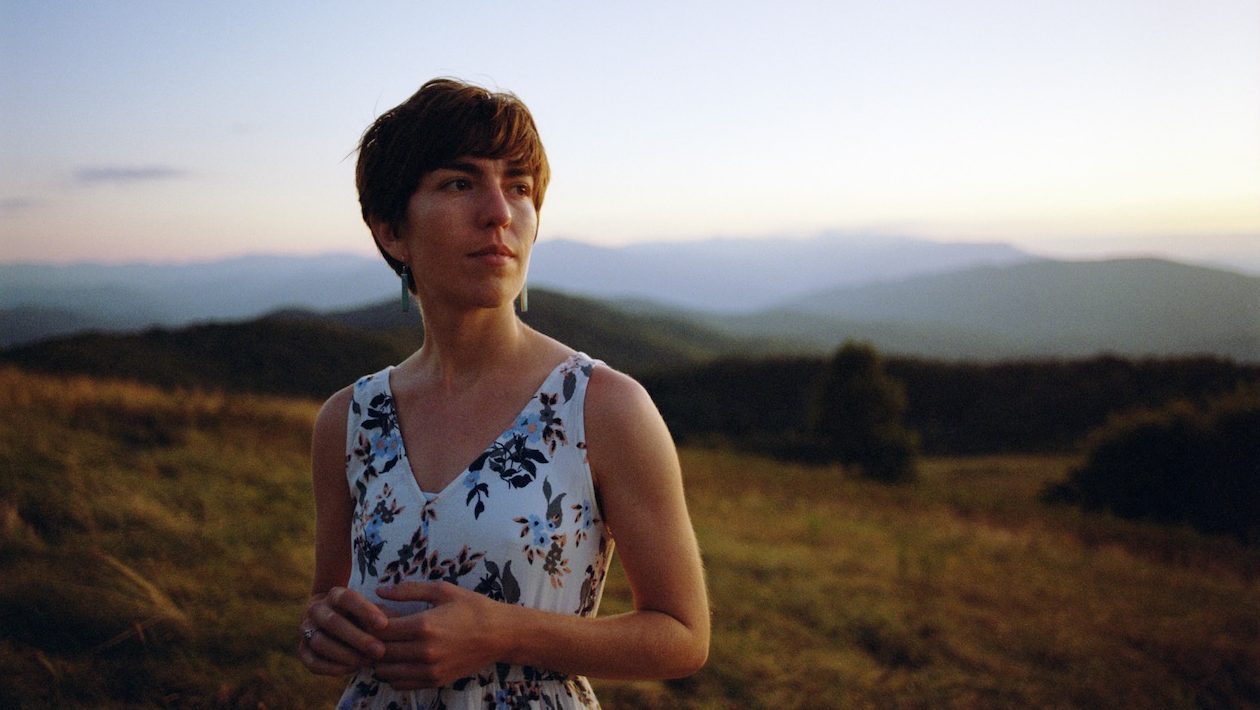
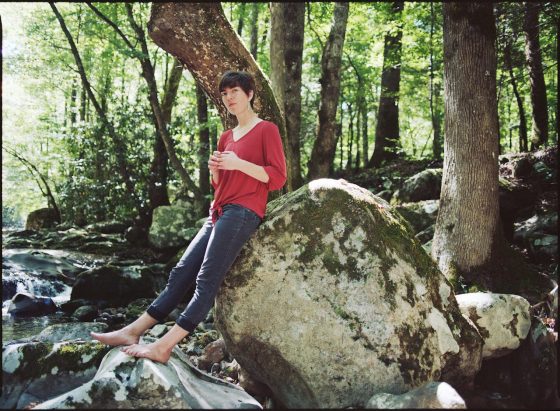
Forgiving Herself, Maya de Vitry Feels Better and Better on New Solo Album

When Maya de Vitry quit her most recent full-time touring gig, she did it for self-preservation. Before her solo debut Adaptations was released in 2019, the multi-instrumentalist and singer/songwriter prioritized her life by centering community, home, and a sense of place in what had often been a frantic, taxing, and nomadic daily life.

Her second, just-released album, How to Break a Fall, was tracked almost immediately after Adaptations hit shelves, and with a harder, more grizzled, rockier aesthetic it demonstrated the growth and transformation that had occurred in the meantime. A sense of movement, of excited, unapologetic momentum permeates the Dan Knobler-produced project. Where Adaptations had seen de Vitry through a transition to stillness, How to Break a Fall was poised to carry her into still another new period for the budding solo artist. 

Enter a global pandemic. With nearly all of that momentum and her entire release cycle squandered on a music industry that had to shutter itself in the face of COVID-19, de Vitry found herself once again prioritizing, enjoying each individual moment at home, focusing on community in whatever shape it can take at this point, and baking banana bread, too. It turns out practice does make perfect. 

BGS spoke to de Vitry over the phone, immediately diving into how serendipitous this collection of songs is for a moment of global pausing.

BGS: The last record, Adaptations, was written in isolation and now you’ve landed with this new record, How to Break a Fall, and on the back end of it you’ve ended up in isolation again. I wondered if you’ve thought about that? Or considered the strange symmetry, the way that these records are bookended by the idea of intentional solitude?

de Vitry: [Laughs] Wow, I absolutely did not connect those dots and that is so wild. It’s so ironic, because I was feeling very frustrated and angry about losing all of these shows this spring and I was finally feeling like [I was ready to get on the road] — because with Adaptations I didn’t tour really at all. I wasn’t emotionally or mentally healthy enough to be touring my music, I wasn’t ready to be on stage. Then this time, I felt emotionally healthy to go out there and play shows and it was like, “Oh, but the world has another health situation going on.” 

In some ways, How to Break a Fall was also written in isolation. I had kind of cut myself off a bit from the East Nashville scene, because I needed some space from the patterns and circles of people. I needed space from touring and leaving [the Stray Birds]. I was working at Starbucks while I was writing the album and I was essentially in isolation. You go to work for eight hours, come home, and you’re just in your house again. It was still voluntary, and I definitely still had some community. I could still pop out and play a show. 

I’m kind of an introverted person, so I’m always in isolation when I’m writing — in some way. I’ve been writing so much in the last couple of weeks. I was ready to kind of emerge, I was ready to go and be out there, and in interaction, instead of isolation. Now it’s like mandatory isolation and I’m going to write.

What does that feel like to you? Does it feel like a grinding of the gears? Like, “Oh, hold on, we’ve gotta turn this ship around and it’s going to take some effort and energy for me to go back into the writing frame of mind when I was ready to be in the outward-facing, extroverted frame of mind.”

It feels like muscle memory. It’s like a pivot. That part of it has not been difficult. I think accessing the writing part, the inward part of being an artist, is [always] within reach. I get as much satisfaction from creating the stuff as I do performing the stuff, if not more. I would say the process of writing an album, recording an album, and being in the studio with people is so fulfilling to me. Just creating it. There’s almost a grieving process when that’s over. Then there’s the next thing, when the songs come alive… I was looking forward to that, seeing how the songs would live and evolve and change. How they would land, out there in the world in real time with people. What other choice do I have? Let’s just pivot. Let’s write another record. [Laughs]

“Better and Better” is about the idea of building something and the song feels pertinent in this moment of… pausing, let’s say, because I think we could all eventually agree that life isn’t about being the best, it’s about being better. It’s about being better than the moment before, the day before, the year before. How do you see that song’s potential for connecting with listeners right now?

That song was like the doorway for writing the rest of that album and it was the doorway because, through writing it, I was realizing that I was actually unwell. Some of the things I was singing about, those lyrics were all things that I wanted to believe, and I realized that I had to make changes. I had to stop doing something that felt normal. I had to leave the band that I was in, I had to stop touring for a while, and yeah, that in some ways does remind me of this moment, too. The only thing we really can control right now is how we take care of ourselves — and that’s also sort of the only thing we ever can control. But it’s easier to feel that when it feels like other things are so outside of our control. 

I felt myself stop, stock still in the moment that I heard the line, “Forgiving myself is the most I can do” go by, because I don’t think a lot of people realize that’s what we’re doing every day right now, to get through. Letting ourselves just be enough. Where does that line come from for you?

That line is specifically about staying. About staying in the situation I was in. Before I was in [the Stray Birds], I was a musician. I was playing fiddle tunes, I was really into old-time music, I was writing songs, and I started to draft up what would be a solo record — in like 2009 and 2010. Then the band became like an invisible fence. There was no room for anyone to be doing anything outside of the band. There was no physical room, for all of the time we were on the road, and there was no emotional room with the interpersonal dynamic of the band. It was not possible to continue to be myself, to nurture my own voice as a writer and musician and also be a member of that band, because of the environment of the band. 

Forgiving myself, in that line, is about forgiving my nineteen-year-old self for not knowing any better at the time. And forgiving myself for my fears, because it was easier [to avoid them instead]. It’s vulnerable to sing your lyrics at all, ever, and I’m forgiving myself for those fears I had. Instead of standing up with my name and my lyrics, it was easier to climb inside the identity of a band and feel protected and more secure.


Which is quite the contrast from How to Break a Fall, because, to me, this record feels like a statement, a declaration for women to be allowed to take up space. And to be allowed to access and enjoy as much of the oxygen in those spaces as they like. Songs like “Something In the Way She Moves,” “Gray,” definitely “Open the Door” all speak to this. And the rock ‘n’ roll aesthetic often feels angry and impassioned, but the music doesn’t feel hostile in the way that it channels those energies.

That’s one hundred percent right. That comes from that process of forgiveness. It comes from walking through that doorway, the doorway being “Better and Better,” and walking into this landscape of songs and being receptive to writing that story. I think the record doesn’t sound hostile because it’s not. These are the songs, these are the sounds that I felt like making, this is a story. These things are true for me. 

There’s this video of Sister Rosetta Tharpe playing incredible guitar, walking up and down this train platform, it’s an iconic taking-up-of-space. An iconic expression of joy. That kind of spirit is what’s behind this music and this record. For as much as I can control what people can get from it, I would hope that some of what it unlocks or awakens is, “Huh… there are a lot of female characters on this record taking up space and doing what they want.”

It’s not hostile because it’s taking the responsibility of going inward by going to my own interior and inviting listeners to go into their interiors and see what’s going on in there. In the song “Revolution” it’s like, What are these walls? What’s inside of me? If this is the way that my eyes have been trained to see, what new world am I going to see? If I can’t shift the lens or something on the inside, how am I going to see a world that’s [different?] It’s happened so many times in history, whether it’s women’s rights or gay rights or the civil rights movement. We have to practice imagining the impossible. That’s connected to why it’s not hostile. 

When that’s the reason behind the music and the intent behind the record, the volume of it or whether it’s an electric or an acoustic guitar or if it’s rock or folk — none of that matters to me. [Laughs] This is the story I’m telling! 


All photos: Laura Partain

Stay On Your Ass: If Days Still Mean Anything to You, It’s a Long Weekend!

Our plans: GET. OFF. YOUR. ASS. 2020: Nope, lol.

In the past, supporting musicians, writers, and creators meant going out to shows, buying drinks at venues, volunteering at festivals, and so much more. But music fans and supporters around the globe are finding new ways to show up for the folks who supply the soundtracks to our lives.

States and local jurisdictions may be loosening coronavirus lockdown restrictions, but the numbers are still very clear. Memorial Day or not, the healthy, safe choice is to just stay distanced, stay apart, and stay on your ass! We’ll continue to bring you a few of our favorite events, livestreams, and COVID-19 coping resources that we’ve scrolled by on our feeds or found in our inboxes each week until that reality changes.

Did we miss something? (We probably did.) Let us know in the comments or on social media!

Rhiannon Giddens Honors Bill Withers, Aids COVID-19 Relief Efforts

In early May, Rhiannon Giddens released a gem from her vault of B-sides and outtakes. Recorded in what she refers to as a “very un-socially distanced time,” Giddens and co. perform a lively tribute to an icon of American music. The release of this cover and music video celebrate the life and music of Bill Withers, while also portraying life in quarantine and raising funds for Global Giving’s Coronavirus Relief Fund.

Like many of his other hits, Withers’ “Just the Two of Us” has an infectious cheerfulness that, especially when juxtaposed with images of quarantine and sheltering in place, can brighten any day. Giddens explains, “When Bill Withers passed, we suddenly remembered we had made this beautiful [cover]… So whether it’s just the two of us, or just a few of us; whether the lockdown has been for months or it’s about to be lifted; COVID-19 is here for the foreseeable future, and the more we can be alone together now, the better the future will be.” 


Whiskey Sour Happy Hour Concludes

Our month-long online variety show came to a close last night with a surprise bonus episode featuring performances from past WSHH performers like Billy Strings, Valerie June, Rodney Crowell, and more. Last week, for the superjam of our final “official” episode, our cast of pickers pulled off this incredible cover of “The Weight,” a perfect finale for the series.

It’s been an incredible journey building and sharing these shows with all of you over the past few weeks, but the fun isn’t quite over yet. We’ve left all episodes of Whiskey Sour Happy Hour online so we can continue raising money for MusiCares and Direct Relief, two organizations leading the charge with critical support for musicians and front line responders facing this crisis.

Over your Memorial Day weekend, why not binge the whole show, enjoy world-class songs and comedy, and if you can, give a little to support the cause, too? Watch all episodes and donate here.Our friends at Direct Relief have been working ceaselessly since the advent of this pandemic to supply personal protective equipment to front line responders. Watch this brief video that captures the importance and the magnitude of the work they’re accomplishing.


California Bluegrass Association Says to “Turn Your Radio OnLINE”

Founded in 1974, the California Bluegrass Association is one of the oldest and largest bluegrass associations in the world, with over 2,700 members. They produce events throughout the year, including the jewel in their bluegrassy crown, Father’s Day Bluegrass Festival, held every Father’s Day weekend in Grass Valley, CA since just a year after the organization’s inception.

This year, the festival has canceled all in-person programming, asking bluegrass fans in California and around the world to turn their radios “OnLine” to take part in music performances, live interviews, online interaction, and so much more, featuring artists such as Tim O’Brien, Laurie Lewis, Molly Tuttle, Lonesome River Band, Special Consensus, Joe Newberry & April Verch, and others.

The webcasts will be accompanied by an online auction to raise funds for the CBA’s newly announced COVID Artist Relief Fund. Items being auctioned include fine acoustic instruments, books, music lessons, historic bluegrass memorabilia, and items of interest from popular musicians.

Get all of the information, full performance schedules, and more right here.


Music Maker Relief Foundation’s Freight Train Blues 2020

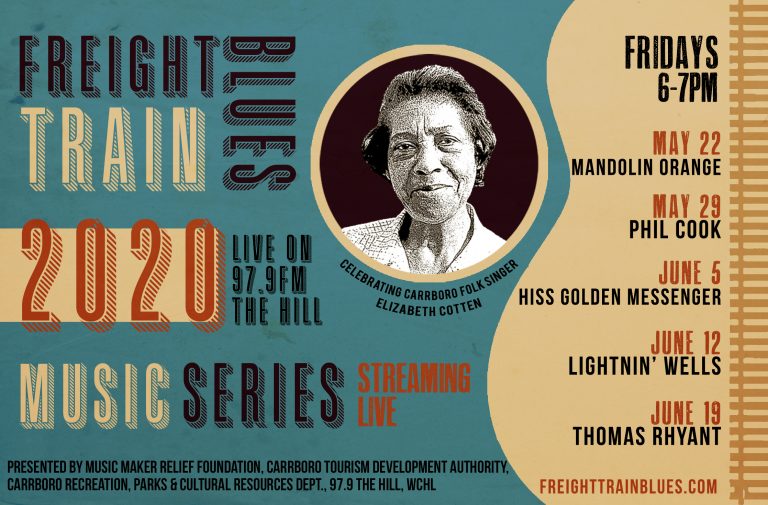
Our friends at the Music Maker Relief Foundation, the Hillsborough, N.C. based nonprofit whose mission is to promote and preserve American musical traditions by partnering directly with elderly musicians, have announced their 2020 music series, Freight Train Blues. The event, which ordinarly takes place at Carrboro Town Commons in Carrboro, NC, will now be broadcasted on Facebook, YouTube, and by WCHL 97.9FM out of Chapel Hill.

Featuring performances from Phil Cook, Mandolin Orange, Thomas Rhyant, and more, Freight Train Blues celebrates the life and legacy of Piedmont blues legend Elizabeth “Libba” Cotten, a pioneer in bluegrass, old-time, and blues and whose songs have left an indelible mark on all of American roots music.

You can tune in all through May and June! Get more information from MMRF here.


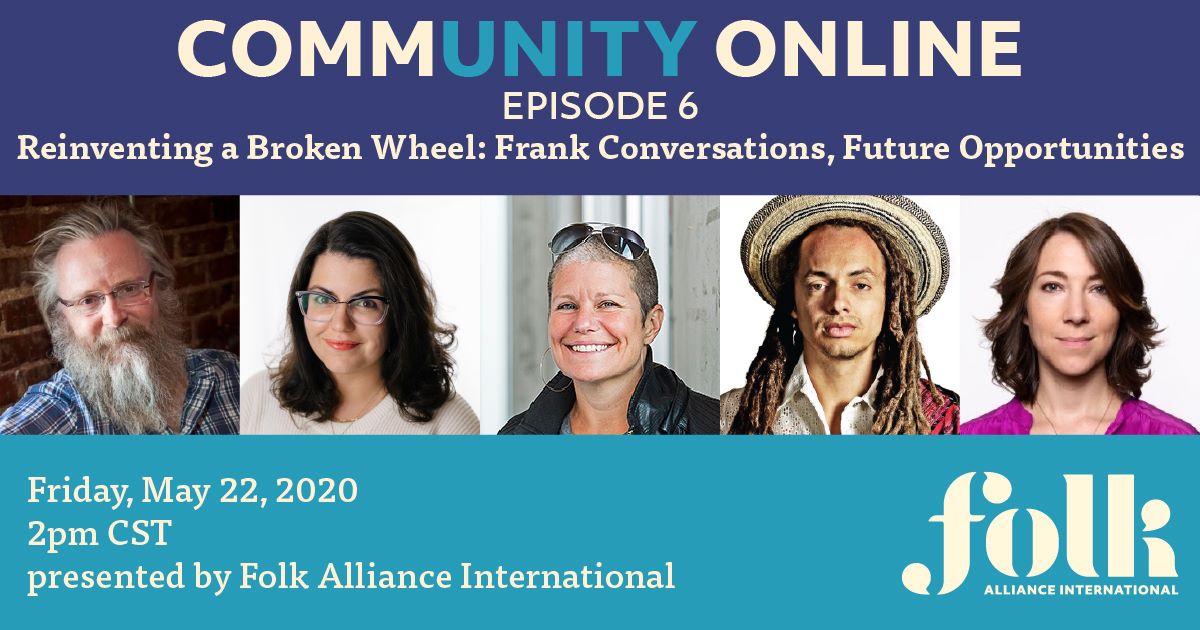
Reinventing a Broken Wheel – Frank Conversations, Future Opportunities


BGS co-founder and executive director Amy Reitnouer Jacobs will moderate the sixth session in Folk Alliance International’s “CommUNITY Online” series of sessions and panels on Friday, May 22 at 2pm CDT / 12pm PDT. Joined by David Macias (Thirty Tigers), Erin Benjamin (President/CEO Canadian Live Music Association), Enrique Chi (artist/activist), and Megan West (Facebook/Instagram) this group of industry experts will discuss, identify, and explore opportunities to innovate, pivot, and move the industry along in new directions. We each have a role to play in constructing our “new normal” — from immediate action to big picture initiatives, this conversation promises to be inspiring, provocative, and realistic.

Register for free, inform the conversation, and participate here.


Justin Hiltner and Jonny Therrien contributed to this article.

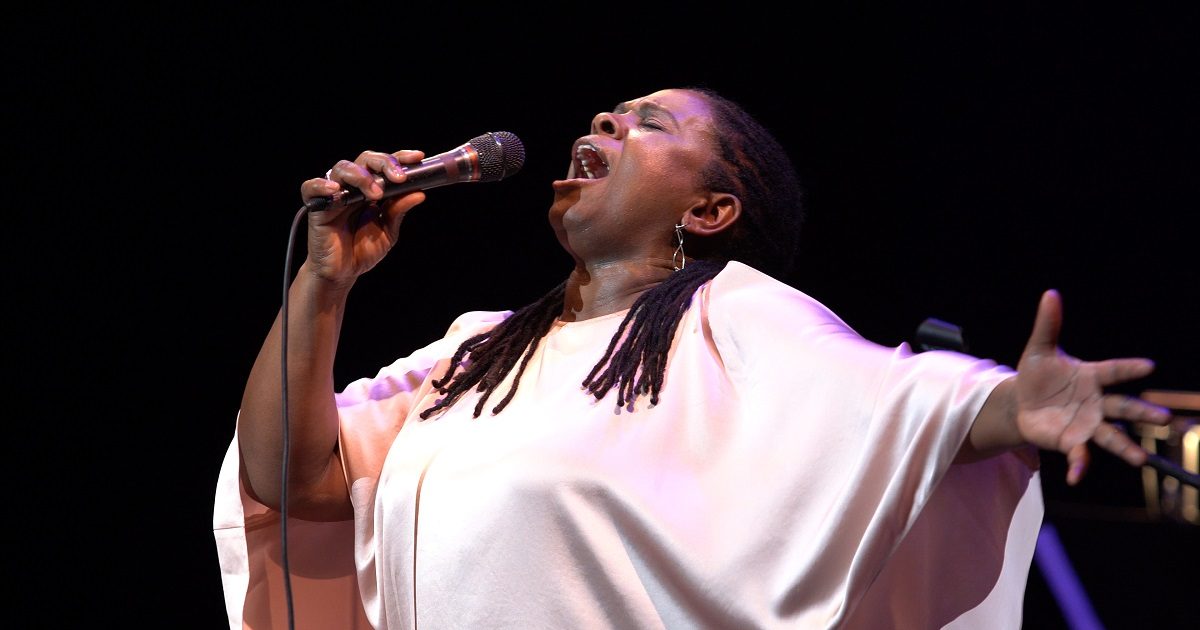
BGS 5+5: Ruthie Foster

Artist: Ruthie Foster
Hometown: Austin, Texas
Latest album: Live at the Paramount

Which artist has influenced you the most … and how?

Sam Cooke. Growing up in a mostly gospel singing family, Sam Cooke’s music was playing on the stereo all of the time. He was not only the most melodic gospel soloist I’d ever heard, but he could sing anything from popular songs to fronting a full band with horns, changing stylistically as a singer (Sam Cooke at The Copa). I’d like to think that my music brings a similar energy to the live stage, which is why I decided to record with a big band on my latest release.

What was the first moment that you knew you wanted to be a musician?

I was about 10 years old sitting on the front pew in my family’s church in central Texas watching and listening to my uncle sing a solo one Sunday afternoon. He’d sang the song many times before but this time it was different. Tears were streaming down his cheeks, his voice was shaky, and he had his hand on my other uncle’s shoulder, who was playing the piano. Visibly moved, he changed the energy in the entire congregation. Everyone was crying, me too. I knew then that singing was a true gift that can be used to elevate.

What’s the toughest time you ever had writing a song?

I have a tough time finishing songs when I’m in my head too much; I’ve had no problem starting them at all. “Singing The Blues” is a perfect example. At the time I was getting a little pressure about writing for my next album and I resisted. Touring a lot while house searching from the road and trying to write was stressful. It wasn’t until I decided to put those feelings on paper when I realized that the song was really about my life. So I was able to start and finish it, “Trying to find a new home, trying to write a new song. Trying to find a rhythm, that’ll help me get through it, singing the blues”.

Since food and music go so well together, what is your dream pairing of a meal and a musician?

I love to cook at home when I’m off the road. One of my favorites is baked fish with garlic, fresh dill, seasonal vegetables, and a good wine. I always prep and pair that dish with one of my favorite singers, Tony Bennett!

What’s your favorite memory from being on stage?

One night onstage at a festival I started to lose my voice from really bad allergies. I tried to sing but after a few songs, I was straining and in extreme pain. I stopped and apologized for not being able to continue, but someone in the audience started singing the lyrics for me, then there were more people joining in on a few more songs and before I knew it, the set was complete and sung entirely by my beautiful fans while I played guitar for them! They had lifted and carried me through the show! I was incredibly moved and grateful.

Ruthie Foster – “Singing The Blues”

I’m very proud of being brave enough to tell my own story about how I came to the blues.

Sam Cooke – “Bring It On Home To Me”

Sam was soulful and a skillful in the music business, owning all of his own publishing.

Tedeschi Trucks Band – “Midnight In Harlem”

This tune reminds me of learning to adapt to my new environment while writing songs when lived in NYC.

Bill Withers – “Grandma’s Hands”

This one captures how I felt about my own “Big Mama” and reminds me of how she still sings through me.

Sister Rosetta Tharpe – “Singing in My Soul”

The very first and baddest rocking mama on guitar ever! Huge influence on my playing.


Photo Credit: Yellow House Studios

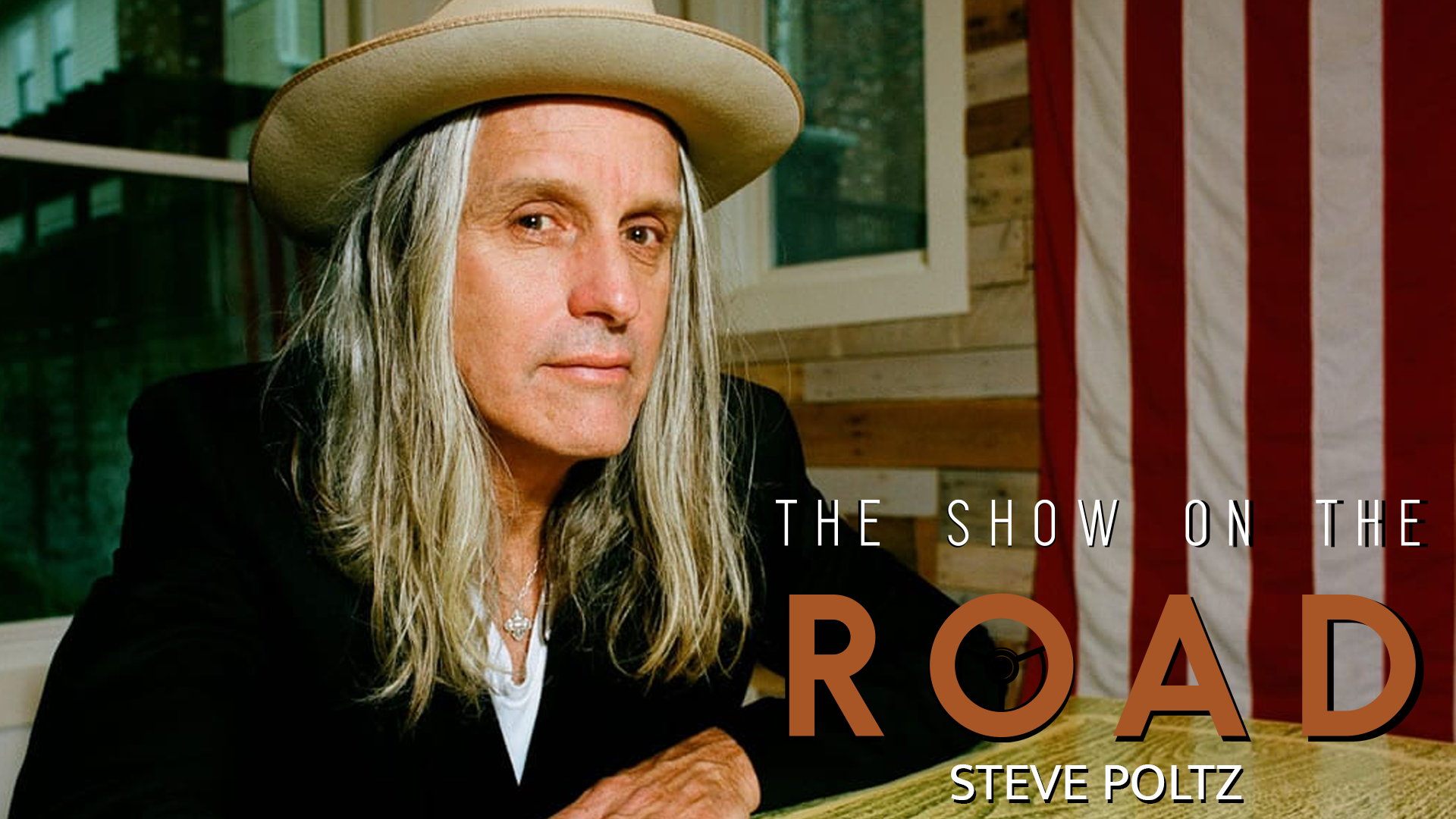
The Show On The Road – Steve Poltz

This week on The Show On The Road, we feature a conversation with a Canadian-born paraparetic prince of pop-folk singers, who has jumped through more gauntlets of the modern music industry than almost anyone in his three plus decades of making records, Steve Poltz.

LISTEN: APPLE PODCASTS • MP3

Poltz first hit the scene with the San Diego-based underground punk-folk favorites The Rugburns, then as an accidental hitmaker and MTV video heartthrob with collaborator and friend Jewel, and then as a wild-haired, two hundred shows a year internationally revered solo act. He’s put out a baker’s dozen of whacked-out, deceptively sensitive, and fearlessly personal albums that have won him devoted audiences from his ancestral home in Nova Scotia to the dance party dives of California to massive festivals across Australia and beyond.

 As we are still quite separated during the pandemic, host Z. Lupetin called up Poltz in Nashville to discuss the long and twisty road Poltz has travelled — jumping from his inspired, most-recent album Shine On back to his childhood in swinging Palm Springs (where he met Elvis and Sinatra), to making $100,000 music videos for his ill-fated major label debut in ’98, to nearly dying on stage after substance abuse problems and never-say-no-to-a-gig exhaustion took its toll.
 
We now find him in a more peaceful, purposeful existence, where he is newly married and enjoying making music at home (government orders!) for the first time in decades.

LISTEN: Fort Frances, “These Lights Will Shine Again”

Artist: Fort Frances
Hometown: Chicago, Illinois
Song: “These Lights Will Shine Again”
Album: These Lights Will Shine Again
Release Date: May 22, 2020

In Their Words: “Pressing pause on the world has felt strange and uncertain, but it’s also given people a chance to reflect on what really matters. Instead of focusing on being scared or sad, I’ve been trying to think about what I’ll do and who I’ll see when life starts to move again. I’ve been looking at a map of the world and thinking about all the places I want to go (even if I’m wearing a mask for the journey). This is a positive song meant to dim the volume of the news to put the present — and more importantly, the future — in perspective.” — David McMillin, Fort Frances


Photo credit: Ehud Lazin

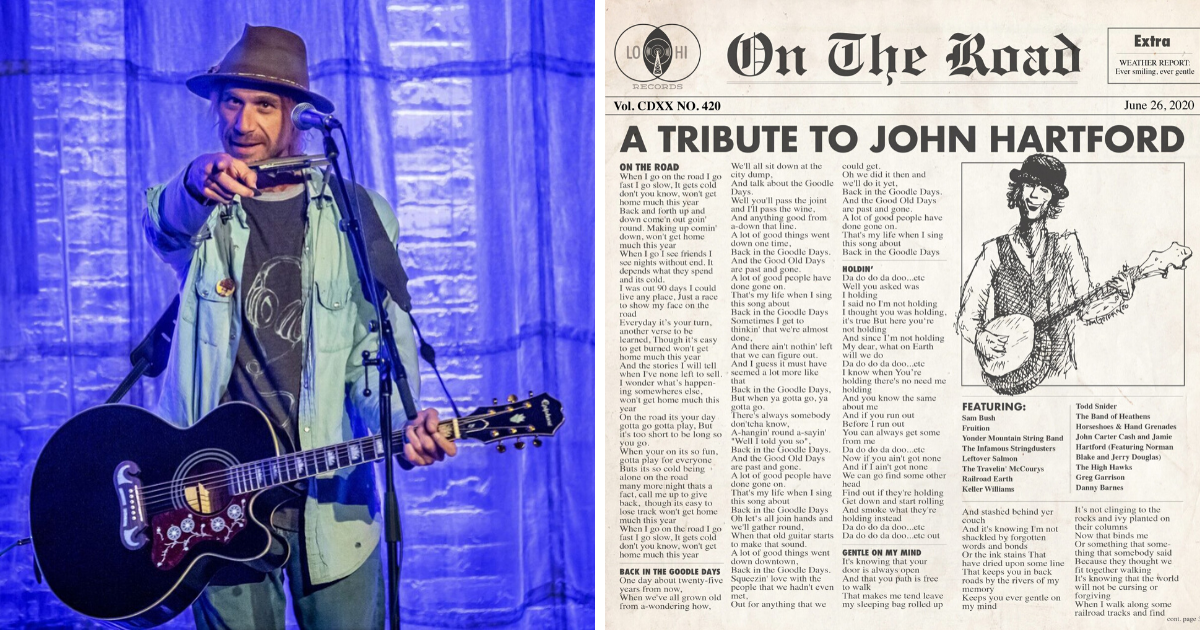
LISTEN: Todd Snider, “I Wish We Had Our Time Again” (A Tribute to John Hartford)

Artist: Todd Snider
Song: “I Wish We Had Our Time Again” (John Hartford cover)
Album: On The Road: A Tribute To John Hartford (to benefit MusiCares)
Release Date: June 26, 2020
Label: LoHi Records

In Their Words: “John Hartford was a leader on three sides of our town — the bluegrass side, the hippie side, and the troubadour side. I can’t think of anyone else like that. He wrote poetry, played banjo, and exuded freedom at as high of a level as you can. I appreciated getting to be the one who sang this song, because it’s exactly where I am in my life. Me and my friends starting singing in the ’90s and made all the music we could, still do, but now we’re kinda grey and rooting for the younger ones, and wishing we had our time again.” — Todd Snider


Photo credit: Rich Chapman

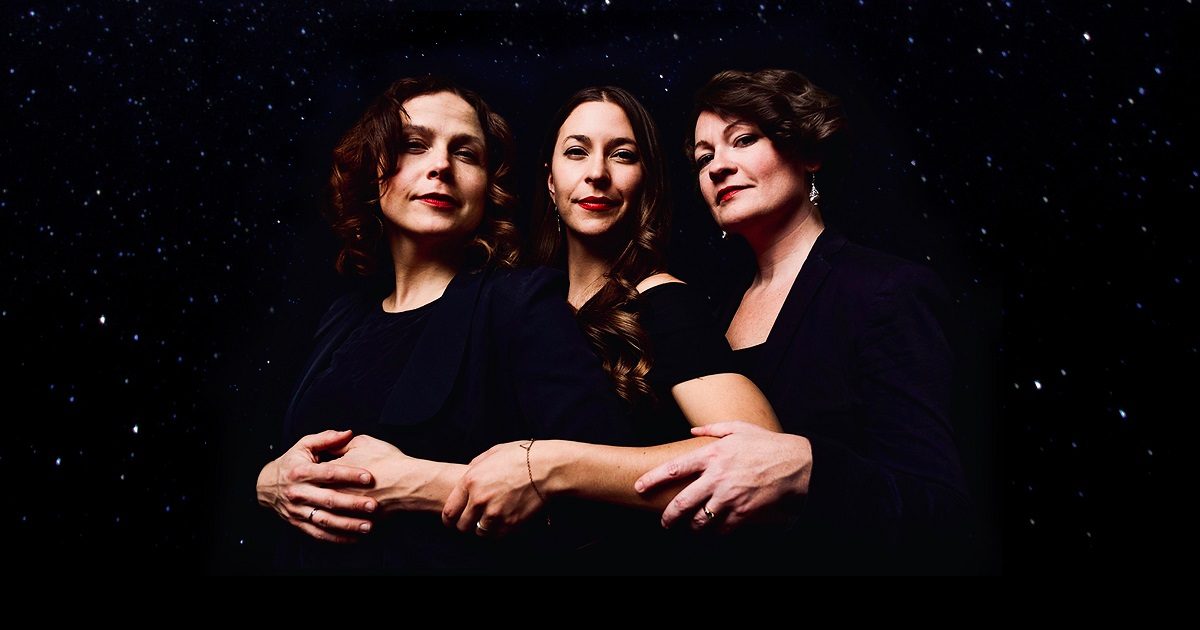
BGS 5+5: The Sweet Water Warblers

Artist: The Sweet Water Warblers
Band members: Rachael Davis, Lindsay Lou, and May Erlewine
Hometown: Hoxeyville, Michigan
Latest album: The Dream That Holds This Child
Personal nicknames (or rejected band names): “Party RD,” “Lou,” “Segue May” …also, Rachael’s daughter Lela calls the two other Warblers “MayLou” collectively

Which artist has influenced you the most … and how?

Rachael: That’s hard to say for a trio, but for me (Party RD) that’s the simplest question. My parents are musicians and no other artists could have possibly influenced me more. They taught me how to play instruments, and sing harmony, and write songs! They taught me how to set up equipment and make a budget and how to be gracious and approachable and original. They supported me in all my artistic endeavors and never gave a shadow of a doubt that I could succeed. I’m not sure there’s any other artist that could approach that degree of influence.

May: It’s really hard to say, it’s an evolution of things. One influence leading to the next one. I will say Joni Mitchell’s bravery in her vulnerable music and also in using her voice to speak for justice is something I continue to draw from.

What other art forms — literature, film, dance, painting, etc — inform your music?

May: I draw from everything I possibly can. I believe that the art of noticing is directly connected to the act of being present. I try to explore and notice the world around me and use it to fuel my songs. I like to paint, draw, sew, cook, garden, run, walk, bird, read, write poetry, talk about things deeply.

Lindsay: The Dance of the Dissident Daughter by Sue Monk Kidd was a book we were reading and referenced a lot while we were putting the album together. It’s a moving memoir of a woman’s journey to find the sacred feminine, and it spurred some exciting late-night conversations.

What’s the toughest time you ever had writing a song?

Rachael: When we write together for The Sweet Water Warblers, we always carve out a good amount of time, space and intention for being creative. I think the first time we did a co-writing session with the three of us, Lindsay had just moved to Nashville, where I had already been living for a few years, and May was still living in Northern Michigan. Lindsay and I met at her house and we FaceTimed May in Traverse City. The distance and delay made the process not as fluid as it could have been. That is to say, that it really wasn’t that difficult, but it was technically the toughest time we had writing. After that, though, we did resolve to all being in one place for that process in the future, which we have adhered to since.

What rituals do you have, either in the studio or before a show?

Lindsay: There were a few ritual-like things we did while making the album that focused our intentions. At the beginning of each day in the studio, every person there brought in a mentor to the spiritual space of making music together. We went around and spoke their name and who they are to us into the studio mics. It didn’t take much time but hearing about all the people who’d brought us to that moment gave our task an even deeper sense of purpose. I loved hearing who was named and the way they were remembered.

We lit a candle to mark the beginning of tracking for each song. The flame seemed symbolic of the offering in each like a unique being we set out to shine a light on. We also started our first in person meeting with Dan Knobler by sharing 10 minutes of silence. Nothing like silence to frame the experience of making sound.

For live shows we come together and sing in a quiet private space before we take the stage. Allowing our souls to harmonize for the sake of sharing the vibration is a sweet reminder of why we’re there, and it gets us aligned and ready to connect with the audience as one.

What’s your favorite memory from being on stage?

May: There are so many, but I’ll get specific with this band in recent times. We finished a song at one of our shows this February and the emotional quality in the room was so thick, that nobody even clapped for a good 30 seconds. That was magic right there. I hope to always have new favorite memories on stage and with these ladies, that’ll be an easy dream to achieve.


Photo credit: Scott Simontacchi

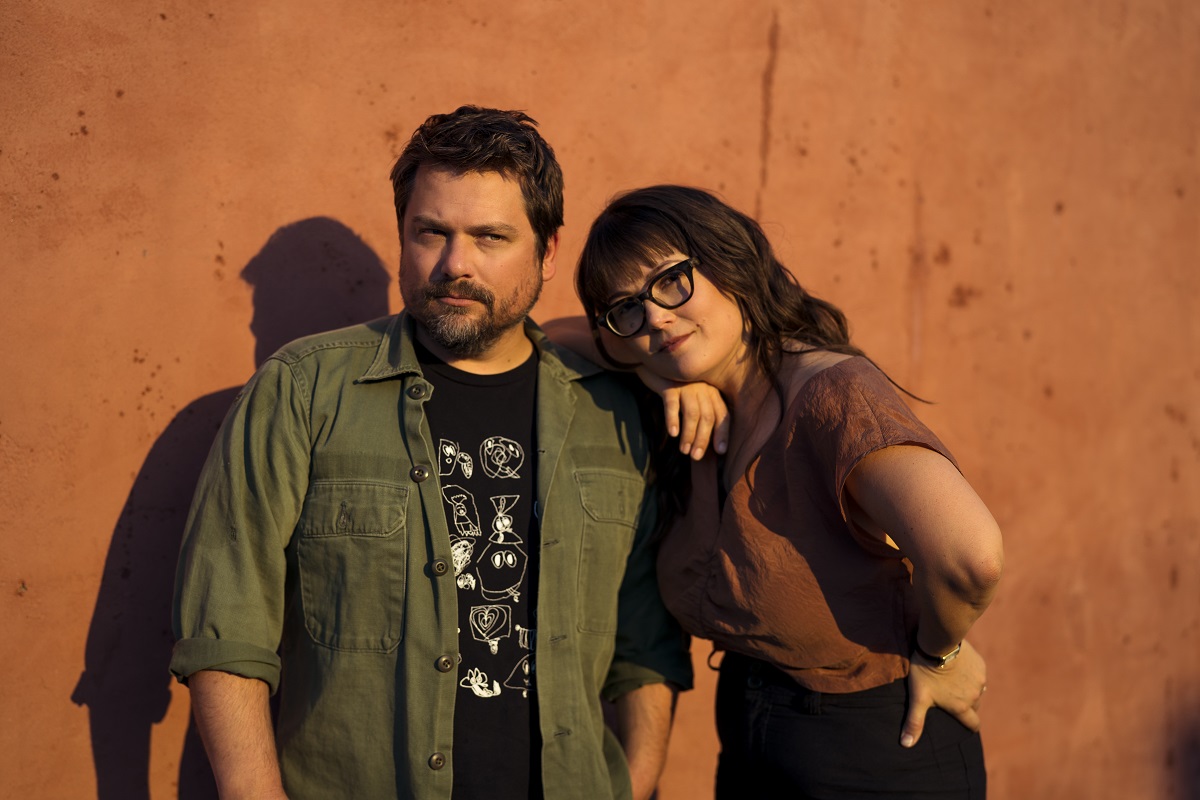
Watkins Family Hour Find a Silver Lining in Work From Home Livestream

By the time Sean and Sara Watkins were about to launch a new Watkins Family Hour album and national tour, the live music industry (and life in general) got turned upside down by the sudden need for social distancing and sheltering at home. It could have been a major blow for the band, considering that they have built the WFH brand through live, multi-artist performances at the Los Angeles club Largo.

Nevertheless, the siblings are used to making decisions on the fly, so they put their heads together and figured out how to keep the spirit of their famous Watkins Family Hour shows intact. The result? Work From Home, a livestream series on Zoom every Thursday in May that begins at 4 pm PT. (However, your ticket purchases allows you to watch whenever it’s convenient for you.)

A portion of all ticket sales benefit MusiCares’ COVID-19 Relief Fund. Artists such as John C. Reilly, Mandy Moore & Taylor Goldsmith, Ruston Kelly, The War & Treaty, Mandolin Orange, Mike Viola and Tré Burt have all confirmed appearances for the series.

During an afternoon phone call, Sean and Sara shared the silver lining of virtually introducing their new album, titled brother sister, to the world, and the satisfaction that comes with launching a successful livestream.

https://www.instagram.com/p/CALW2u_heFt/

BGS: What kind of vibe did you want to capture in this Work From Home series?

Sara: We wanted to try and give people the sense of some kind of normalcy. Maybe if people are sitting at home in front of their TVs or their computers watching it, maybe they can for a second forget that they’re not able to go to shows and enjoy some of the genuine back-and-forth that would happen at a normal Family Hour show. It’s been really nice so far having these moments on screen to catch up with our friends and just connect, in a way, because a big part for everyone’s isolation is that feeling of disconnect.

It’s been surprising to both Sean and me how good it feels to do these shows. We’re putting a lot of thought into the shows and learning how to do them on the tech side. They’re live, so there’s a little bit of a countdown. It’s been a nice, familiar rhythm of, “OK, we’ve got to get ready! We’ve got 15 minutes!” Getting everything ready and making sure we have all the things we need — the set list, any notes we have to ask the guests, and then it starts! And we’re live!

That’s a huge part of our life when we’re working, and then afterwards, it’s a release. And it feels good to play these songs. So, on a selfish level, it’s so nice to have that familiar rhythm. The greater hope is that we’re able to share the genuine camaraderie that we have with other musicians and with each other, and to commune in these very strange times, and to hopefully give company to everyone else who’s in their own isolation.

https://www.instagram.com/p/CAD8eyHh7VP/

The banter makes the viewer feel like they’re part of the conversation, too.

Sara: Yeah! That’s what we hoped for. In the first week, we were able to ask for requests and do one of them, and that’s nice. But instead of chatting with people on this particular series, we’ve just been trying to play a show.

Sean: One thing that we always aim to do at Family Hour is to bring an element of what goes on backstage onto the stage. And a big part of what goes on backstage is conversations about music and life. There’s a tendency to have this onstage personality, or way of talking about things, and an offstage version. I think we’re trying to blend those two. There’s good stuff that gets talked about backstage. A lot of it can be boring for most people but a lot of it can be really interesting.

Sara: The thing about Family Hour is that every show is different, and typically there are a lot of guests coming on and off stage, so there’s not really room for a script, or even a rhythm. So, that has taught us that we need to be prepared and nimble, and to be professional, but in a way that feels natural and honest with the relationships we have with the musicians on stage. This is something that we really care about — these conversations — and we don’t want to fake moments on stage with our guests. We want to have genuine interaction. And a lot of audience members want to see what we genuinely care about, and talk with our friends about.

What has been the reward for you in seeing this Work From Home livestream come together?

Sean: Just being able to do a show for people and see that they’re listening, and hear back from them. A lot of the comments are from people saying where they’re listening from. Typically when we do our shows, it’s just LA people that are coming to Largo, so that’s really a cool aspect of doing these online. We did a fair amount of work and preparation for these shows, and when they go off, especially with technology in play, it feels really good to get to the end of it and to have done it! We’ve done two of them and it felt really good. It felt like walking off stage, kinda. [Laughs]

Sara: We’re learning new things about mediums every week and ways that we can make it look better and sound better. Sean is always trying to up the sonic level, but it sounds really good and it’s nice to be able to have a reason to practice different things, learn different things. The cyclical rhythm is really pleasing and I love that people are building us into their week. It seems like people either have all the time in the world, or no time at all, during this, and it takes an effort to carve out an hour in your day, so I really love that and appreciate that.


Photo credit: Jacob Boll
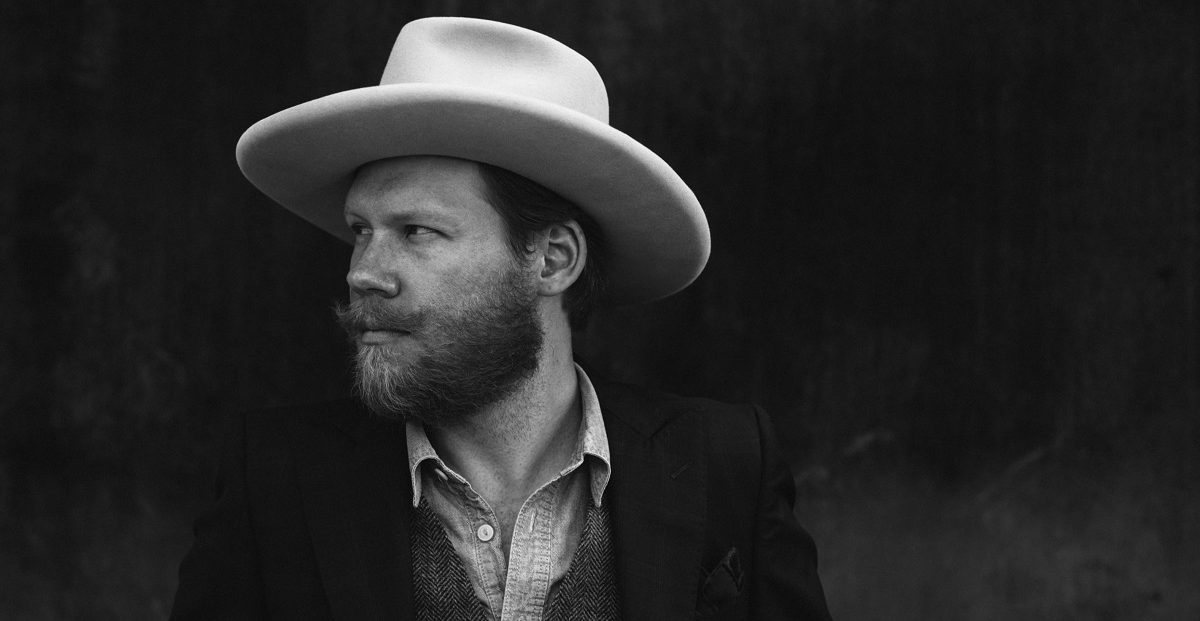
LISTEN: Jarrod Dickenson, “A Cowboy & The Moon”

Artist: Jarrod Dickenson
Hometown: Nashville, Tennessee
Song: “A Cowboy & The Moon”
Album: Ready the Horses
Release Date: May 22, 2020

In Their Words: “‘A Cowboy & The Moon’ is a song about change. It’s told through the lens of an aging cowboy, as he remembers a time that’s long since passed. It’s a nostalgic look back at what was once here, and now only lives in the memories of those who experienced it. While this concept is presented in a fictional manner through this song, I think it’s something to which we can all relate. The older we get, the more change we see. It’s inevitable. Places, things, and people who were once a part of our lives will change or disappear altogether. That’s the beautiful and tragic thing about life; none of it lasts forever.” — Jarrod Dickenson


Photo credit: Josh Wool