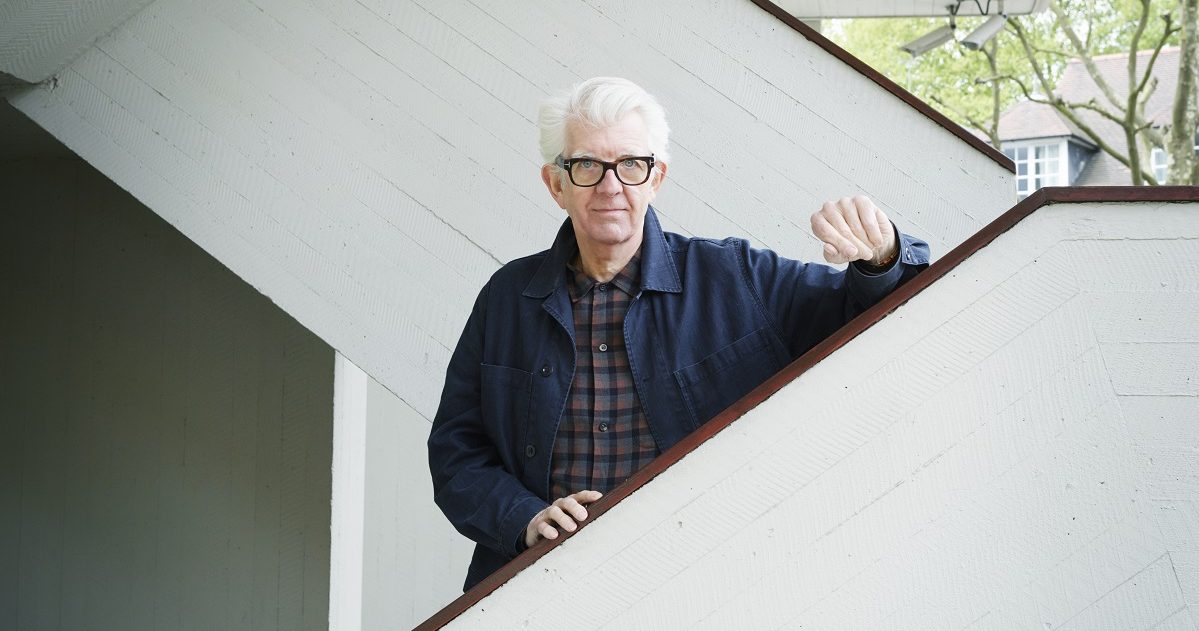
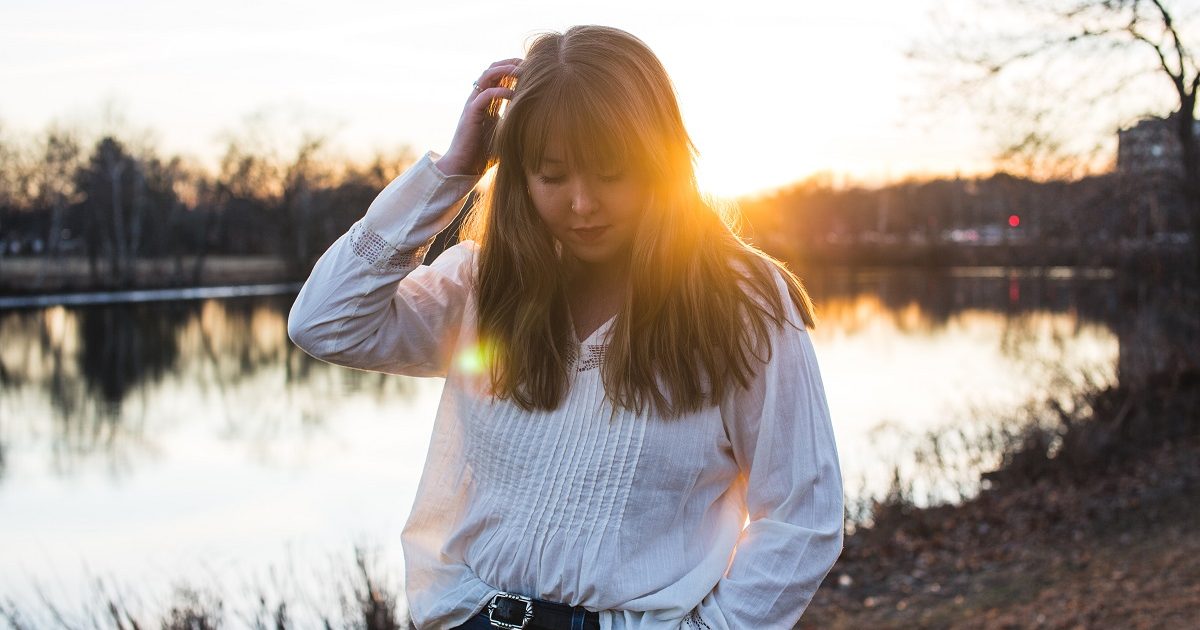
Artist:Nick Lowe Hometown: London, England Song: “Lay It on Me Baby” Album:Lay It on Me Release Date: June 5, 2020 Label: Yep Roc Records
In Their Words: “In the late 1960s CBS had an inspired idea; they invented the ‘sampler’ LP. It was called The Rock Machine Turns You On and consisted of a dozen tracks, each one lifted from the current album releases of twelve of the label’s ‘second tier’ of talent. It was an unashamed promotional device and sold by the truckload. I had a copy, as did everyone I knew. One night in London a few years back, I had Neil Brockbank and Bobby Irwin (my late friends and collaborators), round for dinner at my house. During what might be described as the ‘port and cigars’ part of the evening, we found ourselves riffing on the idea of producing a sampler for an imaginary record label of its imaginary artists.
“We started by fancying what the names of those artists might be and what kind of music they’d do, and from there began to create likely song titles to suit them. Even though the whole idea started as a joke, we got into it pretty seriously and made copious notes as the plan unfolded. Song titles became songs. The next day when the enormous cost and limited commercial appeal of such a project became clearer, our enthusiasm soon waned and most of the fruits of the evening are now lost. Two examples however remain. They are ‘Restless Feeling’ originally written for Coastline [and released on Lowe’s The Old Magic LP] and ‘Lay It on Me Baby’ for Turk Collins.” — Nick Lowe
In Their Words: “‘Wishing Well’ is the oldest song on the record. I started writing it in my junior year of high school about the age-old story of moving on, and all the ways heart and mind stay stuck during that process. Of course the story became more real to me as I got older, and I think it resonated even more deeply when that happened. To me, it speaks to that quiet glimmer of hope we hold on to in our mind, sometimes even subconsciously, that things will work out in the end. It’s about how coming to terms with that hope can help you to understand your own feelings, but it’s also about how that hope can hurt you. Sometimes we hold on because we won’t let ourselves let go, and sometimes we do it because we know our story with that person is not finished. This song speaks to that middle ground, and to the process of admitting, to yourself and others, that that’s exactly where you are.” — Liv Greene
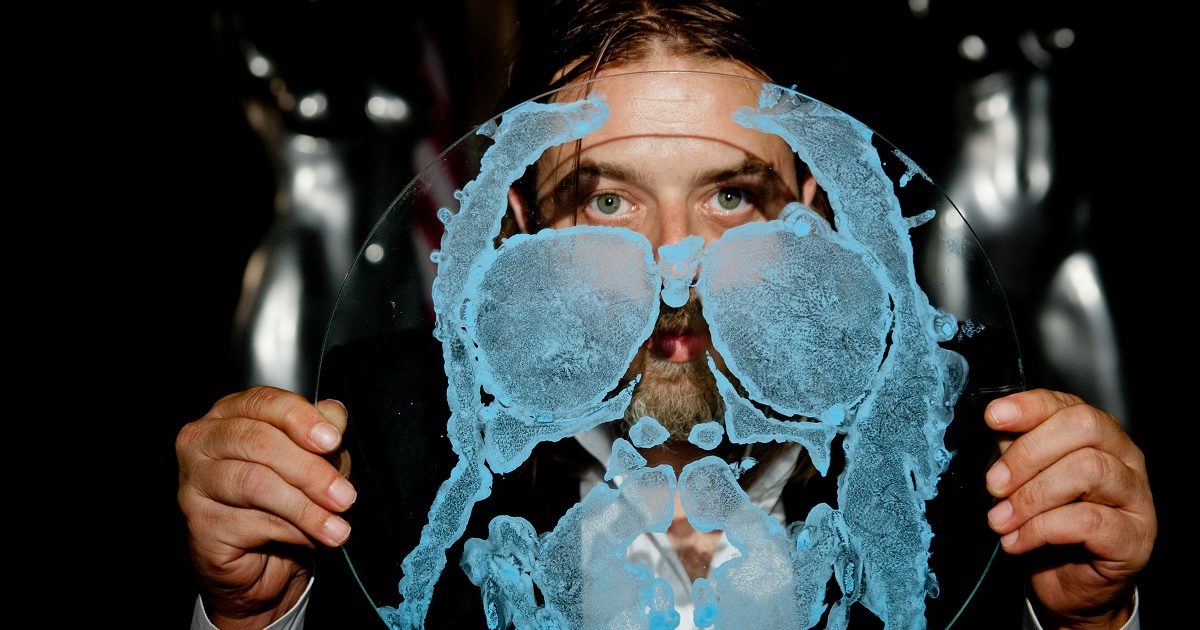
Artist:Brian Wright & The SneakUps Hometown: Nashville, Tennessee Song: “What You Don’t Know” Album:Lapse of Luxury Release Date: May 8, 2020 Label: Cafe Rooster Records
In Their Words: “‘What You Don’t Know’ was one of three songs written in an afternoon/evening a few days after I got back from a particularly long tour. The other was ‘Heavy Metal Shed Kids’ and the third got chopped up and used for parts. I was nearly finished with LOL (Lapse of Luxury). It needed a simple song to bring it back down to earth. I was burned out. I had taken on too much and couldn’t keep up. You can hear it. Moving too fast and missing out. The song was a way to let the people I loved know I that I knew something had to change. While I was writing it there were people over; I could hear them outside the shed. They’re in the recording if you listen really close. I walked outside and our guests were naked, dancing around a fire pit to something perfect. It was light and free. It was cool. I felt better. I was home and I was lucky again.” — Brian Wright
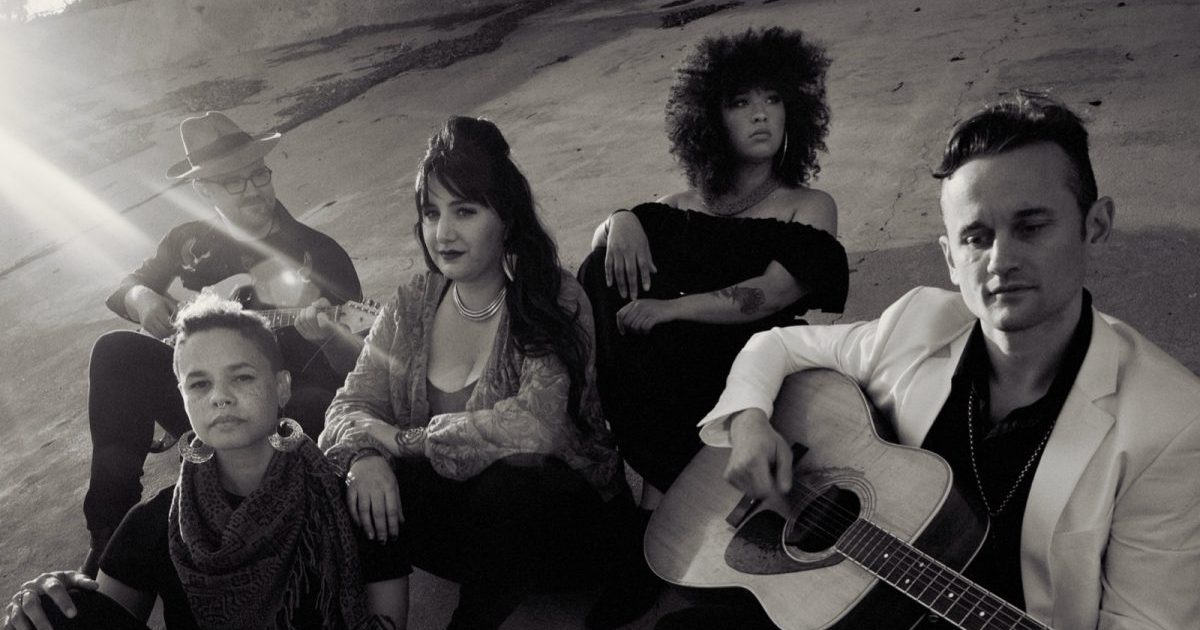
Artist:The Eagle Rock Gospel Singers Hometown: Los Angeles, California Song: “Leave Town” Album:I Will Rise Release Date: TBD (2020)
From the Artist: “‘Leave Town’ is an anthem for the brokenhearted. It’s a cathartic crying out for a change. This song is about dealing with the emotional aftermath of a bad breakup and holding onto hope for a new beginning. Steeped in American roots music, the song is built on a foundation of foot stomps, hand claps, and good old-fashioned shouting. The fierce choruses are sung by a full choir. The pedal steel, organ, and 12-string guitars weave themselves into the song and set a backdrop for a mellow lead vocal on the verses. ‘Leave Town’ is about wanting to get away from anything familiar… including oneself.” — Will Wadsworth, The Eagle Rock Gospel Singers
Artist:Aaron Burdett Hometown: Saluda, North Carolina Song: “Dirt Poor” Release Date: April 17, 2020 (watch the teaser) Label: Organic Records
In Their Words: “‘Dirt Poor’ is about nostalgia and hope and the passage of time. We’re all doing the best we can with what we have each day, and trying to look ahead and plan, but for the most part we’re all adding up tiny decisions and moves day to day with the hope that they add up to something we want in the end. My family moved into an old summer cabin in the woods in Saluda in 1979, when I was four and my brother John was a newborn. My brother Joseph was born a few years later. This song is in part about my parents and our family and my experience growing up there, but it’s also about their friends and the community in aggregate. It was a simpler time. Or at least I think it was. That’s another element of this song I hope comes across: our perception and memory of times past. The nostalgia element, if you will.” — Aaron Burdett
As the enormous, ever-turning wheels of the music industry ground to a halt and the coronavirus crisis first came to a head, BGS co-founders Amy Reitnouer and Ed Helms were already brainstorming what would become the Whiskey Sour Happy Hour.
“MusiCares felt like a really natural fit,” Helms told the Recording Academy in a recent interview. “I hosted their gala a couple of years ago. I’m a big fan of that organization. And then more directly on the medical front, Direct Relief was also just a no-brainer because they’re doing incredible work [to make] sure frontline workers are properly protected and supplied.”
The mission was pretty simple: Support the music industry and our BGS family, while also bolstering first line responders doing the difficult, vital work of fighting this virus in hospitals and clinics across the country and around the world.
Here’s the great thing — although the show concluded on May 13 with a no-holds-barred, star-studded finale show, each episode is still available for viewing right here on BGS (as well as on our YouTube channel). Why? Because we’re still raising money! At this point, our generous fans, listeners, and supporters, have given more than $54,000, so we’re keeping Whiskey Sour Happy Hour online until May 25 to give you the chance to not only rewatch and experience these wonderful shows, but also to give you the chance to contribute, if you can. Your gift will be split half and half between MusiCares’ COVID-19 Relief Fund and Direct Relief.
DONATE HERE! And as you do, you can also check out each of the four prior episodes of Whiskey Sour Happy Hour below! No donation is too small in making a difference, any amount helps:
Our inaugural episode got off to a bit of a rocky start when our entire website CRASHED because you turned out in such huge numbers. An excellent problem to have. We’re all in this socially distant boat together, aren’t we?
So, we weathered the technical difficulties, exercised patience, and landed with a gorgeous, heartfelt, and tender first episode — complete with a surprise appearance by comedian and actor Jenny Slate (who has been visiting a pet cemetery a lot during her confinement) and a mother/daughter duet of “Keep On the Sunny Side” by modern country queen Lee Ann Womack and her Americana rocker daughter, Aubrie Sellers. Fresh off the release of Fiona Apple’s critically acclaimed pandemic-perfect album, Fetch the Bolt Cutters, producer Davíd Garza played us a little number, too.
Between Watkins Family Hour dueting through a window (rockin’ the at least six-feet-apart rule!), cartoonist Matt Diffee’s dry, dry goods, Yola’s undeniable effervescent power, and our ringmaster Ed Helms choreographing the entire thing, Episode 1 was the perfect first effort for WSHH.
Episode 2:
April 29 brought a much less dramatic downbeat, as Episode 2 kicked off just as planned — and with a cameo from a very stern, nocturnal friend. Who we miss very dearly, already.
Ed may have seemed a little enamored with Texan piano man Robert Ellis’ robe, but we all were so who can blame him? Julian Lage and Margaret Glaspy massaged every last strand of tension from our weary bodies and ears with two simple, resplendent duets together, a rare treat that may not have happened if it weren’t for good ol’ shelter-in-place. Raw, virtuosic, genius musical talent was on display by mandolinist Sierra Hull, Americana godfather Rodney Crowell, and Ed’s buddy Ben Harper — who may have elicited a few tears with a John Prine tribute we all needed badly at that point.
The comedy was not in short supply either on week two, viewers found themselves temptingly influenced by Nick Kroll and given a literally unbelievable bicycle tour by Rob Huebel.
Episode 3:
It felt like we really hit our stride on episode 3, packing in so many incredible performances there simply wasn’t a single frame to trim. With that being the case, right off the bat the show went zero to sixty with Avi Kaplan’s booming, resonant baritone melting all of us. Aoife O’Donovan called upon her husband, cellist Eric Jacobsen, and their housemate, Eric’s brother Colin Jacobsen, to form an impromptu trio of guitar, cello, and violin. It was the perfect make-do, isolation arrangement for “Red and White and Blue and Gold.”
Now, if you hadn’t tuned in specifically to catch the cameo of Jerry Douglas’ three matching katanas, you may have tuned in for one of the most prolific and well-loved comedians of the past decade or so, Jim Gaffigan. Ed and Jim spend some time catching up, talking about life in the time of COVID-19, and sharing laughs, too.
The evening was capped off by Rhiannon Giddens and Francesco Turrisi doing what they do best, reminding us that the world is much smaller and we are all much more connected than we’re often led to believe. Who else besides Rhiannon would you want to hear cover Bessie Jones’ rendition of “O Death” right now? Exactly. No one.
Episode 4:
We truly did not intend to “save the best for last,” because this is a how-could-you-ever-pick-a-favorite-child situation, here. Somehow, though, we landed in week four with an absolutely stacked, jaw-dropping lineup. Stephen Colbert stopped by — on his BIRTHDAY of all days — to visit with Ed. Yes, Broccoli Rob and the ‘Nard Dog are on speaking terms. But that wasn’t the only way The Office permeated episode four,as the Indigo Girls also shared a song with the Whiskey Sour Happy Hour audience. It may not have included Jim Halpert and Andy Bernard tipsily singing along with “Closer To Fine,” but it was just as good, watch for yourself to confirm.
This music was filled with sexual energy, it could replace the generic Viagra or any other medicine.
The Banjo House Lockdown crew of Béla Fleck and Abigail Washburn made an appearance, Molly Tuttle once again wrestled a six-string into submission with her otherworldly clawhammer technique, Rosanne Cash covered Bob Dylan, Chris Thile brought in Bach, Buffy Sainte-Marie sang to us from the jungle of Hawaii — need we go on!?
Yes, actually, we do. Because as Bryan Sutton, Gabe Witcher, and Ed jammed a bit on the bluegrass tune, “Billy in the Lowground,” who should show up but… KENNY G!
That’s right, the king of sexy sax blazed through a solo on “Billy in the Lowground” and proceeded to trade bars with Bryan, Gabe, and Ed before sitting down for a chat. That wouldn’t have been satisfactory in and of itself, though, so Kenny played us an original before bidding adieu as well. Please have your lighters ready for waving at that selection, entitled, “Loving You.”
To cap off an already inconceivably perfect series, Ed, Gabe Witcher, and a host of our WSHH friends wrangled us a superjam. Admit it, you knew we would! Where the BGS team gathers, there a superjam will also be. Chris Eldridge, Madison Cunningham, Robert Ellis, Sierra Hull, Noam Pikelny, and so many others joined in on “The Weight.” There may have been a tear or two among viewers when the women of I’m With Her came on screen together in their matching yellow jumpsuits, but how could we ever confirm that?
Bonus Episode:
We just had to give y’all a bonus episode!
Our back-by-popular-demand show featured extra performances and footage from artists who had already graced the Whiskey Sour Happy Hour lineup including: Watkins Family Hour, Madison Cunningham, Buffy Sainte-Marie, Davíd Garza, Matt the Electrician, Valerie June, Ben Harper, Billy Strings, and Rodney Crowell.
Billy Strings played us a bluegrass gospel classic via one of his (and our) heroes, Doc Watson. Ben Harper treated all of us to a heartstrings-tugging rendition of an original, “Never Needed Anyone,” which was recorded by Mavis Staples on her most recent album, We Get By. And Rodney Crowell closed out the show with a dramatic solo performance of “Highway 17.” An extra week of music, an extra week of generosity, and an extra week of sharing WSHH with all of you!
Whiskey Sour Happy Hour has been a resounding success thanks to all of the artists, musicians, and creators involved, thanks to our generous supporters, thanks to the hardworking team who built it, but especially thanks to you for tuning in and for giving. (Which you can still do, by the way. Right here.)
While we as an industry face the most uncertain times to befall our community in our lifetimes, it’s comforting to have gathered with all of you for the past four weeks to enjoy this show, while taking direct action to lift up those around us and those fighting COVID-19 every day. Thank you for being a part of Whiskey Sour Happy Hour!
Special thanks to our sponsors: the Americana Music Association, TX Whiskey, and Allbirds.
Read the April 15 announcement:
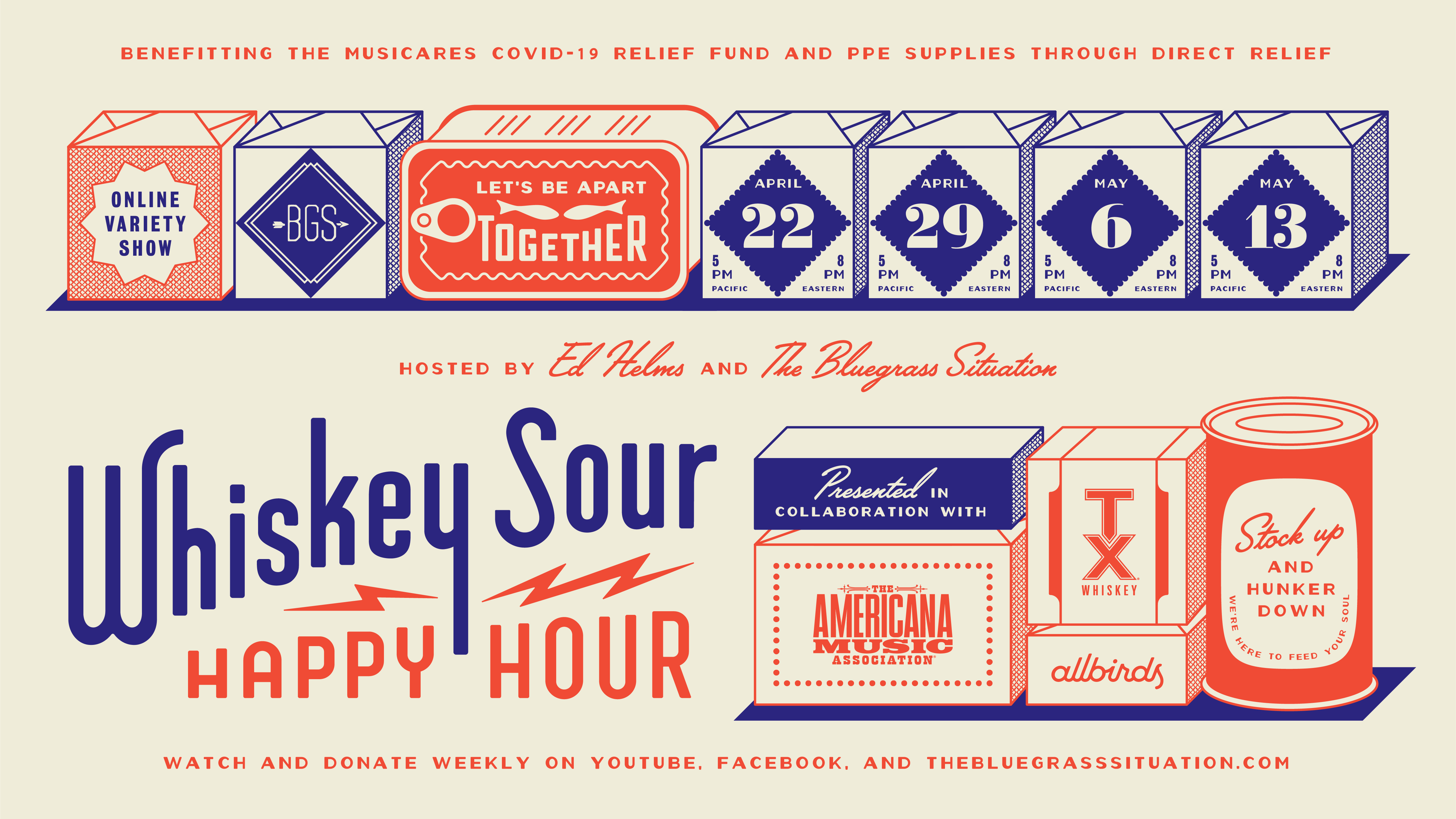
The BGS team and our co-founder Ed Helms are excited to announce Whiskey Sour Happy Hour, a 21st-century online variety show to benefit MusiCares’ COVID-19 Relief Fund and Direct Relief. Debuting on April 22 and presented in partnership with the Americana Music Association, TX Whiskey, and Allbirds, new editions of the event will be broadcast each Wednesday for the following three weeks — April 29, May 6, and May 13. The shows begin at 5 pm PT/8pm ET.
With Helms serving as host of the series, Whiskey Sour Happy Hour will draw on his long-running Whiskey Sour Radio Hour shows at LA’s Largo to bring world-class music, comedy, and interviews directly into homes across the country and world.
The premiere edition of Whiskey Sour Happy Hour on April 22 will feature music from Lee Ann Womack, Aubrie Sellers, Billy Strings, Davíd Garza, Yola, Watkins Family Hour, and Madison Cunningham — plus an appearance by cartoonist and humorist Matt Diffee.
Whiskey Sour Happy Hour can be streamed right here on The Bluegrass Situation, as well as on our YouTube channel. Other confirmed guests for the series include Chris Thile, Yola, Billy Strings, Sarah Jarosz, Rhiannon Giddens & Francesco Turrisi, Rodney Crowell, Aoife O’Donovan, Robert Ellis, and our current Artist of the Month, Watkins Family Hour. Additional artists will be announced in the coming weeks.
“As soon as we realized the severity of the current crisis, Ed and I both knew we had to do something to support both our musical and medical community—and not just a one-time thing, but something that could promote more sustained giving through multiple shows,” says BGS co-founder Amy Reitnouer Jacobs. “In a short amount of time, our BGS family of artists has come together in such a big way to make this happen. It makes us feel like even though we’re all separated right now, we’re closer than ever before.” Fans will be able to donate to MusiCares and Direct Relief here, as well as via links provided wherever viewers watch the show.
In addition to supporting Whiskey Sour Happy Hour, TX Whiskey has already stepped up their efforts to combat the COVID-19 pandemic, shifting 100% of their production to making hand sanitizer. As of March 31, the TX team has produced 800 gallons of hand sanitizer for government agencies. With more raw materials inbound, TX Whiskey is currently positioned to make and bottle 5000 more gallons of sanitizer. On top of that, TX Whiskey continues to support local musicians by giving them an online stage and revenue generator through their Straight From the Couch Sessions— streaming every Friday night in April on IGTV.
Also a presenting sponsor for Whiskey Sour Happy Hour, Allbirds have been working hard to lift up the healthcare community responding to COVID-19, having already donated $500,000 dollars worth of shoes to healthcare workers nationwide. While supplies last, customers are able to bundle any shoe purchase with a donation to immediately supply a pair of Wool Runners to a healthcare professional who’s already reached out to Allbirds for support. Don’t need a new pair yourself, but still want to help? That’s an option, too.
Special thanks to the Americana Music Association for their partnership and support.
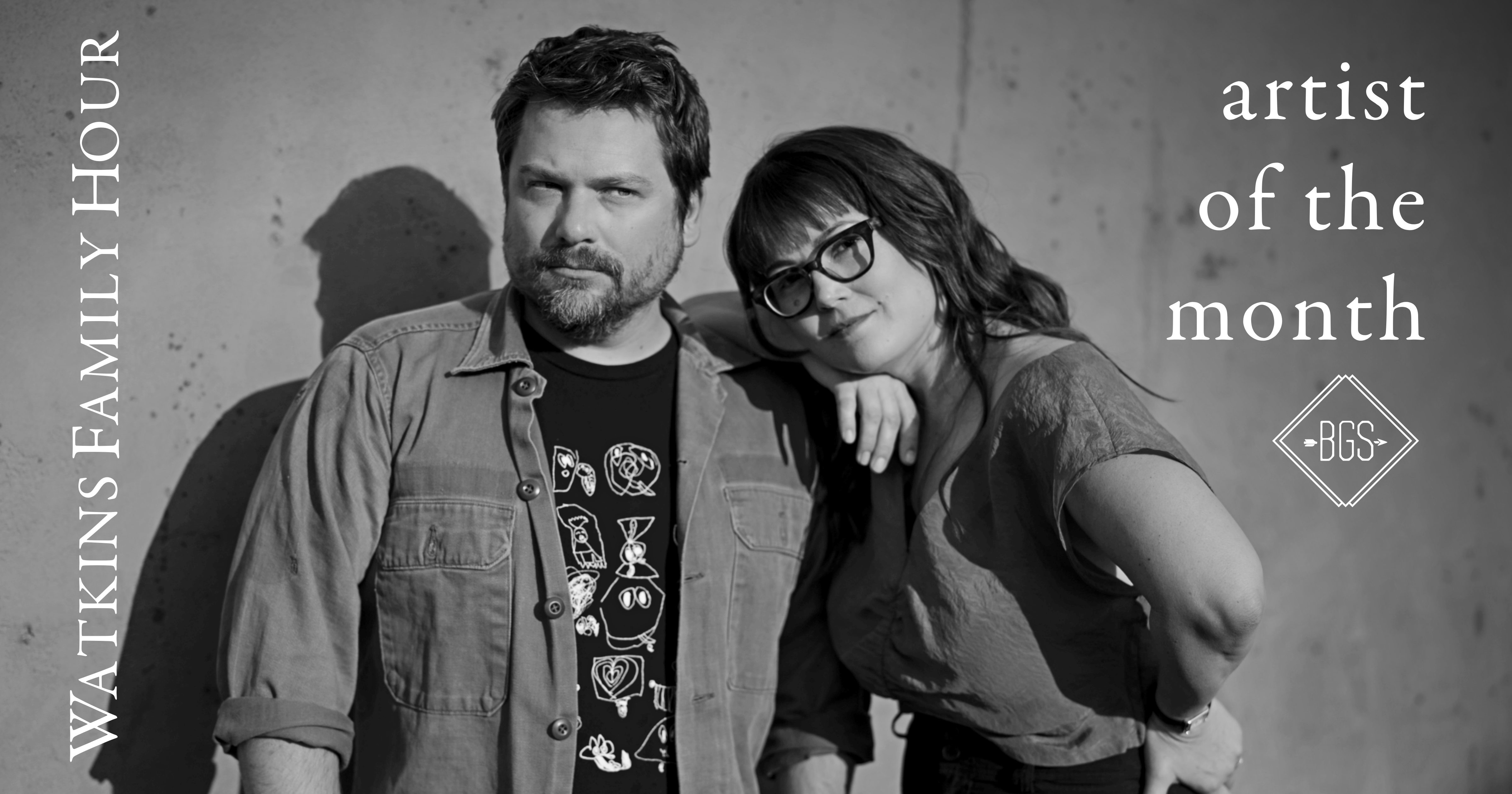
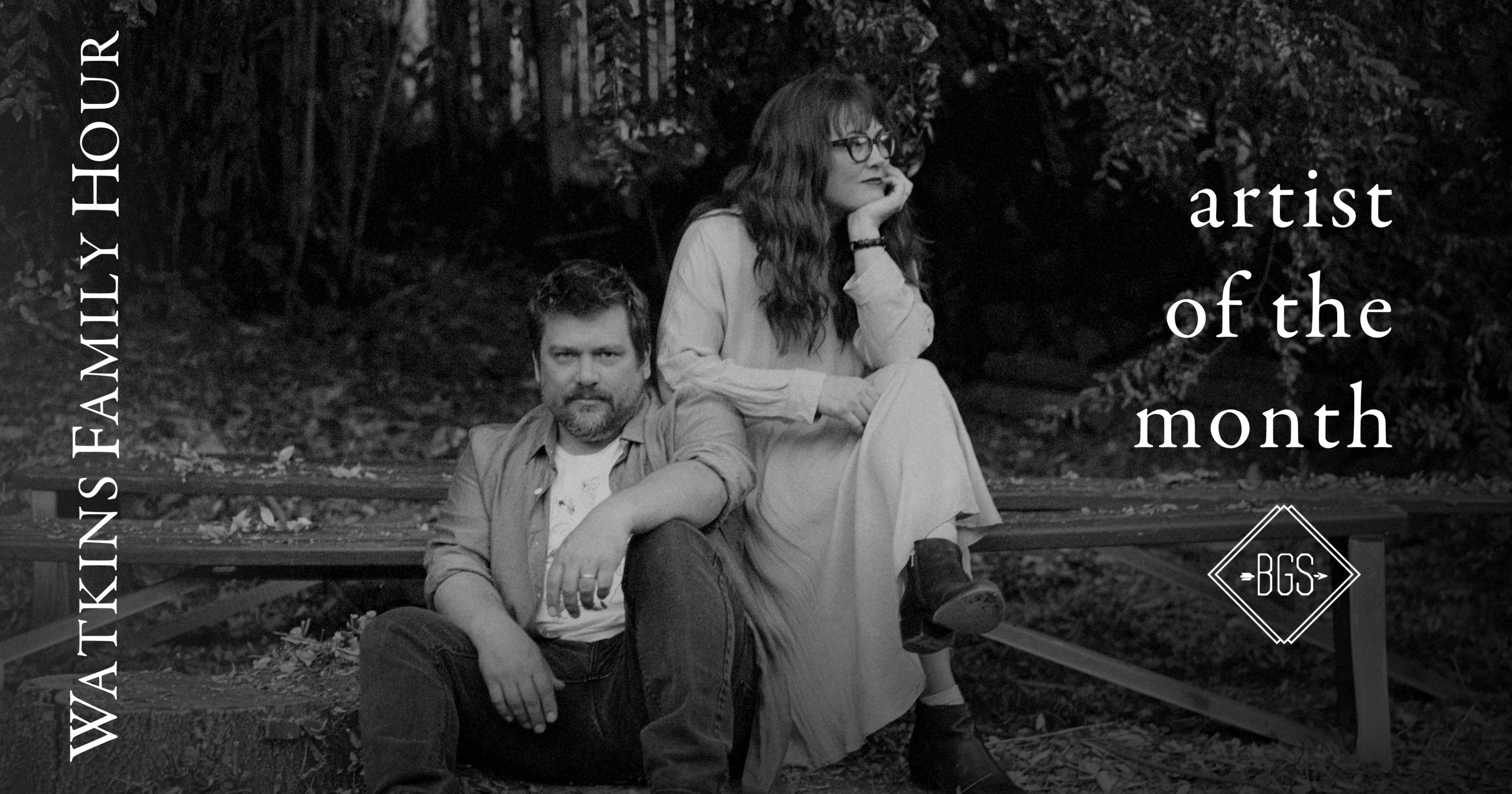
Sara Watkins is up to something — or at least, there’s a pretty good chance she’s up to something. The singer/songwriter and fiddler first found international recognition with Nickel Creek, but these days she stays busy with a rotating lineup of other creative outlets, from her solo work (three albums and counting) to her harmony-singing supergroup, I’m With Her. Oh, and then there’s the raucous Watkins Family Hour, an act with her brother, Sean, that holds regular residencies at LA’s Largo with a delightfully irregular cast of collaborators liable to join them.
This time, though, they wanted to focus on the core of the group. Their new album, brother sister, marks the first time that the siblings have sat down to write together. “We were both in a place where we wanted to focus on the potential of the Family Hour in a different way, a totally new approach than what we’d done before,” says Sara. “Apart from a few shows every year, we had never really focused on just us — particularly in writing.”
BGS: This is your first album as Watkins Family Hour in five years. What made you decide to prioritize this particular project again?
Sara Watkins: The first record that we did was sort of an accident. We made it when our friend offered us some free studio time, just to document what we’d been doing for a while. That record was very natural arrangements to songs that we’d been playing for a long time, cover songs. It was about a year and a half ago when we started talking about doing this record. We were catching up on what we’d each been up to, and as we were talking — I don’t remember who suggested it first — it became clear that we were both really interested in digging into the potential of the Family Hour, but focusing on the core element that’s always been there, which is my brother and me. This record is the first example of our collaboration as co-writers outside of a band format. Maybe as a reaction to the first Family Hour album, but also as a reaction to being in the projects that we’ve been a part of, we wanted to really focus on the potential of this combination.
Is there something specific about writing with a sibling that is either a positive that can’t be replicated, or an obstacle you don’t face with other people?
I think that any time you can be completely honest or you communicate well, it plays to your advantage. I don’t know if it’s sibling-related. For the first twenty-seven years of my life, which was the first twenty years of my musical existence, we shared our musical experience pretty closely. Sean and I have the advantage of a shared foundation — a shared musical foundation, a shared personal foundation — but I think at this point in our lives, what made writing together intriguing is actually how much time we’ve spent apart.
Instrumental tracks are rarely the ones held up as singles or played on the radio, but they’re a huge part of the bluegrass tradition — and something you and Sean do really well. In the writing and recording process, where do you begin in expressing a feeling without lyrics?
Playing instrumentals scratches a specific itch for me. It’s less guaranteed [with an instrumental song] that someone’s gonna get the gist of what you’re saying, but I don’t know that that matters. Even with lyrics, Sean and I have found that we get different things out of the same song — more cynical for him and more optimistic for me, or vice versa. People might hear a lyric completely differently, and that doesn’t make it a failure of expression. Maybe that’s a success.
When I listen to instrumentals, I really enjoy things that I can grab hold of. I enjoy a melody or a hook that comes back around. And I enjoy feeling like I’m along for the ride as a listener: that the person who’s playing is taking me with them. Sometimes you can sense, when someone’s soloing, that they’re also along for the ride — that maybe they don’t know where it’s going. I think a lot of us get that from like a Dave Rawlings solo. That’s really exciting.
So I think that’s the goal, for me: to take the listener, give them enough to hold onto, and invite them along for the ride. When we’re writing an instrumental, we want to try and take somebody’s hand and bring them with us. Otherwise, they’re just listening to a flurry of notes.
The melody and cadence on “Fake Badge, Real Gun” could be just as at home in a pop song. What were you going for when you sat down to record?
Sean has a real knack for melodies that have a pop sensibility. He has a really great way of blending and marrying that with the foundation and the scope of his bluegrass background. I think he’s uniquely good at that. This song is really hard to sing. [Laughs] It’s probably the most challenging song that I sing. Because of where the melody goes in my register, I’m always just singing it with my fingers crossed.
We were consciously trying to satisfy what the song wanted, which was percussion and some low end, but we wanted to give that to the song in a way that didn’t make it feel detached from the record. We kept the drums tight and to one side, and gave it bass that wasn’t too percussive. Then, when we recorded some of the other songs on the record that are much quieter — like the Warren Zevon song, “Accidentally Like a Martyr” — we recorded to tape, and Clay [Blair], who was our mix engineer, hit the take really hard. That means there’s some distortion on the tape, but it gives it a presence that I think matches the intensity of the songs that have a bigger instrumentation.
“Neighborhood Name,” a song about gentrification by Courtney Hartman and Taylor Ashton, is a newer number that you decided to cover on this album. What drew you to it?
It speaks to what a lot of people are aware of and sensitive to right now, as the world is changing and neighborhoods are changing. Some of us don’t know what our place is in that and others are being pretty directly affected. It’s also something that has happened for generations. This song doesn’t put an ethical stamp on it, to my ear, as much as it just speaks to the relatability of the sadness of being displaced. In addition to that, it speaks to the question of wondering if anybody’s gonna remember you — if you made a mark at all. And that’s something that’s always relatable, to everyone.
The song I’ve listened to the most is “The Cure.” What does that song mean to you, specifically the phrase “I avoided the cure, but it found me anyway”? Does it have any special meaning?
Life has a way of being persistent in the lessons that you need to learn. We might procrastinate on things that we know are going to be valuable for us or to start things that might be beneficial. Life pokes and prods in a way that often will bring you to those places, whether you like it or not. It’s a funny thing that a lot of us are so reluctant to do the thing that we know is going to bring us the outcome we’re looking for. It’s a strange but calming phenomenon that I think a lot of us can relate to.
Absolutely. It’s kind of a hopeful message. What’s one thing that has made you feel hopeful recently?
That’s a hard question, not because I’m devoid of hope, but because you could be so pessimistic in so many ways: The resilience of nature gives me hope, but we’re also being so mean to nature, and maybe it’s not going to be resilient forever. One thing that I have been enjoying is a lot of family time lately. I think digging into relationships and feeling the invaluable place that relationships should have in our lives, remembering that, feeling attached to that in a new way has made me hopeful. I feel that there are a lot of people realizing that again, and I think that’s really good for the world.
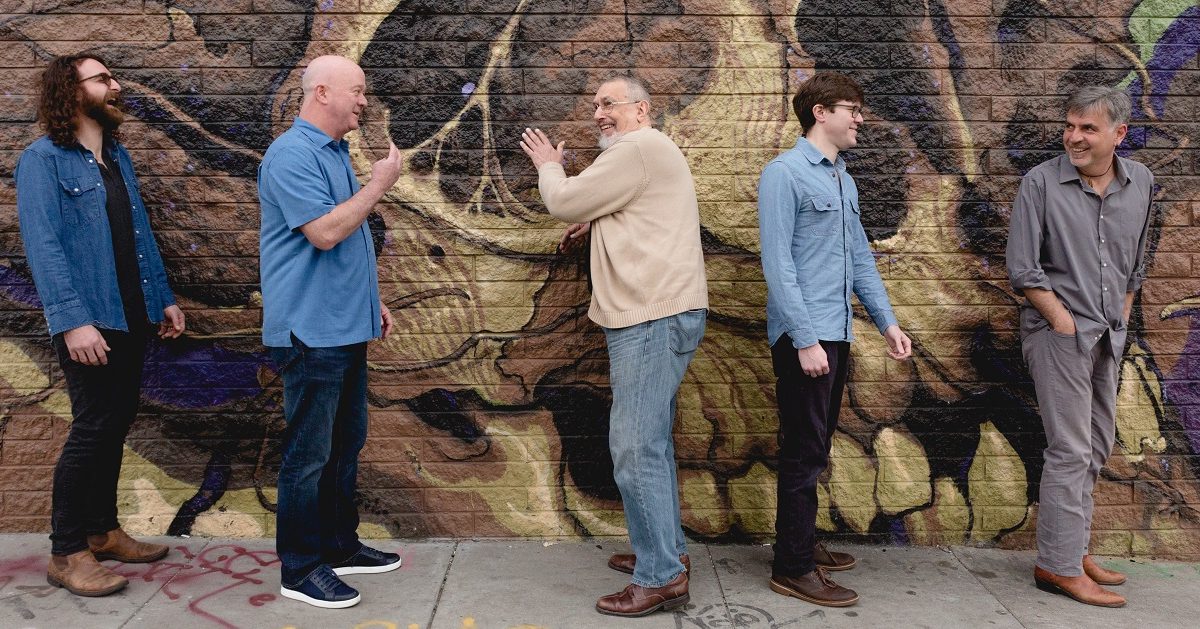
Artist:David Bromberg Band Hometown: Wilmington, Delaware Song: “Lovin’ of the Game” Album:Big Road Release Date: April 17, 2020 Label: Red House Records
In Their Words: “’Lovin’ of the Game’ was written by Pat and Victoria Garvey. They were on the coffeehouse circuit a little bit before I was, so I never met them or saw them perform. The song, however, was still around. I can’t remember where I first heard it, but I can’t think of another song that says the same thing. It works.” — David Bromberg
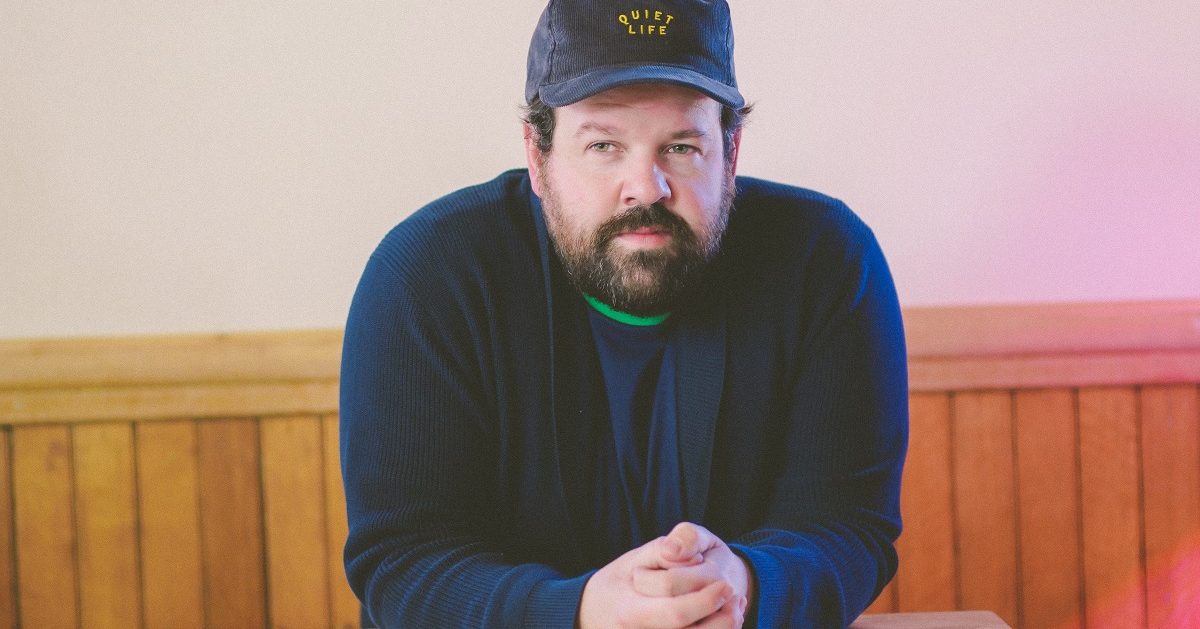
In Their Words: “‘Grew Apart’ is about the little lies inside the words we use when we’re hurting after a relationship ends. We wanted to tell a story in the video about men trying to help each other — and fucking it up, but trying. Men seem to think that there’s some physical trial we need to put ourselves through when we’re lovesick — drinking, fighting. The wrongheadedness of that idea is on display here. So often it feels like we can’t escape those breakup clichés. The song and the video are about why that might be.” — Donovan Woods
For brother sister, Watkins Family Hour’s sophomore album and first in five years, Sara and Sean Watkins decided to tighten their focus, writing songs that allowed them to shine as a duo. “It was an experiment, and it ended up being so fun and totally different from the first Watkins Family Hour record we did,” Sean says. “In this case, more than any other project, we were very deliberate about the style of the songs, how they came together, and how we recorded them.”
The effort paid off. Ringing in at ten tracks, including seven originals, brother sister ranges from glittering, harmony-driven folk (opener “The Cure”) to can’t-help-but-dance silliness (“Keep It Clean,” a Charley Jordan featuring vocals from David Garza, Gaby Moreno, and John C. Reilly). We caught up with Sara and Sean individually, chatting about the album and the forces in their careers that built them, including their early years with Nickel Creek. Read our Artist of the Month interview with Sean below, and catch Sara’s interview here.
BGS: You wrote a good portion of “Fake Badge, Real Gun” before you brought the idea to Sara. What inspired it?
Sean Watkins: I have a folder in my notes on my phone, Future Song Titles. I like to think about what a good song title is — you know, when you see a song title on a record and you’re like, “Oh, I really want to know, I want to hear that song.” A book title can be the same way. I heard the term “Fake Badge, Real Gun” in a hotel room on some kind of local news station. It was a headline, probably a story about a kid, or somebody who was pretending to be a police officer. When I heard that phrase, I put it in my phone, because I just thought, “There’s a lot more in there to be explored.”
There are plenty of people in power who don’t deserve to be. They have the power to destroy and create a lot of chaos, but they didn’t really earn it, or they don’t deserve to be there for one reason or another. Everybody comes into contact with authorities who affect you in profound ways, especially when you’re younger, without knowing how they’re affecting you negatively. At a certain age you get to a point where you unpack your childhood — what your teachers taught you, what you heard in church or what you heard in college — and you have to look at it objectively and figure out who gave you that advice, what they were meaning to get across, and whether you still believe it.
Did anything in your life specifically come to mind?
I went to a Baptist Christian school for a while. It wasn’t because my family was Baptist, but because it was the closest private school, and my parents were public school teachers and didn’t really like the way public school was going. The teachers were pretty strict, evangelical, and I remember this girl who was probably in seventh or eighth grade. She had a great voice, and she got vocal nodes on her vocal chords — it’s just something that happens when you don’t use the right singing technique. It happens to a lot of people. But she asked our Bible teacher, “Do you think God gave me these vocal nodes because I’ve been singing secular music?” I think she’d sang an Oasis song at a coffee shop or something.
And the teacher said, “Yeah, that’s probably why.” Like, in all seriousness, he told her that, because she sang a secular song, God gave her these vocal nodes. And he believed it! But who knows how long that stuck with her, that by singing a certain kind of song God will strike you. You can carry that with you for the rest of your life, whether you know it or not. So I try to think about that in my life: What are the things that I’m carrying around that I don’t need to carry around, because someone who had authority used their “gun” in a way that was, looking back, absolutely wrong? You can take the idea out to any number of places in the world.
The cover of the Charley Jordan song is so fun — what a way to end the record. Can you tell me about deciding to cover “Keep It Clean”?
A few weeks before going into the studio, and we were taking inventory of what we had, what kinds of things might be fun to add to the record, what was missing. We just thought it’d be fun to have one song that’s just a party song: what people know the Family Hour to be, which is kind of a wild, fun ruckus; a song that’s easy for anyone to jump in on, with different people singing verses. Something that sounds like what we do when we play our shows [in Los Angeles] at Largo.
Originally I heard this song when I did a month of shows with Lyle Lovett, playing in his band years ago filling in for a friend of mine who played guitar with him. He did that song every night, but totally different: His version was a bouncy, Texas-swing kind of vibe. I really liked it, and I asked him where it came from. He said it was a Charley Jordan song, but that he’d changed it a lot, and that I should check out the original. It’s so funny because it’s such an old song, but it has such a beautiful, almost current pop melody to it. The guitar line in the original version sounds like a Beach Boys melody. It doesn’t sound like ‘20s blues at all, and I thought that was a really cool element of it. So we based our version on that, although it evolved and sounds very different.
Another thing I like about it is that the lyrics are just quirky and weird; you can’t really tell what they are. The verses were based on popular off-color jokes at the time. So people hearing the song back then would have gotten these references that we’re not getting right now. [Laughs] And they might just be really dumb jokes! It’s like a museum piece. I thought it was so cool.
It’s been twenty years since Nickel Creek released its self-titled, breakout album. How do you feel like the success you had then influenced the way Americana and bluegrass are perceived now, or influenced the player you are now?
Every seven or ten years it seems like there’s a recurrence of some kind of music, and at that time, there was a confluence of things that happened that brought acoustic music way more to the forefront. A big one of those was the O Brother, Where Art Thou? soundtrack: a soundtrack for a movie that sells millions and millions of records, and is mostly old-time bluegrass, that’s a big deal. Alison Krauss was the only one selling millions of records playing anything related to bluegrass, and she wasn’t playing very traditional music. So that record came out, and Alison was — still is — just cranking away, hugely popular. We kind of got lumped in with all of that. People thought we were on the soundtrack a lot, which we weren’t. [Laughs]
There was just a wave. We have to give Alison credit because she saw the potential in what we could do. That first record is a very different record than we wanted it to be. We were so young, so green. We wanted to make a much more wild and aggressive type of record, and she was like, “Listen, that’s fine for your live shows. But it’s not gonna wear well. It’s going to be exciting to listen to the first couple of times, but people aren’t gonna want to listen to it a year from now — you’re not gonna want to listen to it a year from now.” She was really wise in restraining us in a lot of ways that we wouldn’t have.
Do you still take that advice to heart when you’re recording?
Absolutely. I have a mental bag of tricks that I’ve collected from different people over the years. A lot of the great producers will say something that really sticks with you, and it’s immediately like, “I’m gonna remember that and apply it the rest of my life.” I remember being in the studio one time for something that T-Bone Burnett was producing. We were in the control room, and he was musing and talking about the creative process, and he said, “People think about writing songs like writing songs. Don’t think about it that way. Think about writing a feeling. Like when you’re writing a movie, you’re writing a story. When you’re writing a song, just write a feeling — don’t write a song.” I was like, “That is soooo great.” Because that’s exactly what it is! A song’s supposed to make you feel something.
This website uses cookies to improve your experience. We'll assume you're ok with this, but you can opt-out if you wish.AcceptRejectRead More
Privacy & Cookies Policy
Privacy Overview
This website uses cookies to improve your experience while you navigate through the website. Out of these, the cookies that are categorized as necessary are stored on your browser as they are essential for the working of basic functionalities of the website. We also use third-party cookies that help us analyze and understand how you use this website. These cookies will be stored in your browser only with your consent. You also have the option to opt-out of these cookies. But opting out of some of these cookies may affect your browsing experience.
Necessary cookies are absolutely essential for the website to function properly. This category only includes cookies that ensures basic functionalities and security features of the website. These cookies do not store any personal information.
Any cookies that may not be particularly necessary for the website to function and is used specifically to collect user personal data via analytics, ads, other embedded contents are termed as non-necessary cookies. It is mandatory to procure user consent prior to running these cookies on your website.