The Inspirations and Issues Behind Molly Tuttle’s ‘City of Gold’

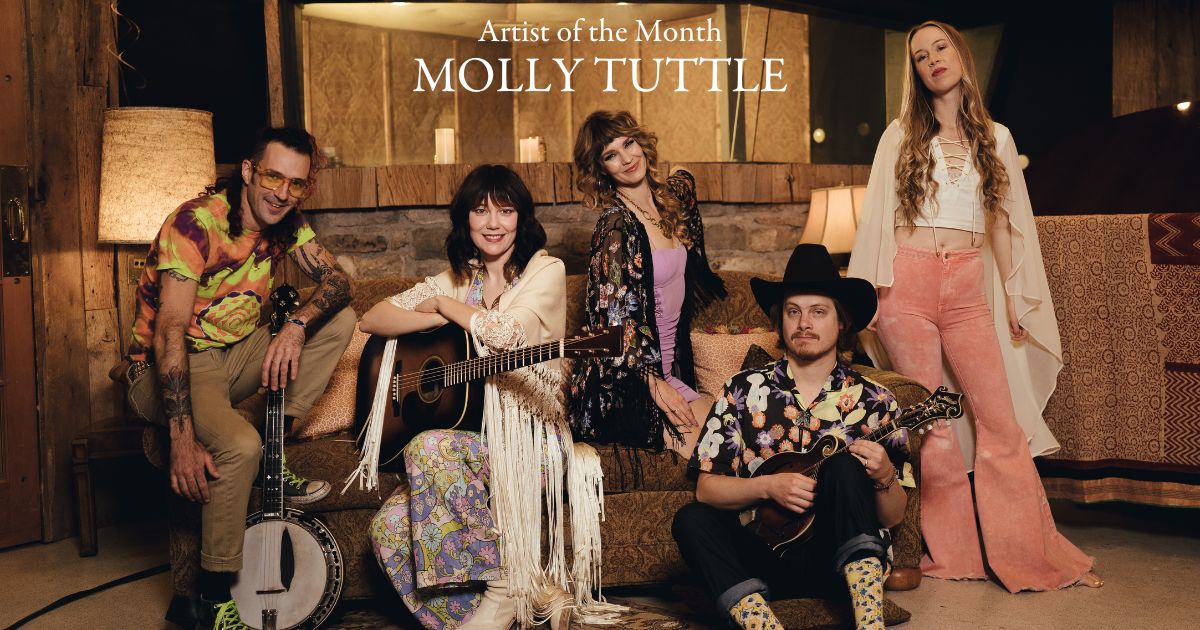
Over the course of her lifelong career in bluegrass, Americana and roots music, we’ve had the pleasure of interviewing and connecting with Grammy Award winner Molly Tuttle on quite a few occasions. When we selected Tuttle and her band, Golden Highway, as our Artist of the Month, we wanted to open a space to discuss her career and music in a fresh light – and we could think of no better context for such a conversation than Basic Folk. 

We asked Basic Folk podcast hosts Cindy Howes and Lizzie No – who featured Tuttle on the show once prior, in 2022 – to sit back down with the International Folk Award and Americana Award winner to discuss her brand new album, City of Gold, and to dig deeper into the creative output of this buzzworthy guitar player, songwriter, and business woman. 

Watch for the full podcast episode to drop later this month, but for now enjoy these excerpts from Cindy and Lizzie’s conversation with Molly Tuttle. 

Cindy Howes: Molly Tuttle, welcome to Basic Folk again. It’s so great to have you back on the podcast. 

Molly Tuttle: Thank you so much for having me back. It’s great to be here with you guys.

CH: Before we start our interview, I want to set the tone for our conversation. Molly Tuttle is being highlighted as Bluegrass Situations’ Artist of the Month, which is so awesome. The tone of our interview today is LYLAS. Do you know what LYLAS is?

Lizzie No: It’s spelled L-Y-L-A-S.

MT: LYLAS. Okay. I don’t know that.

LN: What it means is: “Love you like a sister.”

CH: Oh yeah. So we are total LYLAS. This is like a fun trip to the mall. This is like a really fun cruise around the harbor with your gal pals.

MT: Oh my gosh, that’s so fun. Well, it’s perfect because I’m actually in a hotel outside of Missoula. And there’s a strip mall nearby. So shopping has been on my mind today. Great.

CH: We’ll all get mani pedis together.

LN: Yes. French tip.

CH: So, when approaching the writing on City of Gold, you asked yourself, “How do I tell my story through bluegrass?” Which I can relate to, as somebody who’s sort of tried to distance themselves from folk music for a really long time. And now I am fully leaning into it. So, I take [it as] you asking that question of yourself, like “How can I fit my Molly Tuttle-ness into a world that can be rigid, patriarchal, and maybe different from what you stand for.” So how true is that? And how have these songs helped you take control of the bluegrass narrative and tradition?

MT: I think that’s something I’ve always kind of struggled with. I remember when I first started writing songs, I just thought, “I don’t know how to write a bluegrass song.” I can write a song, but they never ended up sounding like bluegrass to me and I just didn’t feel like my story fit into the bluegrass narrative of the songs that I grew up singing. 

I always loved songwriters like Hazel Dickens, who wrote bluegrass songs from a woman’s perspective, wrote songs about the struggles that she had as a woman in the music industry and as a working woman, and songs about workers’ rights and things she believed in. I grew up with two really strong role models, Laurie Lewis and Kathy Kallick, out in the Bay Area. I remember early on I would go out to [Kathy Kallick’s] house and she would make me tea and listen to my songs. She always told me that when she was first getting started writing bluegrass songs, she kind of felt the same way as me. Like, maybe her story didn’t belong in the genre. But she met Bill Monroe, and he encouraged her, “Don’t try to write a song that sounds like a song I would have written, write a song from your own perspective.” 

So she wrote a song called “Broken Tie” about her parents getting a divorce. She said every time she was at a festival with Bill Monroe, he specifically requested that song. That was an inspiring story to me. But when I started writing songs for Crooked Tree, it was suddenly like a floodgate opened. I think I just found my people to write with, found my groove, and ended up with a collection of songs that kind of told my story, [told] about things I believed in, and [told] my family history and personal experiences. And then other songs that were just, you know, from a woman’s perspective, or from a perspective that I resonate with. 

For [City of Gold], it was fun to kind of continue that and also expand it to be songs that I felt like were inspired by my band members, or inspired by experiences we’d had on the road. This felt more like a collective vision in a way.

LN: Okay, let’s talk about Crooked Tree. The title track from your last record was partly inspired by your experience living with alopecia. You’ve said that as a kid you would wear hats and then wigs, and then you learned to talk about your wig. Eventually, you started to get more comfortable going without. Now that you’re touring with Golden Highway a ton, you sometimes take your wig off when you play that song, which is such a powerful moment of joy, courage, and vulnerability. As a performer, I can relate to those moments where you bring a little bit extra of yourself and you share a part of yourself that you might normally keep private. How do you get to that right mood? How do you gauge if the crowd is like the right crowd to share about your alopecia experience?

MT: It’s also based on how I’m feeling. I took off my wig a few times last year. But I didn’t do it as much as maybe I wanted to, or maybe I should have, just because I wasn’t always sure what to say. I’ve had so many experiences of trying to explain alopecia to people and they still think I’m sick or still feel bad for me. And it’s so hard sometimes to put it in words that aren’t going to bring the mood down at the show, you know, I want people to be having a good time. I want it to be this fun, inspiring moment, not a moment where people can go, “I feel so bad for you.”

Recently, I performed and told my whole story [for] a keynote speech at this alopecia conference out in Denver, Colorado. I think that was such an important step for me. Just getting to share my story and reflect on the pain of growing up having this really visible difference, but also like, the joy and why it’s so important to me to share that with others and share the message that it’s okay to be different. It’s okay to be a “Crooked Tree.” This last weekend, we played in Michigan, and I did take off my wig and I felt like I finally nailed what I said and the perfect mood. Everyone was cheering and it was just a moment of celebration. I think I’m gonna just continue doing that more and more, but I find that it’s so helpful for me to check in with the alopecia community and feel that support from other people who know exactly how I feel. That makes me feel confident to share my message with the world and maybe sometimes be like, “I don’t care how it’s received, maybe I’m not sure how it’s gonna be received, but I’m going to do it anyway.” That just comes with time. And I guess I’ve had to grow kind of a thick skin. It used to be a lot harder for me.

CH: The new album, City of Gold, the songs were mostly written by you and your partner Ketch Secor of Old Crow Medicine Show. What is the writing process like with you and Ketch? Like, how do you bring out the best in each other’s writing?

MT: We’re both quite different writers. He’s very fast paced. He throws out ideas and lines. [While I’ll] think it over. I’m kind of more internal. I think about the lines. We balance each other out in a way where I might think a lot about what exactly we are saying, and then he’s good. If I get stuck on something, [he can] kind of keep it moving. But our writing process is always different. It’s nice, because we’re together a lot. So we can write in a lot of different circumstances. Some of the songs we wrote in the car, like on a road trip, just throwing lines back and forth. Maybe he’d be driving, I’d be writing the lines on my phone. Maybe we’re talking about something at home or listening to music and sitting down with instruments, kind of more the conventional way of writing. I find it so hard to fit writing into my life, especially when I’m on tour and I’m on the go so much. [It’s so nice that] we got into a groove with it, where we were just doing it all the time, and it felt more naturally intertwined into my day-to-day life.

LN: The bluegrass community was a huge source of inspiration for you. Of this record, you said, “One of the things I love most about this music is how so much of the audience plays music as well.” And that you hope that people will sing along and maybe play those songs with their friends, almost like we’re all a part of one great big family. Now, how do you walk the line of making a sophisticated, bitchin’ bluegrass record, while keeping it simple enough for others who might not be musical geniuses to play along?

MT: The beauty of bluegrass music is that most of the songs have like three or four chords. You can play them really simple, you can just strum along and play as slow as you want. Beginner bluegrass musicians might go to a jam of people at the same level as them and play these songs in a lot simpler of a way. Then, as you get better and better you can play it faster, you can play more complicated solos, you can really play with the dynamics. There are infinite ways to make the songs more and more complex and sophisticated as you progress in your musical abilities. 

On City of Gold, I did kind of stray away from that “three chords and the truth” format a little more than I did on my last record. It was fun, because we were working on these arrangements as a band, which was a lot different process than I’ve ever done before in the studio. I’ve always gone in with my songs and gathered musicians that I don’t normally play with on the road – studio musicians. I have a lot of my bluegrass heroes on the record, and you’re kind of learning the songs and playing them by a chart, but for this album, we really took the time to develop more complicated arrangements and add in new sections that stray away from the key. These songs are a little less accessible to the standard bluegrass jam. But I think there’s still a few that people could learn to play at any level.

• • •

CH: Okay, now we’re going to talk specifically about some of the songs on the new album, City of Gold, starting with the first song, “El Dorado.” Right now I am rewatching Deadwood, so I am super into this song. As a kid, you took a field trip to Coloma, the site of California’s first gold strike and it was the first time you heard about the legendary El Dorado, the City of Gold. In the song you sing, “El Dorado, city of gold, city of fools.” You said, “Just like gold fever, music has always captivated me.” So who are the characters in the song – like gold rush Kate from the Golden State – and how do you connect with these fools?

MT: I wrote the song with Ketch and I don’t know [exactly] how it came about… [But I told him,] when I was a kid, every school would send the kids off to gold country. You’d go to different places. The person who taught my class how to pan for gold, for some reason I have like a very vivid memory of him. He had this gold nugget on a chain around his neck and he showed us how to pan for gold. He was like, “You might find a flake of gold, but if you find an actual nugget of gold, we’re not gonna let you keep that, you have to give it back to us.” [Laughs] I remember being like, I really want to find like a nugget of gold and just squirrel it away and not tell this guy about it. So that kind of stuck with me. 

CH: Literally every kid in your class thought that!

MT: Yeah! Like, we’re gonna strike it rich at this goldmine!

We were kind of doing some research on Coloma and found that it’s in El Dorado County. That seemed like a good place to start with a song just inspired by that character, but also thinking about all these characters who came together and we’re all trying to strike it rich. I feel like that is such a theme in our society. You know, we have these like little, mini gold rushes – everyone being like, “This is the next big thing. We’re all going to make so much money off of this.” But for me, I didn’t get into music thinking this is gonna make me rich, but it is something I’ve chased after for many years now.

CH: What do you think is the current gold rush? Is it dispensaries? Vape stores?

MT: The thing that just popped into my head, it’s a couple years old, maybe like a year past its prime, is crypto currency. I think I don’t know where that stands. But I think we’re a little bit past that.

• • •

LN:  The second track on this album is “Where Did All the Wild Things Go?” Which is a song about gentrification’s corrosive effect on the character of once-vibrant neighborhoods nationwide – which I can very much relate to living in Brooklyn. I’d love to hear about your neighborhood where you live now. Is there a specific tradition or neighborhood institution or restaurant or store that is so special about your neighborhood? That you’re passionate about preserving? And how are you and your neighbors trying to keep your neighborhood weird and wild?

MT: Well, my neighborhood is East Nashville, and before I got there, it was totally different. It’s just in constant flux. It really changed so much when we had the tornado hit [in 2020] that took out tons of the local businesses that never returned. A lot of people moved out. The pandemic just kind of sped all of that up. Coming out of lockdown I was like, “Whoa, this is so different. Like, where do I even live anymore?”

I don’t really know how to answer how I’m trying to preserve it. I feel like I’m living in a different city every time I come back from tour, basically. Nashville’s always changing, just constantly growing, so many businesses are moving here. I do feel like there’s this constant sense of everyone missing the old Nashville. I don’t think that I was even around for the like “old Nashville” as many people who grew up in the city know it. So maybe I’m part of the problem in a way, really. I moved there just eight years ago…

• • •

CH: The next thing we want to talk about is “San Joaquin,” a new, old-style railroad song. There’s such a romance surrounding trains in song. You’ve always loved singing about trains. There is that long tradition of trains and folk songs. What do you think it is about trains that have captured artists’ hearts since they’ve been around?

MT: I think as artists, especially as musicians, we kind of have this roving spirit, where we want to see the world, we want to travel. I feel like a lot of musicians, myself included, we romanticize trains as this early way of getting across the country. And still, you’ll see musicians from time to time doing a train tour. Of course you have buskers who might hop on a train across the country and play all over the place. Now, I’ve never done that, but I think it’s just this thing that’s romanticized, especially by musicians. I’ve always loved singing [train songs]. There’s so many bluegrass train songs, but I didn’t know a specifically California bluegrass train song, so I felt like it was time to write one.

CH: What’s your favorite train song?

MT: That’s such a good question. The first one that popped into my head was Larry Sparks’ song, “I’d Like To Be A Train.” He doesn’t just want to ride a train. He wants to be a train.

• • •

CH: The song “Next Rodeo” you say, “…Reflects the miles I’ve put in with my band, Golden Highway, which has clocked in well over 100 shows.” That’s in the press release, so it’s probably 200+ shows at this point, and we’ll give a shout out to Bronwyn Keith-Hynes. Let me know if I’m mispronouncing anyone’s name–

MT: We have so many nicknames for Bronwyn in the band. We saw a YouTube comment on one of our videos where I introduce her and someone said, “What’s the fiddle player’s name? I couldn’t catch that.” Someone wrote “Ron Winky Pies.” We often call her Ron Winky Pies.

CH: Yes, that sounds right. Well, she is a hell of a fiddler. Also Dominick Leslie on the mandolin, Shelby Means on bass, and Kyle Tuttle, who is playing banjo. Can you talk about the ease and connection you feel with Golden Highway? What’s the feeling that you get when you’re on stage – and, when did it start gelling for everyone?

MT: After I made Crooked Tree, first I started thinking about who I wanted to take the songs on the road with. On the record I had the band name Golden Highway, but I didn’t actually have a band yet, so it’s kind of funny. I did it in reverse a little bit. 

Dominick played on the whole record. I called him and I was like, “Hey, do you want to play with me next year?” And he said yes. So I had one band member. I was just trying to fill in the rest of the band thinking like, “Who’s gonna bring the most personality to this project? Who’s gonna bring a unique voice?” The whole record was all about being who you are, [about] individuality. I wanted to choose people who I felt like their personalities really shine through – and their music and their playing and their stage presence.

I got my dream band. We’ve all been friends in one way or another for like the past decade, so it was a cool experience. I’ve never had that before where I have this band in my head, I imagine the people playing together, and then it happens and it’s better than I could have imagined. It felt really cool. In the past I’ve had wonderful bandmates, but it’s never been this kind of brainchild where I’m trying to concoct my dream bluegrass band that will have this unique personality to it. 

We all got together and everyone already knew each other and already played together in different configurations just through the bluegrass scene over the years. It all kind of started gelling really quickly. Our first couple shows we’re just kind of like, “Wow, this is something special!”

• • •

CH: We do want to ask a question about Jerry Douglas, who co-produced the record with you and is the master of the Dobro. How has your relationship with him as a producer shaped how you think about your own recordings?

MT:  On this record, especially on “Stranger Things,” I just felt like I needed to hear him play on it. We had this funny thing we’d say in the studio, “Make us AKUS” – make us Alison Krauss and Union Station – cause they’re like our heroes. [Laughs]

When we got to that song we’re like, “We need that iconic Jerry Douglas dobro part.” It’s such a spooky song and he just knows how to accompany a song [like that] so well and that’s part of why I felt like he was the dream producer. He understands the musicianship side of things. He’s such a master of his instrument, but then he also has this deep connection to songs and vocalists and just knows exactly what to play behind the vocal.

That’s something I really kind of leaned on him for, just getting the best performance out of everyone, instrumentally. He has just the greatest ear. He hears a pitchy note here or like a wrong note there and really pushes everyone to do their best performance, but then he also has this side of him that’s extremely tasteful and he knows how to get behind a song and not overpower it.

LN: I want to talk about “Down Home Dispensary,” which is such a fun song. I’m fascinated by the way you’ve framed this issue, which is very hot in the news… legalizing marijuana. The way it’s framed in “Down Home Dispensary” is like a very fun political pitch about how Southern culture can evolve and is evolving. Why did you feel it was really important to frame this as a “Down Home Dispensary?” And do you notice an evolution in the way that Southerners and your audiences, more broadly, are relating to marijuana use? 

MT: I think like the South is still the holdout. It’s not legal in most places in the South, but I feel like it’s become almost a bipartisan issue, where people are getting behind it. We play it and we’ve been playing it live and people are cheering no matter who they are. They’re like cheering for the “Down Home Dispensary,” because it’s this thing that’s become normalized in our society, but it still is technically not legal. That was one that Ketch and I originally wrote to be an Old Crow [Medicine Show] song and then they didn’t cut it. It’s so much fun!

CH: It’s sort of like a book end to “Big Backyard.” The world can be your down home dispensary, your  backyard. You can make home and freedom anywhere. 

MT: I thought it was like a funny angle to to go about it. You’re talking to a politician and just being like, you should really do this, because you’re gonna make a lot of money like this is in your best interest.

LN: How has living and working in Tennessee changed how you see your responsibilities as a feminist artist?

MT: I’m confronted with things in Tennessee that I never imagined would happen. Where I live, abortion is not legal in Tennessee at all, it was one of the first states to basically ban it for any reason.

That was really like a dark moment in our history as a country to just be going backwards completely. It’s something that I’ve feared since I was a teenage girl, like, what if this got taken away? And what if I couldn’t make decisions for my body? I can’t [access this healthcare] in the state where I live, I could maybe travel somewhere else if needed, but who knows if [someone else] could. They could make it more and more impossible to have access to this. It just breaks my heart for all the people who now don’t have that choice and don’t have the privilege of being able to go somewhere where they can get this health service.

[When writing “Goodbye Mary”] I was thinking about a story my mom told me growing up of my grandmother, whose name was Mary. She had a friend who was in an abusive relationship and she wanted to leave this relationship, but she ended up getting pregnant. So my grandmother and her friend, she would push her friend down the stairs, they would try anything to get rid of the baby. It’s a really, really dark story. But it’s somewhere that we’re going again, as a nation. When we were writing it, we were talking about my grandmother. That’s not something that happened to my grandmother personally, but it’s something that her generation had to deal with.

LN: I think it’s so important to link abortion access to women’s experiences of intimate partner violence. A lot of people who claim to be pro-life don’t want to admit that access to abortion is also access to freedom and the ability to leave an abusive situation. It’s just one more way of actually having freedom in your own body. That’s a really powerful story. It’s just so important, I think, for musicians to be talking about this issue, especially those of us that live in Nashville or are working in country and folk and bluegrass.

MT: It’s really scary to talk about, I was so scared to put that song on my record. Jerry was the one who was like, “We have to.” It was his favorite song. He was like, “If we’re gonna record one song, it needs to be this one.” And I was like, “I’m scared.”

This issue is one I care about so deeply. And it’s one of the most important social issues to me. But it’s also like, you get kind of the most backlash for it.

LN: Have you played this live yet? 

MT: We haven’t, no. We’ve worked it up. And once the record is out, I think we will start playing it. But we haven’t tried it live yet.

LN: You got this. 

MT: Yeah, totally. Thank you. 

LN: Thank you. Thank you for this telling this story. I think that the bluegrass community needs to hear it and the world needs to hear it. I think it’s really important.

• • •

(Editor’s Note: This conversation has been abridged and lightly edited for flow and grammar. Cindy Howes’ and Lizzie No’s full Basic Folk conversation featuring Molly Tuttle will be available next week on BGS – or wherever you get podcasts.)


Photo Credit: Chelsea Rochelle
Young Mandolinist Wyatt Ellis Collaborates with Sierra Hull

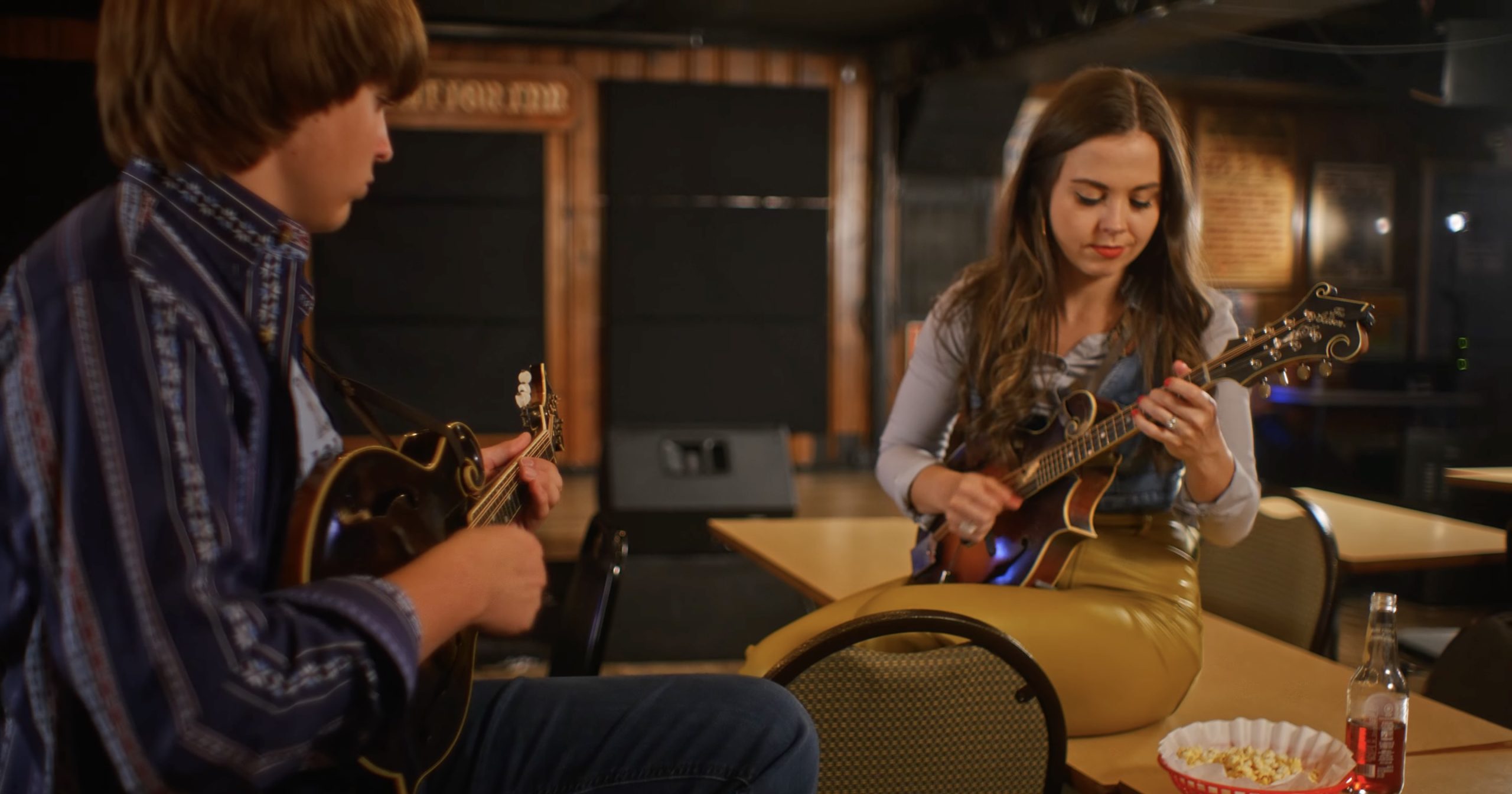
At only 14 years old, mandolinist Wyatt Ellis is a sight to behold in the official music video for “Grassy Cove.” The tune was co-written with the superbly talented Sierra Hull and recorded as part of a larger project that’s coming out at a later date. “Grassy Cove” came about after Ellis completed a Tennessee Folklife apprenticeship with Hull. Its music video was filmed at the Station Inn in Nashville, TN – with Cory Walker on banjo, Deanie Richardson on fiddle, Justin Moses on guitar, and Mike Bub on bass – and debuted only days ago.

Ellis made his Grand Ole Opry debut at just 13 years old. He also performed at MerleFest this year and has nearly 100,000 followers on social media across his combined pages, so keep your eyes on this rising star!


LISTEN: Painted Mandolin, “Shine On”

Artist: Painted Mandolin
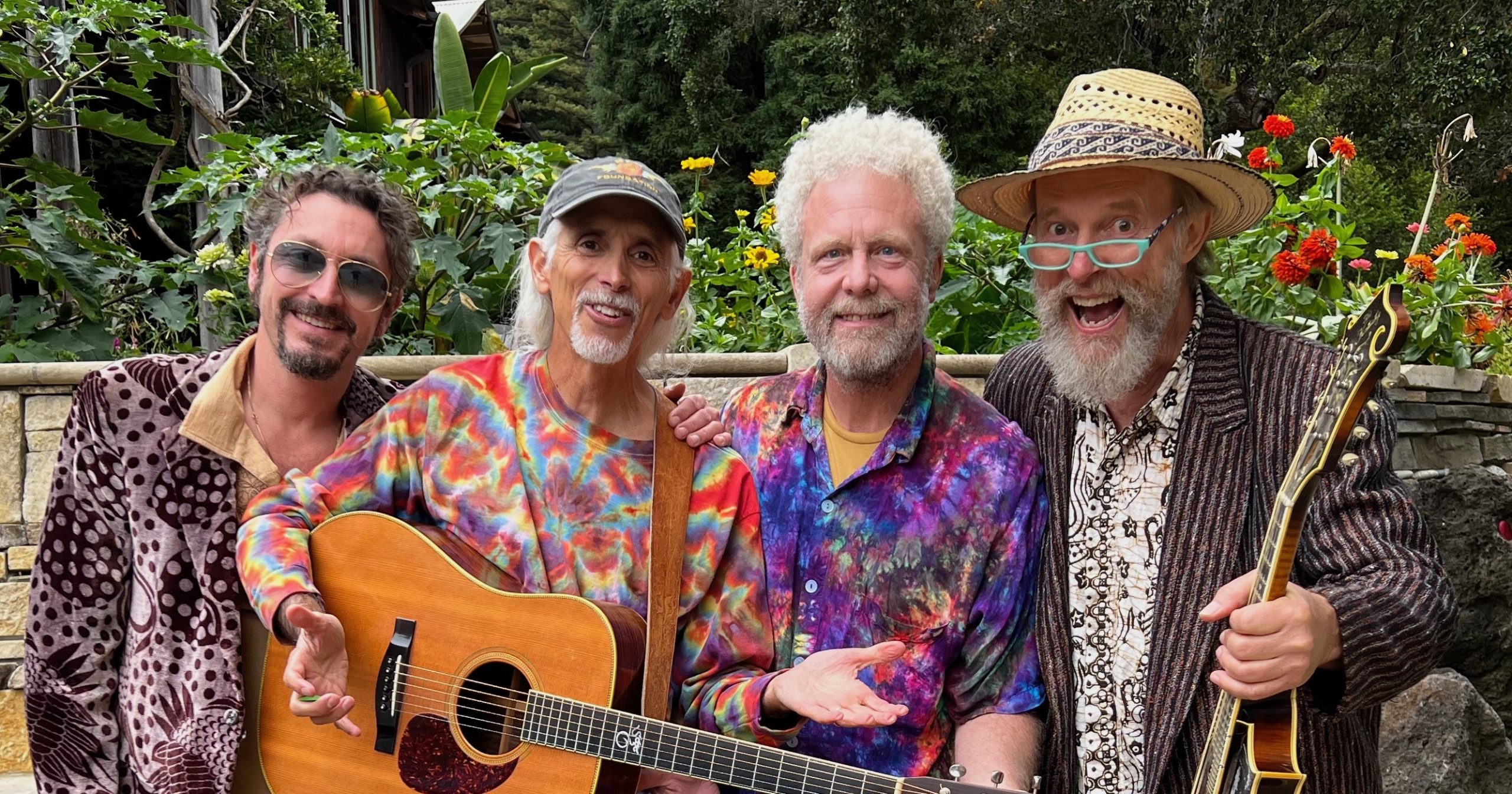
Hometown: Santa Cruz, California
Song: “Shine On”
Album: Sweet Rain
Release Date: August 1, 2023
Label: Blender Logic Arts

In Their Words: “‘Shine On’ was the first song I wrote for our record, Sweet Rain. Written early during the pandemic, there is a sense of those times – a collective consciousness of the unknown, being alone and wondering what’s to come; lots of questions. I tried to answer those feelings with a sense of hope, beauty, and what brings us together. A deep confidence that we can survive and thrive, with the help of our community. Nature really comes through and I was inspired by that beauty during these times. It was quieter, so the bird songs seemed louder. I remember gathering outside that fall to see the comet together – that was uplifting – and spending time on my friend’s land, and swimming in the creek, that reminded me: ‘Talk to me, shed your fears, shine on.'” – Larry Graff (guitar, vocals)

“Larry’s eloquent description and interpretation of the lyrics of his song ‘Shine On’ sets a stage of images, hopes and dreams, framed by the music we created. A tender and optimistic groove provides a happy cadence to the improvised solos of mandolin and guitar, only to modulate at the end into a conversation with overlays of musical thoughts towards a positive resolve, as we all navigated our feelings throughout the pandemic.” – Joe Craven (mandolin, violin, percussion, vocals)


Photo courtesy of Painted Mandolin

LISTEN: Daryl Mosley, “Nobody But Her”

Artist: Daryl Mosley
Hometown: Waverly, Tennessee
Song: “Nobody But Her”
Album: A Life Well Lived
Release Date: July 21, 2023
Label: Pinecastle Records

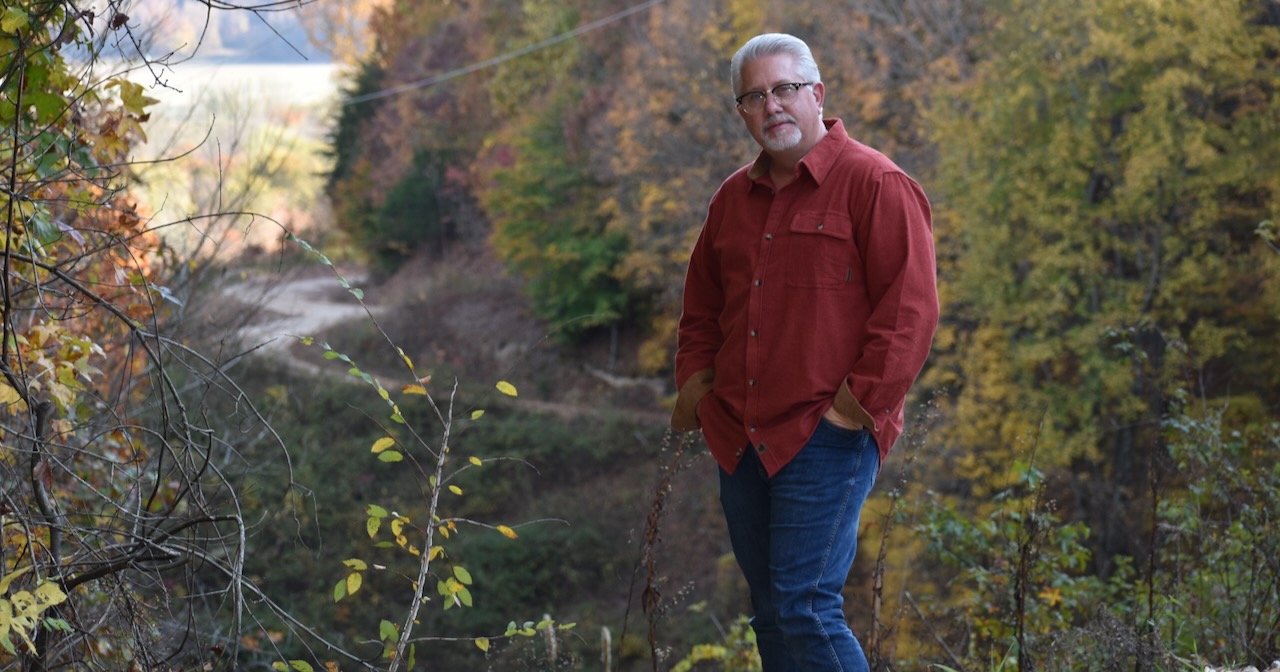
In Their Words: “I don’t write a lot of love songs. I try to include one on each album and it is usually my toughest assignment. Love is so powerful and so personal that for me, it’s hard to put those feelings into words that give them the treatment they deserve. I’ve known many relationships where one person ended up in more of a lead role and the spouse took a much more supportive role. ‘Nobody But Her’ is not just a love song. It’s a thank you note to those supportive partners expressing that their sacrifices do not go unnoticed. It’s written from the perspective of a guy who knows that he is a handful, but is blessed to have a woman who somehow manages to love him in spite of it.” – Daryl Mosley


Photo Credit: Candy Seaton

WATCH: Stillhouse Junkies, “Never Going Back Again”

Artist: Stillhouse Junkies
Hometown: Durango, Colorado
Song: “Never Going Back Again”
Album: Small Towns
Release Date: September 9, 2022
Label: Dark Shadow Recording

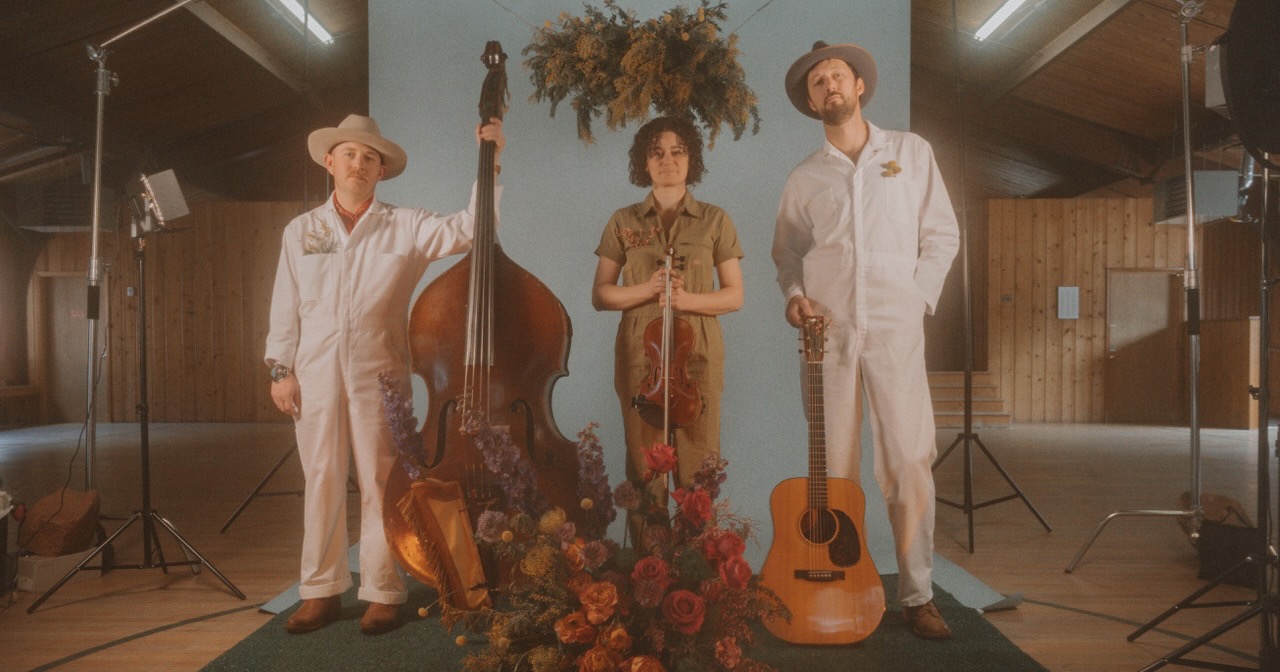
In Their Words: “‘Never Going Back Again’ was always on our short list of cover ideas and it felt like a natural candidate for the lone cover slot on our Small Towns album. The 1977 Lindsey Buckingham song was a fun challenge to arrange for the trio since it’s essentially just a fingerpicked guitar riff to start with. We changed the groove and added some melodic interplay between the fiddle and guitar over Cody’s backbeat bass line and came up with what we think is a fresh take that still honors the spirit of the original.

“Given the source material, it only seemed appropriate to make a video that looked and felt unlike anything we’d ever done before. Our amazing creative team of Hanna Irene (Hanna Irene Motion Pictures) and Renee Cornue (Renee Cornue Studio) came up with a concept that captured the funky, retro vibe of the song and used a stop motion technique to create a unique aesthetic that fit our reworked two-and-a-half minute arrangement perfectly. We shot the video in one day in an old gymnasium in Green Mountain Falls, Colorado, as part of an artist residency at Green Box Arts. We’re absolutely thrilled with the outcome and can’t wait to share it with the world.” – Stillhouse Junkies


Photo Credit: Renee Cornue Studio

WATCH: Amanda Fields & Megan McCormick, “Wild As A Flower”

Artist: Amanda Fields and Megan McCormick
Hometown: Madison, Tennessee
Song: “Wild As A Flower”

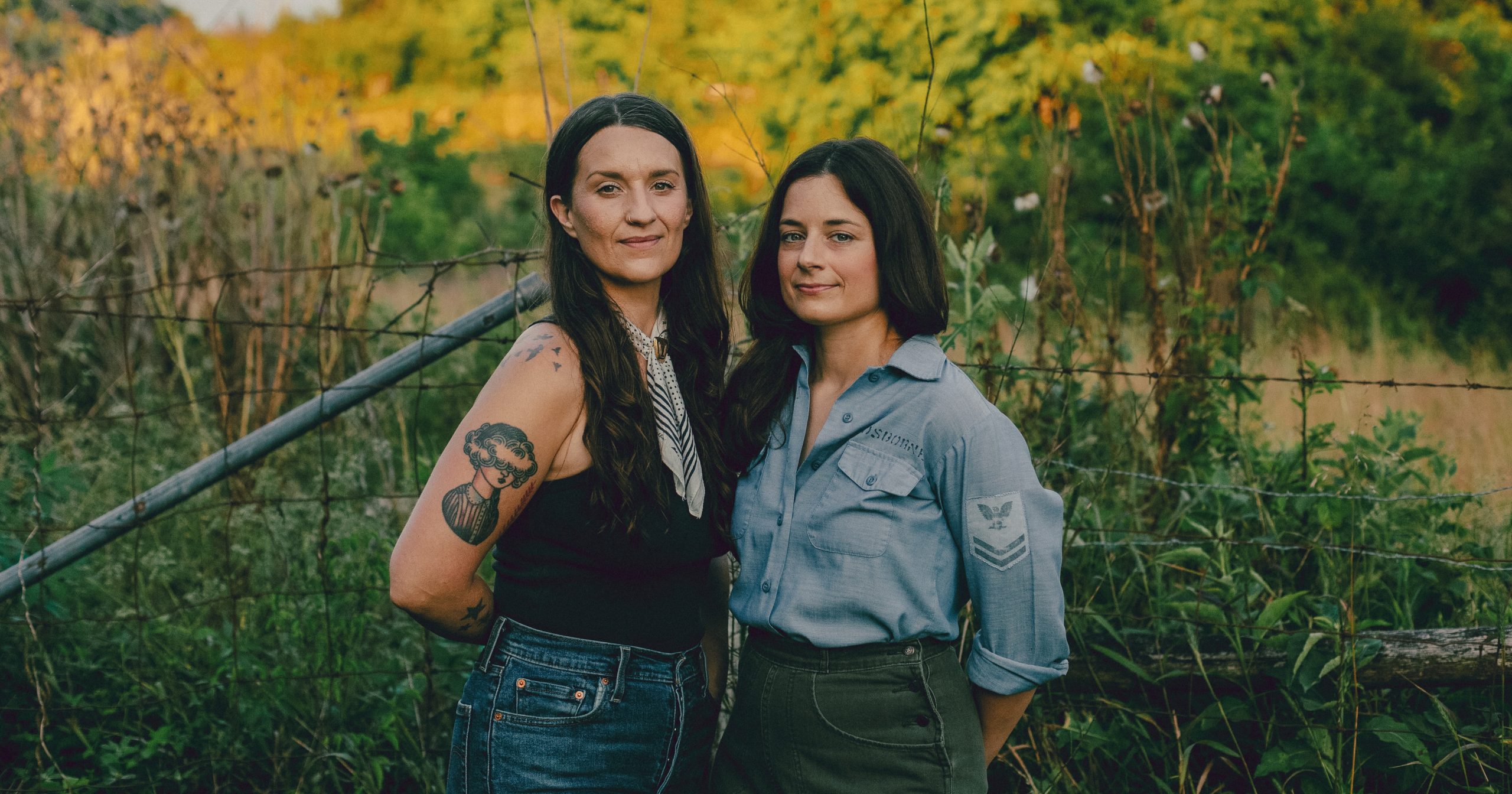
In Their Words: “We started writing ‘Wild As A Flower’ almost two years ago, not knowing how the story that the song reflected would progress. After we lost one of our beloved animals in January, we were finally able to finish the song. It’s been refreshing to allow ourselves to explore new territories in our songwriting together, especially the spiritual elements that come up often in our conversations — we get pretty deep into the existential a lot of times and it’s opened up our writing a lot.” – Amanda Fields & Megan McCormick


Photo Credit: Lindsey Patkos
Video Credit: Rebecca Branson Jones

WATCH: Bonnie & Taylor Sims, “Texas Again”

Artist: Bonnie & Taylor Sims
Hometown: Longmont, Colorado
Song: “Texas Again”
Album: Bonnie & Taylor Sims
Release Date: September 15, 2023
Label: BonTay Enterprises

In Their Words: “‘Texas Again’ started out to be an epic, Grapes of Wrath-esque story of the Sims family, but it soon turned into a love story for the motherland. The diversity of Texas geography has always been in my heart and you can see it all – if you’re willing to drive 18 hours. I love Colorado, but nostalgia is a helluva drug and Texas will be forever home… it will get these ashes when it’s done.” – Taylor Sims


Photo Credit: Natalie Jo Grey

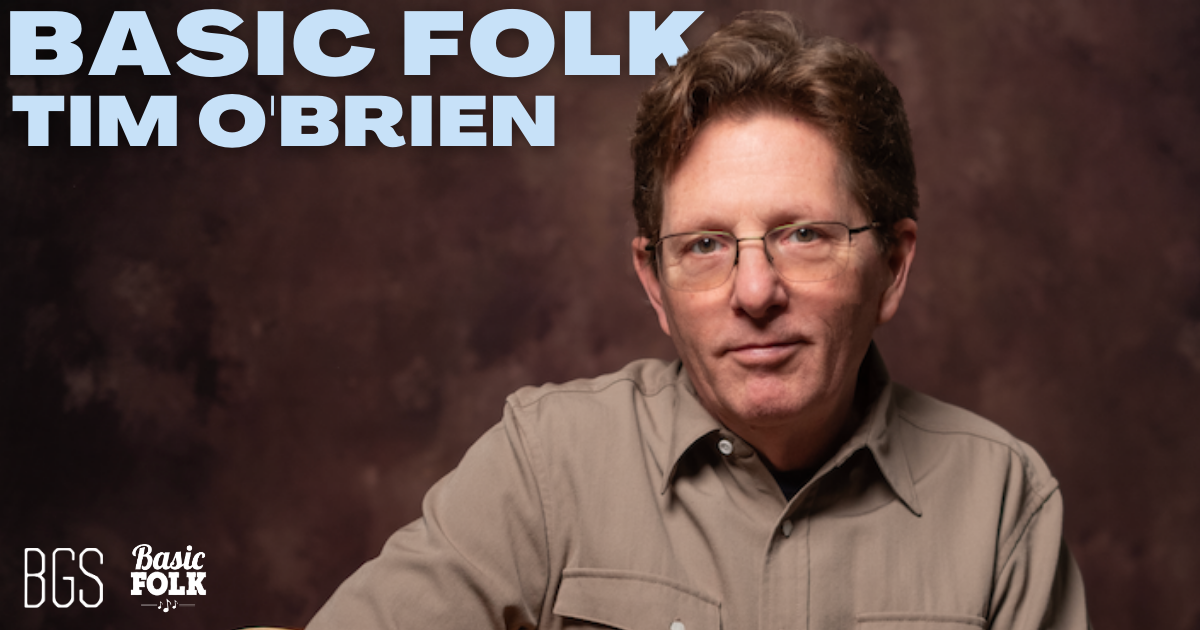
Basic Folk – Tim O’Brien

Tim O’Brien is one of bluegrass’ beloved players, from his work with the innovative Hot Rize to his yearly appearances at the Telluride Bluegrass Festival. He’s just released his first album of all-original material, which is something to be said for his 50-year career. At 69 years old, it’s no surprise that the theme of aging pops up on quite a few of his new songs. He opens up about his perspective on aging and what it has looked like for his predecessors in bluegrass. He reflects on his history, from choosing Colorado over New York or LA, to being very aware of how hard it was for his sister, Mollie O’Brien, to have a solo career and be a parent.

LISTEN: APPLE • SPOTIFY • STITCHER • AMAZON • MP3

Nicknamed “Red,” Tim O’Brien serves as hero and mentor to many of today’s finest players in the genre, including Sarah Jarosz and Chris Thile. He recognizes the importance of allowing younger generations to step into the spotlight, while still being ready to honor his own bluegrass heroes. In our conversation, Tim gets into things he’s noticed changing for the better in his scene and also talks about how technology is both a good and challenging thing. For instance, in-ear monitors are great, however, they really isolate the players instead of really feeling like they are playing together. Thanks, Tim O’Brien!


Editor’s Note: Read our interview feature with Tim O’Brien here.

Photo Credit: Scott Simontacchi

BGS Class of 2023 Favorites So Far

Somehow, it’s July and more than half the year has already blown by! In many ways it feels like 2023 is still brand new, despite the calendar saying otherwise and the overabundance of amazing music that has soundtracked the past (nearly) seven months. With many more albums and songs yet to come, we wanted to reflect on the music that has stuck with us and become new favorites of ours since January. It’s a stout list – if we do say so ourselves.

We want to hear from you, too! What albums, songs, and artists have been the underscoring of your 2023? Who’s missing from our list? 

(Editor’s Note: Scroll to find our complete BGS Class of 2023 playlist, which is updated every week.)

Rachel Baiman, Common Nation of Sorrow

Fiddler, songwriter, and activist Rachel Baiman has been a part of the BGS family for quite a while now, but recently she joined the ranks of our contributors, as well. (See her writings here.) Her new album, Common Nation of Sorrow, has been a standout for the entire team since it arrived in late March. Though she’s always helmed her creative and musical projects, in many capacities, this record marks the first time she’s been the sole producer on one of her own releases. Her fingerprints are indelible and striking; challenging and convicting. It’s introspective, but expansive. 

boygenius, the record

An album so nearly perfect we just have to include it, even though some may believe its connections to roots music are tenuous at best. (We disagree, of course– and wrote an entire list of folk bands for boygenius fans to prove our point.) Julien Baker, Phoebe Bridgers, and Lucy Dacus somehow, against the odds, rise above the simple sum of their parts while reminding of former folk supergroups like Trio (that is, Dolly, Linda, and Emmylou) and Crosby, Stills, Nash, and Young. 

Caitlin Canty, Quiet Flame

With its acoustic aesthetic and simple, string band underpinnings, Caitlin Canty’s Quiet Flame is a surprise superlative among bluegrass records released in 2023. Her past albums aligning more with folk, Americana, and singer-songwriter traditions, Quiet Flame was produced by Chris Eldridge and though the production values were quite intentional, the bluegrass result was more a happy byproduct than a deliberate destination. Filmmaker and playwright Noah Altshuler spoke to Canty about the project for a recent feature. 

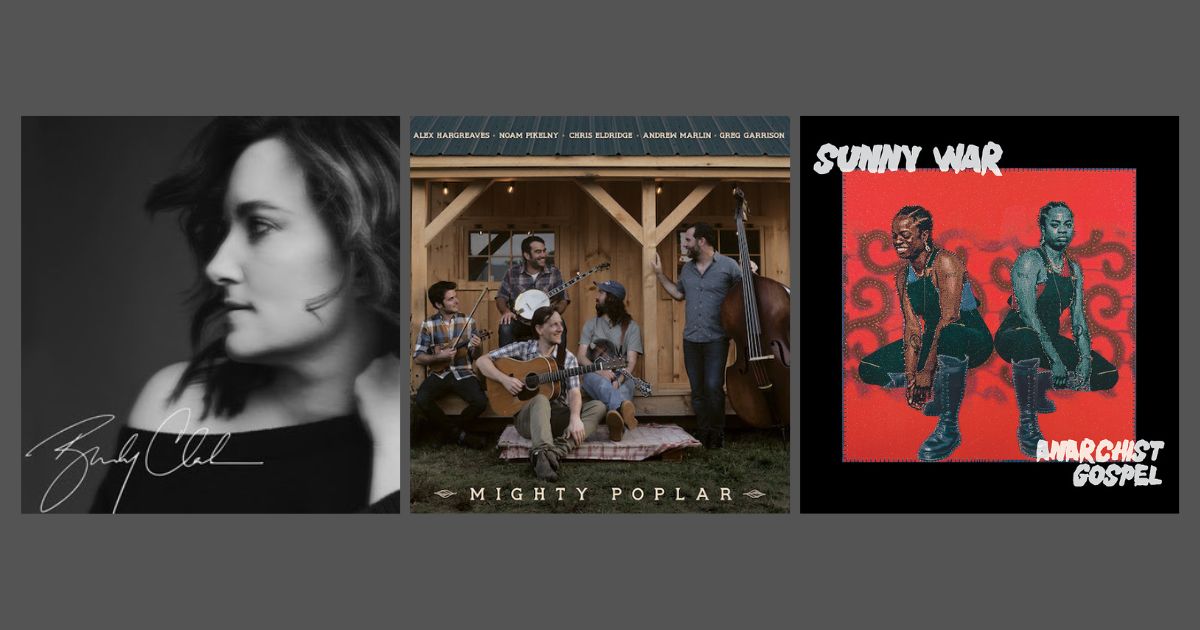
Brandy Clark, Brandy Clark

The BGS team has been fans of country singer-songwriter Brandy Clark for quite some time, so it’s more than a little bit enjoyable to watch as more and more listeners and fans discover Clark. And they have so many pathways to find her, whether through her hit, Tony Award-winning Broadway musical, Shucked, her collaboration with Brandi Carlile – who produced the new, self-titled album – or her many charting hit songs. There’s a point of view on Brandy Clark that we never knew we missed before, a maturity that she never lacked, but she has certainly distilled. It shines in its many spotlights. (Watch for a feature on Clark coming soon to BGS.) 

Michael Cleveland, Lovin’ of the Game

Michael Cleveland has won IBMA’s Fiddle Player of the Year award more times than any other fiddler in the organization’s history. His obvious adoration for the instrument – and the life it has led him to – is front and center on his latest album, Lovin’ of the Game. Though he’s collaborated with virtuosos like Chris Thile, Béla Fleck, Billy Strings, and many more over the past handful of years, his perspective remains markedly down-to-earth. As is on display in our Artist of the Month interview from March.

Cat Clyde, Down Rounder

In mid-February, we premiered the music video for the lead single off Canadian alt-folk singer-songwriter Cat Clyde’s album, Down Rounder, and this collection has stuck with us since. For those of us with an affinity for a good red-dirt or red-rock hike, and for western, nomadic, cowboi (that is, all-gendered cowboys) aesthetics – since long before the recent rise of yeehaw culture – this album will provide such perfect daydream scoring. It’s ideal music for journeys internal as well as external. 

Iris DeMent, Workin’ On A World

An album of hope – but zero toxic positivity. Iris DeMent knows how it feels to be burnt out, bedraggled, exasperated, defeated. But hope is a radical act and, in those dark moments where hope seems so ethereal and distant, existence is a radical act. The songs of Workin’ On A World never feel preachy or condescending, even while they remind of weeknight church – all-denominational, of course – and raising voices together in the face of oppression and fascism. DeMent isn’t just workin’ on a world, she’s imagining one, too. It’s our job to bring it to fruition, even if we never see it. 

Amanda Fields, What, When and Without

Amanda Fields’ voice is impossibly tender, but do not let your guard down or it will bite you just the same. Especially when delivering a bittersweet, southwest Virginia-tinged lyric equally at home played by a bluegrass band or, like on What, When and Without, backed by a vibey, homespun, alt-country sound bed. For a voice and perspective as traditional as her’s, Fields still finds endless new ground to break and lines to color outside of. Her collaboration with guitarist and producer Megan McCormick (who has new solo music coming this year, as well) finds Fields’ musical output climbing to even higher levels of realization, innovation, and professionalism.

Ashby Frank, Leaving Is Believing

Mandolinist, singer, and songwriter Ashby Frank is in the running for IBMA’s Best New Artist award this year, and while reaching the second ballot in this category is certainly a well-deserved recognition, it’s a bit… inaccurate! Frank is not exactly a “newcomer,” as he has been a near permanent fixture in bluegrass, country, and Nashville for the greater part of two decades, performing with outfits like the Likely Culprits, the infamous Darrell Brothers, Special Consensus, Mountain Heart, John Cowan, and so many more. He’s even subbed regularly with the Earls of Leicester – and he’s a hit bluegrass songwriter, too, with charting cuts by Junior Sisk, Dale Ann Bradley, and more. His emerging solo career is where he’s truly hitting his stride, though, and in real time, with this outstanding “debut” on Mountain Home Music. 

Brittany Haas & Natalie Haas, HAAS

Genre is dead, we know, but if it hadn’t already been dead, chambergrass, classical-meets-fiddle, string band music such as this would have killed it. It’s a glorious musical territory and is no better inhabited by anyone in this particular scene than sisters Natalie and Brittany Haas, who return to collaborating with one another in an “official” format on HAAS. Sometimes it’s easy to lose sight of just how toxically masculine improvisational, jammy, virtuosic bluegrass and chambergrass have become. An album like HAAS quickly grounds this aesthetic – so far outside the realm of similar more performative, self-indulgent projects – and reminds just how much newgrass and chambergrass are still out there to be discovered and made. 

Jaimee Harris, Boomerang Town

A glut of queer country records are being released at this particular moment in time and Jaimee Harris’ Boomerang Town stands out in a niche that’s becoming more and more crowded. No one welcomes this quick change in country music more than ourselves – and Jaimee, too, we’re sure – but with more voices to be heard, one like Harris’ certainly cuts through. Boomerang Town isn’t exactly autobiographical, but it drips with Harris’ lived experiences and plays as if you’re sitting quietly with her, alone in her room, as she picks each intro on her favorite guitar and every track grows into a fully-realized number. It’s a not-so-idyllic snapshot of a hometown, like country does so well, and, like queer folks the world over know so intimately, the exact hometown really doesn’t matter. 

Brennen Leigh, Ain’t Through Honky Tonkin’ Yet

We hope Brennen Leigh, a multi-hyphenate picker, performer, and songwriter, is never through honky tonkin’. With her latest Signature Sounds recording Leigh has raised the bar for honky tonk sounds – a bar that should never be re-lowered. Equally at home as a “sideman,” a bluegrass picker, a songwriter (with cuts by Lee Ann Womack and others), and as an in-town Nashville picker, Leigh typifies the country everyman archetype – or, perhaps, the country “renaissance man” archetype. Or both! – while doing it better than nearly everyone else in the game, currently. With Nashville’s best on the album’s roster – as band members or featured artists – Ain’t Through Honky Tonkin’ Yet is a gem. 

Darren Nicholson, Wanderer

Mandolinist Darren Nicholson recently left Balsam Range, the North Carolina bluegrass group for which he’s known, after criss-crossing the country – and the globe – with the IBMA Award-winning and Grammy-nominated band for decades. He announced his departure from Balsam Range in 2022 and his first release as a solo artist, Wanderer, is a huge success. Nicholson stakes out and lays claim to his own brand of bluegrass – which is rooted equally in the high country of Western North Carolina (Nicholson hails from Haywood County) and in an effervescent joy. Besides his old-time influenced, traditional mandolin picking, his smile and laugh might be his most recognizable traits. The humor he relishes in life comes forward in his playing, too. Wanderer is a harbinger of many fine solo projects to come from Darren Nicholson.

Nickel Creek, Celebrants

Nickel Creek returned and millennial roots-music fans everywhere rejoiced, joining in the Celebrants celebration. After a nearly ten-year wait since 2014’s A Dotted Line, Celebrants seemed to once again impossibly capture the Nickel Creek lightning in a bottle. A Dotted Line felt mature and confident, self-assured but not cocky. On Celebrants, the throughline could be described as gentleness and gratitude; perhaps from Thile and Sara Watkins both becoming parents in the interim. Nevertheless, Celebrants would have been one of the most notable albums released this year – and for good reason – even without these subtle growth points and nuances.

Mighty Poplar, Mighty Poplar

If ever a bluegrass, old-time, and/or string band supergroup convenes with a pun for a name and we do not react with unabashed glee, please check the collective team BGS pulse. Mighty Poplar checks all of the boxes and then some. Yes, with its particular convention of pickers this album could be seen as a “return” to bluegrass, but that’s perhaps the most boring angle on this fascinating record. It’s not merely a return to the format that musically birthed each of these instrumentalists (Chris Eldridge, Greg Garrison, Alex Hargreaves, Andrew Marlin, and Noam Pikelny), it’s a demonstration in bluegrass not just as an aesthetic and tradition, but bluegrass as expression. 

Molly Tuttle & Golden Highway, City of Gold

Though we still have a couple of weeks until City of Gold drops, Molly Tuttle is our current Artist of the Month and we would be remiss to not include the most buzzed about bluegrass album of the year on this list. Singles “El Dorado” (above), “Next Rodeo,” and “San Joaquin” are out now, tempting and teasing another record influenced so heavily by Tuttle’s growing up in the bluegrass scene of California and the West Coast. Her band, Golden Highway (Bronwyn Keith-Hynes, Dominick Leslie, Shelby Means, and Kyle Tuttle) are featured heavily on City of Gold, for which Jerry Douglas returns to producing. Turns out it’s been Molly Tuttle & Golden Highway at the end of the rainbow this whole time!

Kassi Valazza, Kassi Valazza Knows Nothing

Kassi Valazza Knows Nothing, but she does know the power and magic of live recording. Her brand new album, tracked with backing band, fellow Portland, OR-based artists TK & the Holy Know-Nothings, was all tracked live, including vocals. As a result, the entire record buzzes with energy, whether toe-tapping or subdued. Sometimes, it’s a calm, warm, and honeyed patina that feels solemn and poetic, but ultimately, the entire collection is danceable. It’s tear-in-your-beer country and boot-scootin’ country – but that doesn’t make it simplistic. Which might be surprising, from someone who famously knows nothing. 

Sunny War, Anarchist Gospel

Sunny War’s latest album, Anarchist Gospel, finds her sound having grown and expanded, while still held together by the most fantastic of glues: Her confounding and entrancing right hand. Yes, War combines DIY music, punk, and grunge with roots music and fingerstyle blues, but that’s decidedly not the point – certainly not the centerpiece – of her art-making. (Despite what the guitar bros might tell you.) The truth is, at times, so much more complicated. At others, it’s really quite simple and literal. As she told us in an interview from earlier this year, she just plays the songs, the licks, the hooks, the lyrics as they’re meant to be played. And anarchy isn’t just a concept. 

Bella White, Among Other Things

Bella White’s breakout debut, Just Like Leaving, had already been released when she signed to Rounder Records, who then picked up and distributed the album. It received widespread acclaim as her Alberta- and Virginia-influenced bluegrass sound and Gillian Welch-like lyrics resonated with listeners and critics alike. Her brand new album, Among Other Things, then, feels like both a debut and a sophomore outing, devoid of any sort of “sophomore slump,” but capitalizing on the excitement she continues to generate in the bluegrass realm and well beyond it, too. We featured the new project with an interview in May.

Julie Williams, Julie Williams EP

We first became acquainted with Julie Williams’ music through Black Opry, the artist collective and revue who were our June Artist of the Month. In the Black Opry Revue’s simple, writers’ round format, her songs shone, gorgeous even in their very simple trappings. On her new EP, each of her songs are given the full treatment they deserve. Though they never feel lacking when delivered intimately and stripped down, unencumbered, Williams’ songs in this context soar, especially because they each give us an individualized window into her creative process, her songwriting imagination, and the production landscape she’ll continue to conquer into the future. 

Jess Williamson, Time Ain’t Accidental

In May we premiered “Chasing Spirits,” a delightfully hooky number from Jess Williamson’s latest album, Time Ain’t Accidental, which we are glad to return to here. (Williamson, you may know, is one half of duo Plains with Waxahatchee’s Katie Crutchfield.) Time Ain’t Accidental finds its home base where Williamson was raised, in Texas, and while it processes and puts under the microscope a past, failed relationship, this album is about movement, regeneration, and forward momentum. That she accomplishes this with imagery that’s pastoral, stark, and bristling is not an accident, either.


​​


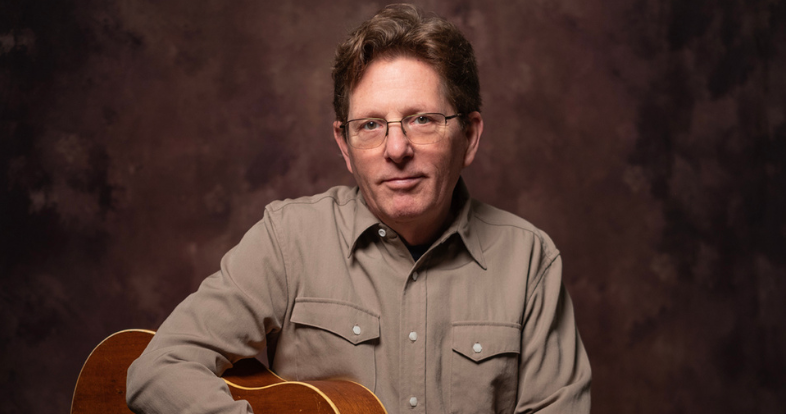
After Nearly 50 Years in Music, Tim O’Brien Is More Comfortable With Himself

Over his celebrated career, which has now spanned nearly half a century, Tim O’Brien has gained notoriety as an instrumentalist and singer with the bluegrass band Hot Rize, and for his original songs, which have been recorded by Garth Brooks, The Chicks, Nickel Creek, and many more. In recent decades, the Grammy Award-winner has recorded as a solo artist and in collaboration with Darrell Scott, Dirk Powell, Sturgill Simpson, and most recently with his wife, Jan Fabricius. 

We caught up with O’Brien on the heels of his annual trip to the Telluride Bluegrass Festival, where he is considered an institution, to discuss his new record Cup of Sugar, which sees him taking on the role of a societal elder. Throughout the collection of songs, O’Brien takes on the perspectives of several different animals as a way of learning from the natural world, as well as characters such as Walter Cronkite. In our conversation, O’Brien explores what it means to be comfortable with your role and direction as an artist, and clarifies his artistic goal – to continue being more and more himself.

BGS: You have a lot of animal references on this album, what do you think is bringing you to those themes right now? 

Tim O’Brien: You know, it’s funny, I had actually written a song with Thomm Jutz called “Old Christmas Day” on January 6th.  January 6th was Christmas in the Julien Calendar before they changed it to be more in line with the solar system. Anyway, the legend was that on Old Christmas Day, the animals all talk to each other. After writing that song I was actually thinking about trying to do a whole record of animal songs… but I went to a bunch of stuff I had already, so I decided to split it up. I think that’s what inspired the direction.

I love “Shout LuLu,” the song about the Tennessee border collie, who inherited the wealth of her owner Bill Dorris. Dorris was the subject of controversy because of the statue of Nathan Bedford Forrest, Confederate general and leader of the KKK, which was displayed prominently on his land facing the highway. How does the story of Lulu relate to the story of the KKK statue in your mind? 

Well, a dog probably doesn’t see black or white, or understand discrimination. It’s just a dog, and maybe we all wish we could be that way… it’s hard to be innocent in this world, but a dog doesn’t care, and that’s what’s great about it. 

The natural world can teach us a few lessons, that’s kind of like a running message through time. Human beings, since the first cave paintings, have commented on animals; they are interesting to us, and they represent different things. We study them and try to learn from them. I like what Lulu teaches us about the beliefs of her owner. 

“Took Lulu to Hogan Road where Nathan Forrest’s statue stood/
She didn’t shout she didn’t beg, stood next to Forrest with lifted leg/
Statue covered with paintball pink, now it has a Lulu stink/
Don’t know from white supremacy, just knows a place she likes to pee/
” – “Shout Lulu” excerpt

You talk in your record notes about having the perspective of an elder who has seen a lot of changes both in the world at large and in the music business, can you talk about this viewpoint and what you’re trying to say in these songs with regards to that specifically? 

I’m closing in on 50 years doing this, I’m about to turn 70 this year, and so many things have changed. But the music still goes on, and people still make it for the same reasons; they want to express something, they want to tell a story, they want to connect with people… but the changes get harder and harder to adapt to as you get older.

Social media is so important now and it’s something I don’t really interact with at all. I’m lucky that Jan [Fabricius] does all of that, but it just doesn’t really occur to me. I probably won’t ever do it. These days you’re in charge of promoting your shows, because the clubs are kind of cutting corners, and they’re hurting financially, and that’s just the way it is. I’m just watching all of those changes and I’m kind of indifferent to them mostly. I try to keep my head down and just try to make my music.

Being an elder, well we lost two great mandolin elders this week, Bobby Osborne, and Jessie McReynolds. You just realize how much our music helps us define our lives.

Nancy Blake said once, “Ya know, people wonder why we sit around and practice our own material, but it’s kind of the way we define our lives.” I feel like that is true for me. 

But you see these guys going, and it’s the last of the first and second generation going away… and you wonder who else is going away… I go watch Chris Thile and I say, “Take that baton and run with it, I’ll follow up on the rear!” I like to learn new things all the time, but mostly I’m trying to do the best I can in the direction I’ve already established and faithfully follow that.

I love the song “The Anchor,” which is told from the perspective of Walter Cronkite. What made you want to write about him? What does he represent for you?

Well, the way that the news is disseminated today is in a million ways. They shape it to a certain audience, and they shape the news to that, so you get a million different versions of the news. If you get happy with a certain outlet, maybe you don’t notice a lot of things going on… I think the same thing happened back when there were only three news outlet. But they weren’t selling it, they were propped up by other shows. They weren’t really competing for advertising dollars in the same way, mostly the networks realized they had to have a news thing. I was just thinking about that difference. 

Cronkite was the trusted guy and when he made a telecast one night and said, “It looks to me like this Vietnam conflict, we can’t win it.” President Johnson said, “If I’ve lost Cronkite then I’ve lost the nation… I won’t run for president again.” Cronkite had a lot of power, but he was trying to remain neutral. It’s really hard, it’s hard to remain neutral about the news, and if there’s a truth in the news, it’s hard to reach it. 

I’m addicted to the New York Times and I read it every day, so I’m just as much a part of this as anyone. I have my one outlet and I stick to it. 

There are a lot of songs on this album told from a perspective that is not your own, was that intentional? 

Actually, Danny Barnes brought it up to me, he said, “Do you ever write a song that’s not from your own perspective?” It was helpful to aim from that direction, but I think your own perspective kind of comes through regardless. It’s just the reverse of reading a novel and identifying with one of the characters, you kind of bring some of your own personality into it. Sometimes you have to trick yourself into writing songs, and I think trying for a perspective other than your own is one technique that helps.

How have you seen your songwriting or approach to songwriting change throughout your career? 

When I first started writing, I was at sea about what to start writing about, and what’s good and what’s not good. Do you imitate others? Then you get some experience, and you get some good reactions, and you trust yourself more.

One thing that’s kind of more true for me now, in the last 10 years. I realize that in a certain way, I kind of write about the same things over and over, just different versions. Like, I’m always talking about, or trying to get people to see, the bigger picture and include everyone in my world. I used to worry that writing the same songs, [topically], was a problem, that I need to break it apart and start over… but then I realized that everyone I admire has their own thing that they do, and you just get better at it. Maybe you just continue to go deeper…

Thelonious Monk said that the genius is the one who is most like himself.  That’s hard to find. I think maybe I found it and I don’t like it…

Just kidding.

Was there anything important about this record that was different from the way you’ve worked in the past? 

Jan [Fabricius] and I have a cottage industry here, we have a cottage, and an industry. [Laughs] We’ve also been writing songs together. I think one of them is one of the better ones on this release, “She Can’t, He Won’t and They’ll Never.”

We also have a record label… and for the last record and this one, I’ve used artwork that I’ve drawn myself. I showed something I drew to [Danny] Barnes and he told me, “That’s so much better than anybody else could do it.” That kind of inspired me to do more of my own drawings. A lot of this is just continually becoming more and more comfortable with yourself.

LISTEN: APPLE • SPOTIFY • STITCHER • AMAZON • MP3

(See our full post on Tim O’Brien’s episode of Basic Folk here.) 


Photo Credit: Scott Simontacchi