Winners Revealed at UK Americana Awards in London

The winners of the fourth annual UK Americana Awards in London were announced on Thursday (January 31), with artists such as Courtney Marie Andrews, Bennett Wilson Poole, Brandi Carlile, Mary Gauthier, Ben Glover, CJ Hillman, and Dean Owens.

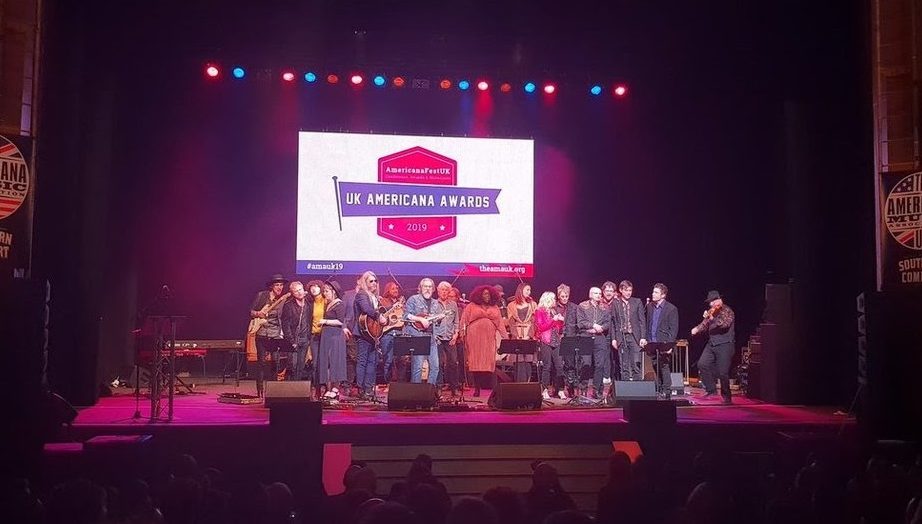
Hosted by Bob Harris OBE, the sold-out ceremony welcomed performers like Jade Bird, Curse of Lono, Rhiannon Giddens, Chris Hillman, Seth Lakeman, Graham Nash and YOLA. These show-stopping numbers were backed by a house band led by Ethan Johns. Held at Hackney Empire, the live event concluded three days of AmericanaFest UK 2019.

UK Album of the Year
Shorebound by Ben Glover (produced by Neilson Hubbard and Ben Glover)

International Album of the Year
May Your Kindness Remain by Courtney Marie Andrews (produced by Mark Howard and Courtney Marie Andrews)

UK Song of the Year
“Southern Wind” by Dean Owens (written by Dean Owens and Will Kimbrough)

International Song of the Year
“The Joke” by Brandi Carlile (written by Brandi Carlile, Dave Cobb, Phil Hanseroth and Tim Hanseroth)

UK Artist of the Year
Bennett Wilson Poole

International Artist of the Year
Mary Gauthier

UK Instrumentalist of the Year
CJ Hillman

Lifetime Achievement Award
Graham Nash

Trailblazer Award
Joe Boyd

Bob Harris Emerging Artist Award
Curse of Lono

Grass Roots Award
Immy Doman and Risa Tabatznik of The Green Note

Small World: Joni Mitchell at 75

A few years back a video started circulating online, a black-and-white clip of a 1965 TV appearance on a local Canadian show of a young woman from Saskatoon, Joni Anderson by name. She performed two songs: a distinctive original “Born to Take the Highway” and a version of John Phillips’ cowboy ballad “Me and My Uncle,” her demeanor tipping between self-possessed and shy. And then, a few times, she looked sideways into the camera, eyes big, sparkling and mysterious, as if she was saying, “Oh, you just wait. I have some things to show you.”

But even she — you know her as Joni Mitchell — could not have had any idea of all the things that were to come as she would become one of the most individualistically creative and influential music artists of our era, someone who defined, redefined, and refused to be defined by what it means to be a singer-songwriter.

One simply cannot sum up the scope of her life in the arts. Yes, arts plural, as she has long said that she considers herself a painter first and a musician second. But in music, her reach is matched by no other’s, starting early on as she drew as much on theater music and classical forms as on anything that one could call folk, no matter how much she used her mountain dulcimer.

Her first albums were marked by invention all her own, starting with her indecipherable guitar tunings. By the early ‘70s she was tapping top jazz musicians, from slick Tom Scott and the L.A. Express to world-exploring Weather Report to worlds-creating Charles Mingus, to expand her already vast musical world, a decade before Sting did the same. Soon she was reveling in African and Afro-Latin sources, from the Burundi drummers to Don Alias, Alex Acuña and Airto Moreira, for some of her most distinctive work, also years before Talking Heads or Peter Gabriel did similar, not to mention Paul Simon’s Graceland.

And in the larger picture, she still stands as one of the most impactful documentarians and enactors of modern womanhood, placing female perspective in prominence where male views had dominated. Her willingness to reveal herself, with her flaws and vulnerabilities visible, was and remains a courageous act.

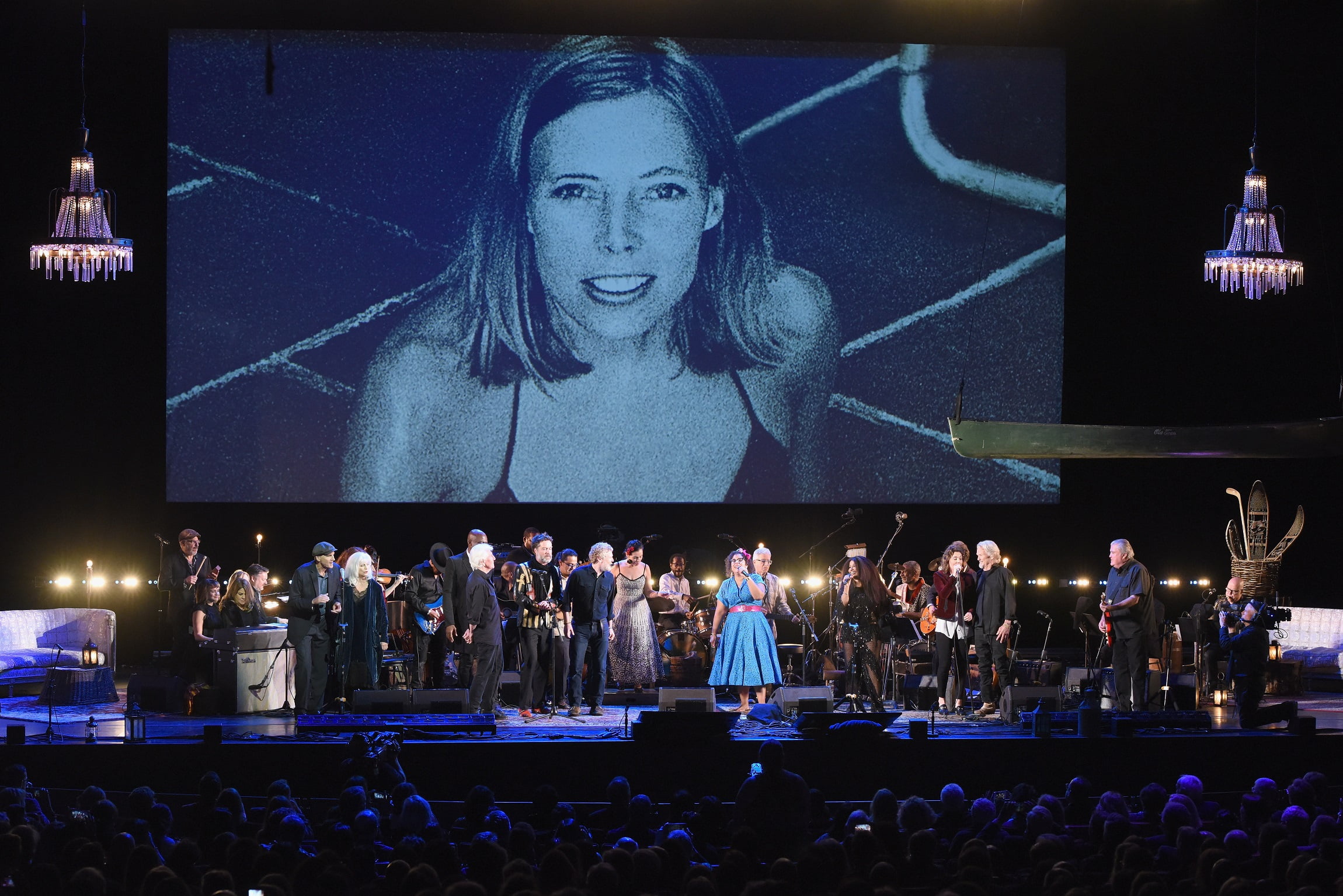
(L-R) James Taylor, Emmylou Harris, Graham Nash, Seal, Rufus Wainwright, Glen Hansard, Louie Perez, La Marisoul, Chaka Khan, Brandi Carlile and Kris Kristofferson perform at Joni 75: A Birthday Celebration Live At The Dorothy Chandler Pavilion.

Hence, the seemingly impossible task facing JONI 75: A Birthday Celebration Live at the Dorothy Chandler Pavilion, the two-night, all-star celebration of Mitchell’s milestone birthday presented by the Music Center last week in downtown Los Angeles. How can you capture a singular artist in just a few hours? And how can the particular singularity of this artist translate in full flower through other artists? Mitchell herself — her talents, vision and methods — is inextricable from her music. Mitchell is her art, and vice versa.

Several performances on the second night (her actual birthday) embraced and embodied that concept, and in the process transcended mere tribute: Diana Krall’s performances of “For the Roses” and “Amelia” had the audience members in hushed reverence in their course and had stolen their breath by the end. Seal tapped his inner Nat King Cole to transform “Both Sides Now” and “A Strange Boy” into heights-scaling soul-pop-jazz.

Following an audio clip of Mitchell talking about her passion for exploring the richness of America’s ethnic syntheses, three members of Los Lobos, two of the ensemble Los Cambalache, and singer La Marisoul of La Santa Cecilia — three groups crossing generations of musical leadership in L.A.’s Mexican-rooted heritage — teamed with the stellar house band for “Dreamland,” using the percussion-drive of Mitchell’s 1976 original as a mere starting point. For this grouping, with Los Cambalache’s Xochi Flores on the dance-percussion zapateado, the song was transformed into a Mexican folk song, to the point that “La Bamba” was spliced seamlessly into its middle. (Oh, and Chaka Khan, who did vocal counterpoint with Mitchell on the original, came on stage to spar delightfully with La Marisoul!)

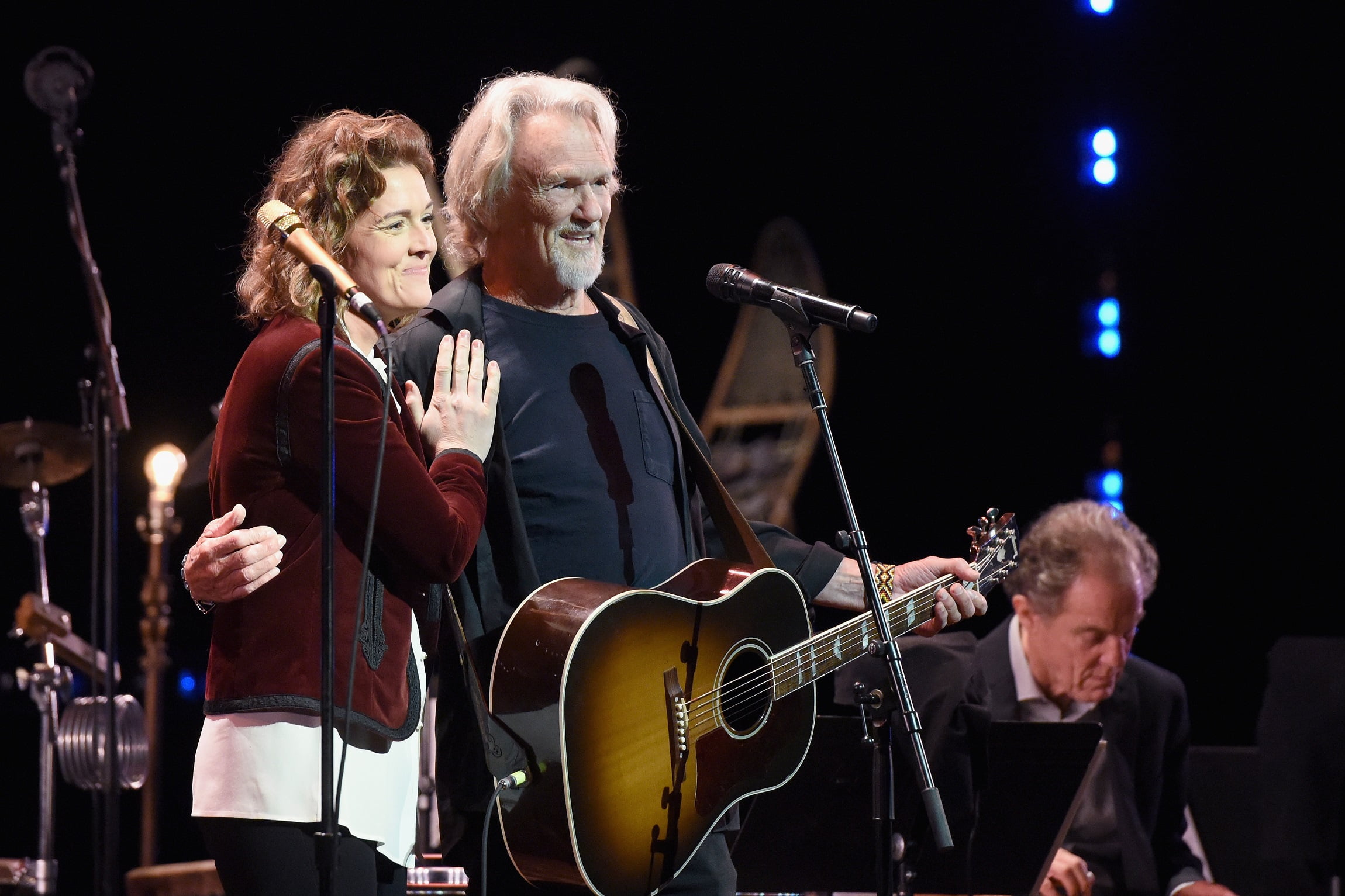
Brandi Carlile (L) and Kris Kristofferson perform at Joni 75: A Birthday Celebration Live At The Dorothy Chandler Pavilion.

Brandi Carlile was just as arresting sticking to the Mitchell blueprint on her version of “Down to You,” which she did following a charming if ragged “A Case of You” in duet with Kris Kristofferson. On the red carpet before the show, Carlile explained her process.

“I try to do it just like she does it,” she said. “Because, out of respect, out of reverence and out of the fact that I don’t think it can be done better than she does it.”

But as an artist, doesn’t she want herself in anything she does?

“Anybody but Joni,” she said, definitively.

Even Emmylou Harris admitted to the daunting prospect of covering Mitchell. Though “an interpreter for most of my career,” she noted, also on the red carpet, that she had only ever recorded one Mitchell song, “The Magdalene Laundries,” for a 2007 Mitchell tribute album.

“We’re all feeling the little bit of pressure,” she said. “You don’t want to take too much of Joni out of this, but on the other hand we have to make it our own. You’ll see most of the artists did an amazing job.”

Harris performed that song (a lament for “women enslaved in convents in Ireland”) at Joni 75, perfectly striking the balance she cited, and also for these shows added the similarly dark “Cold Blue Steel and Sweet Fire” to her Joni repertoire. Others found their own balance to varying degrees. Norah Jones brought some twang to “Court and Spark” and “Borderline.” Glen Hansard injected his Irish exuberance into “Coyote” and “The Boho Dance.” Rufus Wainwright, a fellow Canadian, added his mannered drama to “Blue” and took “All I Want” to Broadway. Khan in her two spots brought soul-jazz to “Help Me” and “Two Grey Rooms.” James Taylor managed to make “River” and “Woodstock” sound as if they were his own songs, without losing any of Mitchell’s presence in them.

Through it all, the house band, led and arranged by pianist Jon Cowherd and drummer Brian Blade (the latter a veteran of Mitchell’s bands), expertly covered the full range of the music, shining and soaring in particular on the chamber-orchestral middle section of “Down to You.”

Graham Nash, rather than doing a song by Mitchell, did one about her: “Our House,” his portrait of their Laurel Canyon domesticity from so many years back, the crowd singing along on the chorus and sharing the bliss.

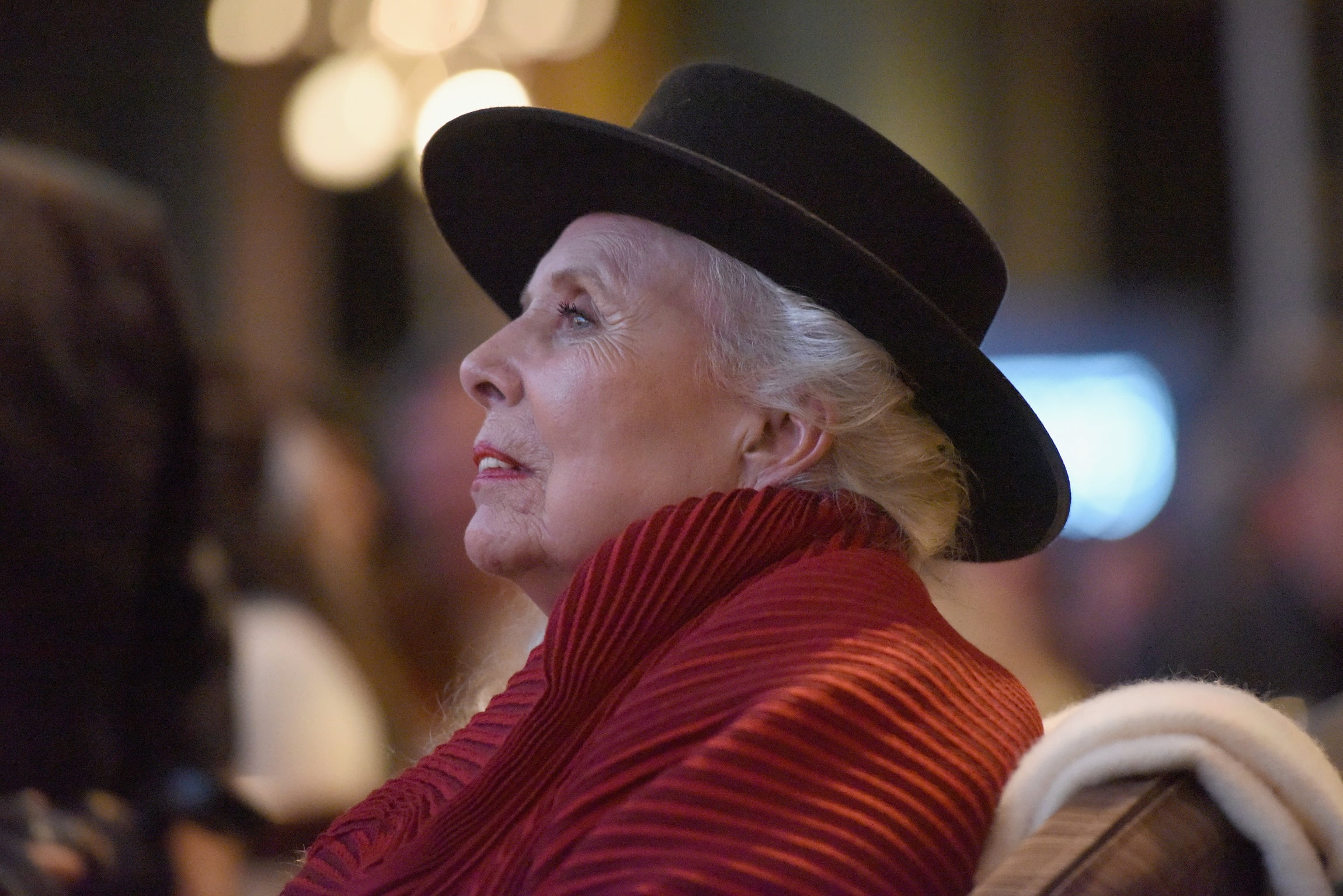
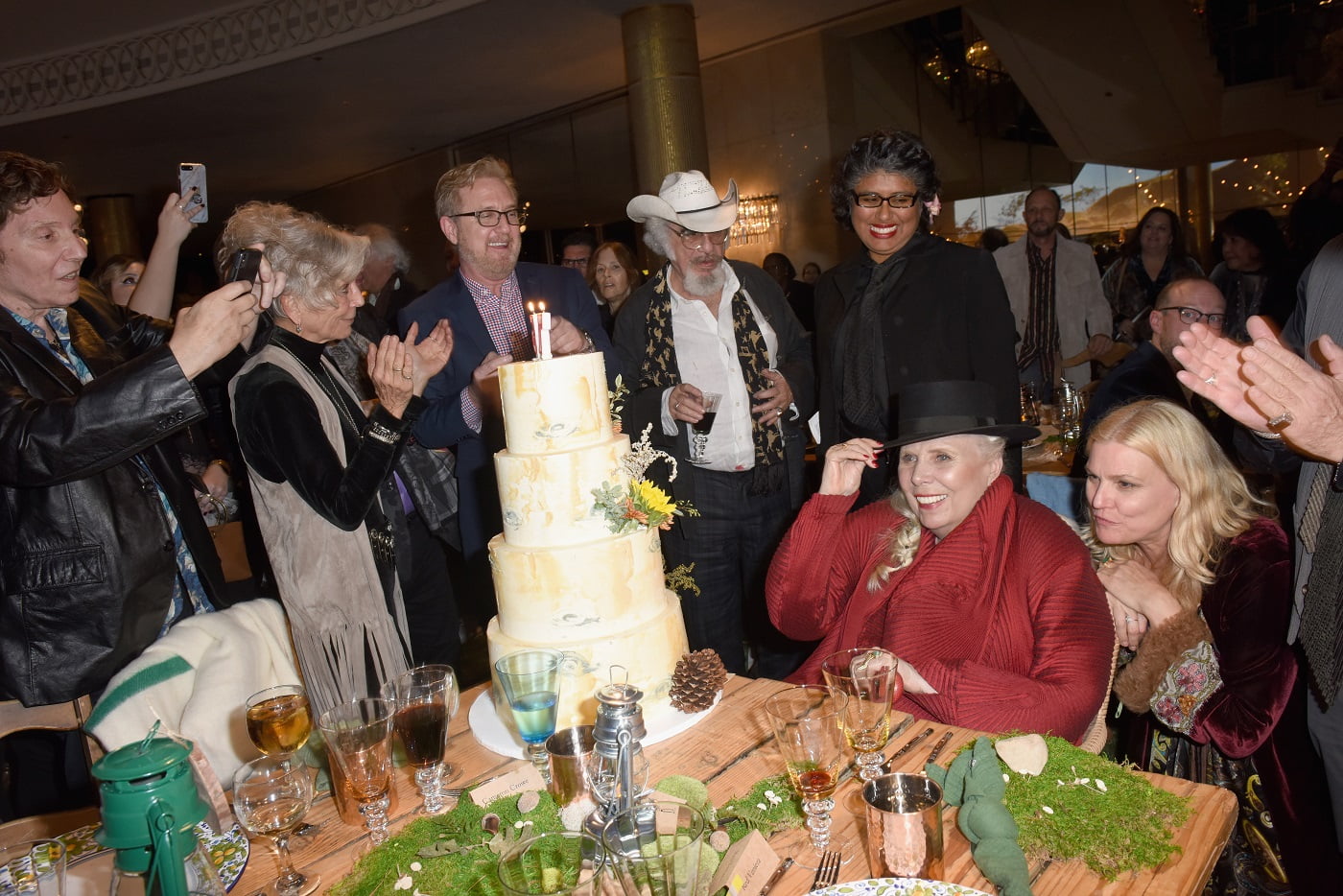
Mitchell herself was in attendance on the second night, hobbled but hearty more than three and a half years after suffering a brain aneurysm. The crowd sang “Happy Birthday” to her twice — once as she took her seat before the show, and again when she came on stage for a curtain call, a cake brought out and the assembled cast and crew reprising the all-hands closer, “Big Yellow Taxi,” Mitchell sporting a huge smile, mouthing the words and even dancing a bit.

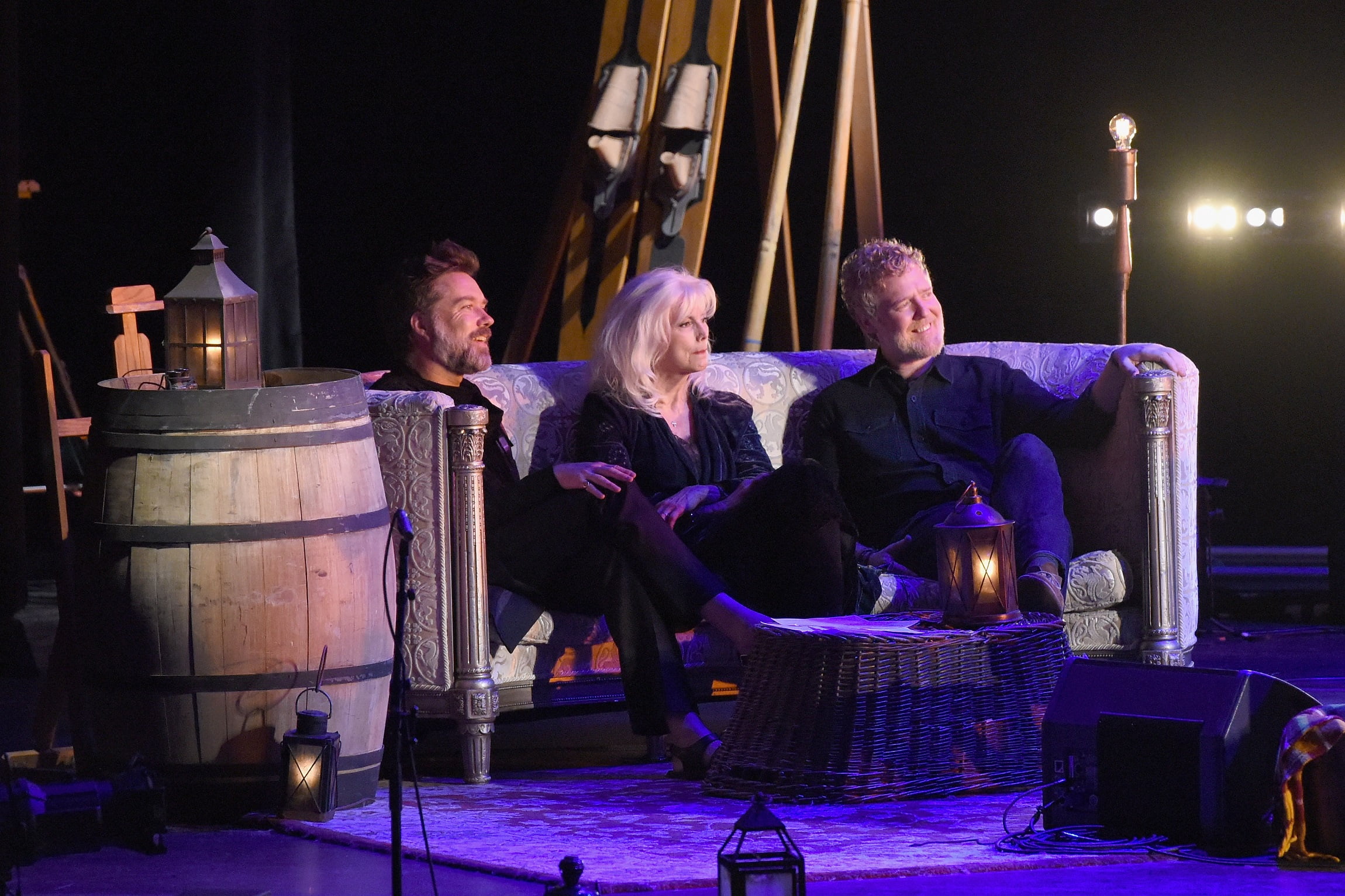
Did Joni 75 capture the entire scope and depth of Mitchell’s magnificence? Of course not. With her Canadian roots spotlighted in the stage decorations (a canoe suspended overhead, skis leaned at the back, a couple of barrels framing the set), the evening summed up her global embrace of music and art, and the global embrace of her music and art.

(Editor’s Note — Check out this writer’s Spotify playlist, Epiphanies: A Joni Mitchell Deep Dive.)

Joni Mitchell (seated) attends Joni 75: A Birthday Celebration Live At The Dorothy Chandler Pavilion.

All photos: Vivien Killilea/Getty Images for The Music Center

UK Americana Awards Nominations Revealed

The Americana Music Association UK (AMA-UK) has announced its nominees and special award recipients for the fourth annual UK Americana Awards, taking place January 29-31 during AmericanaFest UK 2019 in London.

The following are special award recipients that will be honored during the prestigious ceremony at London’s Hackney Empire on January 31.

Lifetime Achievement Award: Graham Nash
Selected by the AMA-UK board members, their highest honor is awarded to a UK artist, duo or group in recognition of their outstanding contribution to the Americana genre over the span of their career and life in music.

Trailblazer Award: Joe Boyd
Selected by the AMA-UK board members, this special award celebrates a UK artist, duo or group that has taken an exceptional path, inspiring others to follow in their footsteps in developing the Americana umbrella.

Bob Harris Emerging Artist Award: Curse of Lono
Selected by Bob Harris OBE, this special award celebrates the breakthrough artist, duo or group that has particularly impressed the legendary music broadcaster throughout the year.

Grass Roots Award: Immy Doman and Risa Tabatznik of The Green Note
Selected by the AMA-UK board members, this special award celebrates the sometimes unsung heroes of the UK Americana scene. It is presented to individuals working in the industry (in a capacity other than as artists) who have made outstanding efforts to support Americana music from the grass roots up.

Additional nominations include:

UK Album of the Year
Shorebound by Ben Glover (produced by Neilson Hubbard and Ben Glover)
All On Red by Orphan Colours (produced by Steve Llewellyn, Fred Abbott and Rupert Christie)
Bennett Wilson Poole by Bennett Wilson Poole (produced by Tony Poole)
Treetop Flyers by Treetop Flyers (produced by Reid Morrison, Sam Beer and Laurie Sherman)

International Album of the Year
May Your Kindness Remain by Courtney Marie Andrews (produced by Mark Howard and Courtney Marie Andrews)
By The Way, I Forgive You by Brandi Carlile (produced by Dave Cobb and Shooter Jennings)
Ruins by First Aid Kit (produced by Tucker Martine)
The Tree of Forgiveness by John Prine (produced by Dave Cobb)

UK Song of the Year
“Uh-Huh” by Jade Bird (written by Jade Bird)
“Chicago” by Josienne Clarke and Ben Walker (written by Josienne Clarke)
“Southern Wind” by Dean Owens (written by Dean Owens and Will Kimbrough)
“Be More Kind” by Frank Turner (written by Frank Turner)

International Song of the Year
“The Joke” by Brandi Carlile (written by Brandi Carlile, Dave Cobb, Phil Hanseroth and Tim Hanseroth)
“Hold Your Head Up High” by Darlingside (written by Auyon Mukharji, Caitlin Canty and Donald Mitchell)
“Mockingbird” by Ruston Kelly (written by Ruston Kelly)
“Rolling On” by Israel Nash (written by Israel Nash)

UK Artist of the Year
Ethan Johns
Robert Plant
Bennett Wilson Poole
The Wandering Hearts

International Artist of the Year
Mary Gauthier
Lukas Nelson & Promise of the Real
John Prine
Nathaniel Rateliff & The Night Sweats

UK Instrumentalist of the Year
Martin Harley
CJ Hillman
Seth Lakeman
Gwenifer Raymond

WATCH: Amazon Music Americana Roundtable

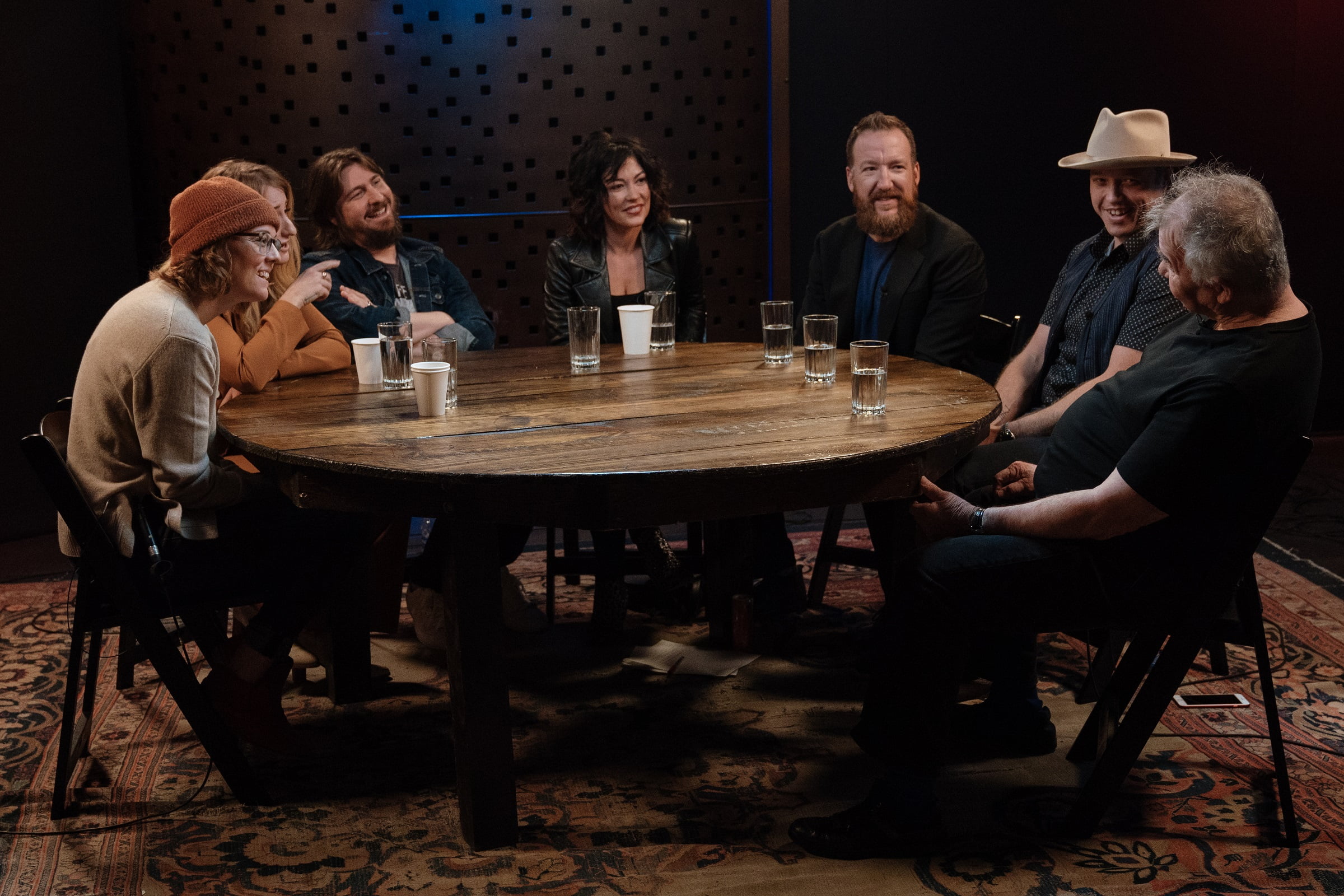
Don’t you wish you could pull up a chair at this table? From Brandi Carlile and Margo Price, to producer Dave Cobb and Amanda Shires, to Jason Isbell and John Prine – these songwriters always have something to say in their music. In a conversation with Amazon Music’s Adam Steiner, these Americana all-stars go in-depth about their early musical influences, the mentors and producers who shaped their sound, and the most important parts of recording – including goofing off.

Carlile kicks off the conversation with this childhood memory: “The first time I fell in love with music probably would have been hearing my grandfather yodeling as a 4- or 5-year-old — yodeling, and playing the spoons, with his mom on piano and his brother on banjo and my mom singing background vocals. Kind of the family jam scene. That’s what I remember — falling asleep on the stairs, thinking, ‘Maybe I can do that – that little trick he does – when I get older.’”

Check out the whole video below:


Photo credit: Ky Elliot

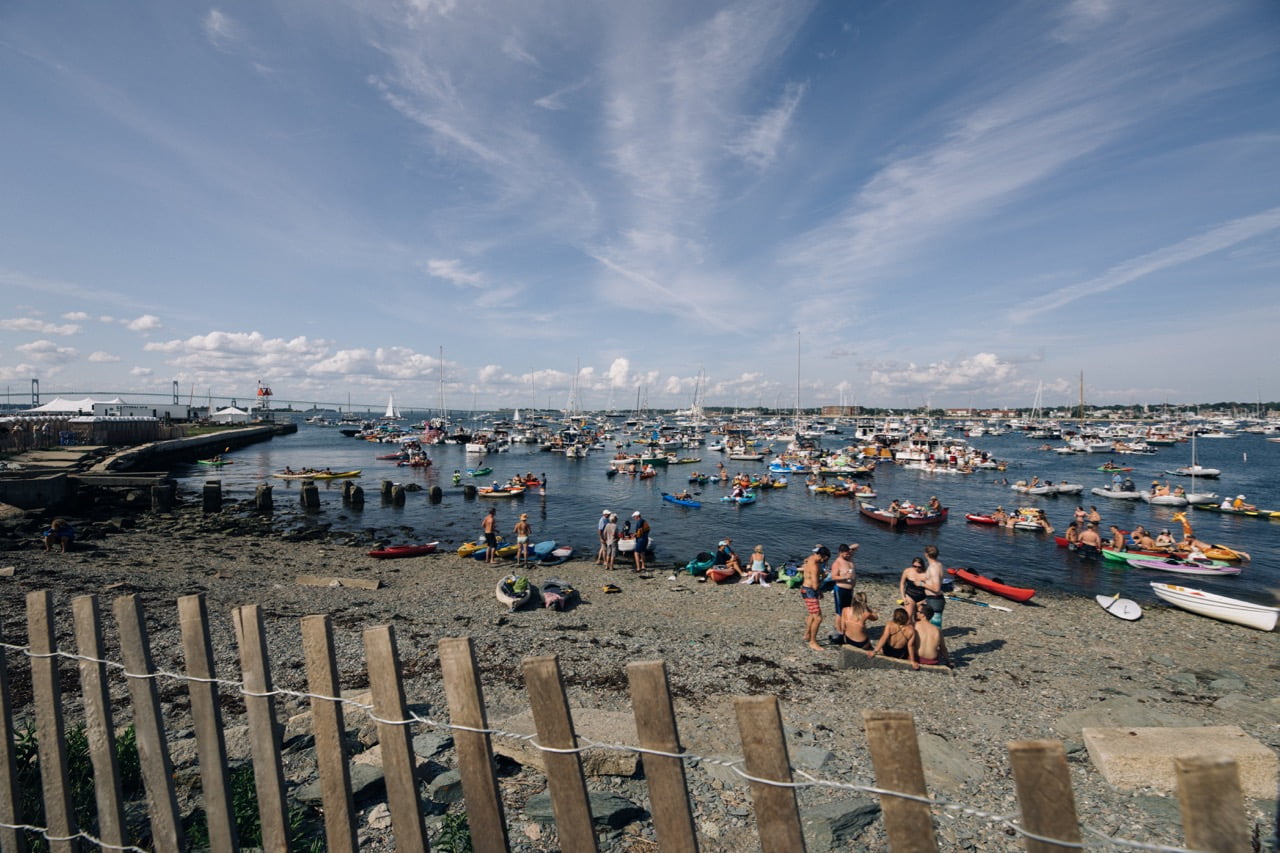
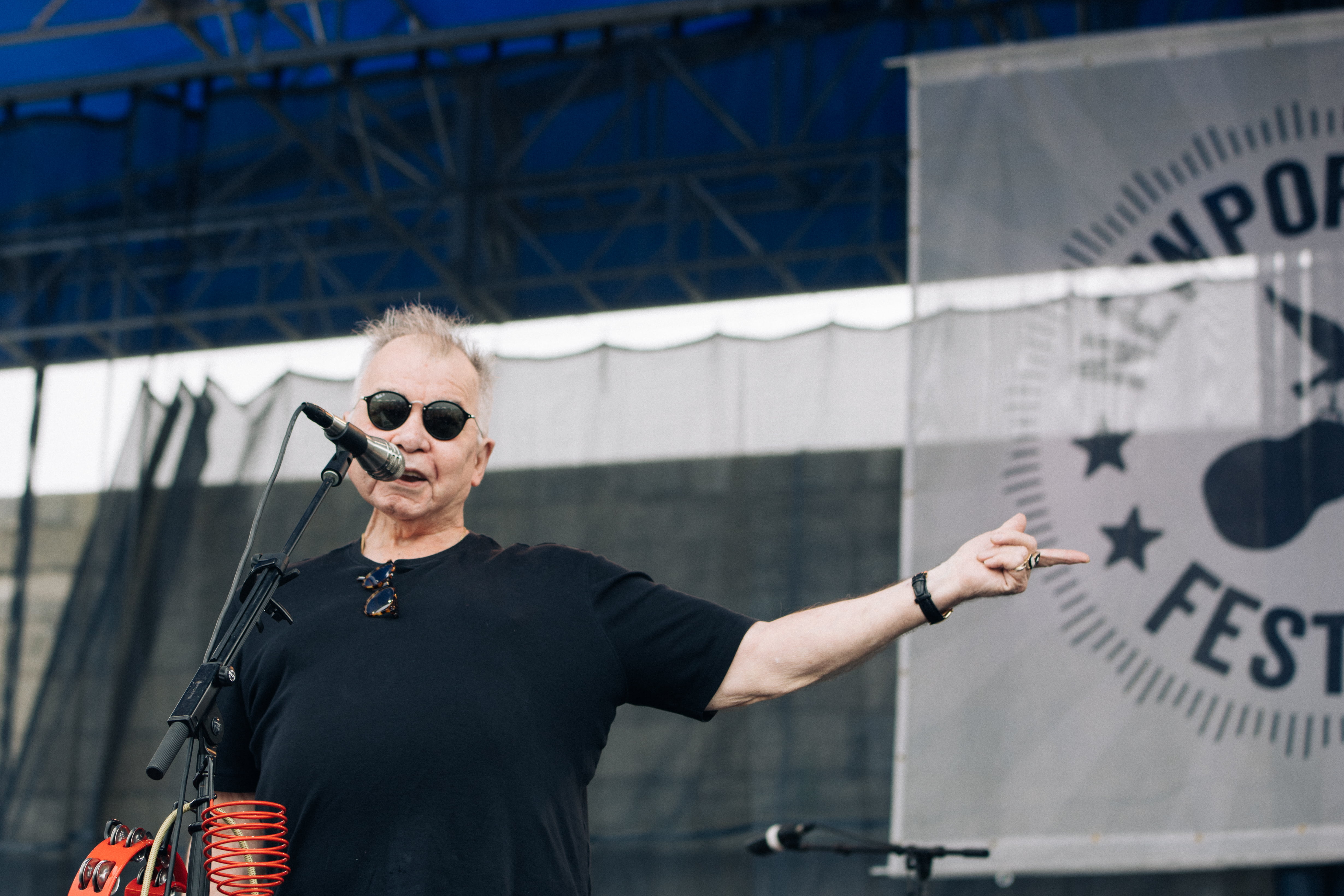
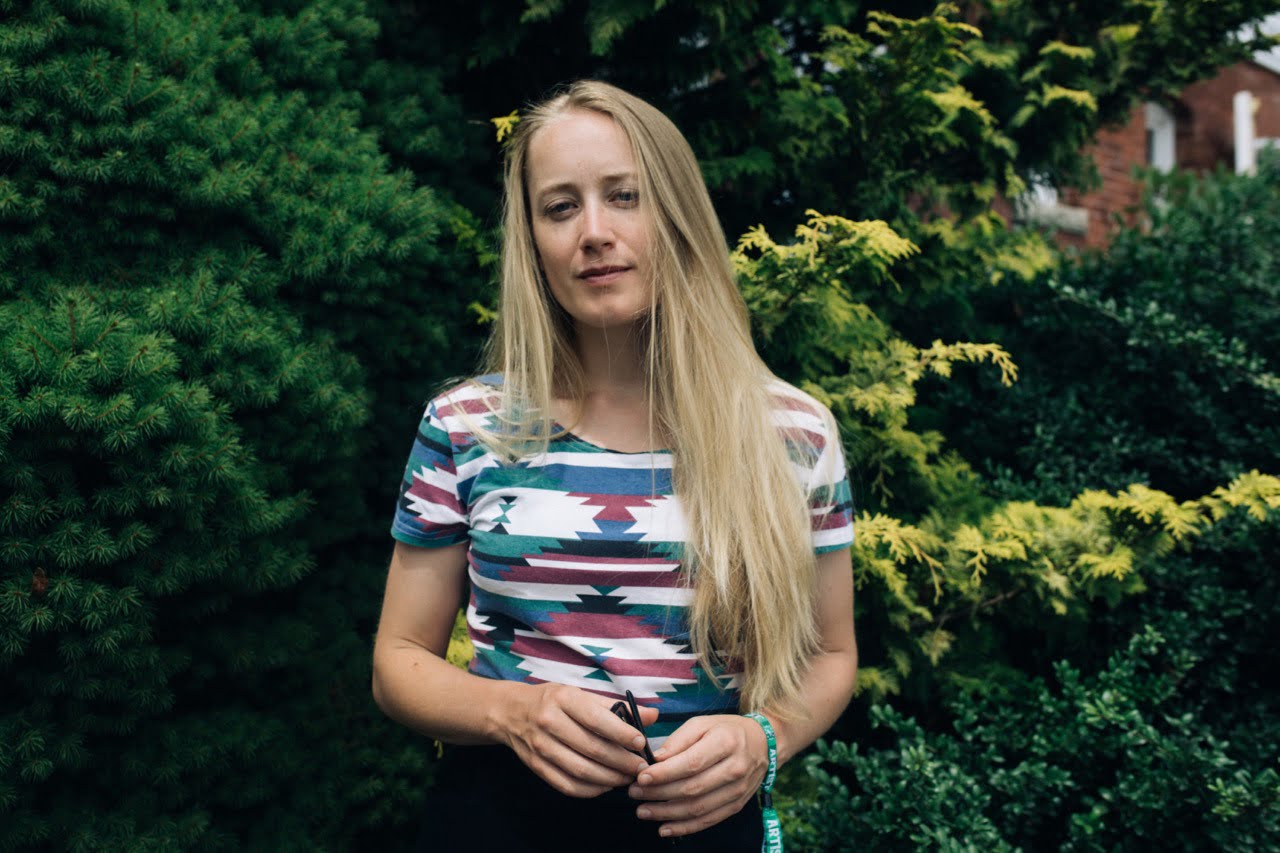
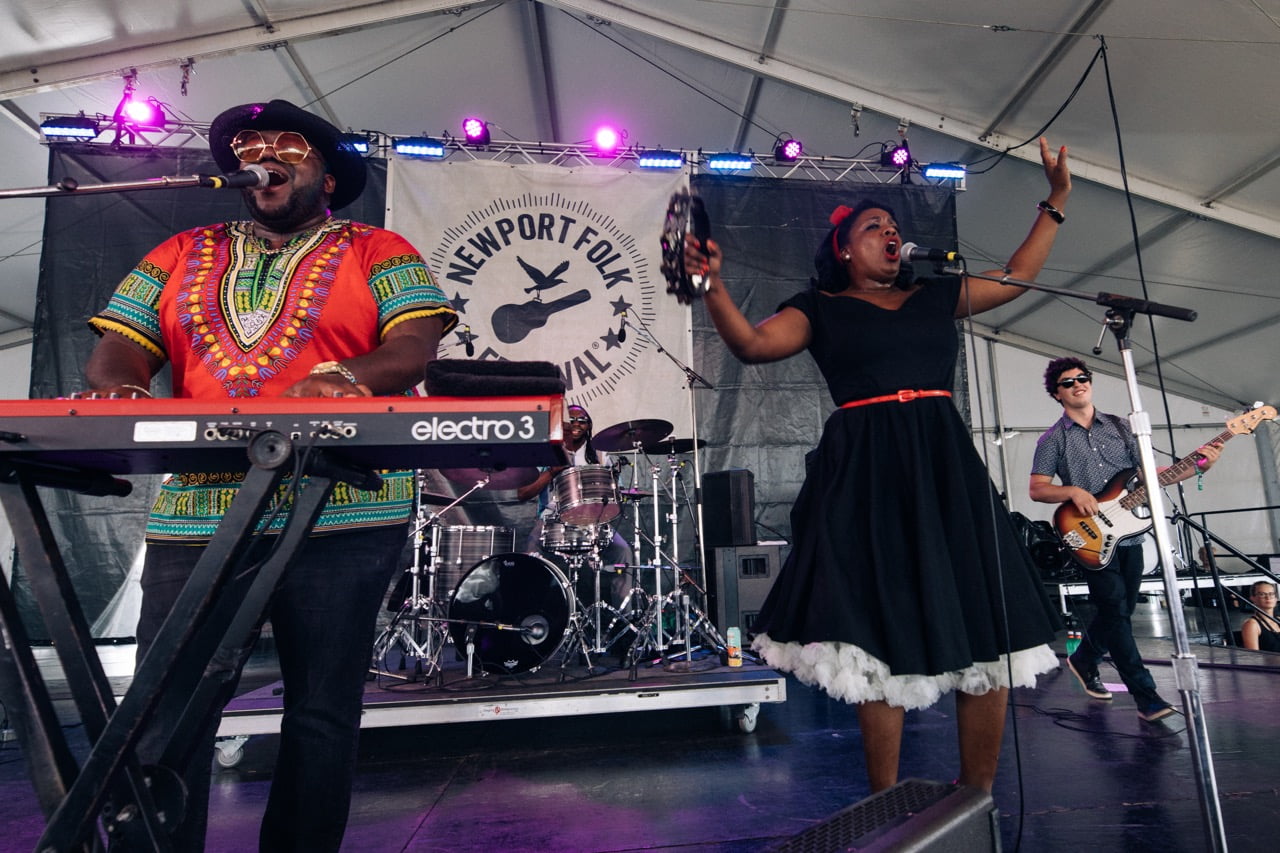
Palpable Joy: Newport Folk Fest 2018 in Photographs

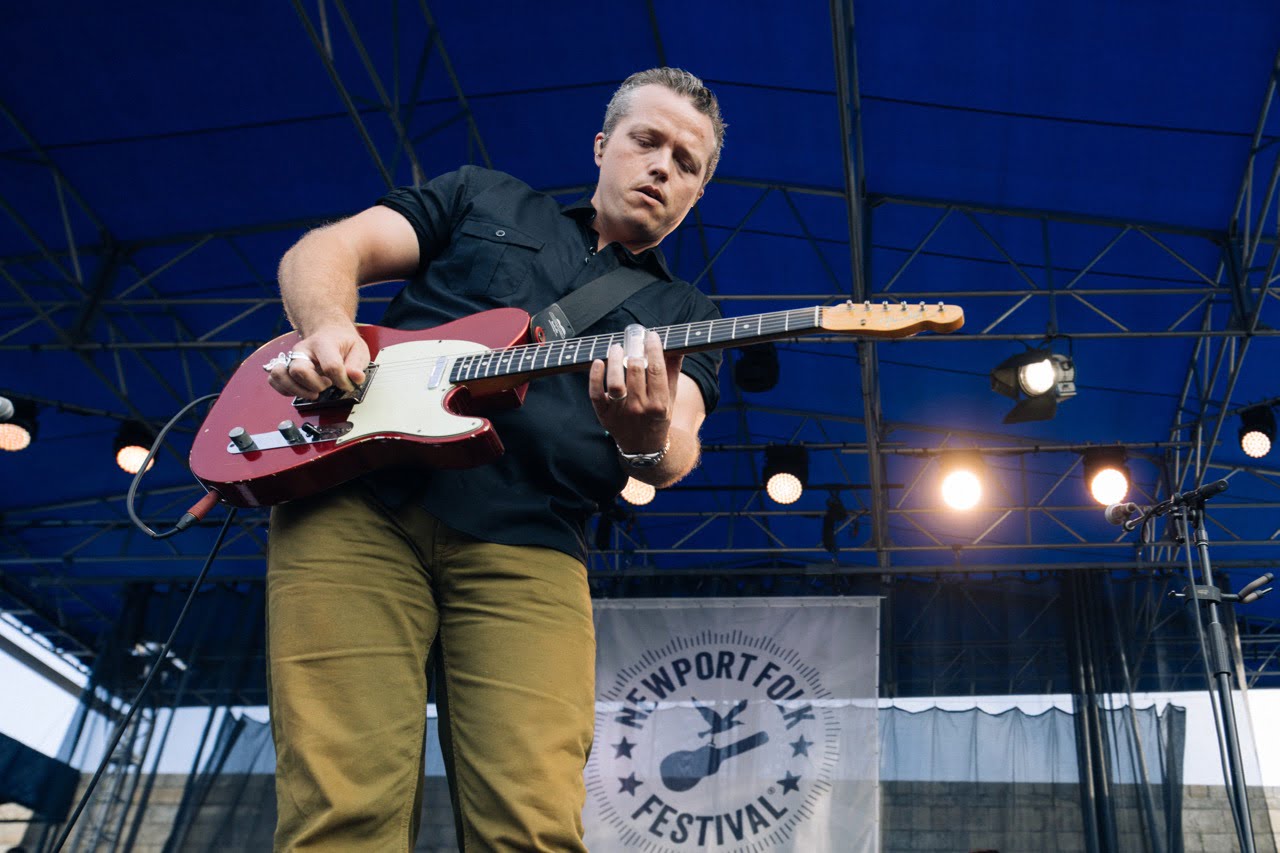
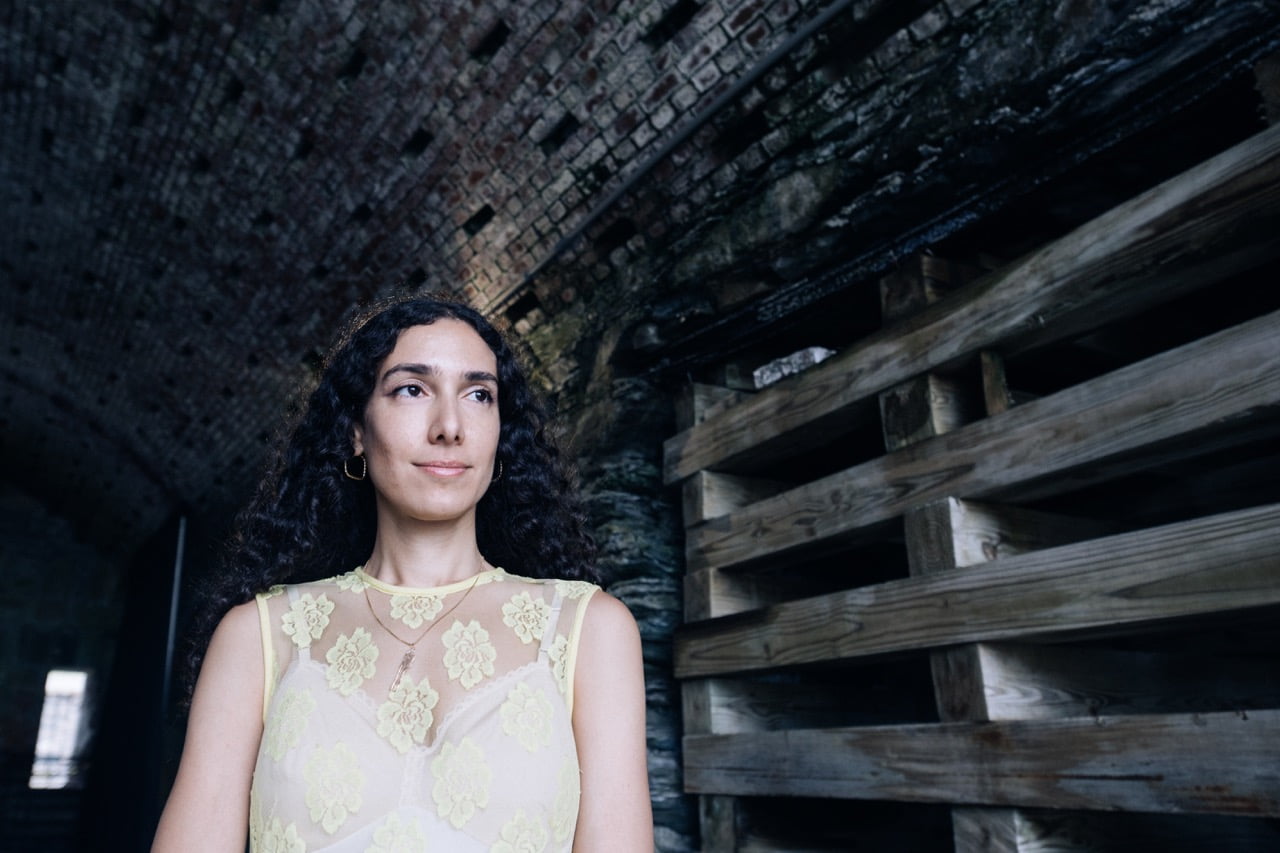
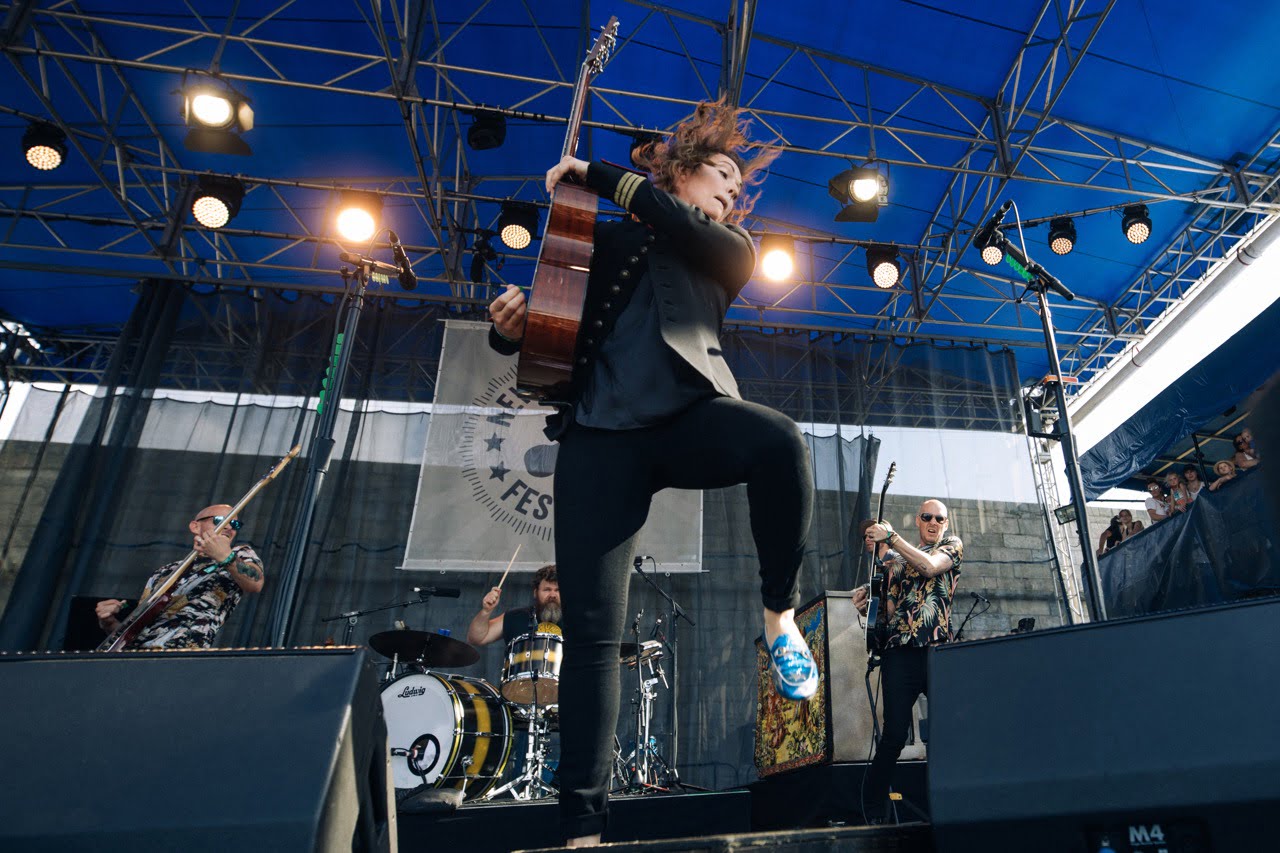
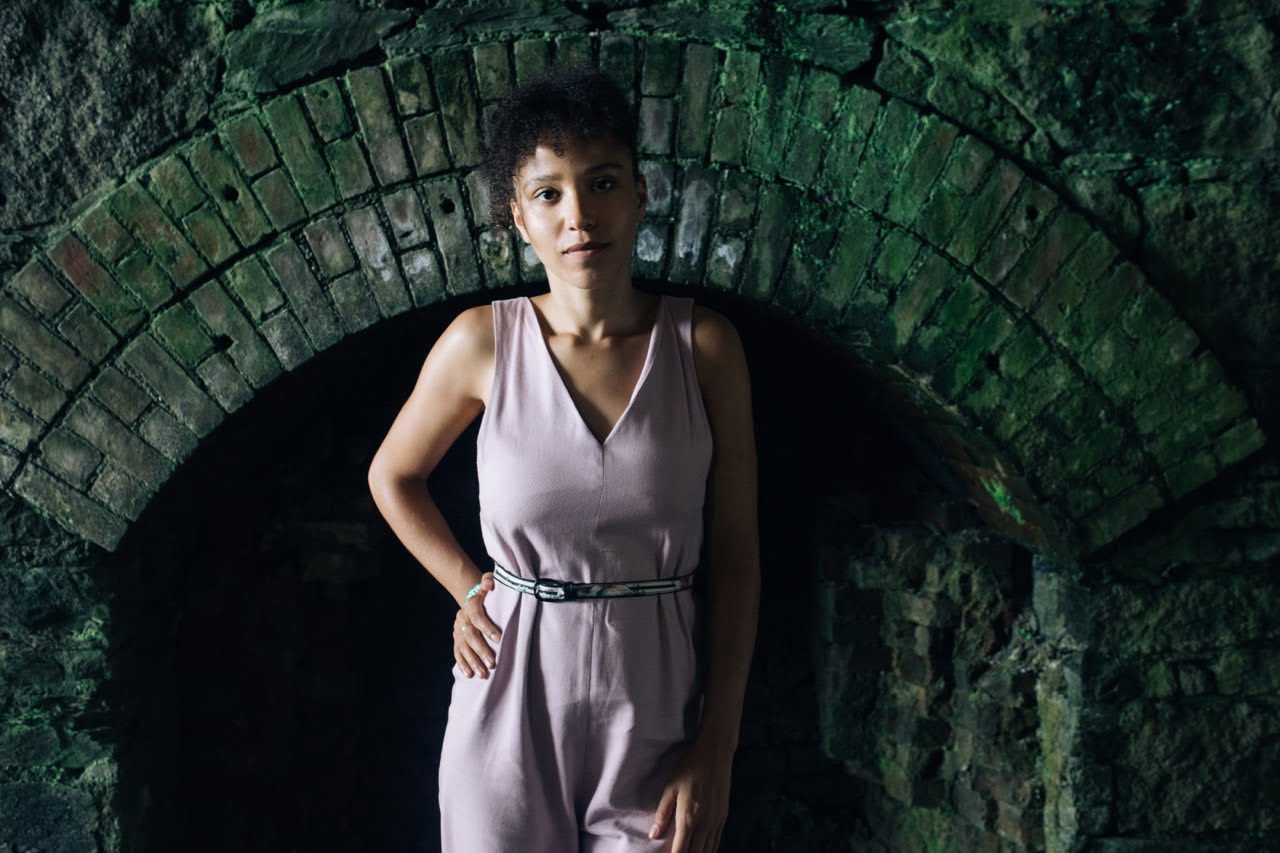
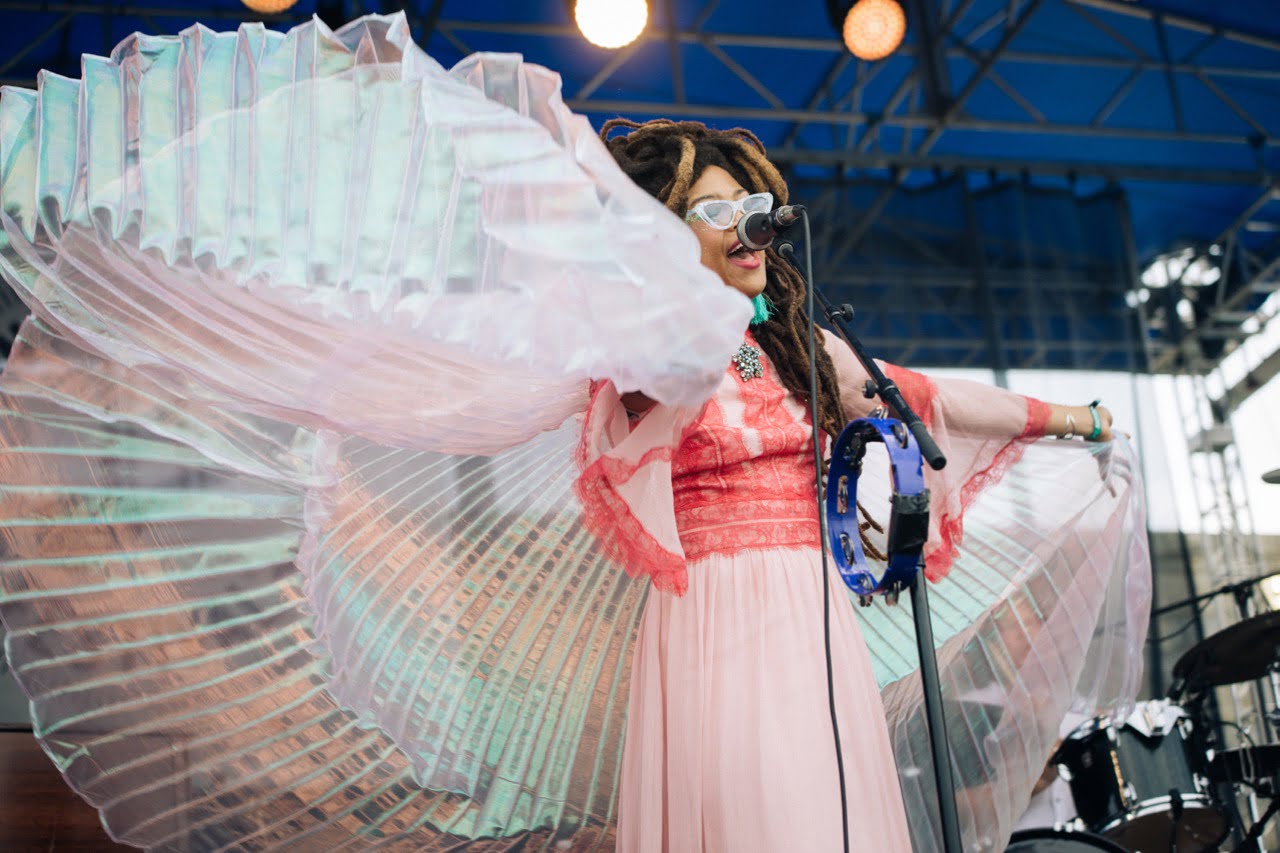
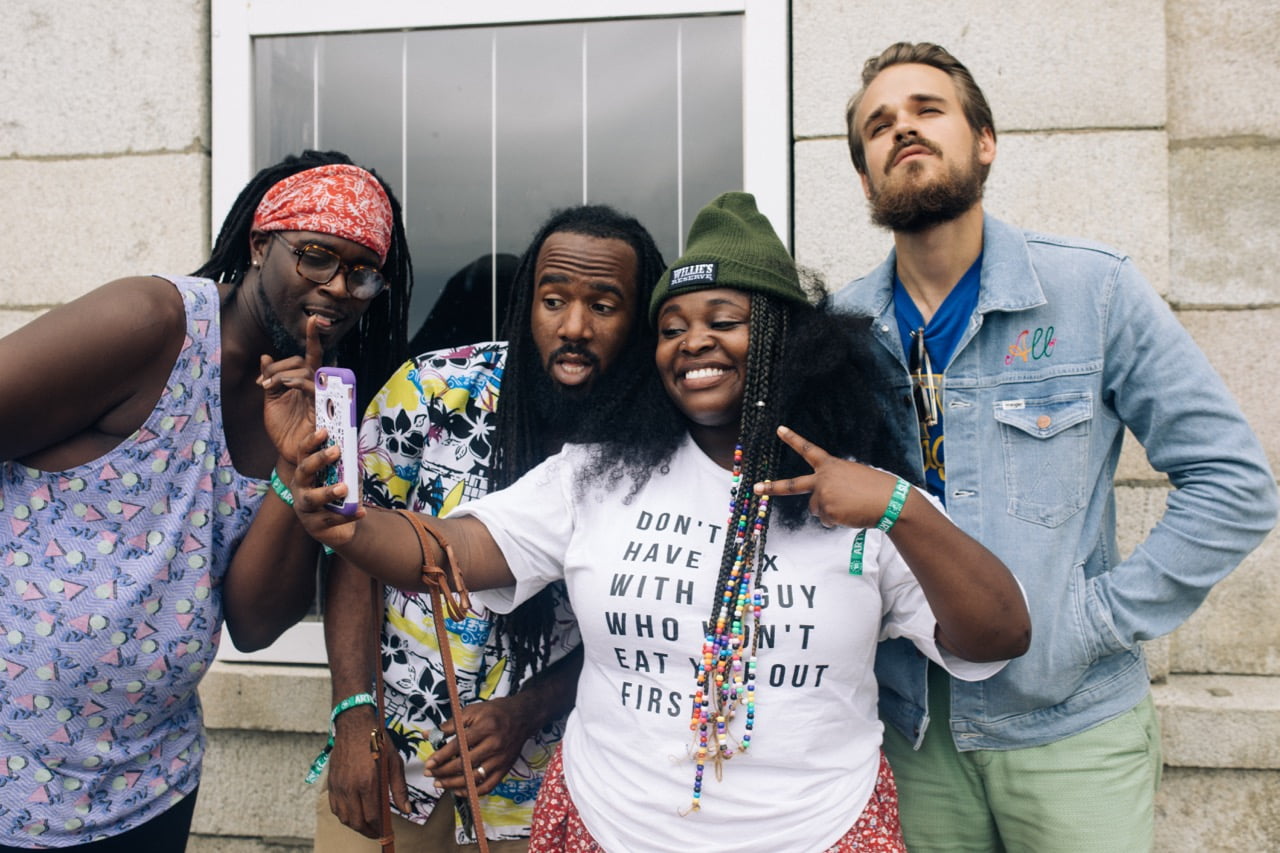
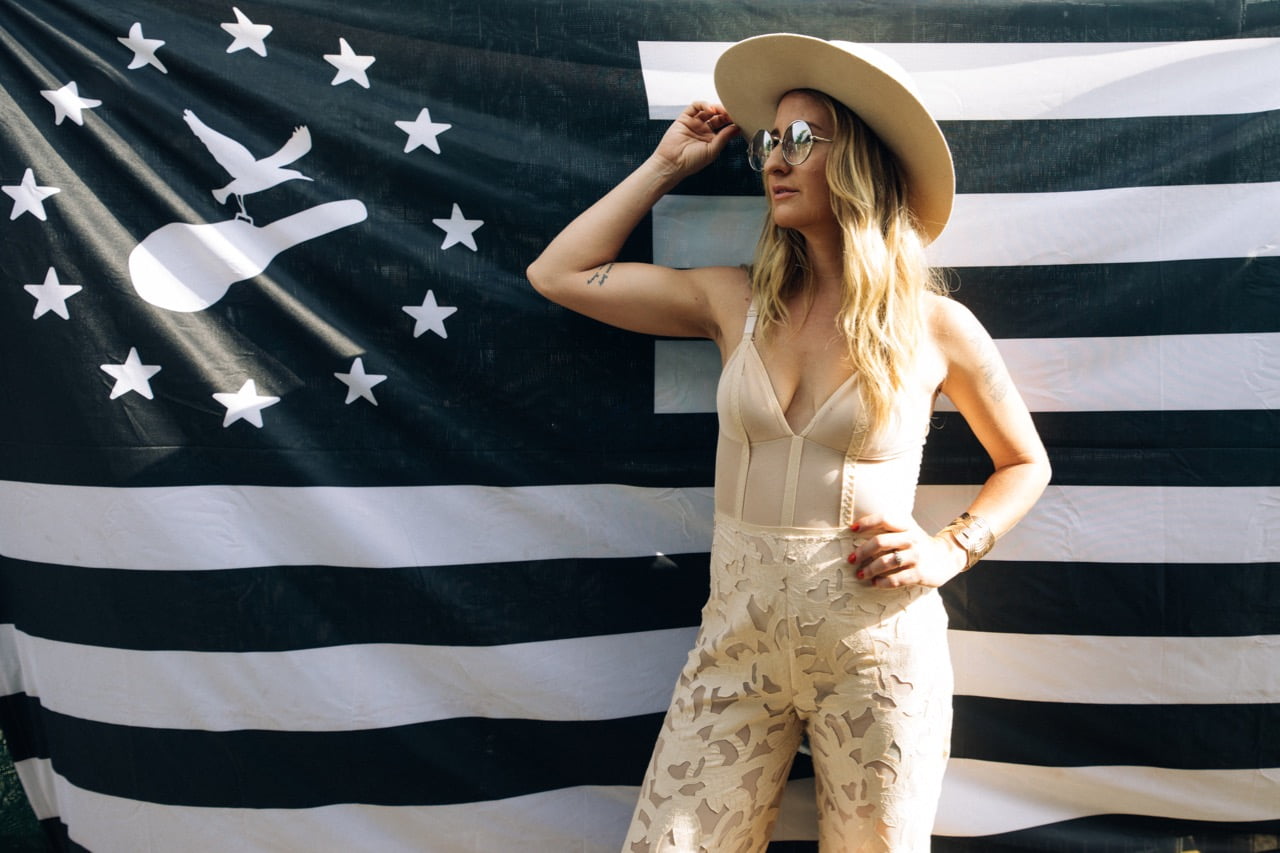
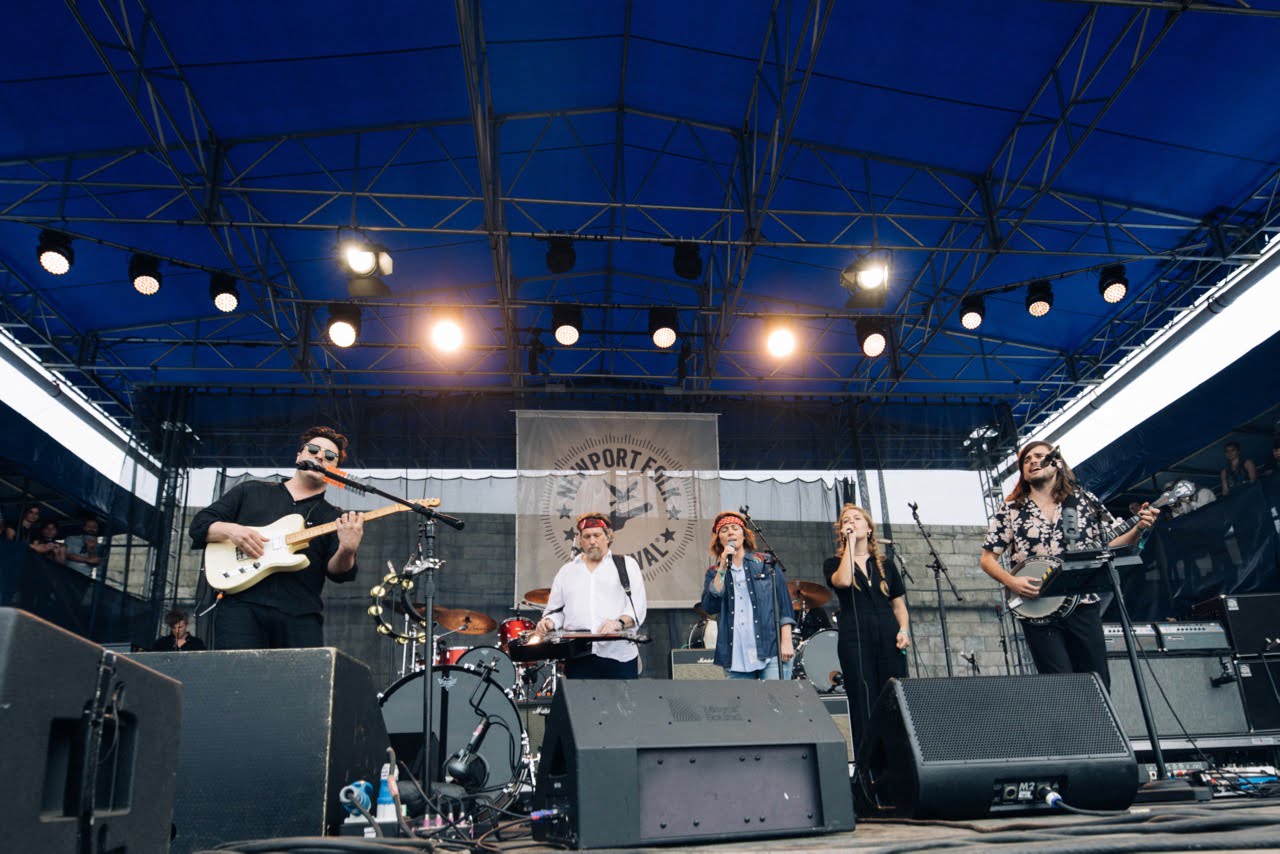
It seemed that this year’s unanimous refrain from Newport Folk Festival, from veteran attendees and newcomers alike, was a resounding, “I THINK I LOVE THIS FESTIVAL.” We think we do too. Based on these gorgeous images from NFF, we’d say each and every human being on site — on stage, in the crowd, or rocking on the waves — loves it, too. And that overwhelming love translates into palpable joy, from Mavis Staples’ first smile to Brandi Carlile’s final headbang, and in every strum, lick, and beat in between. 


Photos by Daniel Jackson

BGS 5+5: Carolina Story

Artist: Carolina Story
Hometown: Nashville, Tennessee
Latest album: Lay Your Head Down
Personal nicknames: Emily (Sweetheart of the Rodeo, Emmy, Merly); Ben (Kingfish, Burly)

Which artist has influenced you the most … and how?

Ben: Neil Young. When I was a boy, my dad and I would ride the backroads in the country outside of my hometown of Pine Bluff, Arkansas. I remember hearing CSNY’s 4 Way Street live album and being completely mesmerized by the sounds of the acoustic guitars and the harmonies. Once I heard Neil doing “Cowgirl in the Sand,” that was it. Then, as I began to discover more of his work, I became fixated on his harmonica playing, chord structures, his songwriting and his unique voice.

Emily: Brandi Carlile. I first heard Brandi’s voice over ten years ago and the moment I did I became enamored of her. It was The Story album and every song, the melodies, the harmonies and the specific tone of her voice that struck me. She was one of the first artists for me that you can hear her emotion as she sings. She’s never just singing the words. She’s feeling them and because of that you feel it too!

Which elements of nature do you spend the most time with and how do those impact your work?

If we’re not writing, touring or working you can usually find us out in Kingston Springs, Tennessee, at Harpeth Moon Farm (the family farm run by Ben’s sister). When we’re not lending a hand in the fields, we are usually in a canoe on the Harpeth River. An underlying theme in a lot of our songs is to keep going against the odds and to never stop growing. The influence and imagery of the river coupled with sowing actual seeds and seeing them blossom into their final form inspires our writing.

Since food and music go so well together, what is your dream pairing of a meal and a musician?

Ben: My dream would be to have been able to spend all day fishing with fellow Arkansan and hero, Levon Helm. After we caught all the fish we could stand, we would have a big fish fry, drink ice cold beer and tell stories while laughing a whole lot.

Emily: I am all about breakfast. Any kind of breakfast. I have to eat something breakfast-related before I can move on to lunch. I also would like it accompanied by a strong cup of coffee and Emmylou Harris. She is an artist that I wish would not only want to chat about her and the Gram Parsons days but also give me some harmony pointers. She picks the most unique harmonies.

What was the first moment that you knew you wanted to be a musician?

Ben: It was the summer of 1997. I was 11 years old. Third Eye Blind’s self-titled album impacted me in a big way during those months. I probably started three or four “bands” that summer without any of us knowing how to play a lick. Once I heard “Smells Like Teen Spirit” by Nirvana just before 6th grade started that year, I talked my parents into getting me a guitar and the rest is history. I started my first actual band in 7th grade and never really looked back.

Emily: I have several tape cassettes of me at around 9 years old pretending to be a radio announcer and singing songs on my pretend radio station. They are pretty classic when you go back and hear them! But it was 5th grade, a year later, when my vocal teacher during class had each of us take turns singing a solo. She was taken aback and gave me my first concert solo. It was a song about Amelia Earhart. I still remember all the words. It was then that I realized that I wanted to take it more seriously.

What’s your favorite memory from being on stage?

In June 2014, we made our Grand Ole Opry debut. Emily was 7 months pregnant with our son, Wilder at the time. To be able to stand in that sacred circle surrounded by family and friends where our heroes once stood is something that we will never forget.


Photo credit: Laura E. Partain

BGS Celebrates Pride 2018

It’s June! The most rainbowy time of the year! BGS is proud to celebrate Pride this month while the world marks the anniversary of the riots that began the modern LGBTQ+ rights movement, nearly 50 years ago at The Stonewall Inn in New York City, with parades, parties, protests, and loads of glitter.

Queer voices are an integral part of the roots music communities we all love — and they always have been. Let’s revisit some of our favorite pieces and stories that focus on LGBTQ+ identities, music, and perspectives as we raise up this incredibly strong, vibrant, open, and loving community.


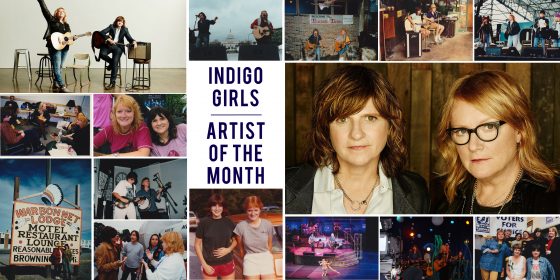
Last year, we celebrated 30 years of queer goddesses The Indigo Girls by naming them our Artists of the Month. Some of our favorite songwriters — like Angaleena Presley and Becky Warren — paid them tribute as well. The Indigo Girls blazed a trail for openly queer folks to make music loud and proud. Their wide-reaching influence cannot be overstated.


Brandi Carlile gave the remaining 10 months of 2018 an impossibly high standard to live up to when she released her most recent record, By the Way, I Forgive You, in February. One song off of the new project, “The Joke,” is poised to become a queer anthem for our generation — and President Obama himself listed it as one of his favorite songs of 2017. It’s one of our favorites ad infinitum.


Southwest Virginia natives and old-time, bluegrass, and folk musicians Sam Gleaves & Tyler Hughes are helping to dispel the all too common assumption that rural communities are devoid of LGBTQ+ folks. “When We Love,” a song off of their self-titled, debut duo release made our Class of 2017 list of favorite songs from the year.


We were honored and proud to support the first ever Bluegrass Pride last year, partnering with the California Bluegrass Association on a float in the San Francisco Pride Parade. The float ended up winning Best Overall Contingent and brought live bluegrass music to literally hundreds of thousands of potential fans. The icing on the cake is this bluegrass version of Whitney Houston’s “Dance with Somebody” by Front Country and some fabulous friends.


Singer/songwriter Mary Gauthier demonstrates the incredible power of empathy on her record Rifles & Rosary Beads, a collection of songs written with veterans of the armed services. It’s an important message for this day and age — one that Gauthier delivers with, once again, empathy.


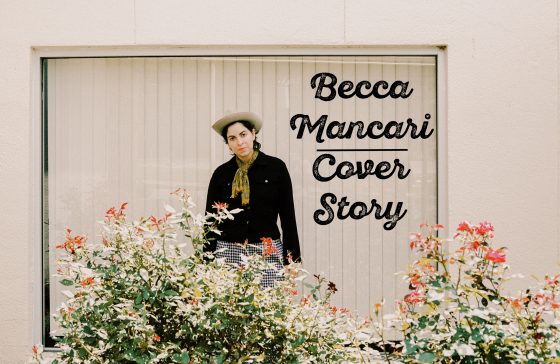
Americana singer/songwriter Becca Mancari may be based in Nashville, but her debut album, Good Woman, released last fall, draws inspiration from well beyond Music City. The critically-acclaimed album can thank its lyric-driven, personality-rich songs for its success — a reminder that living one’s truth and letting that truth shine is always the best plan of action.


Country music is for queers too, damnit! Karen Pittelman of Karen & the Sorrows believes that if we edit our own personalities, perspectives, and identities out of our art, it’s a disservice to everyone. Especially given the fact that queer people have have been making all kinds of art and all kinds of music all along.


She took home the crown from RuPaul’s Drag Race: All Stars Season 3, but last year, before her return to the iconic reality TV show, drag superstar Trixie Mattel (AKA Brian Firkus) released an album of folk-tinged country songs. This year, she released its follow up. We spoke to Trixie after her first album dropped about how a drag queen can fit into roots music communities.


Singer/songwriter and “poster child for intersectionality” Crys Matthews carries on the legacy of Martin Luther King Jr. through her music, writing relevant, hard-hitting, convicting songs that champion social justice and activism.


Country artist Sarah Shook is an activist just by being herself, unapologetically. It’s a classic outlaw perspective and a perfect fit for a queer voice in the country realm.


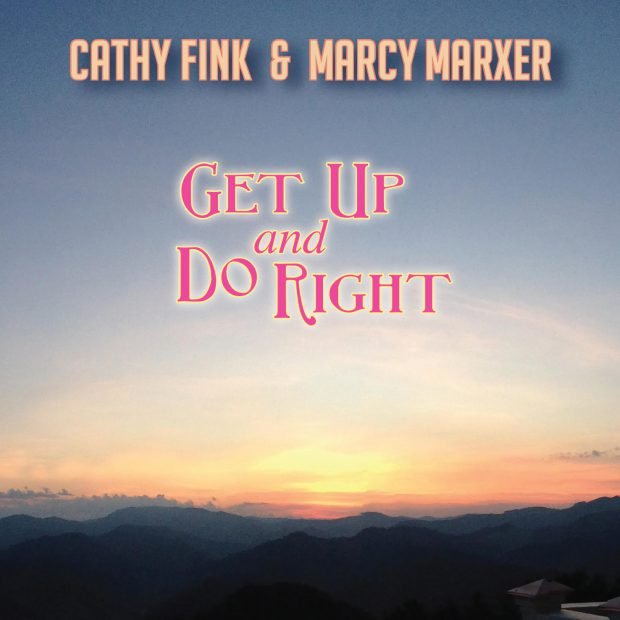
Folk legends, GRAMMY winners, producers, and life partners Cathy Fink & Marcy Marxer released their forty-fifth recording, Get Up and Do Right, early last year. It’s no surprise that it has a social justice bent, given that the pair has spent their entire lives and careers on the front lines of the battle for LGBTQ+ rights and women’s rights.


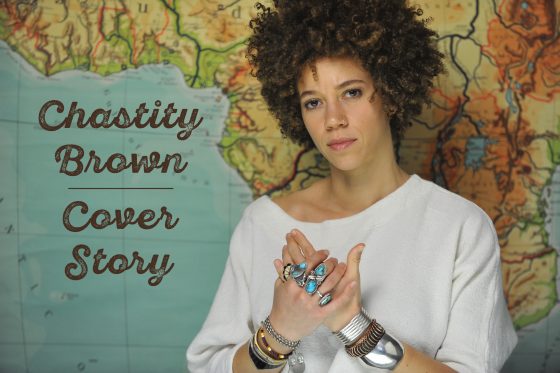
Artist and Americana/soul singer Chastity Brown contemplated heartbreak and healing on her latest album, Silhouette of Sirens, released a little over a year ago. To Brown, the personal is political, “Just by me being a bi-racial, half-black, half-white woman living in America right now is political. Just being a person of color, a queer woman of color, for that matter, is freaking political.”


Of course, we’ve been proud to highlight diverse and underrepresented identities at the International Bluegrass Music Association’s business conference for the past two years – and continuing this year! The inclusion and diversity movement swept IBMA’s events in Raleigh last year, and we took a look at how and why.


And last but certainly least, how could we celebrate Pride without going back to our conversation with the most busted, washed-up, wannabe country star in the universe, Ms. Marlene Twitty-Fargo? As she would holler from stage, “Happy Pride, biscuits! Though I don’t know why all you queers love Charley Pride so much.”


Lede photo by torbakhopper on Foter.com / CC BY-ND

ANNOUNCING: 2018 Americana Music Awards Nominations

The Americana Music Association announced the nominees for its 17th annual Honors & Awards show this afternoon at an intimate members-only ceremony held at the Country Music Hall of Fame and Museum. The live-streamed event featured performances by its hosts The Milk Carton Kids as well as Daniel Donato, Brittany Haas, Jerry Pentecost, Molly Tuttle and more special guests. The winners of each category will be announced during the Americana Honors & Awards show on September 12, 2018 at the historic Ryman Auditorium in Nashville, TN.

Americana Music Awards Nominees

Album of the Year:
All American Made, Margo Price, Produced by Jeremy Ivey, Alex Munoz, Margo Price and Matt Ross-Spang
By The Way, I Forgive You, Brandi Carlile, Produced by Dave Cobb and Shooter Jennings
The Nashville Sound, Jason Isbell & The 400 Unit, Produced by Dave Cobb
Rifles & Rosary Beads, Mary Gauthier, Produced by Neilson Hubbard

Artist of the Year:
Brandi Carlile
Jason Isbell
Margo 
Price
John Prine

Duo/Group of the Year:
I’m With Her
Jason Isbell & the 400 Unit
Lukas Nelson & Promise of the Real
Nathaniel Rateliff & the Night Sweats

Emerging Artist of the Year:
Courtney Marie Andrews
Tyler Childers
Anderson East
Lilly Hiatt

Song of the Year:

A Little Pain,” Margo Price, Written by Margo Price
“All The Trouble,” Lee Ann Womack, Written by Waylon Payne, Lee Ann Womack and Adam Wright
“If We Were Vampires,” Jason Isbell & the 400 Unit, Written by Jason Isbell
“The Joke,” Brandi Carlile, Written by Brandi Carlile, Dave Cobb, Phil Hanseroth and Tim Hanseroth

Instrumentalist of the Year:
Daniel Donato
Brittany Haas
Jerry Pentecost
Molly Tuttle

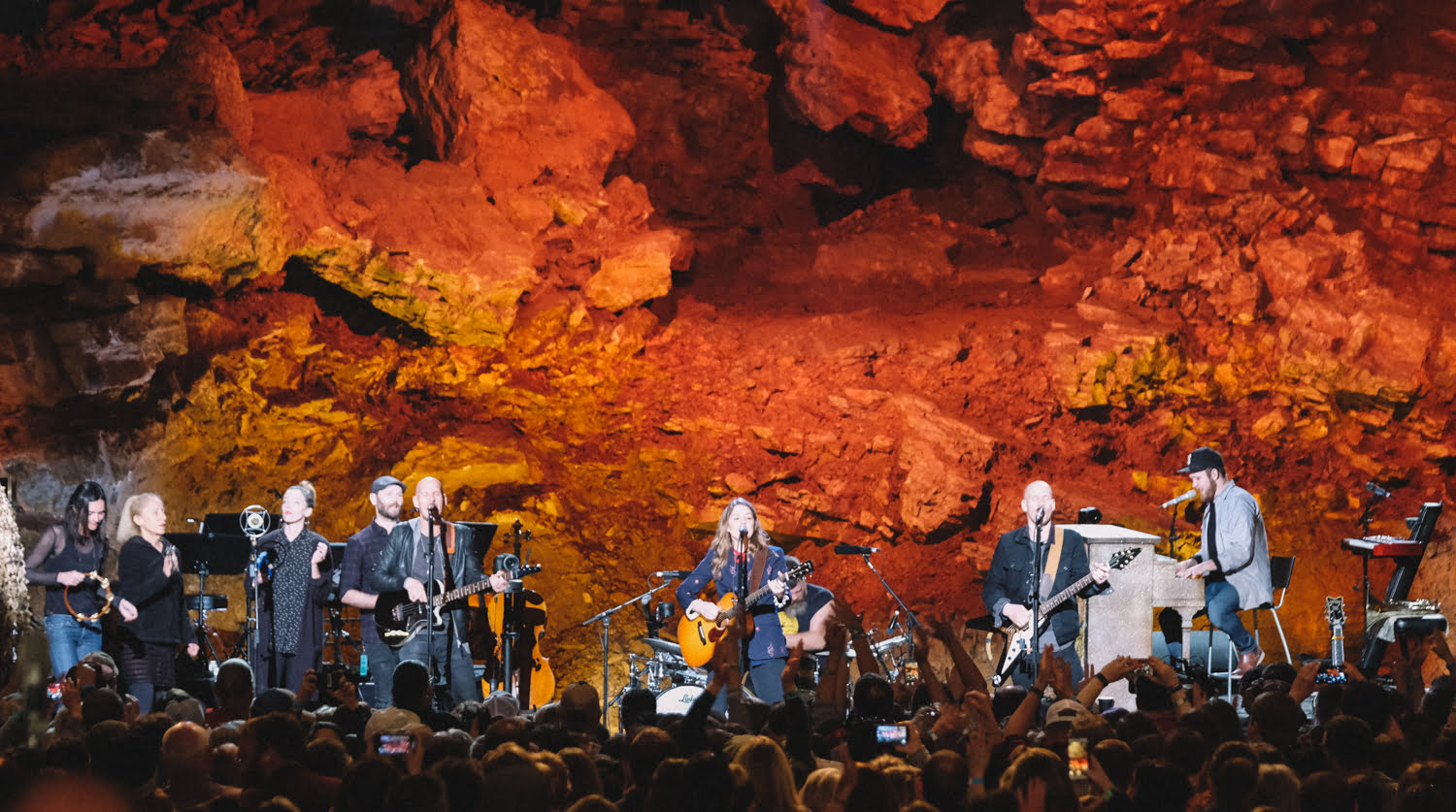
Bluegrass Underground: Brandi Carlile Rocks the Rock

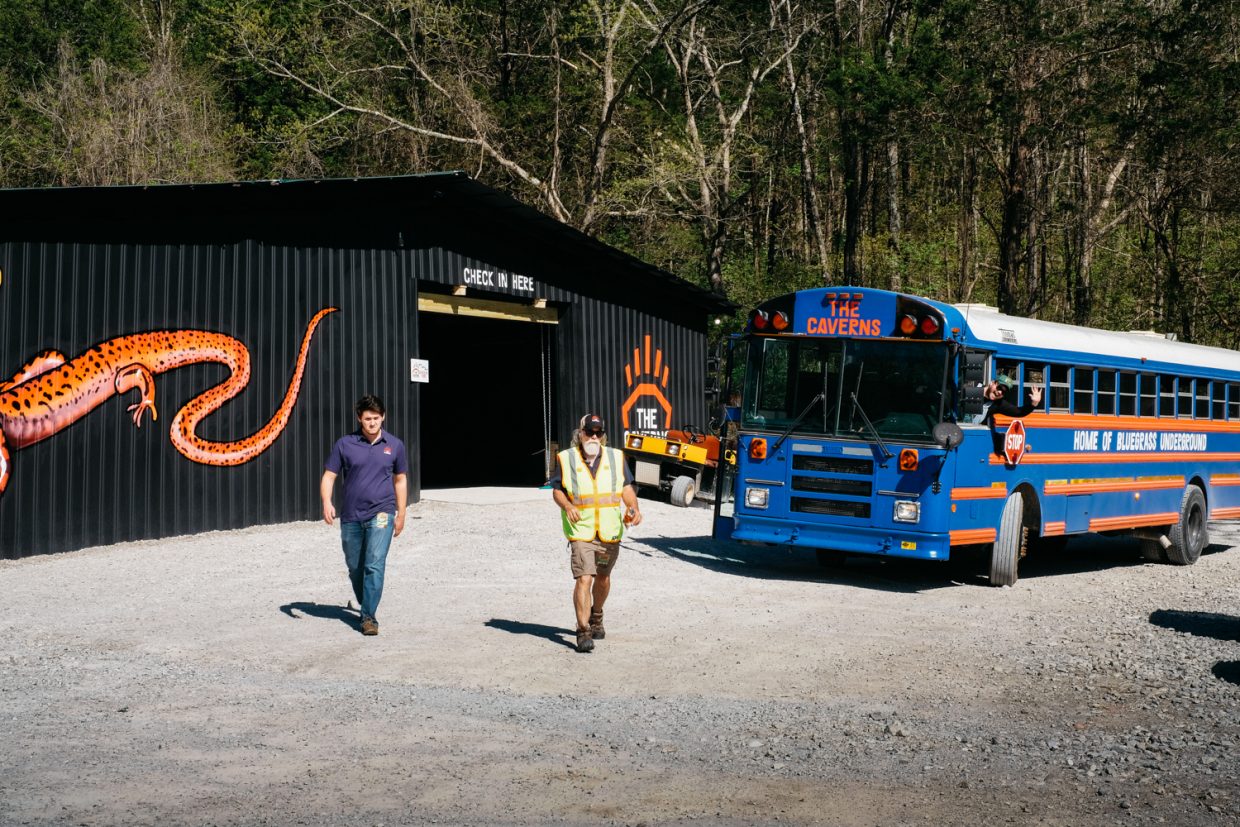
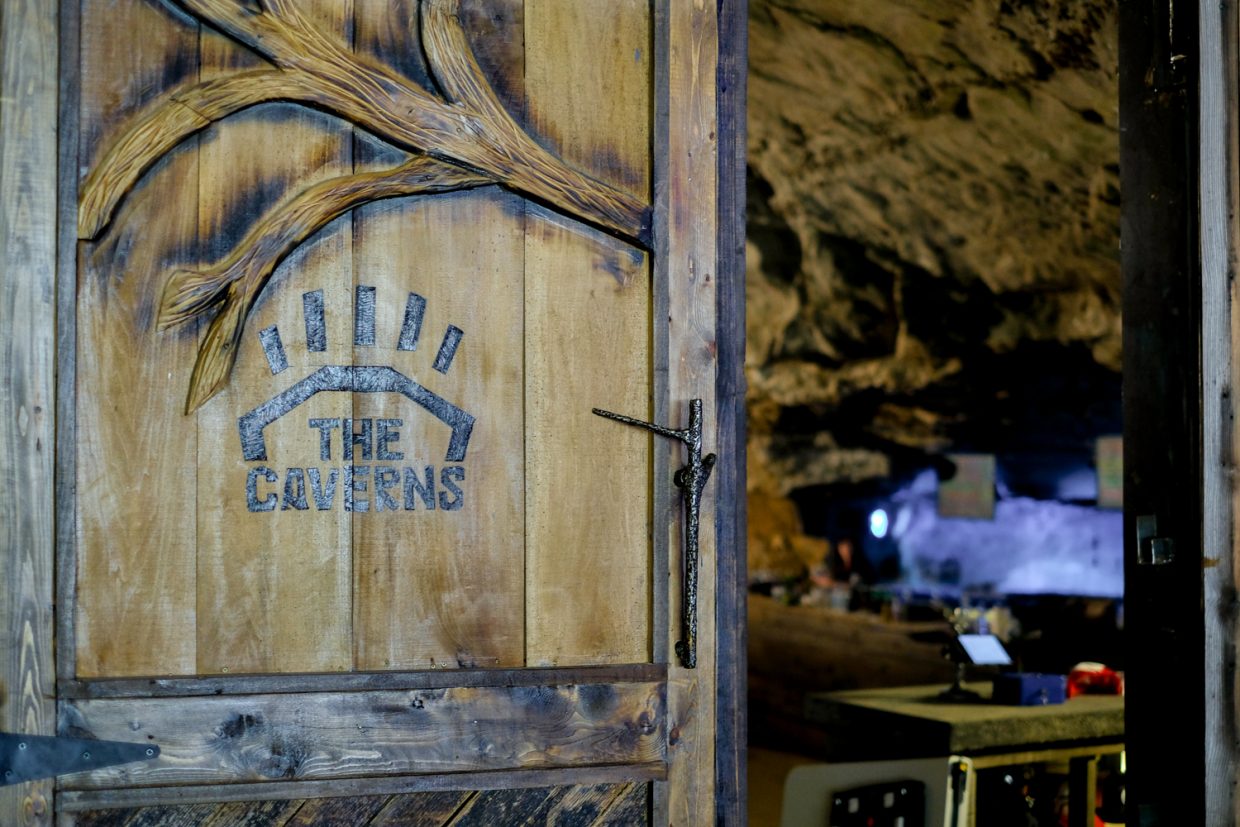
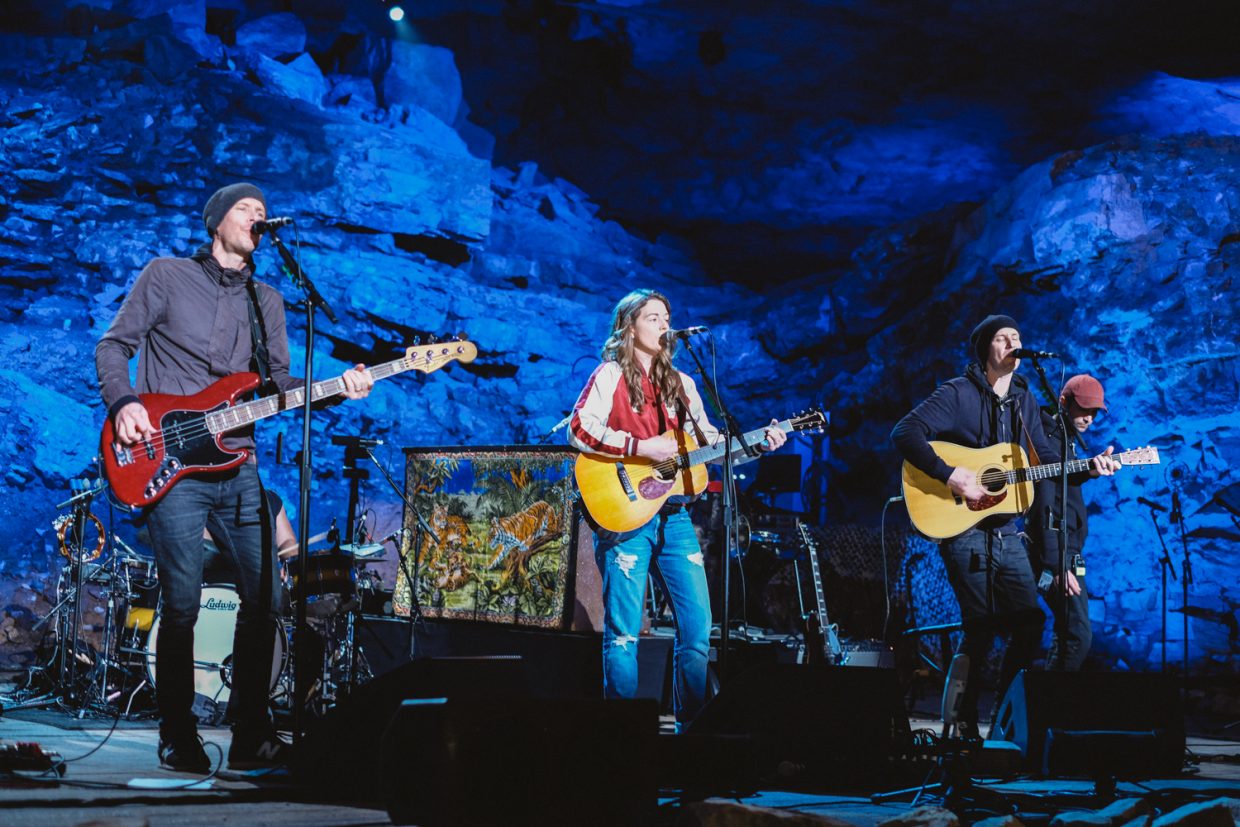
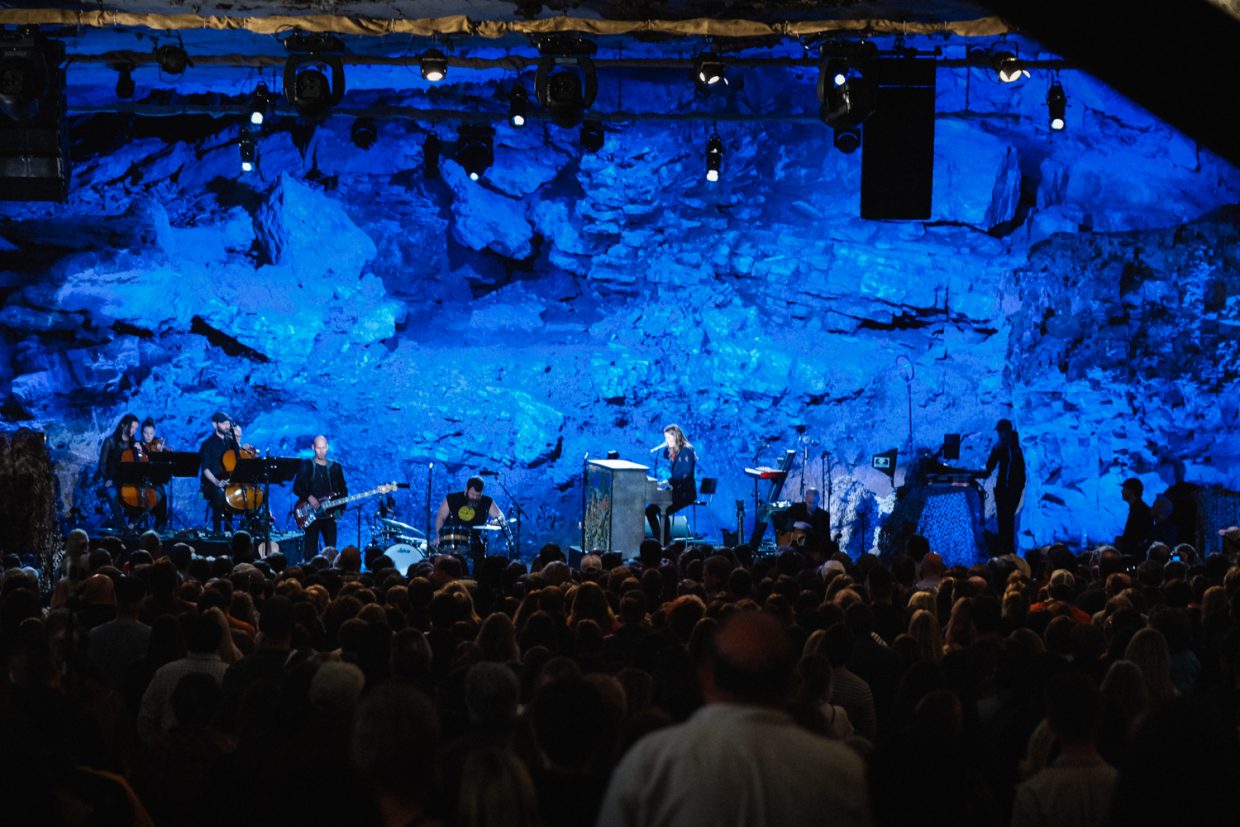
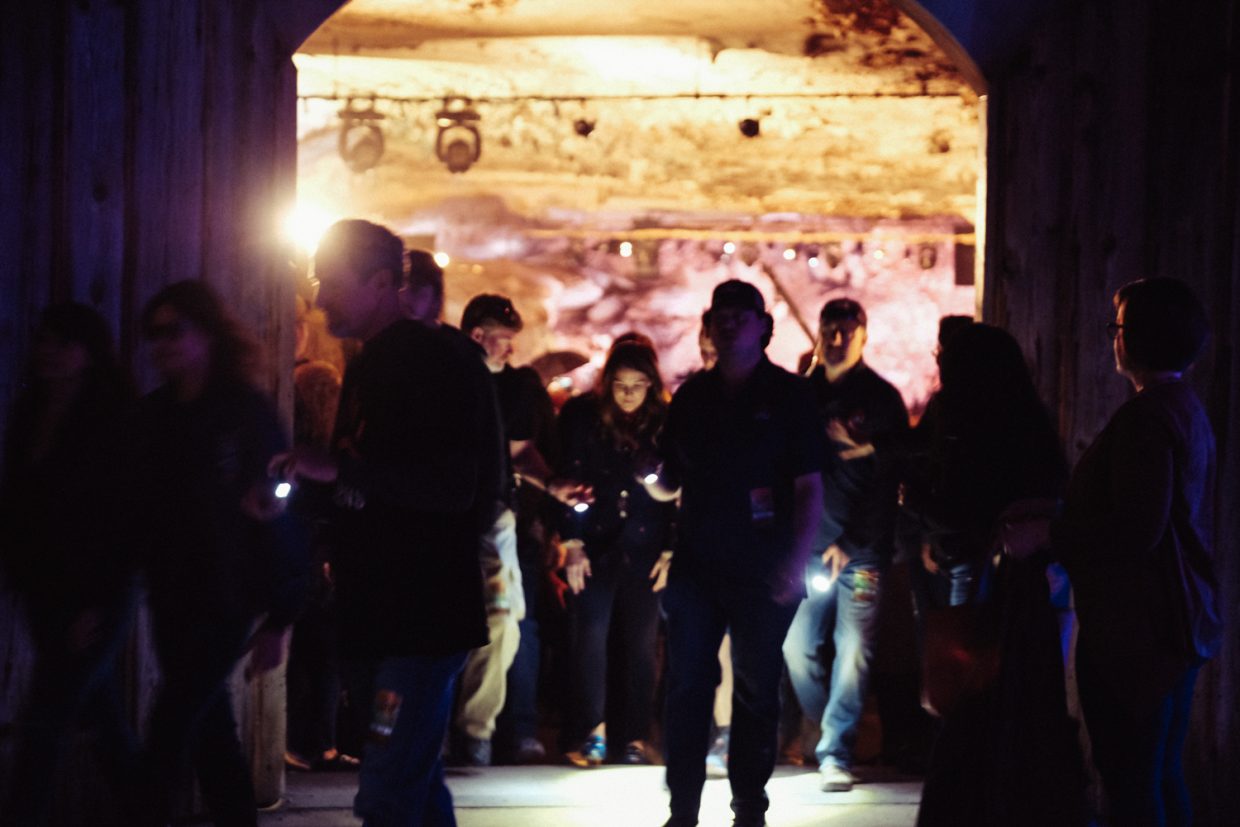
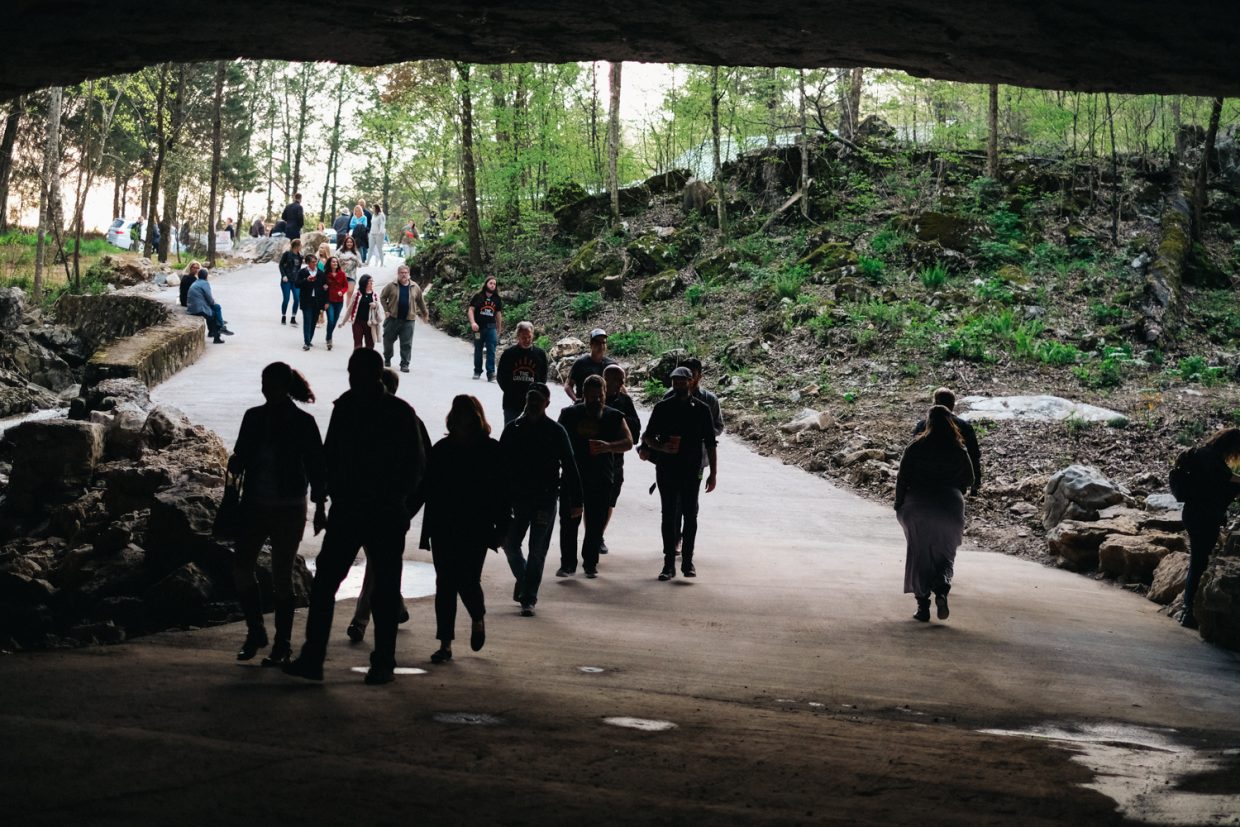
For nearly a decade, Bluegrass Underground has invited artists and fans to experience the joy of music together … underground. The Caverns, located at the foot of Monteagle Mountain in Pelham, Tennessee, plays host to both the Emmy Award-winning PBS program and other shows from March to December.

Todd Mayo, owner of the Caverns and creator of Bluegrass Underground, walked into his first cave 10 years ago this month and thought it would be an ideal setting for live music. Though he wasn’t in the music business at all, six weeks later, Bluegrass Underground was born. Mayo booked the Steel Drivers, then fronted by Chris Stapleton, and secured an airing on WSM right before the Grand Ole Opry. And thus was born Bluegrass Underground.

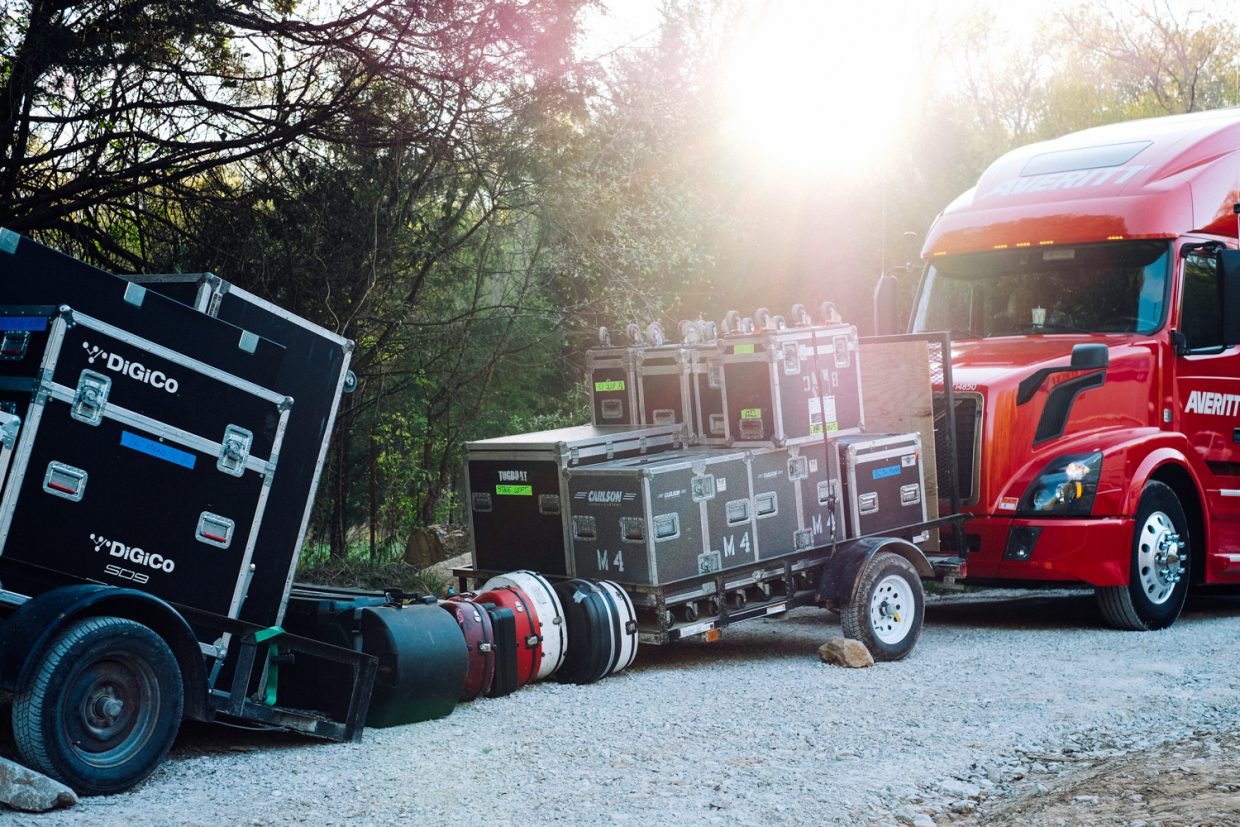
When a guy came to interview Mayo about his vision of Bluegrass Underground eventually being a PBS show, the fellow — Todd Jarrell — just happened to work in that world. The two formed a production company and the rest is history, though still in the making. For a number of years, the shows took place in a different cave — one 333 feet underground in McMinnville, Tennessee. But having to load all the production gear in and out for every show was less than ideal.

Having a cave of their own with permanent light and sound installations, designed by award-winning cinematographer Allen Branton and Sound Image, respectively, allows much greater flexibility, in terms of the Caverns’ show season. But the new cave didn’t come plug-and-play.

“The first time I ever walked in here, standing on the stage, I could touch the ceiling,” Mayo explains. “That’s how much dirt came out of here. For six months, all we did was move dirt. It was like Michaelangelo with the statue of David. He said, ‘David was always in there. I just had to get the damn marble out of the way.’ Well, this cave was always here. I just had to get the dirt out of the way. When we started excavating, I didn’t know what was there. We just got all of the dirt out that had been washed in here over thousands and thousands of years and, all of a sudden, we were left with this perfect space for music.”


Bluegrass Underground sort of marries two of the greatest things about Tennessee: the musical culture and the natural beauty,” Mayo offers.


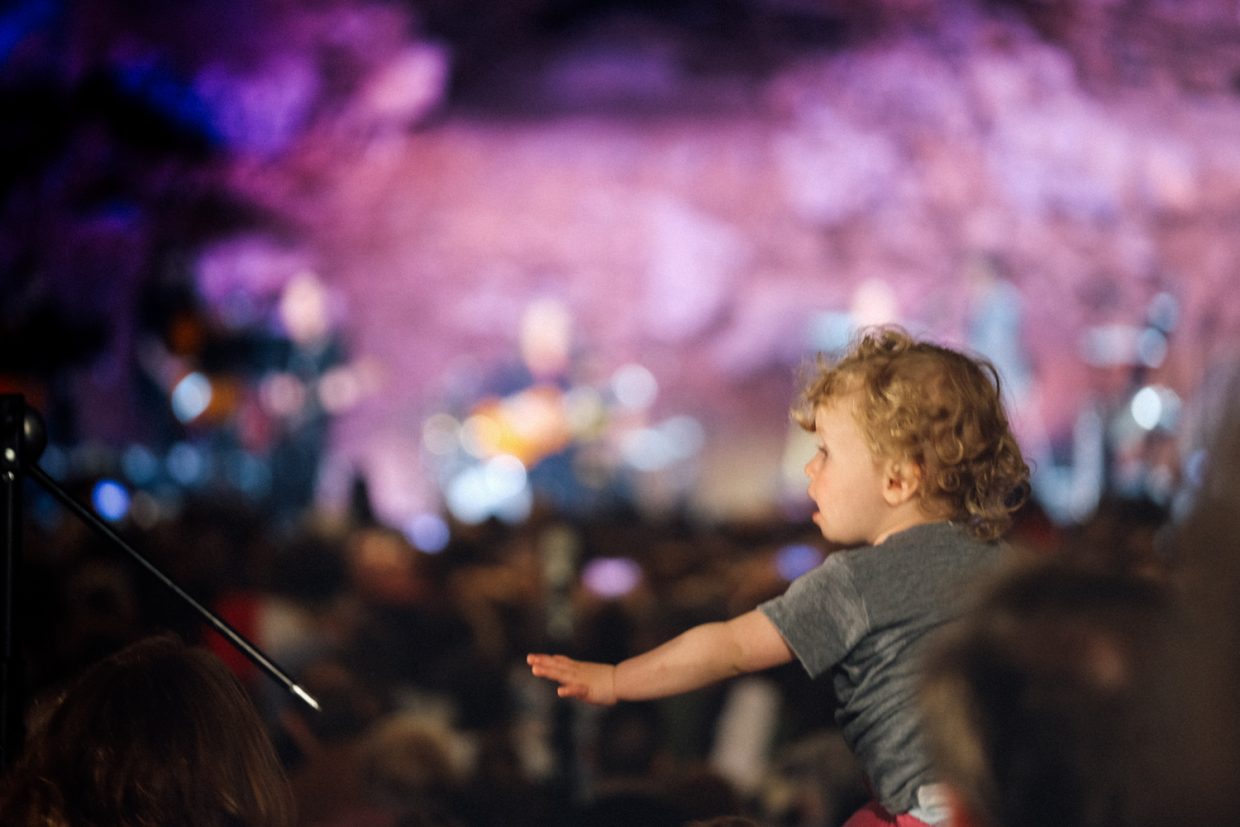
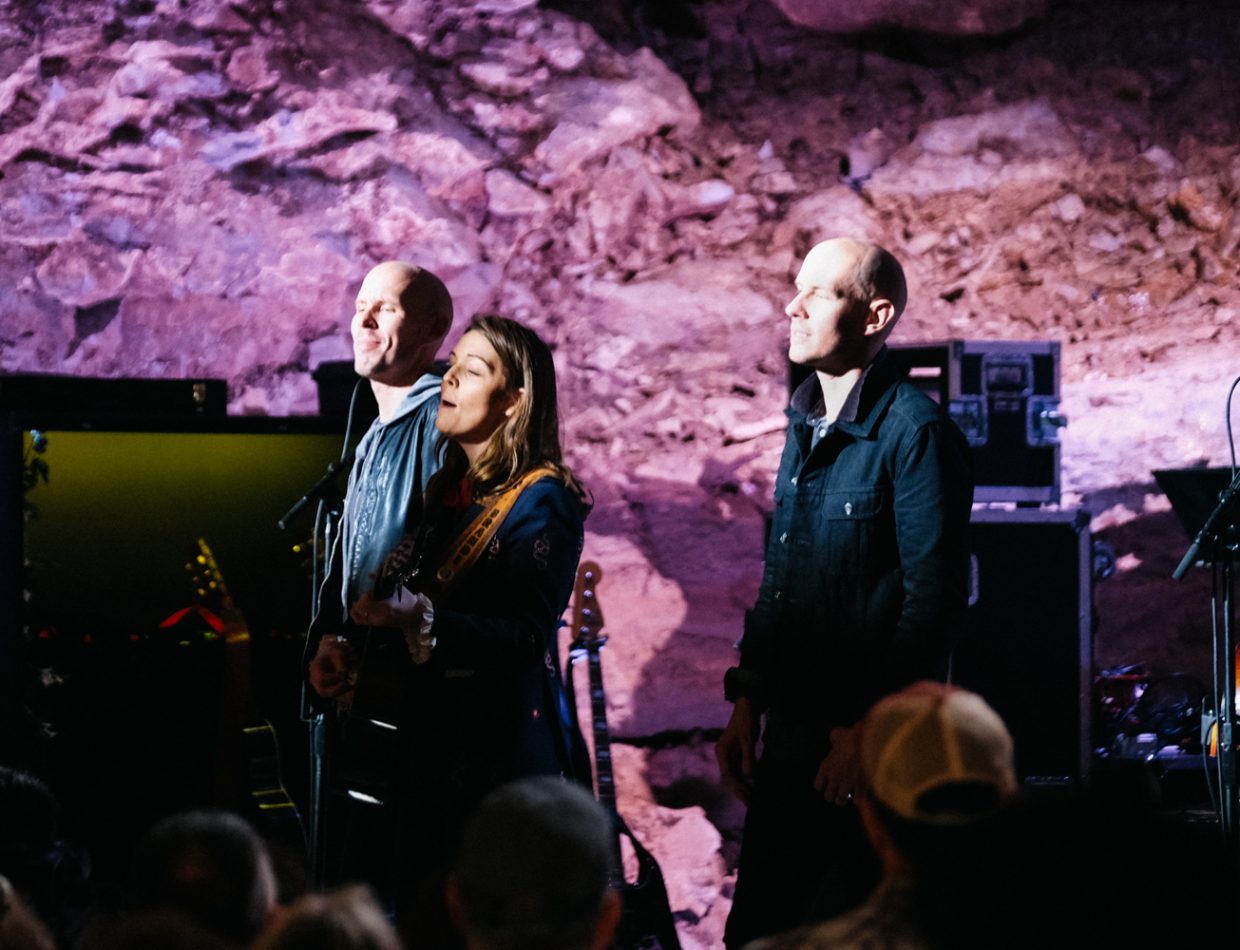
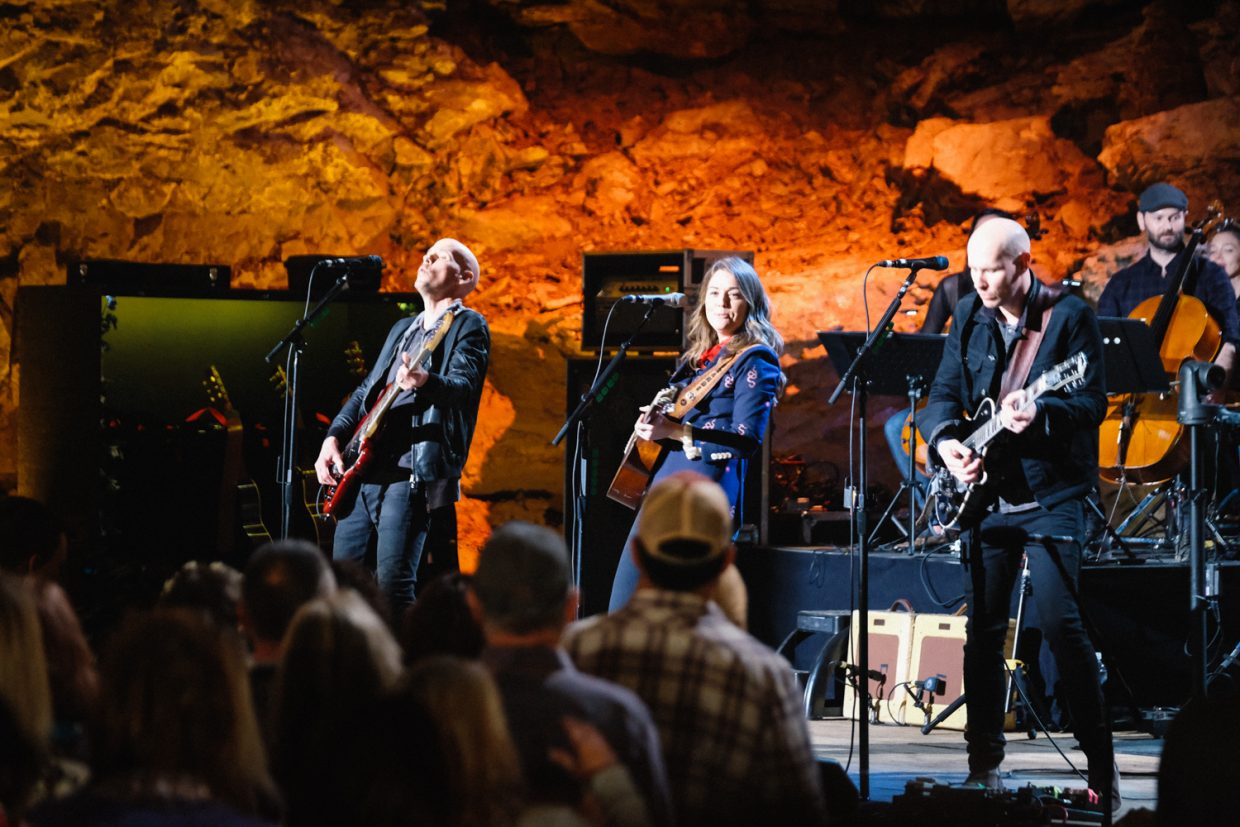
“Playing in the Caverns is one of the coolest things I’ve ever done. It’s like if somebody took Red Rocks, shrunk it down, and put it underground. It’s Red Rocks in a hole,” Tim Hanseroth [right] says. “It’s kind of humid, so everything’s a little silky and the guitars are cold because of the temperature. There’s steam coming out of your breath … it’s awesome! I was worried about things staying in tune before soundcheck, but nothing went out … surprisingly.”

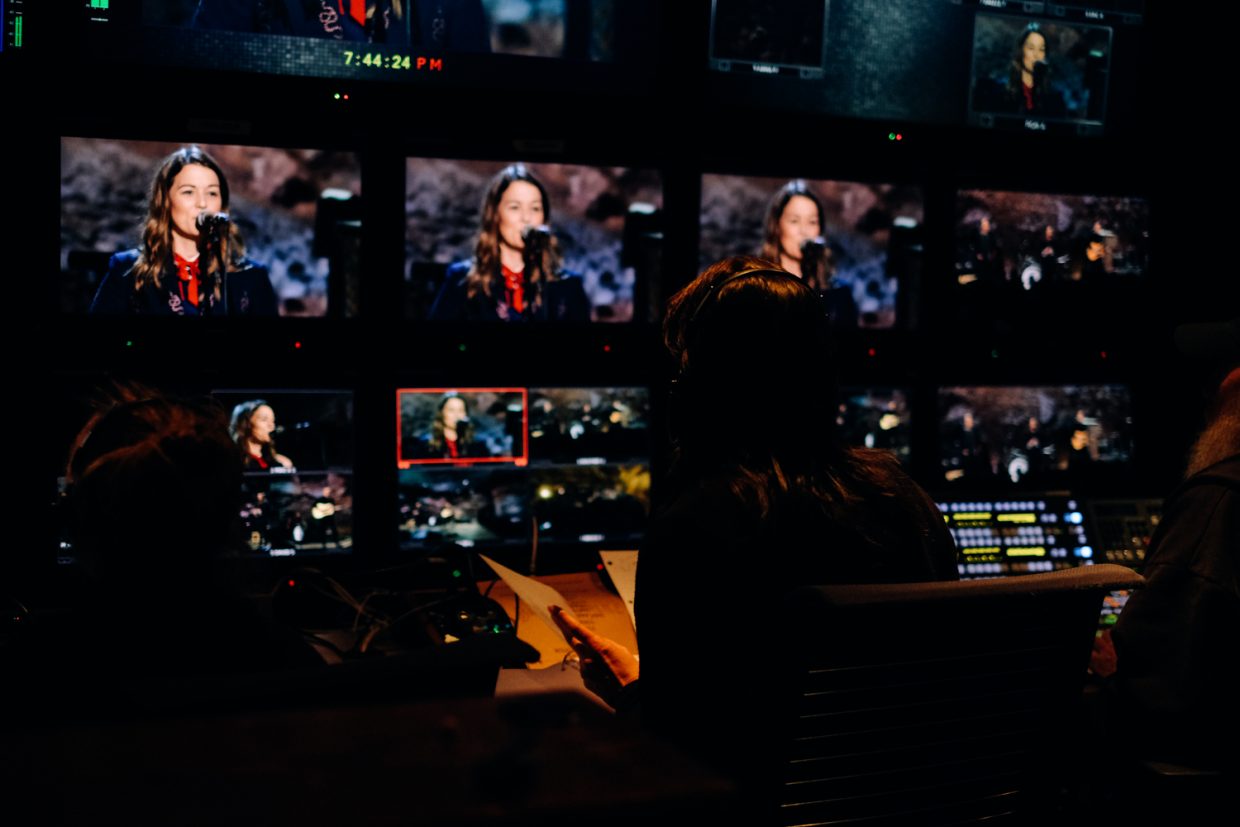
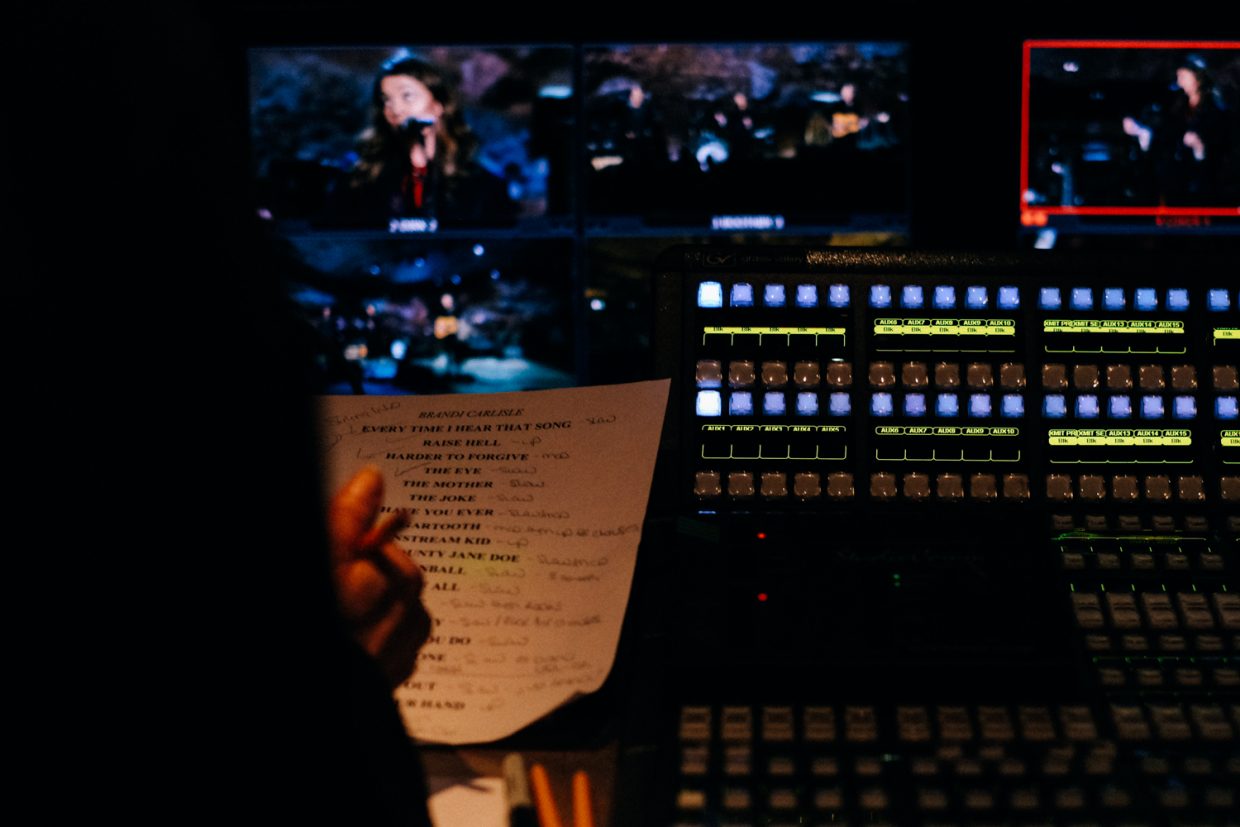
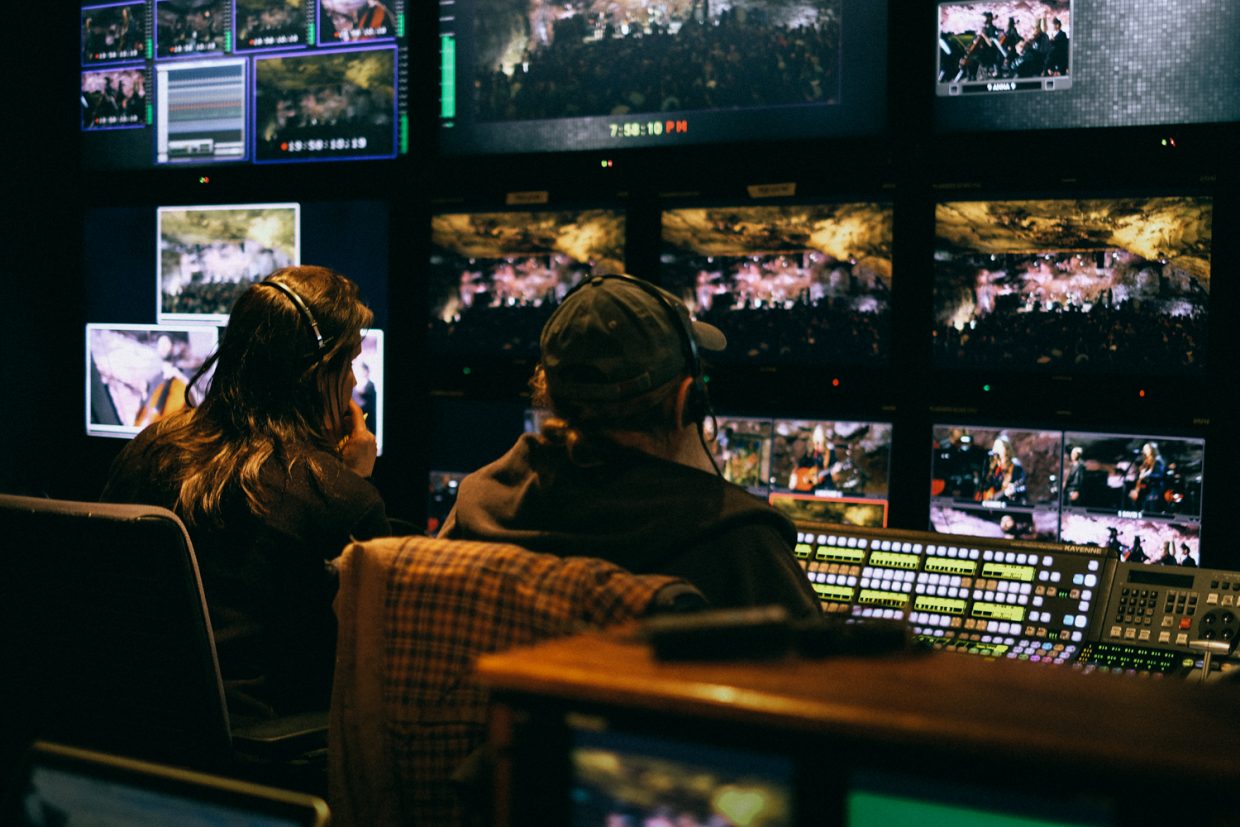
The assistant director Cindy Brewer [left] and director Jim Yockey [right] both study the artist’s set list for a month, noting where the dynamic and instrument shifts take place within each song. During the live show, the AD cues the director and camera operators as to what is coming. The director and assistant positions are always split between male and female in order to avoid confusion over their voices.


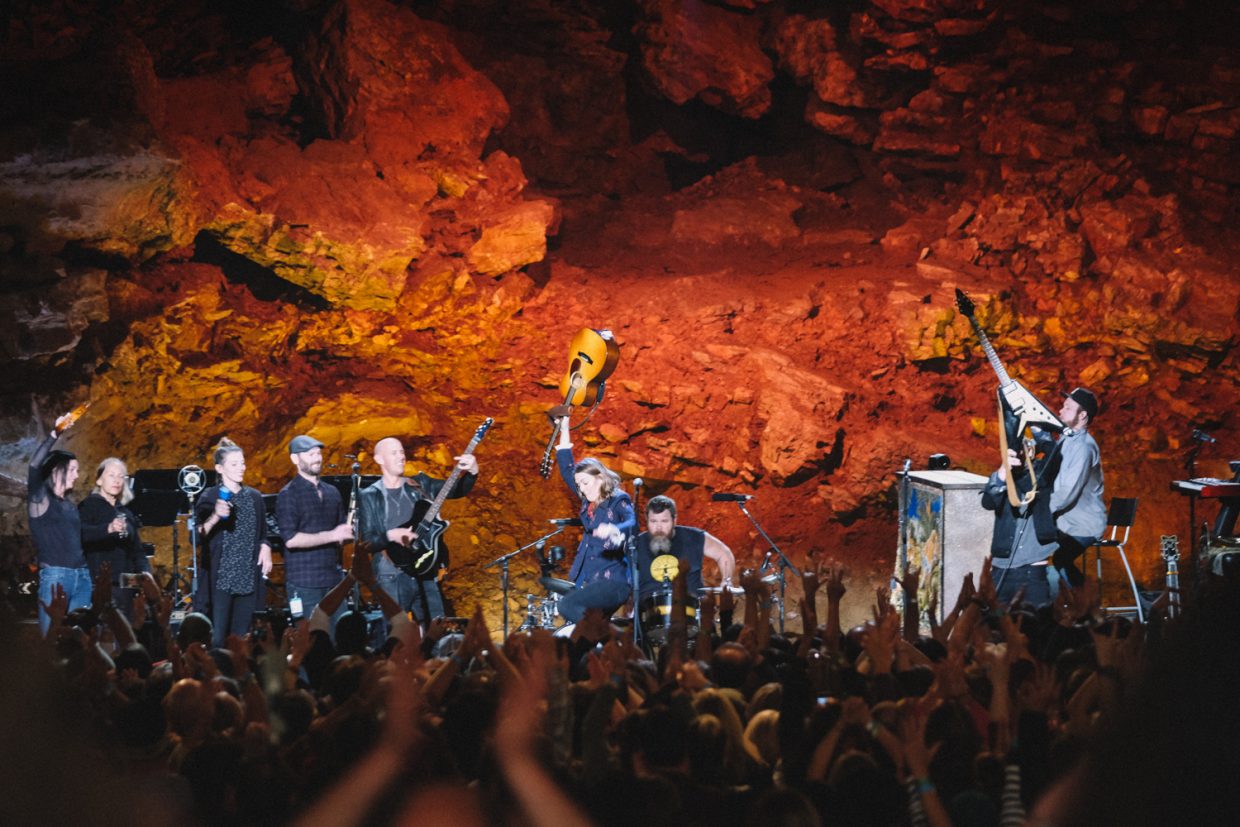
“I was expecting a mystical experience,” Carlile notes. “What I wasn’t expecting was how beautiful the surrounding area was. It was how you’d expect it to be — in a cave with lots of natural reverb. It was really incredible, after 15 years of trying to re-create that sound in the studio and live digitally or with plates and chambers, to hear it occur naturally in the caverns.”


Mayo sums up the team’s mission statement: “Everything that we do is about the power of music to bring people together. You find a beautiful space that puts people in a different frame of mind and, when you’re down here, there’s no fourth wall. The artist will walk in here through the crowd and start playing. And it’s that sense of community, that communal aspect of music, that everybody feels when they go see music anywhere, it’s sort of amplified when you’re in a place like this.”


Photo credit: Kelly Amber Garcia

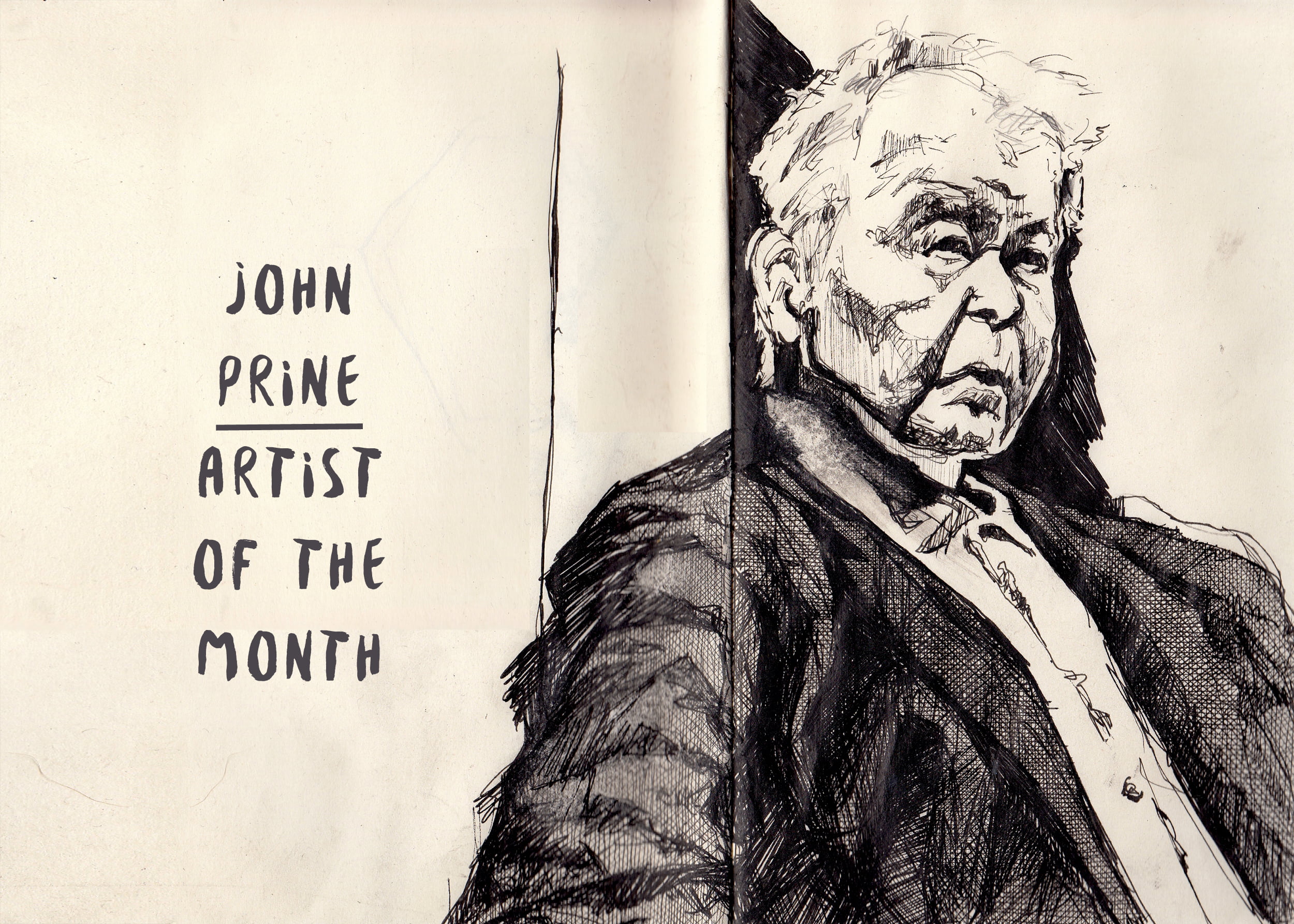
John Prine: The Difficulty of Forgiveness

In the days following the release of The Tree of Forgiveness, John Prine — the 71-year-old master song crafter, storyteller, and lover of a good meatloaf — had the best sales week of his decades-long career. His first album of originals since 2005’s Fair and Square, it’s a rare bit of triumph for the good guys — and for an artist like Prine, who has shaped our current musical climate in ways that are often beyond measure. Because, despite being one of the primary influences on Americana’s best and brightest — from Jason Isbell to Margo Price and Deer Tick — Prine’s never banked those platinum albums. Though 1991’s The Missing Years eventually sold around a half-million copies some 20 years after his self-titled debut, records, like the rest of human life, then went online: People stopped buying, and started streaming.

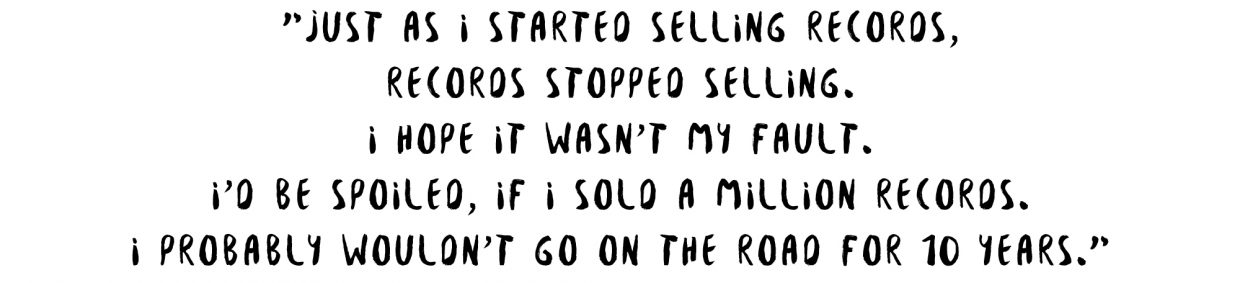
“Just as I started selling records, records stopped selling. I hope it wasn’t my fault,” Prine says, chuckling from his living room at home in Nashville. “I’d be spoiled, if I sold a million records. I probably wouldn’t go on the road for 10 years. But I don’t ever want to sell so many records that I have to do shows in a stadium. Stadiums are for sporting events: They’re not to watch a guy with a guitar come out and tell his story.”

He’s right, though if there’s anyone who could capture a stadium full of people with just an acoustic guitar and his heart-shaking stories, it would be Prine. The Tree of Forgiveness, an exquisite record that finds Prine looking at love, death, and the passage of time with humor, lightness, and his own quirky sort of grace, isn’t a set of arena rock barnburners (obviously). Instead, it’s touching moments of humanity that stick to the bones and linger in the mind, letting the imagination wander in exactly the direction that Prine wants it to … which is everywhere. Take “Summer’s End,” a nostalgic track if there ever was one, though it’s not explicitly clear for what — for summer, for a relationship, for life itself. “I could sell John Prine Kleenex with a song like that,” he says, laughing.

But it’s hard to be too sad about the end of life or love in Prine’s world, particularly life, if what happens next is as fun as “When I Get to Heaven,” the album’s closer. With Amanda Shires, Jason Isbell, and Brandi Carlile all chiming in on kazoo and vocals — all three appear across the Dave Cobb-produced LP — it details Prine’s perfect afterlife, where he can smoke again, post-cancer, hug his loved ones, and drink his signature cocktail, the Handsome Johnny, to his heart’s content. Like most of what Prine does, “When I Get to Heaven” is loaded with a potent combination of humor and vulnerability. Death is life’s biggest mystery, and Prine would rather solve that problem with lightness than exist in the dark, reality be damned. And Prine likes a good story as much as he likes (or doesn’t like) reality, anyway.

Prine’s own life story is a bit of rock ‘n’ roll lore: He grew up outside of Chicago in a mill town, and formed his songwriting voice after leaving the Army, writing between shifts as a mailman. But much of his signature finger-picking style and his artistic identity come from Kentucky, where his father hailed from, and which feeds the deep bluegrass presence within his songs.

Prine is equally important to Kentucky, too — and to Kentucky’s artists, like Kelsey Waldon, who will open select shows for him in the fall. “John Prine’s music is very special and significant to me,” says Waldon. “He brought together my country and bluegrass worlds, but with relevant and honest songwriting that I think would touch most any walk of life. As a Kentuckian, yes, of course his bluegrass roots make me proud. I have spent some time in Muhlenberg County, and I believe that’s where John learned to play, from his grandfather. That is the area where the great Merle Travis is from, and you can really hear a lot of Merle in John’s pickin’ style — that rhythmic thumb picking. The Everly Brothers and Bill Monroe are also from around the same area so, you know, it’s a lush environment for music. Something has always been in the water. I had heard in an interview that his daddy used to drill the kids that they were not only from Illinois, but also from Kentucky. So, I’d say the roots run deep.”

“I can never really lose those roots,” Prine says. “My family is a big part of my life. A lot of the older relatives are gone now, but I still have family in Kentucky, and I still go to my family reunions every year. Country and bluegrass have always been big influences on me and my music. I still listen to that music.”

Prine listens to a lot of Isbell and Shires, too, and Sturgill Simpson, a fellow Kentucky native with whom he shares a songwriting office — which has never actually been used for any songwriting. Prine stores a big pool table there and, besides, they can’t give it up. Producer/engineer Dave Ferguson uses the space next door, and he likes to smoke there, so Prine and Simpson hold on to it so a new tenant doesn’t put the kibosh on the stogies. “Friendship and cigarettes,” Prine says.

“I would love Sturgill if he was from New York City,” says Prine, “but he is from Kentucky, and I love that he respects and cherishes those roots as I do. He and I both come from the same long line of country-folk-bluegrass guitar-playing musicians. I learned to fingerpick by listening to Elizabeth Cotton and musicians in our tradition. We are all still playing and writing about stuff we know.”

One of the reasons that Prine’s songs are so impactful is how they balance what he knows and what he doesn’t — the mysteries of life, its frustrations, and unknowns. On The Tree of Forgiveness, recorded at RCA Studio A, he’s thinking a lot about forgiveness, itself, and what it means to be kind, something that resonates loud and clear in the Trump era. Prine didn’t write explicitly political songs on this record, but that simple act of forgiveness and kindness is political, in and of itself, in 2018 — a concept that other country and folk singers, like Kacey Musgraves and Courtney Marie Andrews, have also explored on their recent albums.

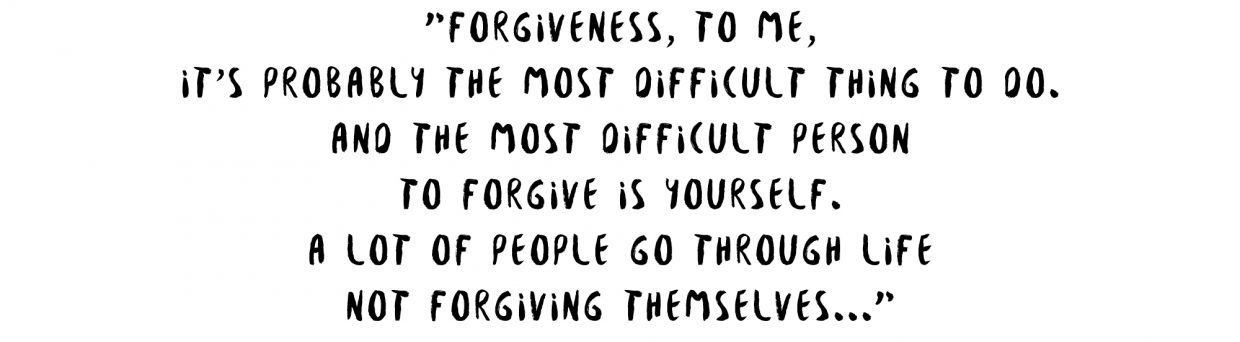
“Forgiveness, to me, it’s probably the most difficult thing to do,” Prine says. “And the most difficult person to forgive is yourself. A lot of people go through life not forgiving themselves for short-selling something, or paying enough attention to kids or parents, not looking after them when they get old. But the most difficult thing is to forgive yourself.”

Prine’s songs include so much permission to forgive ourselves for being imperfect, for acknowledging that we can love our weaknesses as much as our strengths, and for being content with our priorities, however skewed they may be. Some of Prine’s personal priorities are songs, a good meatloaf, and friends and family. His record label, Oh Boy, is a family affair, with his wife and manager Fiona running things with their son, Jody Whelan. When he’s not touring or playing with his grandkids, he’s writing with friends like Dan Auerbach, who appears on the record, and Pat McLaughlin, or seeing shows around town. He recently checked out the I’m With Her gig at the Station Inn in Nashville. “His support is incredibly meaningful,” says Sara Watkins, who could see he him bopping along from the stage.

“The longer I live in Nashville, I only co-write with friends,” says Prine. “Because, if you spend an afternoon together and you don’t write a song, at least you get to hang out.” For one of The Tree of Forgiveness‘s tracks — “Egg & Daughter Nite, Lincoln Nebraska, 1967 (Crazy Bone)” — Prine and McLaughlin were writing together on a Tuesday (“meatloaf day, that’s our carrot on a stick”) and Prine brought up a story about how he’d heard of farmers taking their daughters to town in order to pawn them off for marriage — which he’d heard jokingly referred to as “egg and daughter night.” Naturally, this gave Prine a good laugh. And an idea.

Prine didn’t think it was a real thing, though (according to Google, apparently, it is), but they wrote the song anyway. “We didn’t think it was about the truth and, when you aren’t writing about the truth,” he says, “the world is your oyster.”


Illustration by Zachary Johnson