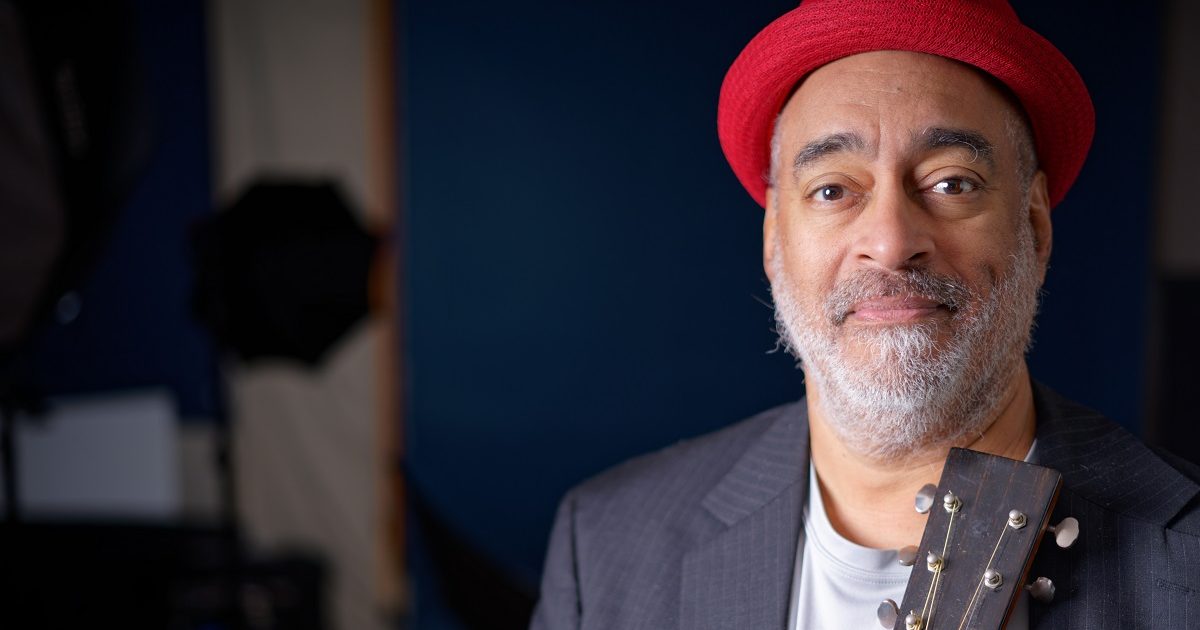
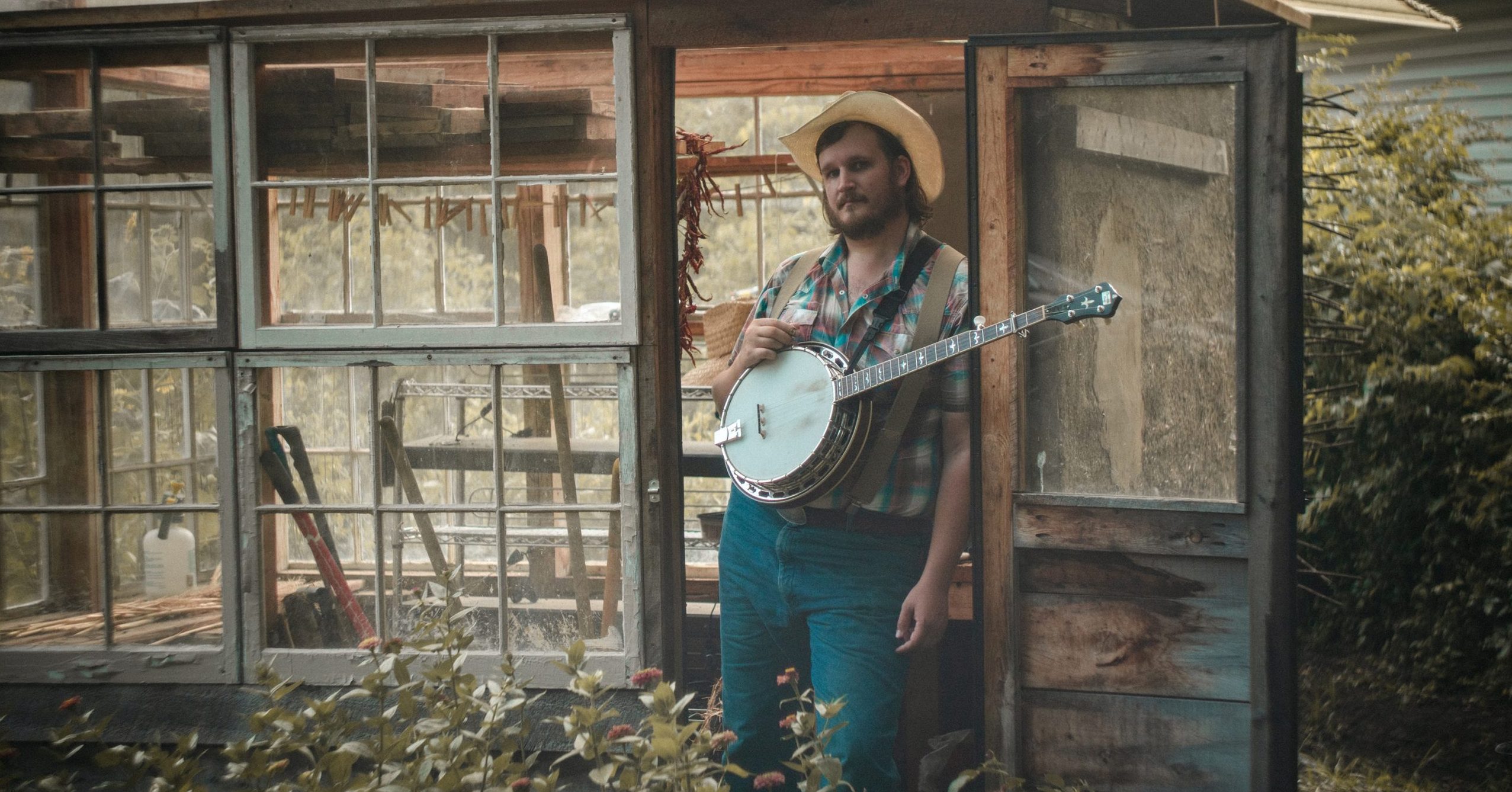
Artist:Vance Gilbert Hometown: Arlington, Massachusetts Song: “Black Rochelle” Album:The Mother of Trouble Release Date: May 5, 2023
In Their Words: “It’s a true story. The cruelest kids are often the kids who have been treated most cruelly. One of the easiest and hardest songs ever to write. I am proud that I heard that melody so clearly in my head even as the words were cutting my chest wide open. Lori McKenna again foils with background vocal perfection.
“As for the video itself, the videographer Jon Sachs and I decided it would be most effective to do it in one pass, the only video break during Joey Landreth’s heartbreaking solo over the bridge. Don’t let anyone ever tell you that lip-synching is easy, or that real life feelings don’t happen with the sing-along-to-self. It was like double illumination, and I was shocked at how it struck me.
“Part of my job as a singer-songwriter is to be a vessel of sorts, the story coming through me, while it’s the listeners’ job — if I’ve done my part with any facility at all — to be moved. I was trying not to indicate or show all kinds of feels in my face to the camera. That said, I did all I could to keep it together, because I had to. When the concept finally came alive with the music and selected images, the brokenheartedness really was replaced by a sense of accomplishment at a story well-told.” — Vance Gilbert
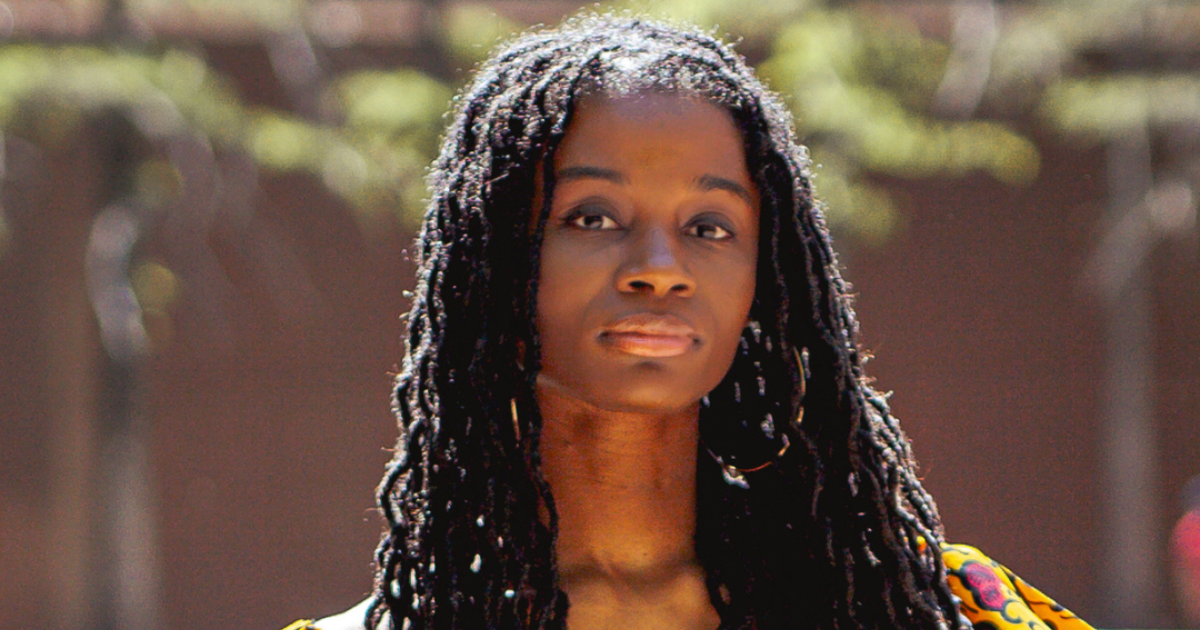
[Editor’s note: To mark the conclusion of Black History Month, we’ve invited BGS collaborator and contributor Brandi Waller-Pace to share her thoughts on how to take the ethos, mission, and action of BHM with us throughout the year.]
“Dr. Carter G. Woodson, Black American writer and historian, is known as the Father of Black History Month. One of the first scholars of African American history, he founded the Association for the Study of African American Life and History in 1915 and established Negro History Week in February of 1926. He chose the week of February that contained the birthdays of both Frederick Douglas (February 14th) and Abraham Lincoln (February 12th) as both birthdays were already being celebrated in Black communities. In 1970 The Black United Students organization at Kent State University began a celebration of Black History Month, and in 1976 President Ford declared Black History Month nationwide.”
– Brandi Waller-Pace, Decolonizing the Music Room, 2001
Dr. Woodson’s selection of Douglass and Lincoln’s birthday indicates how significant they were, especially since the 1920s being just one generation removed from the Civil War – with many formerly enslaved Black people still alive. Even today, we are not nearly as removed from that time period as we think we are. In 1976, the year of the United States’ bicentennial and fifty years after the first Negro History Week, President Ford expanded the commemoration to last an entire month and Black History Month was born.
Some folks ask, “If Black history is important all the time, why is it just a month?” But the literal history of the month itself, the fact that it exists at all, is part of Black history. It was a push to validate and celebrate the experiences, culture, study, and background of Black people in the land that came to be known as the United States, people who were viewed legally and societally as less than fully human, alongside the denial of their contributions to this country’s foundation and culture. Negro History Week was created to shine light on everything Blackness has created in the U.S. – and that week of recognition itself was created by a Black scholar. We know that Blackness and Black history is broader than just the U.S., and I find it important to look at that expanse in the context of Black History Month.
When we talk about heritage months in general, we have to think about how we use terms: “Black,” “African American,” and so on. These ideas and terms didn’t all begin at the same point, they didn’t come out of the same movements, and they aren’t all used interchangeably or even in the same fashion. They also are not universally claimed by people we would place under their umbrella.
This is exactly what this month is for, to have these conversations and to open up these spaces, not to relegate Blackness to one month. Celebrating Blackness isn’t geared toward denying other groups their history – framing the month in terms of what it means for the recognition of other groups perpetuates false binaries, as if the only options available are honoring BHM at others’ expense, or ignoring BHM altogether. Celebrating Blackness is just that– acknowledging the history and the continuing traditions, culture, and advances of Black folks, who continue to make history. That sort of celebration is huge, especially considering the erasure and exclusion of so much of Black history in curriculum, media, and literature.
It’s interesting to consider our ideas around Black History Month as they relate to our changing perceptions of time. As the world became more industrialized, mass communication advanced, and now we’re in the age of the internet where things seem to move lightning-fast and we are inundated with content, with emphasis on trends. This contributes to the impression of even meatier information simply being trends and waves in popular culture or only being flashes in the pan. This helps reinforce the idea that our celebrations of heritage months are just a moment, something for short attention spans, to be consumed in a second before scrolling on. You’ll see memes or posts like, “Now everybody is doing such-and-such a thing!” When that “thing” – almost always mocked as “woke” or “politically correct” – has possibly been around for hundreds of years.
It’s a function and arm of the myth of white supremacy to present the “other” as invalid, unless there is something about it upon which one can capitalize. Time and time again, Black folks’ creations – our foodways and folkways, our cultural creations, our music, our ways of dress – have been erased, ignored, or derided unless there’s a point at which some kind of value can be extracted from it. It is then taken up by the mainstream, gates are built around it, and Black folks are purposefully distanced from it while others profit from it.
It’s like so many of the linguistic trends that have pervaded TikTok and internet culture, which are referred to as “Gen Z language,” but they are really rooted in African American Vernacular English and Black language that have been adopted by the internet writ large, but without understanding of or general reference to their origins. Because of how quickly the world moves and how information is passed along in the age of the internet, these pieces of culture are picked up, stripped down, and decontextualized so quickly.
Or consider the banjo – which is still represented in the mainstream specifically as a “white Appalachian instrument.” In the past, this representation was even upheld broadly among many trad communities in a factual way. In recent decades – thanks to the labor and diligence of some great humans – the banjo’s true origins have become more and more widely known, along with the story of how it was taken up into mainstream popular culture and how many Black people were distanced from their connection to the instrument while many white people continued to profit materially and/or reputationally from playing it.
In this time, Black cultural appropriation is so often perpetuated that it’s easy to have no awareness of these phenomena as they happen. Part of the work here is understanding that intention – or lack of intention – doesn’t mitigate impact. It’s important for all of us to understand how we perpetuate what we perpetuate and how we co-opt what we co-opt, whether mistruths about the banjo, slang and language trends, or Black History Month.
When we talk about privilege and perpetuation of this sort of appropriation, we tend to individualize, because in our society and culture we are conditioned to think individually. This manifests itself in a lot of ways; for instance, many speak against funding community care for people who need it, against investing in and giving people what they need – income, shelter, nutrition, access, resources. This comes from being taught that each gets their own – if you do, it’s because you are sufficient as a person, if you don’t it’s because you are deficient. While our society individualizes, it’s important to remember these are systemic, holistic, endemic issues that must be solved collectively. We must collaborate to repair the legacy of antiblackness, erasure, and exclusion that Black folks have experienced on this land for centuries.
This doesn’t mean there isn’t individual responsibility. Each of us can and should make individual efforts – as well as collective – to reckon with our privilege and our roles in perpetuating this status quo. And I would caution against positioning the individual against the collective; it’s collective and individual work. People interact with one another individually and interact with collective systems and groups. It’s such a balance; not taking away the need for individual focus and responsibility, but understanding that that same individual is part of the collective and should also drive the collective. Something like voting– when you’re in that booth, you’re by yourself, but your vote is collective action.
So, what is needed for others to make progress toward Black people and their creations being treated equitably? Start by building human relationships, first of all. Representation within ranks shouldn’t just be for “diversity’s sake.” Diversify spaces not just for the sake of diversifying spaces, but so these spaces aren’t just white-dominated and white-led, talking about these issues and what to do about these issues. Having actual human connection, being in relationship with one another, is vital. Have a willingness to invest in real, human relationships with the Black folks that you’re inviting in. There’s a huge difference in how one cares for and handles people they’re in real relationships with – not as just a representative identity, but as a human, a community member. It’s easier to listen to folks and really hear them, if you care about them.
Make sure not to employ a “color avoidant” (AKA “colorblind”) approach. If you care about me as a Black person and my full humanity, don’t erase my Blackness, because it is an important part of my identity, of which I am proud. But it also is something society has painted as negative and caring for me means acknowledging that that affects me. The status quo, white supremacist norms, are intertwined with our particularly fierce brand of capitalism, and it all seeks to completely individualize us and strip away our sense of collective care. So, one must be intentional in building relationships. But don’t stop connecting at those of us who are the easiest to access, who have the most resources and the privilege to already be in exclusive spaces you regularly encounter. That has us tokenized and other Black folks still erased, outside of the gates.
Then, based on these real, personal relationships with Black folks, you can step in when necessary to check your peers who are perpetuating the erasure, marginalization, tokenization we regularly experience among organizations and groups. In bluegrass, old-time, and roots music the number of Black folks present is never equal to the true cultural contributions of Black folks, which can result in heavy tokenization. We can feel actions are being taken just to check a box, versus work being done to make structural change over time.
There is a great deal of societal resistance against taking deliberate, intentional actions to address antiblackness. It is important to view this work through the lens of reparation, in a real material and financial sense and to direct resources to Black communities, giving Black folks the discretion to use those resources as they see fit, rather than insisting on providing your oversight. At the same time, those who hold this industry and community power should understand that people aren’t always going to want to be hired in or brought on to diversify or as a solution to a diversity problem.
You can do both at the same time. I had a conversation recently with someone about the festival I founded, the Fort Worth African American Roots Music Festival, about pushes to diversify spaces, versus creating new ones. Both of these strategies are completely valid – if you run a festival, by all means bring on more Black artists next year. But at the same time, donate money to spaces specifically aimed at building a more involved Black community within roots music – ones in which we don’t often get to participate.
It’s also important to address the concept of inclusion. The word “inclusion” can be frustrating, because the baseline for inclusion is, “We made something in which you weren’t included upfront, and now we have to figure out how to put you in it.” The focus can’t always be on bringing Black presence into those spaces; there is also a responsibility to support what Black people are already building, letting us do our thing. If your support is given upon the condition that we stick within your established frameworks, is it really support?
I often remind people that it takes time and energy to process all this information, put it into a historical context, and really understand disparities caused by antiblackness – especially because, for instance, not all white folks are rich, not all privilege is financial privilege, and so on. On the grand scale, huge financial disparities exist between white and Black people in the U.S. Confronting this may cause discomfort; sitting in discomfort is hard. But I see it the way I see physical exercise – when you’re working out, if you aren’t pushing your muscles to failure you can’t grow. This work is building muscle. This is why understanding that you, even as individuals, are part of the collective is so important. Because, at this point, the individual gets fed up. The individual tires when it gets tough. It can feel so insurmountable, but this is when people can remind themselves that they are part of a collective and have others to help with the load.
When discomfort creeps up, one may go to, for lack of a better idiom, black-and-white thinking. So many people who aren’t Black want to ignore that antiblackness is so deeply rooted in the history of our country, in our economy, in this industry, in our perceptions of the world around us – whose full humanity is or isn’t acknowledged; what defines beauty; what defines intelligence; and much more. When we’re talking about these issues more broadly, going back to the original question of “Why Black History Month?” Why is this distinction, this specificity important? If you’re striving for justice, working to dismantle white supremacy, working toward creating pathways to success for Black folks in this industry and within capitalism, but aren’t talking at all about Blackness specifically, you’re missing something major. There’s something distinct about Black people’s position in this society – just as there’s something distinct about the position of Indigenous, Asian, Latine and other non-white folks in this society.
These white supremacist narratives that erase Blackness’ contributions on this land, that heritage months like Black History Month work to interrupt, became what they are today over centuries of very dedicated legal, cultural, and personal efforts to entrench them. That process took hundreds of years, so why do we expect one workshop, one presentation, one article to be all it takes?
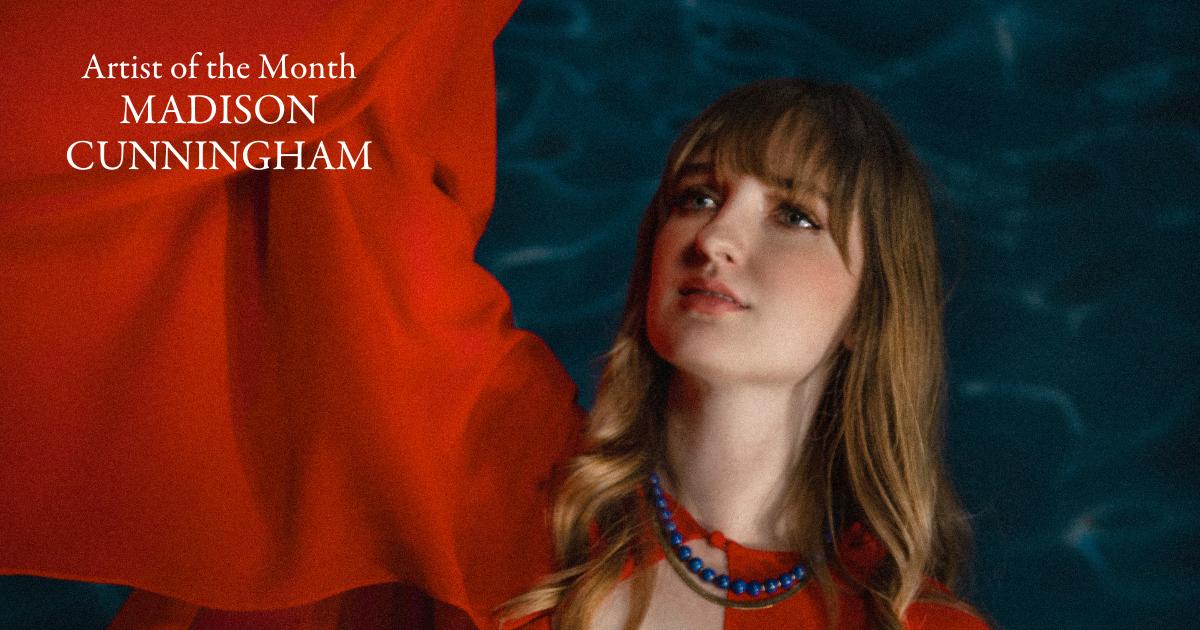
Madison Cunningham isn’t afraid to open up. Her latest album, Revealer, finds the singer-songwriter, well, revealing glimpses into her innermost thoughts, whether she’s musing on the push-pull of big dreams and life on the road in “All I’ve Ever Known” or grappling with mistakes on acclaimed single “Hospital.”
“What’s fun about writing is when you get to the place where you can make yourself laugh, or you’re excited about what’s happening,” she says. Lately, there’s a lot to be excited about. Revealer has earned the 26-year-old California native two Grammy nominations: one under Best Roots Performance for album track “Life According to Raechel,” and one for Best Folk Album. And while she’s long been a regular presence on big stages (BGS fans may recognize her from appearances on Chris Thile’s Live from Here as early as 2017), Cunningham continues to reach new audiences with wide-spanning tour dates and late-night appearances on shows like The Late Late Show, Jimmy Kimmel Live, and The Tonight Show With Jimmy Fallon.
Even when she’s bearing vulnerable parts of herself with deeply confessional lyrics, Cunningham seems like a natural on the stage. But despite a nearly lifelong devotion to songwriting and guitar, sharing her work with the world hasn’t always come easy.
“A lot of my life I felt like, as a performer, I wasn’t fully representing myself because of my nerves,” she admits. Stage fright kept her from performing for much of her adolescence, and the confident singer we see today had to work hard to overcome her own reservations. “I am proud of the live music element to what we accomplished in the last year,” she adds. “I mean, that’s most of what I did in 2022—playing shows. My band and I put a lot of time and effort into making these songs translate to a live setting.”
After playing an even one hundred shows in 2022, Cunningham unlocked a new kind of conviction on stage—one that makes the future for this young talent all the more exciting. “I worked on things that I felt like I got better at—stage presence and engaging with an audience—and my voice sounded comfortable,” she says. “I’ve always been very hard on myself for those things, and this time I felt like I broke through some barriers.”
BGS caught up with Cunningham, our BGS Artist of the Month for January, about her musical upbringing, her broad definition of folk music, and the careful balance between believing in yourself and inviting others on your creative journey—both in the studio and on the stage.
BGS: What are your first memories with music?
Cunningham: Apparently, as a kid I really wanted to play guitar at around 4 years old. I didn’t actually start playing until I was 7 and that’s when I can remember falling in love with the guitar. My dad would teach me all the chords that he knew at the pace that I was able to keep up. And then, it grew. I started taking piano lessons but I just kept getting drawn back to guitar. Those are probably my earliest memories, my dad playing and me wanting to be able to join in with him.
How did that evolve into a career as a performer?
It took a long time because I was really shy. I had a terrible case of stage fright, starting when I was a kid. Even though there was a love for it that was brewing behind the scenes, I never pictured myself doing it in front of people. So, that took a really, really long time for me to get over. I was probably 12 when I started really singing from the stage, but there was a whole new phase when I started playing my own music; I was deathly afraid to play it in front of people. I was 17 or 18 when I started to work through that and get over it. All I really knew is I loved writing songs.
You’ve been writing songs for a long time, but you’ve also found new fans through the covers you released during the height of the pandemic. What value did you find in recording music from other artists and songwriters?
It broke down certain barriers that I had for myself as a songwriter. That’s what’s so important about keeping your mind and your heart open to music that challenges you and inspires you. It opens up new ways for you to express yourself and new ways of playing and thinking about music. That’s what those covers were for me: They were linchpin artists who taught me about what it was that I loved about music. Being able to actually step inside of those songs and play them for myself taught me more about what I loved about songwriting in general, and how I wanted my songs to live on beyond myself and the moment in which they were created.
“All I’ve Ever Known” is the first song on the album, and you’ve said it was the first one you wrote for the album. How did the production come together?
That’s the one song on the album where I played everything. But initially the concept of the record was to do that for every song. Things changed; I didn’t want to be stuck in my own echo chamber of ideas and I wanted someone else to bring their unexpected artistry to this. But for whatever reason, with that song, I kept trying to redo it and invite some of my favorite musicians on it, but it just kept pulling the song in a direction that was not how it started and not where it was supposed to end. I think things should always be able to be redirected, and I’m a huge fan of course-correcting, but it felt like the spirit of the song lived in this version that was created by me. So, I left it. I added the production elements that I felt would elevate it. I’d let it sit for a little bit. At one point, I’d added too much and had to go back and turn some things off. [Laughs] But the production of that song was really just an element of me following my curiosity and having the most fun doing it.
You’re nominated for Best Roots Performance for “Life According to Raechel.” But you’ve said that you were actually deeply afraid to record that song. Why?
I was afraid that I was going to complicate it—not be brave enough to let it be the simplistic song that it was. I had recorded a version of it at home that was very much a demo, and we were going to enhance the quality and redo it and add strings. To find the balance between sincerity and theater can be really difficult, but I felt like the song needed both. Tyler Chester, who produced that song, never let me try to get too impressive with it. He kind of slapped my hand if I wanted to add something that was too frivolous or add anything that took away or pulled against the narrative of the song. A song like that is so personal. I was afraid that I would saturate it with sappiness. It was kind of on this tightrope.
The song is about losing your grandmother. Is there anything you wish she could witness about your journey since you wrote it?
I think everybody’s biggest fear, when you think about death and when you think about leaving, is feeling like nobody’s going to care, or that people will soon forget, or that everything that you worked for in your life is a loss. I would love her to see that a story about her in a song has seemingly helped other people through their own versions of grief. I think that would’ve been an impactful thing for her to see—maybe even a bit of closure. Who knows? I don’t know where she is now. Does she even need closure in any way? I don’t know. These are all questions that none of us could ever have the real answers to. But I find it fascinating that death is such a universal reality, but still it’s this massive mystery.
Revealer is nominated for Best Folk Album, but it’s clear that your music is influenced by so much more than just one genre. What elements of folk do you feel have most influenced your music?
Folk music is at the heart of the way we view songwriting today. Folk, to me, is almost just another word for singer-songwriter. The great mothers and fathers of folk like Joni Mitchell, Bob Dylan… all of those people brought to the table some real lyrical awakening. They put so much of themselves into the songs. The veil between their emotions and their lyrics was completely translucent. The melody component in folk, too, is incredibly inspiring to me. But folk is just a small word for a very, very large genre packed with so many different ideas. And people have taken it in so many different directions. I’ve been excited about a lot of it.
You struggled with stage fright in the beginning. If you could go back and tell yourself one thing, what would it be?
Probably to not worry so much about the rules around music, or the rules that people set in place. But sometimes, I would like her to come and give me advice, because there was so much less that I was thinking about back then. So much comes into play as you get older, as you’re more aware of the way that life works. I feel like the sort of oblivion, the ignorance that I got to live in at that time was so good for art.
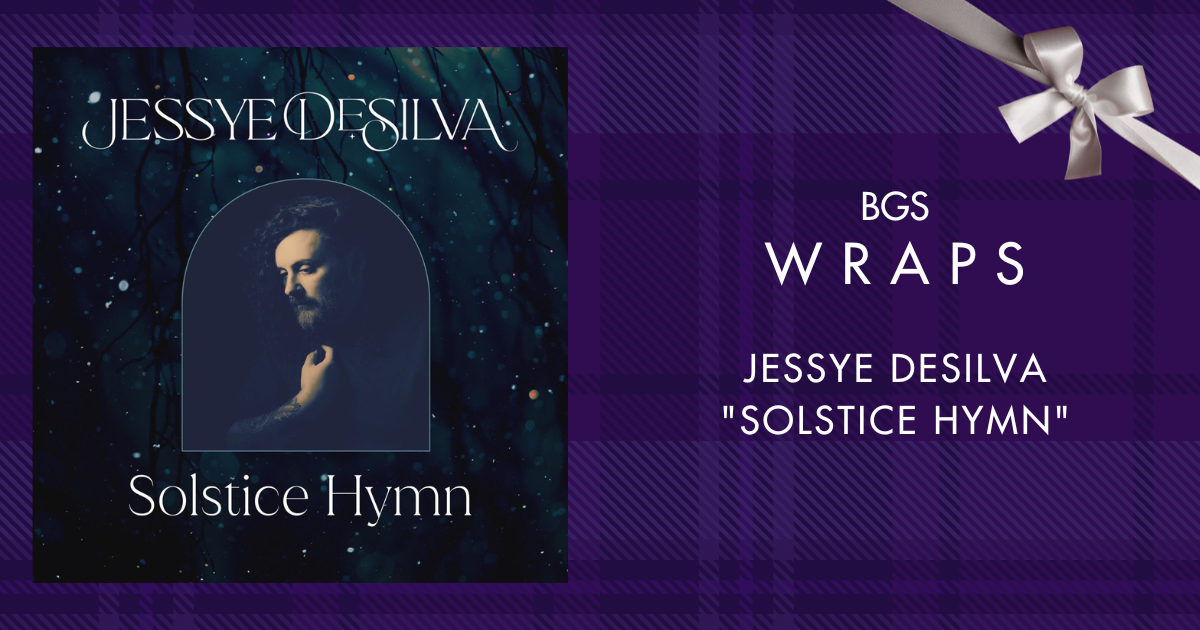
In Their Words: “I wrote ‘Solstice Hymn’ in December 2020, during the first COVID-era holiday season. Produced by Alex Calabrese of Old Tom & The Lookouts, I wanted the track to be sparse, but warm — a sort of lullaby to those of us who struggle during this season with loss, loneliness, and mental health challenges. In addition to lyrical nods to Christina Rossetti’s ‘In the Bleak Midwinter’ and Judy Garland’s ‘Have Yourself a Merry Little Christmas,’ I included a few words and images I’d crowdsourced on my social media. In production, Alex and I knew we wanted our friend Cecilia Vacanti to lend her eclectic influences to the track — particularly, references to Scottish and New England folk styles. Coupled with thick, dissonant harmonies, my hope is that the resulting track feels sort of timeless and almost like an ancient pagan hymn to the passing of seasons. Although the song may feel melancholy, my overarching message is one of hope: the light IS coming back and we CAN make it through this.” — Jessye DeSilva
Musician, folklorist, and instrumentalist Willi Carlisle is a bona fide troubadour in genres often populated by mimics and pretenders. But even so, and quite strikingly, his professional and artistic persona is not at all cast through a “greater than thou” light – or through the self-righteousness with which most creators stake their claim to the outlaw fringes of roots music. His debut album on Free Dirt Records, Peculiar, Missouri, is a testament to this dyed-in-the-wool road dog’s commitment to a populist, accessible, and identity-aware brand of country music.
Peculiar, Missouri is all at once intimate and grand. Brash and rollicking radio-ready singles intermingle with raw, “warts and all” tracks that sound live and visceral, tender and ineffable. Stories of cowhands and wagon-train cooks and circus performers and legendary figures are peppered with queer text and subtext and underlined with a class consciousness. The result is not only inspiring, it will stop a listener dead in their tracks.
But the pause that this album supplies is not due to Peculiar being demonstrably extraordinary. Just the opposite. The simplicity, the downright everyday-ness of this record is its shining accomplishment. The seemingly infinite inputs that Carlisle distills, synergizes, and offers to the listener – regional roots music, old-time country, queerness, vaudeville showmanship, folklore and storytelling, the Ozarks, poetry, and so on – are perfectly synthesized in a remarkably simple and approachable format. Peculiar, Missouri is fantastically free, but not scattered. It’s extraordinary in its refusal to be anything other than ordinary.
We spoke to Carlisle via phone ahead of his appearances this week at AmericanaFest in Nashville, where he’s excited to continue to grow the community that centers around the small business of his music. “I want to play a hundred and twenty, a hundred and fifty shows a year. I want to work my ass off,” he explains, excited for the weeklong conference and festival. “I’ve got a small business and it’s built on this group of people that I really love and that I really trust. Now I get to bring them together. It feels like a really unique and positive situation in a pretty garbage industry, sometimes!”
Our conversation began with Peculiar’s extraordinary simplicity.
BGS: I think the most extraordinary thing to me about the record is that it kind of refuses to be anything other than ordinary. And I hope that that doesn’t seem like a backhanded compliment, because to me the music feels so grounded, raw, and authentic – but in a way that doesn’t just propagate antiquated ideas around what “authenticity” is. So, I wanted to ask you how you crafted the vision for the project, because it did end up so simple, but I know that simplicity doesn’t necessarily mean building the concept for the album was simple at all.
WC: Simplicity is hard to do and I’m the kind of person that has forty ideas and maybe a couple good ones in there, so I had a lot of songs. I give a lot of credit to friends and family in Arkansas and the folks at Free Dirt for helping me figure out how to try to nail [my vision] to the wall. I wanted to play old-time music on the record. I’ve been really lucky to do square dances and play old-time music in the Ozarks for a long time. I want to be old-time music and I want to be country and I want to be queer and I want to be a poet. I want [the album] to be grounded in American literature, and also want it to be grounded in American old-time music, so that it feels like the songs are highly regional and from specific traditions that I’ve learned from.
This might make it sound like getting to simplicity was simple, but it really came down to a series of checkmarks. I want to be able to learn from Utah Phillips forever and his legacy and the legacies of the people that worked with him. So I knew I wanted to do a Utah Phillips song. I wanted to do something that felt more like a square dance call than like a capital S “song.” So we did “The Down and Back.” I’ve been setting poems to music for fun for a long time and that was why we did that song, “Buffalo Bill.” I’d always wanted to just tell a story, too, so we set a story to my own fingerpicking, because there’s a lot of that style in the ‘70s and from people I admire the most, like Steve Goodman and Gamble Rogers. It also came down to what traditions we were working in. “How do we evoke these different traditions in a way that is diverse but is unified?” At the end of the day, it might just be my voice and limited capacity instrumentally that unifies it. [Laughs]
The record feels “agnostic” to me in so many ways: The genre aesthetic (or lack), agnostic. The songwriting perspective, agnostic. The identity narratives, agnostic. The regional qualities, too. And when I say “agnostic” I mean, they all feel very defined and tangible, but not that you’re professing any one of them as traditional or as truth. You’re placing this music so specifically within a longstanding tradition of old-time country and string band music, but you’re doing it in a way that doesn’t feel like it’s trying to ensconce a “correct way” to make music.
Carl Jung, who writes the best shit [Laughs], writes about some kind of “spiritus mundi,” some kind of larger idea of the world that can bind us all together, psychologically. In a lot of these things about America, we receive these overarching stories about what it is to be an American, what it is to be free, what it is to be this, that, or the other. These stories have identity concerns, but they have to be agnostic, because they’re too general to ever be specific. Which is to say, it’s all sort of false.
I guess as I was looking at all of the historical moments that I wanted to underline, I found that the overarching narrative was that there was not going to be one. The title track is about traveling for a long time and having a panic attack in a very specific place, but also a very non-specific place, which was a Walmart. It may be the most unifying place in the country, now. I wanted to take the idea of this universal American spiritus mundi and locate it within as many specific voices that were inspiring to me. And usually those are people that tried to do folk music or vernacular music in this big, all-encompassing way.
That agnosticism, that acceptance of the duality of all things, that’s such a queer perspective. And it’s not just because of the pink album cover. [Laughs] It feels like the undercurrent and overcurrent of this record.
Yeah, it’s designed to be, it has to be inclusive. [The album] also includes voices that are on the very edge of slipping out of existence. It also sort of includes failure and incompetence and foolishness and folly. I think a lot of our “sad bastard,” dude country – which is really one of my favorite genres, it ain’t me ragging on sad, sad country. [Laughs] “Tear in my beer,” I’m 100% behind that! But for some reason we’re willing to valorize those feelings, but not valorize historical discomfort and the total dissipation of huge groups of feelings. And [we valorize] money.
Like, if I was going to do a Utah Phillips song, the one to me that fit the most was “Goodnight Loving Trail.” One, because it’s stone cold banger and two, because it’s about a cook on a wagon train. And if I think that somebody is going to get the idea that I’m going to talk about rootin’ tootin’, gunslinging, and stuff, I wanna fight that with, “Here’s a song about the emotional condition of a pissed off cook who stays up all night playing melancholy songs on his harmonica.” That’s it! There’s nothing else, the only message of that song is we get old and we die. We outlive our youthfulness, and to what end?
“Sad bastard” or, as I like to call it, “sad boi country” – sad boi anything is so, so hot right now. Especially this kind of idea of “sad boi” or “dirt boi” country, and it’s really prevalent in Americana. But I feel like this record is turning that new-ish trope on its ear. Something about straight, cis-, white, privileged men self ascribing “sad boi” or “dirt boi” always rings untrue to me as a listener. But Peculiar, the sadness intrinsic in it doesn’t seem like “sad boi country” to me, because it does have that queer thread. Do you agree or disagree?
Well, the title of the record is intended to be a pun: “Queer sadness, peculiar misery.” I guess I would include that. I think there are perfect sad boi country songs out there. Formally, I don’t really have anything against the form, I just want to do my own version of it. If I’m totally honest, that’s mostly the way it comes out. That tends to be the way it comes out, in this format. I have written songs that go in circles around, I guess, a more normal sort of self-indulgent sadness, but I’ve never felt them to be my best work. It’s nice to lean into the thing that hurts you, I think that there’s power in that.
I think that a lot of that sad boi country is angry at women, or is saying, “I’m no good and women hate me.” Or, “I’m no good and my mama knows I’m no good.” Or there’s “I’ve tried to be good and I can’t.” Instead of like, looking inward and being like, “I want to be better, I need to be better. My problems are my own.”
I want to talk about production, because one of the things I love about the record is that you’re playing with sonic space so much. Some of the songs are placed very close to the listener, like a radio mix. Others are really quite distant and you play around in that space, kind of mischievously at times. Where did that production quality come from and why was it important to you?
Well, I don’t want to take credit after the fact. It was the idea of the producer, Joel Savoy, who essentially was like, “Hey, I’ve got this old vaudeville theater, I’ve never gotten to use it, but I think that you could spread a couple tracks out in this old theater.” It’s like hundreds of years worth of people dancing in this theater, it’s just gorgeous. I also told him, “Look, I want a couple tracks ready for the radio. I want to be able to take a real shot.”
On the other level, it’s just me and an instrument. I want it to sound like I’m sitting on the edge of somebody’s bed and they’re sitting with the covers pulled over them. That’s pretty much what I said [to Savoy]. A lot of the production is me having an interest in the record reaching some kind of minimal commercial viability, I want to say pretty clearly that that’s an intentional move. I know that I can make a record that will never reach commercial viability. I just got nominated for an award in outlaw country and that really just means I’m not ever going to reach commercial viability, but they do agree that I’m country. [Laughs]
I wanted to be able to share the project and create a couple of things that would invite people in that might never normally hear the message on the record. But, if I was only known for the tracks that were radio-produced, I wouldn’t like that at all. The idea is to invite people into the whole record.
I’ve said quite a bit, what’s more outlaw country than being anti-normative, anti-idyll (in this case, read: queer) in country music? That’s what I feel like is coming through in “I Won’t Be Afraid,” because it’s not outlaw country in that it’s professing that you must forsake emotion and forsake heart and forsake these sort of non-masculine, anti-normative ideals to be outlaw. It’s outlaw in a way that embraces otherness and any form of the other can be outlaw. To me, it’s not a song that’s just a personal declaration, but also an industry-wide one. And it’s more than that, too.
The song came out all at once. It was one of those crying fit songs. I was like, “Okay, that’s a crying fit song, I know what that is. That goes deep in the drawer and we don’t really bring that one out.” Well, I did share it with a couple of people and they liked it. At the point I recorded it, I’m still, I’m just… I almost used the phrase “a sack of shit,” but I guess I wanna say I was an absolute mess in that place. I was not able to contain the feelings I was having in order to play a G chord. I think that does give it a quality that I like, but also gives it a quality that I wish I could, oh, slap a little tape or a little rouge or something on it.
As far as outlaw stuff goes, I made up this saying that outlaw shit is kissing your buds and dancing like your grandma is proud of you. [When I came up with that,] I was thinking about how hard it is to do. And what kind of risk it entails, to actually feel happy with yourself and happy with where you come from. …I do agree, on some level, with the maxim from the outlaw country guys early on that it’s about doing things your own way and it’s about not doing what the institution tells you to do. But that’s also a marketing scheme that’s appeared on T-shirts at Spencer’s in the mall ever since I was a kid, right? It’s not going to work for me. I want to revise it. I’ve gotten some kickback over the virulence with which I might be revising it, but we’ll see how it goes. I don’t think my career’s over or anything. [Laughs]
What’s more outlaw than people saying you’re not outlaw?
It’s a snake eating its own tail!
Photo credit: Lead photo by Tim Duggan, square thumbnail by Jackie Clarkson.
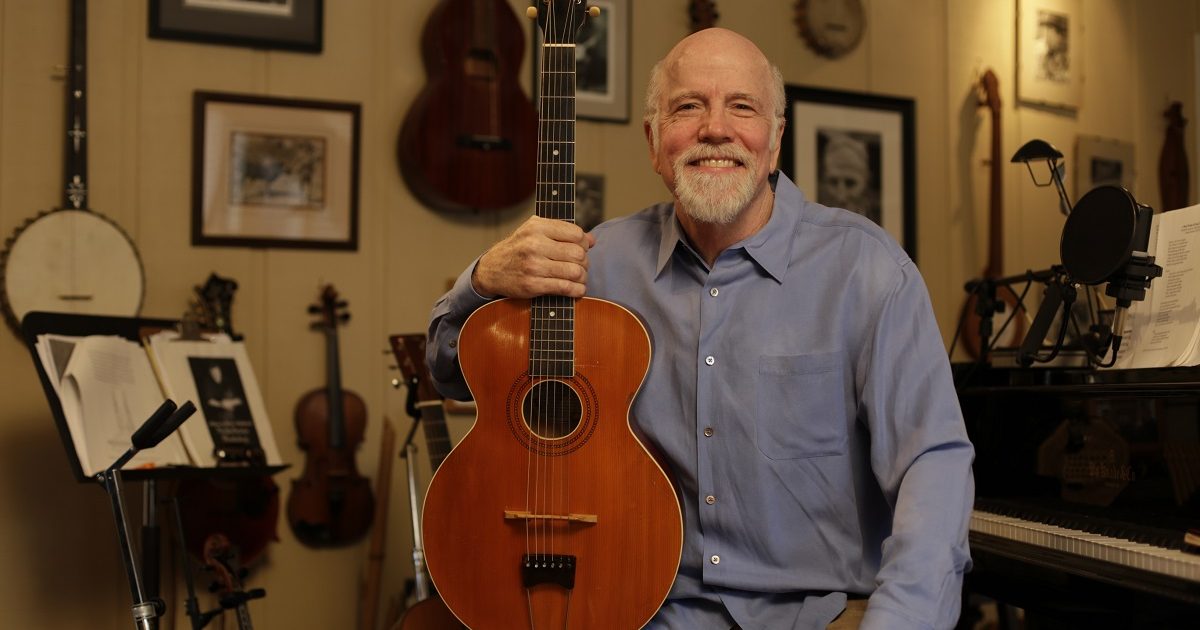
Artist:John McCutcheon Hometown: Smoke Rise, Georgia Song: “The First Ones” Album:Leap! Release Date: September 2, 2022 Label: Appalsongs
In Their Words: “My wife Carmen and I have a little cabin in the north Georgia mountains, a writing retreat. It stands on land that is, historically, belonging to the Tsalaguwetiyi, the Eastern Cherokee Nation. One day I sat on the porch and wondered at the very first humans to come to this particular land. I later learned that the camp of Chief Whitepath, the leader of the people that settled there, was just below our cabin. I guess we both found shelter, peace, and home in the same spot.
“This is one that I did not record in my home studio, but rather when I came up to mix at Bias Studios in Virginia. I played all the instruments on this one, so I laid down the guitar, sang, and then added the autoharp at the end. I went all Carter Family on this one, as the melody is a little reminiscent of ‘When First Unto This Country,’ a traditional song I know. I played for many years with Janette Carter, the daughter of AP and Sara Carter of the original Carter Family, so that approach to a song is built into my musical DNA. Being as it was a song about finding a sense of ‘home’ in a place, it seemed a natural place to go for this one.” — John McCutcheon
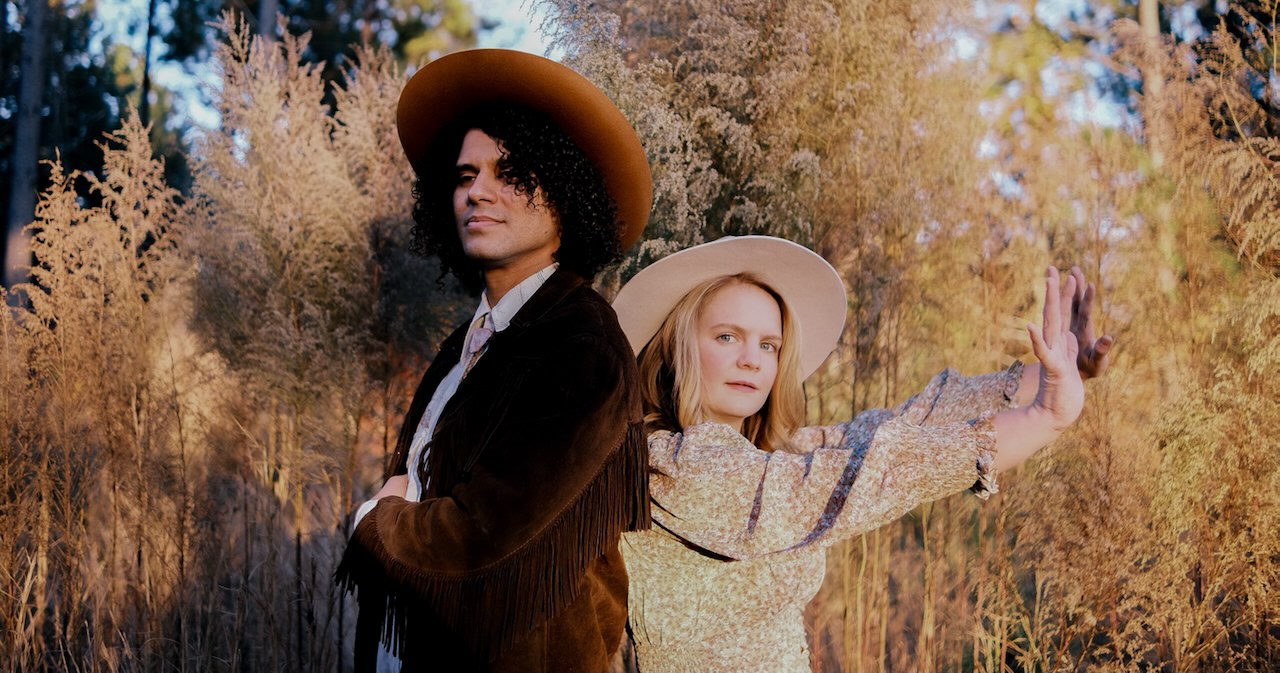
Americana duo Violet Bell‘s new album, Shapeshifter – out October 7 – tells a story of the mythological selkie, a mermaid-like creature from Celtic folklore that embodies a form that’s half woman, half seal. In their retelling and reshaping of this ancient folk narrative, they tease out its connections to the transatlantic journey of American roots music, to the cultural and social melting pot of the “New World,” and to agency, intention, and self-possession.
A concept album of sorts, the music is remarkably approachable and down-to-earth, while the stories and threads of the record tell equally ordinary and cosmic tales. At such a time in American history, with fascism once again on the rise and attacks on bodily autonomy and personal agency occurring with greater frequency at every level of governance, Shapeshifter offers a seemingly timeless lens through which to engage with, understand, and challenge the overarching social and political turmoil we all face on the daily. Moreover, it’s an excellent folk record, demonstrating Violet Bell’s connections to North Carolina, Appalachia, and the greater communities that birthed so many of the genre aesthetics evident in the album’s songs.
Shapeshifter is a gorgeous exercise in community building, an artful subversion of societal norms, and a stunning folktale packaged in accessible, resonant music with a local heartbeat and a global appeal. Read our interview with duo members Lizzy Ross and Omar Ruiz-Lopez and listen to a brand new single from the project, “Mortal Like Me,” below.
BGS: I wanted to start by asking you about community, because I know it’s always very present in your music making. I feel it, definitely, in Shapeshifter. Not only because you’ve got Joe Terrell and Libby Rodenbough (Mipso), Joe Troop, and Tatiana Hargreaves on the project, but because I can feel that community is a tent pole of this record. What does community, musical and otherwise, mean to you in the context of this project?
Lizzy Ross: It was such a wild time to be making the record because it was March of 2021, so vaccines hadn’t quite happened yet and we had all been on lockdown for about a year. We were obviously really missing our community and the live music community. There was also this strange thing, where our friends who would normally always be on the road all the time were at home. So we had an incredible opportunity to call up people, like calling up Tati and Joseph and Libby and Joe Troop – who lived in Argentina but came home because of COVID! The way that it worked out, people were around and we were able to convene and make this album in circumstances that probably wouldn’t have been possible, because everybody would have been on the road.
Omar Ruiz-Lopez: Or, [we would have had them] recording remotely. Which is not the same. One of the reasons why I play music is because of the community. That ability to bring people together and share music and hold space together, the energy that comes from that is so vital to the human experience. Getting to create that space, to bring an album to life, there’s not much else in this world that I live for, besides that. Getting the opportunity to bring everybody together, especially after such a big isolation, was so life-affirming and helped bring me back to why I make music in the first place.
That’s definitely palpable in the music itself, but also in the overarching viewpoint that y’all have within this record. I also find that it’s very grounded. You might have heard BGS just released our first season of a podcast called Carolina Calling, about North Carolina’s history through music. One of the through-lines that keeps coming up in all of our interviews is that North Carolina specifically has such a strong sense of musical community. Even though this is kind of a story record and kind of a concept record, it feels very grounded in North Carolina and in the South.
LR: Omar and I are kind of mongrels from the non-South. But we’ve come and steeped ourselves in this land and these traditions and this community, so I think that what our music reflects is the internal sort of “musical diet.” Our musical diet is probably atypical when you consider what most people think of as North Carolinian or Southern music. The music we were listening to going into this even, we were listening to a lot of Groupa–
ORL: Groupa is a Scandinavian folk band that makes these albums based on music from different countries, like Iceland, Finland, and Sweden. I feel like anything that’s not from here is called “world music,” but their brand of folk music is very beautiful and out there and organic and grounded in the different traditions they represent on their albums. It’s mostly instrumental music, it’s pretty powerful. We were listening to that a lot, as well as Julia Fowlis, a singer who sings in Gaelic primarily. Those cultures – Scottish, Irish, Scandinavian folk – they’re related to the music here like old-time, bluegrass, and Appalachian folk traditions of fiddle and banjo.
To bring it back to the question, I’ve been here for twelve years. I was born in Panama and raised in Puerto Rico listening to Spanish and Latin folk. When I say Spanish, I mean Spanish-speaking, the language of our colonizers. But there’s something still not-from-Spain in the native, Indigenous musical and cultural influences in that music. Like in Bachata and Cumbia. Then I moved to the States and fell in love with rock ‘n’ roll and more of the singer-songwriter tradition here.
LR: Originally I came here for school. I grew up in Annapolis, Maryland, where I didn’t really find a musical community. There was one, I just didn’t find it. When I came to North Carolina it was the first time I saw people gathering together over a potluck and music, with like shape note singing and like the Rise Up Singing book. Having this experience of big, group harmonies I had this realization more and more that music could be a part of my daily life in a way it hadn’t been as a child. Or, rather, as a way of public, shared daily life. Because it was always part of my life, but it was part of community life here in North Carolina. That was a big element of how music and North Carolinian music in particular drew me in and captured my heart.
Can you talk a bit about the central storyline of this album and how you picked up the mythos of the selkie and turned it into this project?
LR: The story of the selkie came to us and it’s something that is in the culture, it’s floating around. Many folks have seen the movies Song of the Sea or The Secret of Roan Inish. The first song that came to me, Omar and I were at the beach one day and I was playing on the banjo and this song came out. It was “Back to the Sea.” We were in the Outer Banks of North Carolina at that time, at the ocean, and I was kind of just listening for who this character is and what they are saying. It was a selkie. It was a selkie singing of getting to return home.
I would say that coming home to ourselves is one of the central themes of this album and one of the themes the selkie story really brings into focus. The whole myth is centered around a being, a mystical ocean being, who gets yanked out of her native waters and forced to live in a world that doesn’t understand her and wasn’t built around her existence. To me, there’s a really clear connection. That story is a medicine for the cultural wound of when we don’t fit into the prescribed paradigm of power. If we don’t fit into white supremacy or if we don’t fit into normativity or if we don’t fit into patriarchy. It’s the sense of feeling like we have to cut off parts of ourselves that aren’t compatible with those power structures so that we can be acceptable to the power structure at-large.
This story says, “No, don’t do that.” You can reclaim the parts of yourself that you’ve had to orphan in order to survive. You can reconnect to those pieces of you and you can come home to yourself. It speaks to integrating who we are, the characters of the land and the sea in this story are really powerful to me. The sea, to me, is this cosmic force. It’s a pervasive, creative, destructive, loving, mysterious force that the selkie comes out of. It doesn’t follow the rules of the land-bound world. To me, it’s like the structures and hierarchies of our culture – whether it’s capitalism or something else.
One of my questions was going to be about how queer the record is, and not just Queer with a capital Q, but also a lowercase Q, the idea of queerness as just existing counter to normativity. But it’s not just a story of otherness, it’s a story of otherness in relationship to embodiment. In the South right now especially, but in this country in general, embodiment is under attack. Whether we’re talking about COVID-19 or abortion access or trans rights. There’s something in this record that speaks to all of that.
LR: I think one of my experiences [that informed this music] is that I’m in a female body. There’s a line in one of the songs, “I Am a Wolf” – that song is two parts. First is the fisherman speaking, he’s kidnapped the selkie, taken her out of her native waters, he’s made her come be his bride, and he’s like, “Why isn’t this working?” It sucks, he’s lonely, he thought things would be better. The second half is the selkie responding and she says, “I am a wolf, not a woman.” That’s the first thing she says. That was something I said at one point, when I was connecting with a sense of deep grief and rage within myself around what I felt were the prescribed cultural parameters of my existence.
ORL: The people who made this album were mostly by BIPOC people and [people who fall outside those norms]. Joseph Sinclair and I are not white and Joe, Tati, [Lizzy], and I are not straight. I feel like a lot of different perspectives went into making this album. We didn’t just get white, straight dudes to make this album and it felt good that way, getting different musical perspectives on this. We could have just made it ourselves, that’s the other thing. I’m a multi-instrumentalist and Lizzy is a harmony singer, we could have overdubbed to kingdom come. Part of the reason why we got all these people together into the same room is because of their unique perspectives on the traditions they brought to the table.
LR: This thread about embodiment is really important and by asking this question you’re helping me articulate something that I’ve been sitting with for months, a year, as I’ve been thinking about the writing and the words and characters in this story. And also, what is it for me in this story that I’m trying to unravel with this album. Also on a cultural level, what are we talking about here?
The selkie, her skin is taken away from her in a moment of innocent revelry. The story starts with her dancing in the moonlight on a rock and that’s when the fisherman steals her skin. When I think about the people that I know and love, I think a lot of these systems are violent towards people whether or not they fit within the system’s perception of dominant power. When I think about the six-year-old version of a person or whatever version of a person was able to un-self-consciously dance or feel good or go into their mom’s closet and put on her clothes and makeup and not feel ashamed – there’s a different version of this for literally every person and what that means. That innocent revelry, it’s experiencing oneself not through the eye of an external observer but through the juicy presence of embodiment and joy and a sense of wholeness and rightness in your being.
Everybody’s had the experience of having their “skin” stolen from them. When you get yanked out of your sovereignty, your joy, your bliss. You get catcalled, you get shamed, you get this or that. There’s violence done to you, whether it’s physical or not, there’s that sense of losing your skin, when we start to separate from ourselves and regard parts of ourselves as less than. I think that dysphoria is a really important part of this story and this album. When we don’t experience ourselves or feel ourselves as the cultural perceptions tell us we’re supposed to be, whether it’s a question of gender or color, this feeling of not being at home in our bodies, I think that was a lot of what really resonated with me, even unconsciously, about the selkie. One of the ways that it took root and grew in my consciousness and eventually in our shared consciousness, between me and Omar and the folks who are on this music.
As a picker I have to talk about “Flying Free” and “Morning Girl,” because I think having instrumentals on this record makes so much sense. I have some ideas about how they fit into the story, not just based on the titles, but also based on how the tunes are so evocative like the rest of the project. Why, on a record that feels like a concept record, why instrumental tunes?
LR: Words are our inheritance from so many of the same structures that can oppress us. And they’re also our freedom. Words allow us to develop and communicate concepts and they also contain hierarchies and power structures that we may or may not really need. The name of the song, “Flying Free,” and the fact that it’s instrumental, to me it’s like this somatic sensation of the selkie plunging back into the sea and the joy of being reunited with her home waters. Which to me is her sense of self, her sense of worth and safety and agency.
ORL: Sound, organized sound inside of space, one of the powerful things about it is that we are able to attach emotion to it. It’s kind of beautiful how two people could feel similar things listening to one piece of music. When it came time to put together the songs for this album, there were a handful of tunes that came up that weren’t asking for words. But that totally helped paint the picture of the world of the selkie and what she was going through.
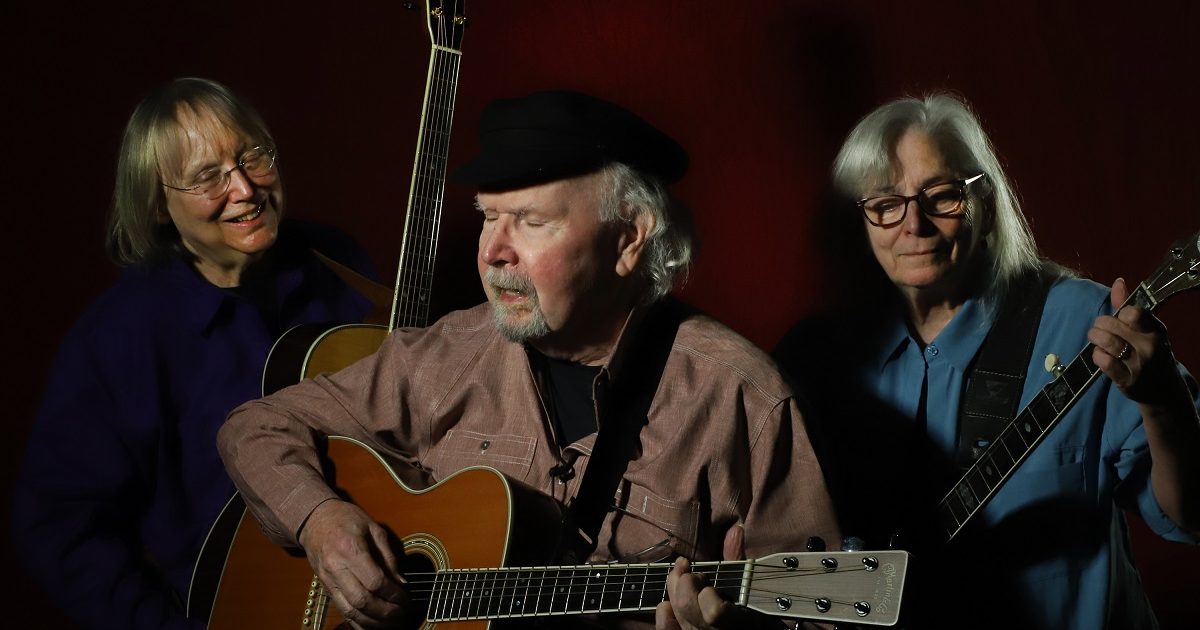
In Their Words: “When Tom and I wrote ‘Since You,’ we had a goal of creating a happy bluegrass love song with a harmony chorus. We also wanted to create a song that other bluegrass and country artists might want to sing. We liked the idea of alternating verses so we could both be lead singer. It’s one of many bluegrass songs we wrote — a little generic in order to make it easily sung by anyone. Good energy, good vibe, happy tempo, trio harmonies, and rockin’ bluegrass band. We were writing a song a week together and every few weeks we’d focus on a love song or a bluegrass song, and this one nailed both! And as we thought of both the album and performances, this song fits nearly anywhere.” — Cathy Fink
Artist:Lauren Balthrop Hometown: Nashville, Tennessee Song: “Thank You” (featuring Maya de Vitry) Album:Things Will Be Different Release Date: August 12, 2022 Label: Olivia Records
In Their Words: “I co-wrote this song one December morning in 2019 (the before times) with Maya de Vitry. When she got to my house, I started telling her about this deeply painful day the previous week during Thanksgiving. Without going into too much detail, that day brought closure to a relationship that was incredibly hard to leave behind. I had pinned a lot of hopes and dreams on that relationship. She had gone through something similar and what felt like a therapy session turned into this song about different stages of grief around past relationships. ‘Someday I’ll thank you when I’m ready to.’ Now having lived with this song and its recording, a new meaning has taken shape. The lyrics have come to be a conversation with myself and learning to love and let go of my own disappointments.” — Lauren Balthrop
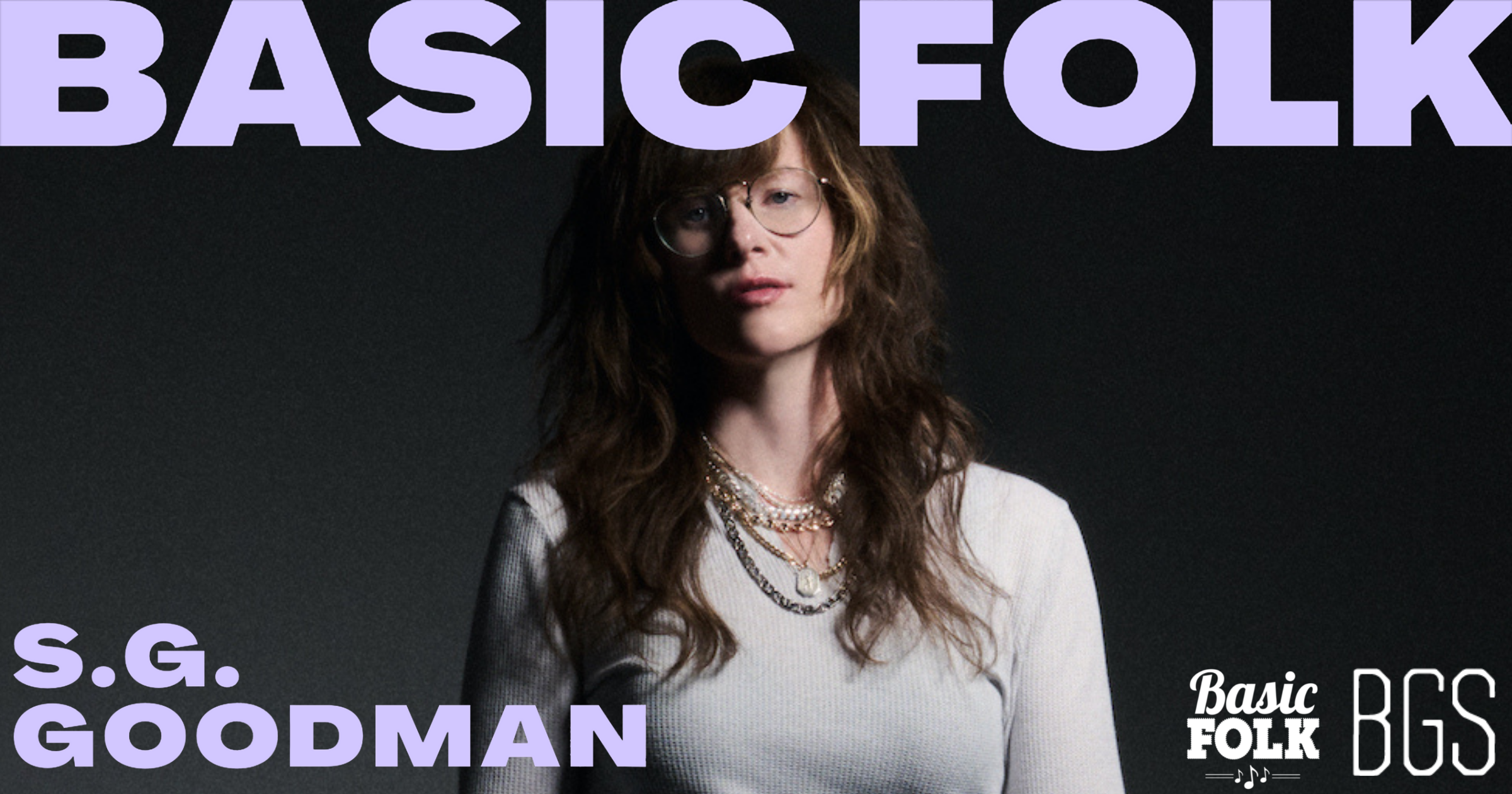
S.G. Goodman’s Kentucky upbringing is front and center in a lot of her songwriting. She is an artist concerned not just with her roots, but also with what it means to stay and invest in community even when it is hard. We started our conversation digging into the DIY music scene that inspired S.G.’s Jim James-produced debut album, Old Time Feeling.
Goodman’s new record, Teeth Marks, portrays the scars of love and grief. It is a complex, rock-inflected album rooted in relationship. Whether telling a story of romantic love, playfully establishing a connection between the artist and audience, or interrogating a community’s attitude toward the “other,” these songs made me think long and hard about what we are really doing when we talk to each other.
S.G. was also down to talk religion and politics, addressing which issues she wishes more artists would discuss in their works. She is a serious person, a singular artist, and a fascinating person to talk with.
Photo Credit: BK Portraits
This website uses cookies to improve your experience. We'll assume you're ok with this, but you can opt-out if you wish.AcceptRejectRead More
Privacy & Cookies Policy
Privacy Overview
This website uses cookies to improve your experience while you navigate through the website. Out of these, the cookies that are categorized as necessary are stored on your browser as they are essential for the working of basic functionalities of the website. We also use third-party cookies that help us analyze and understand how you use this website. These cookies will be stored in your browser only with your consent. You also have the option to opt-out of these cookies. But opting out of some of these cookies may affect your browsing experience.
Necessary cookies are absolutely essential for the website to function properly. This category only includes cookies that ensures basic functionalities and security features of the website. These cookies do not store any personal information.
Any cookies that may not be particularly necessary for the website to function and is used specifically to collect user personal data via analytics, ads, other embedded contents are termed as non-necessary cookies. It is mandatory to procure user consent prior to running these cookies on your website.