LISTEN: Sally & George, “Keepin’ Time”

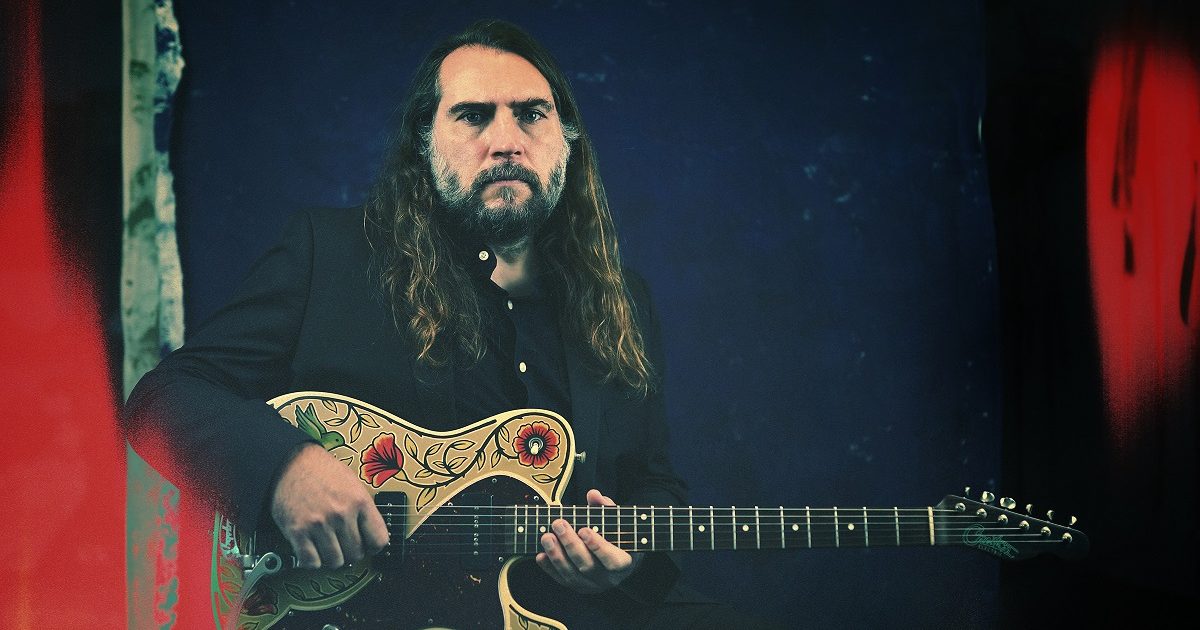
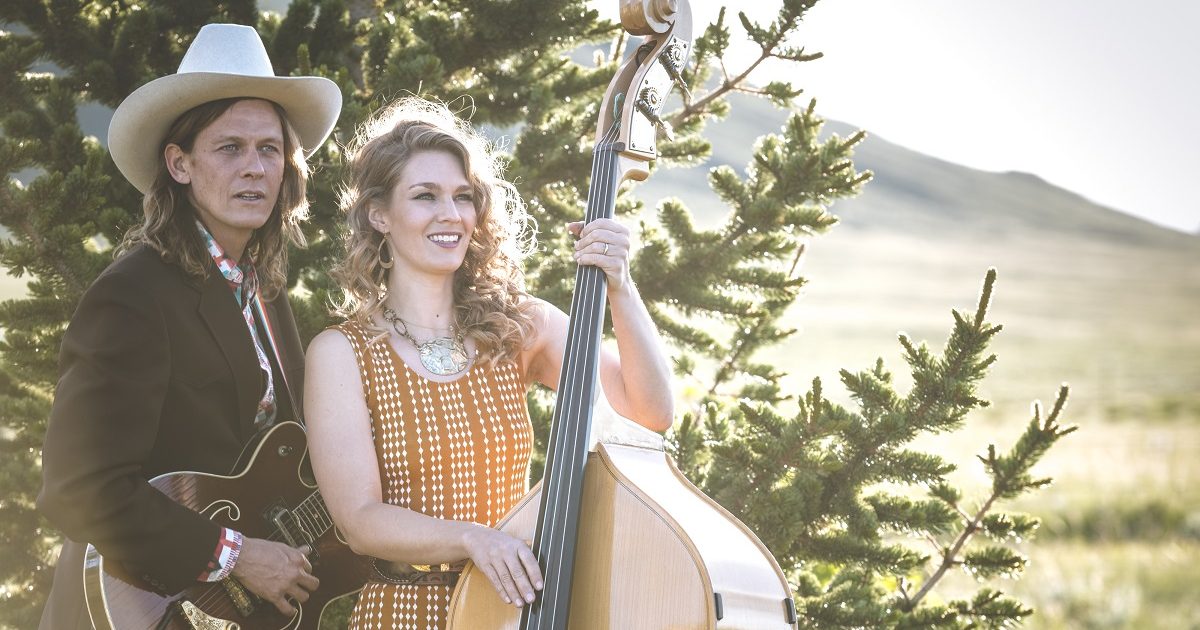
Artist: Sally & George
Hometown: Nashville, Tennessee
Song: “Keepin’ Time”
Album: Take You on a Ride
Release Date: October 30, 2020

In Their Words: “Hailed as the Prince of Folk Alliance International, songwriter Robby Hecht helped bring ‘Keepin’ Time’ to life in a three-way Nashville co-write. Recorded live in Laramie, Wyoming, Shelby’s upright bass holds down the beat while Joel meanders around the fingerboard of his guitar. Lyrically, ‘Keepin’ Time’ harkens back to the early days of our relationship, when Joel toured full time with Sol Driven Train and Shelby kept a busy schedule globetrotting with Della Mae. Ironically, with our 2020 tours now cancelled and the world in varying stages of COVID lockdown, we have been together constantly since March. Like many couples experiencing a plunge into full time companionship, the challenge now lies in keepin’ time and space for self care.” — Shelby Means and Joel Timmons, Sally & George


Photo credit: Molly McCormick Photography

LISTEN: Andrew Grimm, “A Little Heat”

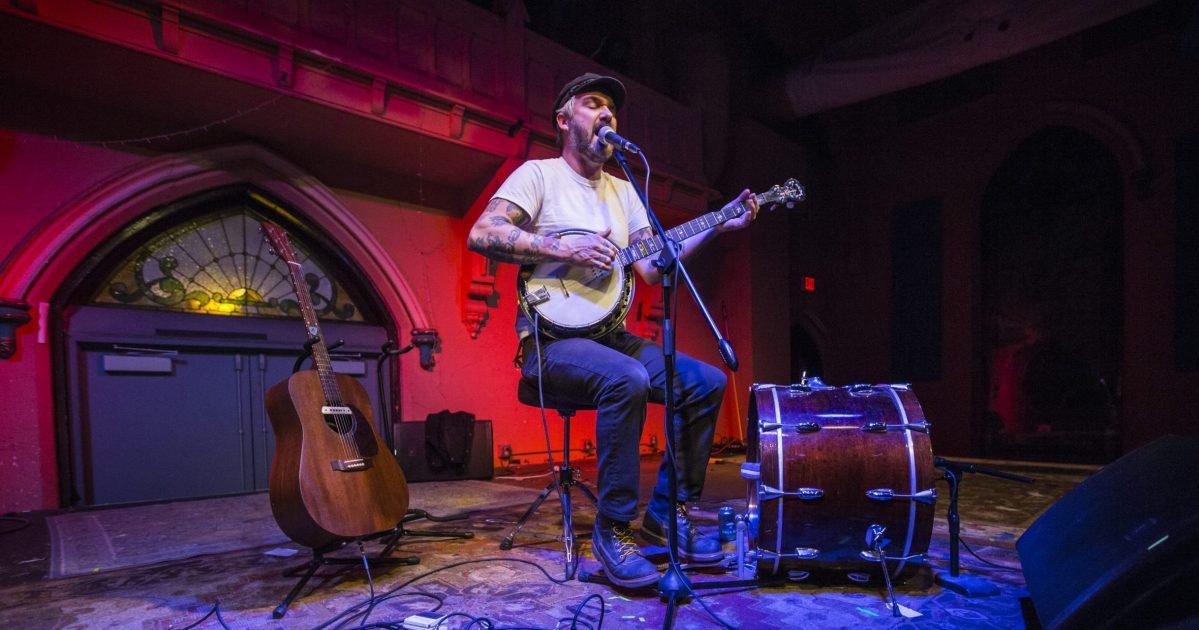
Artist: Andrew Grimm
Hometown: Baltimore, Maryland
Song: “A Little Heat”
Album: A Little Heat
Release Date: October 30, 2020
Label: WhistlePig Records

In Their Words: “This song is a departure from the rest. I cannot offer up dark and depressing ideas without suggesting some type of a salve or solution. That’s the deal here: when we start seeing each other as humans, when we smash our phones, when we begin to trust each other, when we thaw the frost between us, we will come out the other side of crisis, together. ‘All we need is a little heat.'” — Andrew Grimm


Photo credit: Chad Cochran

On ‘I’m With You,’ William Elliott Whitmore Puts Family Wisdom to Use

Over the last few years, William Elliott Whitmore has been thinking a lot about how we – as individuals and as a society – have a tendency to repeat our mistakes, and how we’re always trying not to. Yet the tone of his new album, I’m With You, is still infused with optimism, which often stems from the wisdom he’s learned from his family.

I’m With You is Whitmore’s first album of new material in five years, though its material wouldn’t sound out of place alongside his early songs like “Old Devils” or “Don’t Need It.” As always, his banjo and guitar are central to the album’s sound, while his raspy singing voice remains an effective tool at getting his point across.

Though the album does have some heavy themes, Whitmore often points out the silver lining in a situation, and moreover, he’s comfortable chatting up a stranger — a trait not uncommon to the Midwest. He spoke with BGS by phone from his farm in Lee County, Iowa, where he’s quarantining with his wife and their six-month-old baby.

BGS: There are several family relationships that you reference in the album’s first song, “Put It to Use,” and you’ve had family members as characters in your songs for a long time. Why is that bond with your family so inspiring?

Whitmore: Yeah, the bond with my family has always been inspiring. I’m pretty lucky in that I’ve got a big family that’s close by. Aunts and uncles and cousins. My folks were great people, full of wisdom and just caring, beautiful people, but through different circumstances they passed away when I was in my teens. So, that’s when I started writing songs, and in fact, that’s what made me start doing that — to codify what they had always been teaching me. And as a way to deal with it and not just go off the deep end. They pop up in songs a lot, and have since the beginning.

I don’t have them here, so I just think about their words of wisdom and lessons. I think we all get those lessons from someone, whether it’s your folks and a grandparent or a neighbor or a cool uncle or aunt. That cool person down the block that introduced you to The Ramones when you were a kid. [Laughs] It’s like, “Hey, check out Black Sabbath!” So you go, “I should listen up.” Not just music, but lessons, and we can gather that from anywhere. “Put It to Use” is about, OK, you’ve gathered all this good information. Now, put it to use. And more than just music — let’s try to love each other.

Was it someone in your family that introduced you to banjo?

Yeah, both of my grandpas played the banjo. One of them passed away when I was one year old, so I never knew him, but I actually have his old banjo. And one died when I was in my teens, and he was a banjo picker from the Ozark Mountains down in Missouri. My folks loved country music. My mom loved Willie Nelson and Charley Pride – those were her favorites. And in fact, my parents’ first date was a Charley Pride show at a county fair.

But [my interest in] the old-time stuff, Appalachia music and Ozark mountain music, came from my grandpa, and he played the banjo. When he passed away, I got his banjo because I was into playing guitar. I was like, “Oh, the banjo… it’s not THAT different than a guitar.” And I inherited all of his old records. He loved Roy Acuff and the Stanley Brothers. Again, it’s getting that influence from wherever you can.

Were those records your gateway to bluegrass? How did you become aware of bluegrass?

Yeah, those records. … He had a lot of compilations with 15 different artists on one record. You’d find out about a bunch of different stuff, like how Bill Monroe pretty much invented bluegrass by playing old-time music faster than everybody else. [Laughs] And the subtle differences between that and the old-time, slower stuff. A lot of it does have to do with tempo. The feeling is there for all of it, but Bill Monroe kicked it into that next gear.

It’s this whole rich history that’s really cool, and there’s still a lot to learn about, too. So I took that bluegrass influence, but I also liked Minor Threat and Bad Religion and Public Enemy, growing up in the ‘80s and ‘90s. There’s a theme running through all of this — punk and country and bluegrass and blues. Using simple tools to convey a message. No matter where you come from or what color you are, there’s a way to do this.

One thing you do well on this record, in my opinion, is setting the scene. While a lot of songwriters write primarily about themselves, or about love, you are writing about what’s around you. When did you become interested in environmentalism, for example?

That’s a great compliment, first of all. I’m right here on the farm I grew up on, and I’m very lucky to have that. So, the woods and nature and planting gardens — my folks were both naturalists. They wouldn’t have had the word for that, but they loved the land and they appreciated nature. That was passed on to us kids, the appreciation for the trees and the plants and the deer out in the field, and how we live among them and we’re part of it. We’re not above them. The grass in the meadow, the flora and the fauna that we see all around us, we’re just a part of that.

So it just doesn’t make sense to me, as an adult, why anyone would want to pour oil in the water, or level a whole forest, and cut every old-growth oak tree in the forest, just for the money! You want to live in harmony with nature, and sometimes you do have to cut a tree, but you want to be selective and do it in a smart way. … There are so many ways to do it mindfully. That’s my slant on it, and it all comes from living in the woods and living on a farm, and being instilled with those things at an early age.

Listening to your older records, I was struck by how much your singing voice has become more commanding. Did that come from you having to sing on stage, and use it as an instrument? At what point did you sense that your voice was becoming stronger?

That’s another great compliment. I didn’t even know if it was, but you know, it’s funny how things change over 20 years. I first started touring — gosh, it’s been over 20 years ago now. I used to smoke a lot of cigarettes and a lot of weed. … Well, maybe don’t write down “weed.” Oh, whatever, I don’t care. I just had a fucked up voice, but it was all I had. I was like, I wish I could croon like Dean Martin and Morrissey or Ralph Stanley, and have a beautiful voice, and I could never quite get there. So you just work with what you got, right?

So, I quit the cigarettes – and only the cigarettes. [Laughs] My voice changed after that, maybe, but it did come with playing a couple hundred shows a year, for years, and just being on stage, at least in the beginning, where they didn’t know who you are. It’s hard to be a presence when you’re by yourself. I was doing a lot of punk clubs and DIY spaces and bars, where they might not even care that you’re there. So you do have to make your presence known. I had to be more commanding. I am a loudmouth anyway, so it was natural. Put a microphone in front of me and I’ll make you listen! [Laughs] “I’m gonna start singing and you’re gonna wanna listen!” was my attitude, which is funny now.

But that did help me use it as almost a cudgel. Over the years, I’ve tried to sharpen that and make it more of a surgical thing and not a blunt instrument. [Laughs] I mean, I’m only dealing with guitar, banjo, and voice, and a beat — a kick drum now. Each one of them has to count. Any would singer would tell you, you take the time to write these lyrics, and in a live setting they just get lost. You’re just hollering. You have to learn to cut through. … Now it’s a bad habit to break because I’ll be singing in a quiet place, where everyone’s sitting down and listening and no one’s talking, and I’m just yelling like someone needs to hear me ten miles away. It’s those years of screaming over a bar room. I can’t shut it off.


Photo credit: Chris Casella
The Show on the Road – Mipso

This week, we feature one of the leading roots-pop bands working today: Mipso. An affable and endlessly-creative quartet formed in Chapel Hill, NC, they are made up of fiddle player Libby Rodenbough, mandolinist Jacob Sharp, guitarist Joseph Terrell, and bassist Wood Robinson.


LISTEN: APPLE PODCASTSSPOTIFY • STITCHERMP3

Despite the anxious mood of their swing-state home base, it’s quite an exciting time for Mipso. Host Z. Lupetin was able to catch up with Libby and Jacob (via Zoom of course) to discuss their lushly orchestrated, self-titled record which just dropped last week; and if you walk down 8th Avenue in Nashville this week, you might catch a billboard with their sheepish grins large in the sky.

How did they get here? It’s hard to find a group where every member can effortlessly sing lead and write genre-bending songs that fit seamlessly on six acclaimed albums — and counting — in under ten years. Earlier standout records like the breakout Dark Holler Pop, produced by fellow North Carolinian Andrew Marlin of Mandolin Orange, and Edges Run, which features a veritable online hit in the broken-voiced, emotional “People Change,” show how Mipso appeals not only to folk fest-loving moms and dads, but also their edgier kids, who appreciate their subversive turns of phrase and playful gender-ambiguous, neon-tinted wardrobe.

As Z. found out during his conversation with Libby and Jacob, the band nearly broke up after a series of grueling 150-shows-a-year runs, a scary car wreck, and the pressure of putting out Edges Run for their rapidly growing fanbase. The forced slower pace of this last year and a half has been a gift in several ways — allowing the group to catch their breath and hole up to write more collaboratively than ever. The shimmering sonic backdrop that gifted producer and musician Sandro Perri was able to bring to the Mipso sessions at Echo Mountain studio in Asheville really makes the songs feel like they could exist in any era.

You wouldn’t be alone if you heard the connection between the honey-hooked newest record with the timeless, mellow-with-a-hint-of-menace hits of the 1970s (looking at you James Taylor and Carly Simon). Songs like “Never Knew You Were Gone” show off Terrell’s gift for gently asking the deepest questions, like where he might go when he transitions to the other side in a “silvery fire,” or the sardonically nostalgic “Let A Little Light In,” which wonders if the soft-focused images we have of the peaceful, boomtime 1990s (when Mipso was growing up) could use some real scrutiny. Rodenbough’s silky fiddle work stars throughout –and her courageous, vulnerable lead vocal on “Your Body” may be the most memorable moment on the new work.

Stick around to the end of the episode to hear mandolinist Jacob Sharp introduce his favorite contribution, “Just Want To Be Loved.”


Photo credit: D.L. Anderson

LISTEN: Justin Farren, “Fixer Upper”

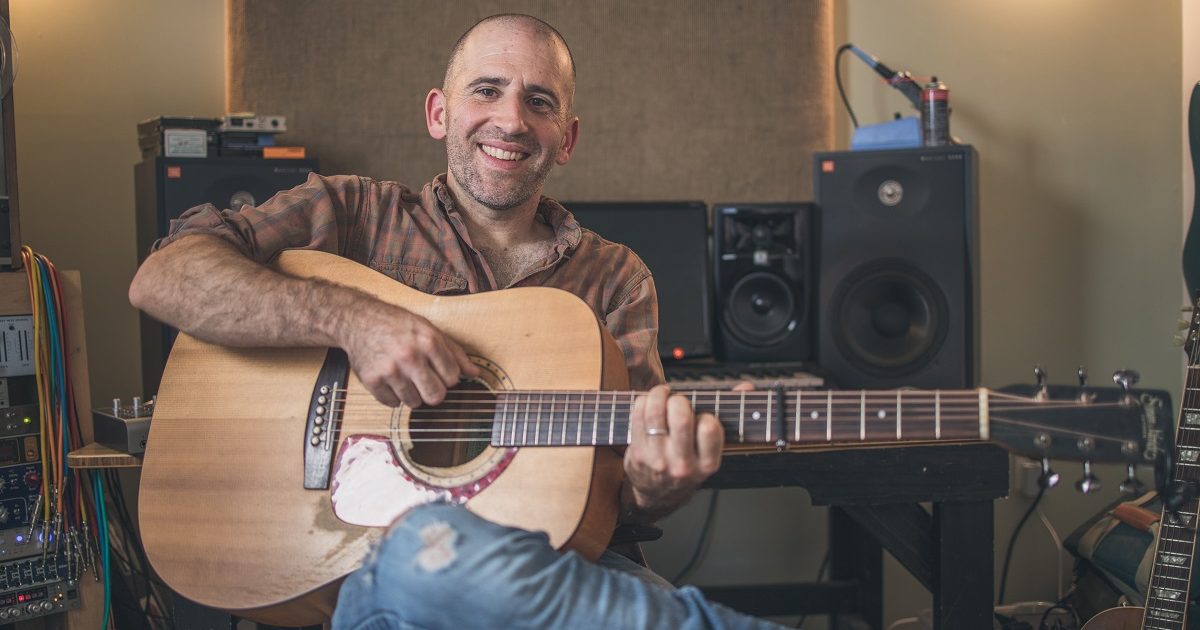
Artist: Justin Farren
Hometown: Sacramento, California
Song: “Fixer Upper”
Album: Pretty Free
Release Date: October 23, 2020

In Their Words: “A reflection on the experience of building the home I currently live in with my wife and daughter. With no previous experience, we broke ground in 2004 and finished construction in late 2007. As the financial market collapsed, our janky new home was initially appraised at a value less than the cost of the materials it took to build it, let alone the three years of exhaustive labor. I felt dumb. 🙂 On the whole album, I used the only acoustic guitar I’ve ever owned. It’s a cheap Simon & Patrick I bought when I was a teenager. The electric guitar is a Les Paul Standard that a friend left at my house 12 years ago. I’m not much of a guitar nerd. I feel like they’re all pretty similar. I took an acoustic approach on this song because it’s about building a home. So a natural ‘wooden’ sound seemed right.” — Justin Farren


Photo credit: Wes Davis

LISTEN: William Prince, “Gospel First Nation”

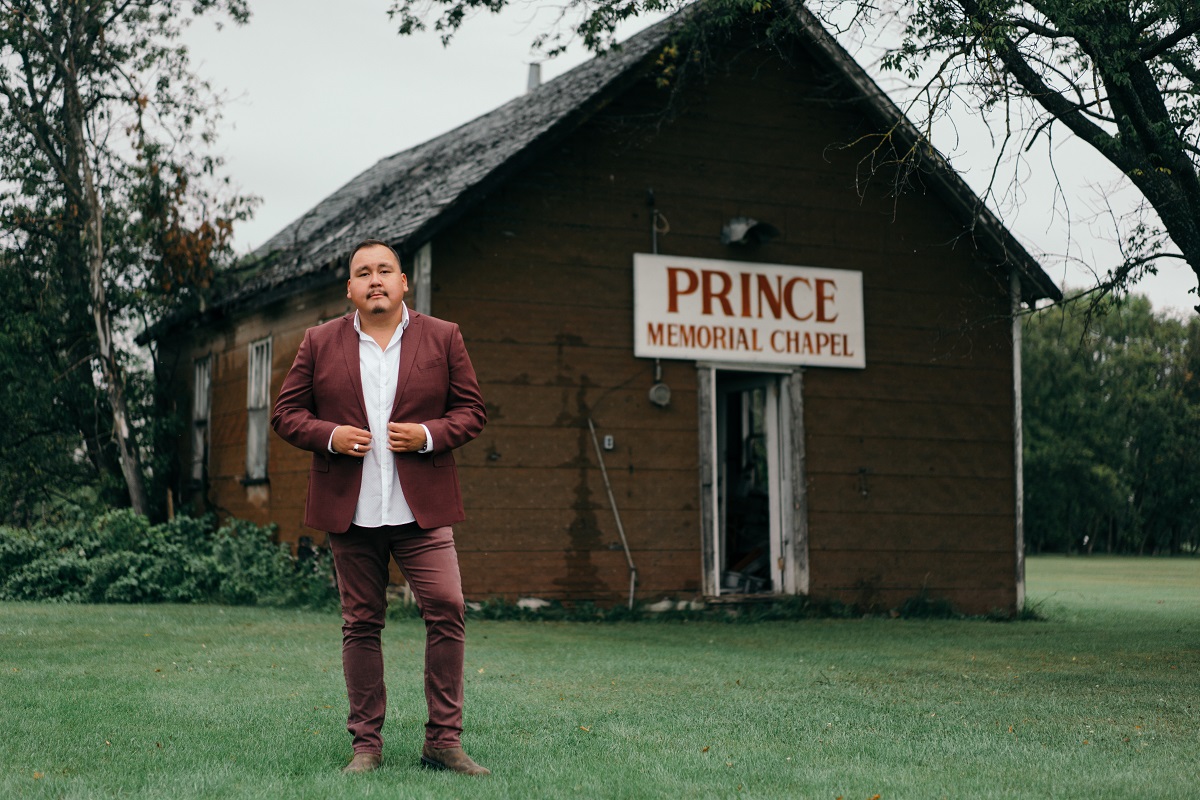
Artist: William Prince
Hometown: Peguis First Nation – Manitoba
Song: “Gospel First Nation”
Album: Gospel First Nation
Release Date: October 23, 2020
Label: Glassnote

In Their Words: “Gospel is by definition ‘the good news.’ These songs were capable of lifting spirits in the darkest of times. I witnessed it on many occasions. They provided hope and relief. A subject I addressed earlier this year. Maybe that message needs continuing throughout this time. I am as much the grandson of Chief Peguis, the founder of Peguis First Nation, as I am Edward Prince Sr., one of the founding Christian pastors of that same community. Gospel First Nation is an amalgamation of two very important realms in my life.” — William Prince


Photo credit: Jsenftphotography

LISTEN: Sarah Dooley, “Is This Heartbreak?”

Artist: Sarah Dooley
Hometown: Brooklyn, New York
Song: “Is This Heartbreak?”
Album: Is This Heartbreak?
Release Date: October 23, 2020

In Their Words: “This song is kind of the thesis statement of the album. I wrote it when I was falling for someone, and terrified. I’d been burned badly fairly recently and yet there I was, making myself vulnerable again. You feel like an idiot. Like, will I ever learn? It’s about that terrifying moment where you lose control and let emotions take over. Your brain’s instinct is always to protect your heart, and attempt to prepare for the two options that every relationship presents: ‘is this love? is this heartbreak?’ But ultimately, living a full life means taking that plunge, regardless of future pain, fully knowing the devastation that may wait for you on the other side.” — Sarah Dooley


Photo credit: Carly Hoogendyk

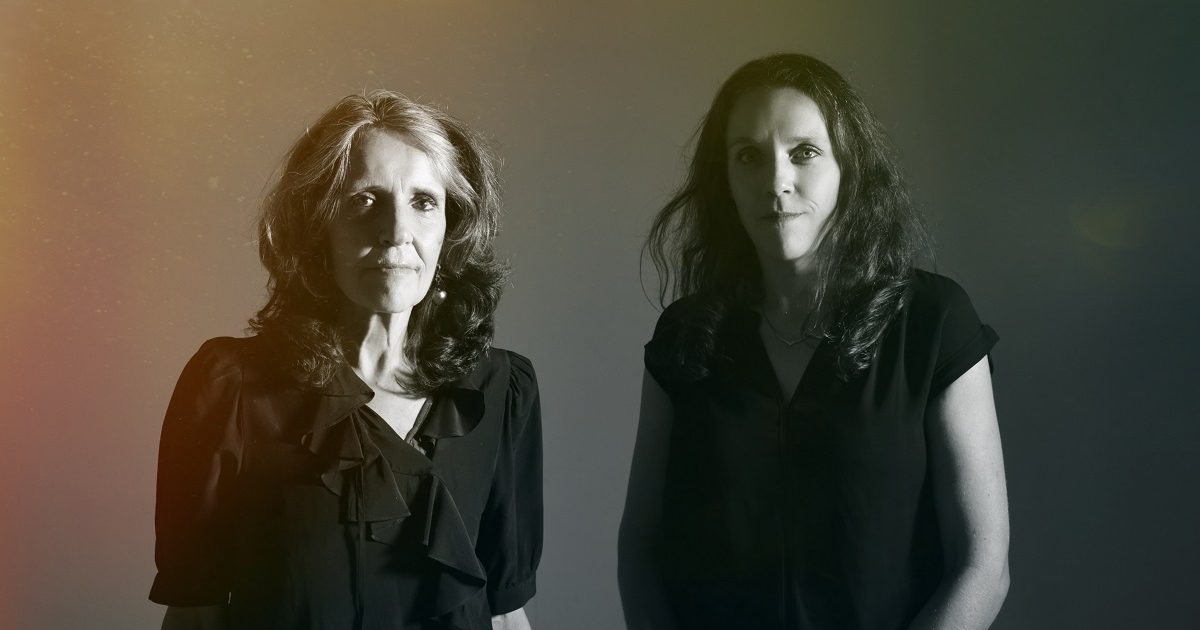
LISTEN: Suzzy Roche & Lucy Wainwright Roche, “Jane”

Artist: Suzzy Roche & Lucy Wainwright Roche
Hometown: New York, New York
Song: “Jane”
Album: I Can Still Hear You
Release Date: October 30, 2020
Label: StorySound

In Their Words: “For my 16th birthday, my aunt Terre gave me a cassette tape of some demos that she and my aunt Maggie recorded in 1973. ‘Jane’ was one of the songs on the tape and it was immediately one of my favorites. The song had never been included on any album, and for many years I thought it would be a great song to record. It finally found a home on this album. I particularly like the line, ‘It’s like remembering rain in the sun, or remembering sun in the rain.’” — Lucy Wainwright Roche


Photo credit: Shervin Lainez

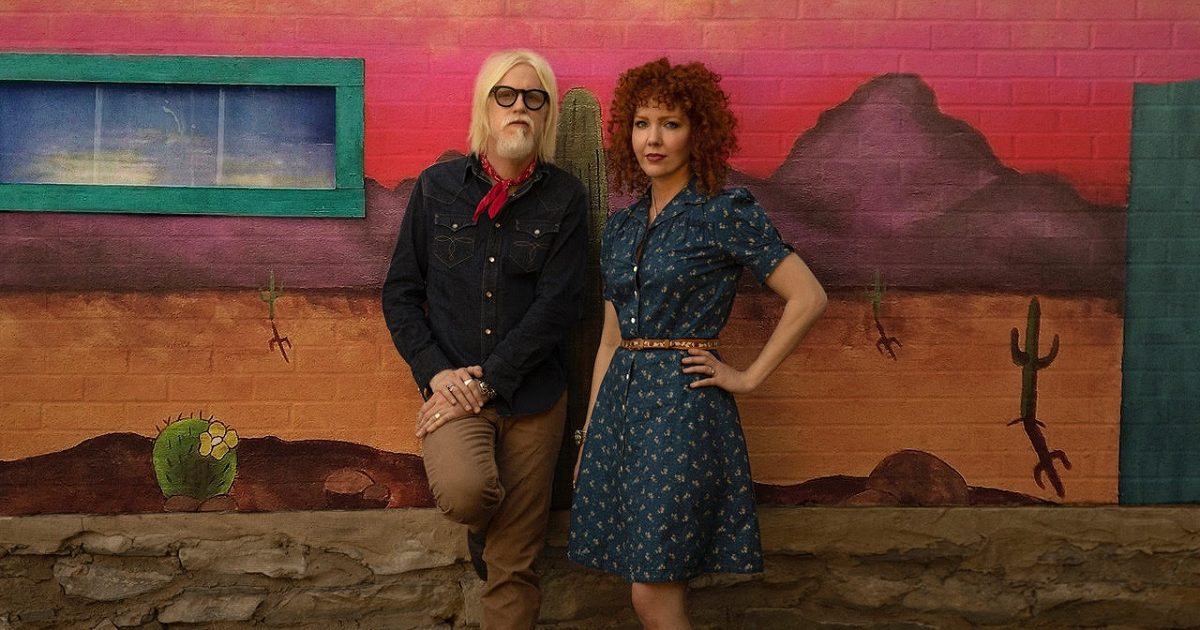
LISTEN: The Mastersons, “I’m Your Girl”

Artist: The Mastersons
Hometown: Los Angeles, California
Song: “I’m Your Girl”
Album: Red, White & I Love You Too EP
Release Date: October 16, 2020
Label: Red House Records

In Their Words: “We watched the first episode of Ken Burns’ Country Music and Eleanor wrote this after trying — unsuccessfully — to go to sleep.” — Chris Masterson

“I had Maybelle Carter’s guitar in my head and a little bit of Townes Van Zandt’s and Woody Guthrie’s spirits guiding me. I already had the first verse, which is more abstract, written down in my notebook and then I started thinking about the plight of immigrants today and the rest of the song just flowed out.” — Eleanor Masterson


Photo credit: Curtis Wayne Millard

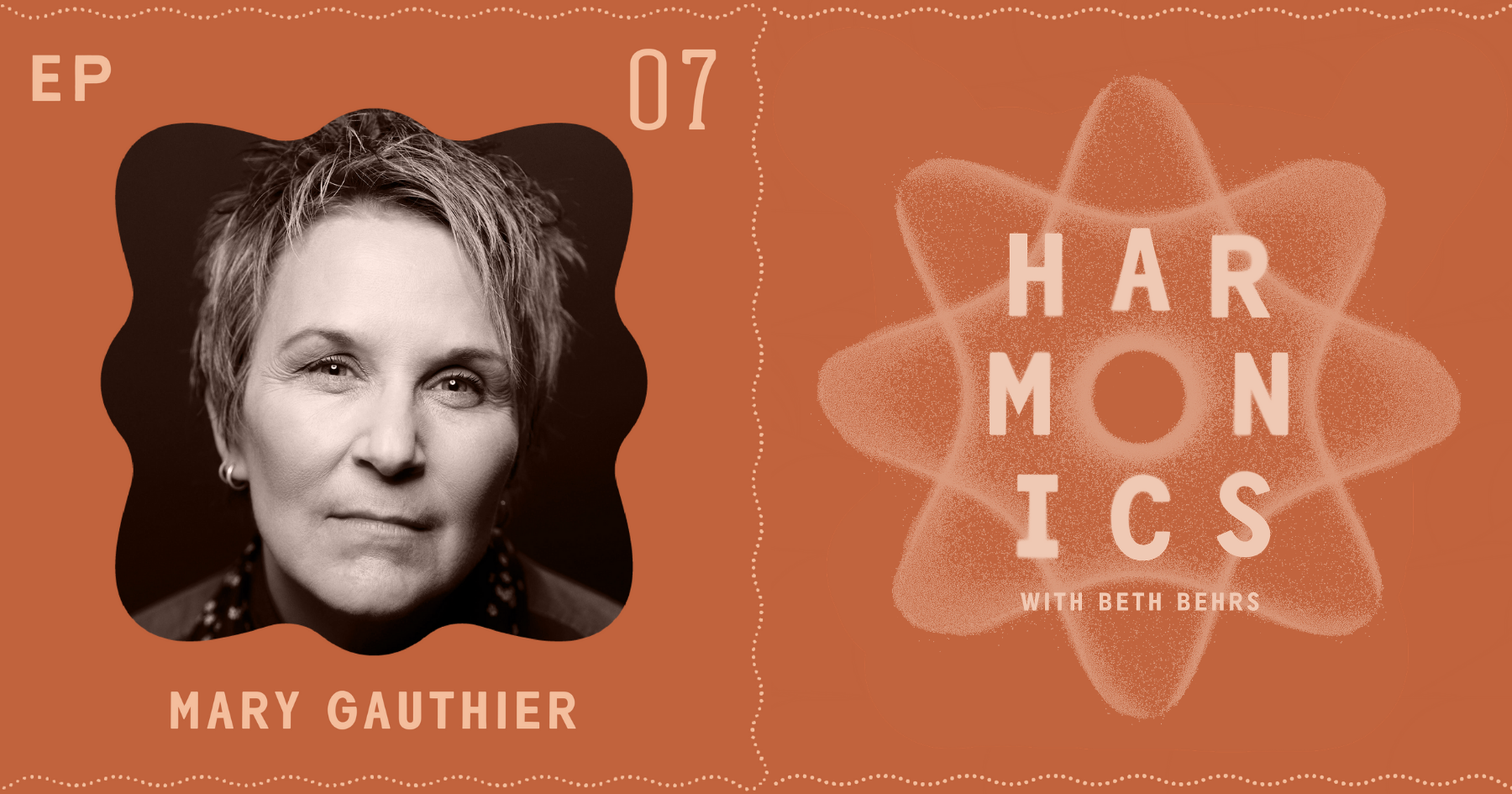
Harmonics with Beth Behrs: Episode 7, Mary Gauthier

Singer, songwriter, activist, and all-around badass Mary Gauthier joins host Beth Behrs on this episode of Harmonics. The two talk about why superheroes are so often adoptees and orphans (and vice versa), the power of songwriting for veterans of the armed forces, her last live show immediately before the shutdown, and so much more.


LISTEN: APPLE • SPOTIFY • STITCHERAMAZON • POCKET CASTS • MP3

Mary Gauthier’s name is spoken with reverence in songwriter circles. She’s won countless awards from organizations like the Americana Music Association, GLAAD, and Folk Alliance International, and was nominated for Best Folk Album at the 2019 Grammy Awards.

A Louisiana native, Gauthier has been releasing her own music for over twenty years, but her 2019 record Rifles & Rosary Beads brought a whole new level to her art, when she collaborated with the Songwriting With Soldiers project to put wounded veterans’ stories to song.