Editor’s Note: Each issue of Good Country, our co-founder Ed Helms shares a handful of good country artists, albums, and songs direct from his own earphones in Ed’s Picks.
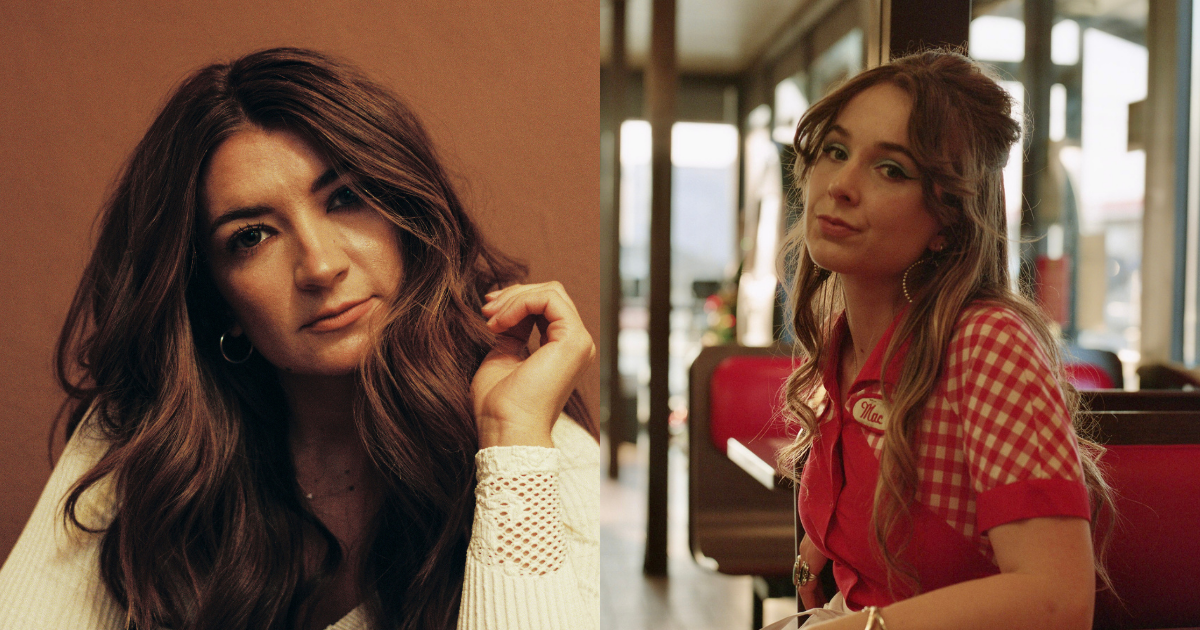
Suzanne Cox (of the GRAMMY-winning bluegrass band the Cox Family) and her son, country singer-songwriter Brandon Ratcliff, are taking the internet by storm with their lovely and tender familial harmonies. Their duets have racked up millions of views and likes on social media, leading to a new EP, Mother/Son Volume 1, and a recent appearance on the Grand Ole Opry. Those voices!
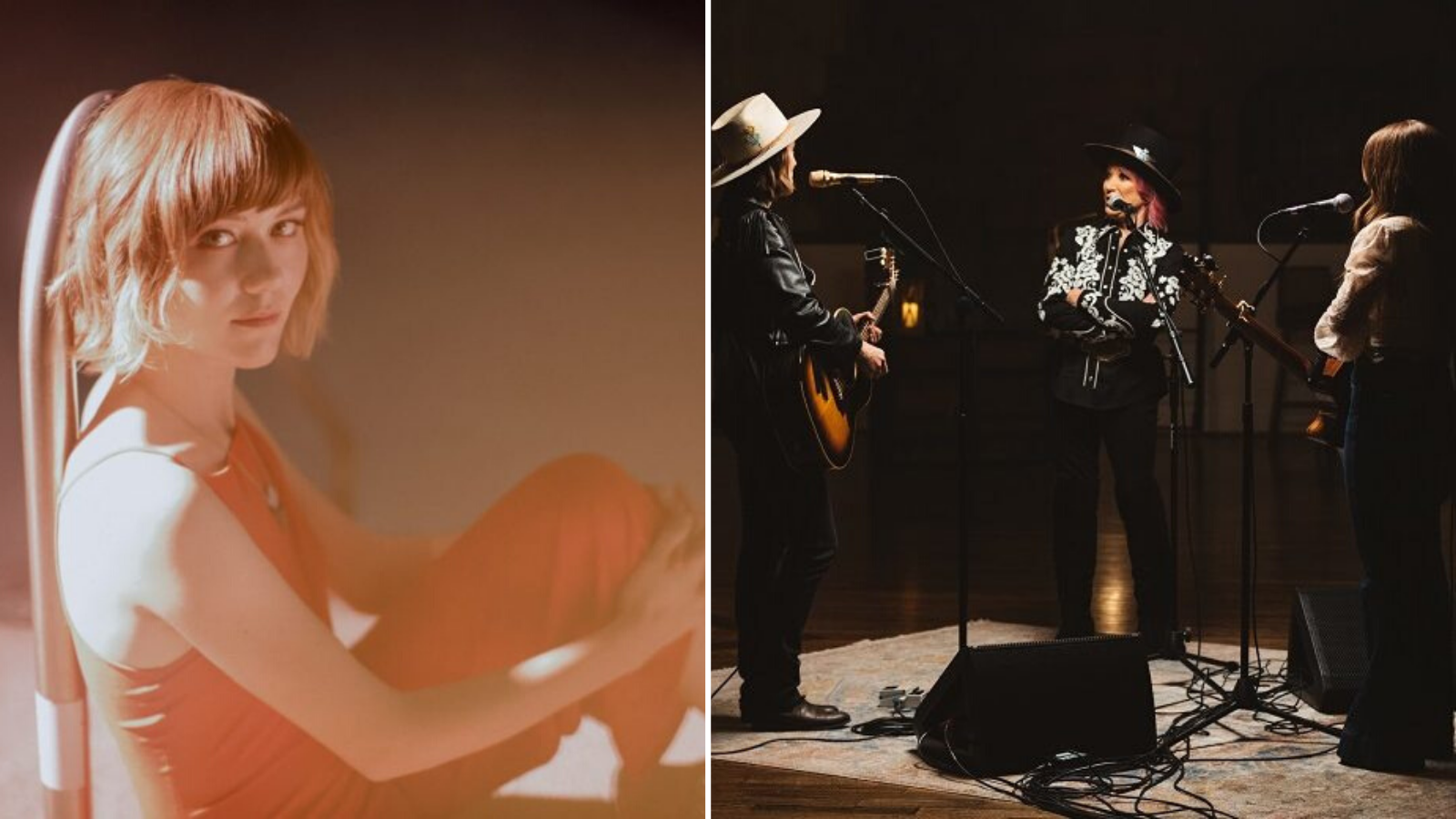
You may have seen, I’ve had the good fortune of getting to spend a lot of quality time making a film – and doing plenty of banjo pickin’! – with Rhiannon Giddens recently. Since shooting An Ode to Mary Jo together, I keep going back to Rhiannon’s catalog of recordings and cannot get enough. This duet with fiddler Justin Robinson is from her most recent release, 2025’s What Did the Blackbird Say to the Crow. Fantastic old-fashioned, down-home fiddle and banjo music drawn from North Carolina.
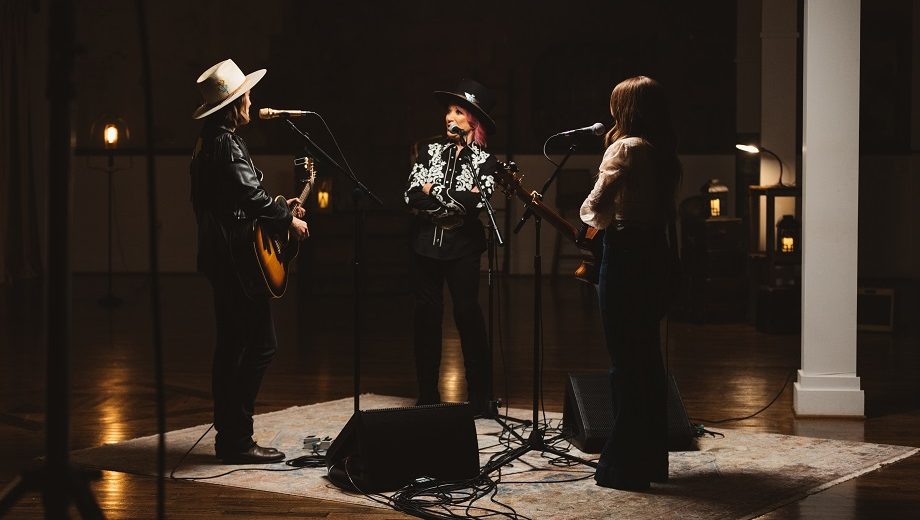
I’m with I’m With Her, too. One of our favorite trios in Americana and bluegrass released a brand new live album today, Sing Me Alive, packed with 20 tracks captured at performances across the country and in Canada. Many familiar favorites can be found alongside cover songs and tracks they’ve never released before. Here, they’re joined by Ye Vagabonds in Rocky Mount, Virginia, on “Rhododendron” in November of 2025.
Our Good Country and BGS Artist of the Month, Tenille Townes, released the first full-length album of her independent era last week. As she describes in our exclusive Artist of the Month interview, she took a much different approach to recording this music, doing most of the tracking herself, alone. The songs are deep, meaningful, and cathartic – and damn good. But it’s not an entirely solo album, as I’m With Her (how perfect) and Lori McKenna both feature on tracks. Hear McKenna join Townes on the title track, “the acrobat.”
Our old pal Charlie Worsham is back at it – though he truly never stops. A sideman, radio and podcast host, session player, songwriter, and artist, Charlie does it all. He’s got new music of his own out and the GC team can’t wait for more. As he usually does, he’s once again calling on his superlative cohort of friends in Music City. On his most recent single, “They Never Do,” it’s Lainey Wilson joining in. From some teases on social media, though, we’re expecting many more special guests on Charlie’s outings in the future!
Listen to this issue of Ed’s Picks in one YouTube playlist here.
Listen to the full Ed’s Picks archive playlist here.
Want more Good Country? Sign up to receive our monthly email newsletter – and much more music! – direct to your inbox.
Photo Credits: Suzanne Cox & Brandon Ratcliff by Chase Hentges; Rhiannon Giddens by Karen Cox; I’m With Her by Alysse Gafkjen; Tenille Townes by Madison Rensing; Charlie Worsham courtesy of the artist.
Editor’s Note: Earlier this month, we shared our exclusive Artist of the Month interview with Tenille Townes exploring the many factors and creative processes that brought about her excellent new album, The Acrobat.
That interview, with BGS contributor Alison Richter, included many more golden moments and special tidbits that ended up cut for length, so we’re excited to share portions of those edits here as a bonus follow-up to our feature conversation. Below, enjoy Townes’ insight, wisdom, and feelings about her songwriting methods, collaborating with Lori McKenna, trusting herself at the helm of her new album, and more.
And, continue exploring all of our Artist of the Month coverage of Tenille Townes – and our Essentials Playlist – right here, on Good Country and BGS.
Songwriting
I have a notes thing on my phone that I’m always picking at. I also have random voice notes in my phone from airplane windows. There’s something about the perspective of zooming out. I think about songs differently up there, so there’s plenty of voice memos of me singing into the window seat with the hum of the engine.
Songwriting is so interesting because it calls you to be present in the moment. When I’m more present, I notice songs around me anywhere. It’s the gift of paying attention. I push myself to keep working on that, striving to notice what’s happening around me and how I feel about it. That’s what inspires me to keep writing.
Working with Lori McKenna
I love Lori so much. Talk about somebody with lived experience, and also she has this way of completely disarming any sort of fear. Obviously she’s a legend. She’s a hero to me. She’s been that forever. When I first moved to Nashville, I saw her play a round at the Bluebird [Cafe] and I was like, “I want to write songs like that someday.” I dove into her whole catalog and learned so much from studying her work. There’s such vulnerability to her writing and there’s so much she isn’t afraid to say. She’s paved the way for so many writers. We’ve all learned from her.
I’ll never forget when we got to write for the first time. I was so nervous, but she made me feel at home and listened to and valued all the things. I had the best day. A lot of times people will say, “Be careful about meeting your heroes.” That could be the farthest thing from the truth about Lori. She’s over and beyond what you would expect. From that, we struck up a friendship and have gotten to write a ton of songs through the years.
She invited me to Boston and I got to spend a few days with her, writing in her music room. I loved every second of that trip. A lot of the songs on this record came from that time with the two of us together. She was always so encouraging about my work tapes. She was like, “You should really make a record of that someday.” So it’s full circle to me to have some of our songs together on this project.
It made sense to extend the invitation, in case she was up for singing on “the acrobat,” and she ever so graciously said yes. It was such a great experience getting to work on that with her. She starts singing as the fortune teller in the song. She enters around that line, which is such a timely entrance because she’s got this perspective of wisdom that comes from lived experience and from somebody who’s a complete master of the craft. I respect her so much, and I’m so glad to call her a friend.
I was maybe four or five songs in. Honestly, if I’d sat down at the beginning of it and gone, “I’m gonna produce a record,” I’m not sure I’d have ever started. I had so much fear and anxiety at that time – that plan never would have worked. But it’s like this record guided me along its way.
I got a few songs done and sent it to a producer friend I’ve worked with in the past. I was like, “This is something I’m excited about. Who should I get to mix this or would you want to maybe guide the rest?” He was like, “I don’t think you need anybody. You should see this through. This sounds wonderful. Just follow your gut and enjoy the ride.” That was so encouraging to hear in that pivotal moment. I kept going and I really enjoyed the process beyond that point.
I think I’m hardwired … in my family system and everything I was always the peacekeeper, and it’s in my nature to make sure everybody else is okay. It was really strengthening to not have to check on anybody else in this process and to trust my own compass again. I’m glad I gave myself permission to do that, but it was never the initial plan.
The Challenges of Self-Producing
Once I decided I was doing it, I had reached the part in my healing, my mental health journey, where I was starting to recognize that the imperfections of this project were actually where the magic was. I think the music guiding me [toward] that was a little bit of a spiritual letting go. That’s the practice.
One of the themes in this record is letting go. Even making it was a practice of that and going, “I could do that fifty more times and get it perfect, or I could accept that I think it sounds beautiful and human just like that,” and that’s what I did.
“she plays the piano”
This song is so special to me and it’s been a special one to me for years. I wrote it with Lori McKenna, Alex Stacey, and Amy Wadge over Zoom during the pandemic. I remember finishing it and going, “This song is so special. I don’t know when its moment is going to be,” because it wasn’t quite in the vibe of what I was releasing at that time. But I knew the song would tell me when it was time and I’m so glad the time is now.
The idea came from visiting my great-grandmother at her nursing home. She was there for close to 10 years and was on the Alzheimer’s and dementia ward. It was so tough, especially watching my grandmother. She went all the time, and watching her with her mom in that space was devastating. The fact that she didn’t recognize any of us or know where she was, that she was always time traveling, that was heartbreaking to have a front row seat to.
We went to visit and have lunch one day and there was this woman, this other patient, in the cafeteria. They had a keyboard, and at lunchtime she would sit and play this polka over and over. This sweet woman couldn’t tell us her name, she had no idea where she was, but she could play that polka like nobody’s business. She’d play the song and then glance around her shoulder and wait for us to clap. We’d cheer every time. It was like she played Carnegie Hall or something. We would applaud her and then she’d turn and face the piano and start the song over again.
I sat there, as a teenager, thinking how music can remember who we are even more than our mind can sometimes. That’s such a powerful thing. I’ll never forget witnessing that. I’ve wanted to write that song for a lot of years, so I’m glad it’s a part of this project. I think of that sweet woman and my great-grandmother every time I play it.
“I don’t know when I became an activist,” MORGXN admits. “I’m just a human being who sings from the heart, but my heart is very broken by the world that we are currently living in.”
The singer-songwriter lived in Los Angeles for 10 years before moving back home to Nashville in 2022. “The minute I came back to Nashville, I ran into a guy once. He was like, ‘I only see you at the Capitol singing,’” he recalls. “When I moved back, they were trying to ban drag queens. They were trying to ban women’s access to health care.”
Most recently, he took to the Tennessee State Capitol to protest bills against same-sex marriage. “This is how rights get tested: one state, one bill, one ‘exception,’ and suddenly the floor moves under all of us,” he wrote on Instagram.
“I don’t even think about it as activism. I think about it as humanity. We are more alike as human beings than the media, the news, and politicians would want you to believe,” he explains. “It breaks my heart. If you have listened to this album, there are songs about love and the human experience. The album is for anybody bold enough to live as who they are in the middle of the heartland.
“That is what I hope people get from this album. I hope they feel less alone in their activism… I wouldn’t even use the word activism. I hope they feel less alone in their humanity, period.”
On March 6, MORGXN released a deluxe edition of his album, HEARTLAND, and while it pulls from country music, he wouldn’t exactly label it as such. “I don’t care what genre you tell me it is. I care that I’m speaking something that is true to me, and that’s how I make music,” he says. “I don’t make music outside in.
“I make music inside out. I find what’s inside, and I try to bring it outside,” he continues. “And the heartland is a place that is normally not reserved for people like me and you. And yet, living in the heartland, I see that everyone belongs in the heartland. The heartland is a space for everybody, and I want to reclaim the heartland for everybody.”
Good Country hopped on a Zoom call with MORGXN a week before the album’s release and chatted about collaborations with Tenille Townes and Maggie Rose, the meaning of community, the political divide in country, and the hardest lessons he’s learned since coming out as gay at 19 years old.
What are some of your favorite lyrics on the album?
MORGXN: “GOD CODED” is maybe the most important song I’ve ever written, whether or not most people hear the song – it’s not a radio song. But it is probably the most important song I’ve ever ushered into being. I have no problem with god or religion. I have a huge problem when people use god and religion as a weapon of their hate.
“WILLOW” I wrote for my friend’s daughter who has cerebral palsy, so that she knows that she is a bright light. Already that song has inspired other people, which really means that she has inspired other people. It’s hard for me to choose… “MIGRATION” is about losing my dog. I don’t have a favorite lyric – it’s like choosing a child. [Laughs]
Okay, here’s my funniest favorite line, “EVERGREENS.” The first line: “Tell me your sign/ And I’ll tell you mine/ And I’ll tell you if we’ll be okay.” I think that’s funny, because if I’m dating somebody, I will be like, “What is your sign?” And I’m going to decide right away if we’re even going to be compatible, which is maybe absolutely chaotic, but I love it.
With the deluxe edition of HEARTLAND you have several collaborators, including Tenille Townes, Ruby Amanfu, and Maggie Rose. How did you choose who you wanted, and what did they bring to the table?
Collaboration is like water to me. You know, I have many liquids here on my table. I am a gay man, so I have tons of liquid everywhere around – iced coffee is always a yes. Collaboration is also like breathing to me. When I think about making music, “the bible” to me is Willie Nelson and “On the Road Again.” The life I love is making music with my friends, and I can’t wait to get on the road again. That is how I think about music.
When I moved to Nashville, there were voices that I saw popping up that were saying really important things, like [Tenille Townes’] “Jersey on the Wall.” They were saying messages that really resonated with me inside of a space that is still not reserved for people like me.
I came here in 2022, which was 11 years after this manager told me I would never make it in music as an openly gay person. In Nashville, there was a thing bubbling up, but it was like you were reserved for this sideshow experience. You can be gay, but only during June, only when there’s a tent for you to stand under. That’s not how I believe in love or life or humanity. I reached out to several people wanting to create. Truth be told, I have people in my DMs who are massive artists, who love what I’m doing, but who can’t align with who I am because it will hurt their fan base. That’s insane. That’s 2026 for you.
But artists like Tenille Townes, Maggie Rose, Ruby Amanfu, Katie Pruitt – who’s obviously a queer beacon – and Langhorne Slim, they were people who were brave enough to collaborate outside of what is the norm for them. I’m really honored that they’re helping me create this version of the heartland where everyone gets to live.
With Tenille, “HEAVEN KNOWS” was the first song we ever wrote together. It was actually the day we met. The song has this sort of inner child: Why do we even keep trying in a world that feels so hard? Why do you love when your heart has been broken so many times? Why do you keep making music when it feels like the music industry is as crazy as ever? And why do you keep being a good person in a world that is hell-bent on trying to make you feel like you are an abomination? I try because I care. I love so deeply, you know.
Having grown up in Nashville, what did community mean to you then, before you came out at 19?
The one thing I’ll say about being queer in America – maybe anywhere in the world – is you’re forced to create community, and sometimes family, when that is not a given for you. I was very lucky that my family was… more confused and scared than they were not accepting. But my husband’s journey with his community – he grew up evangelical and his community kicked him out. He was going to be a pastor, going to seminary, and once he came out, he was kicked out of the church. I didn’t have that experience … but family to me widened the moment I came out. The idea that family was not just the people you were born into, but it is the people and friends and lovers who you collect along the way that were missing for me as a kid. Growing up here, I had a hard time fitting in, because everything I did stood out.
I played the Bluebird [Cafe] last night with Molly Tuttle, Maggie Rose, Liz Longley, and Ketch [Secor] from Old Crow Medicine Show. I’m sitting there singing “MY REVIVAL” – and I’ll cry thinking about this, but it’s like I’m sitting there singing [that song]. My husband is over here and the whole room is singing along with me. I have painted nails, singing my song at the Bluebird with legends. I’m the co-chair of the diversity committee for the Recording Academy in the Nashville chapter. I don’t know if I’ve “made it,” because I don’t think making it is even like the goal here. I want a career and a life, not a moment in time. That’s “making it” to me. For the closeted gay boy who was scared to ever reveal who he truly is, that’s my revival. There’s retribution. There’s deep healing, and there’s tons of gratitude, as well.
The divide in country music right now between people who are willing to sacrifice a fan base and those who aren’t is always widening. It’s cool to see who has come forward to make their voices heard.
Country music is three chords and the truth. That’s still the bible, but it has lost its way. There is a real ricochet happening where people are afraid to be truthful, because truth can sear and truth can be very quiet but very powerful. Nashville is at a breaking point. It’s a small town. We are growing by leaps and bounds. There’s a real deciding line between: do we make this a city for everybody or do we make this a city for the select few? That’s the same for country music, folk, Americana, and gospel.
“HEARTLAND,” the song, definitely pulls on gospel, folk, Americana, and pop, for sure, but it also pulls on country because it’s a story. I thought I’d see my name in lights. I thought that my life would be this flashy thing. It’s not. I fell in love with a man, and we have a farm, and we’re building a life together. That’s love to me. It’s a story. It’s my story. It’s real. So, it’s country; it’s folk; it’s Americana; it’s gospel. Now, will any of those genres accept me? I have no idea.
But the people on my album have accepted me for who I am and love me for who I am. And that, I think, is what the heartland is all about. You know, love thy neighbor. What happened to that?
You turn 39 this year, which happens to be 20 years since you came out. Was there any significance in releasing HEARTLAND (Deluxe Version) this year?
It’s funny. Titles of an album are like mystery buckets. I actually have a title for my next album and I’m so excited about it. Prince once said that he’s like two albums ahead of whatever’s commercially released. And I love that for him. I’m one album ahead of what is commercially released. Album titles visit me like a fever dream. Even HEARTLAND – the song, I gotta call out Josh Dorr, the co-writer on that song, who had a number one with Blake Shelton this year with “Texas.” He’s a legitimate country songwriter. Not even legitimate country songwriters would take a session with somebody like me and it takes guts to do that.
I haven’t thought about how it’s 20 years since I came out, but it makes a lot of sense. I have a song called “home.” When people were like, “Where is home?” I would be like, “Well, anywhere but Nashville, Tennessee, because that place would never accept a person like me.” Now, to be making a life here, building a farm, hosting Pride on our farm, there is something beautiful in that. It may have taken 20 years, but I’m home. It’s beautiful. I hadn’t really thought about time like that.
When we wrote “HEARTLAND,” I wrote it on the piano that I grew up on. There’s always ghosts in the bones of old instruments, but it’s safe where my heart lands. It’s the heartland, but it’s also where my heart gets to land safely. That’s the kind of love and belonging I wish for everybody. I’m not somebody who believes that you have to be in a relationship to be happy, or that you have to be married to be happy. That’s bullshit. That’s heteronormative, capitalist nonsense. You can find belonging amongst community, friends, and lovers. Does your heart have a place to hang its hat? That’s home.
What have been the hardest lessons you’ve learned over two decades?
The thing that comes up in my head is: it’s not over ‘til the fat lady sings. I’ve been a fat lady so… [Laughs] It will fall apart, and that’s okay. The true story is what happens when you pick yourself back up and keep going.
I’m far less interested in talking to somebody who’s never moved across the country once. I can’t really relate to you. If you’ve never sold all your belongings and moved somewhere at least twice, we might not have a lot of similar things to relate to. It doesn’t have to be grand moves. My husband has lived in a bunch of places in Nashville, has not left Nashville, but he’s lived a lot of life. You have to have lost everything once, probably twice, and hopefully that’s it. But it’s really about how you pick yourself back up at the bottom, and keep trying again.
Whether you think it’s good or not, it won’t last, and that’s okay. There’s beauty and grace in that. I have a friend, Kristen Griffith[-VanderYacht], who’s a [floral designer] – I think he’s now in Detroit – and he’s gone through a lot. He was on the Drew Barrymore Show, and the guest host was asking, “How do you keep flowers alive for longer?” Kristen grabbed his hand and he was like, “Here’s the thing, lean in close, I want you to hear this: they’re not meant to last. They’re meant to be beautiful for the moment that they’re there, and you’re meant to appreciate them in all their glory, and then you’re meant to let it go.”
That is really hard. That is maybe [informing] some of the themes about my next album, actually. It’s loving and letting go. Life is not linear. It’s not meant to be. Cherish all of the beauty, because nothing lasts forever. And there’s a ton of freedom in that sentence.
When Good Country spoke with award-winning singer-songwriter Tenille Townes in 2024, she had severed ties with Columbia Nashville and claimed her autonomy as a recording artist. It was a tremendous, liberating step into the unknown.
This month, Townes releases her first independent project, The Acrobat. Over the course of its 10 songs, she transparently and hauntingly channels the healing journey of the past two years – one that intertwined heartache, isolation, a plunge into depression, and the long road back.
She recorded The Acrobat at home, in the company of her beloved dog Sam, played all the instruments, and produced and mixed the tracks. This wasn’t the original plan, but as the work tapes progressed, she found catharsis in the honesty of the stripped-down vocals and guitar. This, she decided, was the album, and the best way to bring it to audiences was to perform it the way it was recorded.
She is now on The Living Room Tour, again with just her vocals and guitar, for intimate performances across the U.S. and her native Canada – with one exception: two dates with the Calgary Philharmonic Orchestra on April 23 and 25.
“I’m working with Dave Pierce, who’s arranging the shows,” she says. “He has written musical interludes between the songs that will accompany the storytelling pieces of what I’m doing and connect it all together. Hearing these songs in a completely different light has inspired me. Thinking about the magnitude of that many people onstage, it’s going to be emotional hearing that wall of sound all around me. It’s unlike anything I’ve ever done.”
You moved from Alberta to Nashville in 2013. Who were you then and who are you now? How has Nashville changed over 13 years and how has Nashville changed you?
Tenille Townes: I still feel that the spark for music, the love for it, the complete joy is intact, and I’m grateful for that. Nashville, as a community, has obviously grown so much and taken on lots of different lives in those 13 years, but the heart of the community feels the same to me.
What drew me to Nashville initially was the creative community, the writers, the songs that are created there every day, and this group of people that creatively have each other’s backs. I still love the heartbeat of that town so much. It’s a little harder to get in to see rounds at the Bluebird [Cafe] these days, or things like that, but the spirit’s the same.
When I first got to town, I was so wide-eyed and just [full of] complete optimism. I had this belief that anything’s possible, everything to prove and nothing to lose, and that tenacious… maybe naivete helped me kick down some doors and get things going.
A lot of the dreamer’s expectation is to show up in town, get the deal, and try to find a tribe of people who believe in what you’re doing. I had such an amazing experience finding wonderful people who believed in it with me, and we had a great run. But the deal is not the finish line. It’s where the whole new page of the dream begins, and I feel like a different person now experiencing the other side of that.
There were a lot of beautiful highs and a lot of hard parts in that journey and losing myself for a while. I feel this return to that same “everything to prove, nothing to lose” situation I started with 13 years ago. So it feels good to be getting back to that feisty energy.
How did the cumulative effect of those years and experiences bring you to this point professionally and personally?
I think it’s just life lived. It’s the experiences of finding out that sometimes the picture we paint in our minds of how we think it’s going to be is completely different than how it turns out. Sometimes that’s for the better and sometimes that’s way harder.
Also I think about cumulative experiences, and about the places I got to travel because of music. Touring around the world, playing shows for people in the U.K. and Australia, and they know the second verses to songs I’ve written. That’s such a crazy thing to think about. My experiences on the road have definitely grown my capacity for seeing a community of music that’s bigger than your own backyard, and I love looking at music like that. It makes the world feel smaller in the best way.
It’s been a lot of experiences. It shaped this record I’ve just made, because for a while I lost my footing a little bit in going, “What artistically is my vision, and what do I want to say in these songs and talk about?” I had certain expectations that were like a moving bull’s-eye, and I got a little lost for a while. When I let that rest, I got back to the art of the truth of the matter, just songs I love that tell stories that are important to me.
I ended up making this record sitting in this spare room of my house, next to my dog. It’s this return to creatively tuning out all the noise around me and getting back to the truth underneath. All the experiences led to my hunger for that sparseness and return to self and that feels good.
You pursued every artist’s dream of a record deal, captured the dream, and walked away from the dream – which can be done in this DIY era. Still, it’s a breakup of sorts. Two years later, what are the lessons learned from being signed and from now being independent?
It really is a breakup of sorts. It’s this group of people that were working towards the same common goal beside me. We had such great experiences together and we moved a lot of mountains in our time together. But it got to this point of, “I think I’m losing myself in this.” It is such a unique opportunity right now, the power being back to the people, and being able to post something and have people get excited about it. There is the opportunity to have that freedom to make my own green lights for releasing music anytime it feels creatively right for me.
It took me a few years of unwinding from that structure and that system of how things used to be. There was a lot of heartache in that, a lot of feelings of failure for a while, and eventually busting out of that. I feel like I’ve gotten to this other side, where it is freedom and liberation and, “I get to do whatever I want now.”
With the label, we’d done vinyl before, but never this way. We launched this album online and I had this feeling in my gut that it needed to be a vinyl project. People got excited about it and it blew past all my expectations. I had planned to try to sell 300, which would have beaten my past goals. We launched it and I told the fans, “I’m doing this independently. Make this leap with me. You guys have been believing beside me for so long.” They totally embraced it. They took the leap and we sold over a thousand copies in one weekend of announcing the record. Feeling that support, I was like, “Wow, I feel so much more capable and able to take the leap into the unknown without the safety net of that system.” Feeling this supportive community behind what I’m doing, it was incredibly encouraging.
The Acrobat is obviously a deeply personal album, as are all your albums. You’ve spoken openly about your battles with mental health challenges, but as relates to this album, how was your mental health going into the creative process, during the process, and now?
I made this record in the heart of the mess and a lot of these songs were written in a really dark place. But I do feel, even though it’s a cliché to say this, the more I worked on this project, and the more I felt the liberating side of the freedom coming back to me, the better my mental health got.
This record was quite healing for me and the fact that I produced this myself and played everything on it was a moment of going, “I’m capable of doing this. I got this.” That feeling was really helpful in my mental health space. I didn’t seek out producing my own record and doing it this way. I started just making guitar vocals of some of my favorite songs that had never seen the light of day, so I could decide which ones to take into the studio for the next record. I got a handful done and I was like, “Wait. I really love these just like this. What if I did this myself? What if I recorded it here and made a record that’s really sparse and vulnerable and messy?”
I’ve never done that before. I’m not a master engineer of any sorts. A lot of the imperfections of this record, the truth that people can hear through it, are due to my limitations. None of these vocals are tuned, because I don’t know how to do that. It was a lesson in letting things be not perfect and that was helpful for my mental health, too. Coming to this place of, “I like this as it is,” and finding that strength on my own two feet again to be okay with that.
All in all, this record was a healing experience. I finished it and had this feeling of an exhale. So much of what I’ve walked through in the past few years is very much in the theme of these songs. There’s also this passage of time that I have a new appreciation for. Stepping back and looking at things from a different way and getting back to more vulnerability helped me see. I think that through line thematically is connected to being in a better state of mind as well.
Whatever happens to this record, I’m excited that people will get to hear it, and hopefully these songs will take on entirely different lives and meanings to other people. What I love about music is it’s so open for everyone’s own experiences, but the thread of emotion that runs through them is the same, and that’s something we can all hold on to together. I’m excited for the invitation of that, and whatever life it takes on beyond is great, but just the experience of making this record was so healing for me. That is a victory in itself, and I’m really grateful for that.
Is it paramount to find co-writers who understand your work from lived experience? What is your vetting process for opening up this way to someone who is going to have their input in your material?
Lived experience is so much a part of that, but also I have to feel safe around those people, to show up and be exactly who I am. There’s something disarming about a great co-writer who’s happy to sit with you in whatever you’re processing, and vice versa. Being a good co-writer means being a great listener. A lot of empathy has to be present, to me, in co-writers.
I’ve gotten to write songs with so many people through the years, and I’ve learned something new from every person. I’m always trying to be a sponge and soak in what somebody’s habits are, how they get past the little blocks that pop up in your mind, or how they keep diving in and not settling until you have complete peace about a line. Everybody’s got their own ways of doing that.
But, to me, it’s just feeling safe to really share the truth. That’s the vetting process. Sometimes that takes a few times and sometimes it happens on the first time. Music is such a magical mystery to me. I could sit with someone I’ve never had a conversation with before, but there’s something unspoken in the room, where you’re like, “Here’s what I’m going through,” and the other person is like, “Yeah, I’ve been there. Let’s talk about this. How can we unpack it?”
The song has its own agenda in the room, too. It’s this thing you can’t quite articulate, but when a song is supposed to be written, I believe it will be. I love getting to find out the characters that will help me pull out those songs. Sometimes it’s trusted friends and sometimes it’s complete strangers. It’s all such a magical thing.
On the Bobby Bones Show in 2024, you said every full record gets a new “time capsule” guitar. What’s your newest?
This album is an LG-2, and I love it. I’ve not had a Gibson before and it’s been so fun to play. I got this guitar a couple years ago, thinking that new music was a lot closer than it ended up being, so this guitar has been waiting in the wings for its moment. I wrote a lot of these songs on this guitar because it was on standby.
After I got to the point of “I think this is an album,” I was like, “I need to tattoo this guitar. It’s a match.” I met up with my friend Lewis Lavoie, who’s an incredible muralist painter in Alberta. I brought it to him and shared the different symbols and themes of the record. It was like, “There needs to be hands letting go.” There’s some azaleas from one of the lyric lines. “The Acrobat” is represented by a petal that turns into a bird, and that leads into “In Love With The Sky.” Every song has its moment on the guitar canvas. It’s a trilogy of the guitar time capsules I’ve made. I’m excited to take that one on the road.
How many guitars do you have?
I have two Martins that are tattooed as well. One was for The Lemonade Stand and one was for Masquerades, and the back was for Train Track Worktapes. I also have a Gibson electric that I love to play, an old D-28 that I love playing at home, and a Taylor 912ce that I got for my high school graduation. My family all wrote their names on little pieces of paper and tucked them into the case and I felt like I headed out into the world with this guitar in hand and all their love and support with it. My grandparents bought me my first guitar. It was a parlor size, not a Sears catalog guitar, but something close to that. It’s at my parents’ place in Canada. That was the first guitar I ever played. The stories that come with the guitars mean so much to me.
Does the guitar play as much a part as the lyrics in terms of expression and what you need to say?
Yeah. It’s really hard for me to separate the two. A lot of people will write the music and then write the lyrics. I respect that process, and I’ve written a couple songs that way, but to me, they really feed each other. I can’t hear the space for the melody and how many words need to make sense for it without the guitar laying that out. They’re like threads completely woven together. I enjoy taking away all the noise to leave space to hear how the guitar and vocal would interpret a song. That’s always the truest form to me. That’s the way I started as a kid, just playing songs in my room.
How do you protect yourself mentally and emotionally when you perform these songs?
There’s an exhale once the song has been recorded, and in the live experience it becomes so much more communal. I feel like my job up there is to hold open doors. Songs have ways of helping us sit inside the rooms in our hearts that are terrifying to go into alone, and the live experience is very much part of the exhale. It doesn’t hurt to relive it onstage as much as I might think it would, because it’s a part of something bigger.
I’m very nervous for these shows because there’s nothing else to fall back on. I’ll miss my band very much. I love those guys, so it’s going to be very different. But it feels timely for this creative season I’m in right now, and I think it will help me continue to build that intuition back even stronger. These shows are more of a living, breathing thing because it is just me up there. It’s going to be a two-way street with the audience and it will be a way for us to maybe chat a little bit, take some requests, and be less locked to a grid that five or six people are working towards the same goal on. It’s just me and the audience, so I’m pretty excited for that.
You posted a video last year in tandem with Mental Health Awareness Month, in which you said that you “came to a whole different low” the previous year and “depression doesn’t care how much you had a grip on positivity and gratitude.” What was different about that low, and how did you claw your way out?
It’s a process. There were a lot of personal changes in relationships for me, career shifts, and feeling a different kind of alone. The unending joy that music has always given me – it was such an indication that something was off, because that light was really dimmed. That was scary, because that has never gone away.
I consider myself a pretty positive person. I grew up learning tools of how to stay looking on the sunny side and all those things. But there’s also an avoidance of the truth that builds up over time, and that all caught up to me in that space, a lot of the people-pleasing tendencies and this realization that I was taking matters into my own hands again.
There’s such waves to it. Everybody’s experience with depression is different, but it’s this big scary thing to talk about because it is really scary. It’s dark. It’s so lonely and isolating and hard. I love when I see other people talk about it. It’s like, “Oh, I’m not the only one. Okay, good.” This is a part of the human experience, and we have to lean on each other to be able to know that it’s okay to feel that low sometimes and you’re not the only one.
I tried medication that helped and got me to a base level where I could go, “How else can I keep chipping away at this?” It’s not easy. It was an incredibly slow return of every day waking up and trying to have the right intention to take a step in a better direction for myself. So going for walks, trying to hit a certain amount of steps every day to keep my body moving, eating healthier foods, and being able to have friends that I force myself to check in with and be honest with.
Those things are not easy for me at all, but it’s part of the process and it definitely helps get me to this place. At that time I wasn’t creatively doing anything. Once I got a little bit better, I was able to start working on this record, and that really helped me continue the mental health journey.
How long were you in that dark place?
It was probably six to eight months of really dark. But I think it had been brewing for a long time and I had been denying its existence and covering it up. So it was a buildup, and then a slow, gradual return from there.
Was this your first experience with depression?
It was my first time acknowledging it for what it was. I think I’d experienced it before, but I hadn’t given myself permission for that to be okay, to be the truth.
Was it tough to record that video and say it publicly?
It was tough, for sure, but it also was part of the exhale. It was scary to make the video and press the button to post it. I didn’t want to do that, but after I did, the encouragement from the community and people reaching out going, “I have dealt with the same thing,” or “This helped me because I have been feeling the same way,” or whatever the responses, it’s like we give each other permission, and that encouraged me to do it, because I do love the community of people. It’s been a long ride, and I felt like I needed to be honest with what I was dealing with. It was powerful and encouraging to see that other people felt the same. It made a really lonely and isolating time feel a little less lonely.
Your awareness of and empathy for youth shelters, food banks, homelessness, the ills of the world, and now mental health, goes back to your school days, when you wrote a song from the perspective of a daughter whose father was in Afghanistan. Feeling so deeply for so many about so much, it’s easy to overload and spiral when you’re carrying everybody else’s struggles along with your own. How do you take care of yourself and find balance?
I don’t think I balance that very well at all, which is why I struggled for a long time. To me, it’s always keeping a connection to something greater than all of us. There’s different phases of what that’s looked like in my life, but that is what intuition is, just listening to that guiding force. If I keep that in check, then my compass tells me what to hold on to and what to let go of. When that “check engine” light is on, I know I’ve got to pay attention and get back to that.
I’m still learning what that balance is, and I don’t have all the answers at all, because I do feel things quite deeply. Maybe that’s an empath thing. I think that’s also part of being a creative and part of being a writer. You have to soak things in and feel them to a certain degree for it to become real in your own interpretation, so that you can write about it. Keeping those channels open is important to me, but I’m still learning ways to protect my own heart in that process.
Music is a big part of your healing, but dog lovers also understand canine therapy. Tell us about Sam.
Sam is 6. He is a pandemic baby. I found him on Petfinder and got him from a rescue in Illinois. He’s been my buddy ever since. He’s coming with me on tour. Because it’s an acoustic show, it’s a smaller crew – just my tour manager, my sound guy, and Sam and I – so Sam’s able to come on his first tour. I’m pretty excited about it.
Sam gets an unwritten executive producer role on this project, for sure, an emotional support credit. I’d be lost without this little guy. He brings me so much joy, but also a dog will force you to be present and in the moment. They need to go outside right now. They need to go for a walk. They need to get out of bed in the morning because they’re hungry. This beautiful creature is a constant reminder of showing up as your most authentic self in every moment. Sam is the perfect example of that.
They’re also such intuitive creatures. In some of those really dark times, he just knew. He would come snuggle right up beside me and put his little chin on my knee like, “Hey, I got you.” I’m so grateful to know and experience that kind of unconditional love from this beautiful little guy. There’s nothing like it.
When people listen to The Acrobat, what do you hope they learn about you, and maybe also about themselves, through your songs?
I hope they hear the courage it took to get to this sort of honesty, and that they feel permission to stand on their own two feet as well. This returning to autonomy, and this ability to let things go and embrace change, even when it’s hard and feels like the worst thing in the world, I hope they feel comforted that somebody else knows what that feels like and that they’re not alone.
That’s always the greatest mission of my music. I hope it helps people feel a little less alone, and that’s definitely one of my hopes with this record. I think there’s a lot more humanness when we talk about these things. That’s what I love about music. It opens the door for those conversations.
Continue exploring our Artist of the Month coverage of Tenille Towneshere.
(Editor’s Note: This article originally published on Good Country in December 2024. At that time, Good Country content was available exclusively on Substack.
Townes was included as part of our end-of-year coverage in 2024, examining how many country artists across the continent have blurred genre lines to connect with new audiences and plumb greater depths of self-expression. Jewly Hight spoke to Townes about her recently becoming an independent artist at that time and together they examined where she stood and where she was headed.
Now, on April 10, 2026, Townes will release the first full-length album of her independent era, The Acrobat. To celebrate, we’re naming her our Good Country and BGS Artist of the Month. And we’re re-sharing this piece from the archives to kick off the month. Below, enjoy an excellent interview on our website for the first time and check out our Essential Tenille Townes playlist. Dive into our brand new feature interview with Townes on The Acrobat and a special bonus article of Townes in her own words.)
“Genres are a funny little concept, aren’t they?” Linda Martell poses rhetorically during the spoken intro to “Spaghettii,” roughly halfway through Beyoncé’s western epic Cowboy Carter.
“In theory,” Martell goes on with sly poise, “they have a simple definition that’s easy to understand. But in practice, well, some may feel confined.” Martell knows what she’s talked about. She endured all manner of efforts to hem in her musical sensibilities and diminish her agency back when she was country music’s most visible Black, female talent.
And now, because she lent her voice to a track where Bey and Shaboozey go hard with down-home boasts over a lurching beat, she’s up for a GRAMMY for Best Melodic Rap Performance. Other tracks from Cowboy Carter are in pop, country and even Americana contention, a staggering range of styles for one project to cover.
That’s the kind of boundary-blurring year it’s been, with Shaboozey translating country gestures and imagery to broody, contemporary hip-hop cadences with tremendous savvy and both Jelly Roll and Post Malone furthering their paths from rap origins to ever more fully embracing – and being embraced by – the country music industry.
Things haven’t been any tidier on the rootsy side of the spectrum. After being treated like a pop prodigal during her Star-Crossed era, Kacey Musgraves’ shimmering, urban folk revival-echoing ruminations on Deeper Well have been received as a country homecoming of sorts. Noah Kahan has helped bring on a resurgence of cozily folk-forward, singer-songwriter sensibilities in pop music.
A major country record label snatched up the Red Clay Strays, the type of crowd-pleasing, Southern blues-rockers that have long been celebrated in the Americana scene, where many other pivotal voices – first Allison Russell last year, then Sarah Jarosz, Amythyst Kiah, Adeem the Artist, Kaia Kater and others – experimented with lusher or more polished arrangements and production aesthetics in their latest work.
Tenille Townes offers us a particularly compelling example of an artist charting her course against the background of that extreme slippage between genre lineage, stylistic markers, and industry affiliation. She tried the major label country route in 2018, greeted as a promising new voice at a moment when the broad appeal of Kacey Musgraves’ Golden Hour ruminations made the industry a little more receptive to artists with a personalized, writerly bent, and she’s emerged independent on the other side. In her mind, being unfettered in a time of great genre fluidity is cause for optimism.
Townes began her tenure on Columbia Nashville with spare acoustic recordings, and concluded it this year in similar fashion. She was, and remains, an ardently openhearted singer-songwriter, bent on tapping deep veins of empathy whether she’s in observational or confessional mode. When I first interviewed her, it made all the sense in the world to hear her say she felt a kinship to singer-songwriters like Patty Griffin and Lori McKenna. It also struck me that Townes’ singing – curling syllables and stretching out lines with feeling, a style sometimes called “cursive” singing – was far from the hearty enunciation for which country music has been known.
In between then and now, Townes dropped an album that bore a super-producer’s digitally sharpened touch, won a pair of ACM awards to go with the pile of honors she’s received from the Canadian Country Music Association – which began to recognize her promise when she was a teen with dreams of pursuing music beyond Grande Prairie, Alberta – and she toured with big country names like Miranda Lambert and Dierks Bentley. Townes also faced enough professional hurdles, and observed enough changes in the landscape around her, to reconsider where her songs might belong. And I very much wanted to hear about that.
You’re presently on tour in Canada, aren’t you?
Tenille Townes: I’m having the best time on this run. It feels like a community at these shows. We’ve done a few tours through Canada at this point, but this was our first time going as far east as we did. I feel like live music in general is a little bit more scarce over there. They don’t get as many people making the trek. And so [I could feel] the appreciation.
They sold out the shows so fast and they’re singing all the words. And very quietly listening intently and leaning in a really vulnerable way. And then also having a blast and being loud, which is so cool to me, for it to feel like a living room and a rock club at the same time. That’s been such a big part of my vision.
I don’t know how far out you planned this tour, but I wonder if it’s become an important chance for you to return to your home turf, regroup and get reinvigorated.
Yeah, it honestly feels really essential in my creative journey. I could not be more grateful for the way the timing has aligned this year for this moment on the road. It feels like the ingredient that I’ve been craving. In January, I’m going to be so ready to dive in with my whole heart and make [the music] I’m going to share next. I don’t think that the recipe could have ever been complete without this tour in this moment. It feels so timely, because so much of this past year has felt terrifying.
And just standing on my own two feet as an artist again, pretty much entirely, I feel so excited and grateful to be making this leap into the arms of these people showing up at the shows who are so excited about this new chapter. And it’s such a wave of encouragement to go, “Oh yeah, I think I’m on the right path, doing the right thing.”
How is it different from when you’ve toured the U.S., in terms of headlining versus being an opener, the size of venues and how you’re engaging with the audience?
There’s been a lot of theaters for us on this run, which have a bigger capacity than some of the clubs that we’ve played in these towns before. It’s our first time playing a handful of these [places], but this is our third headlining tour in Canada.
What I noticed that’s different is when it’s our shows and our community, it just feels like people show up with open arms and they’re requesting songs that I haven’t played in so long. They know the deep cuts. They’re showing up excited for a night of feeling whatever they need to feel. And I think that emotional permission feels different at our shows than it does at a show where we’re a guest [in the opening slot] going to make some new friends. And it’s been really cool hearing from people that were like, “I saw you on the Dierks [Bentley] tour and this is our third Tenille show.”
One thing I always say at the top of the shows is I want our time together around my songs to be a place where everyone who walks in the door feels safe to show up and be whoever they are and to feel embraced and welcomed for that. And I thank everyone for buying a ticket and for showing up as that community. And I really feel like they’re embodying what that means.
Years back, I took note of the fact that Corb Lund had what was considered fairly mainstream country success in Canada, but he played Americana events when he came to Nashville. I’m curious whether you’ve seen folk, Americana and country are treated as separate genre categories in the Canadian market, like they are in the U.S. How do you tend to get categorized in Canada?
At least from my experience, it feels different to me. Because in Canada, I have been really grateful to have felt super embraced by the country community, by the CCMAs, by country radio, by the community of people listening to country music. And we have fit in that bubble there. And I don’t know that we fit the same way in the States.
I relate to what you’re saying about Corb Lund. I think maybe the lane is just not as narrow in Canada. And I think that they’re just more in it for live music of any capacity. I think most fans [who come see me] would be like, “Oh, I’m at a country show.” Which is funny because when we play shows here, that doesn’t necessarily feel the same. I do feel like the Canadian country music community definitely jumped on board with what I’m creating. And the music [I release in both markets] is very much the same, so it’s so strange.
I will say that the people coming to our shows, our headline club shows that we’ve done in the U.S., they feel very similar, like-minded people to me.
You’re a little more than a decade into your Nashville tenure at this point. Why is it important to you to stay?
Even though this town has a lot of jagged edges or hard things about it, I really do still feel inspired here. I feel like there’s a tapestry of artists who have come to this town with their dream and worked at sharing their art and building a group of friends and people around them who support that. I have a front row seat, you know, going to an Emmylou Harris fundraiser at City Winery and watching all of these people that she’s embraced in her life that she’s written with or jammed with that’s really a legacy.
I love this community, and I do feel inspired musically, having access to so many songwriters and musicians and producers. There is a heartbeat to this town that I want to continue to be present in and be a part of for sure.
I can picture the show that you were just describing. The atmosphere was very similar at the tribute to Mary Gauthier during Americanafest, a multi-generational gathering of Nashville’s singer-songwriter community.
When we first talked all those years ago, you described being an astute student in Nashville, paying particular attention to singer-songwriters like Lori McKenna and Patty Griffin. At the time, you considered them touchstones because of how they used the language of the heart in their storytelling.
In terms of their career arcs, their material’s been recorded by big names in country, but as respected as they are among songwriting connoisseurs in that world, they’ve had contemporary folk careers as performers. They’ve often released their music on independent labels. Were you also taking note of what their professional paths have looked like? Or are you now?
I honestly don’t know that I was conscious of it back then. It was just the music that I loved. I don’t think I even had an understanding of the choices made on an artist’s path to stay true to that route.
I’ve learned a lot in the last handful of years: “Oh, that makes sense why a certain path, like Patty Griffin’s, unfolds in a certain way.” I never thought of it as a ceiling or an alternate route. It just was where the music had taken her. That’s been inspiring to me.
I never want to look at any options of teams to work with or whatever with any closed-doors feelings. I would love to play the music that I make in stadiums. That’d be great if that still unfolds that way. But I also just really want to tell my stories and my truth, and whoever is going to come as the audience, that’s amazing to me. The idea of seeing it as a wider horizon than maybe a stereotypical path, that doesn’t seem scary to me. I think that’s because I’ve looked up to people like Patty or Lori, people who have always stayed true to what they’re doing and figured out the path there regardless. But I don’t know if I’ve ever actually intentionally thought about it that way.
Your intention has been clearer than ever this year. It wasn’t lost on me that the final two songs you released earlier this year, before you parted ways with your label – “As You Are” and “The Thing That Brought Me Here” – each were expressions of commitment to staying the course. What did you want to communicate?
I love that you noticed these themes. At the end of that journey, “As You Are” felt like such a great theme to end that season on. There was lots of resistance [from the label] in several years of working on music and getting to a point of actually getting to put it out. But that song always had a green light from them, which I really appreciated.
I wrote that song thinking it was about showing up and being a support system for someone. I had friends in mind that I was thinking of. It was just like, “I will be that safe place.” And then listening back to the demo after the [session] on the drive home, I was like, “No, I wrote this ‘cause this is what I want to hear when I’m struggling to let somebody in.” That’s been something that I’ve felt even in my professional journey for sure, just wanting to feel seen.
It really seems like you’re the one communicating on your own TikTok. In recent months, a lot of your posts have been about celebrating your professionally “single” era. When you shared the news that you were no longer in your major label deal, you framed it as a breakup that you were happy about. What felt right about striking that tone?
It felt honest. It was a lot building up to that decision, and it was not easy, and it was terrifying. All of those emotions were a part of it. I just felt like, “I can’t continue to share the music I want to make if I’m not letting people in on my process of that vulnerability, even when it’s hard.” Making those videos felt scary, for sure. But that just feels like the kind of artist that I want to be, to walk the walk.
Also part of my intention was, “This is something that creatively feels really empowering to me, to take back the ownership of my music.” And for any young girls out there, I want them to know, “That’s a possible feeling for you, to stand up for yourself at any moment in any kind of career, or on any path of your life.” It’s brave to take that step. And I guess I just want that invitation to be there for anyone following along.
And I want to bring together the community of people. Like, it is an “independent artist,” but I think it should be called a “community village artist,” because you can’t get your stuff out there without people believing in what you’re doing and coming with you. I wanted it to be very clear that we’re in this together. We’ve always been in it together, but it feels very defined to me now. And I wanted to make sure everyone knew that.
And now we have the benefit of accumulated perspective, so I want to reflect back. At the beginning of your label journey, what was in the atmosphere at the time in Nashville or the country music scene in the U.S. that contributed to a sense of possibility for you?
At the beginning, it was excitement. And [I] look back and think, “How crazy cool that I got to be a part of a major label deal that let me put out a debut single about homelessness, and then follow it up with a song called ‘Jersey on a Wall’ about losing someone in a car accident?” I’m so glad they gave me a chance to put out songs that were different and that sonically didn’t sound like a sure bet. I will always appreciate that. And it set me up with so many people who heard this record and the songs because of the way that they helped lift it up.
So I have nothing but love for that season. It might not have hit the thing over all of the world’s fences by any measure of what you measure as success. But to me, it’s a win to think that I got to share that art and that people found it and that they get to keep finding it because of that.
Years back, you told me that in one of your initial meetings, when you played some songs in a boardroom, the head of the label compared you with Jeff Buckley, which was a funny thing. In hindsight, I think that kind of speaks to the fact that you were bringing a sensibility as a singer-songwriter that might’ve been a little bit outside of their frame of reference.
And maybe the Jeff Buckley comparison – as much of a stretch as it was – was a gesture of someone who lacked the frame of reference or language for what they were hearing. Because the way you elongate your vocal phrases and hold onto lines is more akin to the “cursive” singing style that’s been a thing in indie music, folk, pop and R&B than in country, with its crisp enunciation. What kinds of conversations did you have about what you were doing, how they heard it and how they thought it fit into that world?
It is really fun to reflect on that. I definitely think from that initial meeting, they were going, “This is something that doesn’t necessarily fit in what that normal trajectory would be.”
I think that has been the compass that’s directed it a little bit left of where things would traditionally fit coming out of the system that they’re used to. I think they knew that all along. And at moments, that definitely made things a little bit bumpier or harder, because it wasn’t something that naturally made all the sense in the world, I don’t think. And I’m totally great with that.
I revisited the body of work that you released on the label, and I didn’t hear you bending your songwriting approach, singing style or artistic identity to any kind of mold that was really popular in country music at the time. What did it take to maintain that?
There was never an intention of, “Okay, that’s mainstream, so I’m closing the door to that.” I’ve always felt very openhearted in the writing room. It’s just what was coming out of what I was making that I loved the most. The Lemonade Stand came out in 2020. Then I wrote the songs for Masquerades all on Zoom in my house by myself. It was a time when I didn’t feel as much outside influence of commerciality. I was just honestly writing to express something and feel better.
We certainly, production-wise, had moments of trying to be strategic about what kind of things might — I don’t know — reach more people or something, or sonically be something that could be more mainstream. So there wasn’t a lack of strategy in that. I just had to follow the songs, I think.
On TikTok, you’ve shared clips of songs that you’ve had in the can for years that you said the label didn’t want to release. How did the disagreements over your artistic direction begin to emerge? And what was at stake for you when they did?
I think the biggest rub maybe was being able to plan far enough down an artistic vision, because it was just like, “We’ll see how this one does.” And the targets just kept moving. Mentioning putting out an EP or a record was scary. They were like, “No, we can’t. We gotta just take it one step at a time.” So I think that became the hardest thing, and where a lot of songs fell through the cracks, because we didn’t hit certain measures to be able to go to the next. We still found ways to push through and get music out. It just didn’t happen in a guaranteed, planned-out manner, necessarily.
What brought you to the place where you were ready to part ways?
I could feel it building for a while, for sure. And when it came to the point of putting out “As You Are,” there was a group of songs that were ready, and we were just getting resistance on putting out more than one or two out again. And honestly, they came to us and [said], “I don’t think we can put out the rest of these.” And it was like, “Okay, I think it’s time to go.” It wasn’t like I’d arrived at this place of courage. Circumstances were like, “Okay, I think the arrows are really pointing that this is the moment to take the leap, and I’m just going to do it.”
What did you see yourself as leaving behind and moving towards instead?
The idea of taking back ownership of what I create and jumping into this place of freedom in the sense of less hoops to get through to actually get songs to people. I think creatively, I needed change as well.
I’m so proud of that whole journey. I have no regrets, but in a lot of ways, it’s like the metaphor of having a [limited] number of crayons in your hand and trying to make a picture out of that. I felt I wanted the whole box back. I never felt like I was trying to create something to fit within [the industry], but I do feel like that kind of a system can’t not have an effect on what you’re doing creatively. I feel this freedom in my hands. What do you do? That’s a whole other process that I’m in the middle of right now, trying to figure out exactly what I want to say and how I want to sound next. It’s so liberating, and it’s also just, “Oh, this is up to me now.”
When you look back on it, do you think that label partnership was no longer the right fit for you, or that the mainstream country marketplace that it exists in was not the right fit for you?
I don’t know. I think maybe a little bit of both. But mostly, I think the major label system just ran its course for me. And I feel open to whatever team there may or may not be in the future. I wouldn’t write that experience off ever again. I think it just depends on the season I’m in creatively and what people are behind it.
What’s funny to me is looking back on the history of country music, the things that have [at certain moments] laid on the outside have actually [become] pillars of what’s created the format that we love and know. So it doesn’t scare me to [say], “I don’t actually feel like I belong in what we call right now the mainstream of country music.” I’m just going to do my thing and whatever we want to call it later, looking back, it’s fine with me.
Earlier we were talking about the singer-songwriter ecosystem that’s long existed in Nashville and has amorphous boundaries – those songwriters play their own intimate shows and write for bigger names in other lanes.
But there’s been far more visible crossing of boundaries than that this year. We’ve had pop superstars going country, and Kacey Musgraves – who never fully left her country label, but was viewed as drifting towards pop – made a folk-pop album that’s gotten her country awards nominations again. And then there are artists like Noah Kahan. I know you’ve expressed admiration for what he does. He’s been having great success with songs that are grounded in folk, but he exists in the pop world – and yet he’s also gotten Americana and country nominations. Have you been looking around you and taking note of how other artists are transcending genre boundaries?
Yes, and it feels so encouraging to be like, “How about you just make what’s you?” And then, what if there are different categories of music lovers who want to listen to stories and songs and voices and actually don’t care what sticker you put on it?
[As for] Noah, that’s just songs that are speaking to people at such a loud volume. I don’t know what you call it, and it doesn’t matter. Longterm-wise, I think Brandi Carlile’s path is a flashlight, to have something that’s just evolved with her as an artist and fit in so many different places. And I think about Patty Griffin. Even somebody like Billy Strings, Marcus King, I think is incredibly inspiring looking at all of these people who are not sticking to one lane.
You are actively narrating the decision-making process for your audience and frequently discussing what it looks like to be an independent artist, what that means, what your aims are, what challenges you face. From what I’ve read, you’ve kept some important parts of your team, management and publishing, but other aspects of the model have changed. What do you feel are the most significant differences in how you’re operating at the moment? What do you most want people to know about your present reality?
I think the biggest shift is how much making videos is a part of actually getting a song to be heard at all. And the creative output of just trying to make noise in a place that’s got way too much noise going on, the internet. That’s the most overwhelming thing that’s very different than what I thought it meant to be a singer-songwriter and write songs and tour.
I’m trying to balance the creative output of constantly being like, “Hey, I’m over here. This is what I’m working on.” And also making sure that my soul is in a good place, not just spinning on a hamster wheel, so that I can make something that I’m really proud to stand on in my life.
I’ve heard that you are working on new music. Are you broadening your circle of collaborators?
Yeah, definitely. I’ve been reaching out to people I’ve not written with before, people I’m just fans of their music and [asking], “Hey, let’s write or let’s get together and just jam.” And then I’m in the stage [where] I’m always writing. I’m at a point where I have a lot of songs and I’m trying to just zoom out and go, “Which ones are speaking the loudest to me?” The theme for me right now is very much about betting on yourself and getting to the heart of the matter without everything feeling too heavy and serious.
I’m at the spot of taking song inventory and trying to make some new friends and keep writing, and working on what might be next.
Won’t it be wild if you have an album that is on a Canadian country chart and then in the U.S., is on Americana and folk charts, the same collection of songs?
I think it’s possible. I believe it is. I love you putting that out there. I’m declaring it right now.
The expression of music is going to fit differently in different places. And I think that’s more possible in the landscape we’re in now than it ever has been.
Read our 2026 interview with Tenille Townes on her brand new album, The Acrobat, here.
Want more Good Country? Sign up to receive our monthly email newsletter – and much more music! – direct to your inbox.
Photo Credit: Lead image by Madison Rensing; inset image by Robert Chavers.
It’s Friday and it’s new music time! We’ve got a few things on the slate that you simply gotta hear.
Starting us off, quickly rising bluegrass up-and-comer 16-year-old Asher Brinson gives us a sneak preview of his upcoming single, “Midnight Hurricane,” the title track for an album the young songwriter and picker has set for release in early April. “Midnight Hurricane” features Sierra Hull on mandolin and Lindsay Lou on vocals – and Brinson more than holds his own among the talented roster on the track.
Also in bluegrass sounds, Jesse Smathers turns the clock and calendar back to the primordial musical ooze before bluegrass with his rendition of “Take A Drink On Me.” The track was inspired by Charlie Poole and the North Carolina Ramblers, with whom Smathers shares a hometown. As the artist and mandolinist puts it, “This tune is a prime example of early popular dance music” – the kinda stuff that inspired the earliest bluegrass artists like Bill Monroe, Earl Scruggs, and many others. In the hands of Smathers and his band, it’s a bluegrass song fit for any era.
There’s Good Country to enjoy below, as well. Mac Cornish unveils a new track, her cover of Ian & Sylvia’s “Trucker’s Cafe.” You can almost catch the glint of bright sunshine off a chromed truck stop diner listening to the tune, lush with pedal steel and honky-tonkin’ guitar. The boot scootin’ track was recorded in Nashville and produced by Andrija Tokic.
To round us out, Tenille Townes returns to the site with “The Acrobat,” a contemplative and resonant song featuring another of our favs, Lori McKenna. “When you’re barely hanging on it’s easy to let go,” Townes sings, her voice rich with emotion and conviction. The song is the title track for Townes’ upcoming album, set for release in April, and is a fitting nexus point for the LP. “After losing my way for a while,” Townes shares with BGS, “this song felt like such an important anchor for this album.” You can watch the brand new music video for “The Acrobat” below.
Take a scroll and enjoy your listen – You Gotta Hear This!
Asher Brinson, “Midnight Hurricane”
Artist:Asher Brinson Hometown: Newport, North Carolina Song: “Midnight Hurricane” Album:Midnight Hurricane Release Date: March 6, 2026 (single); April 3, 2026 (album)
In Their Words: “When Chris Henry and I got together to write, I told him I was having an ‘off’ day and he said to let it flow – say whatever was on my mind. Those thoughts became the first line of ‘Midnight Hurricane.’ Growing up on the North Carolina coast, hurricanes have always just been a part of my life. And it seemed like they always hit at night! Midnight is quiet, but your thoughts aren’t, and hurricanes are like that — all of your feelings hitting at once. It’s a love story wrapped in chaos and after the storm, there’s a calm that makes you appreciate what’s steady and real. With Sierra Hull on mandolin and Lindsay Lou on vocals, this song instantly became one of my favorites. I feel like they both added just the right touch. While hurricanes unfortunately bring destruction, they also have a way of bringing people and communities together… to uplift each other, support, and rebuild.” – Asher Brinson
Track Credits: Asher Brinson – Guitar, lead vocal Cory Walker – Banjo Jason Carter – Fiddle Christopher Henry – Bass, baritone vocal Sierra Hull – Mandolin Lindsay Lou – Tenor vocal
Mac Cornish, “Trucker’s Cafe”
Artist:Mac Cornish Hometown: Currently Nashville, Tennessee, but grew up in the Bay Area, California Song: “Trucker’s Cafe” Release Date: February 27, 2026
In Their Words: “This single is a cover of the Ian & Sylvia song, ‘Trucker’s Cafe.’ The song is from their 1969 record, Great Speckled Bird, which they also used as the name of their newly formed band, including the likes of Buddy Cage and David Briggs. Ian and Sylvia are a huge influence on me because of their blending of folk, rock ‘n’ roll, and country – especially on this album and this song. The song is a subversive take on the trucking country fad of the 1960s and ’70s, taking the perspective of a heartbroken truck stop diner waitress. The vocals are distinctly folk with their vibrato and falsetto, but the instrumentation is all rockin’ country goodness with walking bass and ripping pedal steel. I’ve always said that the best year in music was 1969. This is one of the many songs I absolutely love from that year in music and it only felt right to record a cover and honor my influences. My cover was recorded in October of 2025 at the Bomb Shelter in Nashville, TN and was produced by Andrija Tokic.” – Mac Cornish
Track Credits: Mac Cornish – Vocals, acoustic guitar Charlie Fuerstch – Electric guitar Jeff Taylor – Piano Cooper Dickerson – Pedal steel Jack Lawrence – Bass Dave Racine – Drums
Jesse Smathers, “Take A Drink On Me”
Artist:Jesse Smathers Hometown: Floyd, Virginia Song: “Take A Drink On Me” Release Date: February 27, 2026 Label: Mountain Home Music Company
In Their Words: “Though my familial roots are deeply planted in Western North Carolina, I was raised in Eden, NC – the home of Charlie Poole. I spent my youth picking and competing at the Charlie Poole Festival there. The festival was held at Morehead Park, on the same grounds where the cotton mill Poole used to work at once stood. I heard the music of Charlie Poole and the North Carolina Ramblers ringing throughout my childhood. He, along with his bandmates, were some of the most prominent precursors to bluegrass stylings that came nearly 20 years later. Tales of Poole, Posey Rorer, and Norman Woodlief are still being told today, as you would expect, with larger-than-life personalities and musicians.
“I often imagine this scene: walking down Morgan Road in Spray (one of three small communities that made up Eden) in 1926 as a bystander and hearing the centric bounce of Piedmont Mill music in the distance. As I approach, I witness the North Carolina Ramblers sitting on a stoop sharing tunes and a jug of the best white liquor that the area along the NC/VA line is so notorious for. That sight is exactly what came to mind when recording this tune and what comes to mind when I hear it back. This tune is a prime example of early popular dance music. Hunter Berry on fiddle masterfully captured the necessary musical essences all while integrating his own spontaneous and playful liveliness. The same can be said of Corbin Hayslett who mixed in popping Charlie Poole banjo techniques. Whether it’s a Coke, glass of tea, a beer, or a jar of Shooting Creek’s finest, all you rounders get ready to party and ‘Take A Drink On Me’!” – Jesse Smathers
Track Credits: Jesse Smathers – Guitar, lead vocal Hunter Berry – Fiddle Corbin Hayslett – Banjo Nick Goad – Mandolin, harmony vocal Joe Hannabach – Upright bass Patrick Robertson – Harmony vocal
Tenille Townes, “The Acrobat” featuring Lori McKenna
Artist:Tenille Townes Hometown: Grande Prairie, Alberta, Canada Song: “The Acrobat” featuring Lori McKenna Album:The Acrobat Release Date: February 27, 2026 (single); April 10, 2026 (album)
In Their Words: “There’s an underlying whisper in this song saying you don’t have to make yourself smaller anymore, and it is my greatest hope that someone hearing this could believe it’s true. I have been navigating a return to self season in my life and reclaiming the belief that I don’t have to contort myself to fit what anyone else needs. After losing my way for a while, this song felt like such an important anchor for this album. Writing this song through the lens of a character helped me to hold enough distance from myself to be able to write the truth, and name the quiet damage that comes from performing, instead of just being.
“Lori McKenna has been a compass influence for me and it’s an honor to have her singing on this song we wrote together. I love how she enters the recording on the line about the fortune teller with all her knowledge, because Lori has been that voice of wisdom for me for years through her songs. The honesty in her lyrics and the way her voice holds emotional tension has given me permission to explore that kind of vulnerability in my own writing. I’m grateful for our friendship, and for the opportunity to share a love for the craft of a song with someone I am still so inspired by.” – Tenille Townes
Photo Credit: Tenille Townes by Madison Rensing; Mac Cornish by Mandi Fountain.
At BGS HQ one of our favorite, most-used phrases is “the BGS family.” Roots music is all about community, the people who coalesce around these genres and the spaces they inhabit being just as integral as the actual music-making itself. We always enjoy turning the spotlight on these communities, and one of the ways we do this best is by celebrating and lifting up the folks who’ve always been part of our BGS family, while constantly being on the prowl for new faces and stories to bring into the fold.
This year one of the most tangible representations of our BGS family through our content and coverage was our Friends & Neighbors column, simple features of must-see videos by artists, songwriters, and musicians we consider family (and friends and neighbors!) Y’all were on board. So many of our F&N posts were our most-popular, most-engaged with, and most-enjoyed music of the year! Thank you for being another essential part of our BGS family and for seeing what we’re trying to accomplish here and making that happen. Enjoy our best of Friends & Neighbors from 2019.
Boyz II Men and Steep Canyon Rangers, “Be Still Moses”
Boyz to bluegrass?! You read that right. R&B legends and vocal virtuosos Boyz II Men collaborated with North Carolina’s Steep Canyon Rangers for this stunning reproduction of the bluegrass group’s 2007 song,“Be Still Moses.” During a Boyz II Men performance at Nashville’s Schermerhorn Symphony Center, twelve members of the Asheville Symphony joined the Rangers for this video, capturing what may very well be a once-in-a-lifetime performance of the song.
Rhiannon Giddens, Tiny Desk Concert
Former Carolina Chocolate Drops leader and old-time music maven Rhiannon Giddens has the uncanny ability to sing through an audience. In May, she released her third full-length, studio album, there is no Other, with Nonesuch Records. In this new chapter, Giddens collaborated with Italian multi-instrumentalist Francesco Turrisi, who is known for his virtuosity on percussion and jazz piano. Giddens, Turrisi, and bassist Jason Sypher stopped by NPR to perform some music from the latest record; watch as they stun the audience huddled around the Tiny Desk.
The Highwomen, “Redesigning Women”
Four world-class artists, one incredible supergroup — what’s not to love? The Highwomen have been taking the world by storm as they bring together some of country and Americana’s finest singers and songwriters. It’s no wonder their album has made many a year-end “best of” list — including our Top Moments of 2019.
Tanya Tucker, Brandi Carlile, and Tenille Townes, “Delta Dawn”
Three generations of country music come together in one performance: Tenille Townes, a newbie on the country block; Brandi Carlile, a soon-to-be modern legend at the peak of her career; and Tanya Tucker, a legendary performer whose album, While I’m Livin’, was one of our favorites of the year. Together, the trio performs “Delta Dawn,” one of Tucker’s signature songs.
Molly Tuttle, “Take the Journey”
It’s been a huge year for Molly Tuttle. She’s blazed a trail through modern bluegrass, become one of the most prominent pickers around, and now she’s taking on roots music realms further and further from the string band territory in which she grew up. Feel the rhythm and energy in Tuttle’s national television debut performance of “Take the Journey,” our most popular Friends & Neighbors post of the year!
Photo of Molly Tuttle courtesy of Compass Records Photo of Tanya Tucker, Brandi Carlile, and Tenille Townes courtesy of Cracker Barrel
Three generations of country music come together in one performance: Tenille Townes, a newbie on the country block; Brandi Carlile, an established singer-songwriter at the peak of her career; and Tanya Tucker, legendary performer and the Bluegrass Situation’s Artist of the Month. Together, they perform “Delta Dawn,” one of Tucker’s signature songs. Hear this soulful rendition of this country classic.
This website uses cookies to improve your experience. We'll assume you're ok with this, but you can opt-out if you wish.AcceptRejectRead More
Privacy & Cookies Policy
Privacy Overview
This website uses cookies to improve your experience while you navigate through the website. Out of these, the cookies that are categorized as necessary are stored on your browser as they are essential for the working of basic functionalities of the website. We also use third-party cookies that help us analyze and understand how you use this website. These cookies will be stored in your browser only with your consent. You also have the option to opt-out of these cookies. But opting out of some of these cookies may affect your browsing experience.
Necessary cookies are absolutely essential for the website to function properly. This category only includes cookies that ensures basic functionalities and security features of the website. These cookies do not store any personal information.
Any cookies that may not be particularly necessary for the website to function and is used specifically to collect user personal data via analytics, ads, other embedded contents are termed as non-necessary cookies. It is mandatory to procure user consent prior to running these cookies on your website.
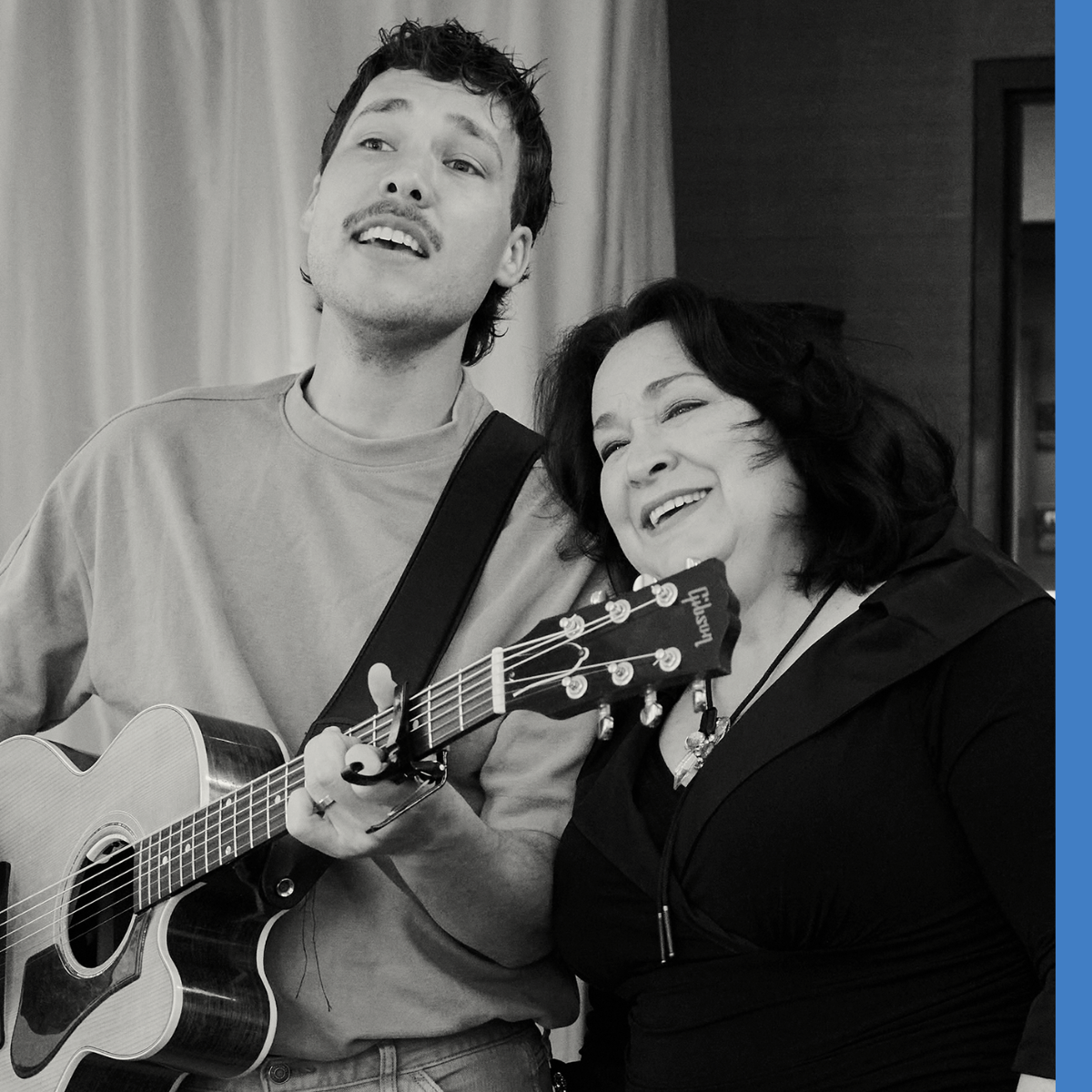
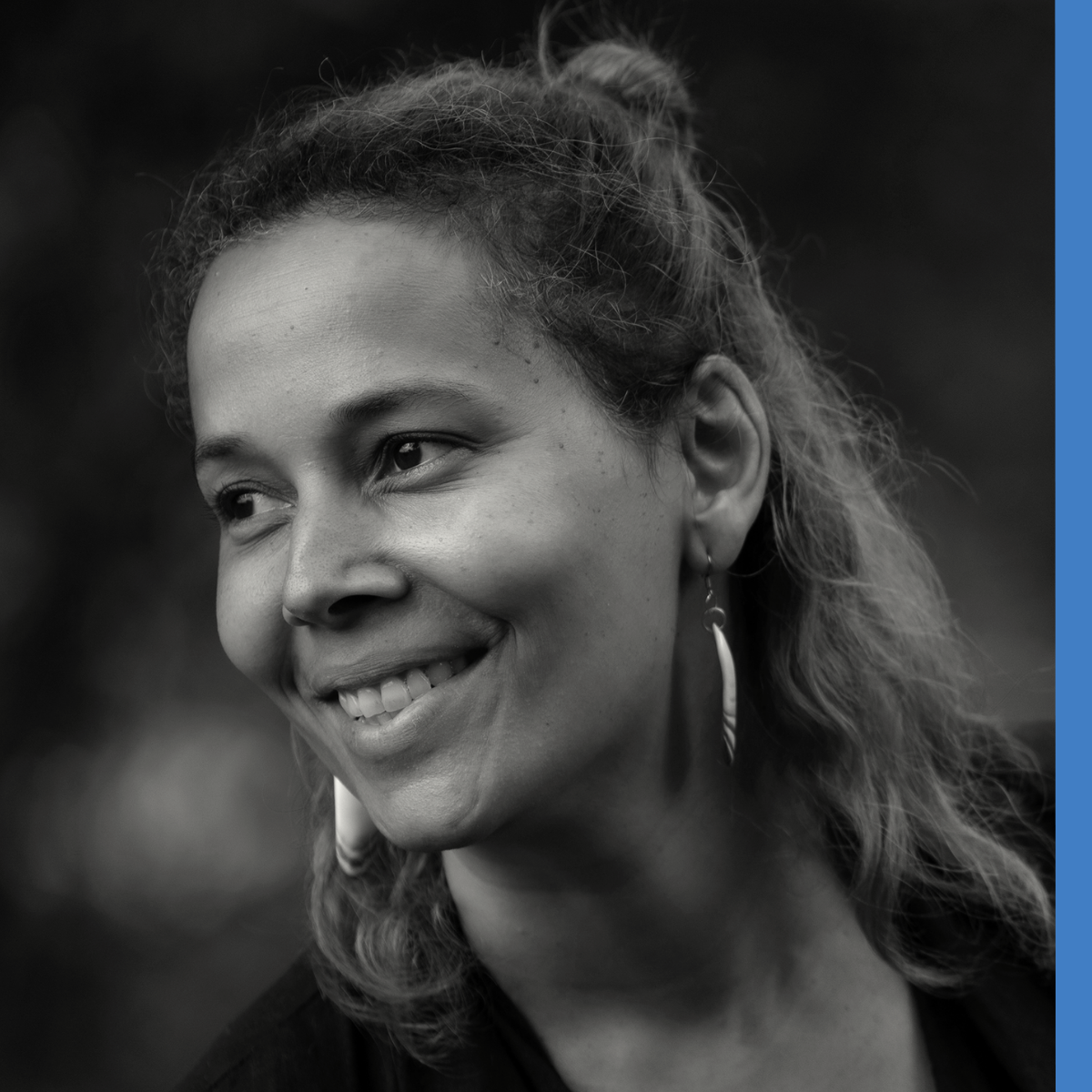
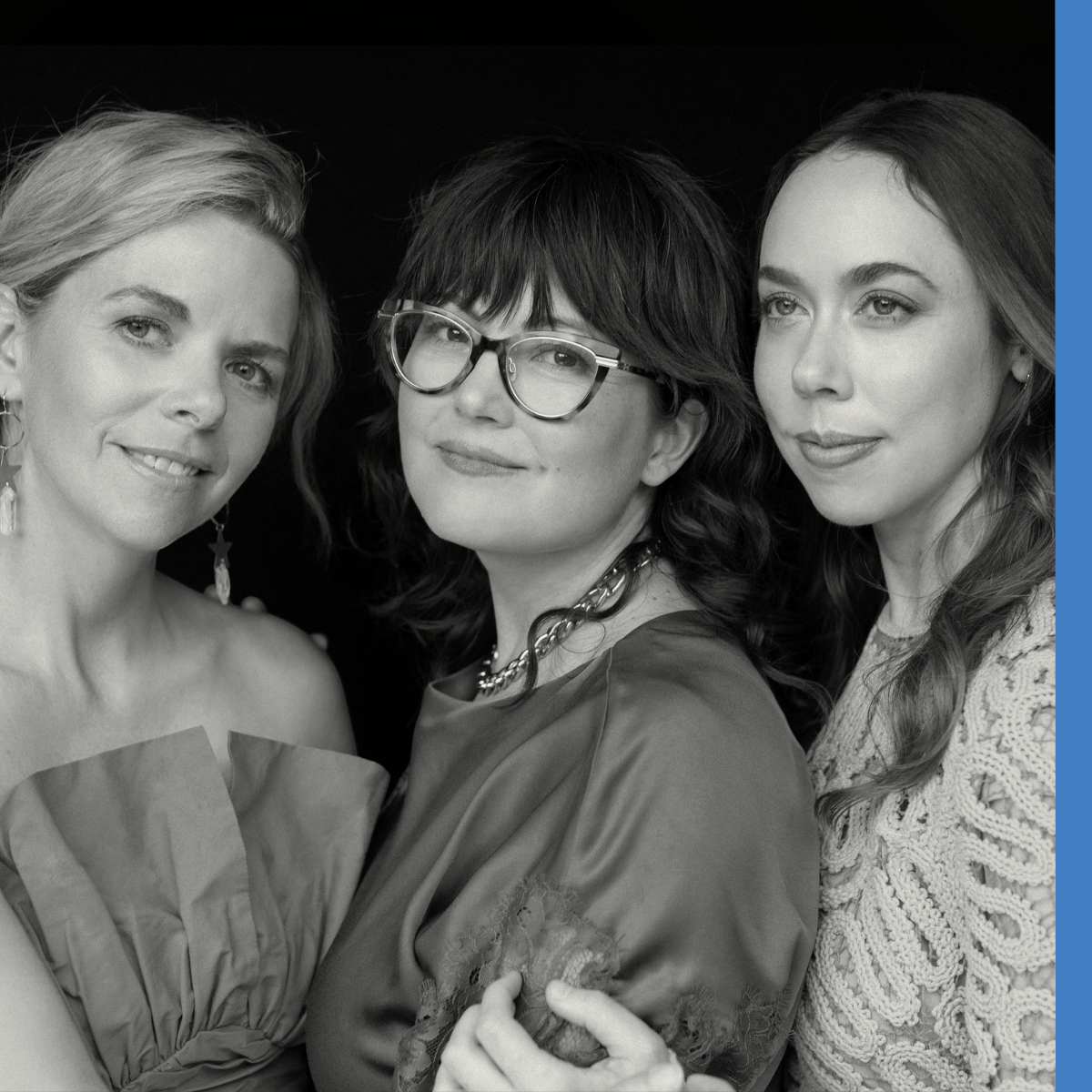
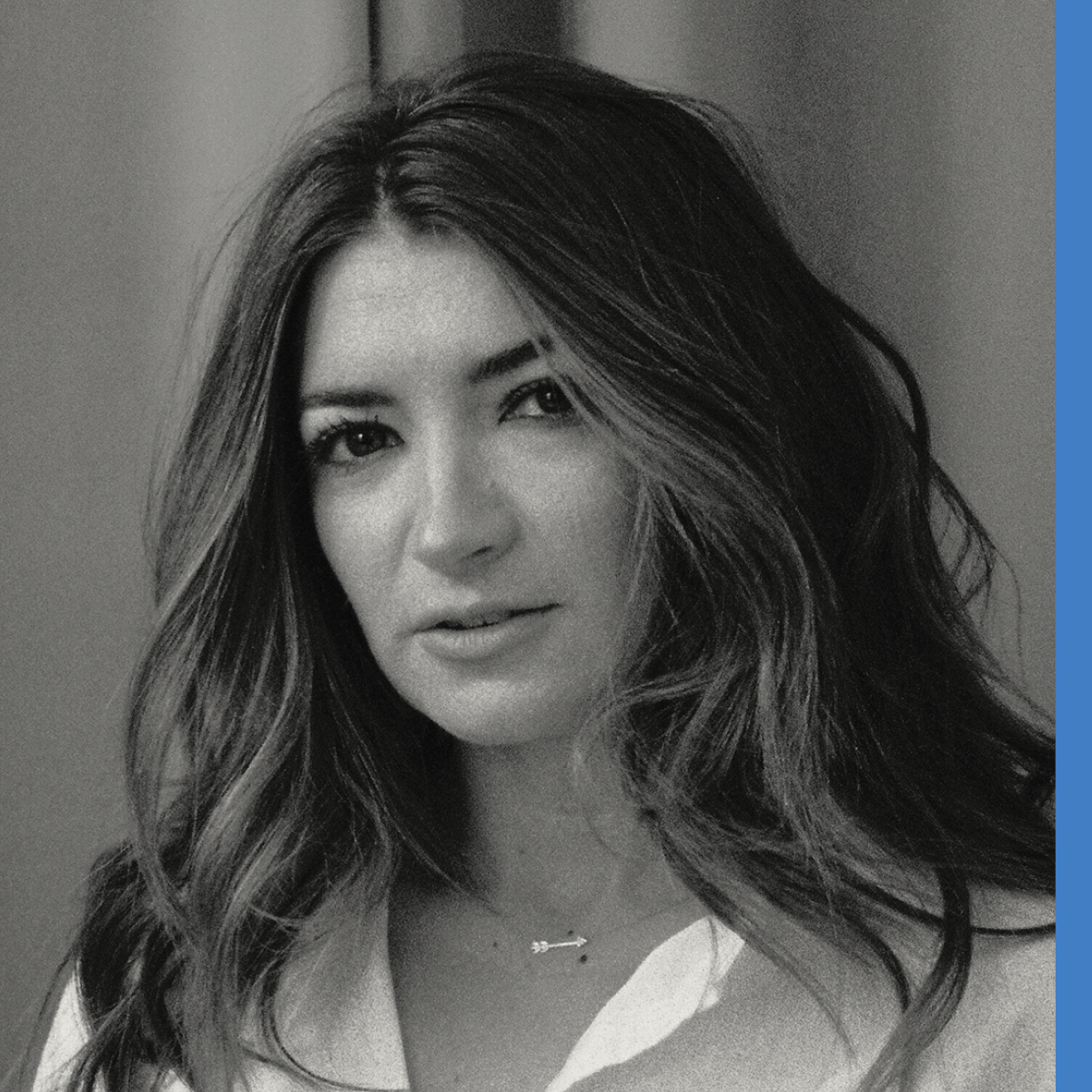

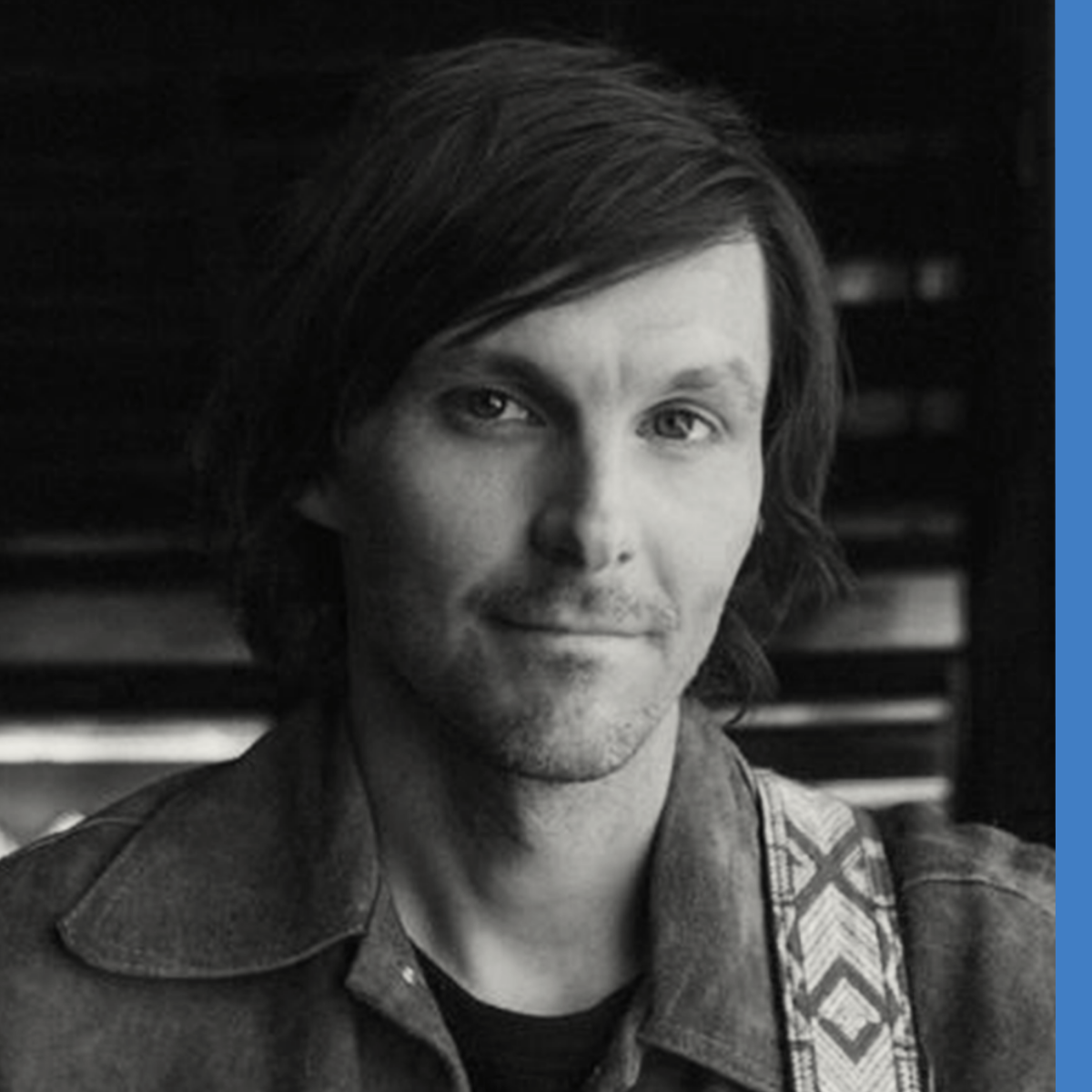
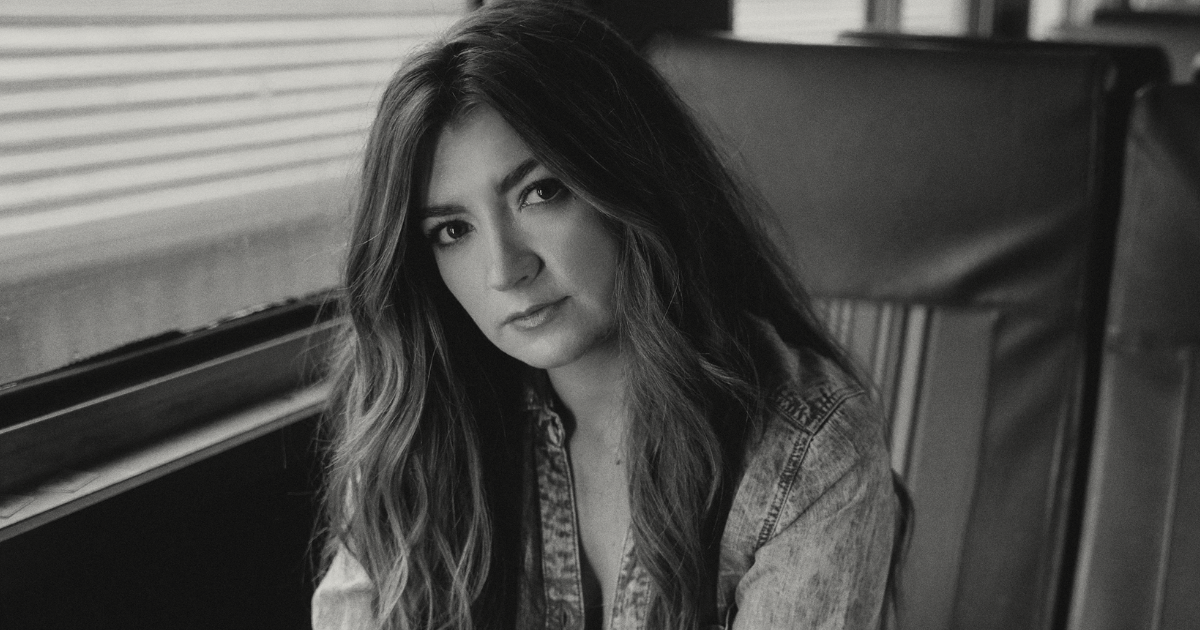
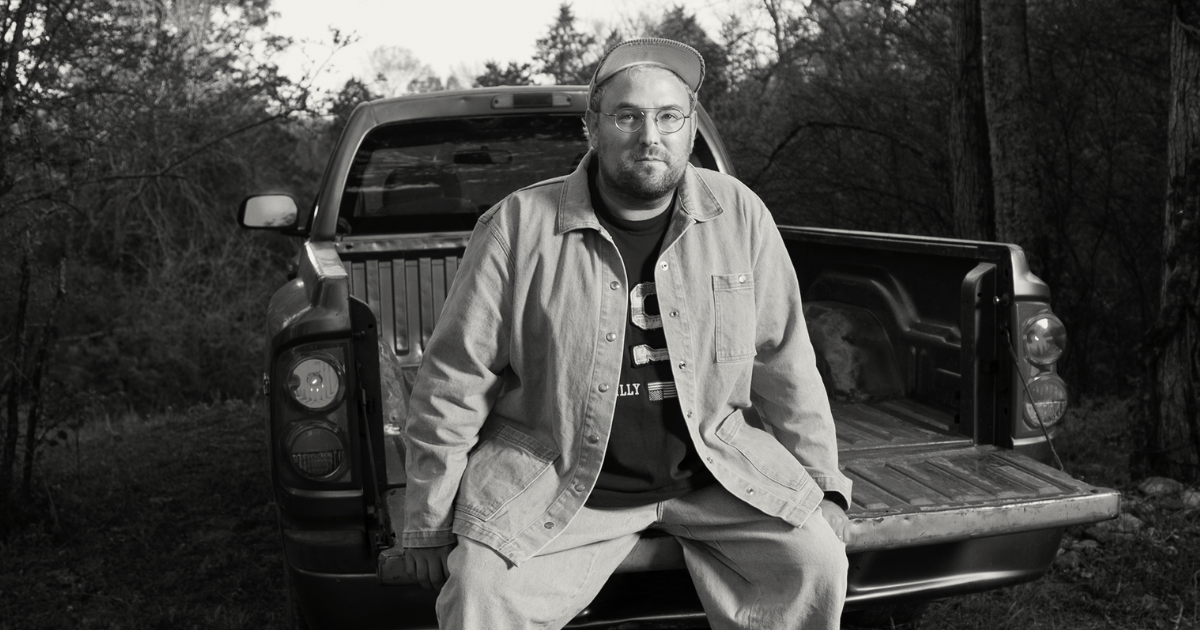
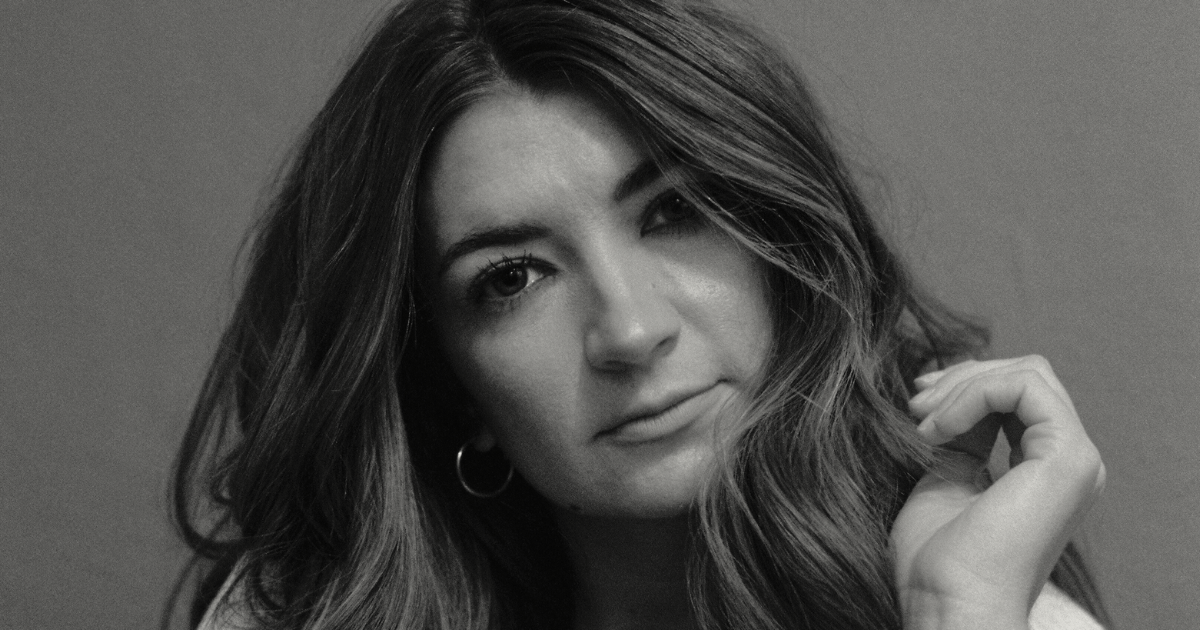
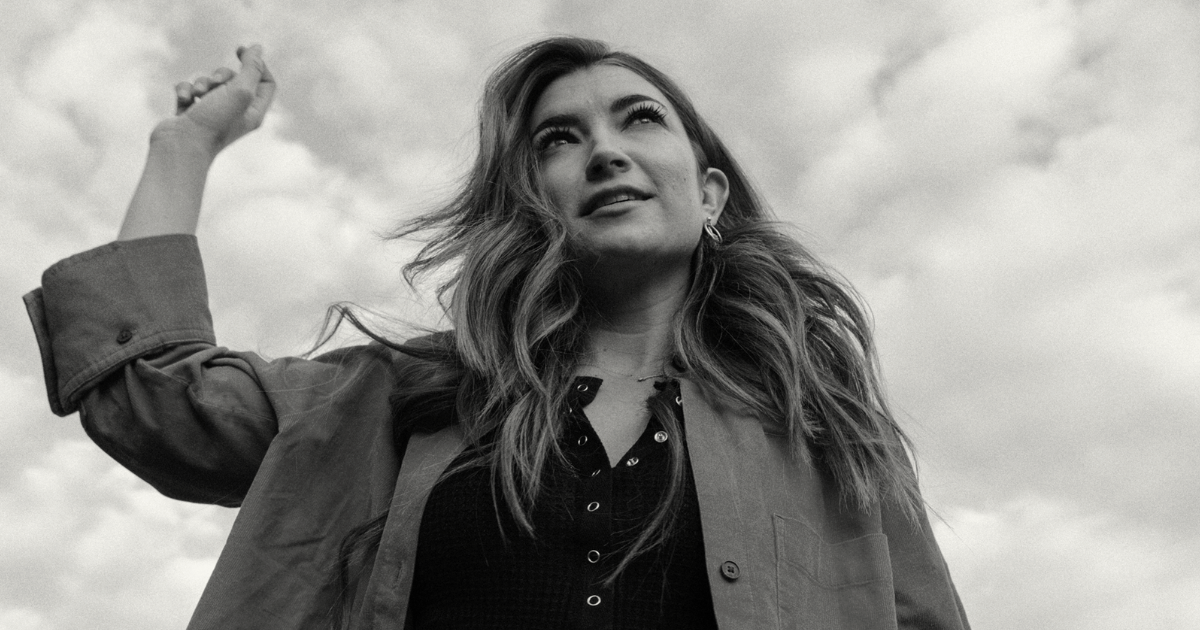
![“It's like the metaphor of having a [limited] number of crayons in your hand and trying to make a picture out of that. I felt I wanted the whole box back.” - Tenille Townes](https://thebluegrasssituation.com/wp-content/uploads/2026/03/TenilleTownes_GC_QuoteGraphic.png)