LISTEN: Loose Cattle, “He’s Old, She’s High”

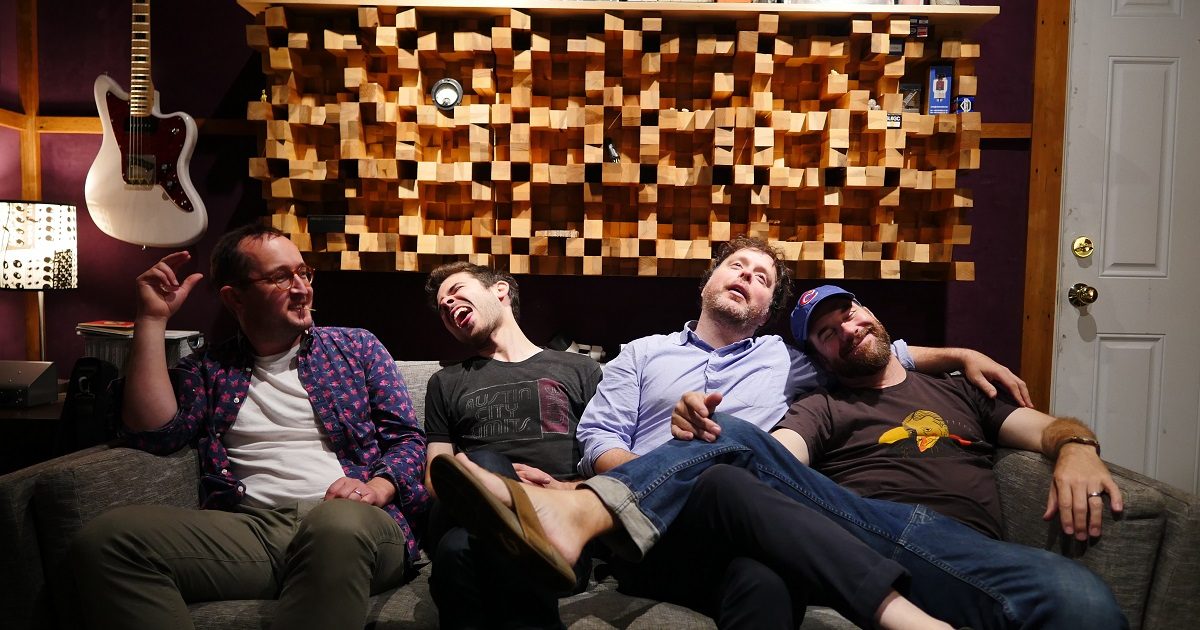
Artist: Loose Cattle
Hometown: New Orleans / New York City
Song: “He’s Old, She’s High”
Album: Heavy Lifting
Release Date: June 4, 2021
Label: Low Heat Records

In Their Words: “It’s great when your friend gets you. But when the friend who gets you is also one of New Orleans’ most celebrated songwriters, can he maybe get you too well? When Loose Cattle’s longtime friend Paul Sanchez (multiple time NOLA songwriter of the year and ex-Cowboy Mouth) told us he’d written a song for the band, we pondered that for half a second. But by the end of the first listen, we threw our arms around him and the song, and turned it into something that we hope would make Porter & Dolly, Johnny & June and John Doe & Exene all equally proud. Even though Kimberly and Michael stopped being a couple years ago, they’re still odd. This one is for all the perfectly mismatched people out there.” — Loose Cattle


Photo credit: Zach Smith

WATCH: John Splithoff, “Steady”

Artist: John Splithoff
Hometown: New York, New York
Song: “Steady”
Album: All In
Release Date: April 23, 2021

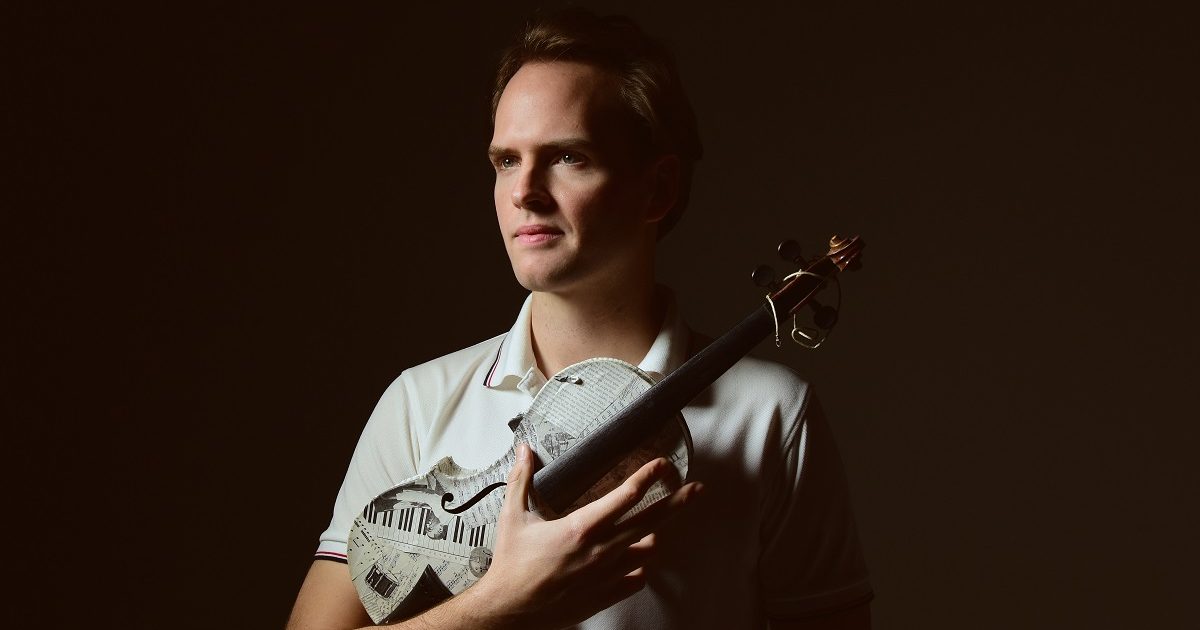
In Their Words: “I felt a lot of doubt about making music and was stuck creatively when I wrote ‘Steady.’ The words came from a place of gratitude for the people who keep me grounded and have helped me get through just about anything. Checking in with friends and family through everything was key to staying inspired and encouraged this last year. Shooting this video outside Savannah, Georgia, on a summer evening accompanied by crickets made for a really peaceful night.” — John Splithoff


Photo credit: Lauren Jones

WATCH: Garrison, Gordy, Hargreaves, Walsh, “Sports”

Artist: Garrison, Gordy, Hargreaves, Walsh
Hometown: Brooklyn, New York/Denver, Colorado/Portland, Maine
Song: “Sports”
Album: Bluegrass and the Abstract Truth
Release Date: April 16, 2021

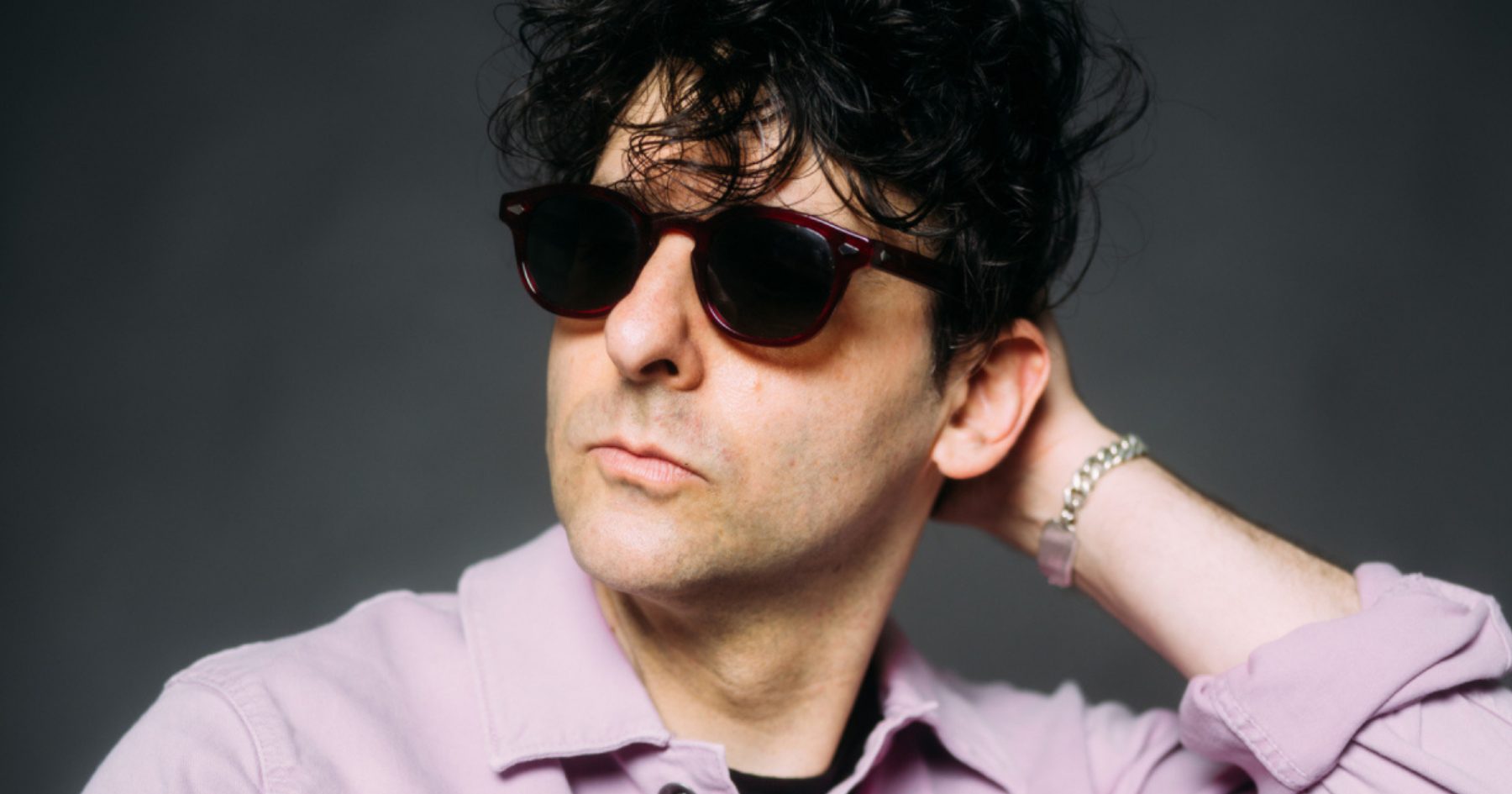
In Their Words: “Instrumental tunes are wonderfully subjective, like little movies whose narratives and meanings can transform and reflect the places they’ve seen. ‘Sports’ started as a little tune in my head riding the D train home from Manhattan to Brooklyn, and had its first public appearance on a local jazz gig. It followed me around, enjoyed some unveilings in the UK under a few different titles — I think I even took a fruitless audience survey to come up with a fitting appellation. When we went into the studio to record this group, its true title came to light and Joe, Alex, and Greg expressed its shifts of mood and character masterfully. We were so delighted to see our friend Danny Barnes’ take on what ‘Sports’ was communicating, and the video he made couldn’t have been a better fit for the mood of the piece.” — Grant Gordy


Photo credit: Dan Cardinal

WATCH: The Ladles, “Pages”

Artist: The Ladles
Hometown: New York, New York
Song: “Pages”
Album: Springville Sessions
Release Date: April 16, 2021

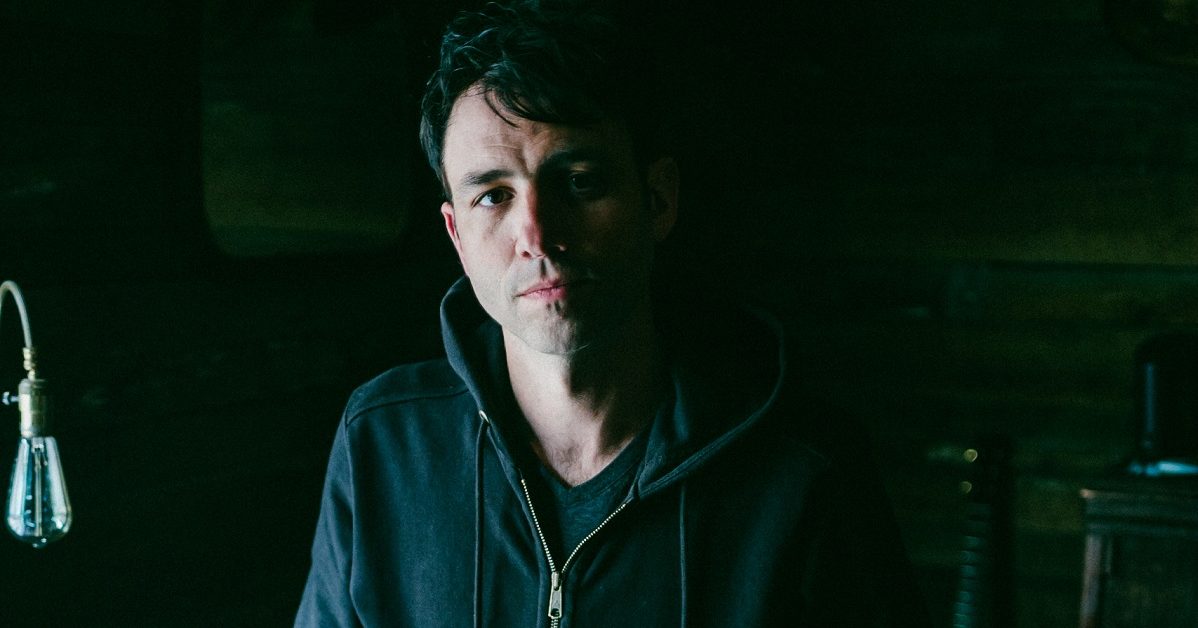
In Their Words: “‘Pages’ talks about the experience of reading through an old journal and being confronted with your past self. In each entry, all your hopes and good intentions, your mistakes and your blind spots are laid bare in equal measure. It’s not a particularly comfortable experience, because you have the benefit of perspective and you know how it all works out. That confused and misguided relationship does fall apart. You did say the wrong thing and will have to apologize for it. However, I found that reading my own words from that time helped me to offer myself more compassion and understanding. It was a reminder that at any given moment, we only know what we know, and we’re all doing the best we can.” — Katie Martucci, The Ladles (guitar, vocals)


Photo credit: Liz Maney

WATCH: Reid Jenkins, “Strange Lover”

Artist: Reid Jenkins
Hometown: New York City
Song: “Strange Lover”
Album: A Beautiful Start
Release Date: April 23, 2021
Label: Nettwerk

In Their Words: “While most of my songs start while I have an instrument in my hand, ‘Strange Lover’ started as a title that I later put to music. I was struck by the ambiguity in the word ‘strange’ — how it means both unfamiliar and bizarre, and how those two senses of the word have different meanings, but often feel the same when you’re faced with new experiences, such as falling in love. I wanted to write a song that suspended itself in that ambiguity and explore the tension between avoiding the unknown while being drawn in by the thrill of beauty and discovery.

“The lyrics and melody of the verses evolved slowly over the course of a year or so. Sometimes the lines came to me during sessions of very intentional writing; I remember penning ‘Try as I might, I just can’t quite make you make sense’ while sitting in a very idyllic songwriter-y setting — on a bench overlooking the sea on the coast of Maine. Other lines kind of wafted their way out of my subconscious, such as ‘You’re a giant, yet you fit right on the palm of my hand,’ which came to me while walking with my friend at night in Riverside Park in New York. The chorus burst out of me in five minutes about a week before I got into the studio. The process of recording it was similarly organic. Unlike the other three songs on my upcoming EP, I showed up to the studio without much of an arrangement or an agenda for how I wanted it to sound. I let it evolve over the course of the recording process, and I think the final product reflects that process in its hazy and relaxed feeling.” — Reid Jenkins


Photo credit: Shervin Lainez

The Show on the Road – Low Cut Connie

This week, we call in to Philadelphia for a conversation with the highly-theatrical pianist and tireless, much-adored performer Adam Weiner, who for the last decade has gained a cult following around the world fronting his soulful bizarro-rock outfit, Low Cut Connie.


LISTEN: APPLE PODCASTSSPOTIFYSTITCHER
Some artists have retreated into obscurity during the pandemic shut-down, some have turned lemons into personalized, livestream lemonade. But Adam Weiner took it to another level when he launched his often twice-weekly vaudevillian interactive web show “Tough Cookies” in March. Charging around his small home stage like a schvitzing piano preacher, often losing clothing along the way, Adam has learned nearly six hundred covers in the last eight months alone — from Barry Manilow to Cardi B’s “WAP” to Macho Man to an entire Little Richard set, which he performed to honor his hero after his passing. He then interviews anyone from Beyonce’s dad to members of Sly and the Family Stone. In short, it’s a rollercoaster every week — one that you kind of have to watch to believe.

Alongside his 2020 LP Private Lives, Low Cut Connie’s heartfelt and sweat-dripping sets have gained Weiner some famous supporters: Elton John for one, fellow New Jersey-born hero Bruce Springsteen for another. Up-and-coming playlist presenter Barack Obama unexpectedly placed Low Cut Connie’s defiant cabaret rocker, “Boozophilia,” on his must-listen list. Indeed, this taping, which often showed Adam jumping from his piano to his guitar to play favorites (like the Kinks-esque, “Revolution Rock N Roll”) initially had to be delayed so he could play an inauguration event for new president and Philly-piano lover Joe Biden.

While Weiner is basking in some much-earned attention, it hasn’t always been an easy road. He readily admits to scraping by on side jobs into his mid-thirties, for years playing around dim New York City piano bars as his sequined alter-ego, Ladyfingers. If Low Cut Connie has learned anything during this strange era, it’s that people desperately still need live music. In all its spur-of-the-moment, sweaty glory. One of the more moving stories he tells is seeing groups of nurses in beleaguered hospitals taking a much needed break to watch his livestreams. Much like his role model and patron Elton John, Low Cut Connie’s songs can leap from intimate folk-rock to greasy soul to bombastic musical theater and back with ease and his relentless spontaneity keeps fans waiting for that he will do next.


Photo credit: Skylar Watkins

BGS 5+5: Matt Urmy

Artist: Matt Urmy
Hometown: New York City
Album: South of the Sky

Which artist has influenced you the most … and how?

If I had to choose one person who has had the widest impact on me and the way I approach my work, I would probably have to say, Cowboy Jack Clement. Jack was someone that I was able to get close to personally, which allowed me to be imprinted by him in a deeper way than just connecting to his art. He was also a businessman and producer, like myself, so he came at things from more than one perspective. … He was an all-around “content creator” before that term was ever even used.

For instance, Jack was vlogging before vlogging existed, he was vlogging before the internet existed! In the times I spent recording in his studio, sitting in his office and talking about art, business and life over coffee and cigarettes, or performing alongside him here in Nashville, I absorbed as much as I could from him. He had such a wide lens perspective on creativity, finding your voice, and being true to your vision. Our paths crossing was a real revelation for me.

What other art forms — literature, film, dance, painting, etc. — inform your music?

All of the above. And not just those, but business (which I consider an art form), the healing arts, and nature all have an impact on my creative process. I find myself inspired every single day (to varying degrees) by things I experience personally, things the people in my life experience and tell me about, things I see on the news or in movies… and I just allow myself to feel those feelings and then toss it on my creative compost heap to breakdown and become part of the soil that I garden in, artistically speaking.

When it comes to those other forms of expression specifically, the way they inform my process is on two levels: 1. the direct inspiration they provide (feelings, thoughts, etc.) and 2. the way they inform craft and/or process. For instance, sculpting really has informed the way I view the craft and process of songwriting. There are techniques that I can draw from and apply to my forms of expression. So, I may see someone dancing, and be moved to go home and create, but also I may learn something that inspires a new technical approach to the craft itself. I hope that makes sense.

What rituals do you have, either in the studio or before a show?

Ritual factors into my creative process across the board. One ritual is to make sure that I write at least one or two lines every day. In the studio, one ritual might be something like listening to a specific type of music or sound source before starting to work on something, just to clear the mind before beginning a session. Or, before a show, nursing a shot of tequila or mezcal for an hour or so before the show, so I slowly feel the effects of the spirit in my body before taking the stage. I find that my rituals change over time. I do believe they are important, but also that they are extremely personal. an artist has to find rituals that resonate with them and their unique processes for whatever situation they are in.

Since food and music go so well together, what is your dream pairing of a meal and a musician?

This is fun to think about. I think I would have to go with French cooking and Leonard Cohen. I choose French cooking, not just because I love it, but because it’s traditionally served over many courses, slowing the meal down and drawing things out. I choose Leonard Cohen because he was an artist who also wrote poetry, like myself, and was an artist who publicly savored drawing the creative process out over long periods of time. I would like to imagine that dinner and a bottle of wine with Leonard Cohen would yield a memorable conversation that would be an art form unto itself. I guess I’ll have to wait for another lifetime to have the chance to find out. Bummer.

How often do you hide behind a character in a song or use “you” when it’s actually “me”?

I don’t think this ever really happens to me. The reason for that is that I don’t think I’ve ever written a song that was 100% informed by my own life. Obviously, everything that I write is heavily influenced by my personal experience… however, I find that experiences or pieces of information from the outside world always find their way into my work. For example, if a dear friend is going through something in their life, witnessing them work through their life creates feelings that intertwine with my personal story. The result of this is that I don’t ever feel as if I need to hide. All of my songs are made up of elements from my personal experience, as well as things I encounter in the world around me. It actually makes me feel more connected to other people and the world around me.


Photo credit: CM Howard Photography

BGS 5+5: Raye Zaragoza

Artist: Raye Zaragoza
Hometown: Greenwich Village, Manhattan, NYC
Latest album: Woman In Color (Rebel River Records)
Personal nicknames (or rejected band names): Ray was my nickname for my whole life. My full name is Rayanna. I added the e when I started playing music!

What’s your favorite memory from being on stage?

My favorite memory of being on stage was when I was in the third grade and I was performing “I Can Do That” from A Chorus Line in my school’s talent show. I had my tap shoes on and everything. But I had what was probably bronchitis. I hardly had a voice and had a terrible cough. I guess my parents thought I was still ok to perform! I gargled salt water every five minutes while I waited for my turn. I got on stage and could barely get any of the song out. It was just low muffled coughs and groans and then tap dance breaks. I asked my friend how I sounded after and she said, “It was pretty bad.” Since then, I have never really had stage fright, and don’t really stress when I have to perform sick. I conquered bombing a set very early on in my stage career. I am so grateful for that!

What rituals do you have, either in the studio or before a show?

I love rituals. Before a show, I always stretch, which feels funny because I just stand there and play guitar and sing! I am not doing any dance moves or anything like that, haha. But when I was a kid, going on stage meant that I was dancing, so I feel like something is wrong if I don’t stretch before going on stage. I also always drink hot water before a show (even in the summer) and say a little prayer and land acknowledgment with my crew.

What was the first moment that you knew you wanted to be a musician?

I was always music obsessed as a kid. I always had headphones on and thought songwriting was the absolute coolest thing anyone could do. But I knew I wanted to be a career musician at my first real gig. I played House of Blues (restaurant stage) in Hollywood when I was 19 (2012). It was one of those “pay to play”-type deals that I my roll my eyes at so deeply now. I ended up selling the place out with all of my co-workers from my hostess job and got up there to play the four original songs I had written to date and some covers. It was the first time I played my own songs for people at a real performance. I had this crazy feeling during the first song. I felt like I was on the best drug trip ever. I felt happier than I’d ever felt in my life. It was a magical feeling and I’ve never stopped chasing it since.

If you had to write a mission statement for your career, what would it be?

Be the role model you wish you had as a kid. Make your ancestors proud. But don’t take yourself too seriously.

Which elements of nature do you spend the most time with and how do those impact your work?

I moved to Long Beach, California, in January and have recently become obsessed with swimming in the ocean. I honestly had very little exposure to nature as a kid growing up in New York City. Central Park was my nature. I now live three blocks from the ocean and go almost every day. The ocean calms and grounds me. It brings me to that grounded place where I can create best. And on the other extreme, I love the desert. The desert and ocean both make me feel so small and alone in a way that inspires me to create.


Photo credit: Jimmy Hines

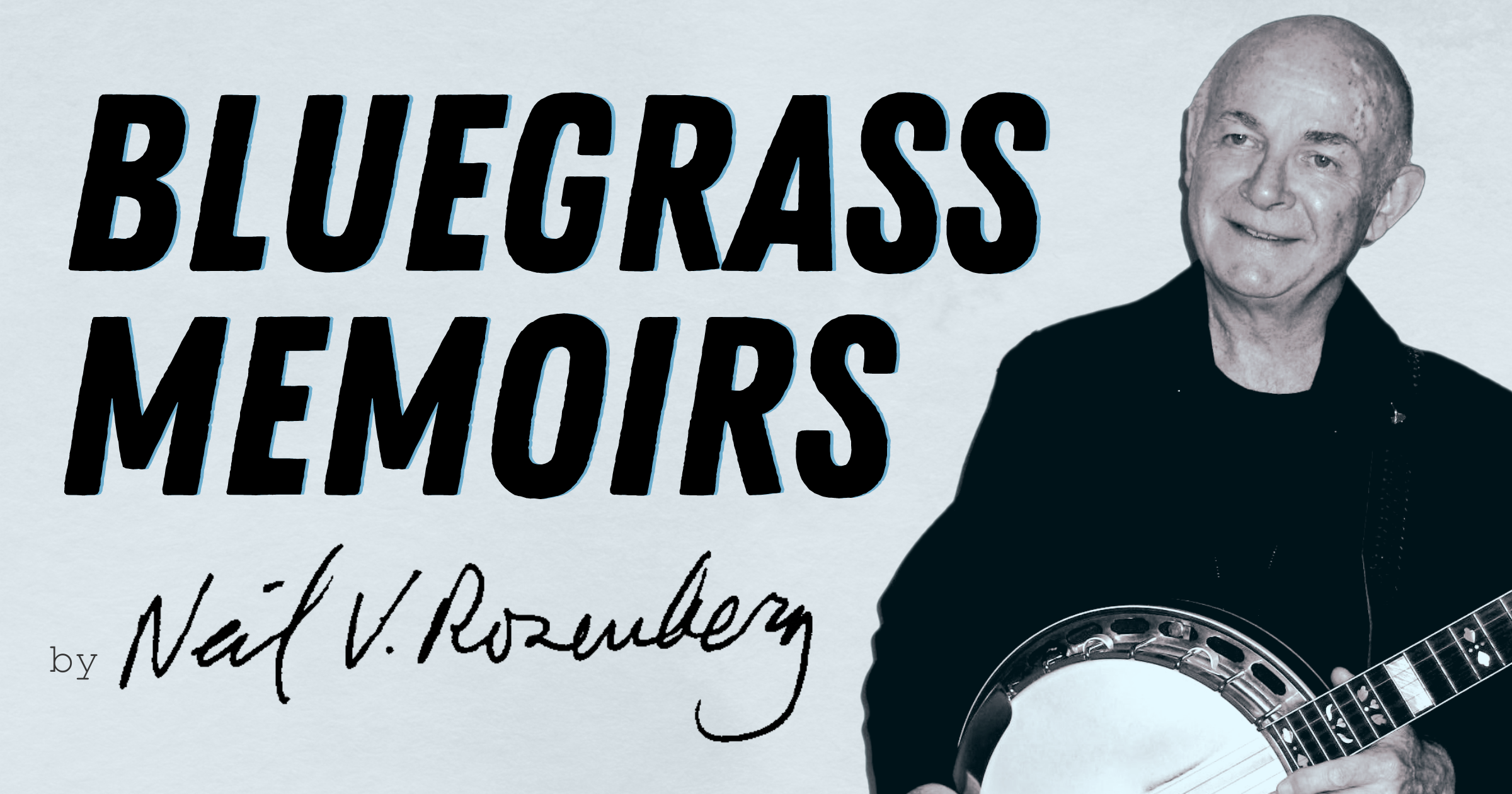
Bluegrass Memoirs: Thanks to Eric Weissberg

On the morning of March 24, 2020 I learned Eric Weissberg had passed away when a friend posted a long and detailed obit. I found several other substantial ones online — Rolling Stone, Variety, New York Times. It wouldn’t surprise me to learn that Weissberg’s family had a press release ready; he’d been in decline, suffering from dementia. A few days later Jim Rooney posted a very moving memoir focused on his long-time friend Weissberg in mid- and late years; it shed more light on this influential musician. 

Recently Bob Carlin finished a bio on Weissberg. When we spoke at IBMA’s business conference last fall he told me publishers weren’t interested in a book about a studio musician. Too bad, it’s a good story. In 1972 Weissberg won a Grammy for the banjo hit that propelled the growth of bluegrass festivals, “Dueling Banjos,” the theme from the movie Deliverance

I first heard Weissberg’s banjo playing in the fall of 1957. I was an 18-year old Oberlin College freshman who’d gotten into folk music as a high school student in Berkeley, California. This was my first time “back east.” I now had classmates from New York City. One of them, Mike Lipsky, had a new Folkways album, American Banjo Scruggs Style. The final band on the second side was by a friend of his from New York, Eric. 

Weissberg was 17 when he recorded for Folkways, backed by Mike Seeger and Ralph Rinzler. He picked a medley of “Jesse James” and Woody Guthrie’s “Hard Ain’t It Hard,” using Scruggs pegs on the latter. When Lipsky played it to me and my roommate Mayne Smith (fellow Californian and a fledgling banjo picker) he had to explain what Scruggs pegs were. 

Lipsky knew about this music because he was one of a group of New York teenage folk music fans, mainly from elite high schools — Bronx Science, Brooklyn Tech, Music and Art — who socialized together. They’d networked not only in school, but also at leftist summer camps where folk music, spearheaded by Pete Seeger, was an essential part of the experience. They called themselves “The Squadron” and they gathered regularly in Greenwich Village on Sunday afternoons to hear two members of their crowd, Eric Weissberg and Marshall Brickman, picking at the Washington Square folk music jams. Weissberg, a student of Pete Seeger, had been playing the banjo since the age of ten.

Lipsky told us Weissberg and Marshall’s fancy picking confounded Roger Sprung, an older banjoist generally thought to be the best Scruggs picker in New York. And he described their banjos — not long-neck, open-back Vegas like Pete Seeger played, but Gibsons! With resonators, too. And on the fingerboard, down toward the body of the banjo, a little block of mother-of-pearl with “Mastertone” written on it.

This weirdness was all new to me. I’d never heard of “Scruggs picking,” and it was only when I borrowed the LP and read its notes, written by Ralph Rinzler, that I learned this music was called “bluegrass.” 

The following March, at spring vacation, my roommate and I went to New York. I stayed with Mike Lipsky, on this, my first visit to The City. Mayne stayed with another classmate. Among our many adventures — we were rambunctious teen tourists — we went one night to a party for The Squadron in a posh upper East Side residence. 

This was a homecoming party. Attending were young women and men most of whom were like us, on spring vacation from their first year as college and university students at a variety of institutions. Lipsky and Karen, another Oberlin classmate who was part of the group, introduced us to their friends. We’d brought our instruments, leaving them in the anteroom and going up a small flight of stairs to the main floor of this elaborate place. Eric Weissberg and Marshall Brickman, both of whom were freshmen at the University of Wisconsin, did the same. 

Midway through the evening we were encouraged to get our instruments out and sing. Mayne had his banjo — an old Stewart with a resonator — and I, my guitar — a 1943 Martin 000-21. We went back downstairs. This was the nearest thing to a front porch or back room we could find. We did several pieces, and then Weissberg and Brickman came down and got out their banjos. Mayne had taken one or two lessons with Billy Faier, the virtuoso banjoist who’d arrived in the Bay Area from New York the previous August. Faier had introduced him to three-finger picking. Mayne chatted about Scruggs with Eric and Marshall. 

Then they played a banjo duet, a Scruggs tune, “Earl’s Breakdown,” in harmony, with each picking with the right hand on his own banjo while reaching around to fret the strings on the neck of the other’s banjo. This was the first time we’d ever seen anyone play the banjo Scruggs style, much less a fancy stage stunt like that! It was a very impressive tour-de-force. You can get a good sense of what the harmony sounded like from the version on their 1963 Elektra album, New Dimensions in Banjo and Bluegrass (reissued in 1972 as Dueling Banjos from Deliverance) although they weren’t playing the fancy solo breaks in 1958.

Afterwards Weissberg told us that the best way to learn this music was to study Scruggs’ playing on one of his instrumental records like “Earl’s Breakdown” or “Flint Hill Special.” Mastering all those licks note-for-note would take you a long way towards being able to play like Earl.

Weissberg noticed that I was playing the guitar with just two picks on my fingers — thumb and index. He recommended that I add a pick on my middle finger, like he and Marshall used for the banjo. I followed that advice immediately, and the following year, when I began working seriously on banjo, I also took his advice about studying Scruggs closely.

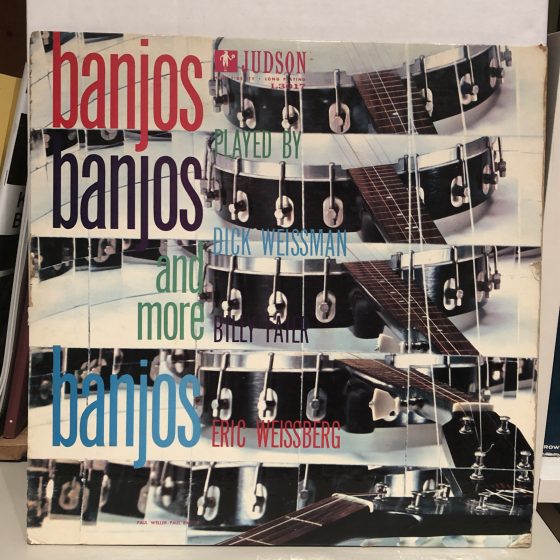
Putting our instruments away, we went upstairs and joined the party. I conversed for a while with Eric. I told him I’d heard Billy Faier in Berkeley last summer, had been very impressed with his music, and was looking forward to his forthcoming Riverside album, The Art of the Five-String Banjo. Eric agreed, Faier is a great banjo player, and said he had collaborated with Billy and another banjo player, Dick Weissman, on an album due out this coming summer called Banjos, Banjos and More Banjos! 

That summer of 1958, Banjos, Banjos and More Banjos! arrived at Art Music on Telegraph in Berkeley where I hung out listening to new folk records. The album was on Judson, a bargain line label owned by Riverside’s Bill Grauer.

Grauer’s Riverside productions catered to the hip college kids of the fifties — a generation that grew up on hi-fi LPs. Riverside reissued historic prewar jazz and blues; released contemporary jazz and folk; and recorded sports car events. This major independent label ended abruptly in 1964 when Grauer, just 42, died. Their catalog is now with Concord Records, which has reissued some jazz recordings on CDs.

Riverside albums were well-produced, with glossy full-color cover art. Back covers — liners — had a standard format: bold head at the top with album title and artist names. Below it, three dense columns giving the playlist along with information about the music and musicians. Lots to read while listening!

Faier’s The Art of the Five-String Banjo liner held a full column endorsement by Pete Seeger, slightly longer notes by producer Goldstein, and Faier’s bio. In contrast the liner of Banjos, Banjos and More Banjos had its playlist followed by three columns of folklorist John Greenway’s flowery history of the instrument, and brief bios for the three banjoists. I bought the album (later reissued on Grauer’s Washington label with new cover and title: Five-String Jamboree: A Treasury of Banjo Music) because Eric Weissberg was playing Scruggs-style banjo on it.

At the bottom of the center column on the liners for both albums was the standard data of the time: 

A HIGH FIDELITY Recording (Audio Compensation; RIAA Curve). Produced by Kenneth S. Goldstein. Cover by Paul Weller (photography) and Paul Bacon (design). Engineer: Mel Kaiser (Cue Recordings). New York: May, 1957.

 Now I look back at the album, listen to it for the first time in years. When I last heard of Faier, about ten years ago, he was busking in Albuquerque. He died in Alpine, Texas in 2016. We’d seen each other and talked at the Tennessee Banjo Institute in November 1990, recalling the summer of 1958 when I guested on his KPFA show and worked as his backup guitarist at an SF coffee house. Dick Weissman, now 85, had distinguished careers: first as a performer, then as teacher and author. He published his memoir, The Music Never Stops: A Journey Into the Music of the Unknown, The Forgotten, The Rich & Famous, the same year Faier died.

These guys must have been in the Cue Recordings studio more than once in May, 1957. Their recordings were made with a single-track tape recorder; no overdubs. Faier made his solo album at Cue with Frank Hamilton playing guitar, and there’s one track on Banjos with that pairing — probably an outtake from The Art. Most of the other guitar on this album is by Dick Rosmini, then considered the hot, young, go-to guitar accompanist.

Weissberg is heard playing Scruggs-style banjo on five tracks, and singing tenor harmony in duets on three of those. One was an old spiritual, “You Can Dig My Grave,” with Faier. With Weissman, Eric harmonized on the old folksong “Chilly Winds.” My favorite was another spiritual, “Glory Glory.” This vocal duet with Rosmini featured great backup guitar and seven banjo breaks by Eric, each a new variation. I played that track a lot for my friends that summer!

He also did a reprise of his 1956 Folkways track, focusing on “Hard Ain’t It Hard” complete with Scruggs pegs, and a cool version of “900 Miles” in G minor tuning. 

Weissberg’s music spoke to me as a young folk fan just getting into bluegrass. He’d mastered the instrument in this new style, and learned the vocal style that went with it. Here he was applying it to music that I knew — Woody Guthrie songs, a tune the Weavers had sung on their famous Carnegie Hall concert album, and familiar Black spirituals. 

The door to bluegrass was newly opened. Eric Weissberg stood just inside, beckoning in. Come on, it’s not that hard, it’ll be fun.


Neil V. Rosenberg is an author, scholar, historian, banjo player, and Bluegrass Music Hall of Fame inductee.

Photo of Neil V. Rosenberg: Terri Thomson Rosenberg
Photo of Banjos, Banjos, and More Banjos: Neil V. Rosenberg
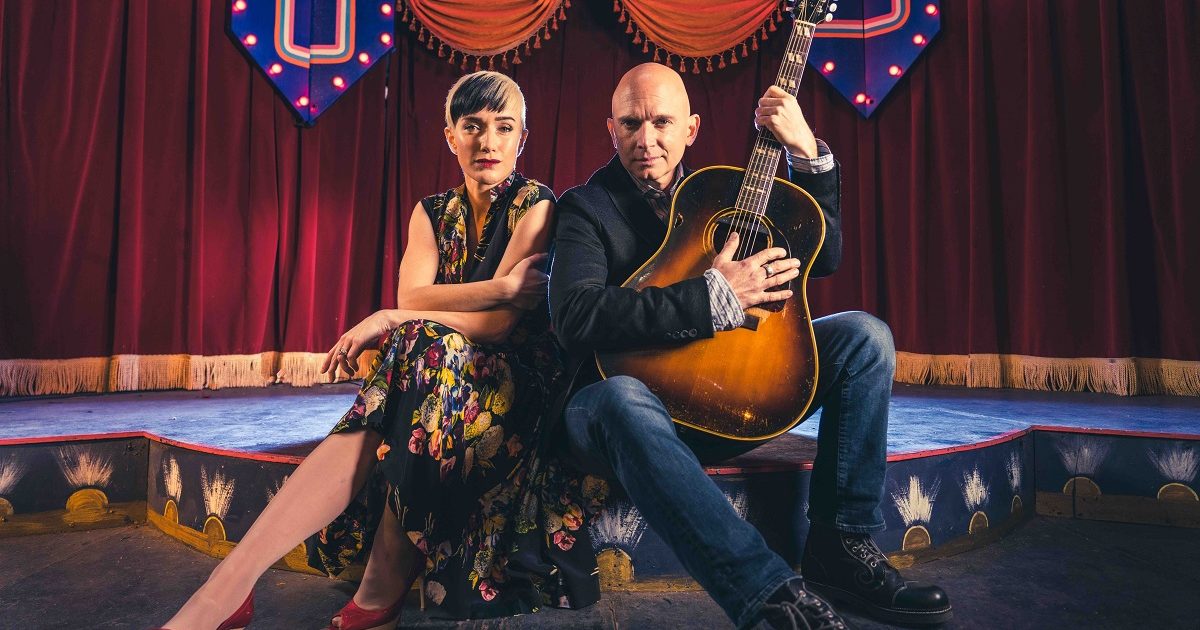
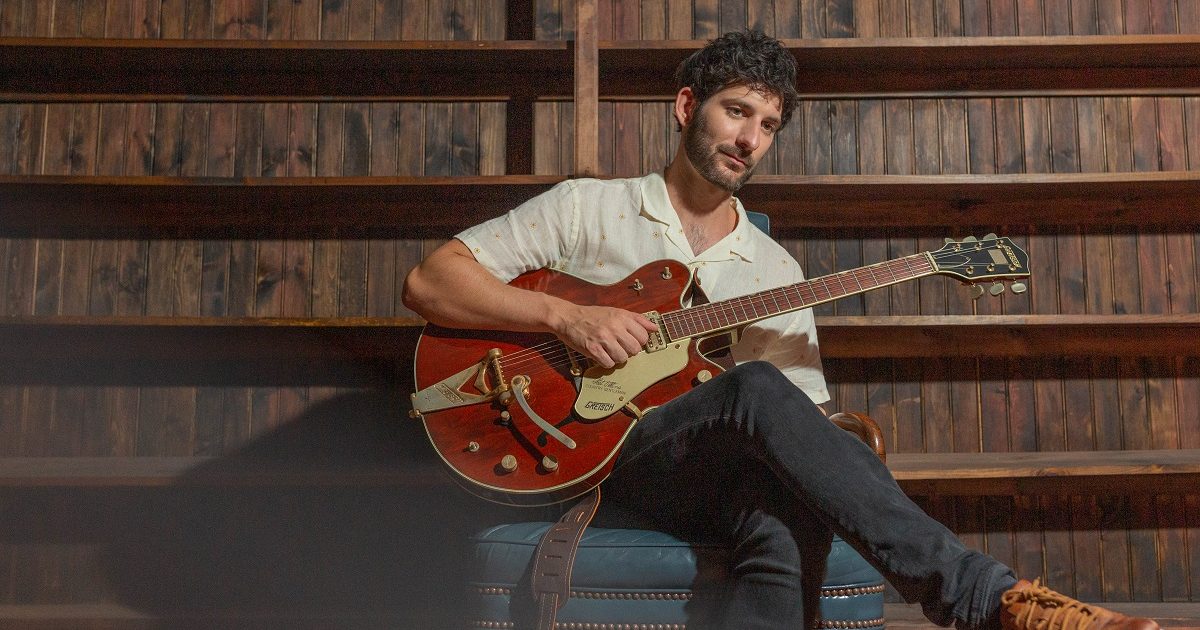
WATCH: Raye Zaragoza, “They Say” (Featuring Colin Meloy & Laura Veirs)

Artist: Raye Zaragoza (feat. Colin Meloy on harmonica and Laura Veirs on banjo)
Hometown: New York City
Song: “They Say”
Album: Woman in Color (produced by Tucker Martine)
Release Date: October 23, 2020
Label: Rebel River Records

In Their Words: “This song is about the dysfunction of American power structures. It’s about how the systems built to support the people don’t support all people. Especially during a pandemic, it’s been exposed how those lower on the socio-economic ladder are left without the basic resources everyone deserves.” — Raye Zaragoza


Photo credit: Cultivate Consulting