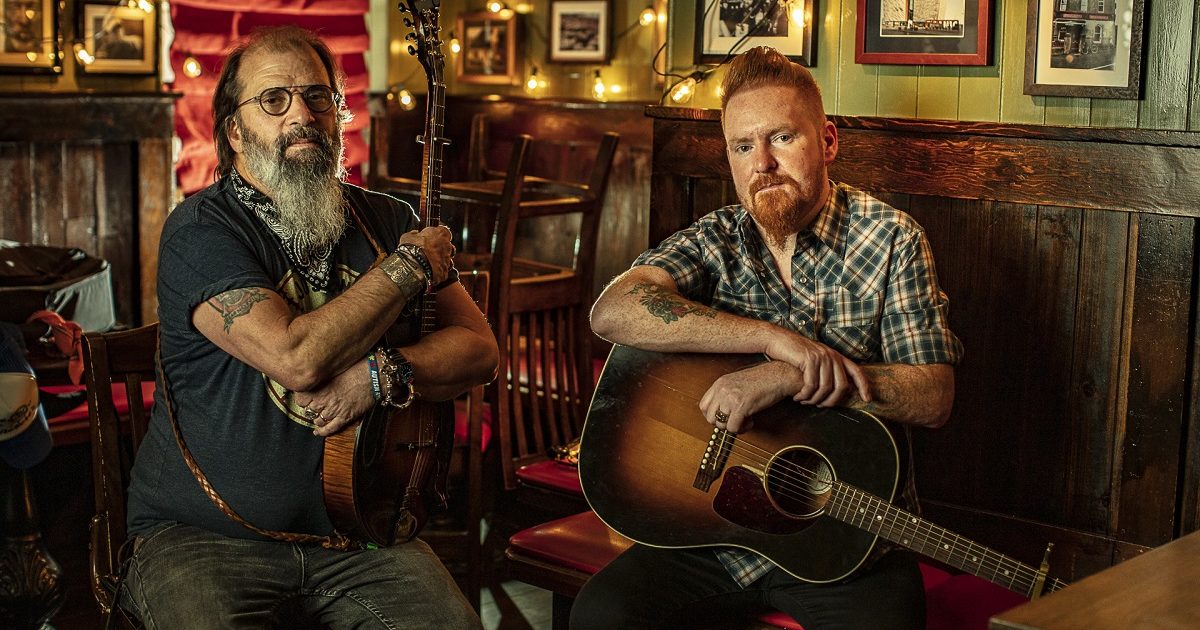
Artists:Danny Burns & Steve Earle Song: “Mercenary Song” Album:Hurricane EP Label: Bonfire Music Group
In Their Words: “We cut ‘Mercenary Song’ before the pandemic, and I had reached out to Steve and he really dug our arrangement. I had my pal Colin Farrell (of Lunasa, not the actor) add a fiddle tune into the middle parts and then thought it would be cool to add some Tex-Mex vibes on accordion. So we asked Michael Guerra from The Mavericks to add some accordion and he blew the doors off it. Then, Chris Masterson of The Mastersons and The Dukes added bari Tele and it all came together nicely. We also added Josh Day on drums, Byron House on upright bass, and Matt Menefee on banjo, mando and dobro. Finally, Steve added his bouzouki in the mix in a bajo sexto vibe.
“We thought it would be cool to shoot a video in NYC at the Dead Rabbit Irish pub. Sean Muldoon, one of the owners who’s from Belfast, was a great host. I recruited director Jim Wright into the project. We had been threatening to work together for few years now, and Steve was up for it and lives pretty close. So we just hung out, talked music and guitars, Ireland, and Irish breakfasts for a day and shot it upstairs at the Rabbit.” — Danny Burns
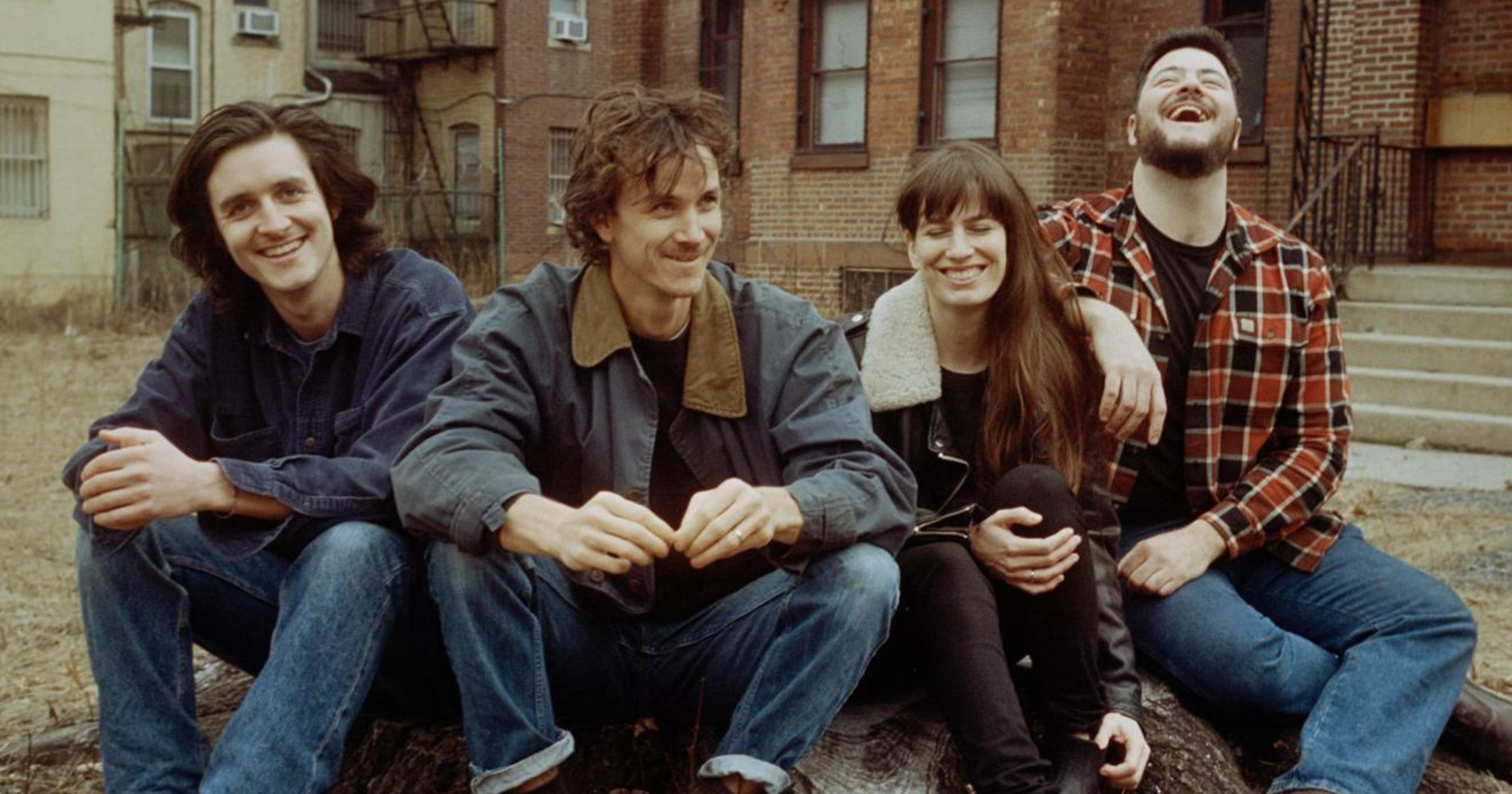
This week, we call into the Catskills of New York for a deep conversation with James Felice: accordionist, pianist, songwriter and co-founder of fun-house-mirror Americana group, The Felice Brothers.
James started the band with his brothers (poet lead singer Ian) and percussionist Simone in 2006 as a busking folk pop experiment with a literary rebel streak within the subways of New York City. They’ve joined roots-pop luminaries like Bright Eyes at venues as storied as Radio City Music Hall — but somehow the gritty, back-alley bar seems like their natural habitat. Ian, James and their longtime quartet (Will Lawrence and bassist Jesske Hume round out the band) returned after years of hibernation to release their daring party-through-the-apocalypse rollercoaster of a new LP From Dreams To Dust in 2021 on Yep Roc Records.
Some bands record at home, or maybe in tricked-out cabins or plush studios, but The Felice Brothers seem to make records that use their unique and often bizarre surroundings as an added character in the band. Their beloved self-titled record, which came out 2008, feels like a gin-soaked saloon party where Hemingway and Lou Reed and Sly Stone would join in on swaying sing-alongs besides a sweat-soaked piano. It was somehow recorded in a converted chicken coop, while their brassy, bizarro-rock romp Celebration, Florida (2011) was recorded in a booming high school gymnasium. “Honda Civic” is a musical-theater-esque favorite, with an explosion at the local Wonder Bread warehouse taking center stage in the narrative. Does any of it make sense? Does it matter?
Their newest work is a more emotional, sonically lush, storytelling-driven operation, having been recorded in a church in Harlemville, New York, with award-winning mixer Mike Mogis at the helm. Mortality takes the spotlight. Ian Felice is in rare form here, spitting more words and setting more strange scenes per song than most slam-poets or absurdist playwrights. The lead song, “Jazz on the Autobahn,” has become a staple on Americana radio, showcasing what TFB have always done best: taking their listeners on a white-knuckle ride that has no predicable end or resolve in sight.
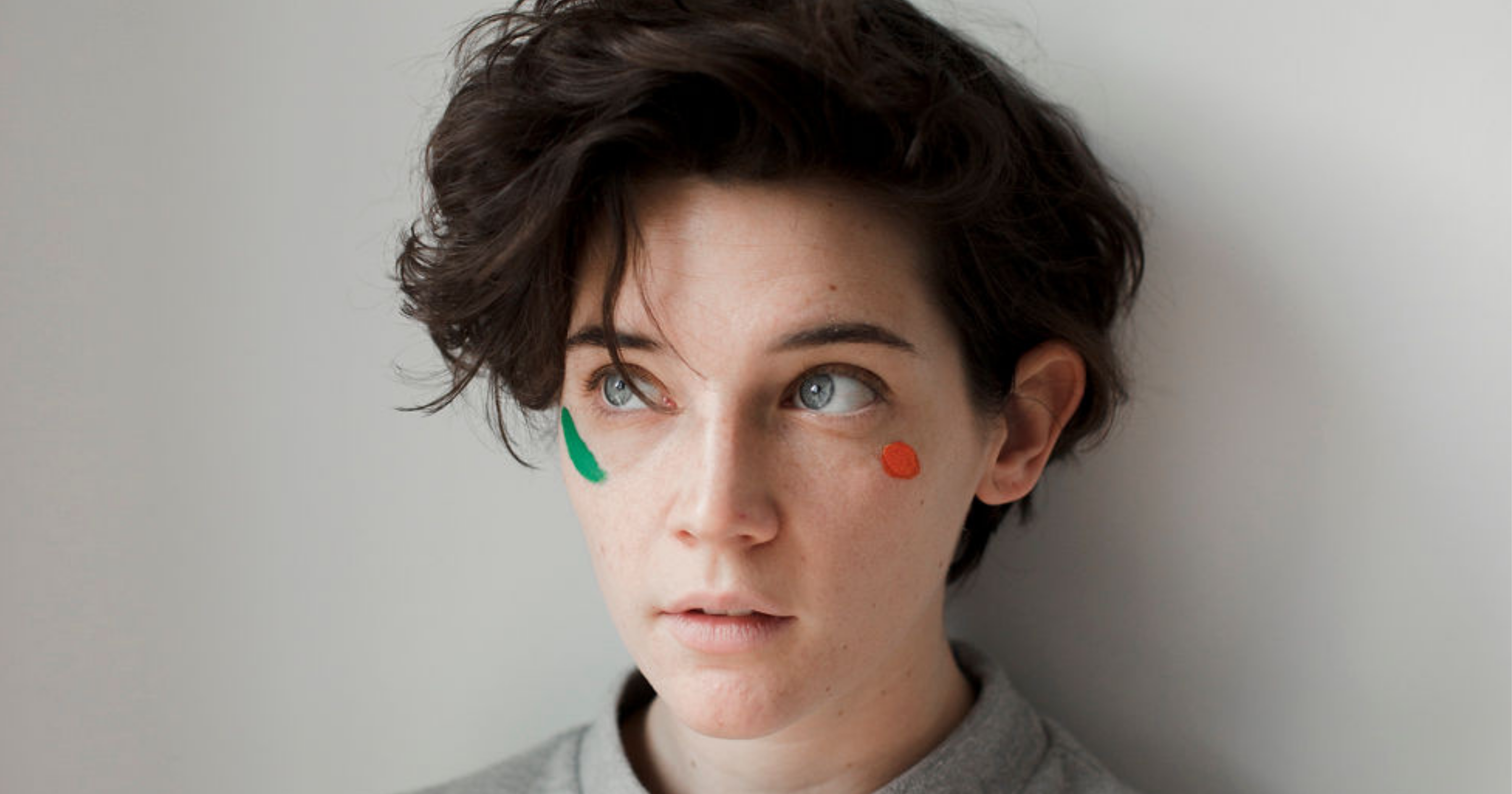
This week, we talk to Brooklyn-based bandleader and jazz-roots singer extraordinaire Sammy Rae, who for the last four years has barnstormed the country with her kinetic octet, The Friends.
Look, when you’re young and inspired, you drop out of college, you’re waiting tables and you’re thinking about starting a jazzy pop band — most people (as well as common sense and basic economics) tell you to start small. Get a few like-minded musicians in a room, work and work on your best songs, try packing out a few local shows, put some radio-ready singles on the internet, do a music video or two. See what happens. But Sammy Rae does her own thing — and has done pretty much the opposite.
Much like your host of this fine program, Z. Lupetin (who went against all advice and began Dustbowl Revival as an 8 to 10 piece genre-bending, New Orleans-string band mashup in 2008), Sammy has harnessed the open-minded, countercultural energy of Broadway musicals, the slinky funk-pop of the 1970s AM radio, and her own rapid-fire poetic style to create a massive sound that’s made with three singers, two saxophones, and a fearless, seasoned rhythm section. Plus, they are all friends who don’t just treat this as a temporary weekend gig. Too much too soon? Well, ask the packed houses up and down the Eastern Seaboard if they care about playing it safe.
Sammy Rae knows the road ahead for The Friends won’t be easy, but so far, the response from listeners has been undeniable. Starting at tiny supportive clubs in New York like Rockwood Music Hall and graduating to the biggest rooms in one of the hardest towns to impress, the group struck a nerve with their debut EP The Good Life in 2018 — with the standout jazzy experiment “Kick It To Me” gaining nearly ten million steams and counting. “Don’t record songs over four minutes long,” they keep telling us. “No one will pay attention!” Yet their most listened-to track clocks in at nearly seven minutes.
What’s the lesson here? For Sammy it’s finally learning to trust her instincts and be herself. Their upbeat EP Let’s Throw A Party dropped in 2021. Make sure you stick around to the end of the episode to hear how Sammy’s experience as a queer teenager in a Connecticut girls’ Catholic school informed their new track, “Jackie Onassis.”
Artist:Mike Younger Hometown: Halifax, Canada/Nashville, Tennessee Song: “Killing Time” Album:Burning the Bigtop Down Release Date: August 27, 2021
In Their Words: “‘Killing Time’ is a sideways glance at another time and the dreams and people of that time. I had survived the Hall Of Horrors which was the street/squatter experience in New York City in 1992/1993 — and I’d lost more than a few pals along the way. The lyrics take comfort in the remembrance of past friendships forged in the fire of struggle, but swept apart like grains of sand. … I’ve always been deeply affected by the struggles faced by our disenfranchised communities. I greatly admire those writers and creative people in general, who, through their work, have lent their voices to the struggle for equity in our society, like John Lennon, Woody Guthrie, Bob Dylan, Joni Mitchell, Nina Simone, Marvin Gaye, Bob Marley, and others. Artists have nothing to lose by speaking their truth, and doing so unapologetically, especially these days. That’s what I strive for in my work. There are enough great songs about pickup trucks already.” — Mike Younger
Artist:Claire Hawkins Hometown: New York City Song: “Small Doses” Release Date: June 18, 2021
In Their Words: “‘Small Doses’ was the last song I wrote before the pandemic, when I was still performing in youth hostels across Europe on the Foreign Voices Travelers Tour. It was a weird, wonderful time that was brought to an abrupt end in March 2020. It wasn’t until several months later that I revisited the song. I reached out to some artist friends, and suddenly we had this fantastic collaborative project to work on together during lockdown. The track was produced by Katie Buchanan, who produced my first-ever single when I was 17; the music video, which will be out later this month, was shot and directed by Florence Bradish, who created the music video for my song ‘Dublin.’ After so many months of staying apart, the opportunity to make art with my friends has made this release all the more special.” — Claire Hawkins
Artist:Morningsiders Hometown: New York City Song: “This Could Be Good” Album:Easy Does It Release Date: July 23, 2021 Label: Nettwerk
In Their Words: “We started writing this project after lockdowns hit, and it was starting to sink in that this was a long-term situation. I wanted to write something about aimless nights out with friends (since there were none coming up anytime soon). We knew we wanted it to feel dance-y and delicate, but also hazy as if you’re kind of floating. The song is meant to capture this rare feeling when you just can’t put a foot wrong with the person you’re with. You’re both laughing at the same things, both on the same wavelength, both equally curious about the other. When that happens the rest of the world recedes away a little, almost like background noise.
“Instrumentally, the challenge was to build an arc out of the same musical pattern that repeats throughout. The entrances and exits of the strings and drums come and go around the steady heartbeat of the tune. We ended up giving the last couple choruses over completely to the instruments, and that’s probably my favorite part of the song. I don’t have to repeat ‘this could be good’ because that feeling is just hanging in the air at that point. For the video we knew that we wanted to bring the tune to life by working with Ilya Vidrin and Jessi Stegall, who are two incredible dancers based in Boston. They totally captured a certain lightheartedness, but also the vulnerability and obsession that come along with falling deeper and deeper into a relationship. Watching them move makes the song feel less like an internal monologue and more like a feeling that is shared and nurtured between two people.” — Magnus Ferguson, Morningsiders
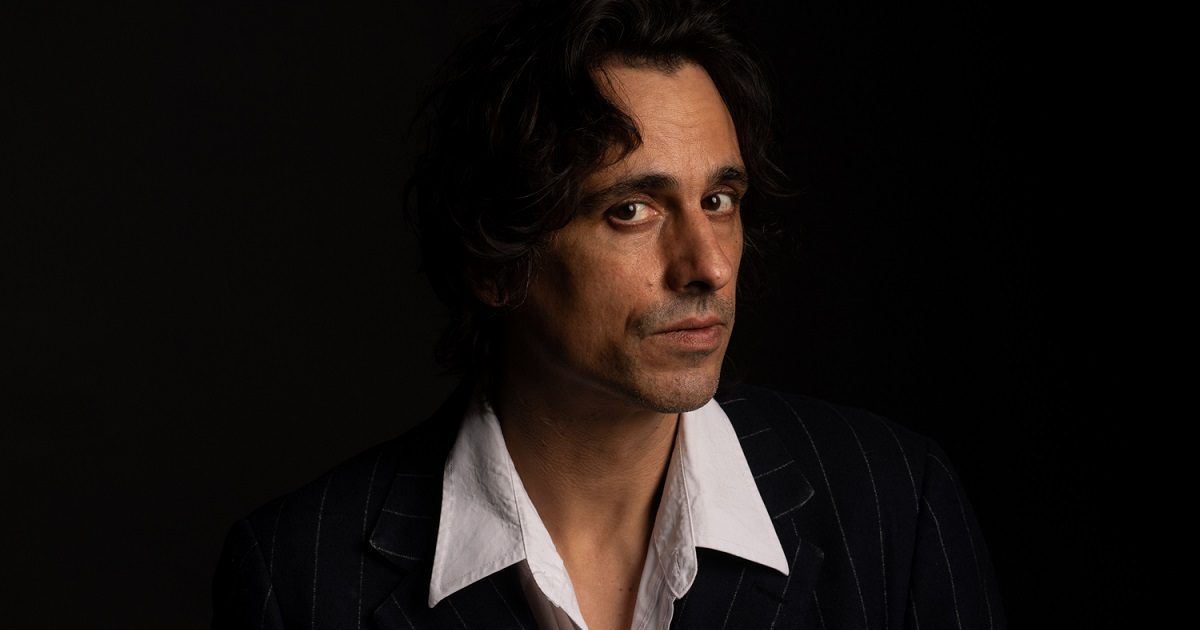
This week, The Show On The Road brings you a rare conversation with Thomas Brenneck and Homer Steinweiss, the braintrust behind brass-forward instrumental supergroup the Menahan Street Band. If Tarantino and Scorsese ever needed a custom-made, 1970’s greasy-soul soundtrack, MSB might be the perfect choice. While the timeless Daptone Records sound has gone worldwide thanks to breakout stars like the late Sharon Jones and Charles Bradley, most don’t know the bandleaders and songwriters behind their intricately arranged works.
Guitarist/producer Thomas Brenneck has been the secret sauce in helping hitmaker Mark Ronson create vintage backdrops for crossover stars like Amy Winehouse, while Homer Steinweiss’ slinky drumming can be heard across the Daptone universe, including on Jones, Winehouse, and Lee Fields and The Expressions records, not to mention his work with Lady Gaga, St. Vincent, and Bruno Mars. For the first time in a decade, MSB — which includes Dave Guy (The Roots), Leon Michaels (The Black Keys) and Nick Movshon (The Expressions) — have reconvened the troops to create their most effortlessly cinematic collection yet: the cheekily titled The Exciting Sounds Of The Menahan Street Band. The album art alone signifies a sensual, intimate evening is ahead to whoever listens. Is the design NSFW? Maybe.
Brenneck called into the episode taping from outside L.A. and Steinweiss from his studio in New York City. The conservation jumped back to how they formed the group in 2007, how they convinced Bradley to join them in making new music (he had been doing James Brown impression work), and how they find that out-of-body, improvisational zen zone which creates their aural moods of mystery and intrigue — showcased best in the reverb-y Bond-like jam “Starchaser.”
A favorite surreal moment that Brenneck mentioned was driving through Brooklyn hearing their song sampled by Jay-Z. For a moment, their horns were blaring from every car radio in the city. While hip-hop legends often find their beats and backdrops from classic soul and R&B vinyl, notables like Eminem, Kendrick Lamar, Travis Scott and 50 Cent have mined the funky MSB catalog for years. Sir Paul McCartney also used their services. If you need an instant vibe, they’ve got you. Even in sparkling trumpet-led themes like “Glovebox Pistol,” which clocks in at a minute and eight seconds long, you can see a velvet-boothed, smoke-filled scene unfolding, bringing to mind the lush scores of The Godfather or The Score.
Only recently have star backing-bands like The Wrecking Crew, The Swampers, and the Muscle Shoals Rhythm Section come to be appreciated for creating some of the most beloved songs in the American pop canon, from The Beach Boys and Aretha Franklin to Paul Simon, Bob Dylan, and The Staples Singers. It can be argued that in the 21st century, Brenneck and Steinweiss (and the work of The Menahan Street Band) deserve to be included in that conversation. With one listen of The Exciting Sounds Of The Menahan Street Band, you are transported — exactly where is up to you.
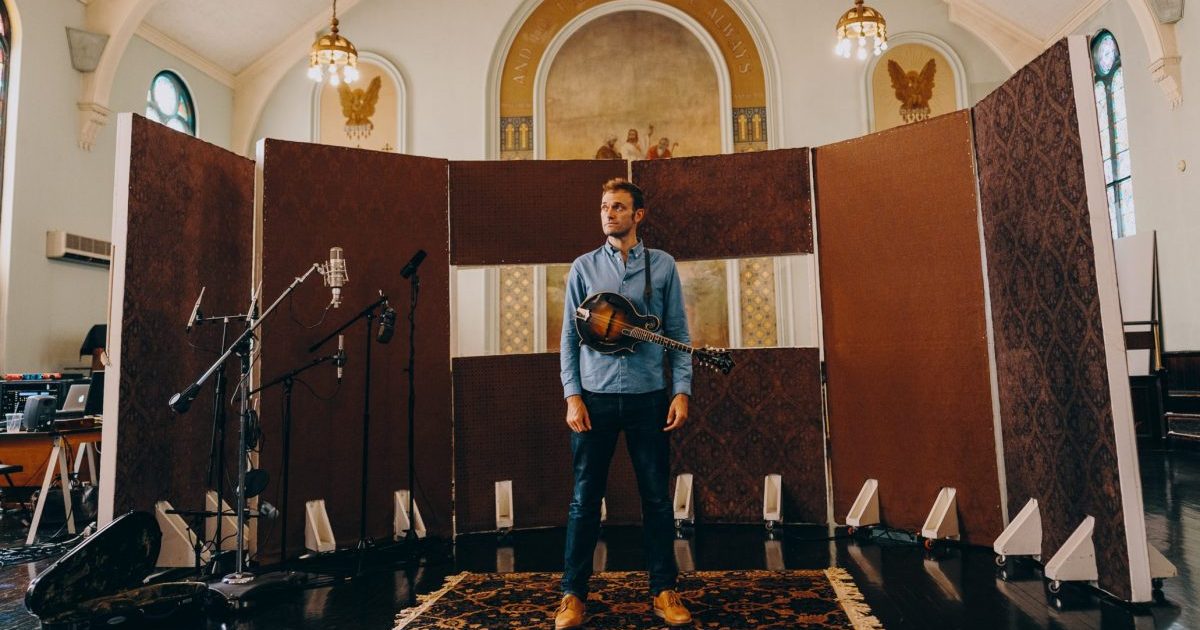
For a musician who has seemingly done it all and has the awards to prove it, Chris Thile found an excellent opportunity to create a solo record in the throes of the early pandemic. The project of that period of introspection and seclusion is one that has been, in some ways, a long time in the making, as his label Nonesuch had been hinting for some time to make an album centered around faith and spirituality. When the circumstance arose, Thile decided it should be done in as honest and straightforward a manner as possible: performed entirely by himself and recorded within the walls of a beautiful old church in upstate New York.
Titled Laysongs, the album offers a host of incredible performances, including compelling arrangements of Bartok and Bach, re-imaginings of traditional folk tunes, and original pieces inspired by literature. Enjoy this video of Chris Thile, our BGS Artist of the Month for June, performing the album’s title track in the church where it was recorded. And, check out Part 1 and Part 2 of our exclusive, AOTM interview.
Artist:Nefesh Mountain (Eric Lindberg and Doni Zasloff) Hometown: Brooklyn, New York City (born & raised); Montclair, New Jersey (current locale) Latest Album:Songs for the Sparrows
If you had to write a mission statement for your career, what would it be?
As a musician, there are times when you have to sit and write, practice and create music — this process can be so inward, so solitary and alone. But these quieter moments are also filled with their own kind of magic, the kind that personally sustains you and over time hopefully also helps define you as an artist. There are other times when you find yourself in this great shared musical community with friends, bandmates, mentors, and of course audiences and fans. In these moments, we get to experience it all together as a community. I love all of it, and this crazy cycle that we go through as artists — it’s a great question, the mission statement. And while we’ve never really thought of our career having a “mission” exactly, there is a word that comes to mind that for me applies to all aspects of our musical life, and that is inspiration. Doni and I both want to inspire new thought and ideas with our music, and hope that through song we’re able to depict a better world than the one we see sometimes these days. But inspiration also flows in all directions, and we can feel it from an audience just as easily as they can feel it from us, which is such an encouraging thought. Ultimately for me, I think it’s the drive to inspire and be inspired that fuels a song, improvisation, lyric, or melody, and I’d consider us so lucky just to continue to keep receiving, and giving inspiration back and forth throughout our career… I guess you could say invent, inspire, repeat! — Eric Lindberg
Which artist has influenced you the most … and how?
For me it’s sometimes hard to separate music from life, and vice versa — and when asked this question, I always seem to come back to the artists that’ve shaped me over the years, especially at pivotal moments in my life. As a child, I remember being obsessed with the songs on “Free To Be You And Me.” The songs, messages, and humor on this album opened up a whole new world of inspiration for me at the time. We still listen to it with our kids today! Being a strong woman in the musical world is something that is just so important to me, and in part this is thanks to my next phase of musical influences: Joni Mitchell, Carole King, Carly Simon, Dolly Parton, Emmylou Harris, and Joan Baez. For me, I came to a lot of bluegrass and old-time musical forms by way of these artists, tracing backwards from them and finding this amazing and wide world of Americana music like the Carter Family, Ola Belle Reed, Doc Watson, and so many others. Today, I’m also beyond proud that both my and Eric’s biggest bluegrass influences have become dear friends and collaborators on our albums: Jerry Douglas, Sam Bush, John Doyle, Bryan Sutton, David Grier, and Mark Schatz among others, have all had such a deep influence on our music, and we’re so grateful for it. — Doni Zasloff
This is such a hard one. There are so many people who have been heroes and “north stars” in my musical life over the years, yet there are two names that always seem to jump to mind when I get asked this question: Pat Metheny and Béla Fleck. I think that I’ve always been drawn to artists who are able to portray their own world on their own terms, and Pat and Béla have done this time and time again, not only defining their sound as composers and improvisers, but all while truly pushing the boundaries of their instruments as well — guitar and banjo, respectively. I also learned early on through them, as well as others like Miles Davis, Bill Monroe, Bill Frisell and more, the importance of composing your own music, and that has been a huge influence on me as it relates to Nefesh Mountain. When I think of Pat and Béla’s music, I actually think of their compositions first. Pat’s “Question and Answer,” “Bright Size Life,” “Farmer’s Trust,” “Letter From Home,” “Last Train Home” and Béla’s “Spanish Point,” “Whitewater,” “Big Country,” “See Rock City,” “Up and Running” to name a few, have all been huge inspirations for me. I’ve learned so much from listening to these two over the years, and not all of it has been exactly music-related. They both always seem to take risks, break rules, and push forward with an inner drive that is just so inspiring to me, and they’ve help pave this musical road out there for other folks, like us perhaps, who also want to build their own world and story on their own terms. — EL
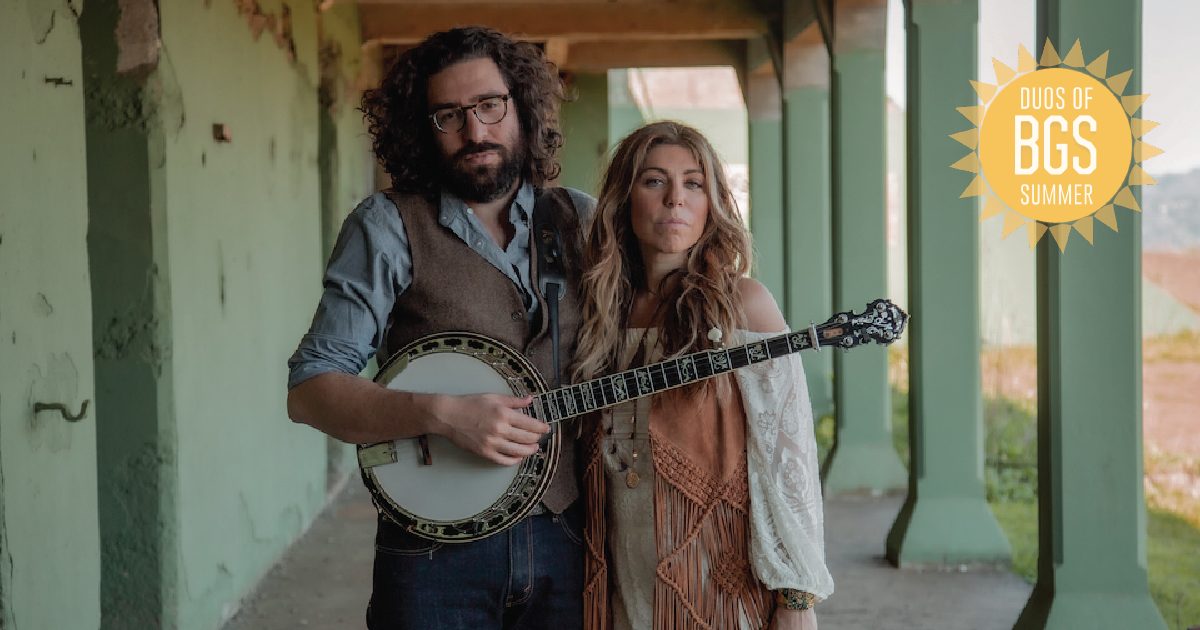
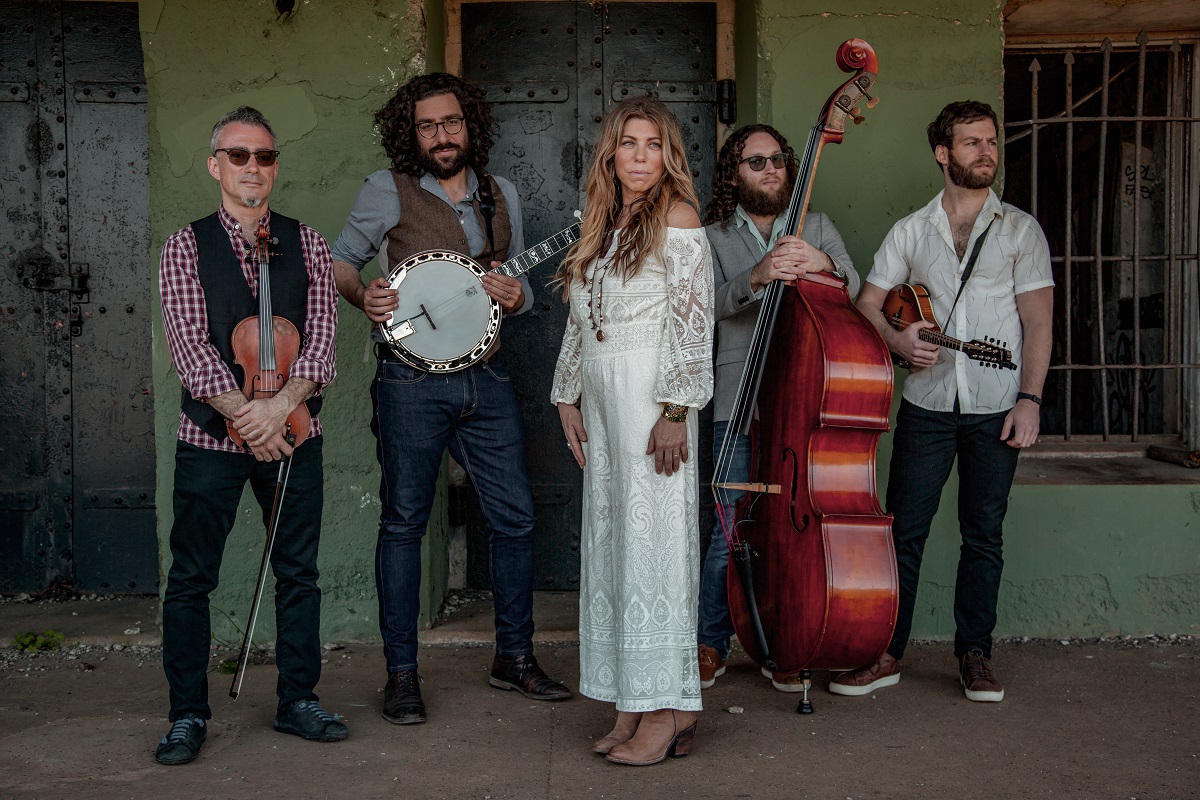
(L-R): Alan Grubner, Eric Lindberg, Doni Zasloff, Max Johnson, David Goldenberg
What’s your favorite memory from being on stage?
We’ve had so many incredible moments over the years, and one that always comes to mind for me was a number of years back at one of our first IBMA Wide Open Bluegrass festivals in Raleigh, NC. Our music, especially in a more traditionally bluegrass environment like IBMA, can be a bit different, to say the least. We were playing the 5:00 pm spot at the Capitol Stage, right in the center of the city, about to play a set that we knew had a few songs with Hebrew in them. I remember standing backstage looking out at a few thousand people at least, and just being terrified, scared that we would not be accepted for who we are. If you’ve never been, Wide Open Bluegrass is kind of a festival meets street fair. There are no tickets, and for these few days, about a million or so people in Raleigh come out to see some of the best bluegrass music around. So I’m looking out at this crowd that is growing by the second — and in my mind just assumed that they would all leave once they heard a lyric in Hebrew. But in the blink of an eye, I feel Eric come up next to me, grab my hand, and whisk me onto the stage — and less than 60 seconds later we were into our first song. I can barely remember any of the music from that particular performance, but what I do remember are the faces in the crowd… the smiles, the applause, the tears, the joy, the hope, and the rapidly growing numbers of people! When we got to our last song the crowd had more than tripled in size and we received our first standing ovation from the city of Raleigh, NC. It was a show and feeling I’d never forget. Of course, we’d played countless shows before and after that one, but there was a different sense of unknowing that day, of a deeper unknown, and felt like a trust fall between us and all the folks in that crowd who overwhelmingly all reached and caught us! – DZ
What other art forms — literature, film, dance, painting, etc — inform your music?
I think about this a lot, actually. I’m always curious about this connection between music, film, dance, literature and sometimes art as well — that all of it takes place, unfolds, and exists over time. A song, album, TV show, movie or book all have a specific and unique length, and I love that it’s our job as creators to ultimately tell a story within the parameters of our own medium. Our newest album, Songs for the Sparrows, is for me our most “cinematic” yet, in that we really wanted the album as a whole to take on the dramatic flow and characteristics of a film. We took a lot of time to write themes and motifs for this album, both melodically and lyrically, that would weave in and out of the songs. For us, these are our “characters” — the different voices and melodies that make appearances throughout. We also wanted a clear and definite beginning, middle, and end to the album, but overall really wanted it to feel like one story and one experience. I think the most exciting part of attempting to make music in this “cinematic” way is that it forces me to think more visually about the songs… to really focus on the images that we’re striving to create with all these beautiful acoustic instruments. There is a piece on the record called “Suite for a Golden Butterfly,” and for this one, Doni and I actually sat down and wrote out a detailed narrative before even a note of music was written. The music to all five movements came from this story that we wrote together about a Jewish family from Eastern Europe who flees to America to escape the Nazis, and for us it was such an exciting way to collaborate — each putting our own visuals, thoughts, and ideas into the music. — EL
Which elements of nature do you spend the most time with and how do those impact your work?
The natural world has had a profound influence on our music and lyrics over the years, and as songwriters and composers, we are always looking for ways to convey feelings, stories, and emotions that will resonate, both with ourselves and the listener. We all in one way or another have such a strong relationship with the world around us, and we often lean on this shared “common ground” in our songs, and really love telling our story through the lens of these universal images of rivers, canyons, forests, fields, and of course mountains! One of the great gifts of being a touring musician is having the chance to see the world. When I sit at home at my desk to write or compose a new piece, my mind will often wander on its own, referencing images of the mountains of Colorado, the coasts of Maine, the California sun, the peaks in Switzerland, the hills and valleys in Ireland. It’s a bit abstract and hard to measure, but for me, these elements of nature and personal memories come out in our work all the time — sometimes in an intended lyric or melody, and sometimes in just a few notes of an improvised solo. — EL
We’re always looking for connections in our music… ways of telling our story and how we see the world while bridging bluegrass music with our heritage as Jewish Americans. One common thread that beautifully runs through Americana music and Jewish tradition is the undeniable reverence shown for our natural world, and that connection is so encouraging for me! We so often only look at our differences these days — our backgrounds, skin color, religion, gender, or even musical genre — but over the years of traveling and making music, I’ve found that we can just as easily look at all the things that connect us, that we have in common. Strangely enough, it’s a choice that we can make every day, and it gives me comfort to know that despite our differences we’re all “Somewhere on This Mountain” all at once, all looking up at the same trees, clouds, and sky every day. — DZ
This week, The Show On The Road places a call into Woodstock, NY, where we speak to a respected singer, songwriter, and sometimes drummer Amy Helm, beloved daughter of Levon Helm of The Band.
Growing up in the home of two working performers (her mother is singer Libby Titus, who wrote songs covered by Bonnie Raitt and Linda Ronstadt) wasn’t always the easiest for the introspective Helm, but it gave her a fertile proving ground to begin exploring creating her own soaring songs in the folk, blues, and soul traditions. She waited until she was forty-four to release her acclaimed first solo record, Didn’t It Rain, with her father lending his signature earthy drums on several tracks — and this year, she teamed up with multi-instrumentalist and producer Josh Kaufman (Taylor Swift, Bonny Light Horseman) to create What The Flood Leaves Behind, her most emotive and lushly-realized project yet.
With her dogs often joining the conversation from her upstate home, Helm dives into her early years trying her hand at singing in New York City cafes, having folks walk out of her folk fest shows because her band was too loud, founding the band Ollabelle, joining her stepdad Donald Fagen’s group Steely Dan onstage, backing up legends like Stax soul artist William Bell and finally reconnecting with her dad in her mid-thirties as he began his late life renaissance, hosting his epic Americana throwdowns called “The Midnight Rambles.” It was being a member of that crack “ramble band” that gave Amy the final push to pursue her own lead voice.
While Levon famously struggled with heroine addiction and the foibles of post-Bob Dylan and The Band fame fallout, it was when he got clean and took Amy under his wing that both of their stars began to rise again. You can hear Amy singing on his gorgeous return in 2017’s Dirt Farmer. Becoming more ambitious, Amy laid down her upbeat rock-n-soul-tinged second album with producer Joe Henry in LA with notable players like Doyle Bramhall II, Tyler Chester, and a vocal choir of Allison Russell and JT Nero (Birds of Chicago) and Adam Minkoff. This Too Shall Light was released in 2018 on Yep Roc Records and Amy began to be recognized as one of the most powerful singers touring the Americana circuit. Her newest record was recorded at her spiritual home, Levon Helm Studios, where each ramble still takes place on the weekends.
During the pandemic, Helm had a unique idea to keep her creative muscles strong, even when live music gatherings were not technically allowed in public. She began setting up “curbside concerts” for her friends and any curious fans who missed her songs, touring around Woodstock with her guitar, bringing a little joy to her shut-in listeners during New York’s darkest hours.
Stick around to the end of the episode to hear Helm introduce the spiritual opening track of What The Flood Leaves Behind, “Verse 23.”
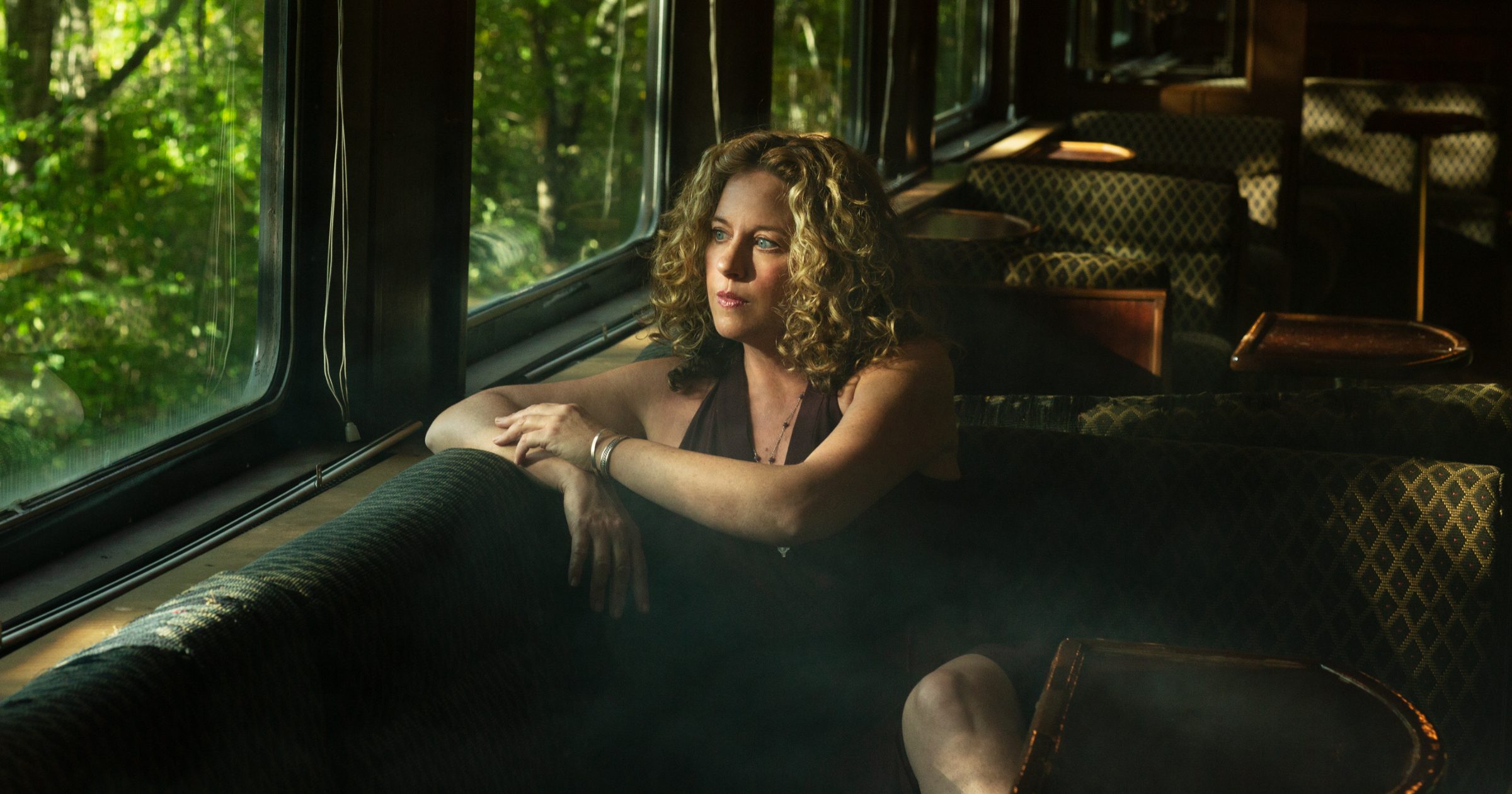
Photo credit: Ebru Yildiz
This website uses cookies to improve your experience. We'll assume you're ok with this, but you can opt-out if you wish.AcceptRejectRead More
Privacy & Cookies Policy
Privacy Overview
This website uses cookies to improve your experience while you navigate through the website. Out of these, the cookies that are categorized as necessary are stored on your browser as they are essential for the working of basic functionalities of the website. We also use third-party cookies that help us analyze and understand how you use this website. These cookies will be stored in your browser only with your consent. You also have the option to opt-out of these cookies. But opting out of some of these cookies may affect your browsing experience.
Necessary cookies are absolutely essential for the website to function properly. This category only includes cookies that ensures basic functionalities and security features of the website. These cookies do not store any personal information.
Any cookies that may not be particularly necessary for the website to function and is used specifically to collect user personal data via analytics, ads, other embedded contents are termed as non-necessary cookies. It is mandatory to procure user consent prior to running these cookies on your website.