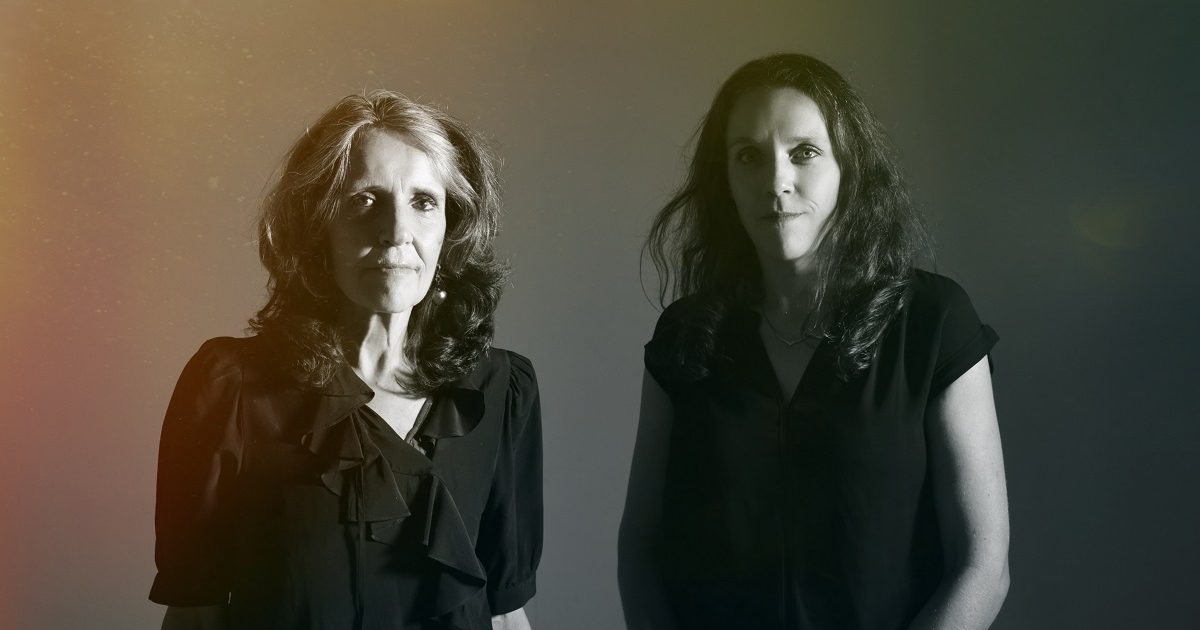
LISTEN: Suzzy Roche & Lucy Wainwright Roche, “Jane”

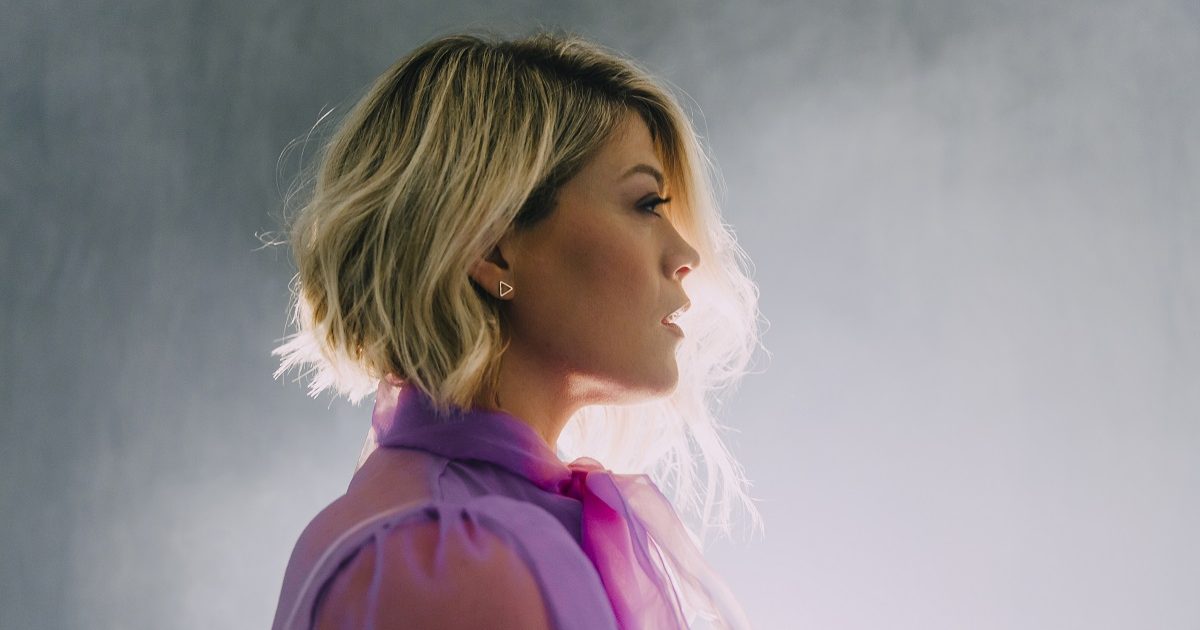
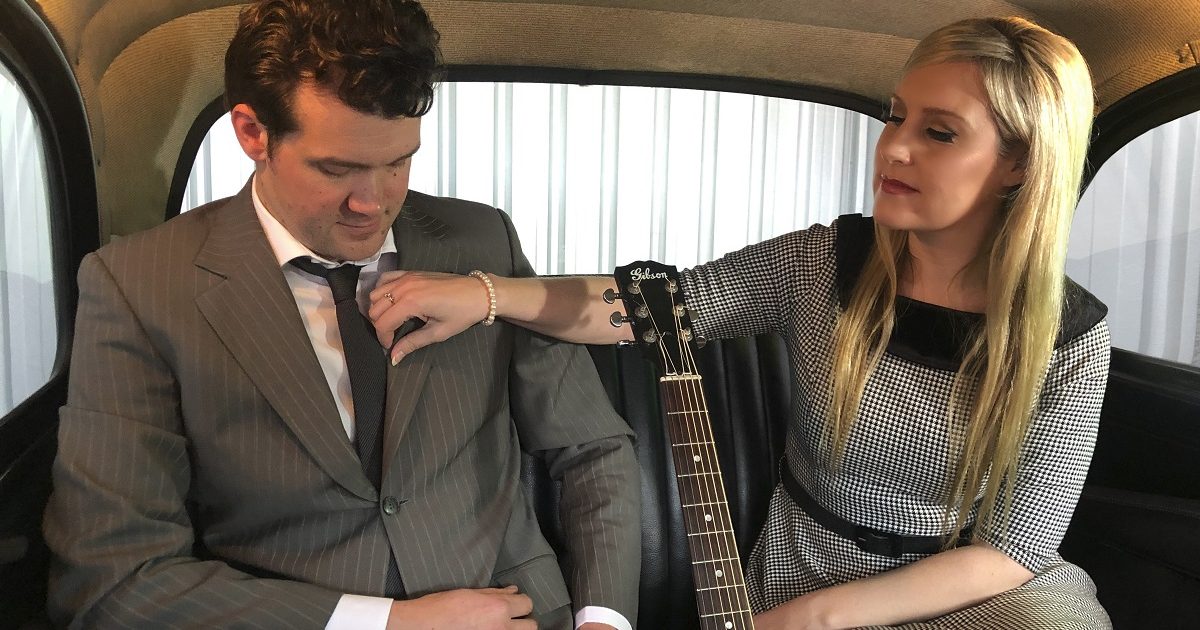
Artist: Suzzy Roche & Lucy Wainwright Roche
Hometown: New York, New York
Song: “Jane”
Album: I Can Still Hear You
Release Date: October 30, 2020
Label: StorySound

In Their Words: “For my 16th birthday, my aunt Terre gave me a cassette tape of some demos that she and my aunt Maggie recorded in 1973. ‘Jane’ was one of the songs on the tape and it was immediately one of my favorites. The song had never been included on any album, and for many years I thought it would be a great song to record. It finally found a home on this album. I particularly like the line, ‘It’s like remembering rain in the sun, or remembering sun in the rain.’” — Lucy Wainwright Roche


Photo credit: Shervin Lainez

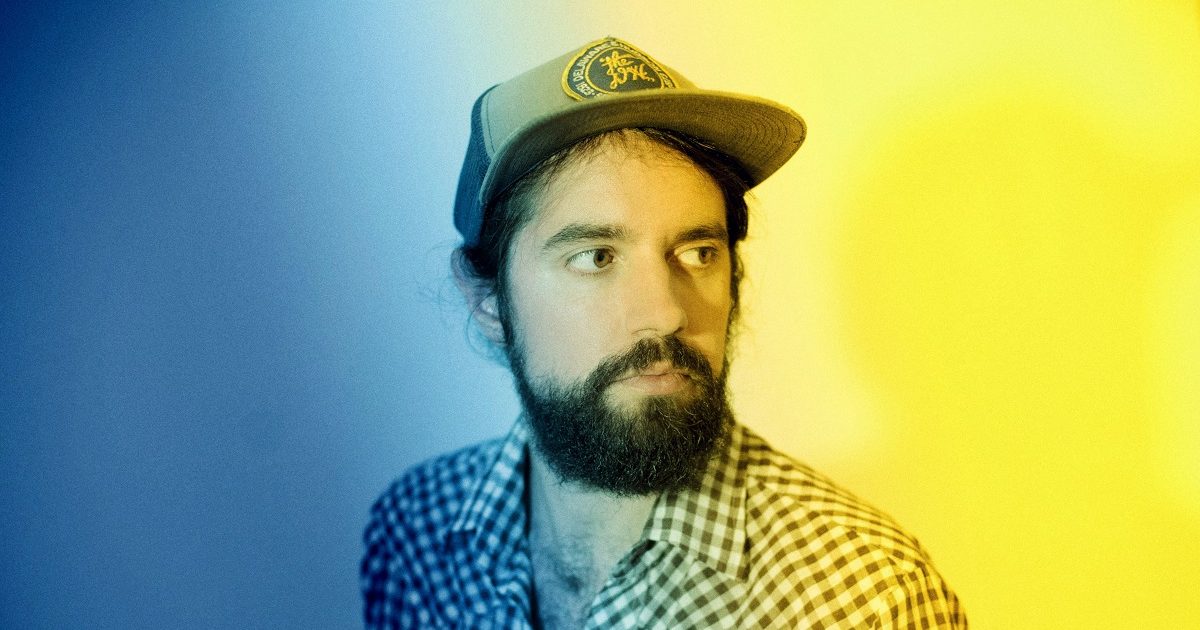
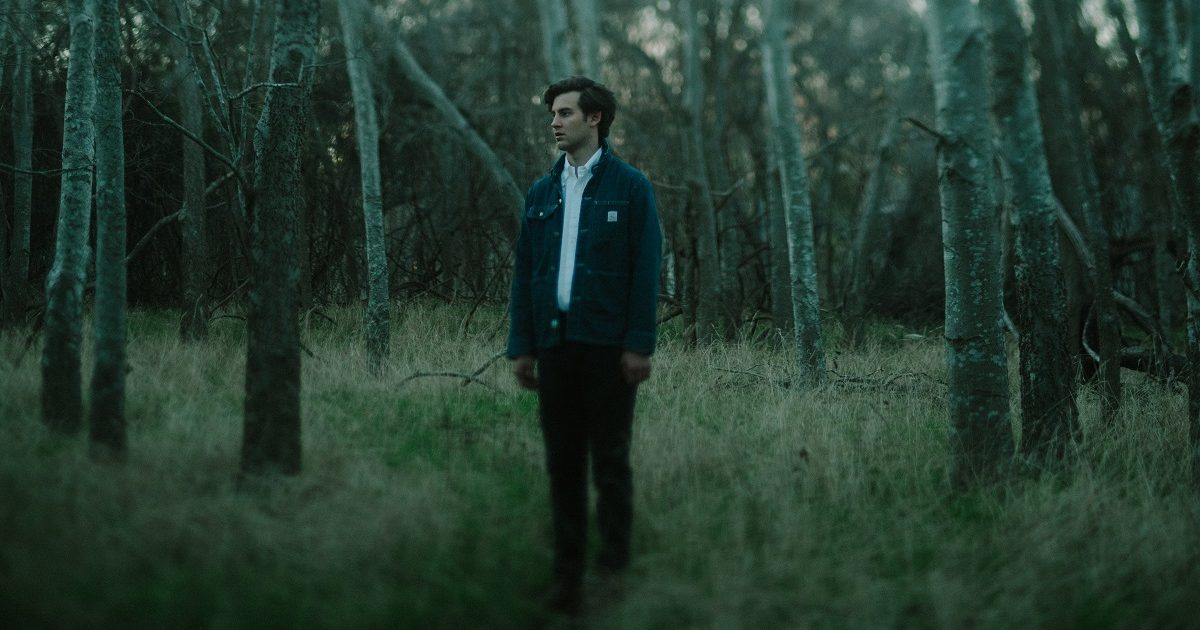
LISTEN: Thomas Csorba, “What’s Left of Mine”

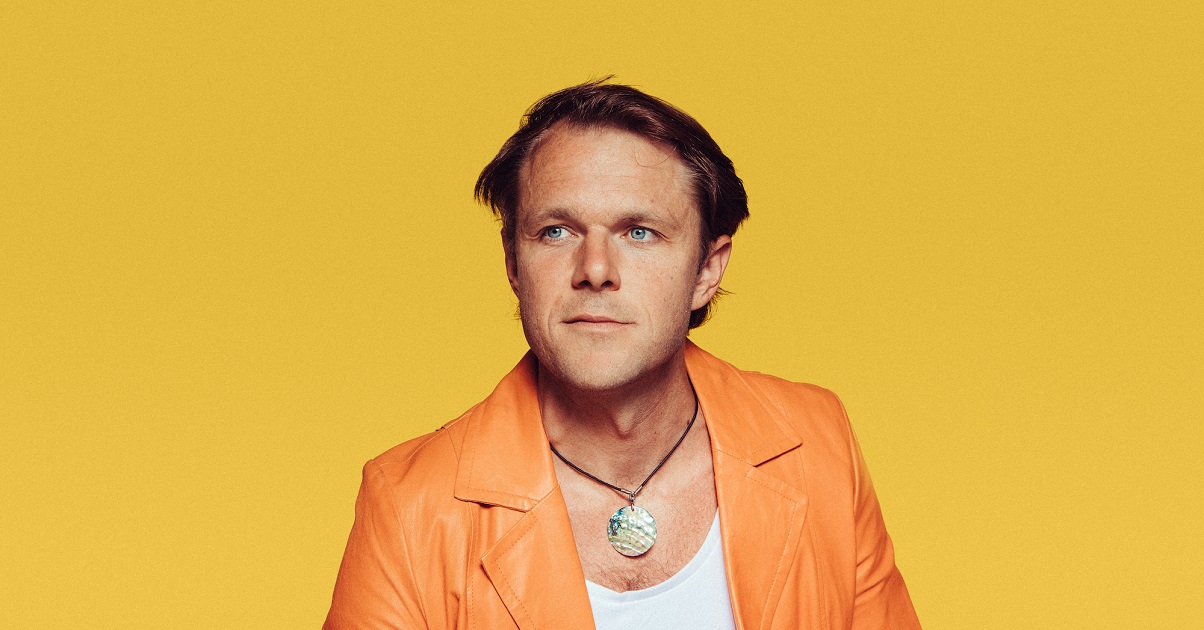
Artist: Thomas Csorba
Hometown: Dallas, Texas
Song: “What’s Left of Mine”
Album: Thomas Csorba
Release Date: September 25, 2020

In Their Words: “When Beau Bedford and I sat down to write this song, we fell into a story of a man at a pivotal moment in his life. The speaker in this song is looking his lover in the eye and saying, ‘I love you, but there’s some living I need to do.’ He’s at a crossroads: Do I spend this precious time with the one I love, or do I go and find myself? The risk there is heavy, and you can hear it in every line he utters. I found a big part of myself in this character. As I’ve stepped into marriage, I’ve been thinking a lot about sacrifice. Wherever I devote my time, my love, my energy, I know that another part of me needs to be sacrificed.” — Thomas Csorba


Photo credit: Austin Leih

BGS 5+5: Liz Longley

Artist: Liz Longley
Hometown: Nashville, Tennessee
Latest album: Funeral For My Past

What was the first moment that you knew you wanted to be a musician?

I grew up in and around music. I was young when I started dreaming of being a singer, but I truly had no idea what it entailed. Despite being shy and introverted, I would sing solos in the middle school choir. At fourteen, I started writing my own music. When I first played an original song, I got a standing ovation from my high school body. That’s a powerful moment for a kid. I knew then that music was what I wanted to do with my life.

How often do you hide behind a character in a song or use “you” when it’s actually “me”?

When it’s about me, I sing it from my perspective. It’s harder for me to connect to it when I’m hiding in character. But, I usually have one or two songs per record written from another person’s perspective. Getting outside of my own story and my own perspective can be very liberating. On my latest record, “Long Distance” was not written about my life specifically. Using lyrics to basically design a set in which to tell a story is a great exercise in creativity.

Which artist has influenced you the most … and how?

Joni Mitchell is always my answer to that question. I was listening to Blue non-stop as I started writing my own music. Listening to Blue taught me that if you have a great song, you don’t need to dress it up much. A great song, a beautiful voice and a guitar still get me every time.

What’s your favorite memory from being on stage?

After ten straight years of touring, I have been lucky to experience so many wonderful things on stage. As far as favorite shows go, I’d probably choose one of the last shows I played pre-COVID. It was February and I was headlining The Bluebird Cafe here in Nashville, Tennessee. The show was an intimate celebration, packed with people I love who flew in from all around the country. That night kicked off a whole weekend spent with twenty Kickstarter donors who made Funeral For My Past possible. It was the kind of togetherness that I really miss these days.

What rituals do you have, either in the studio or before a show?

A good little vocal warm-up always calms me down and helps me prepare for shows/singing in the studio. The one I do now involves blowing into a straw that is in a cup of water. It’s not annoying at all for anyone who has to hear it. 😉


Photo credit: Kate Rentz

LISTEN: Josiah Johnson, “Woman in a Man’s Life”

Artist: Josiah Johnson
Hometown: San Francisco, California
Song: “Woman in a Man’s Life”
Album: Every Feeling on a Loop
Release Date: September 4, 2020
Label: ANTI- Records

In Their Words: “We are beginning as a culture to reckon with gender roles and expectations, different standards and power dynamics. As someone who can fall back on presenting pretty straight, but has known I’m queer for a long time, I have been in process shedding my internalized homophobia and claiming my sensitivity, nurturing nature, my yin qualities as strengths. So when I sing ‘I’m a woman in a man’s life,’ it holds empowerment for me.

“I’ve learned to love my process. I’ve learned to love when I’ve taken the long way and where I get to admit mistakes. Humility and uncertainty are welcome. Being seen for who I am and where I’m at is my priority. And I am exactly where I am supposed to be. The result of that new courage bears out in how I’m able to be a better friend to the people I love. That’s the gift.” — Josiah Johnson


Photo credit: Sela Shiloni

Interviewed by His Daughter, Mac McAnally Recounts a ‘Lifetime’ in Music

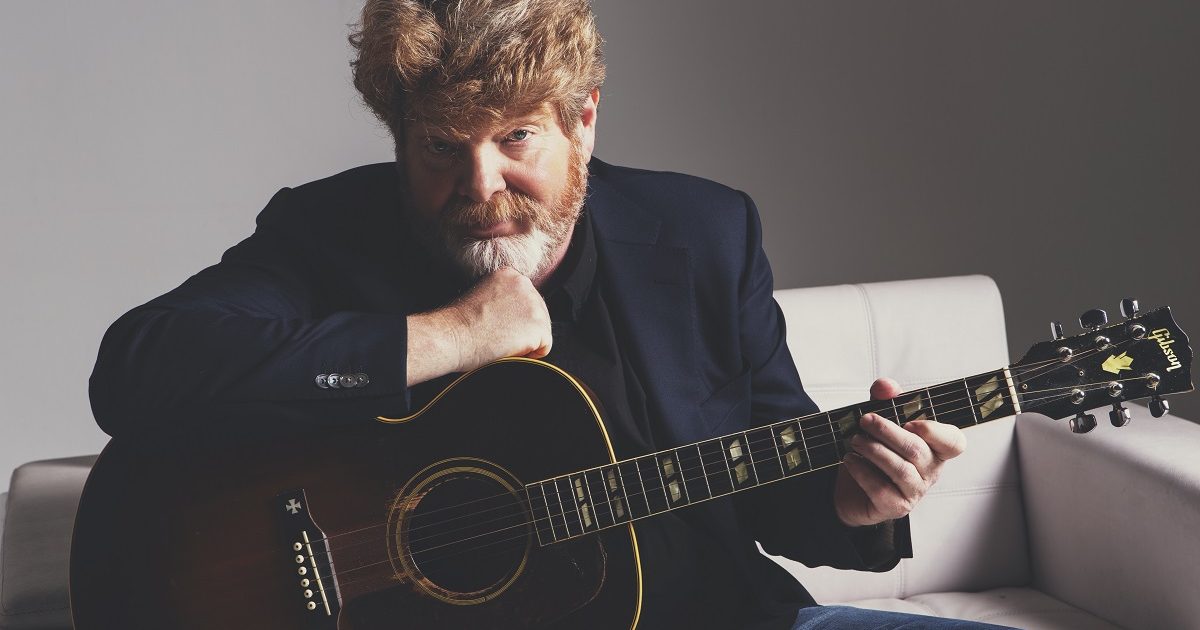
Mac McAnally is a highly-decorated and prolific multi-instrumentalist, producer, songwriter, and artist. He tours with Jimmy Buffett’s Coral Reefer Band, plays on countless sessions in Nashville and Muscle Shoals, and produces a number of independent artists, too. But more important to me, he’s my dad. And he’s a great one. On the occasion of the release of his new album, Once in a Lifetime, we discuss guitars, bluegrass, moments of social change, why he covered a Beatles song, and the process of making this record amidst a pandemic. And though I get to talk to him most days of my life, it is heartening to hear him put a fine point on his eternal optimism.

BGS: Growing up, music was constant in the house and one of the most pervasive cover songs you played was “Norwegian Wood.” What do you think it is about that song that sticks in your craw and drew you to record it?

Mac McAnally: As you know, I’ve always loved that song. In the very first line, from a lyric standpoint, “I once had a girl/Or should I say/She once had me,” you can tell any story in the world after that. That is something that I subconsciously try to do and have since the beginning.

Specifically, why I recorded it is because I bought an octave mandolin about four years ago. I did a show with Sarah Jarosz and she had one and let me play it and I thought, “I am going to have to get me one of these.” I always feel like I have to do something to justify the purchase so I play it on as many sessions as I can to try to amortize the cost, but I also came up with this new way to play it that is kind of a cool arrangement that I’ve never heard. I don’t in any way challenge the Beatles version and don’t mean any disrespect; I’m trying to find ways to justify the guilt of buying an octave mandolin.

On almost every record that you’ve made there’s a nod to bluegrass, like “Brand New Broken Heart” on this record. Who are some of your biggest bluegrass influences?

I have to preface this by saying I am a bluegrass fan, I am not a bluegrass player. Anything that I might be doing would just be trying to pay homage to what the greats can do. I’ve gotten to play with some of them, which I count high among the blessings of my life. When I wrote “Brand New Broken Heart,” I envisioned I would someday pitch it to Ricky Skaggs or Dailey & Vincent. I recorded it because I was a lazy song plugger who never pitched it to anybody.

Doc Watson was one of mine and my dad’s heroes. He was sort of my intro to real bluegrass. And all the way through my life, Emmylou Harris. We played her songs in bands when I was a teenager. Bryan Sutton is just frighteningly good. I can’t even fathom what he is doing, let alone try to do it myself. He inspires me to go get a pick out and play differently than I play because I love so much of what he does. And I’m crazy about I’m With Her.

What brought about recording “Changing Channels” for this record?

I have always loved that song. It is the second song that Jimmy (Buffett) and I wrote together. We wrote it in one my favorite places I have ever been. He had a spot down in Thomasville, Georgia, with a big porch. As you know I’m a porch guy. We sat out on the porch and wrote that song. He did a great version of it on Off the See the Lizard and I honestly never imagined myself cutting it but I love to play it. It has worked its way into my shows over the last ten years and his fan base will come up after and ask which one of my records the song is on. They had cash out trying to buy it and I don’t have it. You know better than anybody how terrible of a businessman I am, but eventually enough people tried to buy a version of it that I listened.

You have collected a lot of guitars, and in various ways: some saved from landfills, some gifted, some cast for you by friends and colleagues. How do you pick which guitars make your records?

It is certainly not an exact science but sometimes it is the guitar that the song came out of. The main thing that has always made me select guitars is if I think they have songs in them. I would happen to be holding them and a couple of my stories got mashed with them. In more cases than not, if I wrote a song on a guitar, that’s the one I’ll record. You end up learning over the years. In the same way when you are photographing someone, you learn what the best side of their face is. … A Gibson with dead strings is an awesome rock ‘n’ roll rhythm guitar. A Martin with new strings is an awesome fingerpicking guitar.

We are in a moment of social change. Music has the power to both inspire and record change. You moved to the Shoals in the ‘70s. Thinking back on those early days in the studio, what was it like in those moments?

Playing music in Muscle Shoals was extremely encouraging from the standpoint of equality. They didn’t really think of it in terms of race. Music transcended that. And I love that. And I still love that. I’m standing in Muscle Shoals right now proud to be part of that. You can be encouraged on some levels and discouraged on some levels and I am both of those things. I haven’t in my life ever thought that I was better or worse than anybody else and I look forward to that being a more prevalent vantage point for everyone.

I want to challenge you on that a bit. One of your dear friends and longtime collaborators, Ralph MacDonald, told you that he never felt comfortable coming to Muscle Shoals and we’ve heard from more folks that it wasn’t an inviting place to come collaborate, so a lot of those musicians opted for Detroit or Miami. With that added perspective, does it make you feel differently about the time?

Absolutely, it makes me more aware of the context. As I said, Muscle Shoals would have been advanced in terms of racial relations in the music community in the South. As I look back now, I realize that doesn’t mean it was great. It was just better relative to the surroundings.

Ralph and I, we were like brothers. He told me he would’ve been scared to death of a big red-headed dude from Mississippi. And he was a Black man from Harlem. I could not have imagined that we would connect on as many levels as we did. We both had misconceptions that got better. He was one of my heroes. He was one of the best percussionists that ever played. And I loved him. It is hard to get into racial discussions without stirring stuff up. But we made each other better. Music is one of the best ways to bridge across preconceptions. I think it’ll play a big part of getting us the rest of the way home. ‘Cause we ain’t there yet.

Stirring stuff up is the way we make progress.

That’s true and they are not easy discussions. I don’t think of myself as someone with prejudices, but when I think back, some of the things I laughed at growing up as a kid in Mississippi I’m embarrassed of. And I was mainly laughing because everyone around me was laughing, but when I think of what it was we were laughing at, it is embarrassing. I don’t really want to talk about it, I just want to be a better person, because I know it was wrong. But you are right. Talking about it is better. Air it out.

What does it feel like to release an album in a pandemic?

Well, not speaking ill of either thing, but I hope it is a one-time thing. I hope I never have to try to beat a pandemic album with a second pandemic album. My records are normally made in what I call “the cracks of time.” I make them in the cracks of my schedule because I work full-time as a Coral Reefer, a fair amount of time as a session musician for other people, writing songs for other people and producing other folks. But because of the circumstance of this record, it is really special to me because I got to sit and think about what I felt was important and what was not. I wouldn’t wish a pandemic on the world just to get extra time to make my record. I think maybe next time I’ll just take the time on my own.

Even in your darkest lyrics, there is a balance that shows your shining optimism. We are surrounded by a heavy dose of dark right now. Are you feeling optimistic?

Absolutely. I absolutely am. I wish we weren’t where we are right now and that everyone could see that it is better to find a way to coexist than it is to hate one another. I’m not someone who has any room for hate. As you recall, I don’t even like the word. I’ve probably pestered you about it for your entire life. Actual hate hurts me. We’ve been celebrating the life of John Lewis the last few weeks and John is a great example of figuring out a way to make it better by not hating the people who hated him. I think things are going to get better and I intend to try to help.


Erin McAnally is a regular contributor to The Bluegrass Situation

Photo Credit: Jeff Fasano

LISTEN: The Weeping Willows, “Wheels Won’t Roll”

Artist: The Weeping Willows
Hometown: Melbourne, Australia
Song: “Wheels Won’t Roll”
Release Date: August 14, 2020 (Single)

In Their Words: “Penned in 2019, ‘Wheels Won’t Roll’ is our ‘accidental isolation song’ about feeling stuck in a rut (we owe 2019 an apology!) Early last year we were spinning our wheels, struggling to move forward, crippled by self-doubt and writer’s block. But despite all that, we longed to be back out on the open road… ‘Wheels’ is our folkie homage to the great Australian song, ‘Rock and Roll (I Gave You the Best Years of My Life)’ written by Kevin Johnson, made famous by Mac Davis.” — Laura Coates and Andrew Wrigglesworth, The Weeping Willows


Photo credit: Lachlan Bryan

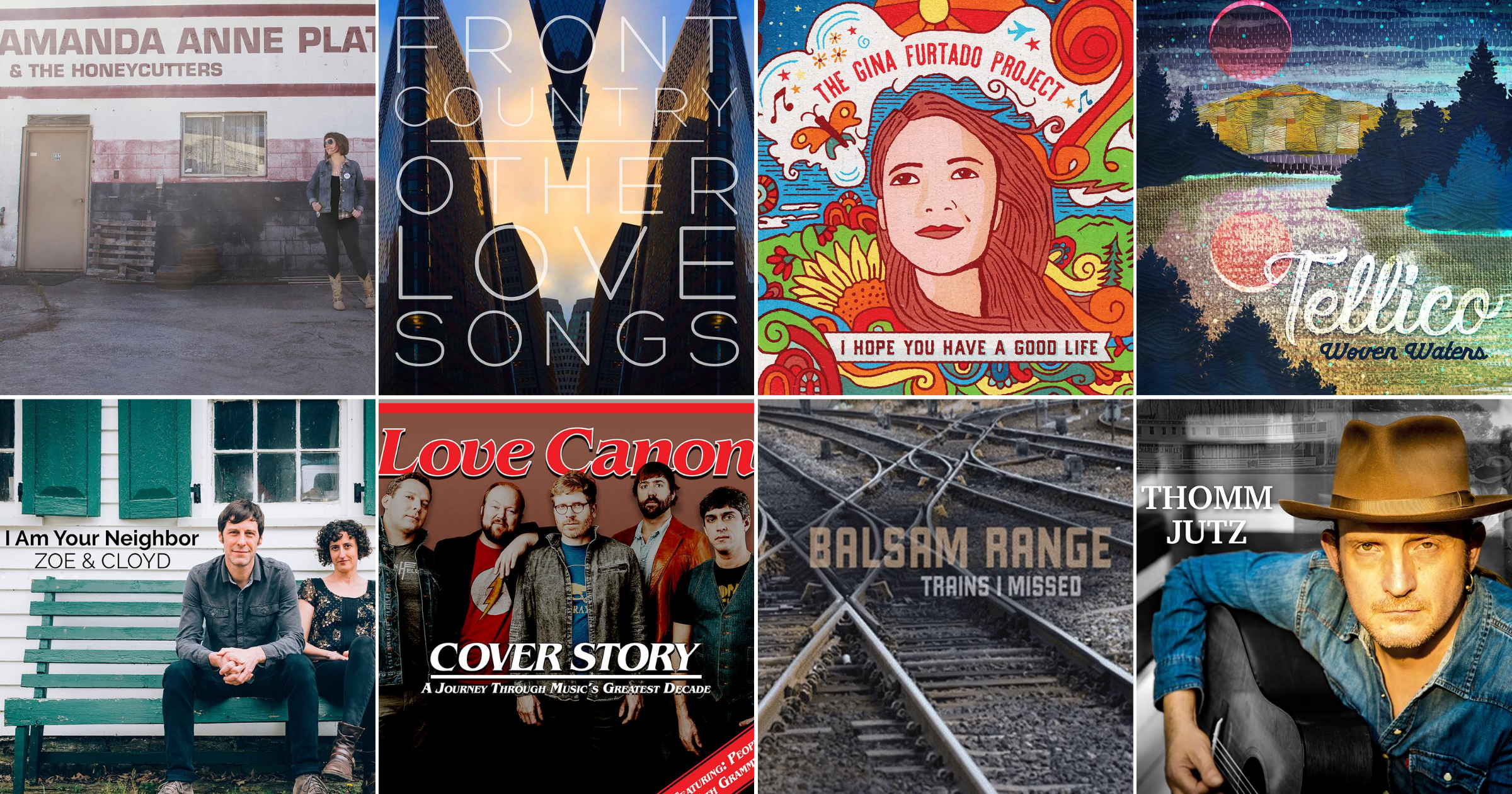
MIXTAPE: An Organic, Mountain Home Playlist

There’s never been a time when working people haven’t needed to lean on one another — and to look beyond the present day — just to get by, but the present moment often seems especially fraught. Nothing speaks better to each present moment than music, whether it’s making space for respite and healing or providing encouragement and inspiration for the struggle.

Here at Mountain Home Music Company and Organic Records, our artists speak in unique, distinctive voices, yet each of these mostly southern artists have been unafraid to offer up songs that address the universal themes and social challenges of our times— whether they’re looking inward or to the outside world. — Ty Gilpin

(Editor’s Note: Find the entire playlist below)

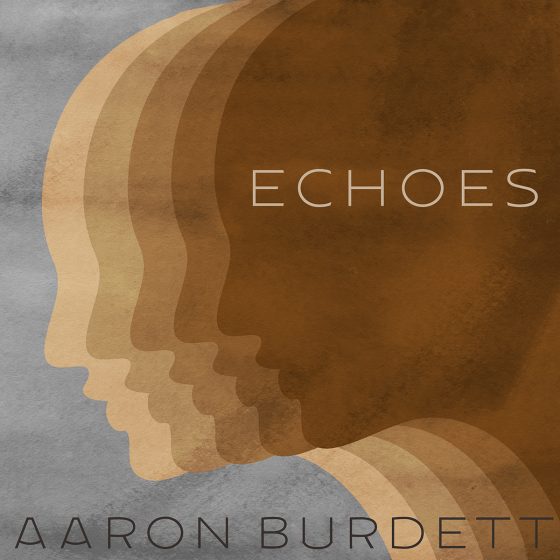
Aaron Burdett — “Echoes”

“Echoes” is a product of this era, a processing of my own thoughts and feelings. I have questions about my surroundings and myself. It’s about current conditions but also about elements of our humanity that are centuries old. Uncertainty defines much of life in the year 2020 and I believe in recognizing and honoring it. Answers will not arrive until the right questions are asked. — Aaron Burdett

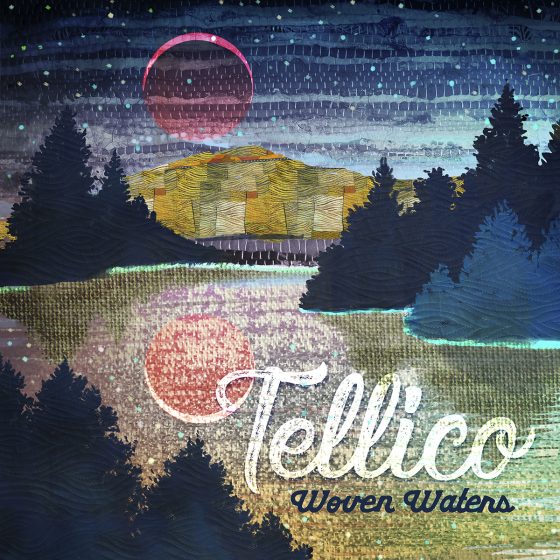
Tellico — “Courage for the Morning”

I was thinking about how people’s actions can inspire others, from the great revolutionary leaders to the everyday efforts of ordinary people. So, if you sing along to this song, you will be saying to yourself “I will walk, I will sing, I will bring a little courage for the morning.” That is something each one of us can take to heart and really think about: What is it that I can do to help another person in this world? — Anya Hinkle, Tellico

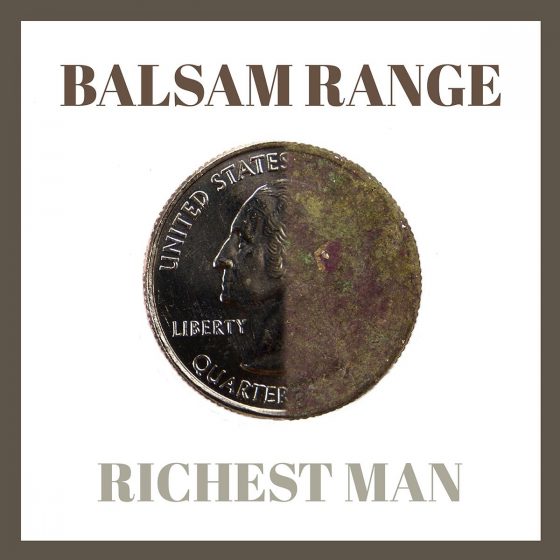
Balsam Range — “Richest Man”

Who has not thought about being the Richest Man? But what defines being rich? To have a life without regrets is easier said than done. The sacrifices made for gain can seldom be undone. The things lost and those won will only show with time. — Buddy Melton, Balsam Range

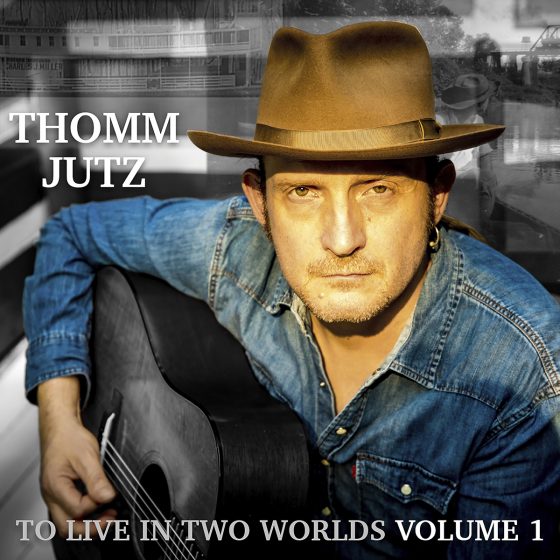
Thomm Jutz — “What’ll They Think Up Last”

When you enter John Hadley’s Fiddle Back Shack you are immediately in the moment and in a different world. I can’t think of any other house like his. Hadley is one of the most stunningly great creative minds I know — so is Peter Cooper. We gathered at Hadley’s funky Madison, Tennessee home one Sunday morning, talking over coffee. Hadley said something like “I wonder what they’ll think up last…” yeah, me too. — Thomm Jutz

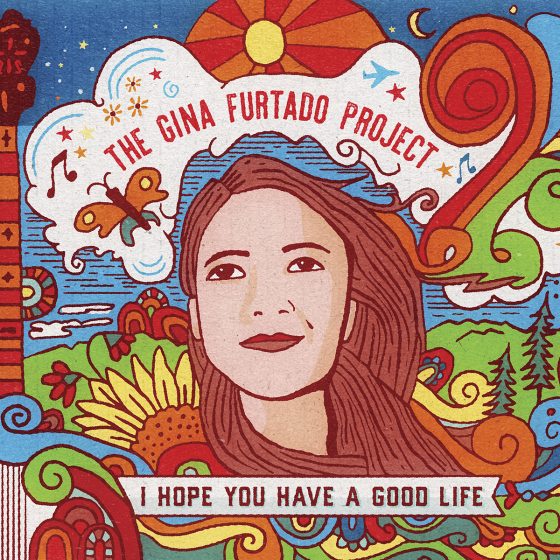
The Gina Furtado Project — “The Things I Saw”

All throughout my childhood, I went to the river when I needed comfort of any kind. No matter what happened in my life, good or bad, the river was always the same. The plants and critters and smells and sounds became like old friends; always welcoming and beautiful in every way. I imagined a secret society whose mission was to fight hatred with love.

I’ve taken that little vision into my adult life, and enjoy trying to spot members of this secret society (and trying to be one myself!) They can be flowers, animals, sunsets, people you pass on the street — any person or thing that refuses to let darkness and negativity take over, and instead chooses to exude pure and unstoppable love. — Gina Furtado

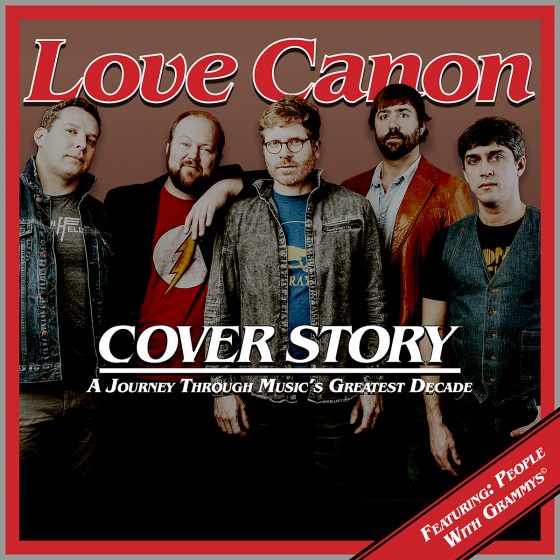
Love Canon — “Things Can Only Get Better”

Love Canon has made a career from expertly covering classic ’70s and ’80s pop songs with acoustic instruments. In this Howard Jones hit, they found an anthem for trying times. — Ty Gilpin

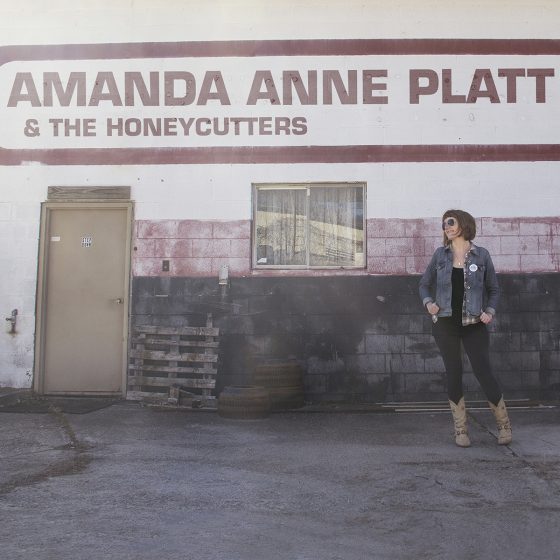
Amanda Anne Platt & the Honeycutters — “Brand New Start”

Asheville-based, Americana-leaning outfit the Honeycutters have built an increasingly storied career through their sensitive, skilled musicianship and the distinctive songwriting and voice of Amanda Platt. “Brand New Start” is about a scenario we could all use right about now. — Ty Gilpin

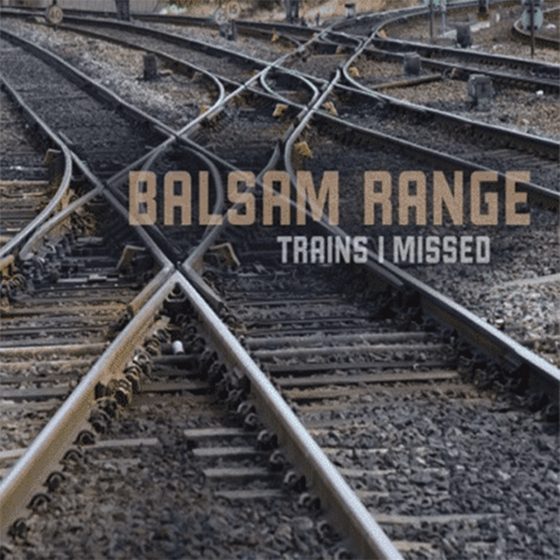
Balsam Range — “Trains I Missed”

Do we recognize when opportunities missed are really fate taking us in a better direction? How many times have you found yourself missing one train and taking another to right where you’re supposed to be? — Ty Gilpin

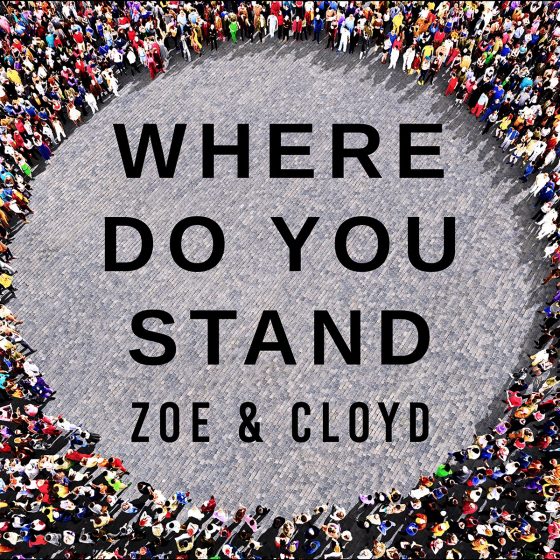
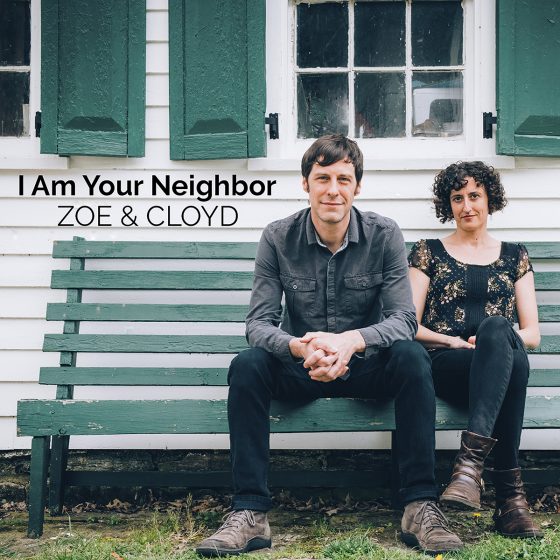
Zoe & Cloyd — “Where Do You Stand”

“Where Do You Stand” is a commentary on the state of our national discourse. Often, it’s the farthest ends of the political spectrum that make the news and it seems like inflammatory rhetoric is the only thing that gets heard these days. I’d like for us to remember that we’re all connected and are more alike than we are different, no matter who tries to convince us otherwise. For us to move forward, we have to find common ground on which to build a path toward a sustainable future. — John Cloyd Miller, Zoe & Cloyd

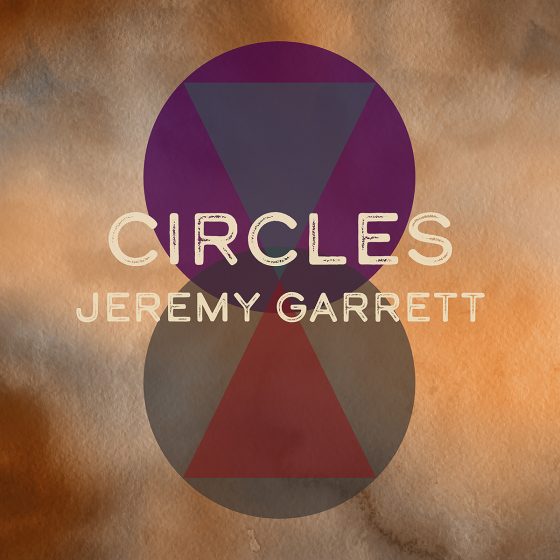
Jeremy Garrett — “Circles;” “What Would We Find?”

“Circles” is a song I feel like many people can relate to. Sometimes you feel like you’re going in circles, but there is always light on the other side if you can just keep going and perhaps change your vantage point.

For “What Would We Find?” we were riding out through the Black Hills and it struck me how it looked as though, if you could take all the timber away and expose just the rocks and barren land, what would you find? It seemed as though there were hidden layers of possible treasures in the rocks under the timber — perhaps like relationships can be sometimes. I only had the idea and a basic melody, and had the opportunity to write with one of my heroes, Darrell Scott.  — Jeremy Garrett

Front Country — “Good Side”

Almost a capella from a group that has never shied from issues of social justice. Hailing from the west coast but now residing in Nashville, Front Country has consistently campaigned for marginalized members of our community. This powerful message is both personal and universal. — Ty Gilpin

Zoe & Cloyd — “Neighbor”

“Neighbor” is a song meant to inspire us to act with empathy, and to remember our shared humanity. It’s important to recognize our similarities rather than fear our differences. — Natalya Zoe Weinstein, Zoe & Cloyd

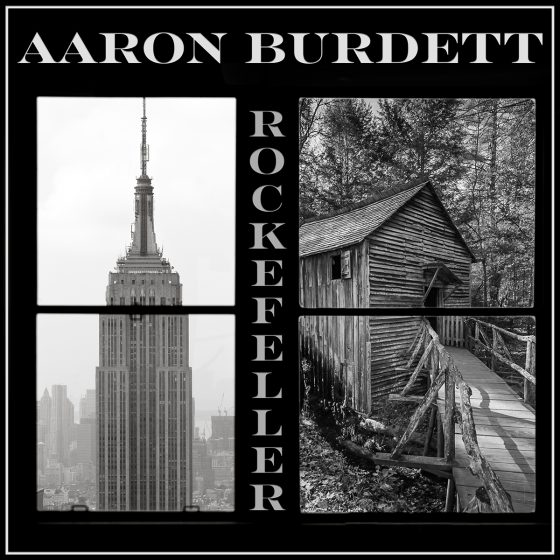
Aaron Burdett — “Rockefeller”

“Rockefeller” is, on the surface, just a fun song about wishing for more than you have and being envious of others. Dig a little deeper though, and the song brings in hints of income and economic inequality. But then the chorus is all about making do and being content with what you do have. So it’s a song with a few layers to jump back and forth between. — Aaron Burdett

The Gina Furtado Project — “Try”

The societal pressure to be a certain way can be overwhelming. ‘Try’ just came to me one day when I felt particularly defeated. We win some, we lose some; we do admirable things and less than admirable things. That is what it is to be a human, and as long as you know you try, it’s not a big deal either way. — Gina Furtado


SPONSORED CONTENT: Occasionally, BGS brings you content curated by featured partners and sponsors.
The Show On The Road – Leyla McCalla

This week The Show On The Road features a conversation with Leyla McCalla, a talented, multi-lingual cellist, banjoist, and singer/songwriter.

LISTEN: APPLE PODCASTS


Born in New York, raised in New Jersey, and McCalla is now based in New Orleans, where she raises three kids (she often tours with them in tow). McCalla often honors her Haitian heritage, bringing listeners into a vibrant world of Creole rhythms and forgotten African string-band traditions by introducing them to a new audience with her own powerful creative vision.

You may know McCalla as an integral part of two different roots supergroups: the Carolina Chocolate Drops and Our Native Daughters. But for much of the last decade, she has put out heady, ever-surprising solo projects. The latest, The Capitalist Blues, harnesses the brassy, percussive sounds of New Orleans; her previous record, A Day for the Hunter, A Day for the Prey, was also a standout, putting her gorgeous cello-work center stage while also examining powerful Haitian proverbs and Haiti’s often-overlooked, tragic history.

WATCH: Sabine McCalla Gives a Striking Performance of “Baby, Please Don’t Go”

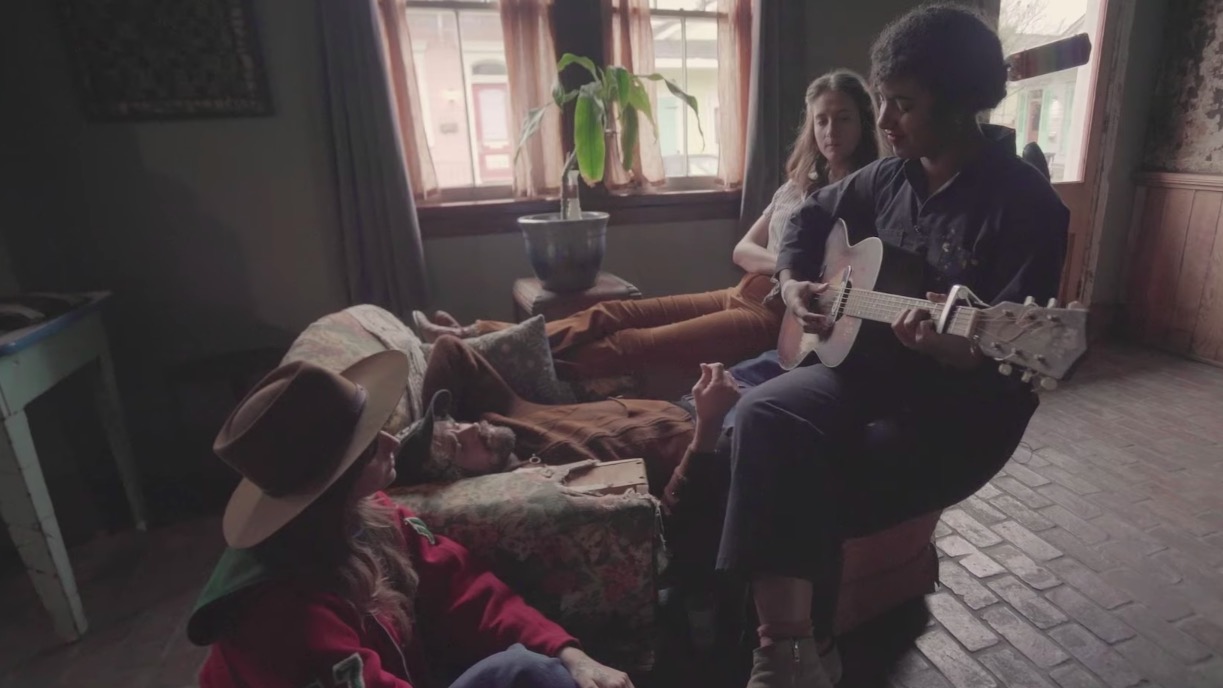
In March, when artists, businesses, and schools were stepping into a new normal built around public health and safety, New Orleans folk singer Sabine McCalla was preparing for a feature on the popular roots music series Western AF. She selected “Baby, Please Don’t Go,” a tender ballad written to a fleeting foreigner after a whirlwind romance. McCalla gently sings what many could not bear to say, and does so with a hypnotic look in her eyes.

Like the Mona Lisa, McCalla wears a beautiful calmness, seeming at times to hold a soft smile that veils other emotions. The New Orleans based singer/songwriter is joined by an entourage of collaborators who add whimsical, airy harmonies to the fondest portions of the song. The physical arrangement of the group — they sprawl over a couch, spilling into each other’s laps and arms —  instills a sense that McCalla is sharing a painful memory with friends, in conversation. Western AF creates a window into a fragile musical moment as Sabine McCalla delivers a raw performance of this striking song. 


WATCH: Anthony D’Amato, “When I See You Again”

Artist: Anthony D’Amato
Hometown: Blairstown, New Jersey
Single: “When I See You Again”
Release Date: July 3, 2020

In Their Words: “I originally wrote this song as a closer for the Social Distance Happy Hour, the weekly livestream series I launched when touring shut down. A lot of my catalog tends to explore darker themes, and it felt like I needed something more hopeful to end the shows with, something to remind folks of how sweet it will feel to hug their friends or go to a concert without worrying about spreading a deadly disease. While I was in the process of mixing the tune, I came across a really striking photo of two kids getting ready for school during the 1918 Spanish flu outbreak. They’re both wearing masks and staring straight into the camera, and I knew right away that it needed to be the cover art. The video is similarly built out of historic footage from the Prelinger Archives and I hope it can serve as a reminder to folks that, as unprecedented as our current situation feels, we’ve been here before in many ways, and it’s up to us as a society whether we want to listen to the science and learn from the past or bury our heads in the sand and repeat our mistakes.” — Anthony D’Amato


Photo credit: Vivian Wang