You Gotta Hear This: New Music From Jarrod Walker, Dailey & Vincent, and More

Welcome to another edition of our weekly round-up of new roots music! You Gotta Hear This…

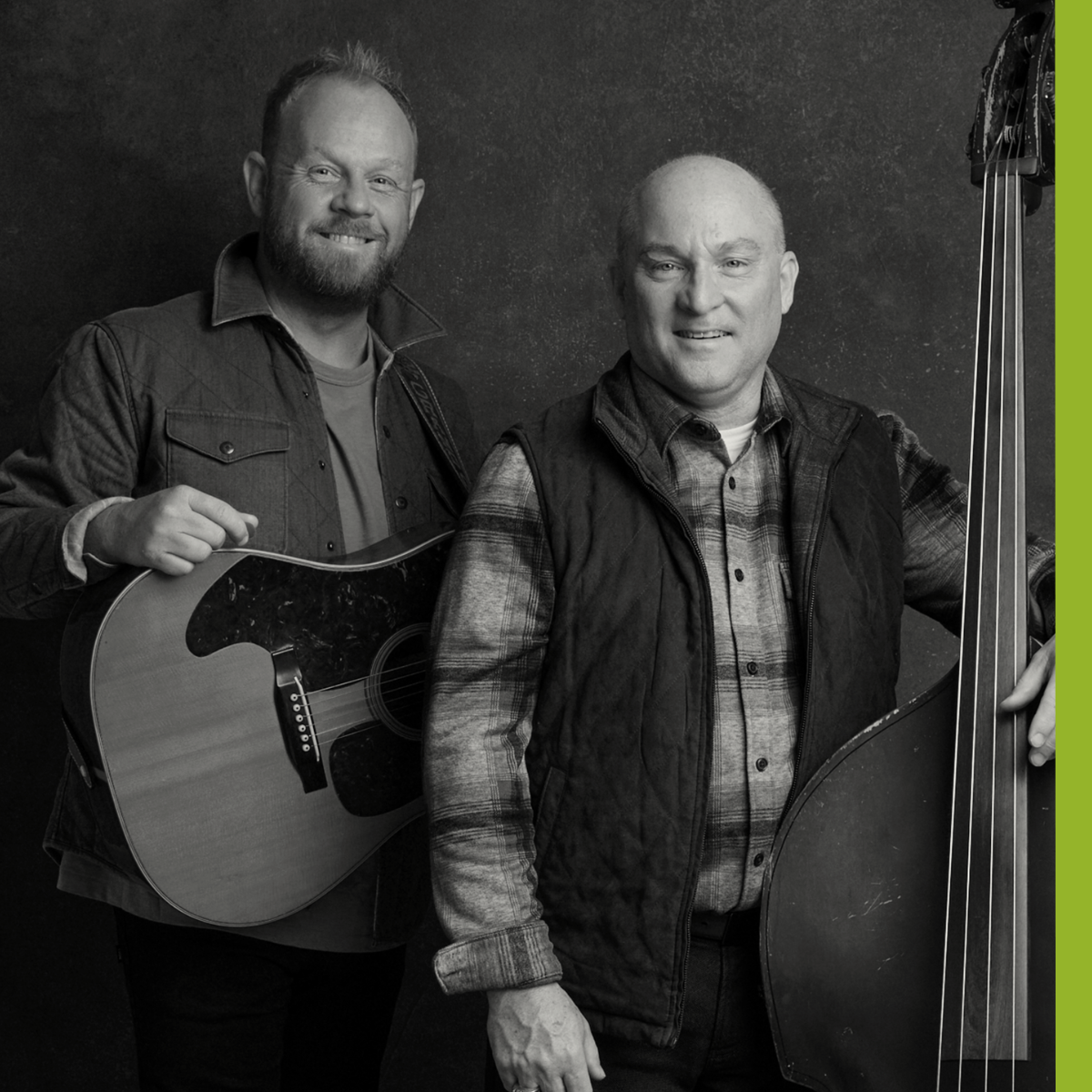
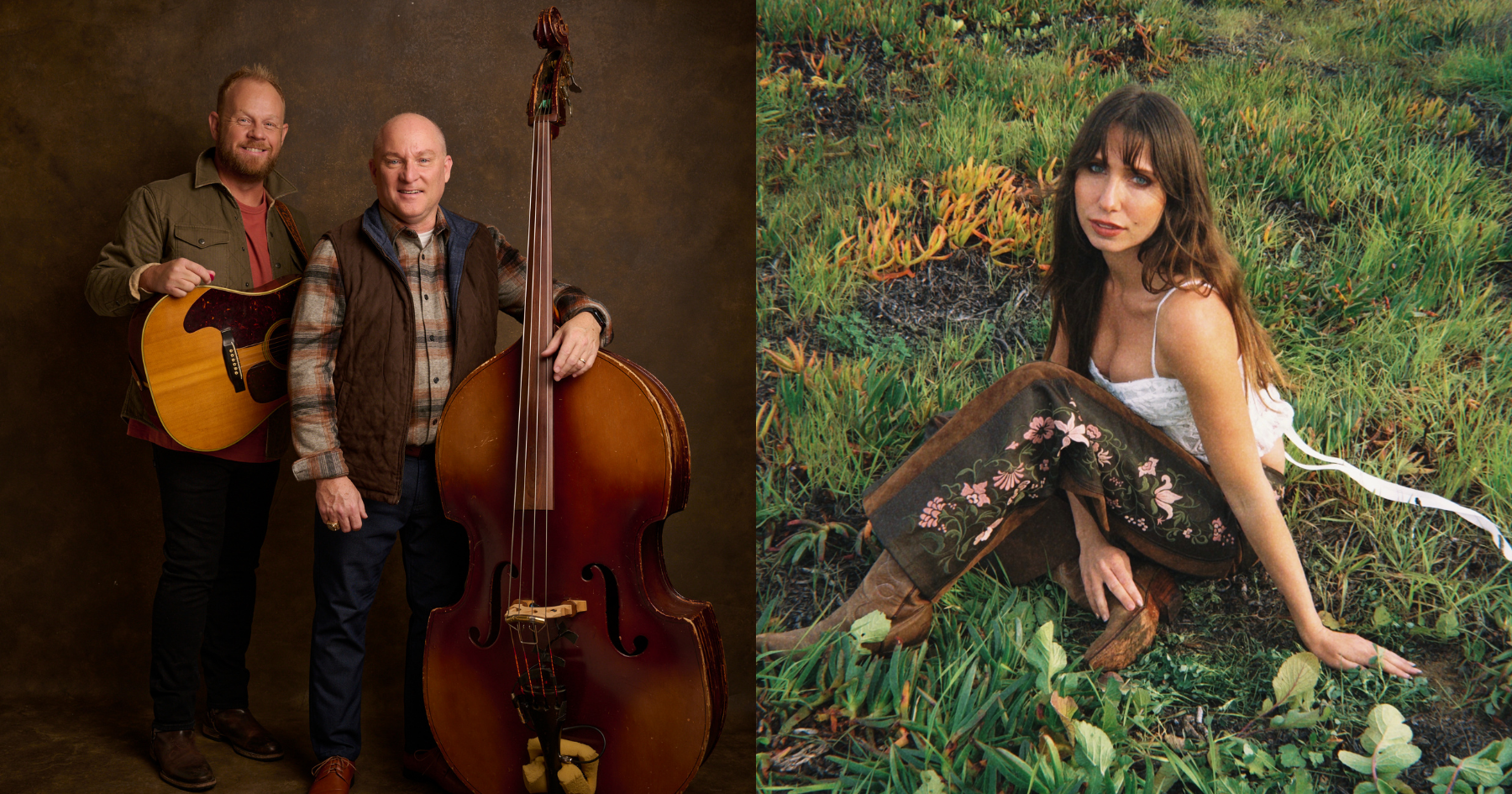
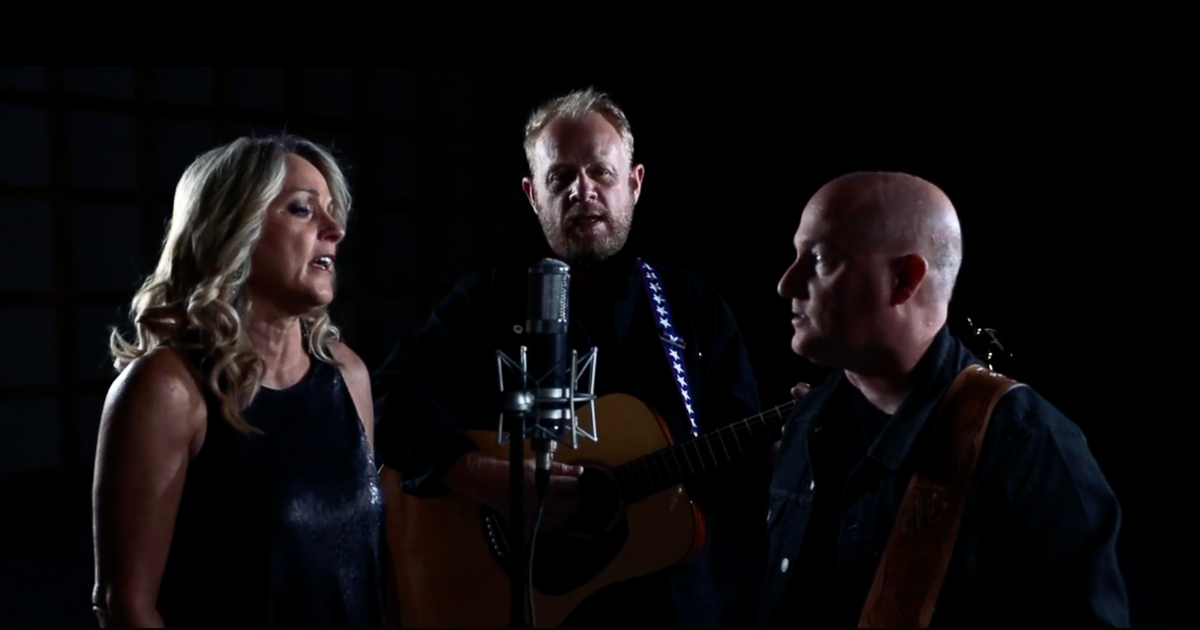
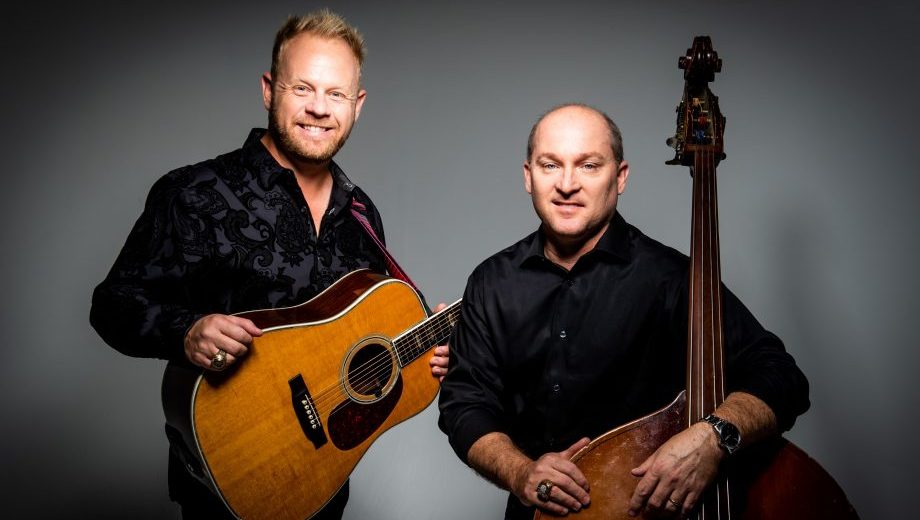
To get us started this week, Dailey & Vincent continue to tease tracks from their upcoming album, A Beautiful Life, which will arrive on June 12. In the meantime, they’re sharing a music video for “Moon Shines on the Still,” another delightfully bluegrassy number for the country-and-gospel-and-bluegrass powerhouse duo. The fresh single’s breakneck tempo doesn’t stymie any of the fine pickers who shred throughout the feisty song about moonshine running and that good ol’ mountain dew. For another bluegrass duo, check out fiddlers Deanie Richardson & Kimber Ludiker launching their new track, “Rutland’s Reel.” It’s an acrobatic and challenging tune by Howdy Forrester with several complicated parts, but these two turned it into a stellar twin fiddle number anyway. What, like it’s hard?

From Asheville, North Carolina, Appalachian string band TANASI infuse their songs and tunes with influences from around the world. “Give Me Love (Give Me Peace On Earth)” is their timely rendition of a George Harrison song, on which Dobroist and multi-instrumentalist Billy Cardine plays a chaturangui, a slide instrument that draws from Indian classical music traditions. Watch a performance video for their cover below. Singer-songwriter Maisy Owen has shared a new music video today, too. “Dark On A Sunny Day” is lush indie folk wrapped in a sonic dreamscape, with a slightly dark and gritty tinge to pair perfecdtly with her evocative lyrics. The beat pulses forward, pushing and pulling the track ahead.

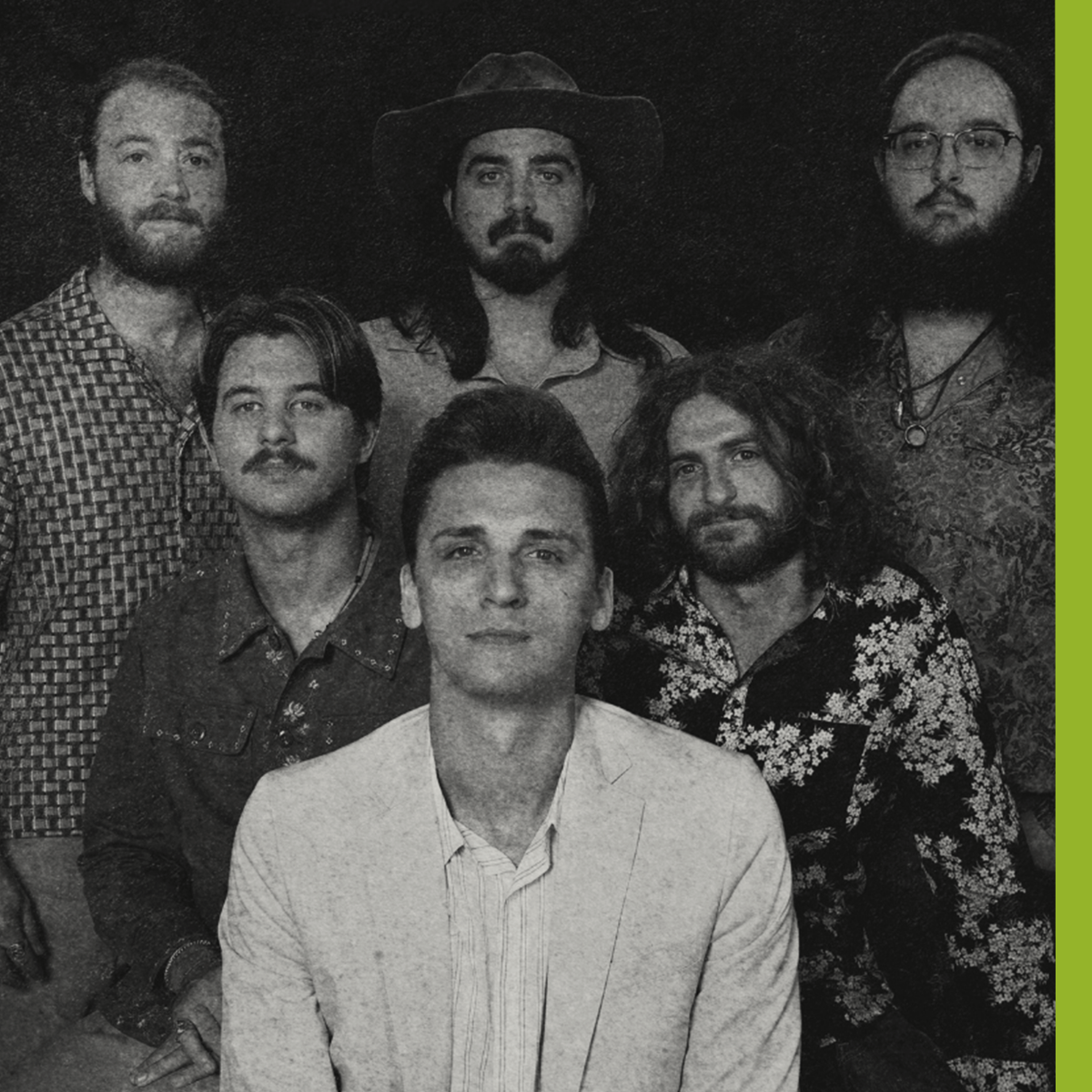
Plus, mandolinist Jarrod Walker – who you may know from Billy Strings’ band – just this week announced an upcoming solo album, Nighthawk, his first release as an artist in his own right. Prior to the album announcement Wednesday, Walker unveiled an upcoming tour in May. Now the lead single/title track from his debut LP is available everywhere, and we’re sharing the lyric video visualizer for the remarkably straight-ahead bluegrass number below. Nighthawk arrives in full on May 8.

Bluegrass, folk, and indie; mandolins, fiddles, and banjos; moonshine, darkness, and emotions – there’s something for everyone to enjoy. You Gotta Hear This:

Dailey & Vincent, “Moon Shines on the Still”

Artist: Dailey & Vincent
Hometown: Nashville, Tennessee
Song: “Moon Shines on the Still”
Album: A Beautiful Life
Release Date: April 10, 2026 (single); June 12, 2026 (album)
Label: Pillar Stone Records

In Their Words: “‘Moon Shines on the Still’ is a fun, up-tempo song with a lot of personality. It’s the kind of record that makes you want to roll the windows down and enjoy the ride.” – Jamie Dailey

“We had a blast recording this one. ‘Moon Shines on the Still’ has energy, heart, and a sound that feels both fresh and true to who we are.” – Darrin Vincent


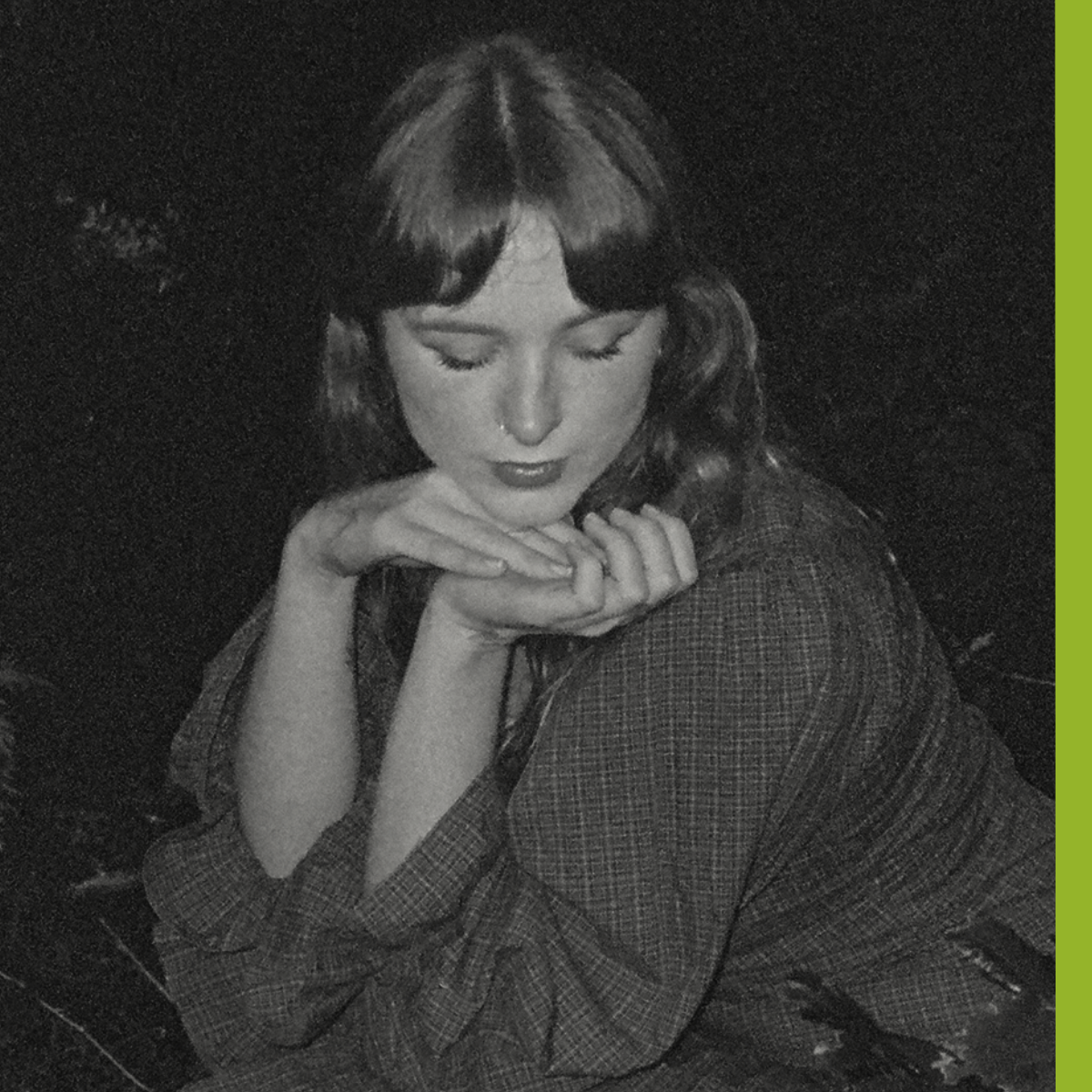
Maisy Owen, “Dark On A Sunny Day”

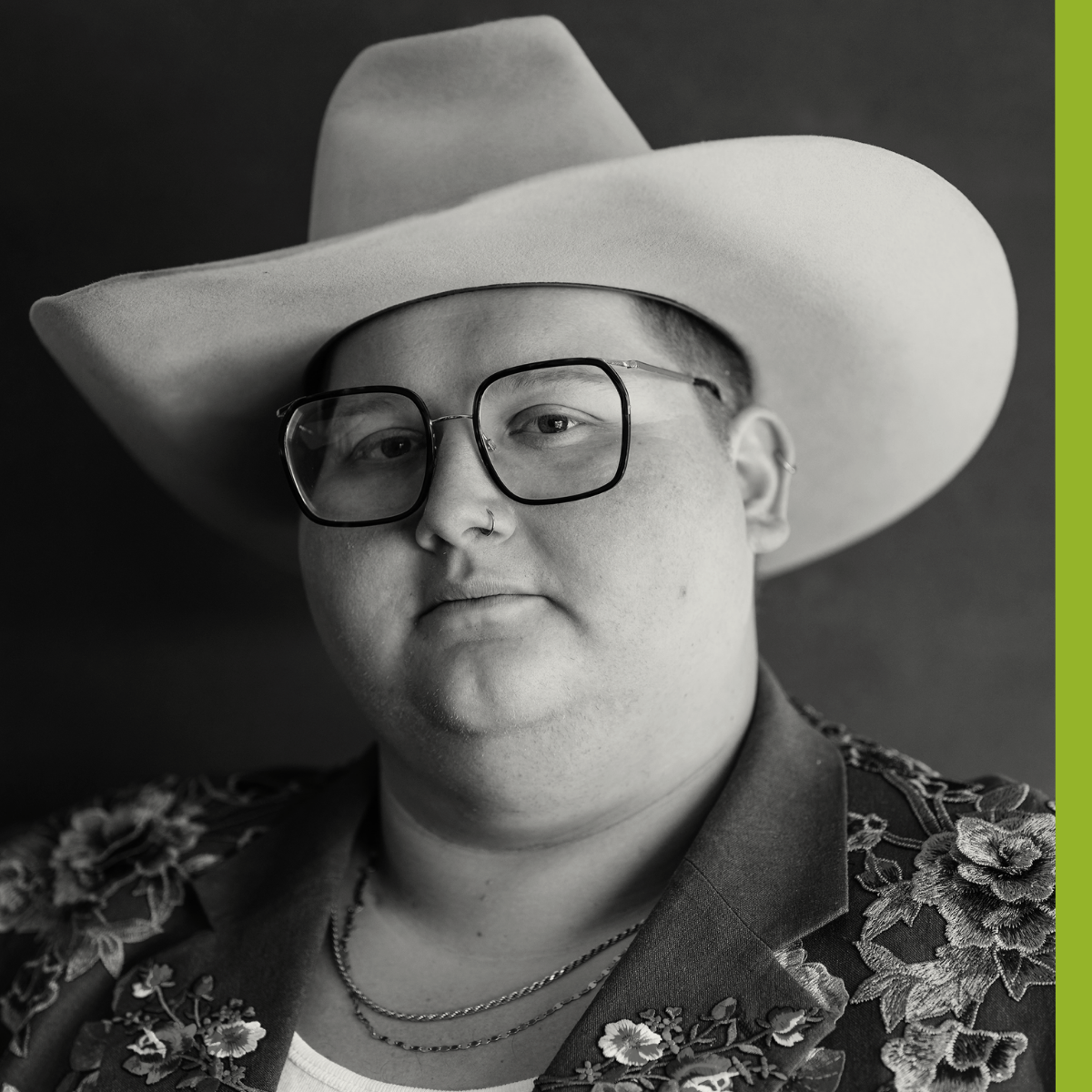
Artist: Maisy Owen
Hometown: Nashville, Tennessee
Song: “Dark On A Sunny Day”
Album: Dark On A Sunny Day
Release Date: April 10, 2026 (single); May 1, 2026 (album)
Label: Tompkins Square

In Their Words: “There was a period of time two years ago in the summer when I was writing almost every night. ‘Dark On A Sunny Day’ was one of the first songs I kept. There’s a kind of honesty that comes with someone’s early work, something I always look for when I deep dive into a new musical obsession. Something early is something pure. This is the only song on the album with a full band arrangement. The instrumentation is dark and unceasing. There is no metaphor or veil regarding the lyrics, they are candid.” – Maisy Owen


Deanie Richardson & Kimber Ludiker, “Rutland’s Reel”

Artist: Deanie Richardson & Kimber Ludiker
Song: “Rutland’s Reel”
Release Date: April 10, 2026
Label: Mountain Home Music Company

In Their Words: “‘Rutland’s Reel’ was written by one of my ultimate fiddle heroes, Howdy Forrester. In typical Howdy fashion, it’s got several parts and is challenging to play. It was a lot to take this one on as a twin fiddle piece and Kimber took on the challenge of learning the harmony part. She nailed it! I’m so proud to have this tune on our record honoring the great Howdy Forrester.” – Deanie Richardson

Track Credits:
Deanie Richardson – Fiddle
Kimber Ludiker – Fiddle
Cody Kilby – Acoustic guitar
Hasee Ciaccio – Upright bass
Tristan Scroggins – Mandolin
Kristin Scott Benson – Banjo


TANASI, “Give Me Love (Give Me Peace On Earth)”

Artist: TANASI
Hometown: Asheville, North Carolina
Song: “Give Me Love (Give Me Peace On Earth)”
Album: TANASI
Release Date: April 9, 2026 (single); May 8, 2026 (album)

In Their Words: “This song by George Harrison feels especially relevant right now – we need as many songs about peace and love as possible in difficult times. It echoes both backward and forward, carrying layers of meaning that resonate personally and globally. In addition to honoring the song itself, we wanted to pay tribute to Harrison’s influence – particularly his role in bringing classical Indian instruments like the sitar into popular music. Alongside his signature Dobro, Billy Cardine plays the chaturangui, a slide instrument developed by his teacher in India, Debashish Bhattacharya. With its 22 strings, it creates a rich, shimmering tone reminiscent of the textures heard in many of Harrison’s recordings. Mary Lucey and Anya Hinkle share the lead throughout, trading lines and weaving their voices together in sister-like harmony.” – TANASI

Track Credits:
Billy Cardine – Dobro, chaturangui
Mary Lucey – Bass, vocals
Anya Hinkle – Guitar, vocals


Jarrod Walker, “Nighthawk”

Artist: Jarrod Walker
Hometown: Lithia, Florida
Song: Nighthawk
Album: Nighthawk
Release Date: April 8, 2026 (single); May 8, 2026 (album)

In Their Words: “A few years back, I stumbled upon the word ‘Nighthawk’ in The Dictionary of Obscure Sorrows, a collection of definitions for newly invented words that describe unnamed emotions, feelings, and experiences. Initially, ‘Nighthawk’ began as a moody, vibey track, but Christian Ward and I soon realized it worked better as a straight up bluegrass song. Once we committed to that approach we were able to lock down a couple verses, a chorus, and everything started to take shape. One of the trickest parts of songwriting is revisiting an unfinished song, returning to that headspace to add final touches Eventually we added a third verse which tied it all together with a big ribbon and bow. Now I couldn’t imagine it without it. I find that with trad bluegrass it’s best to keep things close to home or else you risk losing the essence of the song. I say that now, but ask me how I feel next year. The band knocked this one out in a few takes and later Billy [Strings] added a killer tenor harmony. Ultimately, ‘Nighthawk’ wound up being by far one of the grassiest tracks on the record.” – Jarrod Walker

Track Credits:
Jarrod Walker – Vocals, mandolin
Cory Walker – Banjo
Jamie Dick – Drums
Christian Ward – Fiddle
Jake Stargel – Guitar
Royal Masat – Upright bass
Billy Strings – Background vocals


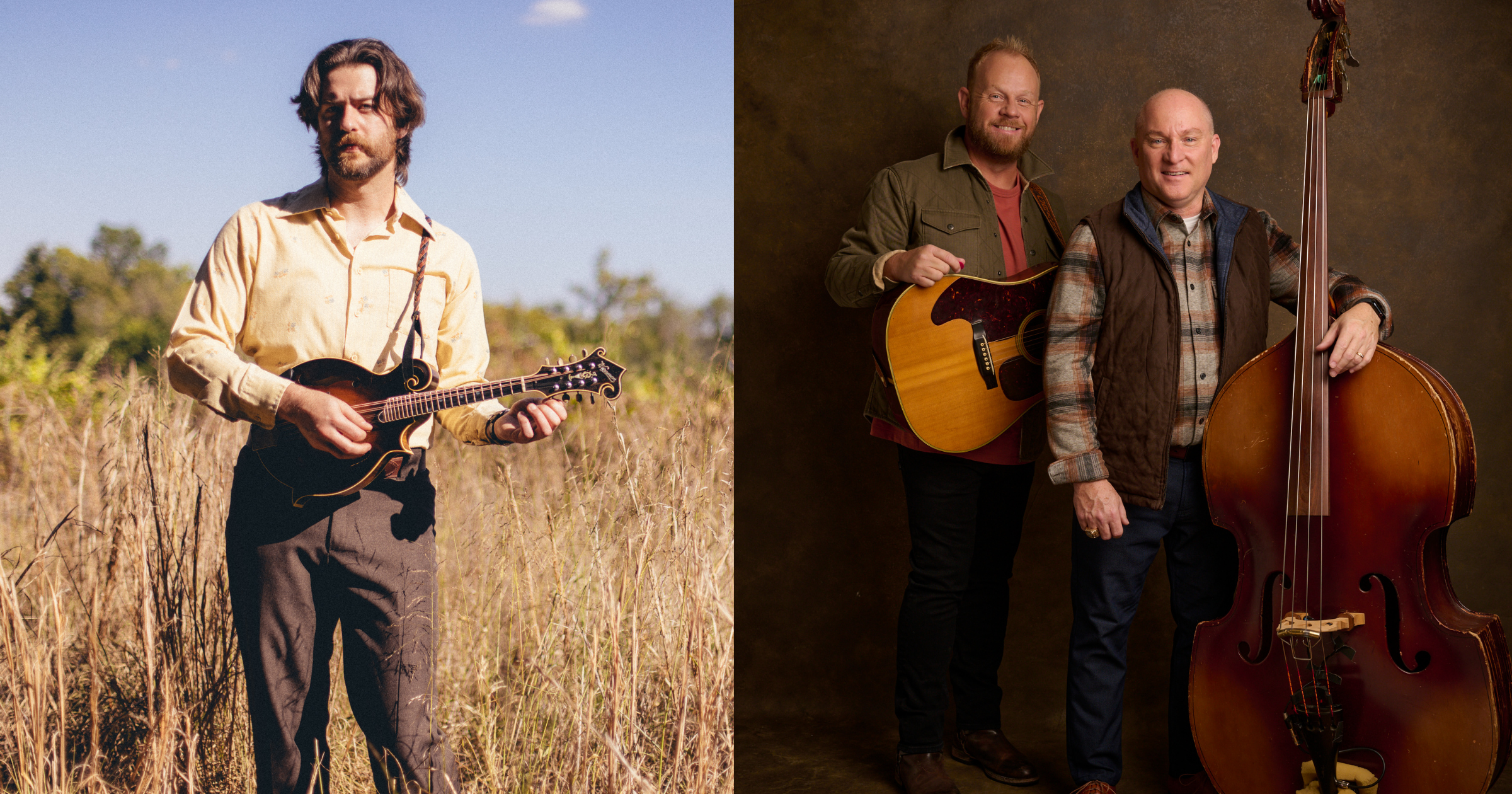
Photo Credit: Jarrod Walker by Jesse Faatz; Dailey & Vincent by Gregg Roth.

You Gotta Hear This: New Music From Dailey & Vincent, Lily Meola, and More

For a week of wintry weather over much of the U.S., here’s some brand new music to keep you warm.

To kick us off, singer-songwriter Karen Dahlstrom calls on the Milk Carton Kids’ Kenneth Pattengale for a new single, “The Last of My Line.” Finger-picked acoustic guitar scores a contemplative and devastating “hobo song” about lineage, family, and circumstance – and the existential feelings surrounding being the last in your family line. Ohioan alt-Americana trio Oliver Hazard have a new song out today, as well. “Hold On” is infused with folk-rock sounds of the ’70s and built around a catchy guitar riff brought to the band by picker Devin East. It’s one of those songs that just “poured out.”

In bluegrass, country-grass superstars Dailey & Vincent return to their roots as only they could, with a rip-roaring and stratospheric rendition of a classic, “Ruby.” With an all-star cast of players behind them, the duo blazes through the iconic old-time song made popular in bluegrass by the Osborne Brothers. The D&V rendition is spotless; we hope it’s a harbinger of more bluegrass to come from their camp. Plus, Ashby Frank gives the bluegrass treatment to Dave Grohl and the Foo Fighters with “The Pretender.” Out today, it combines style points from both bluegrass and grunge in a deep and lush sonic swirl. Whatever your opinion about what is or is not “no part a nothin’,” the energies of both rock and string band are surprisingly well-matched.

You won’t want to miss Lily Meola’s new song, e8ther. Born in Hawaii, Meola makes modern, crisp country music that’s still rich in rootsy tradition and outlaw textures. “Never Kissed a Cowboy” celebrates that, as she puts it, “chivalry ain’t dead, I guess,” and the fun that can be found when doing a romantic dance with a gentleman instead of, well, a loser. It’s a dreamy country waltz that, while contemporary, seems like it could’ve been plucked from just about any decade in the genre’s history.

There’s certainly plenty to love and enjoy this week! You Gotta Hear This…

Karen Dahlstrom, “The Last of My Line” (featuring Kenneth Pattengale)

Artist: Karen Dahlstrom
Hometown: Brooklyn, New York
Song: “The Last of My Line” featuring Kenneth Pattengale
Album: Love These Days
Release Date: January 29, 2026 (single); March 27, 2026 (album)

In Their Words: “I’d never really thought about having children – I just assumed I would have them someday. But as the years went on, biology and circumstance made the decision for me. In working through my feelings about being – literally – the last of my family line (my dad was an only child, neither I nor my sisters have biological children), this song started to form. In the back of my mind, I held this idea of a simple, Woody Guthrie-style hobo song with a dash of Lyle Lovett’s ‘Family Reserve.’ I wrote the song I needed when I needed it, without any idea of whether it would resonate with anyone else. To my surprise, it’s one of the songs people say they connect with most.” – Karen Dahlstrom


Dailey & Vincent, “Ruby”

Artist: Dailey & Vincent
Hometown: Nashville, Tennessee
Song: “Ruby”
Release Date: January 30, 2026

In Their Words: “We’ve never believed bluegrass had to live in a box, but with ‘Ruby,’ we felt a strong pull to strip things back. It’s a reminder that even as you grow and experiment, you never forget your roots. This song reconnects us with that energy and joy that made us want to do this in the first place.” – Jamie Dailey and Darrin Vincent

Track Credits:
Bryan Sutton – Acoustic guitar
Darrin Vincent – Bass
Russell Carson – Banjo
Andy Leftwich – Fiddle
Dominick Leslie – Mandolin
Jamie Dailey – Vocals


Ashby Frank, “The Pretender”

Artist: Ashby Frank
Hometown: Nashville, Tennessee
Song: “The Pretender”
Release Date: January 30, 2026
Label: Mountain Home Music Company

In Their Words: “Bluegrass and hard rock often have a similar feeling of ‘drive’ to them; I guess it’s no surprise that many pickers that grew up listening to the shredding instrumentals of bluegrass also have a deep appreciation for great rock musicians. I’ve been a fan of Dave Grohl and the Foo Fighters since I was a teenager. I decided to take a giant leap that I’m not sure anyone’s ever made before and cover one of their most iconic songs with a bluegrass-meets-grunge treatment. I really had no idea what the final product would be when I made the decision to record ‘The Pretender,’ but I couldn’t be more proud of what we came up with.” – Ashby Frank

Track Credits:
Ashby Frank – Mandolin, lead vocal, harmony vocal
Seth Taylor – Acoustic guitar
Travis Anderson – Bass
Matt Menefee – Banjo
Tony Creasman – Drums


Oliver Hazard, “Hold On”

Artist: Oliver Hazard
Hometown: Waterville, Ohio
Song: “Hold On”
Release Date: January 30, 2026
Label: Nettwerk Music Group

In Their Words: “‘Hold On’ sounds like home to us. Devin came over one afternoon with a guitar riff he’d just written, and we sat down at the piano and the song just kind of poured out. It felt like the old ’70s records we loved listening to. It felt like growing up where we did – feeling the change of seasons, spending time in the local dives, that urge to leave town, but not wanting to let it go.” – Oliver Hazard


Lily Meola, “Never Kissed a Cowboy”

Artist: Lily Meola
Hometown: Nashville, Tennessee
Song: “Never Kissed A Cowboy”
Release Date: January 30, 2026
Label: Nettwerk Music Group

In Their Words: “My picker really did me dirty for a while, so when I experienced good ol’ fashioned gentleman behavior for the first time, it honestly threw me for a loop. I didn’t know how to receive it. I was like, ‘I can open my own door!?’ Then I started to see it from another perspective: having someone treat you like that is honestly really sweet. It might not be the most logical or efficient way of doing things, but damn, being treated like a princess is kinda fun, and being a gentleman is hot. So this is a love song honoring the men who go the extra mile.” – Lily Meola


Photo Credit: Dailey & Vincent by Greg Roth; Lily Meola by Jo Anna Edmison.

WATCH: Dailey & Vincent, “Those Memories of You” (Feat. Rhonda Vincent)

Artist: Dailey & Vincent
Hometown: Jamie Dailey, Gainesboro, Tenn.; Darrin Vincent, Greentop, Mo.
Song: “Those Memories of You”
Album: Let’s Sing Some Country!
Release Date: September 16, 2022
Label: BMG

In Their Words: “‘Those Memories’ has been one of my favorites songs since I was a kid. Recording this gem took me back to some wonderful times as a child. Having Rhonda Vincent harmonize with us on this song made it even more special to us! After all these years, we finally got to shoot our first video with our Opry sister, who’s also Darrin’s real sister! What a treat to also have guitarist Seth Taylor lend his talent to this fun project!” — Jamie Dailey

“‘Those Memories’ has always been an iconic song since Bill and his son James Monroe recorded it in 1978… Then in 1987, it reached the No. 5 spot on Billboard as a single for Dolly, Emmylou, and Linda. We’re so pleased Rhonda joined Jamie and myself with our updated take on the tune!” — Darrin Vincent


Photo Credit: Tyler Vandervort

Dailey & Vincent’s Darrin Vincent Finds Satisfaction by Playing Every Day

After a dozen years of success, Dailey & Vincent are currently in a period of transition. Building on the popularity of The Dailey & Vincent TV Show on RFD-TV, their next album will be the first straight-up country record they’ve ever done – following up last year’s holiday album, The Sounds of Christmas, which provides the playlist for The Joys of Christmas Tour happening now through December 15.

In the second portion of our interview with BGS Artist of the Month, Dailey & Vincent, we catch up with Darrin Vincent.

(Editor’s Note: Read our BGS interview with Jamie Dailey.)

BGS: How does the musical division of labor work with you two?

Vincent: We collaborate together on pretty much everything, looking for songs and arranging and producing. But this country album, I don’t think we’ll do that the same because we’ll have an outside producer [Kyle Lehning] for the first time. It will be different to be just artists this time, throwing ideas over to him. It’s exciting and also scary to let go of complete control, and it will be interesting to see how this goes, to let someone else drive the bus.

We prayed on it, that we’d be led to the right person who has the same vision, and it seems like he does. You have to have faith and move on it. If it does not do well, OK, we’ll go back to what we did before. For now, it’s kind of fun to not have quite so much to deal with because we’ve got plenty on our plate with the TV show.

How close are you and Jamie offstage?

We live too far apart to really hang out, but I love him like a brother. Yes, we’re business partners, but if either of us is hurt or needs prayer, we’re there. Both of us know that if either of us needs anything, night or day, just call. We’re very close, but we also have to have space away from each other just like any other family. He’s a good man and I love what he stands for, even if we don’t see eye-to-eye 100 percent of the time.

Before Dailey & Vincent, you played in Ricky Skaggs’ band. What did you learn from him about running your own band?

Quite a lot about what to do, and also what not to do. But a lot more about good things to do, like rehearse in a nice facility, go first class, don’t cut corners. It drove home the importance of creating records that will last. When you’re recording, do it right the first time and not because you want to be friendly with someone or promised something to this or that person.

We’ve all been there before, cutting corners because you don’t have the money or getting some friend to play on something even though they might not be as good as Stuart Duncan and you don’t want to hurt anybody’s feelings. But you have to do what you feel the song needs and don’t back off, whatever other people think. Keep the integrity of music to the highest possible standard because once you put it on a CD, it’s forever and never goes away. Get whoever best fits the song.

Do you ever miss just being a hired hand?

Oh yeah. I’d show up, do my part and go home. Today, we’ve got 20-some people who rely on everything we do. It’s as simple as eating healthy, because these people all rely on our incomes to pay the bills, their mortgages, support their families. It’s a lot of responsibility and it takes a toll.

Whenever we have to fire a musician or a bus driver, it really bothers me. I’m emotional anyway, but I’ll cry about it when it happens, worry about people. It crushes my soul and we both take it to heart. Being an owner, there’s always a family tree behind it all where a ton of people are relying on your health and business to make sure we’ve all got jobs. There’s so much to it. Playing onstage is the fun part.

What do you think of the state of bluegrass nowadays?

It seems that bands like the Infamous Stringdusters and Old Crow Medicine Show are more popular and lucrative than the genre and structure of the basic bluegrass festival. A lot of the older folks are dying off, unfortunately, along with the festivals with the camping and the jamming and all the things that go with it.

I think the five-piece bluegrass band will survive, but the bluegrass scene seems to be getting smaller and smaller. As a promoter of our festivals and cruises, I see acts with very high standards that do a great job performing bluegrass. I also see acts with bigger egos than they need to have, which is just bad, gives a black eye to the whole bluegrass scene. I’m just talking for me, what I see.

Is it hard to find time to practice, play and write music?

Unfortunately the business side keeps me really busy. But at home, I do have the guitar out all the time. It’s by the bed and I take it into the mobile office where I do business stuff. I have to play every day just to keep the motor skills going. I love to hear different things out of the guitar. I get depressed, get happy, and music soothes my soul. So does prayer, of course. I enjoy playing. Not just trying to get better for the show but it’s something that satisfies me and what I need that time of my day.

What are some artists you like that might surprise people?

I love Michael Bublé, Harry Connick, Chicago. I think Metallica is amazing. Now I’ve never heard them sing a gospel song and they’ll have some things to deal with at the end times of their lives. But they’ve got great harmonies, triple guitars and the musicianship is incredible. Iron Maiden is another, even though they have “666” painted on their 747 and I don’t like their lyrics. But they’re very talented people.

There’s even this group from Russia that’s as devil-worshiping as you can get, but they have a unique sound. I can’t even say their name, but the art value and production of their show is amazing. I’m not trying to give the devil any credit, but I like lots of music for the art value.

It’s a common bond through musicians, taking the stage and communicating with people. I love to watch different artists no matter the genre, how they’re communicating whether they’re kids or older. Mike Snider has just incredible communication with the audience. I sit and cry watching him, it’s so funny, but so simple. The knack and ability to do that is amazing and not everybody can. Jamie’s great at it, too. A lot of bands have no charisma whatsoever. They play great and sing OK, but there’s no charisma for the audience and it just dies. There’s an art to that.

Which of your many awards are you most proud of?

By far, becoming a member of the Grand Ole Opry. I’ve been blessed to win five Grammys, which were enormous milestones in my life. They were the biggest thing I’d done, until the Opry. It’s very nice out at Opryland, which is cool with a lot of history. But the ultimate is going back to the Ryman and memories of Ernest Tubb, Patsy Cline, Hank Williams, standing in the same place Elvis Presley stood. Just the history of all the people who walked through there and paved the road to where country is today, that’s overwhelming and humbling.


Illustration: Zachary Johnson
Photo: Josh Daubin

Jamie Dailey’s Vision for Dailey & Vincent is Bigger Than Bluegrass

Dailey & Vincent, the Nashville-based band led by Jamie Dailey and Darrin Vincent, is among the most honored acts in all of bluegrass. They’ve won multiple IBMA and SPBGMA Awards, had all nine of their records crack Top 10 on Billboard‘s bluegrass albums chart and, since 2016, they’ve been full-fledged members of the Grand Ole Opry.

Their newest release is 2018’s The Sounds of Christmas, which they’ll be supporting on tour this month. As our December Artist of the Month, BGS caught up with each frontman separately before they hit the road, starting with Jamie Dailey.

(Editor’s Note: Read our interview with Darrin Vincent.)

BGS: Where do you think The Sounds of Christmas ranks in your catalog?

Dailey: Well, it was something seeing it between Michael Bublé and Pentatonix in the Top 10 of the holiday chart, and it stayed up there for several weeks. It really is just about my favorite of all the records we’ve ever done – just the quality of the vocals. It’s bragging, I guess, but it’s the best-sounding vocals we’ve ever recorded, for sure.

I am of course a lover of Christmas music, and also Christmas. I grew up in a very modest family that couldn’t afford a lot, but we always put up a tree and had Christmas lights all over the property. Mom still cooks a big traditional American family Christmas meal. You’d think my mom would be used to it by now, but I like to sneak into her kitchen, highjack her laptop and put something crazy on Facebook. That’s always fun. One time a couple of Christmases ago, her preacher was calling within 10 minutes to ask if she was OK. I could hear her: “WHAT?! Jamie, I am gonna KILL you!”

It’s time for another record, what’s the story on the next one?

We just signed our first country music deal, with BMG, to do a country album. We’ve never done one so we’re very excited about that. We’ve said from day one that we never wanted to be boxed in and we wanted to write and play and sing and record whatever we wanted. We’re working with Keith Stegall, who has produced Zac Brown, Alan Jackson, and a whole bunch of others. We just signed a new TV deal, too, to do a more mainstream TV show than what’s been on RFD all these years.

Out of all the awards you’ve won, which one means the most to you?

Hands down for both of us, joining the first family of country music in the Grand Ole Opry. It’s only 200-some members and 84 of us still living, so it’s very special to be part of that family. We work the Opry six to nine times a month between tour dates, which makes us busy, but we’re happy to be there. It’s always a joy. Hard to explain the feeling you get when you’re there.

Before Dailey & Vincent, you spent almost a decade in Doyle Lawson’s band. What’s the most valuable thing you learned from him?

How to be a constant road professional, and how to be more consistent onstage and not just listen to yourself, but to your fellow bandmates to make up a well-oiled unit. He’s a good man. The lessons were priceless. And if you’ve ever led a group, you also learn things you don’t want to do. As leaders, we all run across those times when you’re trying something that doesn’t work.

You did the IBMA keynote speech last year, on “Branding Bluegrass.” What do you think that is?

We live in the most interdependent age in history. Everyone has the ability to reach more people than ever before. We all have to figure out ways to become more involved. I’d tell young musicians to stay absolutely focused and follow your heart. Record labels and managers are right about a lot, but not always about everything. So don’t allow yourself to be led down a road you don’t want to be on. Be persistent and aware, and learn as much as you can to stay up with what’s going on.

The Dailey & Vincent brand is bigger than just bluegrass, which we make no bones about. We’re gospel and country as well as bluegrass, and we’re happy to do all of that. You can tell from the TV show and the Opry, we’ve tried to diversify our craft to get into buildings we would and could not have before. We’ve been blessed to perform at Carnegie Hall three years in a row, which would not have happened if we were doing only bluegrass.

What do you tell people who want to go into the music business?

The business is changing constantly, so you have to stay on top of that. Living in this interdependent world, it’s like there are a lot more nets than walls and you can reach a lot more people. We’re artists, so let’s make music, let those who like it find it and cater to them.

Some years ago, a lot of bluegrass festivals were kind of stagnating without a lot of growth. So we decided to pull back and go into more venues on our own to draw our own crowds and grow that way rather than getting beat over the head for not fitting some narrow mold. We did not want to be in that box, so that’s some of the changes we’ve made the last eight years — out of 12 going on 13. That’s what we’ve done and why we’ve done it, and it’s had tremendous impact on our career and vision.

Who among your peers do you admire and enjoy?

I love Keith Urban, what a good guy and a great musician and singer. Very creative. I love Norah Jones and Adele, too. The music I listen to ranges all over. Sinatra and Tony Bennett, too. I love orchestras and symphonies, and go to [the symphony] in Nashville when I can, and it’s what I listen to when I’m reading. I love going back to Guns N’ Roses and Journey as well as Conway Twitty. It’s a broad list.

You participated in some diplomatic missions to Germany and Switzerland a bit more than a decade ago. How did that happen?

It was terrifying in some aspects, but I learned a lot from my dear friend now passed, U.S. Ambassador Faith Ryan Whittlesey. We met at Yeehaw Junction, a bluegrass festival in Florida, when her daughter took her. I was with Doyle at that time, 23 or 24 years old, and I’d been praying for the Lord to use me to help my country because I regretted not joining the military.

So we do this show and her daughter came up afterward to say she wanted to meet me. Sure. “Hi, Jamie, I’m former Ambassador to Switzerland, on the U.N. Security Council.” My eyes are getting bigger and bigger. “I need you to travel with me to do some diplomatic work. Use your country bumpkin charm, sing a song here and there, and engage with foreign and business leaders.” I almost passed out.

But she called the following Monday morning and I started flying to D.C. and New York every few months to learn table etiquette, receiving-line protocol and things like that. She was stern and very, very formal. But after she saw how stupid I can act, I got to know her enough to break into her humorous side. I started traveling with her to Switzerland and Germany to participate in some things, which was a wonderful experience I’ll cherish the rest of my life.

Do you have any interest in going into politics someday yourself?

At one time, maybe so. But the more I see of what goes on, especially these days, not so much. I believe I can be more effective where I am in my career than in political office, where you have to deal with incoming fire and problems that weigh you down and keep you from doing things. But I can move in and help without having to worry about the politics and trash that goes on now.

I’ve been asked, but no. Maybe later in life, if a president I can believe in strongly wins and I get involved, maybe I’d consider being Ambassador to another country for a few years. But who knows. There’s a lot to it, and a lot can happen. I may end up dying from too much chocolate.


Illustration: Zachary Johnson
Photo: Erick Anderson

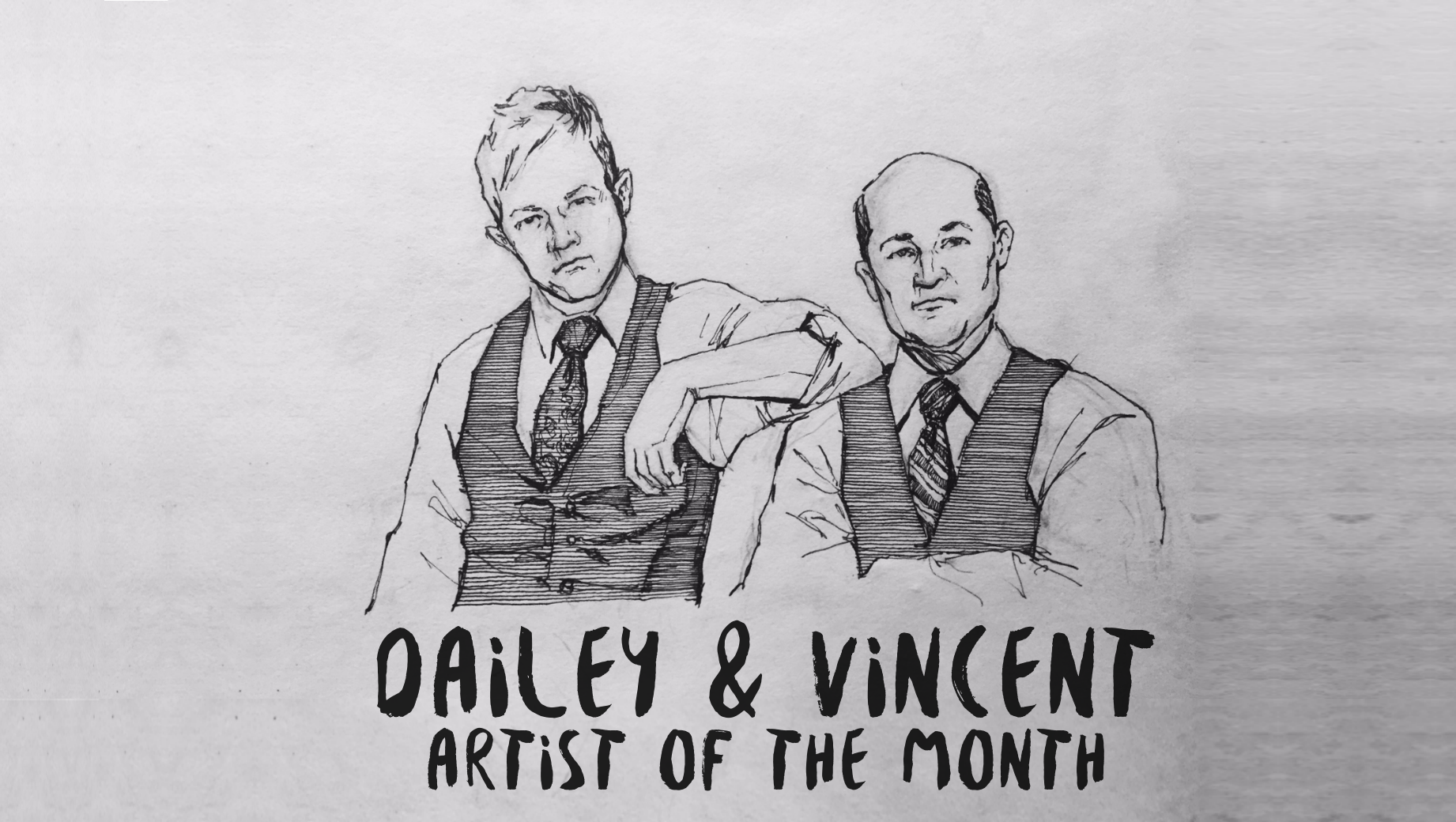
Artist of the Month: Dailey & Vincent

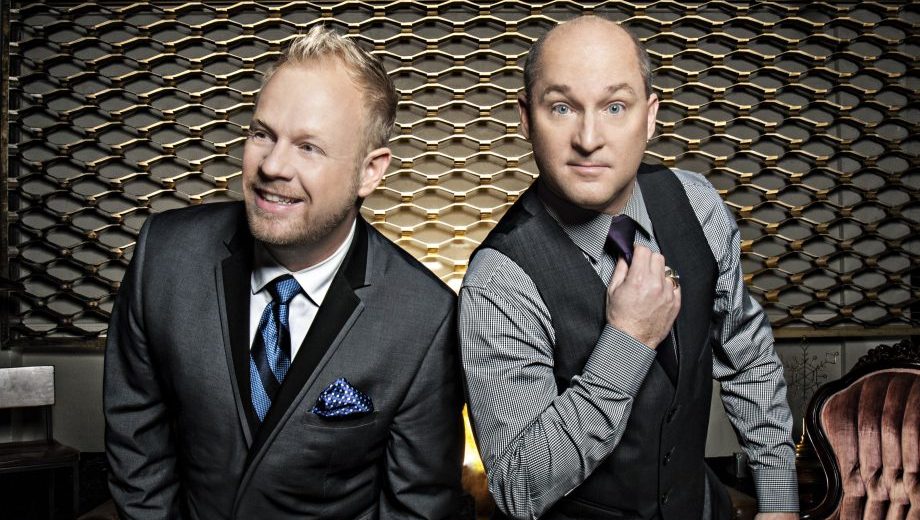
Dailey & Vincent have ventured well beyond bluegrass by paying respect to musical tradition, singing like siblings (although they aren’t), and delivering their signature goofy one-liners. Year in and year out, they bring an entertainment value to their show, whether it’s on a tour of performing arts centers, starring in their RFD-TV series, or appearing at the Grand Ole Opry.

Although Jamie Dailey and Darrin Vincent came from highly regarded bands before forming their duo, they are now certainly trailblazers in their own right. For example, Dailey delivered an insightful IBMA keynote address in 2018 about branding bluegrass. And they have shown the ropes to a decade’s worth of rising talent.

Coming up later in the week, BGS will post exclusive, one-on-one interviews with both Jamie Dailey and Darrin Vincent, shining a year-end spotlight on their remarkable career. In the meantime, please enjoy our brand new BGS Essentials playlist.


Illustration: Zachary Johnson

BGS WRAPS: Dailey & Vincent, “Let It Snow”

Artist: Dailey & Vincent
Song: “Let It Snow”
Album: The Sounds of Christmas

In Their Words: “We wanted to include “Let It Snow” on The Sounds of Christmas because when you hear the song’s familiar lyrics and cheerful melody, you can’t help but get into the Christmas spirit.” — Dailey & Vincent

Enjoy more BGS Wraps music.

Jamie Dailey Previews IBMA Keynote Speech on “Branding Bluegrass”

Ten years ago, the duo of Jamie Dailey and Darrin Vincent—former members of Doyle Lawson’s Quicksilver and Ricky Skaggs’ Kentucky Thunder respectively—burst onto the bluegrass scene in a big way, winning six awards at the International Bluegrass Music Association’s (IBMA) annual gala that ranged from Emerging Artist to the marquee Entertainer of the Year title. It was an auspicious debut, echoed over the next couple of years by more IBMA trophies and other awards, too.

But the accolades of the bluegrass industry, welcome as they were, didn’t deter Dailey & Vincent and their crackerjack band from striking out on a path that’s led them far beyond the pastoral outdoor festivals that still account for much of the music’s presentation. They’ve partnered with Cracker Barrel Old Country Stores to release an immensely popular set of Statler Brothers songs; hosted their own TV shows on PBS and RFD-TV, featuring a wide array of musical styles and entertainment; toured across the country and around the world; and will be producing a Christmas special and associated album later this year. In 2016, they were inducted into the cast of the Grand Ole Opry by the noteworthy pairing of Jeannie Seely and Old Crow Medicine Show.

This year Jamie Dailey will give the keynote address at the World of Bluegrass business conference in Raleigh, North Carolina, on Tuesday, Sept. 25. The theme: “Branding Bluegrass.” Asking him about the invitation seemed like a natural place to begin our conversation.

When you got the invitation to give the World of Bluegrass keynote, did you have to think about it for a while?

Yes, sir, I was quite apprehensive about it. I have something of a different opinion about what’s going on than many do, and the way that I go about doing things business-wise—and creatively—is really not in the bluegrass vein, though it has the foundations. And as you know, when you do things like that, you’re already getting the stink-eye, as I call it. So that’s why I didn’t want to do it. But I called three of my music friends who are pretty much heavyweights in bluegrass, and one in country music. I told them and they said, “Oh, you have to do it, you have to do it.” And they kept pressuring me!

I’m not a theologian, and I don’t have 16 different degrees from Harvard hanging on the wall. But what I do have is experience and instincts. And I can see the dangers that are facing this industry, because we’re too bound by traditions—and we should be bound by traditions in general, but we can’t let that drive us to the point that the music begins to die. And that’s my concern about where we are as an industry.

You started as a full-time musician with Doyle Lawson in 1998, so you came in at the very tail end of the way things had been, and right into the thick of things—Napster, satellite radio, and so on. It seems like the industry has changed completely over your career.

It has. When I started with Doyle, I started watching what was going on. I could see the industry starting to roll over, and I could see changes coming. And I would talk with him a lot about how we needed to get a team. And we did that; we got Don Light as manager, and we went with Rounder Records. From that time to the time I left, which was after nine years, there was even more of a change in the industry. So when we got ready to start Dailey & Vincent, one of the first things I said to Darrin was, we need a publicist, a manager, a booking agent, a business manager, and a good attorney. And for a minute, Darrin looked at me like I’d lost my marbles. But I knew that with the things that were going on, with the way the business was changing, we needed a strong team. And that’s how we started. I wish more bands would take that a little more seriously than I think some do.

You guys started around the same time and place that the Infamous Stringdusters did, and even though you’re very different musically, it seemed like what you shared was an understanding that you need to take care of business.

If you want to talk about branding, the Infamous Stringdusters are a great place to start; look at what they’re doing. The Infamous Stringdusters are headlining Red Rocks; I was talking to Chris Pandolfi on the phone recently about that. They’re doing it their way—with bluegrass foundations, but adding their art form and their hearts to it. And I love to see that. They have a strong team, they have good instincts and lots of good sense, and I’m just very proud of what they’re doing.

That’s got to be a piece of the message — that you need to have a musical identity, but also have some kind of business vision to match.

You do. And if you don’t, you have to get people with you that do, to help you create that and keep it intact.

Now, here’s the other side of it all on branding, and this is something I wish our industry would get better at realizing. We live in the most interdependent age in history. And basically, interdependency means the borders of the world are more like nets than walls now; we can reach more people now than we’ve ever been able to reach. But I don’t feel like, as an industry, that we’re really taking full advantage of that. Darrin and I are trying to take all the advantage of it that we can—by TV, by radio, by doing different kinds of records, from country to bluegrass to gospel. Because we love all of it, and we like to sing and play all of it. That’s what we need to be taking more advantage of.

What do you think stands in the way of bluegrass artists doing that?

Looking at it from a bird’s-eye view, I think they’re scared to do things differently. Because they’re bound by tradition, by bluegrass music lovers who want them to do the same thing over and over and over again. They don’t want to see anything outside of a three-chord song, they don’t want to see anything that’s past a four- or five-piece bluegrass band, that takes it any different direction that what our forefathers did. But listen here: I sat with Earl Scruggs, and I asked Earl, what do you think about adding, say, drums, to a bluegrass band, and doing some different things, even a piano? He said, “I think what you are trying to do is great. Be an artist, play the music you want to play.” And he said, “Son, you’ll always have those bluegrass foundations, because it’s the way you sing.” That really stuck with me.

It seems to me that if you feel that traditional bluegrass’s existence is threatened—and it certainly is economically—then the flip side of that is, you have to be really proactive in reaching out as broadly as you possibly can.

It’s interesting that you bring that up. The first year that I booked our group, 22 of the festivals I called—that I had played with Doyle Lawson for years—had cancelled. By year two, another 13 were gone. And it kept happening. And I told Darrin and Don, here’s what we need to do: we need to start finding buildings that we can promote in; hire a promoter to do it; start learning how to fill those buildings up and put butts in those seats—get people coming to see us.

So we started that by our third year. And what has happened through that is, we grew from 300 or 400 people the first time into complete sellouts now as we go across America. Those people are telling their friends, and they’re telling their friends, and you get more people coming; our demographic is all the way from 15 years old to 95. We just have a broad-ranged audience. And now out of the 115 dates we do a year, about 75 are by ourselves in those buildings. We’re working on pulling new people, and using our TV appearances to do that; that has been an important part of our brand. The rest of the time, we do play Merlefest, or Grey Fox, or some Norman Adams festivals—and that way we make sure that our foundation is still intact with the traditions but not completely bounded by them, because the brand has to grow.

We are living in an ever-changing world, every day. Look at how the record companies are struggling to try to find ways to sell records. Look at the brand new cars that don’t even have CD players in them. People that buy new cars who don’t like to use their phone to listen to streaming services are going to have to learn to buy the records; put them on their phones; hit the Bluetooth and play them in the car. We’re faced with changes whether we want them or not, and we have to meet them head on, we have to think about it, and we have to be proactive.

What’s the biggest challenge coming in the next 10 years? Biggest opportunity? What’s on the horizon?

The biggest challenge that I do see, honestly—and I could be wrong, we’ll revisit this in five years and maybe you’ll say, “boy, Jamie, you really missed on that one”—for bluegrass artists is watching some of these festivals decline. Some of them are still in really good shape, and hopefully will continue to be, but a lot have declined. I see a demographic that follows this music that is starting to roll out, that I don’t see anymore, because they can’t get out now, they’re not as mobile.

And a lot of the younger listeners won’t come in and watch a straight-ahead bluegrass show. They might want to see Dailey & Vincent, and they might want to see the Grascals, but they also want to see Billy Strings and Molly Tuttle. So the biggest opportunity is to market to that, to become more diverse with shows like that, where everybody wins. Because if you have Billy Strings fans and Molly Tuttle fans coming, and you’ve got Dailey & Vincent fans coming and Grascals fans coming, where you have them all there, listening to all the artists, more than likely we’re going to make some fans from each other’s fan base. Our industry is making some progress there, but I think we’re running a little bit slow on that, a little bit behind.

What Darrin and I figured out very quickly is, play the music we feel in our hearts. Whether it’s original or not, whatever it is, play what we love; play it the way we like to play it, and let the chips fall where they may. And in my simple country boy head, it comes down to, if you like it, you’ll buy it and come see it. And if you don’t, you’ve got plenty of other choices to go and see other artists. And that’s kind of where we are with it. I love bluegrass. I love gospel. I love country. But we’ve got some work to do in the bluegrass industry, because I feel like we are behind.


Photo courtesy of the artist.