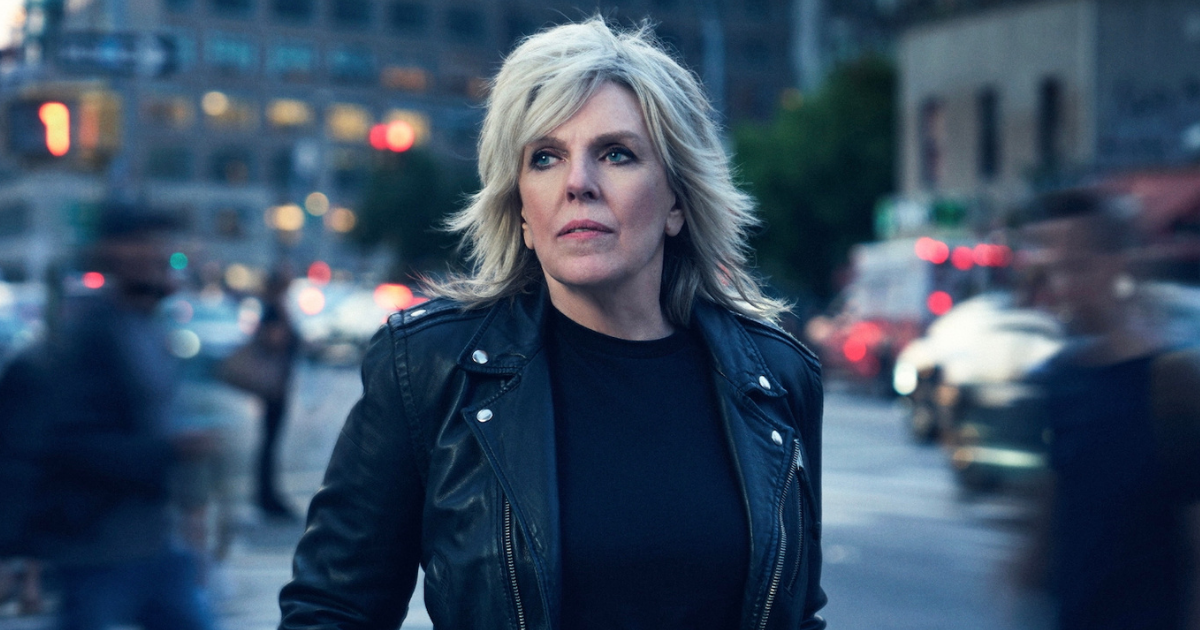
Artist of the Month: Lucinda Williams

Among the 78 bands performing for thousands of fans at San Francisco’s 25th annual Hardly Strictly Bluegrass, our nation’s foremost Americana festival, in October of 2025, one of the largest audiences had gathered for Lucinda Williams. She took the main stage in the afternoon clad in a leather suit, studs on the hem of her pants. The groove from the band and her lyrics landed with resonant pounding, like the drop of a heavy set of books on a table. After more than 50 years of performing, her sound still hits.

Lucinda Williams grasped brilliance in 1998 with Car Wheels On A Gravel Road, but this was not some isolated incident. She has pursued the craft of album-making expertly for her entire career, and fans flock to her because there is always something more to scratch up. The singularity of her writing rings at a higher frequency today in our shallow digitized world. I see her current position in our culture to be similar to that of poet-songwriter Leonard Cohen in his final chapter. When she sings, we listeners get to grasp at something real, and we crave what Lucinda offers; intimate corporeal love, the palette of Southern backroads alongside broken-down juke joints, honest bewilderment at the state of the world while still loving it.

When I was 26, I set out on a road trip to trace Lucinda’s origins. Being a songwriter, I wanted to determine what I could do to strive and bloom, like she did. So I left California driving my 1995 Ford F-250. From Texas to Tennessee, I dug up characters from Lucinda’s early days. I was most interested in finding people who had worked with her in the beginning of her career.

In Jackson, Mississippi, I spent a day at Malaco Studios where Lucinda made her first record Ramblin’ On My Mind. While listening to outtakes, I happened upon the first-ever originals she recorded but never released. In those reel-to-reel tapes that had been sitting untouched in a concrete vault, I heard a voice from four decades ago that was clear and bold. Wolf Stephenson was the engineer from that session and he told me that in 1978 Lucinda was a resolute and present woman: “[In] day-to-day life, she was just as footloose and like she was on stage. And really there wasn’t much difference in sitting here talking [with her] or being on stage, very natural.”

In Austin, Texas, I was shocked to learn that well-known guitarist Charlie Sexton had played with Lucinda when he was just 11 and she was 26. At the Hole in the Wall where a booker once cancelled Lucinda’s gig because there were “too many girl singers that month,” Charlie and I discussed how he has learned from Lucinda as a writer. He reflected on his early impressions of her and told me, “…There’s no doubt that Lucinda was always going to be unique… I mean, she’s like a regional writer in a way… she’s the Flannery O’Connor of that era of singer-songwriter.”

Lucinda’s parents raised her in an extraordinary community. Her father Miller Williams was a professor, a translator, and a poet. He and his wife were descendants of humble traveling Methodist ministers with meager finances, but by the time their first daughter Lucinda was a teen, the family sat in the company of Nobel Prize-winning authors. Miller’s genuine passion for literature gave him the conviction to invite figures like Charles Bukowski and indeed Flannery O’Connor into his circle of friends and acquaintances. He hosted literary parties in the family’s Arkansas home. After drinks were served, Miller read some of his new poems out loud, and a young Lucinda sat and strummed her latest songs. Writers of the highest caliber listened at attention. Some of these writers gave Lucinda feedback. Perhaps just as important was that these writers also imparted genuine encouragement to Lucinda and told her that in spite of all of the suffering and uncertainties involved in being an artist, it was still a worthwhile pursuit in life.

Along my road trip I also discovered how committed Lucinda has been to her art over the decades. I spoke at length with some of the musicians and engineers that worked on Car Wheels On A Gravel Road. I learned from Lucinda’s recollections that when you have that itching worry that a sound just isn’t right on an album, you have to wrestle with the process to find the right timbre, the right soundscape that will thrill you. I found that a songwriter has to embrace change, even if they’re unsure of the career consequences. I found that artists can’t just make the same album over and over again. Well… they can, but they probably shouldn’t. A songwriter has to keep seeking out that sound, that story that pulls at their soul’s musical corners, like Lucinda did.

Lucinda’s latest release, World’s Gone Wrong, is a continuation of the directness I’ve known her for. She conveys her truth with her language of simplicity. So often in our era, bathed in a slurry of news and trends, opinions from artists can feel glued-on. But that’s not the case with Lucinda. She conveys her frustrations with the state of the world from a genuine and honest place and, when she sings, I believe her. As with so much of her writing, in her latest album I feel like I’m reading a book, inhabiting the imagined place of the viewer and the subject.

The characters in Lucinda’s songs are alive, bleeding, imperfect, and desirously wanting. We benefit from the chance to continue paying attention to the words she writes.

If you’d like to learn all about how I retraced the roots of Lucinda Williams, check out Finding Lucinda, my podcast released in partnership with the BGS Podcast Network. You can also watch the documentary film Finding Lucinda on AppleTV, Youtube and more.

Stay tuned as BGS and Good Country celebrate Lucinda Williams as Artist of the Month throughout March. Enjoy our Essential Lucinda Williams playlist below and check out an exclusive interview with Williams here. Plus, we’ll be diving into the BGS archives for all things Lu and exploring our favorite covers of her songs by other artists, too. Follow along right here on BGS and on social media for more.


Photo Credit: Mark Seliger
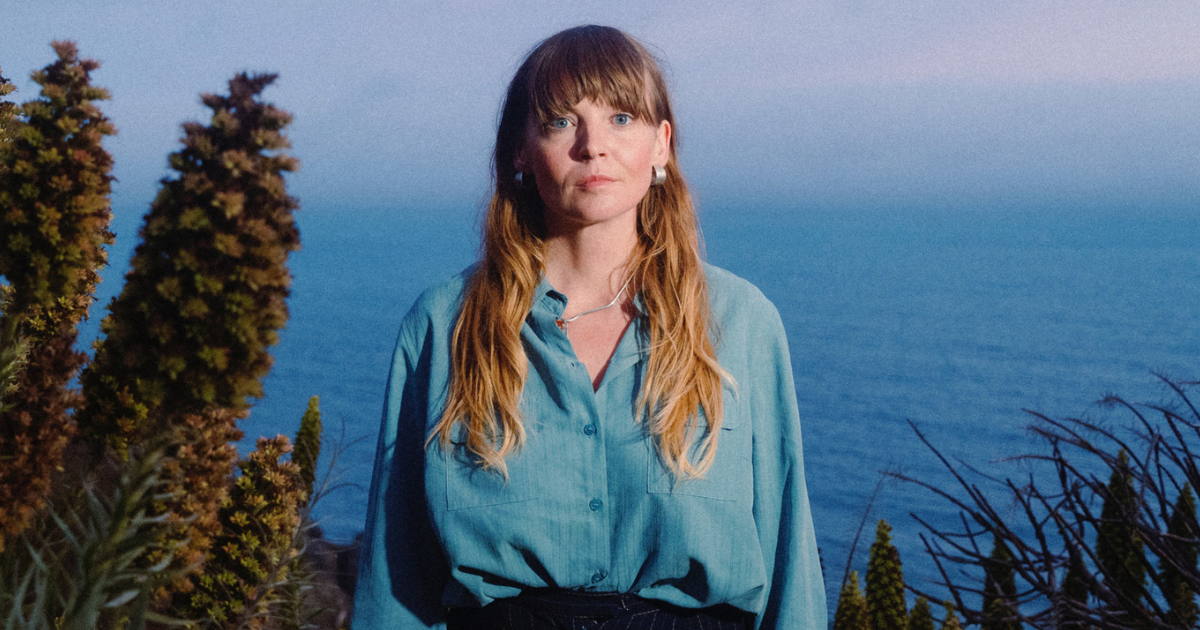
Artist of the Month:
Courtney Marie Andrews

On singer-songwriter Courtney Marie Andrews’ upcoming album Valentine, you can hear her letting go.

It’s a process she ostensibly started – at least, musically or outwardly – on 2022’s Loose Future, a collection on which Andrews also reckoned with being in a period of transition, personally and professionally, letting go of former five- and 10-year plans and recentering in the present.

Approaching four years since that most recent studio album, with Valentine it seems Andrews is intent on reinforcing and revisiting the same lessons she taught us and herself on Loose Future. The new album, which will be released on January 16 by Thirty Tigers, begins with a grand, tone-setting opener, “Pendulum Swing.”

Reminiscent of ‘60s pop-folk and rich with arpeggiated 12-string guitars, Andrews vocally soars into the verses and murmurs each contemplative chorus:

If I get what I want
Gotta let the pendulum swing
Can’t be good for too long
Let the pendulum swing…

It doesn’t exactly strike a listener as the sort of Loose Future Andrews formerly envisioned, but the song also doesn’t seem to wallow in the apparent feeling of impending doom, or the instinct that imbalances of “good for too long” must be righted. Instead, to this writer, it rather sounds like she’s focusing on the instinct itself. On her belief, conscious or subconscious, active or passive, that “karma” or “deserving” necessitates inevitable negative responses to anything positive.

As with all of her impeccable albums, Valentine finds love as a frequent subject – as well as community, perception, expectations, and how all of these topics touch on or intersect with existential dread. But Andrews seems to be letting go of her ideals of what love is or what it can be, as well. Thankfully, her perspective on the subject is always expansive, never simply reduced to just romance or sex or heteronormativity – or some slurried combination thereof. But Valentine is more direct in its approach to love than some of her LPs.

“[Valentine is] a record in pursuit of love,” Andrews explains via press release. But that love “is a lot more than I gave it credit for,” she continues. “It’s built over years, it’s built with trust, with changes, it becomes something new and unrecognizable, the deeper you go.”

Songs like “Keeper,” “Cons and Clowns,” and “Everyone Wants to Feel Like You Do” follow in tight formation behind Andrews’ past songs on love, connection, and romance – especially the masterful album, 2020’s Old Flowers. But other tracks, perhaps chief among them “Best Friend,” indicate that expansion on love as an idea and point back to the creative process here also being one of letting go.

You can sense that surrender, the gradual unclasping of fists and de-whitening of knuckles, in almost every aspect of Andrews’ creative output. It has, after all, been quite a few years since she last released an album. Her prior rhythm of abject road-dogging and releasing LPs every year or two has been replaced by much more thoughtful and intentional tours, performance forays, and product launches. She’s leaned more into another medium, painting, and has gone full-bore as a published poet, too. She’s released two collections of poetry – Love Is a Dog That Bites When It’s Scared having arrived this past August – and has built up her creative, community infrastructure to feed more than just her itinerant musical pursuits and former wall-to-wall, year-round tour schedule.

It’s almost like you can hear the retooling of Andrews’ idea of success happening in real time, from Loose Future through to Valentine. Like you can hear her realizing that giving up the version of herself who existed on Honest Life (2017) through May Your Kindness Remain (2018), and the version of herself from Old Flowers and Loose Future, doesn’t ever mean net loss. Like being on the road less means one could grow flowers, feed stray cats, and build a support system in her new home of Nashville that, especially as an only child and retired nomadic busker, she’s always craved.

The sense of letting go was perhaps infused into Valentine by the specific circumstances that gave birth to these songs. “I was in one of the darkest periods of my life,” Andrews continues in the project’s album bio, “and songs were the only way I could reckon with it.”

“I felt cursed, and the only mental cure felt like songwriting and painting.”

It’s why this album, like almost all of her prior releases, also feels as self-directed as it is outward-facing and primed for wide audiences. Andrews has learned that letting go – of control, of her past self, of expectations, of legalism around or criteria for love, of the “power” (and curse) of individualism, of freneticism and frantic ladder-climbing, or of life itself – is a process we don’t ever graduate from. We never muster out. We have to return to ourselves, to introspection, to the very constructions of our selfhoods over and over again to do that work.

The redemption and sheer beauty of this album are not because Courtney Marie Andrews has found her Valentine, but because she can hold up her wants, needs, and dreams as valid and wholesome goals on one hand, while stripping – and re-stripping – them of any power they may hold over her on the other. It’s an impressive duality, one that wouldn’t be nearly as successful without Andrews already having done so many reps in finding herself and of letting go.

Andrews is our January 2026 Artist of the Month, an auspicious start to a brand new year of roots music. Here, you can read our feature interview with Andrews all about Valentine, its making, and the unique way she and her collaborators went about recording these fantastic songs. Below, enjoy our Essentials Playlist and tune in on social media as we dip back into the BGS archives throughout the month to share all things Courtney Marie Andrews.


Photo Credit: Wyndham Garnett

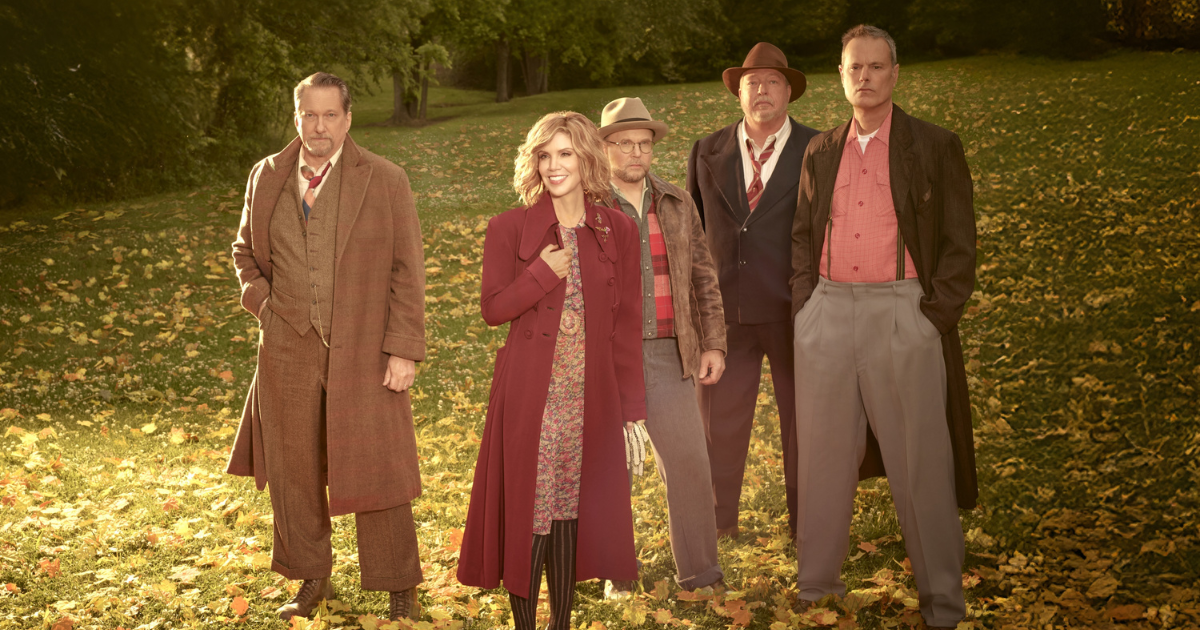
Artist of the Month: Alison Krauss & Union Station

After 14 years, one of the biggest and most well-known bluegrass bands in the history of the music, Alison Krauss & Union Station, have returned with a brand new studio album, Arcadia. Released on March 28 to the delight of bluegrass and AKUS fans the world over, the collection doesn’t merely pick up where the group left off with 2011’s Paper Airplane. Instead, Arcadia soars back through the band’s deep and mighty discography landing somewhere, sonically, between So Long, So Wrong (1997) and Lonely Runs Both Ways (2004) – in other words, this iconic bluegrass band made a bluegrass album.

Alison Krauss & Union Station, by many measures, are one of the most prominent bluegrass bands to ever emerge from the genre. With the smashing success of her late ’90s to 2010s projects with Union Station and the incredible momentum behind their particular blend of bluegrass, “mash,” easy listening, country, and adult contemporary, Krauss catapulted to roots music notoriety, becoming a household name. She’d lend her voice to the blockbuster Coen Brothers film O Brother, Where Art Thou?, tour with Willie Nelson and Family, make two smash hit records with rock and roll legend Robert Plant, back up Shania Twain, duet with artists like Dolly Parton, Andrea Bocelli, Kris Kristofferson, Cyndi Lauper, Ringo Starr, and countless others. Was bluegrass, which Krauss had called her musical home since she was a pre-teen fiddle contest phenom, merely a springboard into fame and notoriety?

Of course not. This is the idiom in which Krauss has made most of her art; this is a second language – or perhaps, a first – and the fluency and virtuosity Krauss and her band have displayed are two of the most important bluegrass exports that registered and resonated with the masses who would become her fans. Krauss’s crystalline and powerful voice, sensitive and deliberate deliveries, endless grit, and one-of-a-kind skill for song curation only bolstered the electric, engaging charm of the bluegrass bones endemic in her artistry. It’s no wonder that this iteration of bluegrass ended up becoming arguably the most mainstream and most recognizable in the U.S., if not the world.

So, Krauss spread her wings and flew, carrying those bluegrass sensibilities – however overt or subtle – into everything she made. Whether the clean and country Windy City or the soulful and rockin’ pair of Raising Sand and Raise The Roof with Robert Plant, or the easy and romantic Forget About It, she had new horizons to run towards. But she always brought bluegrass with her. To arena tours, giant amphitheaters, sheds, pavilions, the biggest festivals, and beyond. By the time Paper Airplane took off, many in bluegrass regarded AKUS as bluegrass’s zenith, its peak, its maximum. Would anyone ever go further, achieve more, or play to larger audiences? This, after all, is the woman and band who up until they were bested by Beyoncé herself boasted more GRAMMY wins than any other artist in the organization’s history. Who could ever top them?

Well, it turns out Alison Krauss & Union Station weren’t just blazing a trail only they could trod down. Arcadia, fourteen years on from their most recent studio release, enters a universe – a resplendent ecosystem, a vibrant economy – that wouldn’t have existed if not for this band creating the factors that would allow it to exist. Folks like Billy Strings, Molly Tuttle, Sierra Ferrell, Tyler Childers, Zach Top, and many more have raised the roof on what’s possible for bluegrass and bluegrass-adjacent artists, what heights they can achieve, and what genre and style infusions are acceptable and marketable.

But AKUS and Arcadia, especially by returning to many of the musical markers from their ’90s and ’00s offerings, reenter the world that they created not as legacy artists or sceptered elders. They seem to be quite happy to consider themselves among these fresh giants in or around or from bluegrass as peers, contemporaries. Legends in their own rights, yes, and with a mythical gravitational pull to all of these acts and musicians they have inspired across generations, but Arcadia doesn’t feel stoic or mothballed, or almighty and shrouded by clouds high atop a sacred mountain. There’s mash that sounds direct from the halls of SPBGMA at the Music City Sheraton, there’s tender, longing romance, there’s rip roarin’ fiddle, there are transatlantic touches, there’s a dash of dystopia, and plenty of that iconoclastic melancholy for which Krauss has become known. There’s also a new voice in the mix, IIIrd Tyme Out’s frontman Russell Moore, who sings lead on four of the album’s ten tracks, filling the “big shoes” of former member Dan Tyminski.

In short, Alison Krauss & Union Station may be roots music royalty, but their status has in no way dulled their dynamism. They could rest on their laurels, but Krauss and her cohort are clearly still staring down fresh, new horizons. Could there be a new wind in their sails, as they embark alongside this new class of arena-ready, large scale bluegrassers? Has a tacit permission been given to return to their essential roots? Or maybe it’s just a matter of time. When bluegrass is in you, in the soil from which you grew, it has a tendency to ooze out all along or all at once. That trail of ‘grassy touches is what got Alison Krauss & Union Station here in the first place, and it’s what will bring them through the next fourteen years, too. Whatever sounds, songs, and stories occur between.

Alison Krauss & Union Station are our April 2025 Artist of the Month. Our 3+ hour Essentials Playlist below covers their entire discography, as well as Krauss’ own releases and other collaborations. Stay tuned for exclusive content coming later this month – like our interview with Alison about the album, powering through dysphonia, how she collects songs, and more. Plus, we have a collection of Six of the Best Alison Krauss Covers and our discography deep dive for beginners and longtime fans alike. Don’t forget about our exclusive Toy Heart podcast interview with Alison hosted by Tom Power or our recent interview with Russell Moore himself about how excited he is for this brand new gig. We’ll be diving back into the BGS Archives for all things AKUS, so follow along on social media as, for a month at least, we’ll be a proud Alison Krauss & Union Situation.


Photo Credit: Randee St. Nicholas

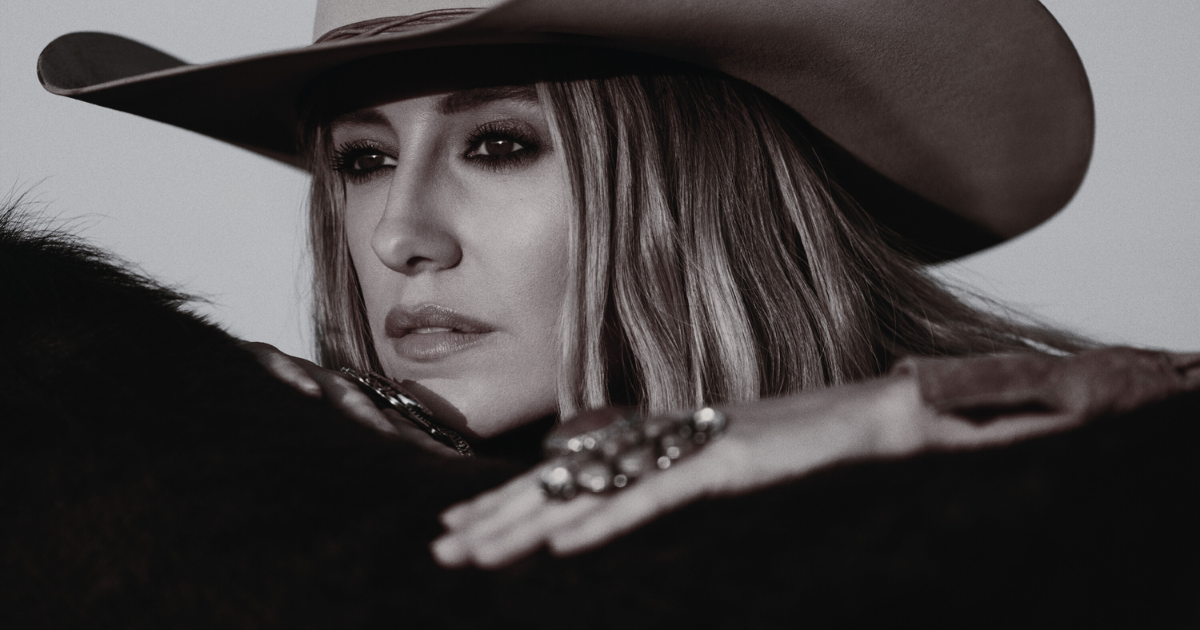
Artist of the Month: Lainey Wilson

(Editor’s Note: For the first time, BGS and Good Country are teaming up for a very special crossover Artist of the Month! During the month of August, on BGS and GC we’ll be celebrating music, songs, and stories by and a new generation’s country superstar, Lainey Wilson.

Check out our Essential Lainey Wilson Playlist below and sign up for our Good Country email newsletter now, to be one of the first to read our upcoming Artist of the Month feature.)

There’s no wrong place to start with Lainey Wilson’s music. Though the small-town Louisiana-born country star is still deepening her catalog, Wilson boasts four excellent records (and a fifth is on the way — Whirlwind is due August 23), each jam-packed with traditionally informed country, swaggering Southern rock, alt-country and roots rock grooves, and no shortage of emotional ballads. Good Country and BGS have compiled our Essentials Playlist of the fiery singer-songwriter’s best and most beloved tunes, with some deep cuts tossed in for good measure.

Despite being a relative newcomer and a woman in a male-dominated genre, Wilson has notched a string of hits since breaking out with her 2021 album Sayin’ What I’m Thinkin’. That record features “Things a Man Oughta Know,” a nuanced take on traditional country gender tropes and Wilson’s first number-one hit on Billboard’s Hot Country Songs chart.

Arriving as Wilson’s ascent grew steeper, 2022’s Bell Bottom Country expands on its predecessor’s sound, giving Wilson space to get more vulnerable – “Watermelon Moonshine” is a sweet and nostalgic tribute to teenage love – and a little funkier, like on her unexpected but perfectly suited cover of the 4 Non Blondes hit “What’s Up (What’s Going On).” That album is also, of course, home to “Heart Like a Truck,” a centerpiece of Wilson’s discography and one of the best examples of her singular songwriting – this is not your run-of-the-mill “truck song.”

Dive into some of Lainey Wilson’s best songs below on our Essential Lainey Wilson Playlist. And stay tuned for more Artist of the Month coverage on Wilson coming soon from BGS and GC.


Photo Credit: Eric Ryan Anderson

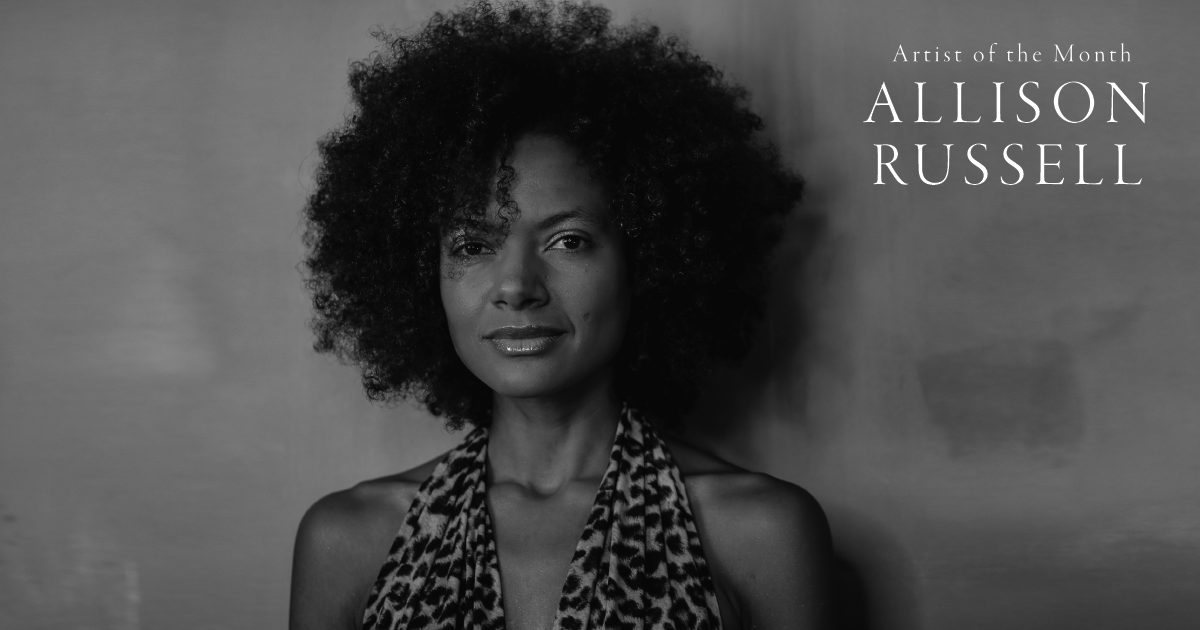
Artist of the Month: Allison Russell

Allison Russell has already made an exceptional impression in roots music — first in the duo Birds of Chicago, then as a member of Our Native Daughters. Now with her new album Outside Child, she’s putting her own story front and center. Whether she’s singing in English or French, Russell’s voice feels like satin, comfortable and cool. Yet she weaves some of the most painful memories of her formative years in Montréal into the fabric of her Fantasy Recordings debut.

Special guests on the album include the McCrary Sisters, Ruth Moody, Erin Rae, and Yola. Upon revealing the project, Russell wrote, “This is my first solo album. It is acutely personal. It was hard for me to write, harder still to sing, play, and share. Also a relief. Like sucking the poison from a snake bite. Thanks to the supreme empathy, musicality, kindness, sensitivity, and humour of each artist who brought these songs to life with me, the recording process became — by some mystical alchemy –joyous and empowering…. Eased by loving communal laughter as much as shared tears.”

Specifically pulling from the childhood trauma she experienced at the hands of her stepfather, she adds, “This is my attempt at truth and reconciliation and forgiveness — a reckoning and a remembrance. This is my attempt to be the hero of my own history, despite the shame that has been my closest and constant companion all these years.”

We are proud to present Allison Russell as our BGS Artist of the Month for May. In the days ahead, look for a new performance video, an exclusive interview (read part one here)(read part two here), and a sleek style shoot with this singular artist, who now calls Nashville home alongside her partner JT Nero and their young daughter. Discover more of her musical journey with our BGS Essentials playlist.


Photo credit: Marc Baptiste

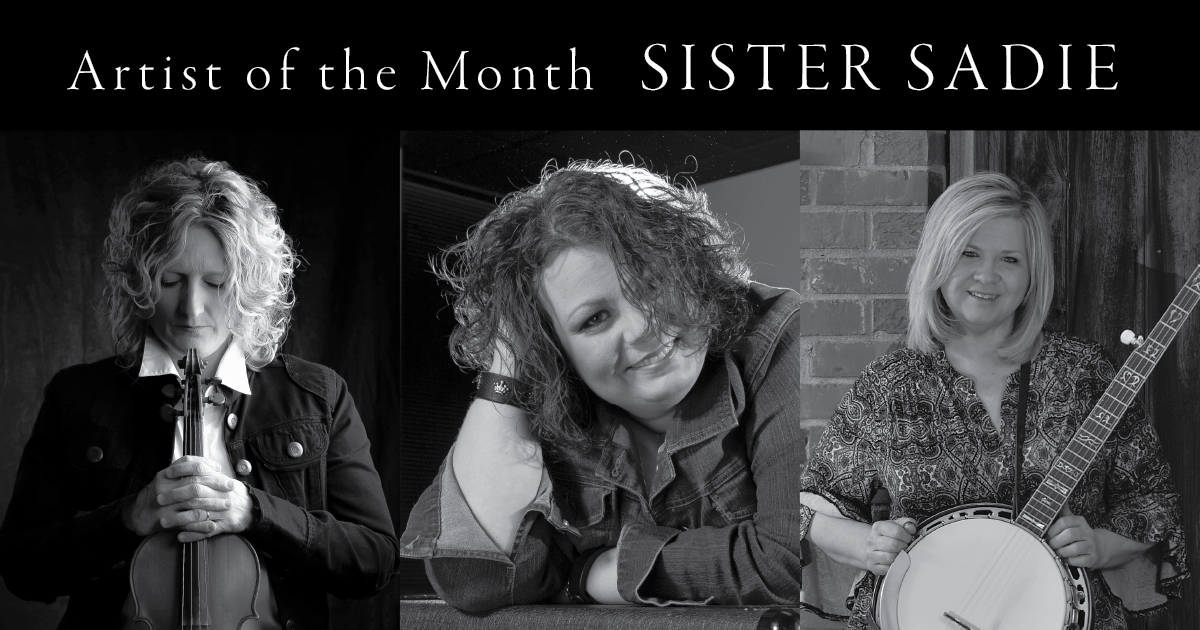
Artist of the Month: Sister Sadie

Stepping out with a number of the most talented women in bluegrass, Sister Sadie made an impressive showing in 2020, with a first-ever win as IBMA Entertainer of the Year and a repeat for Vocal Group of the Year. Plus, their fiddler Deanie Richardson picked up two more trophies as Fiddle Player of the Year and Collaborative Recording of the Year (for her appearance on Becky Buller’s “The Barber’s Fiddle.”) The accolades confirm what bluegrass fans have long known: There is room for everyone in the genre, regardless of gender. In fact, Sister Sadie is the only all-female group to win bluegrass’ top award.

“Bluegrass is traditionally viewed as a male-centric genre, but a genre that is rooted in the Appalachian sounds of Mother Maybelle Carter,” says Tina Adair, the band’s vocalist and mandolin player. “We’re proud of this honor. There’s a lot of purity and traditionalism in this genre, but a lot of progressivism, too. We love getting to contribute new perspectives to a style of music that has shaped us all.”

“We’re all over 40 and proud to be on the front lines to show other women that they can also achieve their dreams,” Richardson says. “We’re proud to expand the ways people hear and view bluegrass, too. To us, it’s a musical national treasure that can be traced back to the foundation of our country, and it tells a story of a landscape, a culture, a mindset, and a struggle to overcome the odds. It’s in our blood.”

All three members of Sister Sadie are accomplished recording artists in their own right. In 2019, Deanie Richardson issued a solo album (Love Hard, Work Hard, Play Hard) as well as a lively record with a side project known as The Likely Culprits. IBMA Award-nominated Banjo player Gena Britt also submitted an excellent collaborative record in 2019, titled Chronicle: Friends and Music, while Tina Adair continues to record as a compelling solo artist.

In 2020, Adair also partnered for a wonderful covers album with Dale Ann Bradley, who departed Sister Sadie in November to travel with her band exclusively in 2021. The sisterhood remains, though. A recent Instagram post by the band concludes, “Because our friendship takes precedent to our musical goals, we celebrate each other in every way possible whether it’s tied to Sister Sadie or any of our other efforts. We’re beyond thrilled for Dale Ann as she charges forward with her solo career and are equally excited to see what unfolds for Sister Sadie.”

Sister Sadie has already contributed to the modern bluegrass canon with 2016’s self-titled album, followed by 2018’s Sister Sadie II. Read an interview by Tristan Scroggins with the band’s three members here. While you’re at it, check out the breadth of Sister Sadie’s catalog in our Essentials playlist.


Photo credits: Deanie Richardson by Kerrie Richardson; Tina Adair by John Dorton; Gena Britt by Mike Carter

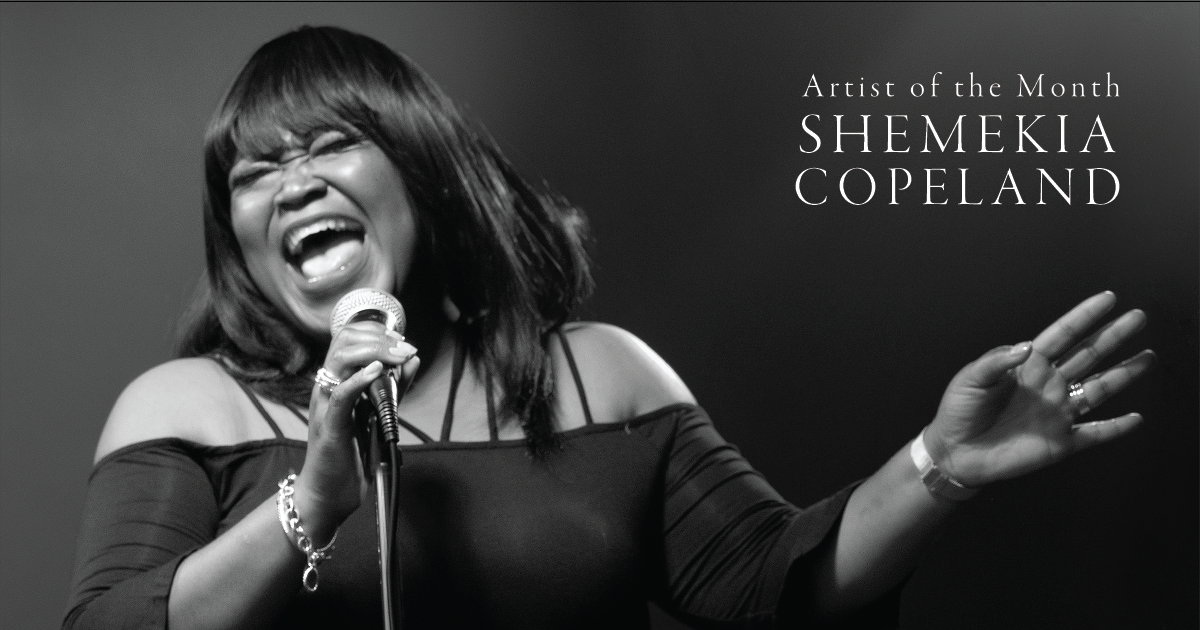
Artist of the Month: Shemekia Copeland

When it comes to modern blues, Shemekia Copeland is at the top of her game. Uncivil War, her newest release on Alligator Records, offers a number of topical songs, ranging from gun rights (“Apple Pie and a .45”) to LGBT affirmation (“She Don’t Wear Pink”). Yet as the album progresses, she delivers a few straight-up blues songs like “No Heart at All” and “In the Dark” that could have fallen anywhere in her decades-long career — or found a home with the generation of blues artists that inspired her. Throughout, her voice is strong, drawing you in to hear firsthand what’s on her mind.

Recorded in Nashville with producer Will Kimbrough, Uncivil War gives Copeland a chance to clearly speak her truth. From the historical narrative of “Clotilda’s on Fire” (with an electrifying guitar solo from Jason Isbell) to the philosophical title track (which features acoustic all-stars Sam Bush and Jerry Douglas), Copeland consistently comes across as persuasive, but not abrasive. The message of one of the album’s finest moments, “Walk Until I Ride,” is indeed empowering — but the fact that she needs to walk in the first place is not lost on the listener.

“You know, being angry doesn’t do us any justice,” Copeland told NPR in October. “I spent my time being angry and pissed off and mad about it. But at the end of the day, you know, that just doesn’t help anything.” That determination to channel her emotions into her music paid off in 2019 as she picked up multiple wins in the Blues Music Awards and Living Blues Critic’s Poll on the strength of her prior release, America’s Child. Since 2000, three of her albums have also received Grammy nominations.

In the weeks ahead, BGS will feature a two-part interview with Shemekia Copeland, where she reflects on the influence of her blues musician father, Texas legend Johnny Copeland, as well as the statement she’s making with Uncivil War. (Read part one here. Read part two here.) Author and journalist Alan Paul, who conducted these interviews, also provides us with the BGS Essentials playlist for November Artist of the Month, Shemekia Copeland.


Photo credit: Mike White

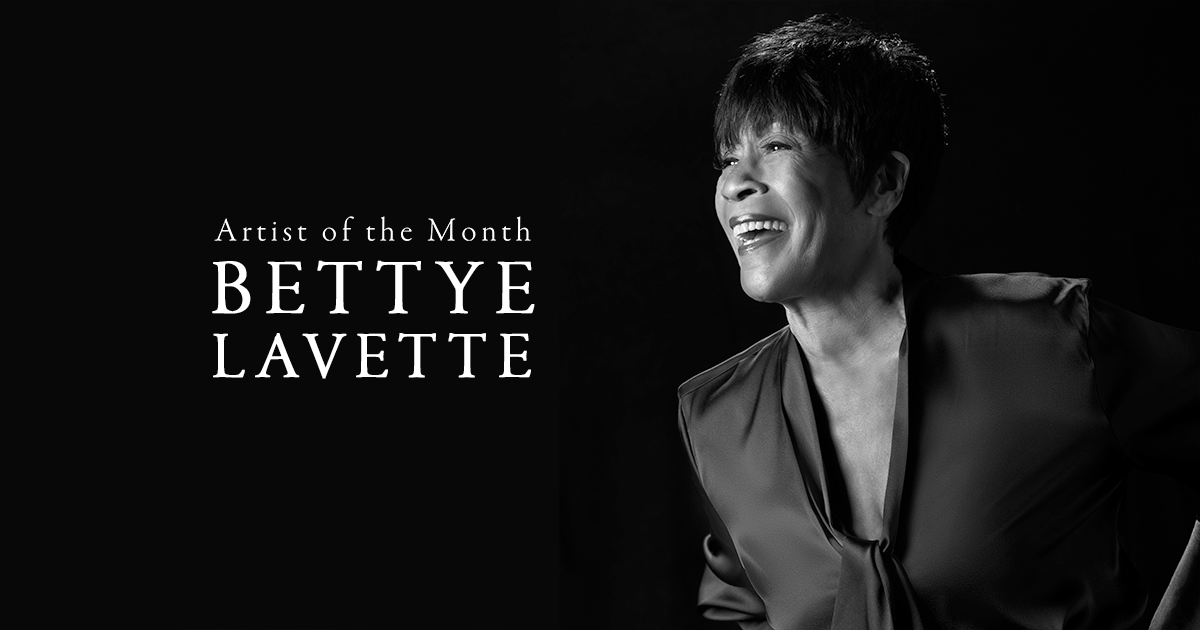
Artist of the Month: Bettye LaVette

The very definition of persistence, Bettye LaVette is among the newest inductees into the Blues Music Hall of Fame, yet she pulls her material from nearly every imaginable corner of music. In addition to her distinguished R&B output that dates to the 1960s, she has interpreted the greats of folk and country music, ranging from Bob Dylan and Patty Griffin to George Jones and Dolly Parton. Now the five-time Grammy nominee is honoring many of the Black women who inspire her with Blackbirds, a collection that takes its name from the Beatles standard. However, as LaVette has stated before, Paul McCartney wrote the song about a Black woman (as British slang refers to a girl as a “bird”). In LaVette’s rendition, though, she is the one who’s been waiting… and waiting… and waiting for this moment to arrive. And, in a specific allusion to this moment in history, to be free.

Set for release on the venerated Verve label, Blackbirds alights on August 28, though the Detroit-raised diva has already issued a stunning rendition of Billie Holiday’s “Strange Fruit,” as well as Nina Simone’s “I Hold No Grudge” and Sharon Robinson’s “One More Song.” (Songs recorded by Ruth Brown, Lou Rawls, Dinah Washington, and jazz vocalist Nancy Wilson are featured on the album, too.) Read our two-part interview — part one here, part two here — with this candid and compelling entertainer, who’s now based in New Jersey and enjoy our BGS Essentials playlist of August’s Artist of the Month, Bettye LaVette.


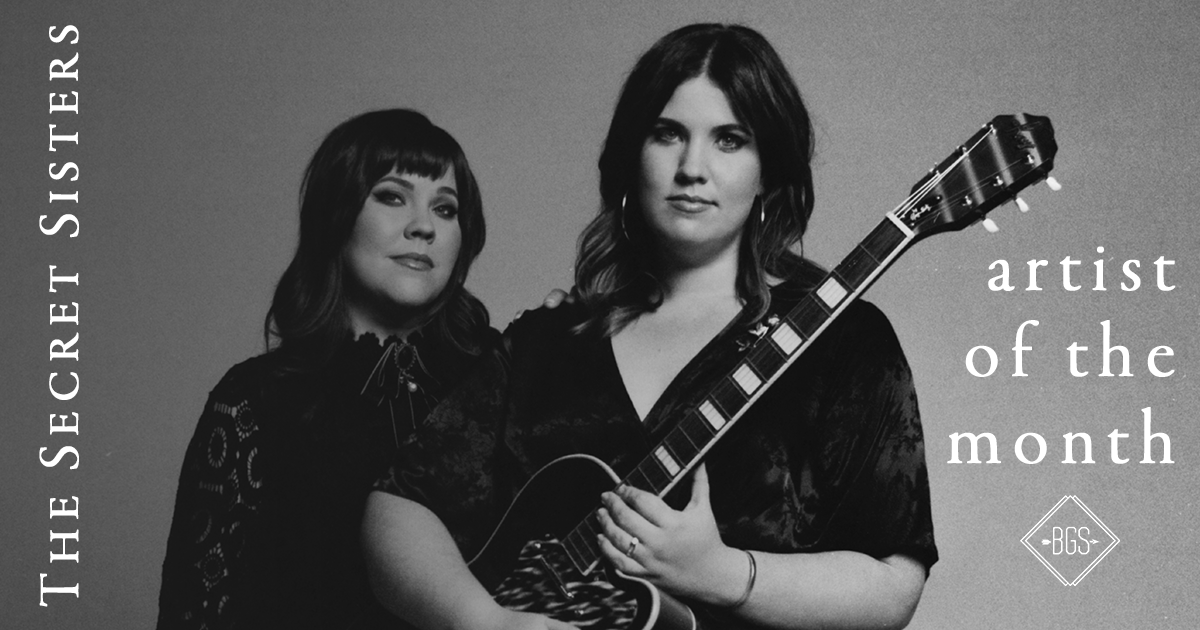
Artist of the Month: The Secret Sisters

The secret is out, as the Secret Sisters have finally issued their newest album, Saturn Return. Time is a through line of the project, heard in songs like “Late Bloomer,” as well as the album title, which is an astrological reference to Saturn returning to the same location in the sky as it was when you were born. Motherhood also informs the music, as sisters Lydia and Laura Rogers were new mothers at the time, but also grieving the recent loss of their grandmothers.

Produced by Brandi Carlile and Phil and Tim Hanseroth (aka “The Twins”), Saturn Return positions the sisters as solo vocalists to some degree, as both Lydia and Laura recorded separately for the first time. And in contrast to their other albums, they wrote all of the material here themselves. A sweet celebration of the women who came before them can be found in the opening track, “Silver,” while the final track, “Healer in the Sky” is poignant, vivid, and simply beautiful.

Look for a two-part interview with the Secret Sisters — our BGS Artist of the Month for March — in the weeks ahead. (Read part one here. Read part two here.) In the meantime, enjoy our Essentials playlist, comprising choice covers (including one of Carlile’s songs), rare and interesting collaborations, and new music you’ll want to hear from Saturn Return.


Photo credit: Alysse Gafkjen

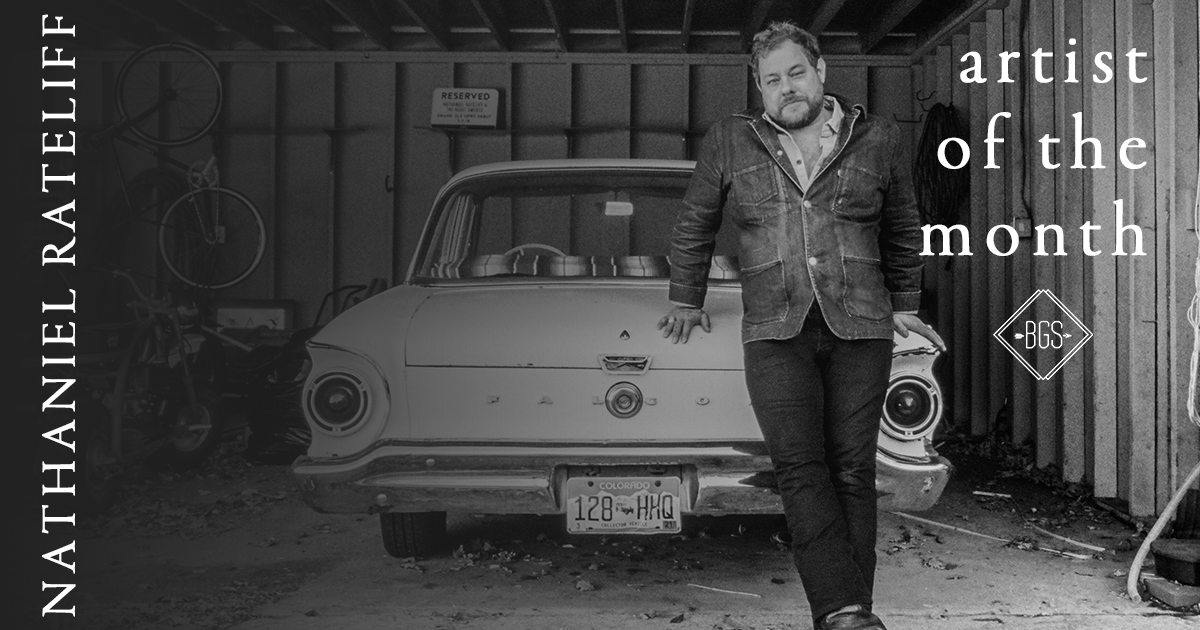
Artist of the Month: Nathaniel Rateliff

One of the most powerful artists in roots music, Nathaniel Rateliff has a solo album coming out in just a couple weeks, and as a preview, he’s released a music video for the title track. The evocative video mirrors a song with a lot of weight and meaning behind it, a trademark of Rateliff’s style. A simple song — voice accompanied by galloping guitar and a swirl of ambient textures — “And It’s Still Alright” has a beckoning quality that is matched with a grainy film aesthetic, shot in black and white with a splash of washed-out color.

In 2019, Nathaniel Rateliff and the Night Sweats scored a platinum single with “S.O.B.” and a gold record for their self-titled album. Now the pieces are in place for the next installment of Rateliff’s music as And It’s Still Alright is slated for a Valentine’s Day release. Tour dates are filling in, including a stop at the Ryman Auditorium in Nashville, as well as multiple shows in New York City, Los Angeles, San Francisco, Toronto, and Minneapolis. His European tour kicks off in April.

To hold over the anticipation for the new record and our upcoming Artist of the Month coverage, enjoy our BGS Essentials playlist.


Photo credit: Rett Rogers