MIXTAPE: Rising Appalachia’s Love Songs for Blooming Spring

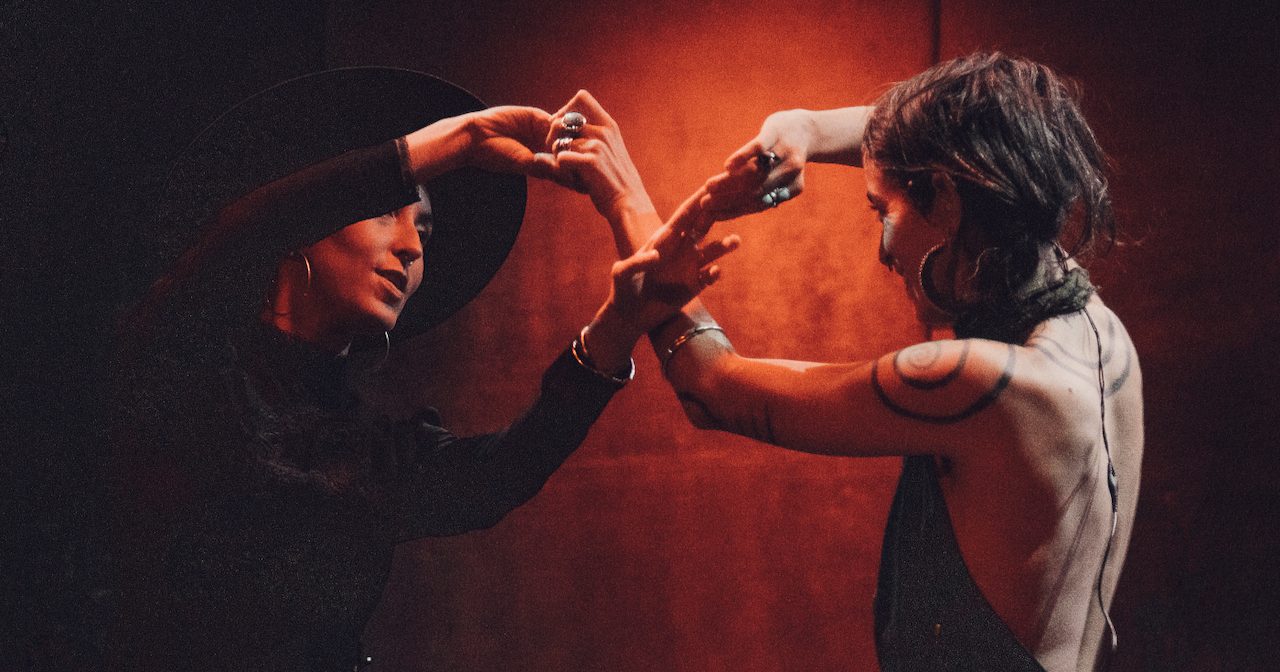
This is a collection of the BEST love songs in my life, the heartbreakers and the heart menders. The ones that make your heart burst and bloom. Because hey, it’s spring, and who doesn’t want a damn good love song or two in their lives? — Leah Song, Rising Appalachia

John Prine – “Angel From Montgomery”

This song brought me to my knees when I heard it live at the Kate Wolf Music Festival years ago. A hardened kind of love song, a love long changed and still just barely holding. But still, even the love between John Prine and Emmylou Harris is precious…

The Roots, Erykah Badu – “You Got Me”

I have listened to this song since my teenage years and it is rich, passionate, and real amid the throes of what life on the road looks like. What longing feels like. How to show up.

Hozier – “Almost (Sweet Music)”

The most joyful and epic lyricist around. And such a bright and catchy melody, this one is contagious.

Keb’ Mo’ – “Kindhearted Woman Blues”

Such a rich treatment of this classic. Got that salty form of simple, front porch, storytelling love.

Arouna & Biko – “Doubabu”

Nothing sings to the heart like the sweetness of this melodic instrumental by our dear friends, Arouna & Biko.

James Blake – “A Case of You”

I mean, this needs no additional telling. It just SLAYS.

Ray LaMontange – “Shelter”

The tamber of LaMontange’s voice is so insane, it’s another delicate one, but it reaches into the pain and pleasure of love.

Lankum – “What Will We Do When We Have No Money?”

A gentle, Irish look at love and the long haul. How to piece it together with your beloved when times are tough.

Beyoncé – “Drunk in Love”

Riddles with unapologetic passion.

Jorge Cafrune – “La atardecida”

Classic heart strings, plus the guitar just makes you swoon.

Rising Applachia – “Novels of Acquaintance”

Our favorite love song.

Polecat Creek – “That I Should Know Your Face”

A traditional Appalachian love ballad. “That I should know your face,” the depths of loyal love.

Maggie Koerner – “Shades of Grey”

Simple, open-hearted love song from the young vulnerability of the road.

Trevor Hall – “Chapter of the Forest”

A love song to the divine.

Hypnotized – “Ani DiFranco”

The classic bass line of this song plus the simplicity of the imagery. Sometimes, you are just brought to your knees by the wafting breathlessness of love.


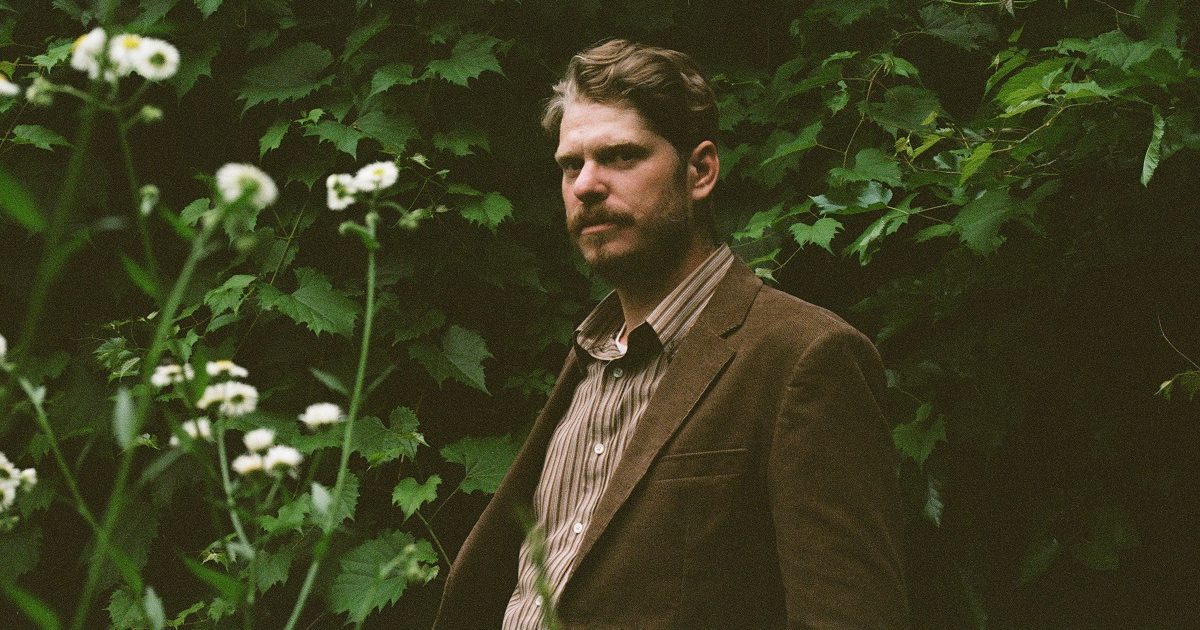
Photo credit: Savannah Lauren

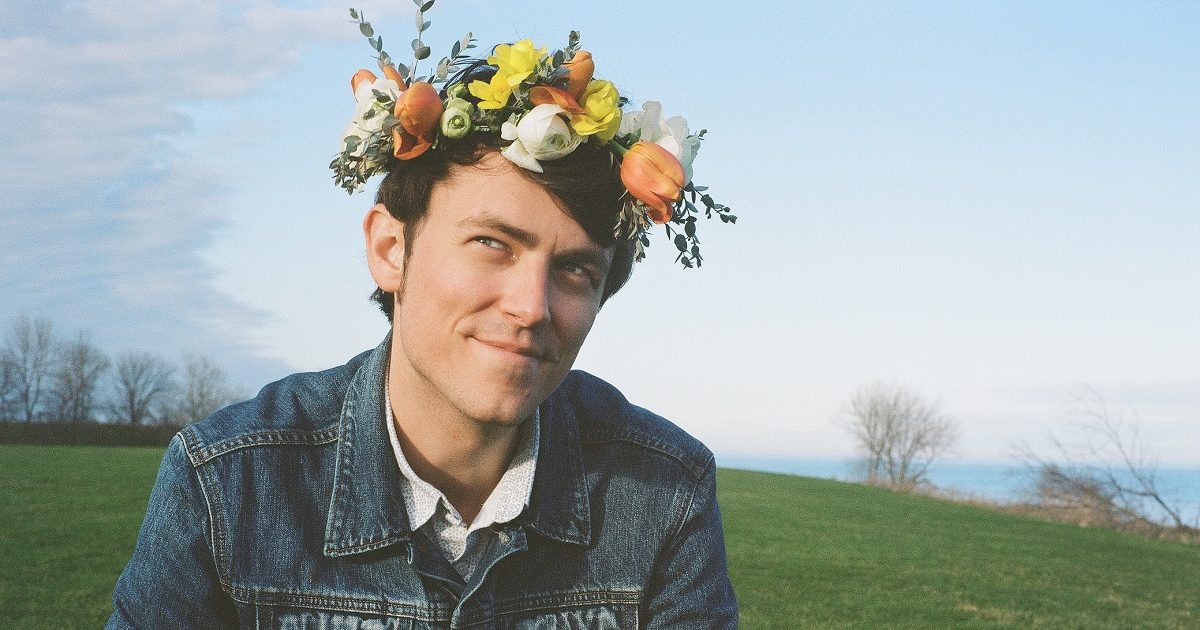
LISTEN: Kyle LaLone, “Learning How to Love”

Artist: Kyle LaLone
Hometown: Watertown, New York; living in Los Angeles
Single: “Learning How to Love”
Album: Looking for the Good
Album Release Date: June 25, 2021

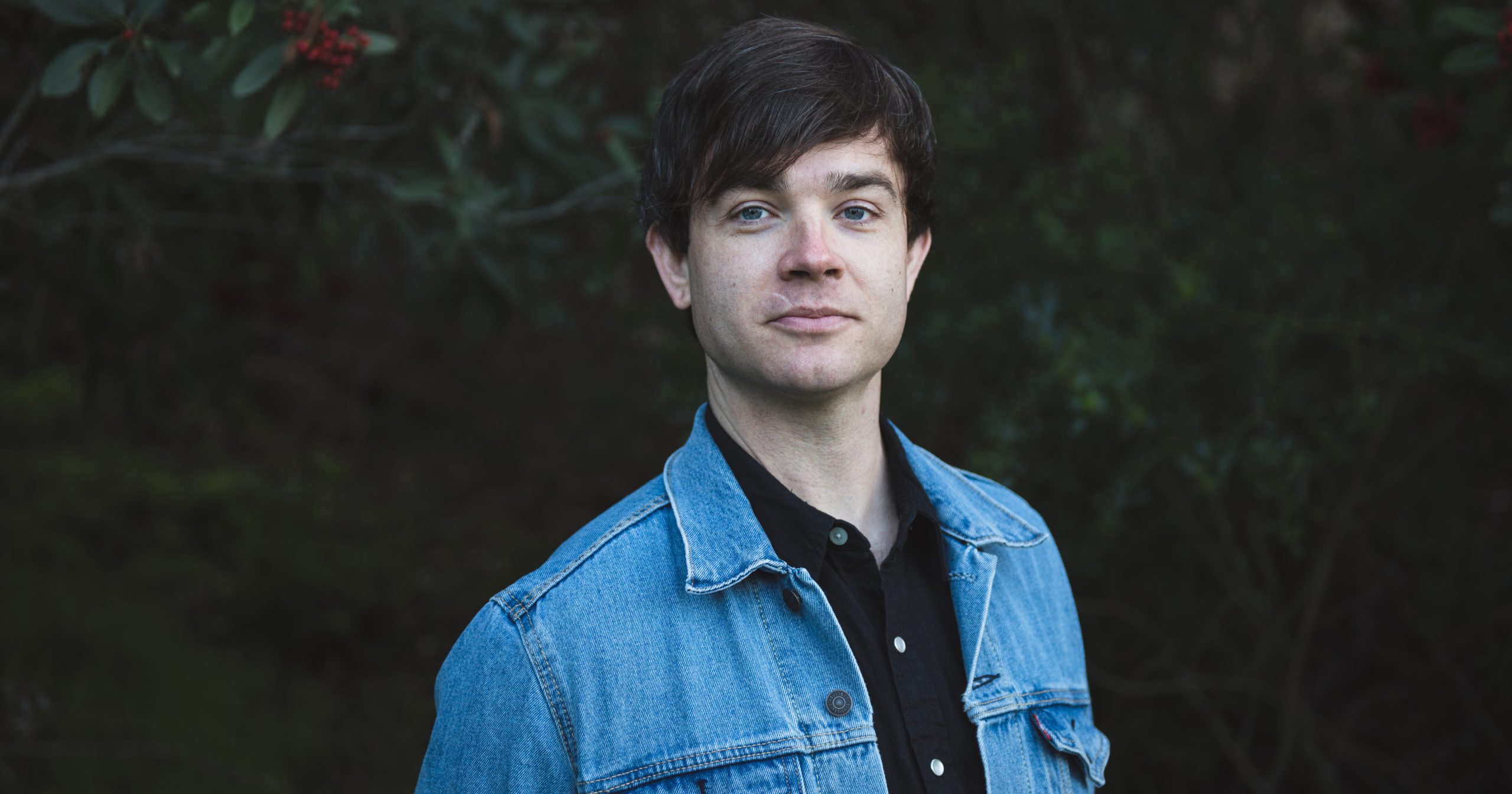
In Their Words: “I wrote this song starting with the title, which is how I begin most songs now. I was thinking about the earliest relationships I had been in and how I would say ‘I love you’ but had no idea what that actually meant. In the last few years I feel like I’ve gotten a better understanding of how to be a good partner, how to really show up for someone in a relationship, and that it is something I will continue to improve on. As for the music, I was going for a classic, sweet-sounding country vibe that I thought would fit well with the tender sentiment of the lyrics. And having Michaela Anne, who is a wonderful singer-songwriter, add those beautiful harmonies was the icing on top of the cake.” — Kyle LaLone


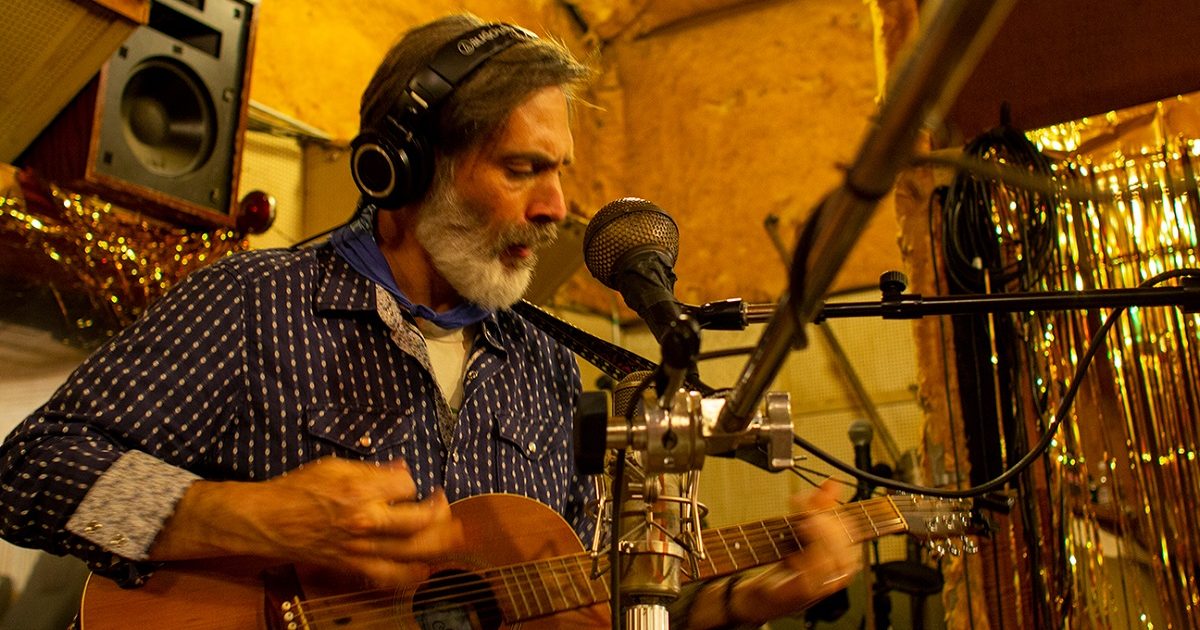
Photo courtesy of Kyle LaLone

LISTEN: Zach Person, “Wanna Fly”

Artist: Zach Person
Hometown: Austin, Texas
Song: “Wanna Fly”
Album: Zach Person
Release Date: April 2, 2021

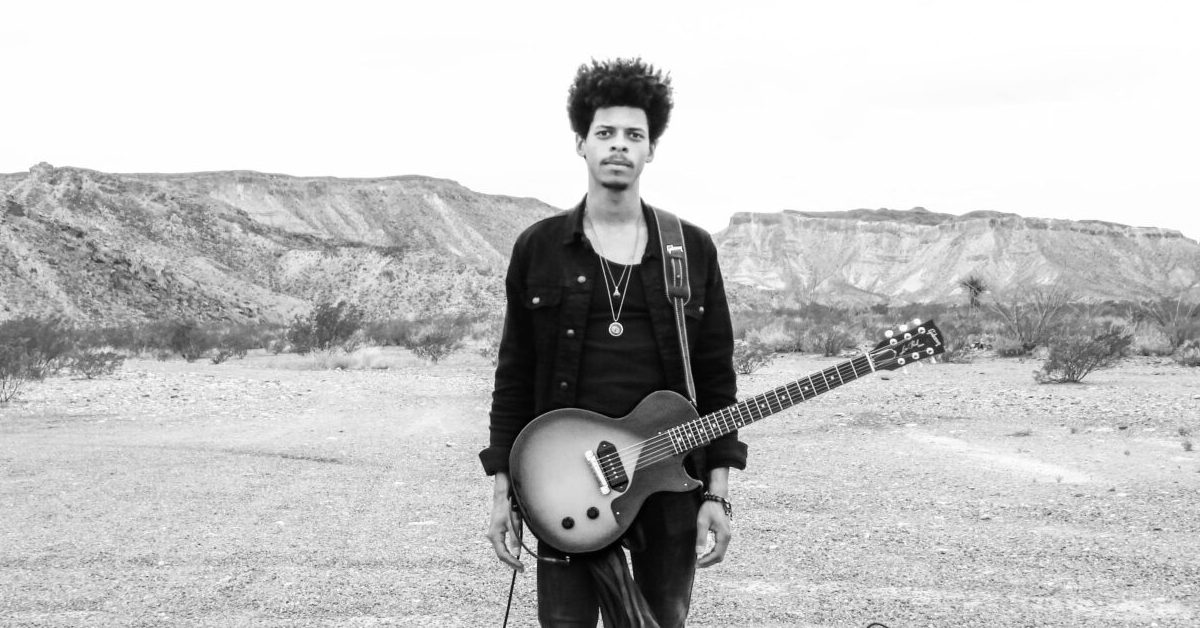
In Their Words: “2020 was a crazy year for the entire world. All the political and social uproar in countries across the globe inspired me to write ‘Wanna Fly.’ I was listening to an episode of Broken Record (a podcast by Rick Rubin) where he was discussing protest songs, and I got to thinking about what a modern-day ‘Dylan-esque’ protest song would sound like. That thinking inspired much of the lyrics to the tune. I also wanted the song to have that big, open, and spacious feeling that you associate with sounds of the Wild West and open plains of early America. All of these elements blended together to make for a really unique but familiar experience for the listener.” — Zach Person


Photo credit: Christopher Durst

With Her Banjo and Best Friends, Allison Russell Delivers ‘Outside Child’ (Part 2 of 2)

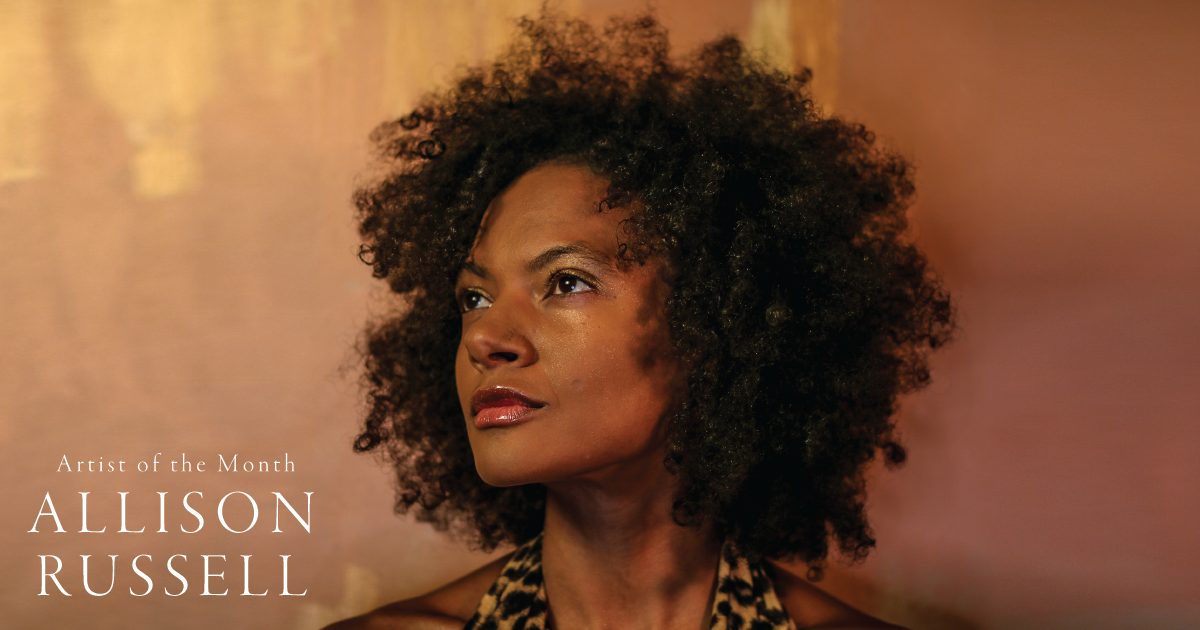
Allison Russell’s first solo album offers an intimate look into her life, yet it’s far more than just her musical vision that elevates Outside Child to one of the year’s most eloquent albums. Working with Dan Knobler in Nashville, she populated the studio with musicians like Joe Pisapia, Jason Burger, Chris Merrill, Jamie Dick, and Drew Lindsay, as well as exceptional guests such as Yola, Ruth Moody, Erin Rae, and the McCrary Sisters. She describes them as her “chosen family,” accompanying her as she shares stories about other families in her life.

Enjoy the second half of our BGS Artist of the Month interview with Allison Russell. (Editor’s note: Read the first half of our AOTM feature here.)

BGS: You can feel that sense of community between the musicians on this record. Can you talk a little bit about what it felt like while you were tracking?

Allison Russell: These songs were recorded in four days. Everything that you are hearing, I sang live with the band. We did it at Sound Emporium Studio A. There’s a lovely, big room with glass doors that you can open up. Everyone was in a semi-circle. It was a magical experience. We would gather in the center of the room and work out an arrangement together and then we would record the song. Most of what you are hearing is the second take. That was sort of when it magically coalesced, when everyone was communing and free flowing.

Dan [Knobler] shares my deep conviction that it is not about perfection. It is about capturing the communication in as honest and as true of a way as you can. That has been my approach ever since working with Joe Henry four or five years ago on a record called Real Midnight. So what you are hearing is a community choosing to come together to uplift these songs. I will be grateful for that for the rest of my life, even if no one ever heard the record. That experience of getting to record that way with chosen family. I can’t imagine a more healing, supportive environment than I experienced.

This is your first solo record and though you’ve made many records with groups, I’m wondering if the feeling of picking the songs and the sounds was different for you as a solo artist?

I don’t know that I really picked them. I think that the songs just poured out. So much of the sound is my community of artists. I would never dream of telling any of those artists what to play. I trust their ears and I trusted Dan Knobler’s ears, who produced the record. And I trusted my own ears too, of course, but really what we did was cast the room with people who we love and trust. What was different is that I’d never worked with Dan before and I trusted him bringing in two of his brothers, Joe Pisapia and Jason Burger to join the family of musical kindred that I’ve been part of. A lot of the artists who played on the record were artists that I’d met over my many years and different projects. …

And then since I moved to Nashville in 2017, I’ve been going to hear the McCrary Sisters and loving them. I really got to know them through Yola, because they formed a friendship at a festival in Scotland and I got to know them through her. I’m a huge admirer of them and their work and their harmonies. I reached out to them thinking I wouldn’t be able to afford them and they were so generous. They came and sang for way less than they are worth and worked within my budget. I was honored that they came. So it was really a matter of casting the room and then letting people shine the way they do.

I read your speech from the [2020] Women’s March [in Nashville]. It is really gorgeous, thought- and emotion-provoking. In it you mention that you are the hero of your own story which is wildly inspiring and important for us all to remember – that there are some things we can save ourselves from. Can you talk a bit about ways in which you save yourself?

I feel like connection with a loving community is what saves me every day. Art and music save me every day. I’ve been a book worm my entire life and I can’t emphasize enough, I don’t think I would have survived my childhood if I hadn’t had the escape of literature. Being able to go into other worlds and other imaginings and literally inside of someone else’s mind and take refuge and find inspiration and comfort and strength. Disappearing into books was the first kind of way that I learned how to try to be brave. It was reading about brave protagonists and people in situations worse than I could imagine. I got very obsessed in my tweens with reading first person accounts of survival of the Holocaust. It put into context what was happening to me, that if people could survive that, then I could survive what I was experiencing.

Being in a community with people that uplift you and see you and value you and you do the same for them, that is life-changing. I have that with my partner J.T. I have that with my sisters in Our Native Daughters. We wrote a whole record together, uplifting each other and bringing forward the perspective of Black women within the diaspora and within the historical record. Our particular demographic is so often left out of any kind of historical record in any kind of first-person way, with agency and lived experience. That has been a source of great strength and resilience.

And then to connect with my ancestors. To delve into all of the history. With all of the intergenerational trauma and abuse, there is also incredible intergenerational strength and resilience and transcendence. The ability to overcome circumstances I cannot even dream of. My many-times-great-great-grandmother Quasheba survived being enslaved. She survived being ripped away from everything she knew, her family and language and home. She survived the horrible Middle Passage. She survived multiple plantations and having her children taken. If she can survive all that, I can get through this.

Do you remember what prompted you to pick up a banjo for the first time?

I was in a band called Po Girl, that was my first baby band and the woman I started the band with, Trish Klein, played the banjo. She taught me my first few chords and I just kept playing from there. I met Rhiannon Giddens in 2006 at the Vancouver Folk Music Festival and I was so excited to meet another Black woman that played banjo, because I was the only one that I knew. She told me about the Black Banjo Gathering, which I never got to attend. I’ve met so many dear friends who were a part of that, like Valerie June. All of us in Our Native Daughters play banjo and that has been a deep communion for us.

I think Rhiannon’s minstrel banjo is one of the most beautiful sounds I’ve ever heard. I’ve adapted my little Americana Goodtime banjo to sound as much like that as I can by adding gut strings and a fiber skin head. I’ve modified the bridge a bit to give it that deeper resonance. For me the banjo has allowed me to access my songwriting in a different way. I’ve noticed this over time as I’ve picked up more instruments. Different songs come through on different instruments and now for me, the banjo has become my primary songwriting instrument.

This album is coming out hopefully at the tail end of the pandemic so I’m guessing some of the songs have not been performed in front of an audience yet. Are there songs you are particularly excited about presenting on stage and on the flip side are there songs you are nervous or trepidatious about presenting to an audience?

Basically none of them. Of course I’ve done some virtual performances here and there of a couple of them. But they have not been played live. I am always nervous about everything. I’m just a very anxious person most of the time. But where that stops, usually, is on stage, when I get to be in communion with my fellow artists and with the people who have come to listen. That is very much a two-way exchange. The answer is, I’ll be nervous about all of it right up until the moment we are playing and then I will be in the happiest place I know.

(Editor’s note: Read part one of our Artist of the Month interview with Allison Russell here.)


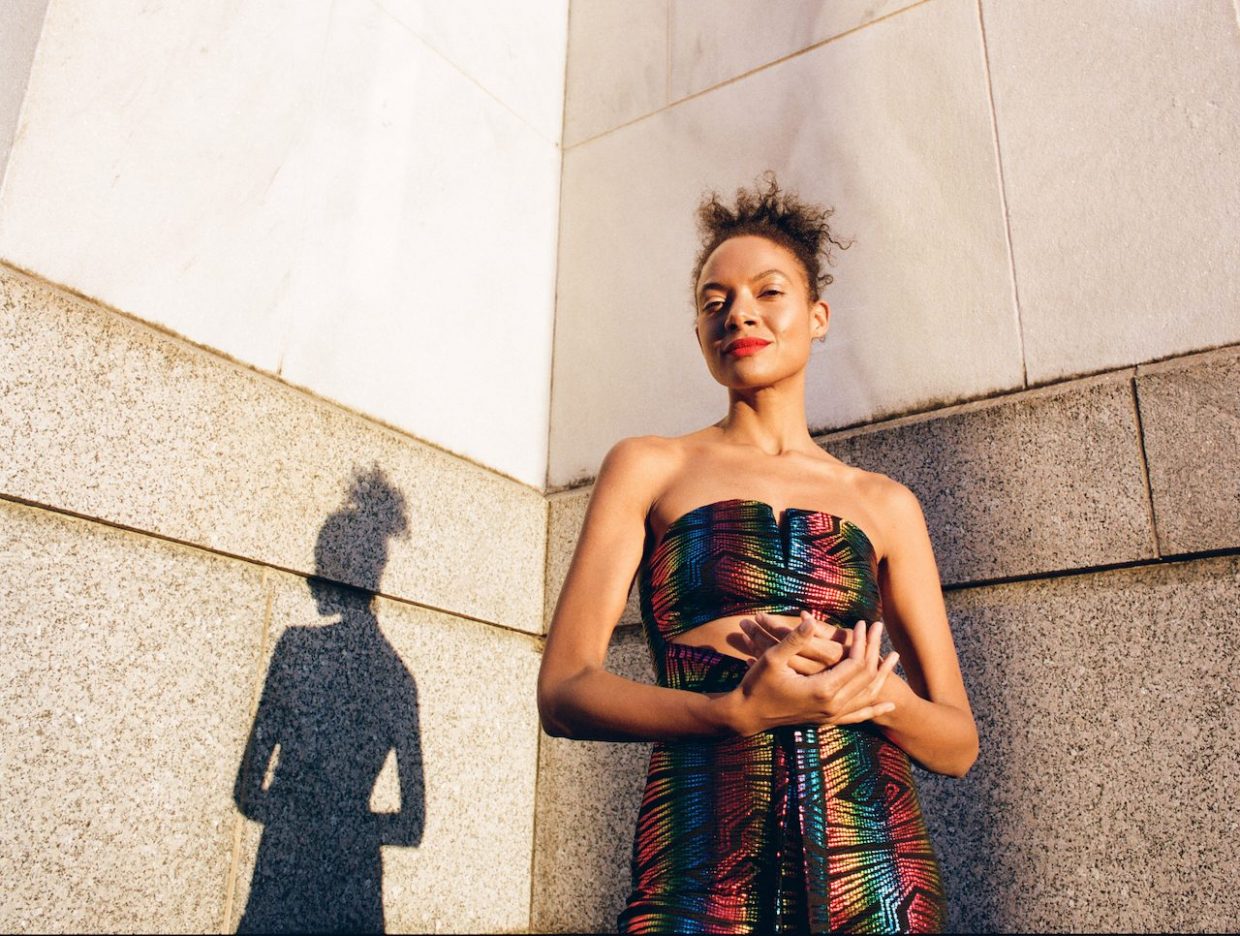
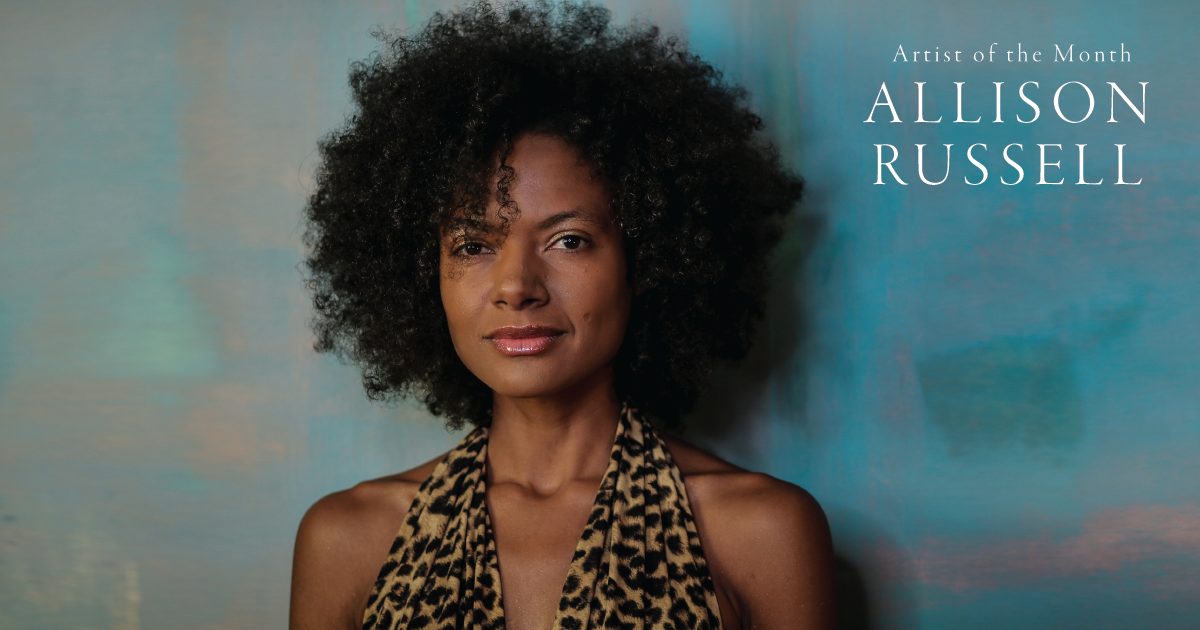
Photo credit: Marc Baptiste (top); Laura E. Partain (in story)

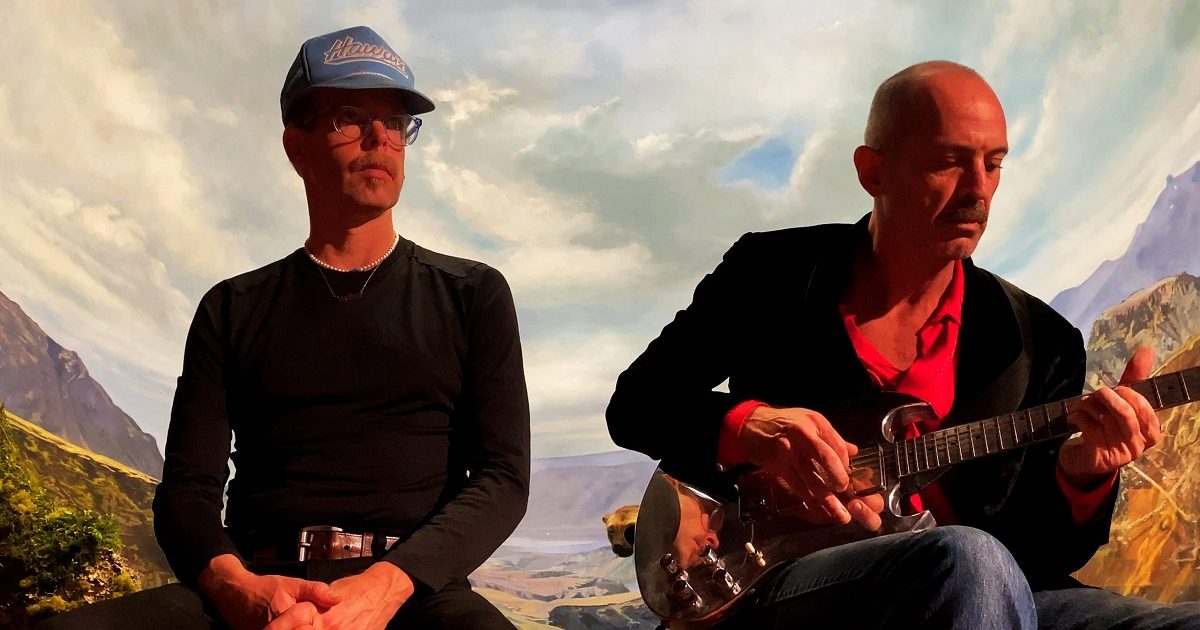
WATCH: Matt Sweeney & Bonnie ‘Prince’ Billy, “Resist the Urge”

Artist: Matt Sweeney & Bonnie ‘Prince’ Billy
Hometown: New York, New York (Matt Sweeney); Louisville, Kentucky (Bonnie ‘Prince’ Billy, a.k.a. Will Oldham)
Song: “Resist the Urge” (music video by skateboarders Kevin “Spanky” Long and Atiba Jefferson)
Album: Superwolves
Release Date: April 30, 2021
Label: Drag City

In Their Words: “Spanky and Atiba’s video rules. We try to make the listener feel insanely at home in a musical space. Atiba and Spanky have made us feel like we own a share of the skateable world. We got David Ferguson out from behind the board to play double-bass on this one. It needed the lift that only a Ferg could deliver.” — Will Oldham

“I always wanted to see a full video part with just one skater, and once I got asked to work on a video for this record, I knew that Kevin ‘Spanky’ Long was perfect — his way of cutting out, resizing, moving and manipulating photos and videos is amazing, but also he is an amazing pro skater. I asked a lot of Spanky: I wanted him to star, direct, edit, film and do all of the artwork! It was a tall ask, but I know his love for Matt and Will would shine thru. This video was made in the pandemic so it was just me and him going out and shooting together. We shot around LA for 14 days over 4 months. It was great to work so closely with Spanky’s vision but still have him in front of the camera. This collaboration of directing together was great because we are two different generations of skateboarders, but both coming from the pro skater’s perspective.” — Atiba Jefferson

“This was just a great excuse to make a skate video with a best friend for my favorite band. I ran the high def footage and super8 film into my iPhone where I painstakingly cut frame-by-frame, with relatively low-fi digital tools, to execute the stop-motion animation and digital collage elements. It was, in the end, the only way to achieve this look we were after. And we weaved in the layers of sea and sky to meet the big themes in ‘Resist the Urge.’ COVID restrictions made things tricky to get Matt and Will in there, but we revel in limitations.” – Kevin “Spanky” Long


Photo credit: Jonah Freeman & Justin Lowe

WATCH: Trapper Schoepp, “May Day”

Artist: Trapper Schoepp
Hometown: Milwaukee, Wisconsin
Song: “May Day”
Album: May Day
Release Date: May 21, 2021
Label: Grand Phony

In Their Words: “After this long, hard winter, the music of May Day marks the arrival of spring. The album title is a nod to the ancient holiday that’s historically celebrated by dancing around a maypole in the spirit of rebirth. The title track addresses the struggles of starting over with the tale of a transcontinental relationship that has come to a standstill. The pandemic allowed me to hit reset on certain parts of myself that had gotten lost in the last decade of touring. For all the brightness surrounding the holiday, there’s a dark side that inhabits the characters on the record — ghosts haunt the ‘Hotel Astor’ and lovers become disillusioned in ‘Paris Syndrome.’ The isolation of lockdown found its way into tracks like ‘Solo Quarantine’ and ‘Yellow Moon.’

“The watchtower is located at a secluded nature preserve in Mequon, Wisconsin. You can see for miles in each direction and I found it to be a tranquil environment right outside the city. One of the themes running throughout the album is the natural world and I wanted to highlight that with this video. Despite a cold wind blowing up there, it was also a joy to reunite with some videographer friends I hadn’t seen since COVID took hold.” — Trapper Schoepp


Photo credit: Abby Artish

LISTEN: Mara Connor, “Old Man”

Artist: Mara Connor
Hometown: Los Angeles, California
Song: “Old Man” (Neil Young cover)
Album: Decades EP
Release Date: May 20, 2021
Label: Side Hustle Records

In Their Words: “I recorded this with Jon Estes in Nashville at the same age Neil Young was when he wrote it (’24 and there’s so much more’) about a caretaker who lived on his ranch. When I first heard the song I was struck by the empathy exhibited by such a young songwriter. I’m also impressed by his economy of language, how in so few words he conveys so much: that as humans, we’re more alike than we are different, and at our core, we all just want to be loved. It’s an affirmation that if we took the time to really look into each other’s eyes and see the humanity there, the world would be far better for it. Can you imagine an insightful folk rock song about an elderly ranch foreman charting on the Billboard Hot 100 today? Me neither, and that’s a shame.” — Mara Connor


Photo credit: Schuyler Howie

WATCH: The Deep Dark Woods, “How Could I Ever Be Single Again?”

Artist: The Deep Dark Woods
Hometown: Saskatchewan, Canada
Song: “How Could I Ever Be Single Again?”
Album: Changing Faces
Release Date: May 14, 2021
Label: Six Shooter Records

In Their Words: “This song was inspired by the sounds of the English folk band Steeleye Span. I wanted it to have a choppy fiddle sound, similar to the sound of folk musicians in the old days, and Kacy Anderson’s fiddle playing was perfect. Her voice also really adds to the heartache of this song. We wanted the drums to sound like ‘The Hills of Greenmore’ by Steeleye Span, where the chorus hits a heavy downbeat on the one, which really gives the chorus its movement and momentum.” — Ryan Boldt, The Deep Dark Woods


Photo credit: Rima Sater

LISTEN: Graber Gryass, “Your Body’s Border”

Artist: Graber Gryass
Hometown: Memphis, Tennessee
Song: “Your Body’s Border”
Album: Spaceman’s Wonderbox
Release Date: May 21, 2021
Label: Outer Orbits

In Their Words: “‘Your Body’s Border’ is a meditation on boundaries in song. From the pensive bouzouki that opens the tune to the first couplet, ‘you’re as old as the crow, fresh as an embryo,’ one can tell this song isn’t supposed to make linear sense and acts more like poetry than storytelling. The voyage is one of discovery — and the discovery is about the joys of being in love, working through stereotypes and clichés (‘if you get sweet and sour with me’), the lengths we go to find love, the transitory nature of national identity, and the repurposing of influence (notice the John Donne homage, ‘my love, my new found land’). Fiddle, banjo, mandolin, two guitars, bouzouki, and upright all play it cool, rather than hot as expected, letting the song take center stage.” — Graber Gryass


Photo credit: Eric Brice Swartz

Allison Russell Gives a Voice to Queer Folks and Survivors on Solo Debut (Part 1 of 2)

Within the songs of her new album Outside Child, Allison Russell delves deeply into the extreme trauma she experienced in her youth spent in Montreal both as a mechanism for personal relief, but also in the hopes that it might reach people with similar experiences.

Although she is a member of multiple bands (including Birds of Chicago and Our Native Daughters) and is an accomplished speaker and poet, the release of Outside Child marks Russell’s first solo work as a recording artist. BGS caught up with our Artist of the Month, Allison Russell, from her home in Nashville.

BGS: This is a deeply personal record. What was your writing process like?

Allison Russell: The writing process was having to delve deeply into the most painful parts of my past and childhood and history. I experienced severe childhood abuse, sexual, physical, mental, and psychological. In many ways, I think the psychological is the toughest part to unpack and defang. I don’t know that I am ever going to be entirely free of that and the process of dealing with that. What was very beautiful about this to me is that I didn’t have to go on that fearsome journey alone. My partner J.T. [Nero] was with me every step of the way. He co-wrote many of the songs on this record with me. He scraped me up off the floor when I was in the depths of it.

I have tried at different times in my songwriting life to tackle some of that material and I did on various songs with my first baby band, Po Girl, but I didn’t have the same kind of support and stability at home that I have now. I didn’t have the same amount of distance in time from the events and trauma of my childhood. Time and distance, plus boundless unconditional love that I receive from my partner, were really healing to have that collaborative sense on these songs. It is tough. It is hard to contemplate pain and trauma. That is reflected in the macrocosm of what is happening in our world right now. We are dealing with it every day with each news story of violence towards communities of color. …

We have to go into the pain of it or it perpetuates. The cycles self-perpetuate if we don’t take a stand to stop them. That’s what I’m trying to do personally. Art builds empathy and connection and it helps stop cycles of abuse when we really listen to one another and see and hear one another. It is a lot more difficult to practice abuse and bigotry. I believe in harm reduction. I don’t think we are going to achieve nirvana in this lifetime, in this world, but I do believe strongly in harm reduction and that small things can create mighty ripples. That’s why telling our own stories in our own words under our own names is so important because it can provide a roadmap for somebody else going through similar experiences.

I wish my story was unique. It is not. One in three women, one in four men, one in two trans or non-binary folks have experienced stories very similar to mine.

In “Persephone,” you sing about a lover in your youth who was seemingly a refuge from the trauma you were living through. It feels like a really loving tribute to her. Is that a story you’ve always wanted to tell?

It has become more important to me as I get older to honor those friends of our youth and loved ones of our youth and lovers of our youth who helped shape us and in this case, she literally saved my life. And I wanted her to know that. I also wanted to acknowledge that I am a queer person who is now in a straight passing life and marriage. I fall in the middle of the spectrum of orientation. I’ve been in love with women and I’ve been in love with men and I’ve been in love with trans people and I’ve been in love with non-binary people. I wound up falling in love and committing to share a life with a man, my husband.

One could assume that I’m straight, but I am not and especially in this time of increased polarization and bigotry, it is really important that people understand that nothing is black and white. Nothing is simple and you can’t assume that because I am married to a man and I have a child that I am a straight person. You can’t say homophobic things to me and have it pass. Part of me wanted to really acknowledge that publicly. I am grateful. I don’t get to be here singing today and having my child and my family if it wasn’t for that first love. She taught me how to love and that it was possible. She taught me about kindness and unconditional love. She taught me about acceptance, courage and bravery.

I’d love to know about your influences coming up in music.

Growing up, my mom was my first musical influence. She is a beautiful piano player. We had a really troubled relationship, but one of my first memories is crawling underneath her piano and just listening to her play and watching her feet on the pedals and hearing the resonance under the piano and feeling connected to her in that way, even though she didn’t know I was there. It was a feeling like the music she made was a truer expression of her than the often very hurtful words or violent things she did. That was my first sense of understanding the depth of music, that it goes beyond language.

My grandmother taught me lots of very violent, creepy lullabies from Scotland. She knew a lot of old murder ballads and child ballads and she sang me all of those songs. I loved them. That oral distillation of archetypal stories over generations and time, generally very matrilineal and passed down from mother to daughter, I connected deeply with those songs. That was my first sense of the hidden archive of the world.

My adoptive father was very repressive about what we were allowed to listen to. If it wasn’t Baroque or Classical or maybe Romantic, we would get in trouble for listening to modern music. One of the sort of transgressive things that my mom and I sometimes did was listen to Joni Mitchell or Stevie Wonder together. I have such distinct memories of holding the Ladies of the Canyon album and poring over it and reading the back and seeing Joni’s art. That was very formative music for me.

With Tracy Chapman, I was 9 the first time I heard her. I was on a trip with my uncle and I remember hearing “Behind the Wall” and just bawling because we were the family behind the wall. We were the family where there was violence and abuse and the police were constantly being called. To hear someone writing this and have this sense of recognition that this happens to other people and I’m not alone in the world and hearing her voice and her writing and poetry made me feel I wasn’t alone.

And when I left home at 15, my sonic world exploded. There were all these endless possibilities. I’m a huge Staples Singers fan. John Prine, Lucinda Williams, Emmylou Harris, Taj Mahal (particularly Giant Step/De Old Folks at Home). And Mulatu Astatke, who I’ve been obsessively listening to over the pandemic. His music is expanding my understanding of melody and structure. It is ongoing. The influences never stop and I’m influenced by my brilliant peers as well.

Has your daughter listened to these songs with you? What do you want her to learn about you from the music?

She has listened to it. One of the hard things has been having to talk about abuse with my child. I think it is incredibly important. I think that by the time we start to do that in schools, it is often much too late for the children, including me. I’ll never forget in Grade 4, hearing the song, “My body’s nobody’s body but mine,” and for me that had not been my reality since I was 3. What I want her to know is that we are strong enough to live through hard things and come out the other side of it. I want her to know that she is strong enough, in whatever struggles she faces.

I want her to know that her stories are worth telling and her experiences are of value. She is an infinitely strong being and she is part of a whole long lineage of strong women. I want her to know that. And that she is loved so much and a huge part of why I strive to do anything or be any kind of good ancestor is because of her.

(Editor’s Note: Read part two of our Artist of the Month interview here.)


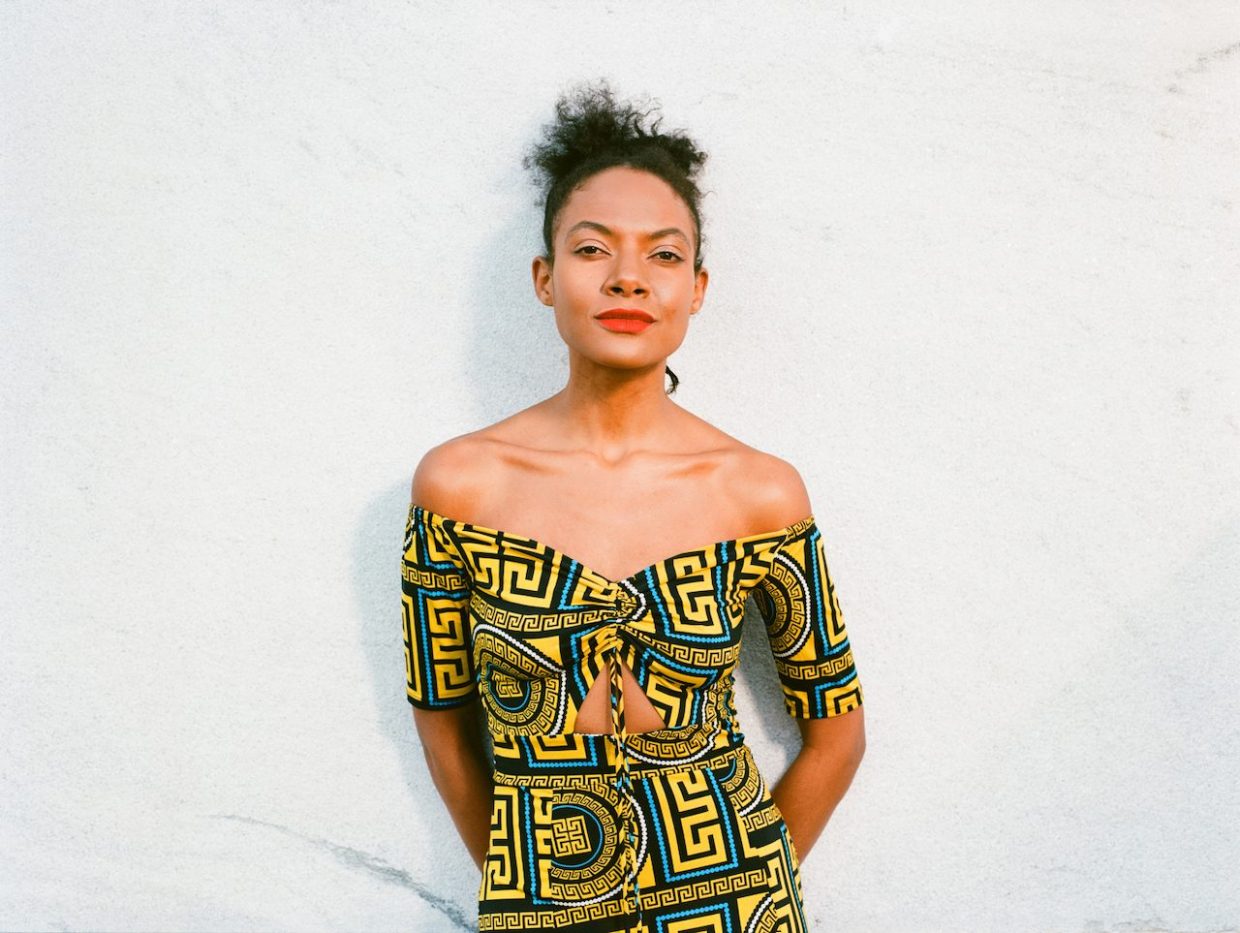
Photo credit: Marc Baptiste (top); Laura E. Partain (in story)