12 Fantastic Merle Haggard Covers

April 6 would have been Merle Haggard’s 89th birthday – and was also the tenth anniversary of his death. So, before these anniversaries get too far in the rearview mirror, I wanted to take a moment to remember one of country music’s all-time legends – and one of the great singer-songwriters in all American popular music.

One lesson of Haggard’s career is that you best honor your musical heroes, not only by playing their records at home or talking up their influence in interviews, but by continuing to perform their songs – on stage and in the studio. Merle released tribute albums to Jimmie Rodgers, Bob Wills, and Elvis Presley, and across his catalog cut at least an album’s worth of Lefty Frizzell songs.

Since his death, it’s been nice to see how often Merle’s musical contemporaries and descendants have taken Haggard’s model to heart, recording his songs and even releasing entire Merle Haggard tribute albums.

In recognition of his ongoing legacy, I’ve chosen 12 of my favorite cover versions of songs by Merle Haggard. I shared a kind of companion piece to this list last week, at No Fences Review, pulling choices from the 20th century only. Now, for Good Country, I’m focusing my dozen picks on Hag covers from this century.

I could assemble similarly strong lists every week for months without running out of possibilities. But these dozen Hag covers are among the very favorites.

“You Don’t Have Far to Go” – Candi Staton (from His Hands, 2006)

Co-written with trucker-song specialist Red Simpson, “You Don’t Have Very Far to Go” was the earliest of Merle’s songs to have legs. Recorded more than a couple dozen times through the years (including three versions from Hag himself), it’s proven a special favorite of first-name-basis country women. Bonnie and Connie, Rosanne and Lucinda, and others all seem to sing the song directly to some toxic asshole: “If I’m not crying, you’re not satisfied.”

My favorite reading of the song in that way is by Candi Staton. She became renowned for her disco and gospel recordings, but when first establishing herself as an R&B star circa 1970, it was with striking country soul takes on hits by Tammy Wynette and Patsy Cline. Decades later, she deploys Merle’s old song to deliver a master class in soulful, thought-by-thought phrasing. Staton sounds fragile and beaten down yet, by the end, her tone hints she may finally have had enough.

“Hungry Eyes” – Leona Williams (from Leona Williams Sings Merle Haggard, 2008)

Leona Williams may be best known as Haggard’s third wife, but she’s a tremendous artist in her own right, a country music lifer who played bass behind Loretta Lynn in the 1960s, enjoyed a solo career worth tracking down, and wrote or co-wrote chart toppers “You Take Me for Granted” and “Someday When Things Are Good” for Merle in the early ‘80s.

Leona’s version of “Hungry Eyes,” from her superb 2008 Haggard tribute, always stops me in my tracks. In the verses, she sounds haunted by her parents’ long-ago struggles. At each chorus, she gulps and springs to the top of her range, once again meeting her mother’s dissatisfied gaze. “She only wanted things she really needed!”

“The Running Kind” – Marty Stuart & His Fabulous Superlatives (from The Marty Stuart Show, c. 2009 or 2010)

“The Running Kind” is both one of country music’s great declarations of independence and, for Haggard, a great self-own: Merle boasts that he’s always on the run from one thing or the other even though, “I know running’s not the answer” to anything. The sentiment can serve as a kind of thesis statement for the Hag’s own restless life and career, so it’s ironic that my favorite version of the song isn’t Merle’s but this live cut from Marty Stuart. From an episode of the singer’s television series, Stuart and his Superlatives rage noisily and headlong, while staying absolutely controlled, through Merle’s tune. The solos from Kenny Vaughan and Stuart are my idea of Telecaster heaven.

“Ramblin’ Fever” – Tanya Tucker (from My Turn, 2009)

My pick for the best-ever “Ramblin’ Fever” is this version by Tanya Tucker. Riding an outlaw thump spiked by country disco high-hat, Tucker honors a musical hero, a former paramour, and a kindred rambling spirit. To that end, she loves it when some good-lookin’ fella rubs her back, but what really turns her on comes in the a.m. when she can drink a cup of coffee before leaving. The series of guitar solos that play out the final 1:20 here sound like she’s already out the door.

“How Did You Find Me Here?” – k.d. lang (from Sweet Relief III: Pennies from Heaven, 2013)

“How Did You Find Me Here?” was among Merle’s finest new songs of this century. From 2010’s I Am What I Am, Merle sings the number like a grim but grateful gospel ballad – his savior has come for him in his grave. “Thank you, Lord,” he prays at the close.

k.d. lang’s spare, ethereal reading feels less straightforwardly religious but, if anything, more spiritual. She’s desperately alone, at her nadir, but now someone – a lover or friend, her sponsor or her community – has seen her for who she is, taken her in. Lang’s contralto sounds bleary-eyed and dumbfounded, but she gains strength as she goes, ready to move on up.

“I Think I’ll Just Stay Here and Drink” – Suzy Bogguss (from Lucky, 2014)

Back in 1989, one of Suzy Bogguss’ earliest charting singles was a cover of “Somewhere Between,” still my favorite version of that great Haggard ballad. So my expectations were unreasonably high for Lucky, a full-length Merle Haggard tribute that she released in 2014. But the album’s a gem straight through, and I especially recommend her take on “I Think I’ll Just Stay Here and Drink.”

Most versions of Merle’s boozy romantic complaint have been done by rowdy dudes who sound like they’re slamming shots while ordering their fourth pitcher ahead of passing out. Bogguss, by contrast, comes off country-jazz cool, sipping a good bourbon and commiserating with herself in some dark corner. Don’t wait up. She’s going to be here awhile.

“Shelly’s Winter Love” – Lonesome River Band (from Turn on a Dime, 2014)

Merle’s most haunting song is about depression: Shelly’s depression each winter, the narrator’s the rest of the year round when the sunshine’s lured her back to town. This Lonesome River Band rendition from 2014 is the most haunting I know. Brandon Rickman sings beautifully but frighteningly too, and LRB’s pacing, like seasonal affective disorder set to a melody, reflects the long, slow days of a long dark winter. Midway through, Sammy Shelor’s banjo plunks a drip, drip, drip, that quickly gathers to a stream. A thaw’s coming; spring is on the way. It won’t be long now…

“A Working Man Can’t Get Nowhere Today” – Rob Ickes & Trey Hensley (from Before the Sun Goes Down, 2015)

This was a savvy cover choice by Rob Ickes, 15-time winner of the IBMA’s Resophonic Guitar Player of the Year award, and Trey Hensley, the association’s pick for Guitar Player of the Year in 2023. For one thing, the song is an underappreciated gem of the Haggard songbook, recorded maybe not even half a dozen times since Merle had a hit with it in 1977. More importantly, this Hag number lets Ickes and Hensley trade elegantly exhausted solos while tapping into a perpetually frustrating and common condition: Working your ass off every day to to put food on the table yet still coming up short. Hensley moans, “I’ll still be deep in debt the day that I fall dead.”

“Some of Us Fly” – Bonnie “Prince” Billy (from Best Troubador, 2017)

Merle’s “Some of Us Fly” served as the concluding track to his underrated release Chicago Wind, from 2005, and featured a guest vocal from Toby Keith. Because both men had already experienced such heights in their career, the message of each chorus – “Some of us fly but all of us fall” – comes off a little like superstars performing their humility. But where Haggard and Keith share hard-won wisdom, Bonnie “Prince” Billy casts a spell. With his duet partner, Irish singer/flutist Nuala Kennedy, he surrenders to a mystery.

On the remarkable 2017 Haggard tribute album, Best Troubador, Billy (AKA indie songster Will Oldham) and Kennedy whisper their way through Merle’s song in cautious harmony, their hands clutched tightly. The whole performance feels so fragile a strong wind might blow it way.

“Today I Started Loving You Again” – Eli “Paperboy” Reed (from Down Every Road, 2022)

Eli Reed specializes in making over all manner of roots-adjacent material into cool, committed soul music. Down Every Road does that for the Haggard songbook with thrilling results straight through. (A duet between Eli and Sabine McCalla on Merle’s most covered song, “Today I Started Loving You Again,” was inspired by a famous, but officially unreleased, 1969 version by Buck Owens and soul singer Bettye Swann.)

I especially appreciate Reed’s take on Merle’s celebratory kiss-off “I’m Bringing Home Good News,” which he relocates from Merle’s dusty, country-rocking San Joaquin all the way down to Louisiana for some funky Tony Joe White-styled swamp.

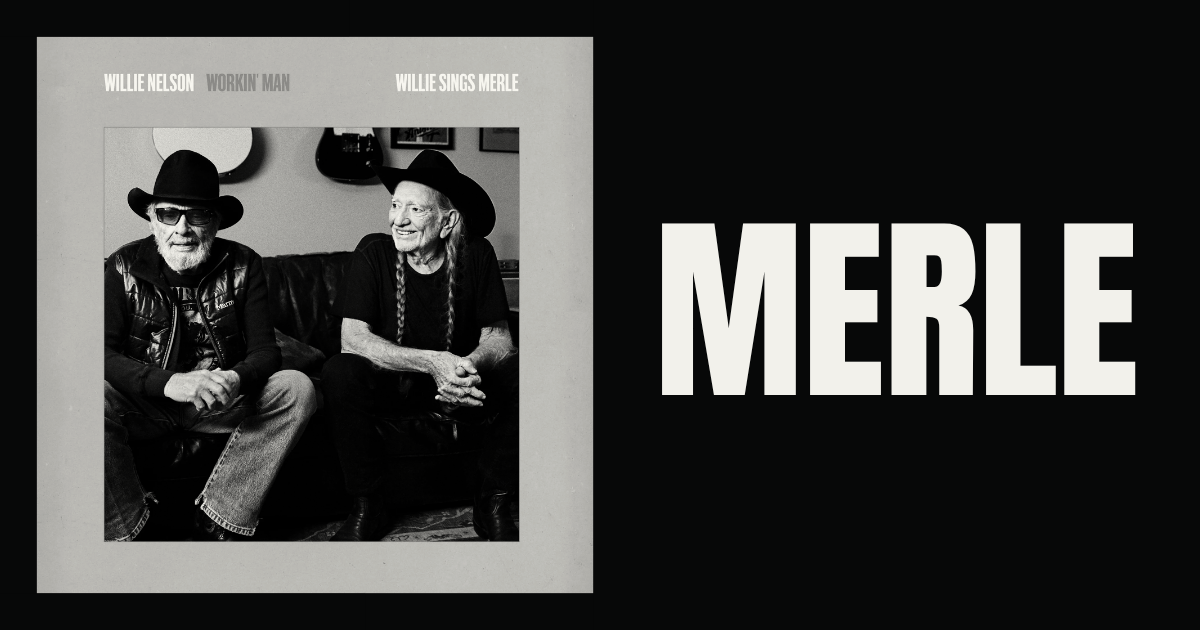
“Workin’ Man Blues” – Willie Nelson (from Workin’ Man: Willie Sings Merle, 2025)

One of Hag’s signature hits, “Workin’ Man Blues,” is usually framed as a purely blue-collar anthem, but it’s good to remember he identified the song as a blues. Having to work to survive while hoping your body holds out as long as you’ll need it is something to be cursed more than celebrated.

From last year’s Workin’ Man: Willie Sings Merle, a 92-year-old Nelson delivers his friend’s lines with a bit of a slur, weary and resigned but also grateful still to be working, to be on the road again until he runs out of road. Similarly, Willie’s arrangement sheds Merle’s Elvis-y fanfare for some hard, use-it-or-lose-it swing. “Play it, little sister,” he says, introducing one of the hot-jazziest solos in the career of the late Family band pianist Bobbie Nelson. Willie’s solos up top and midway through, meanwhile, are things of singular beauty, guitar work that sounds like play but refuses to hide the callouses and the miles. “As long as my two hands are fit to use…”

“Daddy Tried” – Jade Jackson (single, 2026)

Merle’s “Mama Tried” has been covered well over 100 times since he wrote it for the Killers Three soundtrack in 1968. But the song’s indelible ascending chorus and its universal theme – Merle sings it as if he’s as proud of defying his mom as he is remorseful for disappointing her – have encouraged people to use the song in all kinds of ways. Country comic Don Bowman parodied it as “Pappa Tried” as early as 1969 and more recently Angeleena Presley was clearly in conversation with Merle’s classic when she released “Mama I Tried” in 2017. As was Keith Urban when he sampled its lick for “Coming Home” in 2023.

Jade Jackson grew up in a small Cali town between Bakersfield and the Pacific, and her updated, gender-flipped take on Merle’s tale sounds just like that: Her voice feels a little dusty and a little sunny. Switching out Merle’s locale from “prison” to “Nashville” is funny because those two aren’t at all alike, but also because maybe they’re a little alike. For sure the ache in her voice reveals her as another singer-songwriter in a long line of kindred spirits to Merle; she’s going to go her own way, no matter her dad’s good advice.


David Cantwell is the author of The Running Kind: Listening to Merle Haggard, the co-author of Heartaches by the Number: Country Music’s 500 Greatest Singles and the co-creator of No Fences Review. His byline has appeared at Rolling Stone Country, The New Yorker, Slate, and No Depression, among other publications.

Photo Credit: Workin’ Man: Willie Sings Merle on Legacy Recordings
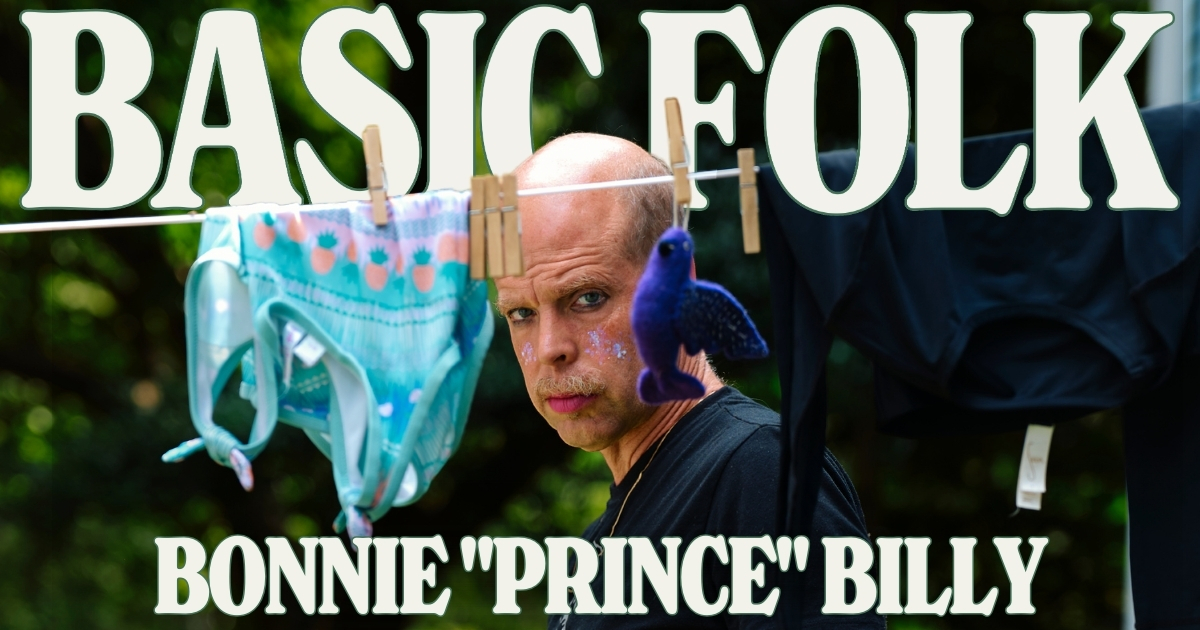
Basic Folk: Bonnie “Prince” Billy

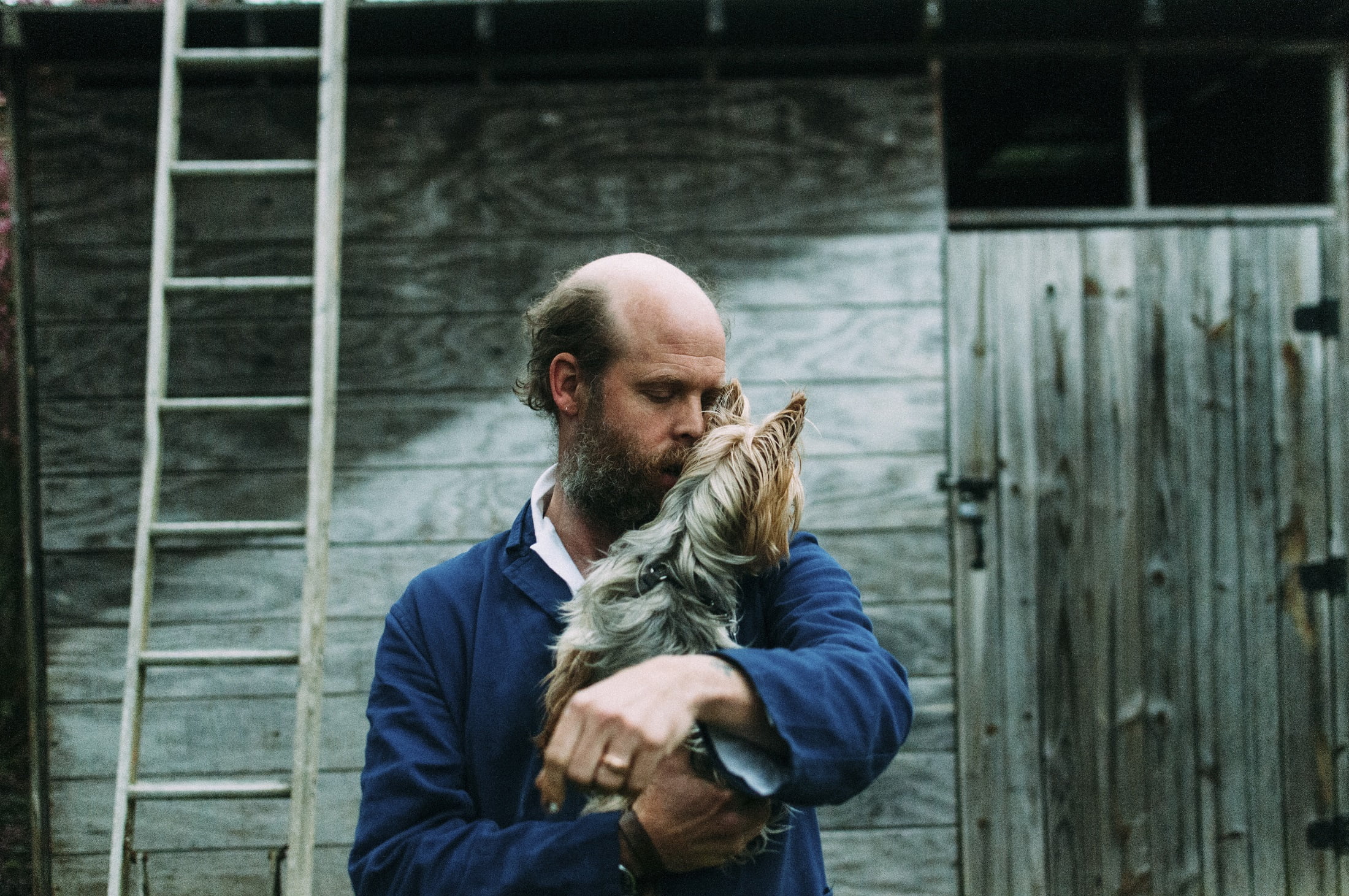
Will Oldham, also known as Bonnie “Prince” Billy, has led an illustrious, sometimes mysterious career which has spanned decades and genres. Hailing from and still living in Louisville, Kentucky, in our Basic Folk conversation Will reflects on his journey from a young artist struggling to find his place in the music world to a seasoned musician who embraces collaboration and creativity.

LISTEN: APPLE • SPOTIFY • AMAZON • MP3

We dive into his latest album, The Purple Bird, discussing the pivotal role of producer David Ferguson in Will’s artistic evolution. He reveals how working with Ferguson and a host of talented Nashville musicians transformed his songwriting process and solidified his sense of belonging in the music community. With a mix of humor and heartfelt honesty, Will describes the joy of collaboration and the unique energy that comes from working with seasoned artists, particularly those from older generations.

Throughout this episode of Basic Folk, Will also touches on the contrasting emotions evoked by his songs, especially when dealing with serious themes wrapped in upbeat melodies. He draws parallels to the works of Phil Ochs, highlighting the importance of addressing difficult subjects through art. As we wrap up, he shares personal anecdotes about his family and the influence of his daughter on his music. Thanks to Will for making a wonderful record and being so willing to get seriously deep into some of its themes!


Photo Credit: David Kasnic

WATCH: Matt Sweeney & Bonnie ‘Prince’ Billy, “Resist the Urge”

Artist: Matt Sweeney & Bonnie ‘Prince’ Billy
Hometown: New York, New York (Matt Sweeney); Louisville, Kentucky (Bonnie ‘Prince’ Billy, a.k.a. Will Oldham)
Song: “Resist the Urge” (music video by skateboarders Kevin “Spanky” Long and Atiba Jefferson)
Album: Superwolves
Release Date: April 30, 2021
Label: Drag City

In Their Words: “Spanky and Atiba’s video rules. We try to make the listener feel insanely at home in a musical space. Atiba and Spanky have made us feel like we own a share of the skateable world. We got David Ferguson out from behind the board to play double-bass on this one. It needed the lift that only a Ferg could deliver.” — Will Oldham

“I always wanted to see a full video part with just one skater, and once I got asked to work on a video for this record, I knew that Kevin ‘Spanky’ Long was perfect — his way of cutting out, resizing, moving and manipulating photos and videos is amazing, but also he is an amazing pro skater. I asked a lot of Spanky: I wanted him to star, direct, edit, film and do all of the artwork! It was a tall ask, but I know his love for Matt and Will would shine thru. This video was made in the pandemic so it was just me and him going out and shooting together. We shot around LA for 14 days over 4 months. It was great to work so closely with Spanky’s vision but still have him in front of the camera. This collaboration of directing together was great because we are two different generations of skateboarders, but both coming from the pro skater’s perspective.” — Atiba Jefferson

“This was just a great excuse to make a skate video with a best friend for my favorite band. I ran the high def footage and super8 film into my iPhone where I painstakingly cut frame-by-frame, with relatively low-fi digital tools, to execute the stop-motion animation and digital collage elements. It was, in the end, the only way to achieve this look we were after. And we weaved in the layers of sea and sky to meet the big themes in ‘Resist the Urge.’ COVID restrictions made things tricky to get Matt and Will in there, but we revel in limitations.” – Kevin “Spanky” Long


Photo credit: Jonah Freeman & Justin Lowe

LISTEN: ‘Once Upon a River’ Soundtrack

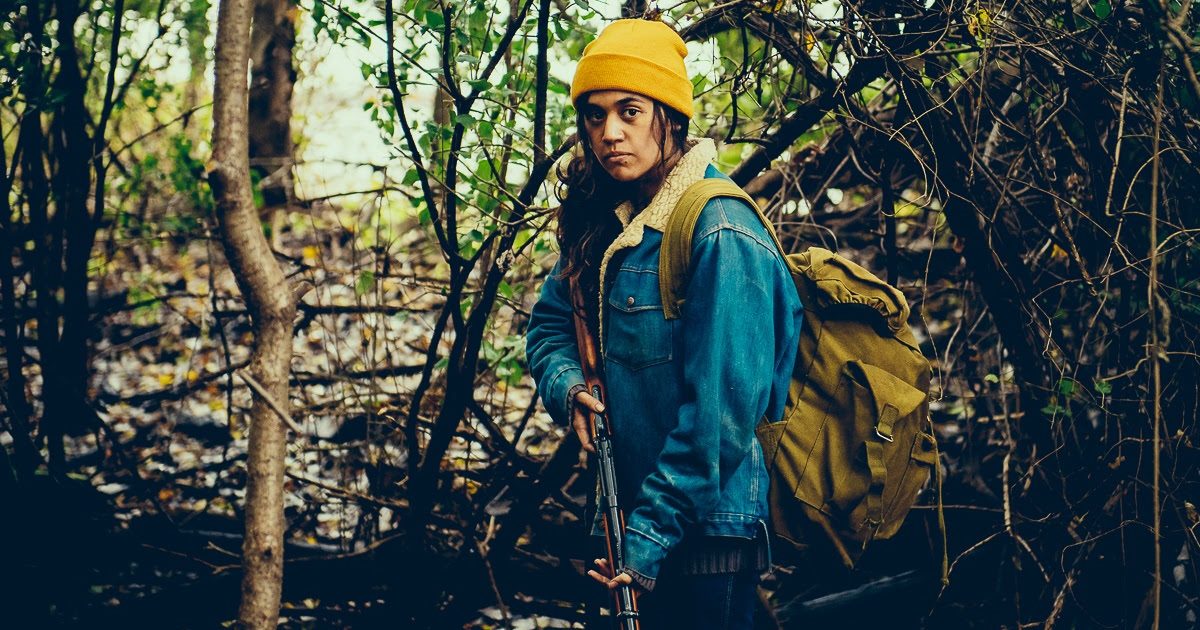
Written and directed by Haroula Rose and based upon a best-selling novel by Bonnie Jo Campbell, the award-winning indie film Once Upon a River tells the story of Margo Crane, a Native American teenager who sets out to find her mother as her own life takes one dramatic turn after another. Margo is portrayed by Kenadi DelaCerna, in her screen debut.

Shot to evoke rural Michigan in the 1970s, the mood of Once Upon a River is frequently elevated by original music from Rodney Crowell, JD Souther, Will Oldham, Bridget St. John, Fran Farley, Peter Bradley Adams, and Haroula Rose, as well as an atmospheric score by Zac Rae. Hear the soundtrack below, and enjoy an exclusive interview with Haroula Rose.

BGS: This story is set in 1977. How did that influence the music you chose for the movie?

Rose: Having it set in the 1970s made me excited about being able to use my favorite era in both music and cinema as inspiration. It was one of the reasons I loved the source material for this very unique kind of road movie, because I knew at once that I could use some psych folk, soul, country and ambient sounds to get into this tale and characters. My film partner at Thirty Tigers (David Macias) was literally the first person onboard for this project, while composer (Zac Rae) and music supervisor (Mike Turner) were also among the first people creatively involved once I had the shooting script. As a musician first, I am always thinking about it as a central element even as I am writing, and the music is deeply embedded into the process from the beginning. I used certain themes Zac had created to play for the actors while we were on set and they were very moved by hearing them.

There are moments of quiet in this movie, too. It reminds me of the adage that a good musician knows when to play a solo, as well as when not to. Can you tell me about your process for placing the music into the film without distracting from the storyline?

I love that analogy! I feel that silence can be as potent as noise, and the pauses in the film all have a voice and are communicating something as well. Margo is not the most traditionally vocal character but is so expressive, thus the music had to parallel that… such that we are still able to feel her subjective experience through the pregnant moments of quiet as much as the action scenes. Ultimately it was about continually paring the story down, sculpting it to its very essence, and the music supported that goal since we were always allowing it to evolve and not give too much away too soon. There was this balance we had to strike with regard to supporting the story and not giving away the emotions before their time. I’m really happy to hear you say it worked!

The placement for Will Oldham’s “Always Bound” works especially well in this film. Can you describe why you felt that scene and that particular recording synched up so well?

Will was the first person to write an original song for the film upon reading the script, and it was this magical piece. In fact “Always Bound” was what I used for our very first scene we shot of the film, which was Margo by the fire when she is eating canned food and camping. I brought these bluetooth speakers out to the woods and played it as we filmed, so we all dropped into this same emotional zone. It was a special moment, having Will as a creative force of support right then at the start. So I already knew which space it would inhabit in the film right when I heard it.

As you were writing dialogue, were there any characters whose perspective, or “voice,” that you particularly enjoyed?

Writing Smoke and Fishbone’s dialogue and banter was super fun, because like so many other parts of this story that inspire me, it is a unique relationship. I loved it in the book too. In terms of perspective/voice, writing Luanne because she is someone who is very complicated and all too easy to depict in a one-dimensional way, was a cool process. I really liked trying to find a way into her that is more complex and nuanced, more empathetic in seeing and understanding her pain, as she struggles to communicate and to exist in the world.

There’s a Rodney Crowell song here, too, and it’s filled with imagery. How did that song, “The Damage,” make its way into the film? And what do you remember about hearing that song for the first time?

Well, Rodney was one of the people considered for acting in the role of Smoke! David Macias reached out and then Rodney and I had a conversation about it. It was surreal because I have long been a Rodney fan. Hearing him play years ago at the Old Town School of Folk literally changed the stream of my life. When he found out he couldn’t do the role, Rodney kindly offered up the idea of a song. I was tremendously honored and then upon hearing it, with its visceral imagery and his manner in singing it, I got very emotional.

He got to the heart of two lonely but loving souls we don’t often see, and their connection. And then recording it — I sang harmonies with him — was so special in many ways. It was similar with JD Souther who wrote a song that Smoke (John Ashton) sings in one of his final scenes. It feels like a dream how this all came together, very fulfilling in terms of making music and making films. I co-wrote a song with Peter Bradley Adams and Zac Rae for the soundtrack as well, that plays in the final scene; that song always gets me emotional too.

To me, cultural identity seems to be a significant theme in this film — in a sense of racial identity, but also privilege. Was that element of diversity part of what attracted you to adapting this film?

Definitely. Bonnie’s novel alludes to Margo’s bloodline, and I thought it would be a great opportunity to showcase talent that would also add a dimension of depth to what the story is saying about “otherness” in her character as well as others, like her father (Tatanka Means) and Will (Ajuawak Kapashesit), who she meets along the way. It’s also part of her journey in coming to know herself and who she will be, that she knows where she came from. Will is the first person who asks her about her own potential, and hence why she makes the choice she does towards the end (no spoilers). In terms of privilege, I think it’s also depicted in terms of the Murrays and how they have interacted with and abused the land and the community, but I hope it’s conveyed that Margo is also someone with skills and talents that she learned from her father, which are a great gift. She has the depth and the comfort in being in the wild, knowing how to survive.

This film will be finding its way to even more viewers in the months ahead. Watching it now, more than a year after you completed it, what are some of the emotions you feel?

I still feel very inspired and emotional, especially at the ending. I also feel beyond proud of every single person involved and their hard work. It’s hard making an independent film and it’s my job to bring out the best in everyone. I hope the world out there sees that as they experience the film, the story, the music. A year after it premiered, 40 festivals and 19 awards later and many years after first reading the book, well it has been a wild and ambitious ride all to support a story that I truly believe we could see more of — seeing one another with compassion, empathy… Margo’s nonjudgmental and generous philosophy of live and let live… even or especially for those who cause you pain. It helps you find your own way.


Once Upon a River is available to watch via Film Movement. You can listen to the soundtrack on all streaming platforms.

BGS 5+5: Bug Martin

Artist name: Bug Martin
Hometown: Philadelphia, PA
Latest album: GUTTERBALL
Personal nicknames (or rejected band names): formerly known as Dead Bugs

Which artist has influenced you the most … and how?

Undoubtedly there have been a select few at different points in my life and work, but I’ll say Will Oldham has been a notable influence on me. He occupies a very specific corner of folk, or Americana — or “new weird America” or whatever you want to call it — that can be hard to pin down (as evidenced by the game of horseshoes I just played with genres there). [He] always takes on the task of exploring sound in unique ways.

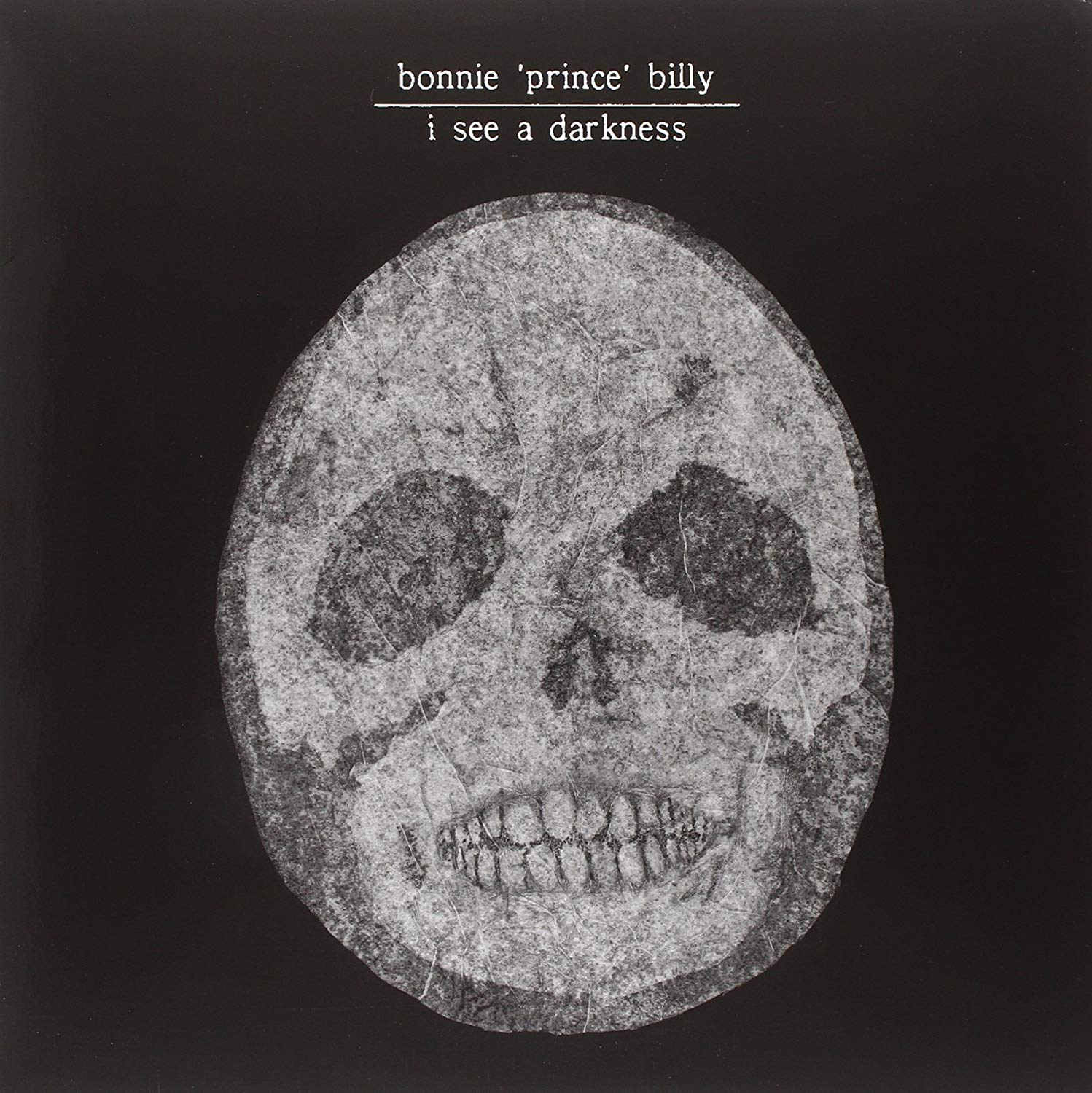
The first record of his I ever heard was I See a Darkness, the title track of which Johnny Cash later did a version of with him. I listened to I See a Darkness at the recommendation of a friend and didn’t like it for a long time. I’d walk around at work with it playing in my headphones just having an all-around bad time; but there was something about it that continued to draw me back. I’d be thinking about what that unnameable glinting thing was way too much while I was listening to it. Eventually I learned to lean back and appreciate the joy of not knowing the answer.

Years later, I got to meet Will and heard him give a lecture to a very intimate crowd, maybe only 30 people, about topics like what songs are, the songwriting/recording process, and live performance. I asked him a question I had been pondering a while and he gave me an unsatisfying answer. Brought me right back to where I’d originally found him and that initial journey of un-learning and for that I’m forever grateful.

What’s your favorite memory from being on stage?

In the town I grew up in there were lots of loud and lively bands. It’s the common plight of the up-and-coming acoustic act; show up to a bar or venue and play your heart out while folks zone out or talk over you. I always saw all these electric bands come through town that tried to command attention through volume and were also unsuccessful and it got me to thinking.

The next time I played, I brought a few power strips and as many electronics as I could fit in the car — I’m talking toasters, Christmas decorations, a TV looping a muted Looney Tunes VHS while I was playing… pretty much anything that I had in my house at the time to spare. I plugged all of it in around me and turned everything on while I was playing. It was probably the quietest that place had ever been as a room full of people collectively tried to figure out what was going on.

A thunderstorm rolled in and the whole room was pretty much dark and silent except for the glow of all these unnecessary electric props and what I was singing. After the set was over, people came up and talked to me about things they had just noticed in those same songs that I had played a dozen or so times in that same venue. I was glad they were able to be mindful of something going on in front of them and connect with live music. I was gladder still that I didn’t short out the entire fuse box mid-set.

How often do you hide behind a character in a song or use “you” when it’s actually “me”?

My job is to be a conduit for whatever stories the ghosts around us have to tell. When I’m presented with an idea from wherever it is thoughts come from, I can give my opinion on it in a song but that doesn’t mean I can claim any ownership or that the story is mine. Thoughts don’t belong to or define the thinker.

What other art forms — literature, film, dance, painting, etc — inform your music?

My partner is a very talented abstract painter, so our studio space and home are full of visual works. In the past we’ve collaborated on work where, say, the title of a song will be the inspiration for a painting or I’ll meditate on a piece of theirs and try to capture feelings that the colors or forms stir up. It’s a great exercise to shake up patterns you fall into as an artist.

Besides that, I’m a film buff and a fairly avid reader. I had the pleasure of working recently with a friend of mine who is a dancer to create choreography to a song off of GUTTERBALL. Basically I have no allegiance to any specific medium of expression and recognize that inspiration is everywhere if I have the good sense to accept it.

Since food and music go so well together, what is your dream pairing of a meal and a musician?

Living? I’d happily make brunch for Alice Gerrard any day she’d let me. All-time? I’d take the Carter Family out for ice cream.


Photo credit: Mia Fiorentino

Six of the Best: Musical Alter Egos

Before we start, let’s just get this one out of the way: no one will ever do the musical alter ego as well as David Bowie/Ziggy Stardust/The Thin White Duke. But American roots has dabbled plenty with personas, often to pretty hilarious effect.

For example, comedian Rich Hall will be taking his own Tennessee jailbird-turned-singer-songwriter Otis Lee Crenshaw on the road this summer. (You can catch Otis in September at The Long Road Festival in Leicestershire, and for a couple of dates at the National Maritime Museum and Bush Hall in London.) But for now, we think it’s time to pay tribute to all those part-time musicians living in the fantasy fringes.

Hank Wilson / Leon Russell

It was a bold leap, back in 1973, for a California rocker and bluesman like Leon Russell to record a bluegrass and country album. No wonder he didn’t do it under his own name. Hank Wilson’s Back! was a return to his roots for Russell, who had grown up playing the standards in Oklahoma. And here they are all in their glory, including Bill Monroe’s “Uncle Pen” and Jimmie Rodgers’ “In the Jailhouse Now.”

It’s an album filled with special guest appearances, from Jim Buchanan and Johnny Gimble on fiddle to Tut Taylor on dobro, and the whole project was produced at Bradley’s Barn in Tennessee by JJ Cale. Hank’s version of “Roll in My Sweet Baby’s Arms” even made it into the charts. Hank had such a great time, he returned over the ensuing decades, with no fewer than three sequel records — and a number one hit recording of “Heartbreak Hotel” with Willie Nelson.


Lester ‘Roadhog’ Moran and the Cadillac Cowboys / The Statler Brothers

If you’ve ever wanted to hear Buddy Spicher purposefully butchering “Wildwood Flower,” there’s only one place to go — the 1974 recording of “Alive at the Johnny Mack Brown High School.” The Cadillac Cowboys, fronted by Lester ‘Roadhog’ Moran, are truly one of the worst country outfits ever committed to vinyl, ploughing their way through “Little Liza Jane,” “Freight Train” and “Keep on the Sunny Side” with all the nuance and musicality of a herd of stampeding hippopotami.

They were, in fact, the Statler Brothers — with a little back up from Spicher and Bob Moore on bass — who had created the fake (dreadful) band for the B-side of their 1972 album Country Music Then and Now. Their nine minute comedy routine, based on their memories of local radio shows from their childhoods, was so popular that Roadhog Moran and the Cadillac Cowboys got their own record deal. “It won’t die,” said Don Reid later. “We can’t even drown it.”


Luke the Drifter / Hank Williams

If you’re going to have an alter ego, you might as well imbue it with all the qualities you wish you had. And that’s certainly what confirmed reprobate Hank Williams seemed to be doing with his “half brother” Luke the Drifter.

Not many would have suspected the infamous bad boy of country music of having a penchant for sermon-making. But in 1950, as the singer was reaching the peak of his popularity and his upbeat hits were being played on radios all over the country, he was also recording a series of “talking blues” records that hit an unexpectedly moralising tone.

“He had another side to him that he wanted to get out,” said his grandson Hank Williams III. “And a lot of people didn’t understand the Luke the Drifter side. That’s a dark side, man.” It was his record label who insisted on the pseudonym, worried that an unsuspecting punter might punch his dime into a jukebox and get a spoken-word dressing-down instead of “Move it On Over.”

The recordings had proverbial titles like “Careful of the Stones You Throw,” and some, like “I’ve Been Down That Road Before,” described the kind of bad behaviour and poor decision-making that Williams was known for in his own life. “I’ve learned to slow my temper down and not to pick no scraps no more,” said Luke. Sadly Hank didn’t always heed his words.


Bonnie “Prince” Billy / Will Oldham

Some will say Bonnie Prince Billy is just a stage name, but to Kentuckian Will Oldham it’s always been more than that. As someone whose career has lasted more than quarter of a century, Oldham has put out records under plenty of different names, including Palace Flophouse (named after a John Steinbeck novel), Palace Brothers, Palace Songs, and Palace.

Confirming, perhaps, that he has a thing for royalty, he picked Bonnie “Prince” Billy to differentiate his Nashville-style songwriting from his previous indie rock offerings. “The primary purpose of the pseudonym is to allow both the audience and the performer to have a relationship with the performer that is valid and unbreakable,” he said in an interview.


Red Knuckles and the Trailblazers / Hot Rize

There is arguably no more beloved sideshow in bluegrass than Red Knuckles and the Trailblazers. No Hot Rize live set is truly complete without the promise of these performers from “Wyoming, Montana,” the support act that has supposedly been travelling in the back of their bus, and occasionally emerges to play some of the ‘40s and ‘50s country tunes they learned from the jukebox at their local cafe.

One by one, Tim O’Brien, Nick Forster, and Bryan Sutton will leave the stage, only for a slightly familiar-looking Red, Wendell and Swade to reappear in the time it might take to, say, put on a cowboy shirt. Eventually, they’ll be joined by oddball Waldo on pedal steel – there’s no way that’s Pete Wernick under that accent – and the next 15 minutes will combine music and frankly wacky comedy in the vaudevillian style that was an integral part of the earliest bluegrass bands/

A comic appearance from Red Knuckles and the Trailblazers brings back the days when Bill Monroe would wear a dress and “Uncle Josh and Cousin Jake” provided laughs at Flatt & Scruggs’s shows. But then, Hot Rize have always liked to pay tribute to the old days.


Dirty Doug / Dierks Bentley

In Pennsylvania they were the Scranton Scrotum Boys. In Boston they were the Mansfield Manscapers. They’ve also been the Big Jersey Johnsons, the Michigan Mule ticks and the Bolo Boys Bluegrass Band, but while the act’s name might change, the bluegrass pickers who open for Dierks Bentley keep one thing the same — their guitar player, Dirty Doug.

Beneath his big hat and sunglasses, it normally takes even the keenest eyes in the audience a few songs before they spot the similarity. That guy acoustifying ‘90s country songs — that guy playing Dierks Bentley’s hit “Lot of Leavin’ Left to Do” to a bluegrass groove — isn’t that… Dierks Bentley? Yep.

He started opening for himself on his 2017 What the Hell tour and it just made sense. “I’m crazy about bluegrass,” says Bentley. “You get the building for the whole day so why not take advantage of the fact you’re already paying to rent this place out?”


Photo credit of Dierks Bentley: Jim Wright

Canon Fodder: Bonnie “Prince” Billy, ‘I See a Darkness’

Will Oldham stands on the stage of the Odeon in Louisville, Kentucky, dressed up like a bruise: black pants hanging low on his hips, a blue shirt barely tucked in, hints of mascara around his eyes. He is gesticulating dramatically and singing about how death will come to us all, and behind him a large band kick up a larger ruckus. It sounds like chamber klezmer, its jazzbo rhythm section squaring off against a frantic string section and a clarinet that sounds like a gremlin in the works. The song is “Death to Everyone,” which originally appeared on 1999’s I See A Darkness, the first album to bear Oldham’s odd stage name Bonnie “Prince” Billy and likely his best-selling album.

“Death to Everyone” has never sounded quite like this before. The original is a low-key, heavy-quiet dirge, Oldham’s vocals measured and steady and even menacing, as an electric guitar mimics the sound of decaying flesh. It is a rover’s song, a justification for hedonism and rootlessness, and when Oldham sings the chorus—“Death to everyone is gonna come…”—he makes it sound like a threat. But the Odeon version of the song, from August 2018, backed by a sprawling band called the Wandering All-Stars & Motor Royalty, is starkly different. The tempo is ratcheted up, the lyrics sung like there is an exclamation point after every phrase; the energy is agitated yet gregarious, and Oldham stands on the stage, his hands flailing to the audience, as though inviting us to partake in every lusty pleasure before we perish. Oldham might be Falstaff or Caliban up there on stage, a figure of uneasy company.

All artists must live with their works, and most musicians maintain intimate connections to much of their catalog, performing the same compositions night after night. Few roots artists, however, take as many liberties with their songs as Oldham. He constantly revisits and revises, reinterprets and reconsidered, less out of obligation to fans than out of curiosity: How far can these melodies and sentiments bend? What will they allow? In 2004 he released a full album of Bonnie “Prince” Billy covering songs that pre-date that pseudonym, written when he was making art under various Palace monikers: Palace, Palace Music, Palace Brothers. Later this month he’ll release Songs of Love and Horror, which collects new versions of tunes from throughout his career, including the title track to I See a Darkness.

That album may be his most revisited, a set of missives from what he calls a minor place, comprising something like an Appalachian operetta. He writes lyrics as soliloquies, as monologues by characters in transit, wanderers and loners, sinners both defiant and humbled. The characters on I See a Darkness ponder the thin membrane between life and death, being and not being, this world and the next. On the title track the narrator confesses to a friend the abyss he sees behind everything as well as his desire for “peace in our lives.” It recalls Waiting for Godot or True West in its stark setting and sparse details, but that makes it easier for him to restage it, as he did on 2012’s Now Here’s My Plan. That version was sped up considerably, almost flippantly, as though the character were retreating from the darkness, confessing his deepest fears through a sidelong joke.

The most famous version of the song, however, features Oldham in a supporting role. Johnny Cash covered the song on 2000’s American Recordings III: Solitary Man, playing up the implications of his own Man in Black mythology as well as his own waywardness earlier in his life. But it also plays as a late-in-life reverie, and it gives Cash the opportunity to face down the impending darkness with dignity: “You know I have a drive to live, I won’t let go,” he sings, his voice bowed but not broken by age and illness.

This songwriting strategy—this idea of songs as short plays—echoes Oldham’s own actorly pursuits. As a teenager he appeared in John Sayles’ Matewan, about miners in Appalachia in the 1920s, and the TV movie Everybody’s Baby: The Rescue of Jessica McClure. In the 1990s he gravitated more toward music, but occasionally appears in independent films like Junebug and Old Joy. And there is in these songs a sense of dramaturgy, of an actor slipping into a role, which creates a very squirrelly strain of roots music. But it’s an inexact and not quite satisfying metaphor, one that suggests he is only acting, that there is none of himself in these lyrics and melodies, that he is merely pretending to see a darkness.

And perhaps that more than anything else—his long relationship with indie label Drag City, his use of antiquated or skewed syntax, or his headquarters in Louisville, just a few hours but many worlds away from Nashville—is why Oldham has not embraced nor been embraced by the Americana establishment: He stands slightly apart from his music, doesn’t inhabit his songs the same way Chris Stapleton or Margo Price or Sturgill Simpson inhabit theirs. That doesn’t mean his songs are personal or don’t expose something of the person singing them, but that he has radically different relationships with his songs.

Perhaps that’s why I See a Darkness still stands out in his expansive catalog: It gets at something profound about its creator and implies a darkness too dark, too enormous, too horrible to approach directly. He needs the scrim of a character, a decoy perhaps or a shield; a larger narrative emerges of an artist confronting depression without naming it. “So I become more lively to bury all the ugly,” he sings on “Another Day Full of Dread,” whose very title implies a black unnameable feeling lurking within these songs. To reinterpret these songs is to admit that the depression remains, even twenty years later, but his relationship to it has changed. Every time he sings these songs, he prevails against it, bruised but not beaten.


Photo credit: Jessica Fay

3×3: Lo Carmen on Prine, Parton, and Pizza

Artist: Lo Carmen
Hometown: Los Angeles, CA via Sydney, AUS
Latest Album: Lovers Dreamers Fighters
Personal Nicknames: Carmo, Lo Lo, Yo Lo, Loey, Lolene, Leone

Uncanny resemblance @tfsrecords. Midnight portrait by jet lagged 6 year old.

A post shared by Lo Carmen (@locarmenmusic) on

What song do you wish you had written?

“Be My Baby.” This is my 50th answer in five minutes. How can such a short question be so difficult?

Who would be in your dream songwriter round?

Will Oldham, Dolly Parton, John Prine

If you could only listen to one artist’s discography for the rest of your life, whose would you choose?

Dylan — pretty much got all bases covered for life there!

How often do you do laundry?

Constantly. I have small and rather grubby children, and sometimes I feel like Loretta Lynn in the bad ol’ days of “Hey Loretta.”

What was the last movie that you really loved?

Youth by Paulo Sorrentino. It had a really surreal, reflective Fellini-esque feel.

If you could re-live one year of your life, which would it be and why?

Maybe 14. Every crazy teenage story I have seems to be from when I was 14. I’d like to take notes this time and see how much is true.

A post shared by Lo Carmen (@locarmenmusic) on

What’s your go-to comfort food?

Spaghetti marinara. Or pizza. I think I must have Italian heritage somewhere.

Kombucha — love it or hate it?

I’m suspicious, but occasionally curious/hopeful.

Mustard or mayo?

Chipotle mayo!

Photo credit: Katerina Stratos