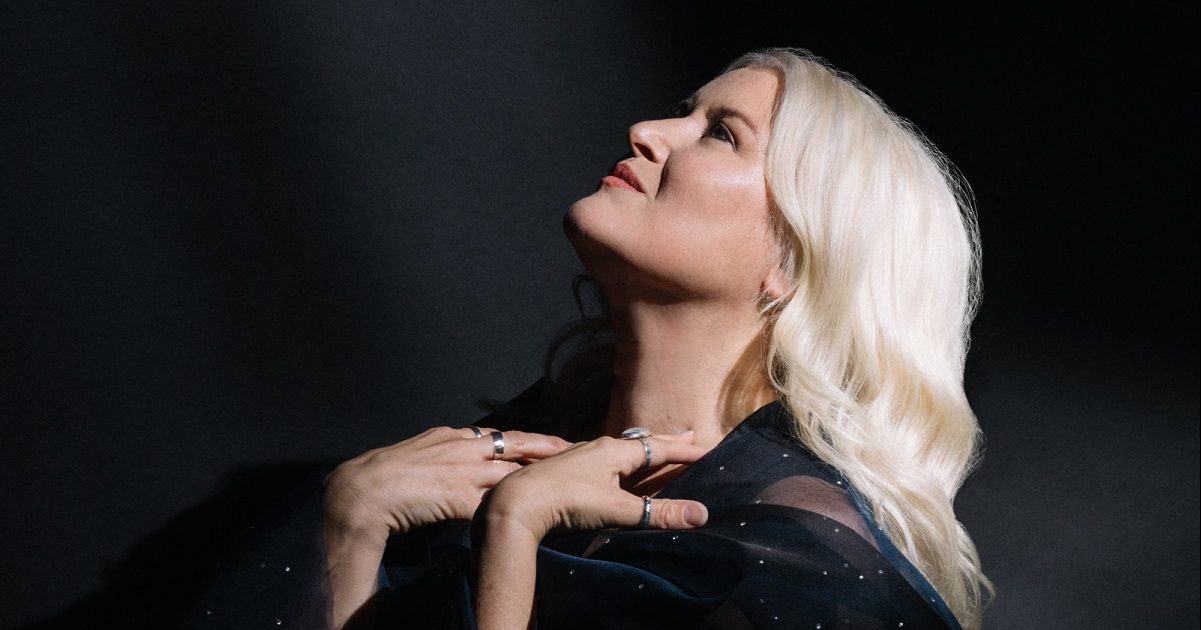
On ‘American Quilt,’ Paula Cole Wraps Herself in Music That Reflects Her Life

Paula Cole has long explored the musical territories that inform her work, making it nearly impossible to define her. Singer-songwriter? Yes. Pop star? Yes. Interpreter of jazz standards? Yes. She’s collaborated with country legends, toured with internationally acclaimed artists, and occasionally dropped completely out of sight. Because she’s so hard to pin down creatively, Cole has managed to transcend her commercial zenith of the ’90s, when songs like “Where Have All the Cowboys Gone” and “I Don’t Want to Wait” were inescapable.

Twenty-five years later, Cole is in the spotlight again with American Quilt, which sets her impressive vocal range to standards like “Bye Bye Blackbird” and “You Don’t Know What Love Is.” It isn’t quite a jazz album, and although her writing skills are on display in “Steal Away/Hidden in Plain Sight,” it isn’t quite a folk record either. Instead it’s a reflection of the influences that shaped her musical direction early on.

“Even when I explore jazz, I like it to be a little more raggedy and raw and rootsy,” she says. “I just wanted the album to reflect all that I am, and I realized, gosh, all of these songs are different from another. How do I unify it? That’s when I remembered my mom, who is a visual artist and she’s a quilter. And I realized that the quilt is the perfect metaphor for the album, that they’re all patches of an American quilt. That’s how the title was born.”

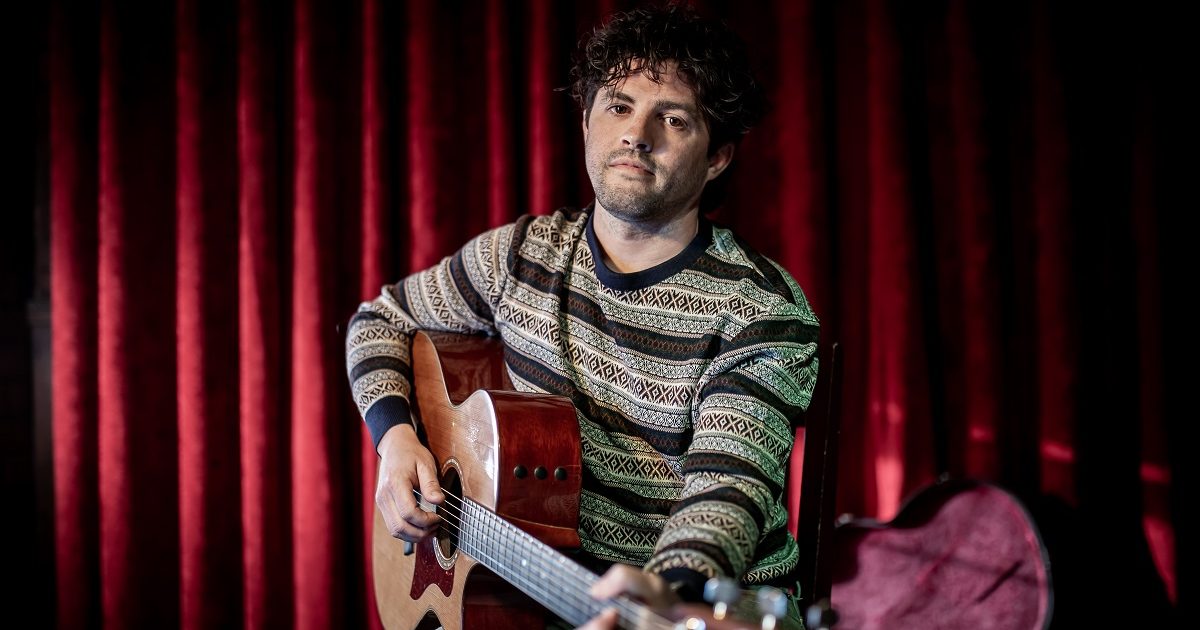
The metaphor works for the spectrum of songs on the album, yet it’s also appropriate for the warmth and comfort it provides. Some songs are more familiar than others – and her rendition of “Shenandoah” is particularly exquisite – but it’s an album best enjoyed as a whole. By dismissing the expectations of how long a song should be, and by showing reverence without replicating what everybody else has already done, Cole has produced a sweeping and immersive listening experience. She called in to BGS from the music room in her Massachusetts home, with a photo of Dolly Parton smiling over her shoulder.

BGS: Your version of “Wayfaring Stranger” is beautiful. What made you want to record it for this album?

Paula Cole: I learned of it through listening to Emmylou Harris, and loving and adoring her. Her Roses in the Snow album was really important to me developmentally. We were on Lilith Fair together in the ‘90s and would sing on each other’s sets. And I’ve been on a few benefit concerts that she’s asked me to play. I love her so dearly. I think she’s an important American voice and we should all be talking about her much more. She kind of saves music because she brings it back to the traditional aspect of it. She keeps us whole and she keeps us real by bringing integrity back to the music.

The song came to me very intuitively and I thought, “A ha!” I can reveal some of my influences and also bow to someone who was important to me. Also I was so fed up and traumatized by the music business and it was Emmylou who told me, “Don’t quit.” You know, I took a seven-and-a-half year hiatus and thought about leaving the music business, but she was the one who said, “Hang in there.” It just happened too fast. She had this motherly wisdom for me and it made sense, and I’ve thought of her so much over my life. I love her very much.

Roses in the Snow is a familiar bluegrass album for a lot of our readers. Are you a bluegrass fan?

I just love music. So, if you asked me, “Do you like jazz?” I would say, “I love music.” [Laughs] My dad played bass in a polka band on weekends when I was little, then he would go home and play Duke Ellington on the piano or he would play obscure folk songs on banjo in my house growing up. It was always a mixture. I love all music. I love bluegrass. I love acoustic music. I love music where musicians are playing real instruments, so that’s one defining factor to me — real instruments! I’ve been touring with upright bass now for several years and I can’t go back.

Did your dad teach you how to play banjo?

No, darn it! [Laughs] I guess I could have picked it up. I mean, he played everything. He could do hambone and play nose flute and upright bass and guitar and banjo and piano. Just really a renaissance man. He exposed me to all music and there were no classifications. That was something more that non-musicians did. Musicians would fluidly move from music to music and just find the joy in all of it. He taught me that.

When I was listening to “Nobody Knows You (When You’re Down and Out),” I was curious, does that mirror your own experience to some degree? Like, you’re living the good life as a millionaire, then you find that your friends vanish when the circumstances change.

Oh sure, I’ve known that. False friends, false fans, false everybody comes to you when you’re successful. They’re flattering and they’re obsequious. They have ulterior motives, so it’s hard, and of course I’ve experienced that because I’ve been up and down and side to side…. [Laughs] All over the business! And I wanted to come back home and have a personal life and have truth and family and let the trappings fall, and to be honest.

So, I chose to walk away in a sense from that shiny pop world because it wasn’t me. I was introverted and shy. I didn’t feel like this big pop star. I was very much a musician of integrity that wanted to have a long career and a rich catalog. I had to walk away to reset and reinvent myself. So, yes, of course I relate to that song. Also I relate to Bessie Smith, and so many fantastic singers are coming from the river of Bessie Smith. You hear Billie Holiday and Janis Joplin — Bessie Smith was their favorite singer. She combines all of that beautiful roots music. And the songs from the Prohibition era speak to me, those hard times, they speak to me.

Sometimes I will ask musicians about their first guitar, but for you, I’m wondering, do you remember your first piano?

Yeah, I remember the first piano, oh my gosh. It was covered in chipped, baby blue paint. I grew up in Rockport, Massachusetts, and my dad was a teacher at a state college, and we did not have much money. I wore hand-me-downs and we got things at Goodwill. In New England — freezing cold New England — we would really skimp on the heat to save money, and they put the piano in what they called the cold room. It was like a mud room. You walk into that room and take off your coat, and the piano was in the back. And it was cold! It was cold-ass cold! And there’s my first piano.

I was quite dedicated to music, to be playing in a freezing cold room in New England. Literally, we had some fish at one point and they froze! That’s how cold our house was. We had a potbelly stove and it was just hard. We were looking for ways to save money. It wasn’t always that hard. My dad ended up changing jobs and doing better, but my childhood was formative for me. I started working at a really young age. I was waitressing at 14 and I’ve always worked. It’s not nice, struggling like that, but that piano is indelibly etched in my mind with the back of the cold room. The chipped blue piano, out of tune! [Laughs]

Did you grow up with a lot of songbooks around?

Yes, and one of my missions while my father is still alive on the planet is to comb through his fake books and real books, especially of his folk standards. He has some really interesting, cryptic and eclectic, folk books that I would love to go through. That’s on one of my do lists of life.

To me, “Good Morning Heartache” sounds like it could be a sad country song, but it was made famous by jazz singers. How did you learn that one?

It’s in the real book of standards. Those books were around, and I have a real book of standards on my piano now. Even when I was touring, or had hits, or didn’t have hits, or mothering and not being in music, I would go back to the real book just for comfort and learning. I’d let my hands go on the piano and the shapes of the chords and learn songs. I first learned “Good Morning Heartache” by reading it out of a book but then I heard Billie Holiday and even modern singers do it. A lot of people have done it. But I love it because it feels to me like one of those songs that crosses genre, just like you said. It feels to me like it could be a jazz ballad, a country ballad, a soul ballad – and often it’s recorded by R&B singers. I love that it’s universal, and I love sad music. I’m not very good at happy music. [Laughs]

You close this album with “What a Wonderful World,” which offers a lovely and optimistic message. Was that an intentional decision for you to wrap up the album with that song?

Sequence is extremely important to me, so I probably spent at least a month listening to heads and tails of the songs, and all the different possibilities and combinations. And yes, it is the perfect punctuation of the journey of an album format. I love albums – I think in albums. I don’t think I’ll ever be a singles releaser. I’ll always be an album writer and album producer. I love the art of sequence.

Again, this is a song that transpires over genre and it appeals to all audiences. It unifies people. And it was written specifically for Louis Armstrong because he unified Black and white audiences. He was a genius if ever there were one. His ability to improvise within chord changes was profound. He was joyful and elevating. I play it in a somber way, and I hear sadness in my voice, and I think it’s melancholic and ironic in a way, but yeah, we must hold on to hope. We must hold on to that thread of hope for our children and our grandchildren to make this world better.


Photo credit: Ebru Yildiz
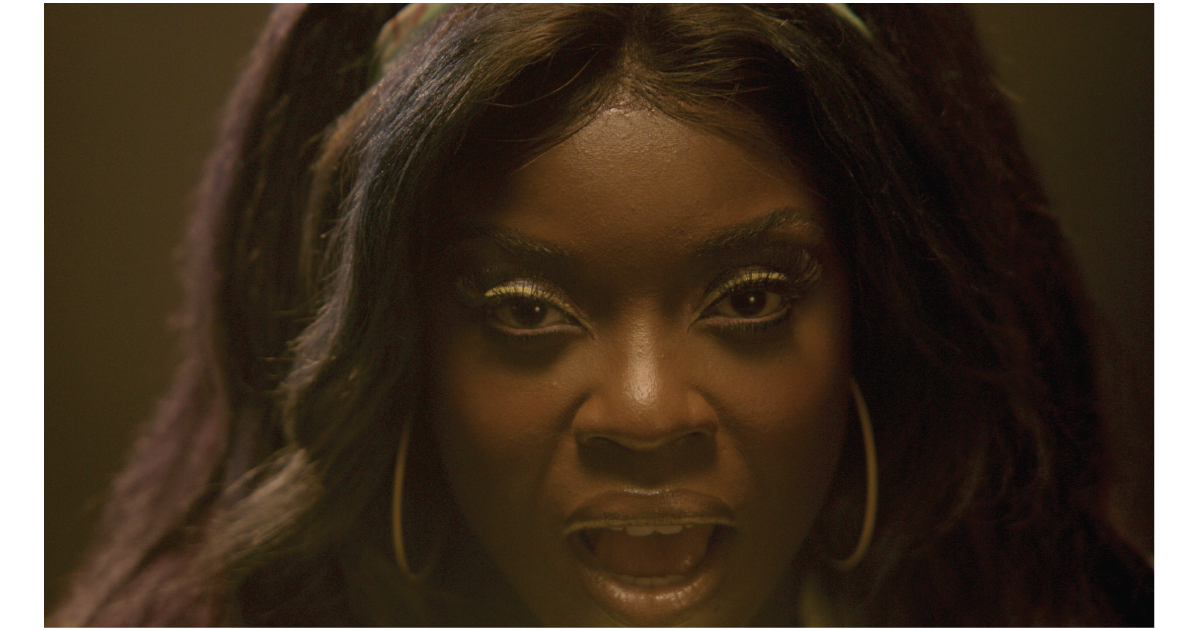
WATCH: Yola, “Stand for Myself”

Artist: Yola
Hometown: Brighton, England
Song: “Stand for Myself”
Album: Stand for Myself
Release Date: July 30, 2021
Label: Easy Eye Sound

In Their Words: “My school years were during the 90s and 00s, and Missy Elliott’s videos were always aesthetically superior to me. I feel that the video is set in the antechamber to freedom. The feeling of escaping something truly oppressive and heading towards an unknown with a sense of hope and choice you haven’t felt in a long time. We all have the capacity to go through this process in our own minds, I kinda look like a superhero at times, but I’m not. I’m just a person trying to be free.

“The song’s protagonist ‘token’ has been shrinking themselves to fit into the narrative of another’s making, but it becomes clear that shrinking is pointless. This song is about a celebration of being awake from the nightmare supremacist paradigm. Truly alive, awake and eyes finally wide open and trained on your path to self actualisation. You are thinking freely and working on undoing the mental programming that has made you live in fear. It is about standing for ourselves throughout our lives and real change coming when we challenge our thinking. This is who I’ve always been in music and in life. There was a little hiatus where I got brainwashed out of my own majesty, but a bitch is back.” — Yola


Directed by Allister Ann.
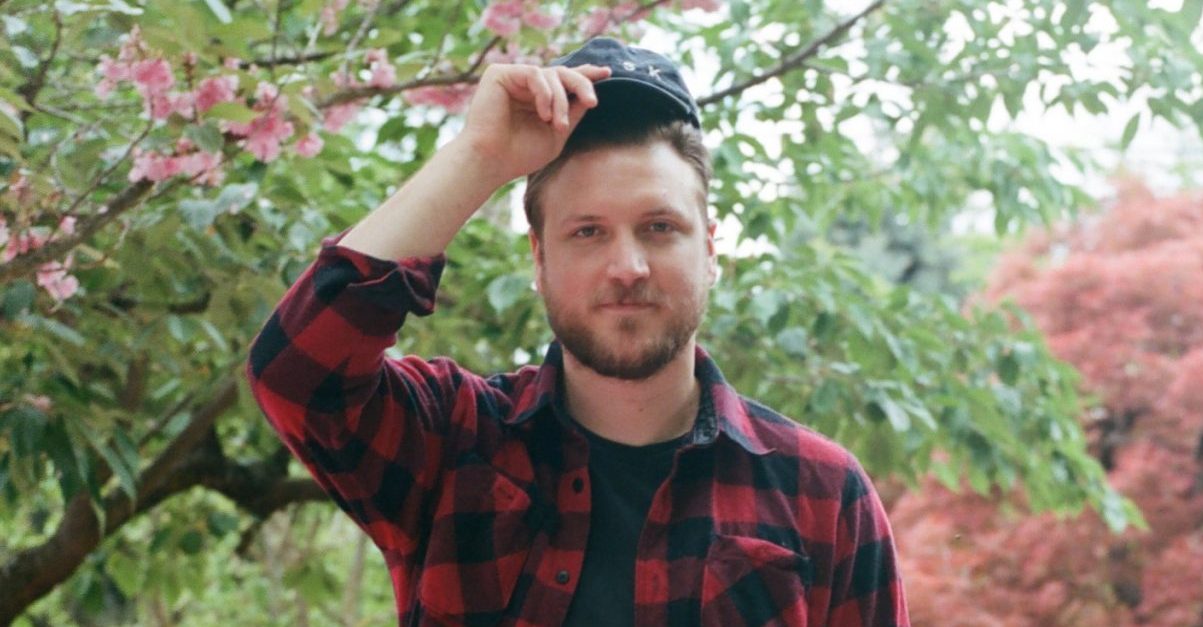
Photo credit: Seth Dunlap

WATCH: Pilgrim, “Darkness Of The Bar”

Artist: Pilgrim
Hometown: Tulsa, Oklahoma
Song: “Darkness Of The Bar”
Album: No Offense, Nevermind, Sorry
Release Date: June 25, 2021
Label: Horton Records

In Their Words: “The song is about the dark struggles of life, and trying see the light in those dark times. My friends Phil Clarkin, Greg Bollinger, and Todd Ruffin put the video together. It was a real hoot and good chance to get some old friends together. Most of the video was shot at a venue called The Vanguard in Tulsa. The main character was played by another songwriter, Justin Bloss, and the character of “Marie” was played by our good friend Jaime Tovar. The live footage was shot at The Mercury Lounge, where we hold a weekly residence and just a really great space to work your craft. My hope is that everyone who listens can find something in the song they can relate to.” — Beau Roberson, Pilgrim


Photo credit: Phil Clarkin

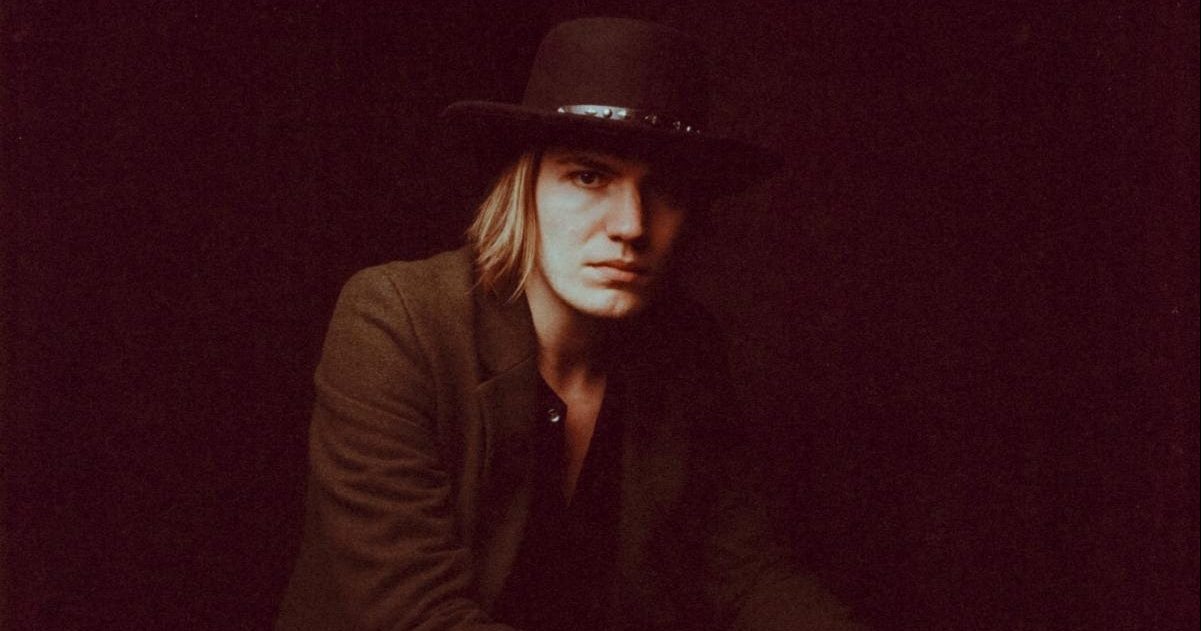
WATCH: Dylan LeBlanc, “Gentle on My Mind”

Artist: Dylan LeBlanc
Hometown: Muscle Shoals, Alabama
Song: “Gentle on My Mind”
Album: Pastimes EP
Release Date: June 18, 2021
Label: ATO Records

In Their Words: “I come from a heavy country music background. My father made his living as a writer for the Nashville Machine growing up. My grandfather in the early ’70s in his early thirties was convinced to make payments on a Gibson guitar on consignment at the local music store along with a songbook with the scales and chords and hit songs of the era inside with directions on how to play them. He loved this song and it was heavily played around the house and passed and sang at gatherings and parties where everyone was drinking and laughing and feeling no pain as they say. I love the story of this song about a drifter roaming from place untethered to anyone or anything therefore making the moment of missing his muse more pure. I can relate as I have naturally always wanted to roam from place to place and be free. I love this song so much and it holds a nostalgic and wonderful place in my heart.” — Dylan LeBlanc


Photo credit: Alysse Gafkjen

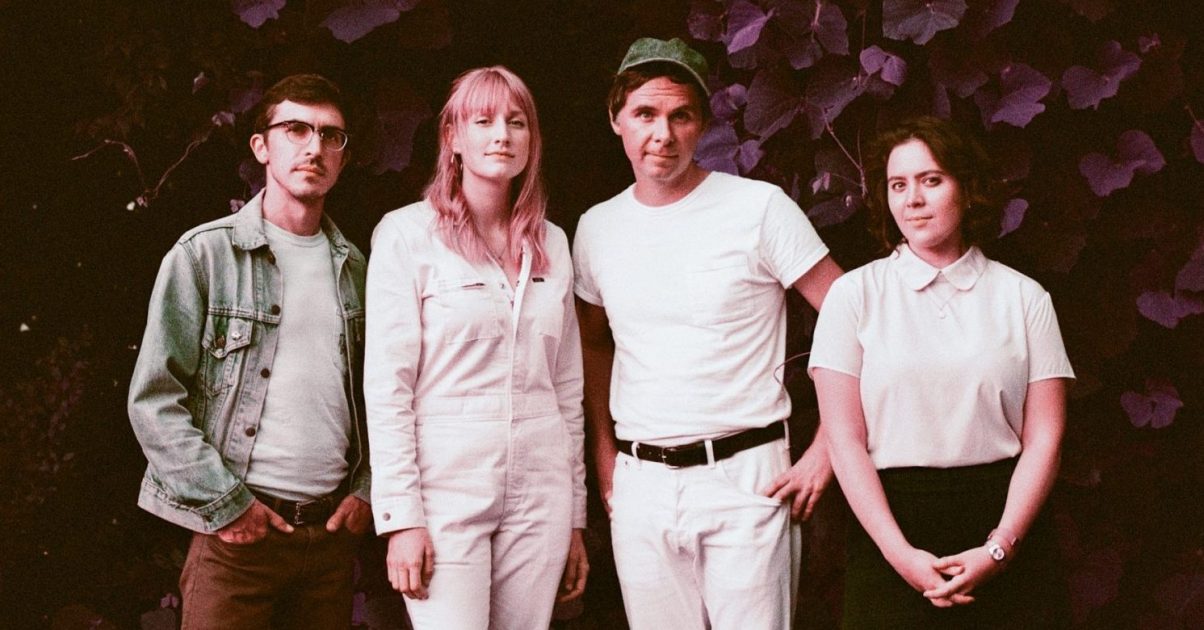
BGS 5+5: Bill and the Belles

Artist: Bill and the Belles
Hometown: Johnson City, Tennessee
Latest Album: Happy Again
Personal Nicknames: I renamed myself Spike (inspired by the bulldog with a spiked collar in Heathcliff) in the first grade and all the kids called me Spike for a few months. That was a big win. — Kris Truelsen

My name can be tricky for people (it’s like Kahlúa, but “kuh-LEE-uh”) and nicknames weren’t much of a thing until Game of Thrones came out and Khaleesi happened. — Kalia Yeagle

Which artist has influenced you the most … and how?

It’s a no brainer: Jimmie Rodgers. He’s been one of our main inspirations for years. His effortless skill in combining the sounds of the blues, jazz, and country will forever be inspiring. My favorite songs from Jimmie are the syrupy love ballads with strings and horns that lean towards being straight pop music of the time like “The Hills of Tennessee” or “Miss the Mississippi and You.” Brilliant stuff. Though I still sing many of his songs, more than ever I use his music as inspiration to break rules and to find the courage to make something unique, not tied to genre or emulating somebody else, but rather trying to be original. — Kris

Jimmie Rodgers was a huge influence on this band. More broadly, that big field of “early country music” (or whatever else you want to call it) is so full of genre-busting sounds and earnest musical experiments. Forming this band, we were very inspired by the folks that used what they had in creative ways, and worked with real fervor. — Kalia

What’s your favorite memory from being on stage?

A little over six years ago at the opening of the Birthplace of Country Music Museum in Bristol, Virginia, we shot the pilot episode of Farm and Fun Time, the PBS television show we host. At sound check I stood at the side of the stage and watched Ralph Stanley sing the entirety of “O Death” in an empty theater. It was literally just me, the sound engineer Josh, and Ralph Stanley in this tiny 100-seat theater. It was absolute magic. — Kris

Similarly, another impactful not-quite-on-stage moment for me was when we shot an audience-less Farm and Fun Time from Kris’s front porch during the pandemic. This was early on enough that folks were still figuring out how to get the most out of livestreams, but late enough that we were all feeling scared about what the pandemic meant for our families and communities, and what it meant for our relationship with live music. Sitting on Kris’s front porch listening to local legend Ed Snodderly sing his songs smacked me good, right in the heart. It had been months since I’d experienced live music, and I don’t think I’ve ever felt so grateful and moved. — Kalia

What other art forms — literature, film, dance, painting, etc. — inform your music?

I’m informed by art that says what it means, and simple, impactful works that don’t feel overwrought. That’s because my head’s a pretty busy place, and I sometimes struggle to distill my thoughts and emotions. I also think that artists can see art everywhere, so yes of course a beautiful piece of writing or gut-wrenching brushstroke can stir up the feels. And so can the chalk drawings neighbor kids make, the way this lampshade shoots light up the wall, or the angles this broom maker created when they gathered the bristles. I’m a pretty emotion-full person, but there have been periods of time when making music was just a motion and not emotion. I’m working on treating music-making more like those little moments of surprising beauty, by staying present and approaching things more playfully. — Kalia

What’s the toughest time you ever had writing a song?

Well, a lot of songs end up in the trash after being reworked to death, but I’m getting better at knowing when to move on and putting less pressure on myself to produce, which inevitably makes the work I do finish stronger. The toughest song I’ve ever written that successfully saw the light of day was probably a jingle I wrote for the regionally beloved soda pop company Dr. Enuf. It’s an herbal, lemon-lime sort of thing like Kentucky’s Ale-8. People in East Tennessee lose their minds for “the Dr.” Not to mention it’s got vitamins. It took me ages to get the jingle honed in just right, but when I did I really nailed it. The hook goes “It’s the lemon-in’, lime-a-nin’, rich in vitamin, original pick me up.” I’ve written over 50 jingles and this one is undoubtedly my favorite. — Kris

If you had to write a mission statement for your career, what would it be?

Write songs that defy boundaries, keep evolving, have faith, and quit working so damn hard all the time. — Kris

Ask, “How is your work serving others? How is it serving you?” And always celebrate growth and abundance. — Kalia


Photo credit: Billie Wheeler

LISTEN: DoomFolk StarterKit, “Look at Miss Ohio”

Artist: DoomFolk StarterKit
Hometown: Portland, Oregon
Song: “Look at Miss Ohio”
Album: Like You Mean It Records Sampler Vol. 1
Release Date: May 21, 2021
Label: Like You Mean It Records

In Their Words: “Recording any of Gillian Welch’s work is such an honor. ‘Look at Miss Ohio’ holds this fantastic tension between societal and familial pressures and a deep desire to find new ways of living. The line that pushes me over the edge is ‘I know all about it so you don’t have to shout it / I’m gonna straighten it out somehow.’ There’s so much there — it’s a line you might shout at a parent defensively, but it is also packed with utter humility and self-awareness. For me, this song depicts the story of someone choosing to embrace ambiguity while living with the hope that it’s going to shake out alright, somehow. Making peace with the fact of uncertainty is a theme that’s found its way into some of my own songs here and there. I’ve tried to represent that in this cover with a balance of lightness and melancholy in the arrangement.” — David Swick, DoomFolk StarterKit


Photo credit: Emily Barrett

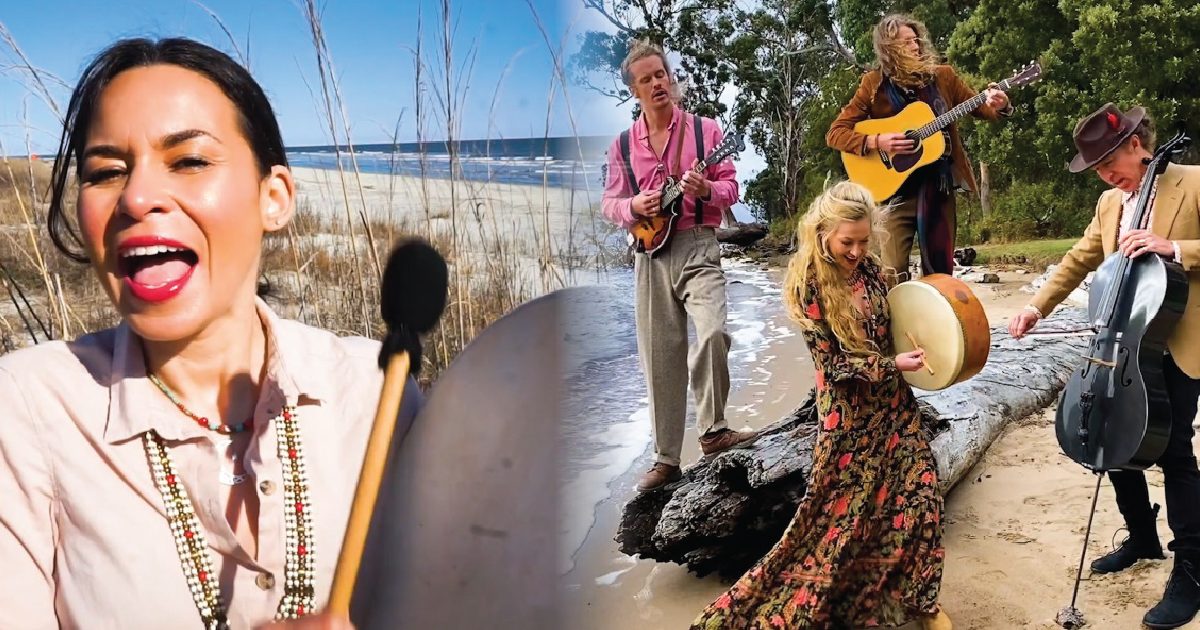
WATCH: Charly Lowry & The Heart Collectors, “Navigating to Hope”

Artist: Charly Lowry & The Heart Collectors
Hometown: Charly Lowry: Pembroke, North Carolina; The Heart Collectors: Hinterland Byron Bay, NSW, Australia
Song: “Navigating to Hope” from Folk Alliance‘s Artists In (Their) Residence program
Release Date: June 1, 2021

In Their Words: “It’s safe to say this global ordeal has proven that no one being has all of the answers; we are all navigating this plane the best way we know how. The Heart Collectors and I find ourselves on opposite sides of planet Earth, navigating to hope. We likened our experiences during this time to being aboard a ship, fighting against Poseidon’s watery fists and underneath dark, ominous skies. We do so with the understanding that we are in this together, and instead of accepting the defeat of a sinking ship, we remain steadfast in our voyage to find our lighthouse, our beacon of hope. This type of imagery was key in the songwriting process and aided us in delivering a message for the downtrodden. Whatever your case may be, we encourage you to seek your peace first, and then move your vessel onward and forward to hope for a new day, season, or way of being.” — Charly Lowry

“Coming together in collaboration from all points on the earth is an extraordinary experience, and one that makes our world so much bigger. Hearing and being present to the stories of people and cultures from one side of the world to another made us see how we literally are all in this together, we have all suffered this at once. Not in our life time has a global experience like this ever been the case, and it brings everything to a level. Things that seemed important became unimportant. The heartbreak of individuals suffering has a profound way of naturally breaking us open to be so much more capable than the usual way of dealing with existence. Finding each other and joining in this online type of creative common room has been the unifying strength to move forward, one step at a time.” — The Heart Collectors


Photo credit: Courtesy of Folk Alliance, Charly Lowry, and the Heart Collectors

Guided by the Hand of God, Robert Finley Attains His Lifelong Dream

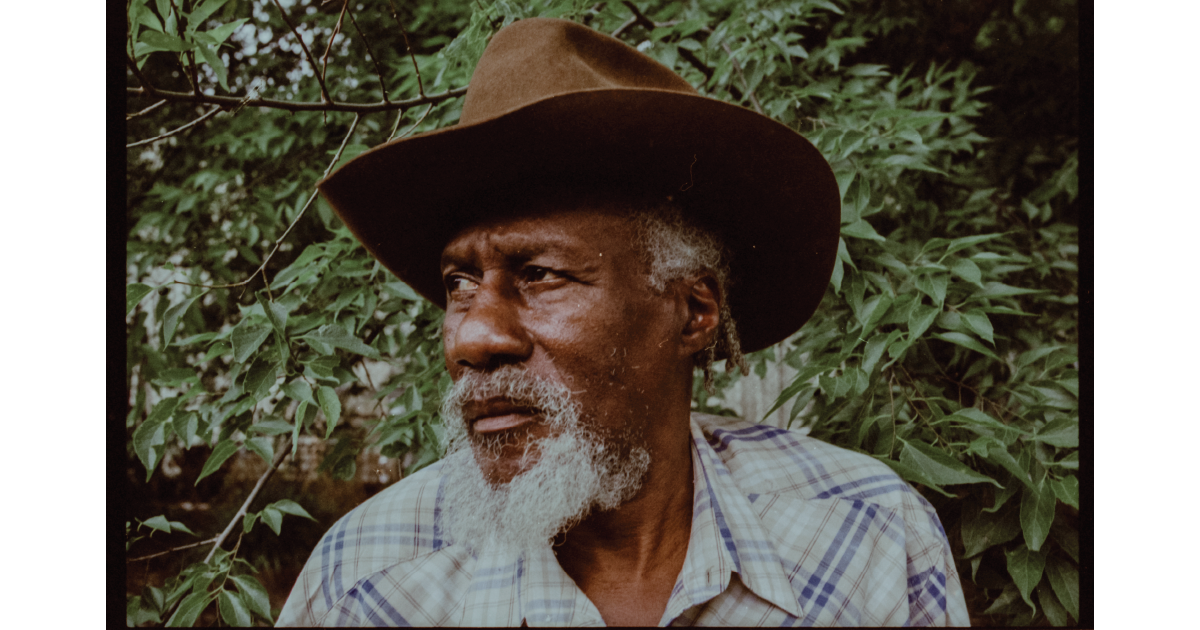
Depending on how much attention one pays to labels, singer-songwriter Robert Finley could accurately be called both a blues and soul vocalist, even though he’s also performed plenty of gospel, and has a passionate faith that is often reflected in comments about his unlikely emergence as a national figure in his 60s.

“You can’t call it anything except the hand of God a lot of what’s happened in my life,” Finley tells BGS. “For me to be recording and performing now, to have met and established a friendship with a young white guy like Dan (the Black Keys’ Dan Auerbach), and to be in the studio now recording and singing these songs when that’s what I’ve always wanted to do all my life, well it’s just God’s hand in my life.”

Robert Finley’s story is indeed a distinctive one. He was born in Winnsboro and raised in Bernice, Louisiana, and the lure of music was such he began playing the guitar at 11, purchasing one from a thrift store in town. “I remember hearing the gospel singers and people like James Brown,” he continues. “Singing is what I wanted to do from the time I was a kid, but as far as traveling and visiting places and doing some of what I’m doing now, no there’s no way I ever thought I’d be able to do that.”

One of eight children, Finley grew up in the Jim Crow South. His family were sharecroppers, and Finley was often working with his family in the fields picking cotton. When he got the chance, he attended a segregated school, but dropped out in the 10th grade to get a job. Now, at 67 years old, his voice has a power and authority that come from voicing experiences many only read about in history books.

The title of his third LP is definitive: Sharecropper’s Son, released in May on Easy Eye Sound. One of its singles, “Country Boy,” describes how Finley grew up. That’s working hard for little gain, carving out a life in less than desirable situations, yet never letting hardships or tough times overcome a burning desire to succeed. The video for the single was shot in the Louisiana fields where his family worked. The lyrics illuminate not only the backdrop of small town and rural segregation, but also highlight other places that have influenced and shaped his life.

Another important aspect of Finley’s life was his time in the service. His military tenure began in 1970, when he joined the Army to serve as a helicopter technician in Germany. But once more due to circumstances he again credits to divine intervention, the Army band needed a guitarist. He ended up accompanying the band throughout Europe until he was discharged, where he returned home to Louisiana. He initially split time between his other love, carpentry, and heading a spiritual group called Brother Finley and the Gospel Sisters. But then he was deemed legally blind and forced to retire as a carpenter.

“Once again, I have to give credit where it’s due to God, because who knew that anyone had ever heard of me or what I was doing in Louisiana,” Finley says, marveling at the fact that the Music Maker Relief Foundation discovered him before a 2015 date in Arkansas. They were thrilled by his sound and helped start a new phase of his career, with Finley appearing on tours with such blues vocalists as Alabama Slim and Robert Lee Coleman. Subsequently the title track of his debut album Age Don’t Mean a Thing celebrated what was essentially an artistic rebirth, and that 2016 LP attracted widespread critical attention.

A big part of that was due to Finley’s raw, fresh delivery, one clearly steeped in the blend of spiritual and secular elements that comprise classic soul, yet vibrant, dynamic and contemporary rather than a retro reflection mimicking past greats. Finley wrote most of the material and was backed by members of the Bo-Keys. Shortly after the LP, he met Auerbach, forging a musical and personal kinship that remains strong to this day.

“To think I would meet someone like Dan, a young guy with the soul and skill of the old-timers,” Finley continues. “Man, I couldn’t believe it when I first heard him play, and when we started talking about music, how quickly we connected and we still do.” Their first project was an original soundtrack for the Z2 Comics’ graphic novel Murder Ballads. Later came Finley’s second LP, Goin’ Platinum, produced by Auerbach. Finley would also appear on Auerbach’s Easy Eye Sound Revue tour, and later do his own series of shows on a world tour.

Then came something Finley describes as a “dream happening.” He was a 2019 contestant on America’s Got Talent, though he was eliminated in the semi-final round. But before that his tune “Get It While You Can” was released in a sneak peek that generated even more interest, to the point Sharecropper’s Son has been eagerly anticipated.

Its lead single “Souled Out on You” depicts the end of a relationship and describes in vivid fashion the ups and downs that eventually caused what was initially seen as a great thing to end. But its essence is Finley’s life story, something he says “I was really ready to tell. Dan and the people he had in the studio were perfect for what I wanted to say. It’s almost like they knew it like I did, and it was really something sitting in that studio and being surrounded by that talent.”

The session’s musical excellence would be expected from a band of this caliber, with guitar assistance coming from Auerbach, Mississippi blues ace Kenny Brown and fellow Louisiana native Billy Sanford, as well as pedal steel player Russ Pahl. With Bobby Wood on keyboards, bassists Nick Movshon, Eric Deaton, and Dave Roe, legendary drummer Gene Chrisman, percussionist Sam Bacco and a full horn section on board, the various songs’ backgrounds, arrangements and solos are outstanding. Auerbach, Finley, Wood, and Pat McLaughlin shared compositional duties.

Given Finley’s history, it wouldn’t be unfair to think at some point there might be either some regret or bitterness expressed regarding events or personalities in his past. But nothing could be further from the reality. Robert Finley is one of the most upbeat, optimistic people you could ever hope to meet, and that resilience and formidable spirit can be heard in his singing, and is reaffirmed in the final things he says to end our interview.

“Yes, I still live in Bernice,” he concludes. “Why would I go anywhere else? I know these people and know this area. Both the places where I was born and grew up in now have Robert Finley Days and they gave me keys to the town. You really can’t beat that. I’ve lived long enough to be able to do what I love and make a good living. That’s the best of the many blessings I’ve gotten from the good Lord, along with meeting Dan and being able to tell the world my story.”


Photo credit: Alysse Gafkjen

The BGS Radio Hour – Episode 208

Welcome to the BGS Radio Hour! Since 2017, this weekly radio show and podcast has been a recap of all the great music, new and old, featured on the digital pages of BGS. This week, we bring you new music from both our Artist of the Month, Allison Russell, off of her brand new album Outside Child, and from the late Tony Joe White, too — plus much more! Remember to check back every week for a new episode of the BGS Radio Hour.

APPLE PODCASTS, SPOTIFY

Maia Sharp – “Things to Fix”

Moving across the country is stressful enough on its own. At the end of a 21-year marriage, Maia Sharp put her energy directly into working on her new Nashville home — painting one room, then another, and another. She took the idea to her co-writer on “Things to Fix,” relating the things that could have been fixed in her relationship to what she was fixing in the house.

Last Year’s Man – “Still Be Here”

Singer-songwriter Last Year’s Man (Tyler Fortier) explained his new track “Still Be Here” to BGS, relating, “I think we’re all eager for life to get back to what it was in some way or another and this is a love song built out of the idea that it will.”

Casey Driessen featuring Taro Inoue – “Little Cabin Home on the Hill”

Casey Driessen’s recent project Otherlands: A Global Music Exploration, is a self-produced travelogue of on-location recordings, short films, and essays that documents collaborations with masters of regional music in Spain, Ireland, Scotland, India, Finland, and Japan, where he recorded this bluegrass standard with his friend and mandolinist Taro Inoue.

Tony Joe White – “Smoke From the Chimney”

Legendary country singer and songwriter Tony Joe White, who penned hits like “Polk Salad Annie” and “Rainy Night in Georgia,” passed away in 2018, leaving behind quite a legacy of music. However, the material didn’t quite stop after he died. His new posthumous record, Smoke From the Chimney, was recorded a year later in 2019, as producer Dan Auerbach built the music around voice and guitar demos that White had left behind.

Carsie Blanton – “Mercy”

Carsie Blanton wrote “Mercy” for her husband Jon, who helped her find out that love can be a gentle force that allows us to become more ourselves: “Once I discovered that, I was able to envision a whole world of love; a world that’s less about control and more about compassion.”

Angela Autumn – “Sowin’ Seeds”

“Sowin’ Seeds,” the latest track from Americana singer-songwriter Angela Autumn, explores the could-be life of a musician, one of imagined ease and free from sacrifice.

Danny Paisley and the Southern Grass – “Date With an Angel”

Up next is Baltimore bluegrass royalty Danny Paisley with a track off of his newest record, Bluegrass Troubadour. Paisley started out performing in the Southern Mountain Boys with his father, Bob Paisley, and Ted Lundy. Years later, Danny formed the Southern Grass and performs with his own son as well as the sons of Ted Lundy. They’re a two-family, three generation band! Paisley is the most recent IBMA Male Vocalist of the Year, an award he’s received more than once. Listening to Bluegrass Troubadour, you can see why.

Beth Whitney – “I Go”

Singer-songwriter Beth Whitney wrote “I Go” inspired by her family’s tradition of taking backpacking trips and her favorite Wendell Berry poem, “The Peace of the Wild Things.” While she’ll be the first to admit that she doesn’t backpack gracefully, though as blisters and bug bites take hold, “as the wilderness takes me in, it starts to heal me somehow and I come into focus.”

Amy Helm – “Sweet Mama”

“Sweet Mama” is a rock and roll track made with love in Woodstock, NY by Amy Helm with one and only Phil Cook on harmonica!

Allison Russell – “Montreal”

Our current Artist of the Month, Allison Russell, has just released her stunning solo debut, Outside Child, an album that delves deeply into the extreme trauma she experienced in her youth spent in Montreal. We recently spoke with Russell about her experience making the record and the relief that songwriting, music and art can bring.

Mike Barnett featuring Alex Hargreaves – “Piece O’Shrimp”

Mike Barnett, a Nashville-based fiddle player who recently released +1, an album of duets with friends and heroes, had originally slated the album for release in late summer 2020, but was delayed when he suffered a cerebral hemorrhage, putting his career and life on hold. Undergoing extensive rehabilitation, he posted a welcome update in February on his GoFundMe (support here) that a full recovery is still possible and likely! While we’re wishing Mike the best, and supporting his recovery through his GoFundMe, we’re also enjoying a “Piece O’ Shrimp” from his new album, featuring Alex Hargreaves.

Christina Alden & Alex Patterson – “Hunter”

UK-based folk duo Christina Alden & Alex Patterson wrote “Hunter” inspired by an unlikely friendship between a grey wolf and a brown bear, as captured by Finnish photographer Lassi Rautiainen.

Charlie Marie – “El Paso”

Country singer-songwriter Charlie Marie recently joined BGS for a 5+5, that is 5 questions and 5 songs. She talks growing up listening to Patsy Cline, meditating before “big” shows, listening to Frank Sinatra at old school Italian restaurants, and more.


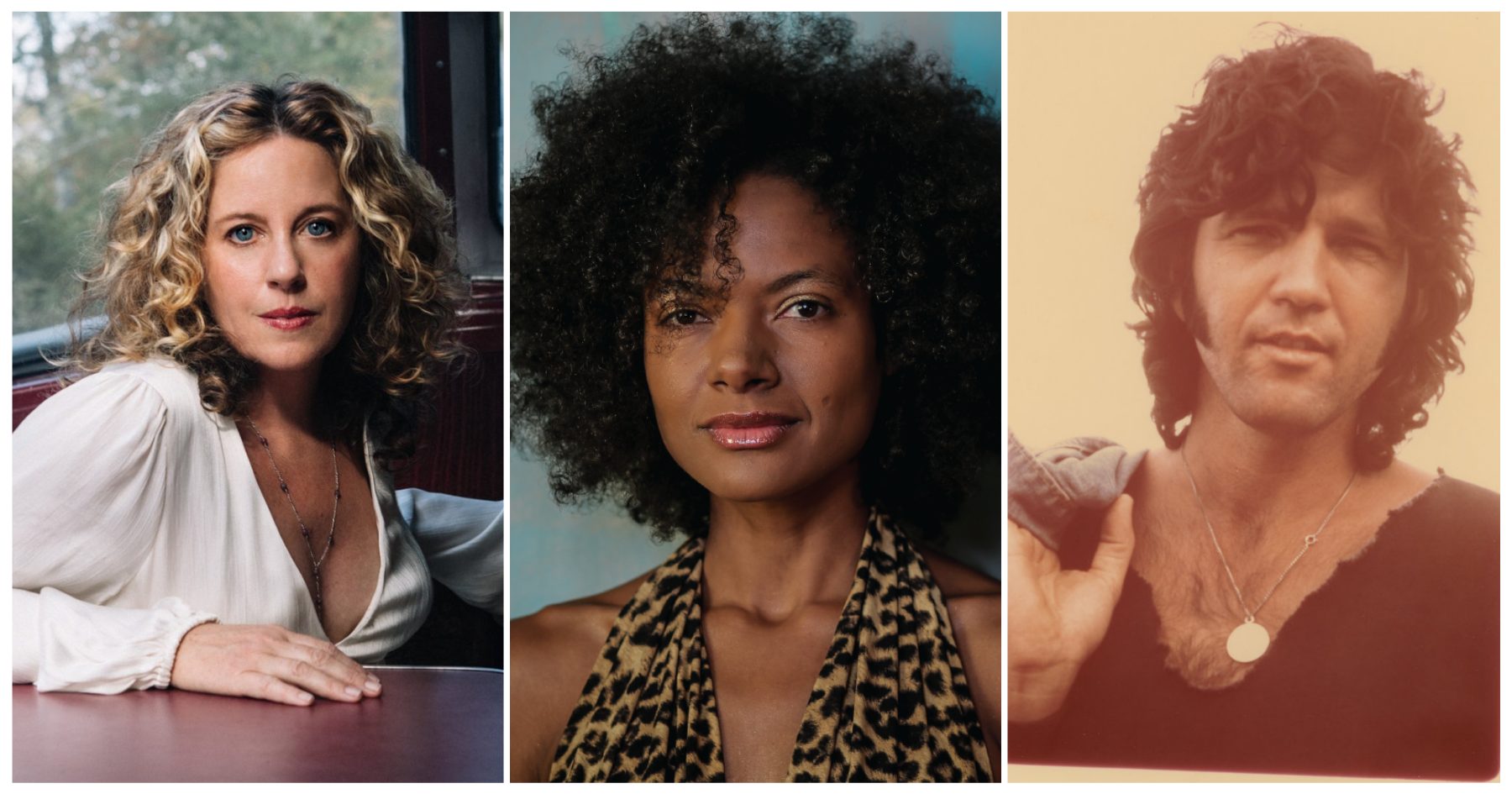
Photos: (L to R) Amy Helm by Ebru Yildiz; Allison Russell by Marc Baptiste; Tony Joe White by Leann White

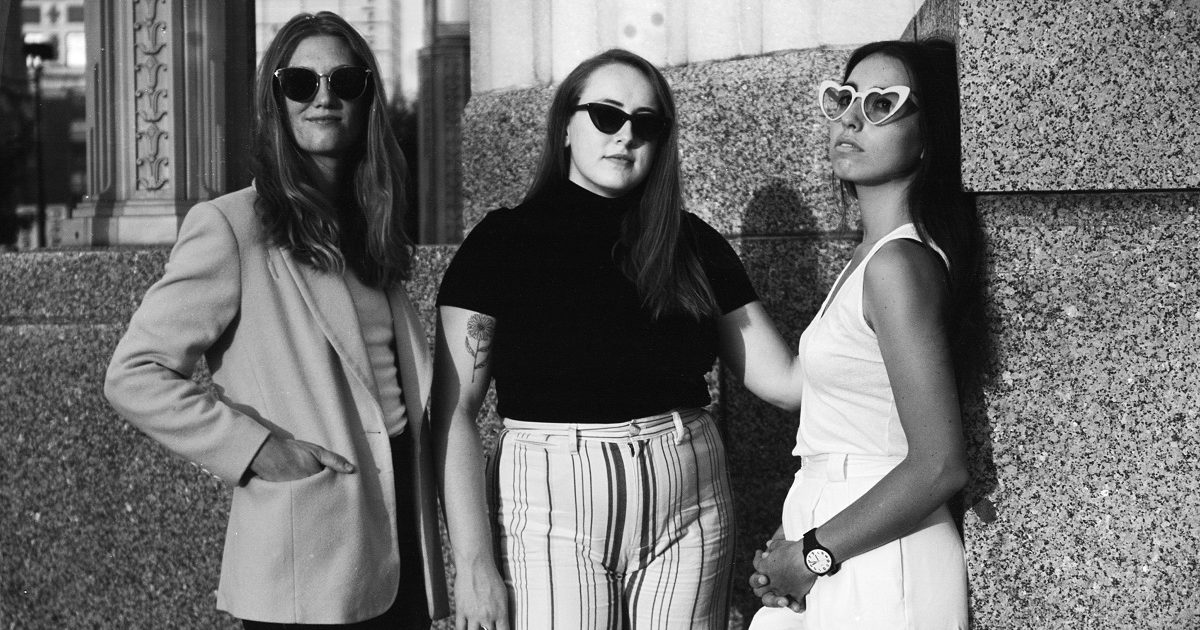
BGS 5+5: Lula Wiles

Artist: Lula Wiles
Hometown: Our band sort of has two hometowns: we started the band when we were all living in Boston, but we first played music together as tweens at Maine Fiddle Camp, located in Wabanaki (Penobscot) territory (“Montville, Maine”).
New Album: Shame and Sedition
Personal nicknames (or rejected band names): Personal nicknames — who’s who should be obvious: Buckles, Burkles, Boms. A rejected bandname that we still joke about… “Monkberry and the Moonlights,” inspired by the Paul McCartney song “Monkberry Moon Delight” off of Mali’s favorite album RAM. We’re so glad we didn’t go with that name… lol.

What was the first moment that you knew you wanted to be a musician?

Eleanor Buckland: I grew up playing music with my family and looking up to my dad, who is a professional musician, so I’ve sort of had a desire to be a musician as long as I’ve known that was a thing I could be. But, I do remember a specific Crooked Still show in Maine during my freshman or sophomore year of high school that made such an impression on me. During the show I felt almost sick with longing and from then on I knew I was doomed (ha!) for professional musicianship!

Mali Obomsawin: As a little kid I always just wanted to make people happy and make people laugh. I think I always was a performer, and I always loved words, and it just ended up being music that those things came through. I sang and improvised little poems and acted out a lot. When we would play games as kids, I would always come up with little songs and dances… and when we would play fairies or whatever I would always choose to wear this potato sack and be the “troll” character. I liked being the goofy one that got to do mischief and be different. Maybe this is telling… haha. My dad’s a musician too and there have been a lot of musicians in my family for generations… it was just normal to express yourself that way.

Which artist has influenced you the most … and how?

Isa Burke: My influences have shifted and cycled in and out constantly throughout my life. I’d say Gillian Welch/Dave Rawlings and Joni Mitchell are probably the most long-lasting influences if I really had to narrow it down. But honestly, I think many of the biggest influences on me have also been my friends, family, bandmates, collaborators, and people I’ve shared musical community with. I also tend to go through phases where I’m really devoted to one artist, and this past year I’ve been really inspired by Fiona Apple. She’s so liberated in the way she creates, it makes me feel more liberated, too. When I listen to her music or read interviews with her, it’s like she’s shaking me by the shoulders and reminding me that I can do whatever the hell I want.

Mali: Like Isa I go through phases… some of my biggest influences that might not be obvious from listening to Lula Wiles are Ornette Coleman and Charles Mingus. I got really into “avant garde” and free music at a young age and I think that has shaped my preferences and tendencies as a musician in so many ways. I also think on this album we were able to lean in a little bit more to those sounds that are exciting to me, harsher or more “raw” sounds juxtaposed with atmospheric/gentle/melancholy ones, leaving room in our arrangements for grit and breathability and improvisation. These are all things I associate with Mingus and Ornette — I especially have always been so inspired by Ornette’s gut-wrenching melodies. Just so human. I think Buffy Sainte-Marie had these piercingly honest sounds/qualities in her music too, but I didn’t really dig into her work until more recently. I dunno. These days I’m just loving indie rock, I’m not too proud to admit it!! Really sardonic or sarcastic songwriters like Rufus Wainwright and Randy Newman have been big influences for me. Aaaand, let’s see… Fleetwood Mac?

What other art forms — literature, film, dance, painting, etc. — inform your music?

Isa: I’d say my songs definitely draw from fiction and film. I love songs that feel like short stories or films — songs with specific, carefully chosen details that expand in the listener’s mind to create a vivid scene, a feeling, a narrative. I also love dialogue in lyrics — Joni Mitchell is a master of that, obviously. Sometimes when I’m writing, I try to imagine the song as a screenplay, or a film, or a novel. Where would this scene take place, what would the characters say to each other, how would it look and sound and feel? That helps me hone in on which of the various elements at my disposal (description, dialogue, details, images, sounds, melodies) can best tell the story and create the feeling I’m looking for. I also think on a more musical (non-lyrical) level, my sense of rhythm is definitely informed by dance. I’ve always loved dancing and a lot of my most formative musical experiences were based in instrumental fiddle music, which at its root is dance music. I move around a lot when I play and I try to write music that feels embodied, that physically feels good to play.

Mali: So many of my songs have been sparked by specific phrases or ideas in fiction novels and poetry. I get obsessed with the beauty or rhythm or texture of a few words juxtaposed against one another, and I adore word-play, and just sonic patterns or complimentary sounds. Language makes me so excited. It’s nerdy maybe. But sometimes when I read a line in a novel that expresses a specific feeling in a poignant or abstract way, it’s really euphoric. James Baldwin is an example pertinent to this album -– the big inspiration behind “In Dreams” … I’m still working my way through Baldwin’s work now, but I’m also pretty deep in listening to speeches by Black Panthers and other civil rights activists from that time. I think it’s odd how we compartmentalize art/genres sometimes, because these speeches are some of the best pieces of American literature ever created. Anyway, I digress. I think in colors and shapes when I play and compose music, but not specifically in the form of paintings or anything.

What’s the toughest time you ever had writing a song?

Eleanor: “Hometown” on our previous record, What Will We Do, was one of my hardest songs to write. I think this was because the story I was trying to tell in the song is so closely connected to my home and the people I love. I found it harder to get to the truth of the song than ever before, because I was so determined to do the story justice. Mali and Isa were both critical co-writers for this song and helped me more deeply understand and stay true to the heart of what I was trying to say.

Isa: I have a song called “Wild Geese” that has been torturing me since April 18th, 2017. On that day, I sat down and wrote a verse and a guitar riff in about five minutes and thought it was one of the best things I’d ever written, but I’ve never been able to finish it. As soon as I wrote it I knew it had to be the last verse of the song, so I’m working backwards. Every so often I’ll pull the song back out and bang my head against the wall for a while, but I can’t seem to write anything that lives up to that one verse. I’ve even finished and scrapped a couple of full drafts (we actually recorded a rough version of one of them during the sessions for What Will We Do). I’ve always ended up getting rid of everything except that one verse. I can’t let that verse go. It haunts me! Maybe it’s just supposed to be a really short song — hopefully you’ll hear it someday.

What’s your favorite memory from being on stage?

Mali: Hmmm… the time Tim O’Brien introduced us as Lula Whales? There was another time we made Ellie eat a hot dog onstage in San Francisco on her birthday.

Eleanor: That was possibly my favorite birthday show ever. Isa and Mali surprised me with a hot dog onstage, since I love hot dogs and I am teased mercilessly for it. That same night, we also got pranked by our drummer, who had the sound guy at the Freight & Salvage play one of our TOP van jams, “Twang” by Mason Ramsey (featured in our playlist) as our walk-on music. It was awesome.


Photo credit: Laura E. Partain