Sierra Hull, an accomplished instrumentalist, vocalist, and songwriter who also co-hosted the IBMA Awards this year, notched another career highlight this fall. In her first fully animated music video for “Beautifully Out of Place” she offers a refreshed meaning to the song, now set to the story of a girl walking through her day and noticing beauty in many modest places. Be it a flower growing through the sidewalk or silhouettes forming in the clouds, the main character finds herself more open to the lyrical message of “Beautifully Out of Place.”
Hull’s latest album, 25 Trips, features several heavy-hitting songs such as this, featuring positive themes, skillful singing, and weightless picking. In an interview with American Songwriter, Hull echoes this song’s sentiment, saying that the message holds true in the world even now; during an unprecedented time of uncertainty and unrest, there is still abundant beauty to behold. By the way, her song “Ceiling to the Floor” (also from 25 Trips) is up for a Grammy Award in the category of Best American Roots Song. Watch “Beautifully Out of Place” below.
In Their Words: “I wanted to try my hand at a holiday song. Every year I intend to write one and give up. This year, the only thing I feel like I have any control over is my creativity — so it seemed like now or never. One of the things I have missed most is making music with others, so I asked my bandmates George (Hondroulis) and Todd (May) to add to it. It was a little spark of joy in a super bummer season.” — Lydia Loveless
Editor’s Note: “Merry Christmas” is available exclusively via Bandcamp, with all profits benefiting Mid-Ohio Food Bank.
Artist:The Lumineers Single: “Silent Night” Release Date: December 18, 2020
In Their Words: “Venues have gone silent all across the country and world because of the pandemic. Hope is on the horizon, and we believe we’ll be playing again in 2021. But independent venues need our help to survive that long. Don’t let the venues remain silent forever – SAVE OUR STAGES. When you stream our song ‘Silent Night,’ all proceeds will go towards supporting the National Independent Venue Association (NIVA).” — The Lumineers
Editor’s Note: For an entire year, all proceeds from streaming “Silent Night” will benefit NIVA, helping save some of the music industry’s most important independent stages. The video aims to raise awareness of the severe challenges that venues across the nation are facing during COVID-19. “Silent Night” highlights the fact that venues across the country have gone completely silent due to the pandemic.
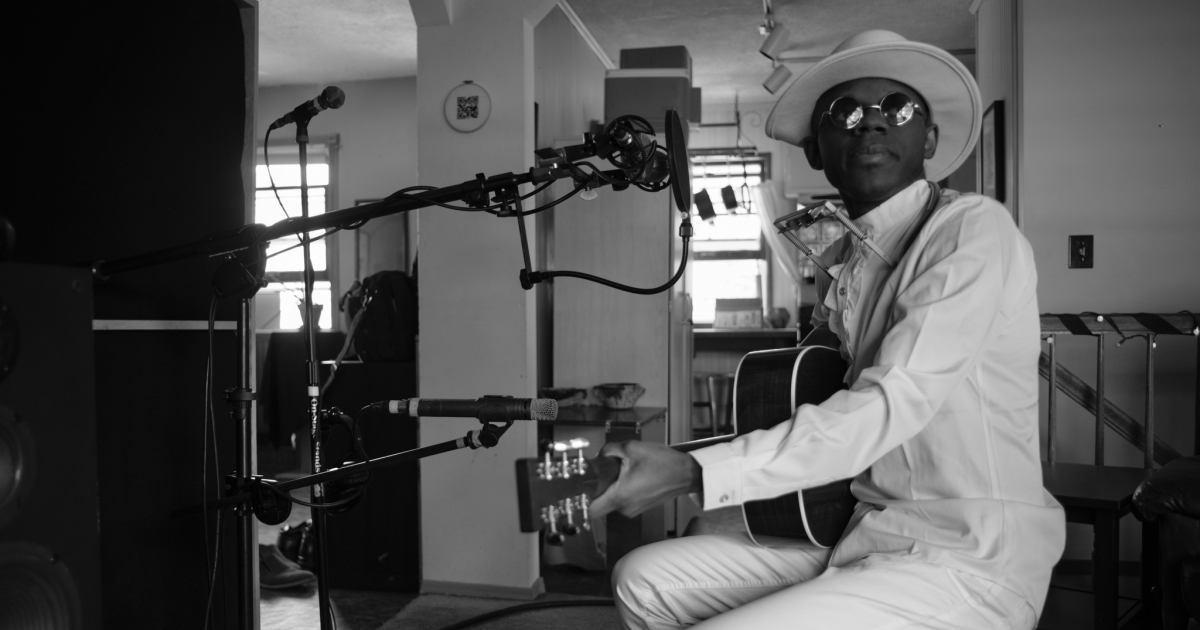
Lockdown has stolen headlines from a lot of great musical releases in 2020. One such release that maybe didn’t get its due is Folk n’ Roll Vol. 1: Tales of Isolation, an album by Kenya-born singer Ondara. Released in May, Folk n’ Roll is a spectral snapshot of the hard times that we all have felt during the global coronavirus pandemic. Ondara (formerly J.S. Ondara) uses his pure vocal tone and raw guitar-playing to communicate the incredible emotions that he and others have felt in a time of separation and uncertainty, with songs like “Pulled Out of the Market,” “From Six Feet Away,” and the tune featured in this video, “Isolation Blues.”
The steady, pulsating drive of the acoustic guitar lays a foundation for Ondara’s ghostly voice to fly over and cut right to the uneasiness that has become familiar to so many in 2020. The video depicts confusion and anxiety in a very relatable way. The first release since his debut, Tales of America, Ondara was quick to write, record, and release the album, making it a true window into the human experience in the early stages of a global pandemic. To reflect on what we’ve come through and to hear our shared human experience manifested into song, watch the video for “Isolation Blues” below.
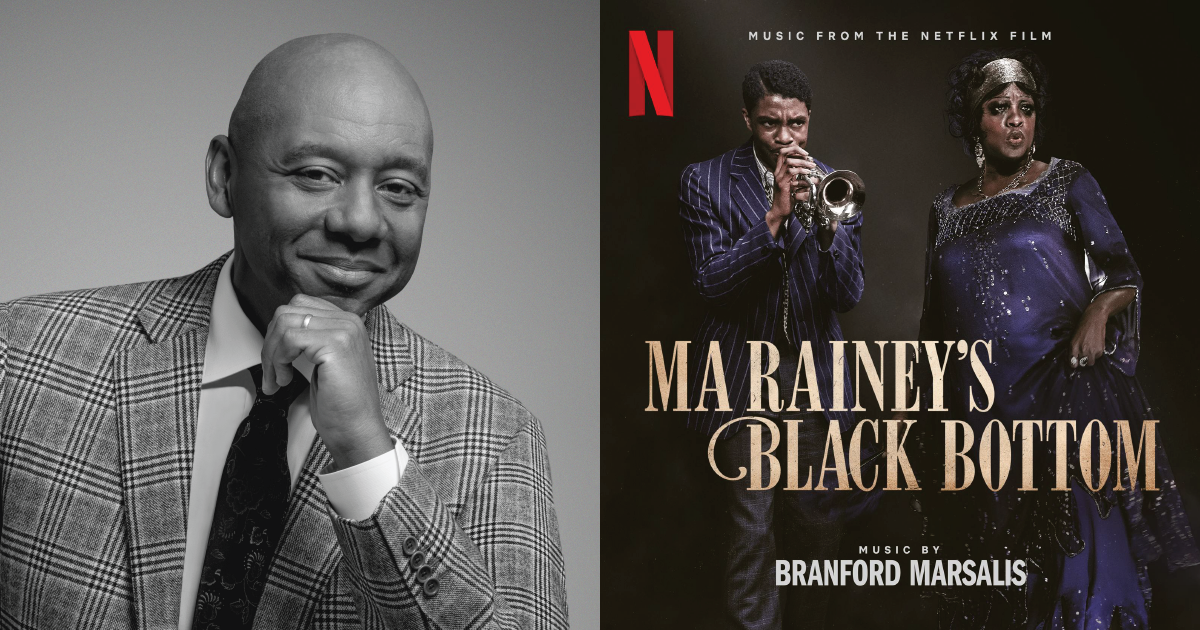
Ma Rainey wants her Coca-Cola. The microphones have been set up in the Chicago studio, her small band have rehearsed and taken their places, the two white men who run the label have the needle ready to cut the acetate, but Ma Rainey won’t sing until she gets her ice-cold Coca-Cola. Everyone pleads with her, but she won’t relent. So two musicians are dispatched to retrieve cold beverages for her while everybody else just waits. It’s a small scene in Ma Rainey’s Black Bottom, the new film adaptation of August Wilson’s 1982 play, but later Rainey (played with ferocious adamancy by Viola Davis) explains her reasons for delaying the session: If she has power, she is going to exert it. If she is going to let white men profit from her voice, she is going to exact as high a price as possible. Even if it’s just a Coca-Cola.
Despite populating its cast with musicians — including the brash trumpet player Levee (played by Chadwick Boseman in his final role) — Ma Rainey’s Black Bottom is less about music than the business of music: how white businessmen exploit and quash Black talent, how Black men and women navigate an industry and a society that saps so much from them and gives back barely anything at all. To emphasize this point, director George C. Wolfe teases musical performances only to cut away and thwart our expectations. Rainey’s band, sequestered in the basement, talk about rehearsing more than they rehearse. When they do count off a song, Wolfe cuts to a different scene, and their performance becomes the soundtrack. When Rainey finally does perform for the camera, it’s late in the film, but the scene becomes all the more electric for all the anticipation Wolfe has stoked.
It’s a fascinating dramatic strategy, but one that created some headaches for Branford Marsalis, who not only scored the film in the style of 1920s Chicago jazz, but also crafted choreography and auditioned musicians. With barely a month to prepare, he wrote nearly two hours of music for the 90-minute film, knowing that Wolfe would only use a fraction of it. In fact, altogether there is only about 20 minutes of music in Ma Rainey’s Black Bottom. Most of the film is given over to the sound of Black characters talking to one another, cajoling each other, joshing and joking, lying and pleading, delivering lengthy monologues — all of which is its own kind of music, especially coming from such an animated actor as Boseman.
Marsalis is a musician uniquely qualified to bring this era of Black music to life in a way that bridges the late 1920s and the early 2020s. He has spent his long and diverse career bringing the music of the past to bear on the present, first as a sideman in the early ‘80s for Art Blakey and Lionel Hampton and later as the leader of the Branford Marsalis Quartet. With jazz as his foundation, he has branched out into classical, Broadway, rock (Sting, the Grateful Dead), and hip-hop (Public Enemy). To each project — including music for Ken Burn’s Baseball miniseries in 1995 and The Immortal Life of Henrietta Lacks in 2017 — he brings a deep understanding of the attitudes and circumstances of previous eras of American popular music and lets them resonate in the present moment.
From his home in North Carolina, Marsalis spoke with BGS about finding a new appreciation for the music of that era, holding auditions from the other side of the globe, and re-creating 1920s jazz for a modern audience.
BGS: How did you get involved with this project?
Branford Marsalis: The director asked me to write the music and consult with the musicians, help with the choreography, and arrange the songs they were going to use in the movie. It was all pretty rapid. I was in Australia working on a project with the Australian Chamber Orchestra, and that was in early May [2019]. And we had to be in the studio recording in the first week of June! It was not the kind of scramble I like, because everything is being done by telephone or by watching YouTube to hear musicians and hear singers. Not the normal audition process.
But it worked out. I just had to start, man. I didn’t think. To me, it’s like when you play football and the coach makes you do all of these run-throughs. No sane person likes practice! I had a good coach who said, practice is the place to think, and that’s why we keep doing the same things over and over again, so that when you’re on the field, you can just react. That to me is a very cool and very sound philosophy. All of my thinking is done before the gig starts. Once the gig starts, you have the faith that you have a vocabulary that’s good enough to get the job done.
What does all that entail? What goes into a project like this?
First, I had to find a singer to facilitate the process for Viola, and I had to write a song for the end of the movie. I would up writing two songs for the end of the movie, so George would have a pick in terms of style. I had to decide where we were going to record. I quickly decided on New Orleans, because a lot of the musicians there play outside and inside, whereas most musicians don’t play outdoors, especially with acoustic instruments. The sounds of their instruments don’t have an outside sound. The sound is different than it would be if you were playing in a street band or in a parade.
I wanted to get guys that still played in the style that had a feeling reminiscent of what it felt like in the ‘20s. So I called my brother Delfeayo, because he has a big band down there, and he put together a group of musicians for me. Some of them had a great vibe, but weren’t very good at reading music. But that was good. I kind of liked that. It gave the music a certain kind of urgency. Because these guys were scrambling. And panicked! So it had a certain kind of urgency that it wouldn’t have when you have a band full of readers who can read anything.
At what point do you start working with the actors?
That was the next part. When filming started, I met with them to make sure they physically look like they’re playing instruments. As kids, we all aspired to be in pop bands. We idolized those guys, so we had already visualized what it would be like to be on stage and do those things. But no kid dreams of being a jazz musician. No kid says to his mom and dad, “I want to be a jazz musician when I grow up.” And dad says, “You can’t do both!” So we don’t always think about what it would be like to play an instrument like the saxophone.
When people talk about it, they say, Oh, the saxophone’s so sexy, it’s so suave. But it’s not. It’s a very fucking physically demanding instrument, and if you let it, it will manhandle you. There were no saxophones in this film, but it’s the same thing with all of the instruments. There’s a physicality to playing an acoustic instrument. You can’t just be up there with your eyes closed, trying to look as sexy as possible. Because those horns will kick your ass. All of the actors did a really good job of representing physically what it’s like to play those instruments.
Chadwick Boseman was really good at that. His face transforms whenever he puts the trumpet to his lips.
Well, he was actually playing. That’s the point. The trumpet is one that you can play more authentically. It has three positions — combinations of three. You can learn that. The saxophone is crazy because you’re using all your fingers and you’re moving up and down. Chadwick developed good embouchure. His face transforms because the muscles in your face change when you’re blowing air into a little mouthpiece like that.
If an actor isn’t really playing, you can tell. He had to play, and Viola had to sing. Otherwise, the larynx doesn’t vibrate and it’s clear you’re not really singing. People see that, even if they can’t articulate it, and they know it doesn’t look like she’s singing. So everybody had to play. Everybody had to bang on the instrument. They had to be a physical presence.
You’re obviously writing in a style that reflects that era, but with the character of Levee, it’s an era that seems to be changing. How did you approach that historical aspect of the soundtrack?
The music should have an authentic sound. It should sound like the ‘20s, but I wasn’t really interested in faithfully recreating the ‘20s, because then it just becomes a kind of mimicry. I think you have to spend a lot of time immersing yourself in the sound and the style, and then you write. What it becomes, that’s what it is. I’ve been listening to ‘20s music for the last twenty years or more, but in this project I was forced to do a really deep dive. I was listening to ‘20s music from May 2019 until January 2020. A lot of the things that I wrote were based on things that I heard.
Were there any artists that stood out to you during that deep dive?
I locked in on two people: King Oliver and Paul Whiteman. After a couple of months I listened a lot to their music and their bands exclusively. I already had a sense of the ‘30s, and I knew that anything that Levee was going to be doing would be pushing everybody towards the ‘30s. It wasn’t about trying to invent some new sound of music that had never been heard before. It was about recreating a style that would have not been heard in 1927. For the song “Sweet Baby Let Me Have It All,” I used the feeling and the beat of a Jelly Roll Morton recording from the ‘30s called “Jungle Blues,” from his Red Hot Peppers group. It has this beat, and I threw in some horns and all that other stuff, and it fills in around this idea.
Was there any talk about using Ma Rainey originals or trying to recreate the scratchy quality of those early recordings?
It doesn’t make any sense to have a bunch of human beings in a room and make the song sound like a recording. Having them play together in that room would have sounded like what it sounds like in the movie. It would have sounded very different from the recordings. The recordings were so primitive. Everything is mono, and the musicians had to strategically place themselves in distance to the microphones. It must have been fascinating to be in the room with musicians turned in different directions, saxophone players facing the wall. You had to have a perfect sound, because you had at best two microphones. Usually it was only one.
All of the sound from all of those instruments is going into that one mic, so you had to strategically place the musicians in the room to offset. They didn’t have gobos and baffles and all those things they would develop once the recordings became more sophisticated. I think it would be very strange to see a bunch of people in a room and suddenly the singing starts and the playing starts and it becomes a mono recording with scratches. Because it would not have sounded like that. The thing that’s most interesting about those early mono recordings is how you hear the music is not actually how it sounded.
I was limited in a lot of re-creating because of what August Wilson wrote in the play. If you listen to the original version of Ma Rainey’s “Black Bottom,” there are clarinet players, a couple of trumpet players, a trombone, a guy playing wood blocks. There are all these sounds. But this is a play, not a musical. August Wilson wrote for a band with coronet, trombone, piano, and bass. That was it. That’s all I had, so it was like writing for a string quartet rather than a full orchestra. I was limited by that reality, and the arrangements had to reflect that.
How did this project change the way you understand or appreciate the music of this era?
I didn’t really know how great it was. Everybody calls it the Jazz Age, and everything focuses around illegal booze and chicks drinking and dancing and female independence and all these things that had not existed prior to the Volstead Act [the 1919 law enforcing Prohibition]. Most drinking was done in saloons that were like Burger Kings — they were bars that were owned and operated by the people who sold the booze. They were men’s clubs. Women were excluded. Once they passed the Volstead Act, the mobsters were like, Oh, shit, everybody can drink!
So jazz was the music they chose, and that’s what people think about. When I was listening to hundreds of songs from the ‘20s, I was listening to oratorios, comedy sketches, comedy songs, small group songs, big bands songs, string quartets. It struck me as funny how when the society was more socially primitive, there were so many varieties of music and so many ways of expressing. And now as we’ve become more socially advanced, the music becomes more stratified and more limited.
Everything is so stratified now. You can listen to a radio station that only plays the shit you know. That was unheard of in the ‘20s. They played everything, and you could hear everything. That was in the middle of a period when America was in extreme segregation, but you could hear things as diverse as Paul Whiteman’s band or Ethel Waters, Louis Armstrong. There was such a variety, and there was a level of excellence, because you couldn’t overdub back in those days. You didn’t have AutoTune. So everything you heard had to be really good, because there was no way to fix it in post-production.
There’s that great scene where they’re trying to record the kid with the stutter, and they’re throwing out all these ruined acetates, one after the other. It does such a nice job of dramatizing that idea.
There was no such thing as post-production. It was just production. If the kid fucks it up, the recording is destroyed. And that’s costing [the white label owners] money, and they’re pissed off. They don’t really like Black people. Ma Rainey understands that, and in turns she doesn’t like them. And she’s determined to have it her way. At that time in our country, there were not a lot of possibilities for Black performers to play in front of a white audience, and the white audience was the target. Black people couldn’t even come into the same theater as white people.
All of these things were a part of the time that Levee lived in, and his motivation was about ameliorating the shame and the pain of the things that happened to his family when he was a boy. All of his dreams are dashed, and as so often happens in real life, people have a grievance against a thing and they often take that grievance out on the people they’re closest to. Shit, you change the accent and get rid of the swear words, and you could say that this was a Shakespeare play: conflict, rejection, anger boils over, an ending you don’t expect.
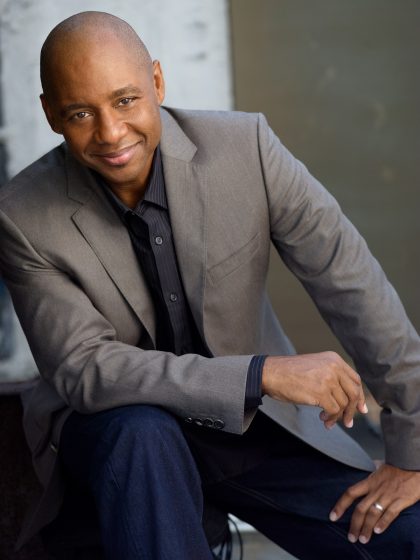
Photos of Branford Marsalis: Eric Ryan Anderson (top) and Palma Kolansky (bottom)
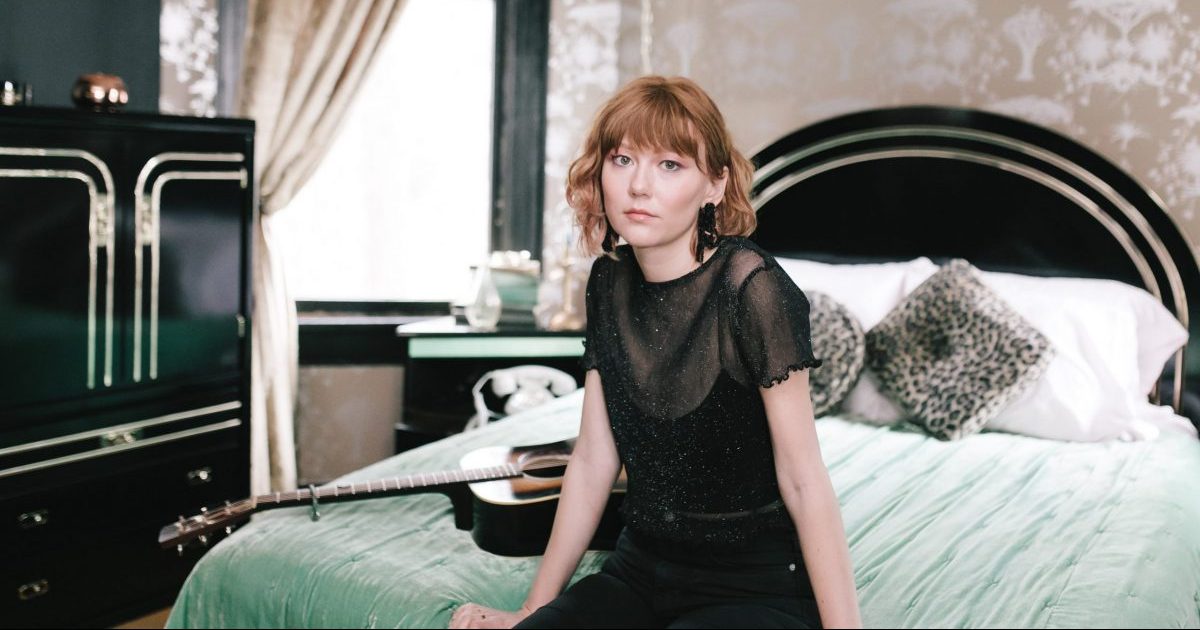
One of Molly Tuttle’s strongest suits is her fluency in an array of instruments and styles. Using her experience as an excellent clawhammer banjo player and a masterful guitarist, she has forged a unique style of clawhammer guitar-playing. Similarly, Tuttle is at home in old-time music, traditional bluegrass, and more modern roots styles. Already an artist who seemingly can do it all, the California native’s newest endeavor is showcasing an even broader range of musicianship.
Her 2020 album, titled …but i’d rather be with you, is made completely of cover songs by artists from many different genres, including the National, the Rolling Stones, and Grateful Dead. In her interpretation of Rancid’s “Olympia, WA,” Tuttle’s ability to match her voice to the energy of the song speaks volumes of the caliber of musician that she is. In her trademark effortless way, she brings an acoustic guitar to a punk rock song and somehow still delivers an inspiring performance. Watch the video here.
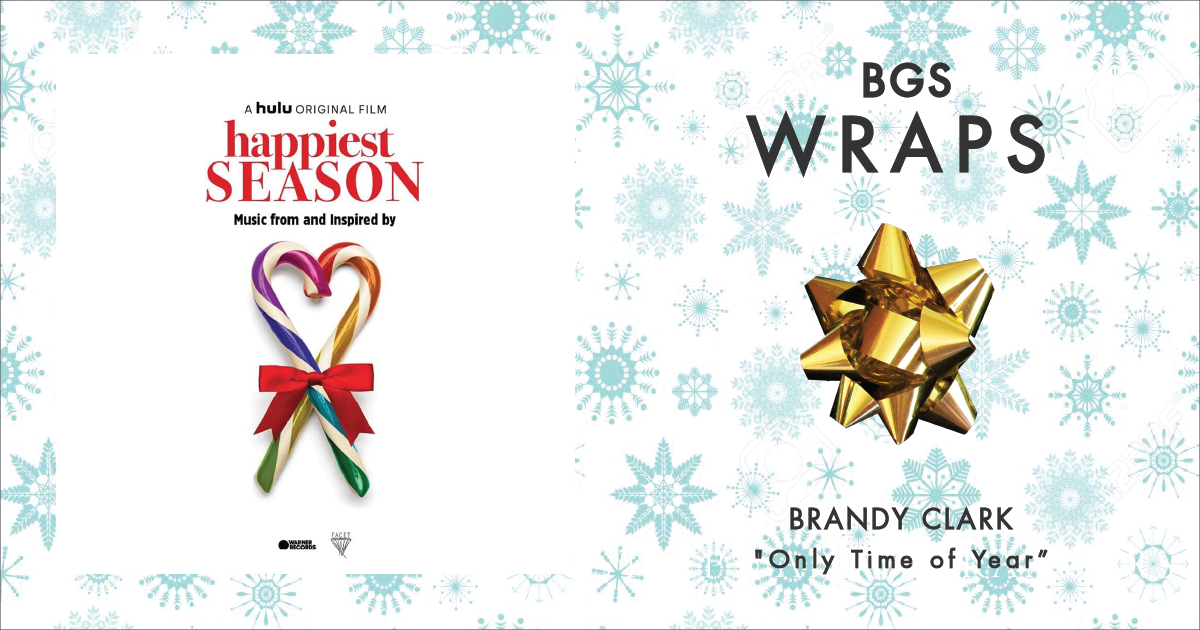
Artist:Brandy Clark Album:Happiest Season (Original Motion Picture Soundtrack) Song: “Only Time of Year”
In Their Words: “‘Only Time of Year’ was such a fun and challenging song to sing. I didn’t write it, but I really loved it when I heard it. However I was unsure of whether or not I could sing it, because of the pop nature of the melody and phrasing. I am so thrilled that it worked out. I love the movie and am really proud to be a part of a soundtrack that is so inclusive of so many LGBTQ+ artists.” — Brandy Clark
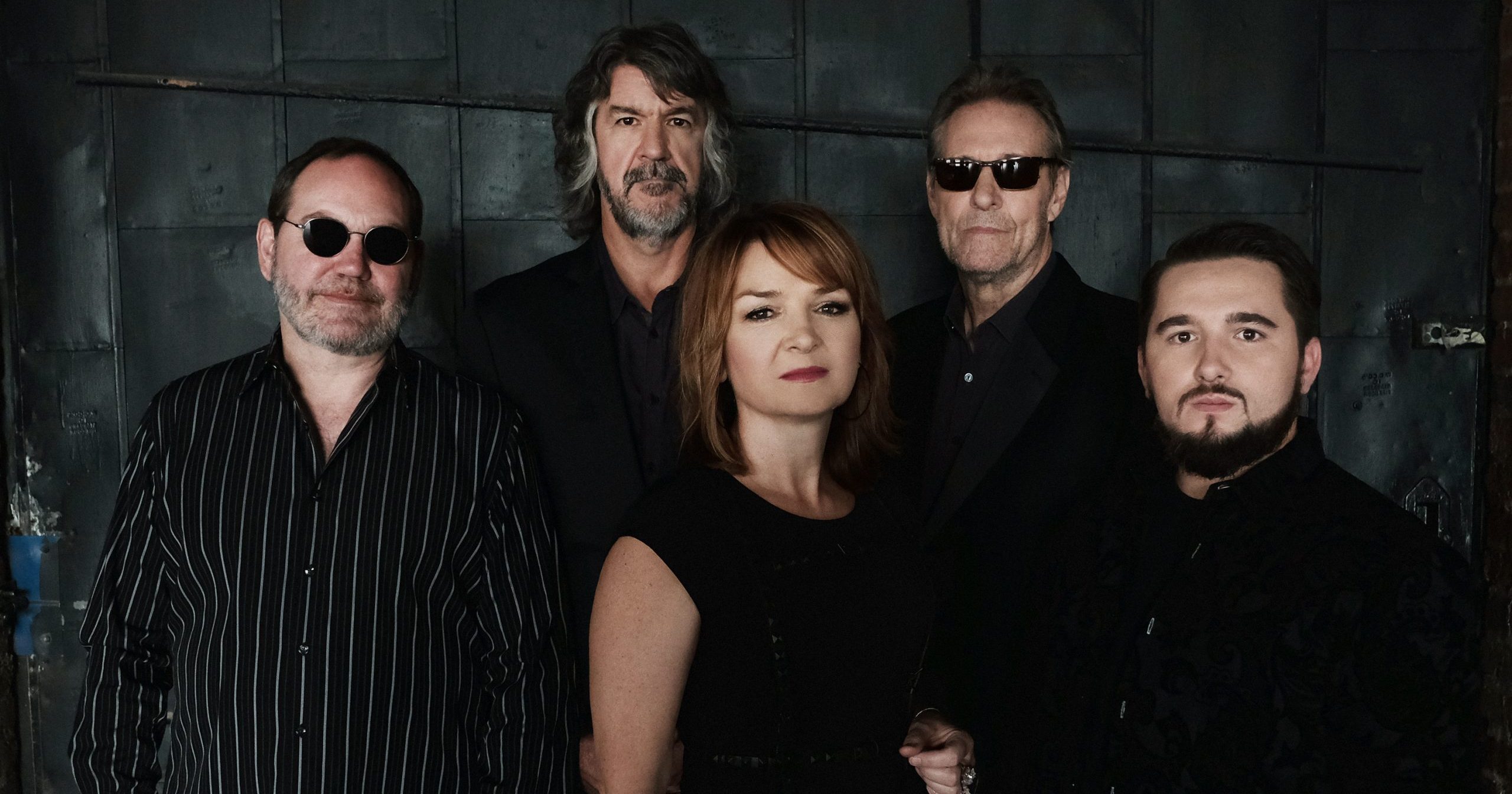
One of the musical highlights of 2020, the SteelDrivers‘ Bad For You is the debut for the group’s newest member, singer and guitarist Kelvin Damrell. A tremendous talent in his own right, Damrell certainly had some big shoes to fill, stepping into the role inhabited first by Chris Stapleton and then Gary Nichols. Fortunately, Damrell’s fresh take on bluegrass — and his background as a rocker — dovetailed perfectly with the hard-edged, “uneasy listening” brand of bluegrass for which the band is known.
The SteelDrivers’ music video for “Innocent Man” follows the tune’s dark subject matter, coming right out of the band’s wheelhouse. It kicks off with Tammy Rogers’ evocative fiddling over a dark drone; Damrell’s smoky voice rises over Rogers’ melody and tells a story of a man who knows, more than any other, the depth of his own sin. Black-and-white images run through an old film projector, their graininess and imperfection distorting the picture and mirroring the on-brand unrest and turmoil in the story. If you haven’t yet heard the SteelDrivers’ amazing follow-up to their Grammy Award-winning 2015 album, The Muscle Shoals Recordings, check out “Innocent Man” and Bad For You to get a taste of what this hard-hitting band sounds like in 2020 — and don’t miss our interview with the band from earlier this year.
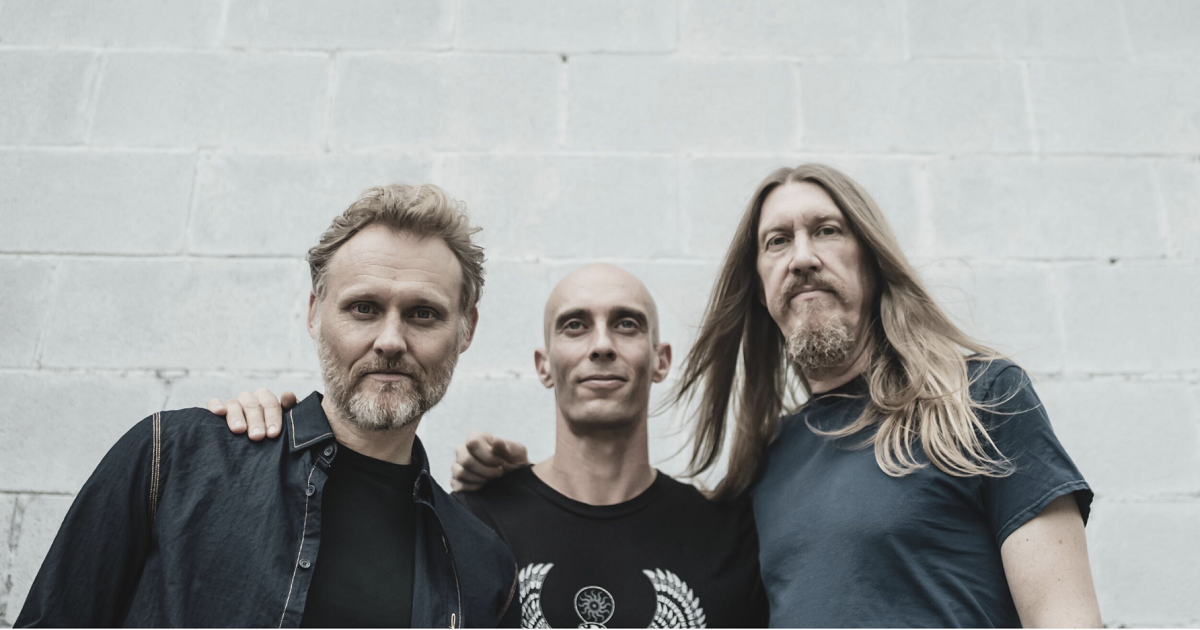
Artist:The Wood Brothers Hometown: Nashville, Tennessee Song: “Honey Jar” (Live) Album:The Muse (to be released on 2-LP vinyl in March 2021)
In Their Words: “It felt so good to play together for a day and get a small taste of the fun we have touring and playing shows. It’s like we didn’t get to go to summer camp this year. We miss it so bad. We’re looking forward to connecting with fans and friends on the live chat, as well. The community around the band means so much to us, so it’ll be really fun to be together with everyone.” — Oliver Wood, The Wood Brothers
There are a whole lot of ways you can tell the story of 2020, but for us here at BGS, it will be remembered as a year of especially remarkable songwriting from women in roots music.
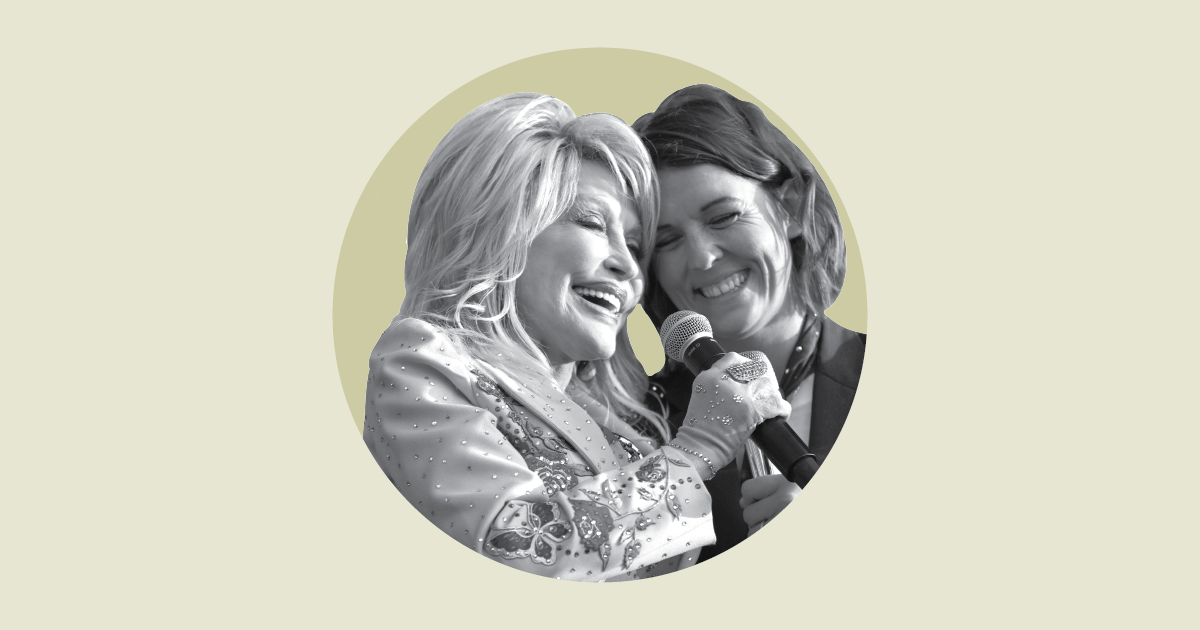
We lead our playlist with the one and only Dolly Parton, who assured us that life will be good again. Parton’s songwriting is presented in an enticing new book, Songteller, and her ability to articulate complicated emotions — through lyrics that speak to all walks of life — is something that Brandi Carlile picked up on as a teenager. In this video interview from the 2020 BMI Country Awards (with a cameo from Dolly at the end), Carlile explains how Parton’s perspective on equality kept Carlile from divorcing country music completely.
Parton, who turns 75 next month, shares a number of important qualities with a new generation of singer-songwriters she’s inspired. In the case of Brandi Carlile, there’s a sense of belonging that is woven throughout their work, from Parton’s “Joshua” to Carlile’s “Carried Me With You.” Like Parton, Brennen Leigh is able to capture a sense of place and make it relatable, even for a listener who’s never been there. Kyshona Armstrong offers a sense of self-worth and self-awareness in her writing, as Parton does, allowing listeners to know them better. Likewise, Maya de Vitry and Parton share a sense of wonder and joy, portraying landscapes — internal and external — that are imagined, yet vivid.
On Prairie Love Letter, her full-length paean to her homeland on the Minnesota-North Dakota border, Brennen Leigh demonstrates a visceral, evocative grounding – just as Parton constantly speaks of her Tennessee mountain home: with a glint in her eye, and a sorrow in her heart for knowing she had no choice but to leave it. Leigh stakes her claim on both the wide, expansive plains and Nashville all at once, asking her audience “Don’t you know I’m from here?” As if to remind she’s as at home in bluegrass and country — and Music City — as Dolly herself.
“Backwoods Barbie,” “Dumb Blonde,” and “Just Because I’m a Woman” are all perfect examples of Parton’s lifelong radical self-possession. She expresses her agency boldly, confidently, without (visible) second guessing – from her wigs to her infamous tattoos to her nothing-special acknowledgement of her plastic surgeries, struggles with suicidal ideation, and so on, she is her fully realized, autonomous self. As Dolly told Jad Abumrad on Dolly Parton’s America, “Who we are is who we are… I would just bow out if I wasn’t allowed to be me…” Kyshona Armstrong‘s prescient album, Listen, holds similar space, as Armstrong doesn’t simply ask folks to listen; her presence, compassion, and radical honesty demand it. Because, first and foremost, she’s welcoming and non-judgmental in that aim, you will find yourself fully enveloped by her music before you realize the conviction within it.
Maya de Vitry made a gorgeous, poetic foray into heavier, rockier turf with How to Break a Fall, a gutsy, genre-bending set of songs. Their anger, release, and passion, expressed by the folk-rock production style, feels right out of Parton’s post-White Limozeen era, an effortless combination of seemingly disparate musical influences, distilled into something that, almost above all else, feels joyful. Where male-centered rock and roll finds itself often hung up on its endemic toxic masculinity, de Vitry and Parton stride into electrified sounds with their femininity forward, and the result is as charming as it is subversive.
It’s striking, among such an incredible volume of musical output from their Americana and country peers this year, that these women would stand out, above and beyond the still-common glass ceilings imposed upon them for decades. Dolly blazed a trail, but these dozens of writers — and singers and pickers and composers and front women and side musicians and authors and poets — would have crashed through inevitably on their own. With songs like Adia Victoria’s “South Gotta Change,” Sunny War’s “Can I Sit With You?,” “Troubled Times” from Laurie Lewis, the Secret Sisters’ “Cabin,” it’s obvious Dolly Parton’s songwriting legacy will be inherited by multiple generations worthy of carrying it on.
Throughout 2020, the BGS editorial team embraced this wealth of excellent music from women songwriters in roots music. It has been a privilege to share these original voices with our readers, too. Here are 50 of our favorite tracks from 2020:
Photo credit: Daniel Jackson for BGS, Newport Folk Fest 2019
This website uses cookies to improve your experience. We'll assume you're ok with this, but you can opt-out if you wish.AcceptRejectRead More
Privacy & Cookies Policy
Privacy Overview
This website uses cookies to improve your experience while you navigate through the website. Out of these, the cookies that are categorized as necessary are stored on your browser as they are essential for the working of basic functionalities of the website. We also use third-party cookies that help us analyze and understand how you use this website. These cookies will be stored in your browser only with your consent. You also have the option to opt-out of these cookies. But opting out of some of these cookies may affect your browsing experience.
Necessary cookies are absolutely essential for the website to function properly. This category only includes cookies that ensures basic functionalities and security features of the website. These cookies do not store any personal information.
Any cookies that may not be particularly necessary for the website to function and is used specifically to collect user personal data via analytics, ads, other embedded contents are termed as non-necessary cookies. It is mandatory to procure user consent prior to running these cookies on your website.