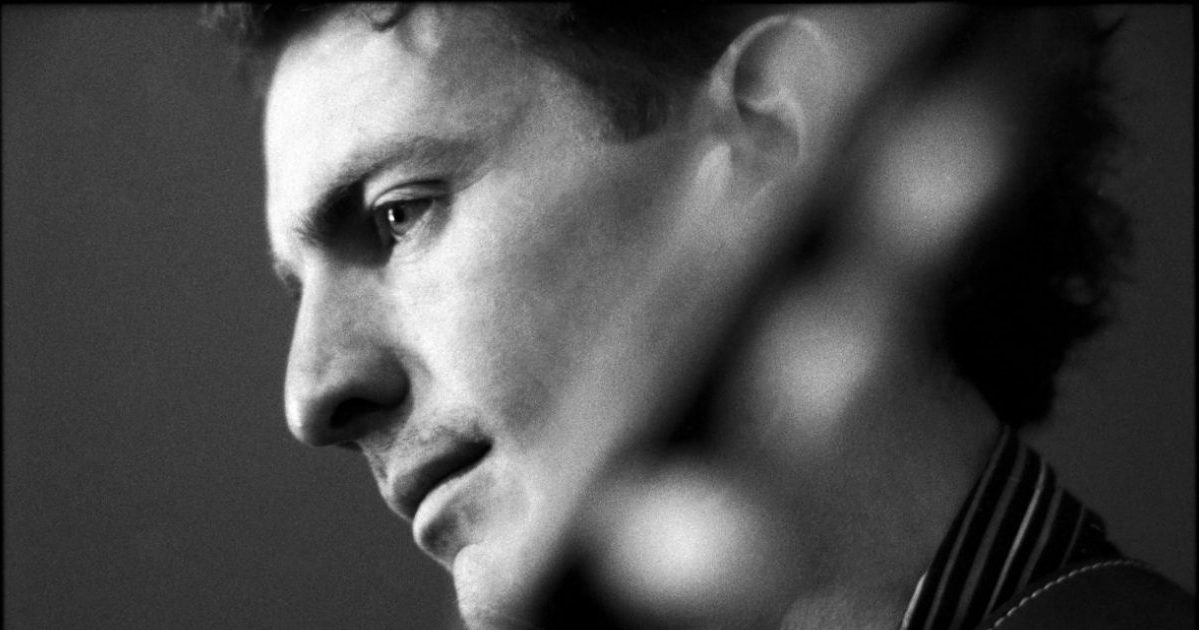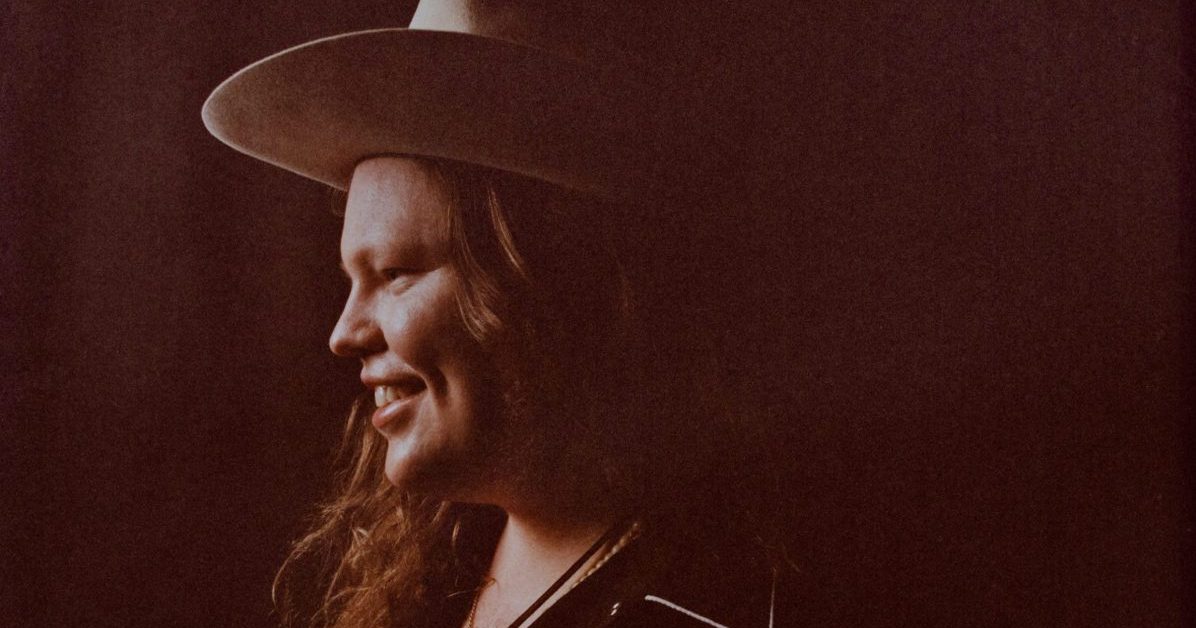
With a Country and Soul Groove, Marcus King Drives ‘El Dorado’ to the Grammys

Thanks to a Grammy nomination for Best Americana Album, Marcus King is getting a second chance to make a first impression.

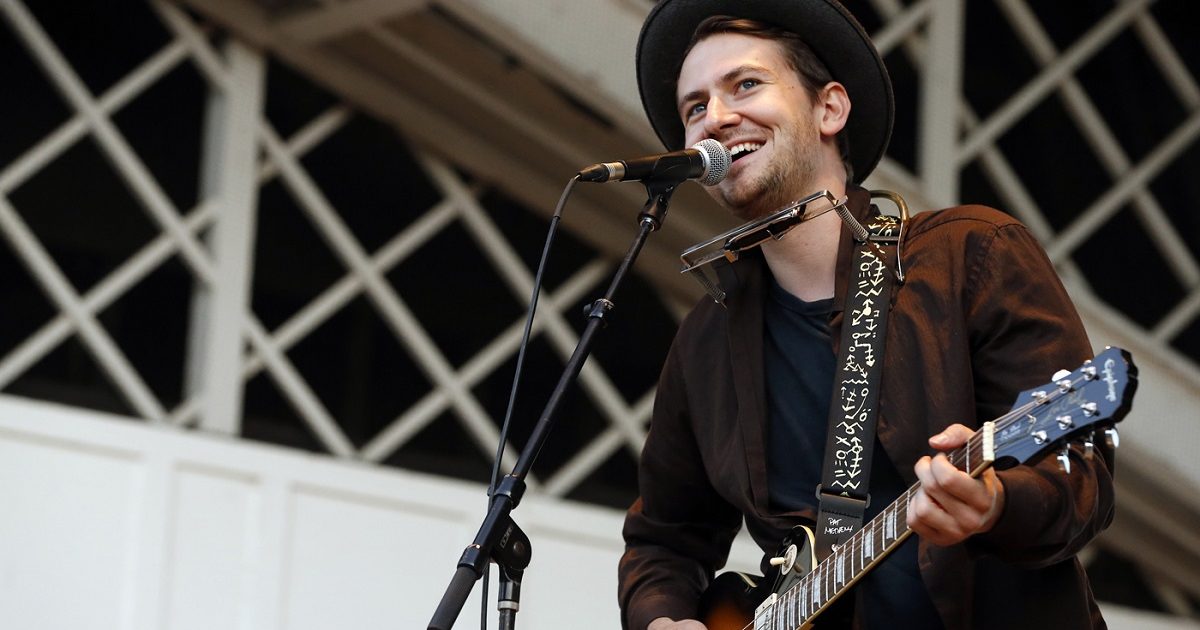
At the dawn of 2020, he’d been poised to become a breakout star in roots music, able to deliver an electrifying show with the soul chops to match. After three albums billed as The Marcus King Band, his solo debut record, El Dorado (produced by Dan Auerbach), received positive notices just about everywhere, including BGS. But as the year unraveled, so did his touring plans. In response, he turned his attention to songwriting, ended up booking some socially-distanced shows at drive-in movie theaters, and even landed a spot on The Tonight Show With Jimmy Fallon. And with attention from the Grammys, he’s back in the game — although he’s been surrounded by music from the time he was a kid.

“I don’t remember a time when it wasn’t entirely prominent in my life,” he tells BGS. “Just a focal point of every conversation or thought that I had.”

In the interview below, the 24-year-old performer talks about the family influence of his father and grandfather (who were both musicians), his earliest years on the stage, and the advice he’d give to teenagers with an equally burning desire to pursue a life in music.

BGS: There’s a lyric in “Wildflowers and Wine” that refers to an “old scratchy record.” I’m assuming you’re a vinyl collector. How did you go about building your collection?

King: It started when I was about 11 years old. I started with my mother’s collection and my dad’s collection, because in the early ‘90s that was dead technology, you know? They had tapes and CDs, so I inherited everybody’s collection. I inherited my Grandpa Pete’s big old stereo from the ‘50s when nobody wanted to carry it around anymore. The first record I bought on my own was Robin Trower, Bridge of Sighs. I just remember that smell of the record store and all those gatefolds and tools that went with it for cleaning your records. You know, the care that goes into it.

Who are some of your country influences?

Man, my grandfather spoon-fed me on all the good things country when I was growing up. We lost him when I was 14. He was a big country music proponent his whole life. He played in the Officers Band when he was in the Air Force in the ‘60s and he and his band backed up Charley Pride when he came over and played Ramstein Air Force Base [in Germany]. He backed up a number of legends over there. They asked him on the base television that they had over there, what he had to say to all the troops, and he said, “Long live country music!” So, he started me young on Charley Pride, of course, and George Jones was our jam. That’s what we listened to the most. Willie Nelson, Merle Haggard, Waylon Jennings… The list goes on and on, you know how that is.

Who are your influences when it comes to showmanship?

As far as showmanship’s concerned, I mentioned that my grandfather was really into country music and I grew up listening to country music with him. And my father turned me on to the Allman Brothers and Southern rock and blues guitar players like Albert, B.B., and Freddie King. What I discovered on my own was soul music. And the first artist I remember really, really digging was James Brown. I just loved the way that he controlled the stage and the way he controlled his band.

You know, to speak about my grandfather, Bill King, again, his biggest advice to me was that you’ve got to dress for the show, never get on the stage without your boots on, and you just need to dress like you’re not there to see the show – but you’re there to put the show on. Showmanship was always instilled in, early on. Well after the importance of knowing how to play your damn instrument, but it was an important one.

I’d read that you started playing professionally at 11 years old. What kind of gigs were those?

It was a lot of Christian bookstores, a lot of coffeehouses. We just played anywhere that would take us. My father is a born again Christian and a blues guitar player, which was a really niche market at the time. So, he wanted to play Hendrix covers but he would rewrite the lyrics from like “red house” to “church house.” And that would be our foothold into the Christian community. He went through his fair share of hard times with that, trying to be accepted into a gospel music community. Because he had long hair and played “the devil’s music.” But that was the kind of venues I started playing.

Were you with your dad’s group, or playing with your own group?

I started playing with my dad’s band when I was about 8 years old. I was playing what I knew. He would let me come up and play. That’s where I cut my teeth. When I was 11, I got my first experience in the studio, playing with my dad’s group. That’s when I started going out with his group.

From there, I tried to be whatever he needed. If he needed a rhythm guitar player, I’d do that, or if his drummer couldn’t make it, I’d play drums. Or his bass player, same situation. I was just there for whatever needed to be done. I just liked to play. When I was 13, that’s when I took on the leadership role, or started the process.

At what point did you start driving? Did they put you behind the wheel when you had gigs?

I was real tenacious about that, man. I had a real roaming nature about me. I was a Bassett Hound. I’d put my nose to the ground, look up, and be lost as hell. I wouldn’t know where I was. So, I was just ready to go and didn’t care where. I got my learner’s permit when I was 14 in South Carolina. The only stipulation was that I could drive as much as I wanted in the daytime, but in the evening, if I needed a licensed driver in the car with me.

So, to me, that meant I needed to hire a band of adults who could act as chaperones for me in the bars, and that could be licensed drivers in the car. Then I could be the sober driver at the end of the night. I had a good situation for anybody who wanted to come play with me. I would drive them there. You could drink as much as you want because I’d drive us home. And I’d get you paid good because I kept us working, at least four or five nights a week. I’d book us under a fake name, through my email, so people would take us more seriously.

What was it like being 14 years old, up on a stage in a club? Did you like it?

Oh man, I loved it! I saw my future ahead of me when I got there. I had to deal with my first drunk audience member. Or I had to play louder than a drunk argument. Or I had to have my first encounter with a lousy club owner that didn’t want to pay us. I saw my first bar brawl. I loved it, I ate it up. You go in there and you’ve got to have an assertiveness about you, but then again, you don’t want to be a 15-year-old asshole that nobody wants to work with.

I’m glad that that didn’t happen. But you had to be assertive because, being 15 years old, there was a lot of opportunity. You know, I have a lot of faith in human beings but there is the opportunity that people will try to rip you off. There was a lot of navigating those waters and it worked out good. I had a lot of great experiences in those days.

Were you going to high school during this time?

I was. I was going to high school and playing four or five nights a week. But, you know, I wasn’t up to no good, so my dad didn’t really see much harm in it. He was supportive of my dreams, but he was torn, though, because I was having trouble in school. I was just not interested and I was hyper-focused on music, so that was difficult for him as a parent but also as a supporter of my dreams. But it worked out.

For teenagers now in that same situation, what message would you send out to a kid who’s frustrated at the moment, but knows they wants to have a career in music?

I’ve always said, you knock on every door, and if they don’t answer the door, knock ‘em down. It’s sometimes better to ask for forgiveness than it is for permission in this industry. You know, it’s a thin line you’ve got to walk. You’ve got to know your worth but you can’t have a big head. You should never be overly confident. Never be your biggest fan, but be your second-biggest fan.


Photo credit: Alysse Gafkjen
The BGS Radio Hour – Episode 193

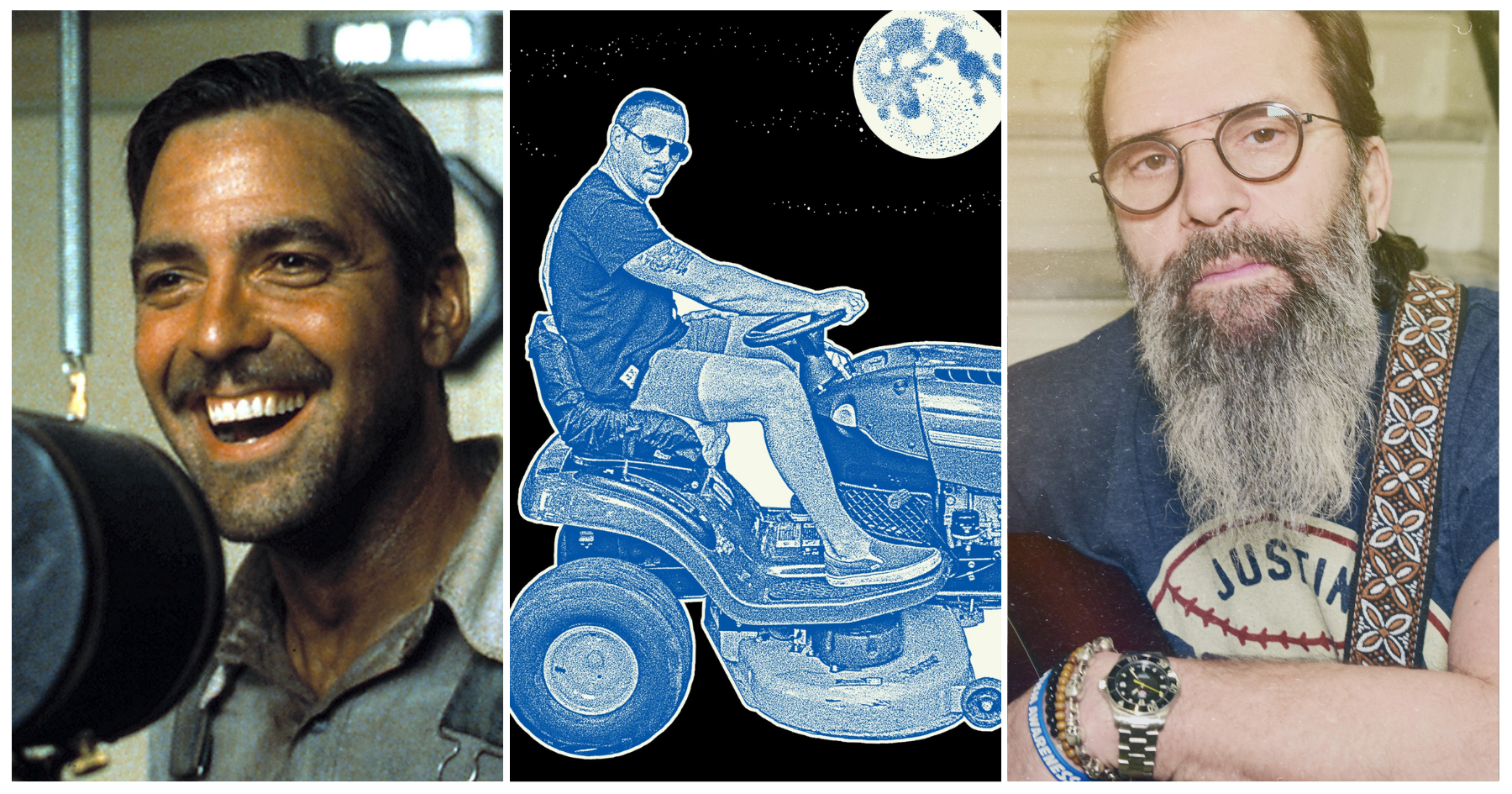
Welcome to the first BGS Radio Hour of 2021! This week we bring you new music, music to remember those who we lost in 2020, and music to say farewell to the most, well… interesting year on record. We’re also celebrating 20 years of the massive roots music revival that followed the modern classic Coen Brothers’ film O Brother, Where Art Thou? Remember to check back every Monday for a new episode of the BGS Radio Hour!

APPLE PODCASTS, SPOTIFY
Steve Earle – “Harlem River Blues”

Steve Earle is no stranger to Americana music. Of his numerous accomplishments, one that sticks out was his late son, Justin Townes Earle, who we lost unexpectedly in August of 2020. A manifestation of a father’s love for his son, Earle paid his respects in the only way he knew how – by making a record of J.T.’s songs to say goodbye.

Scott MacKay – “Romance Novel”

This week brings us a music video to accompany Scott MacKay’s new release, Stupid Cupid. This song is a wonderful representation of the “humour in country music,” evoking images of MacKay’s parents and the many romance novels that filled their shelves.

Call Me Spinster – “Two Hearts”

Sister-trio Call Me Spinster know vocals. From their upbringing by musical parents to their independent studies and obsessions with various genres of music, the trio is well qualified to bring us a vocal-centric mixtape this week.

Danny Burns – “Trouble”

Irish-born singers-songwriter Danny Burns is back with a follow-up to his 2019 debut, North Country. “Trouble” is one of two new singles, a peek into his upcoming album Hurricane, which features an all-star lineup including Dan Tyminski, Aubrie Sellers, and more!

Maxayn Lewis – “Ma Rainey’s Black Bottom”

From a Netflix feature film, this week we take a dive into a wonderful soundtrack built by Branford Marsalis. The titular track to Ma Rainey’s Black Bottom is sung by none other than soul-singer-legend Maxayn Lewis.

Taylor Ashton (feat. Rachael Price) – “Alex”

Brooklyn-based singer-songwriter Taylor Ashton brings us “Alex” this week — a song about two roommates who happen to share the same name, but are unable to share their feelings with one another. Ashton takes it to another level by singing the duet with his “roommate” Rachael Price (Lake Street Dive), who he happens to be married to (although they don’t share a surname!)

Brit Taylor – “Real Me”

Brit Taylor was bound for Nashville; after all, she grew up along U.S. 23, the Country Music Highway, which runs through Eastern Kentucky around the homplaces of the likes of Keith Whitley, Ricky Skaggs, or the more recent Tyler Childers. Real Me is her debut album, an emergence from a stuck place, and a regrounding in the traditional country sound.

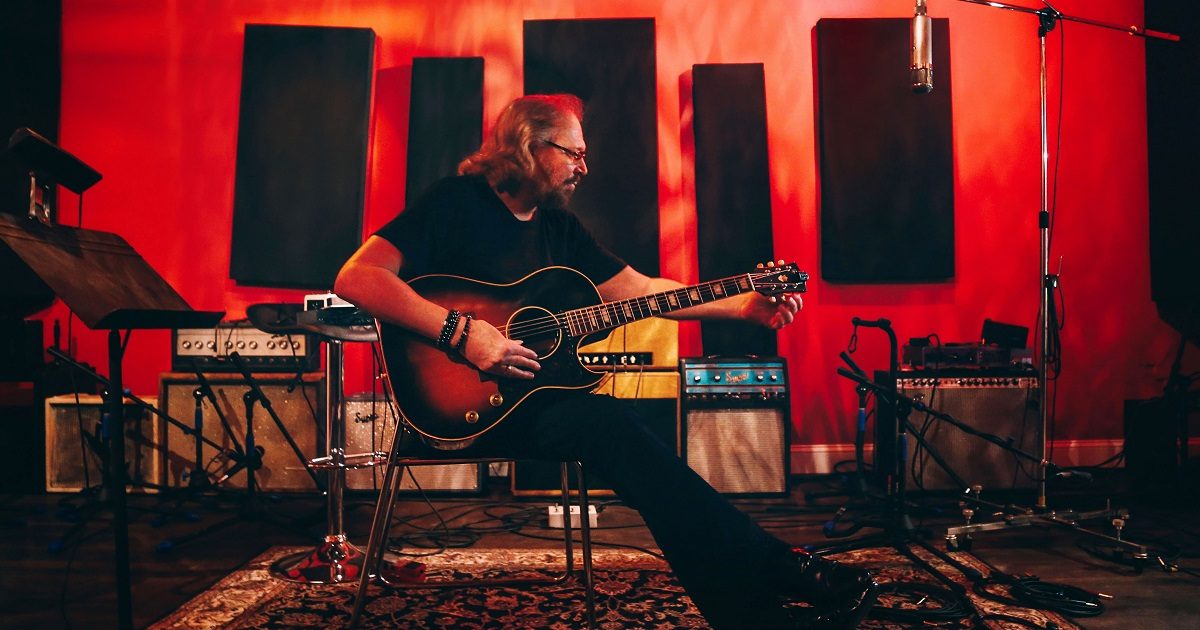
Barry Gibb (feat. Jason Isbell) – “Words of a Fool”

Barry Gibb (of Bee Gees fame) fulfills a life-long goal to create a roots record with Greenfields: The Gibb Brothers Songbook, Vol. 1. Remembering his late brothers, the Dave Cobb-produced album features the likes of Dolly Parton, Alison Krauss, and in this case, Jason Isbell.

The Soggy Bottom Boys – “I Am a Man of Constant Sorrow”

The fictional Soggy Bottom Boys, star band of 2001’s O Brother, Where Art Thou?, did more for the commercial popularity of roots music than anyone could imagine (especially Ralph Stanley, who this song originally comes from.) We’re celebrating 20 years of O Brother this January, featuring the entire T-Bone Burnett-produced soundtrack as our Artist of the Month.

Buck Meek – “Candle”

Texas singer-songwriter Buck Meek brings us a new song from his upcoming project, Keeled Scales. He asks BGS, “Has a nosebleed ever sprung at the definitive moment of personal growth, like a threshold? Has a friend felt you light a candle from 1000 miles away?” What could be more simple, yet ever powerful, than a candle?

Antonio Lopez – “Roots and Wings”

There are roots, and there are wings; both are the best hope that can be given. From Longmont, CO, Antonio Lopez brings us this meditation on parents and all of the sacrifices they make for their children.

Stephen Kellogg – “I’ve Had Enough”

Like so many of us in the early days of 2021, Stephen Kellogg has had enough. The past year was enough to flip any optimist, but add in homeschooling during a pandemic, a daily dose of the news and, well… This Connecticut-based musician brings us his perspective on the whole matter.

Sturgill Simpson – “Hobo Cartoon”

It was exciting news in the summer of 2020 when Sturgill Simpson appeared at the Ryman Auditorium alongside Sierra Hull, Stuart Duncan, and others — only to announce that the group had just recorded a bluegrass double album that very week. “Hobo Cartoon” is the conclusion of it all, a song co-written with the late, great Merle Haggard, the end to Cuttin’ Grass, Vol. 2.

Graeme James – “The Weight of Many Winters”

There is nothing quite like the stillness of winter. It’s a feeling that Graeme James chases vehemently on his new seasonal EP. “The Weight of Many Winters” is a quiet moment of reflection, drowning out the noise of modern times — and a fitting title track for this new EP.

LA Edwards – “Trouble”

The idea for a simple dream meal pairing – Bruce Springsteen and a hot dog – could come from none other than LA Edwards. We sat down with the California-based artists for a 5+5 recently, covering everything from stage-inflicted wounds to home art collections.


Photo credit: (L to R) O Brother, Where Art Thou? via Buena Vista Pictures; Steve Earle by Shervin Lainez; Sturgill Simpson, Cuttin’ Grass, Vol. 2

LISTEN: Luke LeBlanc, “All My Love”

Artist: Luke LeBlanc
Hometown: Minneapolis, Minnesota
Song: “All My Love”
Album: Better Now EP
Release Date: January 12, 2021

In Their Words: “‘All My Love’ came about while I was scrolling through some year-old voice memos on my phone. It was one of those song ideas that I recorded quickly in the moment and then left alone for a while and almost forgot. The lyrics came pretty quickly, but musically it took awhile to figure out what I wanted to do with it. I’m happy with how it turned out; it starts small and builds consistently the whole way through. All the fingerpicking is done on a Les Paul electric which gives you the option to really highlight certain notes louder than others while you’re playing.” — Luke LeBlanc


Photo credit: Mark Walentiny

WATCH: The Rough & Tumble, “You’re Not Going Alone”

Artist: The Rough & Tumble
Hometown: On the road permanently, with a P.O. Box in East Nashville
Song: “You’re Not Going Alone”
Album: We’re Only Family If You Say So
Release Date: February 19, 2021

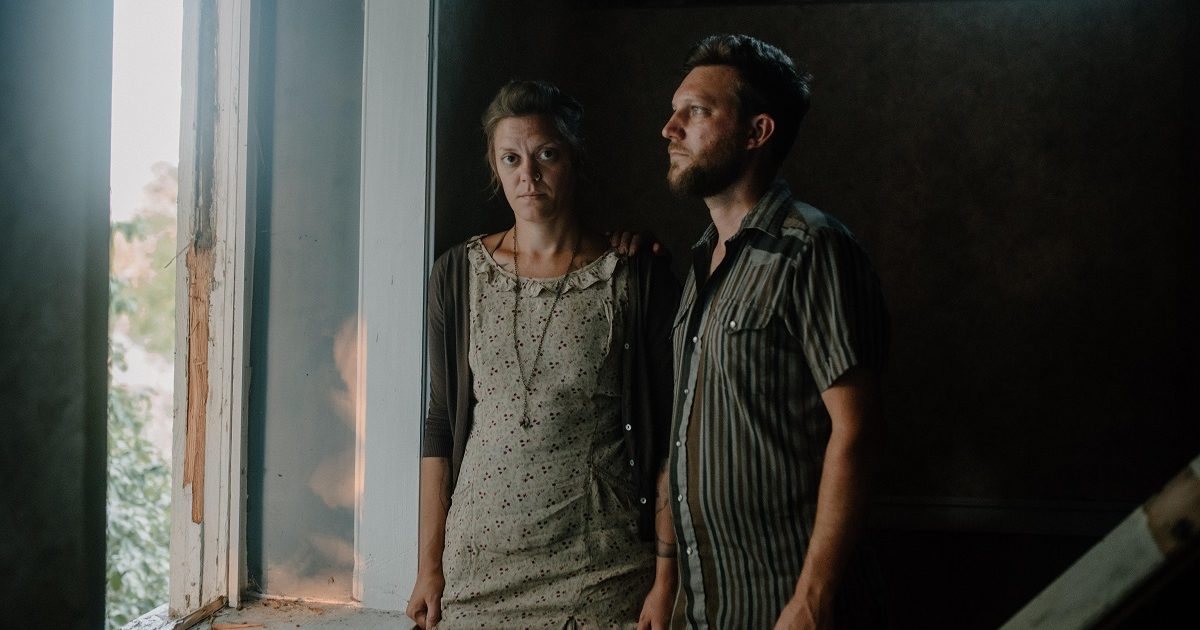
In Their Words: “Written in the spring of 2019 in a borrowed kitchen in Michigan, one week after the collapse of our family. This song is one that was written into the darkness, realizing that we could never go home again — not in the way we always have, if at all. But those things — like the maple tree in the front yard, or the blackberry bushes — those can still be ours. As difficult and traumatic as family severance is, we decided we didn’t have to lose everything. We didn’t have to be alone. We have as much right to a family to call our own as the family that won’t call us their own, anymore.” — Scott Tyler and Mallory Graham, The Rough & Tumble


Photo credit: Annie Minicuci Fine Art Photography

LISTEN: Steve Earle Made This Record to Say Goodbye to Justin Townes Earle

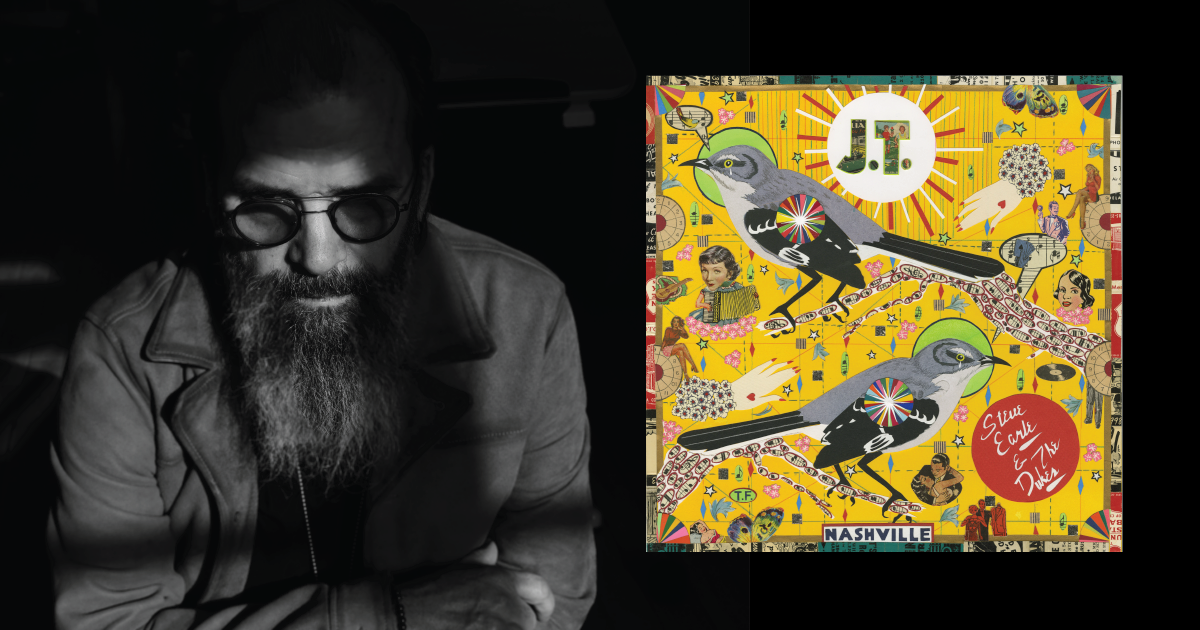
Taken far too soon, exemplary Americana and blues music songwriter Justin Townes Earle has been dearly missed by so many since his tragic death in August 2020. An accomplished writer, performer, and recording artist in his own right, Justin Townes is survived by his father Steve Earle, whose long and illustrious career as an outlaw country pioneer kindled in his son a strong penchant for genuine, raw folk music in its entire array. In loving memory, Steve Earle & the Dukes issued a special album titled J.T. on January 4, 2021, marking what would have been Justin’s 39th birthday.

A powerful manifestation of a father’s love and as true an expression as he has ever made, Earle reimagined and recorded ten of his son’s original songs. With a little less polish, slightly more banjo, and a helping of the elder Earle’s secret Texas Country sauce, the tracks feel as natural as any he’s written himself. The album concludes with a poignant ballad, written as a letter to Justin and graced with that indefinable air that could halt a listener’s day in its tracks.

Released within the album’s liner notes is a touching tribute, where Steve Earle writes, “For better or worse, right or wrong, I loved Justin Townes Earle more than anything else on this earth. That being said, I made this record, like every other record I’ve ever made… for me. It was the only way I knew to say goodbye.” Stream the new album J.T. below.


LISTEN: Annie Mack, “Shadows of a Kingdom”

Artist: Annie Mack
Hometown: Rochester, Minnesota
Song: “Shadows of a Kingdom”
Album: Testify
Release Date: January 29, 2021

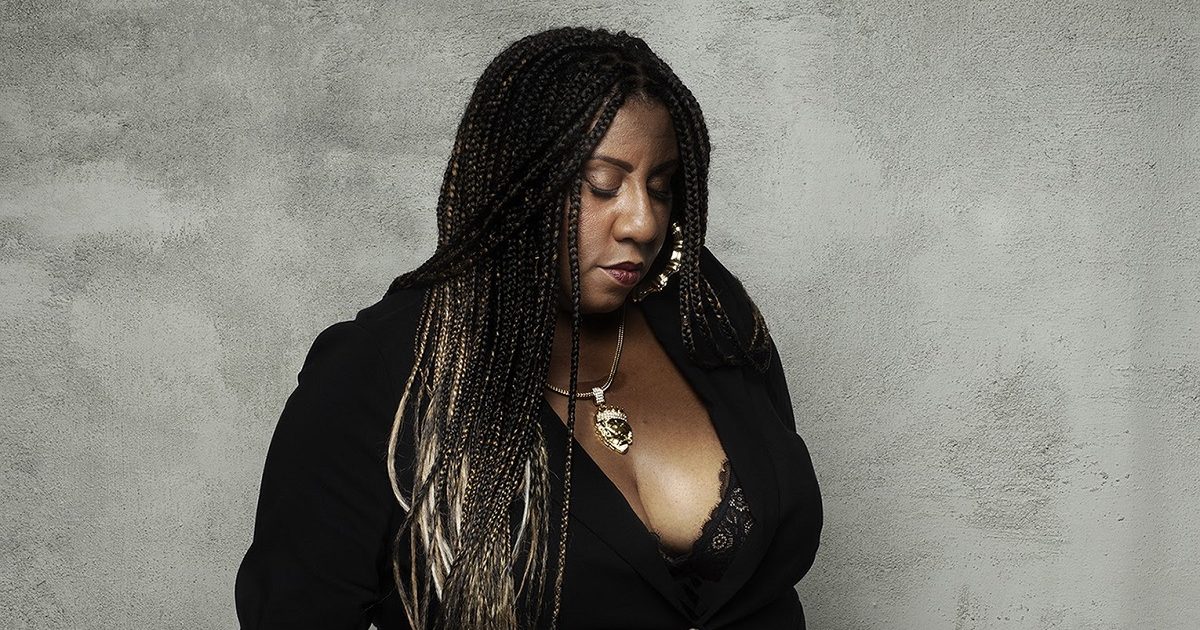
In Their Words: “Two years ago my daughter was fighting for her life, for her voice to be heard. No matter how much I loved her and wanted to go through it for her, this was her journey and beast to kill. And she did. I wrote this song for my daughter, but it’s really a love letter to all Black women, giving voice to the defining moments that we can use to step into our power and sovereignty.” — Annie Mack


Photo credit: Shelly Mosman 

WATCH: Buck Meek, “Candle”

Artist: Buck Meek
Hometown: Wimberley, Texas
Song: “Candle”
Album: Two Saviors
Release Date: January 15, 2021
Label: Keeled Scales

In Their Words: “Have you spoken to your god through a seashell? Have you ever instinctually called a loved one the instant after a near-death experience? Has a nosebleed ever sprung at the definitive moment of personal growth, like a threshold? Has a friend felt you light a candle from 1000 miles away? Do you drive with the windows down and the heat on full blast? Have your eyes changed color?” — Buck Meek


Photo credit: Robbie Jeffers

LISTEN: Barry Gibb and Jason Isbell Share “Words of a Fool”

Legendary artist Sir Barry Gibb of Bee Gees fame has now fulfilled one of his greatest artistic visions. Gibb, the sole remnant of the pop music paradigm, is a self-avowed lifelong bluegrass and country music fan, and his new album bears testament to that affinity. The record, titled Greenfields: The Gibb Brothers Songbook, Vol. 1, offers twelve Gibb brothers classics reimagined with voices from across the bluegrass and country music realms. Guests include Brandi Carlile, Tommy Emmanuel, Jason Isbell, Alison Krauss, Dolly Parton, and Gillian Welch & David Rawlings, to name only a few.

The magnitude of creative power is manned by none other than Nashville producer Dave Cobb, whose expertise and track record ensure that the new album will be nothing short of magical. Remembering his late brothers, Gibb says the collection is something that “Maurice and Robin would have loved… for different reasons.” To promote the January 8 release, Gibb shared an insightful trailer for the album, in which he details the influences, goals, and parts of the recording process that created Greenfields. Watch the trailer and listen to “Words of a Fool” featuring Jason Isbell below.


Photo credit: Desiree Prieto

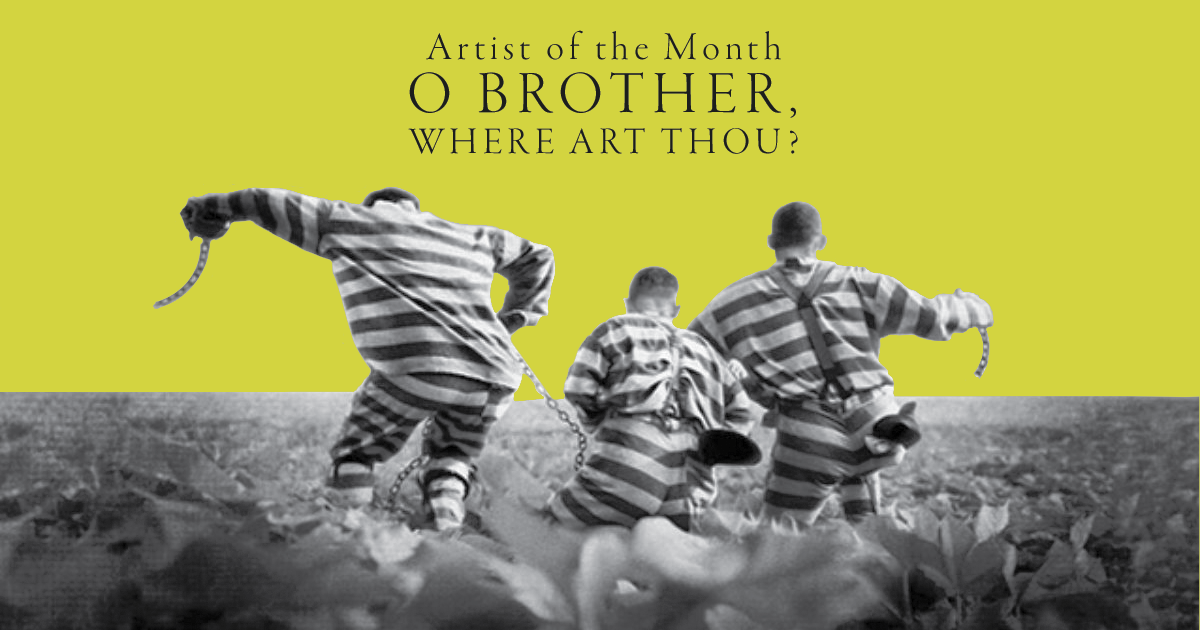
Artist of the Month: ‘O Brother, Where Art Thou?’

Twenty years ago, in 2001, the music of O Brother, Where Art Thou? captivated America and, suddenly, bluegrass appealed to pretty much everybody. We could all sing at least a few words of “I Am a Man of Constant Sorrow,” though admittedly not sound as good as Dan Tyminski or the Soggy Bottom Boys. Roots music heroes Emmylou Harris, Alison Krauss, and Gillian Welch added more positive press to their résumés, and before it was all over, the generation-spanning collection won multiple industry accolades, inspired a national tour, and even led to the first-ever Grammy Award for Dr. Ralph Stanley.

The song choices were largely well-known to dedicated bluegrass listeners, but even so, chestnuts like “I’ll Fly Away” don’t routinely end up on albums that sell eight million copies. Legends like Norman Blake and The Fairfield Four shared the spotlight with rising talent such as Chris Thomas King and The Peasall Sisters. Two decades later, The Whites still perform their version of “Keep on the Sunny Side” on the Grand Ole Opry at nearly every appearance, and to be sure, the audience smiles and applauds to hear it again.

This month, we’ll look at the legacy of that landmark album as an inspiration to a new generation of acoustic musicians, along with an interview with family members of John Hartford, whose name is back on the Grammy ballot this year for the collaborative album, The John Hartford Fiddle Tune Project, Vol 1. We’ll also have a special edition of our Roots On Screen feature about the film. Plus, check out a special IBMA Awards show performance of “Down In the River To Pray” and an archive edition of The Breakdown. And to finish out the month, we asked a crew of young bluegrass and Americana stars what the film means to them. While you’re at it, put down the Dapper Dan and turn up the O Brother, Where Art Thou? soundtrack below.


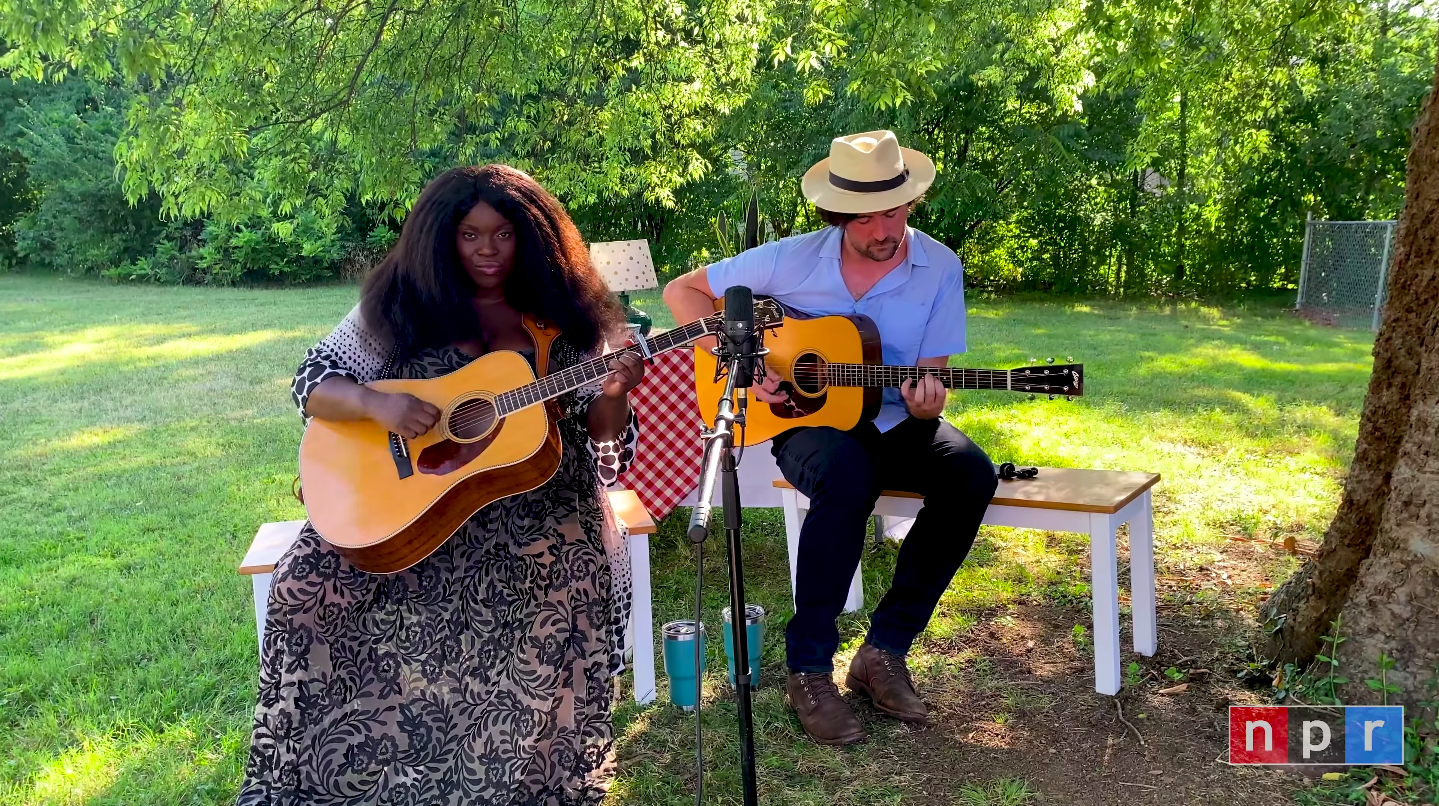
WATCH: Yola Takes Her Tiny Desk (Home) Concert Outside

Taking NPR’s Tiny Desk (Home) Concert series to the socially distanced outdoors, much-loved artist Yola offers outstanding acoustic versions of three songs from her breakout album, Walk Through Fire, as well as a song from her debut EP. The Bristol-born (that’s Bristol, England) singer-songwriter is as vivacious as ever, yet the outdoor setting of her home concert channels a different, more personal presentation. Yola accompanies herself on guitar, joined by gifted guitarist Jordan Tice (also a member of the band Hawktail). There’s not much one can do to strip down the power and energy of Yola’s songs, but the two paint the them in a somewhat gentler light.

The second song on the docket is from Yola’s 2016 EP, and in the song’s introduction, she describes the newfound relevance of the song in light of the ever-growing Black Lives Matter movement and our nation’s struggles with the global pandemic. The song, titled “Dead and Gone,” speaks on the impossible struggle that she has felt as a Black woman in a world wrought with racism and sexism. Yola’s delivery is a powerful statement on pretense, one that needs to be heard now more than ever. Watch the full Tiny Desk Home Concert here.