LISTEN: James Elkington, “Sleeping Me Awake”

Artist: James Elkington
Hometown: Chicago, Illinois
Song: “Sleeping Me Awake”
Album: Ever-Roving Eye
Release Date: April 3, 2020
Label: Paradise of Bachelors

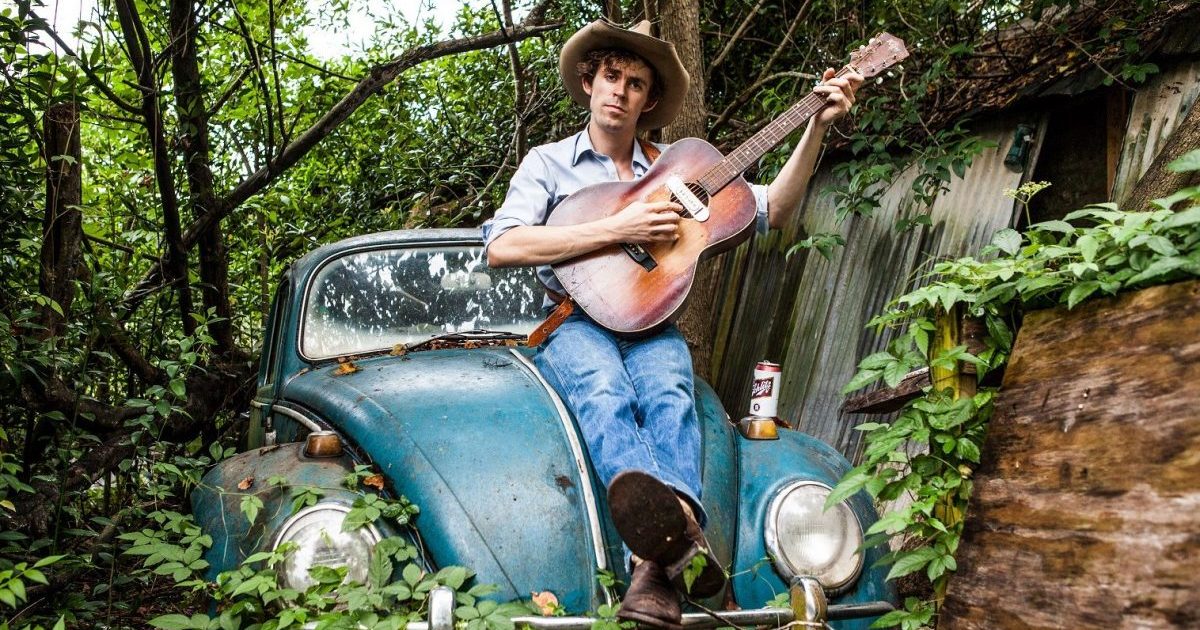
In Their Words: “The lyrics of this song have to do with that moment in the middle of the night where you’re briefly awake, but trying to bat conscious thoughts away in the hopes of getting back to sleep. In my case, these thoughts can usually be collected under the heading ‘What should I be worried about right now?’ Some of these concerns are real, some are imagined, and some are a combination of the two. I accidentally sang the wrong backing vocals on the second chorus and it’s one of my favorite parts of the whole record.” — James Elkington


Photo credit: Timothy Musho

LISTEN: Heather Anne Lomax, “Heart Don’t Lie”

Artist: Heather Anne Lomax
Hometown: Los Angeles, California
Song: “Heart Don’t Lie”
Album: All This Time
Release Date: May 1, 2020

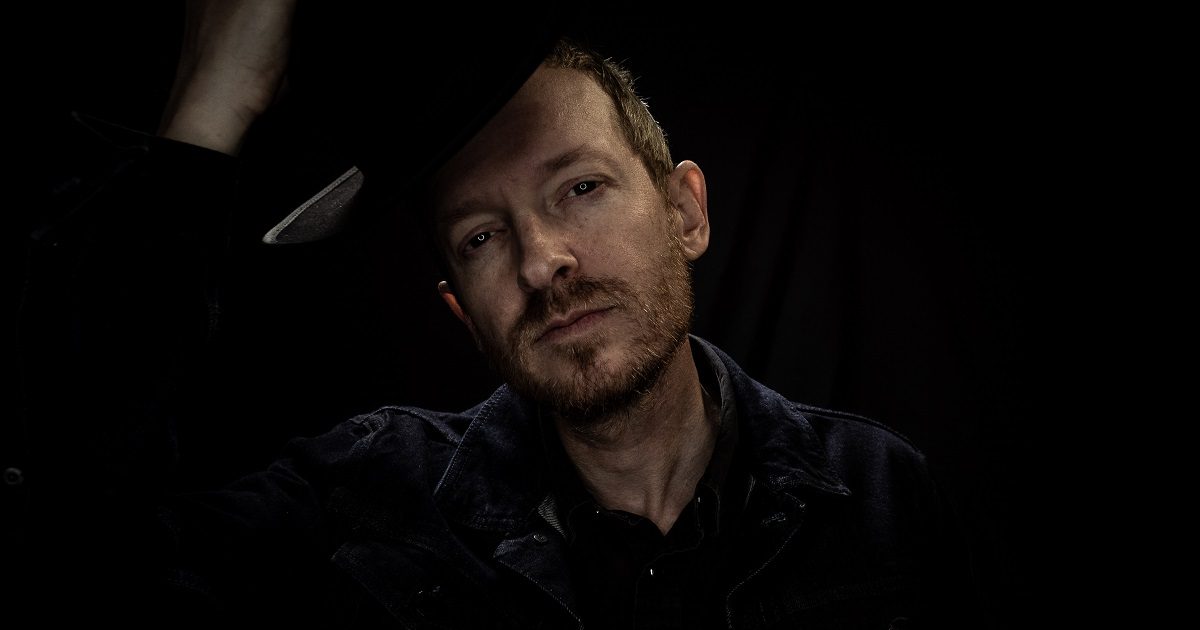
In Their Words: “This is a song about love and longing. It is a song of yearning and of the unseen ties that bind two souls, regardless of space and time. It’s about ‘memories, pressed between the pages of of my mind.’ I think I wrote this song in ten to fifteen minutes while up late at night, probably around two or three in the morning.” — Heather Anne Lomax


Photo credit: Neil Kremer

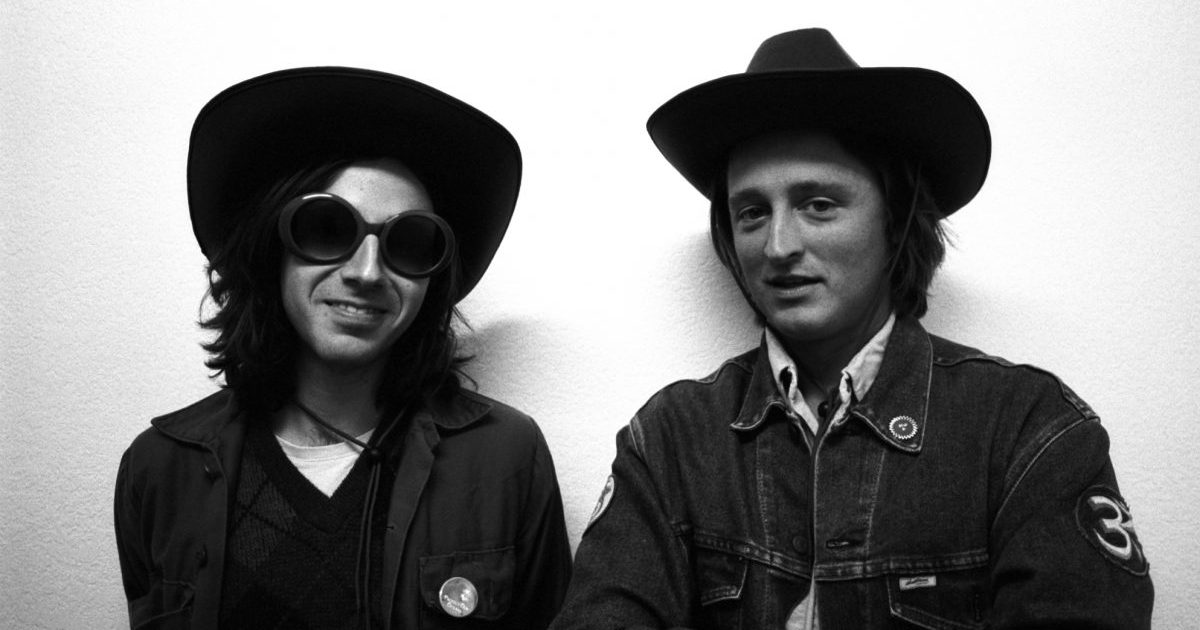
For First Solo Album, Sam Doores Opens the Map of Musical Influences

Sam Doores cut his teeth as a Bay Area-born teen troubadour busking around the U.S. before he got his first real break with a steady gig at an Irish pub in New Orleans. In that same city he co-created some of the last decade’s most arresting socially-conscious anthems with Hurray for the Riff Raff and made sparkling folk- and country-derived excursions with his own band, the Deslondes.

And now he’s got his first solo album, Sam Doores, recorded primarily in Berlin and filled with echoes of everything from Tin Pan Alley to the Mississippi hill country, from French Quarter jazz to California psychedelic-folk-rock.

So, let’s talk about Cambodian rock ’n’ roll. “Cambodian Rock n’ Roll” is, in fact, the title of one of the songs on the album.

“No one’s asked me about that!” he says, excitedly, on the phone from New Orleans, where he’s lived now for 14 years. “Do you know the compilation, Cambodian Rocks?”

It’s a 1996 collection of recordings made by a wealth of artists in Cambodia who embraced American surf, garage-rock and psychedelic styles and gave them scintillating Southeast Asian twists, before the brutal reign of the Khmer Rouge, in which many of those performers were killed or imprisoned.

“A friend played it for me one time on a road trip and I fell in love with the style and sound,” he says, adding that he then watched Never Forget, a documentary about that time. “So heartbreaking, and after watching it the music hits on a deeper level.”

Now to be clear, the song doesn’t sound like Cambodian rock ’n’ roll, but rather is a “tip of the cap” to it, in a somber reminiscence about listening to it with the friend who introduced him to that music. The songs on Sam Doores aren’t tinged with that tragedy, yet there is a wistful, muted melancholy and sadness throughout. “There’s some darkness, for sure,” he says.

Well, there’s going to be. It’s a breakup record, after all, largely coming from the end of a long-term relationship. The album explores various shades of that darkness, of unsettling loss and longing. There’s often light shining through, with residual and resurgent hope and joy. To some extent it all comes together, brutally, midway through the album with the song “Had a Dream,” born out of two losses that happened in his life over the four years in which the material on the album came together.

“That came to me when I knew I was losing someone who had been one of the closest people in my whole life, and I knew I wasn’t going to be able to get that person back,” he says. “And a friend of mine was dying. It’s about eventual letting go. For a long time I thought my friend was going to pull through, beat his sickness, and I thought I was not going to lose my love. Both ended up getting lost. I wrote about that time. Wanted the music to have the frantic, desperate feeling on the verses, but also the melancholy of the choruses.”

The sensibilities tie together seemingly disparate emotions, and disparate musical tones. On one end is the upbeat, generous and genuine “Wish You Well,” one of several songs featuring members of Tuba Skinny, a leader of a vibrant wave of young bands enlivening traditional New Orleans jazz. On the other, the very downcast acoustic guitar “Red Leaf Rag,” evoking a “dark dream world” that he says really should have been called a “drag” rather than a “rag,” or maybe a “dirge.” It’s all no less a factor on songs occupying the middle ground, including “Other Side of Town,” co-written with and featuring lead vocals of Doores’ longtime musical partner, Hurray for the Riff Raff’s dynamic leader, Alynda Segarra.

They also tie together, or perhaps are tied together by, the two cities in which the songs were shaped: New Orleans and Berlin. In many ways the album is the story of his 14 years in the former, having arrived when he was just 19.

“I was hitchhiking on my way [here] when Hurricane Katrina hit [in August 2005] and ended up in Austin for a while” he says. “Met some New Orleans musicians who had relocated there and they talked me into coming to JazzFest in 2006. I felt like I’d left the country. By far the most exciting place I’d been. Been to Havana, Cuba, once before. My high school jazz band went there. Reminded me more of that than anywhere. Was just going to be here one weekend.”

New Orleans has a way of changing people’s plans. That first day he stumbled upon an unannounced small-stage set by Elvis Costello and Allen Toussaint warming up for their later big-stage show, and later saw the incredibly powerful performance in which Bruce Springsteen debuted his folky, New Orleans-esque Seeger Sessions Band, a show that had tens of thousands in the devastated city shedding tears of both sorrow and hope — and turned Doores from a Bruce doubter to a fan. He also had his first encounter with the colorful, beaded-and-feathered Mardi Gras Indian troupes, and he was smitten with it all.

“It totally felt like the beginning of the rest of my life that day,” he says.

Having spent all of his money, he went to busk on Bourbon Street, the owner of the now-gone Kelly’s Irish pub saw him and hired him for a regular gig. “He said, ‘Want to try your luck on a real stage?’” Doores says. “I thought, ‘Wow! Playing inside?’”

Soon he met Segarra and formed a musical partnership that evolved into Hurray for the Riff Raff. As that band took off, he launched the Deslondes (named after the street on which he was living) as a second creative outlet. Through it all, the love and loss captured in Sam Doores took place.

It was in Berlin that he found the environment in which he could shape that into the album; that took place over the course of four years in a studio built by producer Anders Christopherson.

“I actually didn’t know Anders until we started recording,” he says. “He wrote me and Alynda one time out of the blue. Had heard a record of a band we were in together, Sundown Songs. Wrote and said if you are ever coming through Berlin I’d love to record you.”

Not long after, as it happened, the Deslondes were doing the band’s first European tour, so he arranged to spend a week in Berlin and by the end of that time he determined to make a full record there, though it would have to be done in four different stretches over several years. Christopherson put together a “house” band to bring Doores’ ideas to life, primarily himself and a Spanish keyboardist named, yes, Carlos Santana. A lot of experimentation happened with combinations of instruments — vibes, autoharp, an electronic “disc” organ, glockenspiel, and so on. And realizing Doores’ long-standing ambition, strings were added to some songs in arrangements by Manon Parent.

Somehow, it all works as an integrated whole.

“I think there are some core instruments we tended to use in the arrangements that sonically thread the record together,” he says. “In terms of influences, a lot of different tones. Some old New Orleans R&B, some of the opposite — psychedelic folk experimental soundtrack music.”

In some places it might remind of the “vintage” touches associated with such figures as Harry Nilsson and Van Dyke Parks. Doores loves those comparisons, then observes, “We listened to a lot of Nina Simone and early reggae — a lot of Upsetters, early Studio One stuff, early Wailers. Anders has an incredible record collection. Wherever we weren’t recording, we were in his kitchen listening to that stuff. We didn’t do any straight up reggae, but it influenced us in some ways, the bass lines and the organ.”

That was just part of the musical and personal oasis he found there, a space that let him find the full expression for his New Orleans stories. The importance of that is so profound that he wrote an instrumental impression of that environment, “Tempelhofer Dawn,” a gentle, muted, nostalgic waltz — and ultimately chose it to open the album, to serve as a curtain-raiser on the song cycle that follows.

“Tempelhofer is the name of the street the studio is on,” he says. “A lot of moments after late nights going out, or early mornings waking up, I spent a lot of time there with the birds or children playing and that gave a feeling that matched the song.”

He recorded it live in studio, with himself on piano joined by Santana on organ and Parent and Mia Bodet on violins. “It’s a nice way to ease into the record,” he says.

In many ways, given the breakup at the heart of the album, it sounds like both a beginning and an ending.

“It felt like the first track,” he says. “Or the last track.”


Photo credit: Sarrah Danzinger
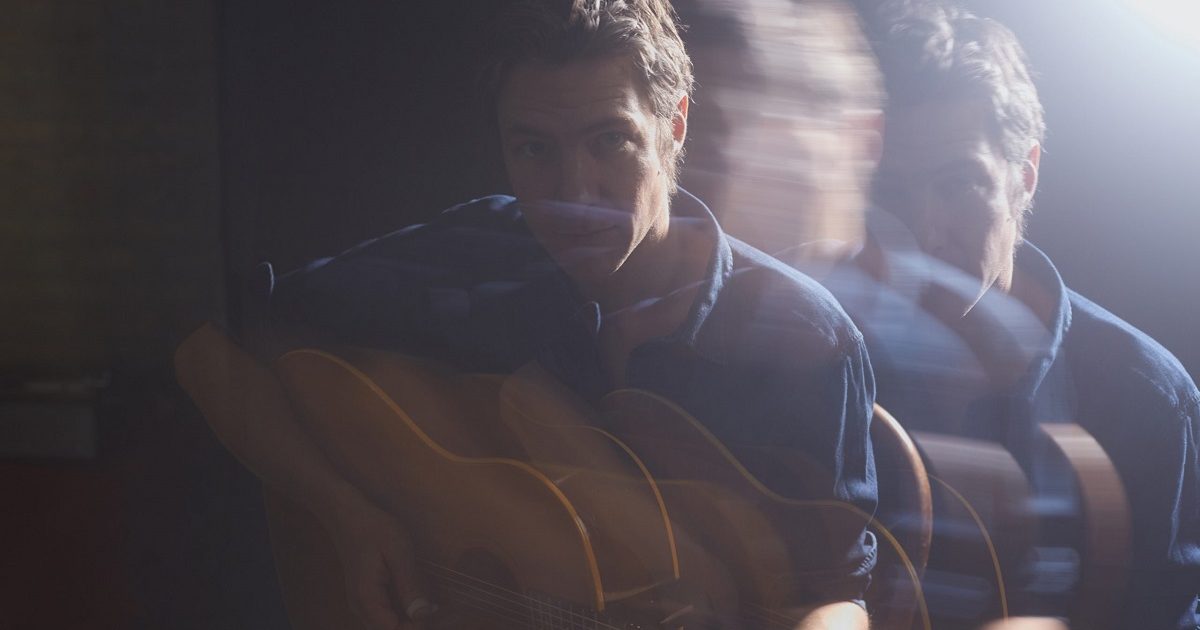
LISTEN: James Hyland, “Ghost”

Artist: James Hyland
Hometown: Austin, Texas
Song: “Ghost”
Album: Western
Release Date: May 1, 2020
Label: James Hyland Music

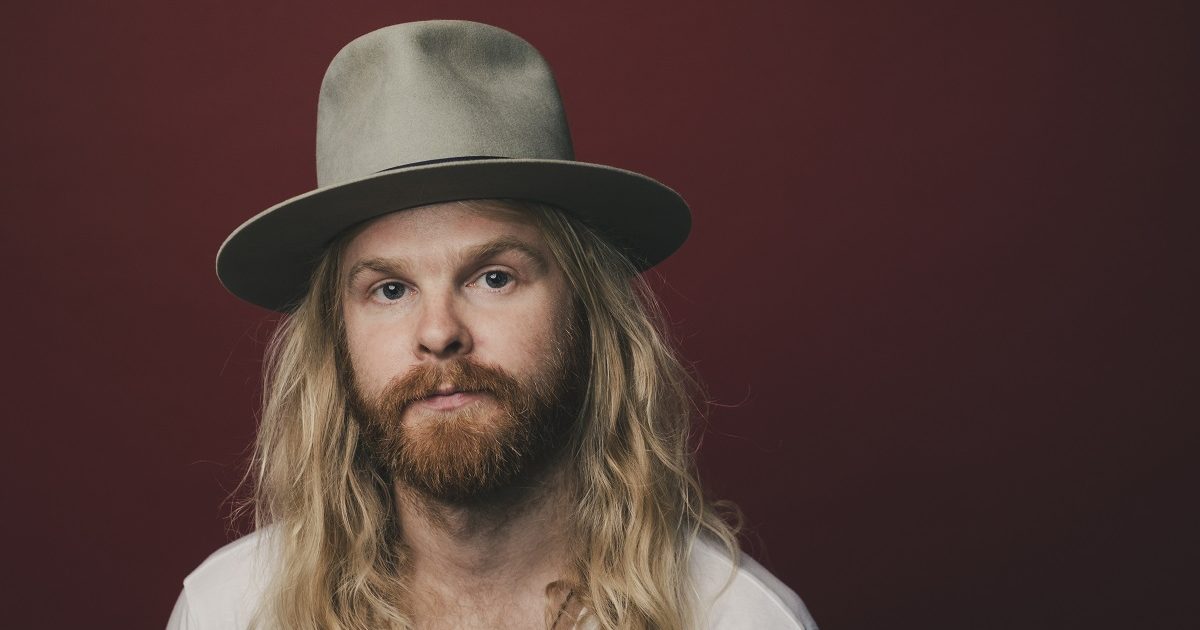
In Their Words: “‘Ghost’ is about how strong the past can influence our emotions that drive us to make the decisions that shape our future. This song is about writing and creating songs that my dead heroes would enjoy. I imagine they’re in the room with me as I’m writing and if the line isn’t good enough for the imaginary people there in my room, how could I possibly keep it and play it for the people who are alive? Every couplet counts. The character in the song is haunted by their dead heroes, whose unwritten songs manifest in the writings of the one they influence.” — James Hyland


Photo credit: Ty Hudgins

LISTEN: Ruthie Collins, “Wish You Were Here”

Artist: Ruthie Collins
Hometown: Originally from Fredonia, New York; now based in Nashville
Song: “Wish You Were Here”
Album: Cold Comfort
Release Date: April 3, 2020
Label: Sidewalk/Curb Records

In Their Words: “I decided to take myself on a solo vacation to my favorite beach, a place just outside New Orleans called Pass Christian. I was trying to get over this guy, so the idea was to do whatever I wanted, eat whatever I wanted, just have some quality alone time. But instead, it felt like the guy was haunting me and I was thinking about him all the time. I thought I get over him by leaving town, but instead I was sitting by the beach drinking wine and writing songs about him.” — Ruthie Collins


Photo credit: Cal + Aly

BGS 5+5: Mapache

Artist: Mapache (Sam Blasucci and Clay Finch)
Hometown: Glendale, California
Latest Album: From Liberty Street
Rejected band names: La Cabañita, Sam & Clay, Clam. Not sure why we thought Mapache was any better than the rest.

What other art forms — literature, film, dance, painting, etc — inform your music?

All of the above really. Everything going in and out of the psyche is what we tend to be writing in our songs. The books we read play a big role in what we write, things like Sy Montgomery’s The Soul of an Octopus, Kon-Tiki, Charlotte’s Web, Christian Wiman’s Joy anthology. Lots of films, too, like young Kiefer Sutherland in The Lost Boys, Wim Wenders’ Paris, Texas, Frozen II, The Umbrellas of Cherbourg, Seems Like Old Times, and lots of others.

Other art forms like gardening and painting as well. I’ve only recently started painting and I know that it looks dreadful to anyone else who sees my finished products, but they look nice to me and allow me to open up in other ways that eventually come back around in their turn to our music as well. — Sam

What was the first moment that you knew you wanted to be a musician?

Not until after our second record was recorded and we had been traveling and playing music for about four years. It’s a lot of questioning constantly of whether or not this is really what I want to do and I’m happy about that. I think it has taken time for me to realize that it is actually something I can do. I feel like now I’m committed to it and that I really do want to do it because it feels right. But I won’t ever really stop wondering. I think the wondering is what gives you the reason to do it anyway.

Many musical moments in the past have lead me to love music the way I do now. Raffi in my crib, hearing my dad’s guitar solos, our first battle of the bands in high school, our first time recording anything or trying to learn how to sing harmonies — those are all growing pains for me musically. Painful in some ways looking at the level of our talent back then but definitely key in figuring out our taste and what we want to do with music. — Sam

What’s your favorite memory from being on stage?

I think my favorite moment on stage happens fairly often: It’s when Sam and I look at each other and start laughing, usually mid-song, and I think it’s because in the same weird moment we sort of realize how strange and funny and awesome playing music on a stage is. Some other favorite moments were playing in Spain and having the crowd sing along to our songs in Spanish, having Jonathan Richman watch us play a set, sharing the stage with Beachwood Sparks, and anytime we get to play in Big Sur. — Clay

Which elements of nature do you spend the most time with and how do those impact your work?

I spend a lot of time in the ocean. This leaves me pretty sunburned and sleepy a lot of the time, and when it’s really good I see waves rolling when I close my eyes. Feeling like this and playing music is the best. — Clay

Since food and music go so well together, what is your dream pairing of a meal and a musician?

The best pairing of food and music is at El Compadre in Echo Park where you can watch Trio Los Principes and eat beans and chips and drink flaming margaritas. The trio is truly one of the most badass bands in LA. Sam and I like to go like to meet up with our buddy Tim Hill there and plot world domination and watch Dodgers games. — Clay


Photo courtesy of Mapache

LISTEN: Jeff Crosby, “My Mother’s God”

Artist: Jeff Crosby
Hometown: Nashville, Tennessee
Song: “My Mother’s God”
Album: North Star
Release Date: April 24, 2020

In Their Words: “I wrote this song with Micky Braun in Boston last year and it ended up on the new Micky and The Motorcars album as well. I’ve never been very religious, but my friend Brian in Idaho sent me the line: ‘I should thank my mother’s god’ and it set the theme for the rest of the song. I’d also been hanging on to the chorus line: ‘Throw your heart in the river and hope it sees the ocean someday’ for a while. Micky came up with some really great lines for both verses and helped me round out the chorus. We probably finished the tune in 10 minutes over a bottle of wine. Lyrically it’s one of my favorite tracks on the album. My favorite songs are always the easiest to write it seems.” — Jeff Crosby


Photo credit: Scott Simontacchi

LISTEN: Matthew McNeal, “Michael”

Artist: Matthew McNeal
Hometown: Fort Worth, Texas
Song: “Michael”
Album: Good Grief
Release Date: April 3, 2020
Label: Matte Black Sound Company

In Their Words: “This was the first song I wrote for the album. Right before we left for the Good Luck record release tour in 2018, my father passed away out of the blue. I chose to carry on with the tour in [an] effort to heal and cope the only way I knew how — sharing stories with people out on the road and letting the highways settle my mind. Within the first couple of days on tour, my bandmate and best friend Andre and I had a few voice memos that laid the foundation for the song.

“It was a tough loss, losing my dad. I was actually named after him, we share our first name, ‘Michael’ (I have always gone by my middle name) and that gave me an even more introspective look into my own life upon his passing. My folks split up when I was six, but we tried to see each other whenever we could. There was anger held against him on my end, growing up with a single parent for many years was just my ‘normal.’

“We made our memories together over the years, though they were often few and far between due to the quick pace of life, but we had started to become much closer after I graduated college. We could see each other eye to eye a little more, there was a new level of shared understanding between us. I was beginning to find out a lot about myself by being around him, seeing some of the similarities that we shared that I had never noticed. Our relationship was coming full circle in a way that my heart had sought after for a long time, whether I could put a finger on it or not.

“Within the span of two days, he was here and gone. I lost my dad on the morning of my 25th birthday and it completely changed my life. Being able to write a song honoring him, and sharing the feeling that your loved ones are never truly gone — they always stay with you in your mind, your heart, and your soul. Losing loved ones is part of this story that we all live and I hope that ‘Michael’ offers a little bit of peace and comfort to those who have felt that same pain.” — Matthew McNeal


Photo credit: AJ Aiello

BGS Long Reads of the Week // April 3

We all tell ourselves we want to read more, now is the chance! Our #longreadoftheday series looks back into the BGS archives for some of our favorite reporting, videos, interviews, and more — featured every day throughout the week. You can follow along on social media [on Facebook, Twitter, and Instagram] and right here, where we’ll wrap up each week’s stories in one place.

Our long reads this week say goodbye to March and hello to April, they look to the stars and to family members for inspiration, and above all else they spread the joy of music far and wide. Check ’em out:

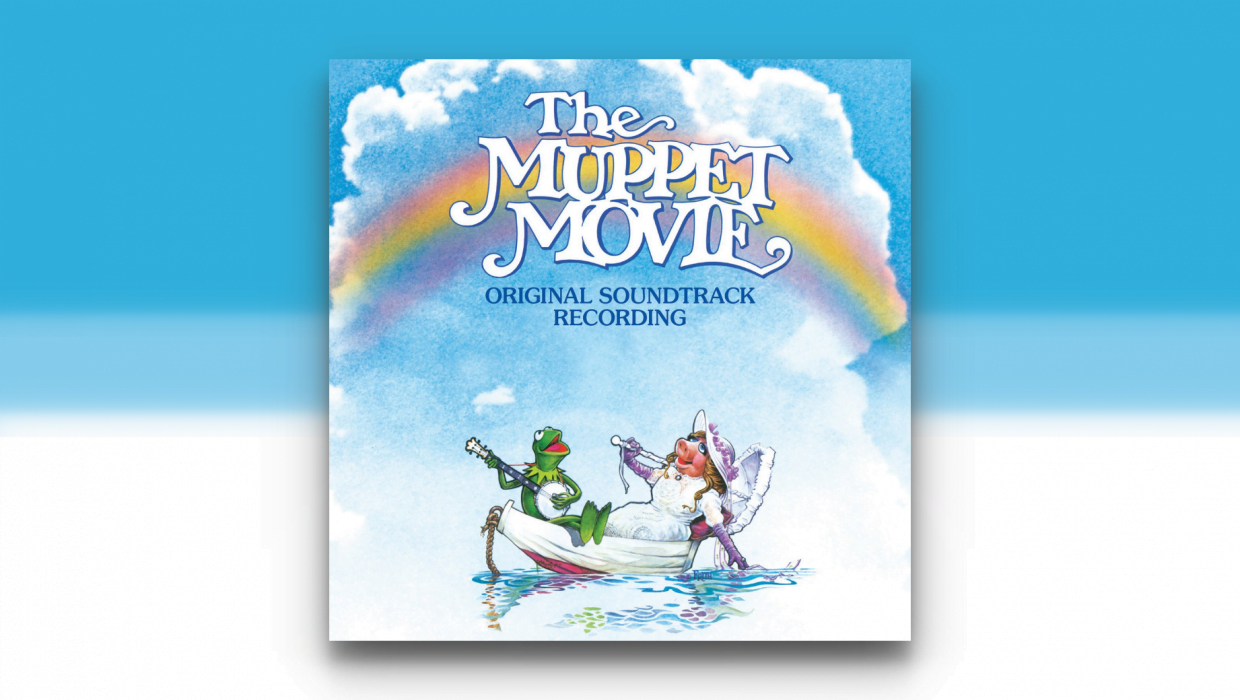
“The Rainbow Connection” at 40: Paul Williams Reflects on Kermit the Frog’s Banjo Classic

One day we’ll find it, the rainbow connection. It’s a song of dreaming, of looking to the stars at night for guidance and inspiration. To mark the 40th anniversary of this iconic song, we spoke to its songwriter, Paul Williams, for an edition of our column, Roots On Screen. For many viewers, Kermit the Frog would have been their introduction not only to this modern classic, but the banjo, too. [Read about “The Rainbow Connection”]


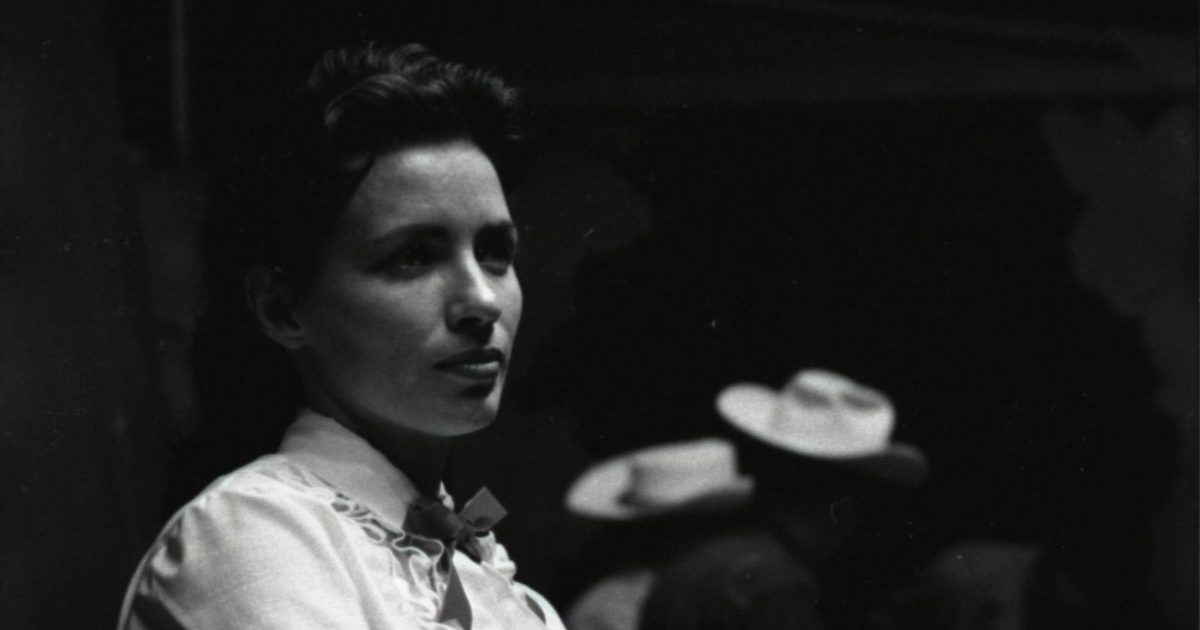
June Carter Cash Connects the Classic Eras of Country Music

To say goodbye to Women’s History Month we spent a day going back to each of the stories in our Women’s History series, starting with this history of June Carter Cash’s career. Known often as an addendum to others — including her era-defining husband Johnny Cash and her genre-creating family — June was a consummate performer, musician, and something of a comedian herself. [Read the story and watch June perform]


Ranky Tanky Takes Gullah Culture Around the Globe

South Carolina quintet Ranky Tanky won a Grammy Award for their latest album, Good Time, a project that took Gullah music and culture around the world. Not familiar with Gullah? Don’t worry, that’s kind of the point. While many fans of American roots music are familiar with zydeco, Cajun, creole, and other cultures, Gullah remains largely unknown — a music of the African diaspora that’s peppered up and down the coasts and sea islands of South Carolina and Georgia, where it’s known as Geechee culture. [Read more and introduce yourself to Gullah]


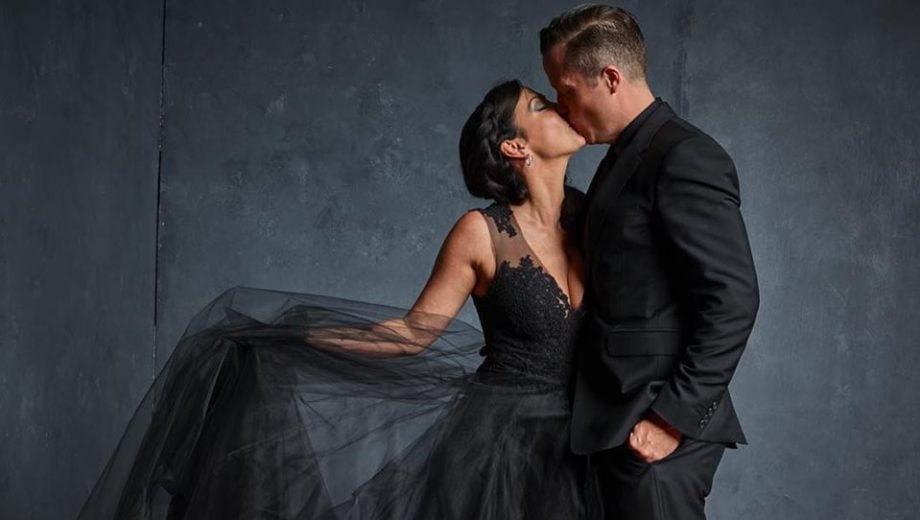
Why “Cover Me Up” Is the Truest Love Song Jason Isbell Will Ever Write

Month after month, year after year, this is one of our all-time best-performing stories on BGS. And it’s no wonder; “Cover Me Up” speaks to folks. It’s a wedding song, a break up song, an anniversary song, a first love song. (It’s also not so bad for your isolation playlist, either.) Until more recent Isbell-penned treasures like “If We Were Vampires” came along, it was unparalleled. Even so, it still stands apart. Find out why music fans the world over keep flocking to this particular piece of writing. [Read the feature on BGS]


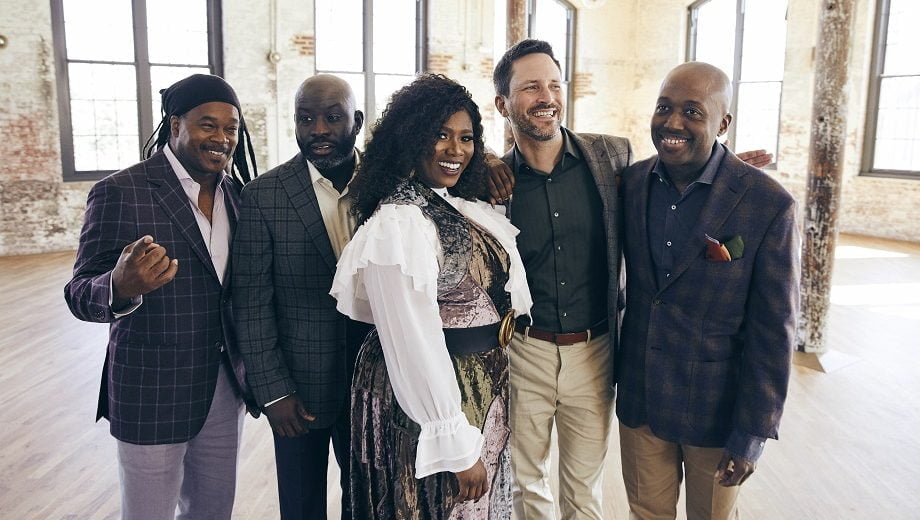
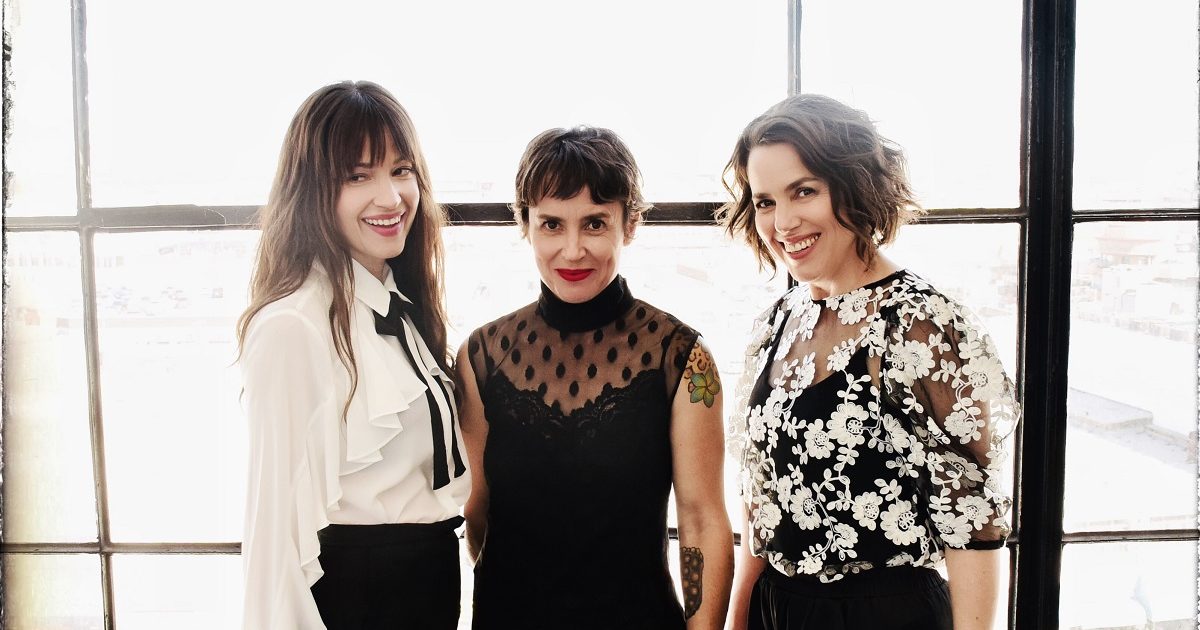
The Haden Triplets Share Their Musical Legacy in The Family Songbook


Here’s a piece that keeps it all in the family! Calling The Haden Triplets a family band is definitely an understatement. The three sisters channel cross-generational musical inspiration on their most recent album,
The Family Songbook. While they’re looking back, their idea was not to recreate the old days, but to interpret and pay homage. [Read more]


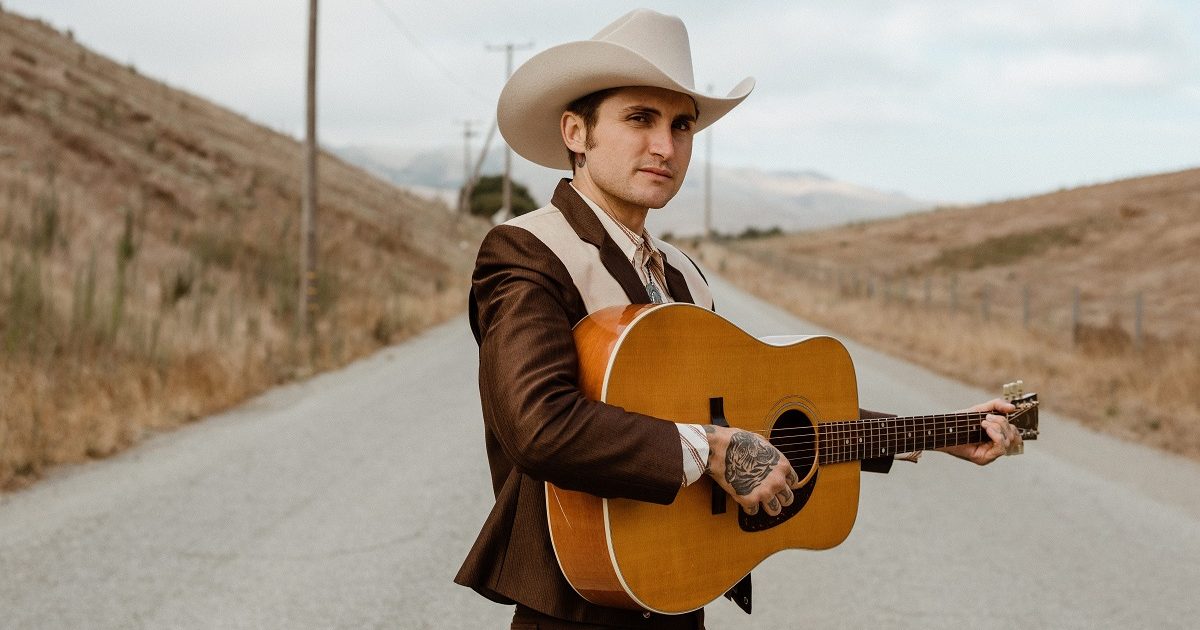
Jesse Daniel: ‘Rollin’ On’ After Rocky Times

To quote the title of his new album, Jesse Daniel is indeed rollin’ on, moving past the setbacks of his past and now celebrating three years sober. One thing that hasn’t changed? His dedication to classic country music. With its echoes of Buck Owens, Ray Price, and other legends of the ‘50s, Rollin’ On simply extends the traditional country sound Daniel explored on his self-titled debut album in 2018. He recorded it in San Antonio with producer Tommy Detamore.

“I’ve been telling people that the record I did before was songs that I had written over a period of years that dealt with a lot of past stuff,” he says. “This one has some of that, but it’s a lot more about moving forward, and to me, even physically driving, moving forward. It’s symbolic of that. I think it naturally fell into place with the theme of this record.”

That drive is evident in “Tar Snakes,” “The Mayo and the Mustard,” and the rousing title track. He knows something about mileage, too. Raised in a rural mountain town near Santa Cruz, California, and now living in Austin, Texas, Daniel caught up with BGS during a tour stop in Nashville.

BGS: I hear a positive attitude coming through several of these songs, like “If You Ain’t Happy Now (You Never Will Be)” as an example. Do you consider yourself an optimist, or in a pretty good place these days?

JD: Yeah, definitely. I’ve been a pessimist before in my life. I know what that’s like, but at this point, yeah, I definitely consider myself an optimist. And that song, it’s funny, the title of the song might seem almost like a slam on someone or something. When you listen to the lyrics, I wrote that song as a reminder to myself. You could have everything in the world and still be miserable if you’re not focusing on the here and now and what matters.

At what point did you begin to write songs?

I’ve been writing songs and short stories since I was a young kid in elementary school, and I would always write wild stories. You know, I had a crazy imagination as a kid, and then I got into punk rock when I was in my teen years. And country songwriting and writing in this style started as a cathartic thing because I always loved country music, but it naturally progressed.

How do you progress from punk to country? How did that happen?

I’ve seen there’s a common thread. I’ve talked to a lot of other musicians who play country music now that were into punk rock, and I think that there’s something about the spirit of it that was similar, that called me to it. …For me, I was introduced when I was really young to Buck Owens and Hank Williams and guys like that, and I always loved that music. There’s a lot of older punk rock guys that I knew that were listening to Black Flag and things like that. But they were also listening to old Hank Williams records. I got influenced by that. To me, it was almost the turning point, a maturity thing. I didn’t feel quite as angry, and even if I was, I wanted to do something constructive about it. And that, to me, was a more constructive form of expression.

Do you remember when you wrote your first country song you liked?

Mm-hmm [Affirmative]. I had been writing for a while and none of them really got completely finished. They were all ideas and things that turned into other things later on. But the first one that I finished that I remember liking was a song called “Don’t Push Your Luck.” I wrote that in a hospital bed in a rehabilitation center in Oakland, California. I was going through a lot of rough times in my life, and that was the head of everything where I decided to really start pouring myself into that. That was the first country song I was ever really proud of.

Was there a turning point where you got healthy or decided to take care of yourself?

Definitely, yeah. There was a guy who was in that program, and he worked there, and he’d come in and play guitar for us. I was sick for about a week detoxing, and I would hear him playing guitar in the other room. He’d come in playing Hank Williams songs and Emmylou Harris and all kinds of classic country songs. I went in and talked to him when I started feeling good enough to get up and walk around. I remember I said, “Man, I want to play music like you someday and do what you’re doing and play country music.” And he was like, “Why don’t you?” And he said it matter-of-fact, just like that. It really stuck with me and I always looked at that as a big turning point when he said that.

So I was sitting at a diner in Austin the other day, and I see this guy walk by, and I knew it was that guy, looked just like him. So I chased him down the street and it turned out that was the guy who told me that. He lives in Austin now, and I told him, “You changed my life, man. You really set this whole thing that I’m doing in motion.” And he is actually a musician and he’s going to sit in with us, hopefully, coming up at a couple of our shows. Pretty crazy twist of fate.

The musicianship on this record is really good. You and Tommy must’ve gotten along pretty well. What do you like about working with somebody a few generations older than you?

I’ve always had an affinity for older people and picking people’s brains, and I figured that it’s life experience. There’s something I can usually learn from those people, and with Tommy, that was definitely the case. He was full of stories and wisdom and experience. So yeah, working with him, with his age and experience, was awesome. Not to say that somebody younger wouldn’t have been great, too. My partner Jodi always jokes around that I will go someplace, and I’ll find the nearest 89-year-old person, and I’ll latch onto them. We’ll be hanging out and catching up.

Are you a bluegrass fan?

Yeah, I love bluegrass.

Tell me about how you discovered bluegrass music.

Oh, man. Actually there’s a lot of bluegrass where I grew up, up in the mountains and stuff, and there’s tons of players. But I first got my hands on a bluegrass compilation from a teacher I had, and she had a bunch of burned CDs. And one of them was a bluegrass mix. I remember she put it on one day, and my ears perked up. I was like, “I love that.” And it was Flatt & Scruggs, or something like that. I ended up borrowing it from her and taking it home and listening to it. I didn’t even know who all the artists were, but that was my intro to bluegrass. And then, over the years, I got exposed to it a lot growing up there.

How did you learn about who the artists were? Did you just start buying records?

Yeah, exactly. Buying records and finding records. I used to shop in the bargain bins a lot, and they had a bargain bluegrass section and country section at the local record shop. So I’d find a lot of stuff there. A lot of the guys that I’ve had in my bands over the years have also been bluegrass players. They’ve introduced me to a lot of that stuff. There’s also a really big old-time scene in Santa Cruz, so there’s an overlap with the old-time and bluegrass.

“Son of the San Lorenzo” is a neat way to close the record. It seems like a very personal song. What was on your mind when you were writing that?

“Son of the San Lorenzo” was really autobiographical. More than any of the other ones on the record, I think that is the most about myself and where I grew up in the San Lorenzo Valley. I didn’t mention it in the song outright, but I’ve had a lot of friends that I grew up with from that area pass away in the last four or five years. There’s a whole lot of drugs in that area, and that song was about leaving that area and leaving not those people, but those issues and past things behind. I’m glad that was the last one on the record, too. That’s why we put it there. It’s like a cathartic, moving forward type of thing.


Photo credit: Molly Gisholm