These Members of the Roots Community Embraced Innovation Amid a Pandemic

The roots music community, like the rest of the world, faced an uncertain future as the pandemic essentially wrecked everybody’s plans in 2020. However, a number of musicians and industry leaders figured out a way to navigate the uncharted waters with grace and bravery. The Bluegrass Situation invited five members of the roots community to share their thoughts on how they harnessed their creativity and embraced innovation over the last 12 months.

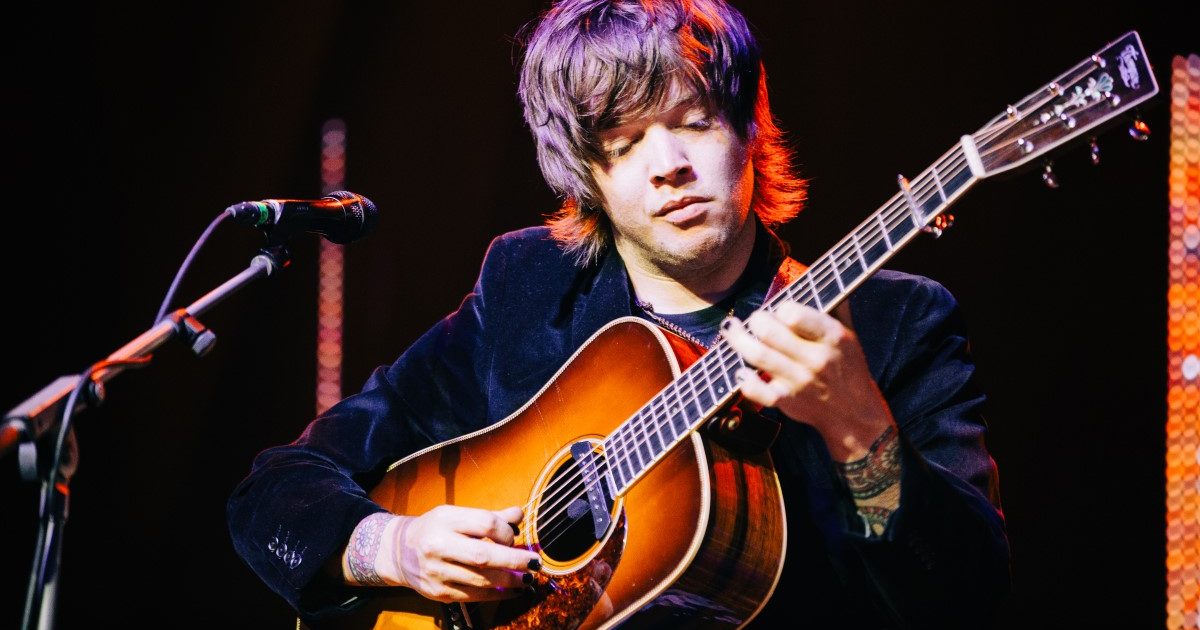
Billy Strings, Winner of “Breakthrough Artist of the Pandemic” at the 2021 Pollstar Awards:

It was almost kind of a welcomed break, you know? I was tired, man. We had toured our asses off and I was like, I don’t know if I can do this anymore. Then all of a sudden, this stuff happened and we got a big break. And now I realize how lucky I was. Now there’s nothing I’d like more than to be stuck in some hotel room somewhere after a gig with some random folks at 3 o’clock in the morning, just hanging out and having a good-ass time.

For one thing I wanted to get the quality [of livestreaming] better than what I could do at my house. It started with just me on my couch playing, and the next thing you know we’re doing that tour where we’re playing the Exit/In and gigs around Nashville. It was kind of cool and eerie and weird. I’m just thinking, I know there are people out there watching us, but they’re not here and I can’t see them. When you’re used to playing for crowds, it’s like, man, this sucks! [Laughs]

We did debut a lot of songs at the Capitol Theater when we did our gigs there in February. We played like 16 brand new songs when we were over there. … People will go on fan pages and say, “Holy shit, did you hear that song?!” I don’t want to pay attention too much to that, because it just feels like you’re playing for the internet, but then it is good to get a good little gauge on what songs they’re digging.


Mercy Bell, Singer-Songwriter and Cast Member of the New Documentary, The Sound of Us:

I think a fallow season is really important for everyone, or we’re producing from an empty well. Not of creativity, I think creativity is always there, but contrary to popular opinion of the tortured and manic creator, even artists need to sleep and drink eight glasses of water a day. Like all of us, I spent 2020 trying to survive. I had a nervous breakdown. I lost my job. I had a heartbreak. I turned to art, pop culture, movement, exercise, my cats, meditation, to keep me going. …

There was a period of time I didn’t know if I’d make it. I was in a pretty dark place before I got some new treatment for my mental health. I was obsessively walking 14 miles a day, really scared, really not wanting to be alive, in quarantine far from my family, unemployment wasn’t coming through. Scheduling livestreams gave me something to look forward to. Playing music to my supporters, all over the world, it made me feel less alone. I don’t know how any performance will ever beat that. We really needed each other. Singing to people gave me a reason to keep going in the most literal sense. And my supporters also kept me fed! All those $5 tips kept groceries in my fridge. And then Netflix and podcasts, Cardi B’s “WAP,” and my cat kind of saved me. It gave me something to look forward to. That’s the power of art and pop culture, and pets. It cuts through to places we can’t get to. It got me through each day, one day at a time.

Without giving too much away, The Sound of Us spotlights a variety of musicians and the incredible impact their work (or lack thereof because of COVID) has. Some of those highlighted include folks working to bring music to underprivileged neighborhoods, into prisons and hospitals, working on researching lost works of art from the Holocaust and other genocides, and of course, how musicians were affected by institutional racism and the pandemic. When I saw the screening, I cried all my eye makeup off. It’s an incredibly emotional and profound documentary. I am so proud to have been part of it.


Robert Meitus, Co-Founder and VP of Industry Development of Mandolin.com:

Roots music fans tend to have a strong connection with artists and a desire to connect frequently and deeply. Additionally, the nature of roots music itself is built around intimacy, vulnerability and honesty, so that desire for connection really runs both ways. Mandolin’s vision has always been to build a space in the digital world where the noise of the industry fades away; one where a musician and their fans can connect not only through a concert stream, but through other unique experiences like interactive/online VIP events, soundchecks and workshops with artists.

Specifically, Mandolin started with a name that is itself an acoustic instrument and a workforce full of people who had worked a lot with roots music, including among others: myself, representing as an attorney artists such as John Prine, I’m With Her, and Keb’ Mo’; Jason Wilber, longtime guitarist for John Prine; and Larry Murray, formerly of the Luck Reunion. The name and connections naturally led us to develop the roots music connections in our first year, although Mandolin’s technology and services are certainly applicable to all music genres.

I have been a bit surprised at the almost uniformly positive views about integrating streaming into the live festival experience. It helps that cameras have been in place on and around stages for many years already, largely for the IMAG projections on the sides of stages, so musicians are used to this. COVID introduced livestreaming technology and practices to the music world at a much faster rate than would have been the case otherwise, and we have all learned how technology can connect us around the world and accommodate those that may be challenged to attend an event in person. The result is that, coming out of the pandemic, I believe bluegrass and other festivals will be more interested in the hybrid livestream for all sorts of reasons. This may be a bold claim, but I would expect that almost every festival — roots or otherwise — will have a virtual experience component. Think about it: with a phone in hand, every single fan is a digital fan, whether they are streaming at home or on the festival grounds.


Jackie Venson, R&B/Soul Artist and Guitarist from Austin, Texas:

I was pretty well-versed in livestreaming pre-pandemic. I had a series called Jackie Venson Live on Thursdays, which was an effort to help sell tickets to my album release at the Paramount in Austin, Texas, in 2019. I saw the potential in it when it first came out in 2014. I attempted to livestream a concert from Berlin, Germany, but the technology just wasn’t there yet so it was a really bumpy experience. I remember feeling really grateful that the technology existed when the pandemic was ramping up so that I could keep performing once there was no option for in-person shows. There was literally nothing else to do, and when there’s nothing to do I lose my mind and default to the first thing I can think of, which in this case was filling the performance void with livestream performances.

I used my Austin City Limits TV performance as a platform for Black Lives Matter because that episode will be rerun and it’s important to me that this message doesn’t die. The response overall was positive; of course there were some naysayers but that’s why we need to keep repeating the message. During the pandemic I received overwhelming support and positive feedback from the Austin music community. Everyone was on the same page and it seems as though things are changing for the better. I will absolutely continue to stream from home when possible, and I plan to livestream some of my shows from the road for those who want or need to stay home. I think livestreaming will be a staple in the world of live music. It makes live shows accessible to those who are unable to come out due to economic, accessibility, or other issues. (Read the BGS interview.)


Aengus Finnan, Executive Director of Folk Alliance International:

Everything was upside down last year, but the greatest challenge was envisioning and delivering an event we had never done, with half the staff, all new software, no roadmap, and little sense of whether anyone would want to gather online 11 months into a Zoomed-out pandemic. Being able to offer a sliding scale registration fee, including free, was absolutely necessary given how hard hit our community was, and despite that approach, we exceeded our modest revenue goals to cover the costs of the new online systems we used. The most rewarding element was definitely having new artists and industry join us for the first time, and to see a sharp increase in BIPOC and marginalized community representation across all panels. That happened because we were able to extend invitations to participate in more accessible ways. We were also thrilled to finally provide honorariums to all panelists this year, which we are committed to continuing.

Personally, it’s a joy to see FAI play a part in curating, commissioning, and compensating artists for meaningful new content and partnerships, which is the central aim of our Artist In Residence program — playfully renamed Artists in (Their) Residences this year for the pandemic. There were certainly some artists we approached who simply don’t do co-writes, some for whom the online process felt odd, and others who, while flattered, were simply too busy with other projects or recordings. But for the most part, there was instant interest, especially when they knew that one of their peers had selected or recommended them. The cross-border collaboration as part of a bigger collective project, reflecting on a traumatic year, with the added element of raising awareness for The Village Fund to support the community rang a lot of “count me in” bells.

We are already full steam ahead with a hybrid event this year, and we’re not looking back. Our focus will naturally be on ensuring that the in-person event is top-notch and delivers the experience we all know and love, but there are thousands of people who can’t attend each year, for myriad reasons, and providing online content, as well as live-streamed and interactive content enables more community engagement, participation, and inclusion, and builds bridges and connections that folks will use as an entry point leading to the growth of our genre and industry. While daunting, we’re excited about the opportunity to innovate what we do and offer, and who we can reach.


Photo of Billy Strings by Emma Delevante
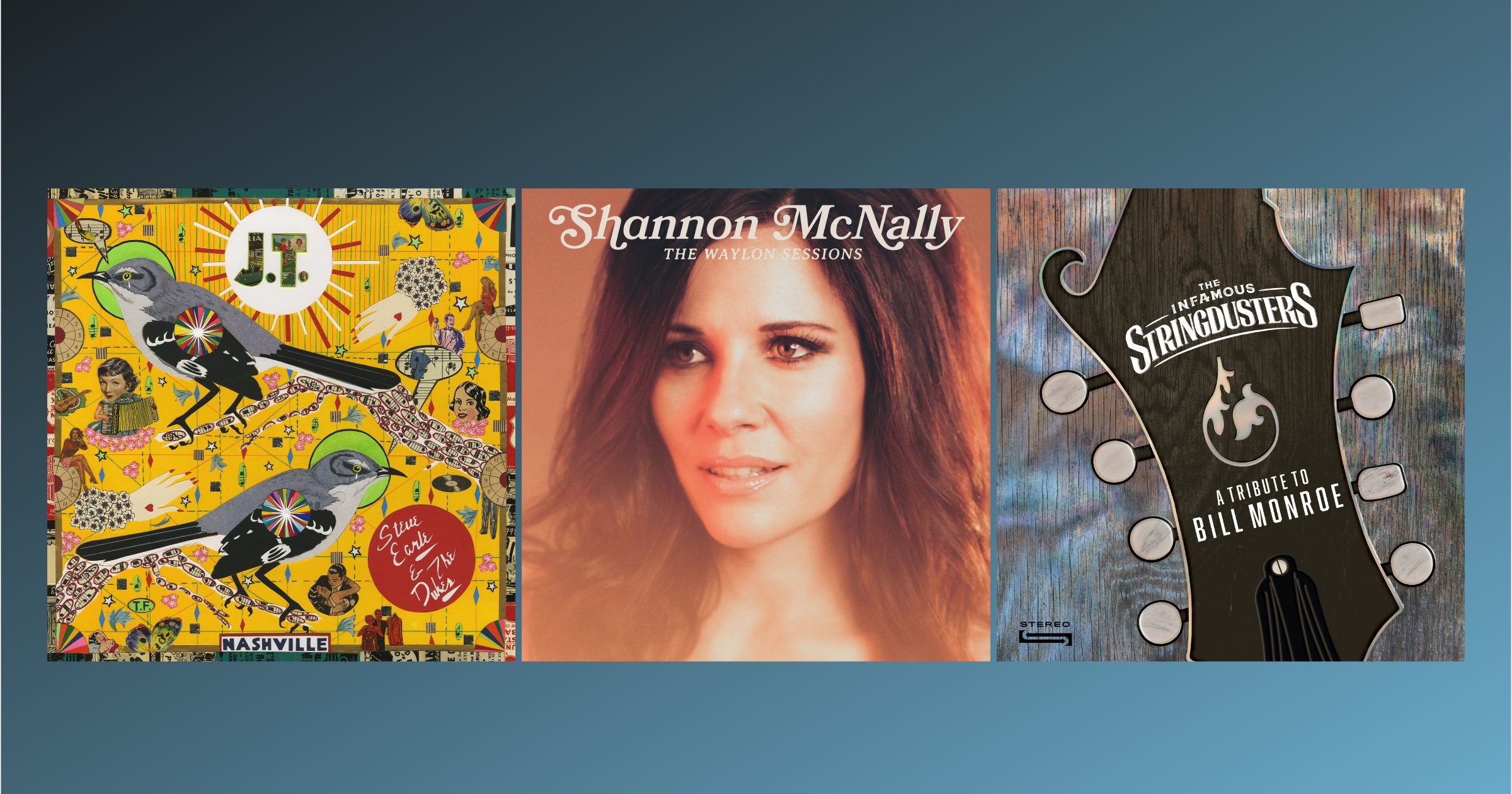
They’ve Got You Covered: 10 Tributes You Need to Hear

2020 was a year of many things – COVID-19, existential elections, the shuttering of the music industry, and on and on – but one common, non-catastrophic throughline of the musical variety was cover songs. Many musicians and artists, finding themselves with more free time than usual and more standard-fare albums and cross-continental tours back-burnered, took the opportunity to explore live records, collaborations, and yes, covers. From Molly Tuttle to Wynonna, livestreams to socially-distanced shows, covers became an unofficial pandemic pastime. 

Now, in 2021, many of these cover projects conceived and created in 2020 have made it to store shelves – digital and otherwise – and we’ve collected ten tributes worth a listen:

Shannon McNally covers Waylon Jennings

It’s fitting that Shannon McNally released The Waylon Sessions on Compass Records, whose headquarters now occupies “Hillbilly Central.” As Tompall Glaser’s former studio, the building helped give rise to country’s outlaw movement and it’s where Waylon himself recorded. With guests like Jessi Colter, Buddy Miller, Rodney Crowell, and Lukas Nelson, the project recontextualizes Waylon Jennings’ material, which is usually associated with hyper-masculine wings of the country scene. As McNally puts it in a press release, “What Waylon Jennings brought to country music is what country music needs right now, and that unapologetic and vulnerable sense of self are what women are tapping into artistically right now as the industry evolves.” 


Steve Earle covers Justin Townes Earle

Many a musical child has covered their parents’ catalogs in retrospect, but it’s rare that we see the reverse. A gorgeous, gutting, and laid-bare album, Steve Earle’s J.T. is a ten-song tribute to his son, Justin Townes Earle, who passed away suddenly in August 2020, shocking the Americana and folk communities. Earle’s signature emotion bristles and crackles throughout the project, giving Justin Townes’ songs an even stronger quality of visceral electricity. Proceeds from the album will go to a trust for Etta St. James Earle, Justin Townes’ daughter and Steve’s granddaughter. 


The Infamous Stringdusters cover Bill Monroe

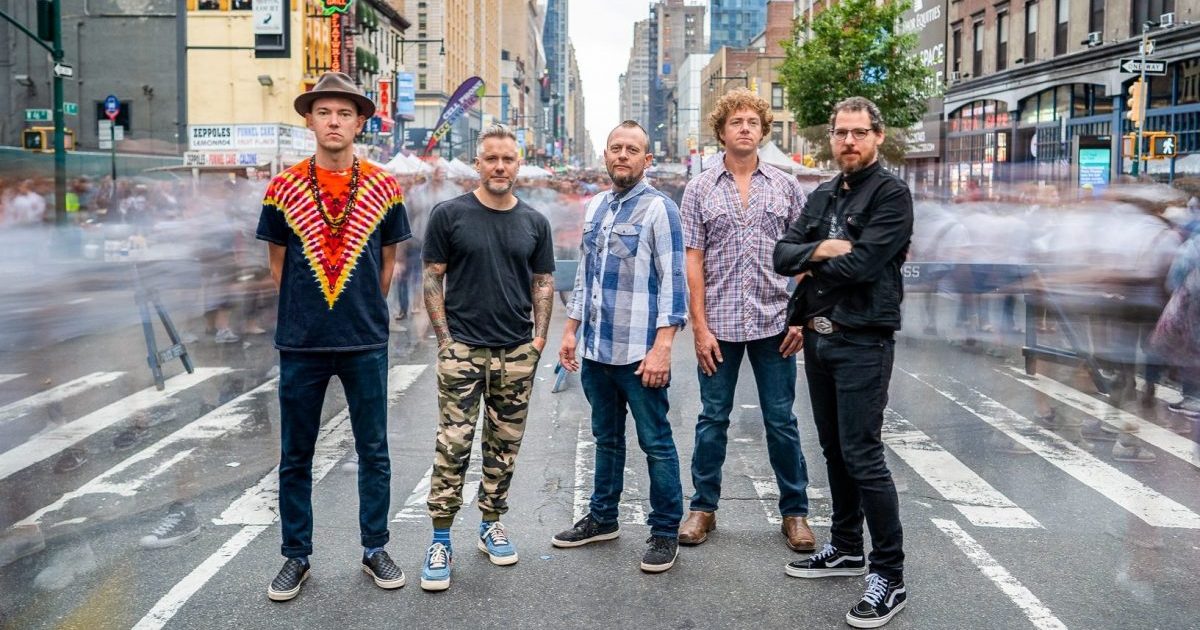
Spread out from North Carolina to Colorado and beyond, the Infamous Stringdusters utilized home recording from their respective studios during the pandemic to accomplish musical creativity their jam-packed schedule hadn’t really allowed in the “before times.” Their brand new EP, A Tribute to Bill Monroe, returns the virtuosic jamgrass outfit to territory familiar to those who first found the group when they were cutting their teeth, striding out from traditional bluegrass into the vast, expansive newgrass-and-jamgrass unknown. The project illustrates that the true strength of this ensemble is found in utilizing traditional bluegrass aesthetics for their own creative purposes. For example, you might listen through the entire record without realizing the Stringdusters made a Bill Monroe tribute album without mandolin!


Mandy Barnett covers Billie Holiday

Mandy Barnett is a cross-genre chameleon; between her talent, her voice’s timeless Americana tinge, and her appetite for classics — from Nashville staples to the American songbook — she often finds herself reaching far beyond Music Row and classic country to R&B, standards, and in her most recent release, Billie Holiday covers. Every Star Above was recorded in 2019, pre-pandemic, and includes ten songs from Holiday’s 1958 Lady in Satin album – songs previously also covered by Frank Sinatra, Dinah Washington, and many, many others. The project feels akin to Linda Ronstadt’s pop and big band forays, never fully detached from Barnett’s country roots, but built atop their solid foundation. In another Ronstadt-esque move, Barnett partnered with recently departed jazz arranger Sammy Nestico; Every Star Above was the award-winning composer’s final project.


Charley Crockett covers James Hand

Country-western crooner Charley Crockett is truly prolific, having released nine full-length albums in the past six years. As the story goes, before his friend, acclaimed Texan singer-songwriter James “Slim” Hand passed away unexpectedly about a year ago, Crockett promised he would record his songs. “Lesson in Depression” captures the sly, winking quality of the best sort of sad-ass country, which isn’t burdened by its own melodrama. While it’s certain Crockett (as Tanya Tucker would put it) would have rather brought Slim his flowers while he was living, there’s a poignancy in how 10 For Slim – Charley Crockett Sings James Hand, like Earle’s J.T., immediately demonstrates how these impactful musical legacies will live on.


Lowland Hum cover Peter Gabriel

Lowland Hum’s album covering Peter Gabriel’s So — which they’ve cutely and aptly entitled So Low — began as a passing joke, but the folk duo of husband-and-wife Daniel and Lauren Goans followed the passion and fun that led them to Gabriel’s hit 1986 release, quickly unspooling the passing whim into inspiration for a full-blown project. “We already loved the iconic record, but in translating Gabriel’s melodies and otherworldly arrangements,” they explain on their website, “we fell even deeper in love with the songs, Gabriel’s voice, and his uncanny ability to fully inhabit both vulnerability and playfulness…” Their “quiet music,” minimalist approach is well suited to the material and the entire project is incredibly listenable, comforting, and subtly envelope-pushing.


Chrissie Hynde covers Bob Dylan

After The Bard released “Murder Most Foul” and “I Contain Multitudes” early in 2020 (and in the pandemic) founder, singer, songwriter, and guitarist for The Pretenders Chrissie Hynde was inspired to once again revisit Dylan’s catalog – a limitless fount of material with which she was already intimately familiar. Her new album, Standing in the Doorway, features nine Dylan tracks recorded with fellow Pretenders guitarist James Walbourne – almost exclusively via text message – and for their coronavirus YouTube video series. Hynde opts for deeper cuts, showcasing her affinity for swaths of Dylan’s career often overlooked by other would-be cover-ers. This classic, “Tomorrow is a Long Time,” feels appropriately sentimental and longing, a perfect encapsulation of the day-to-day of the realities of the pandemic, filtered through a Bob Dylan lens and Hynde’s distinctive voice. 


Various Artists cover John Lilly

John Lilly is a songwriter’s songwriter. Based in West Virginia, his original music has been covered by modern legends like Tim O’Brien, Kathy Mattea, and Tom Paxton. April In Your Eyes: A Tribute to the Songs of John Lilly gathers various artists from the folk, old-time, and bluegrass communities – in West Virginia and otherwise – spotlighting the incredible depth and breadth of Lilly’s catalog. The title track is stunningly rendered by Maya de Vitry and Ethan Jodziewicz, who were connected with Lilly originally through West Virginia’s iconic old-time pickers’ gathering affectionately referred to as “Clifftop.” Paxton, O’Brien, and Mattea all make appearances on the project, as do Brennen Leigh & Noel McKay, Bill Kirchen, and many other members of Lilly’s musical family and inner circle, giving the project an intentional and intimate resonance.


American Aquarium cover ’90s Country Hits

BJ Barham’s American Aquarium dropped a surprise album, Slappers, Bangers, & Certified Twangers: Volume One in May. Featuring ten covers of some of the band’s favorite ‘90s country hits, it’s a dose of all-star-tribute-concert packaged in a pandemic-friendly stay-at-home-form – and available on John Deere Green vinyl, of course. One particularly sad casualty of the coronavirus pandemic has been these sorts of musical nostalgia bombs – when was the last time any of us attended a theme night or tribute show at say, the Basement East in Nashville or Raleigh, NC’s The Brewery? – and Slappers, Bangers, & Certified Twangers has us in the mood to attend the first ‘90s country covers live show possible now that things are finally reopening.


Various Artists cover John Prine

A year without Prine seems far, far too long to travel with such a Prine-shaped hole in our musical hearts. But his presence and legacy certainly still loom large; the Prine family has announced “You Got Gold: Celebrating the Life & Songs of John Prine,” a series of special concerts and events held across various venues in Nashville in October. Oh Boy Records is also planning to release a new tribute record, Broken Hearts and Dirty Windows: Songs of John Prine, Vol. 2, to coincide with You Got Gold. The first two tracks from the project that have already been unveiled feature Sturgill Simpson performing “Paradise” and Brandi Carlile’s rendition of “I Remember Everything,” which you can hear above. Each month until October, the Prine family and Oh Boy will release another song from the project, unveiling special guests who each pay tribute to Prine, his songs, and the enormous vacuum his loss has left in the roots music industry.


LISTEN: Leftover Salmon, “Boogie Grass Band”

Artist: Leftover Salmon
Hometown: Boulder, Colorado
Song: “Boogie Grass Band”
Album: Brand New Good Old Days
Release Date: May 7, 2021
Label: Compass Records

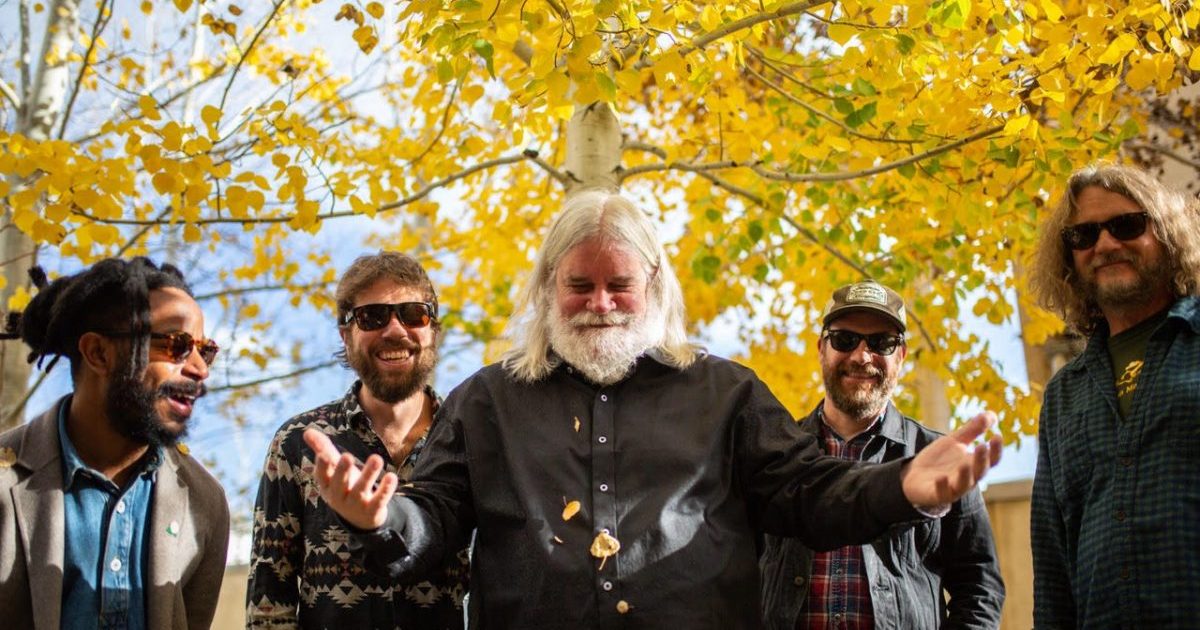
In Their Words: “This old Conway Twitty song was recommended for the band by our friend Ronnie McCoury years ago. It speaks to where we sit on the musical spectrum. We love country, bluegrass and rock music and like to do them all at the same time! This song acknowledges that while taking it taking it in a uniquely Salmon direction.” — Vince Herman, Leftover Salmon


Photo credit: John-Ryan Lockman

The BGS Radio Hour – Episode 204

Welcome to the BGS Radio Hour! Since 2017, the weekly show has been a recap of all the great music, new and old, featured on BGS. This week, we bring you old bluegrass newly recorded by the Infamous Stringdusters, music from our Artist of the Month, Peggy Seeger, and so much more! Remember to check back every Monday for a new episode of the BGS Radio Hour.

The Brother Brothers – “Circles”

Celebrating their upcoming Calla Lily (available April 16), Adam and David Moss of the Brother Brothers joined us on a recent 5+5. We talked John Hartford, writing music for dance, and the inspirations and songwriting techniques behind these two brothers and their new album.

Johnny Chops – “Trouble With the Truth”

Austin-based Johnny Chops brings us a song this week from his upcoming Yours, Mine and the Truth EP. This song pretty much fell out of the sky and onto Chops’ paper in his writing room one morning. The video continues to tell the story of the song, building a dark and bleak vibe through dramatic and abandoned filming locations.

Sinner Friends – “Unforgivable You”

Sinner Friends don’t just sound like vintage bluegrass: they record like it too, down to just a few microphones, no editing, everything done right then and there. Recorded and released by Bigtone Records, the result is on par with those early bluegrass recordings that defined the genre. This week, they bring us a song from their newly released Sinner Friends Miss You (The Quarantine EP). 

Keb’ Mo’ – Yamaha x BGS Artist Session

For 2021’s Folk Alliance International and SXSW conferencesBGS teamed up with Yamaha to film performances from some of the artists we’re most excited about. Our first segment is from none other than Keb’ Mo’, playing a Yamaha FGX5 – modeled after the vintage FG180, Keb’s first guitar which he unfortunately lost in the Nashville flood of 2010. Aren’t we all just waiting on the medicine man these days? Keb’ performs two songs for us, “Every Morning” and “The Action.”

The Gina Furtado Project – “Kansas City Railroad Blues”

Gina Furtado brings us the “magic fire” of the banjo on this new single, finding the sound that first made her fall in love with the instrument. It’s the latest single in an exciting and excellent batch from Furtado and Mountain Home Music Company, produced by banjo phenom Kristin Scott Benson, and accompanied by Drew Matulich, Wayne Benson, and siblings Malia and Lu Furtado.

Ervin Stellar – “Nothing to Prove”

From Grand Rapids, Michigan, Ervin Stellars joined us on a 5+5 last week – that is, 5 questions, 5 songs. We talked everything from Wes Anderson and the Coen Brothers to waves and mountains. And let’s not forget his new album, Nothing to Prove.

Mimi Naja – “All You Know of Me”

Known for her work with Fruition, Mimi Naja recently dropped Nothing Has Changed, her first solo release since 2014. We caught up with Naja to talk about songwriting, inspirations, and a dream meal pairing of Thai with Khruangbin.

Peggy Seeger – “The Invisible Woman”

Peggy Seeger is our Artist of the Month for April here at BGS! Her just-released First Farewell is a goodbye to recording and the road, but she is not leaving that lineage behind. Coming from a musical family including the likes of Pete and Mike Seeger, the traditional continues, as Seeger enlists her sons Neill and Callum MacColl on the new album. Stay tuned all month long where we’ll be featuring Peggy Seeger!

The Alex Leach Band – “The Turntable”

Alex Leach has been adored by the Eastern Tennessee bluegrass community since he first started appearing at the WDVX radio station in Knoxville as a small child. Through the years, he’s played with Ralph Stanley, hosts a weekly show on WDVX, and now has his newest endeavor, The Alex Leach Band, who just released their latest album (produced by Jim Lauderdale), I’m the Happiest When I’m Moving. 

Acoustic Syndicate – “Sunny”

Acoustic Syndicate has been making music in Western North Carolina’s jamband scene for over two decades, but their latest studio endeavor is the first in seven years. “Sunny” is a promising first release with Organic Records, the band joined by Brian Felix on piano and Lyndsay Pruett on violin.

Elizabeth King – “Living in the Last Days”

Memphis-based Elizabeth King brings us this deeply thought number this week from her latest album of the same title. “Living in the Last Days” is about the trouble that so casually surrounds our current days, and King sings about it with a lot of conviction. The song should inspire us all to look a little more closely at what surrounds us, and what we can do to make this world a better place for all.

Bobby Osborne – “White Line Fever”

“White Line Fever” was a hit for Merle Haggard in the 60s, but had never been cut as a bluegrass song. That is, until Alison Brown and Bobby Osborne got a hold of it. One thing leading to another, and Jeff Tweedy wrote a second verse about Bobby (being the voice of Rocky Top) and his 60 years on the road as a musician. Mixing all of this with some A-list bluegrass musicians like Sierra Hull and Stuart Duncan, well… this is the result! As Brown says, “it was hard to believe the song hadn’t been a bluegrass standard all along.”

Cha Wa – “My People”

Joseph Boudreaux Jr, vocalist for Cha Wa, teaches us about ‘ancestral recall’ with this song, a phenomenon where people consciously or subconsciously draw on the experiences and lives of their ancestors to perpetuate a certain lifestyle or culture. “‘My People’ reminds us that no matter who you are — rich or poor, big or small — we’re all in this together as humans,” Boudreaux told BGS. “Cause one day we gon’ all be in the same boat.”


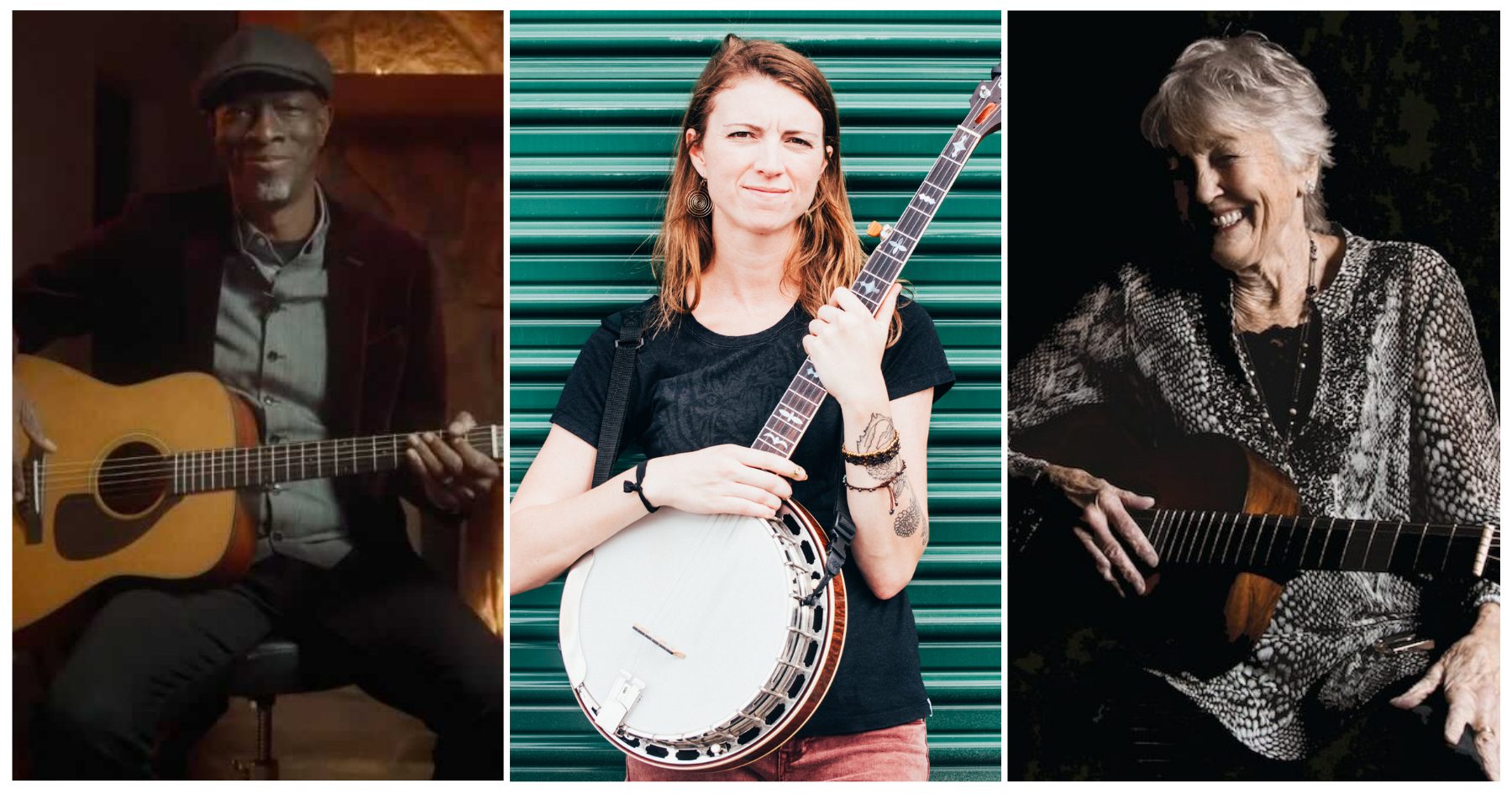
Photos: (L to R) Keb’ Mo’; Gina Furtado by Sandlin Gaither; Peggy Seeger by Vicki Sharp

WATCH: Billy Strings and Sierra Hull Cover Post Malone’s “Circles”

In the wake of his 2020 Streaming Strings tour, Billy Strings shared clips from the tour’s various performance nights across multiple Nashville venues. This particular release is a special one, as Sierra Hull joined Billy and the band for a feature at the Brooklyn Bowl. The song? Bluegrass staple, “Circles” by Post Malone. Or at least they make it seem as if “Circles” was always a bluegrass tune.

In this cooler-than-life cover, Strings sees beyond the gap that divides bluegrass and pop music, connecting his affinity for the spacey to Post Malone’s contemplative vibe. On paper, it seems like a very unusual comparison, but a deeper look might reveal that the mood of Malone’s recording of “Circles” is similar in many ways to the moods of “While I’m Waiting Here” or “Away from the Mire” by Strings. With Malone’s recent country covers going semi-viral (plus rumors of a country double album and social media evidence of a developing friendship between him and Strings), the combination actually makes a lot of sense – besides just being damn cool.

In concert, Billy, his band, and Sierra Hull are able to pull “Circles” off with conviction.


Photo credits: Billy Strings by Emma Delevante; Sierra Hull by Gina Binkley.

LISTEN: The Infamous Stringdusters, “My Sweet Blue Eyed Darling”

Artist: The Infamous Stringdusters
Hometown: Denver, Colorado; Brevard, North Carolina; Sayville, New York
Song: “My Sweet Blue Eyed Darling”
Album: A Tribute to Bill Monroe
Release Date: May 28, 2021
Label: Americana Vibes

In Their Words: “During the great pause of 2020, the only way to make music as the Stringdusters was to record remotely, since we’re all scattered around the country. We recently launched our label Americana Vibes, which has been a great vehicle for us to release all of our recorded music (Stringdusters and solo albums), as well as other artists we dig. One of the projects we thought would be fun to record was some OG bluegrass, so of course we turned to Bill Monroe. Without him, there would certainly be no Stringdusters. We each picked some of our favorites, including this one, ‘My Sweet Blue Eyed Darling,’ recorded our parts at home, and I mixed the record in my studio on Long Island to honor the Father of Bluegrass, Bill Monroe.” — Andy Falco, The Infamous Stringdusters


Photo credit: Jay Strausser

Banjo Innovator Danny Barnes Lands a Grammy Nomination With ‘Man on Fire’

The spring is often the peak time for artists to drop a new release — the festival season is just warming up, and a new album can bring about immense plans for an exciting year on the road. But for many road warriors like Danny Barnes, who released a new album in March 2020, release tours were turned upside down by the pandemic. Fortunately, in his true spirit, Barnes has managed to stay as creative as ever.

Man on Fire is Barnes’ 10th major solo release, not to mention his ‘barnyard electronic’ Bandcamp work, and an extensive collaborative discography including the likes of Bad Livers and David Grisman’s Dawg Trio. Though he often utilizes taste over flash, Barnes has been long recognized among the top banjo players — for example, he was the 2015 recipient of the Steve Martin Prize for Excellence in Banjo and Bluegrass. The new record, though released during an unprecedented time, garnered a Grammy nomination for Best Bluegrass Album.

BGS caught up with Barnes to talk about recording Man on Fire, how he’s filled his time during the pandemic at home in Washington, and his major creative methods, from finding the right collaborators to populating his songs with characters who will surprise you.

BGS: With the release of Man on Fire last March, how have you managed to best stay creative during the pandemic?

Barnes: One great thing is not spending so much time in transit. I was flying three weekends a month for decades, really. The amount of time I spent in a hotel, rental car, or airplane was astronomical. So when you pull all that out of the equation, I can just make stuff like crazy. I’ve been writing a bunch of songs, studying music like crazy, studying art, I just make things like crazy. I have a lot of ideas, you know.

I’ve heard you talk about using the banjo as a pencil. Can you explain that idea, and how it informs your creative process?

If you’re trying to play an instrument, say if you take up the saxophone or something like that, you spend a lot of years just chasing the instrument. I’m in my 50th year of playing [the banjo], and after a few years of working on it, it sort of gets where you can go the other way with it, where you’re expressing things through it. It’s like a different operating system; typically it takes a lot of years to get that familiarity with something. Over time, you develop this atomic understanding of things, a really good objective look, you know. I use the banjo to get ideas out. 

There’s so much music in the banjo itself that’s untapped… In the traditional styles it has a certain role, like the shortstop on the baseball team. There’s a lot of guys like John Hartford that pointed the way before me. My experience was, I spent a lot of years just trying to wrench something out of it. With a pencil too, it’s a really simple thing, but you can do incredibly complex things with it. Similar to a 5-string banjo, it’s real simple in a certain way. Spending time figuring out how to play the banjo gives you a way of putting energy out the other way. 

You’ve done a lot of collaborating with folks throughout the years. Can you tell me about some of the friendships that went into Man on Fire?

A lot of those guys I’ve known for a long time. I guess I met Bill [Frisell] right when I first got up [to the Pacific Northwest], I met Dave [Matthews] shortly after that, and I’ve known John Paul Jones since around there too as a matter of fact, early 2000s. I’d never met Geoff [Stanfield], who produced the record. I was talking about making a record and Dave suggested Geoff, who’s a friend of his. He’s a Seattle guy, so I could work here, I wouldn’t have to fly to L.A. or something like that. 

I’m really blessed to have really close friends that care about me, and are super-elevated in the art where they really have another way of looking at things. It’s been a real honor to be able to work with those guys, I’ll tell you that. It’s tough when you’re in the music world, because everybody is involved in it. There are certain subjects that people just in general don’t have opinions about, say for instance like microscopes or something. Music though, people are so used to manning the ship as it were. I’m talking about the audience, people that would potentially listen. So you’ve really gotta think about how you want to stage things and get things out.

The trick about music is that it’s tough to get really really good opinions about stuff. Sometimes guys will make criticisms about stuff just because they want to work on it, you know what I mean? So you still don’t know anything. There’s a lot of ego. What I’ve found is that you have people that know you really well — I’ve been really blessed to work with a lot of what I call true masters of music, guys who are super elevated in my field. Those guys, when they have something to say, you can really count on it. Especially if they love you and care about you. If you know them and their kids, you know… it’s relationships. It’s not like you met them at Folk Alliance or somewhere and you’re just gonna make a record with this guy. 

You have one of the most unique songwriting styles, between the vastness of your characters from beautiful love songs (“Fun” off of Rocket) and angry men mad at the world (“Bone” from Pizza Box). What is your inspiration behind creating the characters and stories surrounding them?

It’s really like being a poet or something like that. I feel like there’s something that happens to you, I’m not trying to brag on myself, but when you put out a lot of records over the years, there’s a place where you kind of meet yourself. And you go, “Oh, there I am, this is what I do.” If I wanna deviate from this, I now have something to deviate from. I figured out from my poetry that it’s sort of this southern outsider art, like art brut, the French saying for raw art. Kinda like Reverend Howard Finster, Flannery O’Connor, Walker Percy, sort of southern gothic, bleak but funny at the same time. And that’s who populates a lot of my little movies. I find it fascinating, when you can make all these characters, and they can do all of these things and have all these experiences.

The video for “Hey Man” is one of my favorite pieces from the new album. What was your inspiration behind that song, as well as creating the video?

I got this idea from a friend of mine, who went out to his garage, whipped the door open, and there was a dude living in his garage. I just use stuff like that for songs. I thought about telling the story from the homeless guy’s view, and he’s trying to explain why he’s in there as he’s getting all his stuff and getting out of there. Like on that show Cops, they’re stuffing a guy in a car and he’s trying to explain how he got into this situation, and no one is really listening. 

David (Dave Matthews) really liked that song, and he’s got this guy Fenton, his lighting guy, who’s really smart about imagery, along with a couple dudes from the DMB crew who are really into editing. We storyboarded the whole thing, shot it in a couple of days over in Seattle. We put a lot of work and time into it. I’m really proud of it. I’ve never been able to do a budgeted video before. It was a real honor to get that out. 

Any major plans you’re looking forward to when things resume?

I’m always doing stuff with David Grisman. He and I have a record that we put out a year or so ago, and a whole new record written, just waiting for a good time to record it. The Bad Livers, we’re kinda working on a record. I’m working on this music for tuba and banjo, kind want to make a record build around that. I’ve been writing a bunch of music for the 12-string guitar. I kinda want to make another ambient record. I’ve always got a lot of ideas.


Photo by Sarah Cass

The String Cheese Incident Salute Tony Rice on This ‘Manzanita’ Favorite

The amount of love and respect that has poured out of the music community around the country and the globe for the loss of Tony Rice has been breathtaking to say the least. The breadth of Rice’s legacy cannot be understated as he pioneered not only the guitar’s role in a bluegrass band, but also created a new sound previously unexplored by acoustic musicians. A seminal flatpicker, his touch, timing, and taste are unmatched to this day, and there’s the separate matter of his beautifully rich voice. Here at BGS, we’ve shared Tony Rice memories and stories from the likes of Ricky Skaggs, Todd Phillips & Robbie Fulks, Sam Bush, Jerry Douglas, and David Grisman, and many others.

The latest contributors to our collective debt of gratitude to Tony is the String Cheese Incident, collaborating virtually to cover “Old Train,” the lead track on what many consider his magnum opus, Manzanita. The String Cheese Incident is known for being a genre-bending group, but founding member Bill Nershi had this to say about their bluegrass roots and Rice’s artistry: “Tony Rice’s guitar playing shaped a generation of musicians. His impeccable tone, taste, and timing were unmatched and highly regarded by players and listeners alike. We are very fortunate to have so many great recordings of his life’s work. If you haven’t had the pleasure of hearing him perform, check out The Tony Rice Unit and David Grisman Quintet albums. I recommend you start with Manzanita. We’ll never forget you, Tony!”

Watch the String Cheese Incident perform “Old Train:”


Photo credit: Scott McCormick

Bluegrass is Trance (And Old-Time, Too)

Bluegrass is trance. Old-time, too. 

With a slightly more zoomed out perspective, this fact comes into focus pretty quickly. American roots music and its precursors, especially their string band forms, have been interwoven with dance for eons. Before the advent of recorded music, when the popular musics of the day could often only be consumed by upper classes, dancing and other social group activities were the center places music inhabited. Before radio shaved popular music down into bite-sized, three-minute chunks, the tunes would last as long as necessary to provide a backdrop for a reel, a hornpipe, or a square dance, extending fiddle tunes into ten- to twenty-minute, cyclical, musical meditations. “Turkey in the Straw” as mantra, “Chicken Reel” as a slightly wonky, onomatopoeic sound bed.

Detached from dance, it’s easy to forget that string band music has been designed with trance embedded within its structures. Chris Pandolfi is a banjo player who’s explored quite a bit in trance and trance-adjacent music with the Infamous Stringdusters, a seminal jamgrass band with a level of bluegrass’s technical virtuosity that’s unmatched in all but a select few ensembles in a similar vein. Pandolfi’s new record, Trance Banjo, which was released under his solo stage name, Trad Plus, moves further and further beyond American roots aesthetics, cementing the banjo and its musical vernacular within trance – the electronica variety as well as the age-old, human kind.

Trance Banjo, and tracks such as “Wallfacer” — whose trippy visualizer music video almost cements this article’s central argument — recalls albums by Scott Vestal, or live shows by post-metal shredders like Billy Strings, or experimental, avant garde compositions by cattywompus flattop mashers like Stash Wyslouch. It’s not just a simple coincidence that so many players from bluegrass and old-time backgrounds find themselves dabbling with trance.

John Mailander, a fiddler who’s toured with Molly Tuttle and Bruce Hornsby and has been hired as a side-musician with many a jamgrass-leaning band, is comfortably uncomfortable in a very similar musical realm as Trance Banjo. On an EP of sketches and improvisations released last summer (from the same sessions and experimentations that became his upcoming album, Forecast) Mailander and his bluegrass-veteran backing band play with trance centered on sparseness, vacancy, and negative space in a way that’s engaging and baffling, both. Mailander’s rubric of vulnerable, emotive, and transparent expression as a foundation for improv is key here.

That personal touch, the personality endemic in these trance experimentations, is certainly what makes them most compelling and it must be, at least in part, what ties these songs to the centuries-old tradition of music as meditation. Rhiannon Giddens and Francesco Turrisi make more than just a musical brand of showcasing their personalities and identities in the music they create, it’s more like a mission statement. Giddens has an incredible aptitude for writing and composing music based on empathy and human connection and Turrisi holds expansive knowledge of world folk music and percussion.

Their compositions and collaborations illustrate that, when we connect our music to dance, percussion, and trance, we’re connecting it to thousands and thousands of years of history — of humans of all ethnicities, cultures, backgrounds, and identities, gathering, connecting, sharing, and loving through music, dance, and trance. On stage, Turrisi and Giddens deliberately connect these dots as well, utilizing stage banter to educate their audiences about these exact connections.

While old-time has held onto its penchant for movement and choreography through the generations, bluegrass continues to grow distant from this and many of the other cultural phenomena that gave rise to it. Trance Banjo, and projects like it, while they seem to gleefully run away from what we perceive as “traditional” aspects of these genres, are in many ways guiding us right back to the very folkways that birthed them. 


Photo credit: Chris Pandolfi by Chris Pandolfi

LISTEN: Jon Stickley Trio, “Future Ghost”

Artist: Jon Stickley Trio
Hometown: Asheville, North Carolina
Song: “Future Ghost”
Release Date: February 5, 2021
Label: Organic Records

In Their Words: “‘Future Ghost’ was written during the beginning of the pandemic, shortly after finding out I was going to be a father. I was having so many conflicting feelings, and a little difficulty sorting them all out. I ended up thinking a lot about the cycle of life and how impermanent everything is. At one point I thought I saw a ghost in the hallway, and it looked like me. Somehow, the idea that I could someday be a ghost, haunting this house, gave me a great sense of comfort and motivation to make the most of my time. This song ended up really capturing that energy.” — Jon Stickley


Photo credit: Sandlin Gaither